Latest

Severe lack of good form

Hello.  Yes, those of you who follow my outdoor antics (all 5, yes, it’s going up – it’s possible to subscribe to emails via the link on the right (Mum!).  An email will only be sent when I post something i.e. not that often, and then in bursts…) will know that I’m not very good at blogging in real time.  My entries tend to get added to the site in a retrospective fashion.  Alas, such is the nature of the beast.  If I’m going to spend all my time working outdoors, in remote locations, then I can hardly expect to have access to the world wide web on a daily basis.

Tomorrow I start a new assignment on the lovely Dartmoor.  I will, once again, be out of reach of modern digital communications for much of the time.  I’m looking forward to it, it’s something of a fillip to be able to see people whilst communicating with them, rather than spending time trying to work out how to insert sarcasm into text.

Anyway, I’ve not finished adding all my Cornwall entries, even though I’ve been staying in a house (!) for a few days, which I’m pretty disappointed about.  I’ll do it when I get a chance.  The latest news of the lovely Whitebrown and Brownblue, is that they have three beautiful boys, who are, apparently, thinking very hard about leaving the nest.  News will be posted here when it happens.

I could be away on Dartmoor for up to eight weeks, during which time blogging will fall to the bottom of the list of priorities.  But, there’s so much to look forward to.  I am going to stay at RSPB Abernethy over the winter, and I’ve a couple of TFL weeks lined up this Autumn.  I have more photos from Cornwall to add, and will, no doubt, see some good stuff on Dartmoor.  In the mean time you could read the ramblings of the fabulous Rob Pedley, or the really delightful Heather and Stuart, on their way to New Zealand.

Any comments always welcome, especially where I’ve not been able to, or have miss-identified something.

Cornwall – the South West coastal path

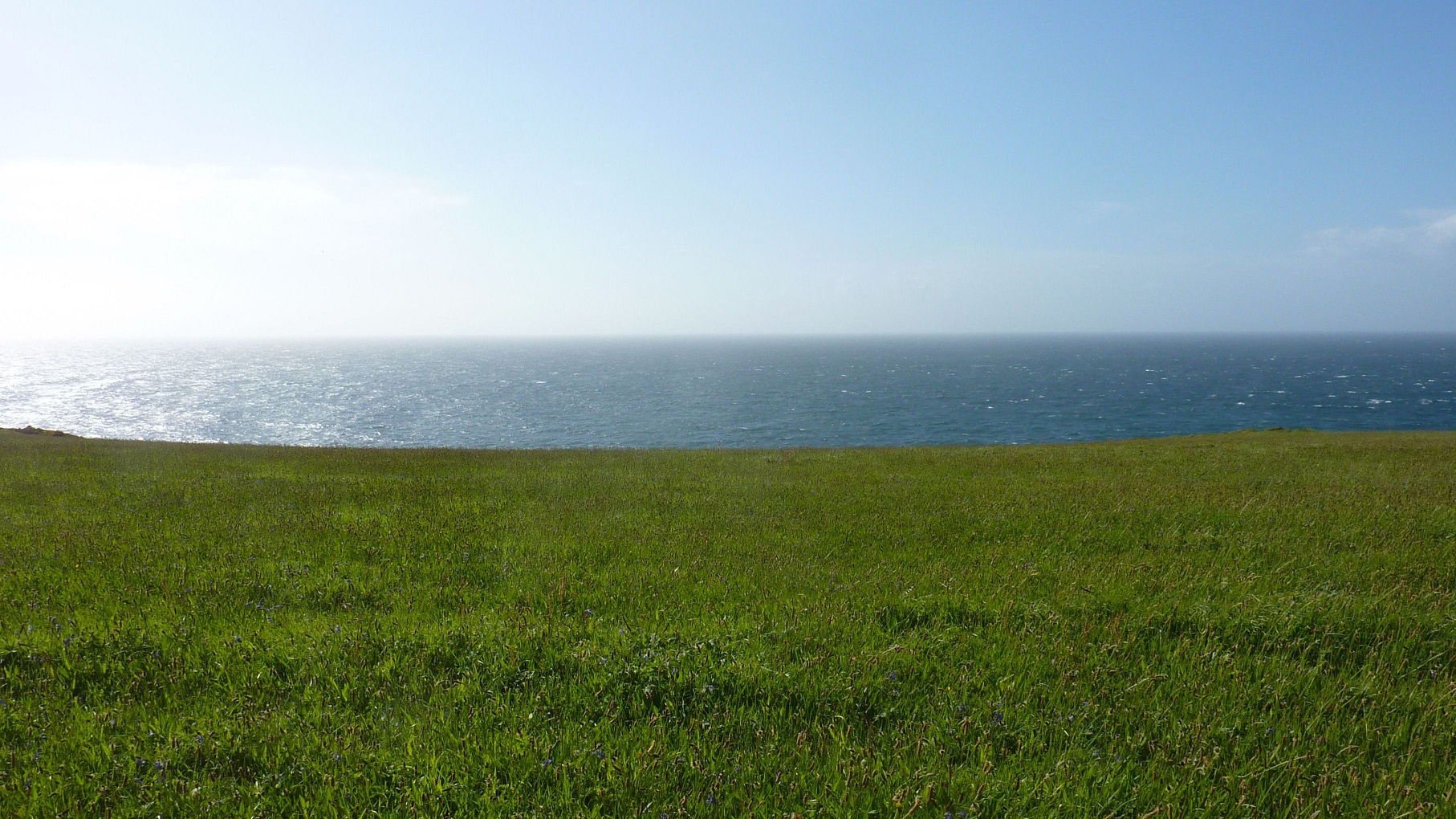
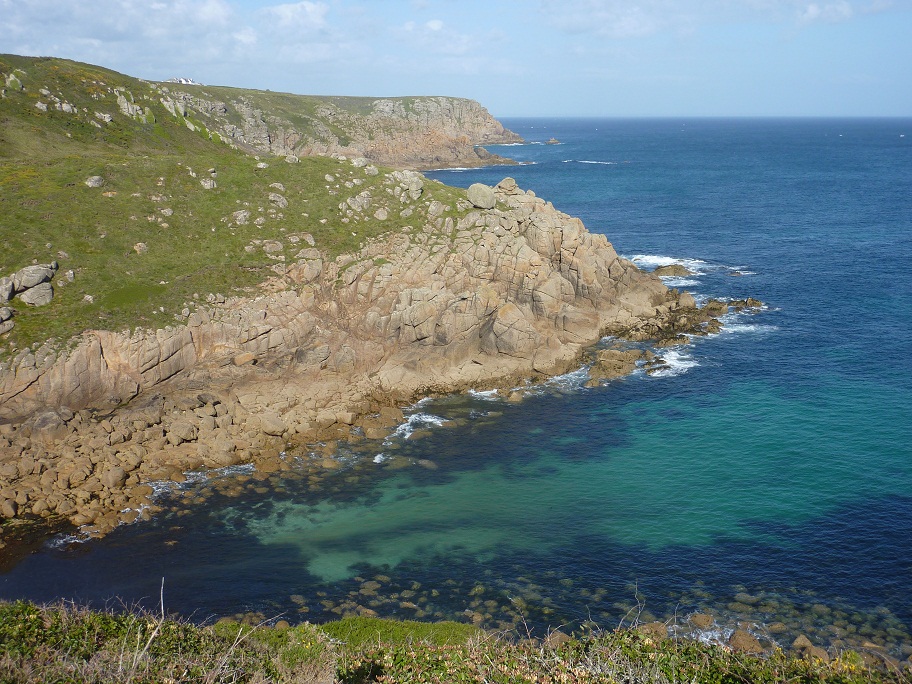
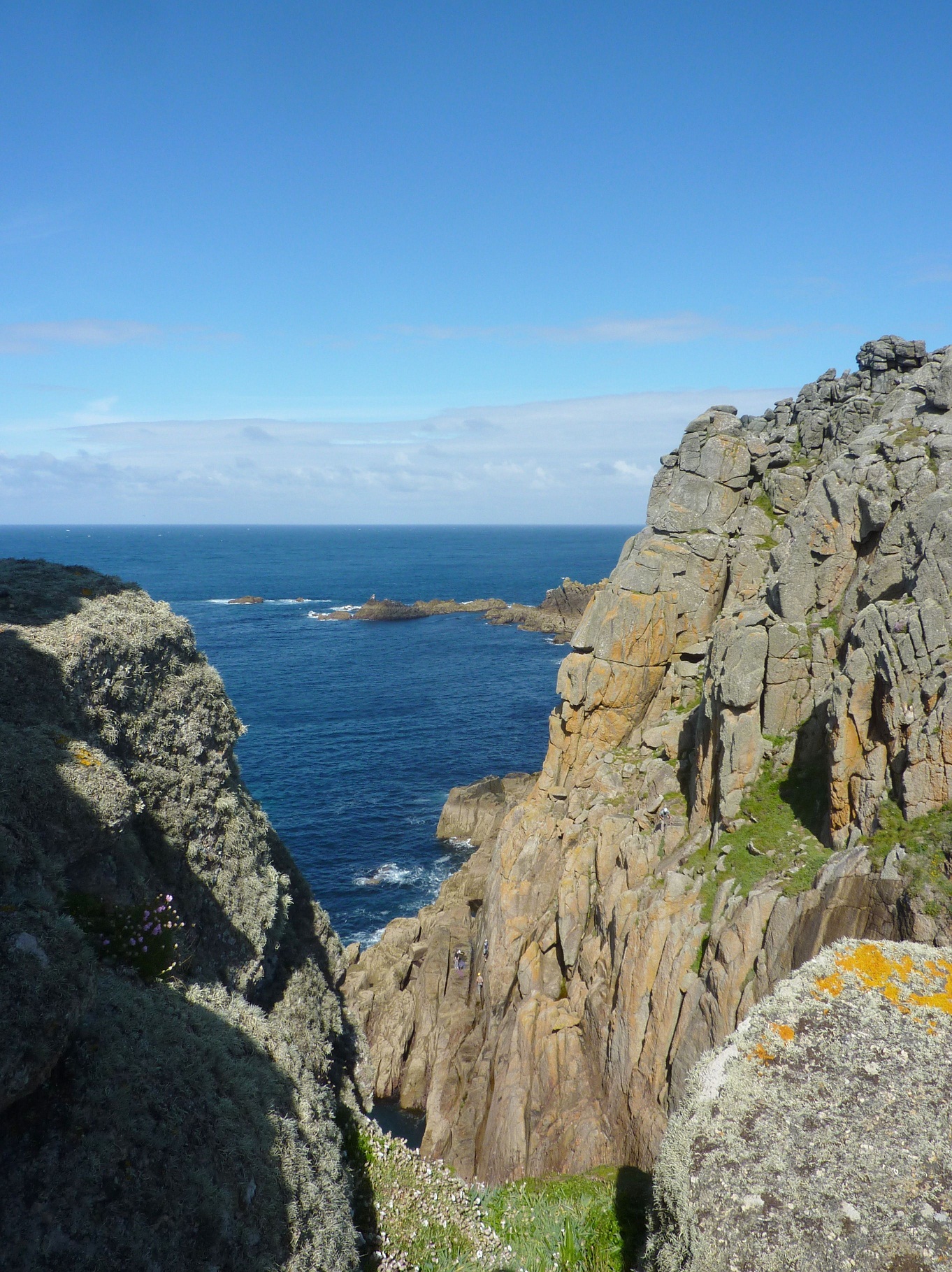
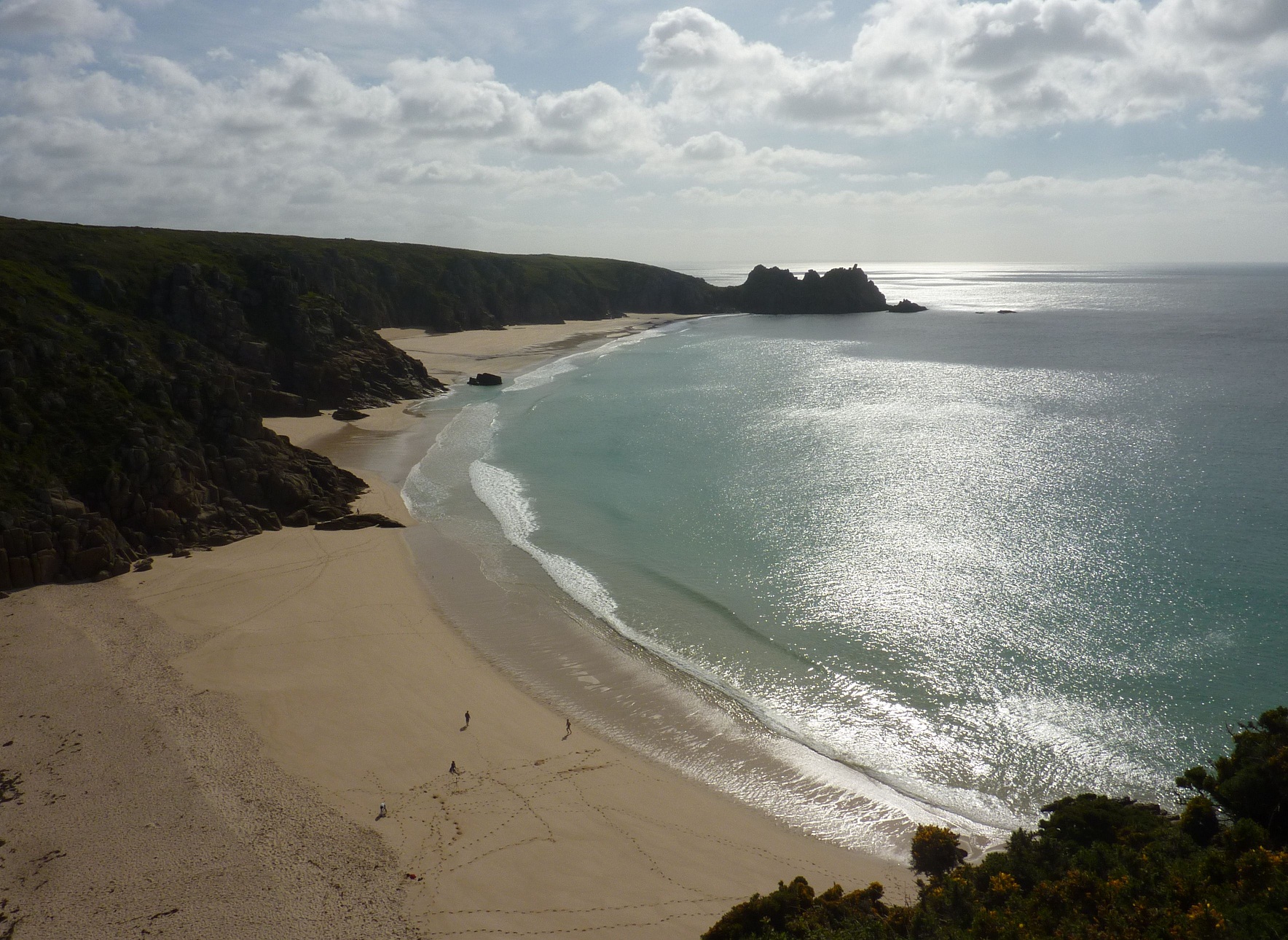
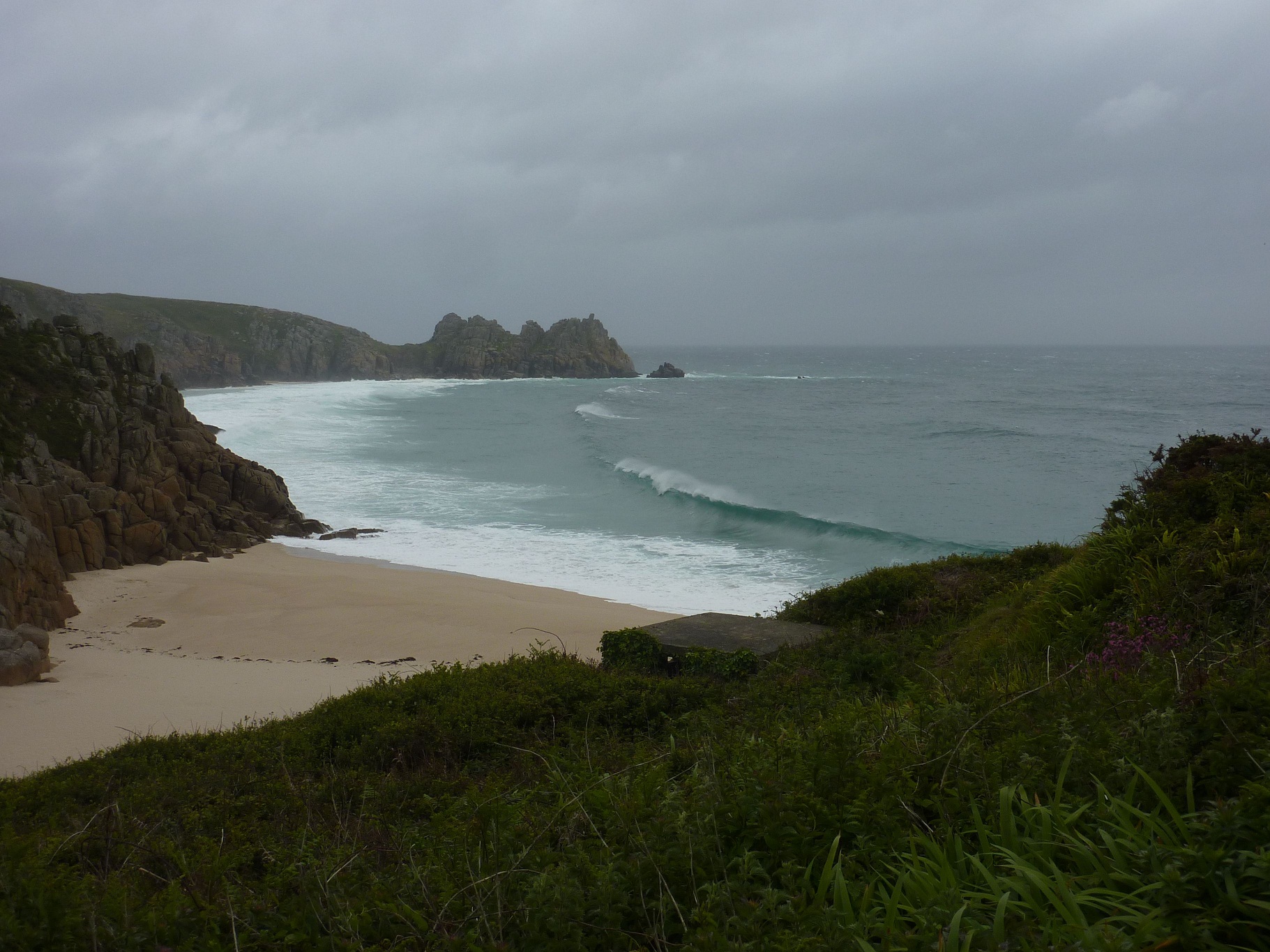
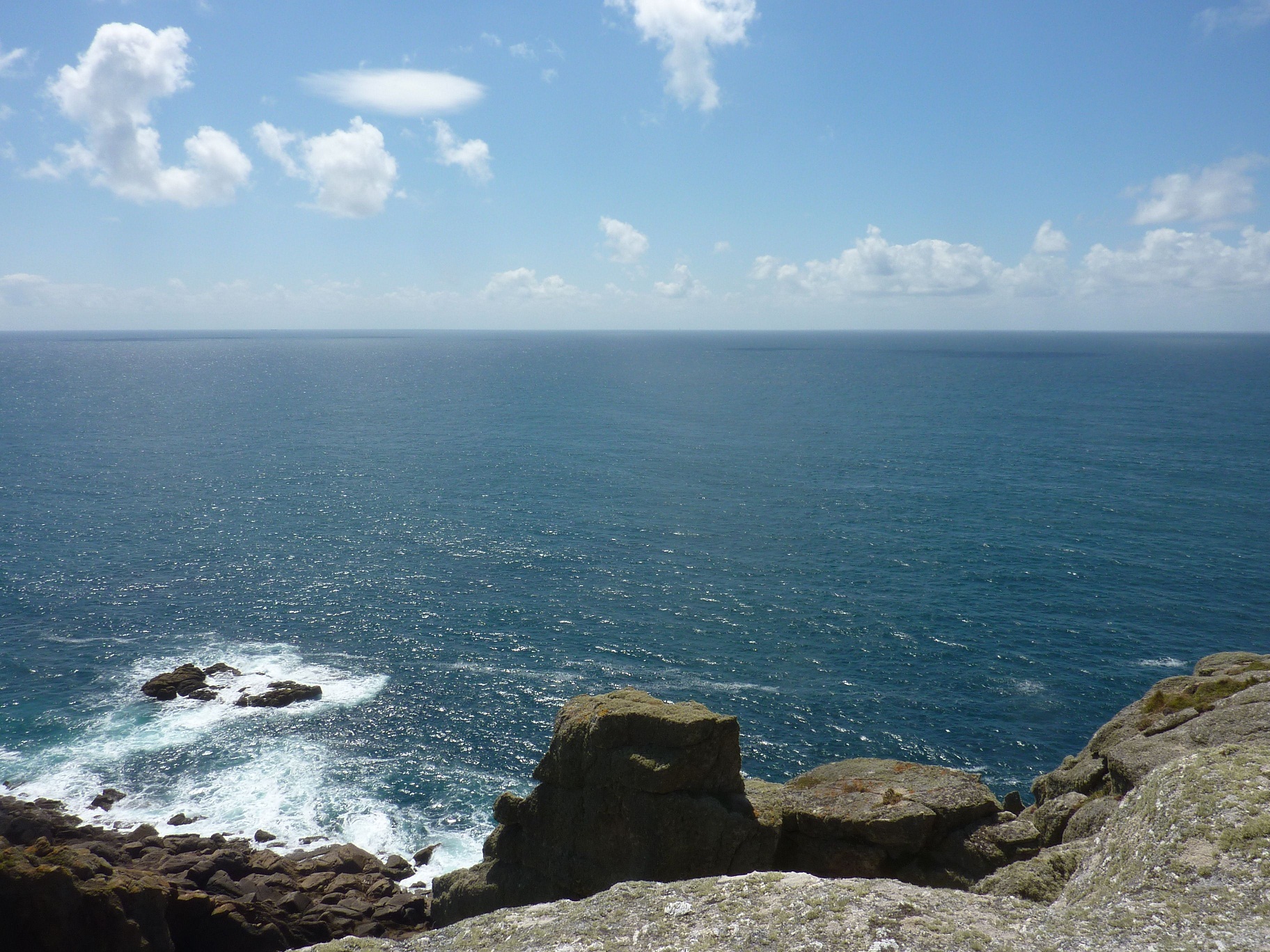
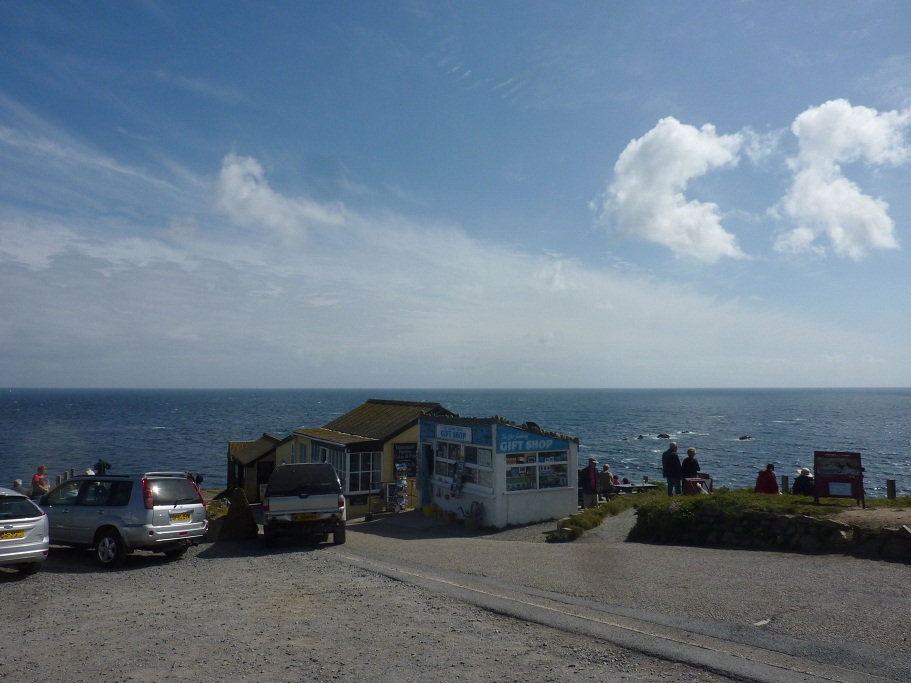
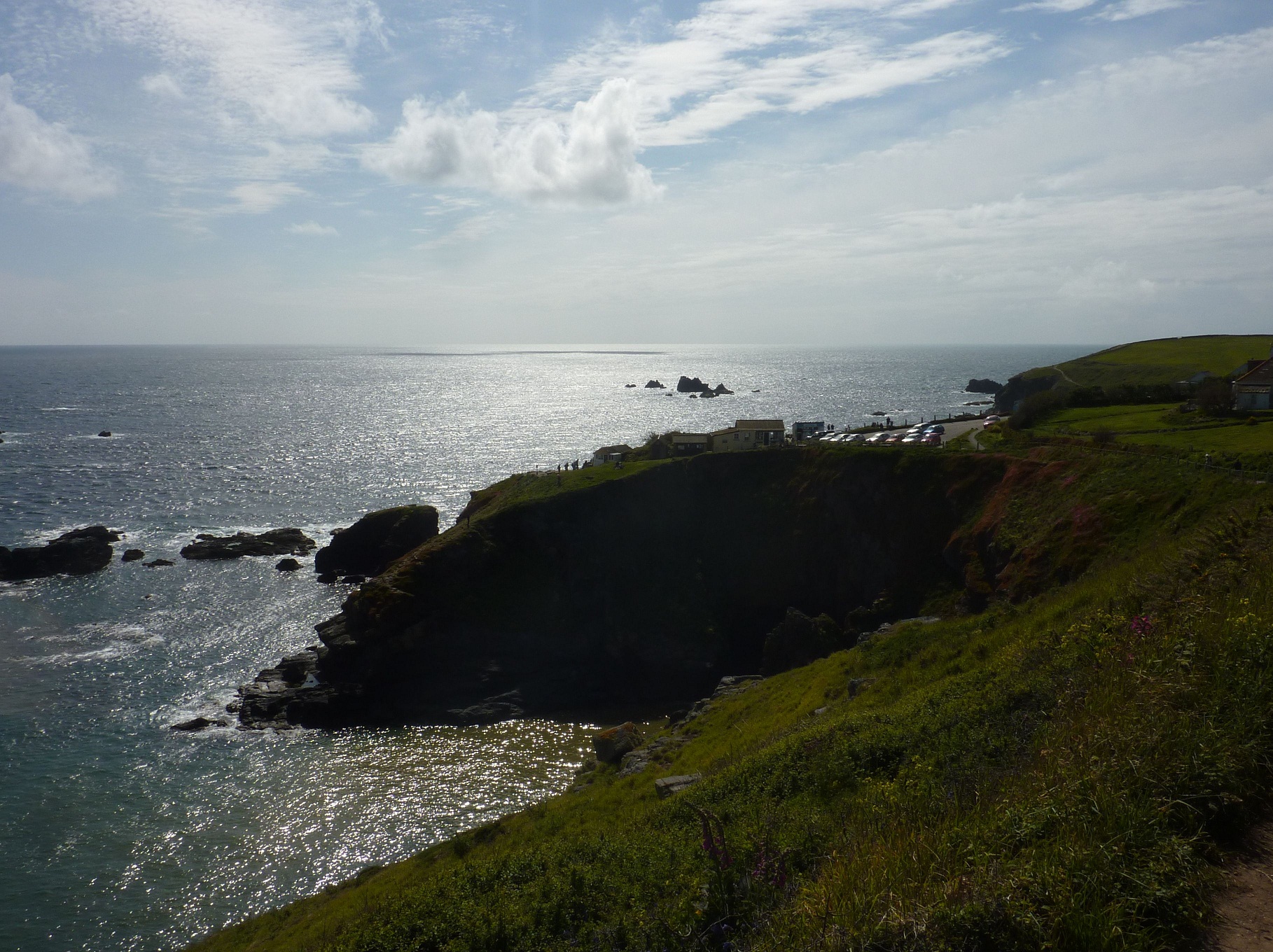
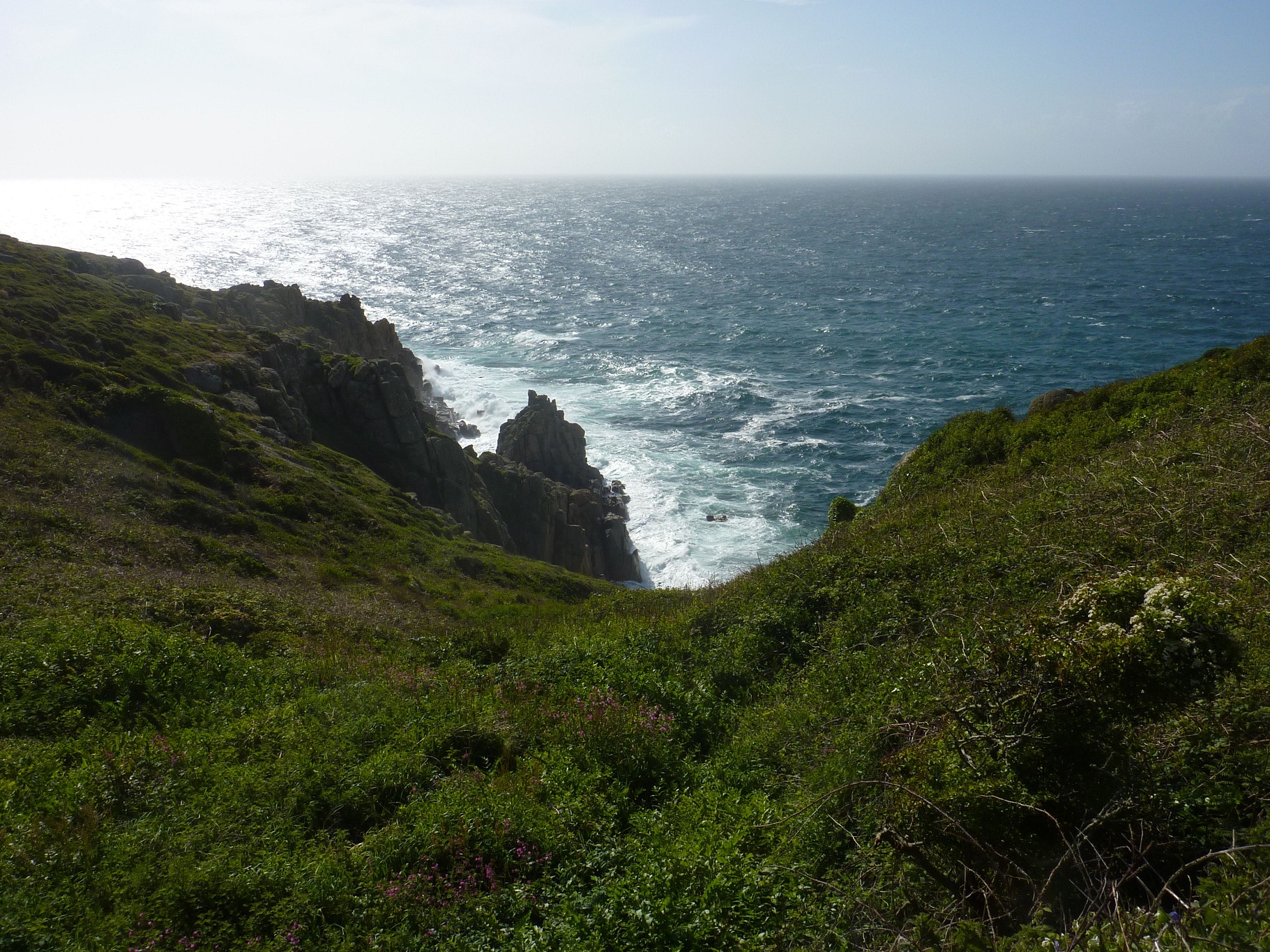
During the last couple of months I’ve had the opportunity to spend a great deal of time walking the coastal path between Penberth and Land’s End.  As well as all the wildlife that I’ve already documented I’ve been blessed with having to look out over the equivalent of landscape (and seascape) eye candy every day.

I’ve tried to capture some of the best moments, but this is all I have to offer…

Some pics from my last two days on the Cornwall coast

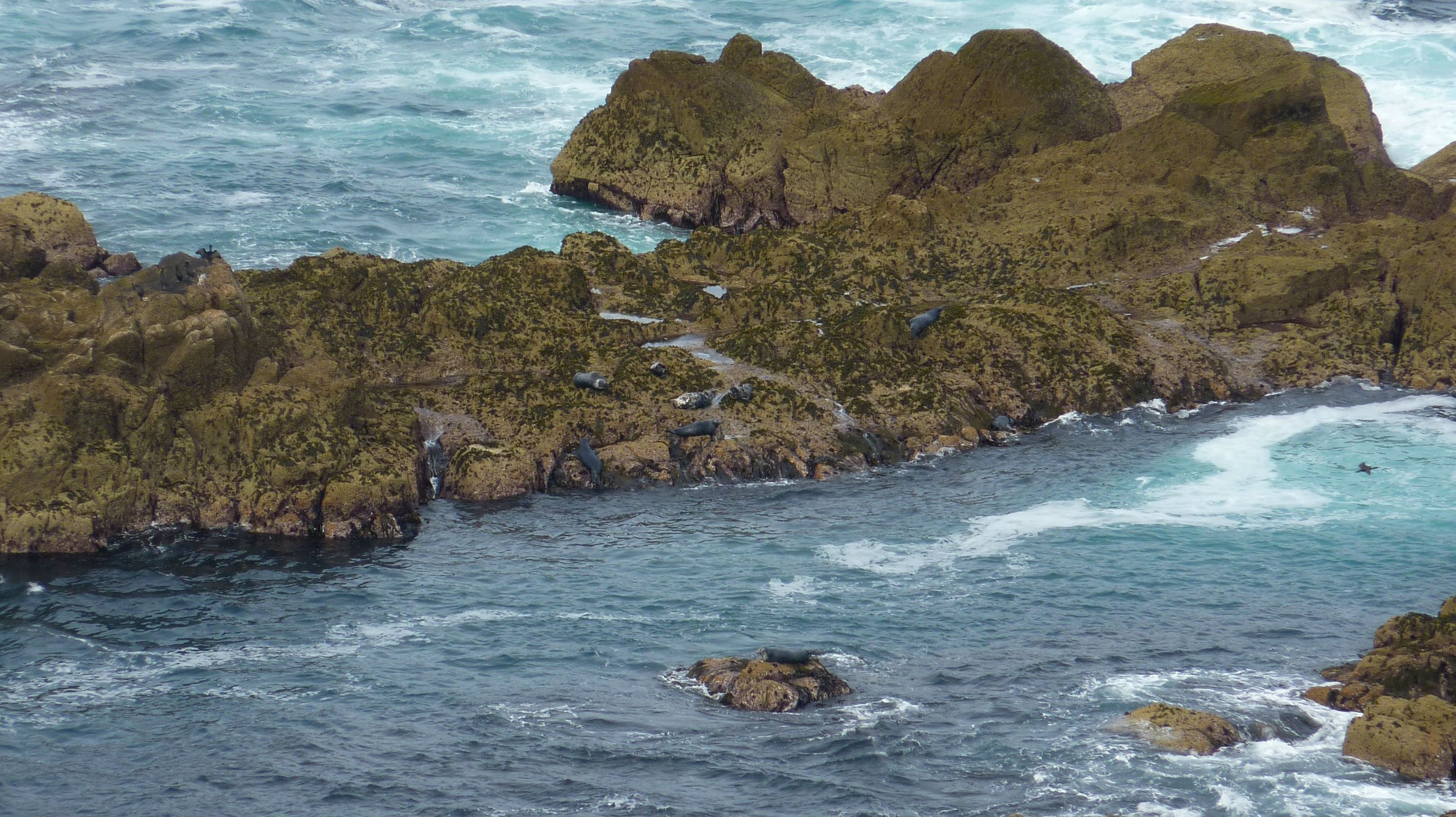
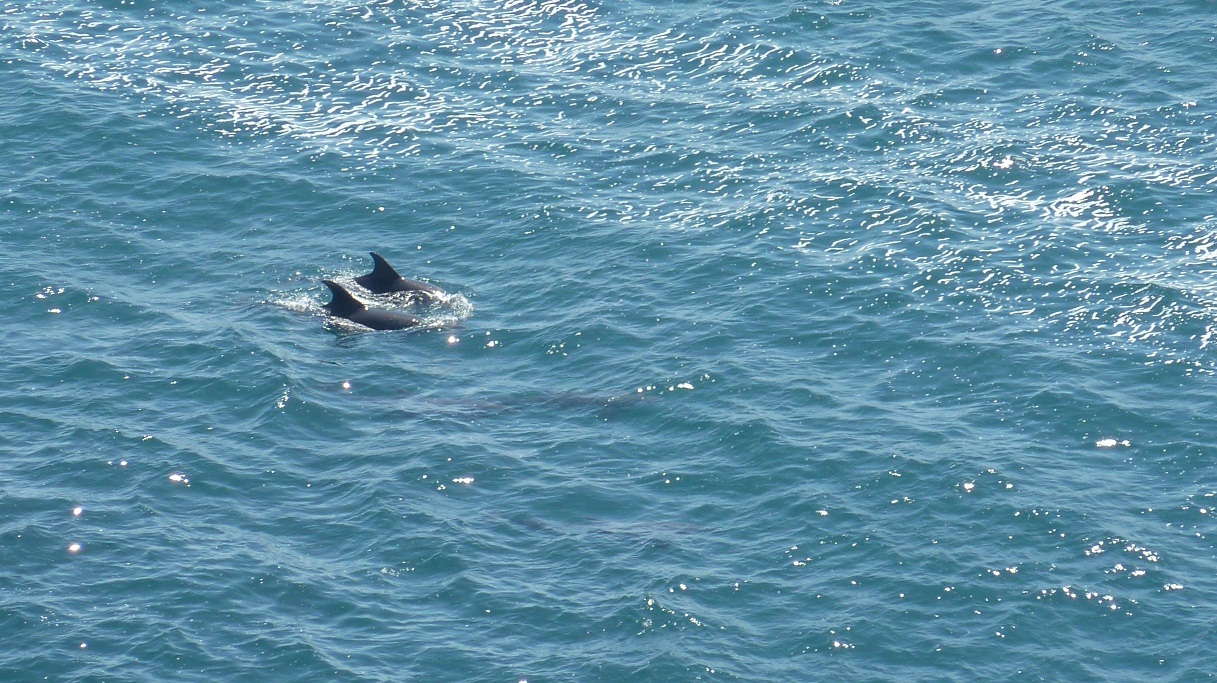
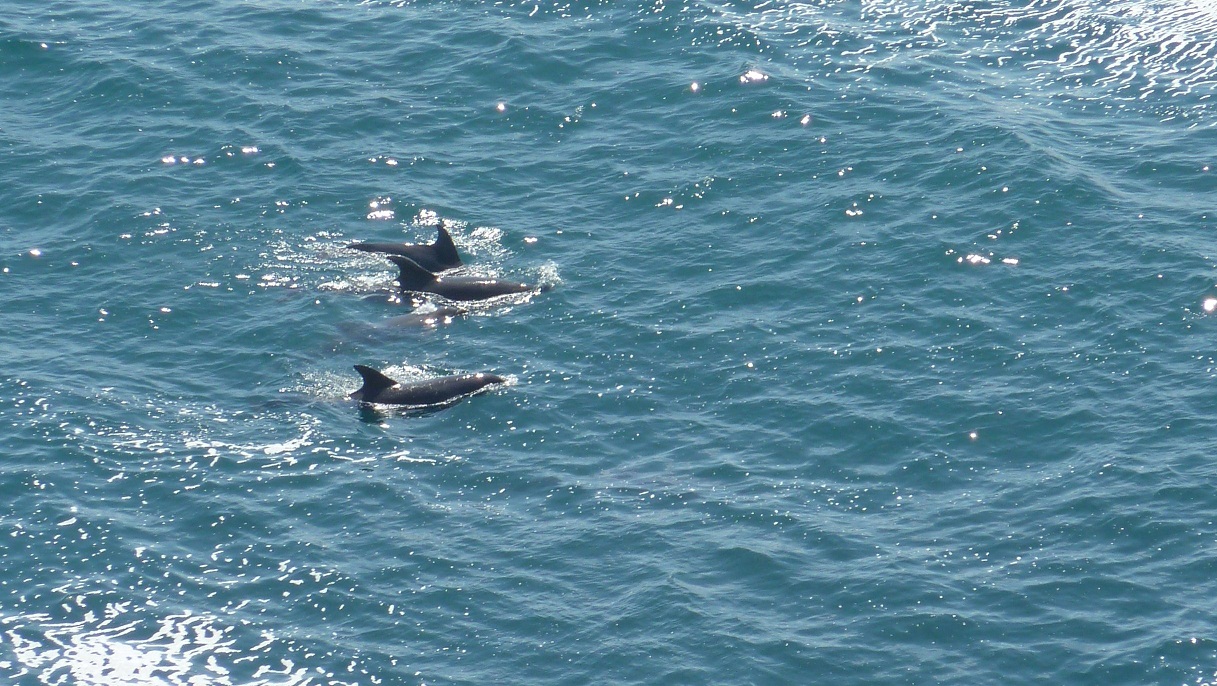
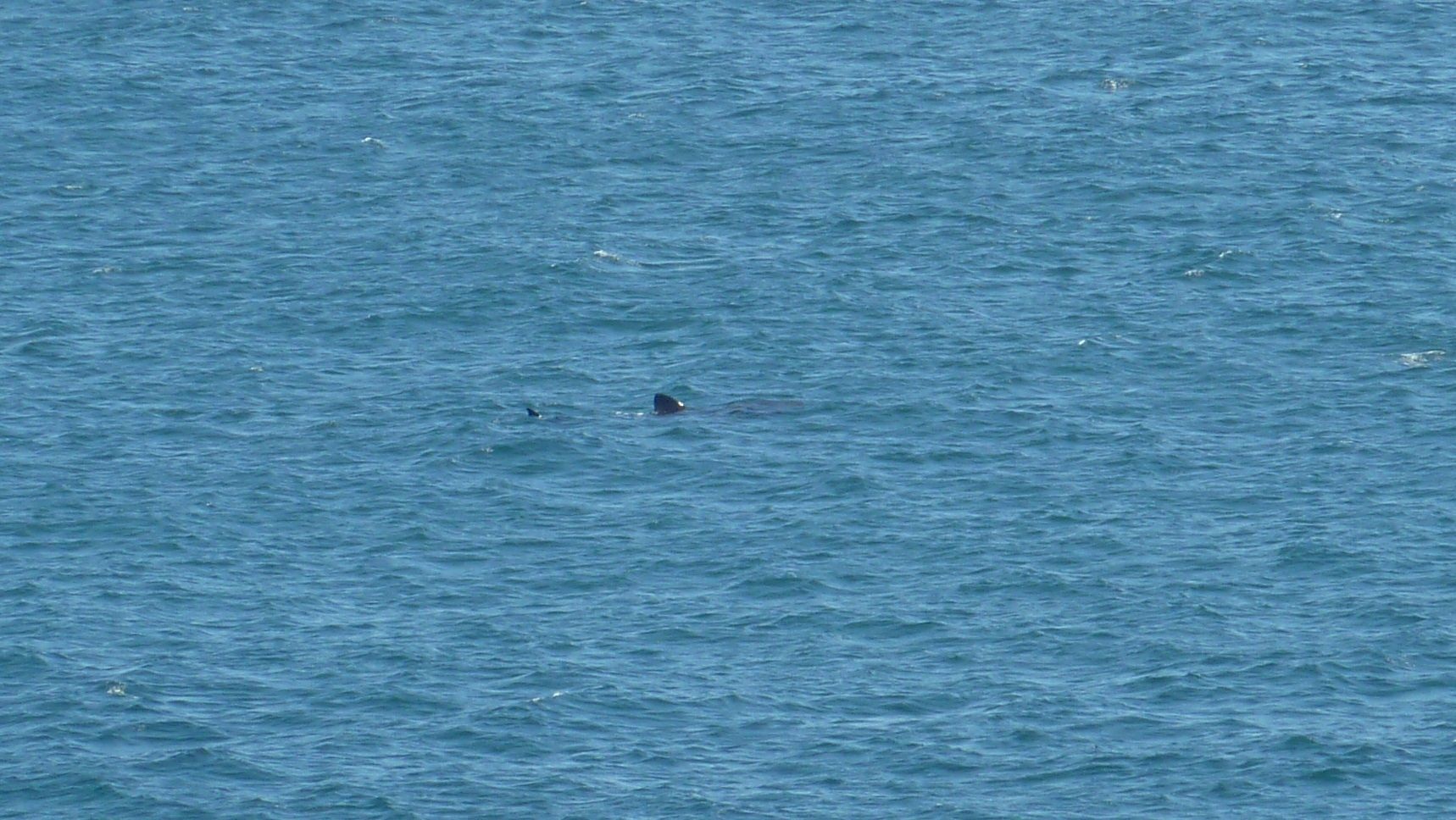
So, my time walking and monitoring the coast of Western Cornwall has come to an end.  For now.  But the last couple of days have provided some of the best surprises.  Firstly the wind on Thursday morning provided a fantastic looking swell rolling into the beaches, where I was able to watch seals and cormorants swimming amongst the waves.  Then I spied a basking shark gliding about in the waves, the birds were all flying acrobatically in the wind, and one of the choughs performed an amazing roll and dive into the nest site at one point.  On top of all that I saw a bird that looked something like a stone curlew blown in with a flock of jackdaws.  It lingered just long enough for me to make out the two yellow lines down its back/wings, but then, as it flew away inland, its wings just didn’t seem dark enough.

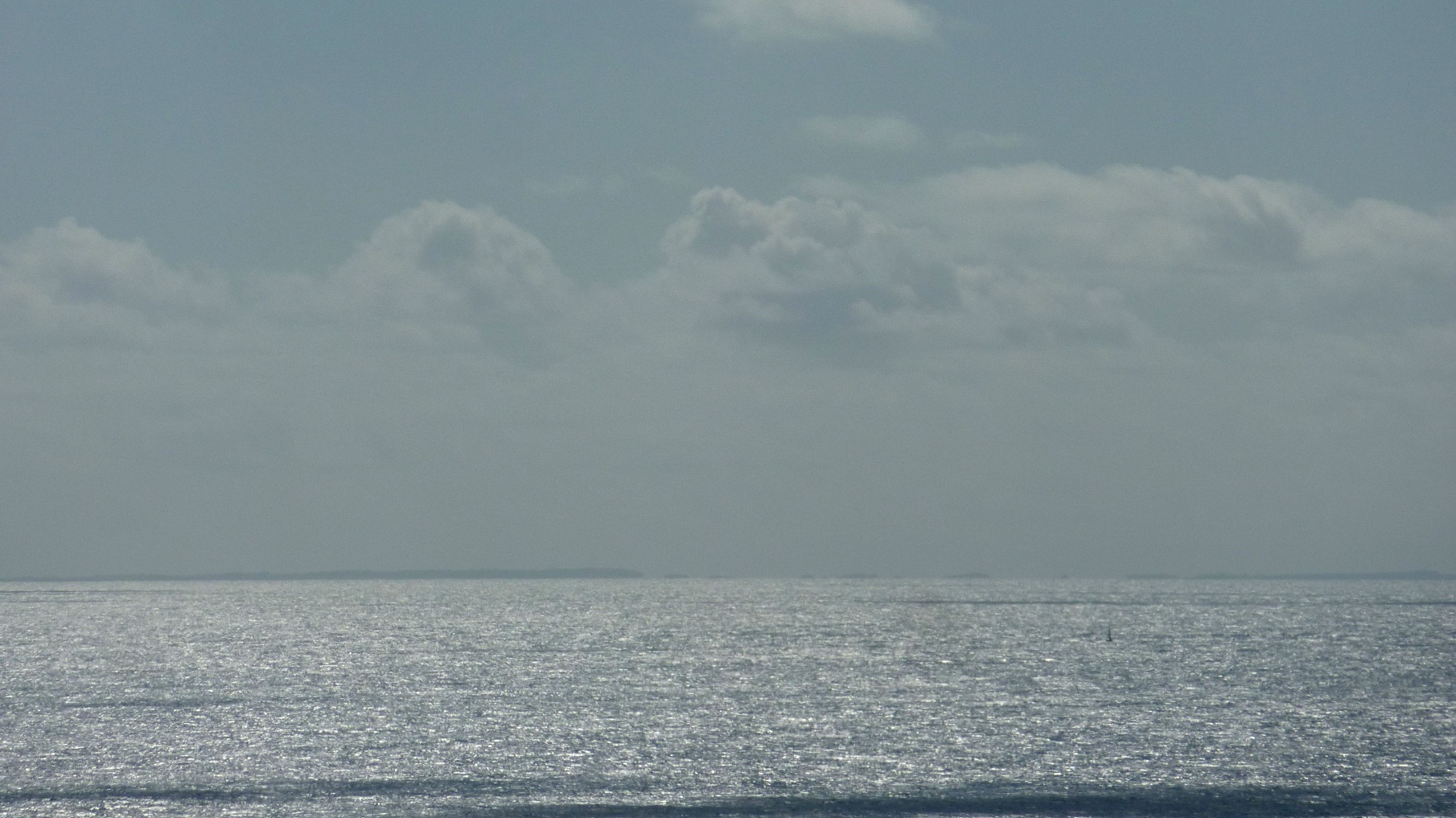
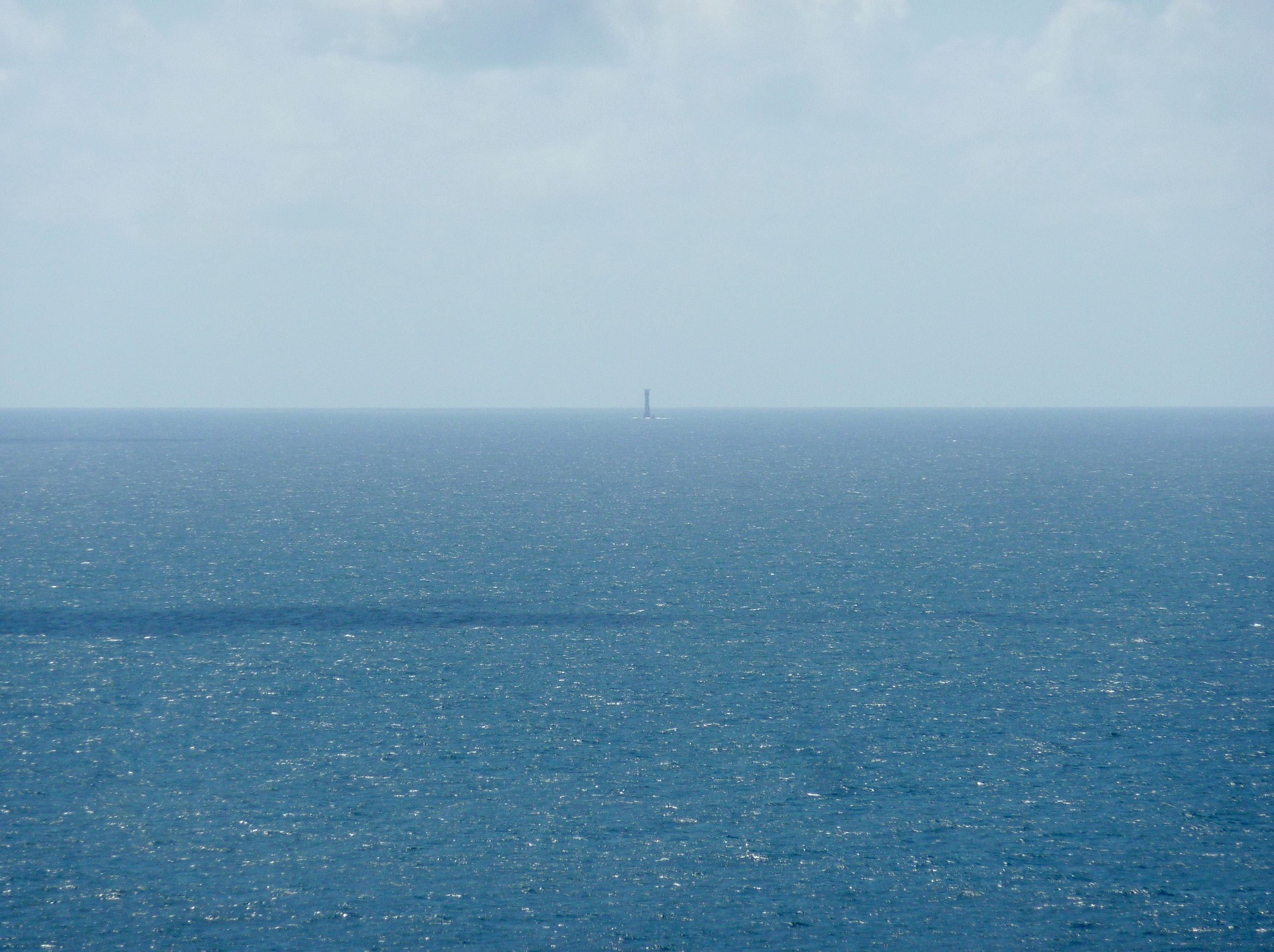
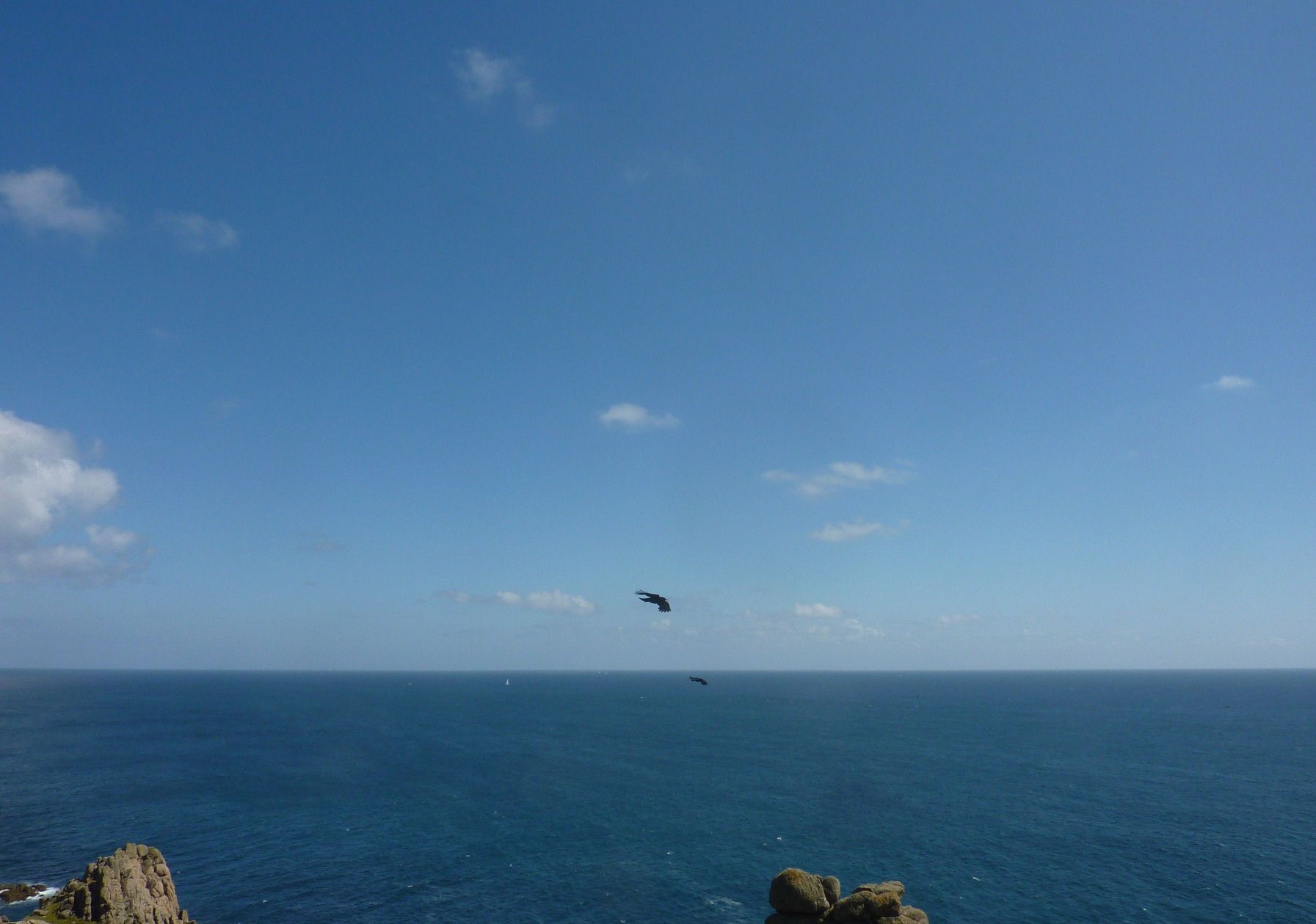
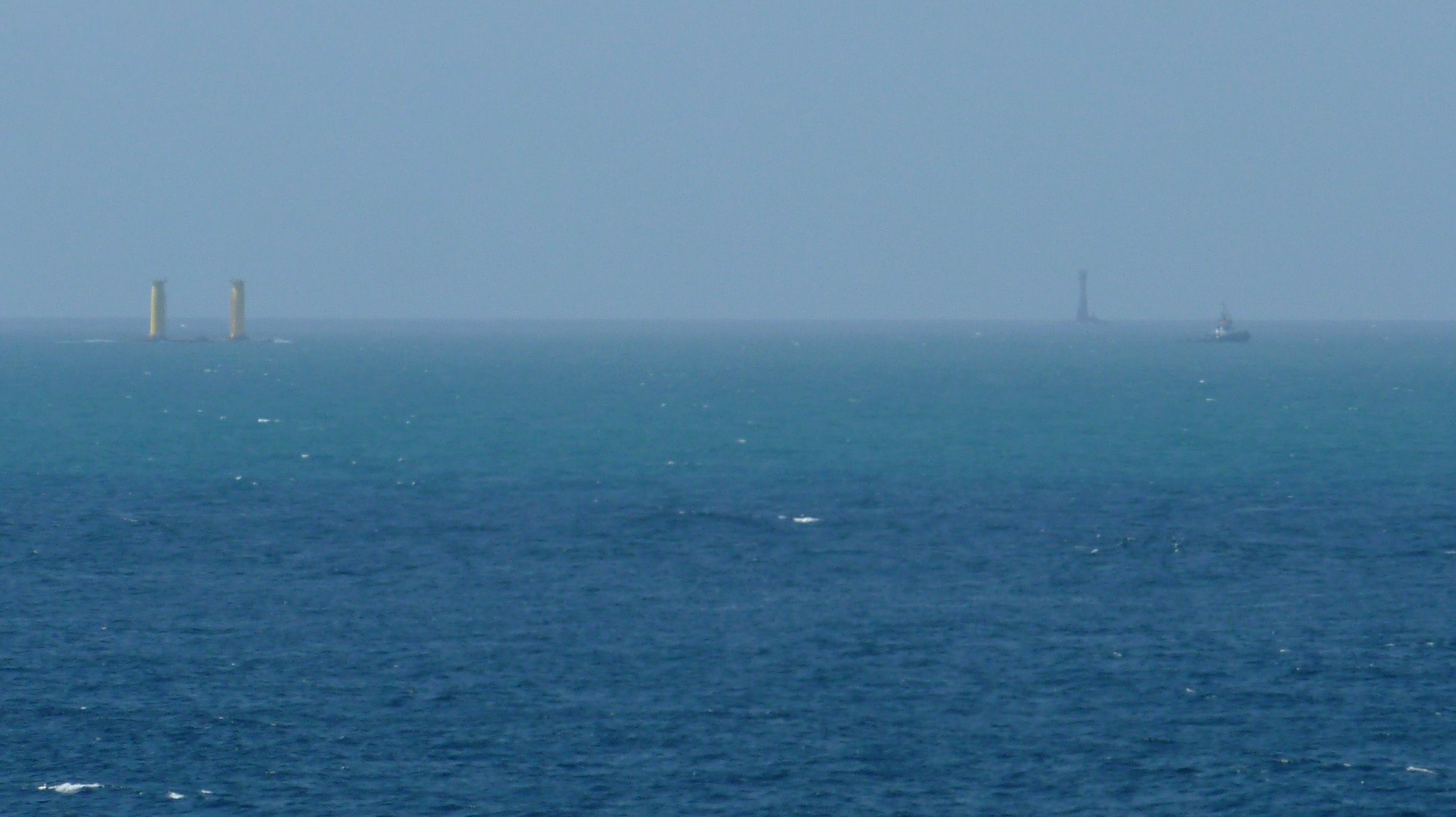
Then, yesterday, the weather was still, sunny and hot.  I met Nic (Shanks, of the chough project) at our watch point and the little ones were still not out.  I’ll miss seeing them fledge.  Instead nature rewarded me with dolphins and a basking shark, and a clear view of the isles of Scilly.

I guess you’ll want to see pictures…

Early morning is the best time

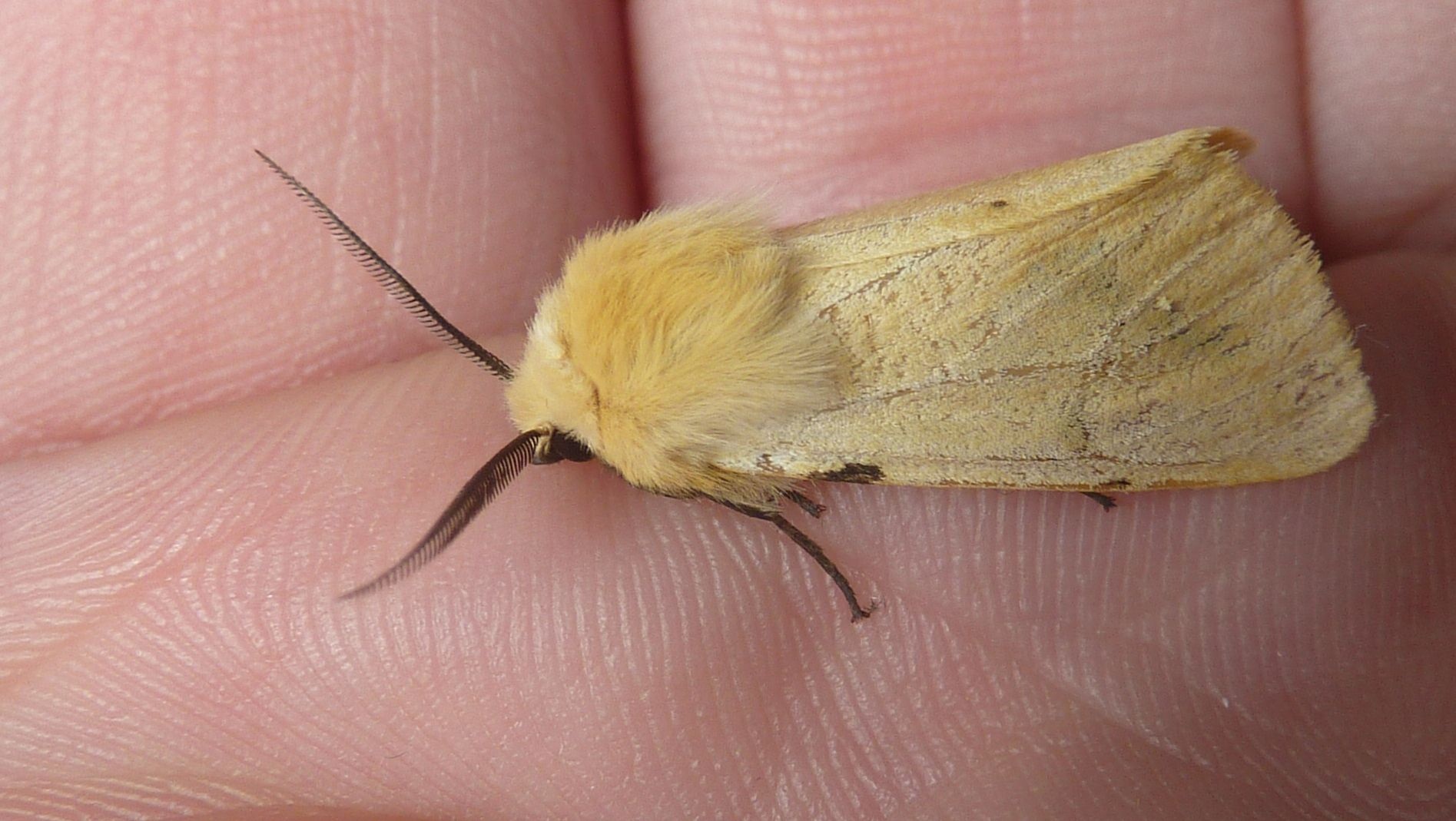
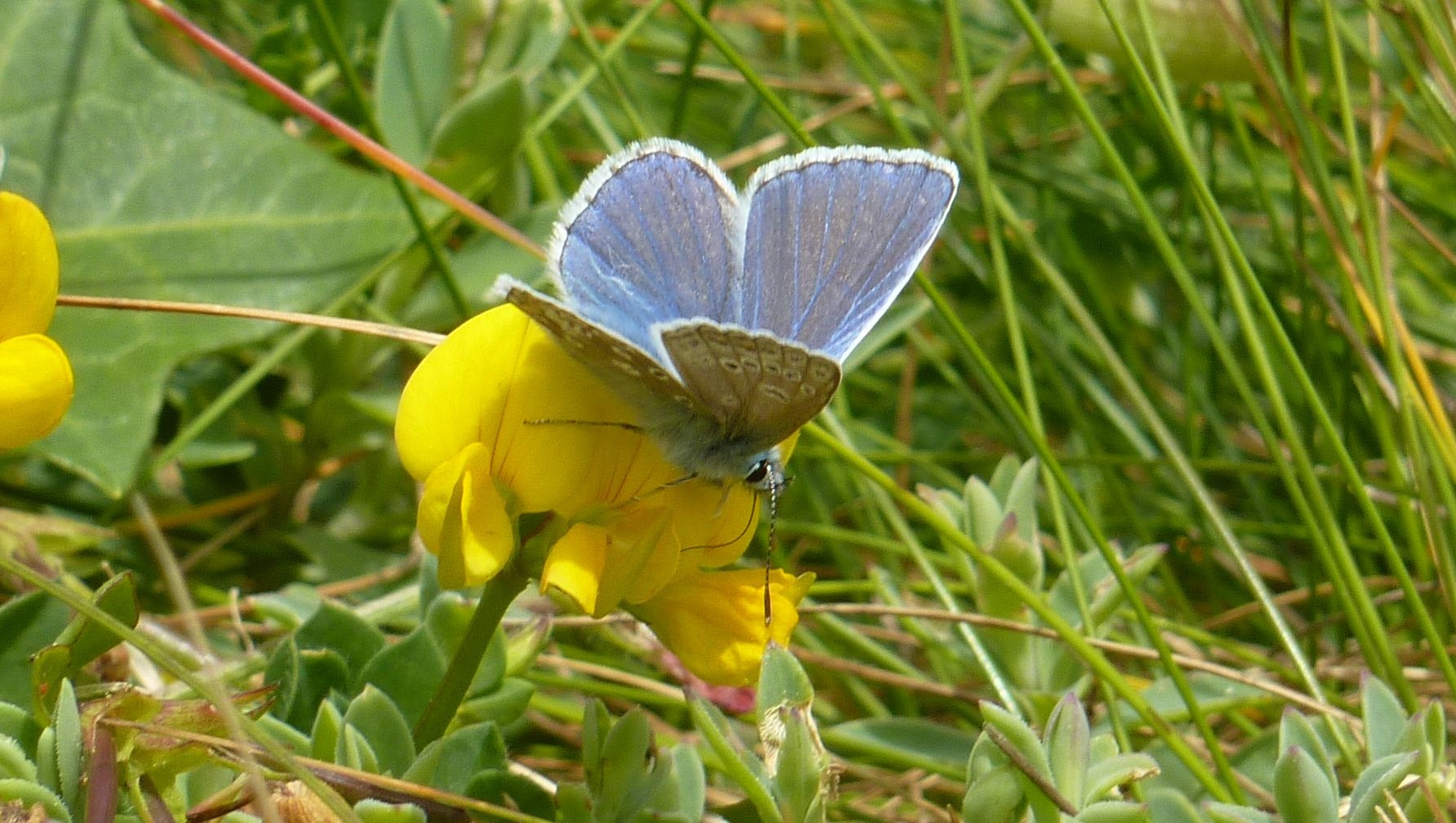
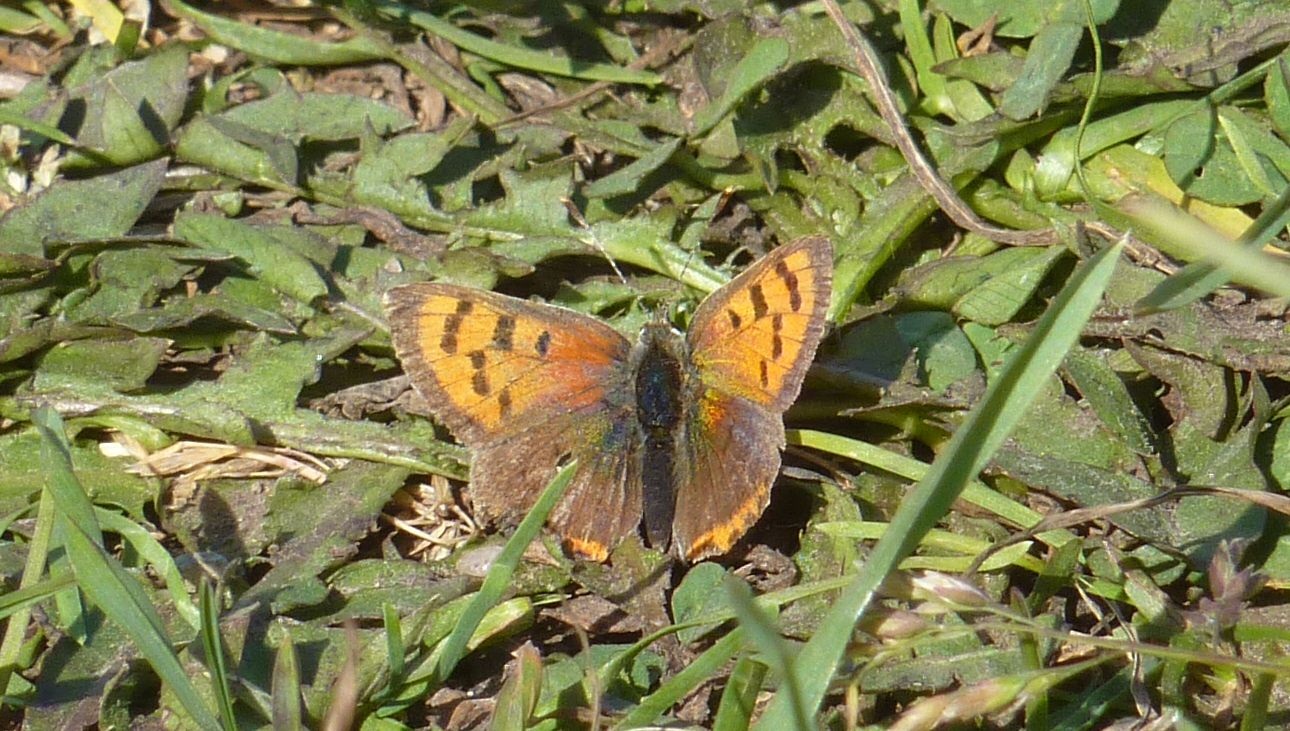
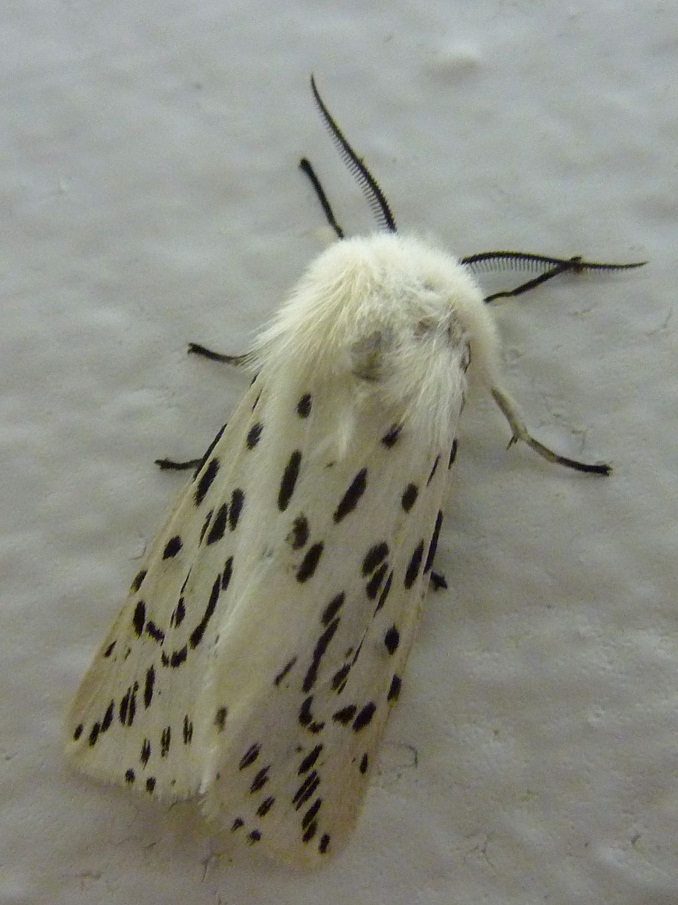
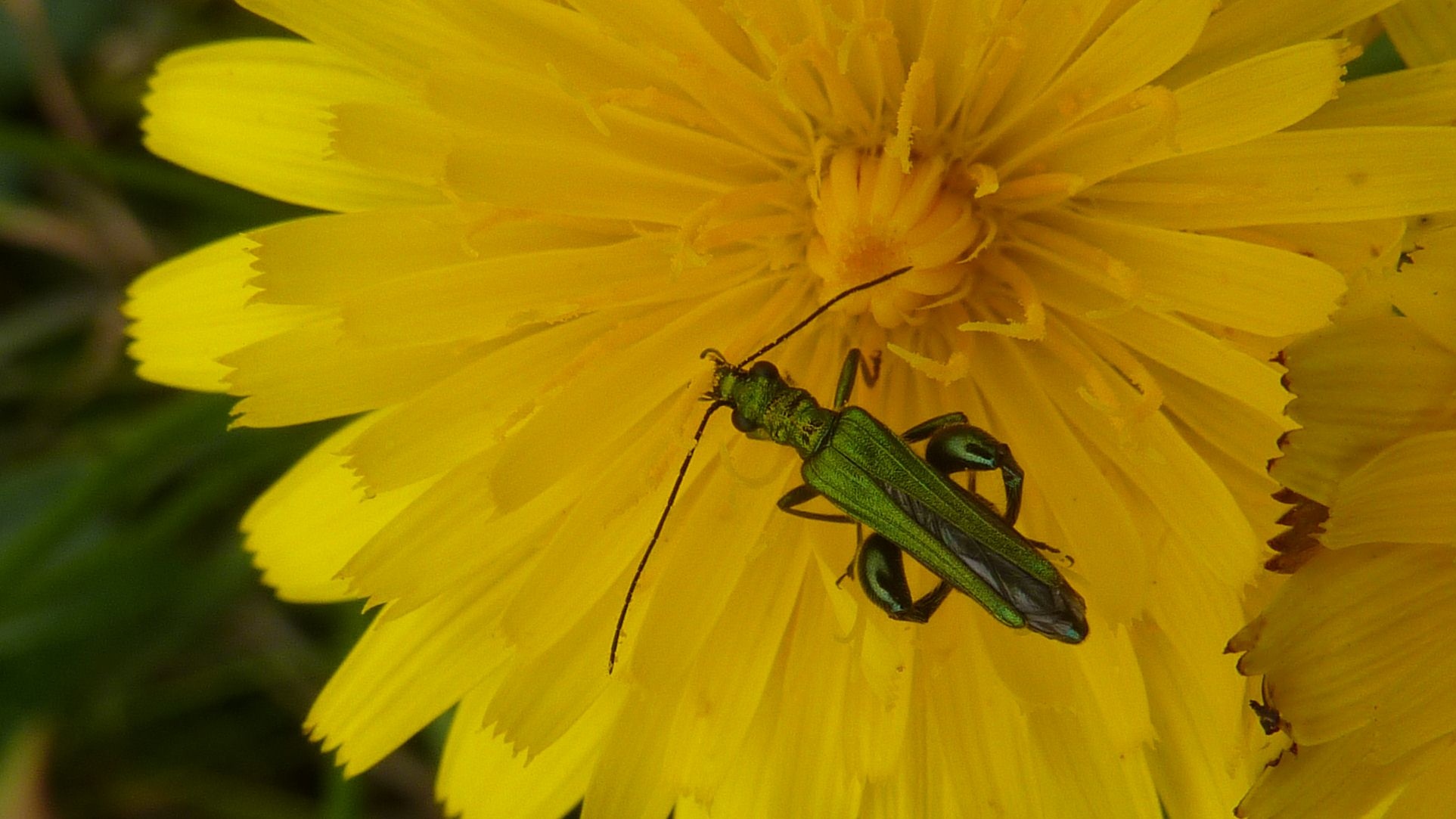
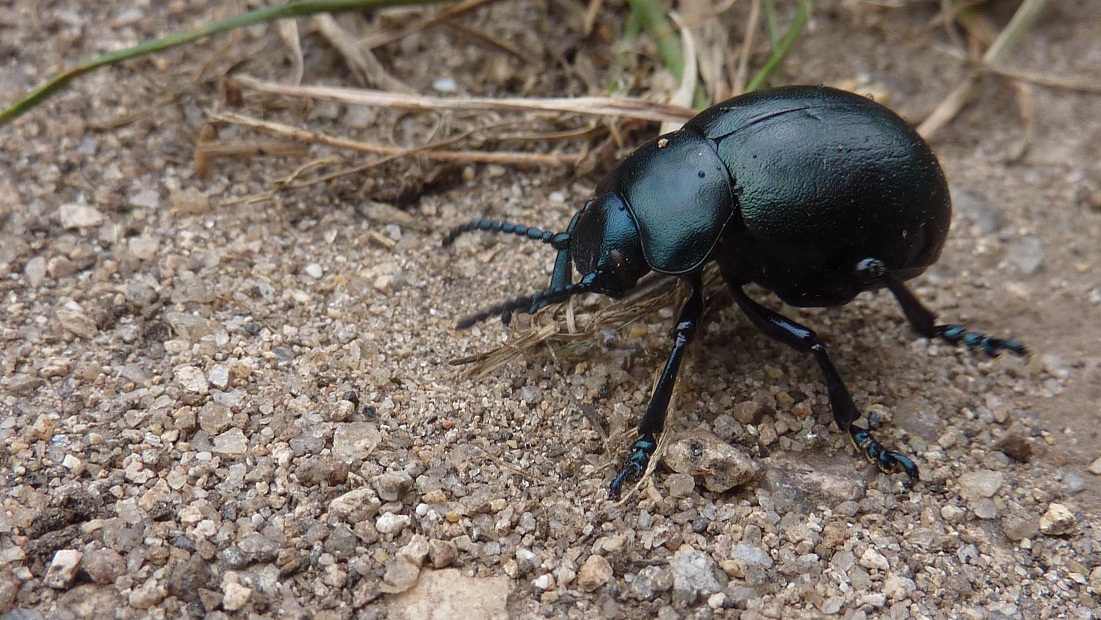
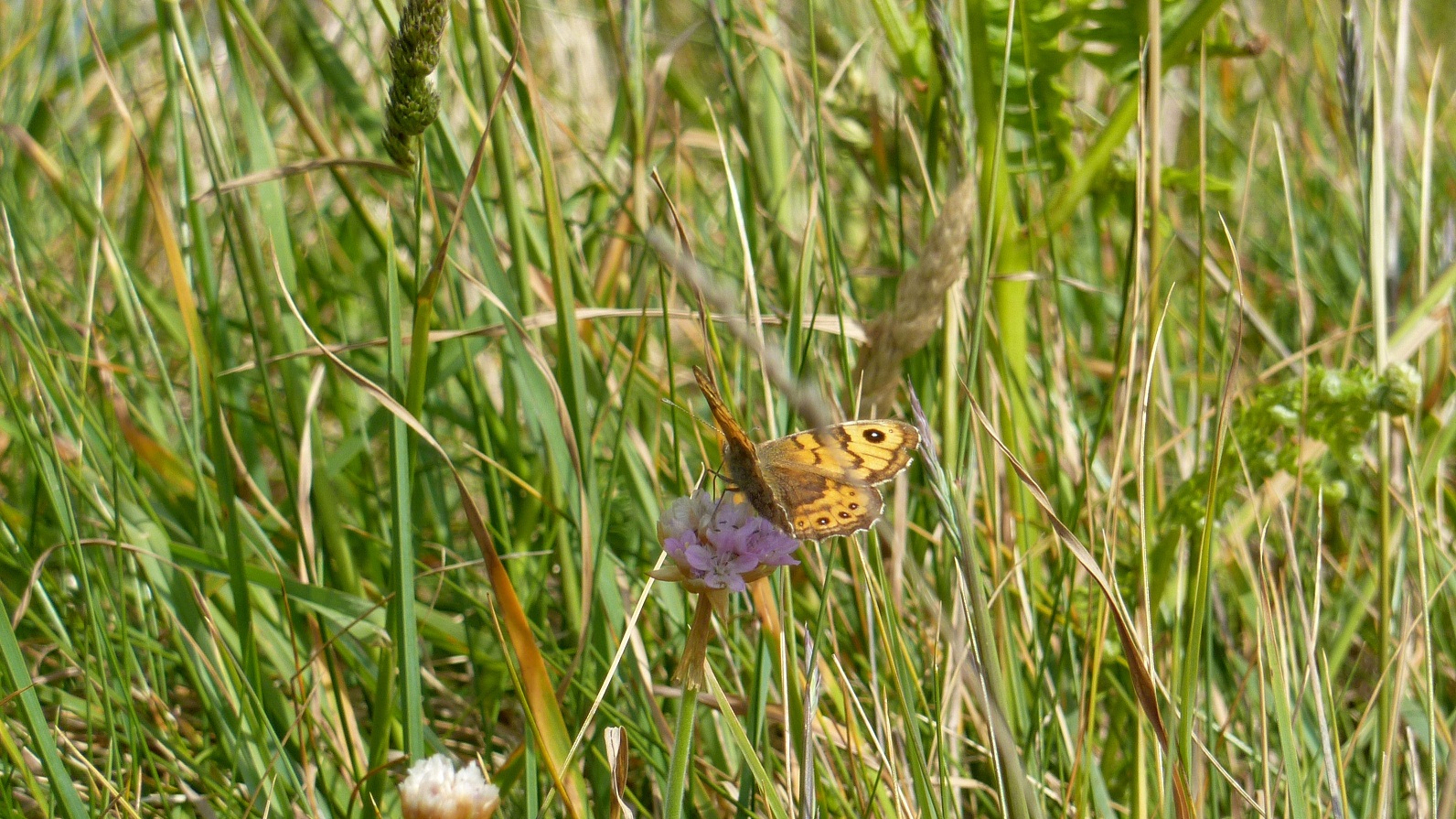
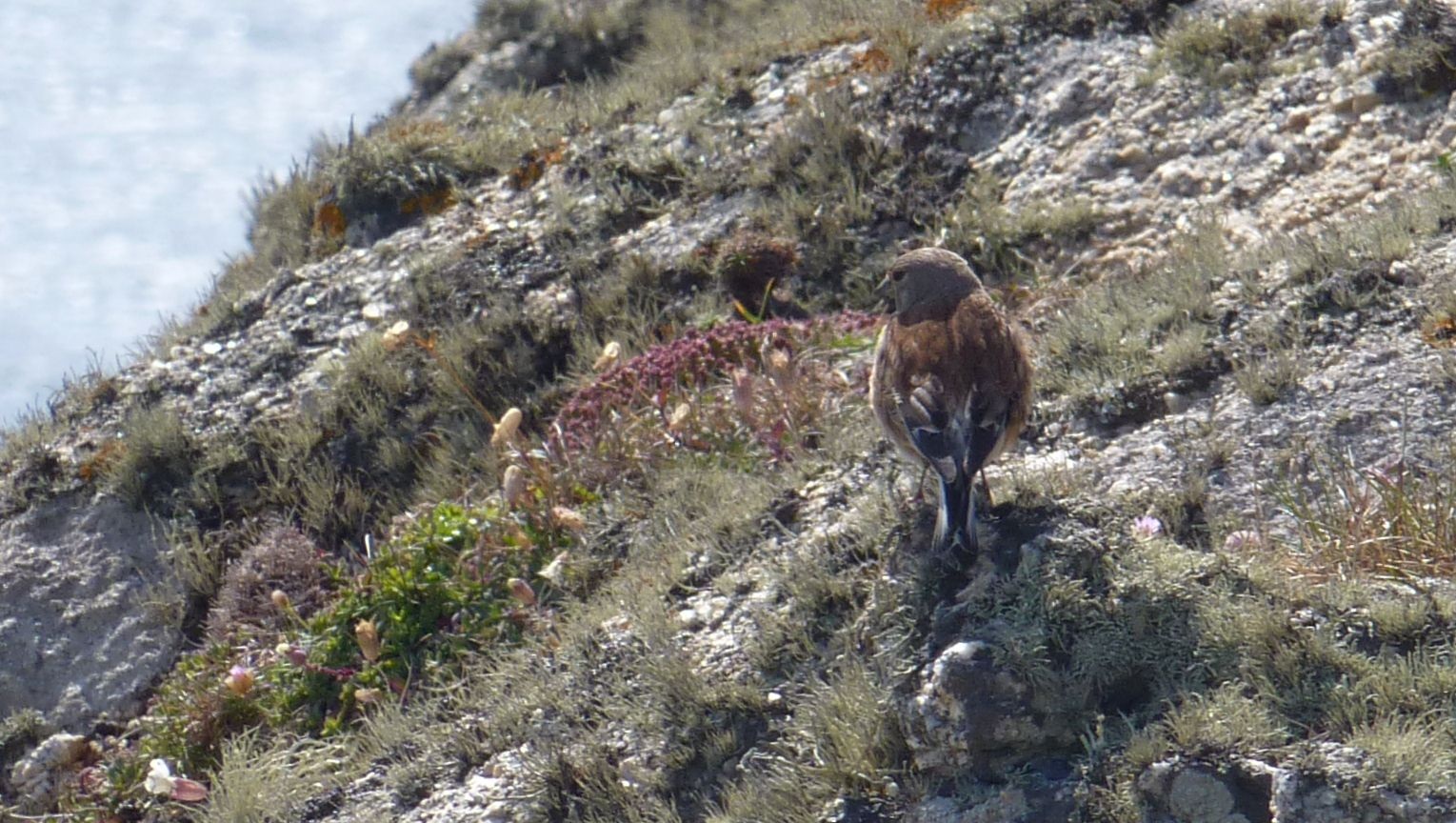
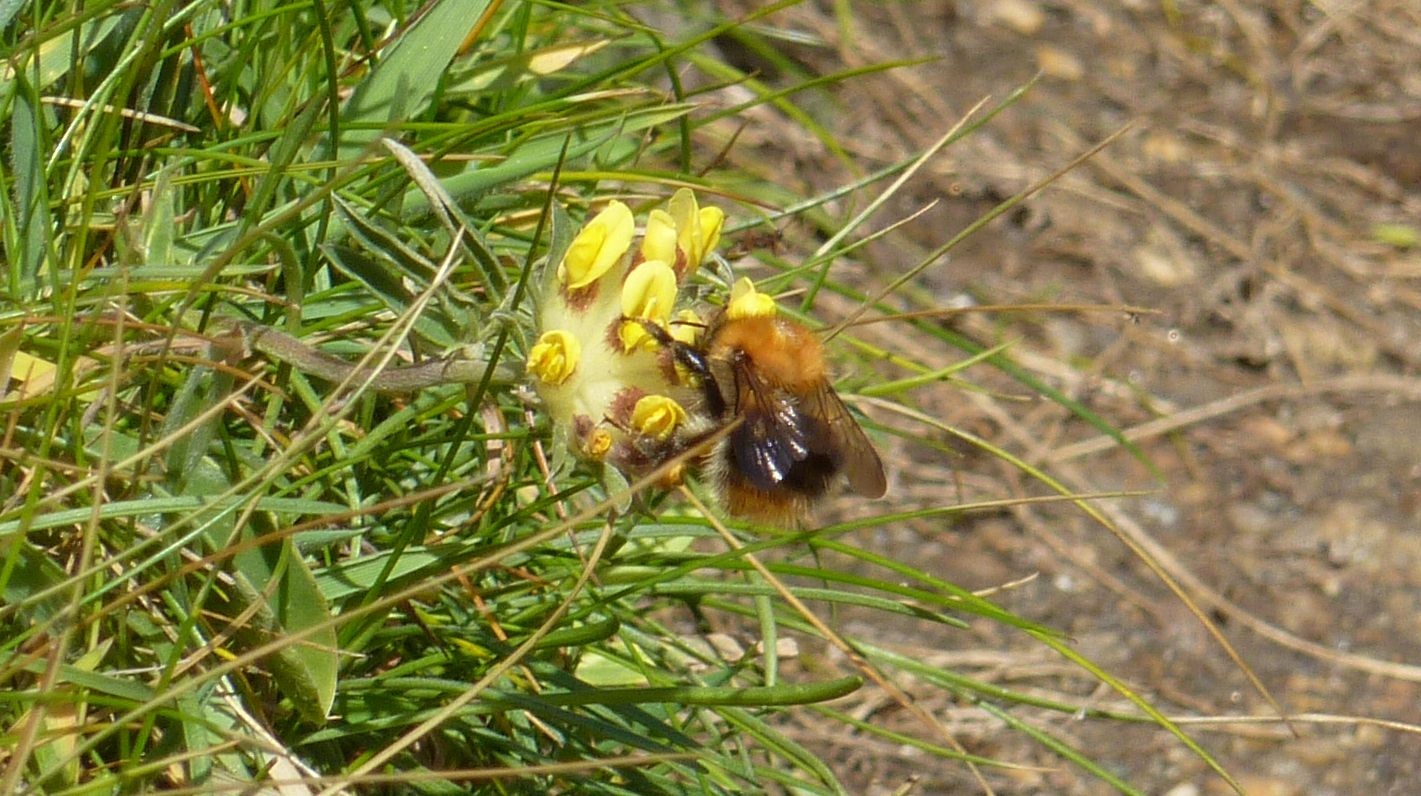
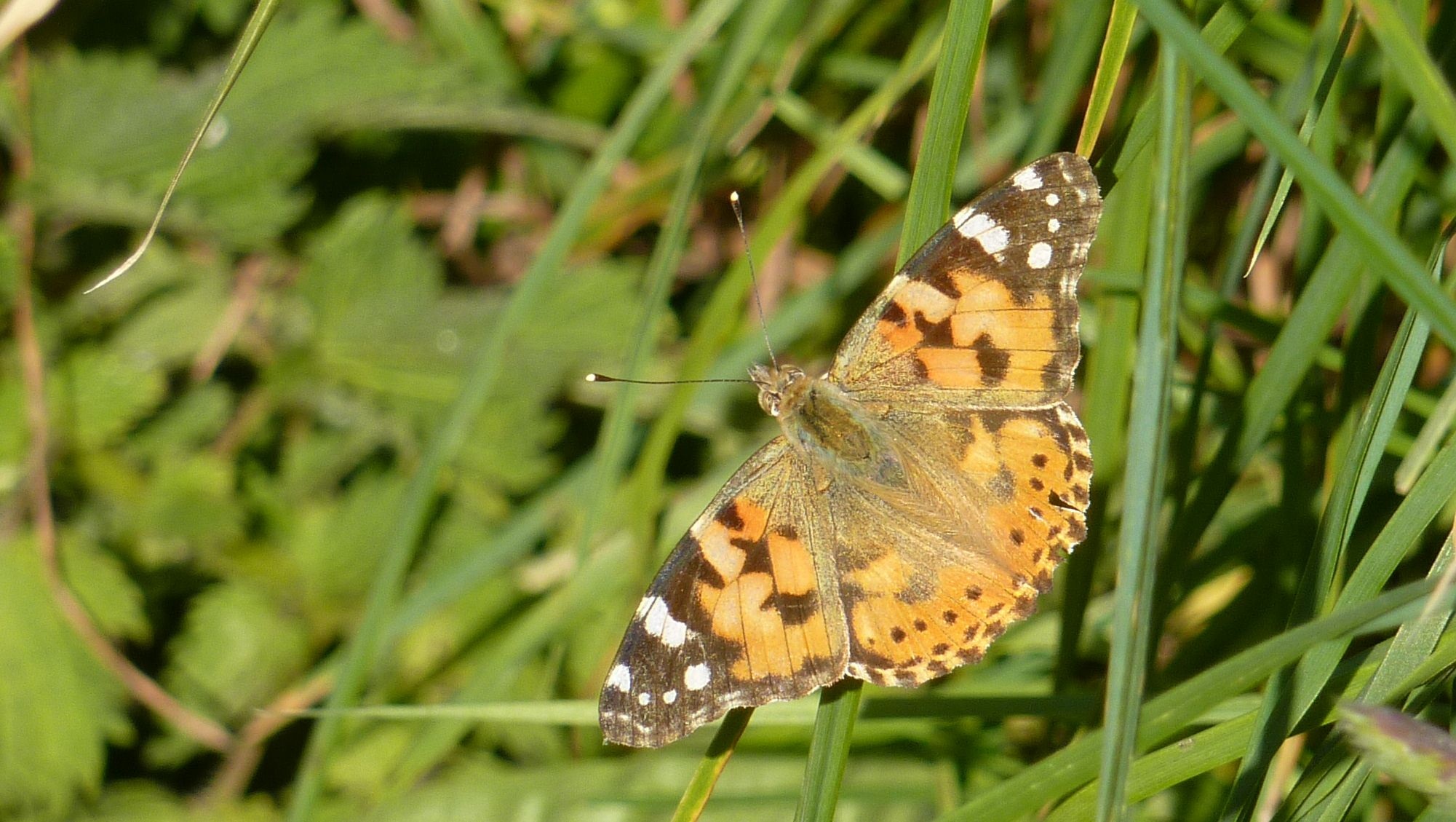
Walking anywhere during early mornings, is almost always rewarding.  This morning (before sunrise) and yesterday morning I’ve seen over 20 species of birds, at least 4 species of butterfly and numerous moths and insects.
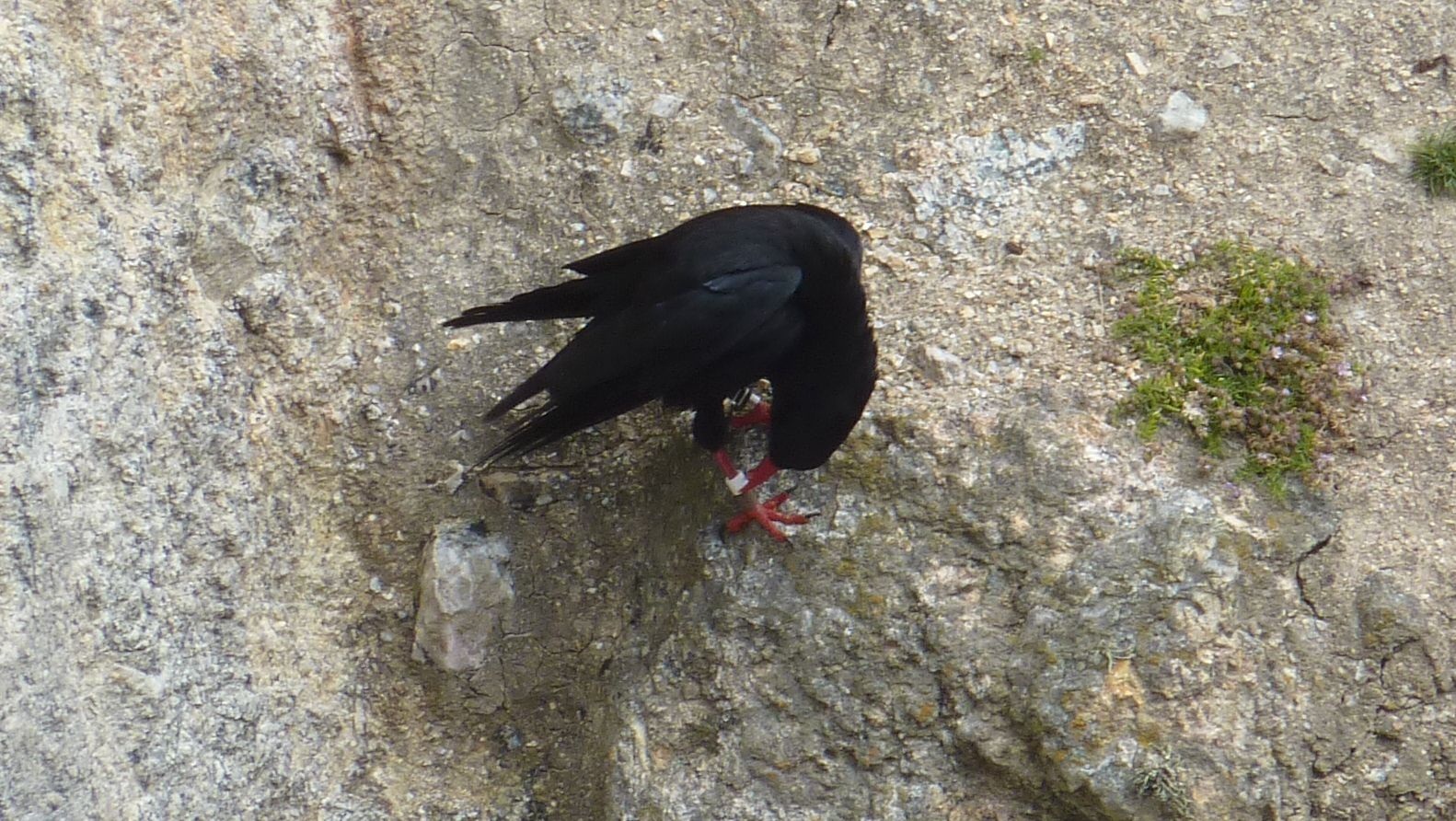
We wanted to see what time the Choughs were getting up, it turned out to be 0536.  As a great example of how nature works I was able to watch as a raven came overhead, and the jackdaw’s started alarming.  Almost immediately the choughs appeared and immediately set chase after the raven.  Later I saw them mobbing a pair of peregrines that were carving up some prey on the rocks in the distance.  However, peregrines are a greater threat, and are treated with a little more caution than the ravens.

My first bit of rain in ages, and a fox and a seal

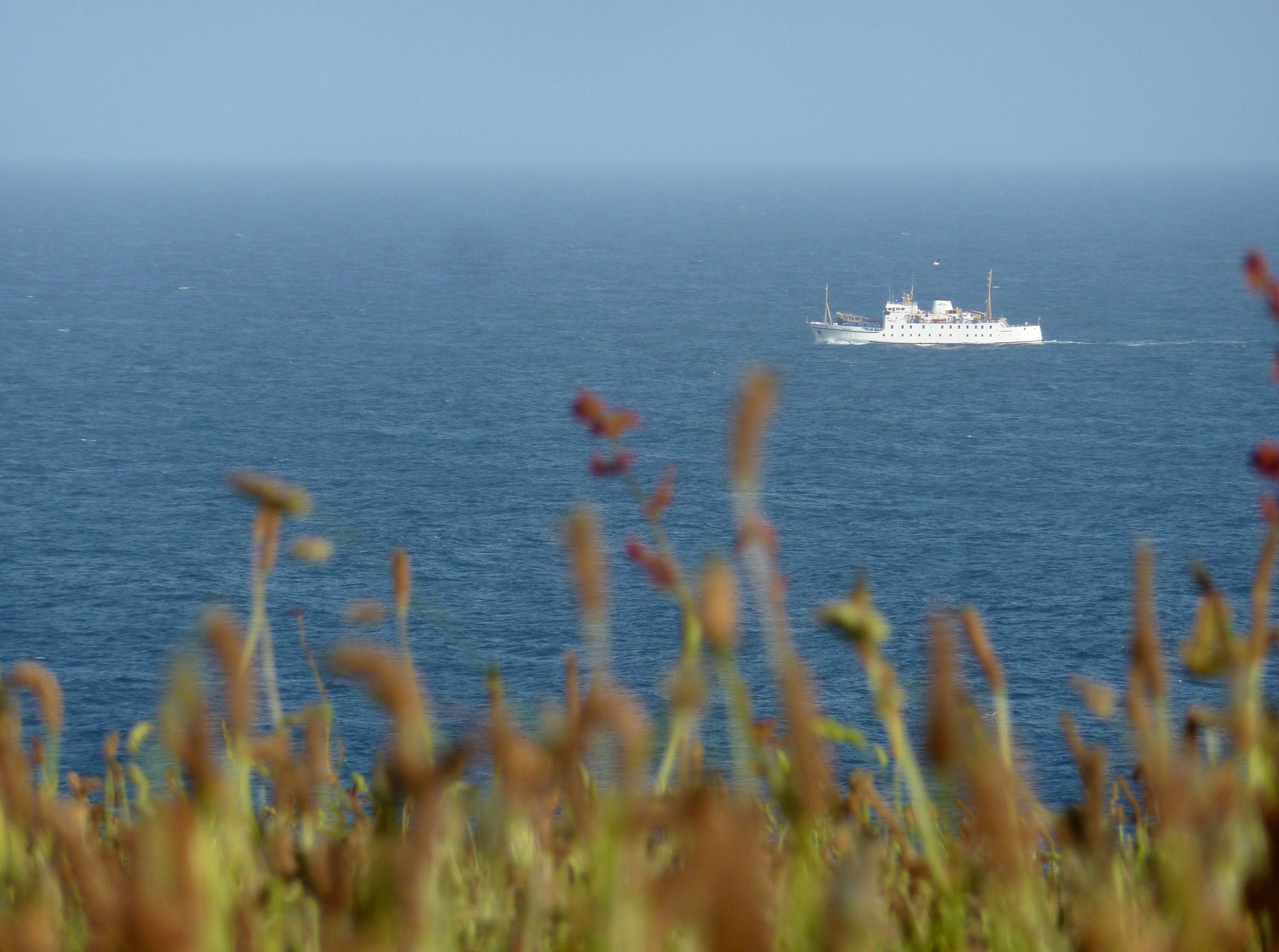
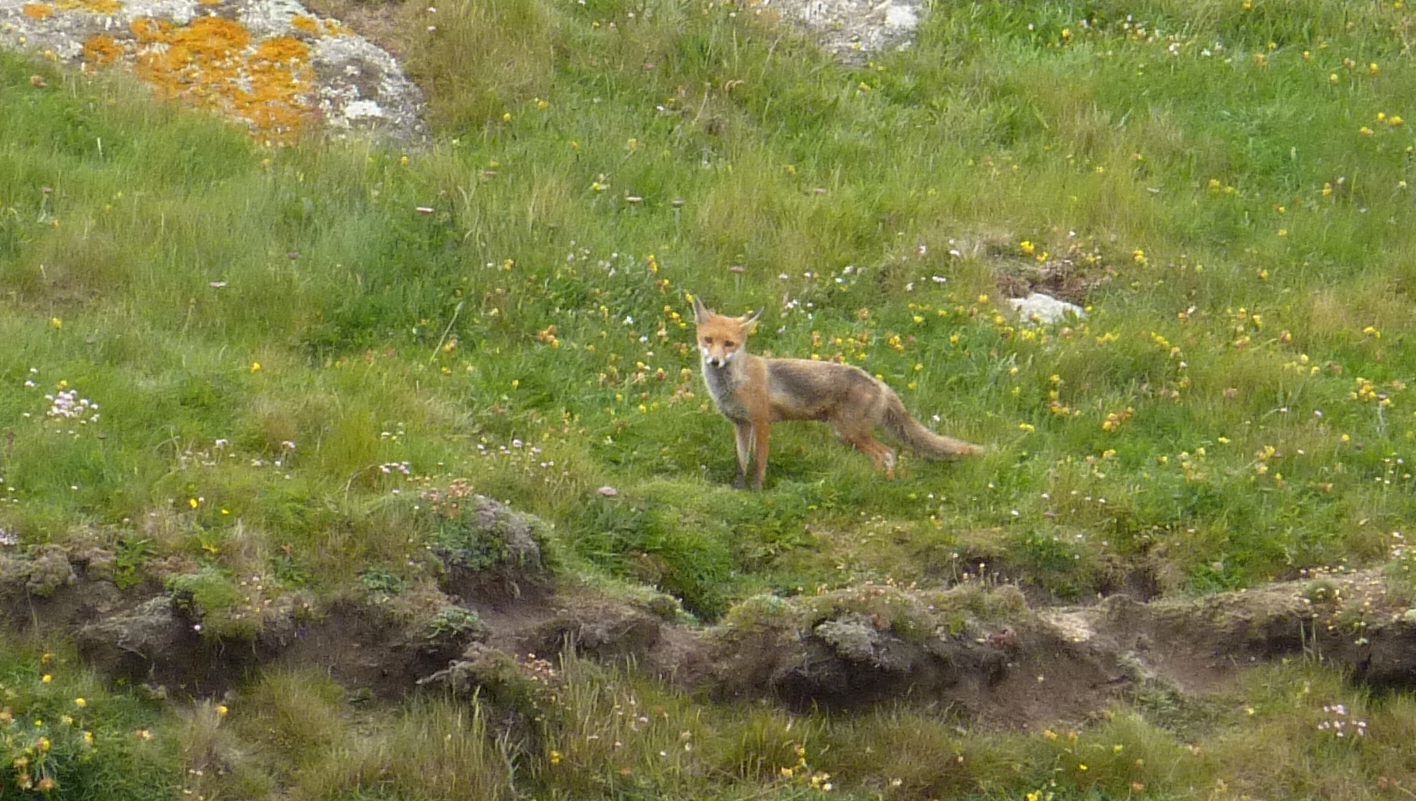
I haven’t seen much rain while I’ve been down here in Cornwall and, apparently, most of the South West is pretty dry.  When I left my camper this morning (after a day off) it looked bleak though.  The mist and rain persisted until after midday (although I’ve seen worse), and then it cleared into another beautiful, bright day.  The choughs were good, I saw a fox again, and watched a seal up close for a while.  My walk home was through wild flower meadows, with deep blue sea and skies, and the Scillonian slipping past on its way back to Penzance.

Seals and rare flowers

It’s always fantastic to see seals, especially as they are shot in large numbers by fish farmers, within the law (please remember this if thinking of buying farmed salmon).  Seal numbers have declined enormously in the last 10 years, with harbour seal numbers halving in some parts of Scotland.  There are likely to be other contributory factors, such as reduction in food availability, but this is, in my opinion, a significant indicator of how we are mismanaging our seas.

If you haven’t already done so, read up about Hugh’s fish fight, follow the links on the site to the other organisations involved in marine conservation, work out whether you really need to eat (so much) fish (there are plenty of food stuffs that contain the oils thought to be so valuable in fish, e.g. hemp, flax, etc), and make an effort to find out where your marine based products are coming from.  Out of sight, out of mind, is this why we treat our oceans so badly?  Would people react differently if we were to trawl fields to catch lambs, and at the end of the field empty the net of all the birds, mice, voles, insects, etc, into a heap to die.

Anyway, I digress somewhat, apologies.  Today was a busy one.  All of the Cornish chough nests were checked out (not by me, I just met the team briefly as they passed on through), and seem in good order.  However, the latest expected date for fledging is now another two weeks or so, which might, sadly, be after I’ve left.  Further news will be available here:

http://www.cornishchoughs.org/

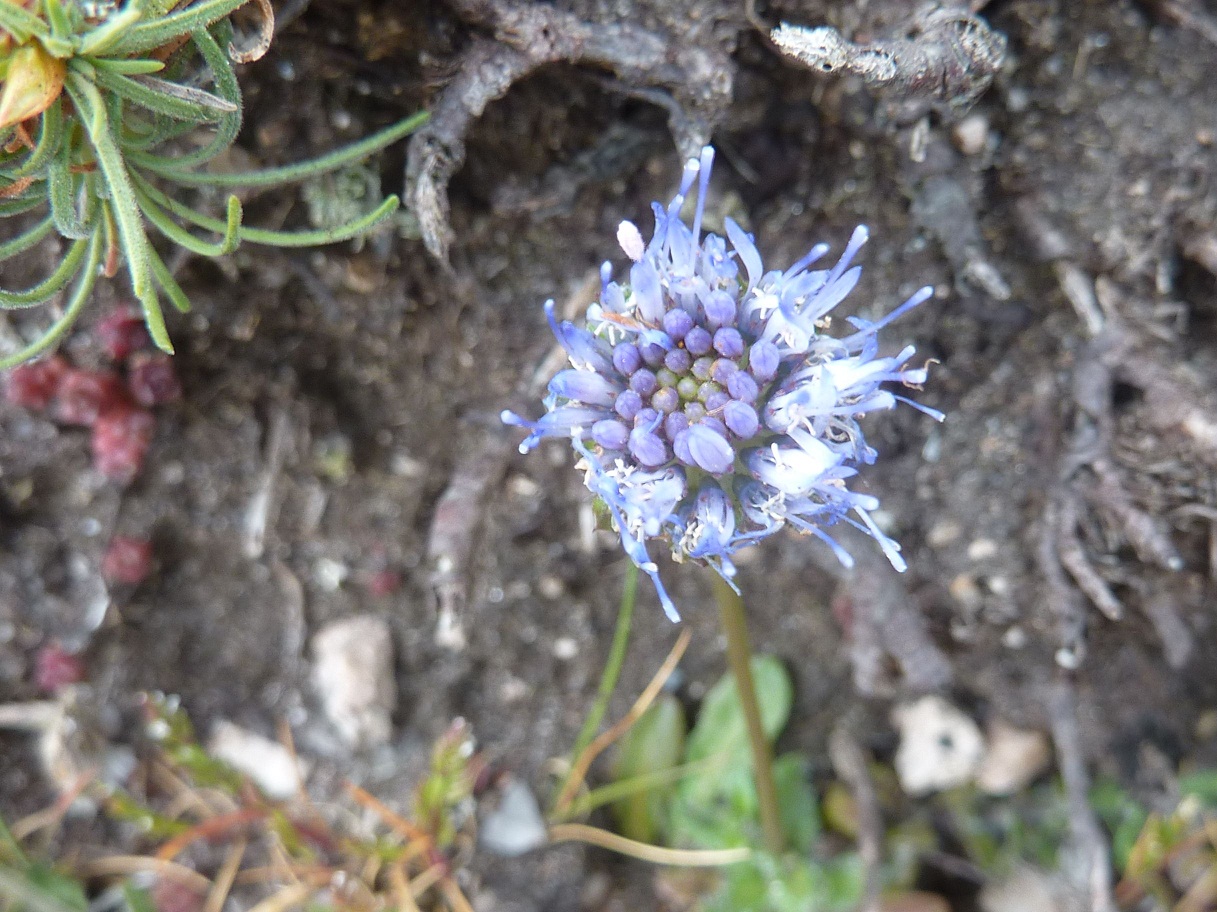
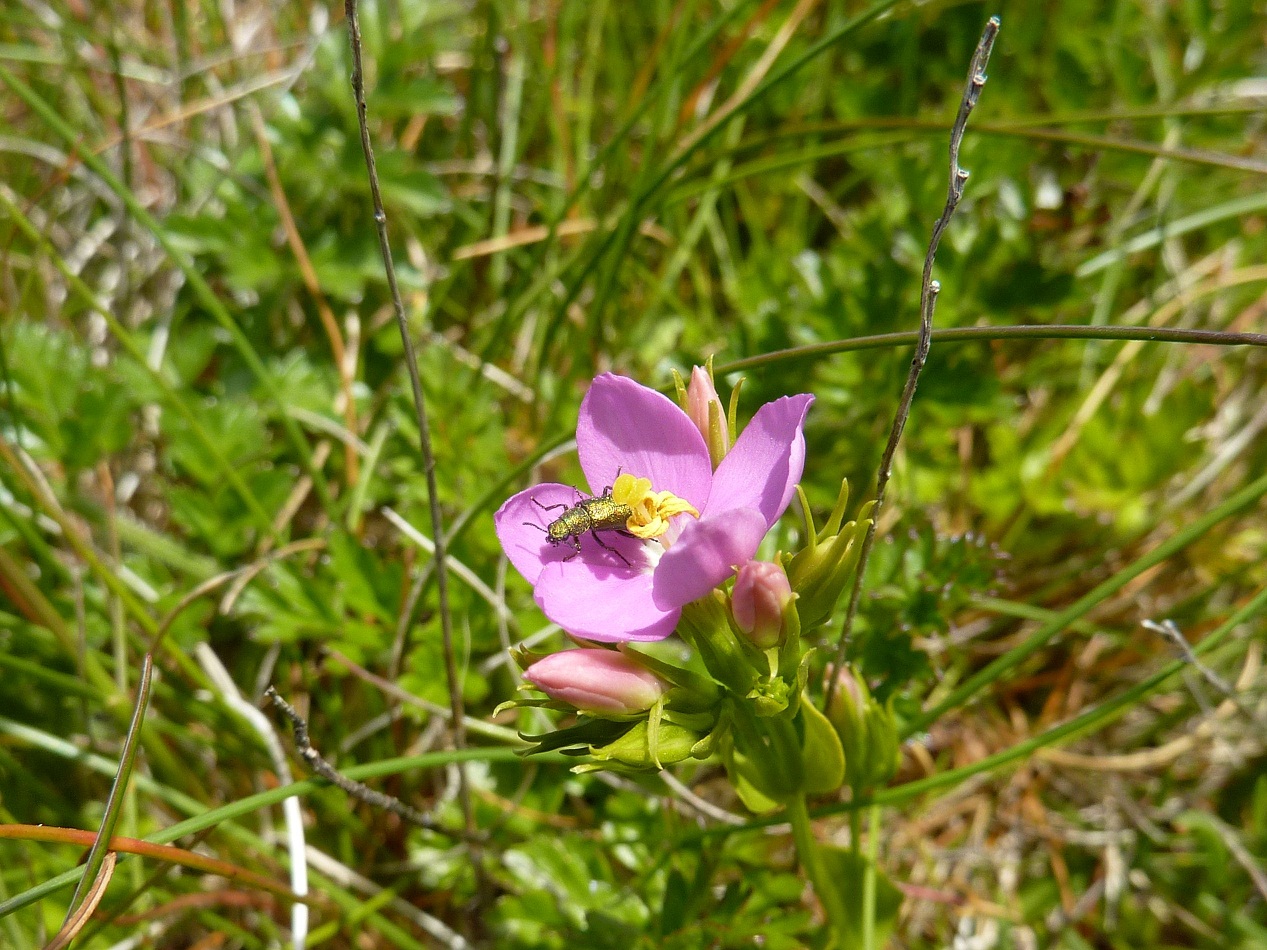
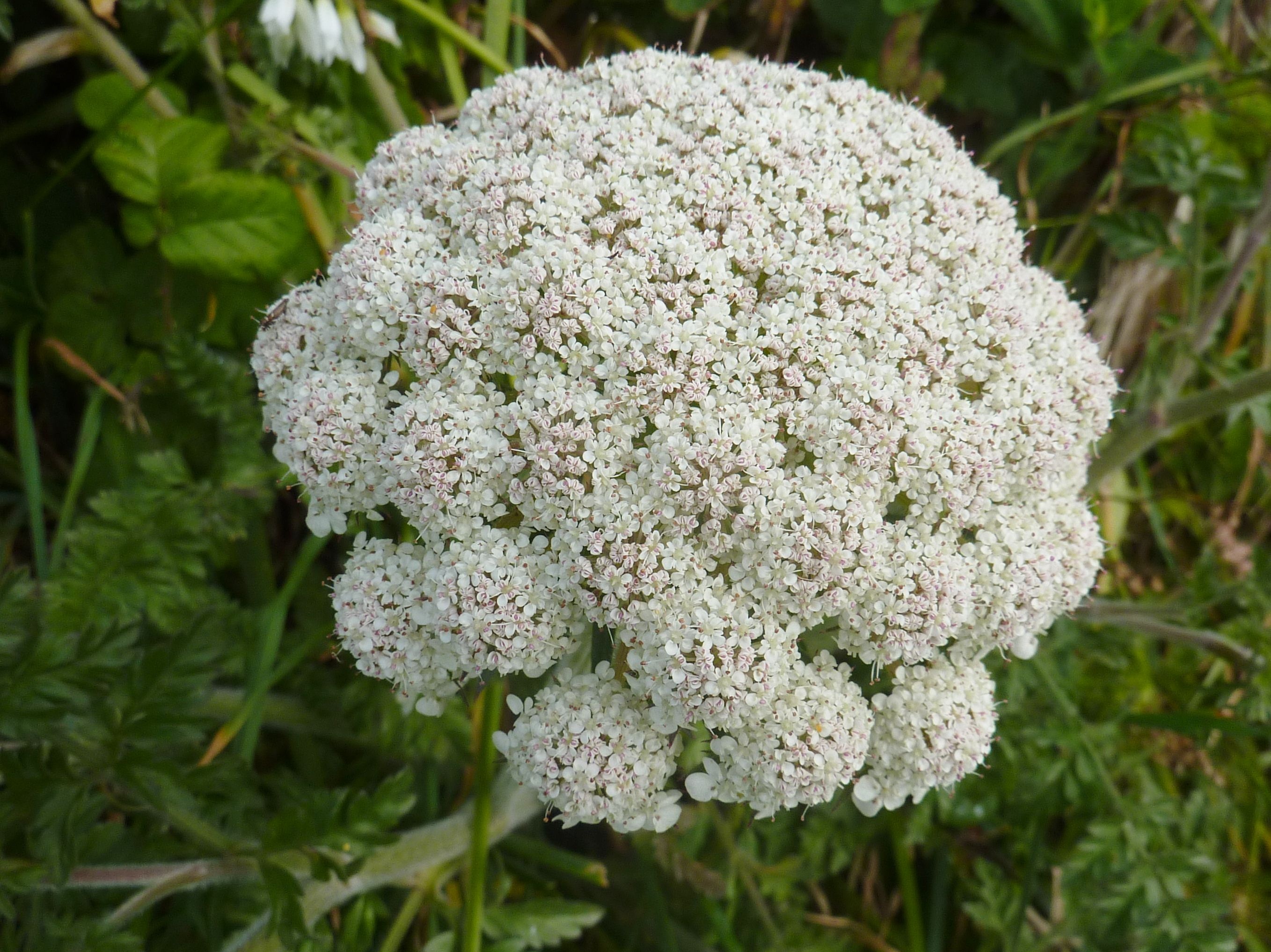
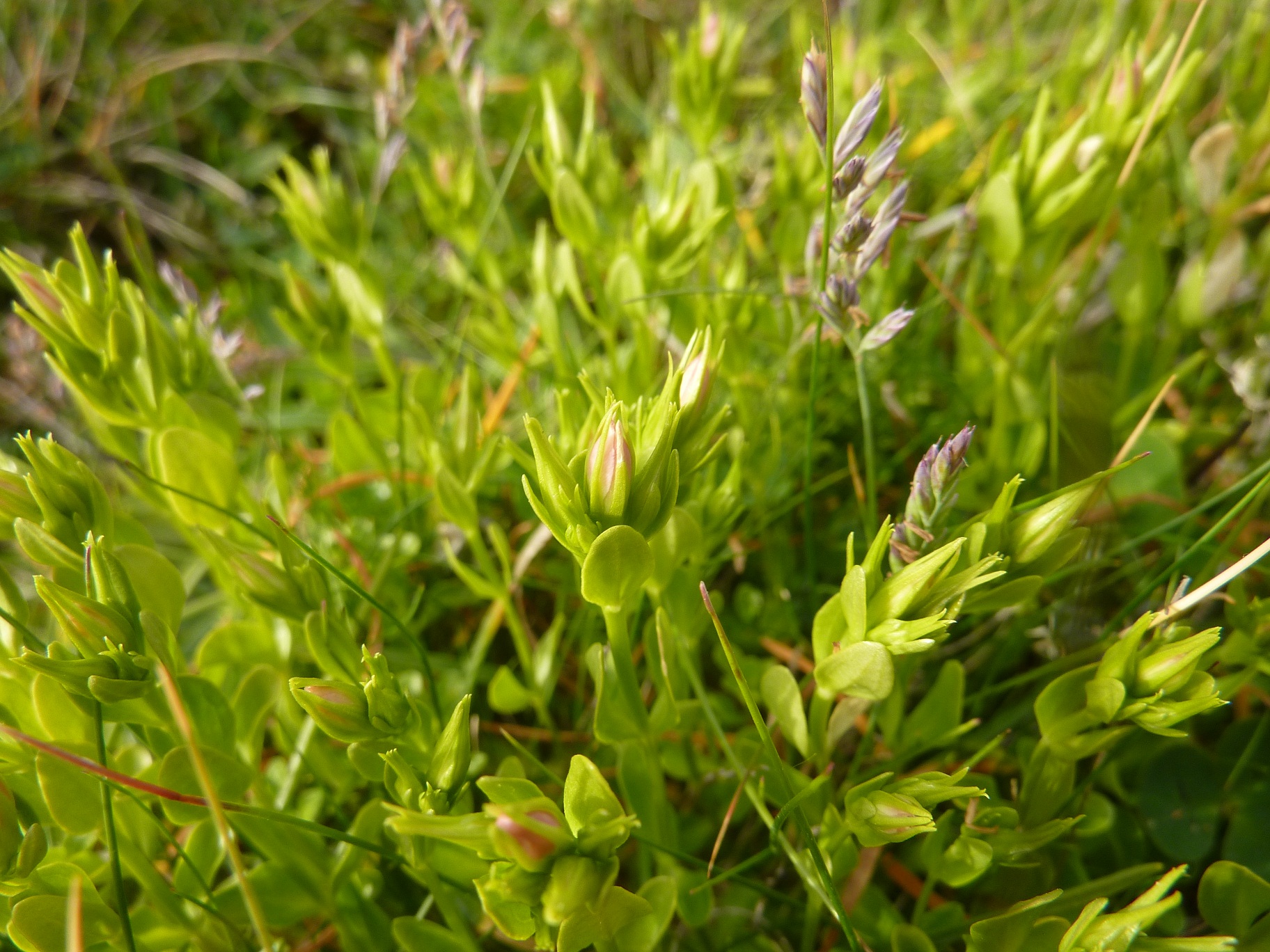
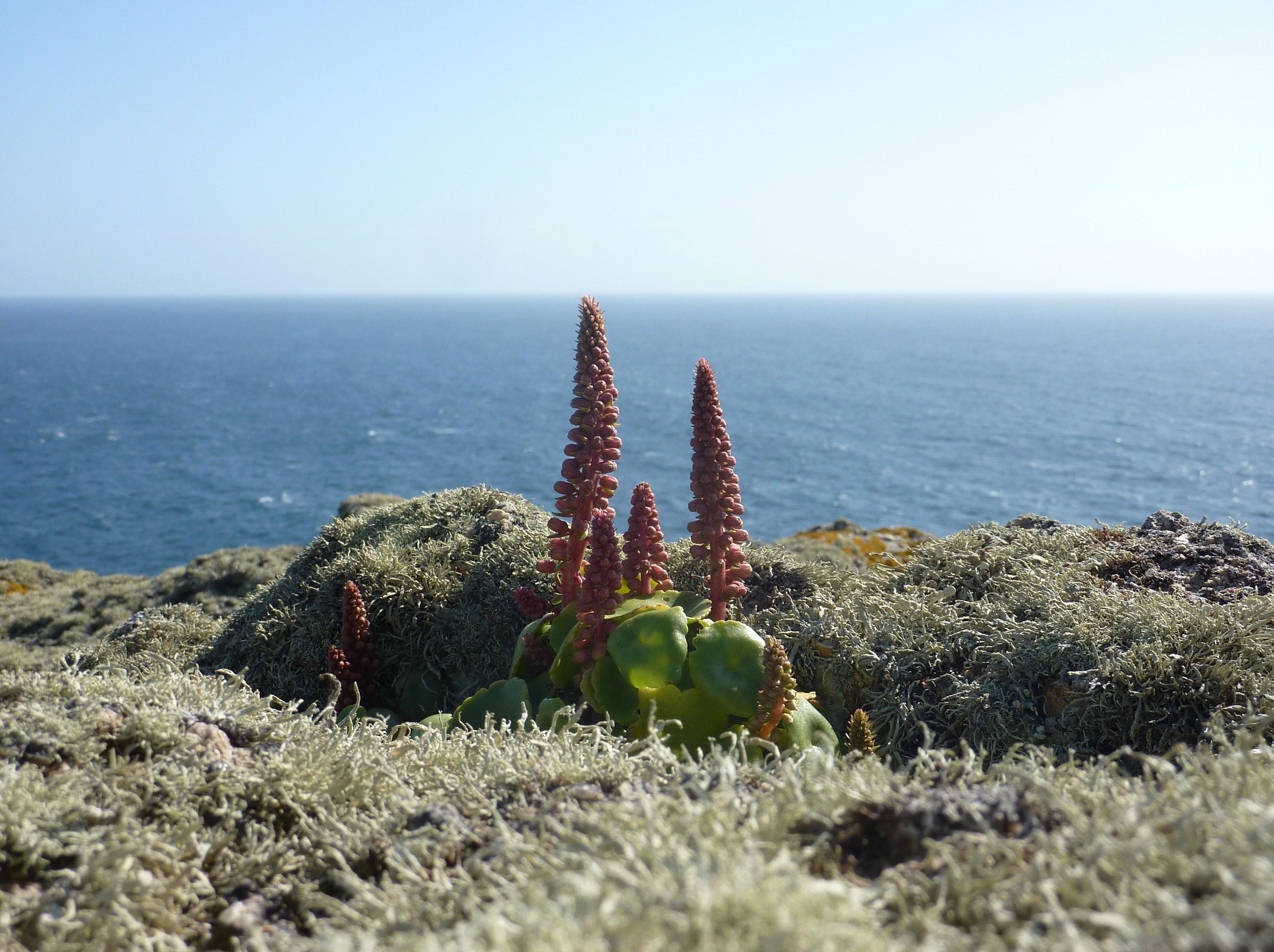
After an early start, I finished early so I comforted myself by taking some time out to go and view one of the rarest plants in the UK.  I’ll be impressed if anyone can tell me what it is (I do know what it is.  Obviously.)…

A trip to the lizard, and more of the sedge.

There was a chough team party down the lizard yesterday.  It was my first visit to the Lizard and it was great to make acquaintance (sort of) with the legendary Lizard pair.  The Lizard pair were the first pair of choughs to nest in Cornwall since 1952.  In 2002 they reared three young, and have successfully reared young each year since.  Apparently they are prone to showing off to the crowds, but today, they were very business like, and didn’t come close enough for me to get pictures.  Choughs are known to live up to 16 years, so hopefully they will be there for a few more years yet.

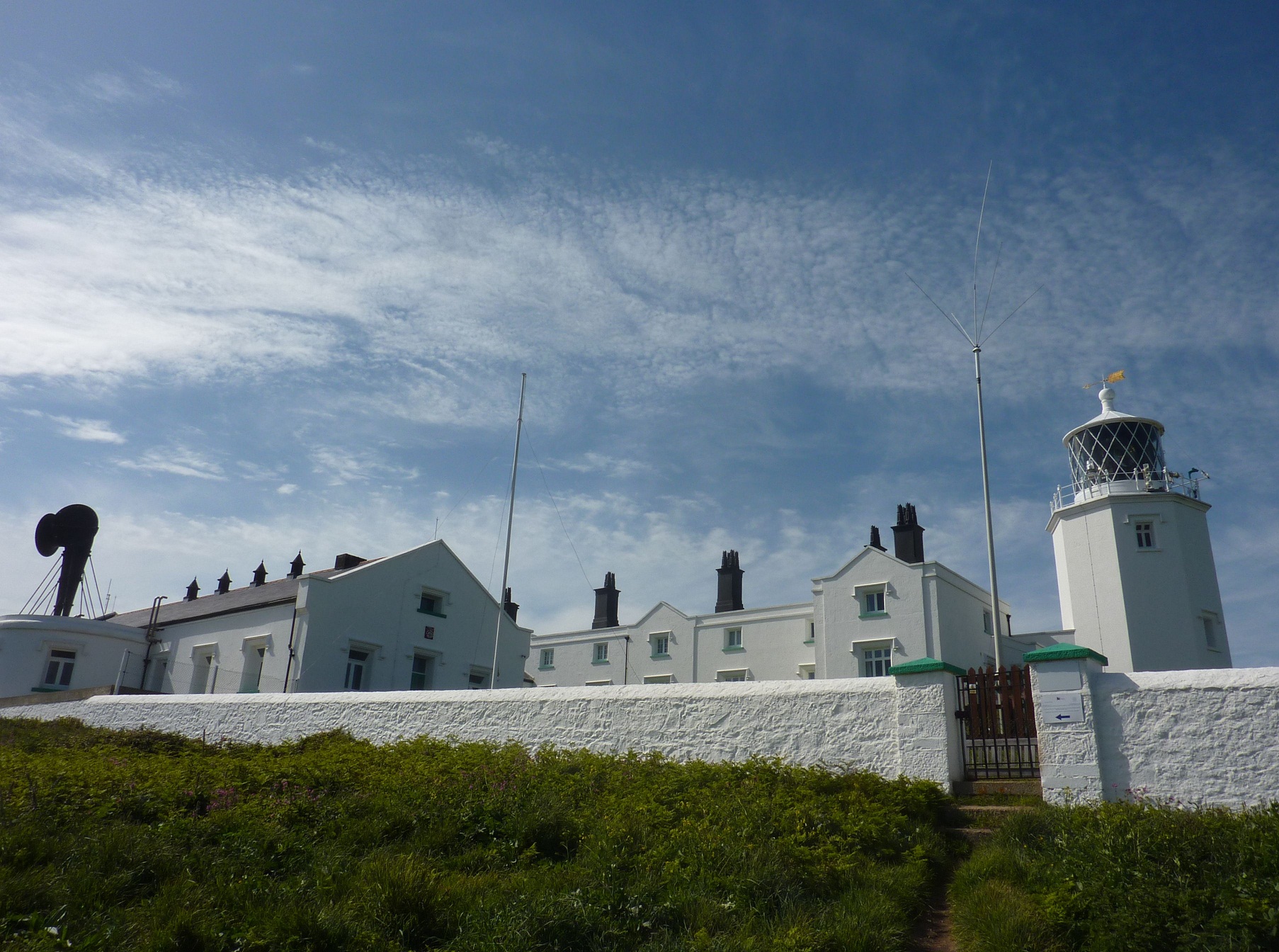
I also got the chance to meet the rest of the chough project team, and watch the sun set over the Lizard Lighthouse.

Today, back on my patch, there was a cold wind blowing in from the sea (there often is), and the choughs didn’t seem to be about much.  There was a bit of raven action at one point, and I managed to get a rather poor shot of the slightly illusive sedge warbler.


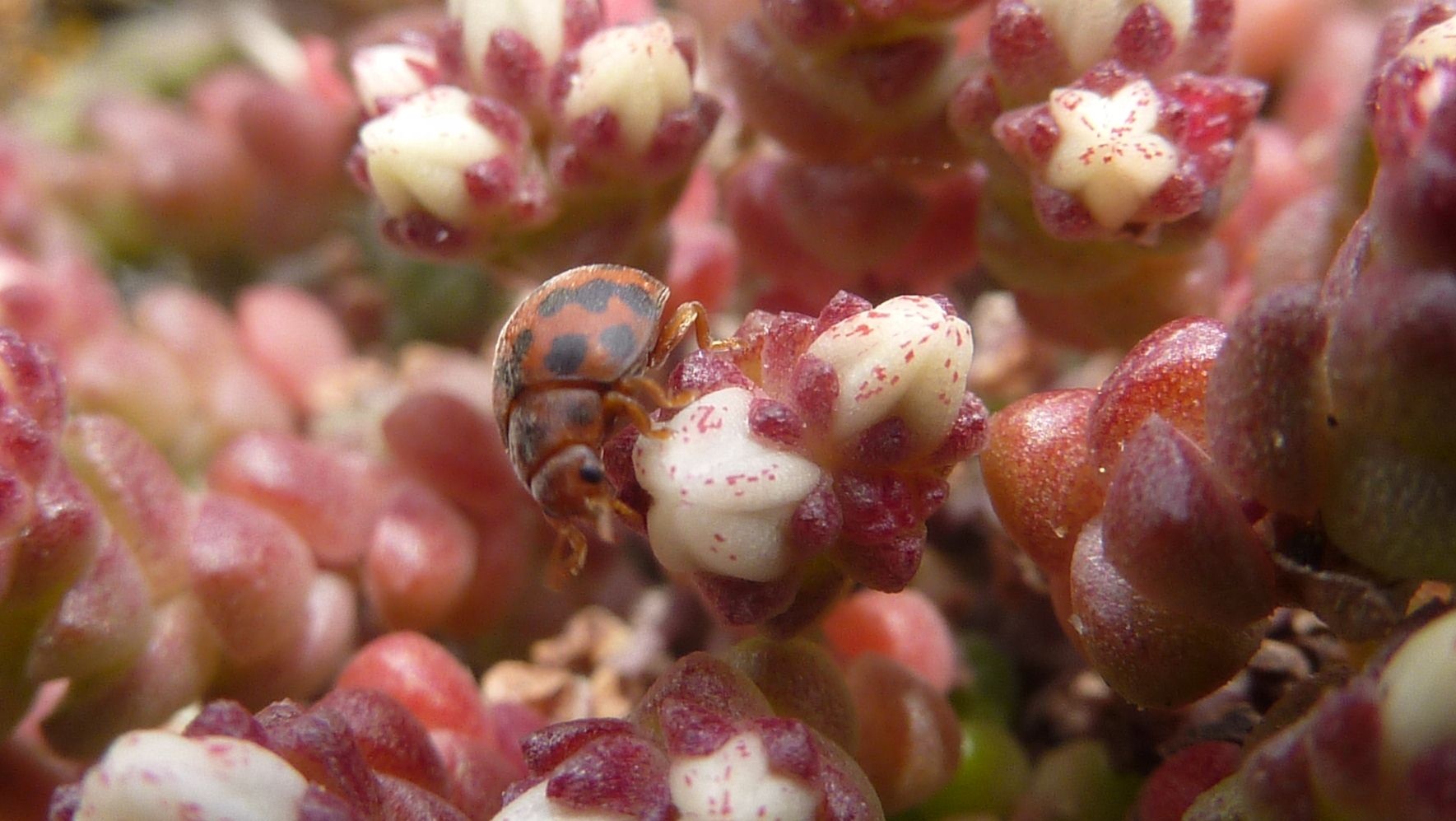
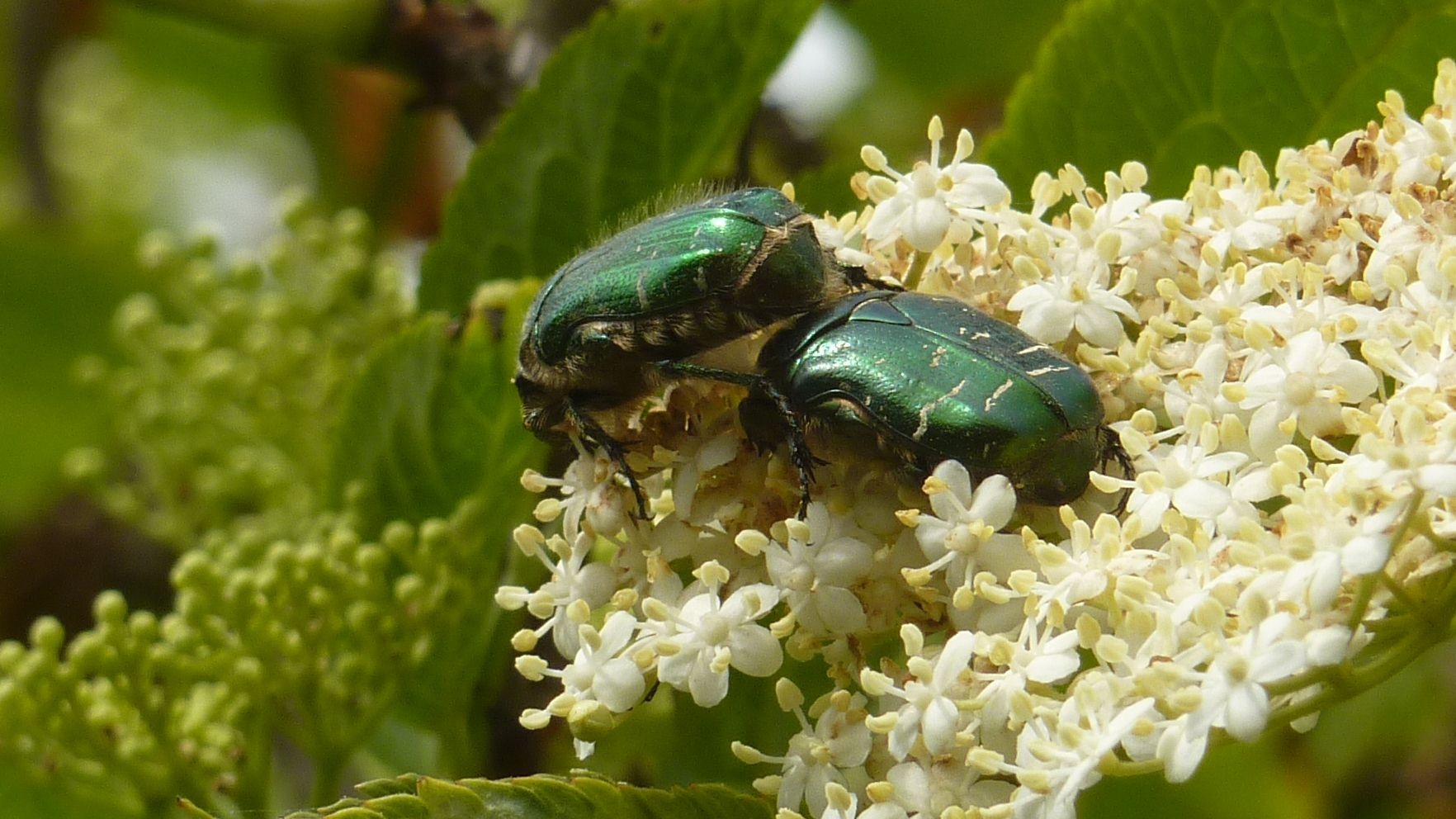
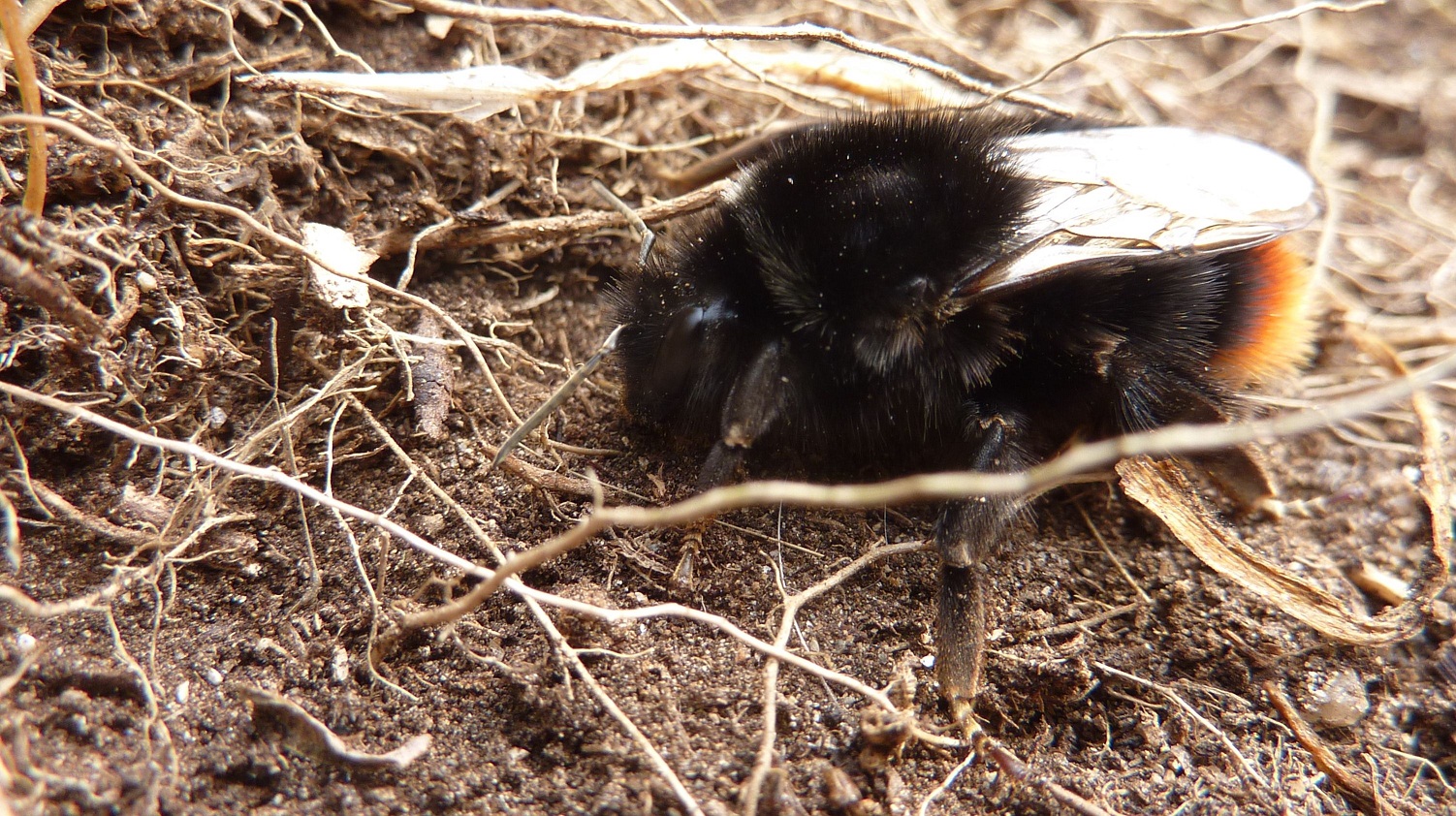
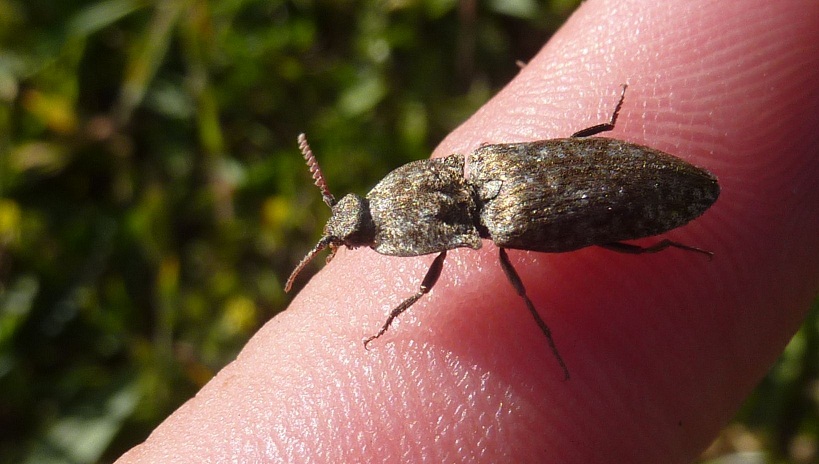
Bugs and a sedge warbler

Today I follow the choughs about a bit to determine their feeding sites.  This should also give us a good idea of where they might bring the chicks when they fledge (which we’re hoping should be around the end of the month).  The birds are busy collecting food, but still take time to groom each other, with Mr Brownblue occasionally running over to Lady Whitebrown with a food offering.  Both the birds still look in top condition.

Today I saw, and heard, my first sedge warbler.  Excellent.  They have an incredibly complex and varied call (the RSPB recording doesn’t really do it justice, as it usually goes on for a lot longer), which makes them sound ever so slightly mental.