So, it’s now August on Dartmoor. It’s interesting to see how the landscape has changed as the bracken has grown, and a different set of flora is in bloom. The bird life has also changed a little since starting here in June. The dawn chorus is now being sung by willow warblers and chiff chaffs that are probably passing through (the locals stopped singing in late June), as well as whitethroats and the ubiquitous wrens. The blackcaps now spend their days chipping out their contacts calls, rather than singing, and we no longer hear cuckoos, garden warblers, song thrushes or even that many blackbirds, although there are still young thrushes (including mistle) about.
I am lucky enough to see numerous young and adult raptors regularly, having worked out where I can see families of sparrow hawks, kestrels, hobbys and buzzards, including a near white fronted, palest young buzzard that I’ve ever seen. We also see a (young?) peregrine fly near the watch site a few times during the month, and on one fantastic occasion we saw this bird spend considerable time testing its moves on a buzzard and then some pidgeons. In fact the only raptor that didn’t seem to get involved in aerial duals with the buzzards were the sparrow hawks, which were content to scythe through the scrub/trees, at high speed. On my final watch myself and Helene were witness to one chasing a very panicked green woodpecker into some trees. Greeny avoided capture by inches with a couple of incredible last minute changes in direction.
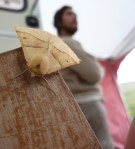
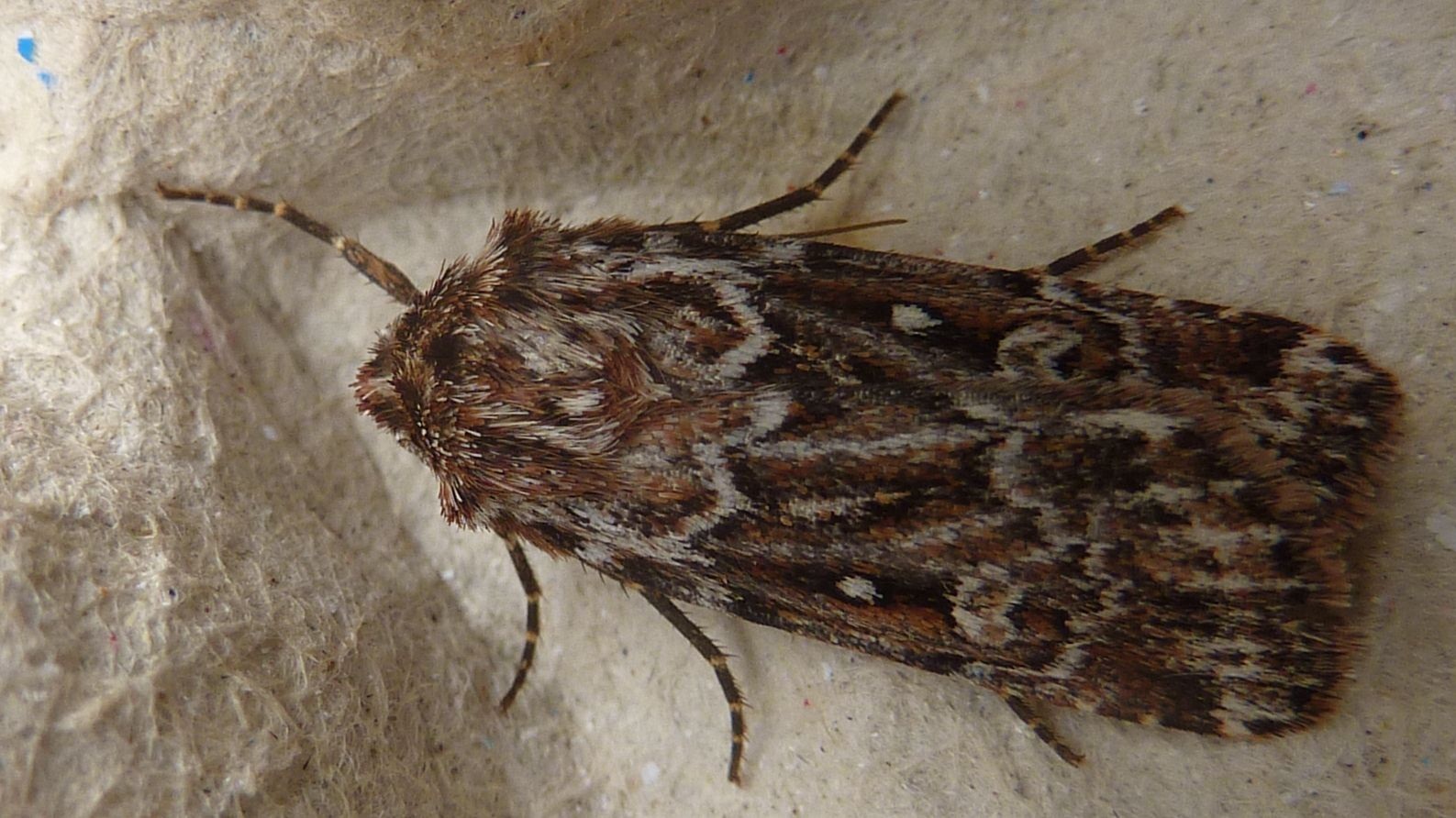
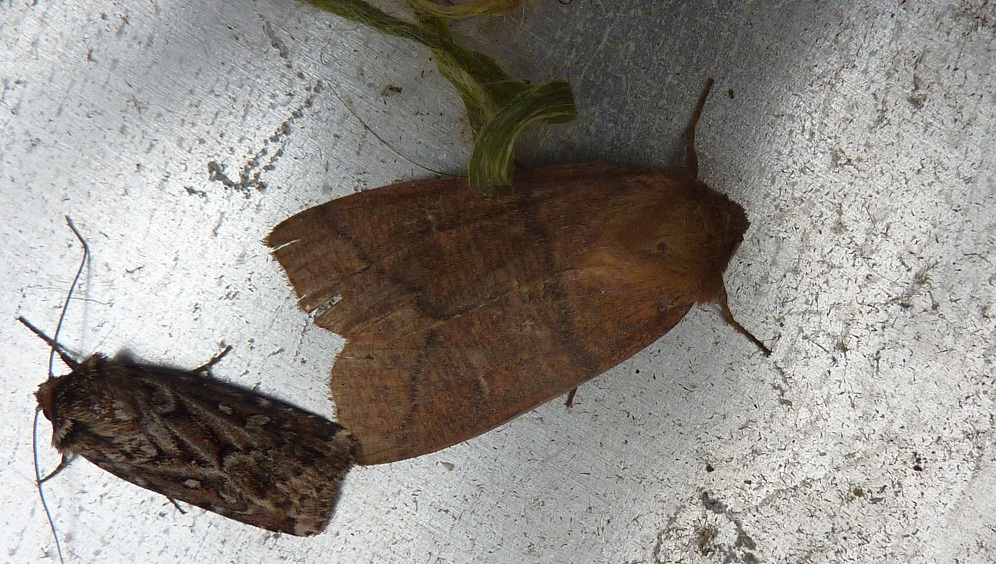
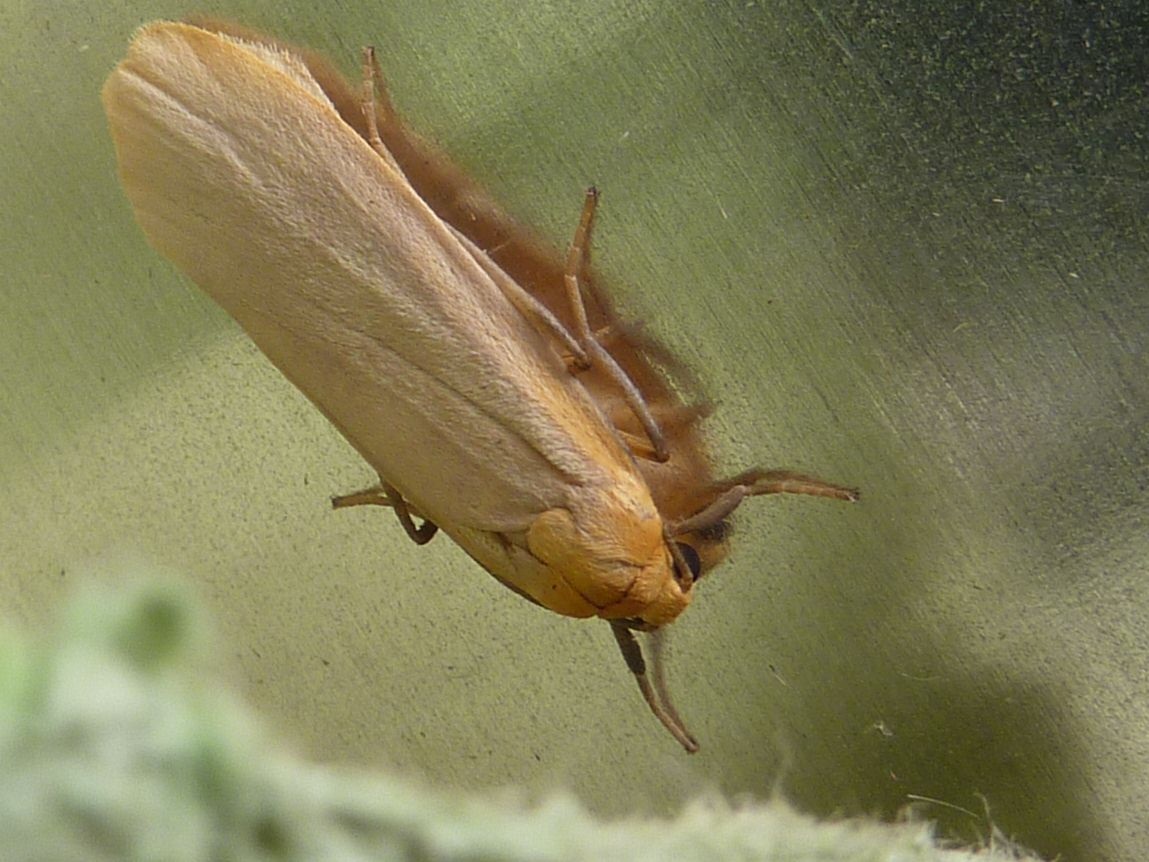
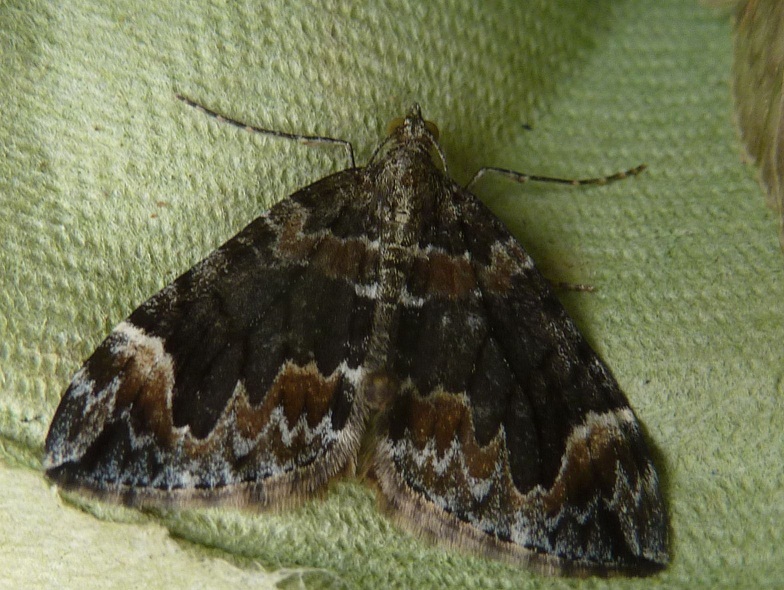
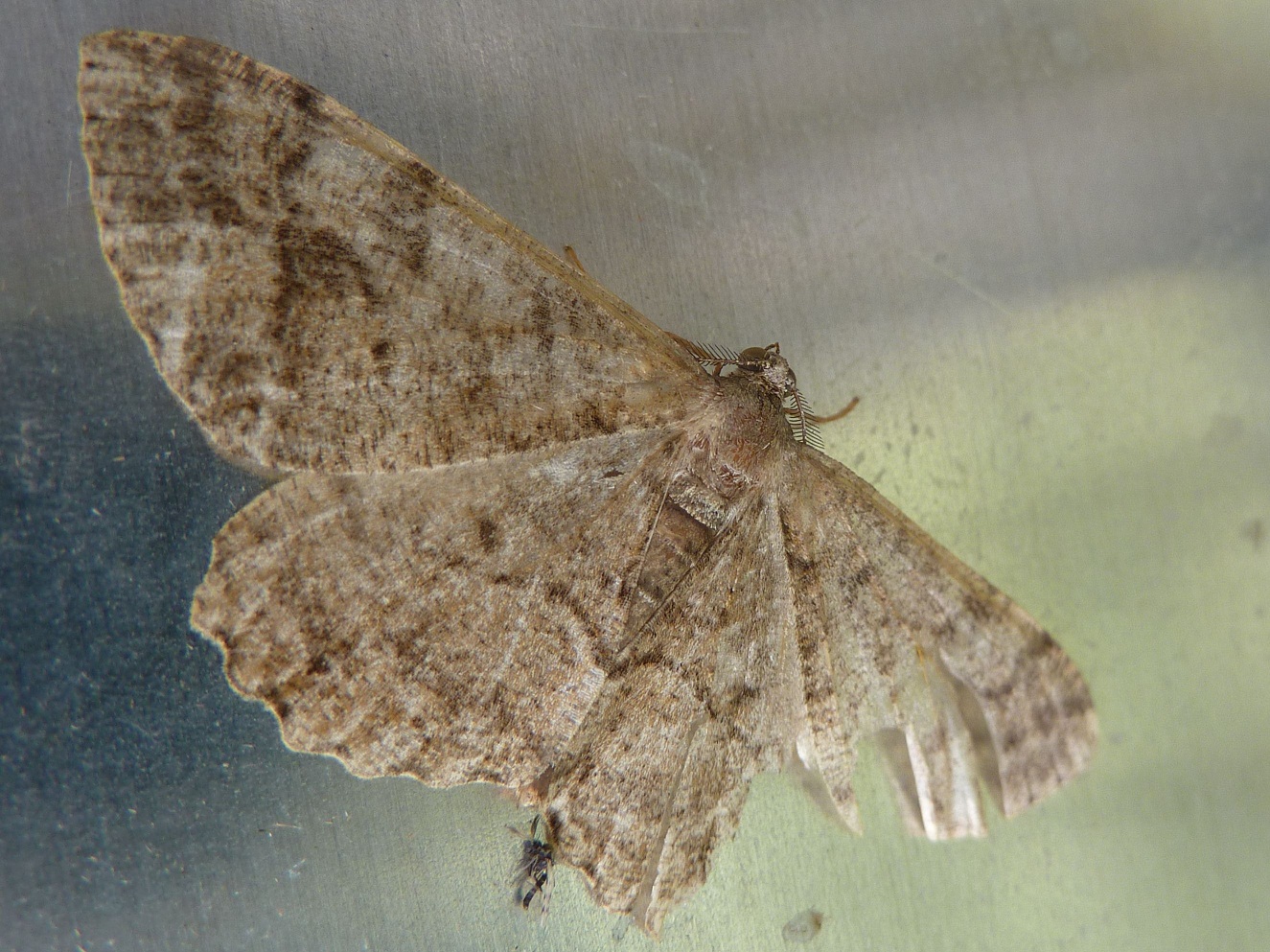
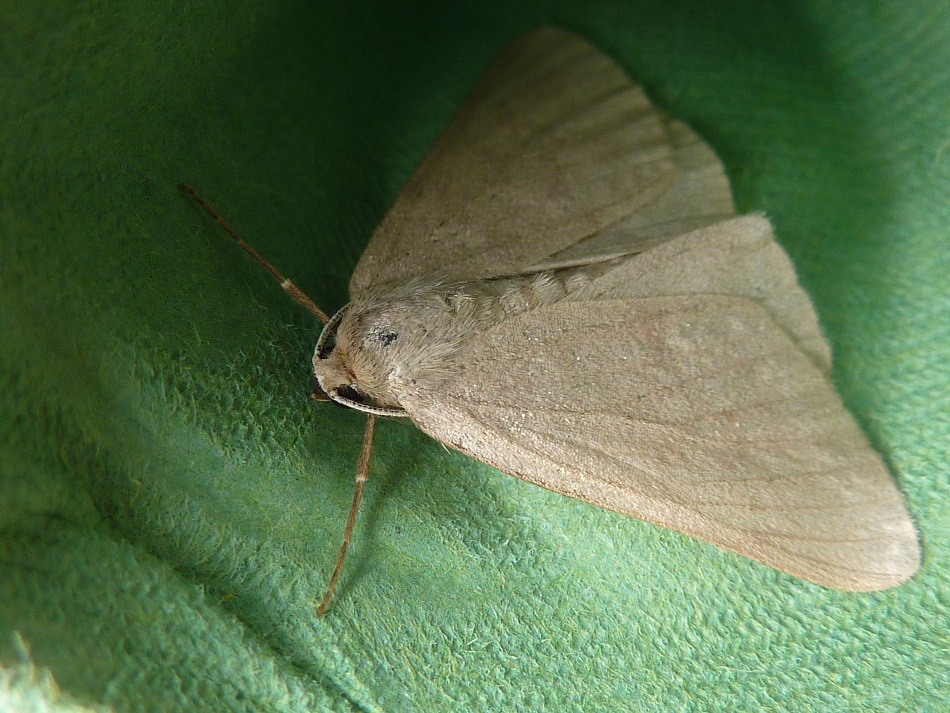
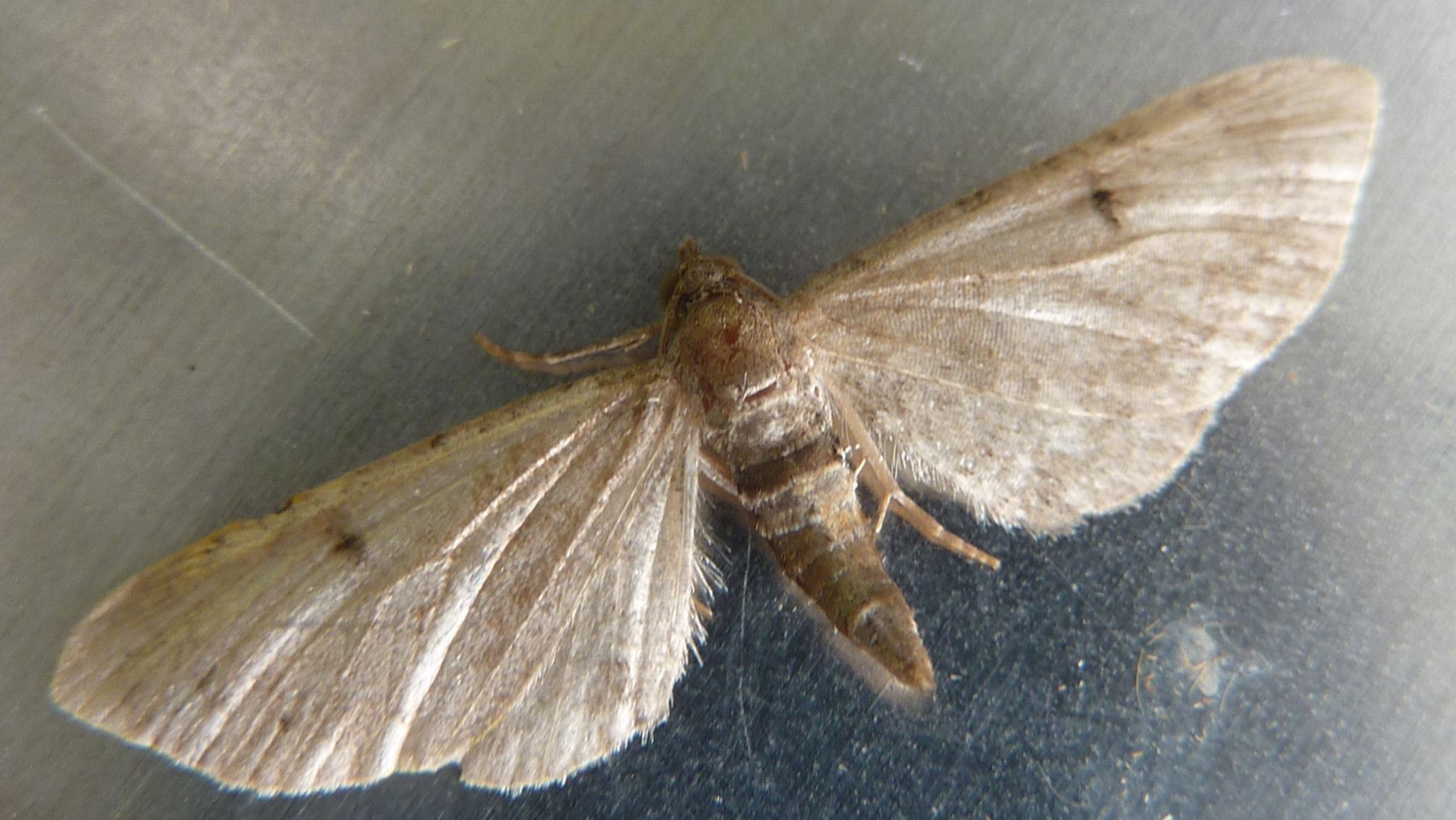
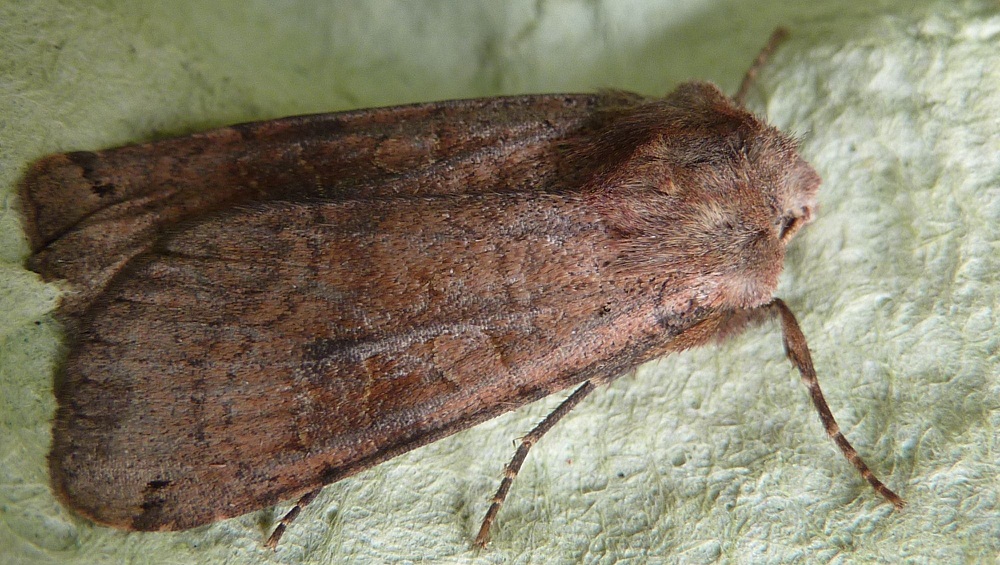
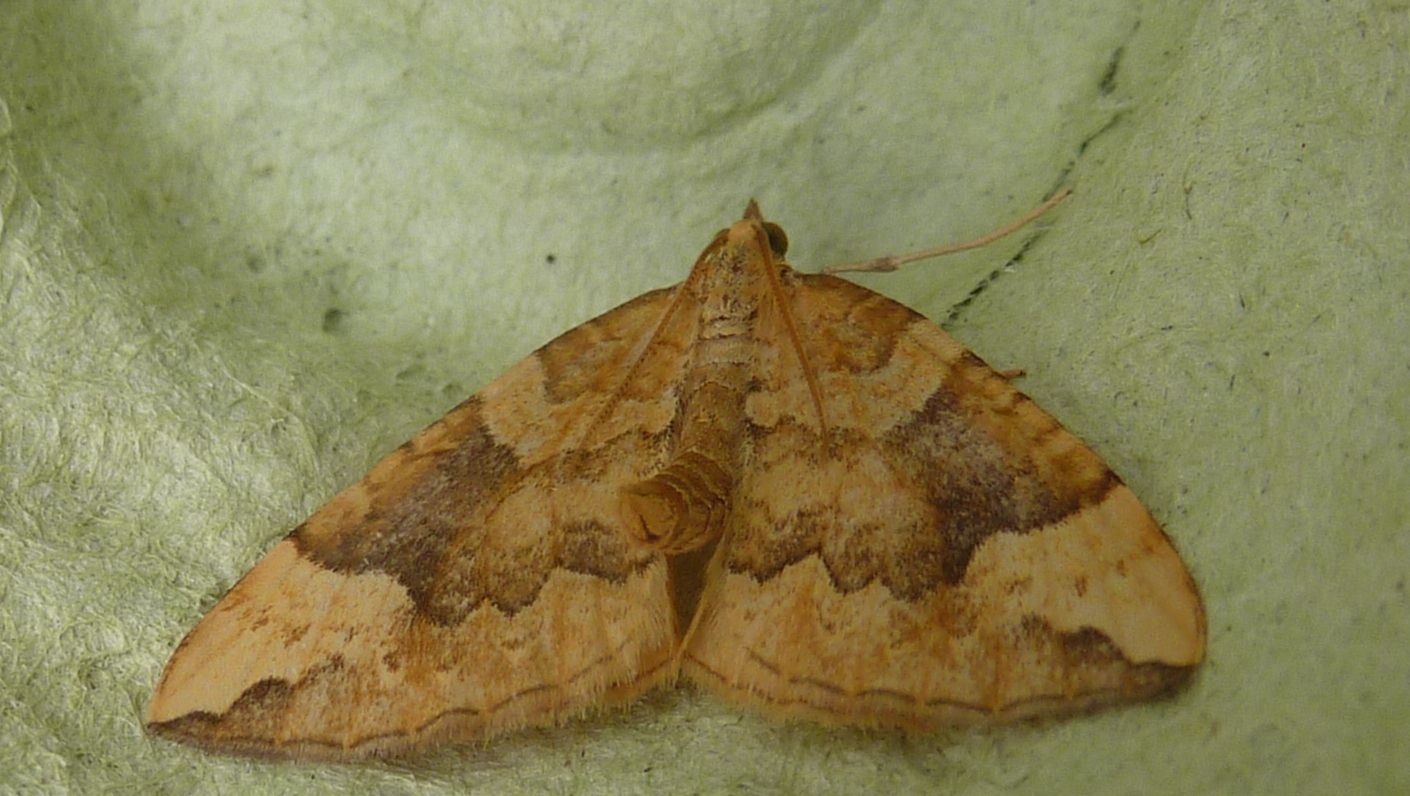
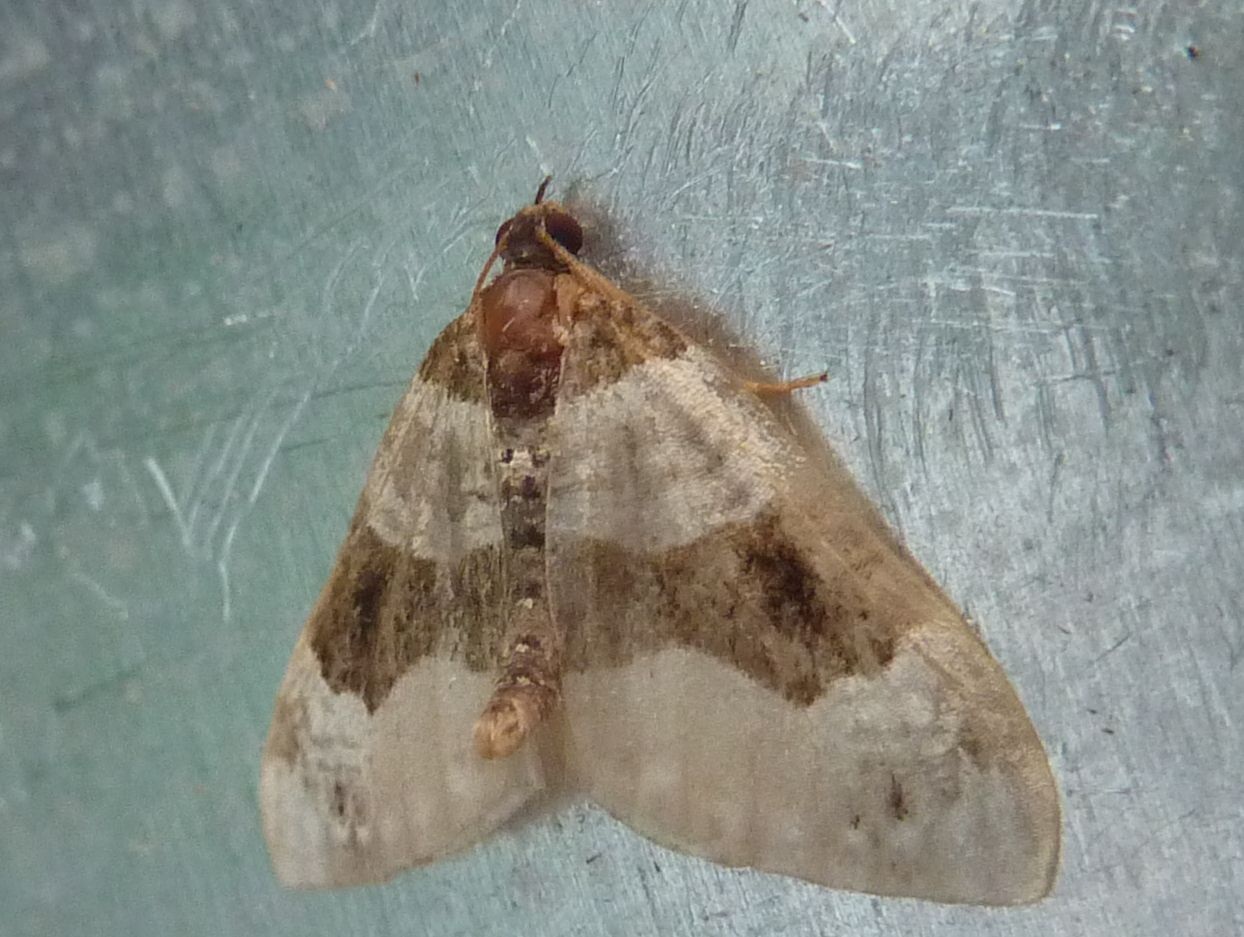
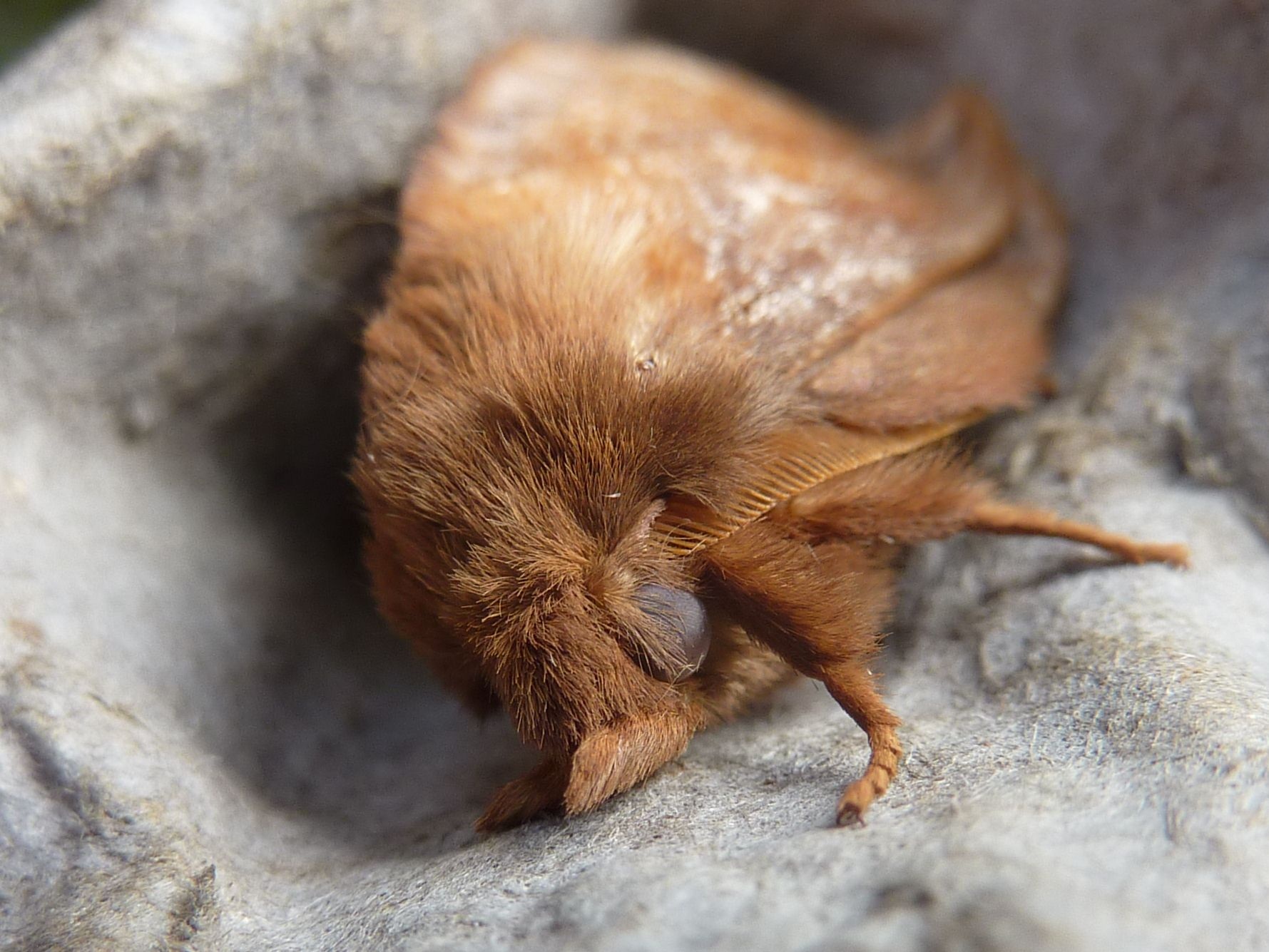
Massive thanks goes to Nigel, Mary and Colin for bringing along cakes & crisps for myself and Damian (my co-worker for the last month or so) and to all the day volunteers/birders for spending time watching out for the birds and keeping us from turning into some kind of eccentric recluses during the course of the project. Or at least tolerating us after we had. Thanks to Perry for coming back for a few days (let me know if my moth id is way off the mark), and to Helene and some of the other very nice people from the RSPB office for coming out to help and looking after us.
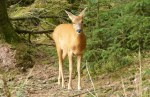
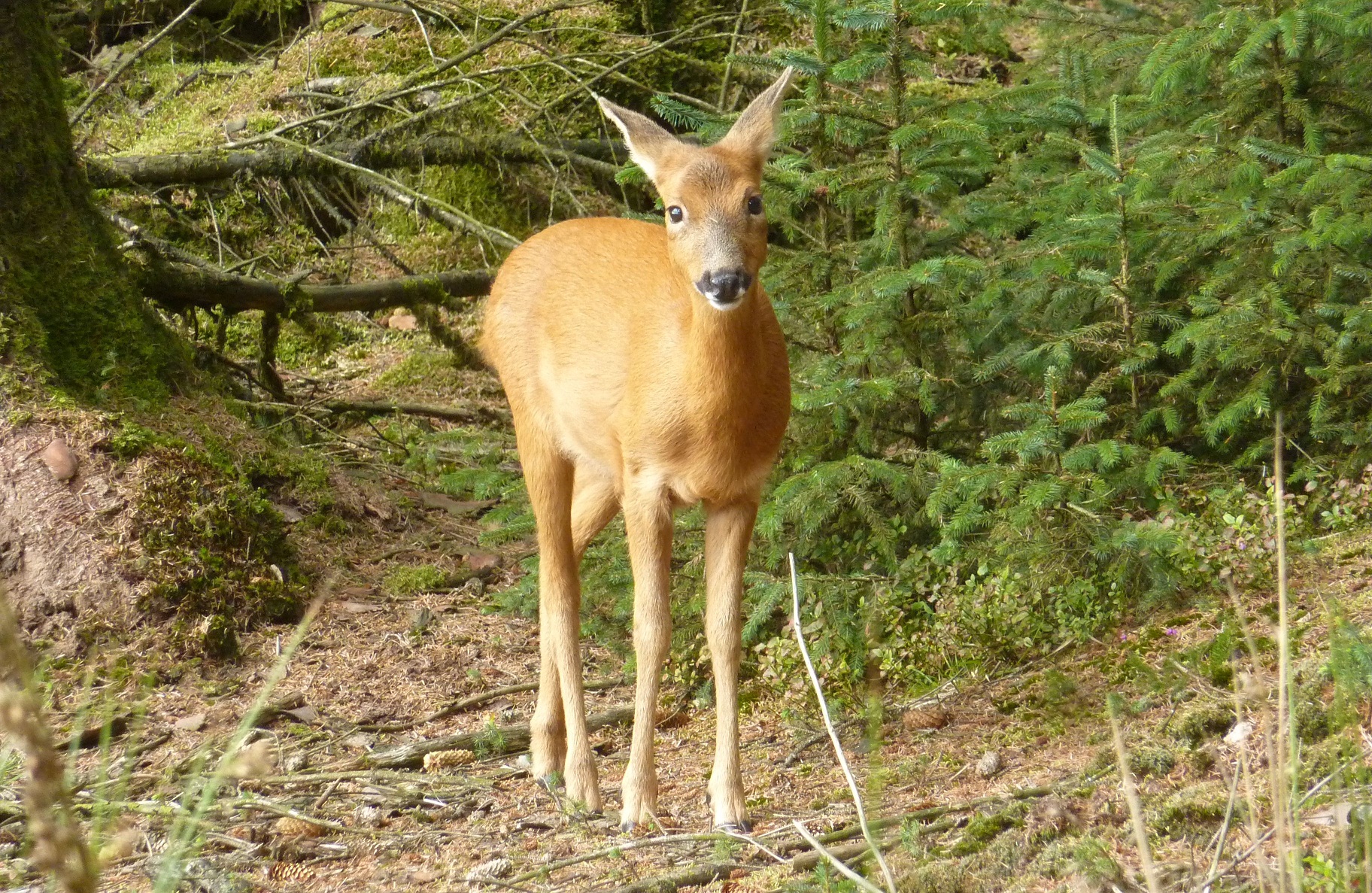
I’m lucky enough to have had some great deer encounters this month, especially with a (young?) roe deer – see photo below. There’s been lots of nightjar action, presumably because the young are now old enough to be out and about. There’s been one particular bird that flies over my van every evening, occasionally stopping to sit on the ground in front of me. It’s amazing. Nightjars really are lovely birds – I’m disappointed that I don’t have a camera able to take decent images in poor light.
I have a great respect for Satish Kumar, who has good things to say about Dartmoor. Whilst I’m sure that it might not have been some people’s cup of tea, I’ve certainly felt very content to spend an extended period of time on the moor, away from the trappings of modern life. Some areas of Dartmoor are fantastic and have a lovely feel to them, and I’ve come to really appreciate time without the communication tools that we now take granted, such as a mobile, email, internet, etc. But, like Satish, I think that trees are an extremely important part of our environment.
It is suggested that the word Dart means oak, and the majority of Dartmoor would certainly have been covered in broadleaf woodland after the ice age. For me the parts of Dartmoor that feel right are those parts that still feature native trees. Although I have no data to prove it, just a short time spent in different areas is enough for it to be obvious that there are certainly at least more wild mammal and bird species in the areas with trees (all the many nightjars on Dartmoor are nesting in the plantations – which makes a mockery of claims that extended heathland is an ideal nightjar habitat, and also shows that the forestry commission are now sympathetic towards the wildlife living in their plantations), and seemingly more flying insects, arachnids, fungi, lichen and bryophytes.
So, yes, I agree with Satish that Dartmoor is a special place, but I think we should move on from the damaging practices of inappropriate intensive grazing, burning, and growing crops of spruce. I’m particularly inspired by the work of organisations such as Moor Trees, who are helping to restore native woodland on and around the moor, and I hope that the forestry commission will consider gradually reverting their plantations back to a majority of native species coverage. Improved tree cover on the moor will lead to more areas with greater species diversity, it’ll be more aesthetically pleasing, more spiritually fulfilling and, in turn, should lead to even higher numbers of (satisfied) visitors.
-
-
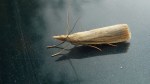
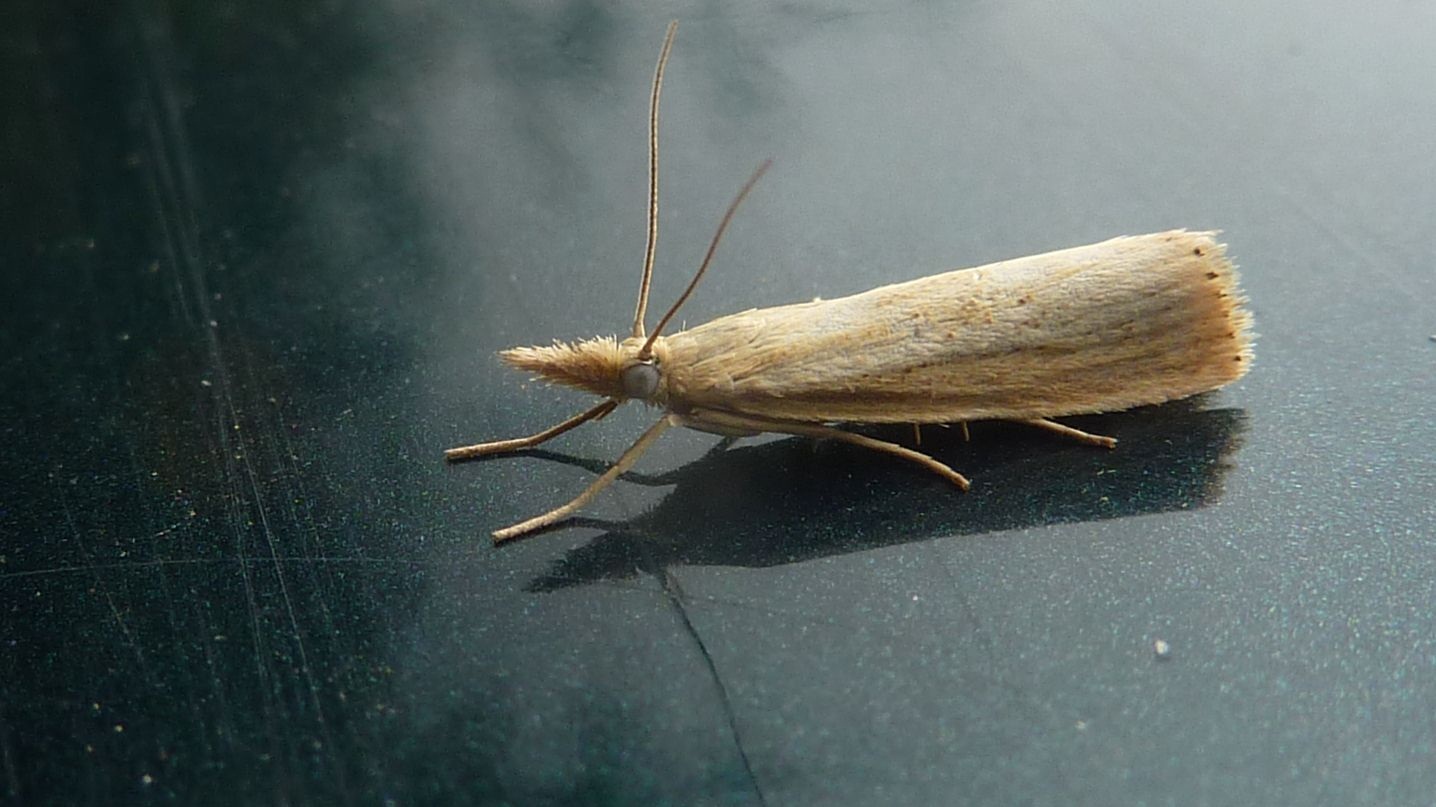
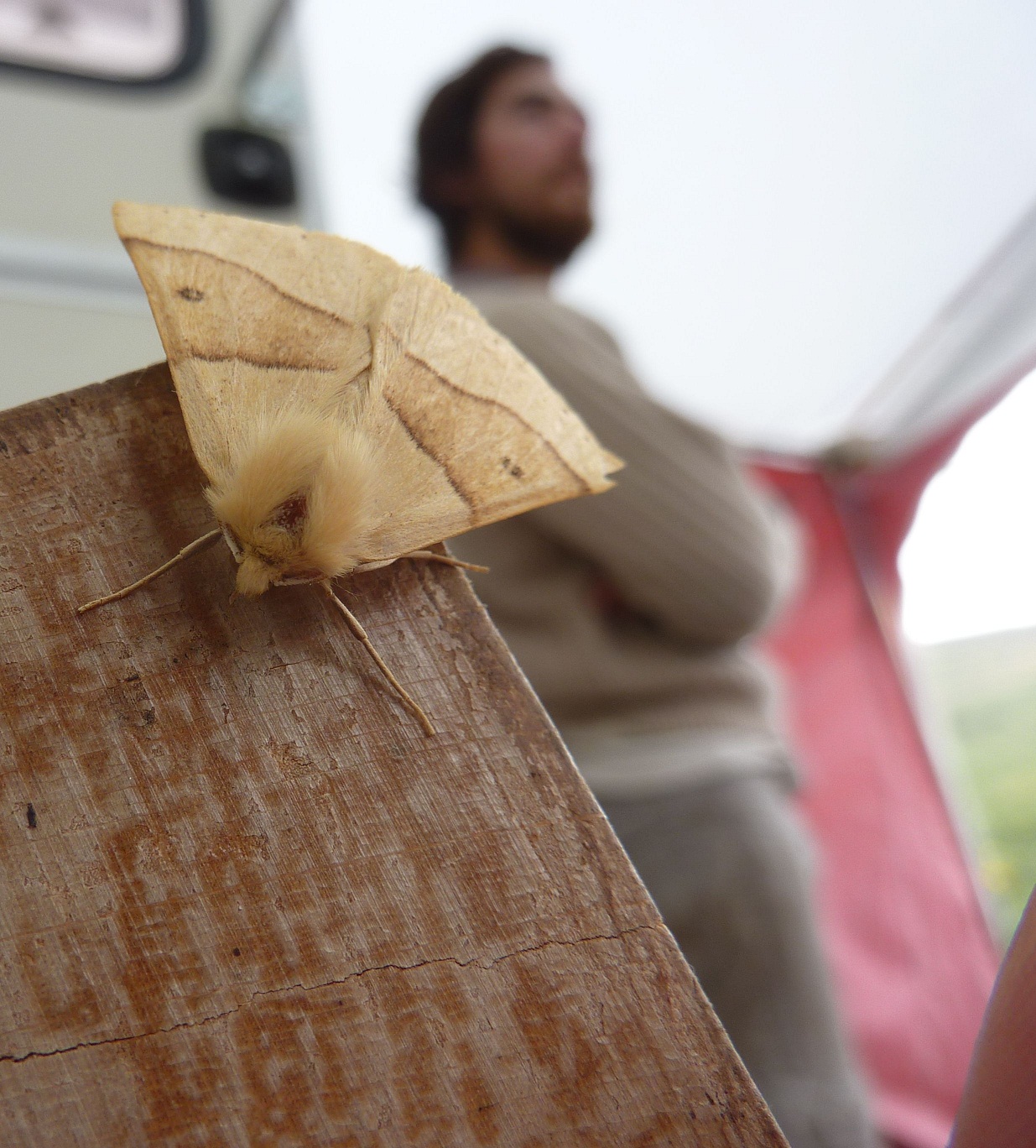
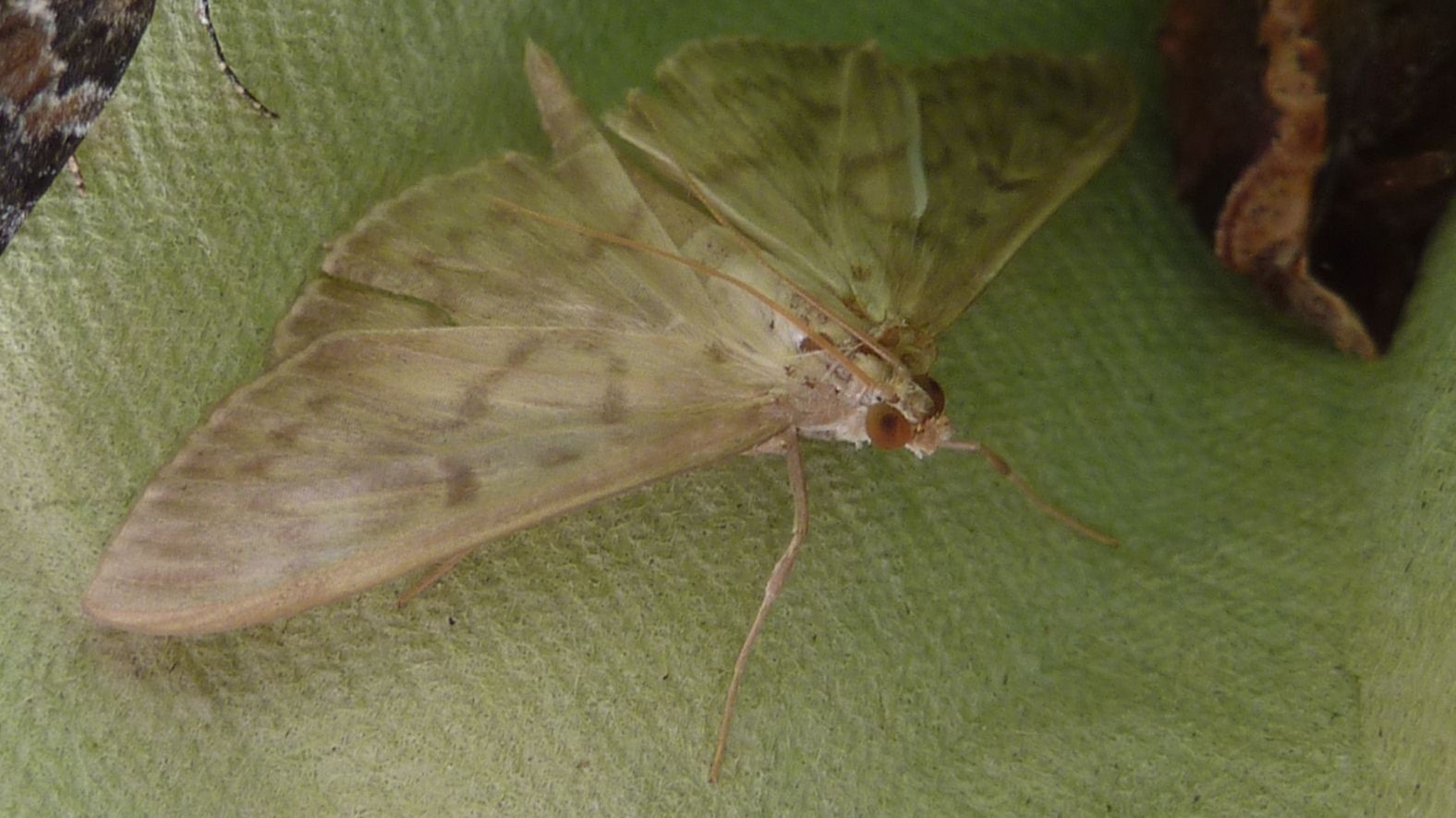
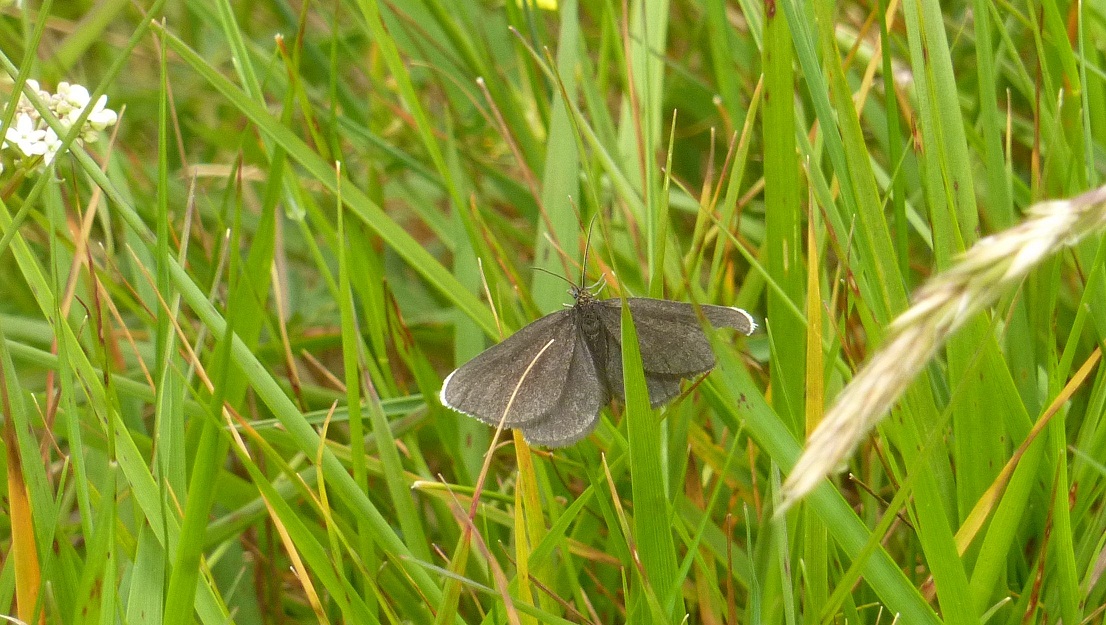
I think this may be agriphila straminella, the common grass moth. Check out those eyes.
-
-
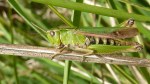
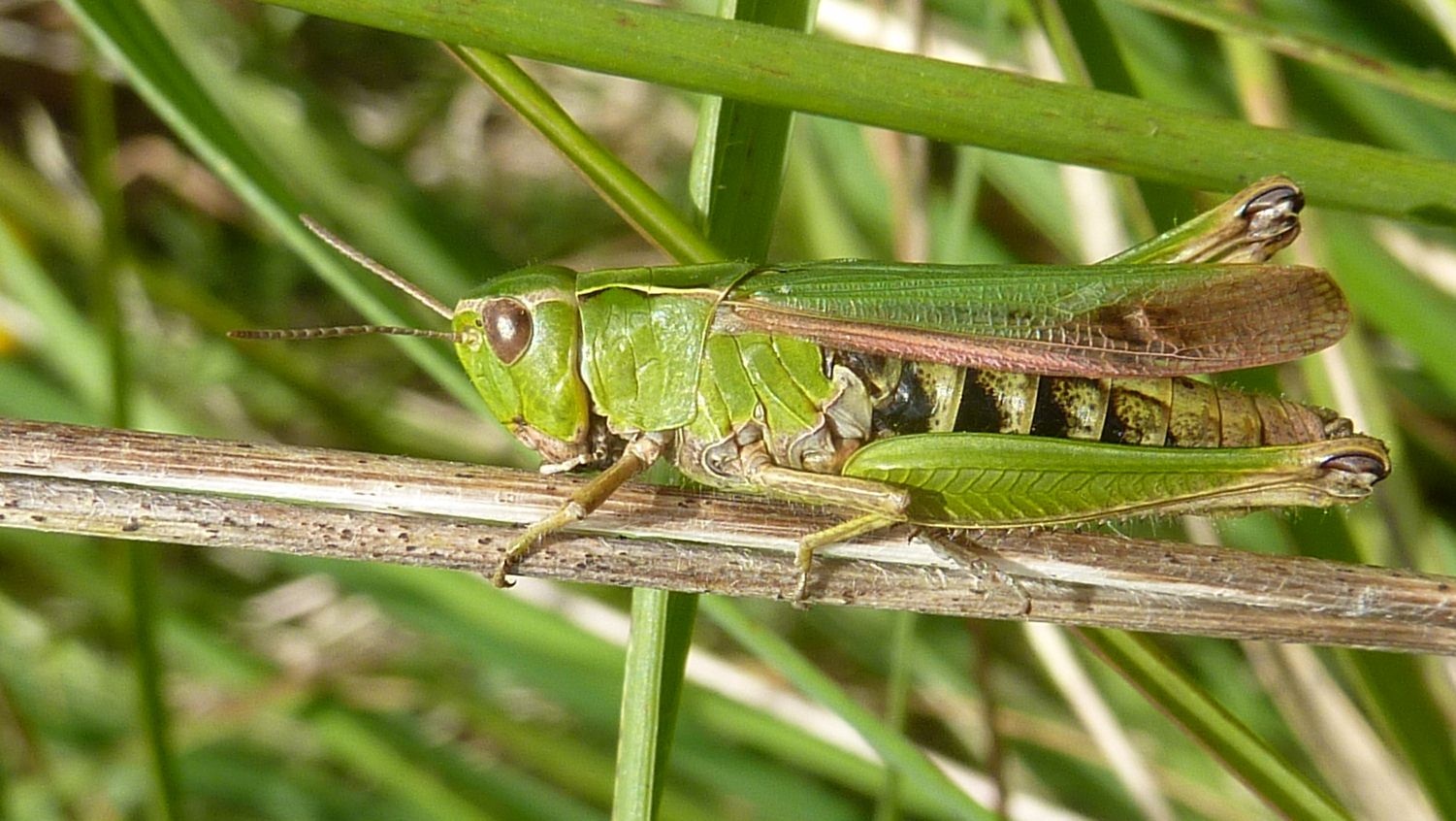
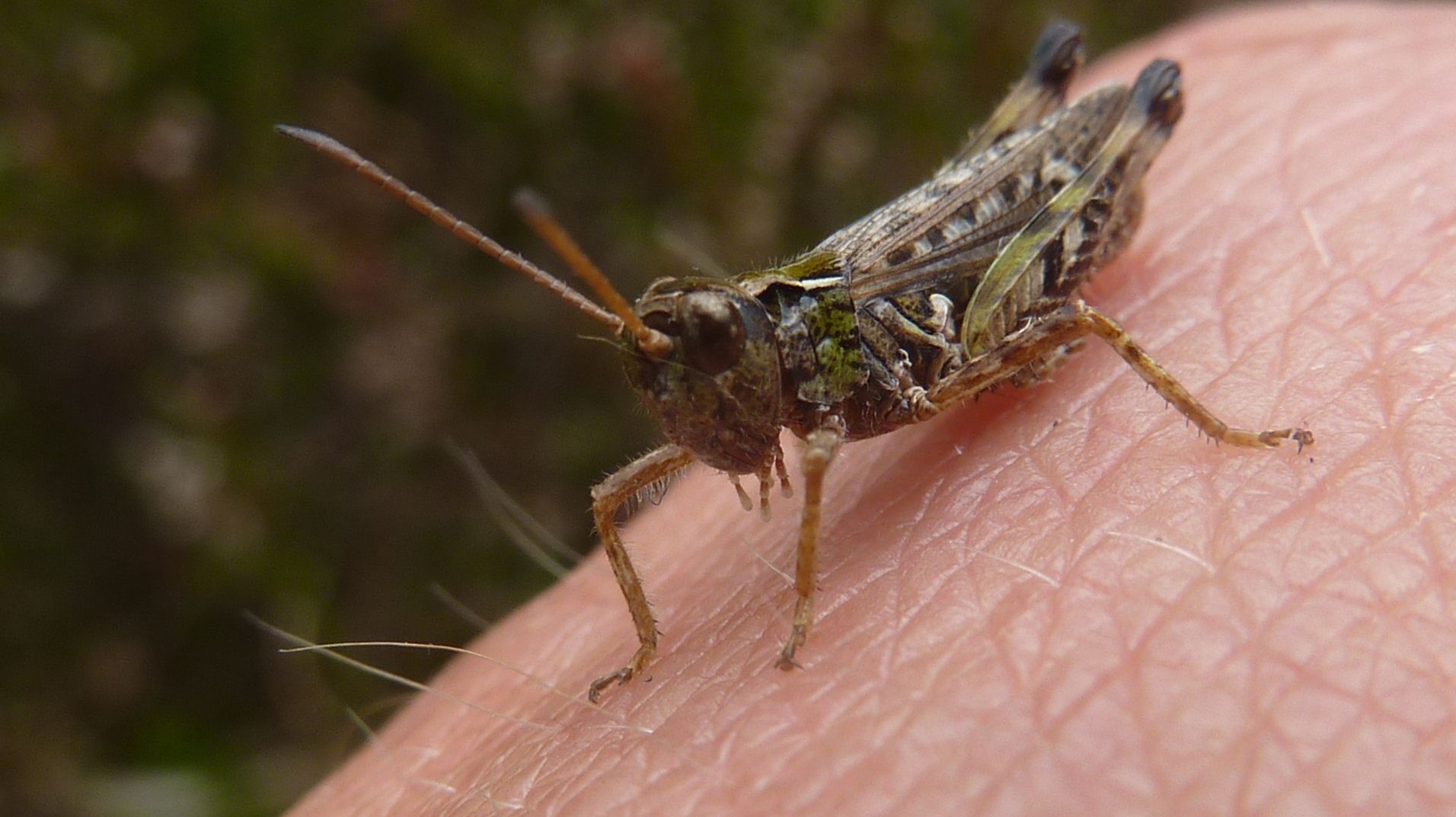
Surely a common green grasshopper (Omocestus viridulus)
-
-
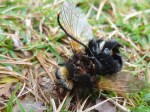
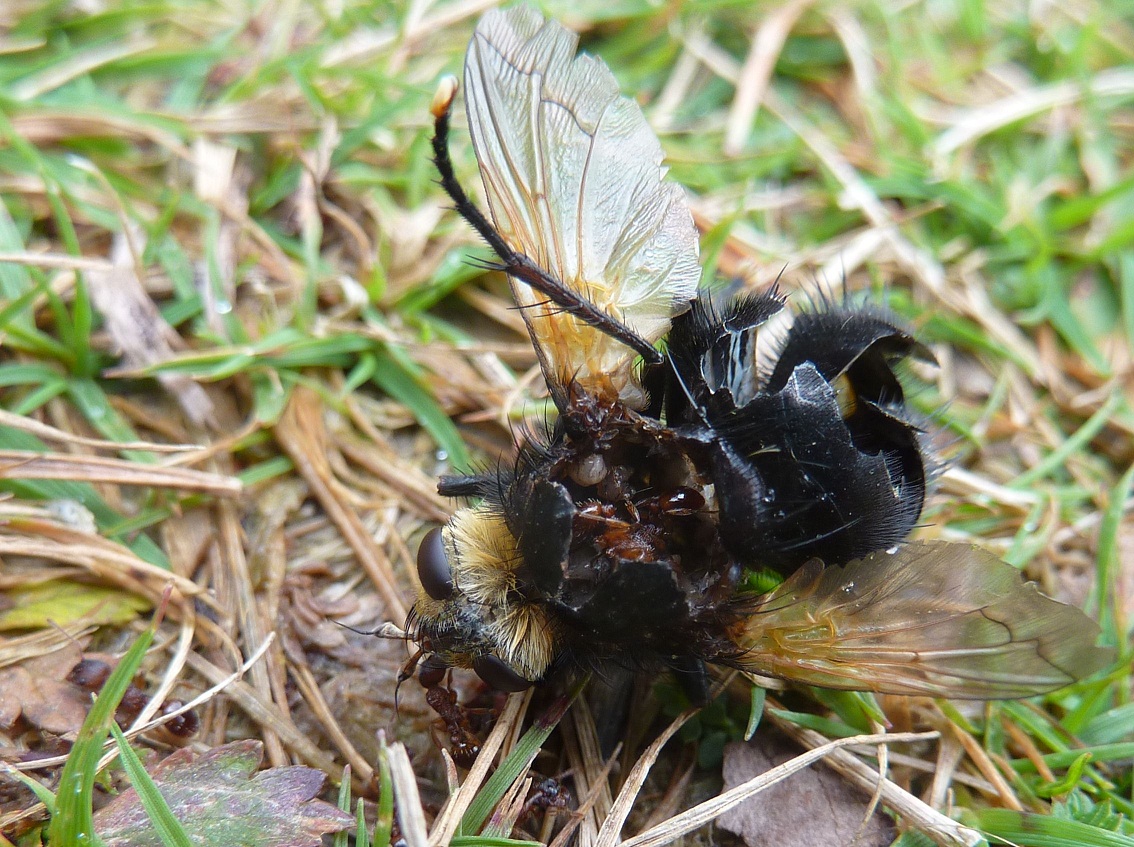
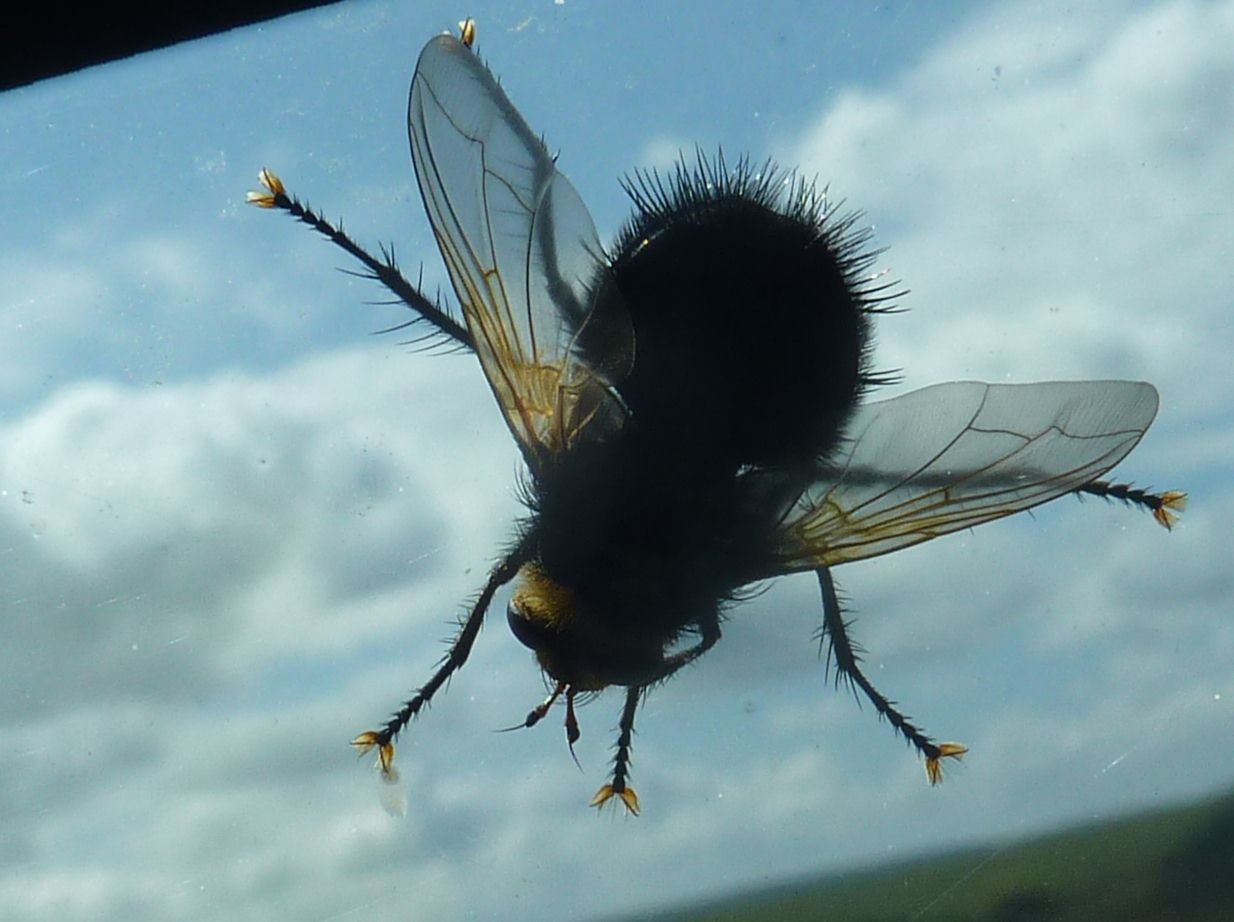
Poor old custard feet (Tachina grossa) has been a meal for something
-
-
Perry
-
-
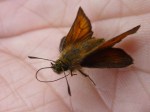
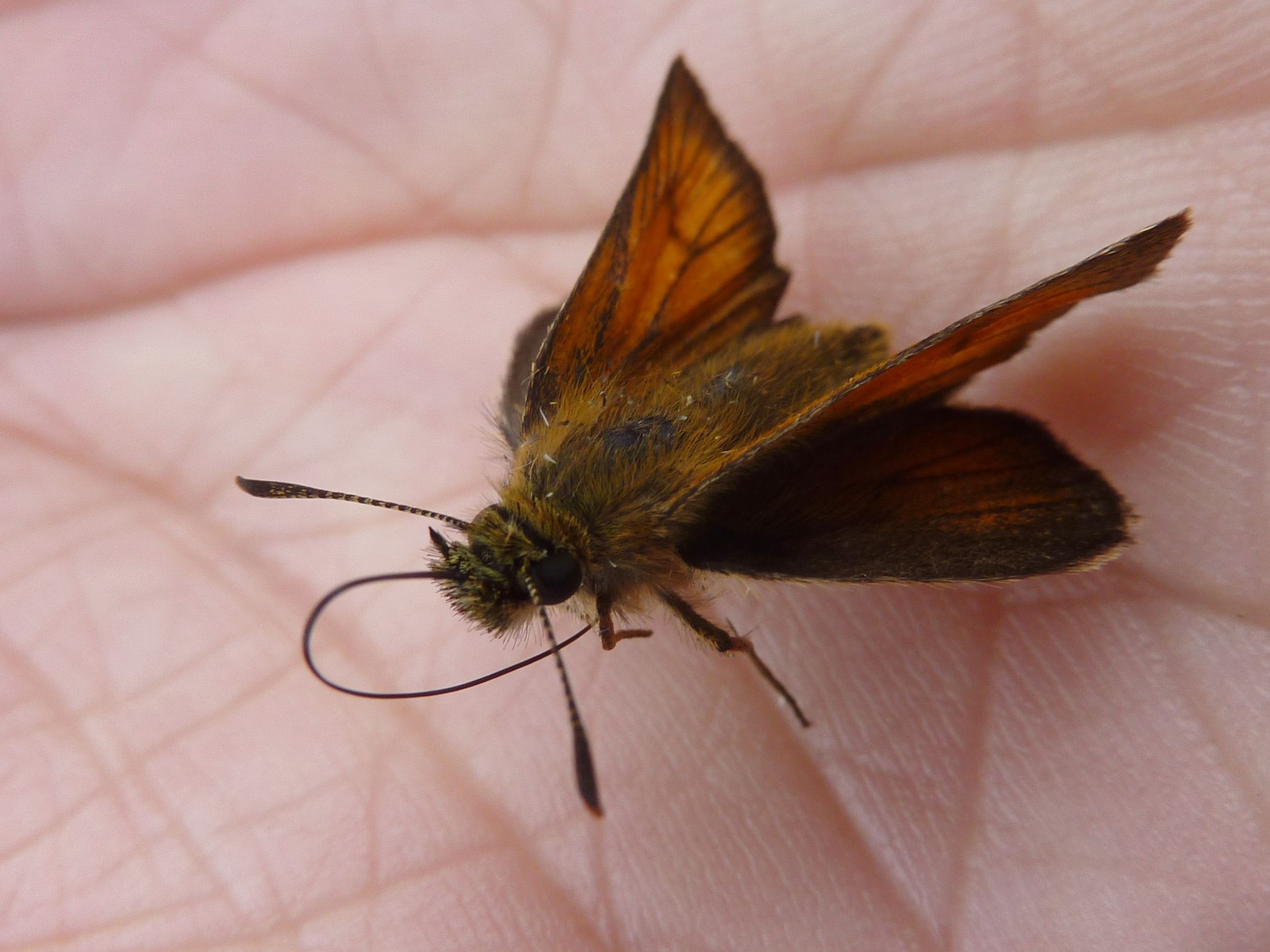
Small skipper and an amazing tongue like a long straw, used to drink nectar – thanks to Barry Dunn for the id
-
-
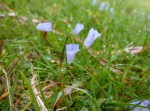
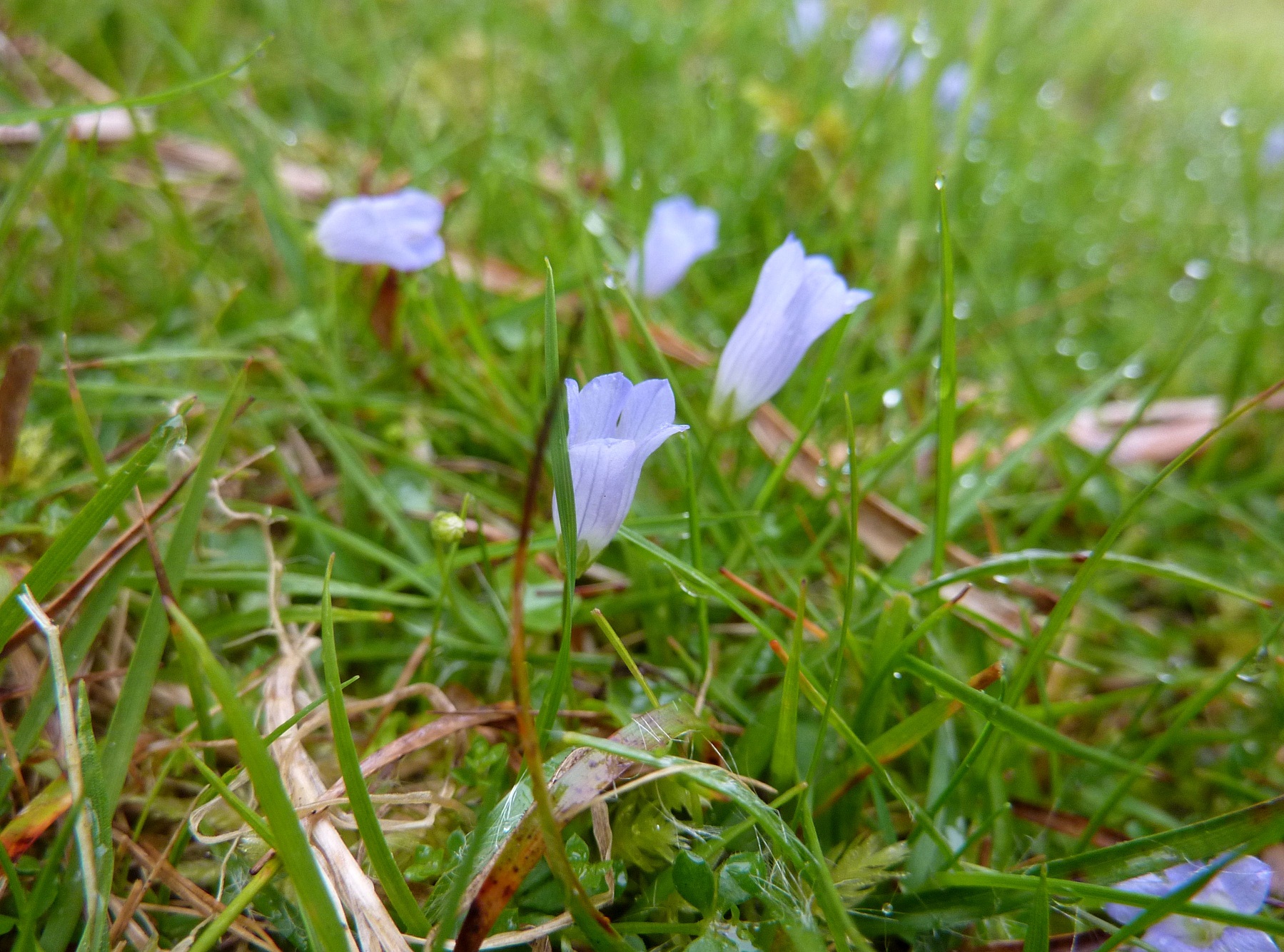
I found these tiny flowers near a wall, but don’t know what they are – I’m going with Wahlenbergia hederacea (thanks Helene)
-
-
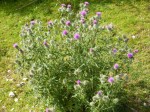
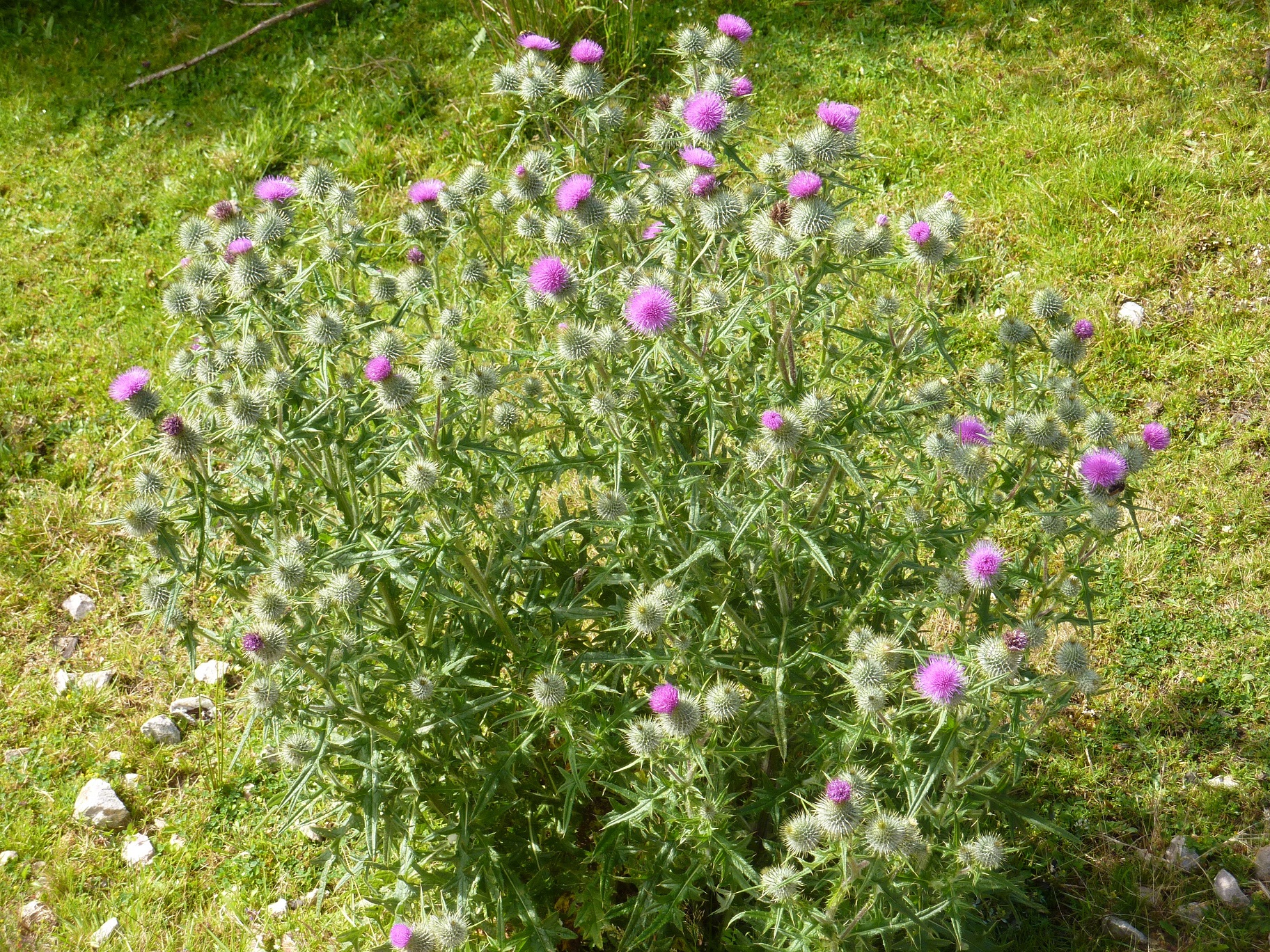
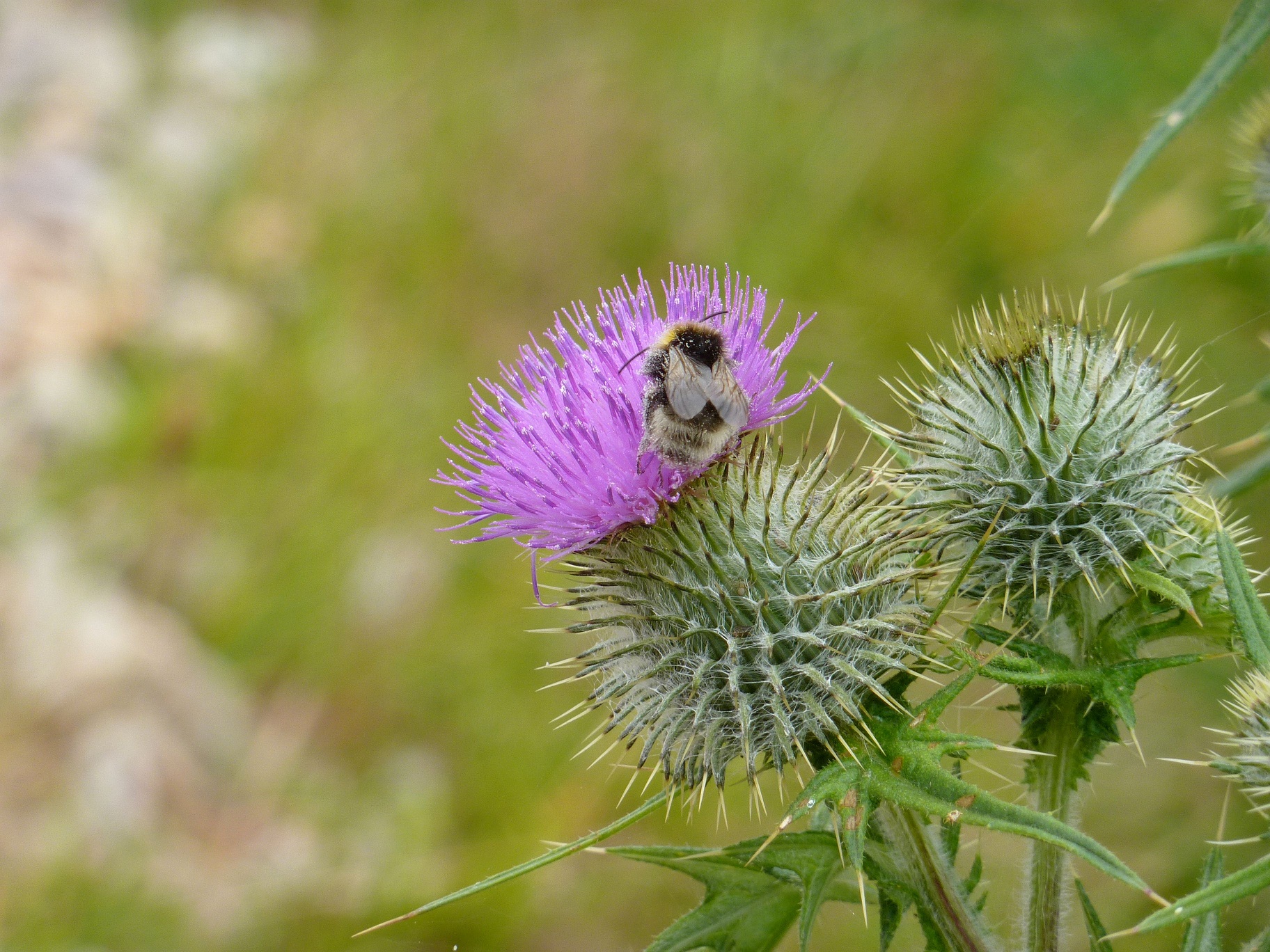
Thistles are an important plant for bees, hoverflies and other insects.
-
-
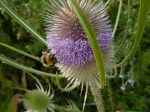
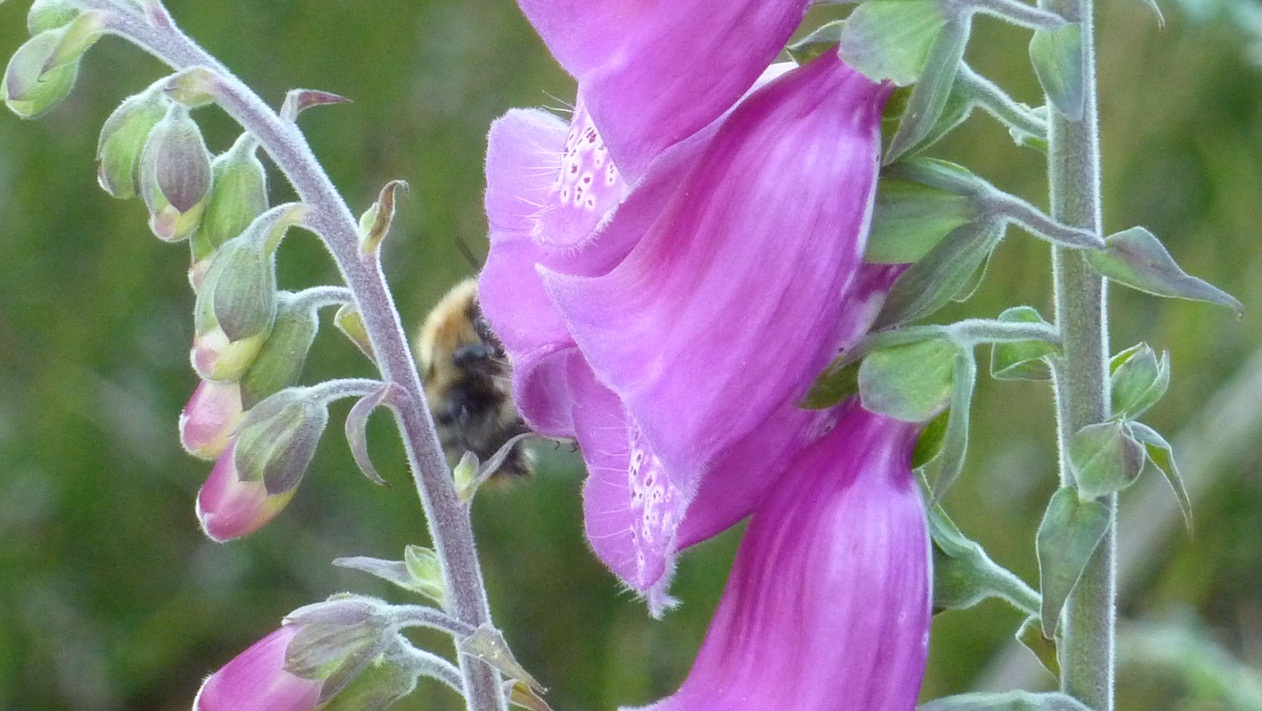
Some bombus on teasel (Dipsacus fullonum) action.
-

-
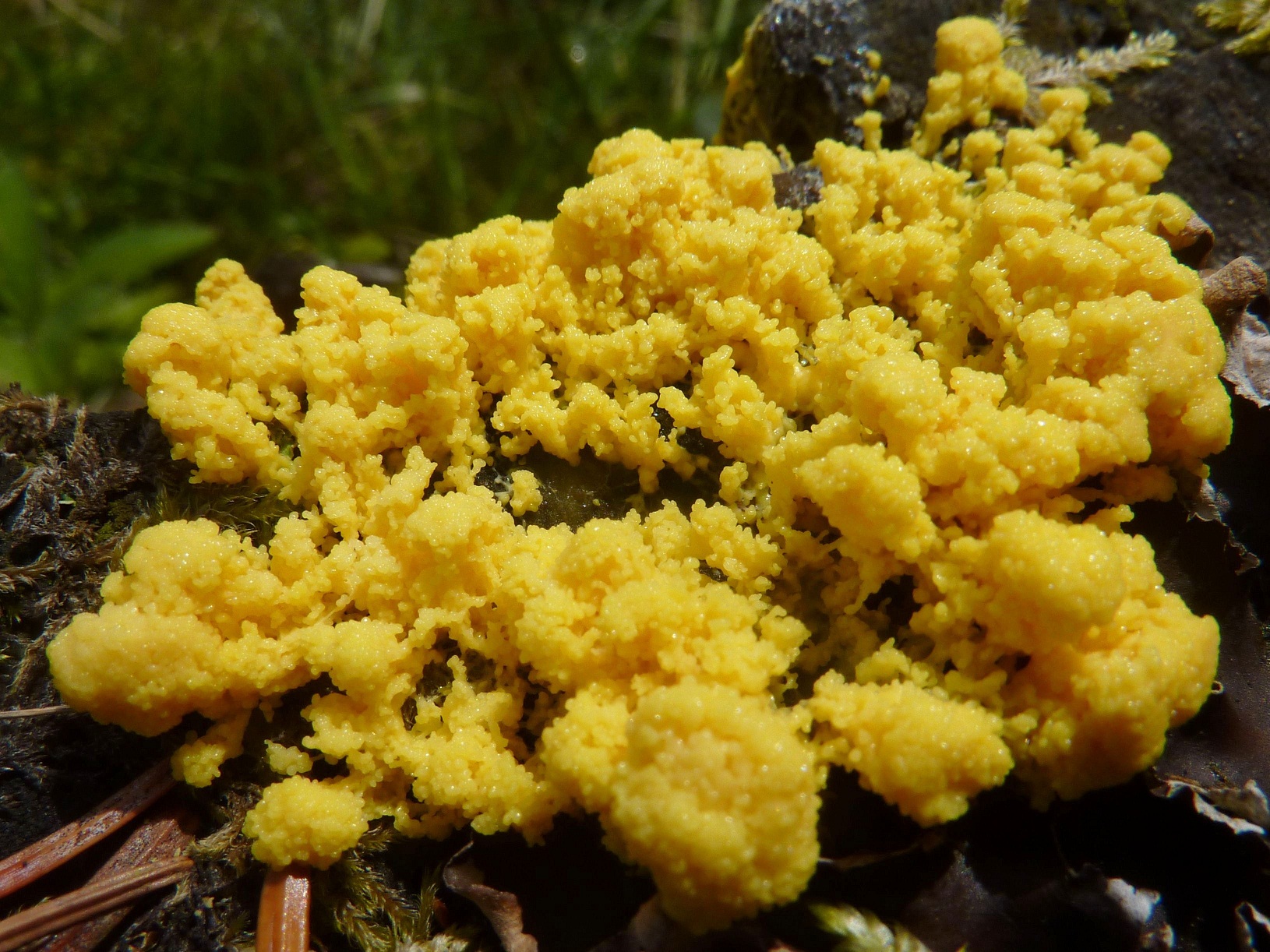
Oh yes! Top nature geek find, dog vomit slime mold (Fuligo septica)
-

-
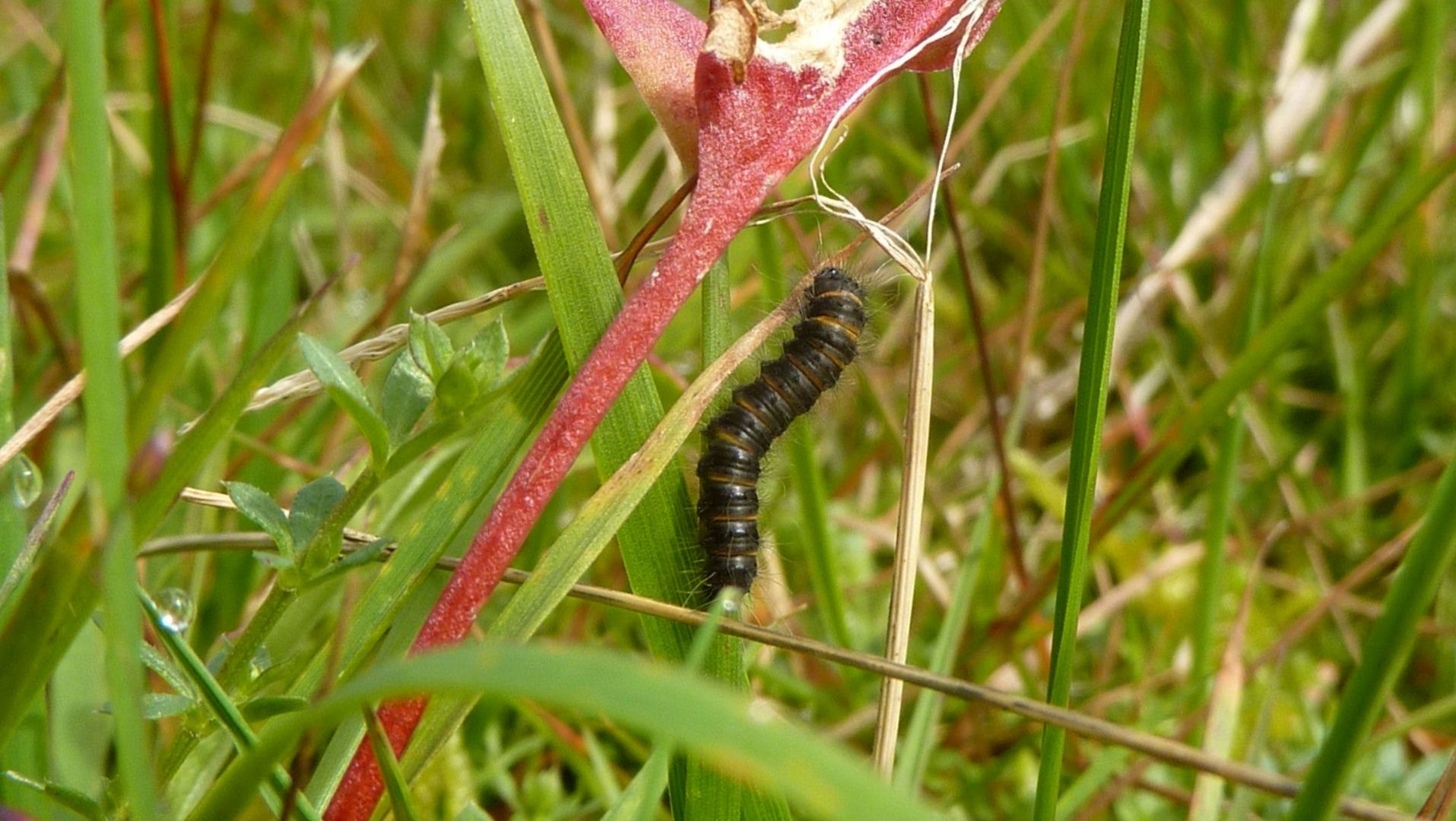
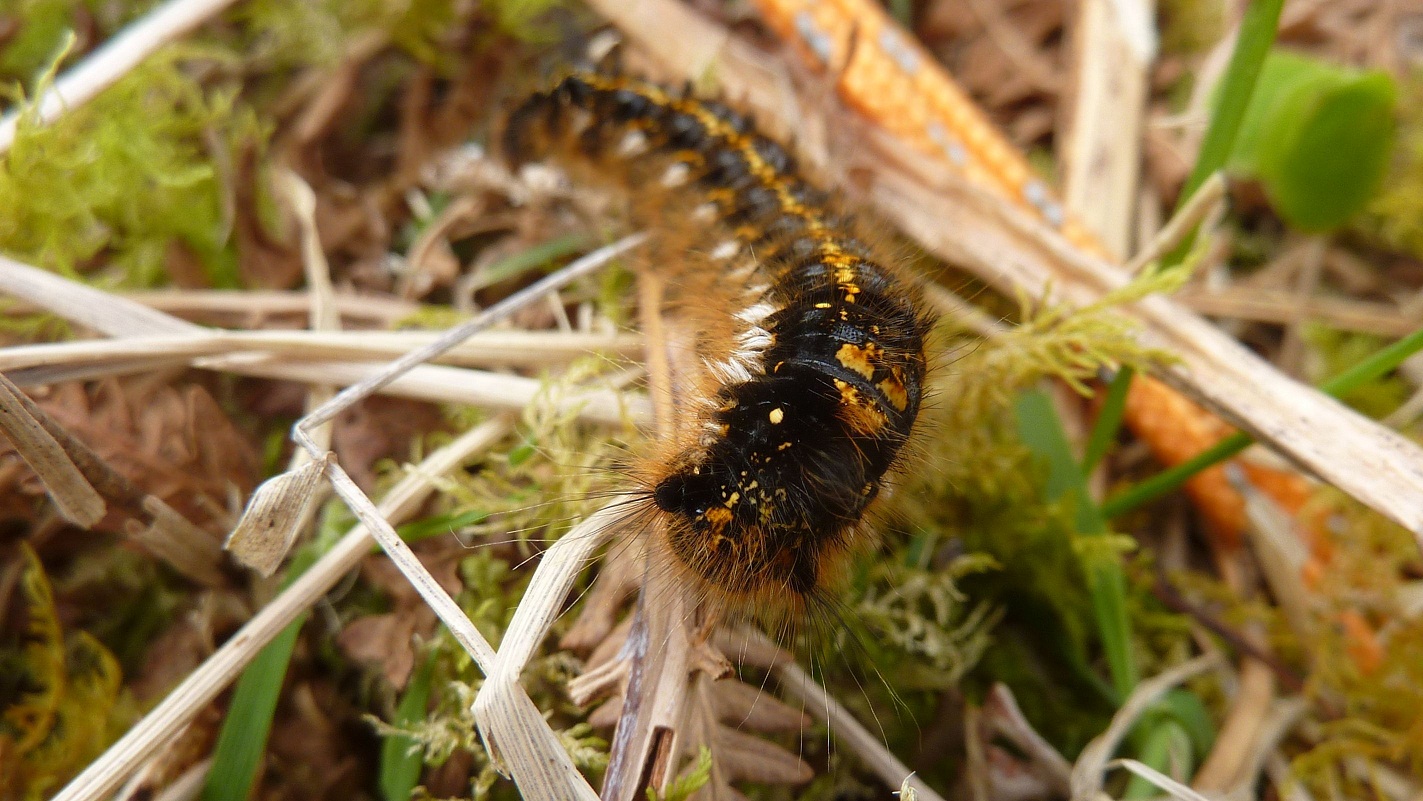
At first I thought this was a fox moth larva, but closer inspection leads me to think that actually I don’t know what it is.
-
-
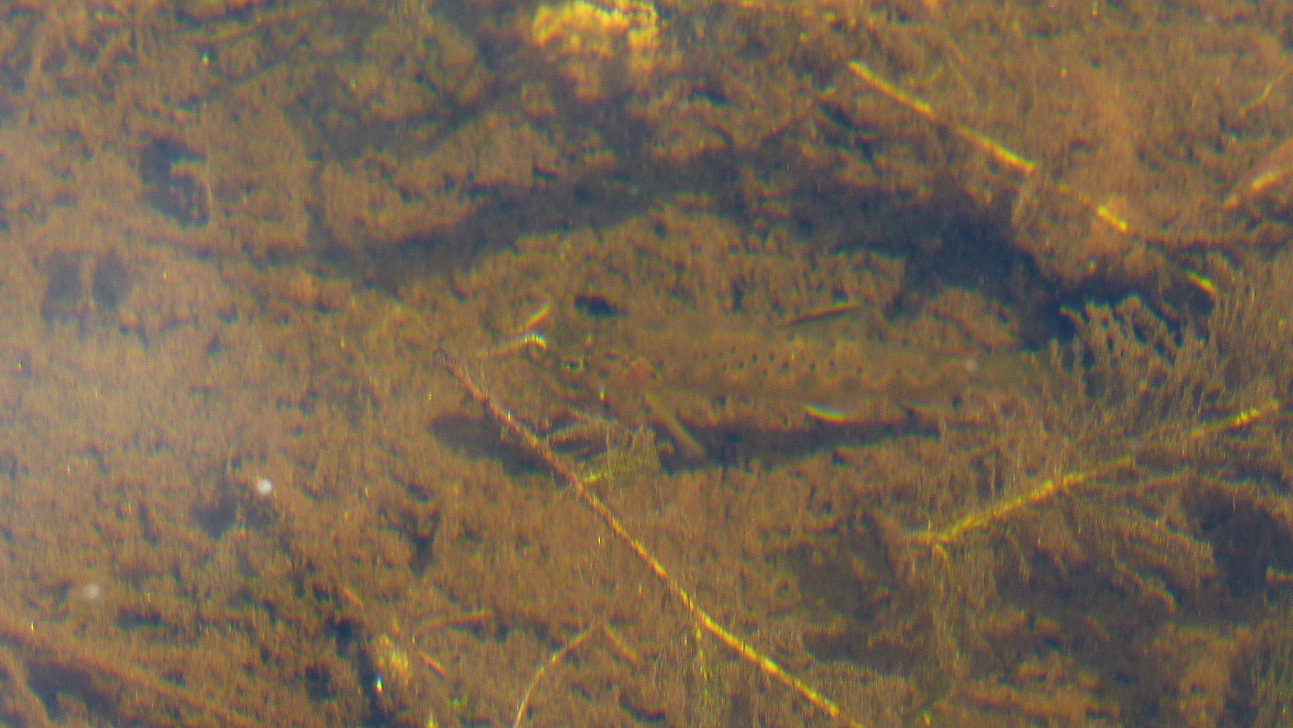
Salmo trutta, a (very small) brown trout
-
-

-
We had a nice fly over from a Hurricane (and a spitfire, but I wasn’t quick enough to photo both)
-
-
Now that’s a pretty cute deer
-
-
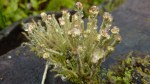
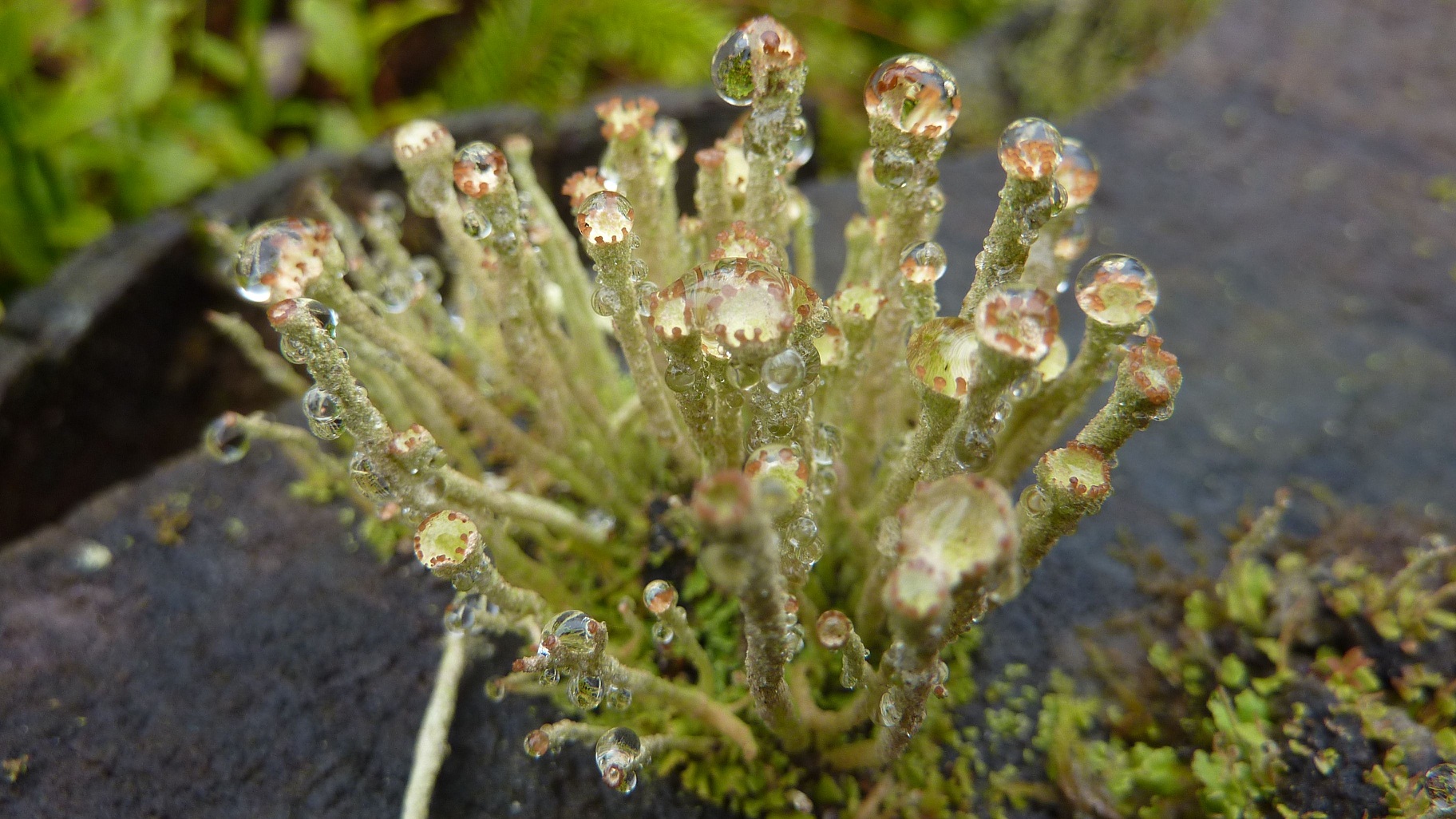
This lichen is probably Cladonia diversa
-
-
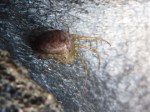
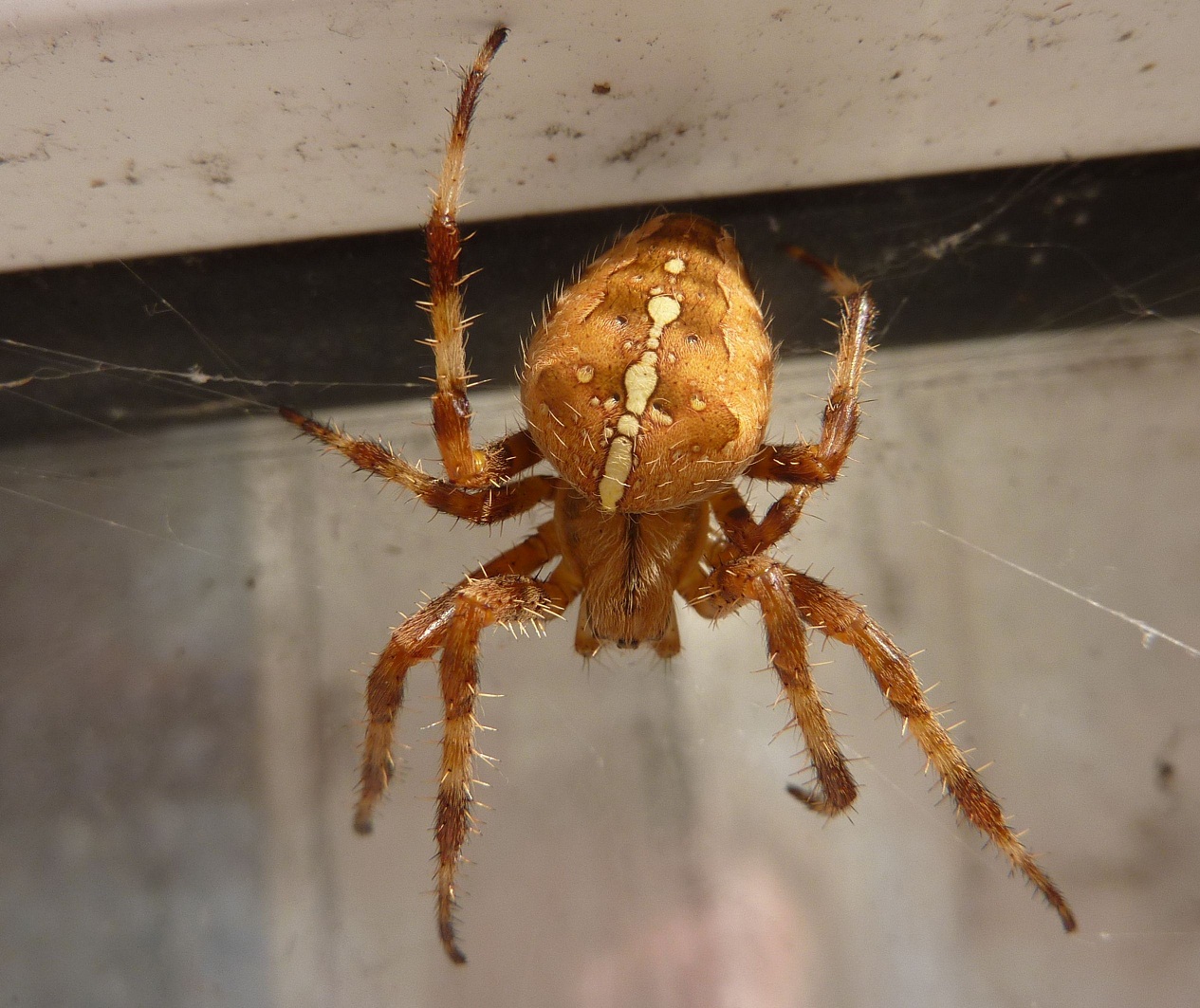
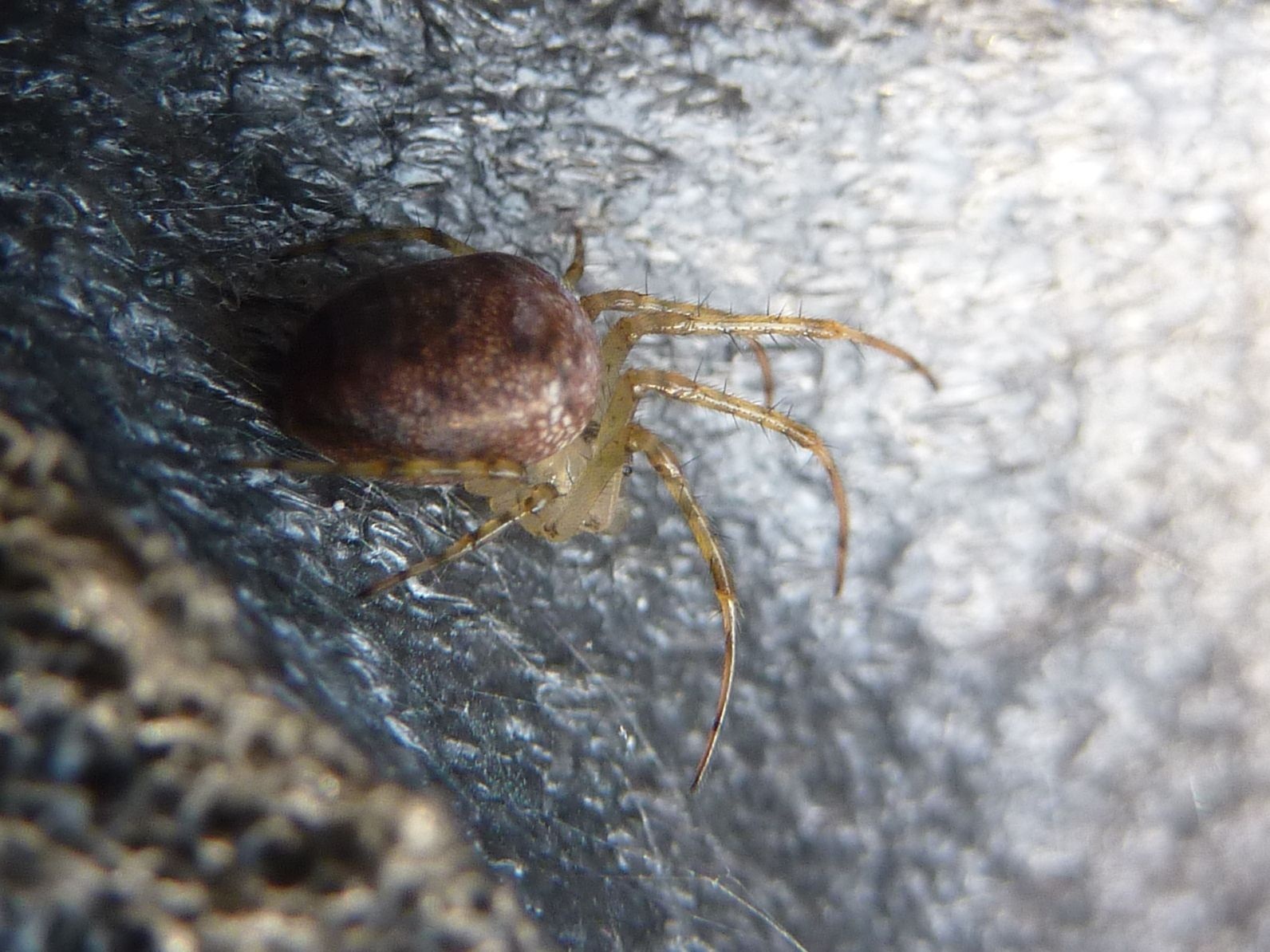
How beautiful is this? Spiders are top of the evolutionary tree.


















 Life since the office
Major endorsements