Latest

(Not just) Another TFL work week at Plodda, 8th to 15th May

Sometimes life throws up opportunities that just can’t be missed.  Whilst on my work week with Gordon (see previous entries), I received a call from the office explaining that they needed someone to stand in for one of the Focalisers on the following week at Plodda.  I wouldn’t normally work two weeks in a row, not only are the weeks physically demanding, but they can be emotionally so too.  However, in this case I would be working with Howard, who I trained with, and I would be back at Plodda for another week, a place I love being around.

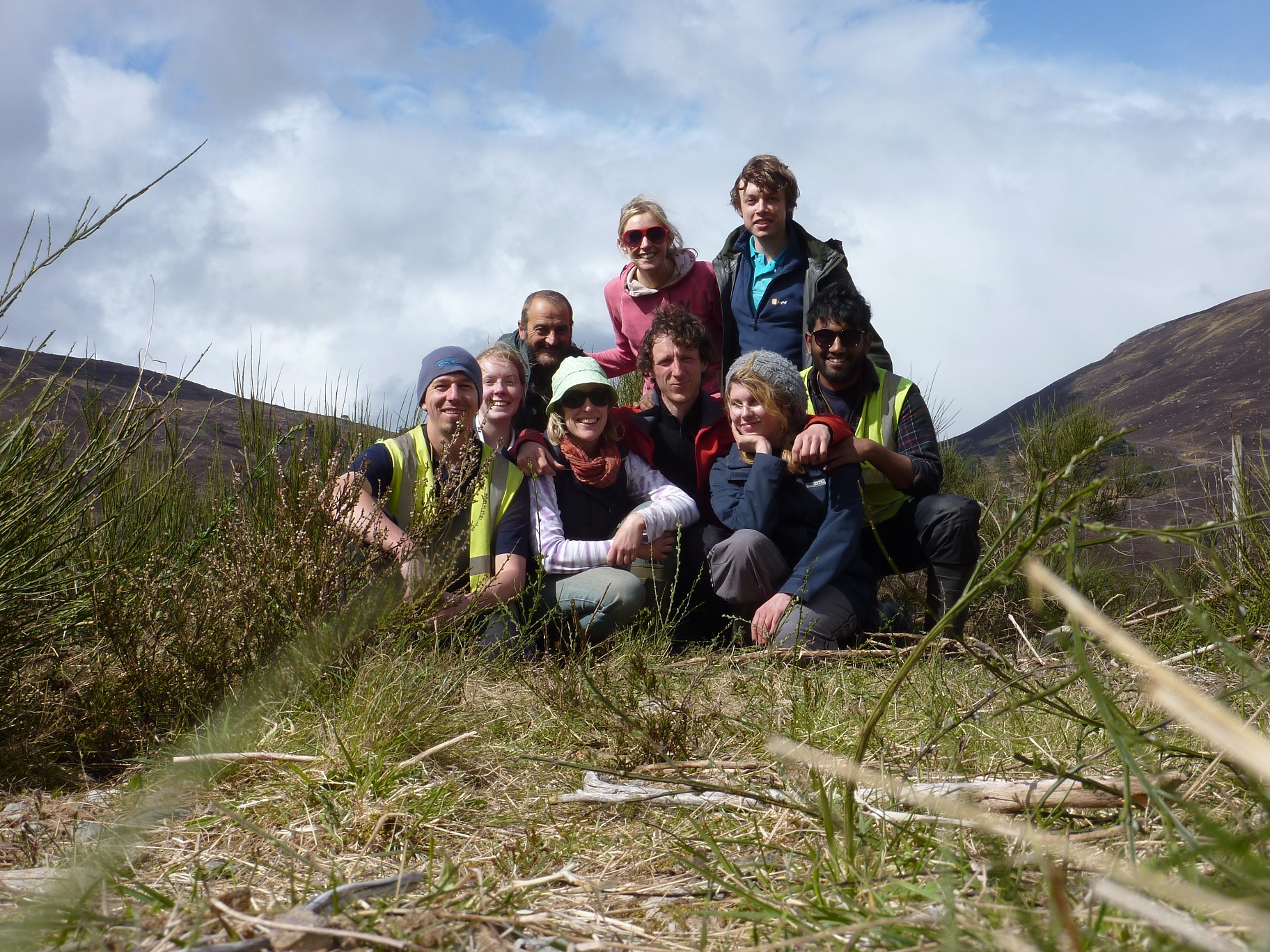
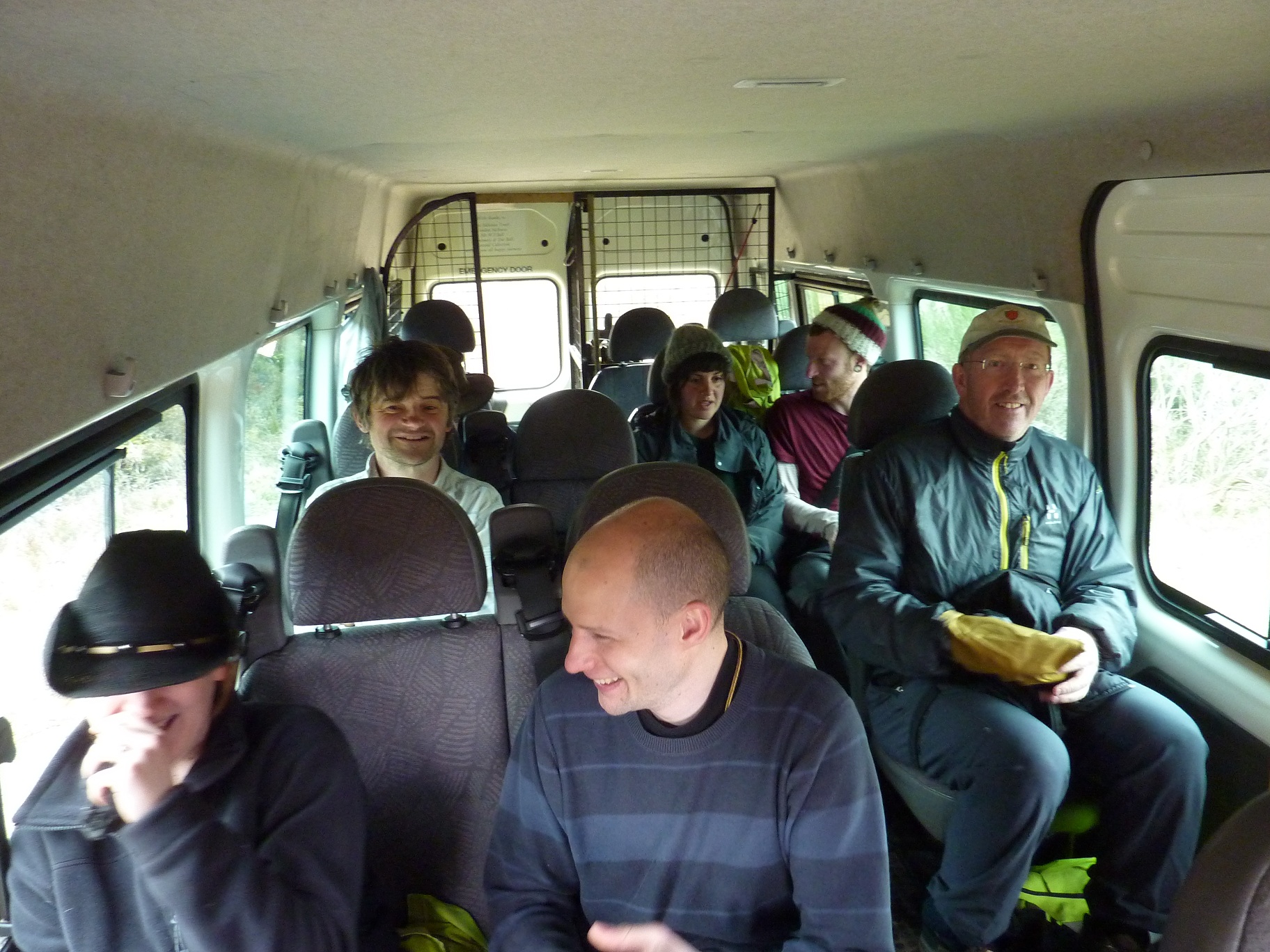
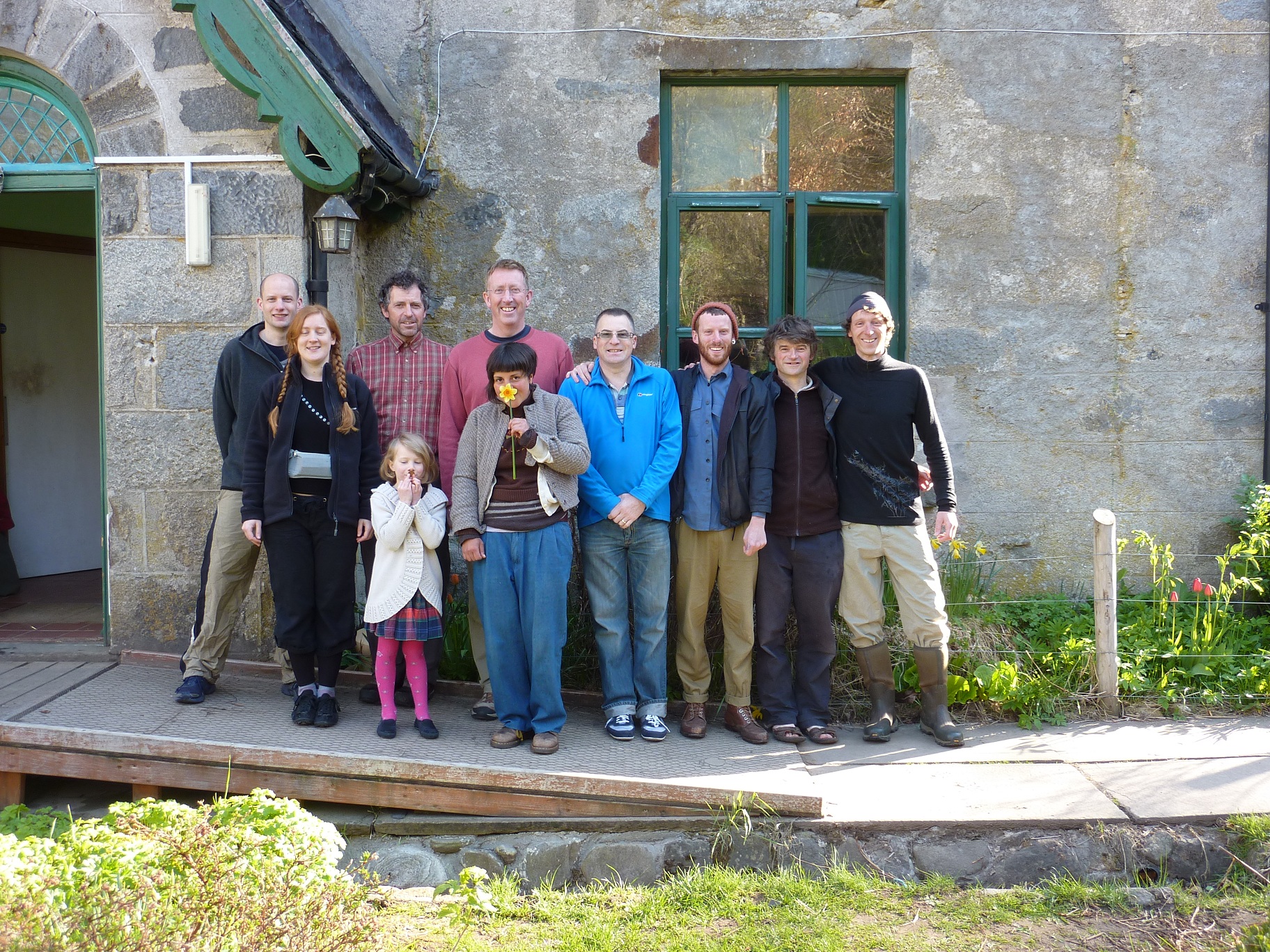
Thanks to Howard’s energy and the enthusiasm of the group, I was carried through my more tired moments, and by the end of the week I was extremely disappointed to say goodbye to a fantastic group of people and our well formed community.

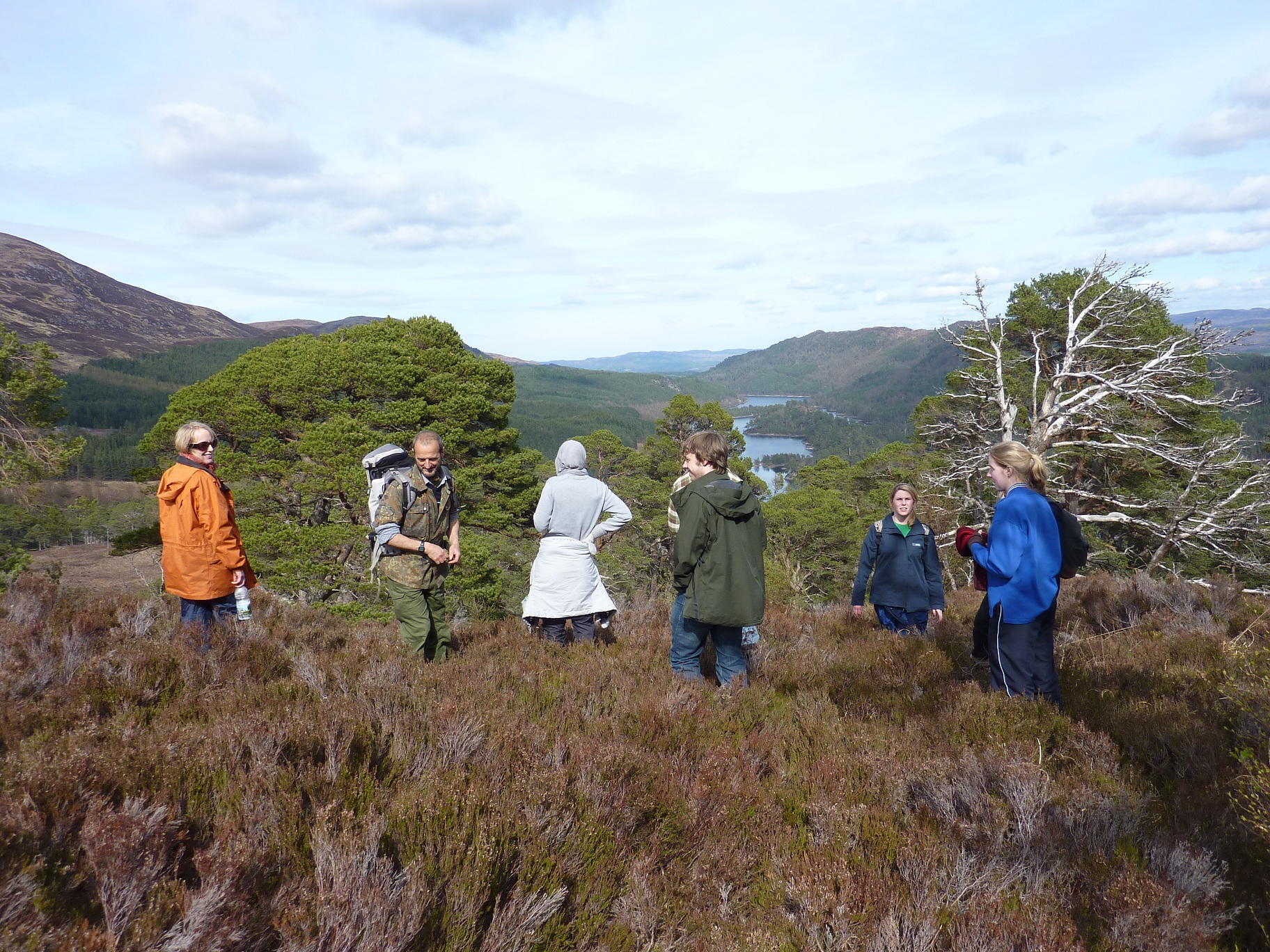
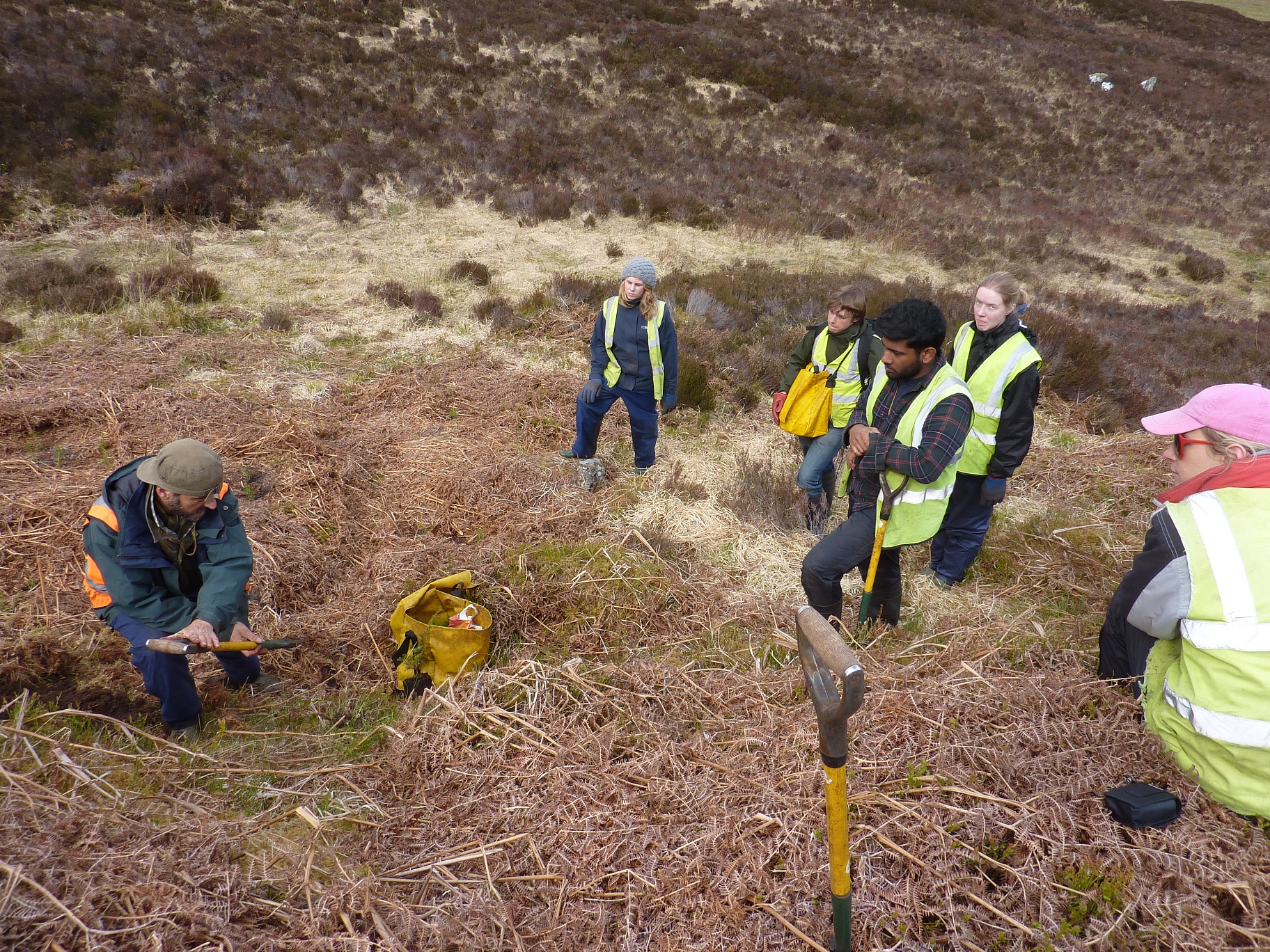
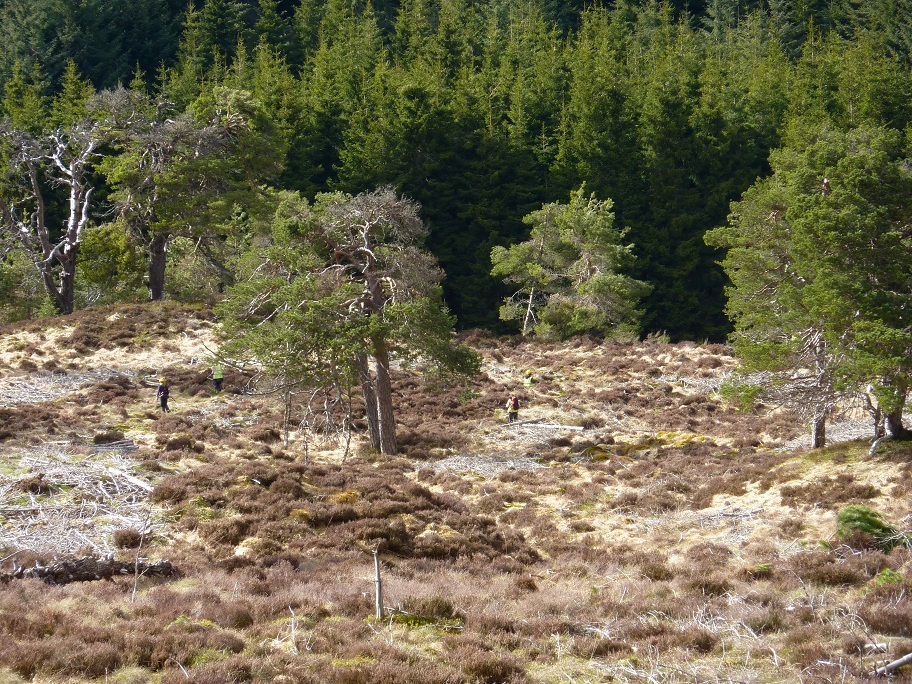
During the week we planted roughly 4000 trees in Glen Cannich.  We also spent one day in the tree nursery at Plodda under Jill’s guidance, transplanting trees, digging out and adding compost to beds, and potting out Aspen root cuttings.

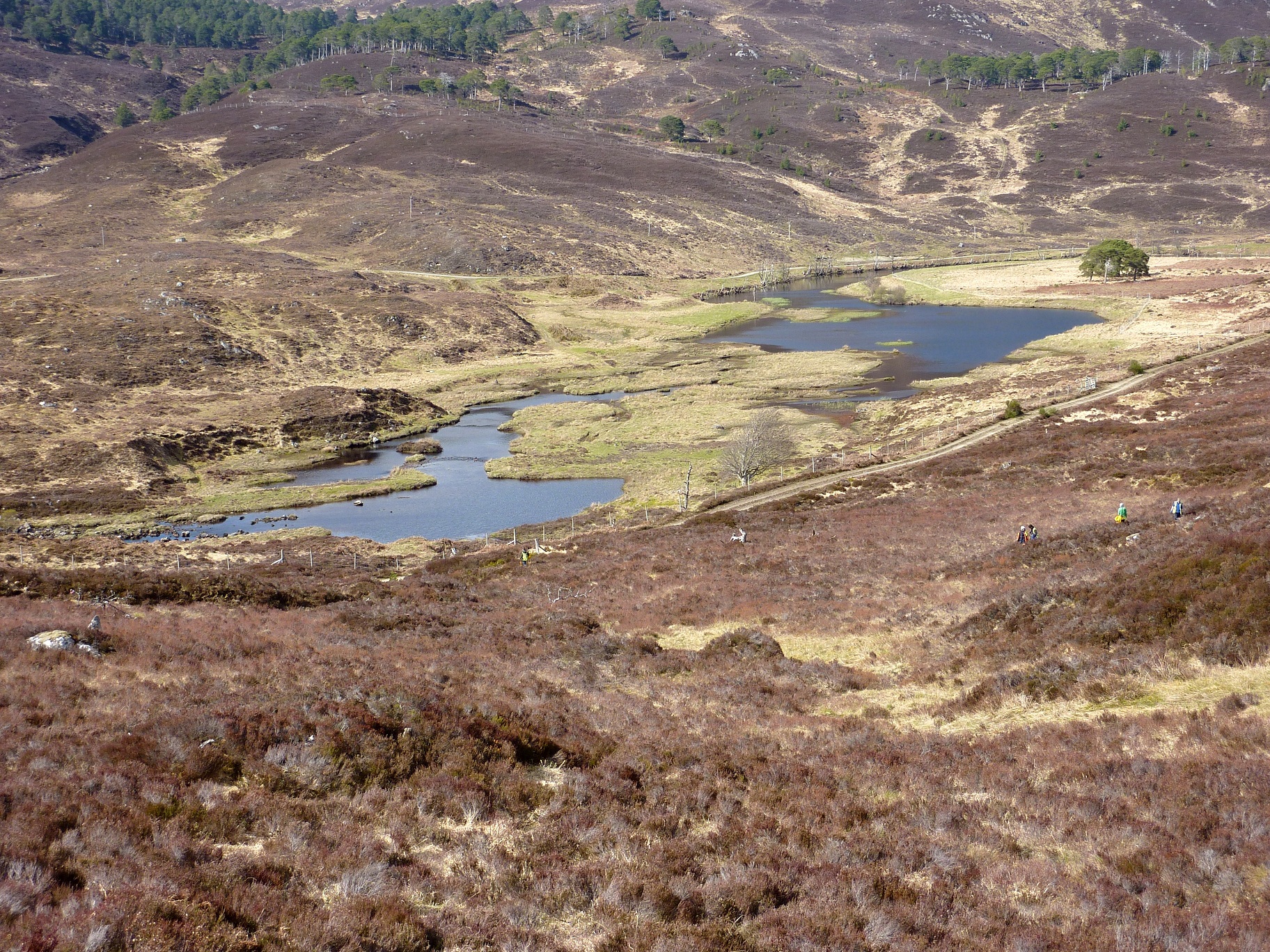
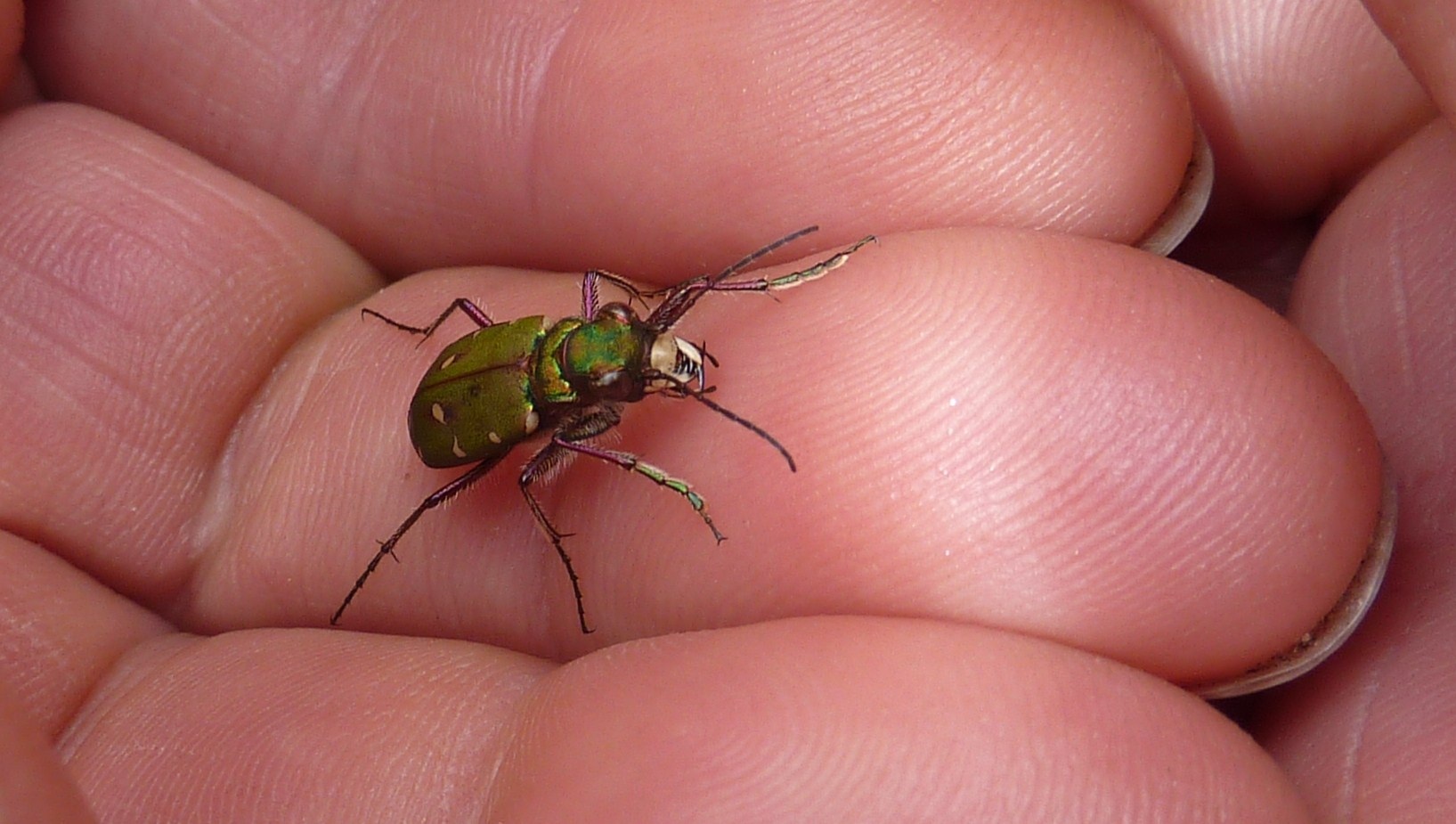
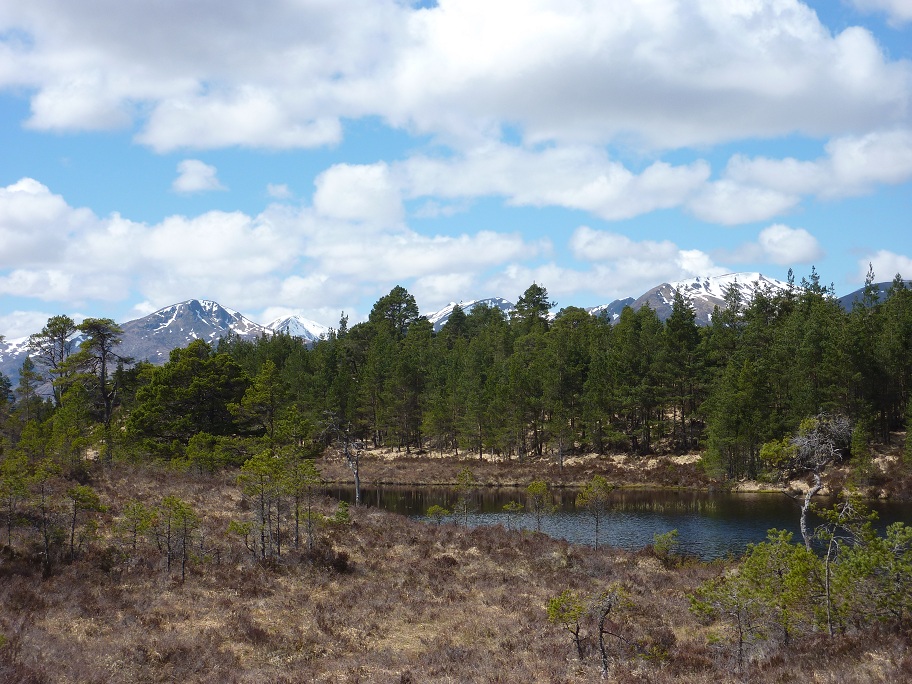
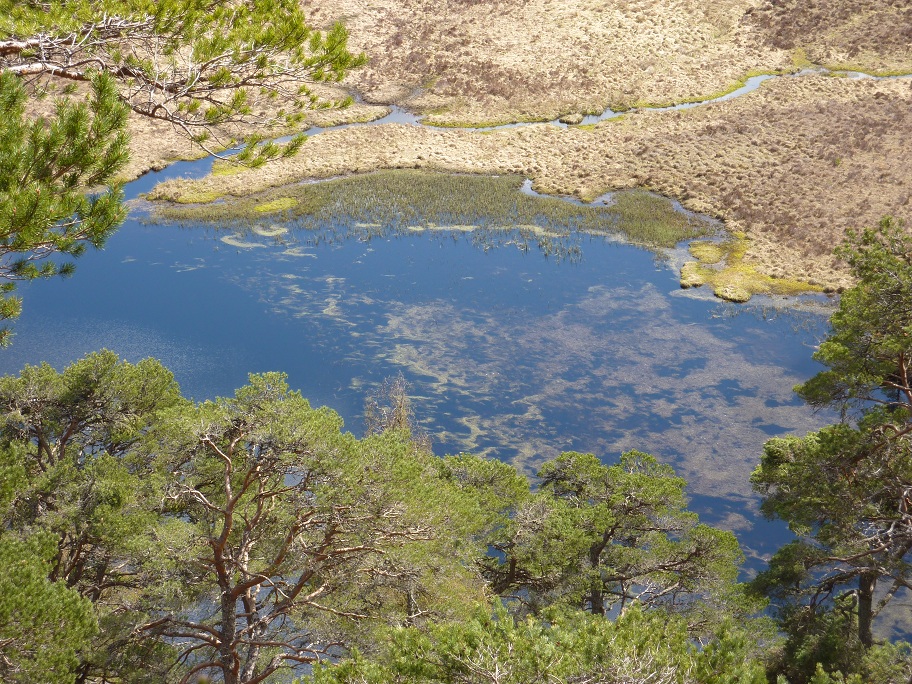
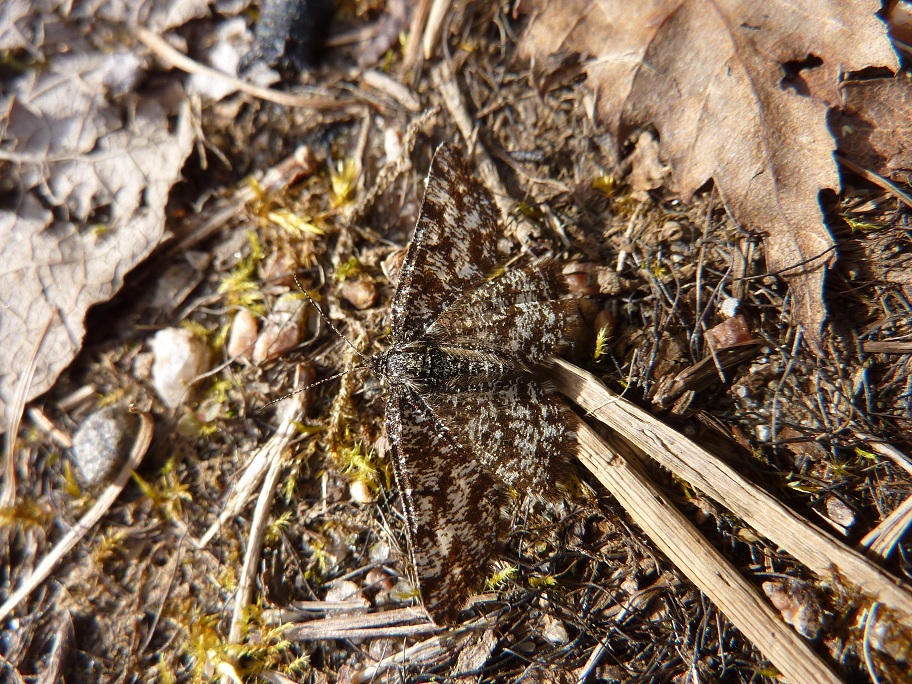
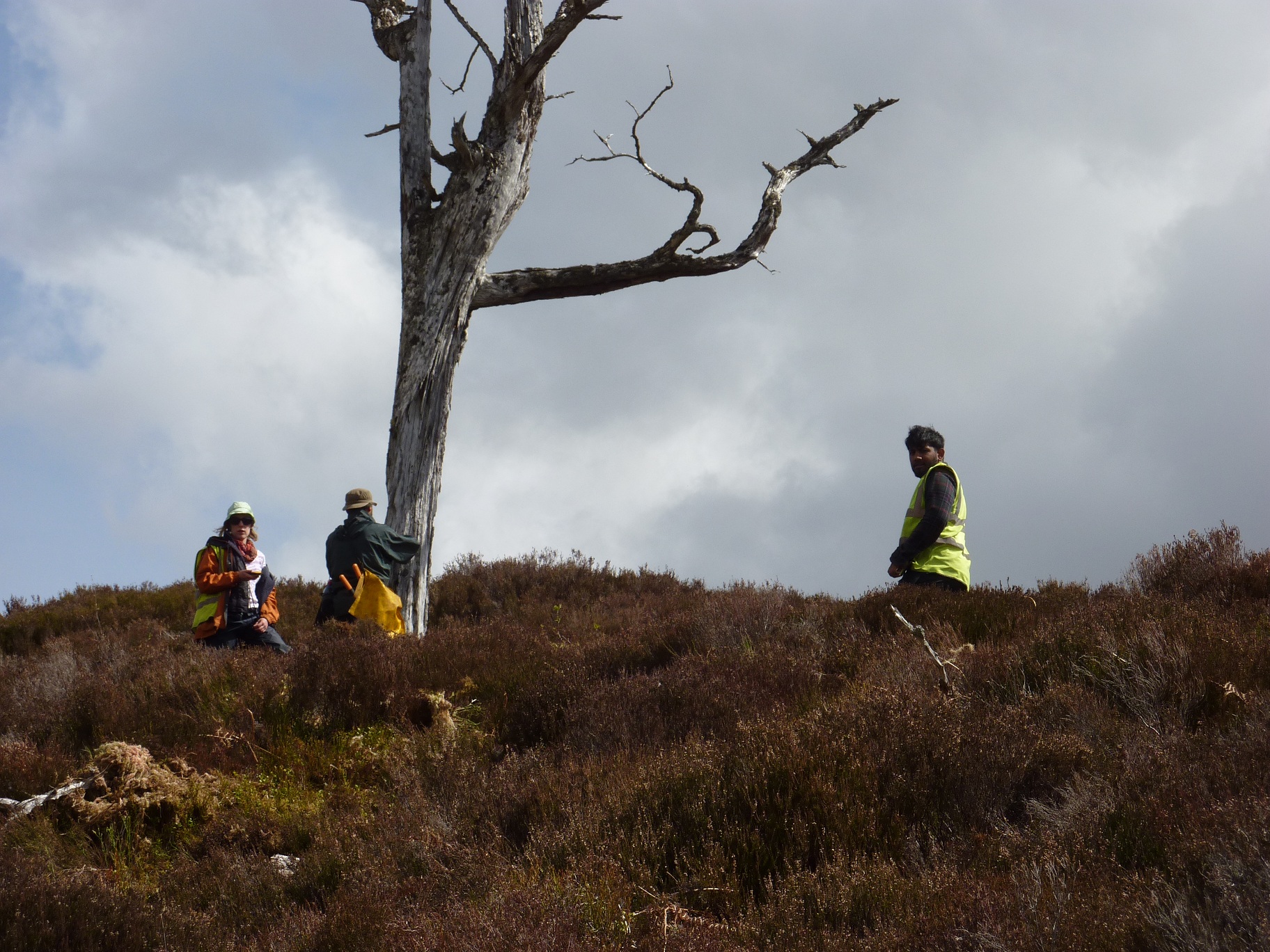
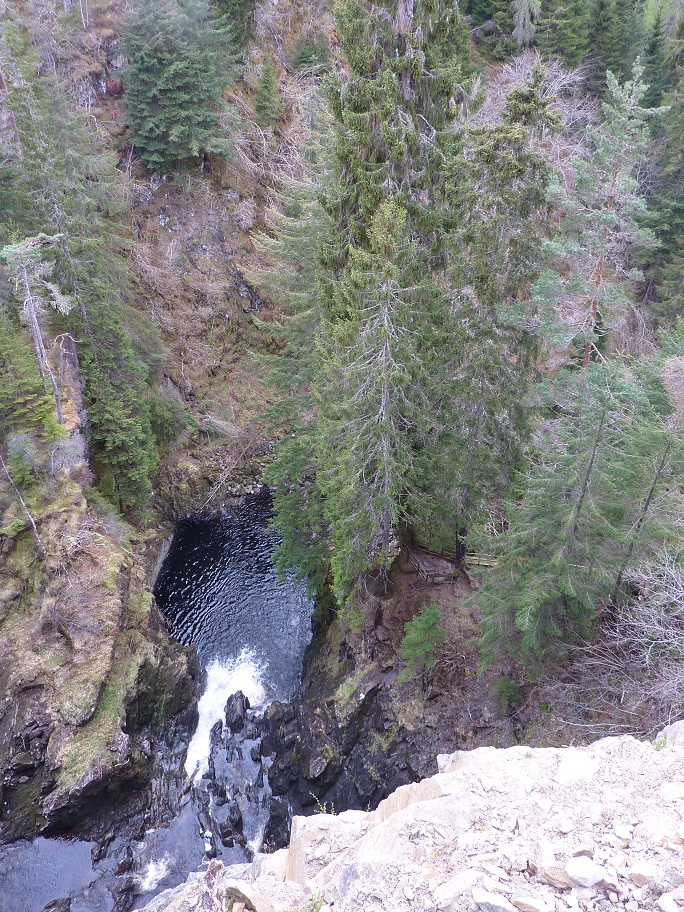
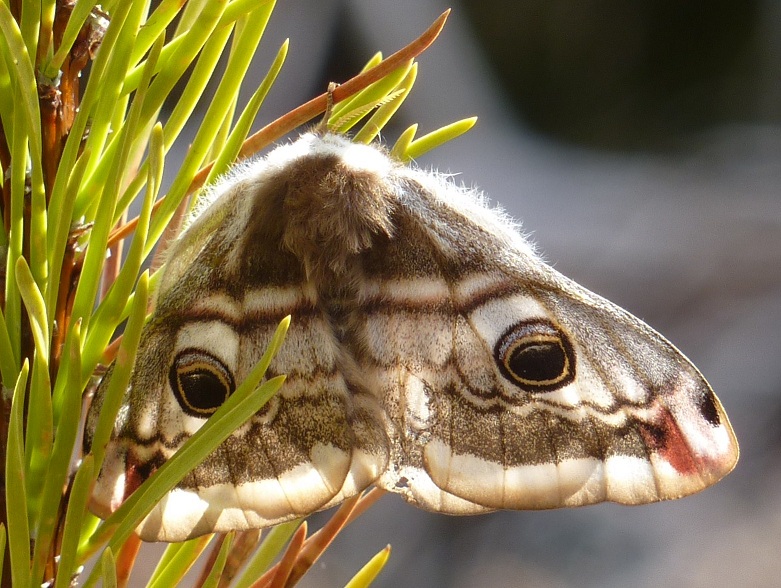
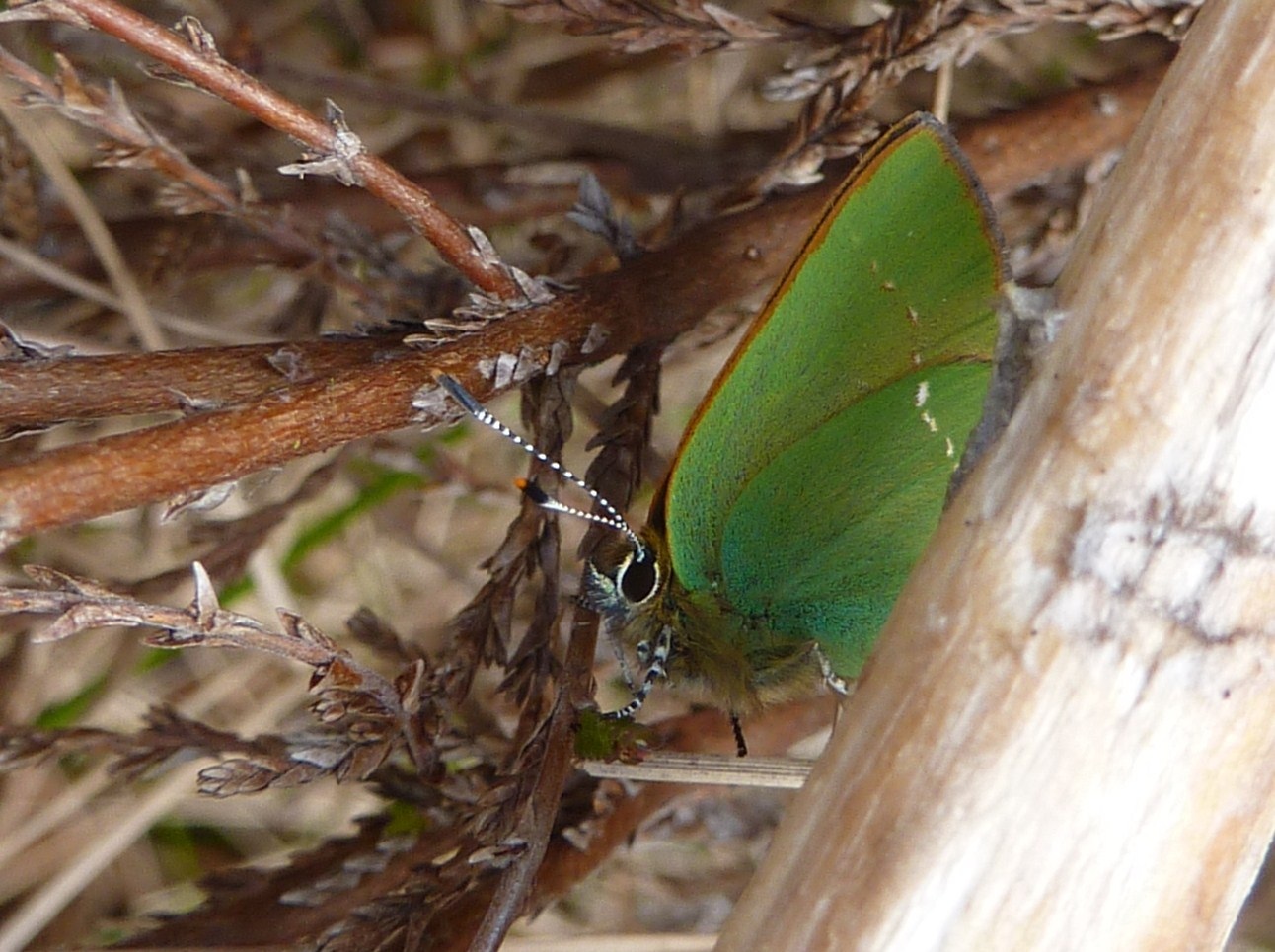
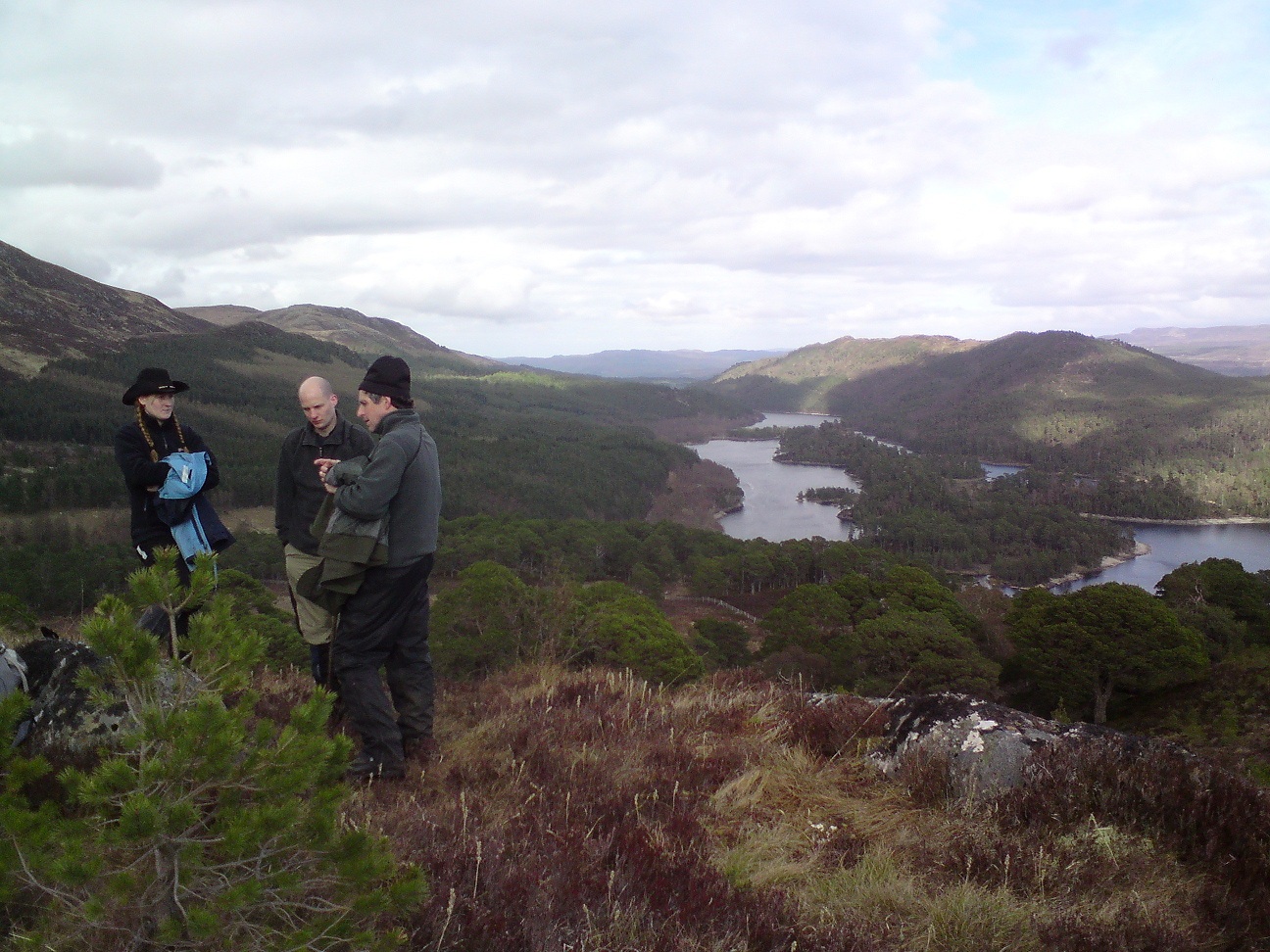
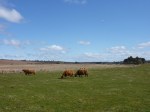
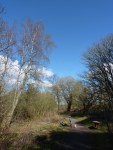
There was amazing food (including a multiple course curry, and veggie burgers on another night), and another opportunity to get up to Loch An Eang, this time with Howard and Charlotte, on our day off.  Here are some photos, a link to more will follow…

Ok, link is now here.

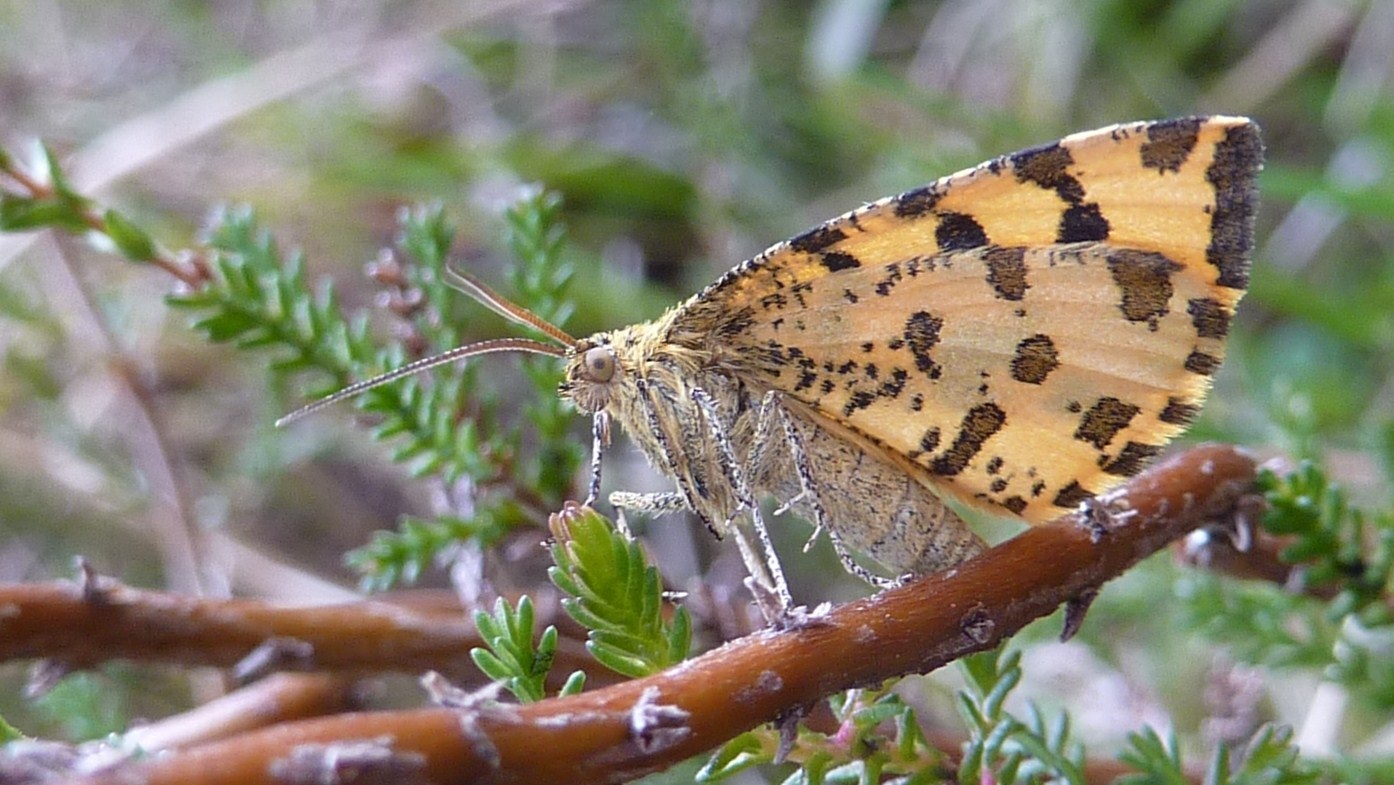
More photos, taken with a real camera, (not my phone!) from the ww 1st to 8th May

The first of these pics were taken on the day off, the rest later in the week.

Here is a link to more photos, not published on the blog

A TFL work week at Plodda, 1st to 8th May.

So May has been a bit hectic, and I’ve a bit of catching up to do on here.  It all started with only my second work week of 2010.  This one was in a tried and tested Focalising combo with the legendary Gordon.  We were staying at Plodda and planting in Glen Cannich, with a couple of non-native weeding days at Glen Cougie.

Both sites offer incredible views of the Glen Affric National Nature Reserve, and some excellent examples of ‘granny’ Scots Pine trees, and I found the drive to work each day incredibly inspiring.  There was a significant amount of birch regeneration on the way to Glen Cannich, and it looked like this could be happening in some parts of Glen Cougie too.  In Glen Cannich we planted just over 2000 trees, and in Glen Cougie we cleared a substantial area of non-native tree species (Spruce & Lodge Pole Pine).

This work was all thanks to 7 wonderful volunteers, some good weather and great food.  I also had an amazing walk to Loch An Eang (with Gordon and Alan) on our day off.

Here are some photos.  More will follow when I’ve an improved internet connection.

Here is a link to more photos, not published on the blog.

Dundreggan pics…

So, myself and Calum have been staying in the cottage at Dundreggan, and planting the trees left over from the spring work weeks.  The planting site is high up, over-looking the only coniferous plantation on the estate.  The views are superb, with large Munro’s to the West and the wide rolling Glen of Moriston below and to the East.

Steve, the Dundreggan project manager, has tried to make planting as easy as possible, ensuring that there are plenty of prepared areas of ground within the fenced exclosure (to keep out deer).  As a result I put in 500 to 600 trees a day, and am glad that myself and Calum have been given the opportunity to ensure that the trees get the best possible start in life, rather than the job being given to an external contractor.

On Monday I walked up to see the pigs.  I can’t remember having seen them since I stayed here at the end of last year.  Unfortunately, there are two less little ones than when I last saw them, due to a combination of infection and some extraordinary cold weather over the winter.  But the two remaining little ones are now not so little.  In fact they’ve grown so much, they all look fantastic.

After seeing the wild boar I continue up Binnilidh Bheag, before running down from the top to the cottage.  This I manage in under 9 minutes.  I was hoping to do it in 4 – probably not achievable without killing myself.

Evenings are spent eating with Calum, Tim (a Belgian long term volunteer) and, for a couple of days, Willie, Calum’s Dad.  Tim introduces us to a very cool looking Belgian desert.  It turns out to be custard.  Excellent.

Goodbye Kinnordy, hello (again) Dundreggan

So, it’s time to leave the Loch of Kinnordy reserve. Today, I packed my stuff into the van, bought some food in the local Co-op, and then called into the reserve for one last time (for now). While I was there, Jim, a regular visitor to the hides arrived with his grandson. Jack has a fantastic enthusiasm for nature for one so young. He has a camera and loves taking pictures of the Osprey, Lapwing and Shoveller. Today, though, when he pointed out from the hide and shouted “What’s that?”, it turned out to be a Marsh Harrier. Woaw!

I’ve never seen a Marsh Harrier before, but it looked amazing with a strikingly pale head, flying over the reeds, before swooping down, out of sight, probably to grab some prey. Unfortunately we didn’t see it again, but not long after an Osprey cam along and pulled a fish from the reserve within site of where we were sat in the Gullery.

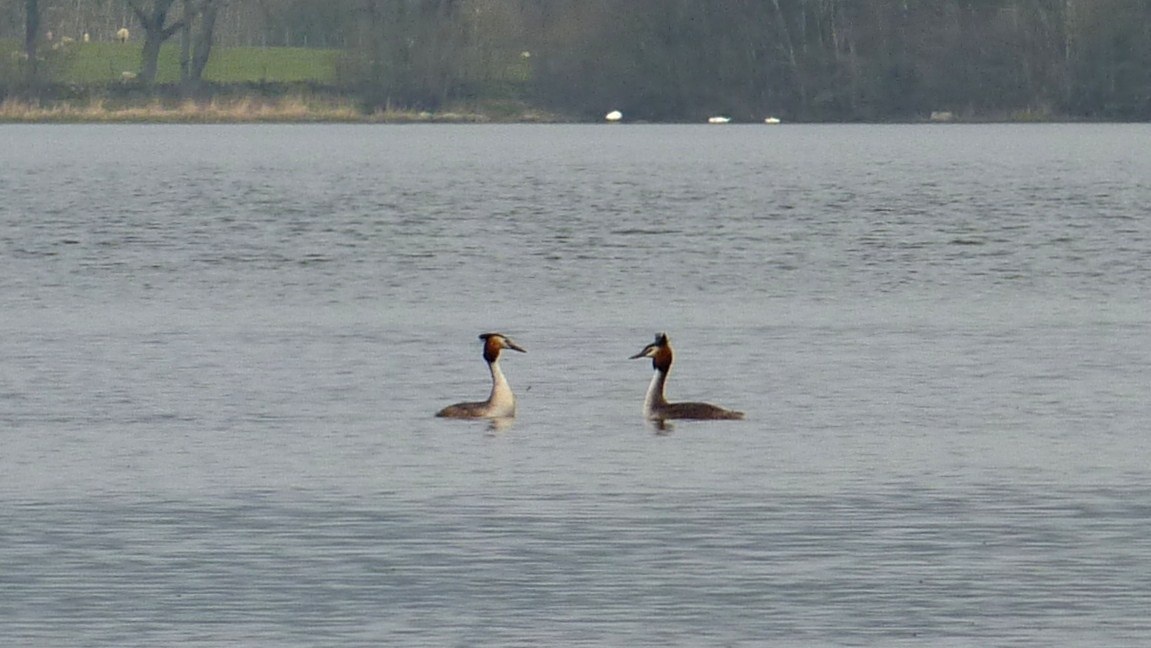
As if this wasn’t enough for one day, I then called by the Loch of the Lowes on my way West, where I was lucky to see a number of Great Crested Grebe performing to each other on the water.

I’m now staying at Dundreggan for a week to plant some trees, in a new area for planting on the estate, with Calum.  Hopefully I’ll get time to update with another entry before the end of the week.  I have no broadband reception here, so am having to pop round to the office to pick up email.

Anyway, here are some pictures from the last few days…

A new and exciting world?

A great story on the radio this evening. One of the sports commentators had some friends who were going on a stag do. 14 of them were due to fly out to one of the Balearic islands for the event. They were from all over the UK, and were taking a number of different flights from different airports to get over there. One of them made it.

Eyjafjallajokull is the volcano in Iceland that has closed down North European airspace.  What a wonderful thing nature is.  It’s such a simple way to reduce the number of flights, something anyone with an awareness of the environment, or a house near Heathrow, would like to do permanently.

I love flying.  Unlike some people I know I find the process of taking off (and landing, although not to the same extent) a magical, exciting experience.  But I haven’t flown for some time now, and having to fly to far away customer sites was one of the many reasons why I left the office.  Aeroplanes produce many many times more CO2 per traveller than most other forms of transport do, as well as reducing air quality and increasing noise pollution.  Furthermore, the CO2 released by planes is at least TWICE as effective at trapping the Sun’s heat due to the altitude at which it is being released at. For a comparison in CO2 levels take a look at this site comparing plane journeys with Eurostar.

Wouldn’t it be great if this event made people realise that there are alternatives to flying – video conferencing, holidaying in the country you live in, buying local produce, travelling by rail (with an improved infrastructure, if the right party gets elected).

Another story I heard on the radio was of a retired couple, living in Spain, complaining that they were finding it difficult to get back to the UK to see their family. The presenter quite rightly pointed out that they’d hardly put their family top of their list of priorities when they’d decided to move to another country.

So, maybe exciting changes are afoot. There is a chance that this election might see the formation of a government that does care for the environment. And, maybe nature is starting to get it’s own back.

Ok, here are a couple of pictures from the last couple of days. I’ll sort out more when I get time.
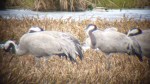
The Cranes are still here, and are big news

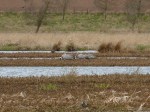
So, the Cranes have taken flight a few times in the last few days, but, when I was down at the hides earlier, they were still around.  They seem to alternate between the nearby ploughed fields and spending time in amongst the reeds of the ‘Swamp’ part of the reserve.

They have attracted quite a bit of attention, perhaps too much.  It would be great if they stayed here to breed.  I’m not sure how likely that would be under normal circumstances, but I’m sure the attention they are receiving will move them on eventually, as they seem easily spooked.  There has already been at least one incident (that myself and others watched from the hides) of them leaving the reserve because of two people, clearly looking for them, wading through the reeds nearby
But I can’t blame people for wanting to get a look at them, they are incredible looking birds, possible Britain’s biggest, although I wait to be corrected on that.  I have, over the last few days, been lucky enough to spend plenty of time watching them.  And this morning I managed to work out how to marry my camera to the RSPB scope, to get some half decent shots of them.

Work over the last couple of days has been great.  Myself and Tom spent time wading about, up to our thighs in mud, with dry suits on, clearing out the drainage burn from the loch.  The rest of the time was shared between surveying waders and manning the hide.  Today was a day off, but I popped down the hides anyway to pop into see  Darell, a local volunteer, and catch up with the latest Crane news.

The Cranes on the BBC, note Darell’s photo.

Cranes and surveys at Dawn

The last couple of days have been dominated by early morning breeding bird surveys. Although I’ve been getting up for 6 to 6.15 starts (not my forte), I’ve been rising with some enthusiasm, as the surveys have provided me with a great opportunity to improve my bird call identification skills.

The birds seem to have a greater enthusiasm for calling at the break of day. To my unknowing ear they appear to exude joy that another day is upon them. It’s a privilege to be able to hear the songs, of such a great variety of birds, at this time of day.

This morning myself and Hannah made a quick detour via the ploughed fields to the North of the reserve to catch up with some Cranes (Common/European) that had been seen the evening before. Luckily enough these rare visitors (from Europe?) were still there feeding and looking fantastically regal in the early morning mist.