Latest

Using a chainsaw

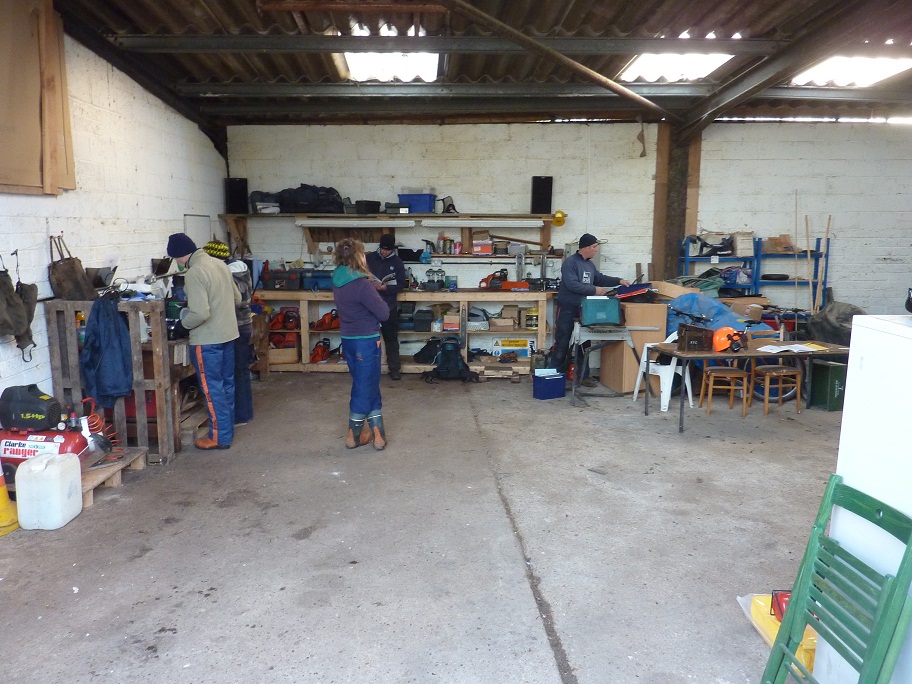
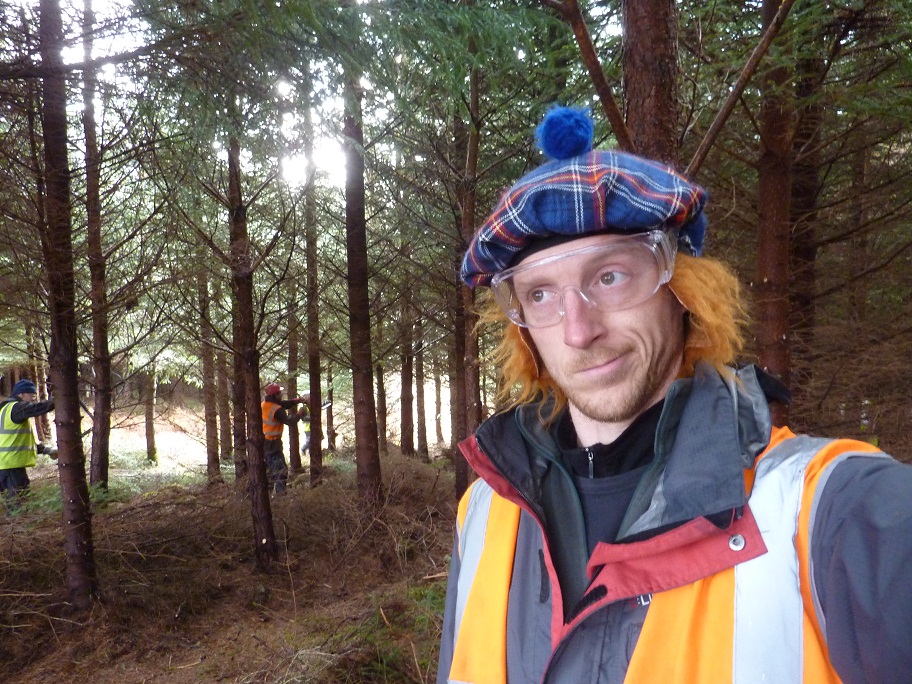
Up to now the only weapon that I consider myself trained to use is a car (apart from the occasional axe throwing session with John Garrett).  This week I’ve been learning how to use a chainsaw.  It seems that a lot of practical roles in environmental work require chainsaw experience.  And I know that knowing how to use one could be of great benefit if I want to get involved in habitat management.  As part of my RSPB placement, which begins next week, the RSPB have kindly agreed to train me up, in the use of a chainsaw, this week.

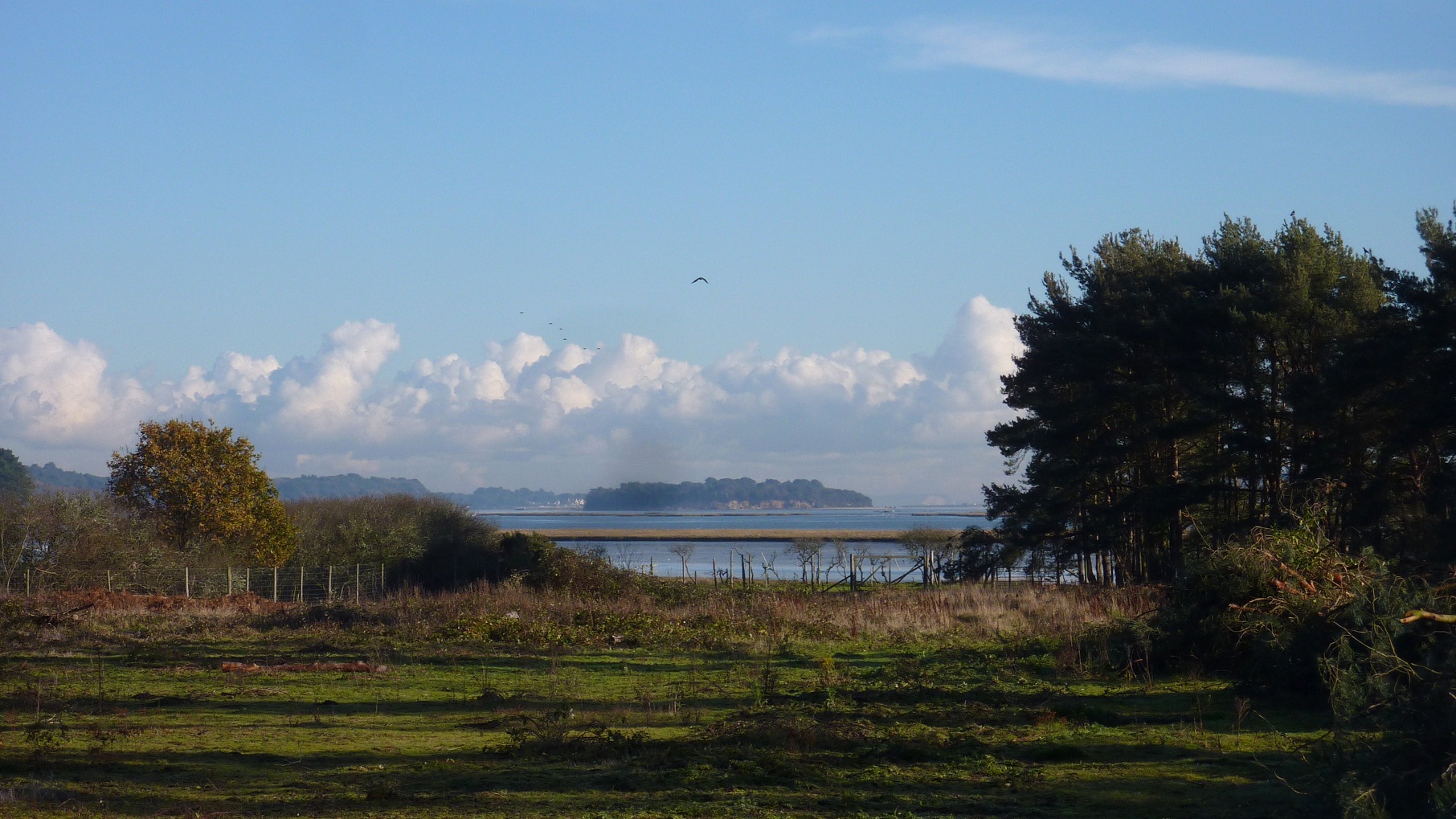
The training took place at RSPB Arne, where I was based for two weeks in the summer.  Last time I was there, in early August, there were Nightjars and other summer breeding birds mixing with the first of the autumn migrants.  Now the summer visitors have left, and the estuaries and mud flats are fillng with wintering waders and wildfowl.  Unfortunately I didn’t get an opportunity to take much of a look around during daylight hours, having arrived late on Sunday, and then heading off after finishing the course on Friday evening.  But, with the help of Will, the volunteer from Radipole (Weymouth), who was also on the course, I did manage to ID a flock of Avocet from where we were training.

Driving away from the blizzards

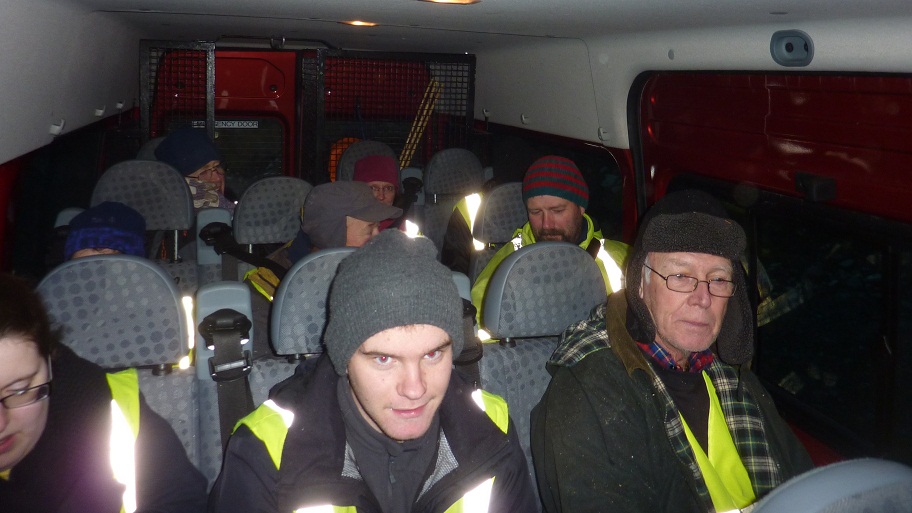
Come the end of the work week, dropping off the vols and driving the TFL minibus back to Findhorn, and I had to be in Dorset by the next evening.  Frankly, I’d wanted to spend the winter in Scotland, experiencing proper cold weather.  Spending time in the snow at Abernethy last winter may well have been the most memorable time of my recent life.  However, during my time at Arne, an opportunity arose to get some habitat management experience with the RSPB in North Devon.  So, the snow (there’s never Snow in North Devon, just dustings) will have to wait until next year.

Now I’m back at Arne, to learn how to use a chainsaw, before starting my RSPB placement next week.

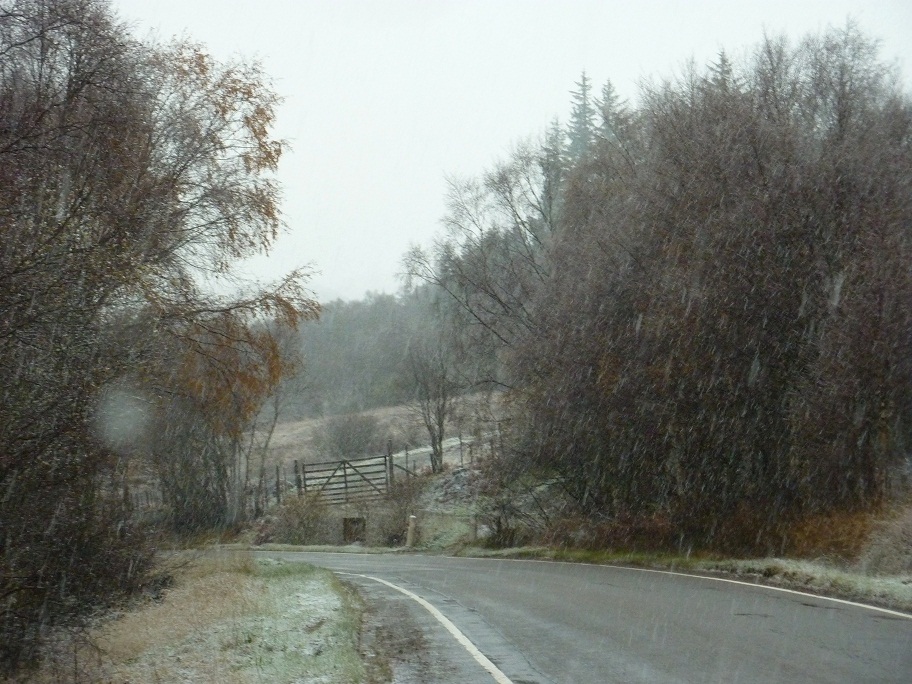
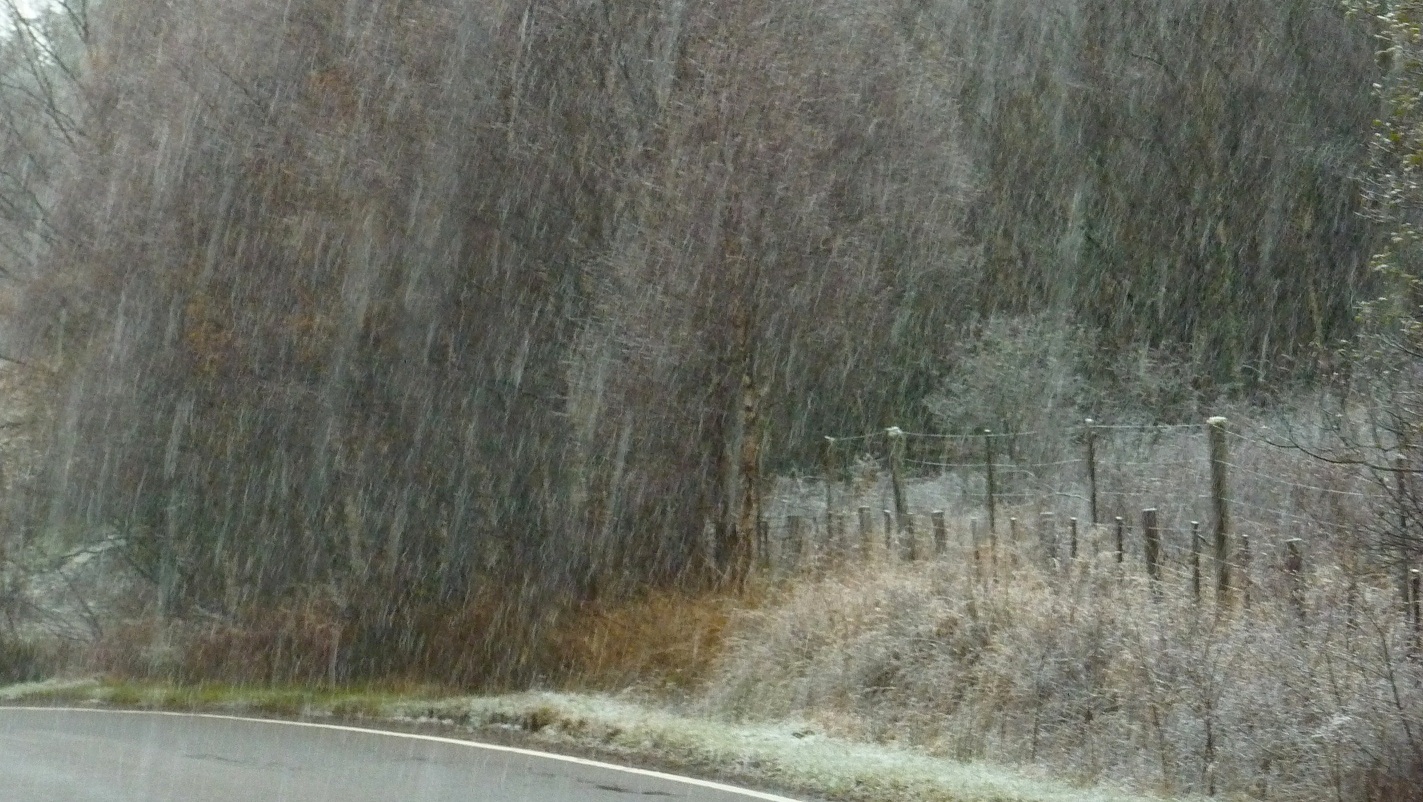
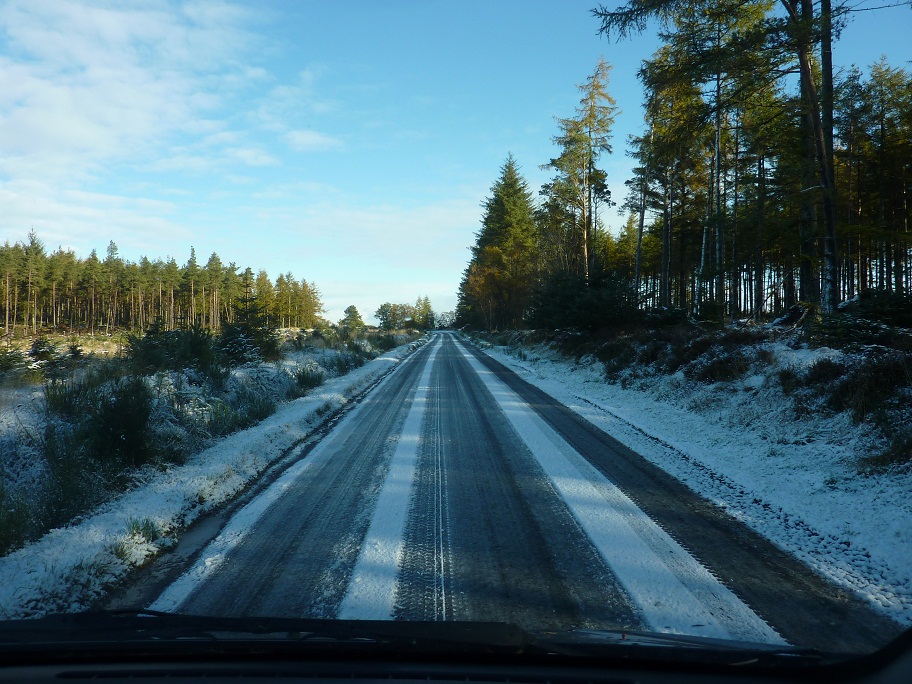
Just to remind me of what I’m likely to be missing though, as I was driving through Glen Spean, it started to snow.  Although it wasn’t settling on the road, it looked fantastic.

Photos from my Dundreggan day off

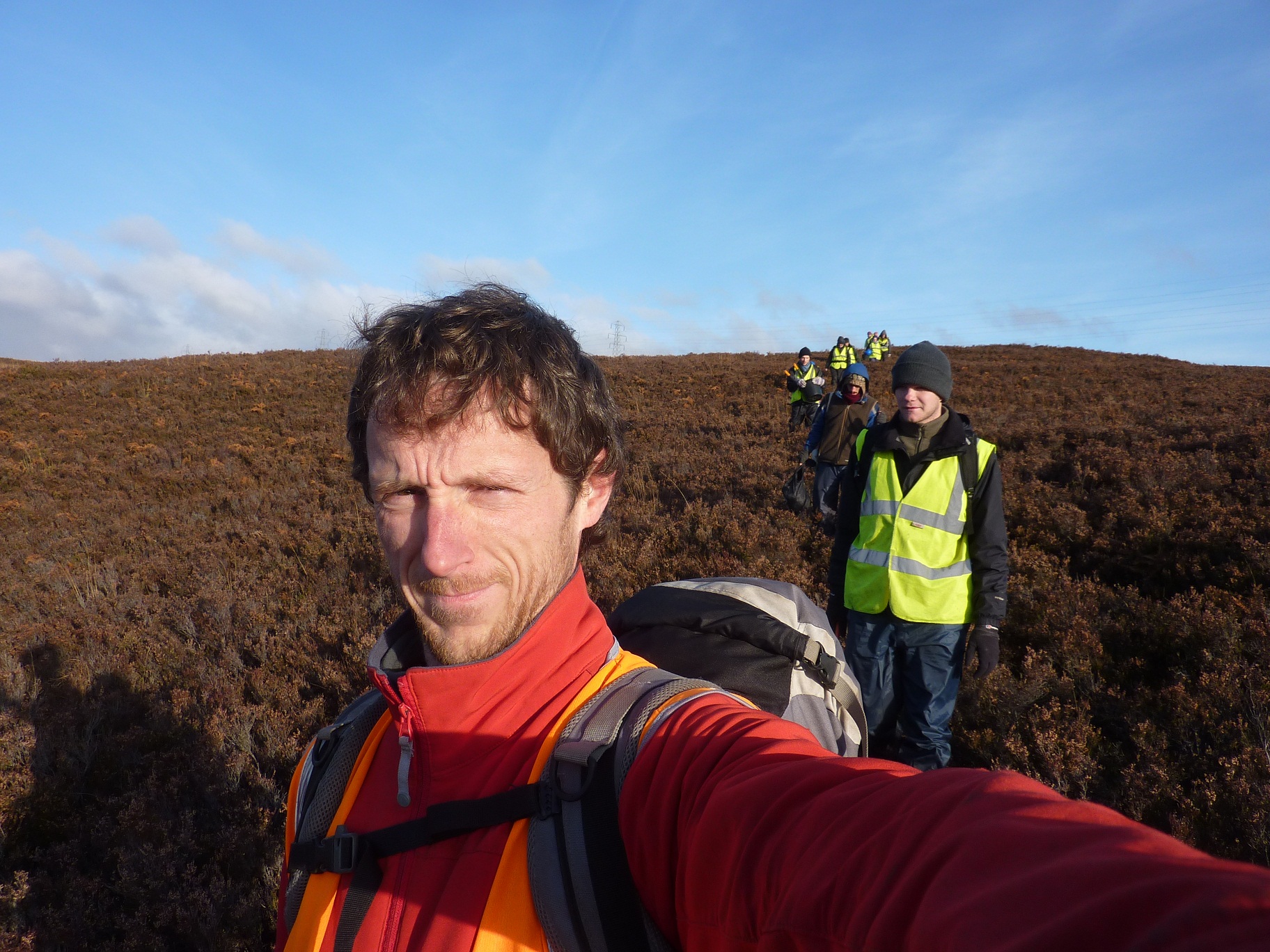
On Wednesday (10th), during the work week, we had a day off, as usual.  I took the opportunity to walk West across the estate, from the lodge, to some land adjacent to the estate (above Dalchreichart), that has been planted with Scots Pine in the last 10 years.  The land owner has erected a deer fence all around the land, but there are two gates into the area from Dundreggan.

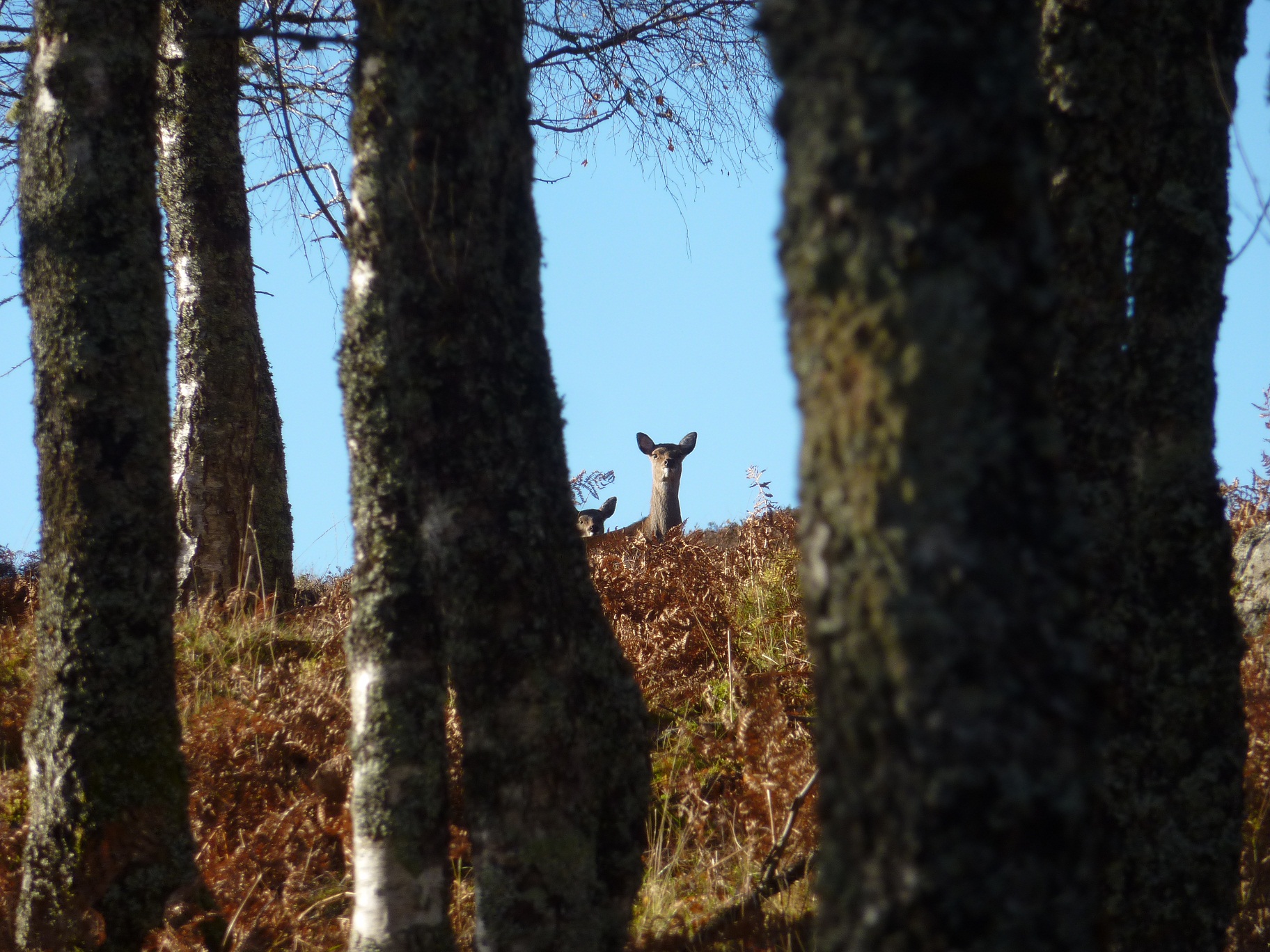
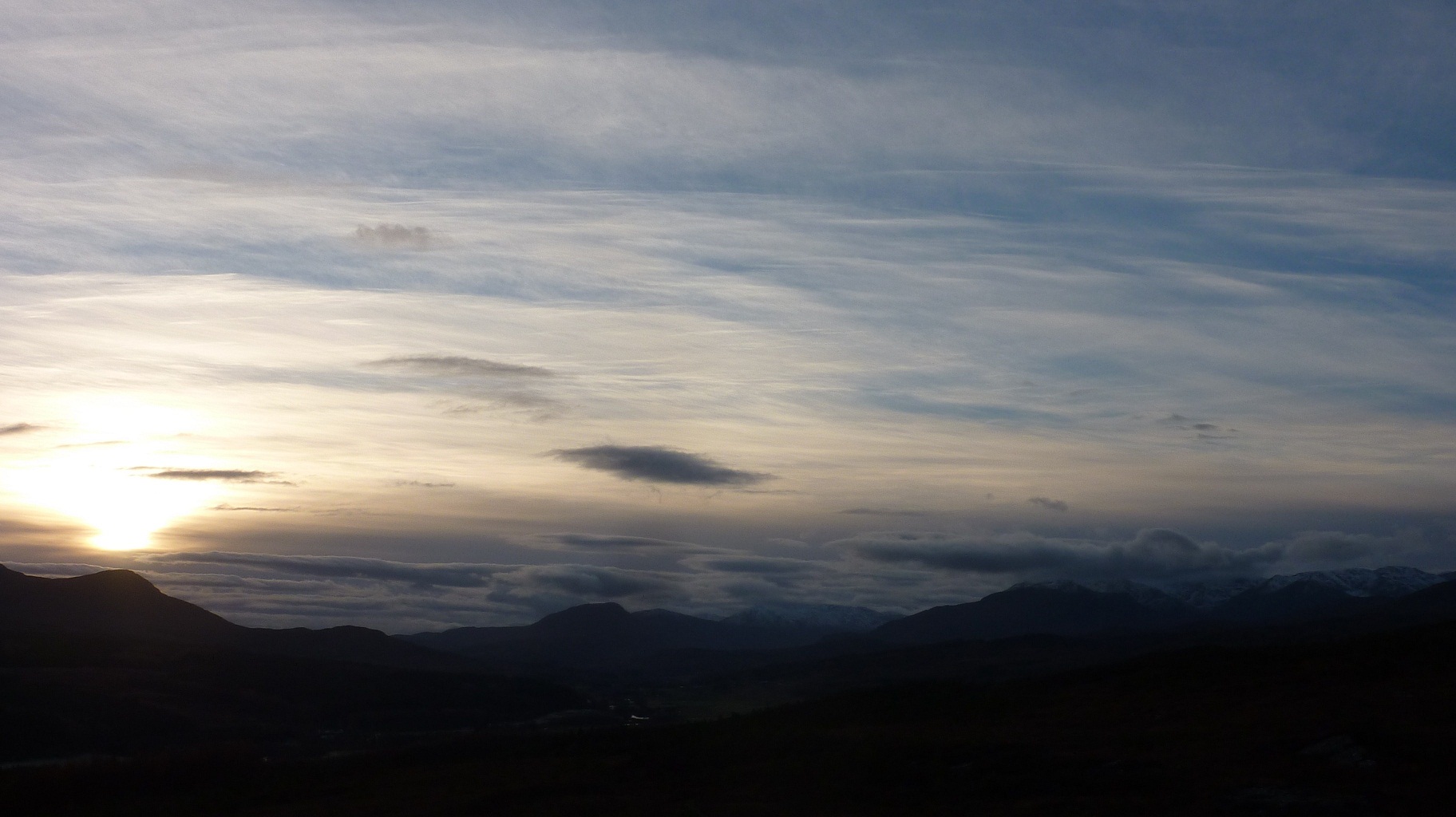
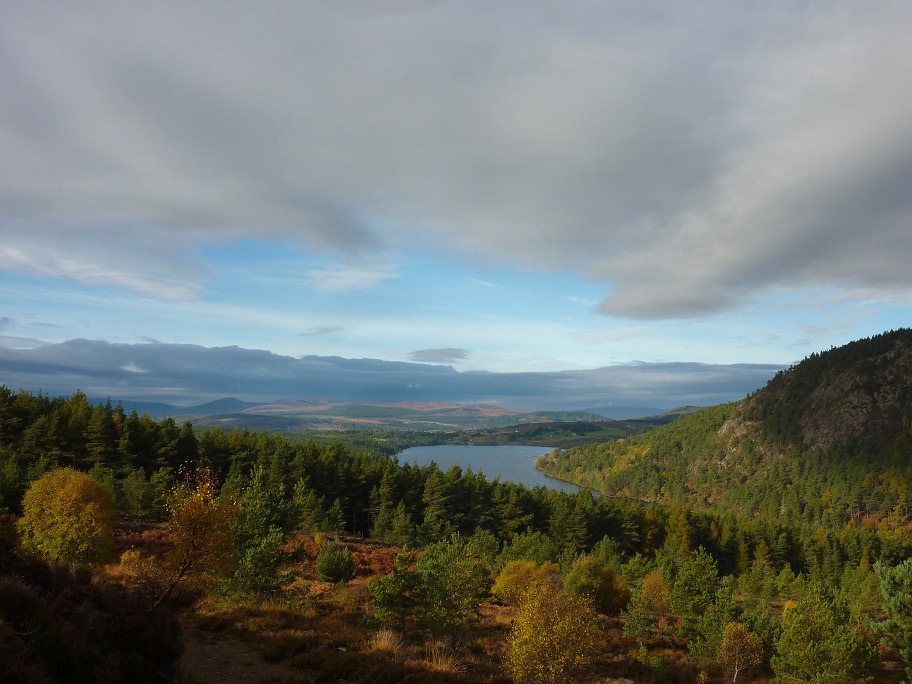
It was a beautiful cold, crisp, sunny day, with frost in the dips and cracks in the hills.  In some places the Scots Pine, which I estimate at about 8 years old, is above my head height.  There is also a good thicket of Birch regeneration, just downhill from the Dundreggan plantation, but the few planted Birch that I found were either dead or in poor health.  There were signs of deer damage, and I found two hinds in the exclosure (exclosure because it is designed to keep deer out).

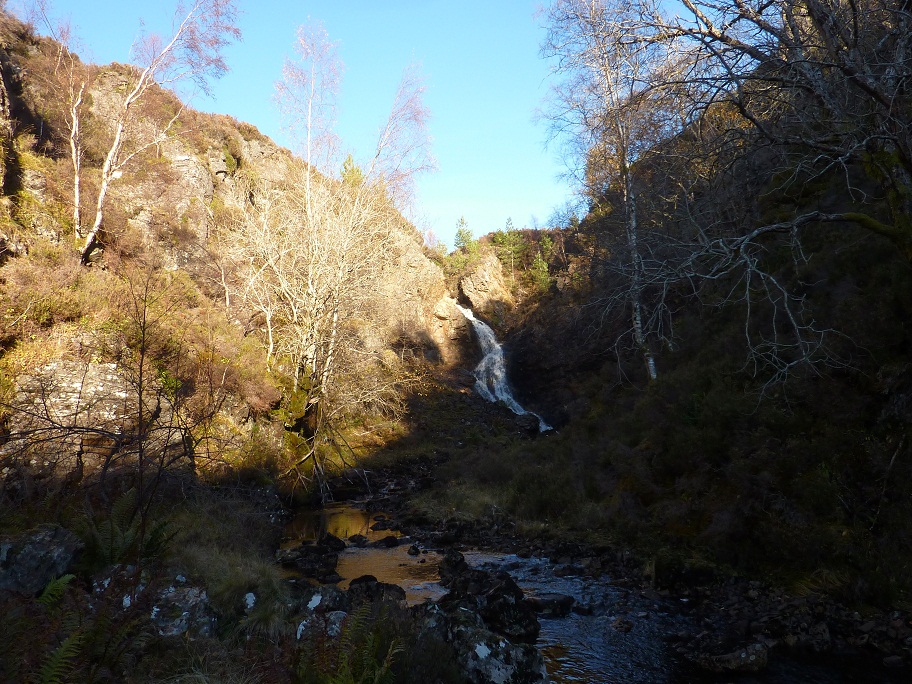
In the western part of the exclosure there is a deep gorge with a waterfall at one end.  Walking up it was easily the highlight of my day.  Above the waterfall a stand of Aspen hang on to the cliff top, and suckers are having some success in getting further away.  But it’s a precarious situation and I hope the deer are removed before they cause them too much damage.

Last TFL ww 2010, 6th Nov, Dundreggan

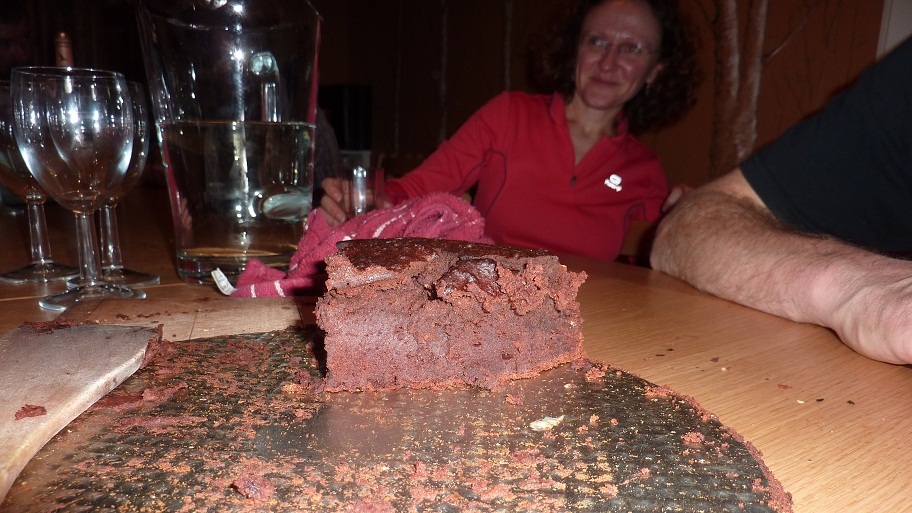
Sooo, the very last Trees for Life work week of 2010 (that they told me about anyway), and it is myself and Gordon picking up the vols from Inverness station again, as per this week last year.  This year I have to endure chick pea chocolate cake, chick pea curry, humus and other foodstuffs that allegedly have chick peas in.  Chick peas, as I’m sure you are aware, are a strong contender for the most boring food in the world.  However, as I’ve learnt through years of work week experience (especially this one), this rule does not seem to apply when the chick peas are not visible in the final dish.  Hats off Johnny, on this week, for providing another exception with his chick pea curry.  And yes, Freddie, I have now eaten a whole sock.  It would have been much more palatable as part of one of your cakes.

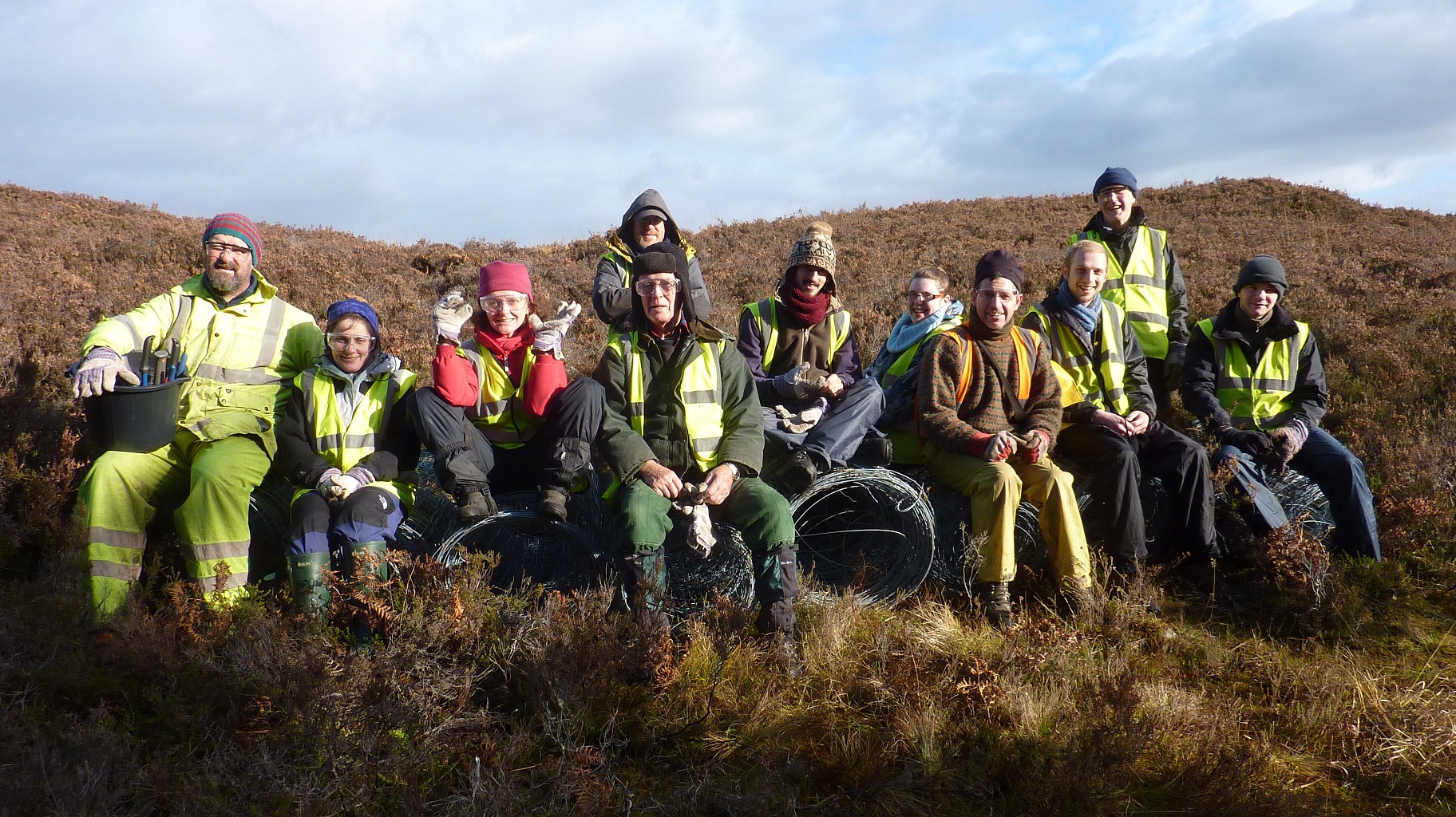
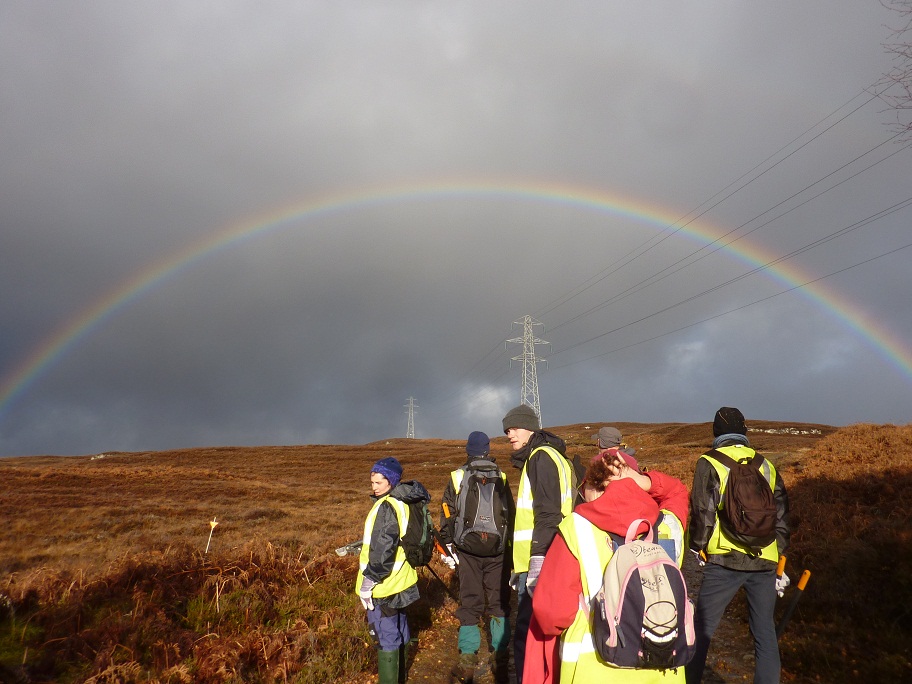
We sang (thanks Bill), we played, some drank, all ate.  We brashed (removed the lower branches from standing trees) maybe 3-5 hectares within the plantation on the Western side of the Dundreggan estate.  We removed the top layer from over a 1.3km of fence.  This work will provide improved access to the plantation for future work as well as reducing the chance of Black Grouse strikes against the fence, and allowing more light through to flora, etc on the woodland floor.

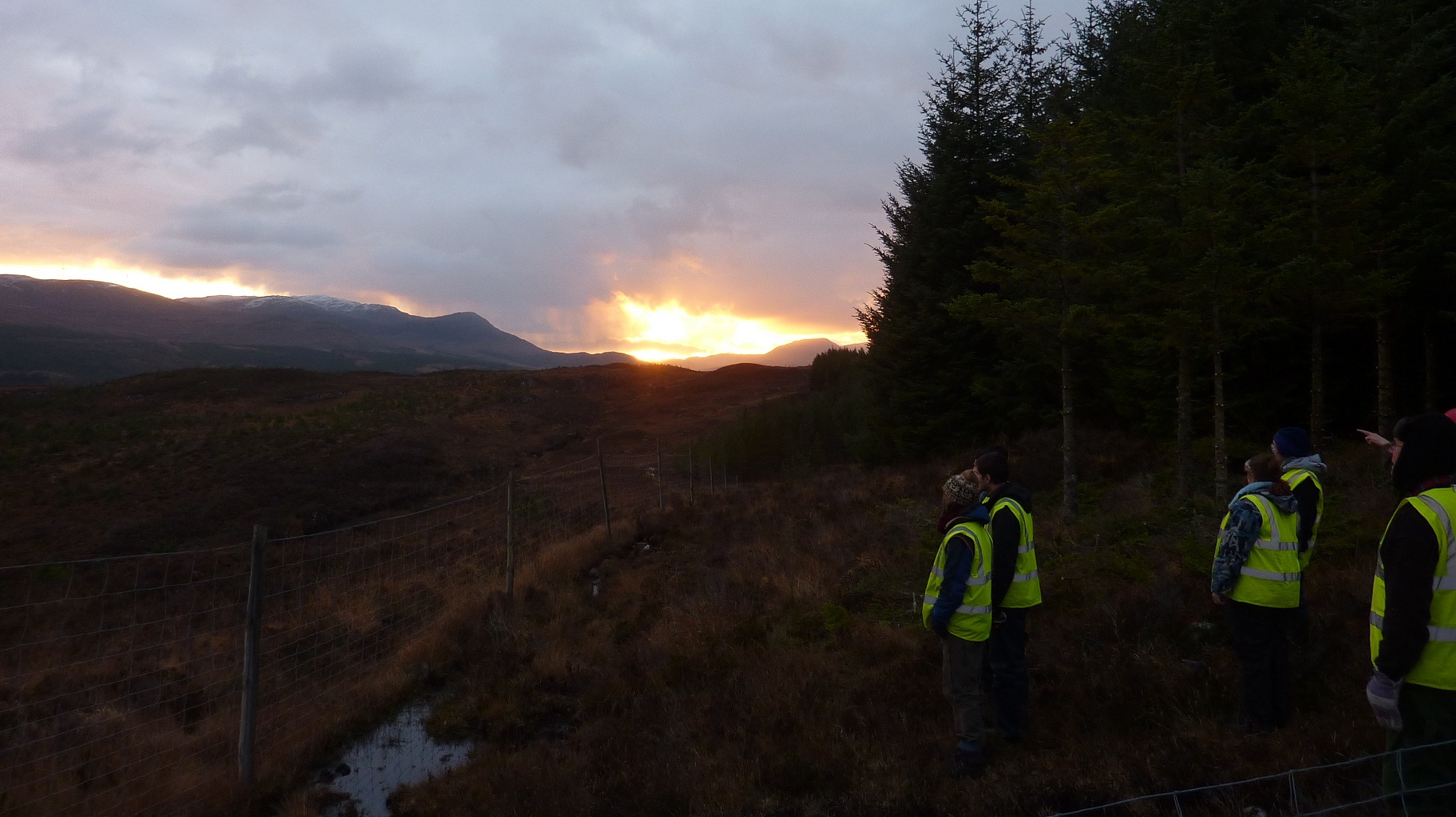
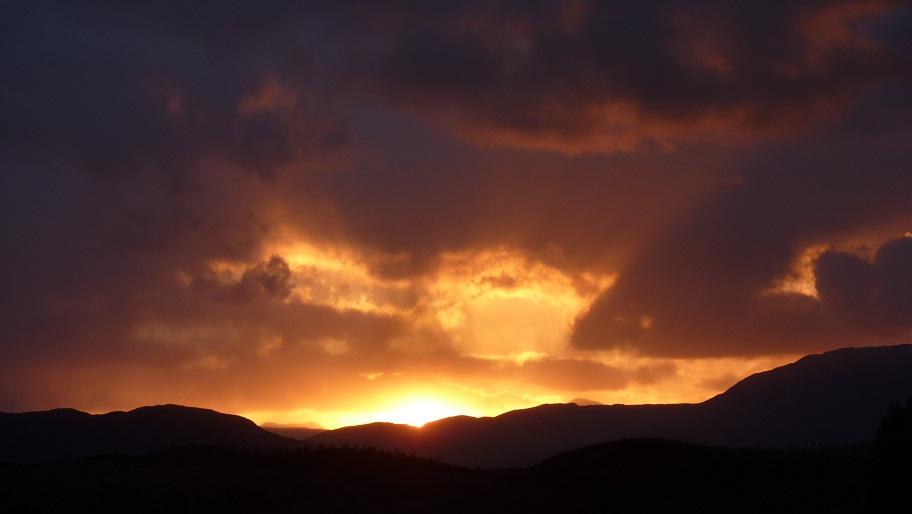
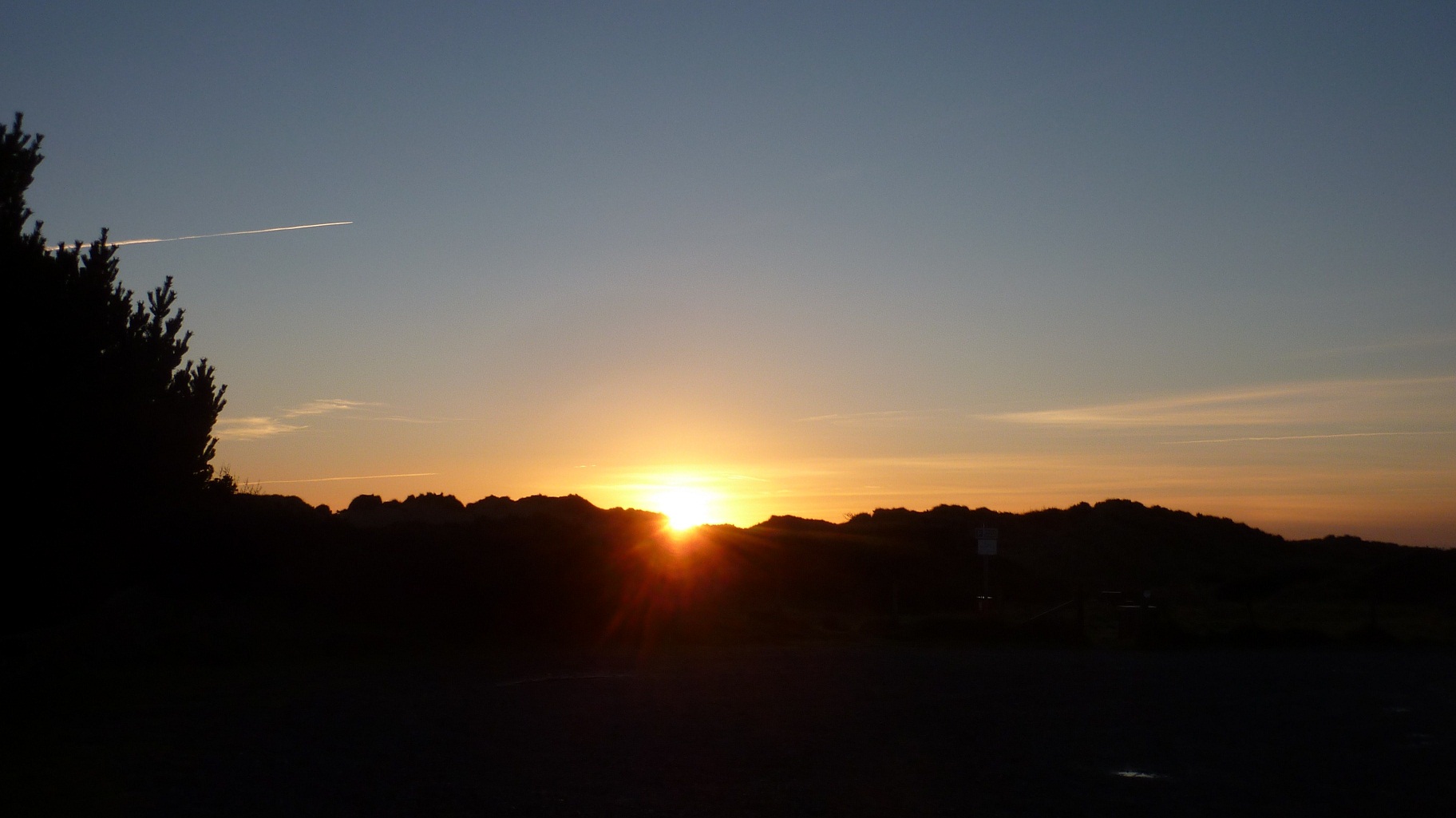
I’ll create a new entry for the pictures from my day off.  As you can see, we had a couple of fantastic sunsets, and some rain.  It was even cold at times, hopefully a sign of another freezing winter.  Proper Scottish weather.

A trip East to Balmedie

I have a little time to spare before my next TFL work week, so myself and the Passion Wagon head off for a mini tour.  I opt to head South and then East, stopping over near Grantown, then in some woods near Glenbuchat Castle before a night at Balmedie.

I spend some time walking through various plantations and noting the difference in ground flora in Larch, Spruce and mixed plantations.  Maybe it’s just the time of year, and because the Larch are shedding their needles, but the Larch plantations seem to have very little ground flora variety.  In the woods near Glenbuchat Castle, where there are a mix up of Larch, Scots Pine and occasional Spruce, there appears to be a greater variety of plants on the woodland floor.  I’m sure there must be forests with this mix naturally in other parts of Europe, and would be fascinated to study the ecology in such places.

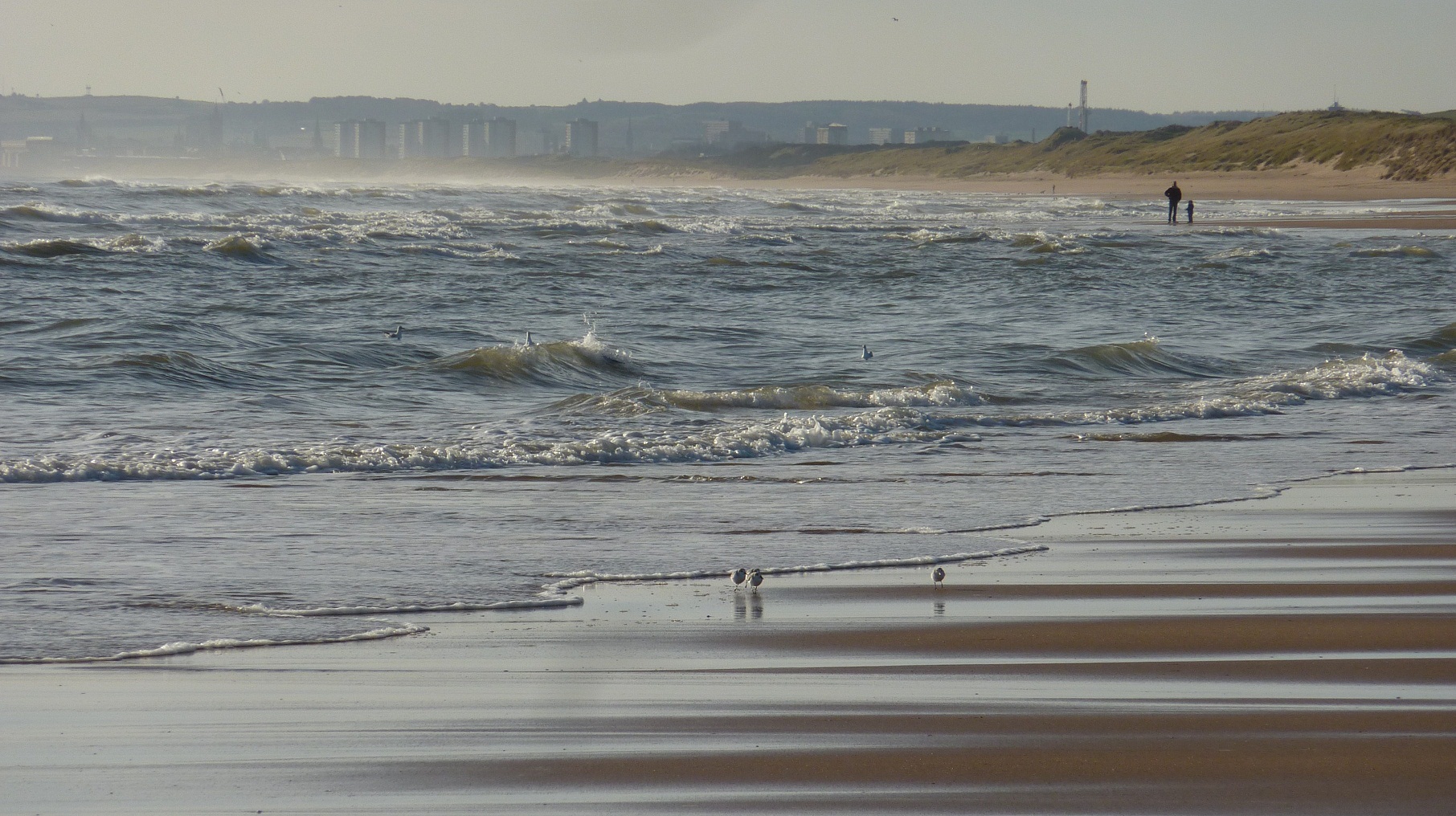
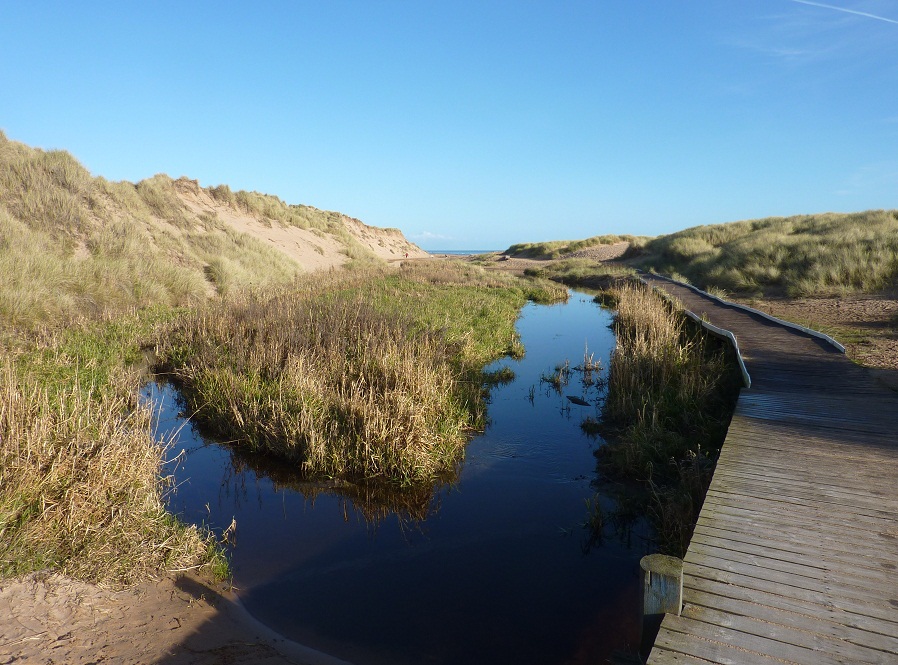
I end up on the East coast at Collieston, where I walk some of the Forvie nature reserve (the light was too poor to get any decent shots), before spending the night at Balmedie, both places I visited last year. There is now a sizeable campaign dedicated to stopping Donald Trump from building his golfing town on the Menie dunes SSSI.  This is a development that we should all take an interest in.  The erosion of our country’s wild and natural areas in the name of economic gain (to the few) is unethical, environmentally and socially destructive and unsustainable.

This program is worth watching, if you’re interested

http://www.bbc.co.uk/iplayer/episode/b00w029w/Donald_Trumps_Golf_War/

or, this web site gives further information

http://www.eco-essentials.co.uk/trump.php

And this group is working against the development in a similar way to the way Greenpeace/Airplot fought against the third runway at Heathrow.

http://www.trippinguptrump.com/

Here are some photos from the trip. I’m afraid that I’ve just been won over by the lighting on some of them so they may not be as interesting as you might have hoped.

A day out to Migdale with Trees for Life

Today I was lucky enough to tag along on the Trees for Life staff day out to Ledmore and Migdale woods, somewhere I went to earlier in the year.

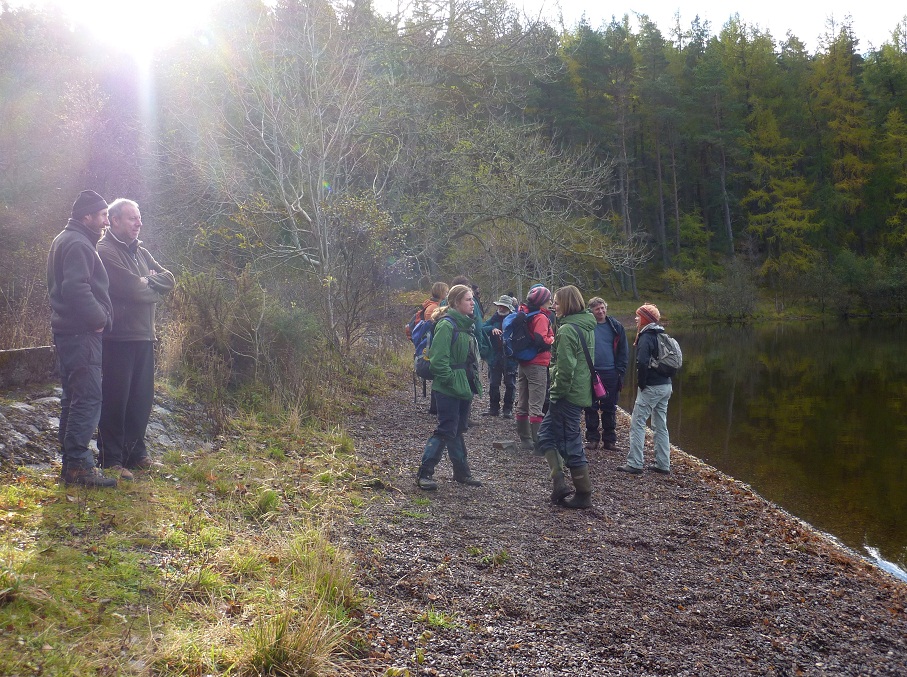
This time it was a relatively warm day, and the loch, Loch Migdale, wasn’t frozen.  It was good to meet up with Chris, from the Woodland Trust, again, and share some thoughts with him regarding his recent week Focalising.  And it was a good opportunity for me to spend some time with the TFL staff on a more informal basis.

Chris really does have the ideal job (from my perspective).  On the one hand he has a relatively free reign to manage the woodland habitat, and on the other he is tasked with encouraging people of all ages to visit and appreciate the woods, something he seems to do very well.  The woods are a mix of mostly middle aged to young trees, with some fabulous regeneration in some areas and very little non-native intrusion.  There are also some very fine old Aspen trees, see photos below.

More information on the woods can be found here

Snow – woohoo!

Here it is, the first snow of my winter, taken on a mini tour of the East, near Inverurie…

Spiders are amazing.

Having heard about their photographic competition, I recently checked out the countryfile magazine web site.  I was extremely disappointed by the comments concerning one of the winning entries, a fantastic looking (jumping?) spider.  More than one person commenting suggest that they would be reluctant to buy a calendar with a spider in it.  And some of those even go as far as to say that children will have nightmares on seeing the spider photo.  This mindset displays alarming ignorance.

Firstly, it suggests that the best way to overcome people’s fear of spiders is to remove all spiders from sight.  This response is an example of why humans, as a species, are destroying the world that we live in.  Rather than worry about how we make thousands of spiders homeless every day, assuming they survive us moving into their lives, we can only think of ways in which we can remove them from our homes/crops/outbuildings/vehicles/etc (we don’t just do this with spiders, we do it with every other species on the planet that we don’t call ‘domestic’ or a ‘crop’).
Secondly, it suggests that children are born scared of spiders.  This is generally not the case.  A large number of people grow up being scared of spiders because they see adults reacting to them when they are young.  In some countries spiders can kill you, but in this country, reacting like someone has passed an electric current through the floor when one appears, seems a little extreme (Dad).  If children are taught to appreciate spiders, then they invariably do.  Exposure, not avoidance, is the way to overcome an irrational fear.

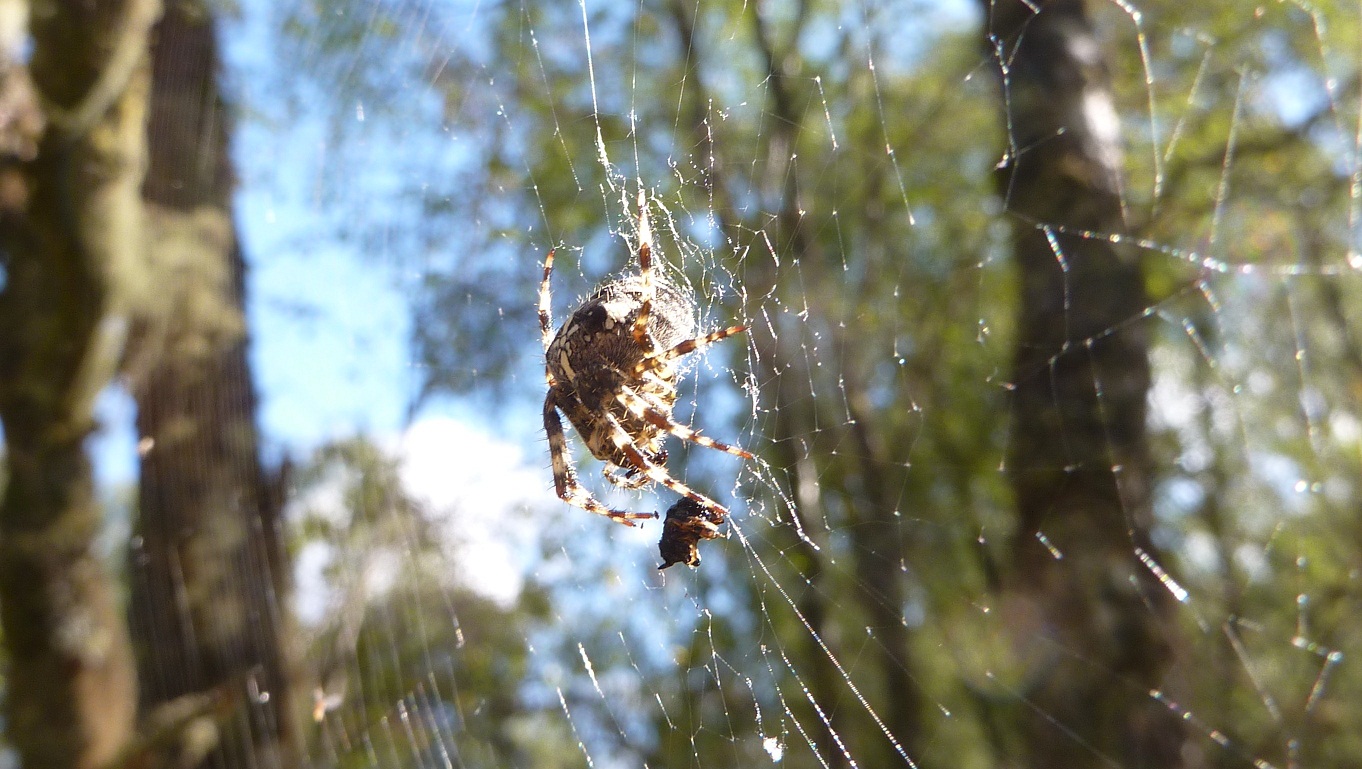
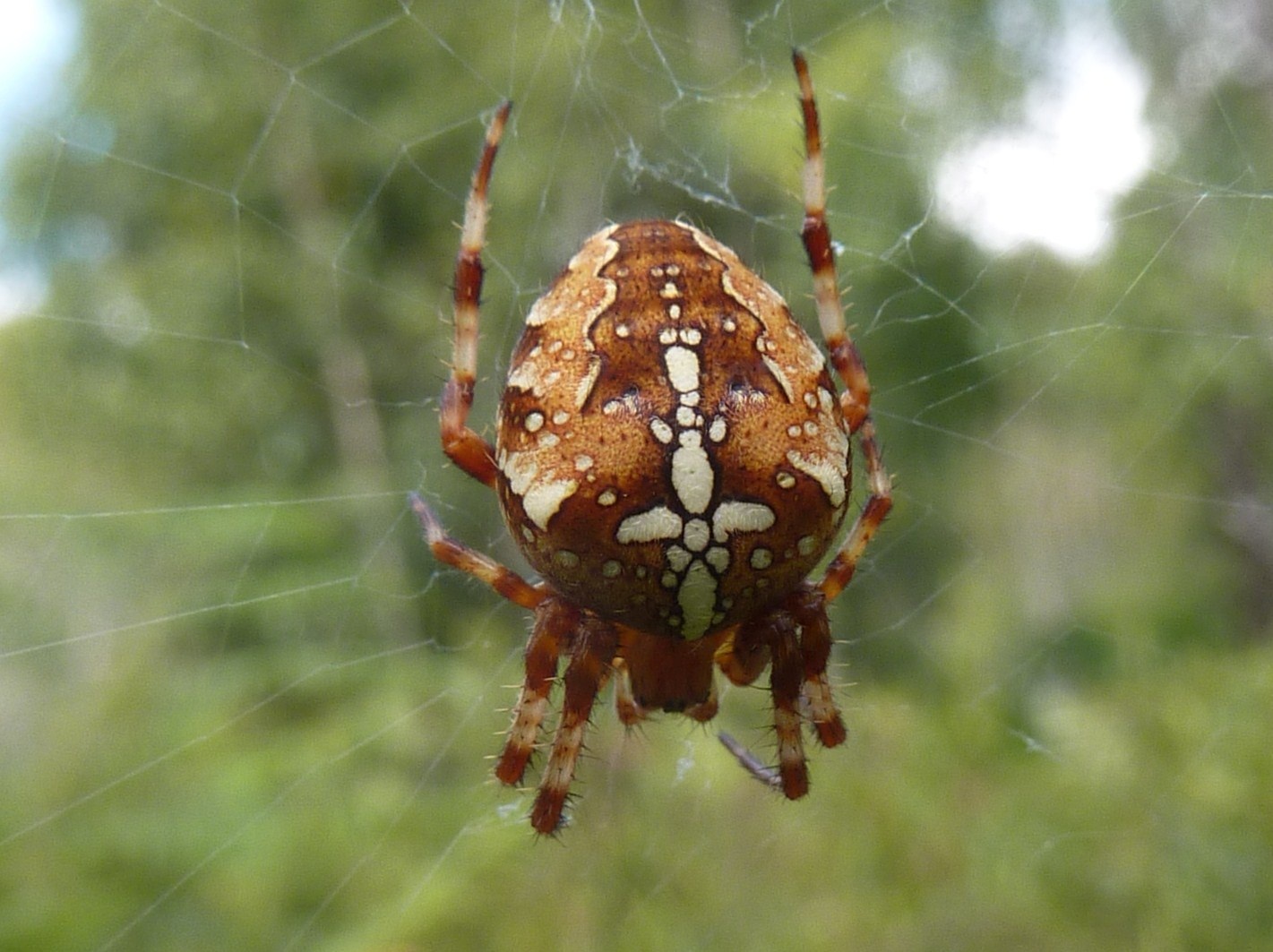
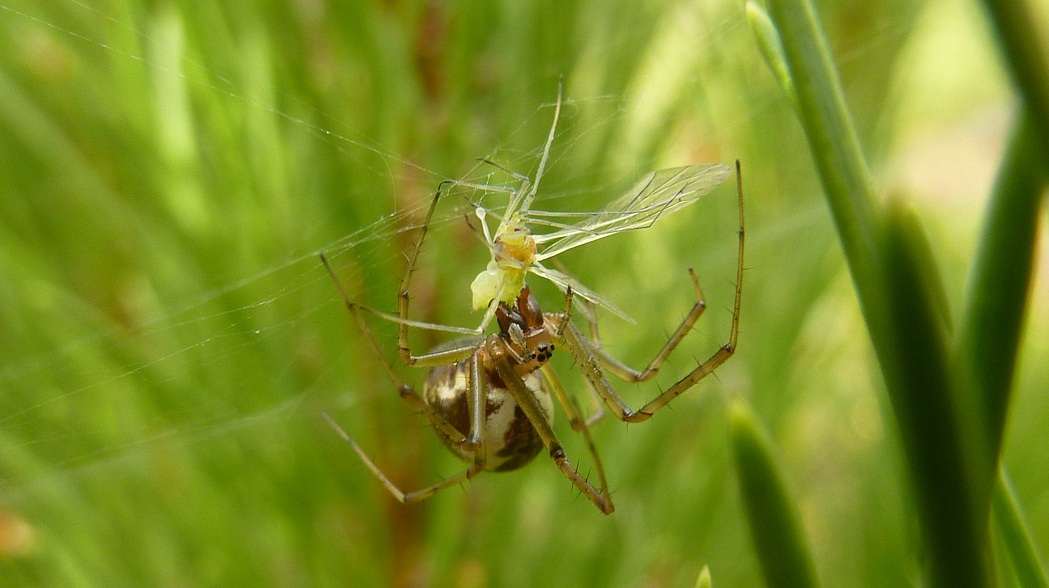
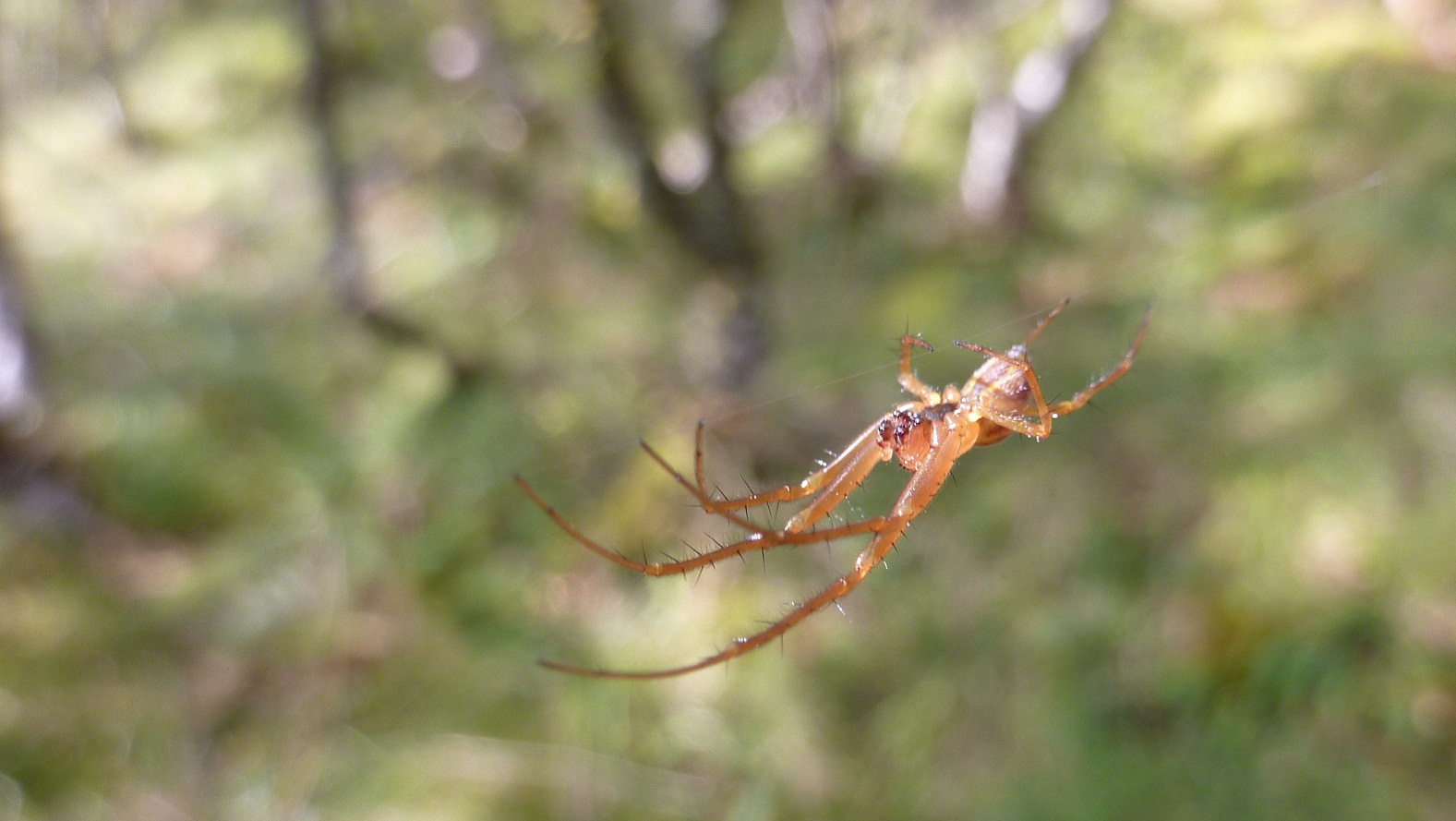
If there was a Royal Society for the Protection of Spiders their strapline would be “Spiders are amazing, let’s keep them that way”.  Spiders ARE amazing, I hope these pictures, taken during my last three work weeks (Dundreggan, Balmacara and Glen Affric, see previous entries) will help you to agree.