Latest

Stockland Turbaries

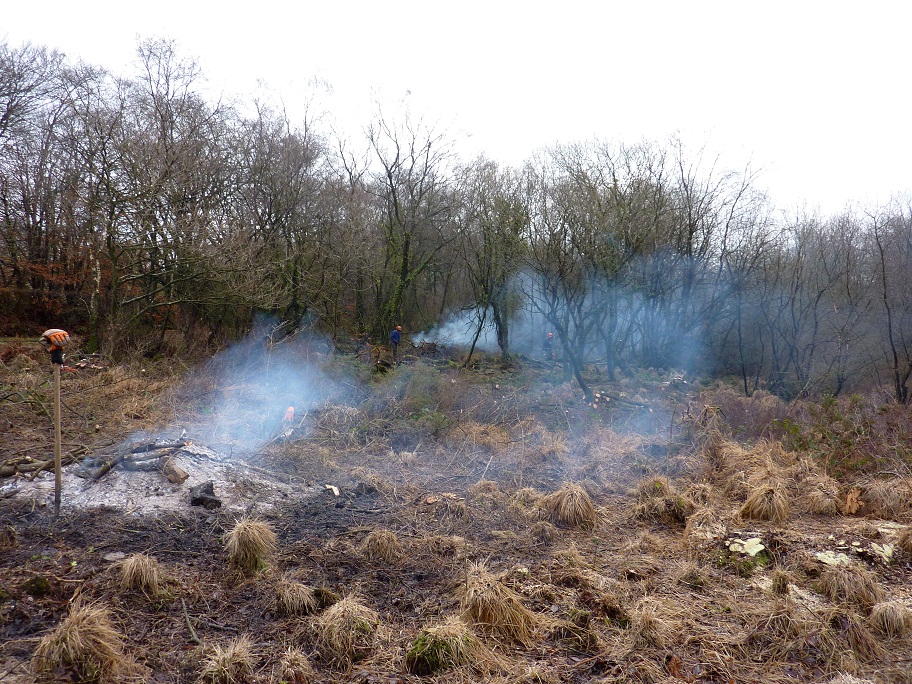
The big project at RSPB Aylesbeare at the moment is to ‘restore’ habitat in an area called the Stockland turbaries.  Historically, the Stockland turbaries were areas of bog or lowland heath where peat was dug and used for fuel.  Typically these areas are dominated by heather and gorse (gorse was also used for fodder).  But the area that we’re working in is also a stronghold for bog myrtle in Devon.  The decline of traditional heathland practices has resulted in a reduction of the wildlife associated with heathland.

This is a contentious issue.  I don’t want to use this blog as a tool to promote or knock heathland, but I can see that there are good reasons for protecting heathland where it exists, and hence preventing species loss if those species have evolved to live in such a habitat.  I have found it a little more difficult to come to terms with the removal of semi-mature woodland in the name of habitat restoration.  Whilst carrying out the work Dr David Allen has been out to view our progress on numerous occasions, and his enthusiasm is persuasive.  But I’ve still a lot to learn about these habitats, and I hope to better understand both sides of the argument before I move on to pastures new in a couple of months.

In the mean time, the work itself is a lot of fun.  I’m spending a lot of time on the chainsaw, working out cuts, wind direction, safety, etc, and then hauling about big lumps of wood.  I’m tired at the end of each day (most of us fall asleep in the LR on the way back to base), but it’s a good tired, and I’m sure my general strength levels have improved enormously.

Let it snow, let it snow, let it snow…

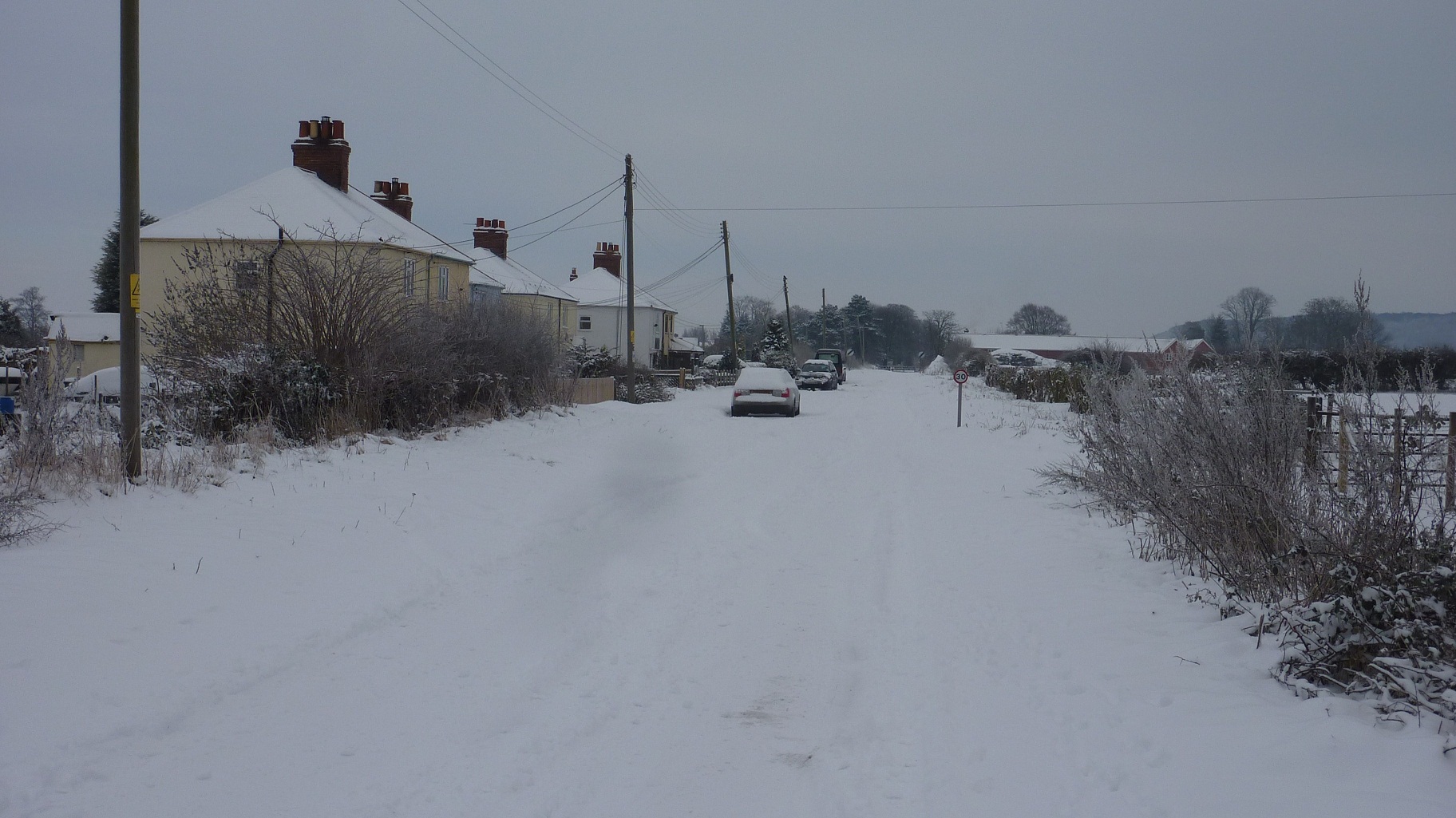
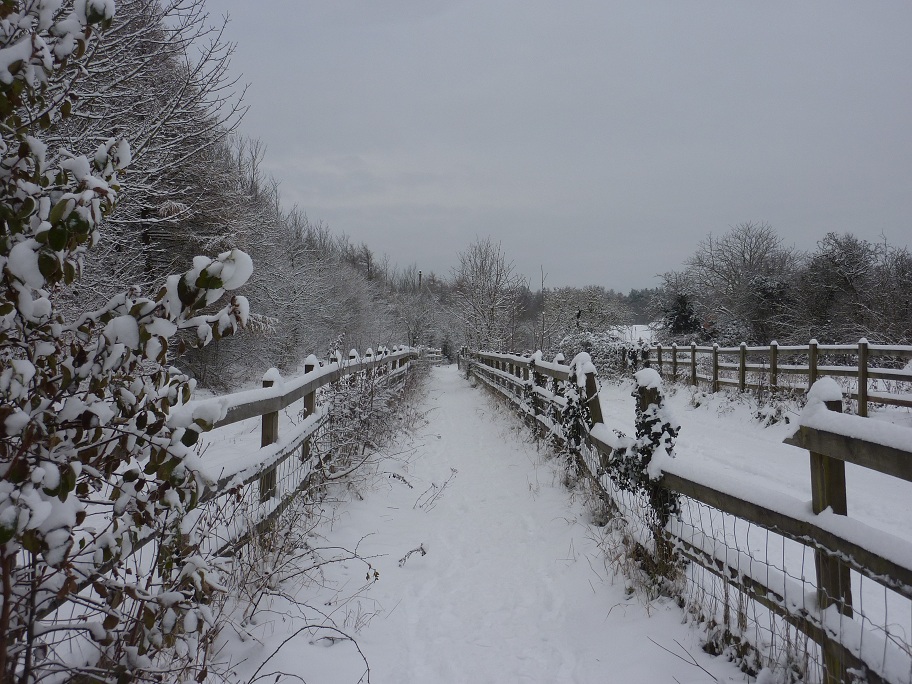
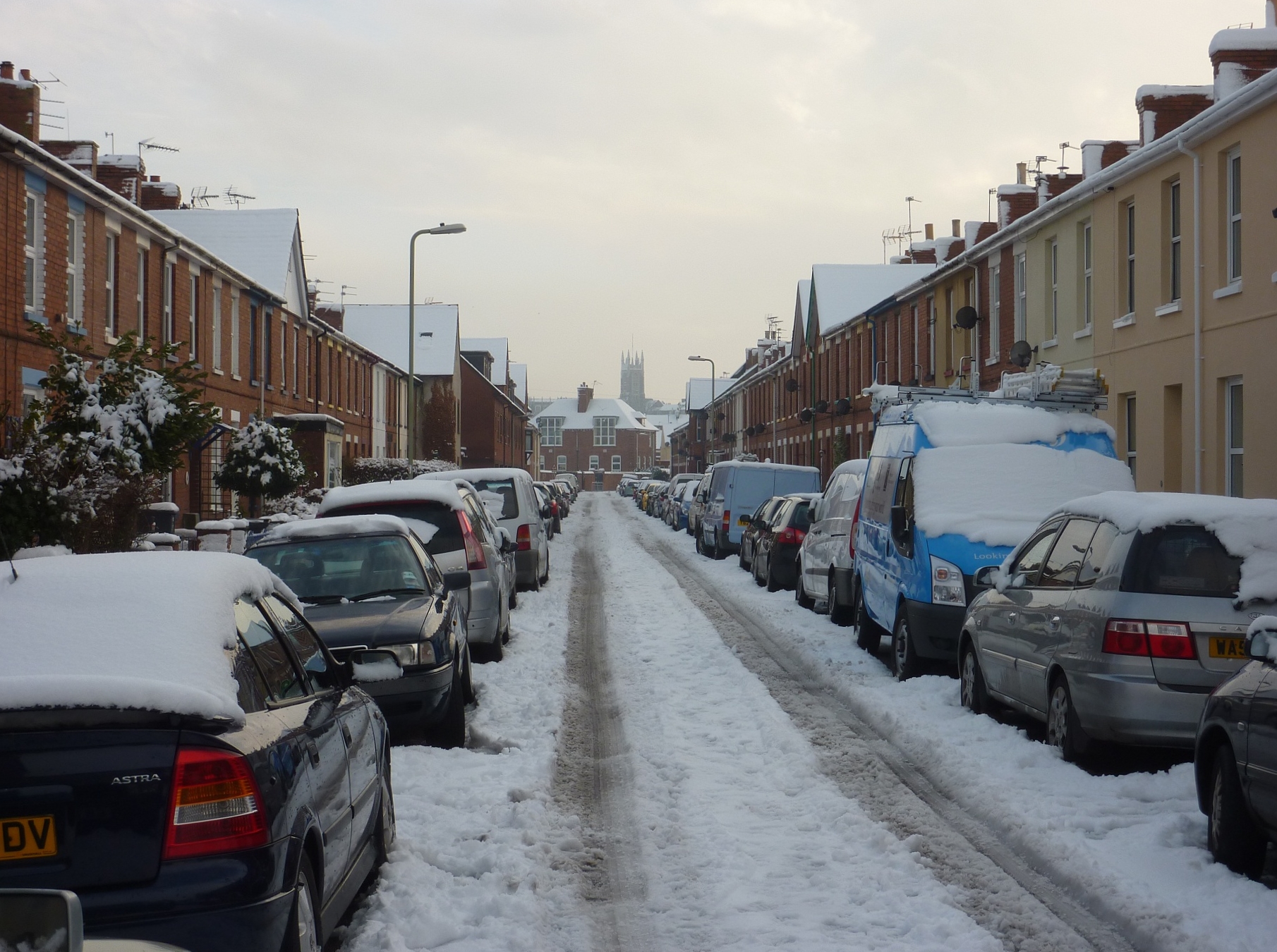
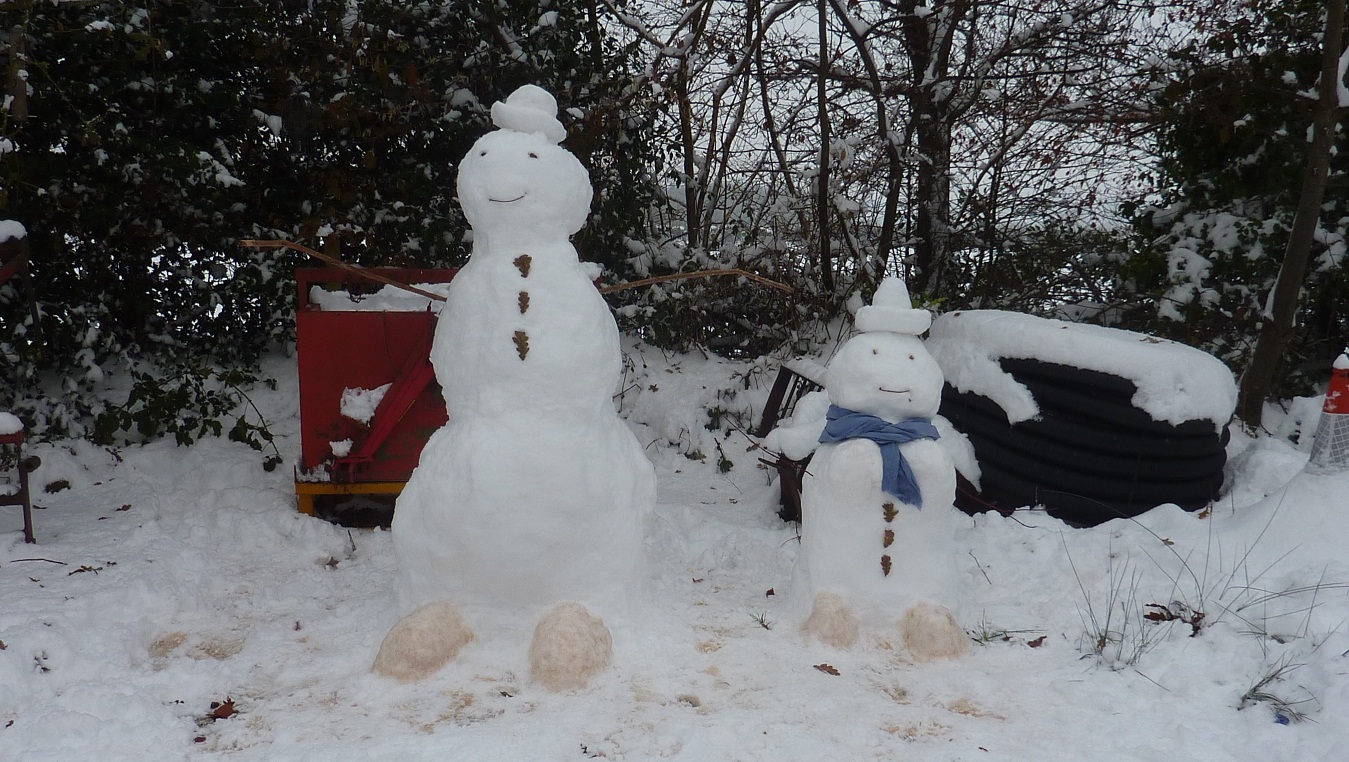
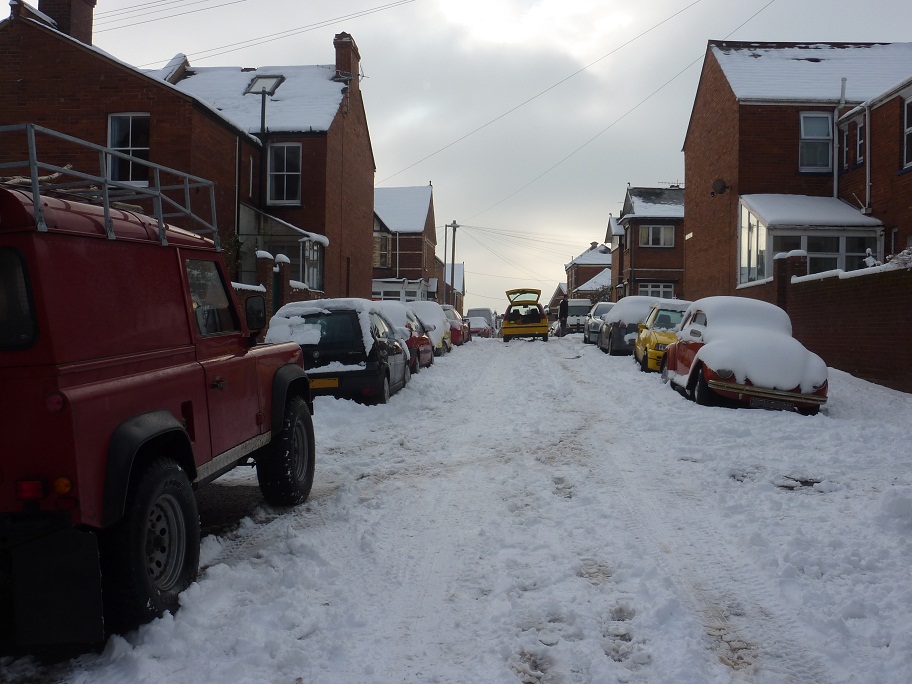
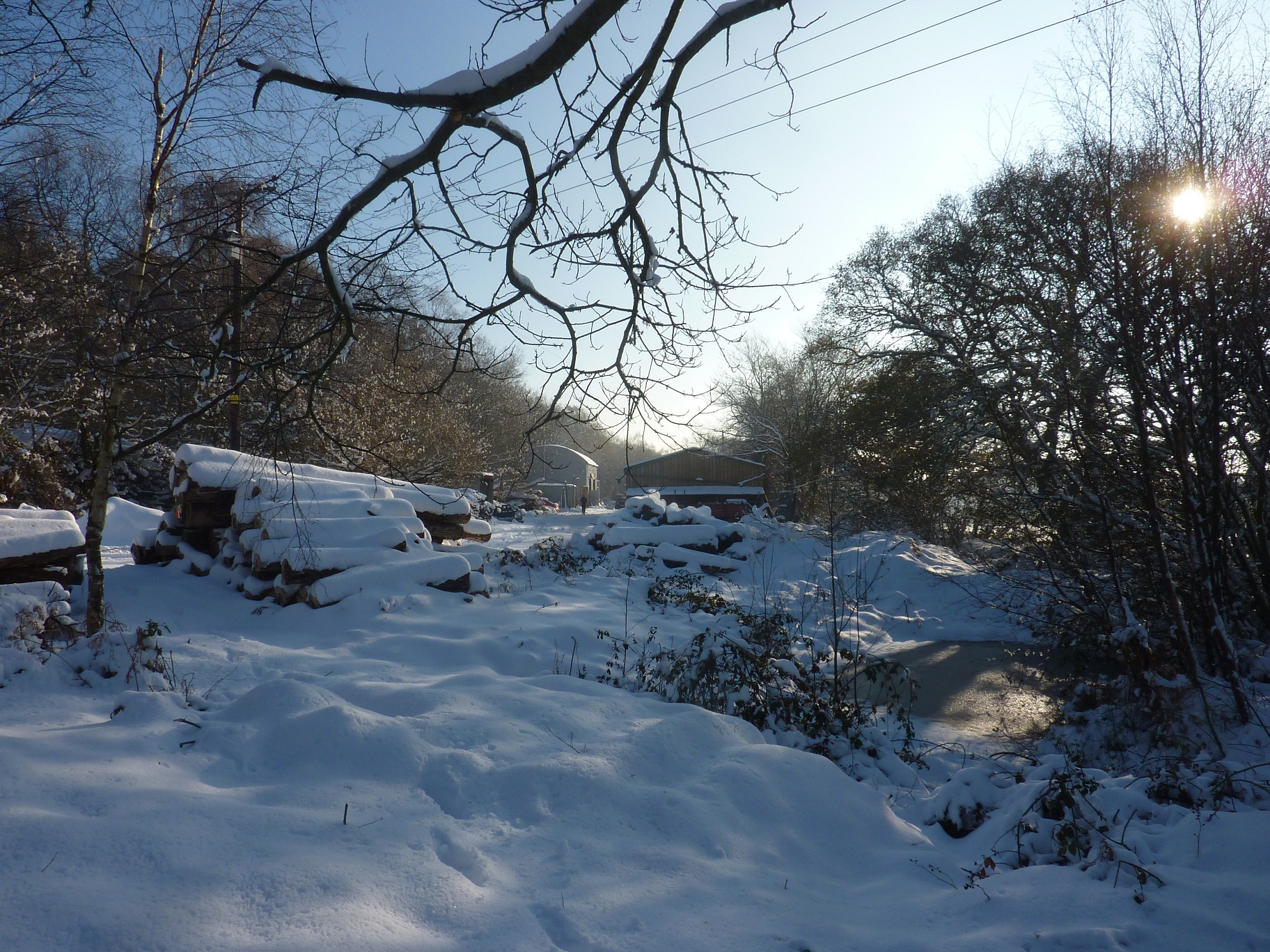
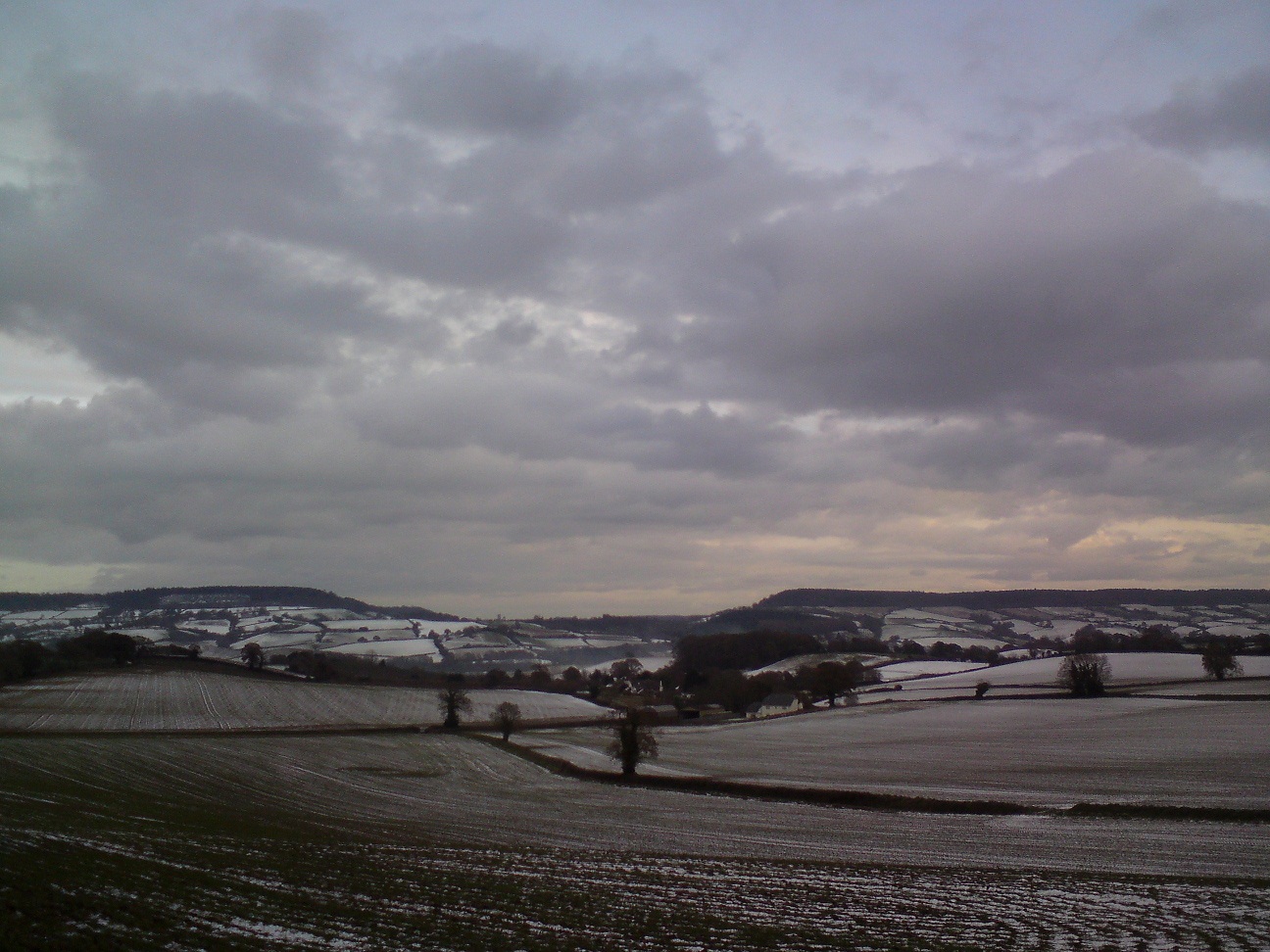
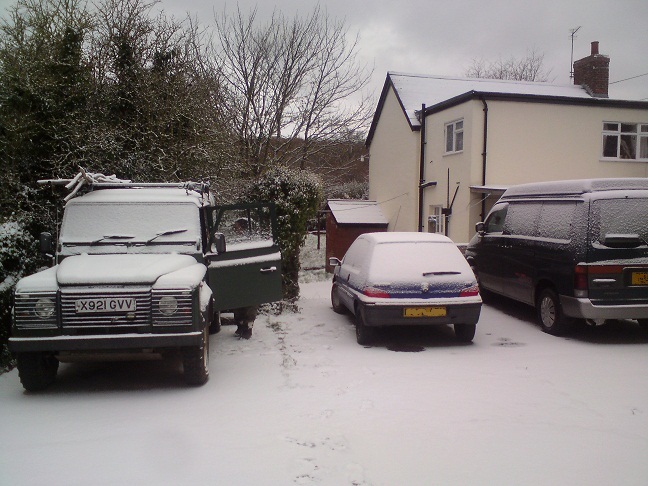
Woohoo!  It snowed!  Then it snowed some more, and then a little bit more.  It’s fantastic.

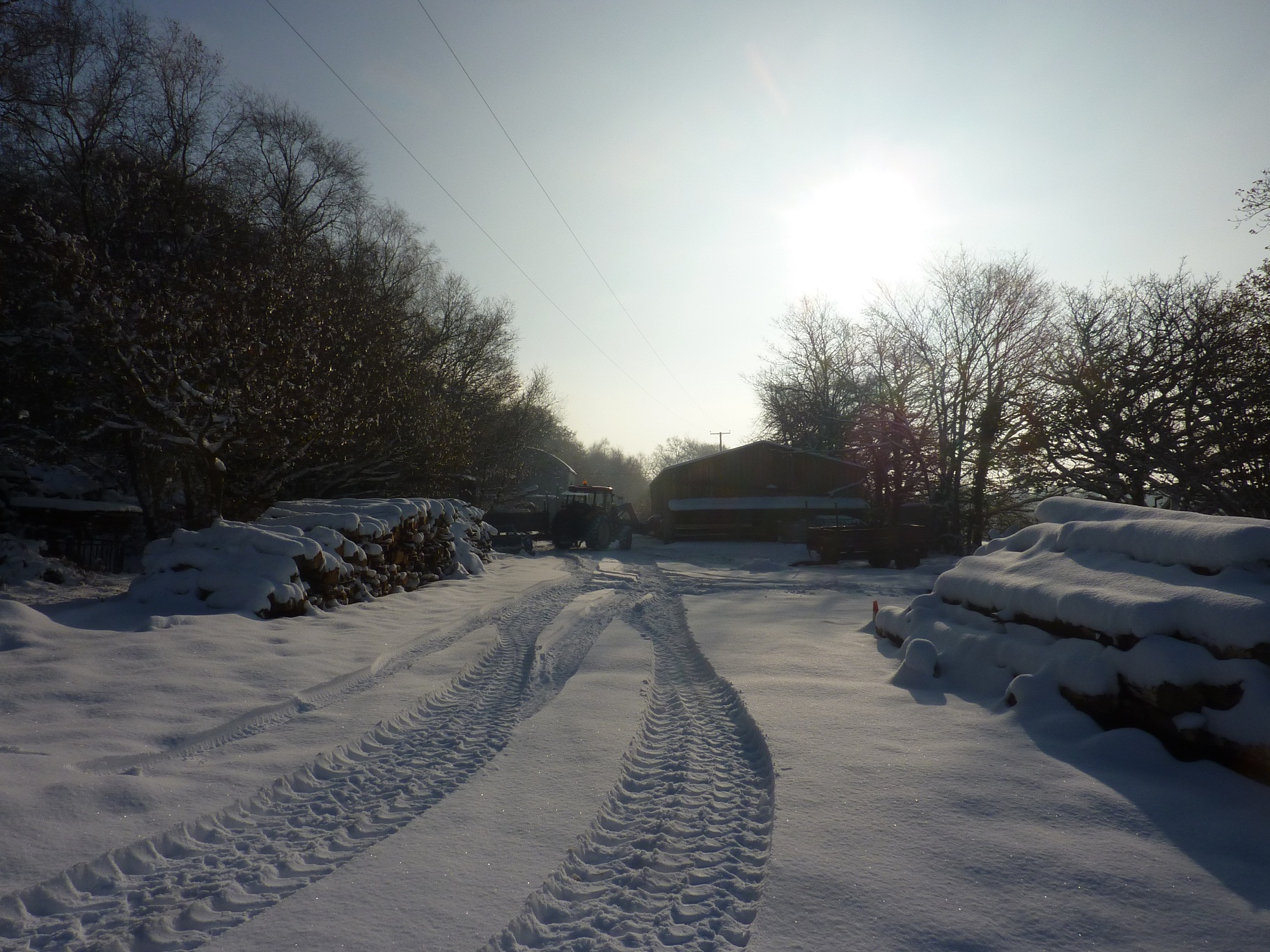
Since the last entry it’s been pretty much processing and delivering logs on the reserve.  The heathland is maintained by removing the majority of trees that grow on it, and the wood produced from this process is then distributed amongst local people in the know.  Just now there are a lot of people who want a log delivery before Christmas.

At the weekend I drove to Lewknor in Oxfordshire, to see my Dad and the other Golders, and back.  The passion wagon, being 4 wheel drive (but not an SUV/Chelsea tractor, I hasten to add, for anyone reading this for the first time), coped admirably with the conditions.  On my way there I was listening to reports of the M40 being gridlocked, Southbound, from Banbury all the way in to London.  I was able to manhandle the wagon down the back roads to avoid the issue.  Top stuff.

Dinan Way reclaimed woodland

The site where we worked today used to be an old rubbish tip, in Exmouth.  The story goes that Brenda Taylor, whilst Mayor proposed that the site be set up as a woodland, and Toby, RSPB Aylesbeare warden, suggested that the RSPB could get involved by supplying work parties.  That was 10 years ago and a great variety of trees have been planted on the site since.  The RSPB still make time to visit the site at least once a year to check that things are ok.

Today, being Wednesday, was also the Wednesday-vols day.  Every Wednesday our  numbers are boosted with a group of local volunteers.  Some come along to gain experience for a course they are studying, and others have been involved with the RSPB for years.  As the work today was not the usual slash and burn, and with it being so close to Christmas, there was a festive spirit in the air, helped with servings of mulled wine, and Christmassy cakes.

The woodland has great views of Exmouth, but is currently closed to the public while the methane is vented from the site.  It will be interesting to keep an eye on it over the coming years, and should be a beautiful and worthwhile place for the people of Exmouth to visit in years to come.

Us vs the Laurel

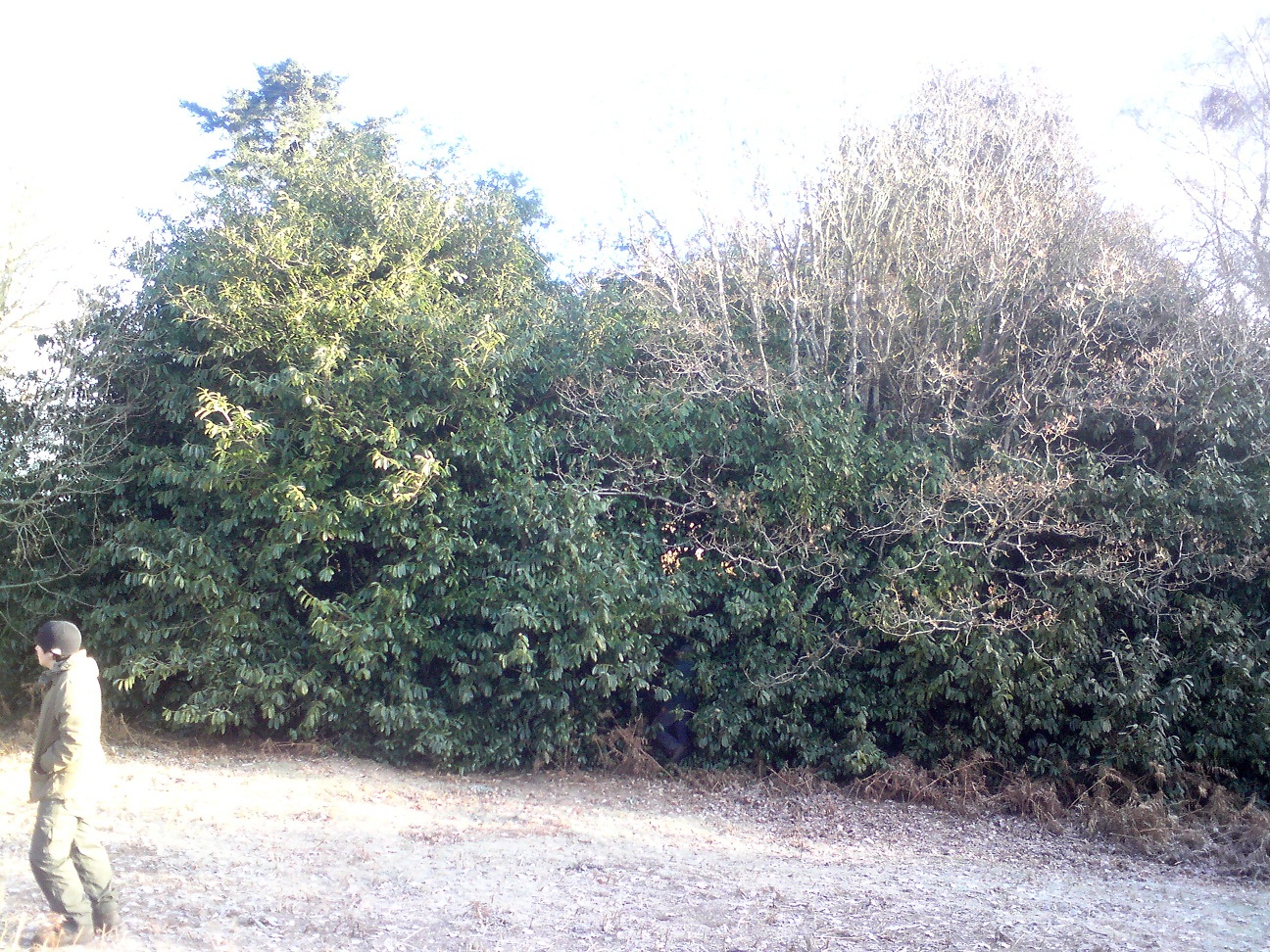
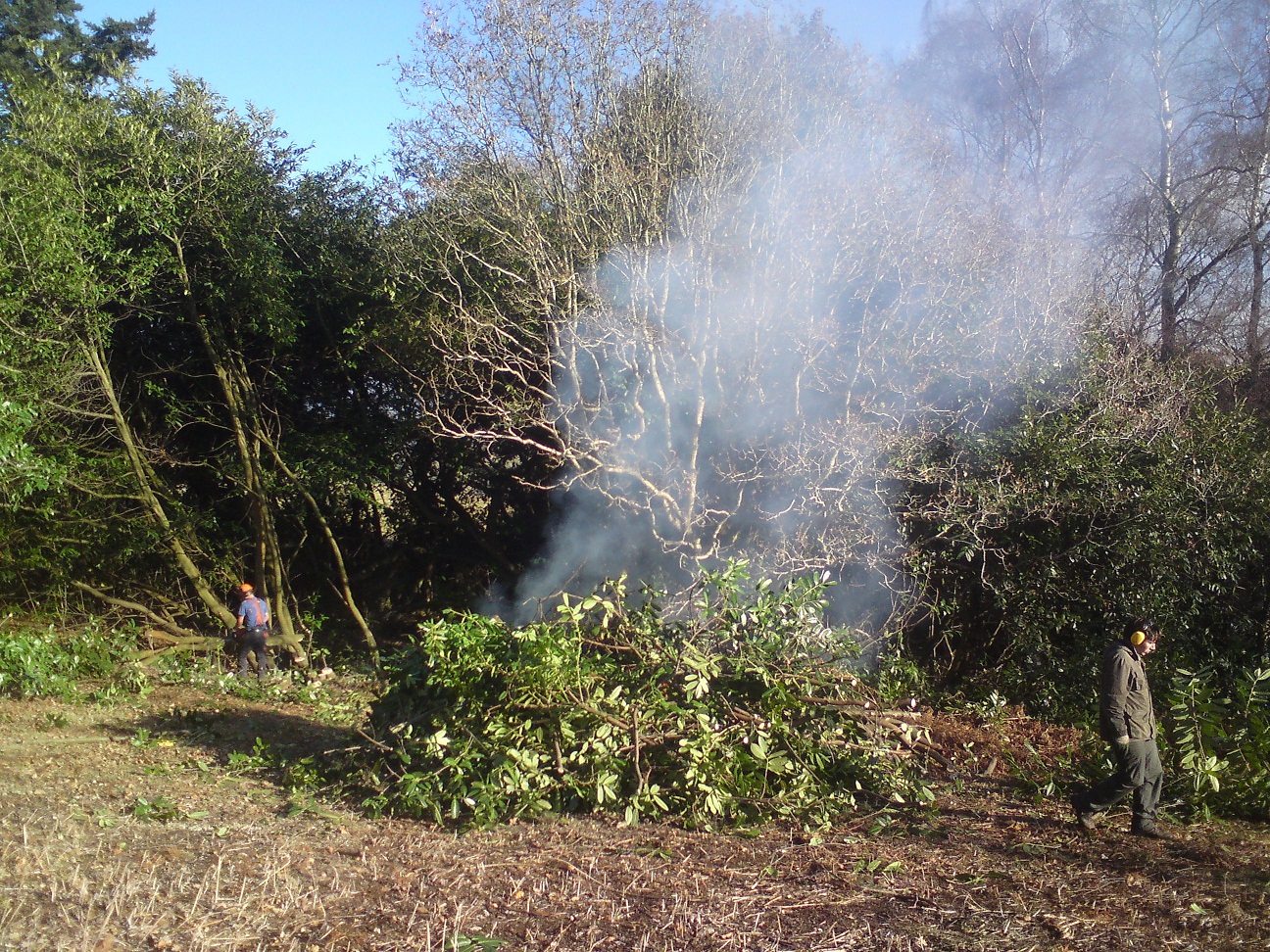
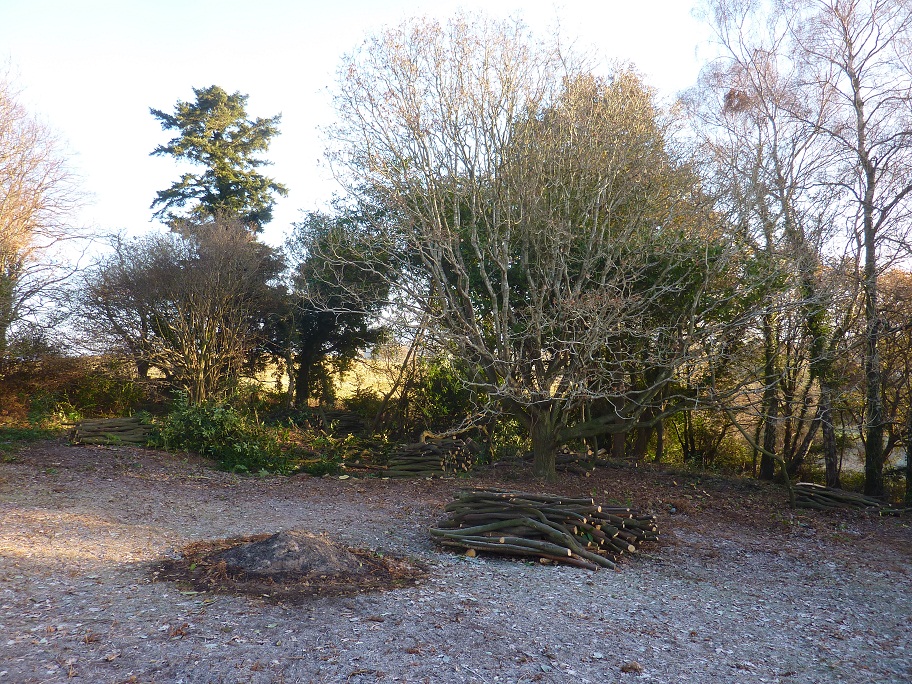
For the last few days we’ve been trying to reduce the powers of some mighty runaway Laurel on one corner of the reserve.  This tree system seems to have been growing away unchecked for about 40 years, and has now swamped all the ground vegetation in the area, as well as some smaller trees.  It even seems to be contributing to the shape of a couple of Oak trees in it’s midst.

This job is an ideal role for me to practice my chainsaw skills on.  Plenty of leaning or lying compression/tension tests, as well as boring and dog tooth cuts.  Also, the Laurel is incredibly dense, and seems to be very weighty stuff, so misjudging a cut can lead to a stuck saw, or very dangerous kick back.  Thankfully, the biggest issue we experienced was trying to remove a number of branches tangled up in the Oak.  I’m sure the Oak was very relieved to see it go.

On Friday, I carried out the reserve’s winter bird transect, with Richard.  No Shrike this time, but we did get a little too excited when we thought we’d come across a Cirl Bunting.  Further research showed it to be a Reed Bunting with a rather more yellow than usual bib.  Still, that’s cool, we love Reed Buntings too.

Cold, ponies and electric fences

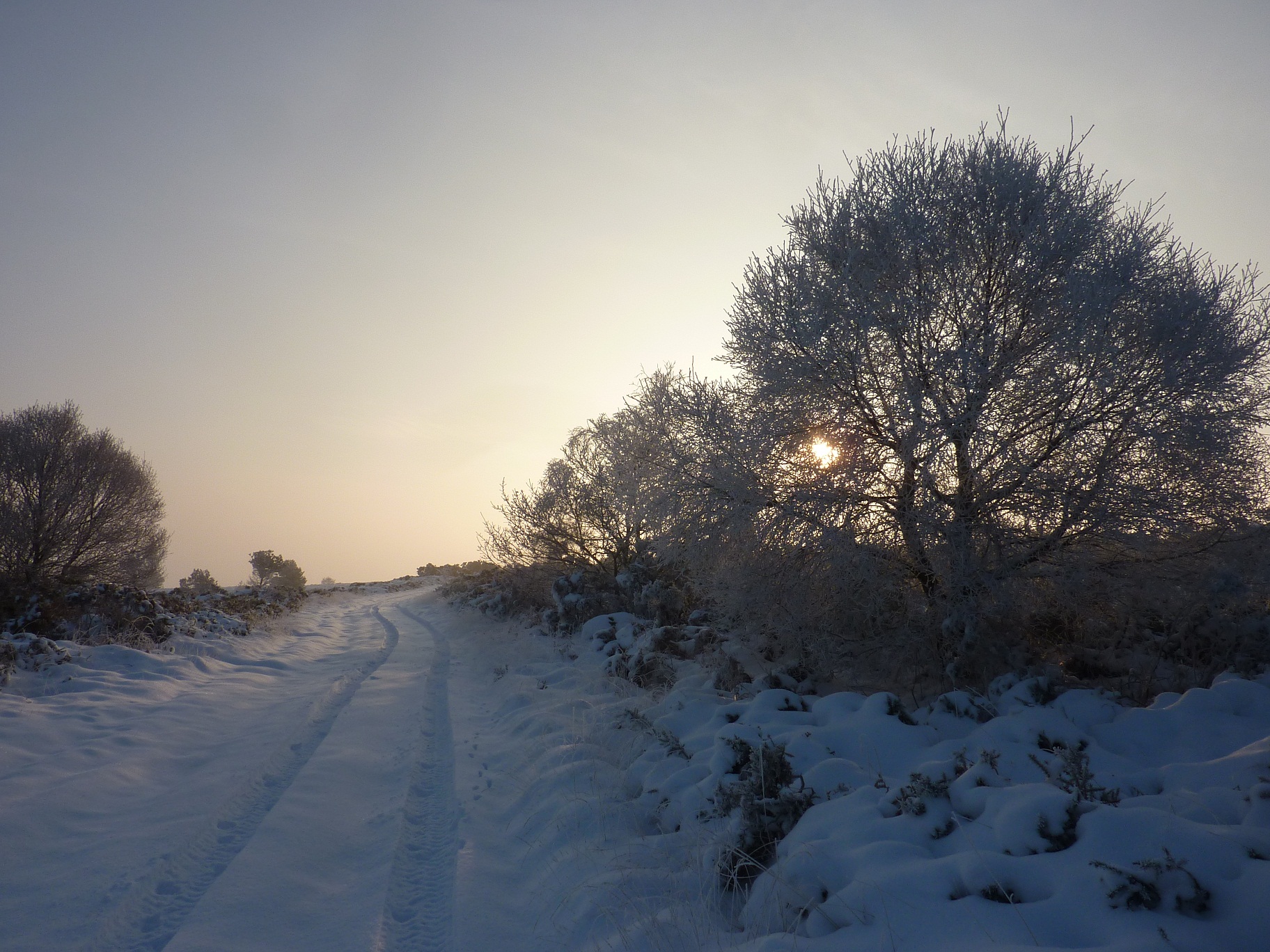
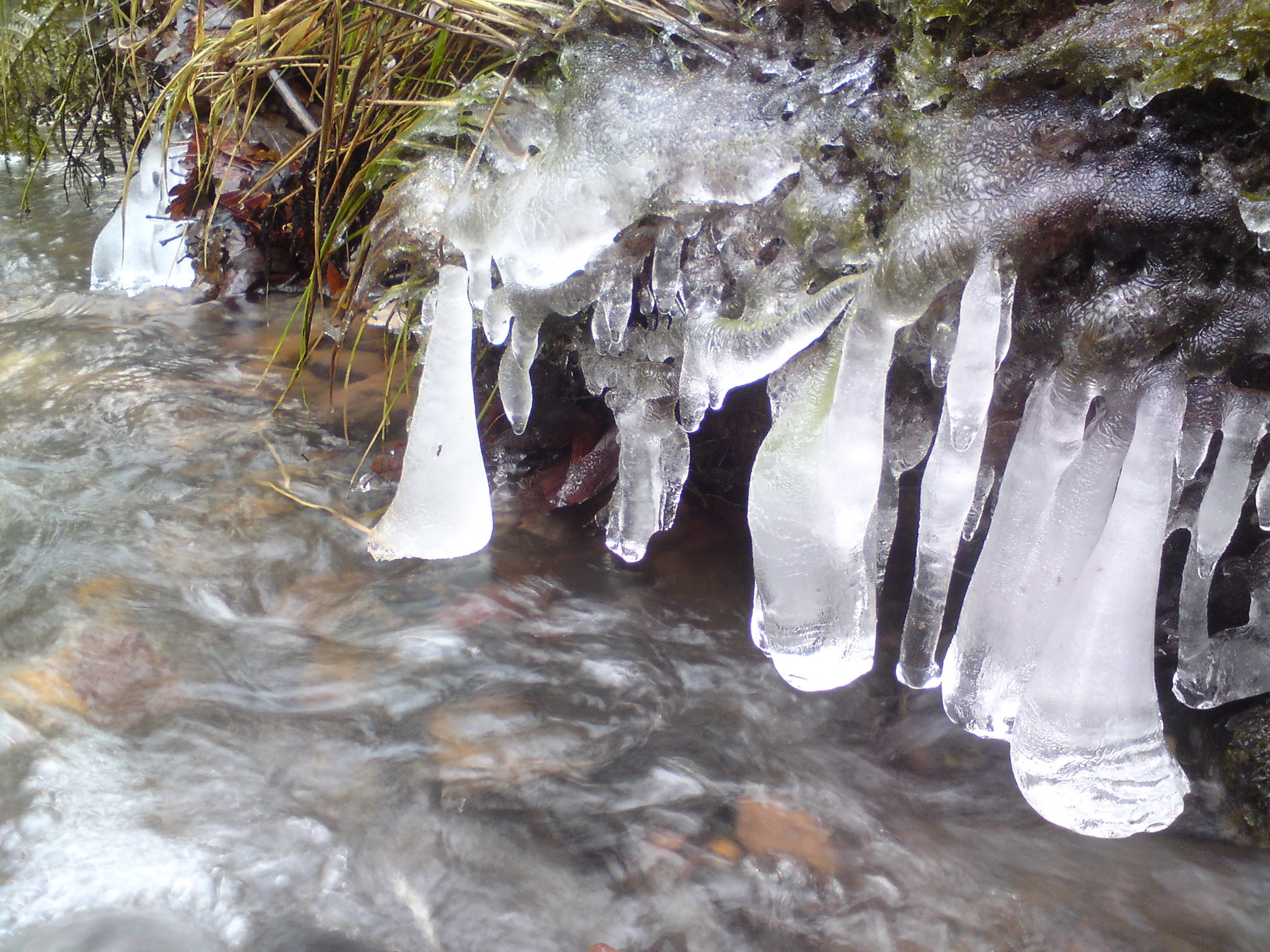
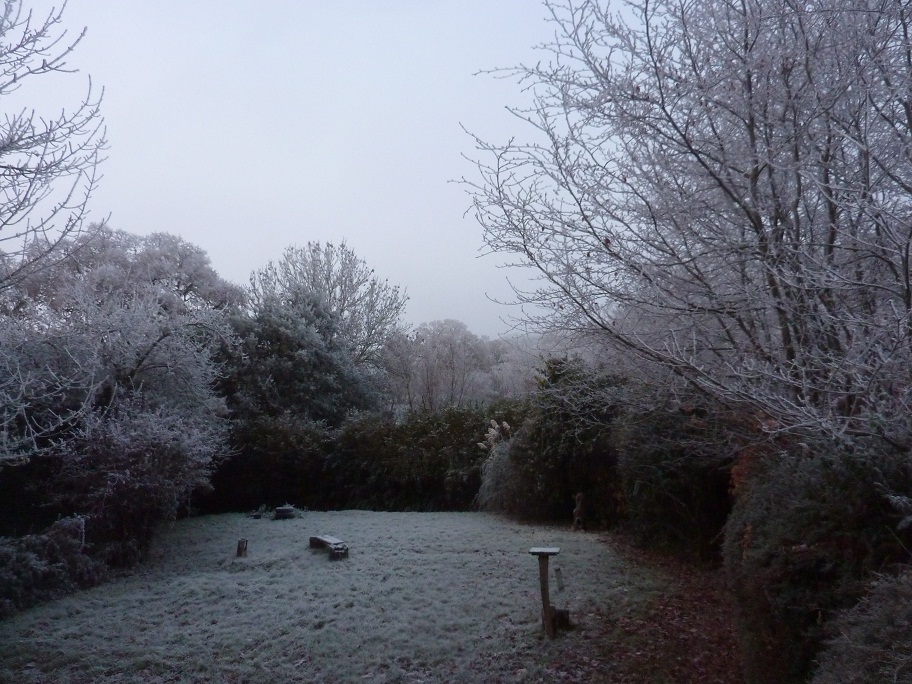
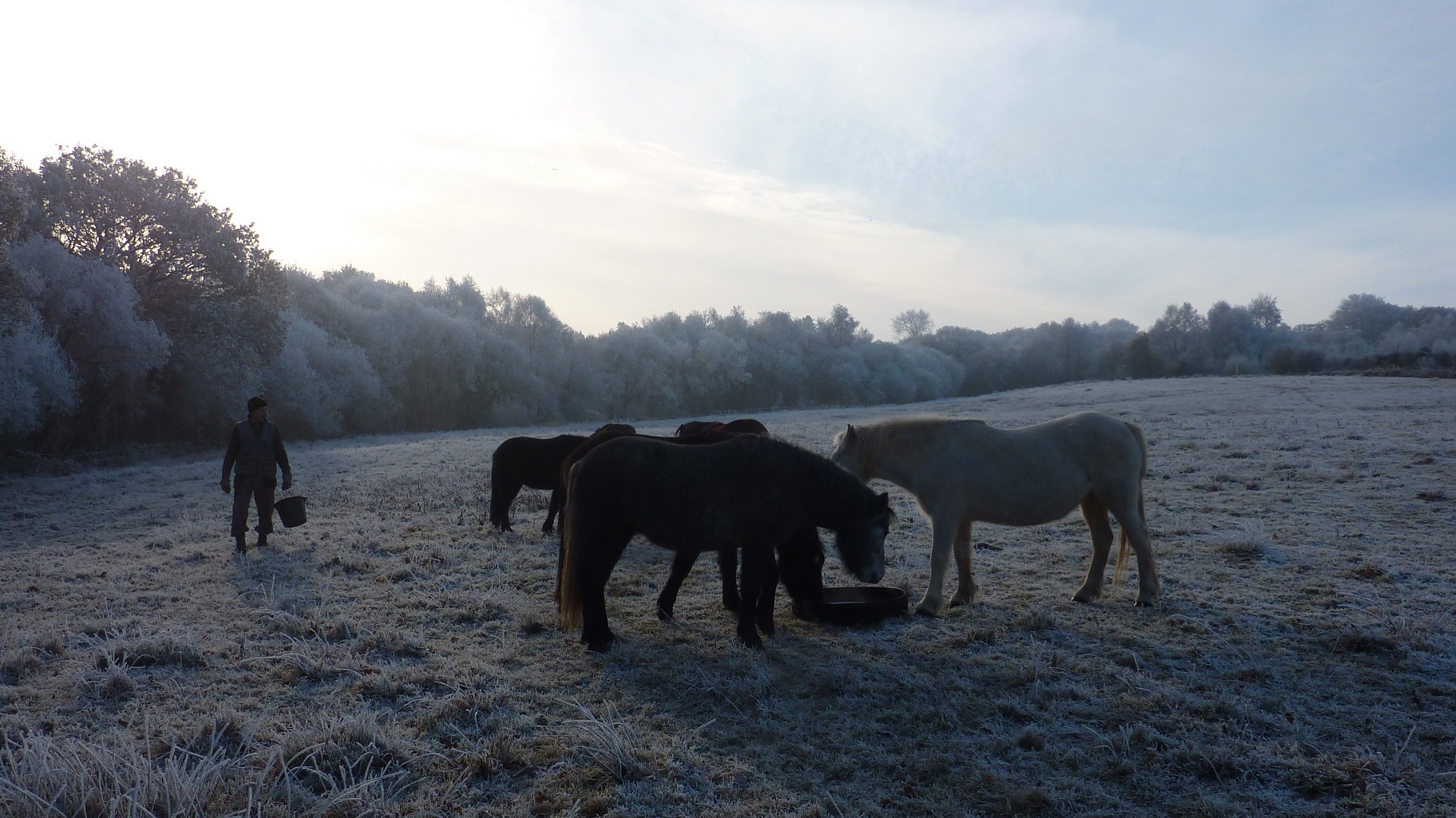
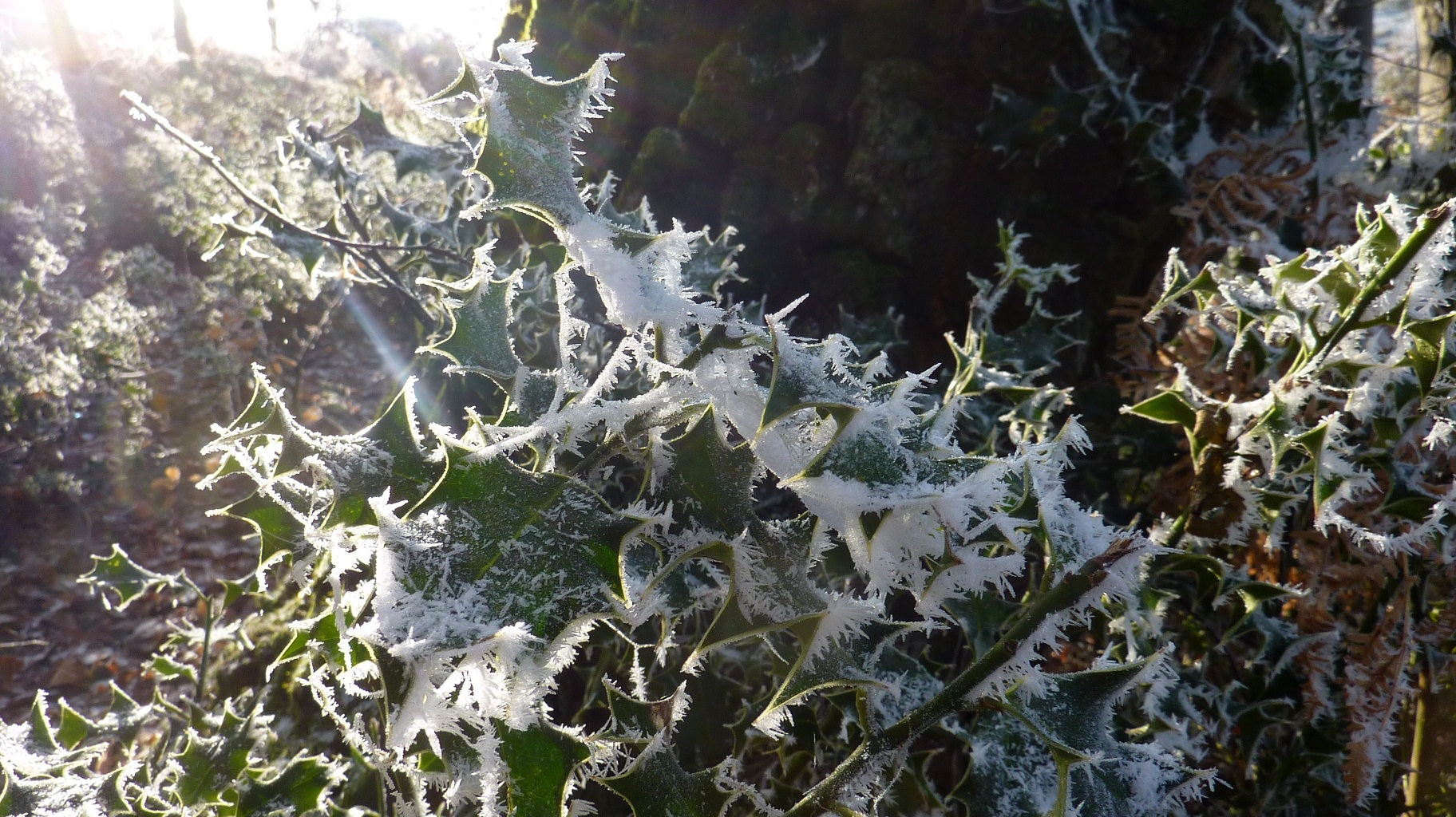
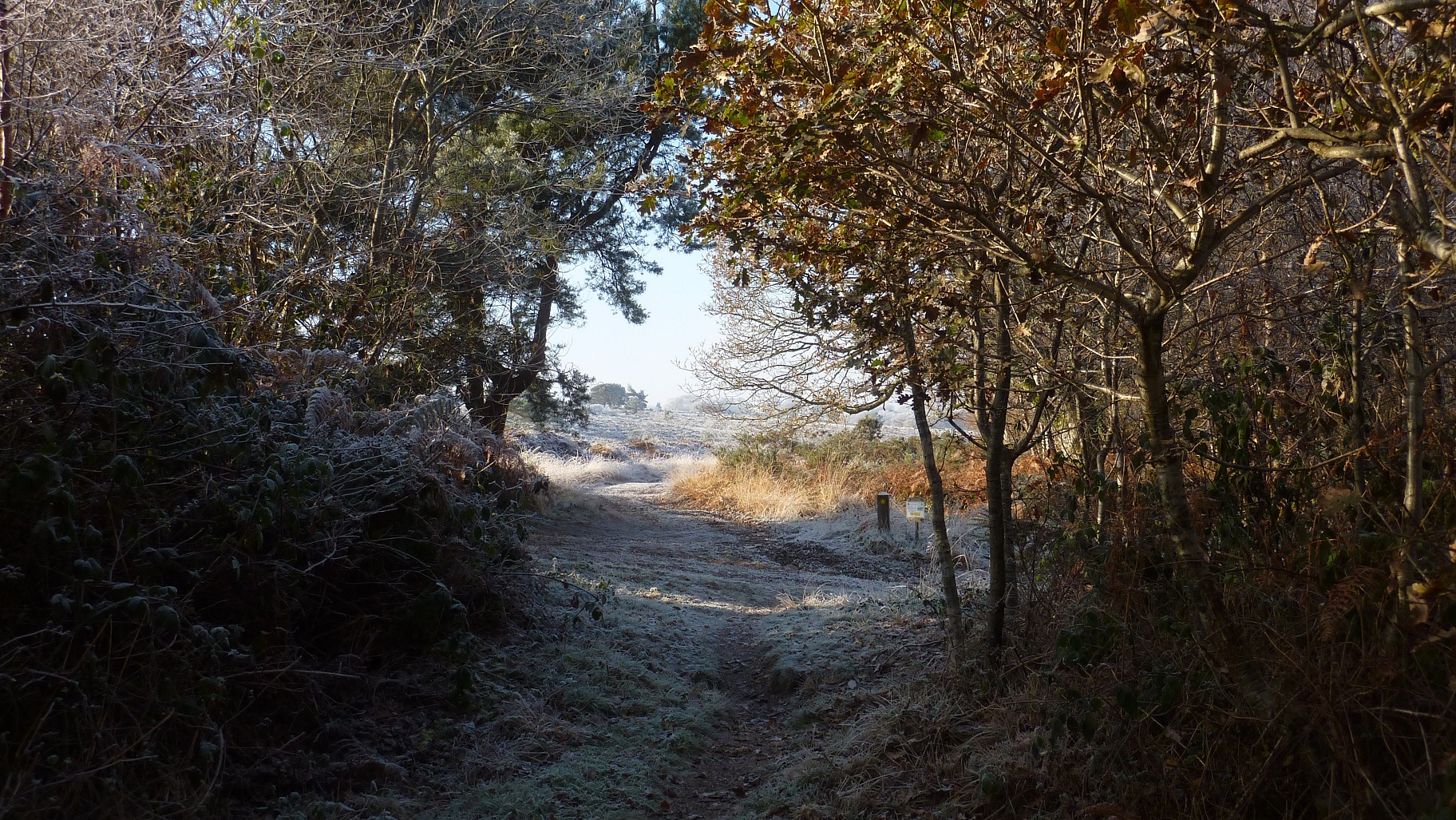
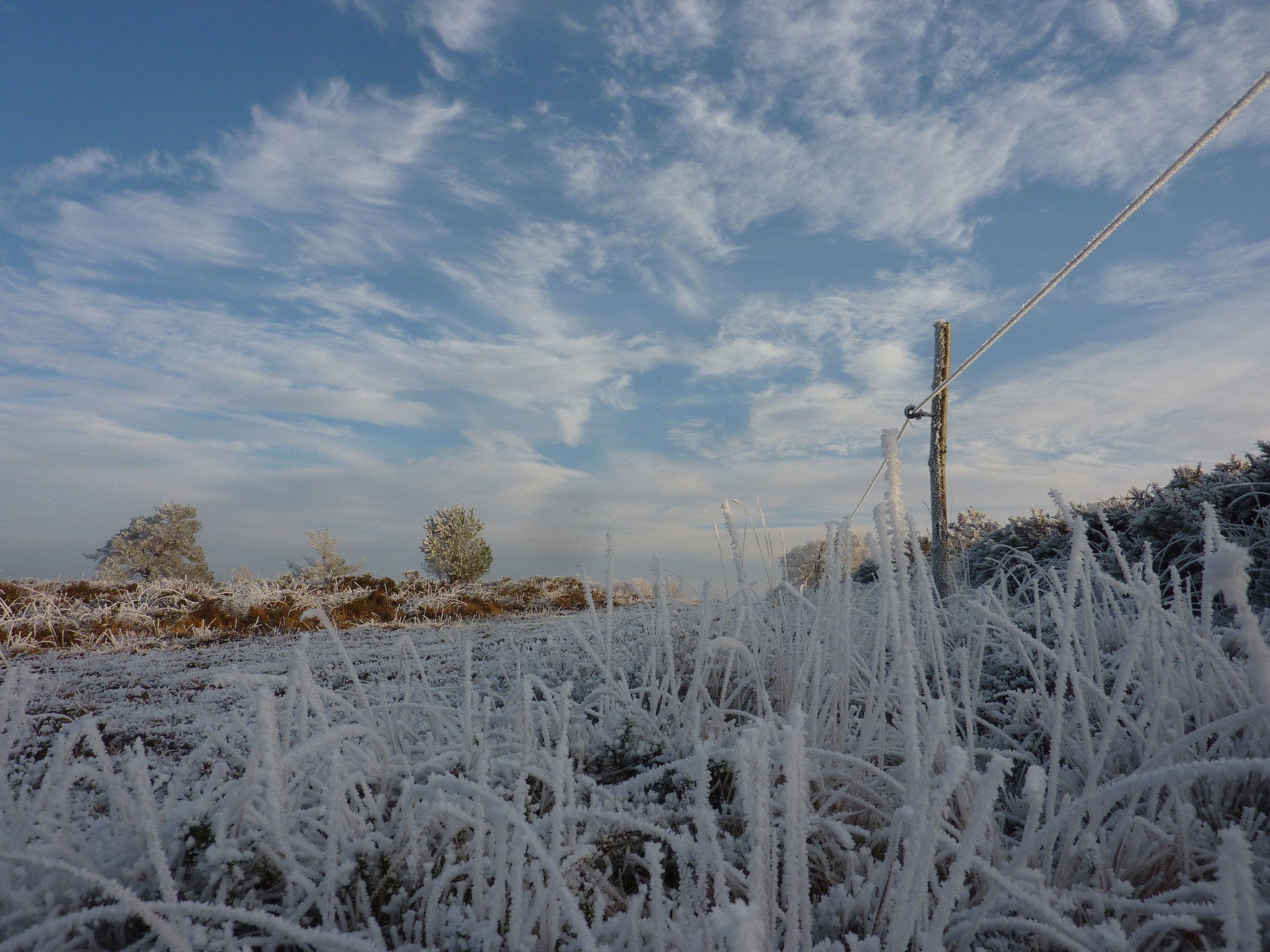
So, it’s pretty cold on the reserve at the moment, and last night we had a proper hoar frost, making everything look very spectacular today.  The temperature was -6C last night and doesn’t get above freezing during the day.

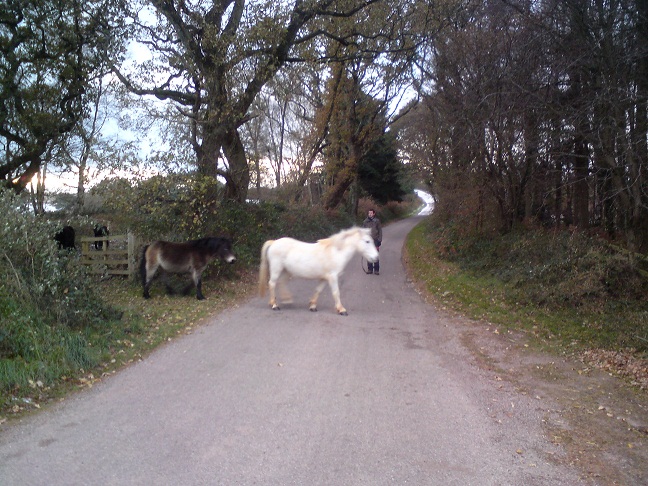
In the last couple of days I’ve been working with Vlad, who is Polish and has some great stories to tell about his trips away from communist Poland.  Yesterday we were clearing up stumps, and felling a few trees at a place called Outer Hanger, where the Sunday volunteers had been working.  Today we checked on all the groups of ponies that we currently manage, and rerouted an electric fence to allow easier winter access to a bridleway.

Some early winter snow, nice.

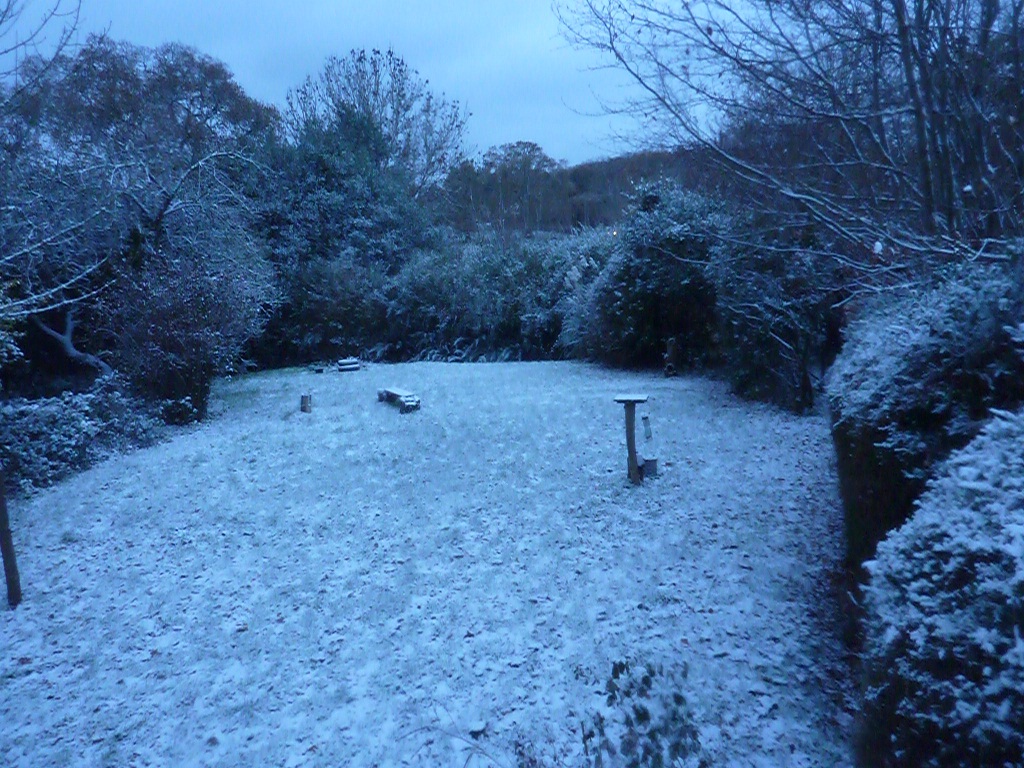
This year I have spent a great deal of time wishing for the kind of snow I was lucky enough to experience in February.  Of course, I’m not going to be working in Scotland this winter, so I’ve had to wish extra hard.  But, it might just pay off.  This morning, we volunteers, in the RSPB Aylesbeare accommodation, woke to a smattering of snow.  It wasn’t much, but is there more to come?

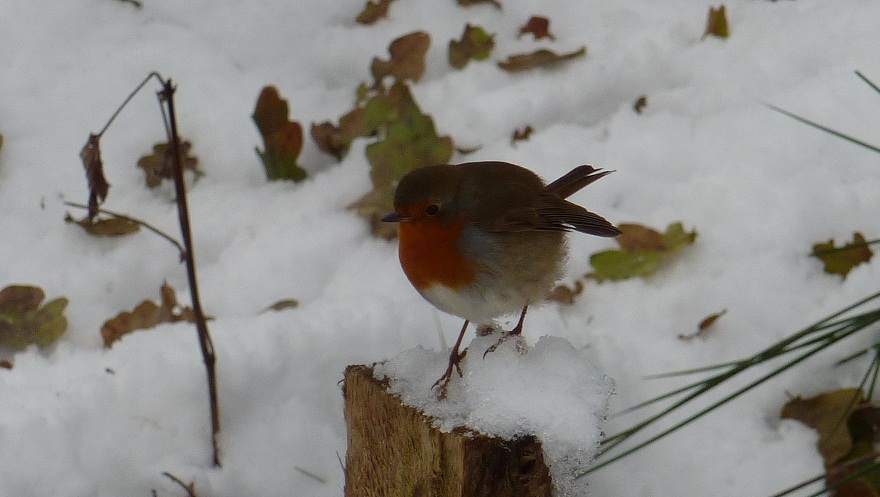
Other highlights this week have been the fact that it’s been freezing all week (although this includes the inside of our cottage, so I’ve had to bring in a sleeping bag to lay over my bed), and seeing Redwing, and learning their call. We’ve also seen a few Snipe, and plenty of Robins and Great/Blue/Coal/Long Tailed Tits in the trees where we’ve been working on the edge of the heathland.  As these birds tend to appreciate the tree cover, it seems a shame to be cutting some of them down.  However, the reserve is trying to encourage more heathland species by doing this work.  Birds, such as the Dartford Warbler, and especially invertebrates, such as the 37 species of butterfly recorded on the reserve, more than any other RSPB reserve.

Paul Temps’ ‘not a stag do’

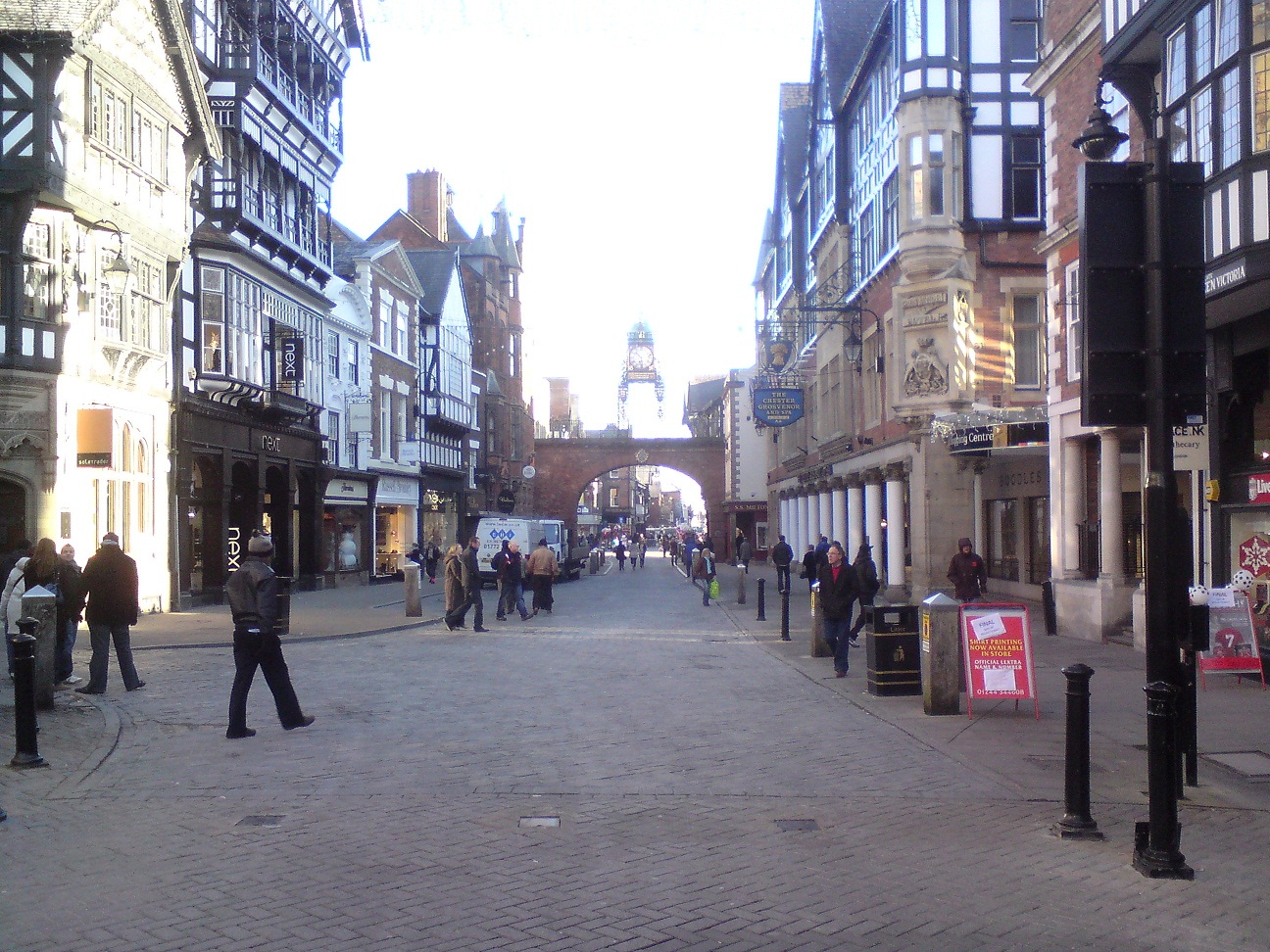
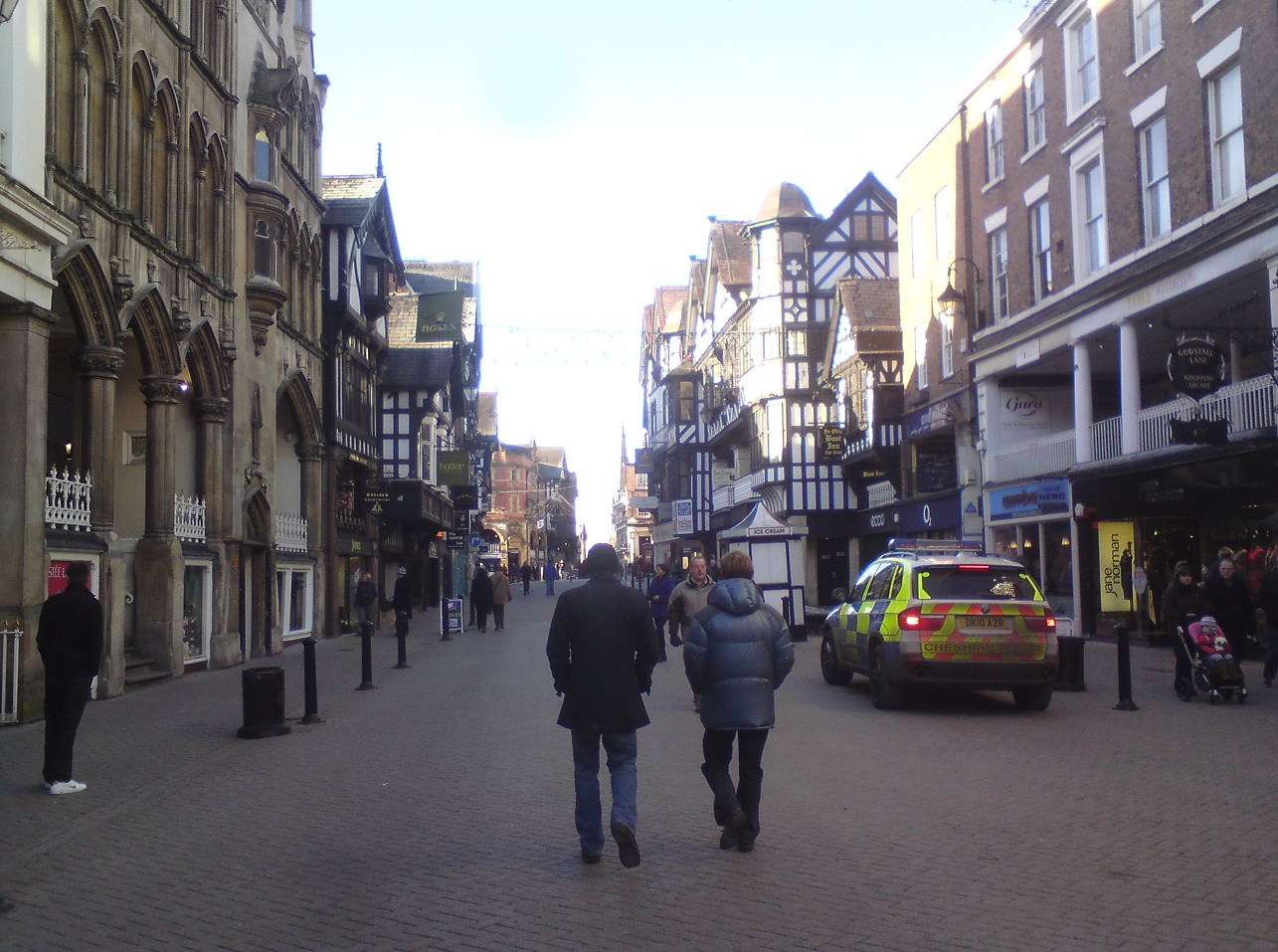
This weekend myself and the other activity boys made our way up North to meet up with Paul before he heads out to Japan to get married.  His ‘not a stag do’ was in Chester, somewhere I’ve not been to for a night out for maybe 9 or 10 years.  But I remembered having been in the first pub we visited, the “Old Harkers Arms”.

This was my first experience of a big night out without drinking alcohol since, possibly, my university days.  I’m currently enjoying a life of sobriety which extends back to February.  Not for any particular reason other than being sober feels so good that I don’t want to spoil it.  I’ve also grown tired of hangovers, and am lucky enough to enjoy the taste of some non-alcoholic lagers.

However, it was interesting to observe how the nature of the conversation changed as the evening progressed.  All of Paul’s mates appear to be good natured drunks, and so there was a great atmosphere amongst the group.  Inevitably, as the night progressed the group split into those wanting to drink more, those wanting to dance, and those wanting to drink more, and possibly dance, but were clearly incapable of either.  As these groups made their own separate ways, I headed back to the 7 bed hotel room, with a relatively sober T, for a sleep punctured by returnees from the club/curry house/other establishments(?).

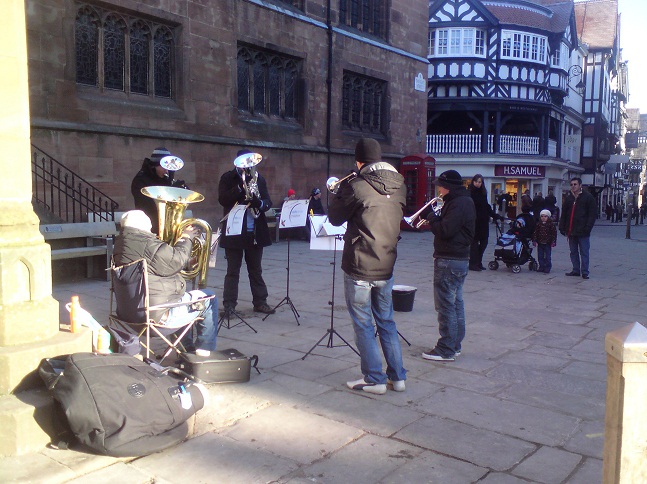
In the morning we had breakfast, then myself, Dave, John and Manoj took a quick look round Chester before heading home.  Nice one John for making it out for the first time with us (well me anyway), since the arrival of baby Pearl.

My first week at RSPB Aylesbeare

My first week with the RSPB crew at Aylesbeare has brought on some mixed feelings.  On the one hand I’ve met a fine bunch of people, including numerous staff and volunteers from the South West region at the winter regional meeting on Thursday; seen a bird I’ve never seen before; and spent the week working outside.  And on the other hand I’ve been introduced to the details of the heathland management process.

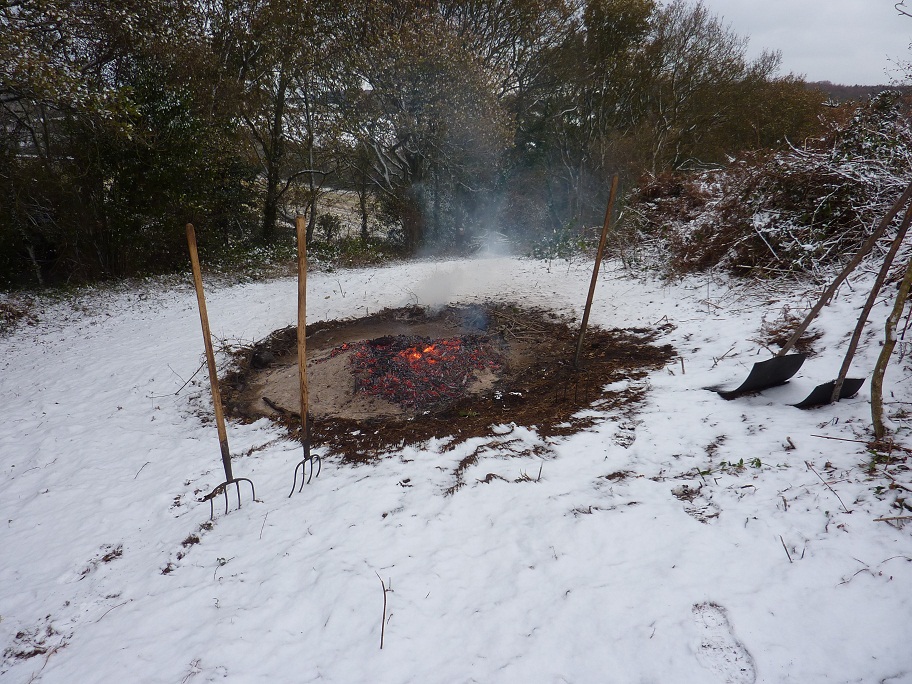
Heathland has been around for a long time.  Maybe even thousands of years in this part of Devon.  So there are a number of flora and fauna species that are well adapted to live in it.  However, the environment is man made.  Nature is always trying to reclaim those areas that are suitable as woodland or scrubland.  In order to prevent this from happening trees and mature gorse are removed from the encroaching areas along with all leaf litter and other unwanted nutrients.  Wood is taken away to be sold, and the rest is burnt.  In many cases the most abundant trees in these areas are the silver/downy birch.  I’ve cut down plenty of non-native trees on TFL weeks, but this is, I think, the first time I’m having to remove native species.

Today I was lucky enough to carry out the regular bird survey with Johnny, the current assistant warden.  We saw plenty of tits, yellowhammers, dunnocks, etc, but the highlight was watching a great grey shrike chase what looked like a dartford warbler over some gorse bushes.  This bird is a predator to smaller birds and often creates a “larder” of it’s catches by storing them on spikes on fencing or spiky trees/bushes.  I’d already seen the bird on Tuesday, in flight and sat in the top of a tree, but watching it chasing a very agile small bird was a brilliant site to see.  Unfortunately, I was rather under-prepared, without camera in hand.