
Let it snow, let it snow, let it snow…
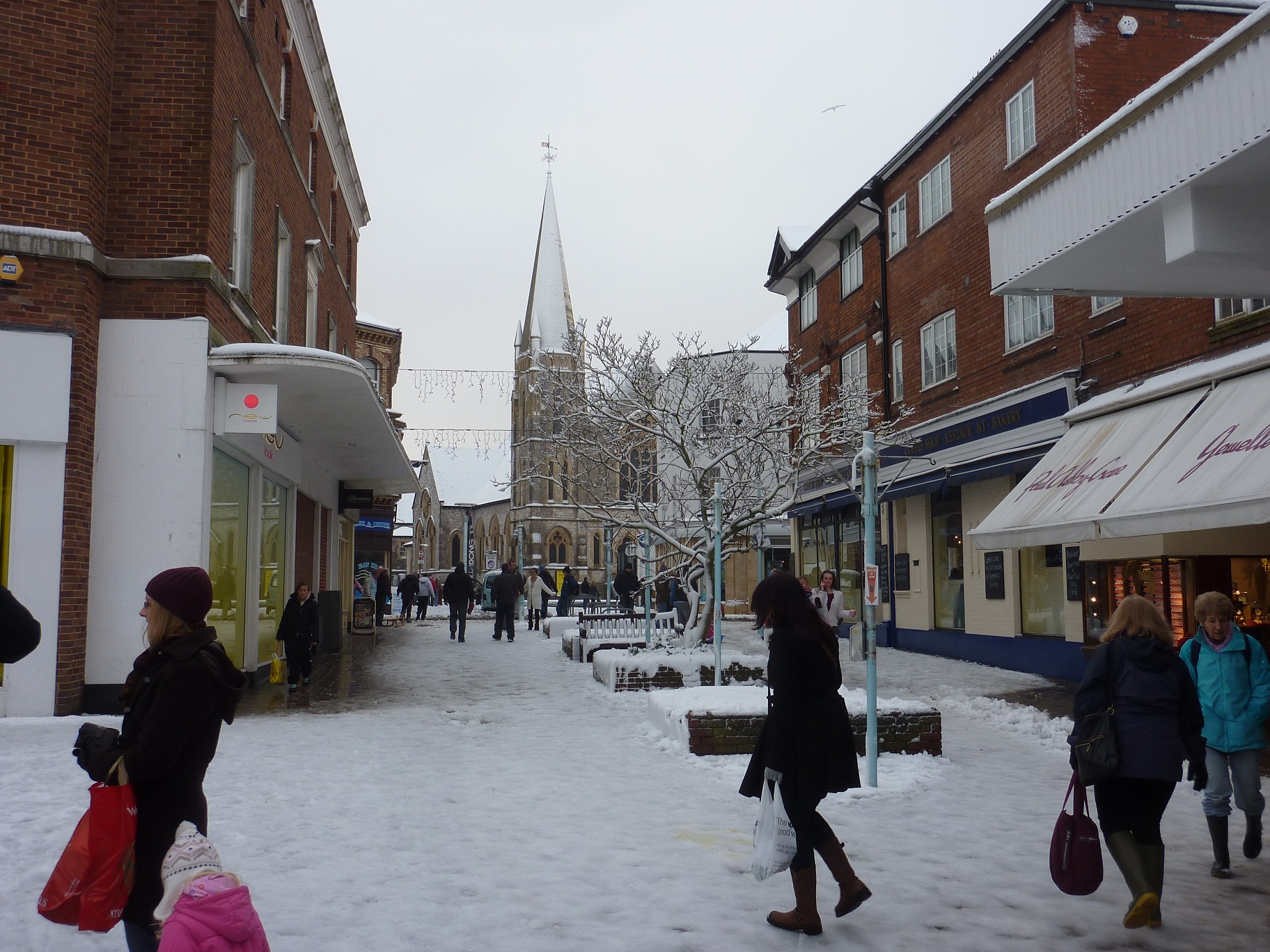
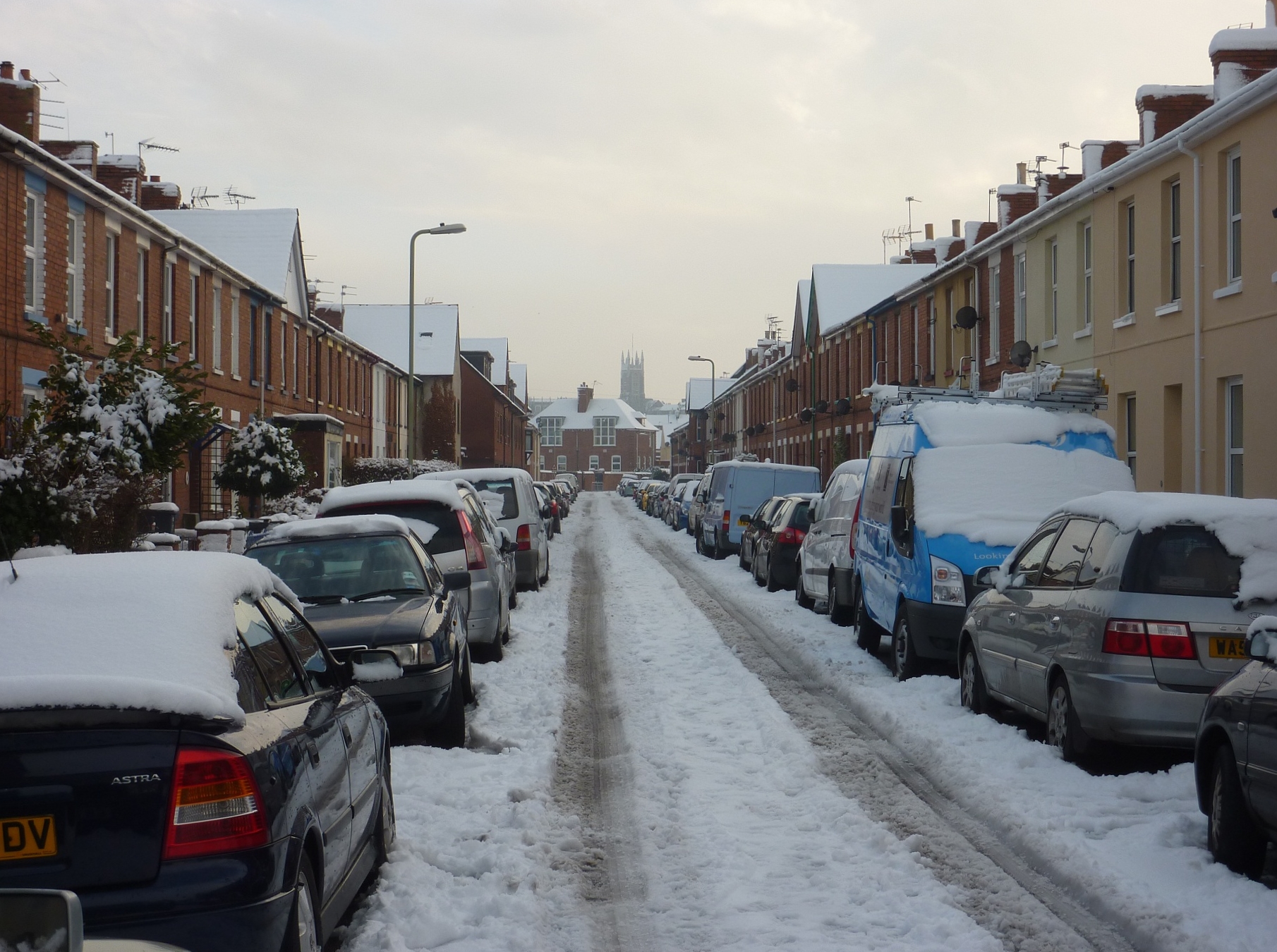
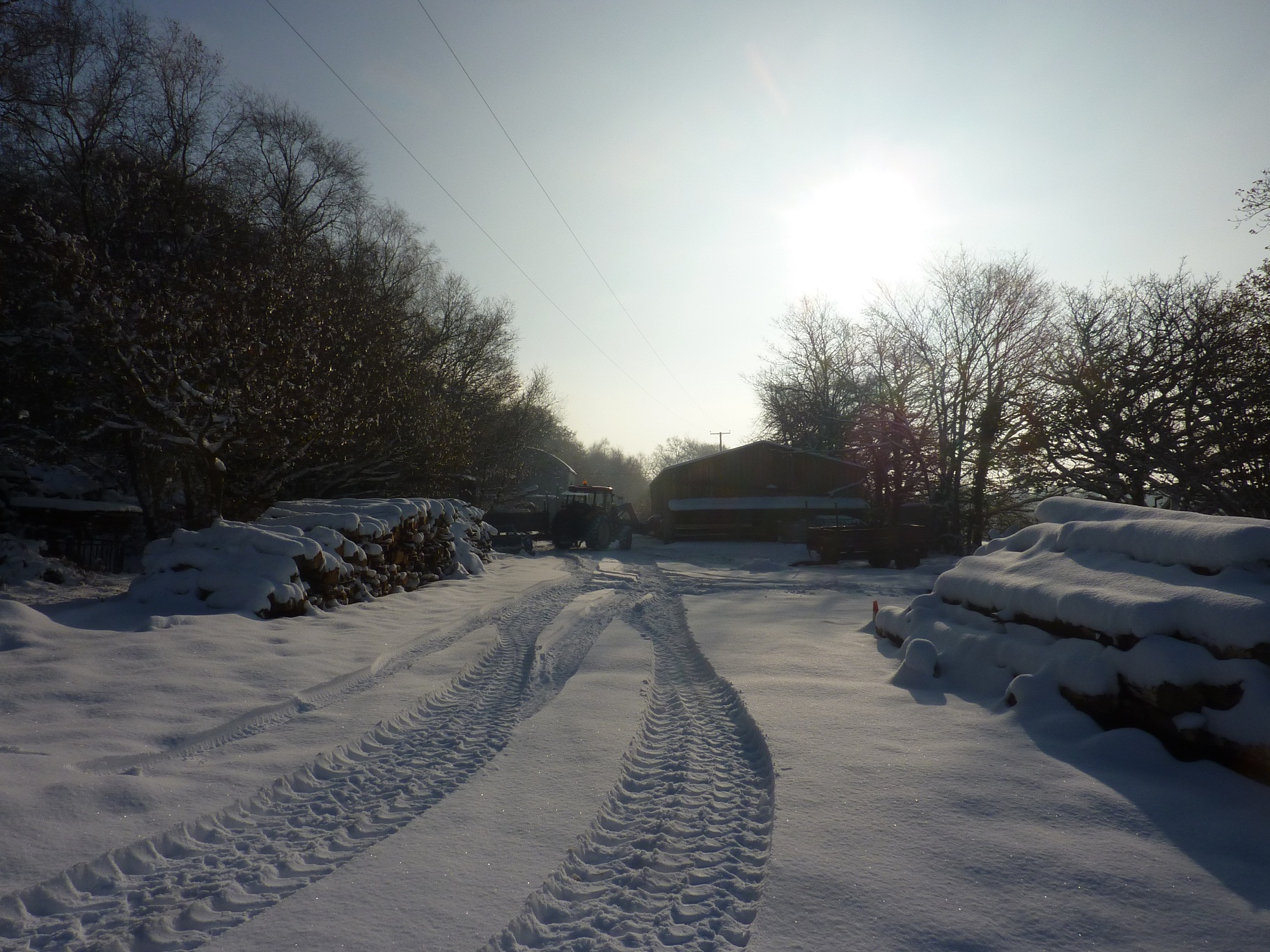
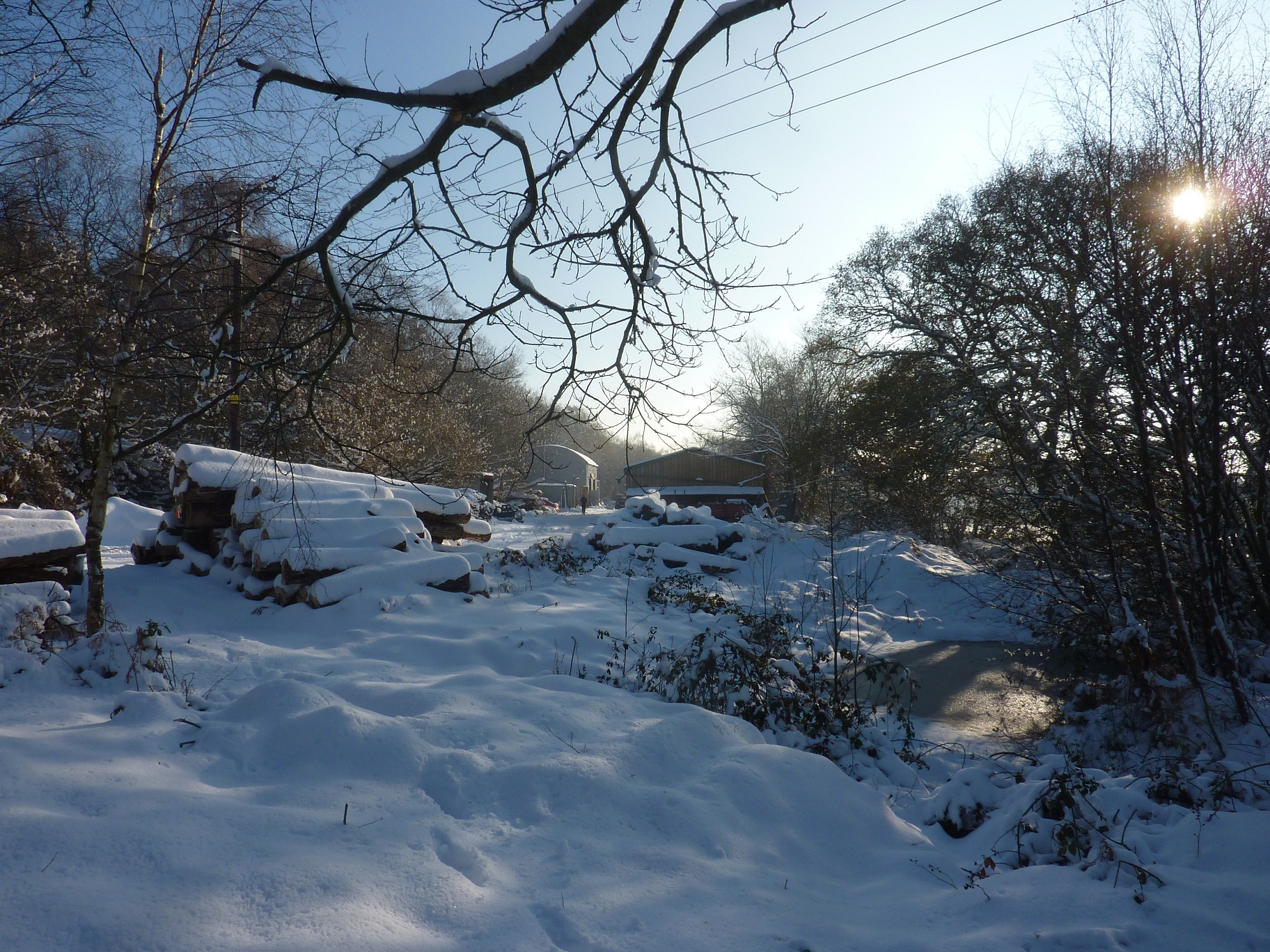
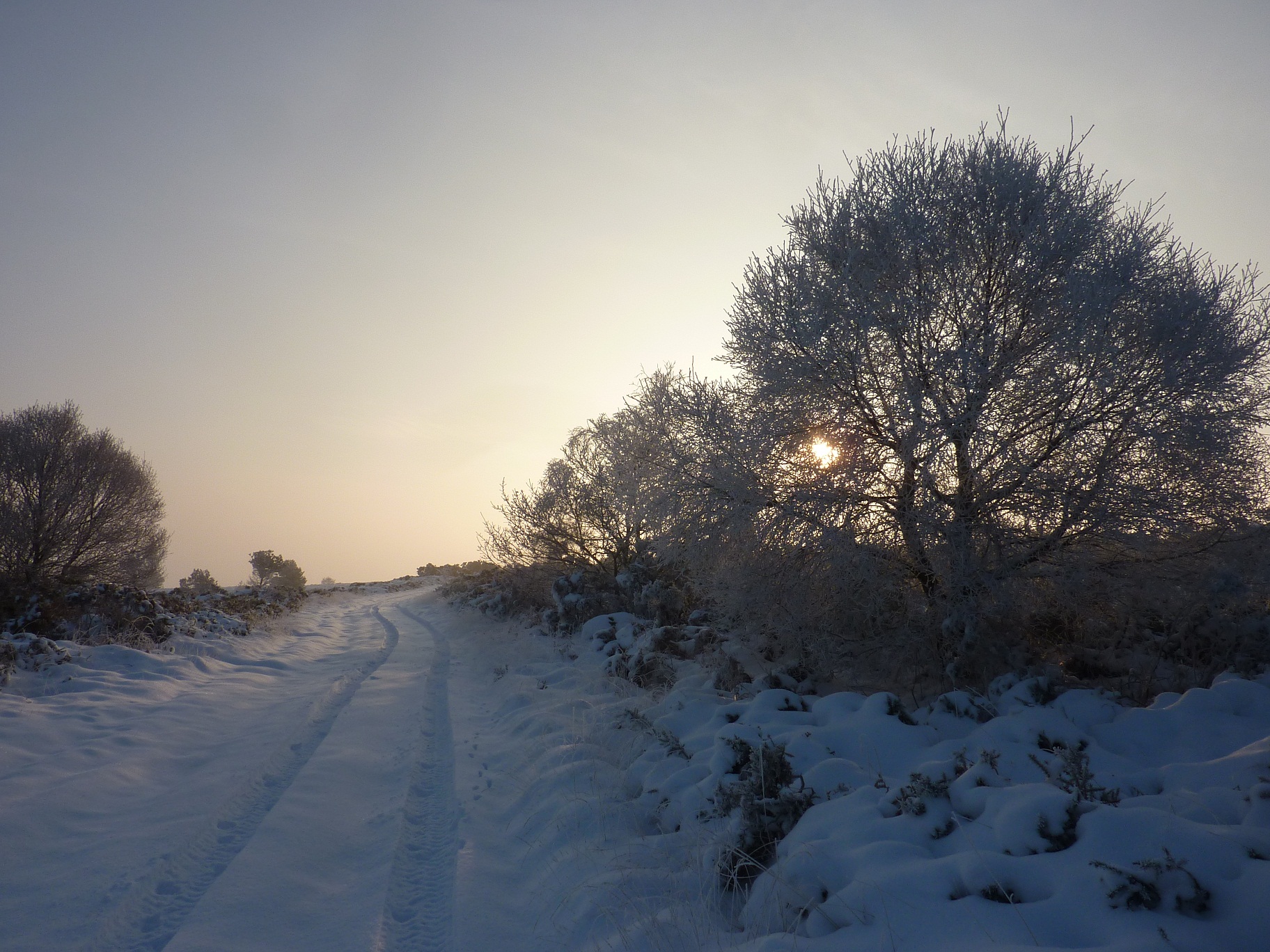
Woohoo! It snowed! Then it snowed some more, and then a little bit more. It’s fantastic.
Since the last entry it’s been pretty much processing and delivering logs on the reserve. The heathland is maintained by removing the majority of trees that grow on it, and the wood produced from this process is then distributed amongst local people in the know. Just now there are a lot of people who want a log delivery before Christmas.
At the weekend I drove to Lewknor in Oxfordshire, to see my Dad and the other Golders, and back. The passion wagon, being 4 wheel drive (but not an SUV/Chelsea tractor, I hasten to add, for anyone reading this for the first time), coped admirably with the conditions. On my way there I was listening to reports of the M40 being gridlocked, Southbound, from Banbury all the way in to London. I was able to manhandle the wagon down the back roads to avoid the issue. Top stuff.
-

- Our first snow fell on the 17th

-
- Snowball fights. Eh? This is what winter should be all about.


-
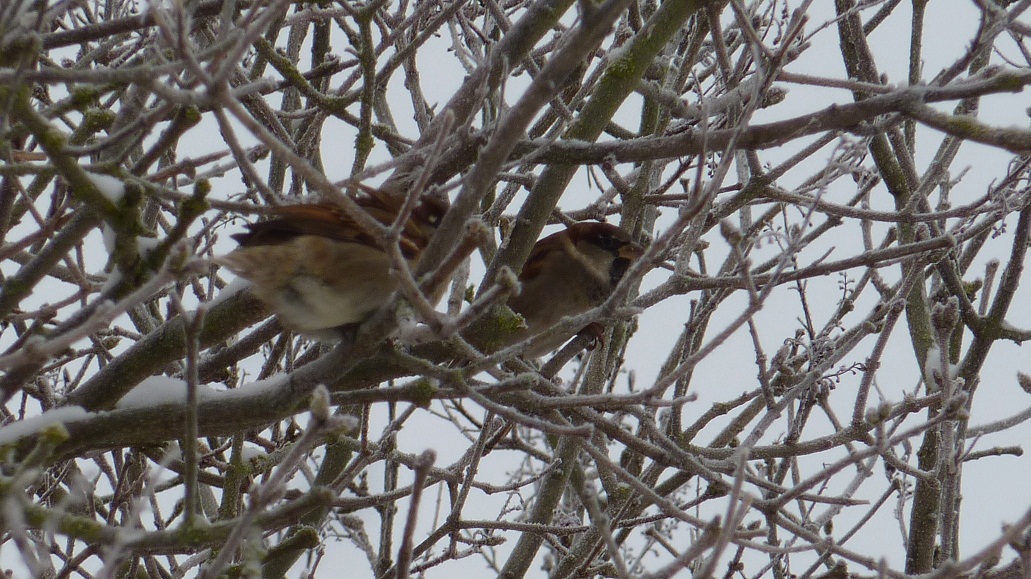
- Some Sparrows in Dad’s back garden
-
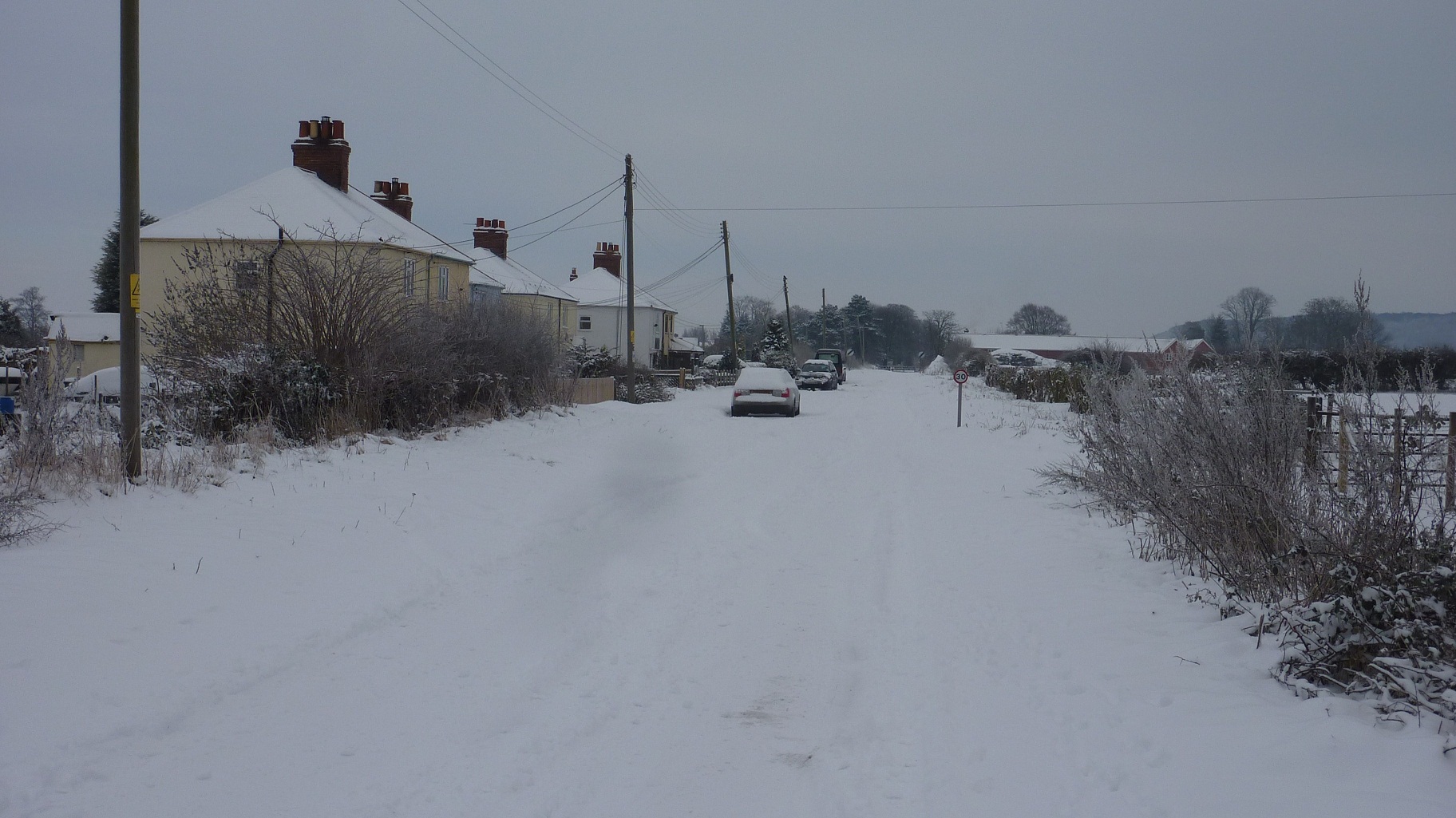
- Dad’s road (ok, he doesn’t actually own it)
-
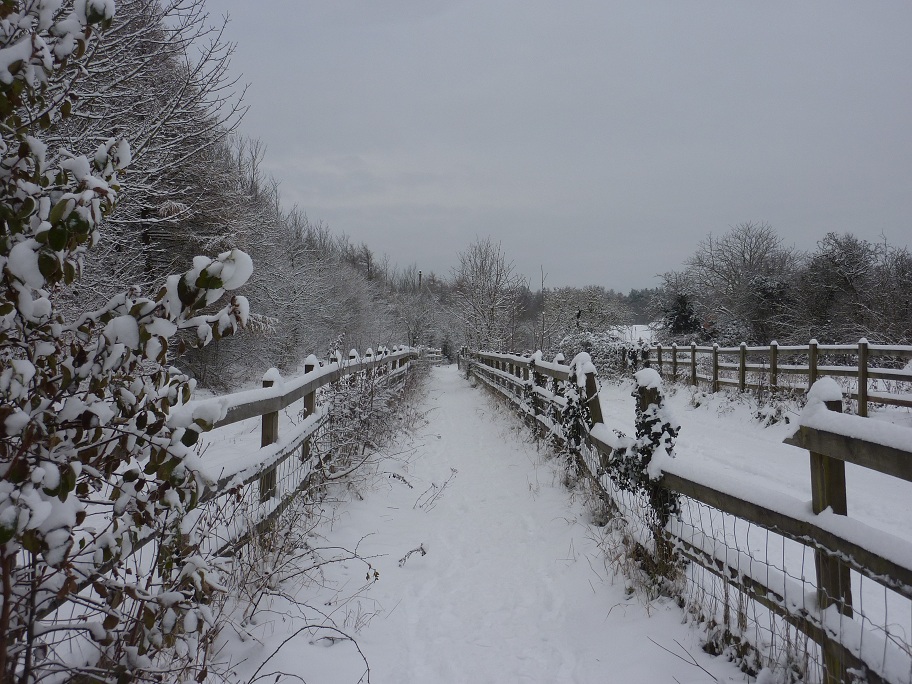
- A path near Lewknor
-
- Exmouth
-
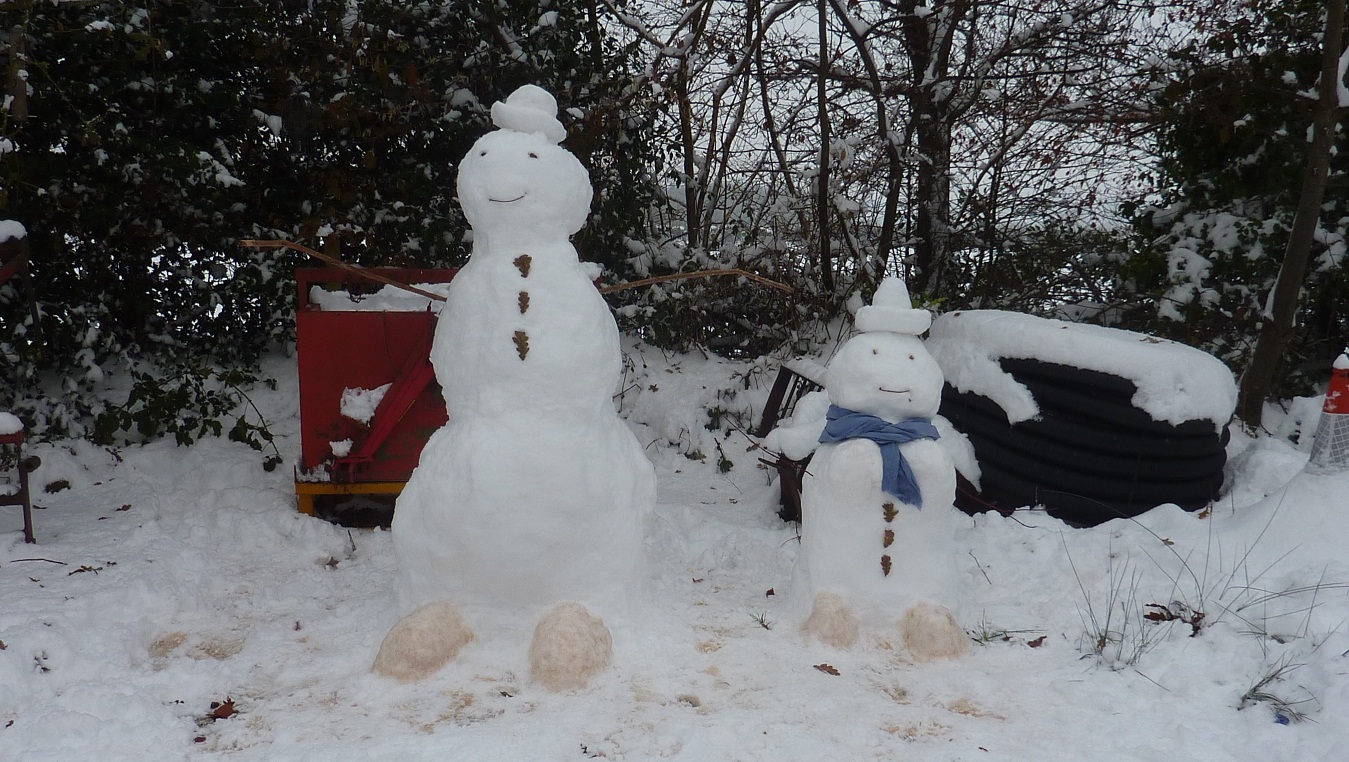
- Snow people at the reserve workshop (Sam and Tia?)
-
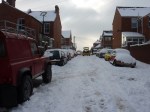
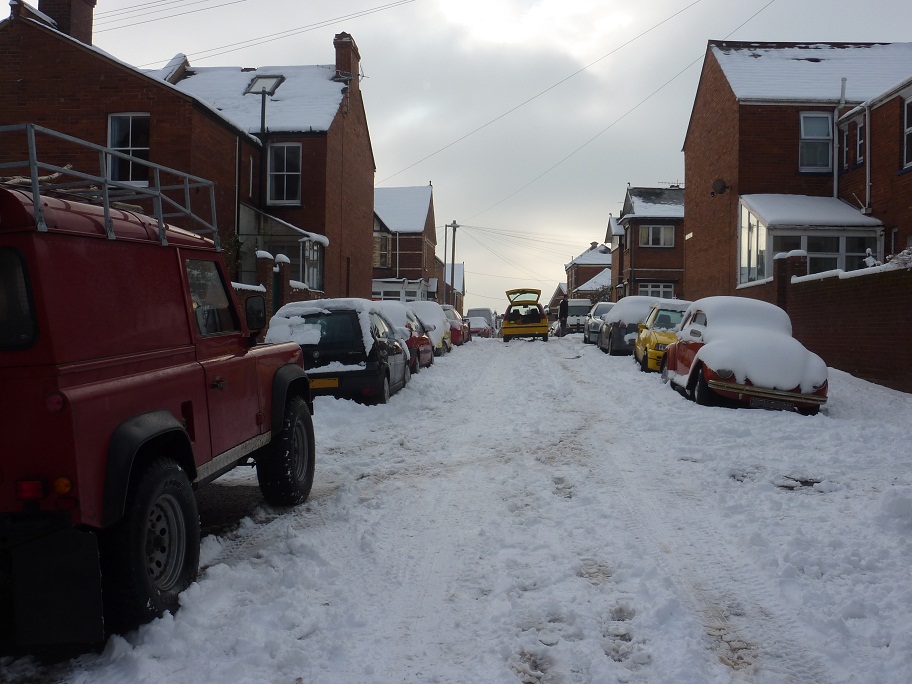
- Mayday, mayday, Richard is stuck in Exeter. Thankfully we get him out and he’s able to drive home for Christmas. Or at least he would have been able to if his car hadn’t suffered a terminal engine failure on the way. The last we hear he’s on a train, having sold his car to a scrappie…
-
- In this picture of Ed, you can quite clearly see him walking.
-
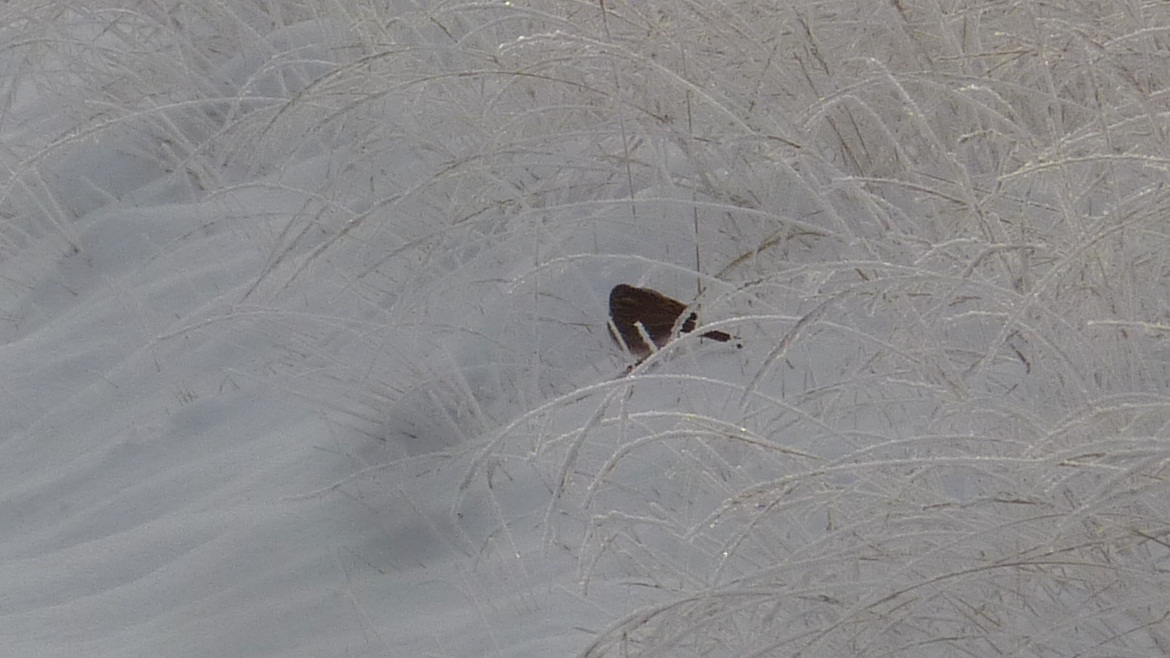
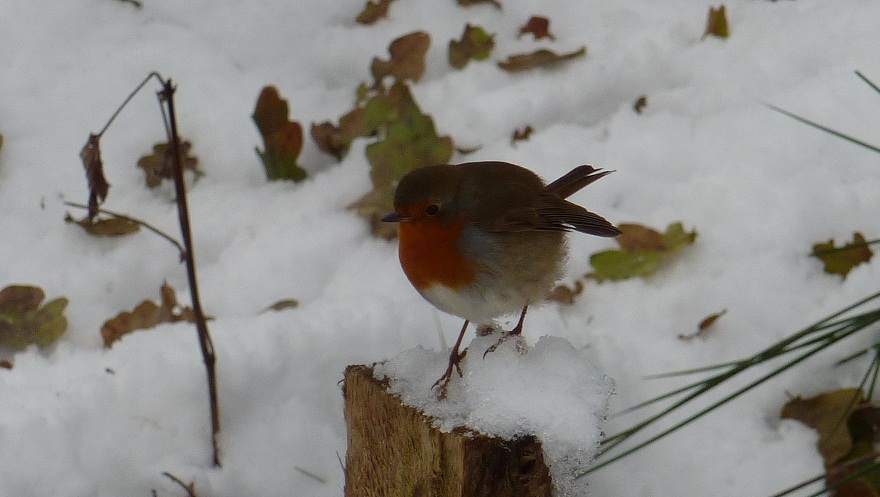
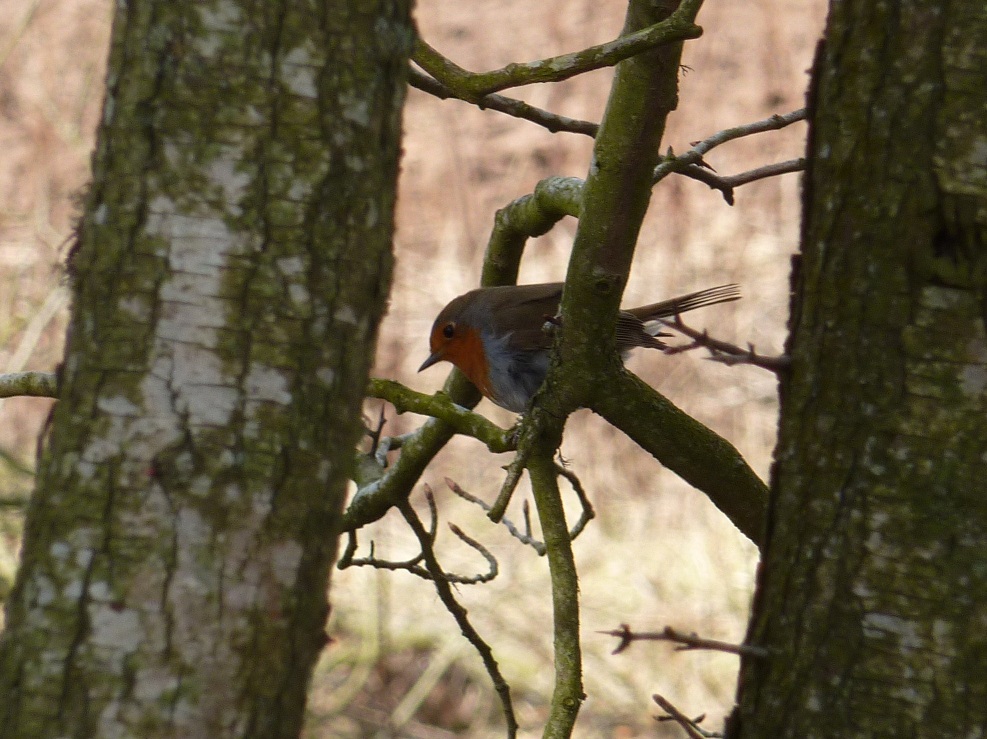
- A Reed Bunting (don’t get excited, it’s not a great pic) feeds in the frozen grass on the reserve
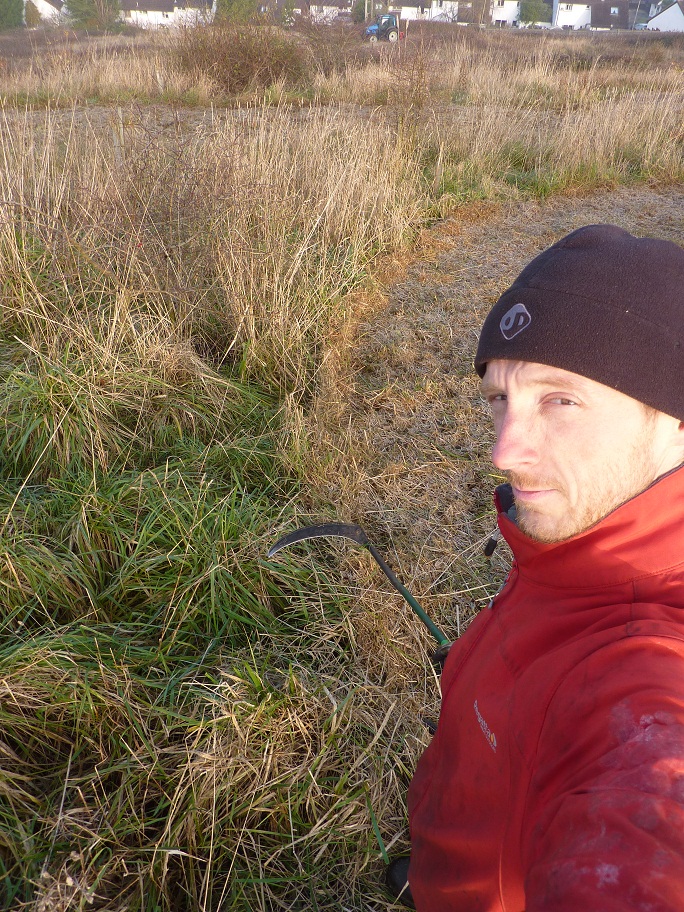
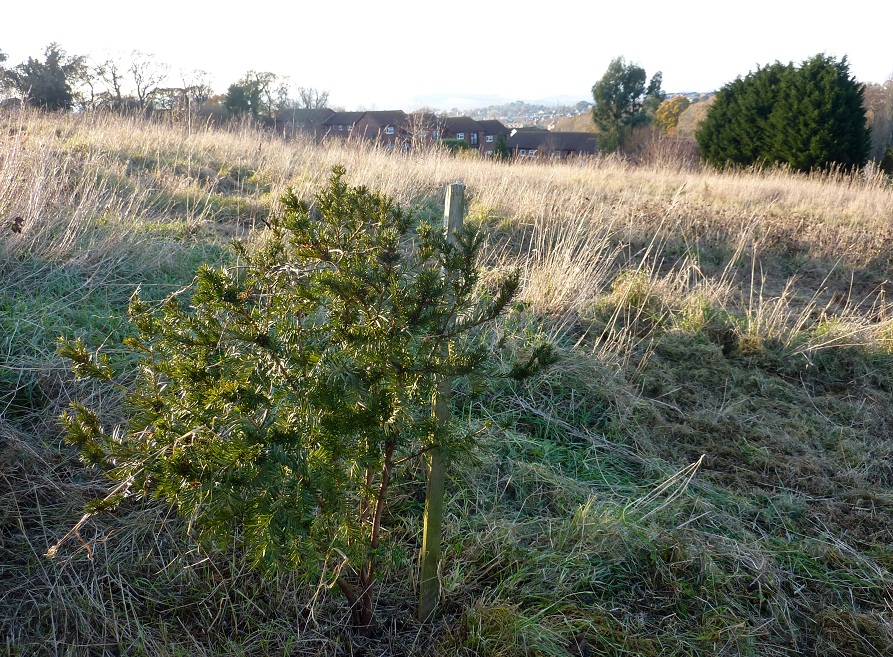
Dinan Way reclaimed woodland
The site where we worked today used to be an old rubbish tip, in Exmouth. The story goes that Brenda Taylor, whilst Mayor proposed that the site be set up as a woodland, and Toby, RSPB Aylesbeare warden, suggested that the RSPB could get involved by supplying work parties. That was 10 years ago and a great variety of trees have been planted on the site since. The RSPB still make time to visit the site at least once a year to check that things are ok.
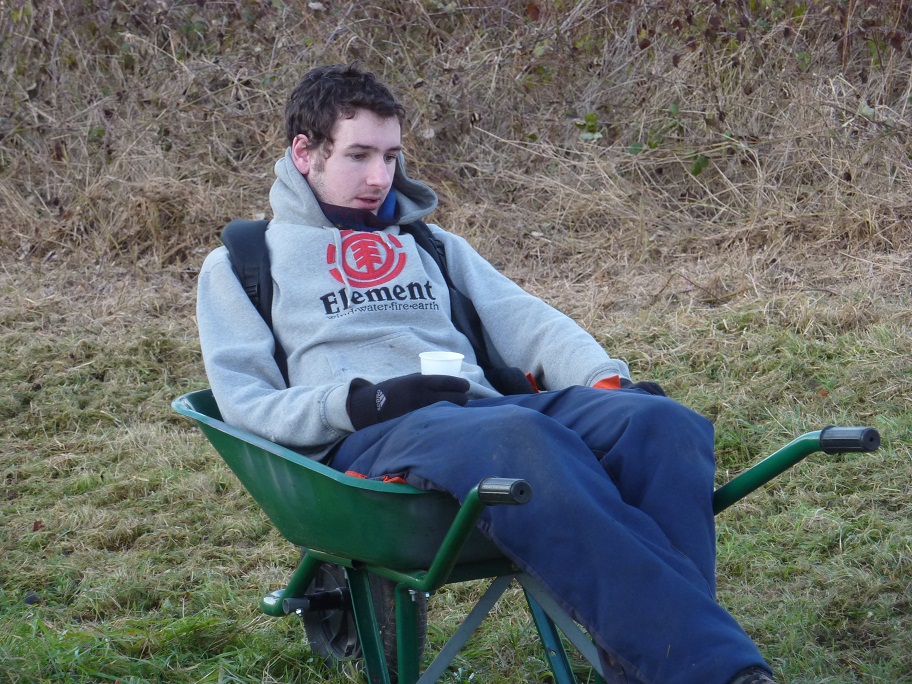
Today, being Wednesday, was also the Wednesday-vols day. Every Wednesday our numbers are boosted with a group of local volunteers. Some come along to gain experience for a course they are studying, and others have been involved with the RSPB for years. As the work today was not the usual slash and burn, and with it being so close to Christmas, there was a festive spirit in the air, helped with servings of mulled wine, and Christmassy cakes.
The woodland has great views of Exmouth, but is currently closed to the public while the methane is vented from the site. It will be interesting to keep an eye on it over the coming years, and should be a beautiful and worthwhile place for the people of Exmouth to visit in years to come.


Us vs the Laurel
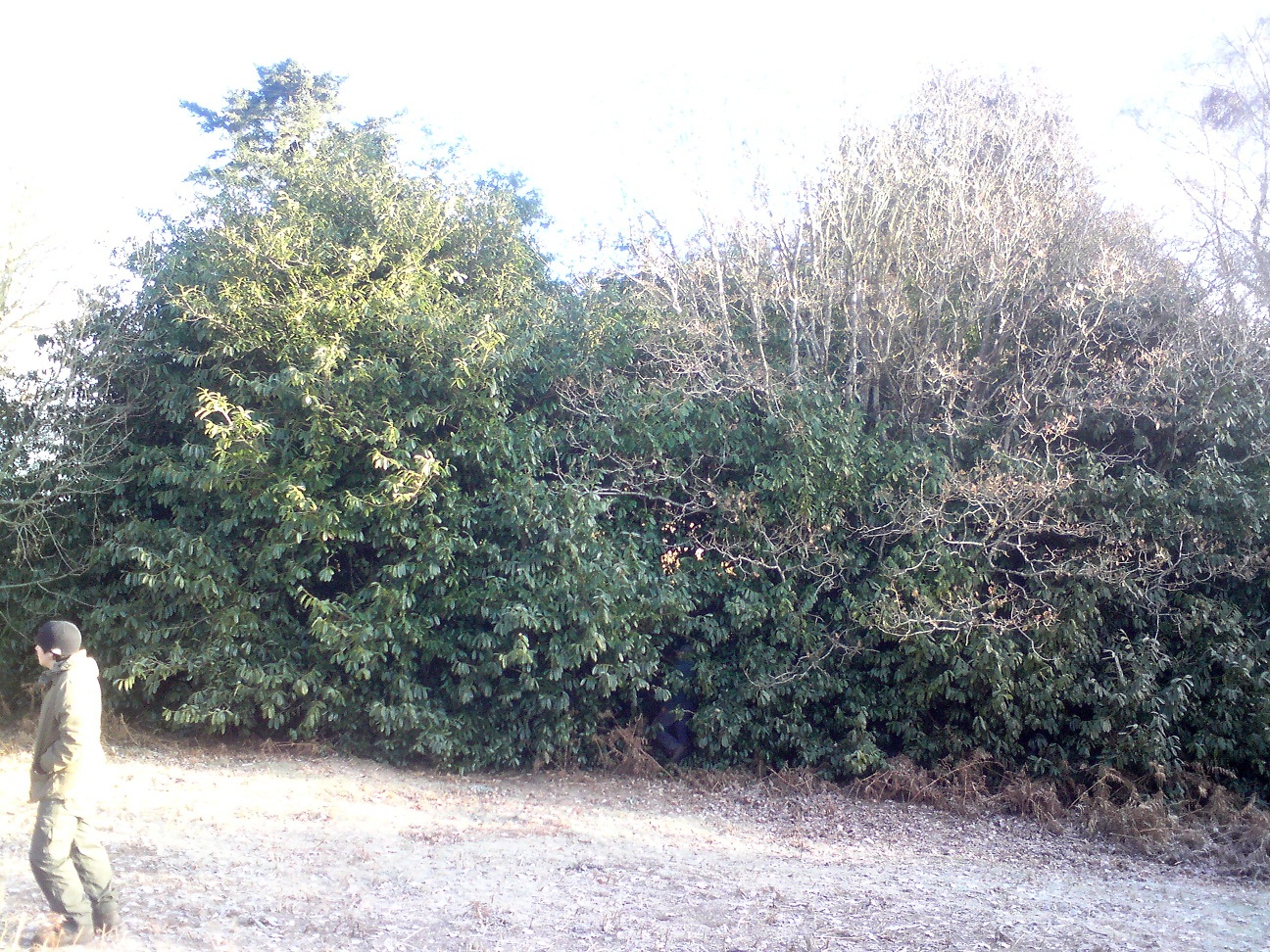
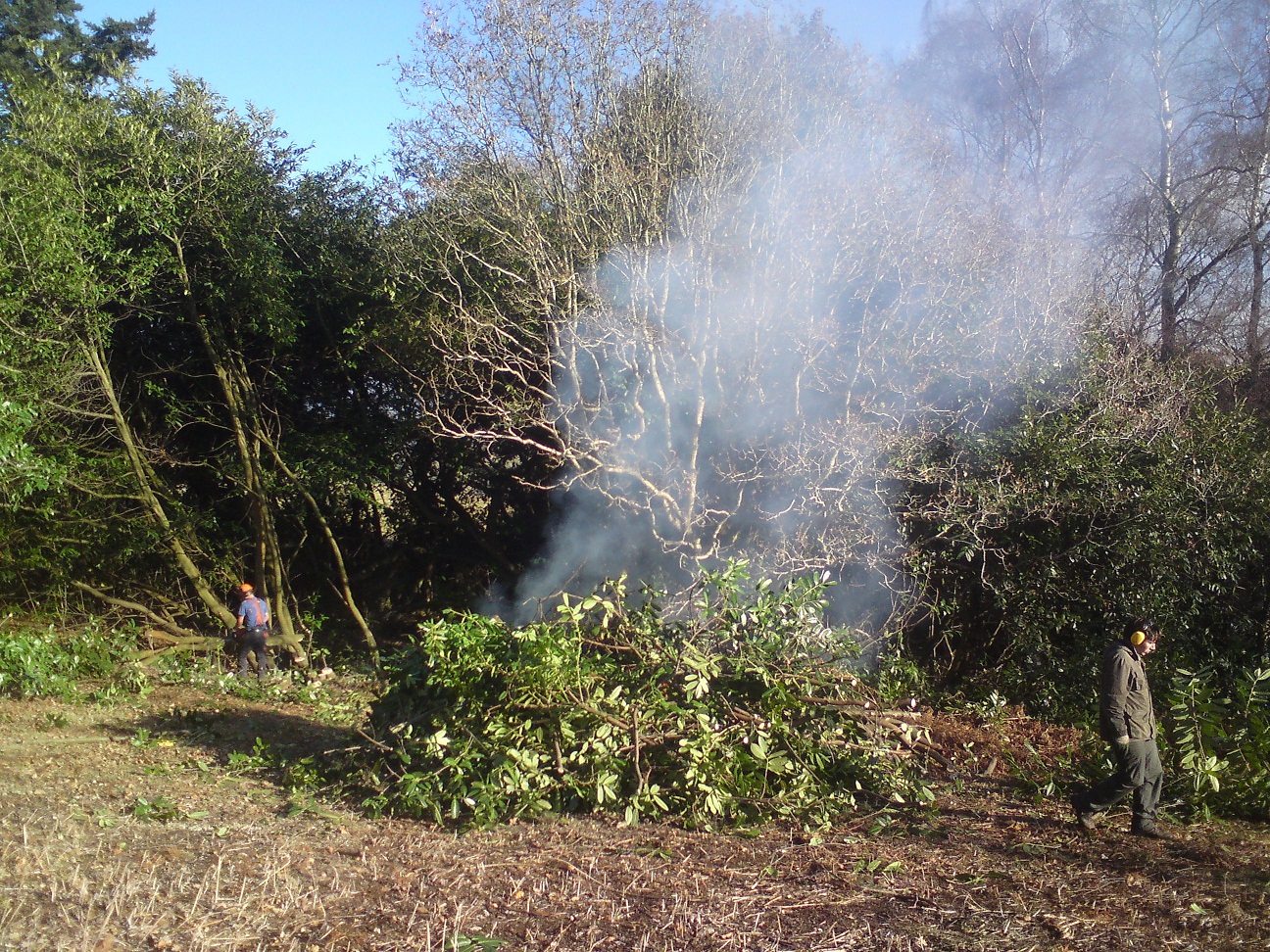
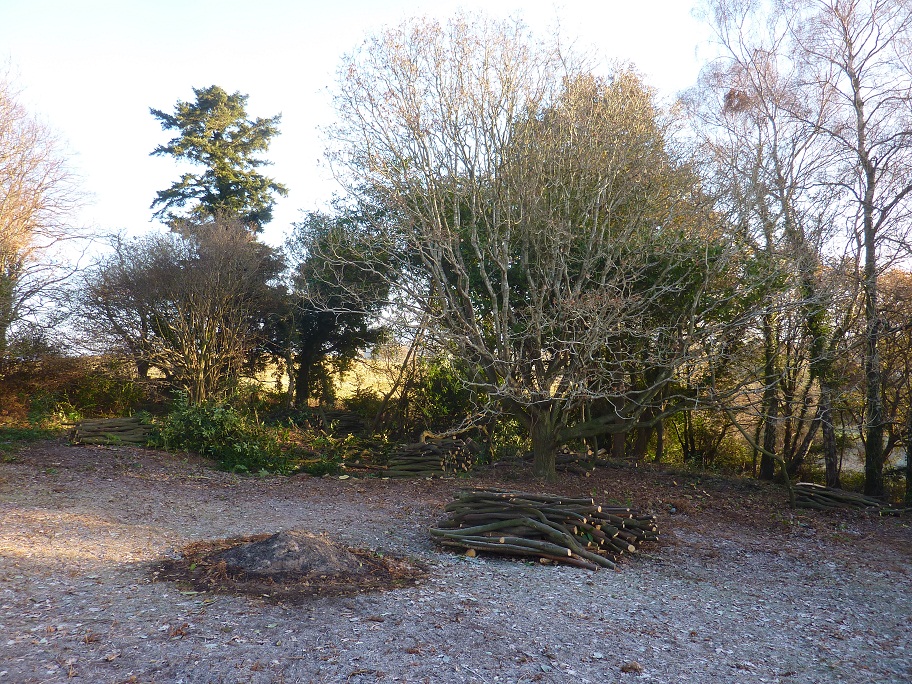
For the last few days we’ve been trying to reduce the powers of some mighty runaway Laurel on one corner of the reserve. This tree system seems to have been growing away unchecked for about 40 years, and has now swamped all the ground vegetation in the area, as well as some smaller trees. It even seems to be contributing to the shape of a couple of Oak trees in it’s midst.
This job is an ideal role for me to practice my chainsaw skills on. Plenty of leaning or lying compression/tension tests, as well as boring and dog tooth cuts. Also, the Laurel is incredibly dense, and seems to be very weighty stuff, so misjudging a cut can lead to a stuck saw, or very dangerous kick back. Thankfully, the biggest issue we experienced was trying to remove a number of branches tangled up in the Oak. I’m sure the Oak was very relieved to see it go.
On Friday, I carried out the reserve’s winter bird transect, with Richard. No Shrike this time, but we did get a little too excited when we thought we’d come across a Cirl Bunting. Further research showed it to be a Reed Bunting with a rather more yellow than usual bib. Still, that’s cool, we love Reed Buntings too.
-
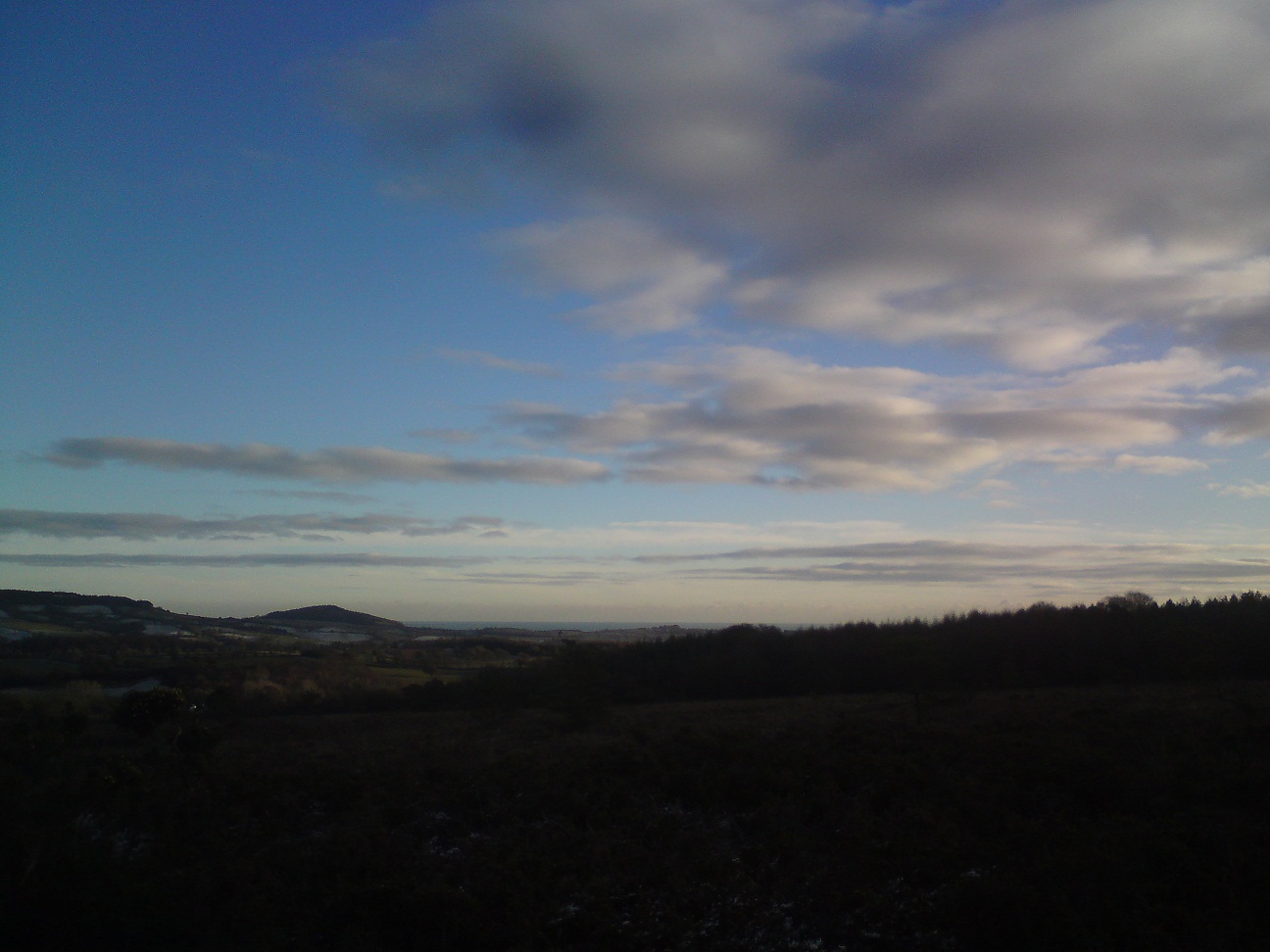
- It is possible to see the sea, just below Sidmouth, from the reserve
-

- Rob, one of the Exe vols, surveys the scene, while Ed goes in…
-
- After 3 day’s work, the Oak is free
-
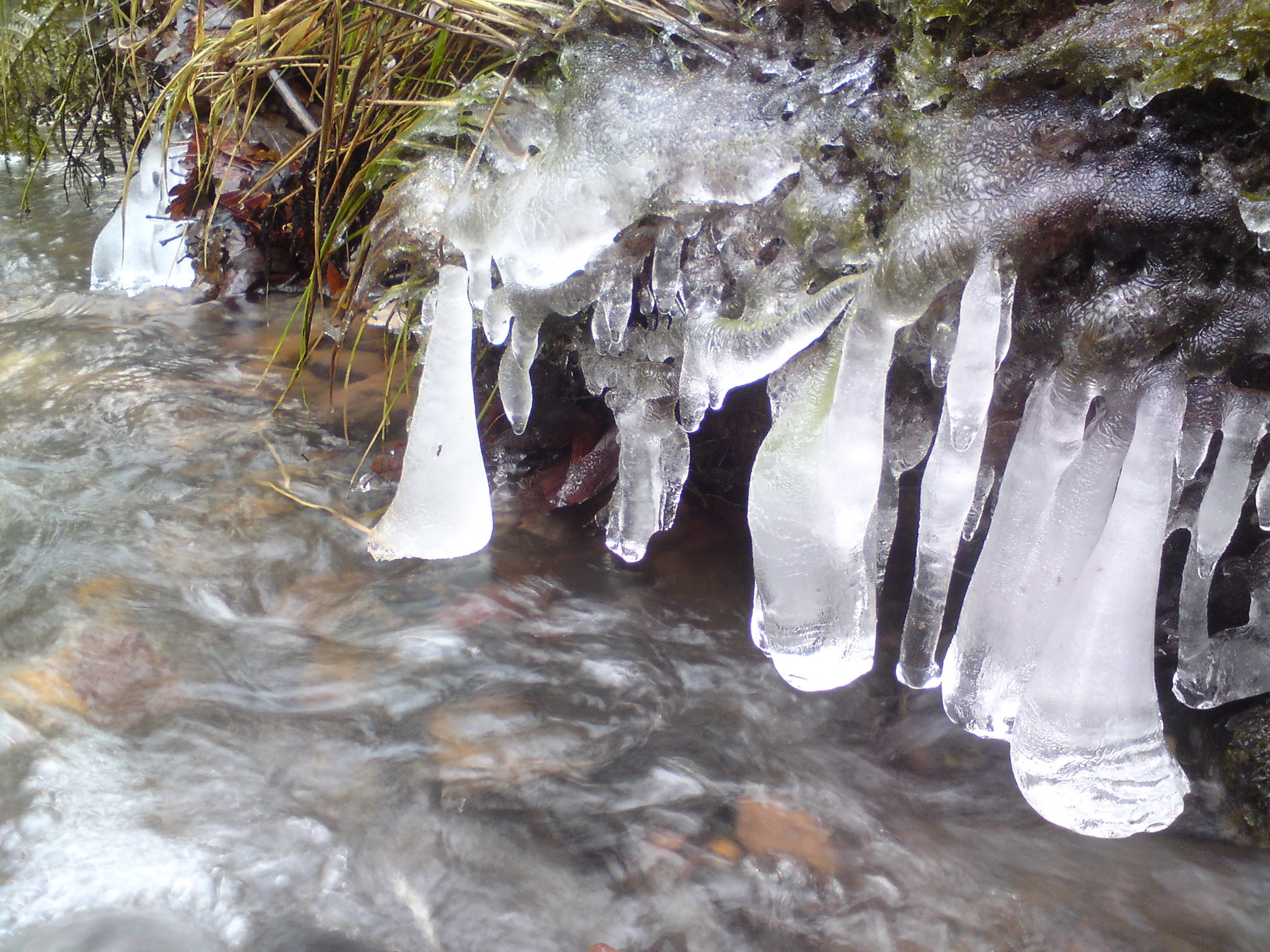
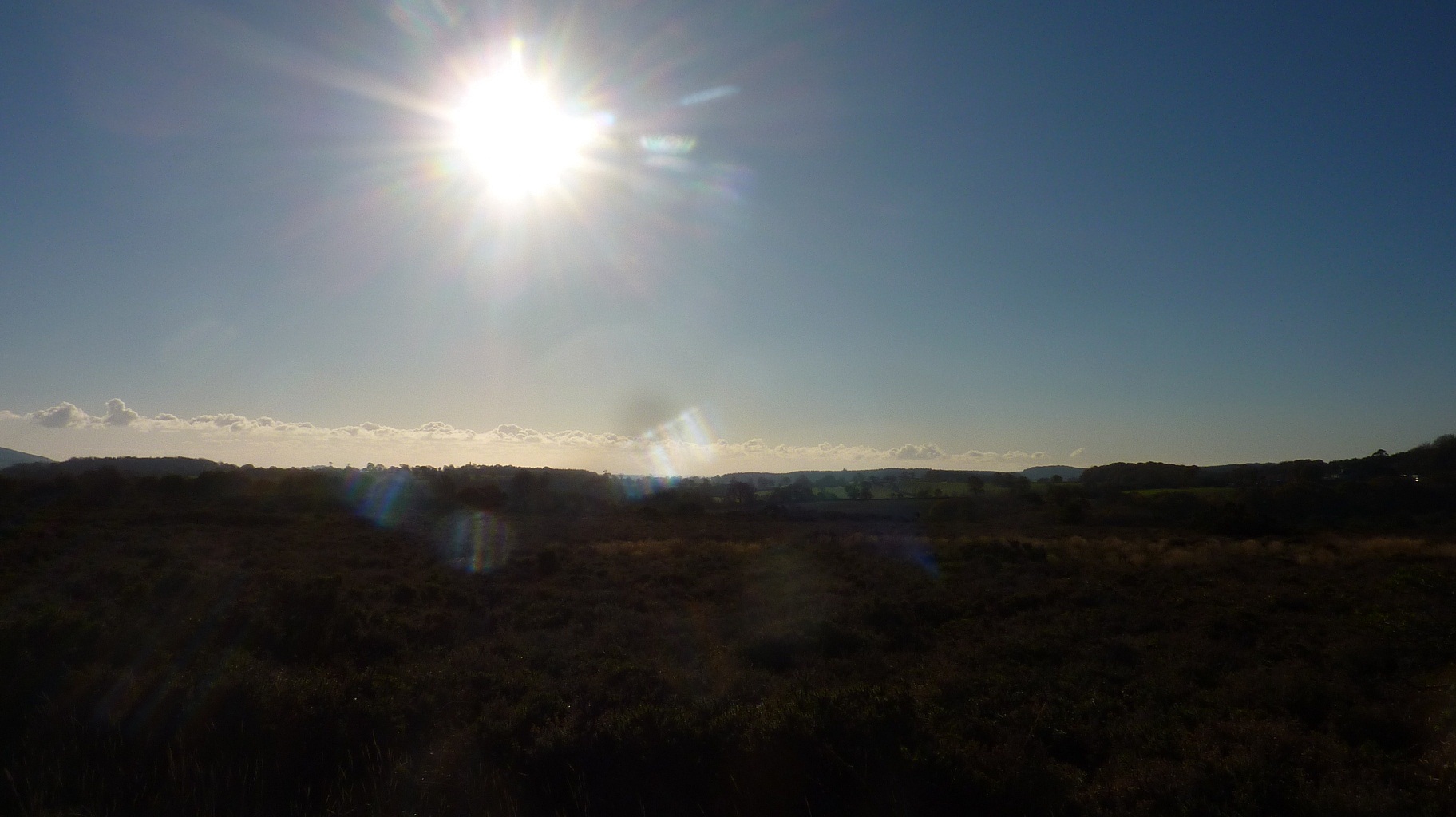
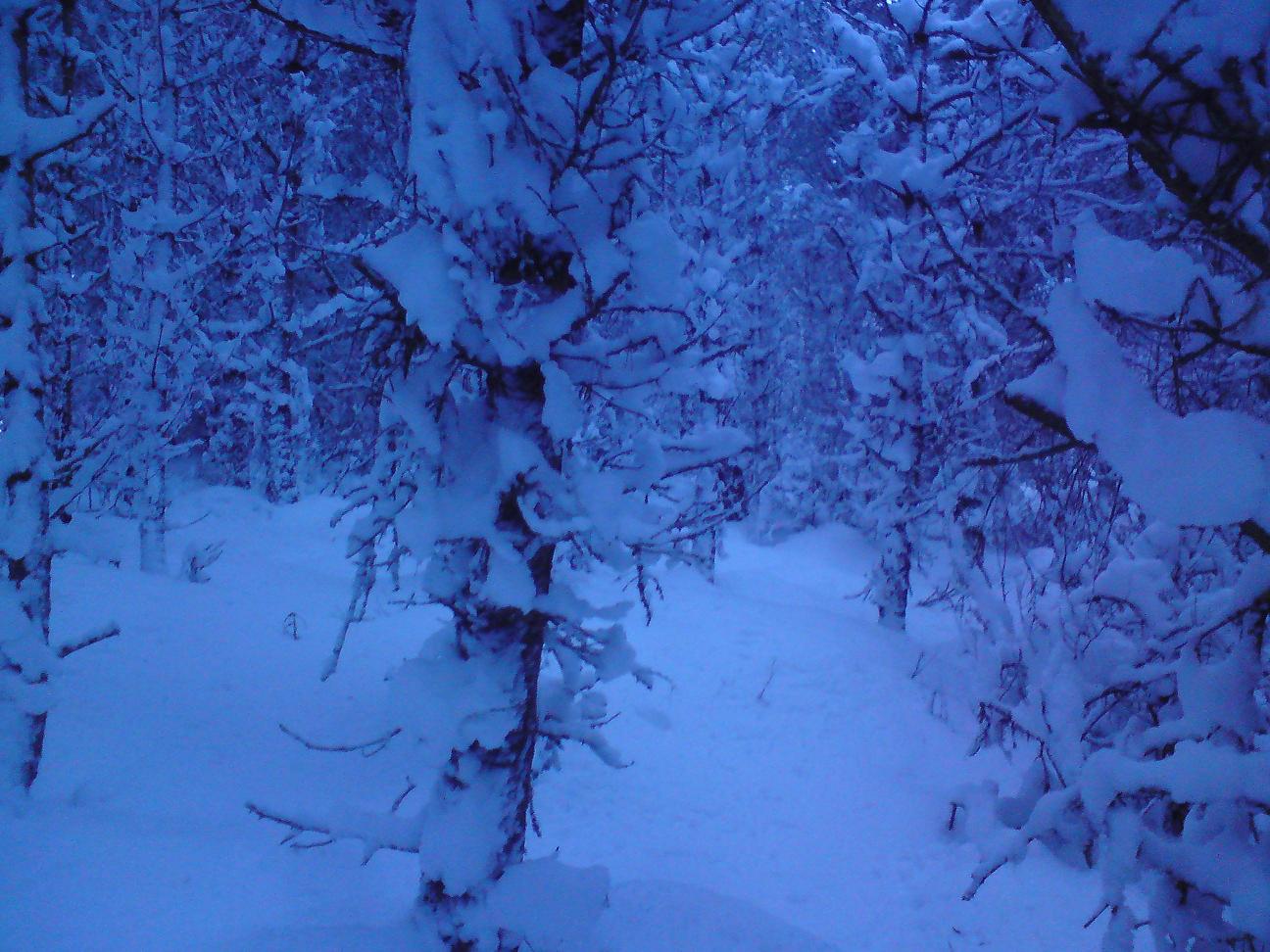
- Although a little warmer of late, there’s still some beautiful winter features on the reserve
Cold, ponies and electric fences
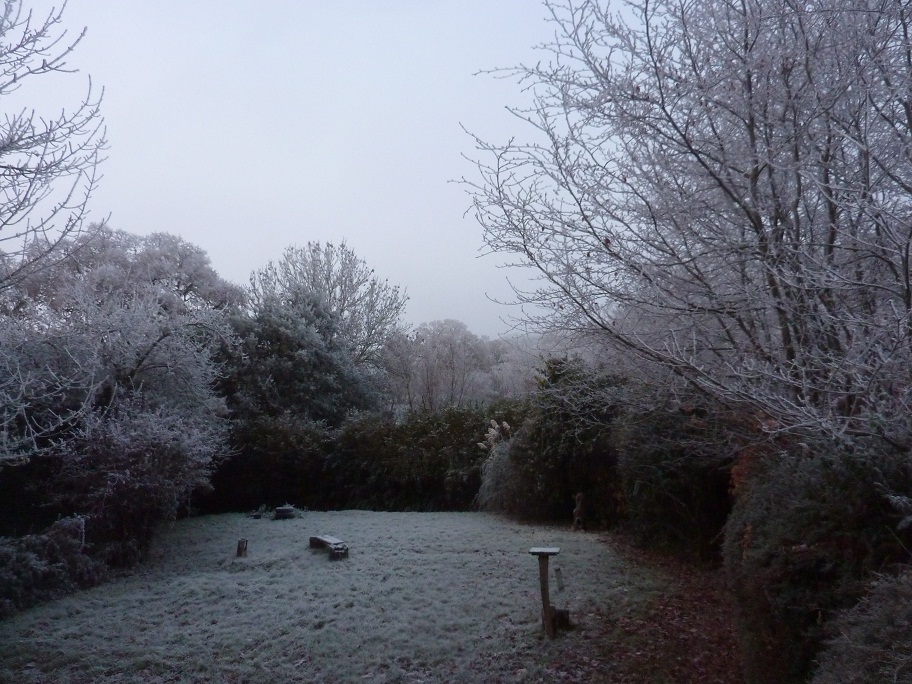
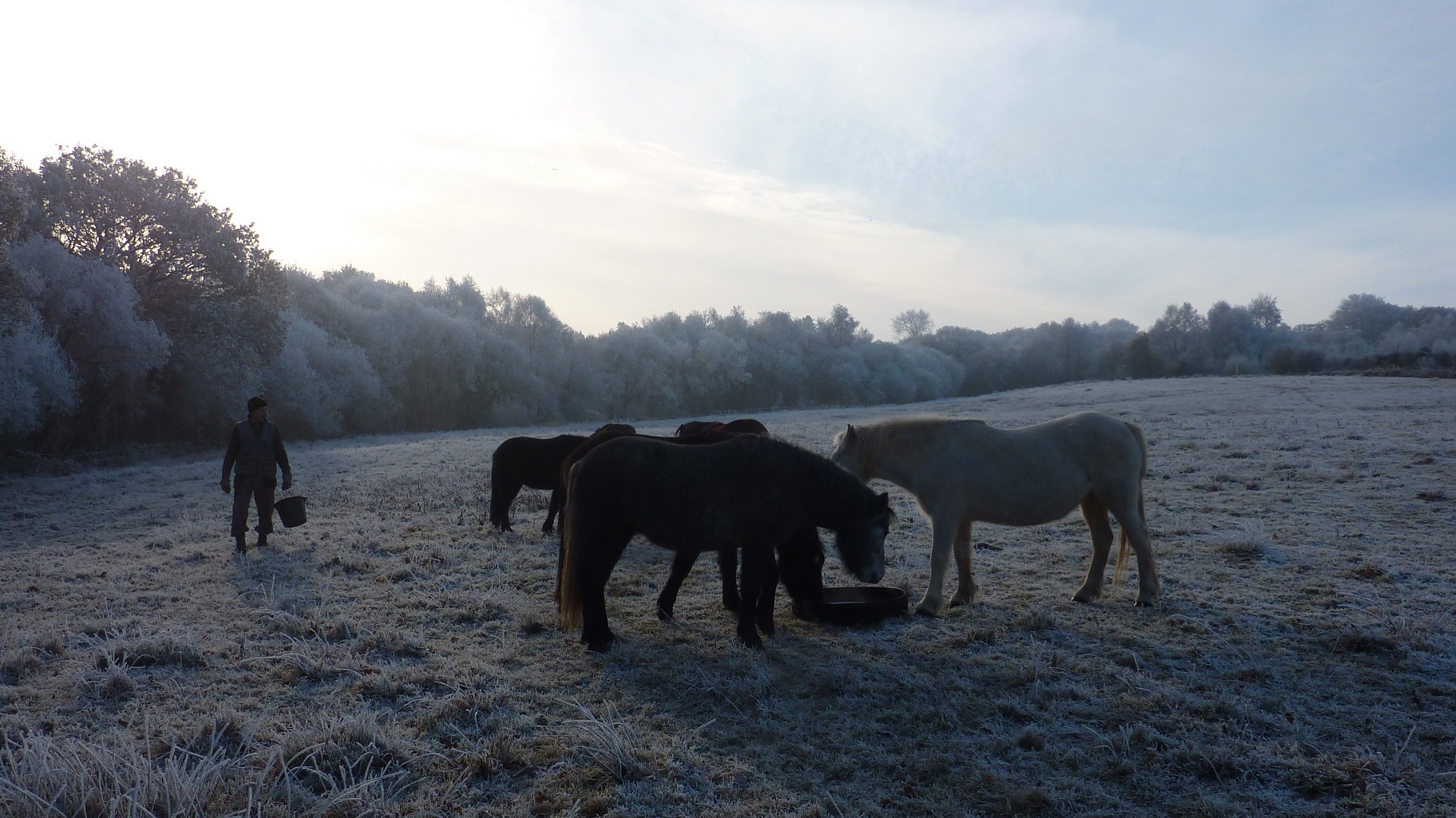
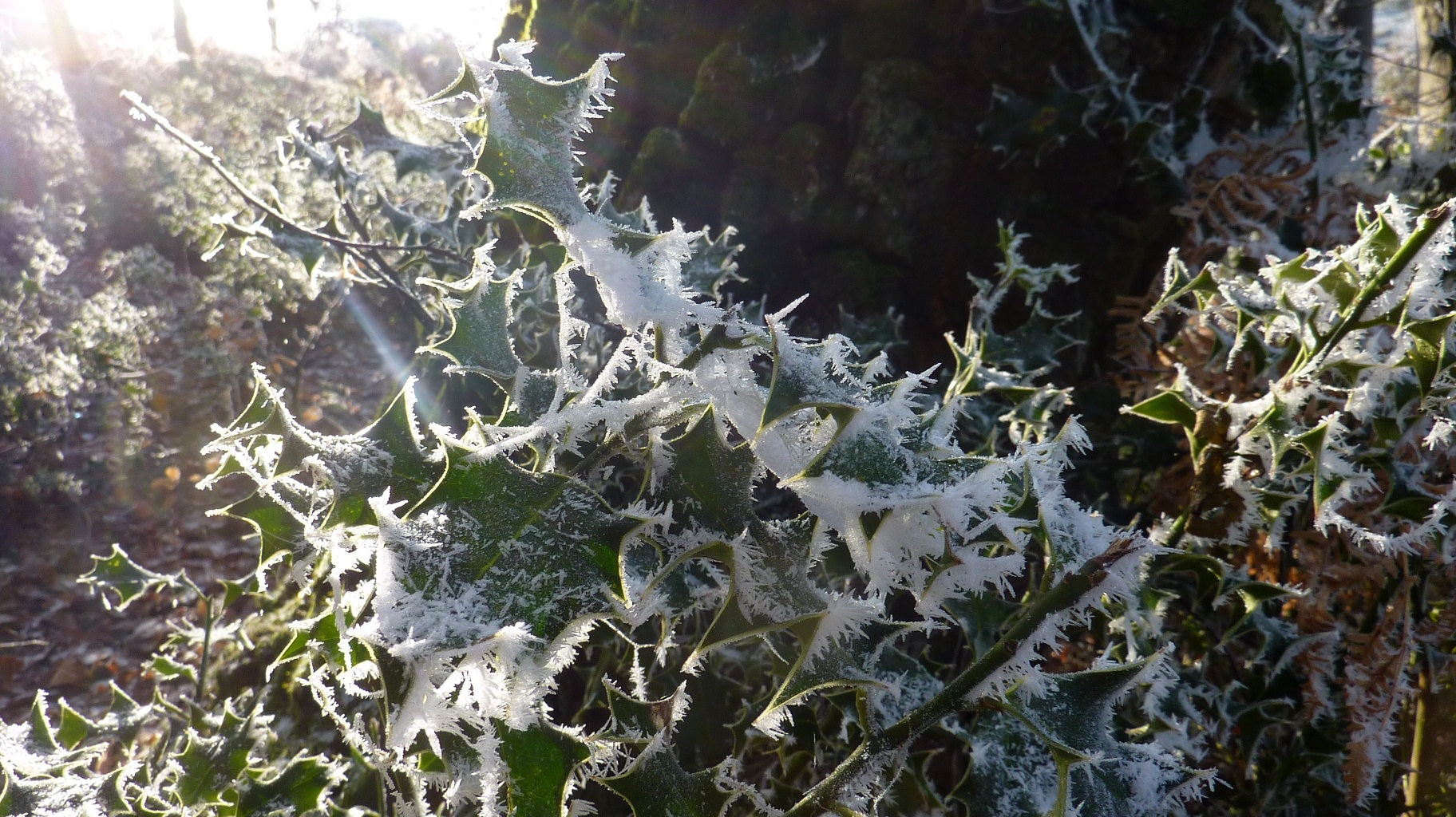
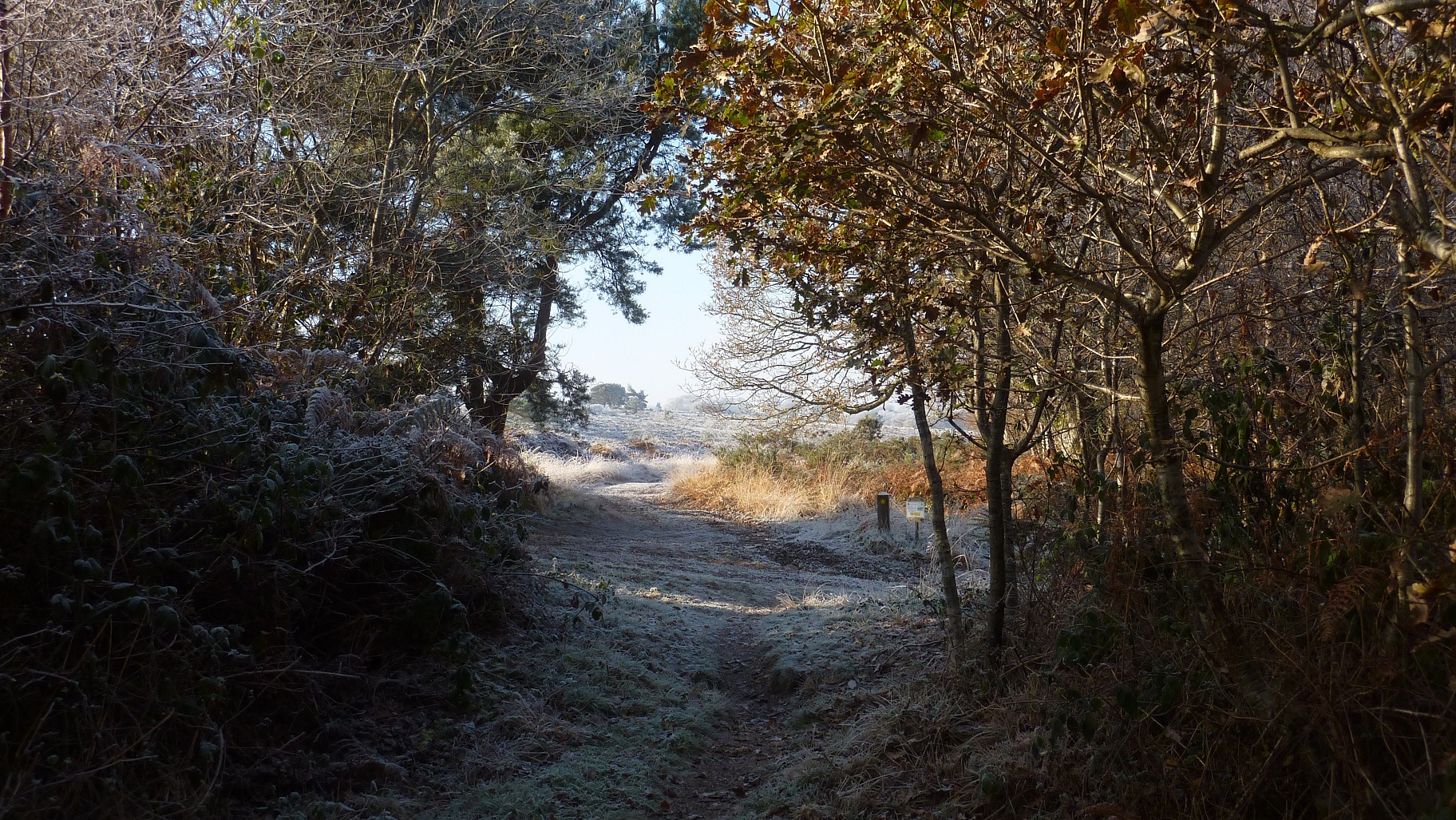
So, it’s pretty cold on the reserve at the moment, and last night we had a proper hoar frost, making everything look very spectacular today. The temperature was -6C last night and doesn’t get above freezing during the day.
In the last couple of days I’ve been working with Vlad, who is Polish and has some great stories to tell about his trips away from communist Poland. Yesterday we were clearing up stumps, and felling a few trees at a place called Outer Hanger, where the Sunday volunteers had been working. Today we checked on all the groups of ponies that we currently manage, and rerouted an electric fence to allow easier winter access to a bridleway.
-
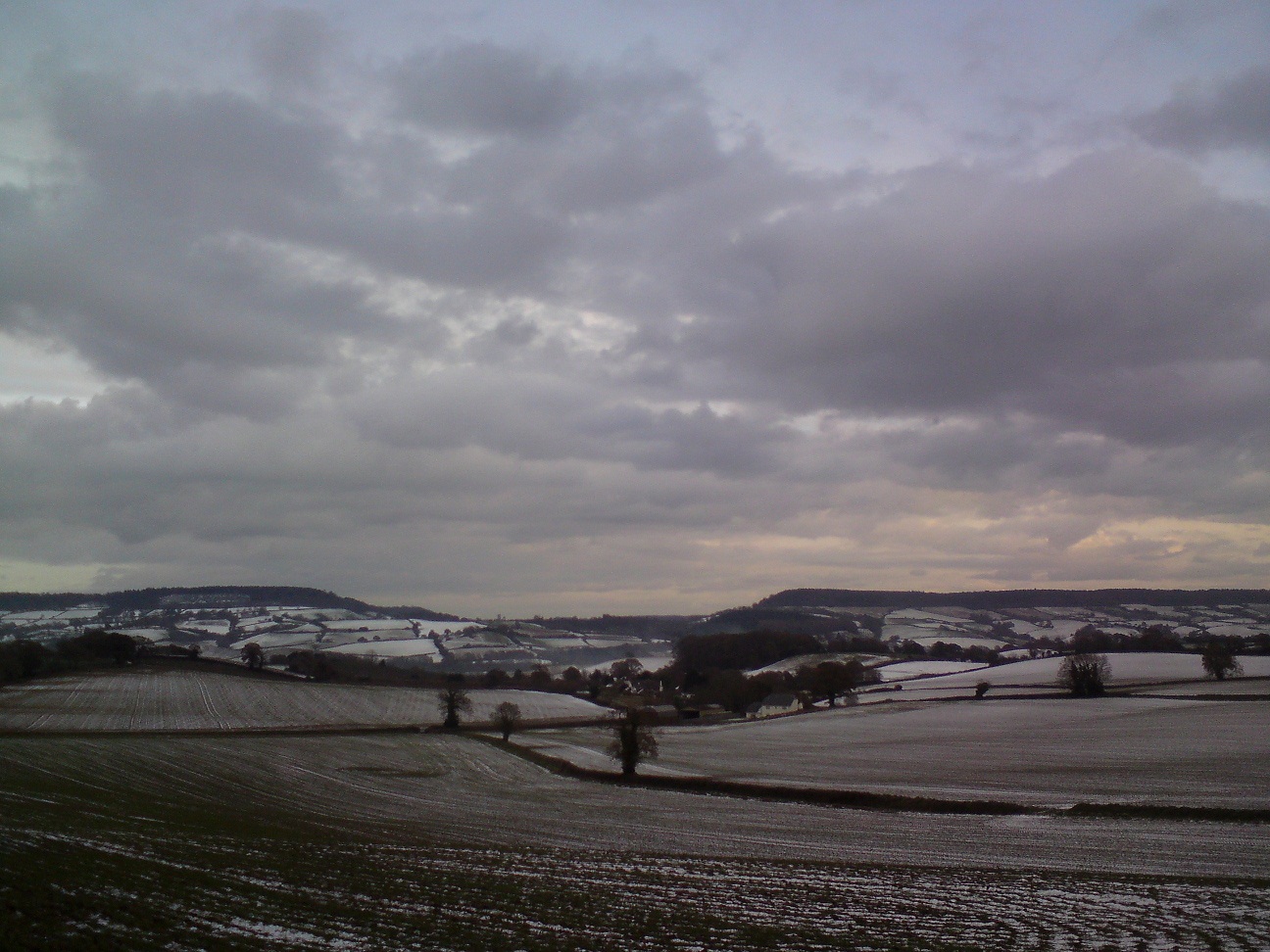
- The Ottery (East) hills
-

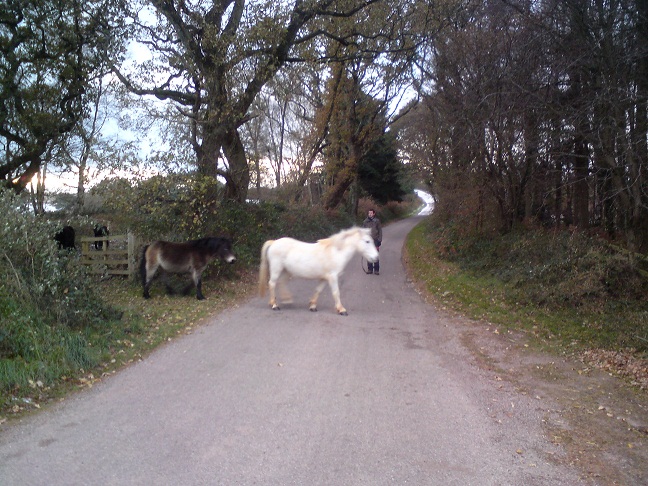
- Myself and Sam help Vlad move some ponies

-

- Hmm, I quite like this one
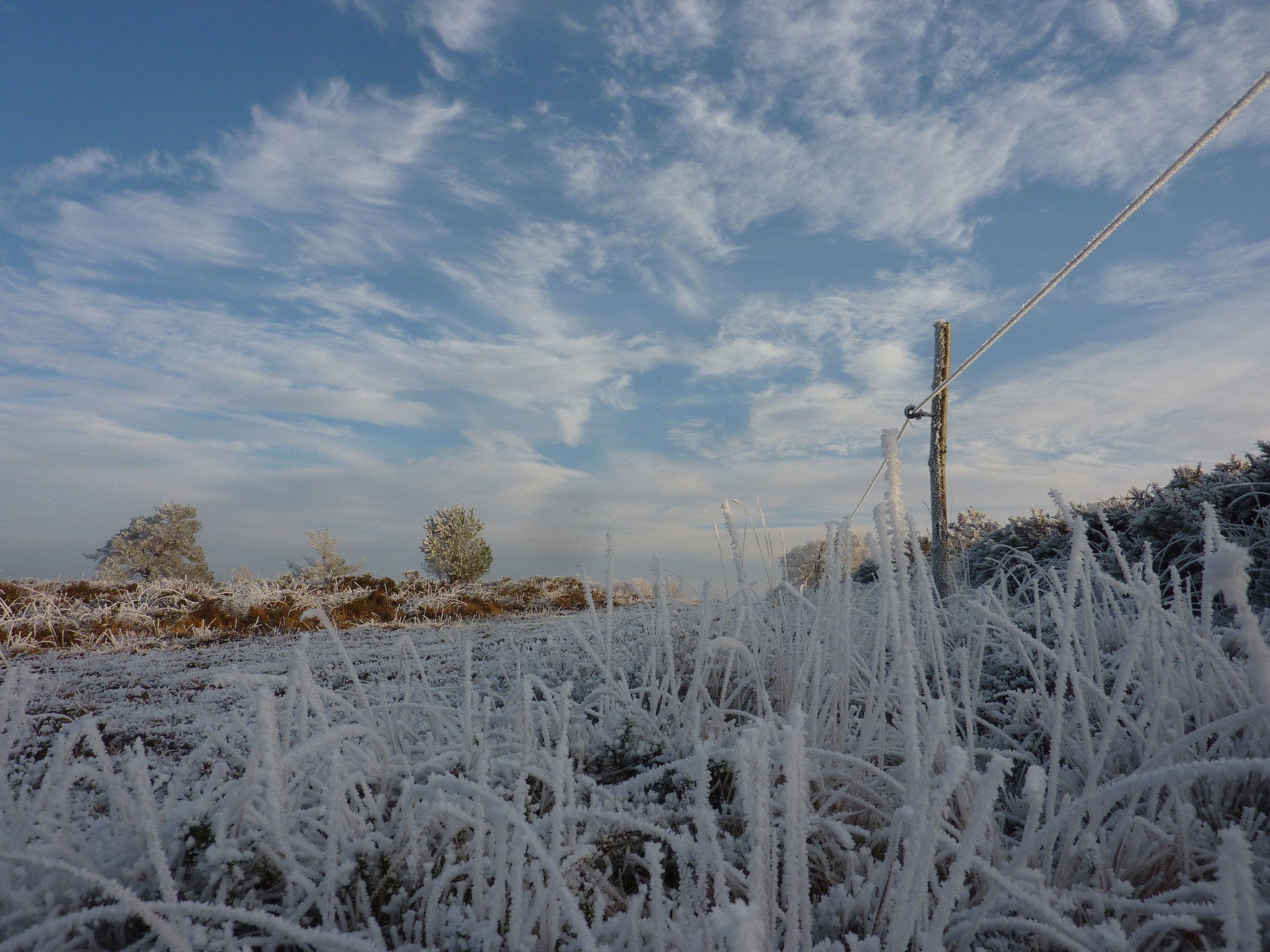
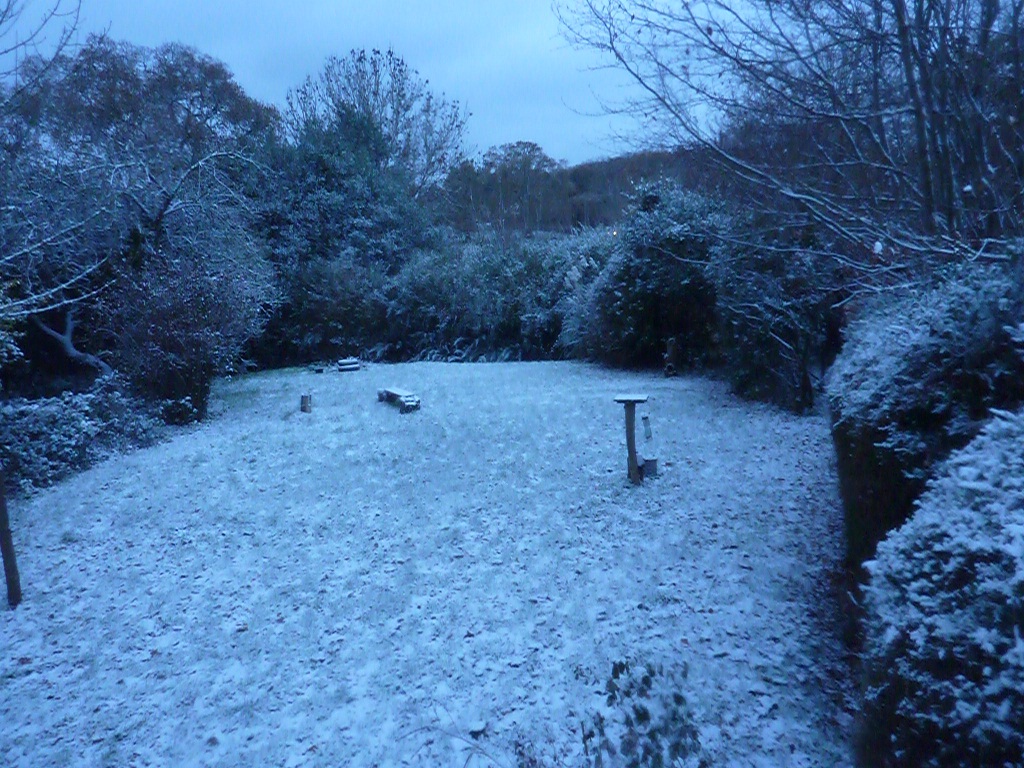
Some early winter snow, nice.
This year I have spent a great deal of time wishing for the kind of snow I was lucky enough to experience in February. Of course, I’m not going to be working in Scotland this winter, so I’ve had to wish extra hard. But, it might just pay off. This morning, we volunteers, in the RSPB Aylesbeare accommodation, woke to a smattering of snow. It wasn’t much, but is there more to come?
Other highlights this week have been the fact that it’s been freezing all week (although this includes the inside of our cottage, so I’ve had to bring in a sleeping bag to lay over my bed), and seeing Redwing, and learning their call. We’ve also seen a few Snipe, and plenty of Robins and Great/Blue/Coal/Long Tailed Tits in the trees where we’ve been working on the edge of the heathland. As these birds tend to appreciate the tree cover, it seems a shame to be cutting some of them down. However, the reserve is trying to encourage more heathland species by doing this work. Birds, such as the Dartford Warbler, and especially invertebrates, such as the 37 species of butterfly recorded on the reserve, more than any other RSPB reserve.
-
- The view from my window this morning. C’mon, let’s have more of that.
-
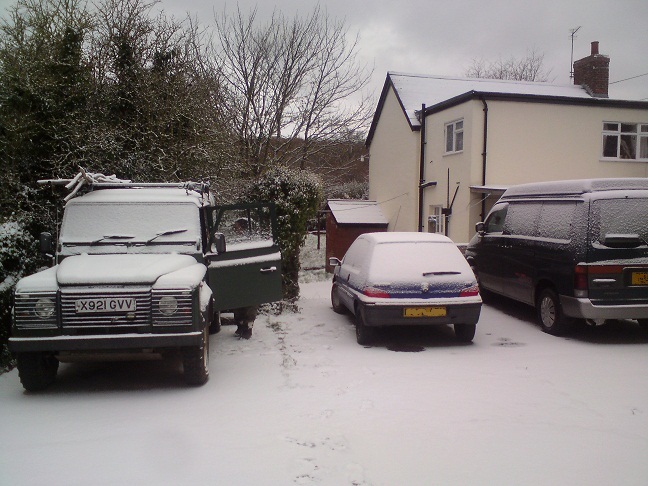
- The vols accommodation here at Aylesbeare
-
- Snow in the RSPB yard


-
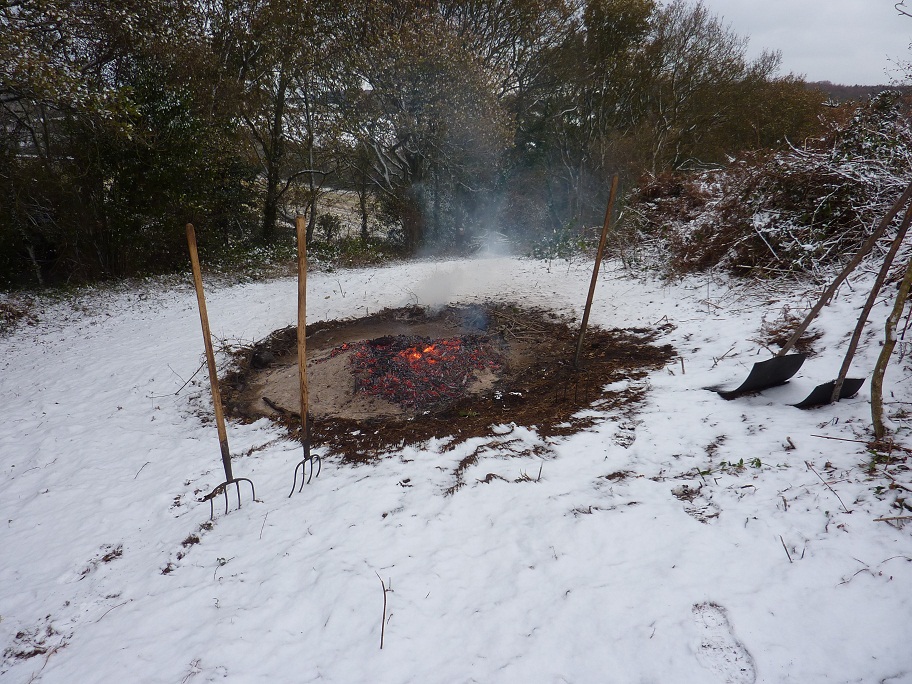
- Fire’s are one of the tools we use to remove nutrients from the heathland.
My first week at RSPB Aylesbeare
My first week with the RSPB crew at Aylesbeare has brought on some mixed feelings. On the one hand I’ve met a fine bunch of people, including numerous staff and volunteers from the South West region at the winter regional meeting on Thursday; seen a bird I’ve never seen before; and spent the week working outside. And on the other hand I’ve been introduced to the details of the heathland management process.
Heathland has been around for a long time. Maybe even thousands of years in this part of Devon. So there are a number of flora and fauna species that are well adapted to live in it. However, the environment is man made. Nature is always trying to reclaim those areas that are suitable as woodland or scrubland. In order to prevent this from happening trees and mature gorse are removed from the encroaching areas along with all leaf litter and other unwanted nutrients. Wood is taken away to be sold, and the rest is burnt. In many cases the most abundant trees in these areas are the silver/downy birch. I’ve cut down plenty of non-native trees on TFL weeks, but this is, I think, the first time I’m having to remove native species.
Today I was lucky enough to carry out the regular bird survey with Johnny, the current assistant warden. We saw plenty of tits, yellowhammers, dunnocks, etc, but the highlight was watching a great grey shrike chase what looked like a dartford warbler over some gorse bushes. This bird is a predator to smaller birds and often creates a “larder” of it’s catches by storing them on spikes on fencing or spiky trees/bushes. I’d already seen the bird on Tuesday, in flight and sat in the top of a tree, but watching it chasing a very agile small bird was a brilliant site to see. Unfortunately, I was rather under-prepared, without camera in hand.
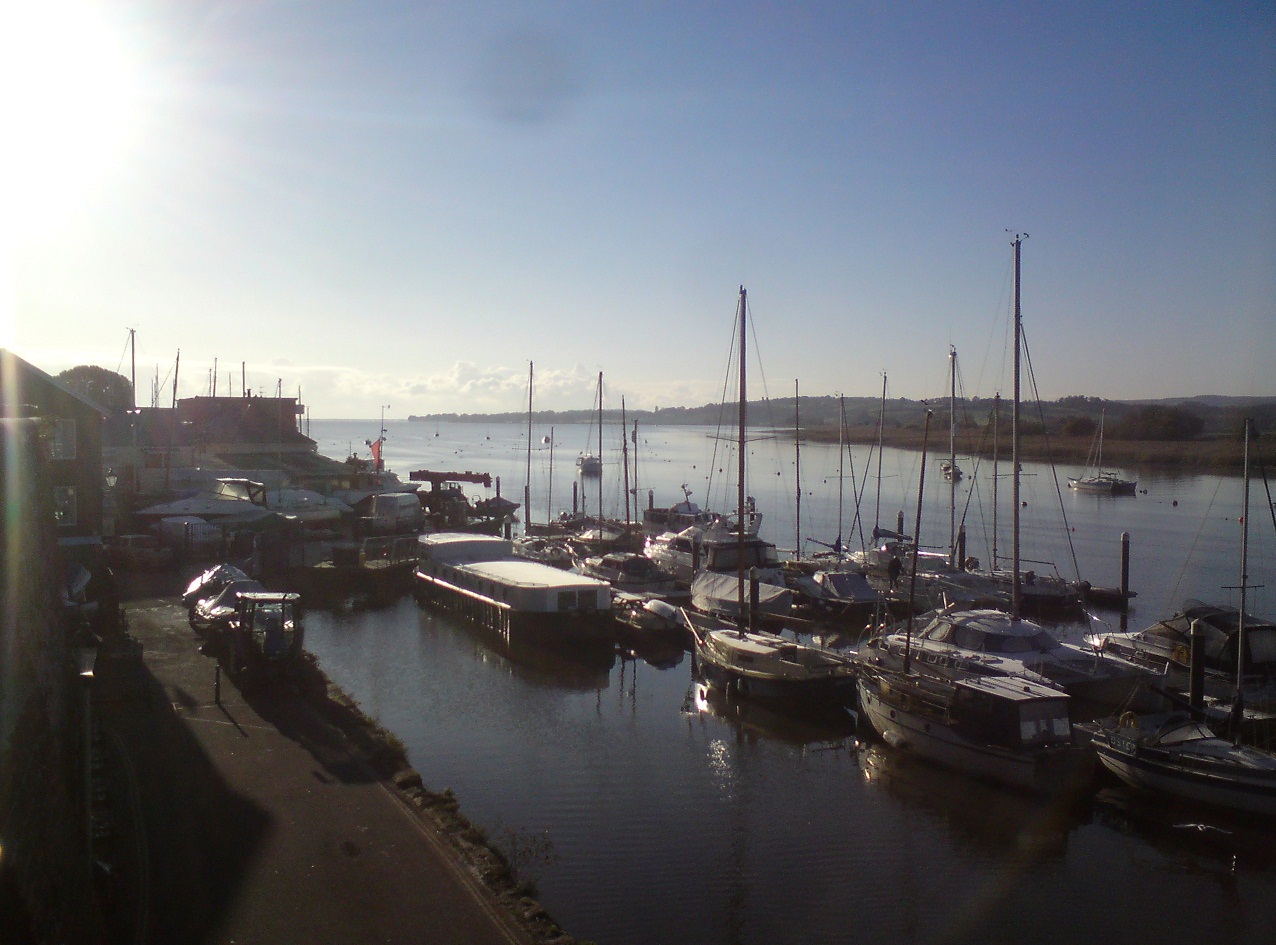
-
- The view down the Exe from Topsham
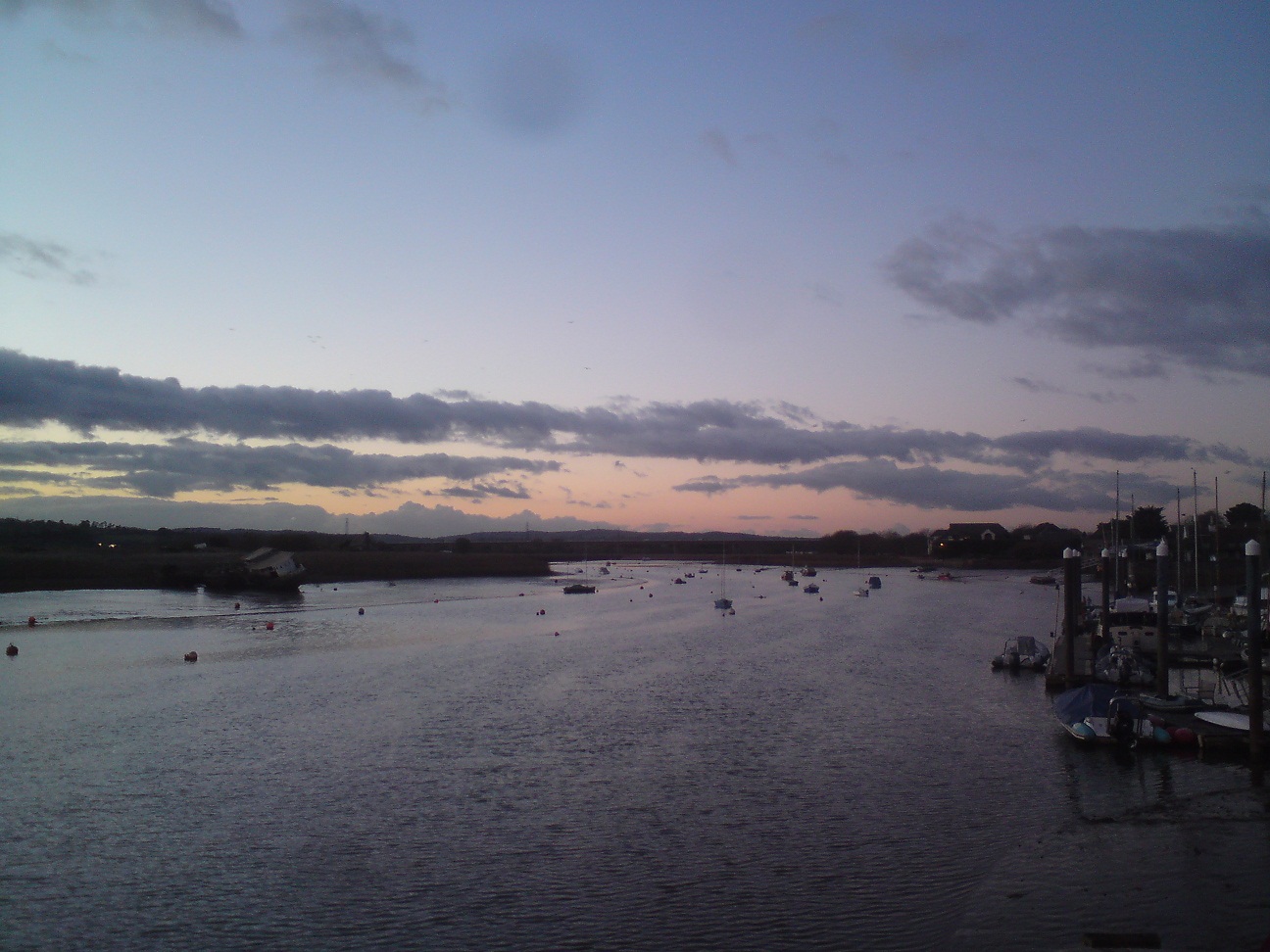
-

- …And up the Exe
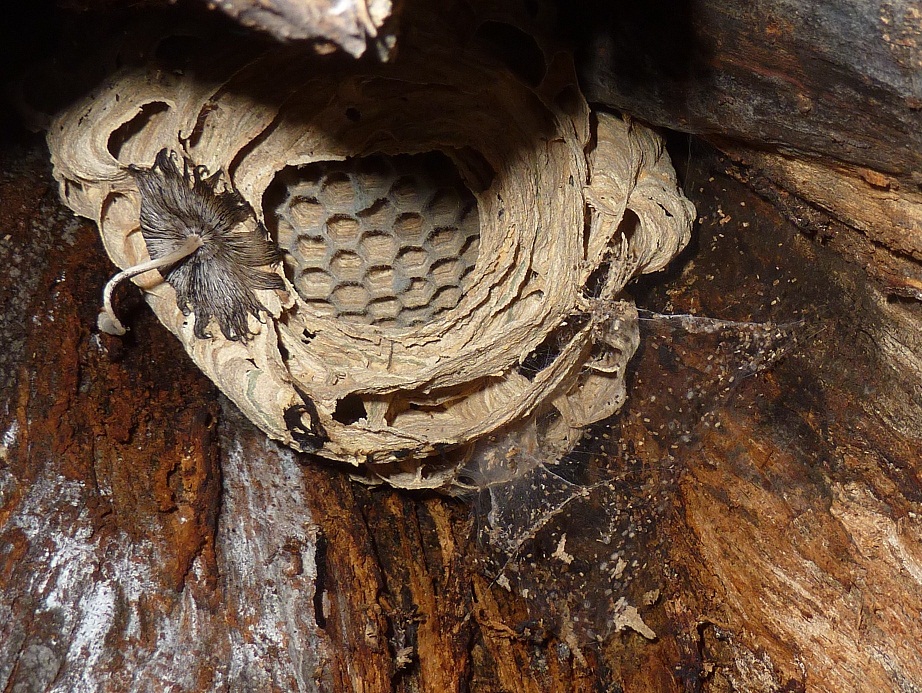
-

- Apparently an abandoned hornet’s nest
-
- Aylesbeare common.
Using a chainsaw
Up to now the only weapon that I consider myself trained to use is a car (apart from the occasional axe throwing session with John Garrett). This week I’ve been learning how to use a chainsaw. It seems that a lot of practical roles in environmental work require chainsaw experience. And I know that knowing how to use one could be of great benefit if I want to get involved in habitat management. As part of my RSPB placement, which begins next week, the RSPB have kindly agreed to train me up, in the use of a chainsaw, this week.
The training took place at RSPB Arne, where I was based for two weeks in the summer. Last time I was there, in early August, there were Nightjars and other summer breeding birds mixing with the first of the autumn migrants. Now the summer visitors have left, and the estuaries and mud flats are fillng with wintering waders and wildfowl. Unfortunately I didn’t get an opportunity to take much of a look around during daylight hours, having arrived late on Sunday, and then heading off after finishing the course on Friday evening. But, with the help of Will, the volunteer from Radipole (Weymouth), who was also on the course, I did manage to ID a flock of Avocet from where we were training.
-
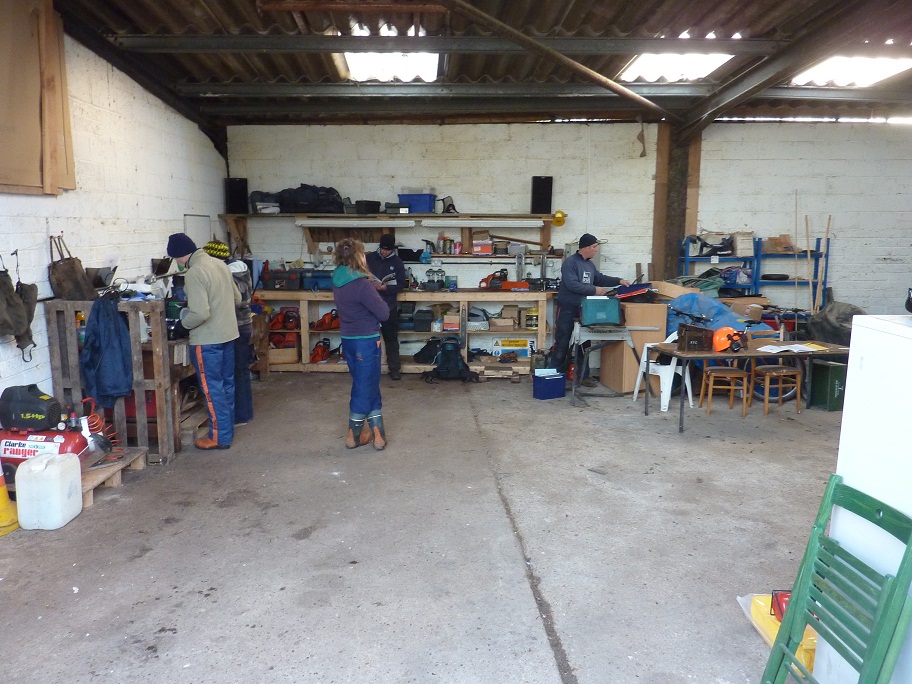
- A lot of chainsaw work seems to be about maintenance and tea
-
- Here we are practising our crosscuts. Oooh, where’s the compression?

-
- Mostly the weather was kind to us
Arne – week two
Week two included a fire, survey work, an amazingly successful heathland amble and plenty of general maintenance, mostly with Trevor one of the estate workers. The good people at Arne also keep a blog (some great pics get posted there and it’s a useful tool to keep track of migrant birds), which can be found here:
http://www.rspb.org.uk/community/groups/arne/blog/default.aspx
Whilst at Arne I’ve also been running in an attempt to see whether I’m going to be capable of competing in the Baxters Loch Ness corporate 10k, while I’m in Scotland. Every three or four nights I ran to Ridge and back, about 8k, and on my third and final attempt I managed it in under 45 minutes, which I was pretty chuffed with given that I’d had ‘Trev’s gut’ for most of the time I’d been there.
-
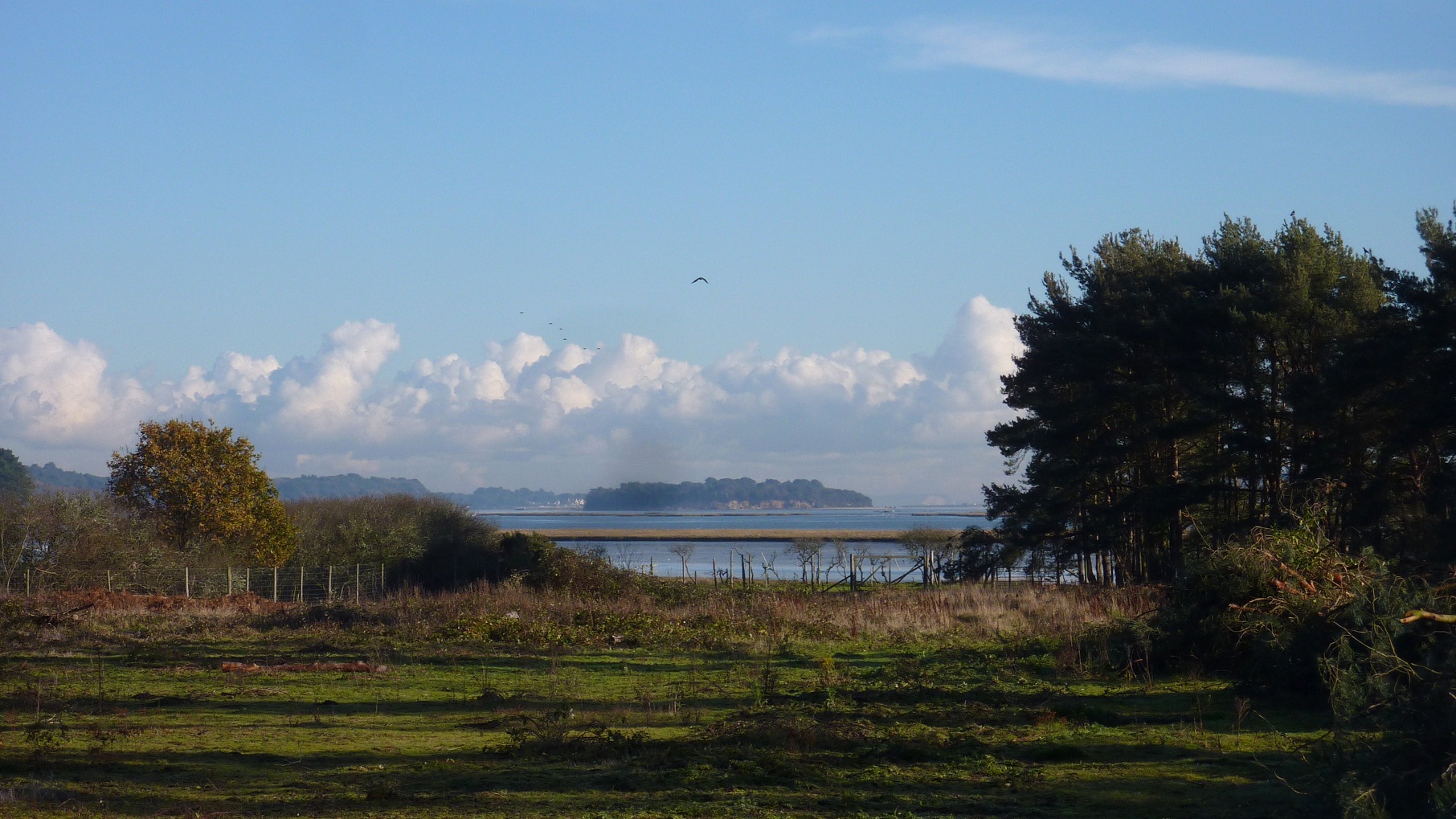
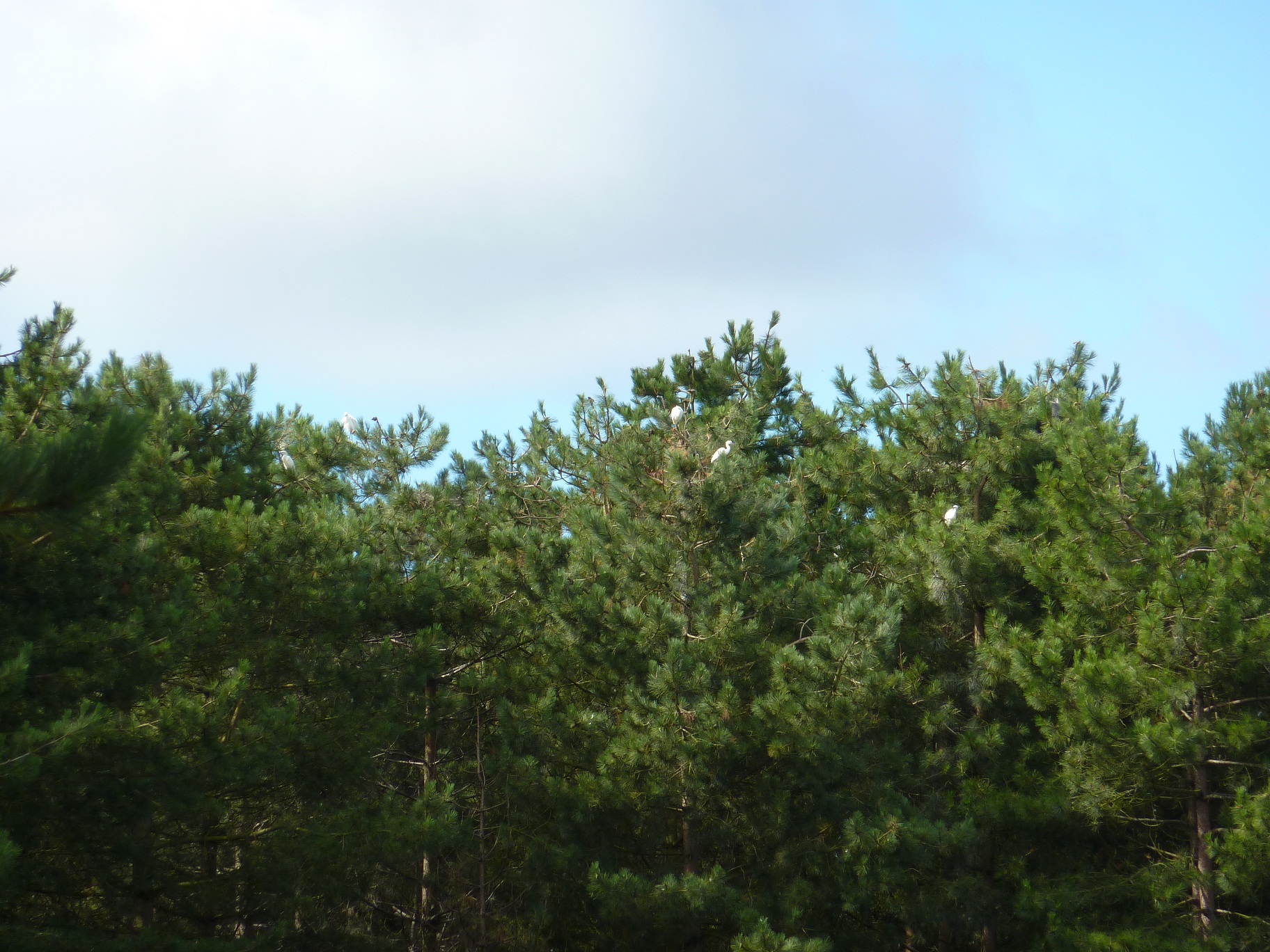
- Whilst wandering (slightly off) the reserve, I stumble across this gathering of Little Egret
-
- A Dartford Warbler. C’mon!

-
- I’m reasonably confident that this is a Spotted Flycatcher, especially as it was repeatedly flying out from the tree and back, as if to catch flies

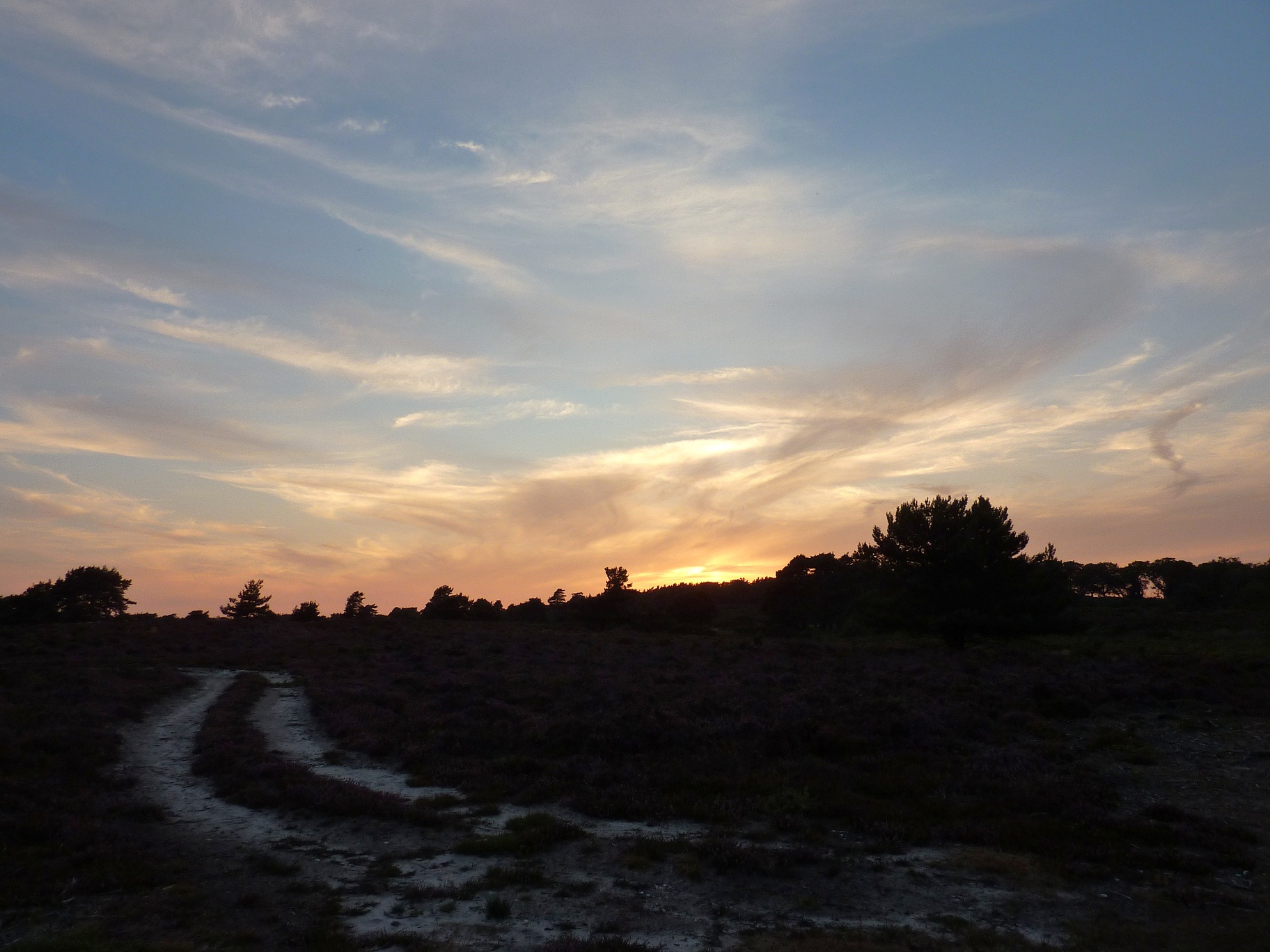
-
- A lone seal in front of Long Island
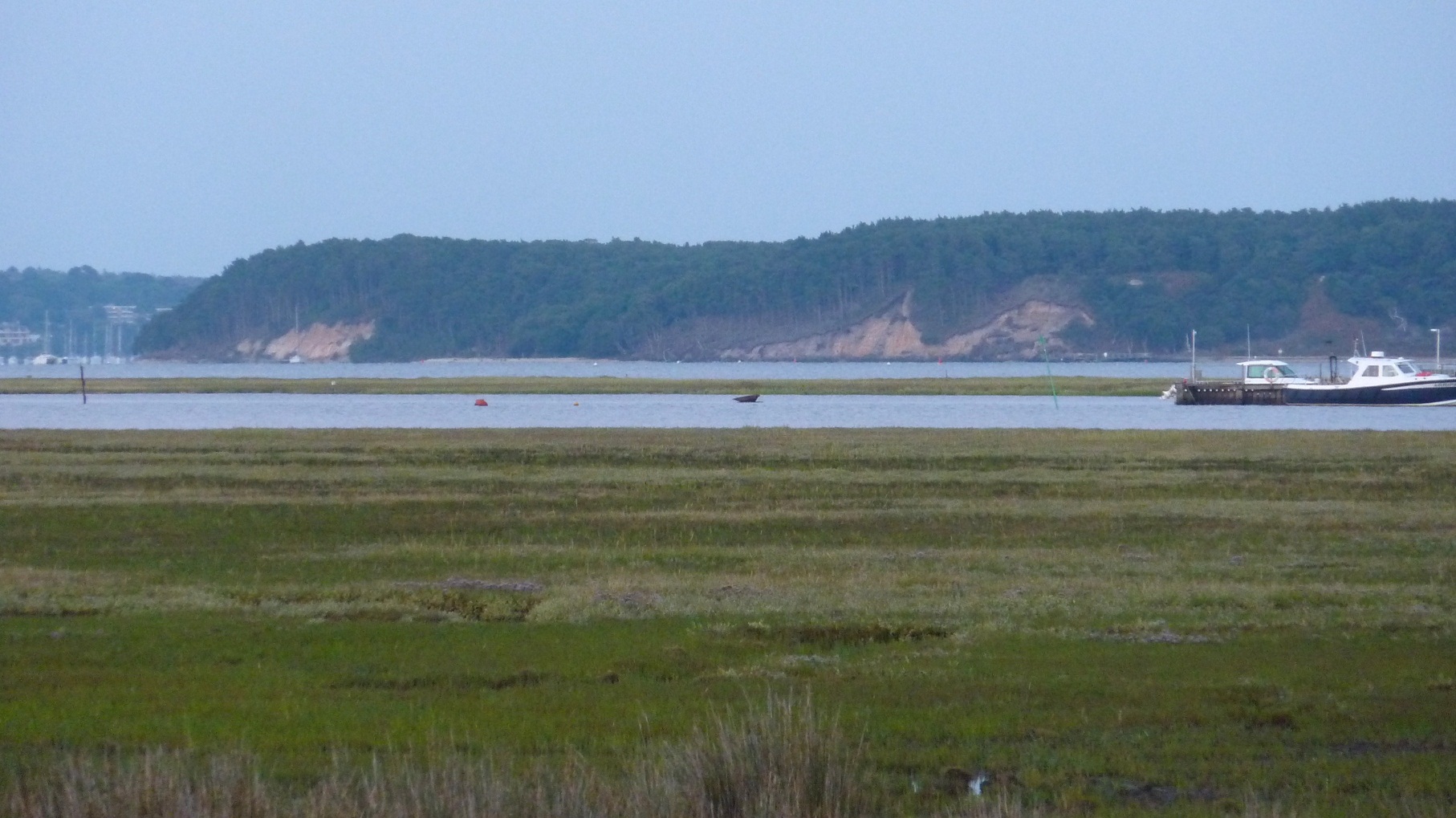
-
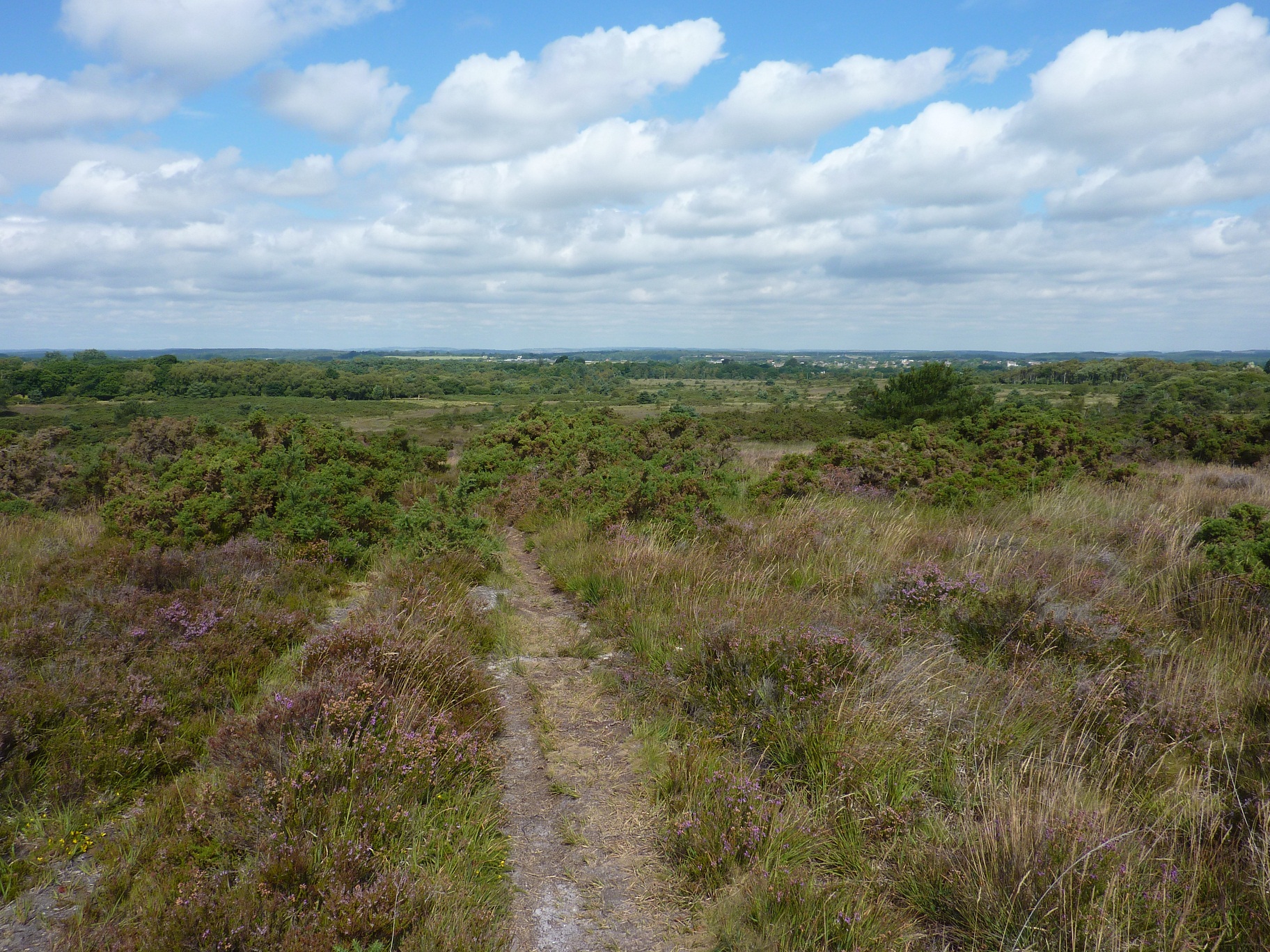
- Stoborough Heath, also RSPB
-
- Laura (a co-volunteer) says look it’s a lizard, and it’s a female Sand Lizard! Get in!

-
- These are just two of the thousands (seemingly) of fire vehicles that came to put out our heath fire

-
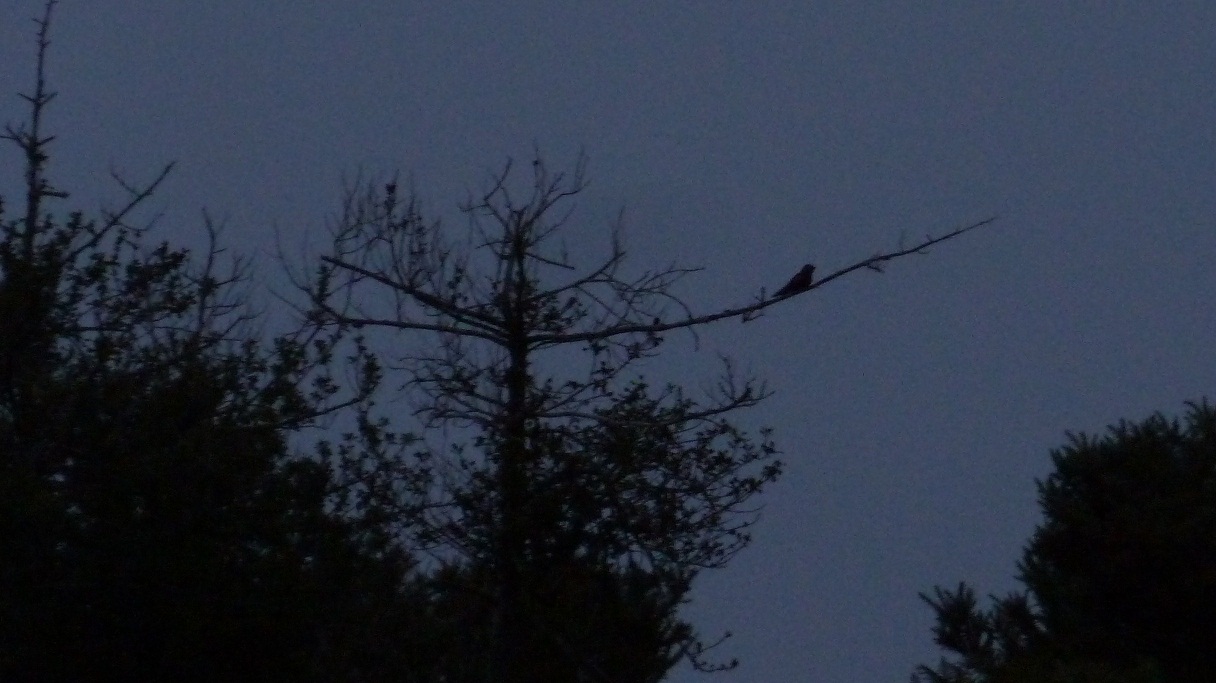
- This photo doesn’t do Nightjars, or the excitement I felt at seeing them, justice. After 4 days of stalking them, to see them hovering in front of me was breathtaking
-

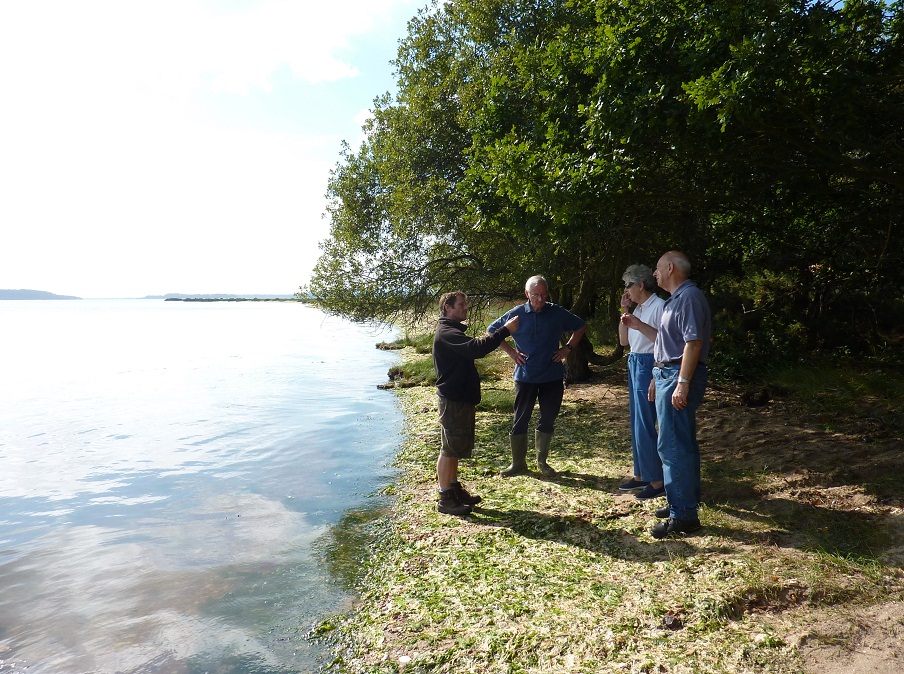
- Craig with local vols John, Harry and Jenny near Gold Point
-
- Wareham Channel

-
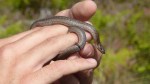
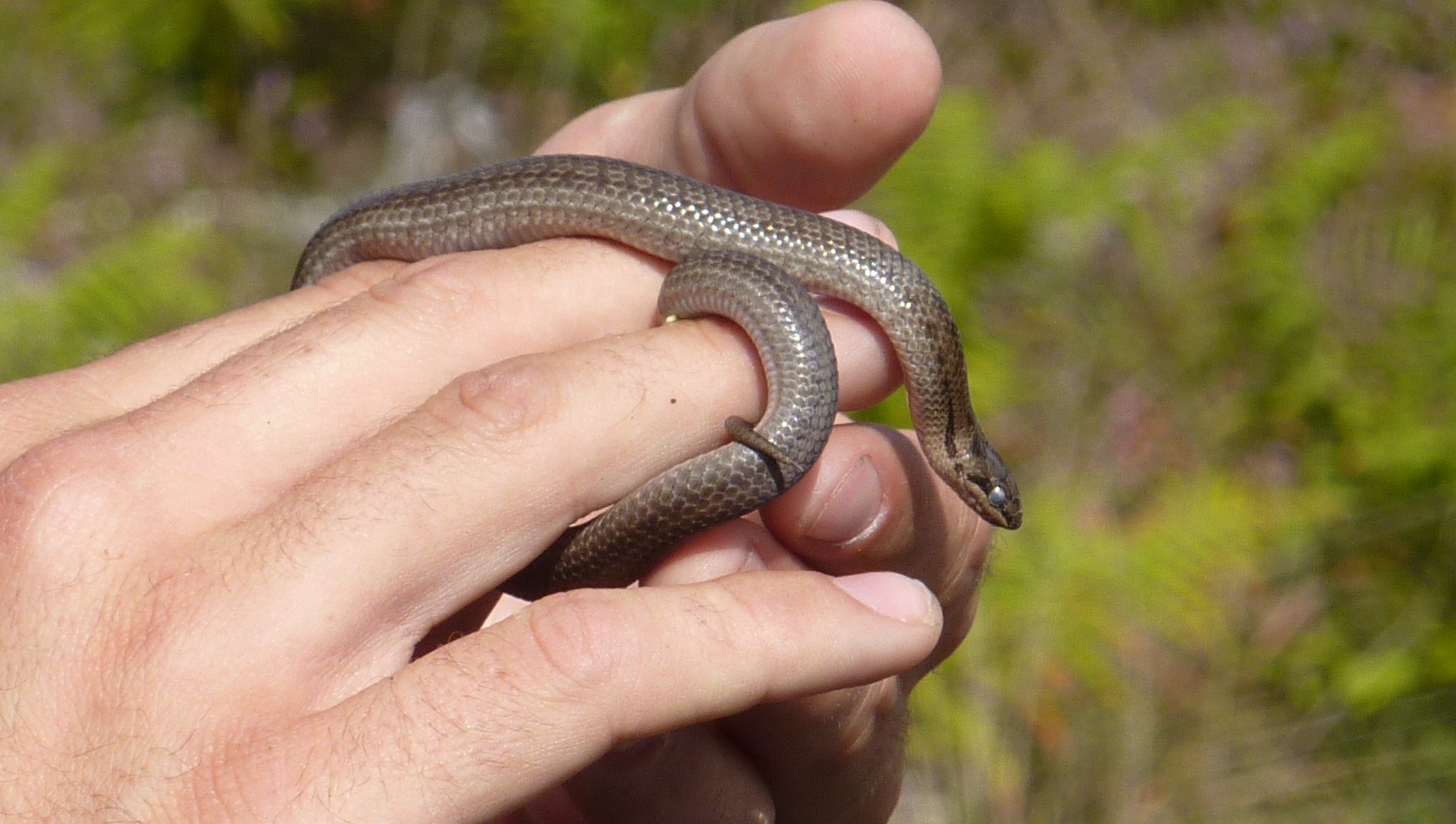
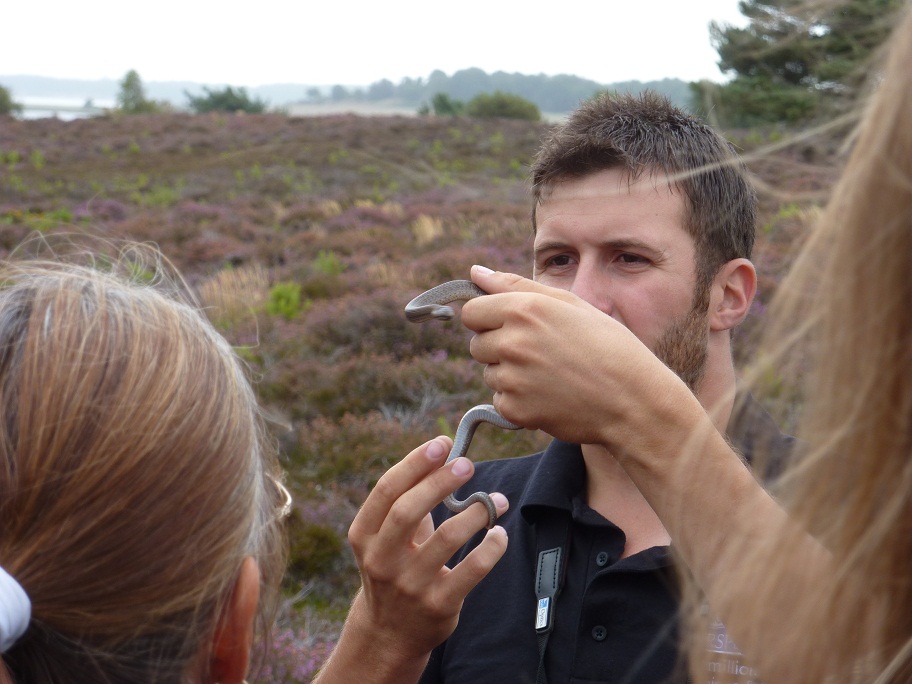
- Week two’s amble produced another Smooth snake, and a Grass snake, Slow worm, newts eating dragonflies, etc …fantastic stuff.
-
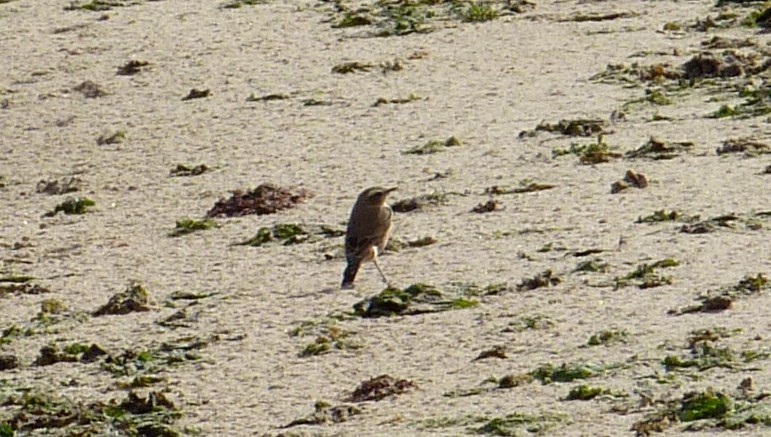
- A female Wheatear
-
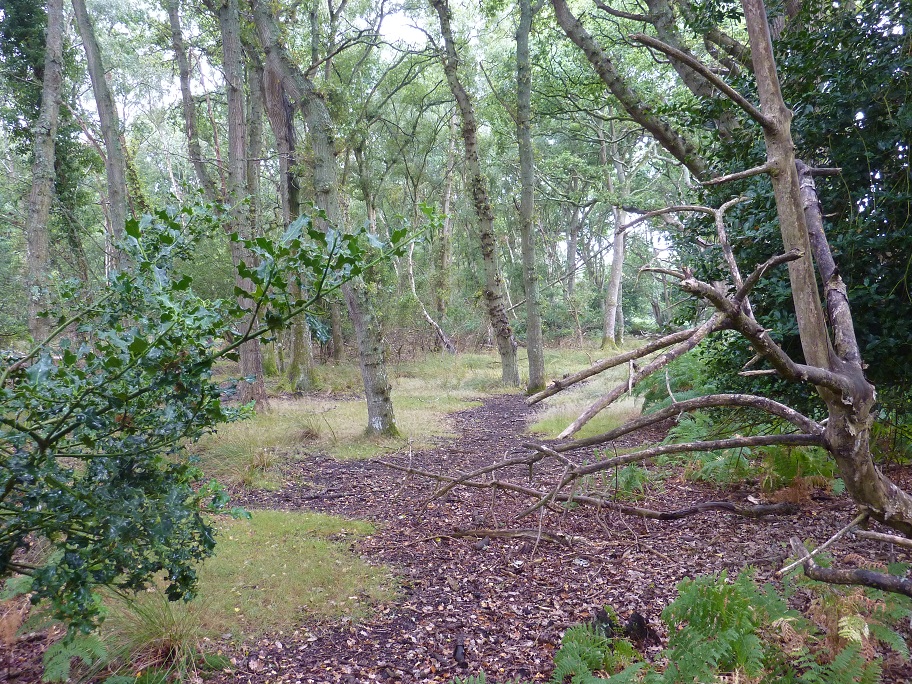
- The beautiful Oak woods behind the clay pit

Arne – other invertebrates
Here are some pictures of invertibrates that don’t fit into the previous two posts. Most notable, I suppose, were the majestic looking dragonflies. In case you’re wondering where the birds on this RSPB reserve are, well the RSPB is not all about protecting birds. In fact it concentrates more on protecting habitats, and improving biodiversity, which in turn should help bird species. And from my point of view, although I saw 67 different species of bird while staying at the reserve, they were a lot more difficult to get good photos of than these invertebrates…
-

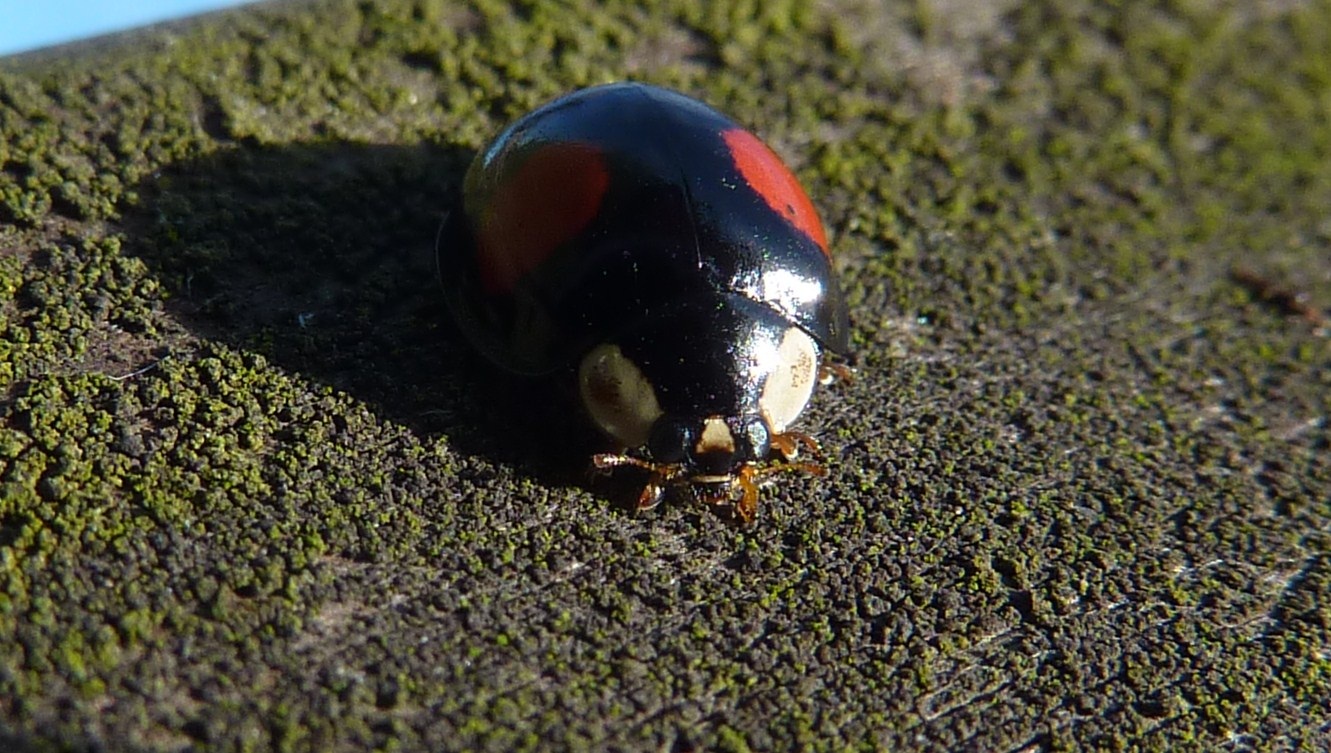
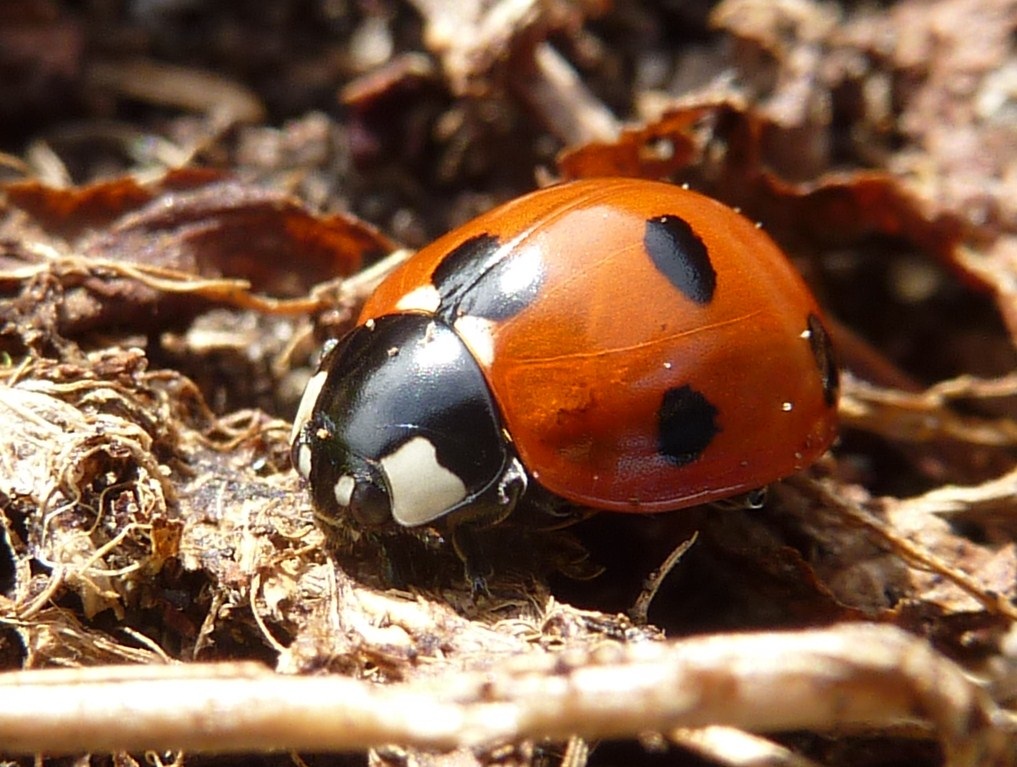
- This is a Harlequin Ladybird. It’s not good news I’m afraid, as it’s been introduced from Asia, without much thought, in an attempt to control so called pests. In the US it’s been associated with severe declines in native species.
-
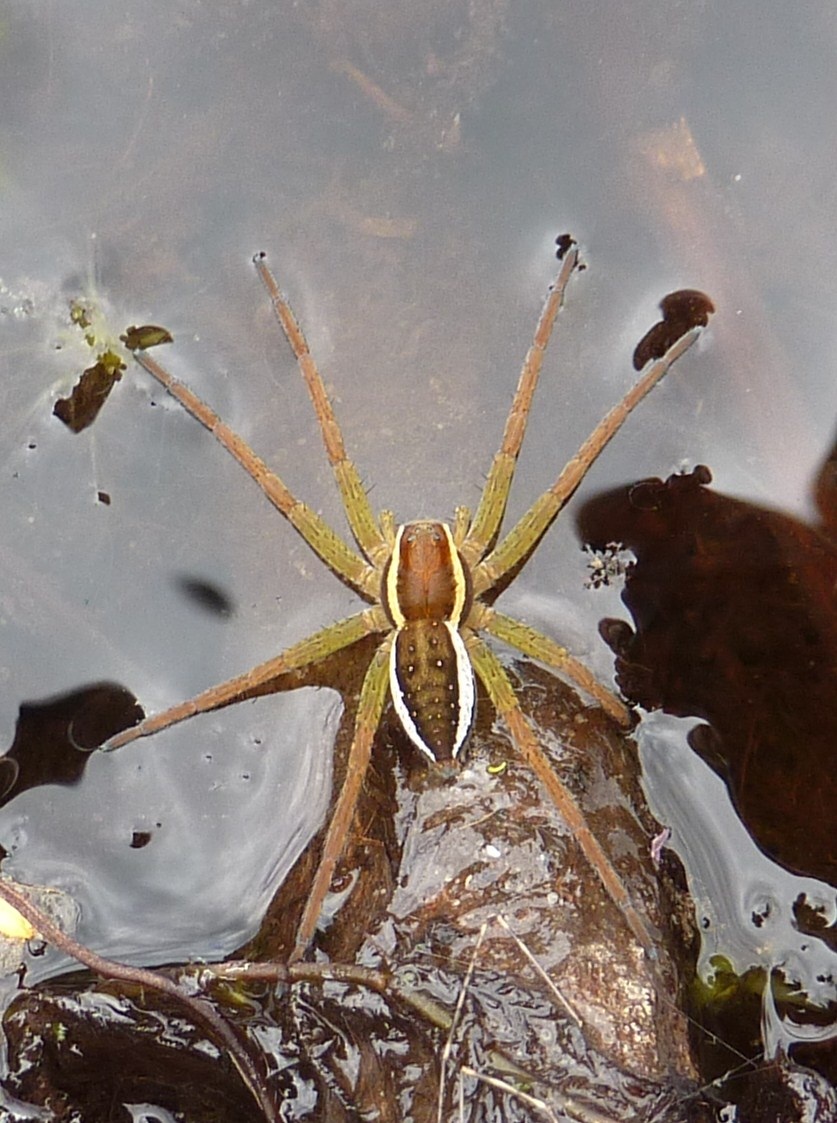
- A raft spider. Something I was very chuffed to see.
-
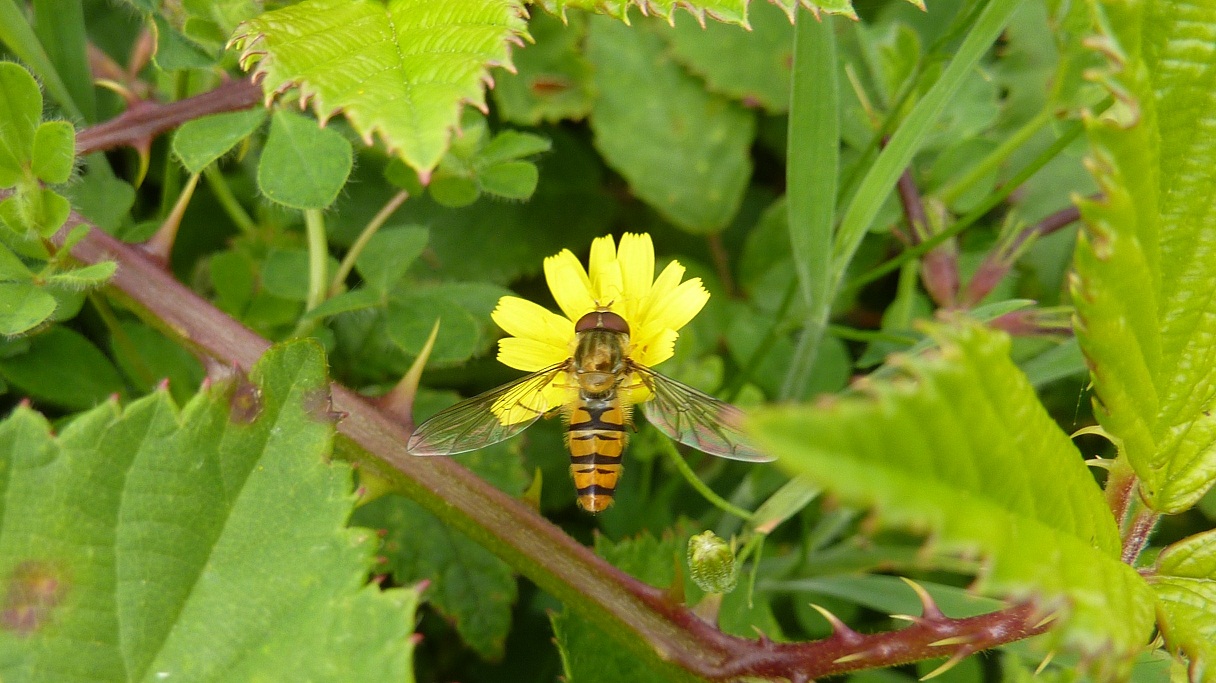
- Probably a fairly common type of hoverfly. Apparently most id is done by comparing their genitalia
-

- I think this is Bombylius Major.

-

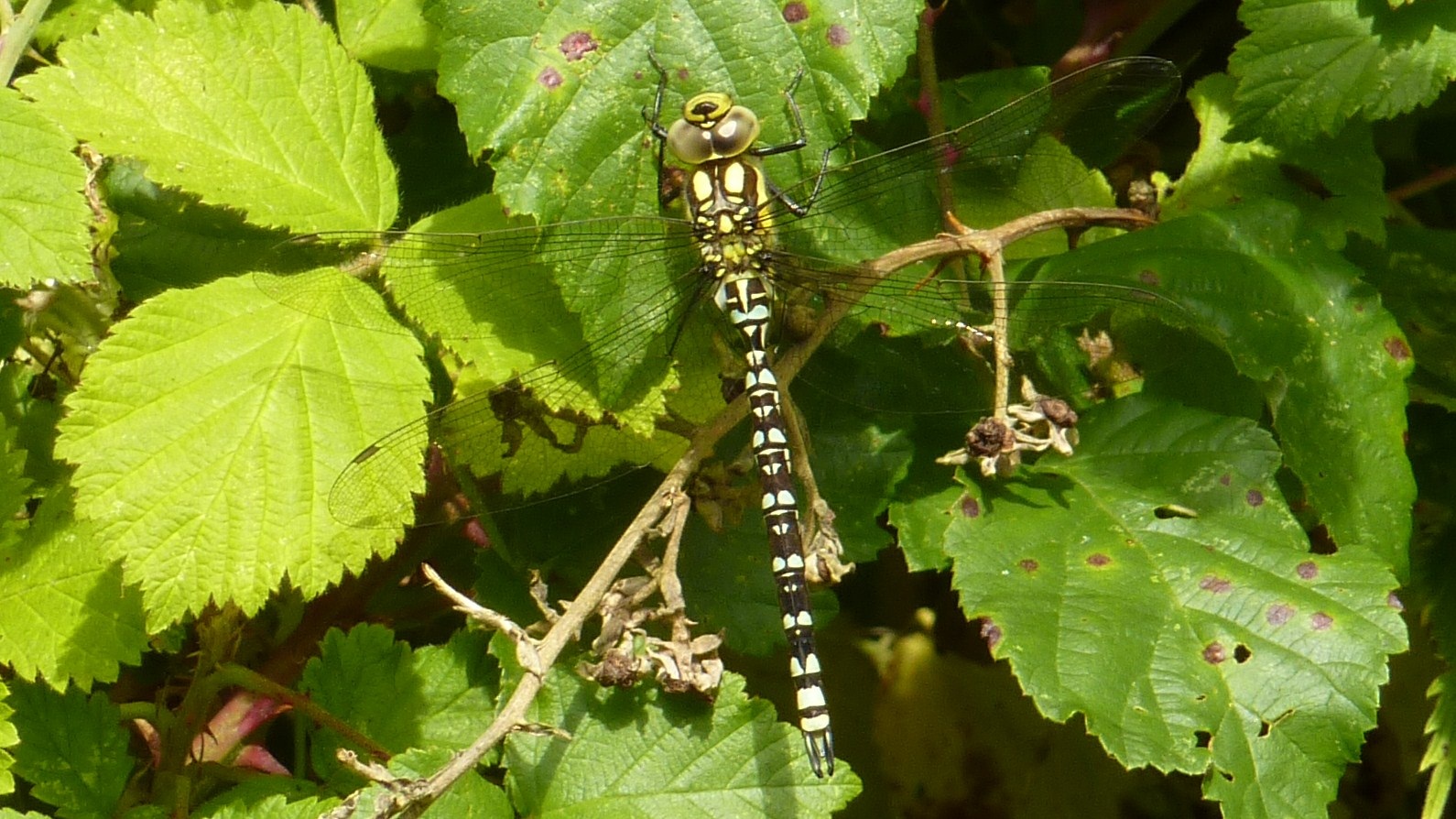
- A Southern Hawker (Aeshna cyanea)
-
- A Gold Ringed (Cordulegaster boltonii)

-
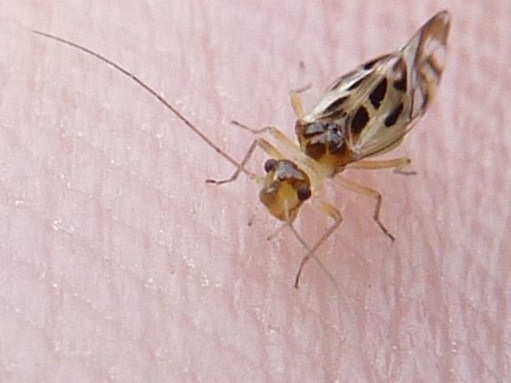
- I’ve no idea what this tiny wee fella is
-
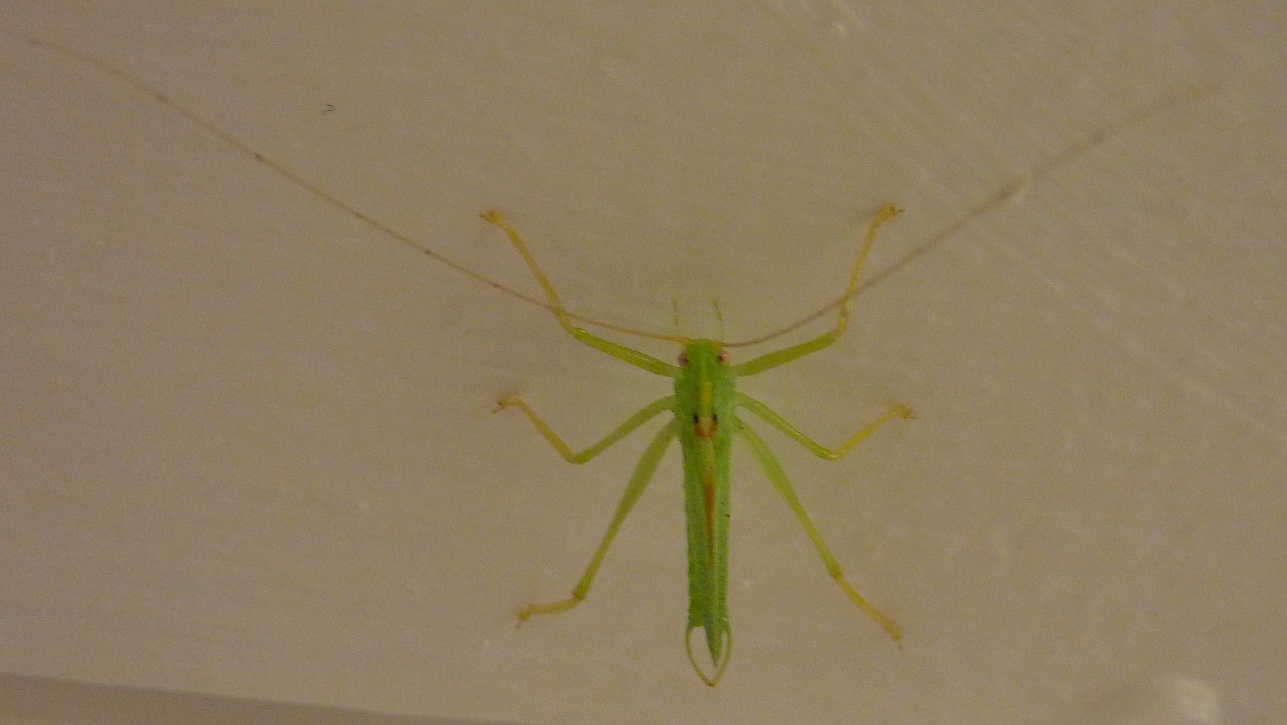
- This was hanging about in the gents
Arne – moths and butterflies
I also saw some butterflies that I can’t ever remember having seen before (the comma and common blue), and some quality caterpillars…
-
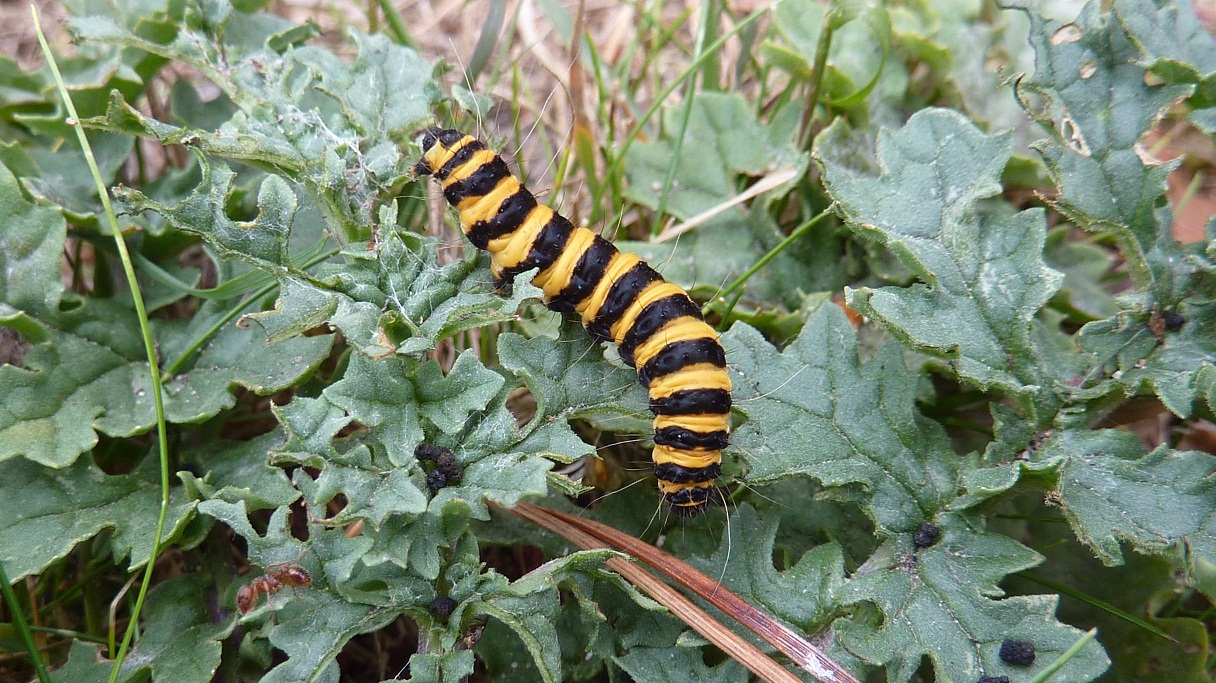
- An adolescent Cinnabar Moth
-
- There were so many Gatekeepers that I’ve posted this pic twice
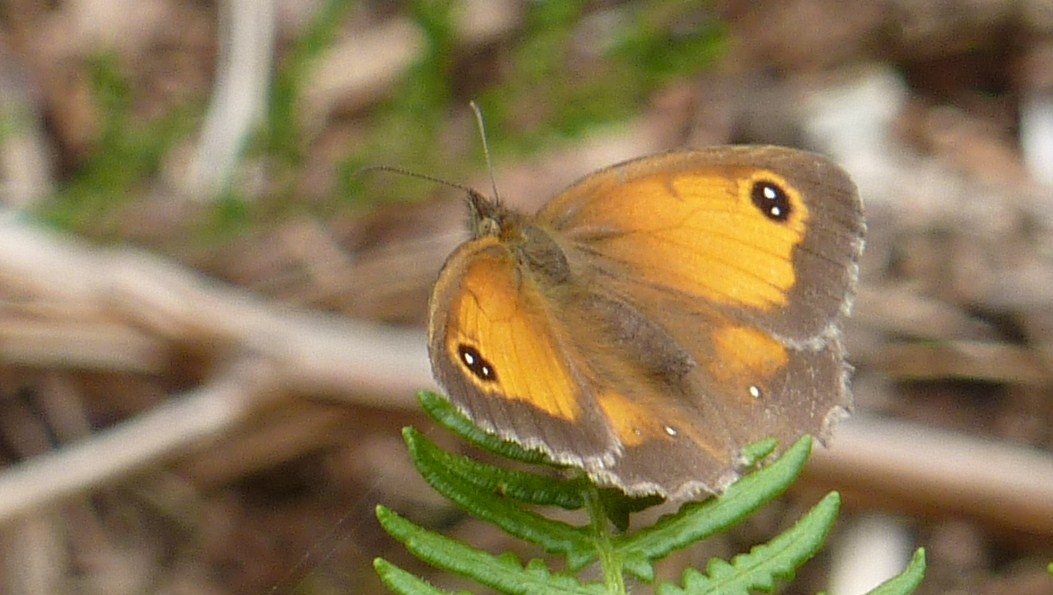
-
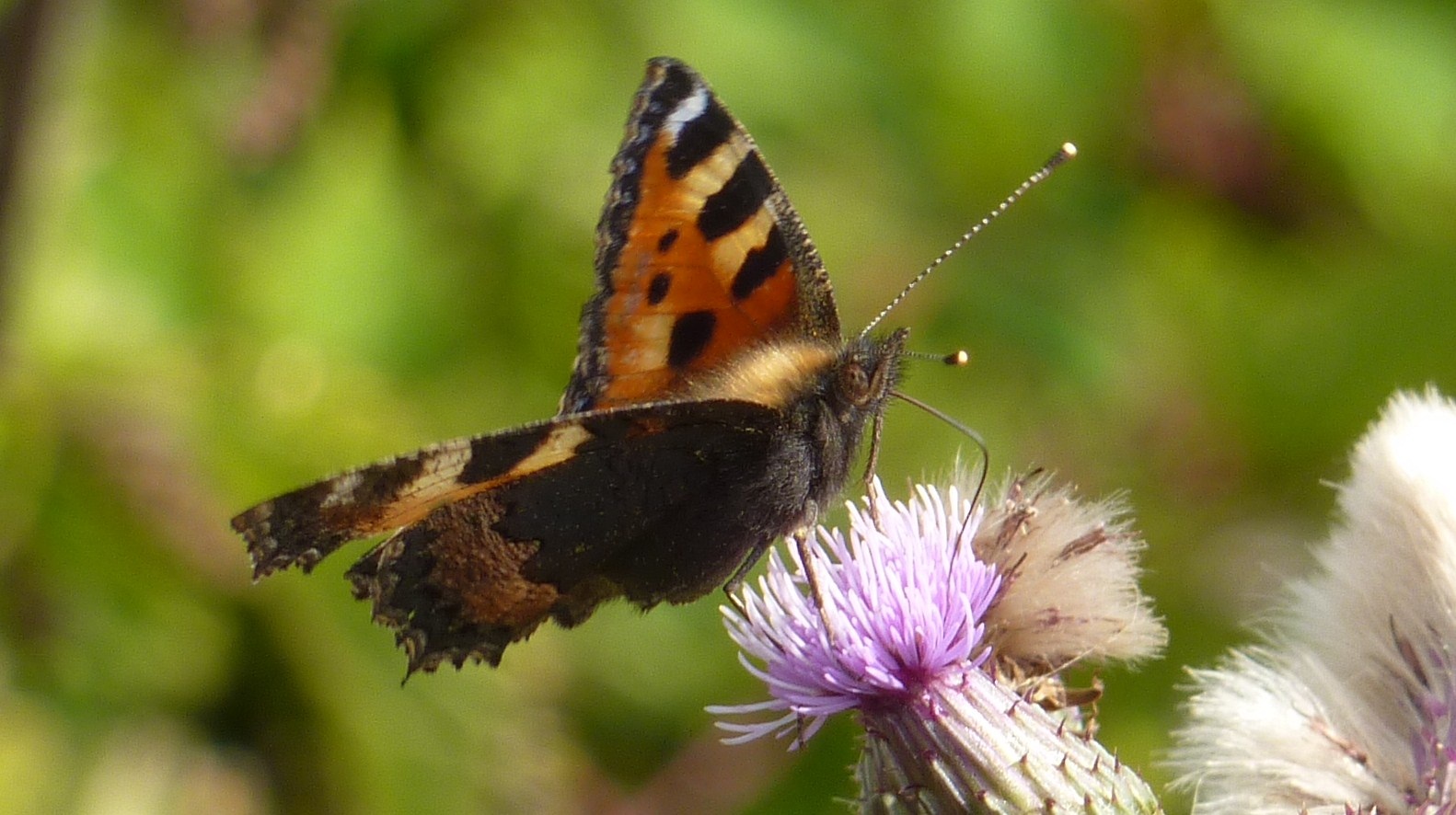
- Small Tortoiseshell
-
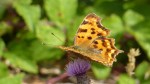
- My first (I think) Comma (Polygonia c-album)

-
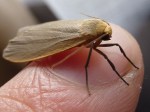
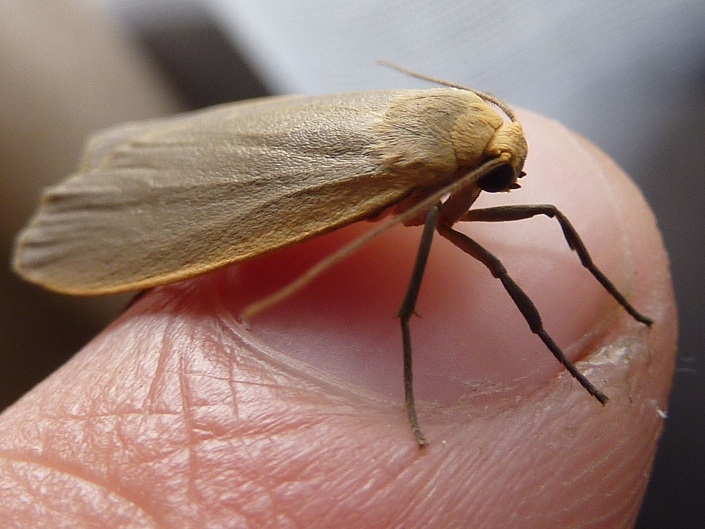
- This was hanging around in my bedroom in the chalet. I must admit I don’t know what it is.
-
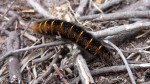
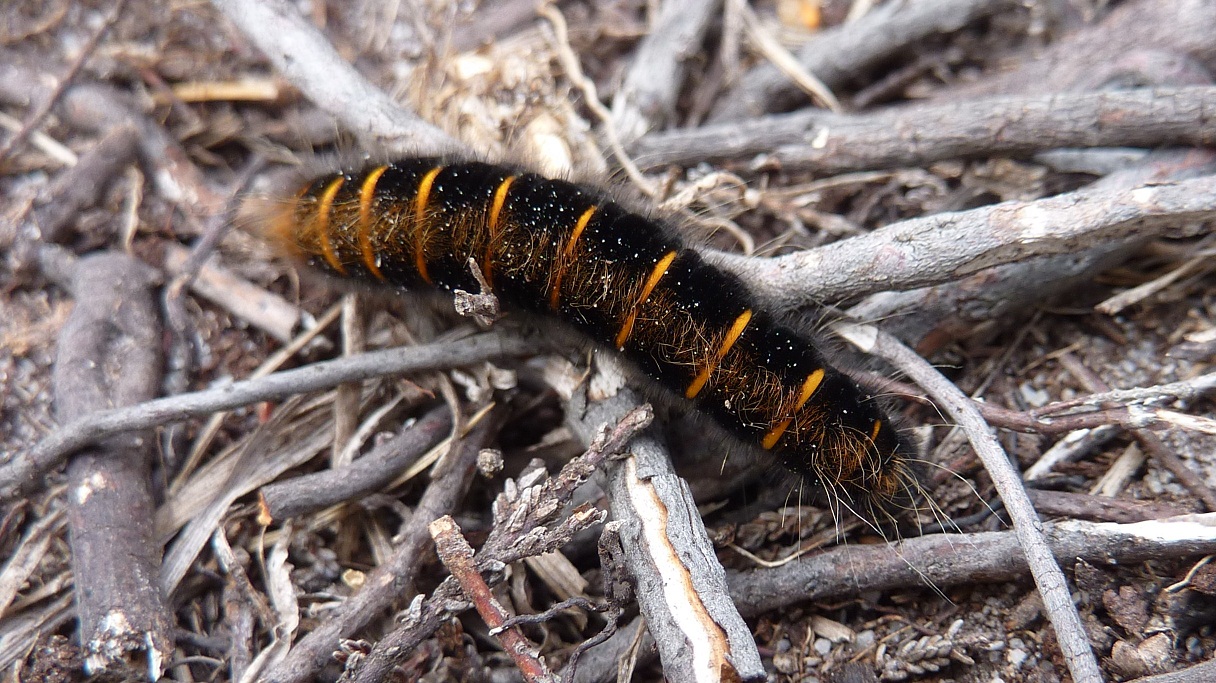
- A Fox Moth caterpillar.
-
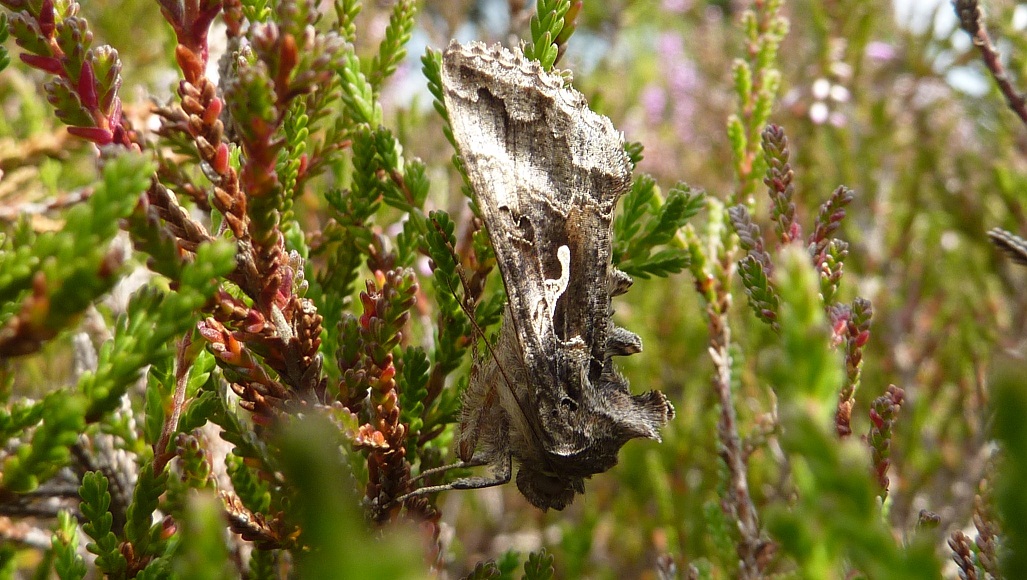
- The stunning Silver Y (Autographa gamma)
-
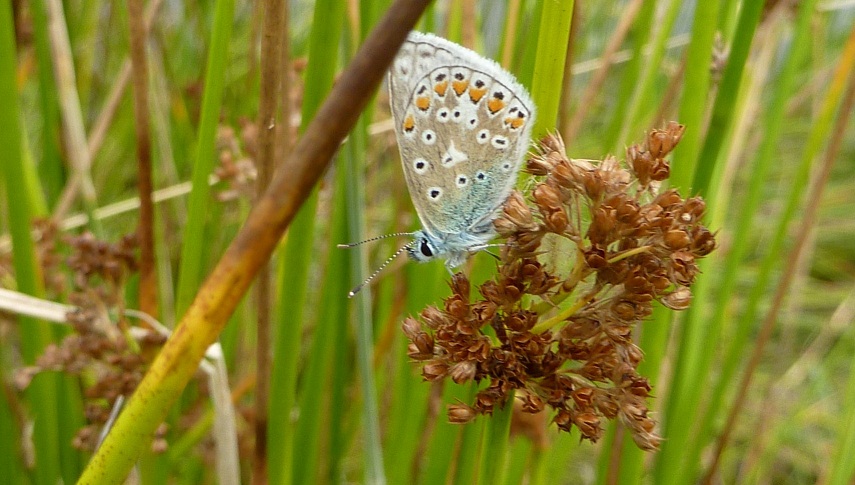
- This common blue (Polyommatus icarus) did not make it easy for me to get this shot
Arne – First week highlights
Here are some pictures from my first week at Arne. Thanks to Craig (Daters – the volunteer co-ordinator) I’ve been able to enjoy a wide variety tasks, including moving cattle, making up signs (with power tools, yeh!), fixing the electrics on a trailer board and cleaning hides and toilets. Nice.
-
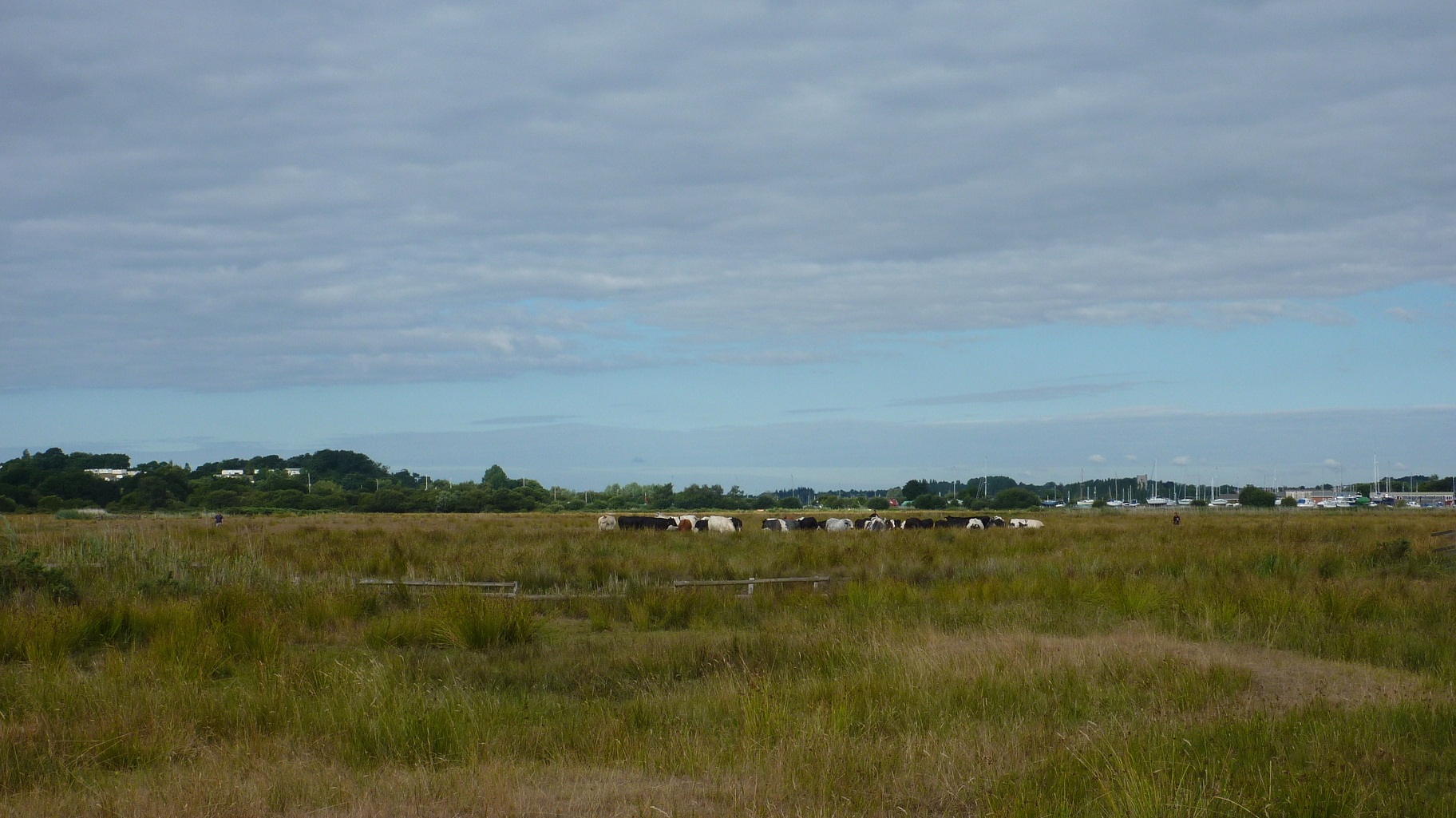
- First job of the week – myself, Craig and the two other vols, Dianne and Rhiannon, move some cows
-
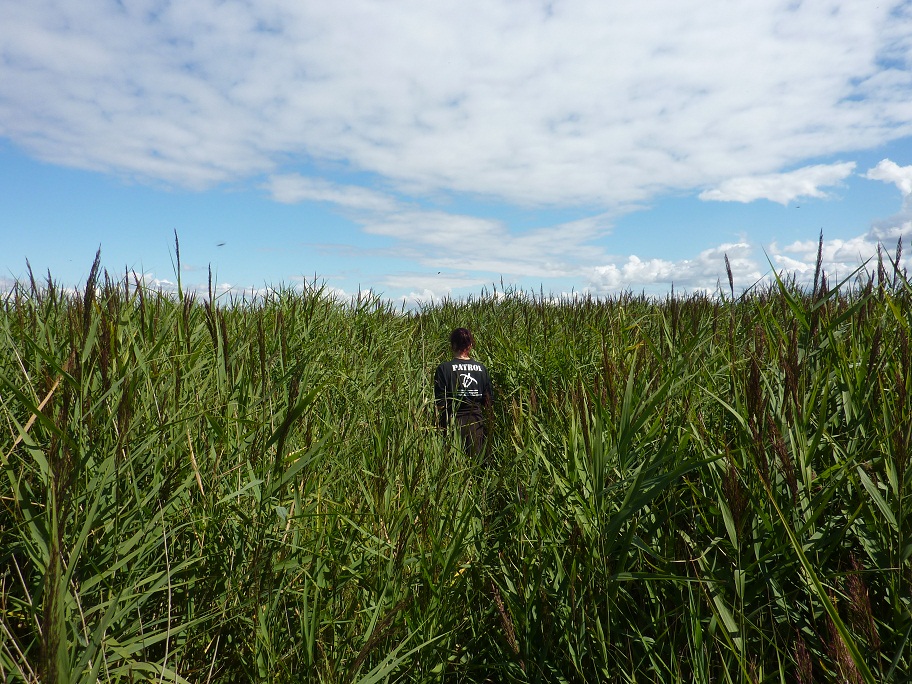
- Rhiannon leads me through the reeds as we search for gauge boards
-
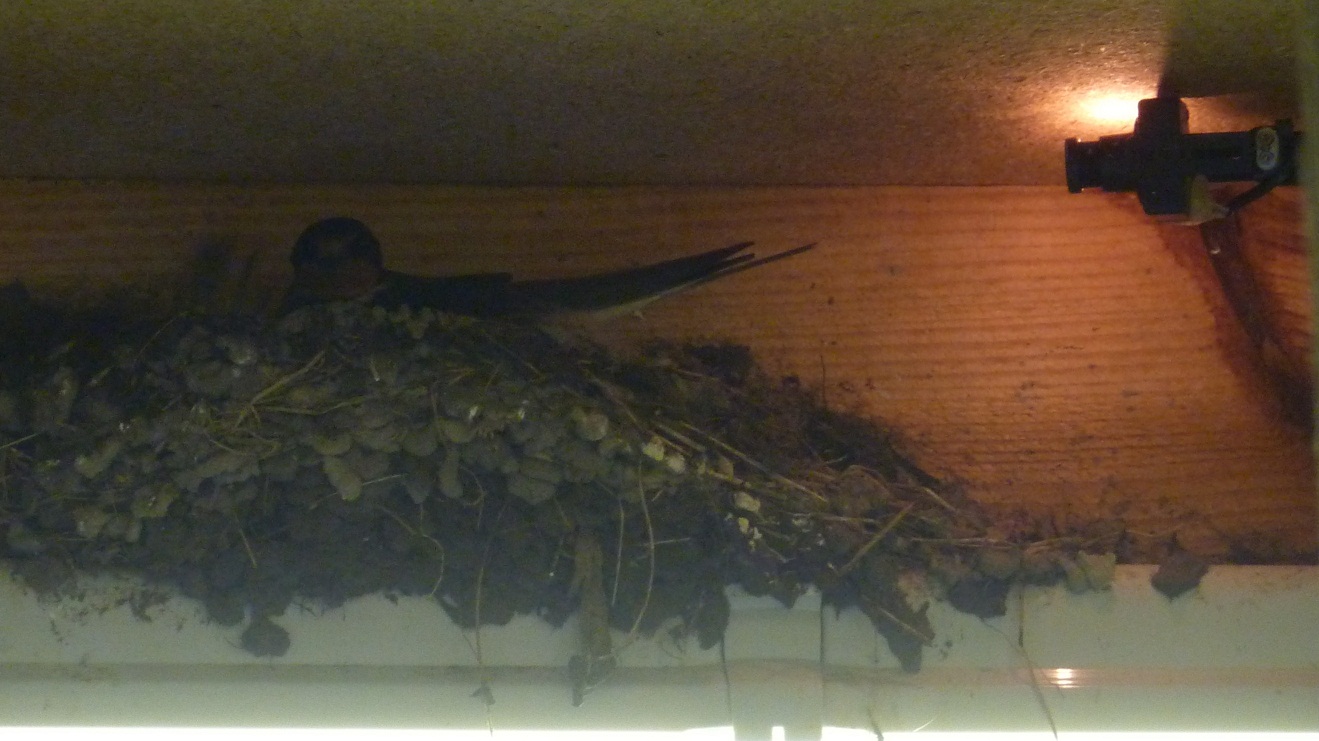
- Swallow cam
-
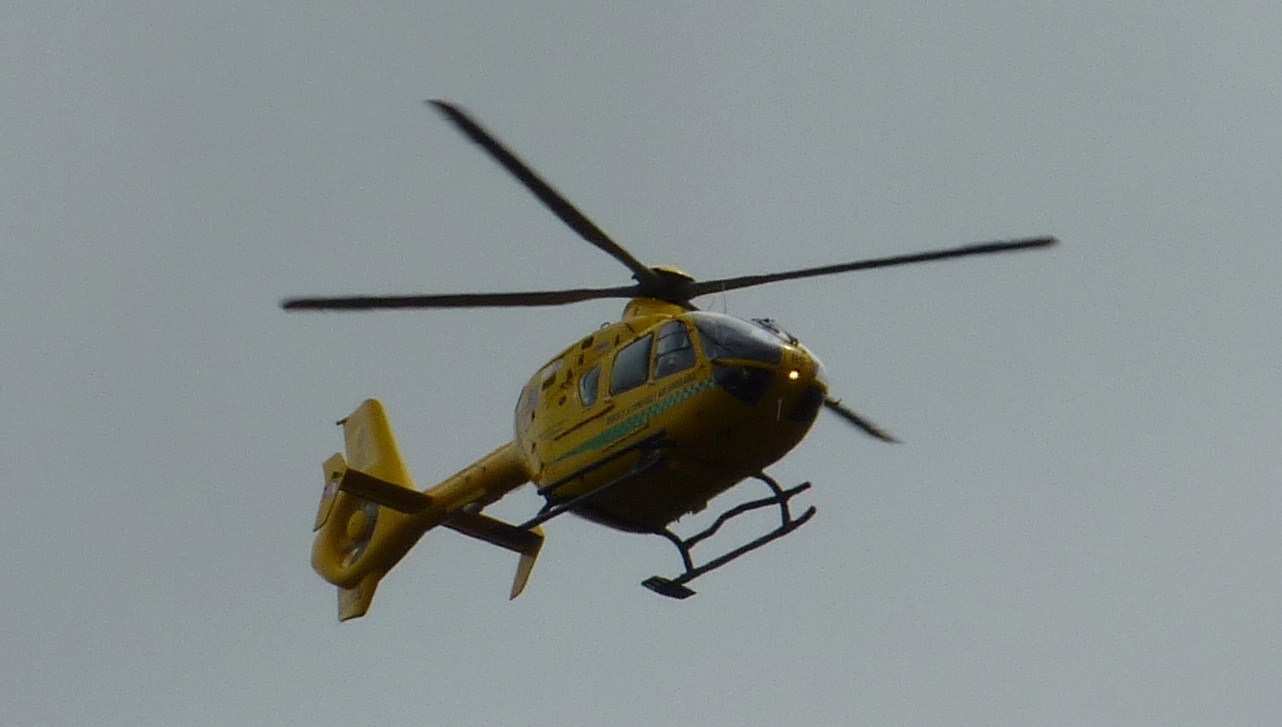
- The air ambulance looking for a place to pick up an ailing visitor
-
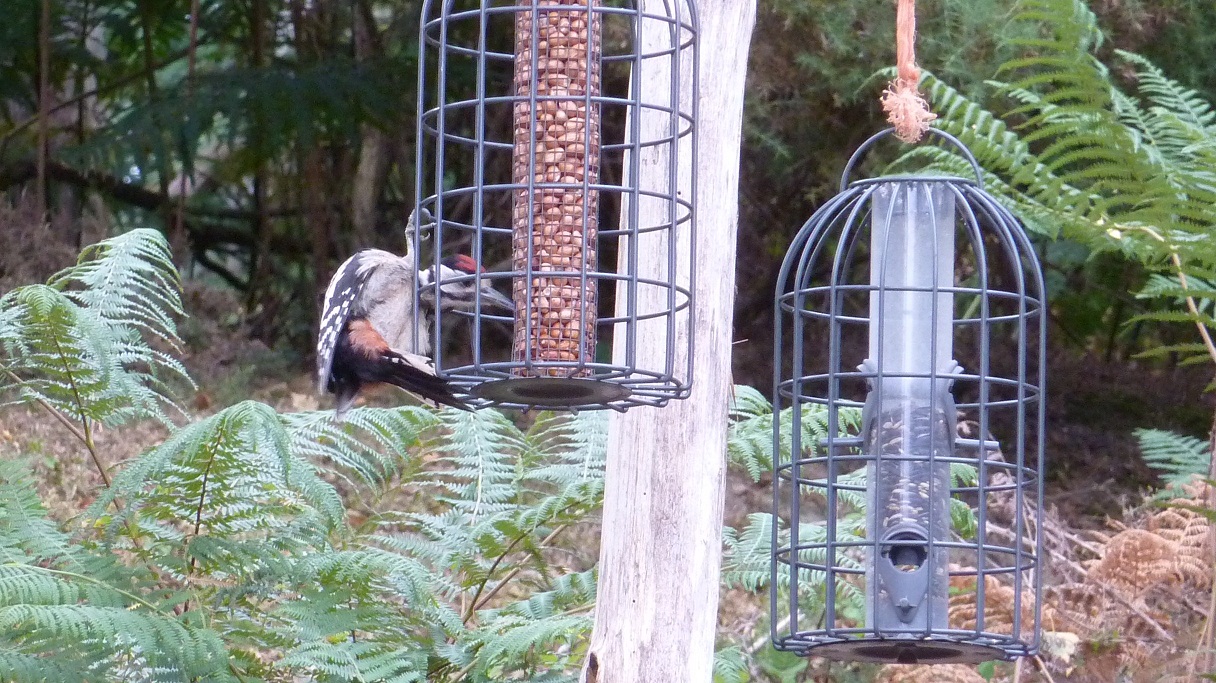
- A great spotted woodpecker
-
- Two adults (grandparents?) look after all the local baby Shelducks

-

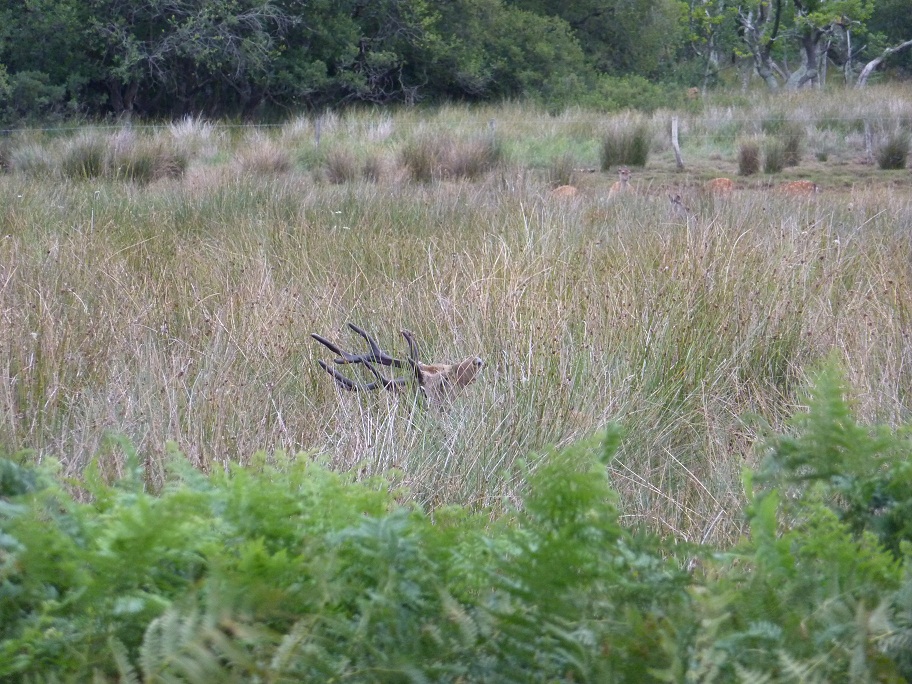
- I can’t be sure, but I don’t think this Sika stag had noticed me creeping through the undergrowth
-
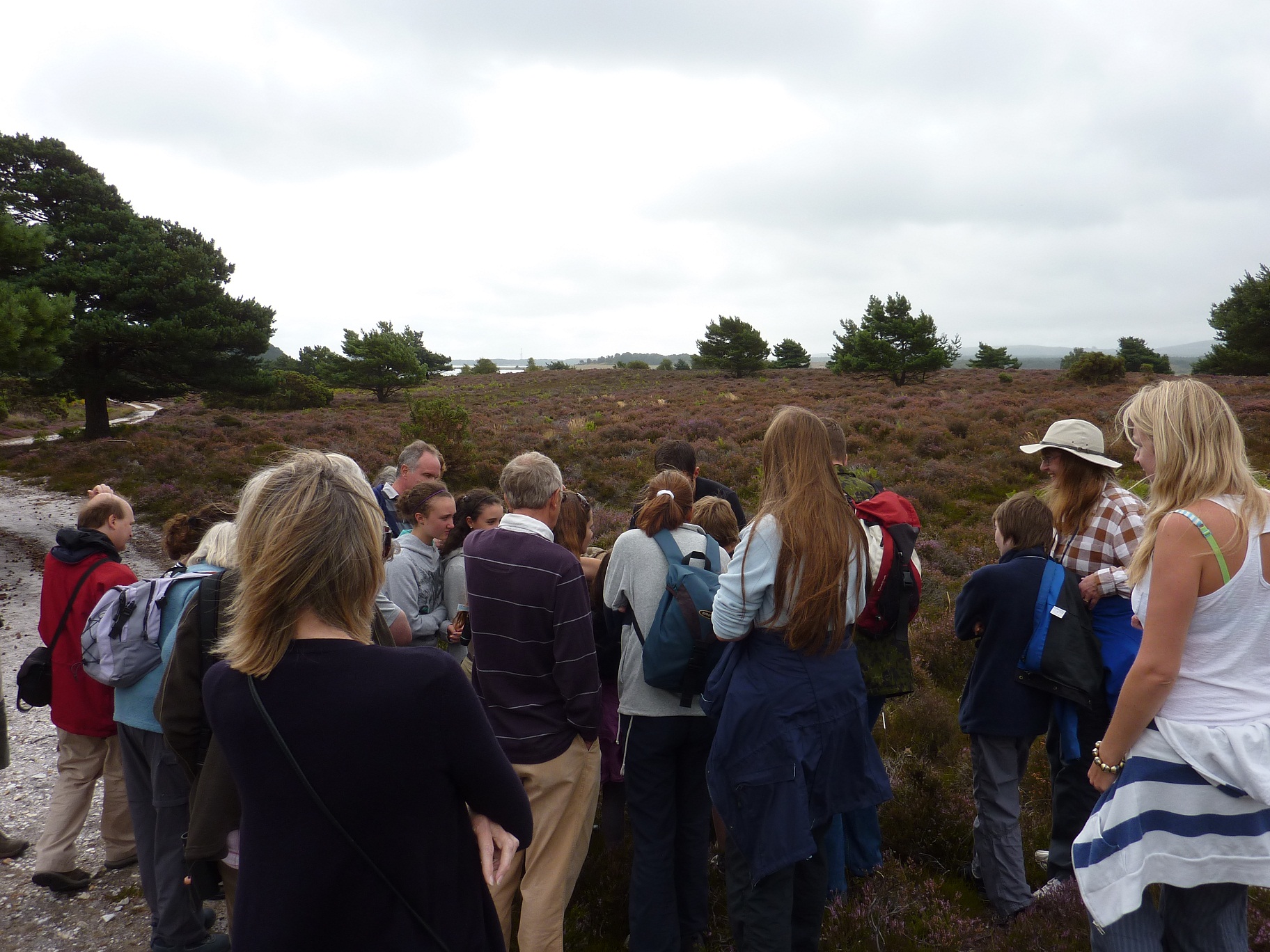
- Paul Morten leads the Wednesday heathland amble…
-
- …and finds a Smooth Snake
-
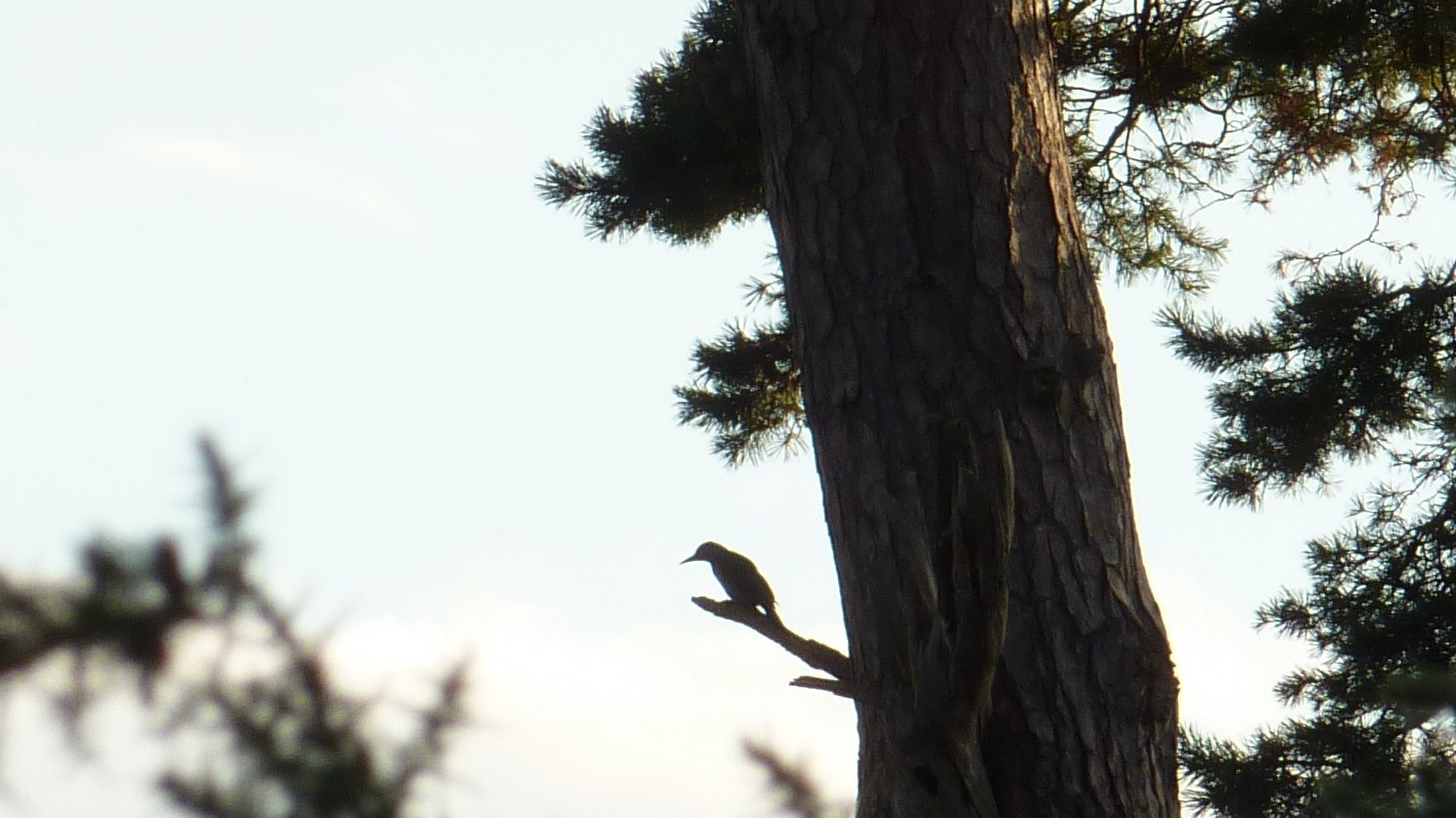
- Two Green Woodpeckers, the second is a bit difficult to spot…
-
- ..and their old nest?

-
- This is one of the coolest places on the reserve. The edges of this field are planted with Sunflower, Quinoa, and other seed baring flowers. As a result large numbers of small birds hang around in the field

RSPB Arne
Today marks the first day of my two weeks at the Arne RSPB reserve. The reserve is situated just across Poole harbour from Poole, and it seems a bit odd to be standing in an area where all around me I can see heather or trees, and yet I can still hear the rumble of traffic far in the distance. Anyway, here are some shots from my first day…
-

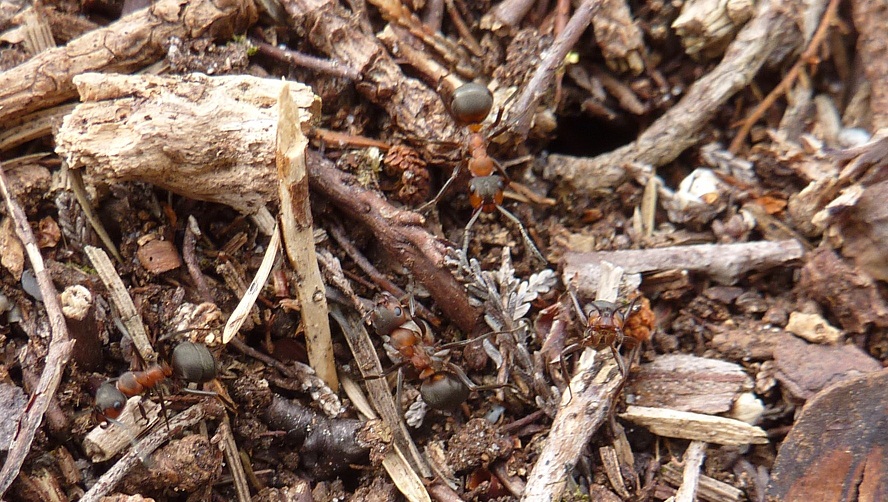
- One of the first things I notice is that there are lots of wood ants on the reserve, which is fantastic
-
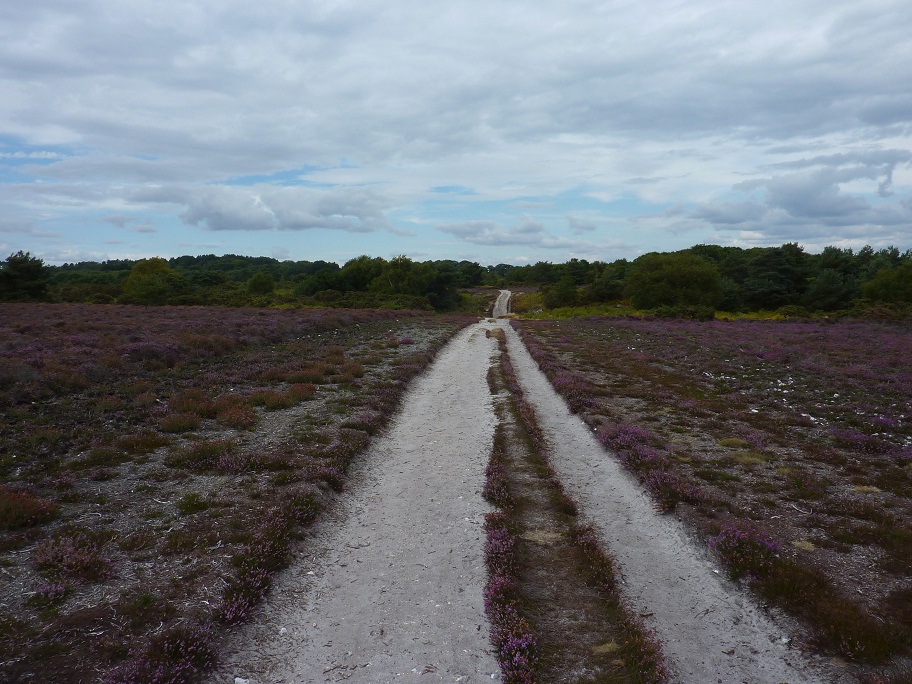
- Arne is a heathland habitat on a sandy bed
-
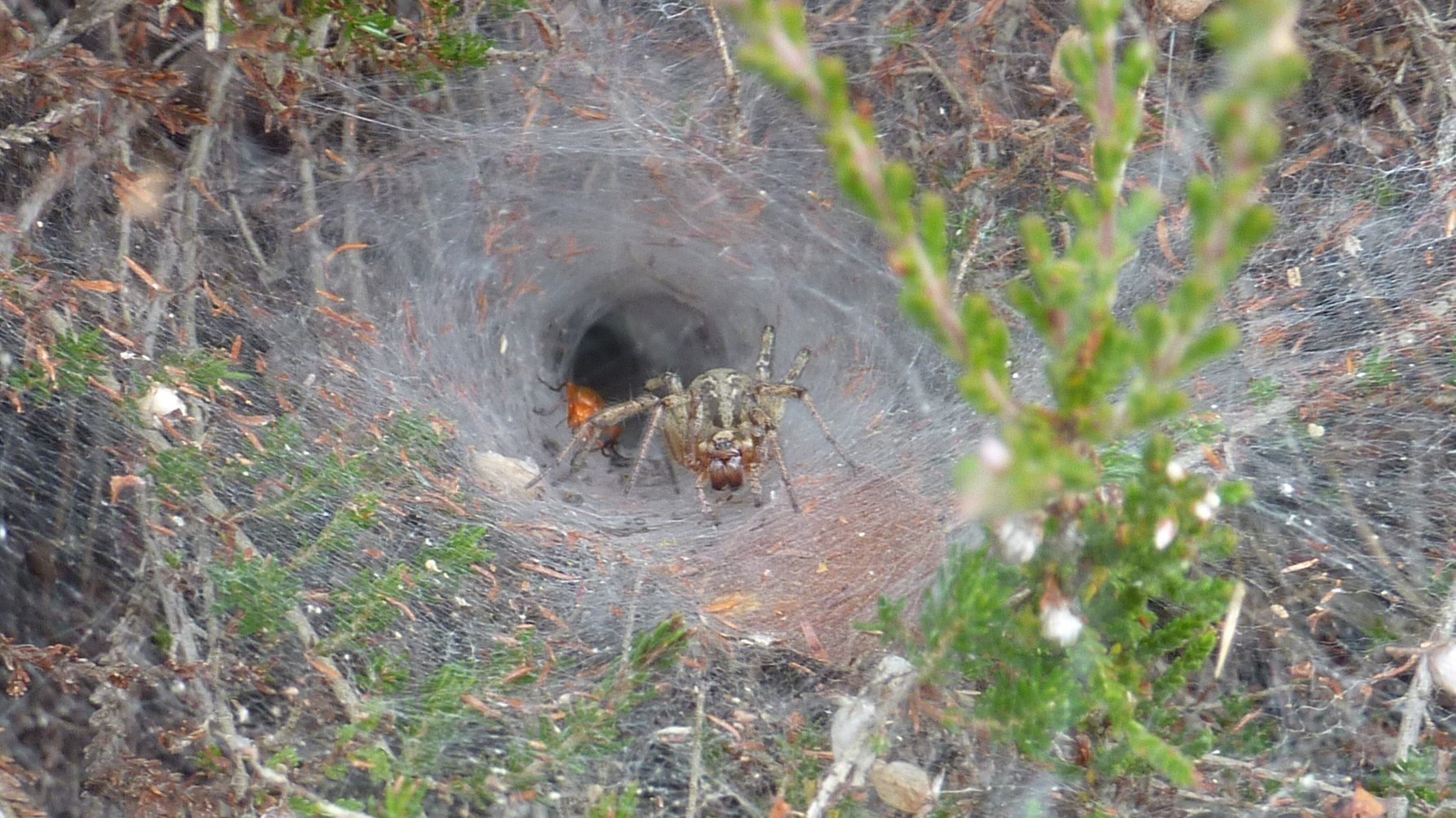
- These spiders are awesome, uk funnel webs, Agelena labyrinthica, I think
-
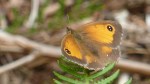
- There are plenty of Gatekeepers about

-
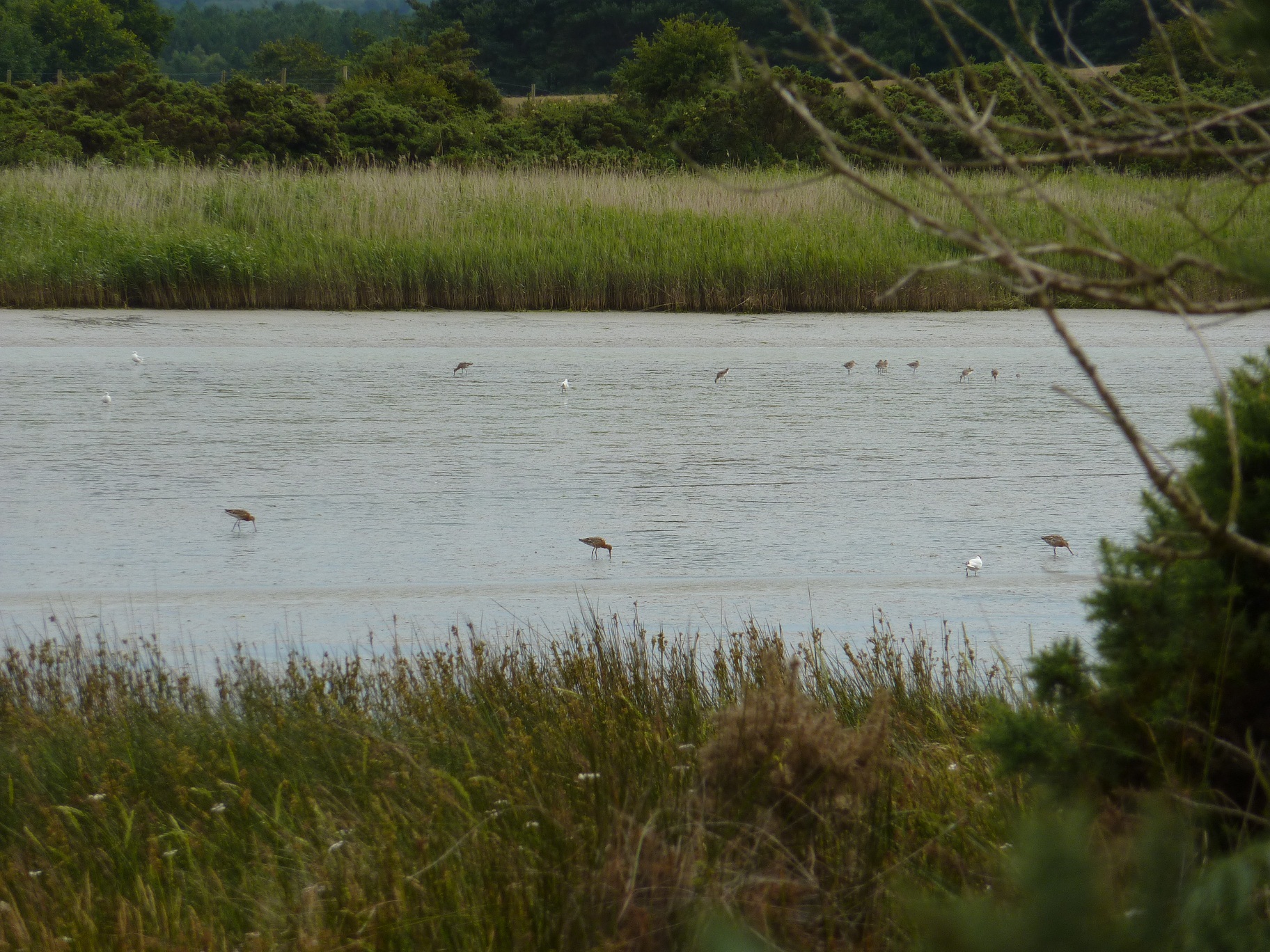
- and some Godwits (I think most of these are black tailed)
-

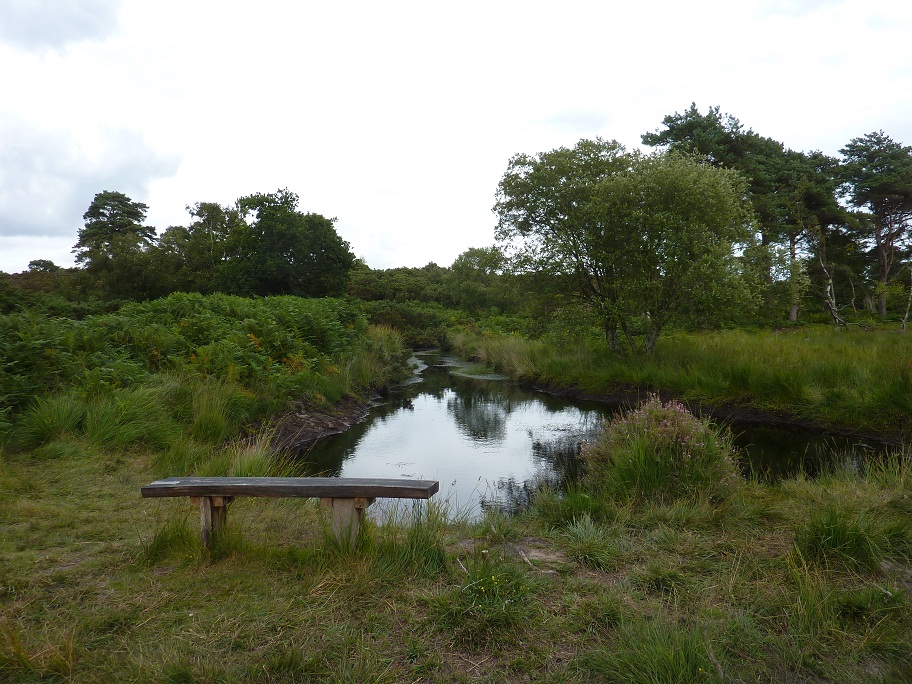
- And here is one of the places that the springwatch team looked for raft spiders. I can’t see any today.
Goodbye Kinnordy, hello (again) Dundreggan
So, it’s time to leave the Loch of Kinnordy reserve. Today, I packed my stuff into the van, bought some food in the local Co-op, and then called into the reserve for one last time (for now). While I was there, Jim, a regular visitor to the hides arrived with his grandson. Jack has a fantastic enthusiasm for nature for one so young. He has a camera and loves taking pictures of the Osprey, Lapwing and Shoveller. Today, though, when he pointed out from the hide and shouted “What’s that?”, it turned out to be a Marsh Harrier. Woaw!
I’ve never seen a Marsh Harrier before, but it looked amazing with a strikingly pale head, flying over the reeds, before swooping down, out of sight, probably to grab some prey. Unfortunately we didn’t see it again, but not long after an Osprey cam along and pulled a fish from the reserve within site of where we were sat in the Gullery.
As if this wasn’t enough for one day, I then called by the Loch of the Lowes on my way West, where I was lucky to see a number of Great Crested Grebe performing to each other on the water.
I’m now staying at Dundreggan for a week to plant some trees, in a new area for planting on the estate, with Calum. Hopefully I’ll get time to update with another entry before the end of the week. I have no broadband reception here, so am having to pop round to the office to pick up email.
Anyway, here are some pictures from the last few days…
-
- Earlier in the week I was given a guided tour of the Tay estuary reed beds by Graham, who manages the reed cutting.
-
- Looking east across the reserve.
-
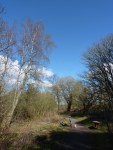
- My RSPB transport, and the bench next to the bird feeders on the reserve, prior to me re-staining it.
-
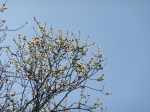
- Some Willow flower.
-
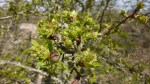
- Spring is so close to bursting out, but I have to leave before I get it to see it happen…
-
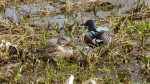
- My new favourite photo – a pair of Shoveller duck.
-
- The Swallows are back…
-

- …and performing acrobatics in front of the Gullery.
The Cranes are still here, and are big news
So, the Cranes have taken flight a few times in the last few days, but, when I was down at the hides earlier, they were still around. They seem to alternate between the nearby ploughed fields and spending time in amongst the reeds of the ‘Swamp’ part of the reserve.
They have attracted quite a bit of attention, perhaps too much. It would be great if they stayed here to breed. I’m not sure how likely that would be under normal circumstances, but I’m sure the attention they are receiving will move them on eventually, as they seem easily spooked. There has already been at least one incident (that myself and others watched from the hides) of them leaving the reserve because of two people, clearly looking for them, wading through the reeds nearby
But I can’t blame people for wanting to get a look at them, they are incredible looking birds, possible Britain’s biggest, although I wait to be corrected on that. I have, over the last few days, been lucky enough to spend plenty of time watching them. And this morning I managed to work out how to marry my camera to the RSPB scope, to get some half decent shots of them.
Work over the last couple of days has been great. Myself and Tom spent time wading about, up to our thighs in mud, with dry suits on, clearing out the drainage burn from the loch. The rest of the time was shared between surveying waders and manning the hide. Today was a day off, but I popped down the hides anyway to pop into see Darell, a local volunteer, and catch up with the latest Crane news.
The Cranes on the BBC, note Darell’s photo.
-
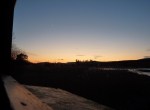
- A couple of nights ago I was down at the hides at dusk setting up the moth trap
-

- A male Gadwell in front of the Gullery yesterday
-
- Ha, I thought I was going to have a lucky day, after the Gadwell a Little Grebe swam in front of the hide…
-
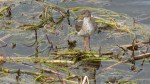
- But then, along came this Redshank. Fantastic. My new favourite photo.
-
- The cranes flying back onto the reserve shortly after they’d been spooked
-
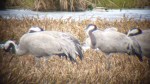
- Using my home made digiscope.
Cranes and surveys at Dawn
The last couple of days have been dominated by early morning breeding bird surveys. Although I’ve been getting up for 6 to 6.15 starts (not my forte), I’ve been rising with some enthusiasm, as the surveys have provided me with a great opportunity to improve my bird call identification skills.
The birds seem to have a greater enthusiasm for calling at the break of day. To my unknowing ear they appear to exude joy that another day is upon them. It’s a privilege to be able to hear the songs, of such a great variety of birds, at this time of day.
This morning myself and Hannah made a quick detour via the ploughed fields to the North of the reserve to catch up with some Cranes (Common/European) that had been seen the evening before. Luckily enough these rare visitors (from Europe?) were still there feeding and looking fantastically regal in the early morning mist.
-

- These trays are the same size, tray one shows Otter prints, tray two, seemingly Mink. Unfortunately for the Mink, they aren’t welcome in this country, so they must be trapped.
-
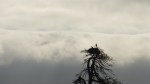
- This might be my favourite photo of all time. The Ospreys discuss their plan for the day as the sun rises.
-
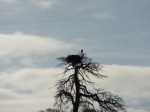
- Two similar photos in one post is a luxury, especially given my appalling internet connection, but I like this one too
-
- The Cranes
-

- Looking East over the reserve this morning
-

- Or maybe this is my favourite of all my photos. This Lapwing was flying and peewiting its little heart out to please the prospective Mrs Lapwing
-

- A pair of Gadwall, the male is in the foreground.
Osprey photo medley
I’m not really sure why Loch Garton gets the big Osprey press, as opposed to anywhere else that has Ospreys, I suppose the reasons are historical, and it’s now just tradition. I am fairly sure that I wouldn’t see any more Ospreys there than I’m seeing here, or any more often. Every time I’ve been down to the reserve I’ve seen at least one Osprey, and today there were at least three hanging around.
In the morning I saw two fishing in front of the Gullery, one making a catch within metres of the hide. And for most of the rest of the day at least one of these superb looking birds was sat either on the large spruce, or on the favoured Osprey pole, on the other side of the reserve from the hides.
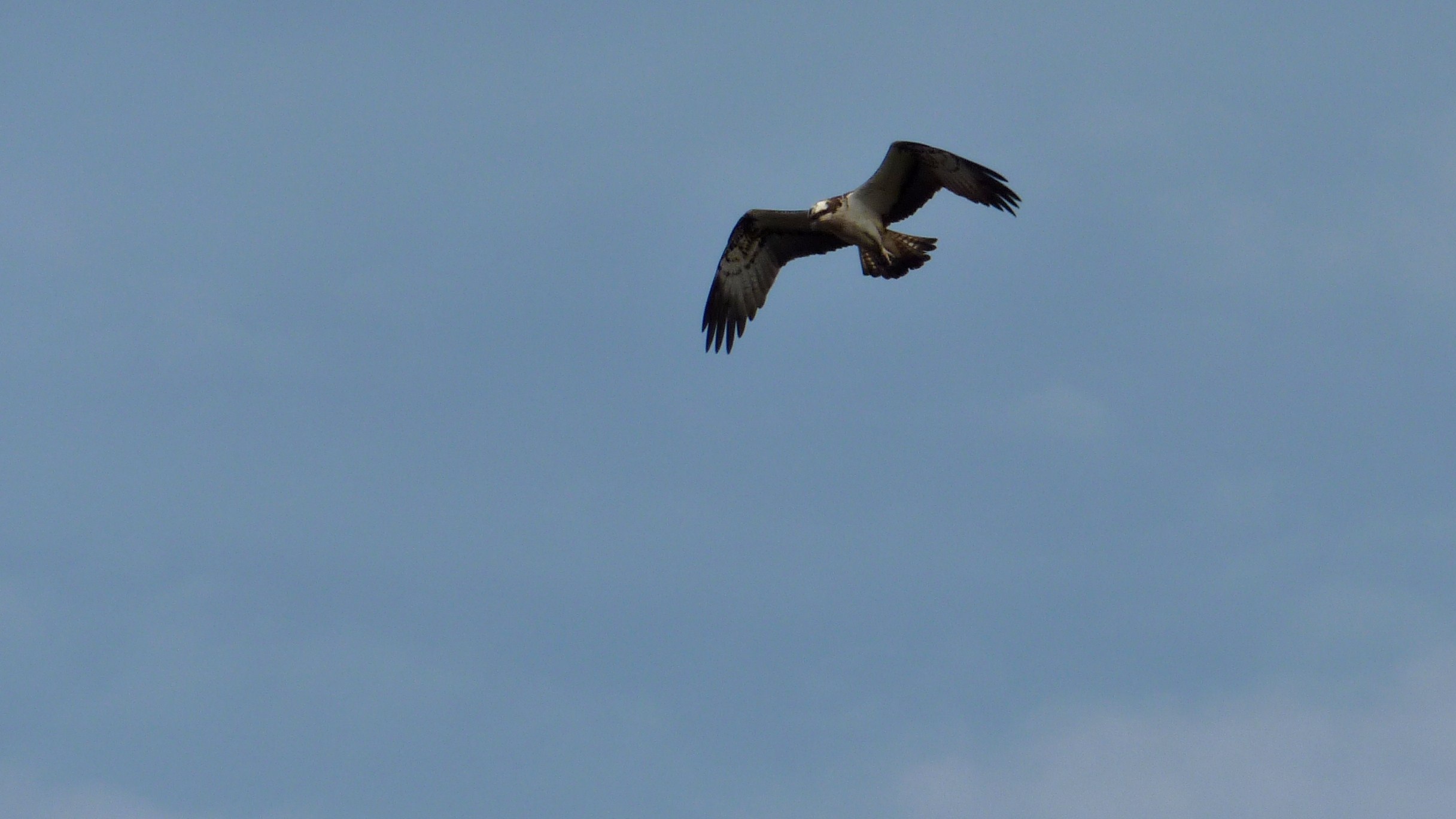
Thanks to the wonders of modern technology I’ve managed to highlight an Osprey that Mum pointed out to me in the earlier post’s Redshank picture. I’ve also put together some other Osprey pictures taken today…
-
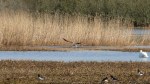
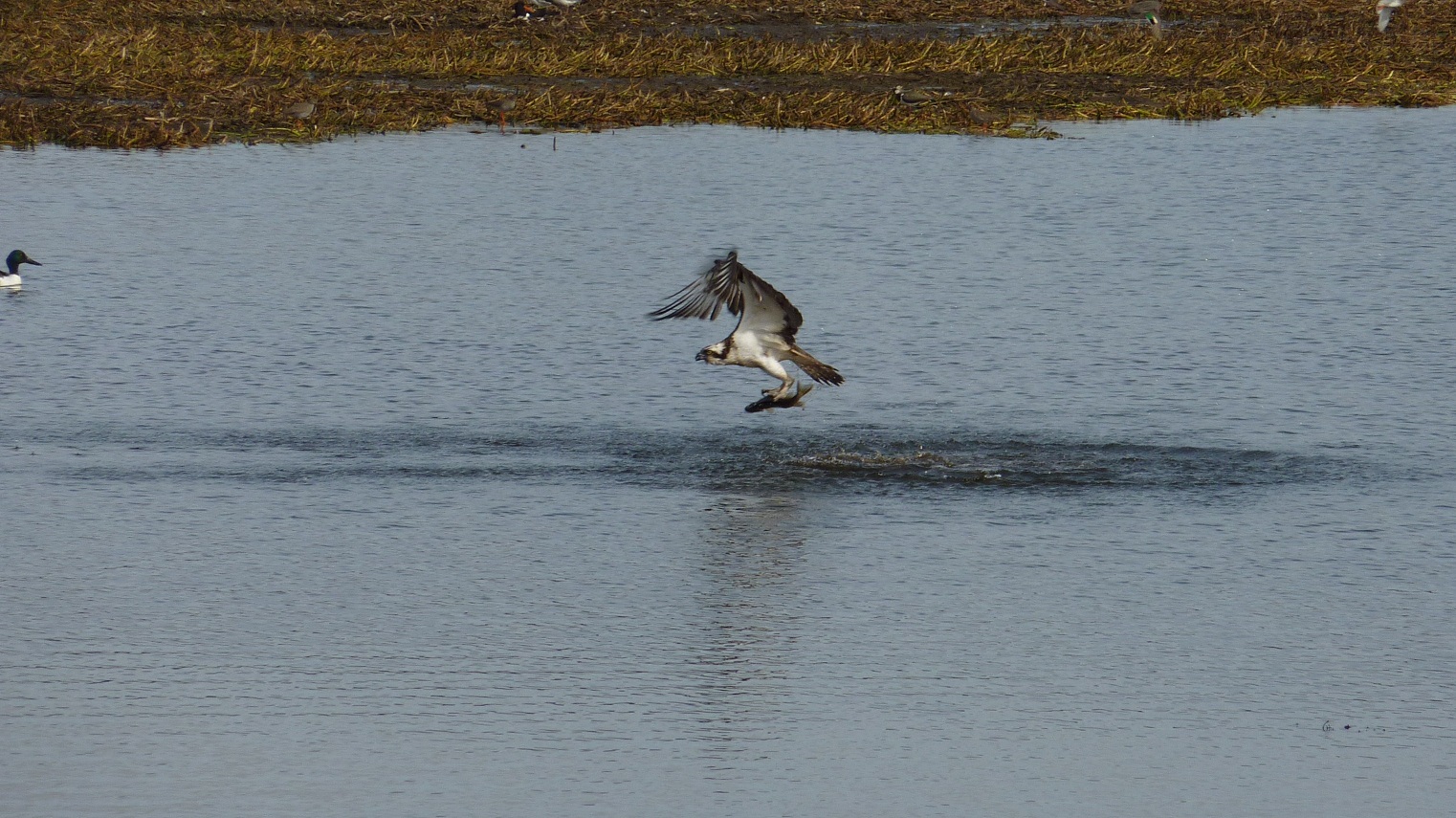
- A great start to the day – I see this fish being pulled from the loch in front of the reed beds opposite the gullery hide
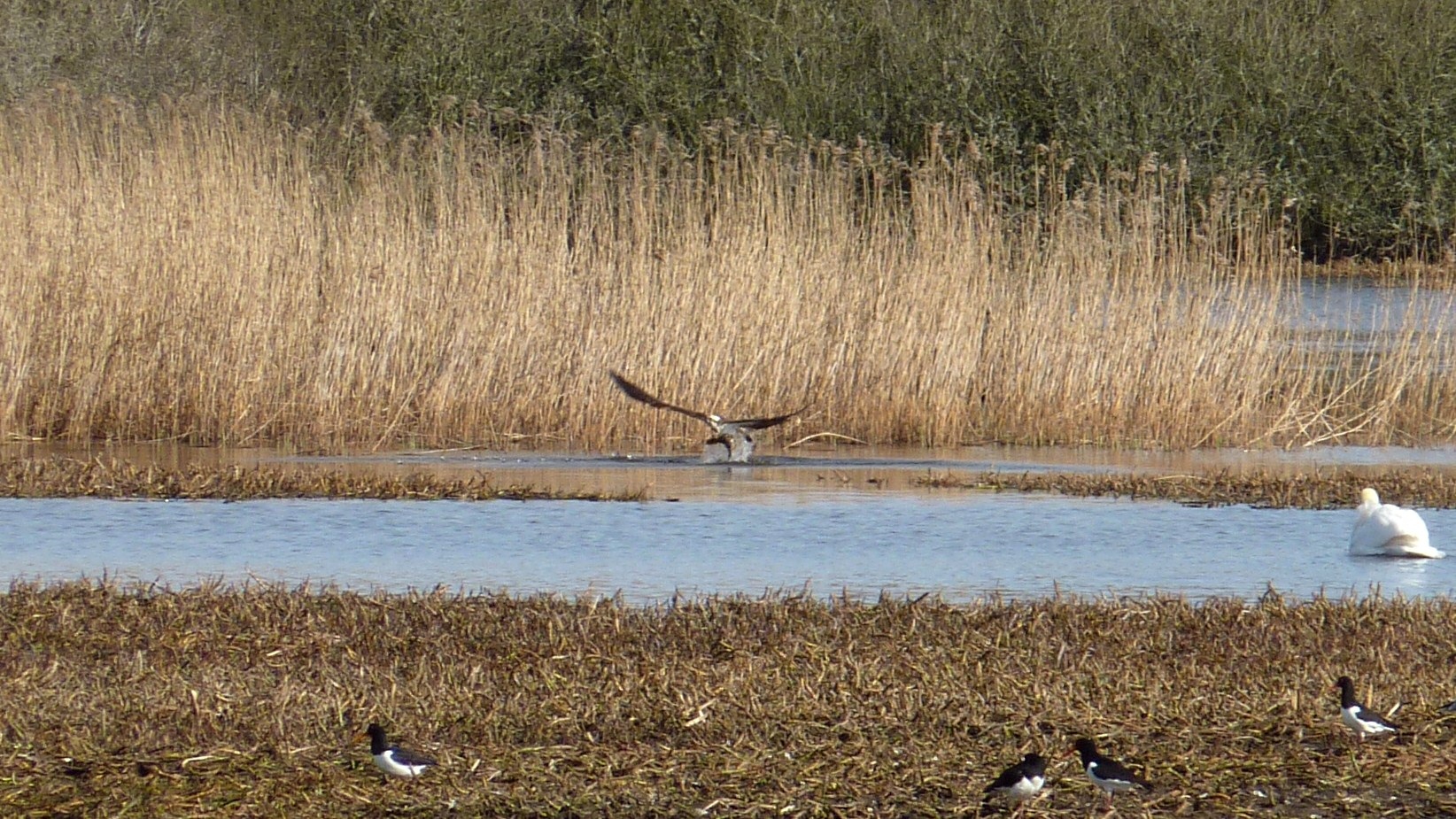
-
- The catch is taken away, probably to offer to some Osprey totty
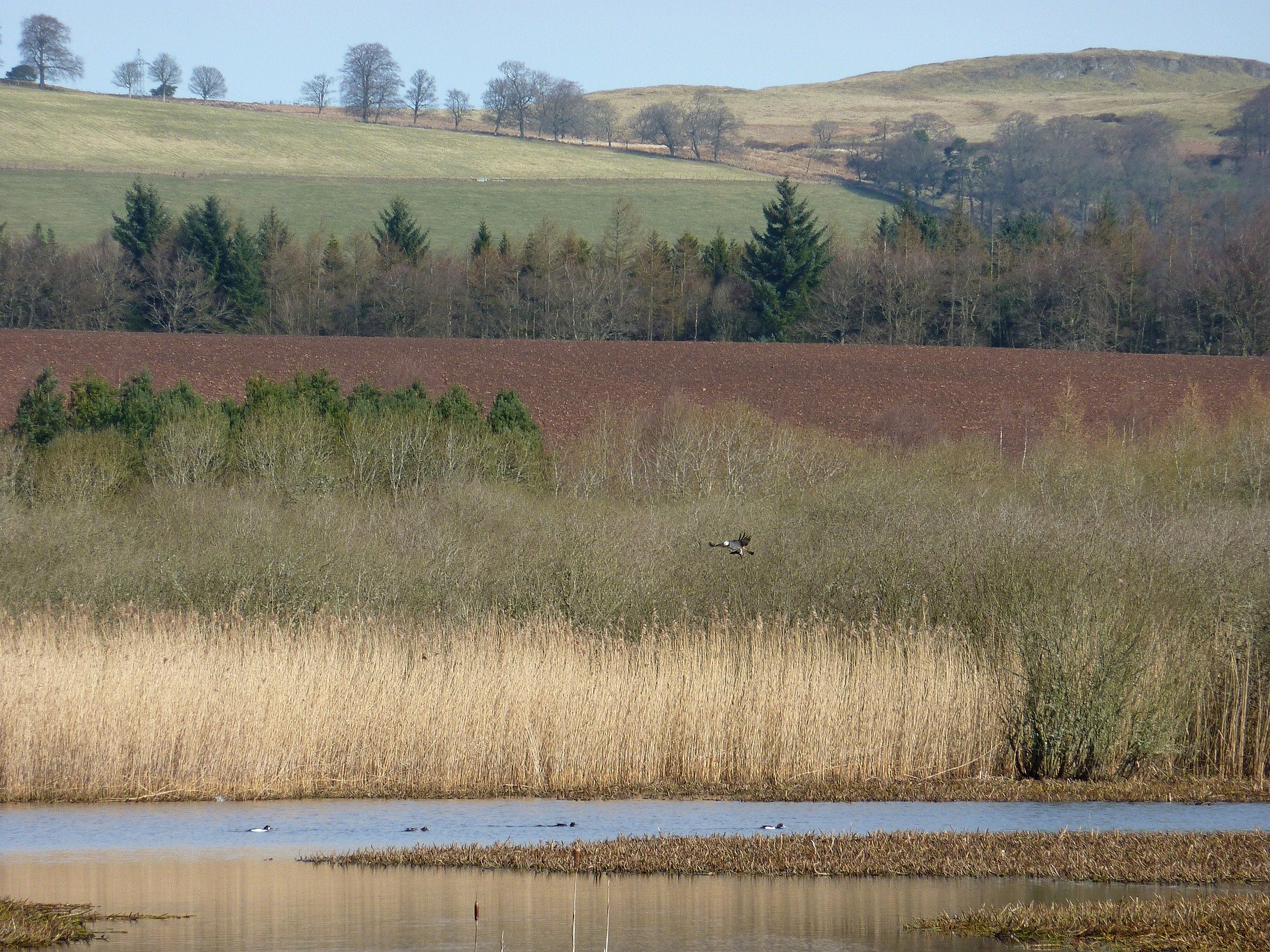
-
- Then, a while later a second bird flies near the hide…
-
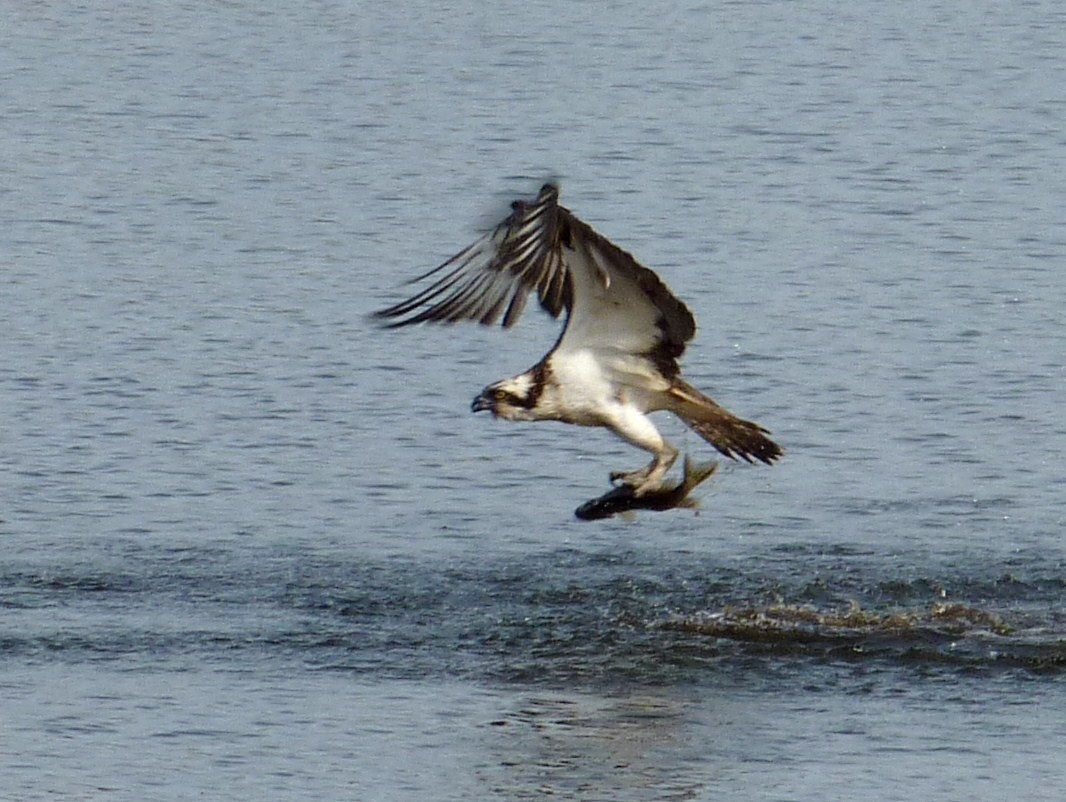
- Ok, so this is the same photo from the earlier entry today, cropped a little. Osprey 2 makes a catch just metres from the front of the hide. Fantastic stuff!
Sun, hide and frisky.
Just the one day in the hide this weekend as I have tomorrow off. But, what a day. It was great to see some of the faces from last weekend again, and meet some new faces. New to me anyway. Some of the visitors I’ve met have been coming to the reserve for a long time, and have great stories to tell. Such as… apparently the reserve used to have Black Necked Grebes nesting on it, and there was a time when there were so many Black Headed Gulls nesting on the loch that it was not possible to hear yourself speak when in the Gullery (hide).
The Sun came out and life on the reserve is getting a bit frisky – there’s a definite feeling of spring in the air. Mallards chase down each others’ girlfriends, male Shovellers swim tight circles to impress potential mates and, best of all, the Lapwings perform amazing aerobics whilst making the most mellifluous fluty noises in an attempt to hold onto to territory, and, of course, get jiggy with the local totty.
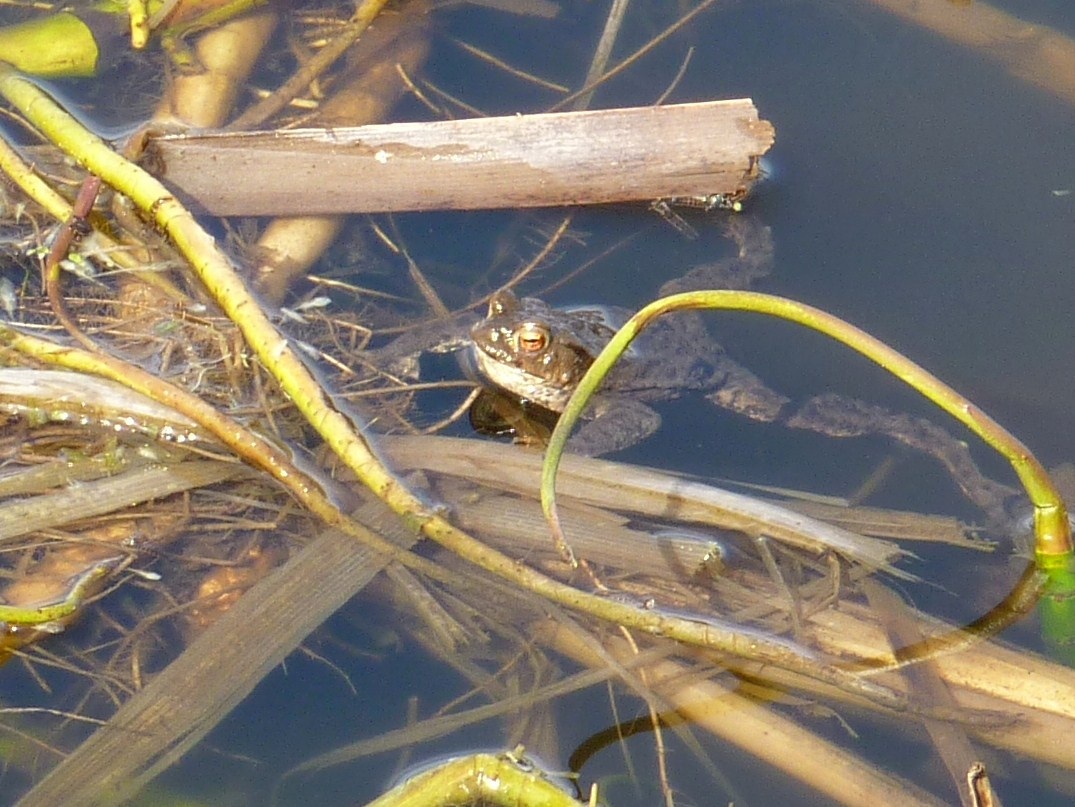
And, on top of all that, there were Ospreys. Anyway, more more about them shortly. Just to finish the day off nicely, after spotting a Toad swim up underneath the Gullery, and following the advice of Steve, a regular visitor, I decided to call by the Lily pond on my way back to the flat. At the pond there were hundreds of toads splashing and swimming about. Not all of them were in full voice, but there was a decent amount of croaking. The pair of Swans sleeping out in the middle had obviously seen it all before. I stood with the lowering sun warm on my face, listening to the action for a few minutes, before strolling back to the flat.
-

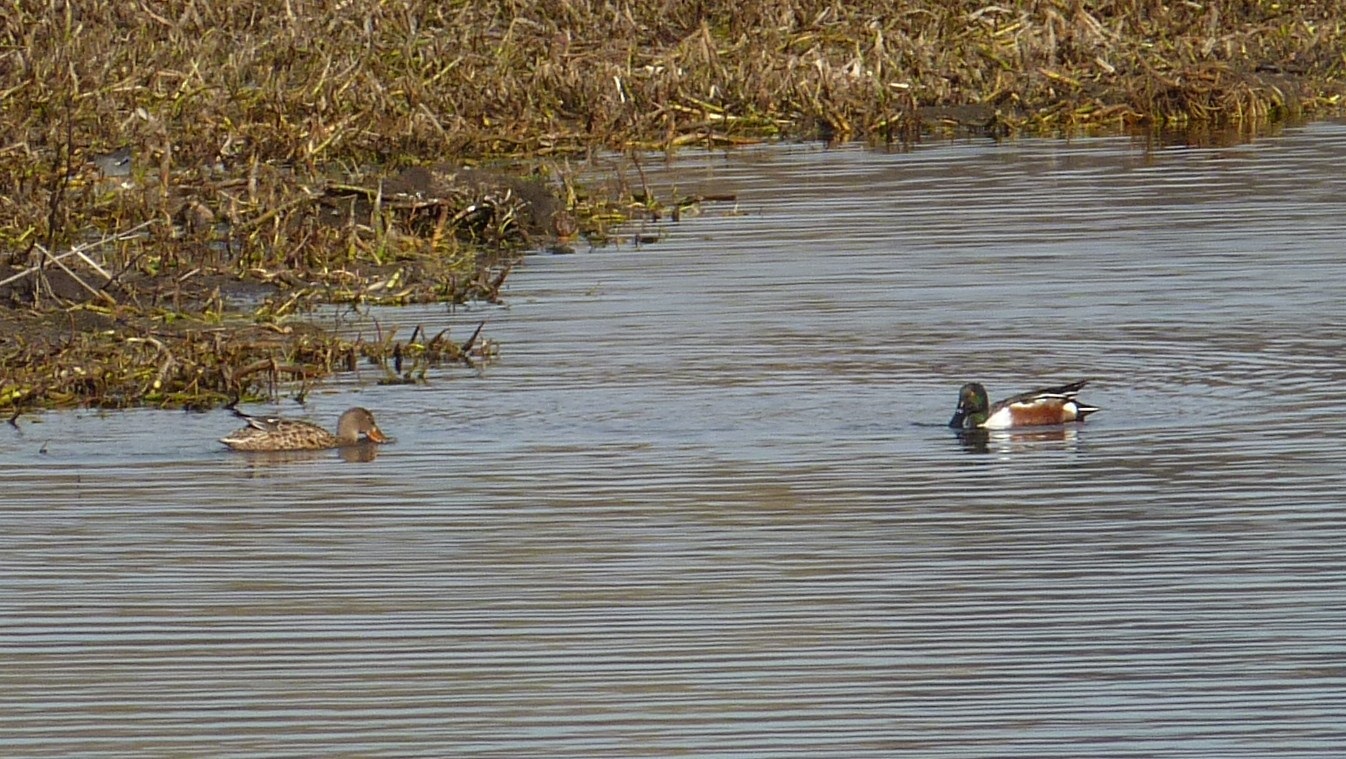
- It was hard to get a decent shot of this pair of Shoveller, as they spent most of the time with their heads under the water
-
- If you look very carefully you can see at least one pair of Redshank on the far bank
-
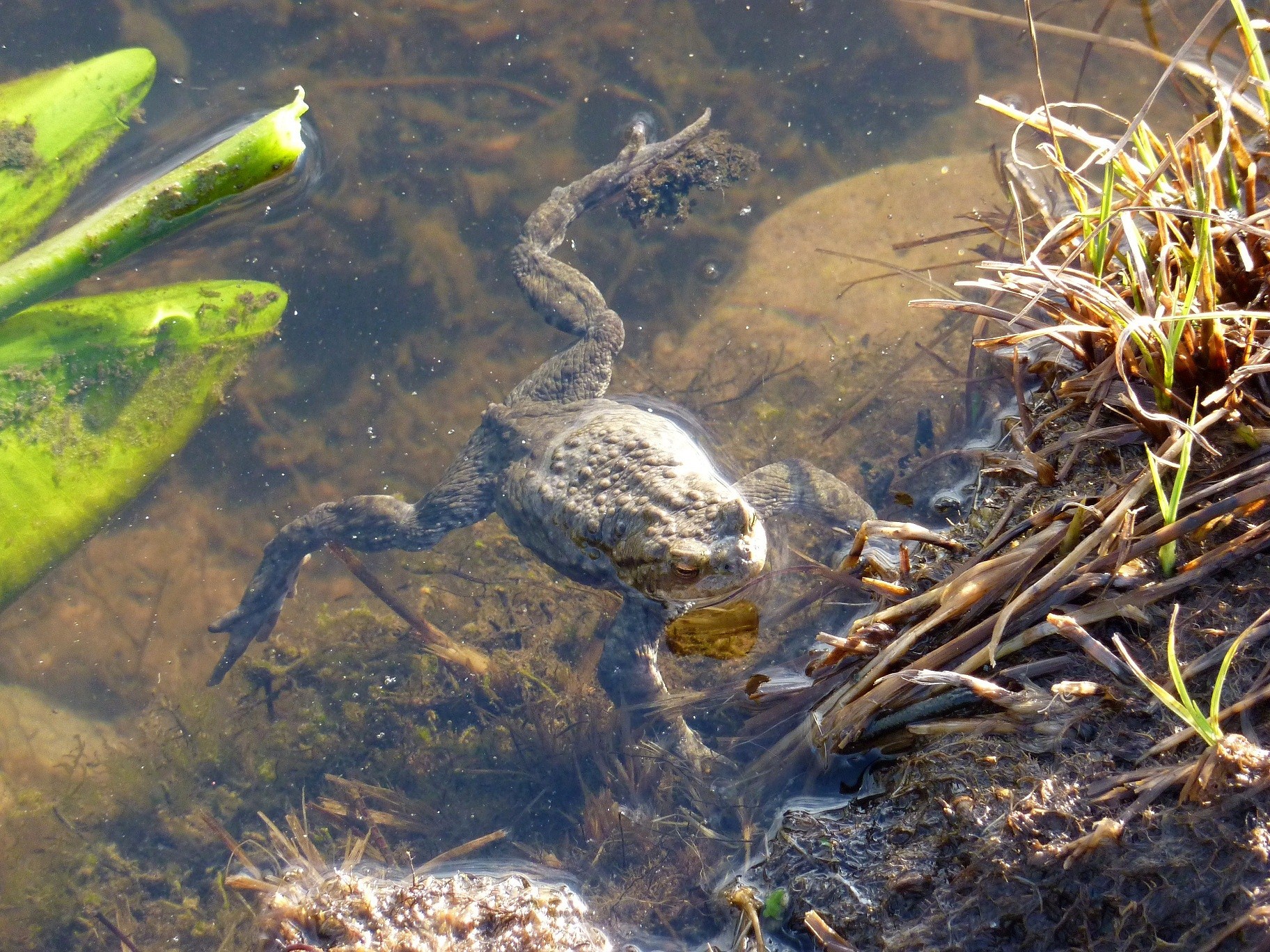
- This toad spent most of the day swimming up to the gullery
-
- This one was in the Lily pond
Fence removal, decent sized mugs and politics.
So, life is pretty good here at the moment. Although it rained all day on Tuesday. Myself, Tom and Graham were taking down a fence on the North West of the reserve, and getting pretty muddy – no pictures from Tuesday. On Wednesday, suddenly, the weather had improved. Same job, but somehow we managed to get a whole lot more done. At one point I heard some chirping above me, just as Tom and Graham were on their way over, and we all looked up to see three Ospreys circling above us. There are pictures from Wednesday, but not of Ospreys.
Yesterday there was some work to do down at the hides before Hannah showed me the way of wader surveying. Hannah promises me that there’ll be plenty of wader/other surveys to do, which is terrible news as sitting down with a scope looking for birds seems like such a chore. And the whole situation is made worse by the fact that the process is only really worthwhile on windless days with sun.
Other interesting news – I forgot to say that I’m especially happy with the size of the mugs in the kitchen. After filling them to the top, which is what you’re supposed to do, they hold enough tea for me to avoid having to get up to refill. The room I’m sleeping in is now almost warm enough for me to consider using just the one duvet on the bed. And, perhaps most importantly, the local Coop does not stock Hobnobs. How can a food emporium not stock Hobnobs? But they do stock milkchoc Hobnobs! I have, you won’t be surprised to hear, written to McVities to explain my chagrin.
Finally, an election was called this week. It’s disappointing that the environment doesn’t seem to feature highly in any of the election debates I’ve heard so far. Apparently, the public are more concerned with how many children each potential priministerial candidate has, or is going to have, or whether they are messy whilst at home. If you are one of the important few who think that the election should be about making big decisions on the way the country is run you might be interested in the RSPB’s “Letter to the future”. It’s not really a letter to the future, it’s a letter to politicians asking them to help preserve nature so that future generations can experience what we have. More information can be found here:
http://www.rspb.org.uk/applications/lettertothefuture/index.aspx
Also, it is possible to quiz your local prospective parliamentary candidates as to what their thoughts are on the environment, by email. Do it. Even if their response is not going to influence your vote, it will still get them to think that the environment is a serious issue. I find it hard to understand why the environment isn’t top of every political party’s agenda. Without an environment nothing else matters, life is impossible. This is already happening to thousands of species across the world, thanks to man’s activities. It seems logical to me that we should be tackling major environmental issues first.
Hmm, I promised myself that I wouldn’t rant on my blog. Never mind, on to some pictures…
-
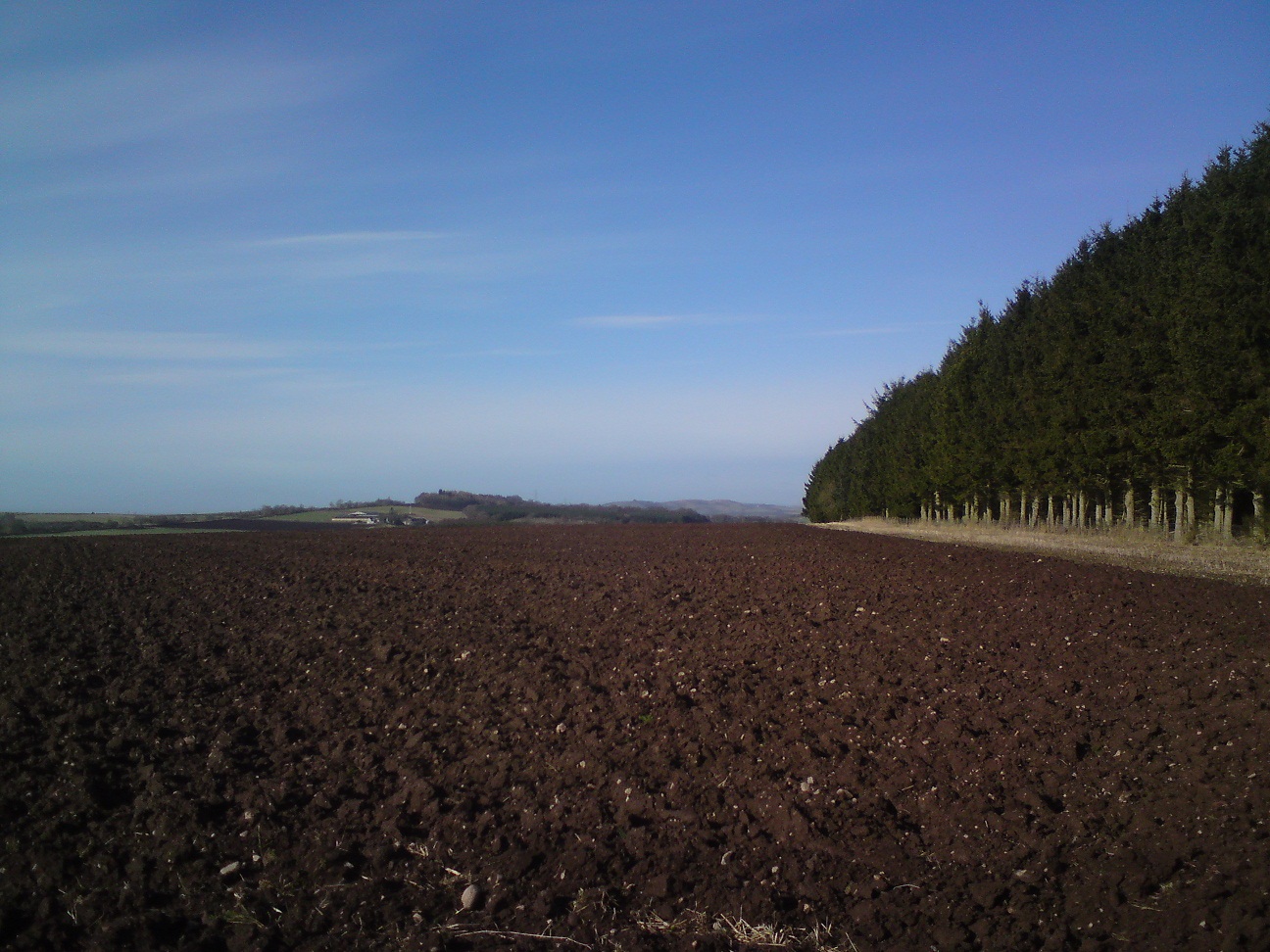
- Look at those colours – what a day!
-

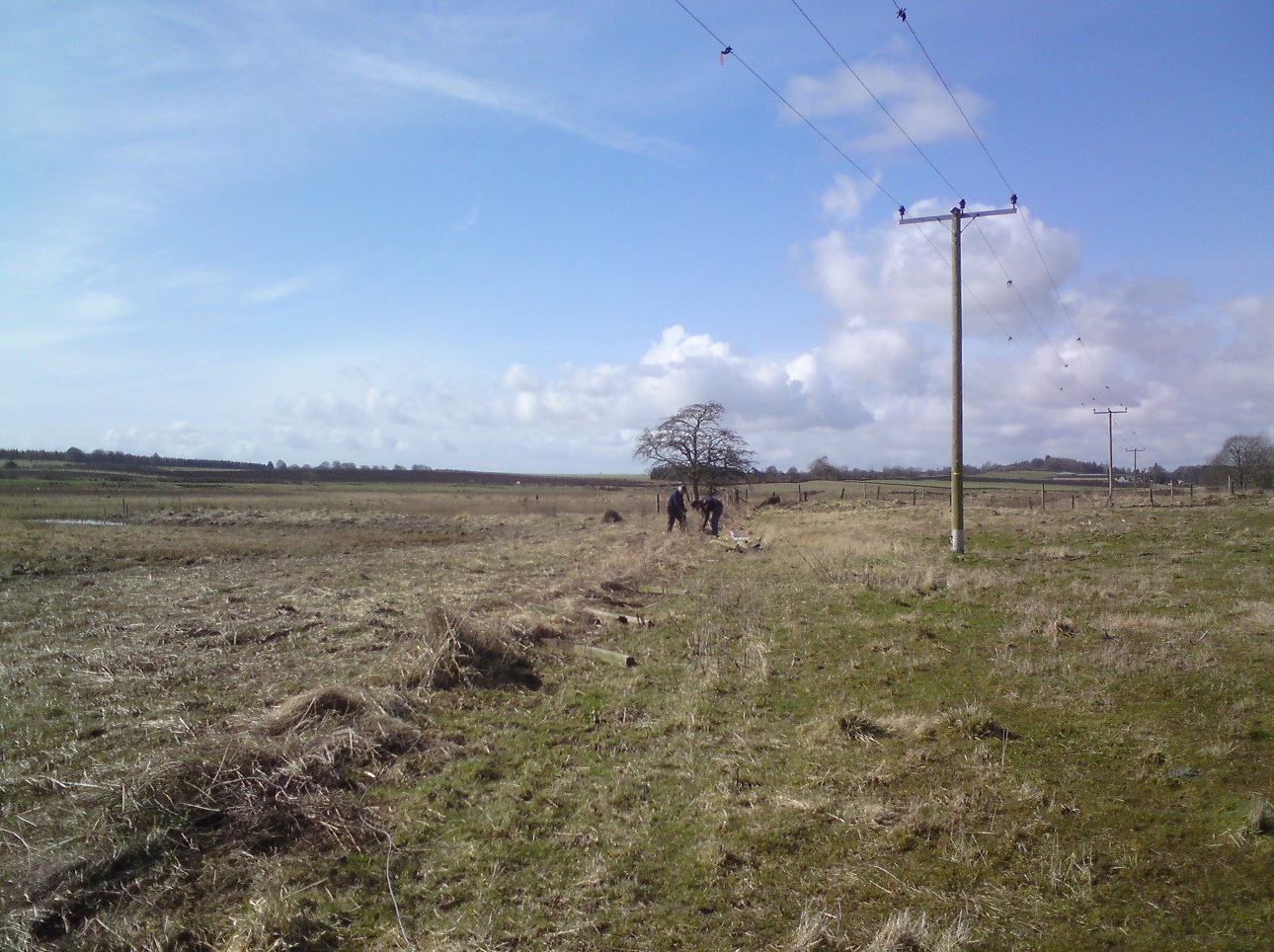
- Graham and Tom removing a fence on the Western side of the reserve

-
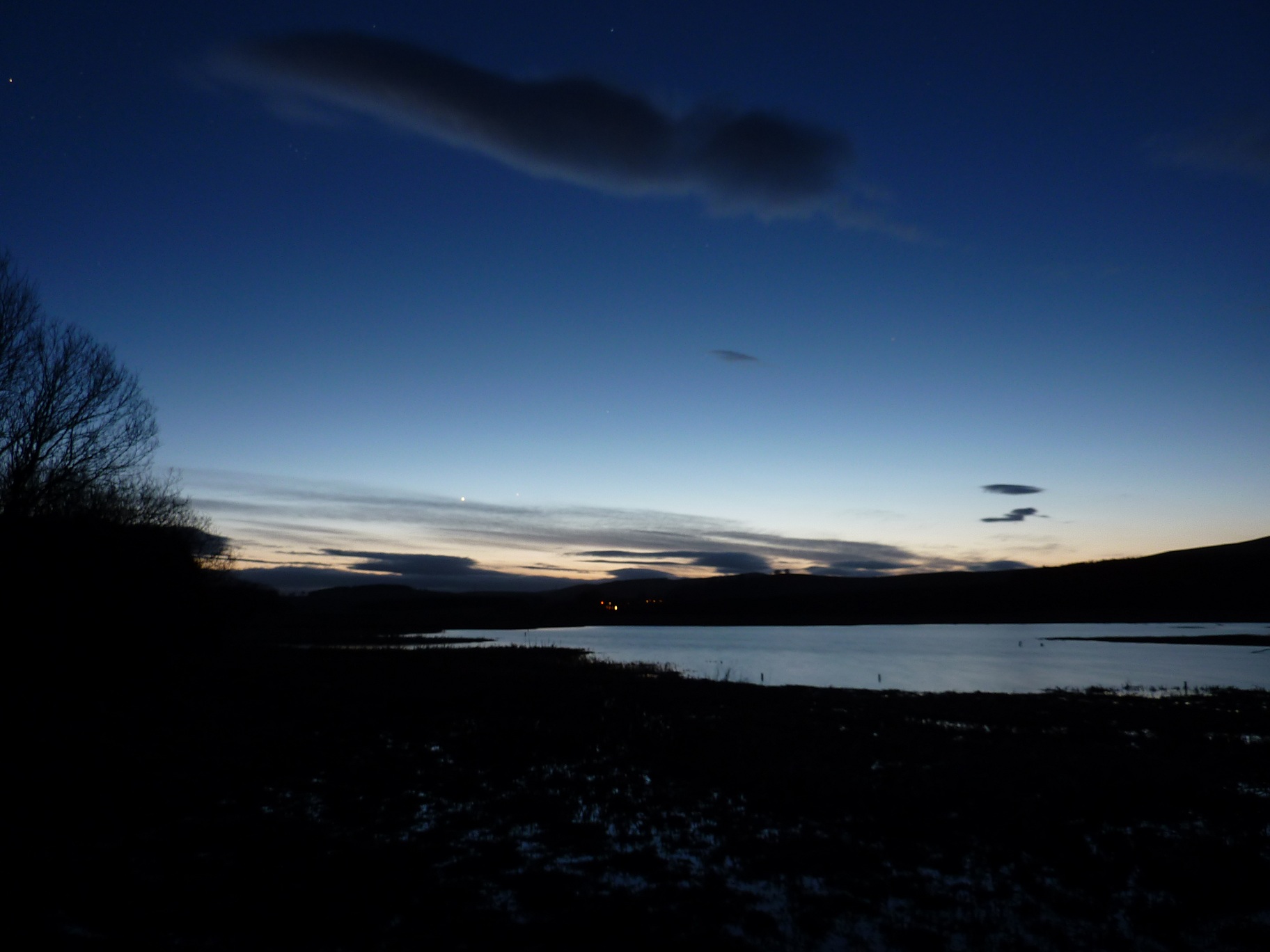
- Venus setting over the West of the reserve
-
- Not a fairy gathering in the woods – myself and Hannah set up a moth trap on Wednesday night
-
- A very cool looking fly with an equally cool Common Quaker (probably-where’s Jane Bowman when I need her?)

-
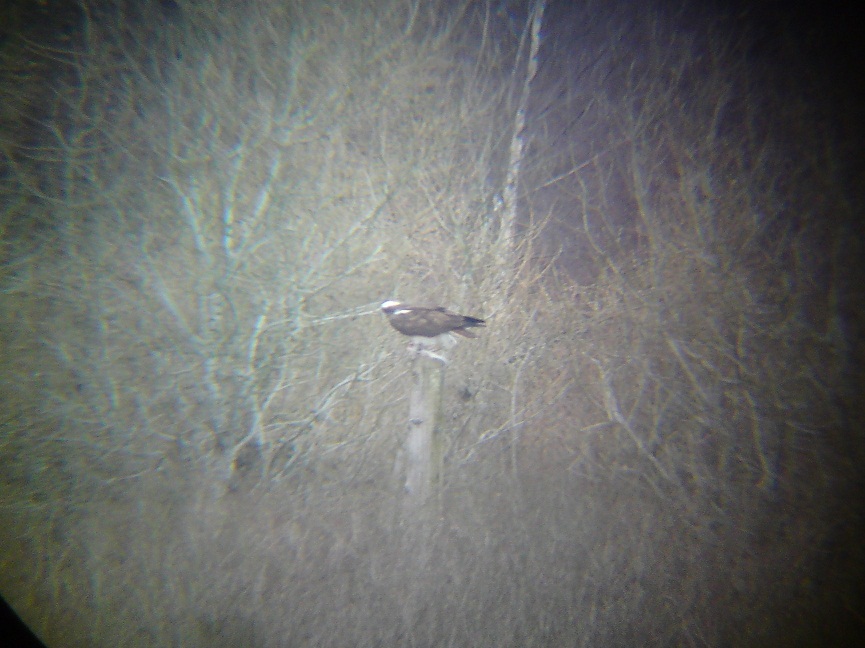
- Looking through the scope at one of the Kinnordy Ospreys, with fish
-

- Whilst cleaning the tools this morning I had some company…
Two days in the hide.
Following my day off on Friday I was posted to hide duty over Easter weekend. This involved me spending time in one of the hides, with a telescope, talking to visitors about the birds we could see. I can remember thinking to myself a number of times over the two days, ‘hmm, is this really work?’.
The job was made even more gratifying when various people, often youngsters, exclaimed surprise at seeing a bird they’d maybe never seen before, up close through the scope. Nature is amazing, and doesn’t take much selling – hopefully a few more kids will now grow up knowing this, and one of them could end up in a position to make a serious difference to our future.
I was also regaled with stories from a number of local regulars, one of which showed me a picture that he’d taken at the reserve two weeks earlier, of a White Tailed Eagle. The Eagle had been released nearby last year, as part of a reintroduction programme, hence it had blue tags on its wings. In the picture the Eagle was flying low, maybe 2 or 3 feet over the water, wings outstretched to slow itself down, and a few feet in front of it were two Swans rearing up out of the water to face it, both also with wings outstretched.
The Eagle is huge. It’s wings almost span the width of both swans standing together. Unfortunately I can’t remember if I asked the question as to what happened next, because I was so fascinated by the picture.
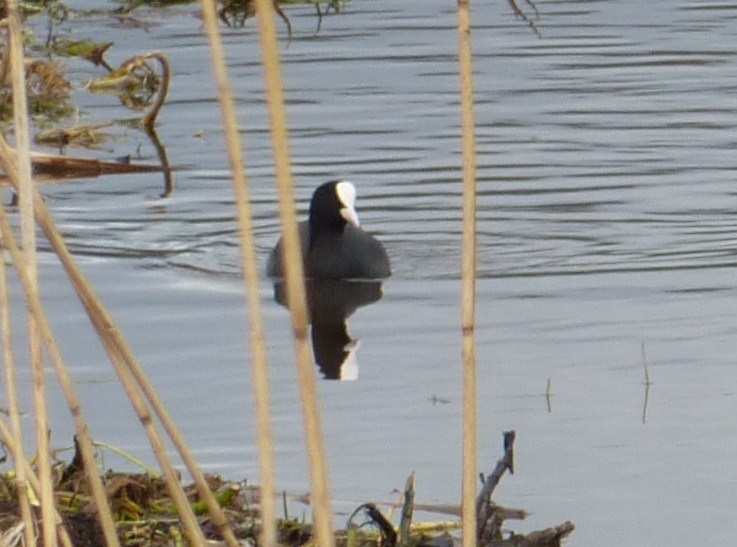
I was also lucky enough to see some birds I’ve never seen before, as well as get some great views of some amazing birds that I never tire of seeing (not that I ever tire of seeing any wild animal in its natural environment, but I must admit I have favourites), such as Widgeon, Teal and Ospreys. Of my firsts, I did just catch a glimpse of a Sand Martin, and the other is pictured below.
Today I had a day off – I get two a week, just not necessarily at the weekends – and the weather hasn’t been welcoming, so I’ve been catching up with (digital) paperwork.
-
- A coot.
-
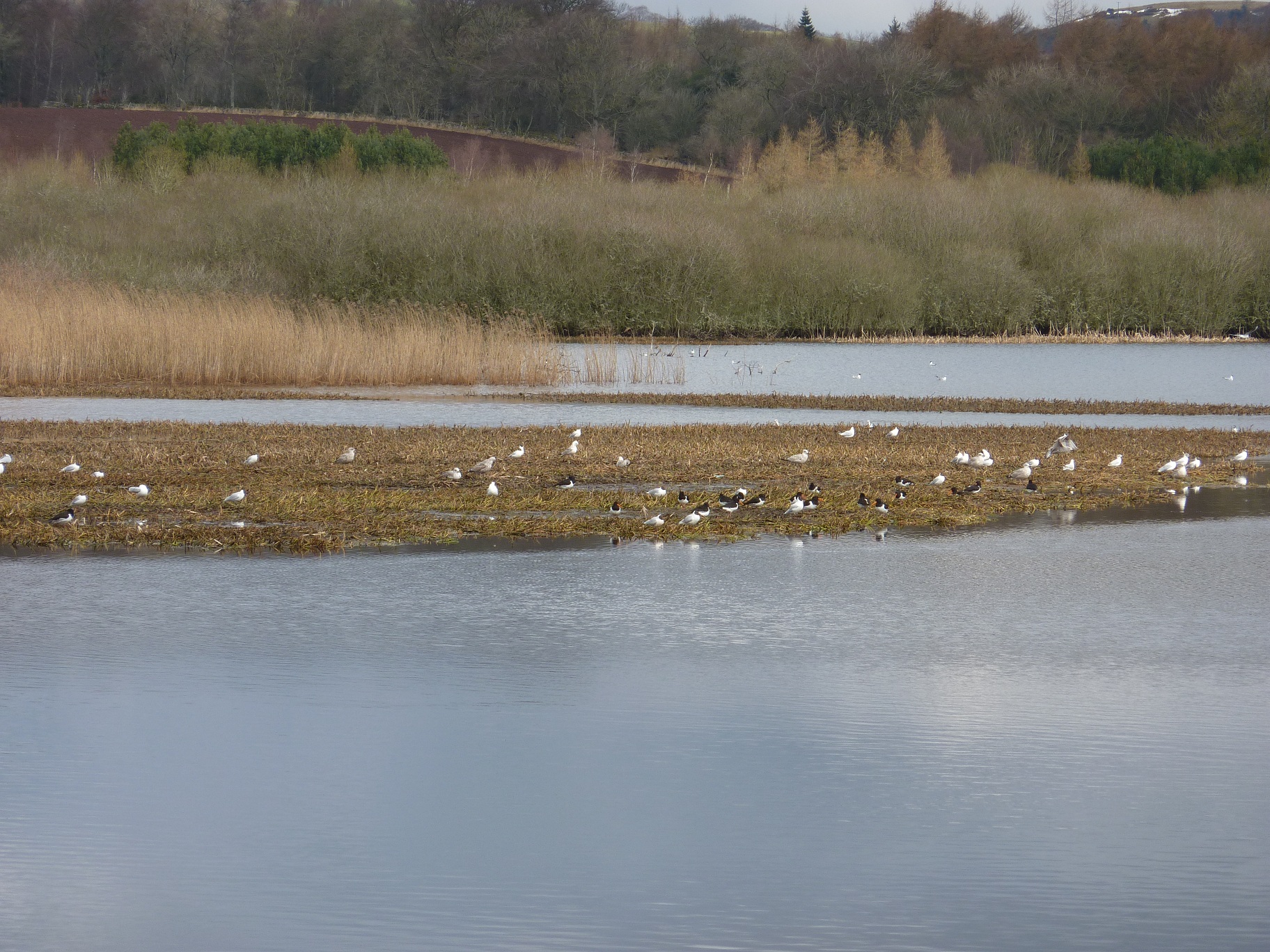
- The view North from the Gullery hide. A favoured Osprey perch is sticking out of the scrub over the water just right of centre.
-
- Mr Mallard looking a little ungainly, and then more dignified.

-

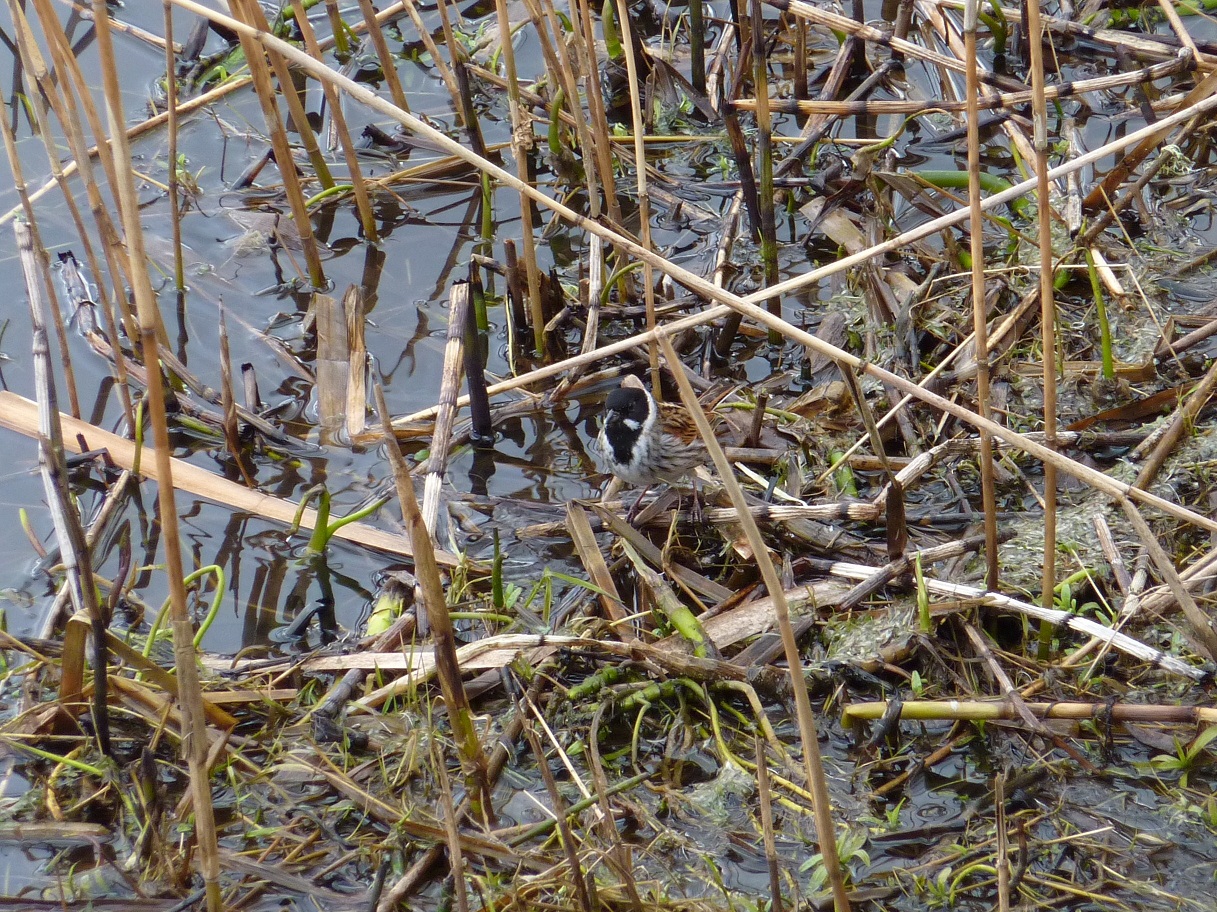
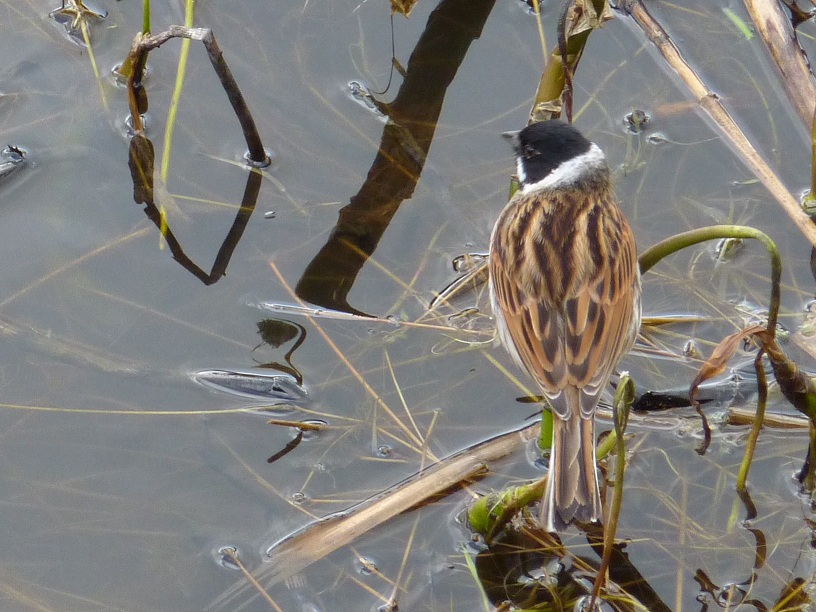
- A Reed Bunting in the reeds below the hide
-

- So, Sunday, on my way I stop by East hide, and this wee bird is feeding just out front…
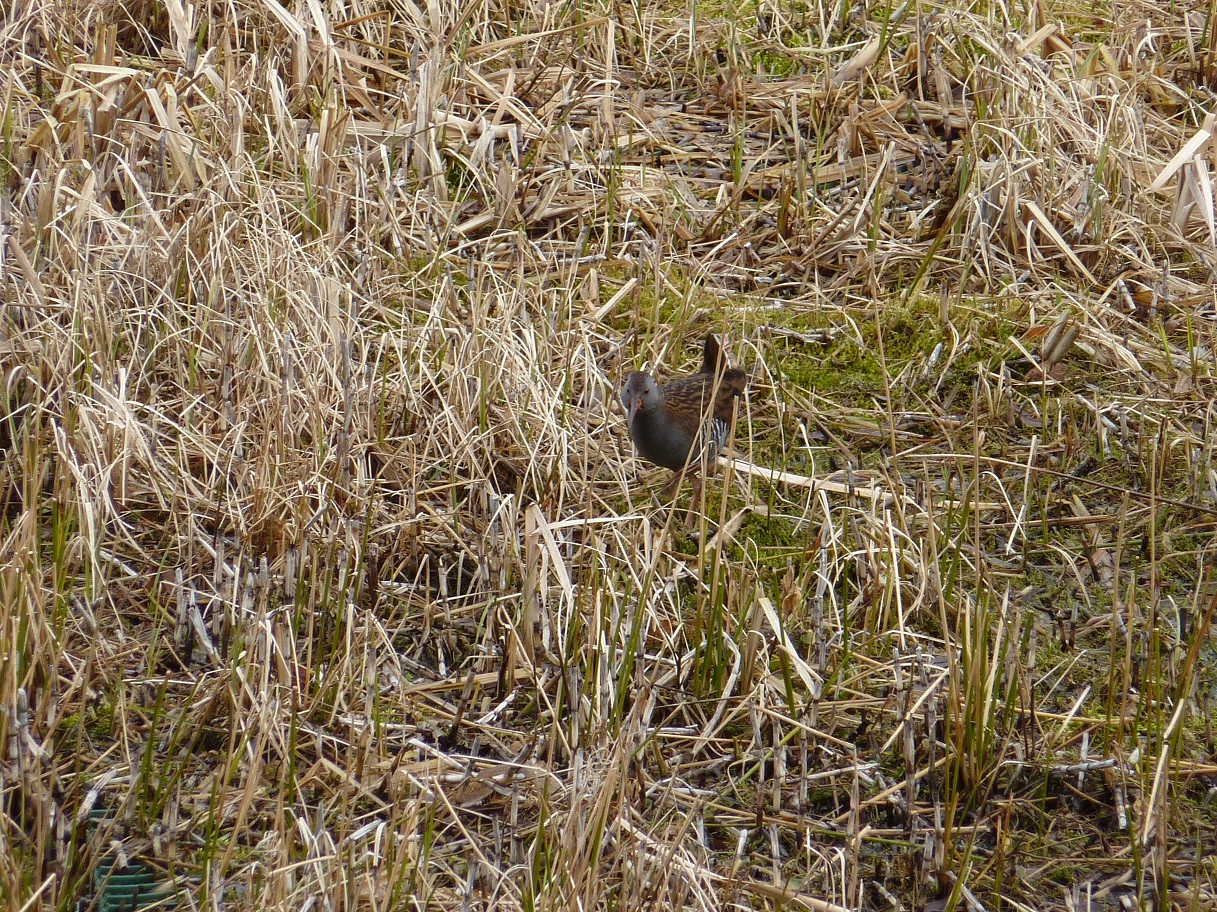
-
- Do you know what it is? This is my other first…
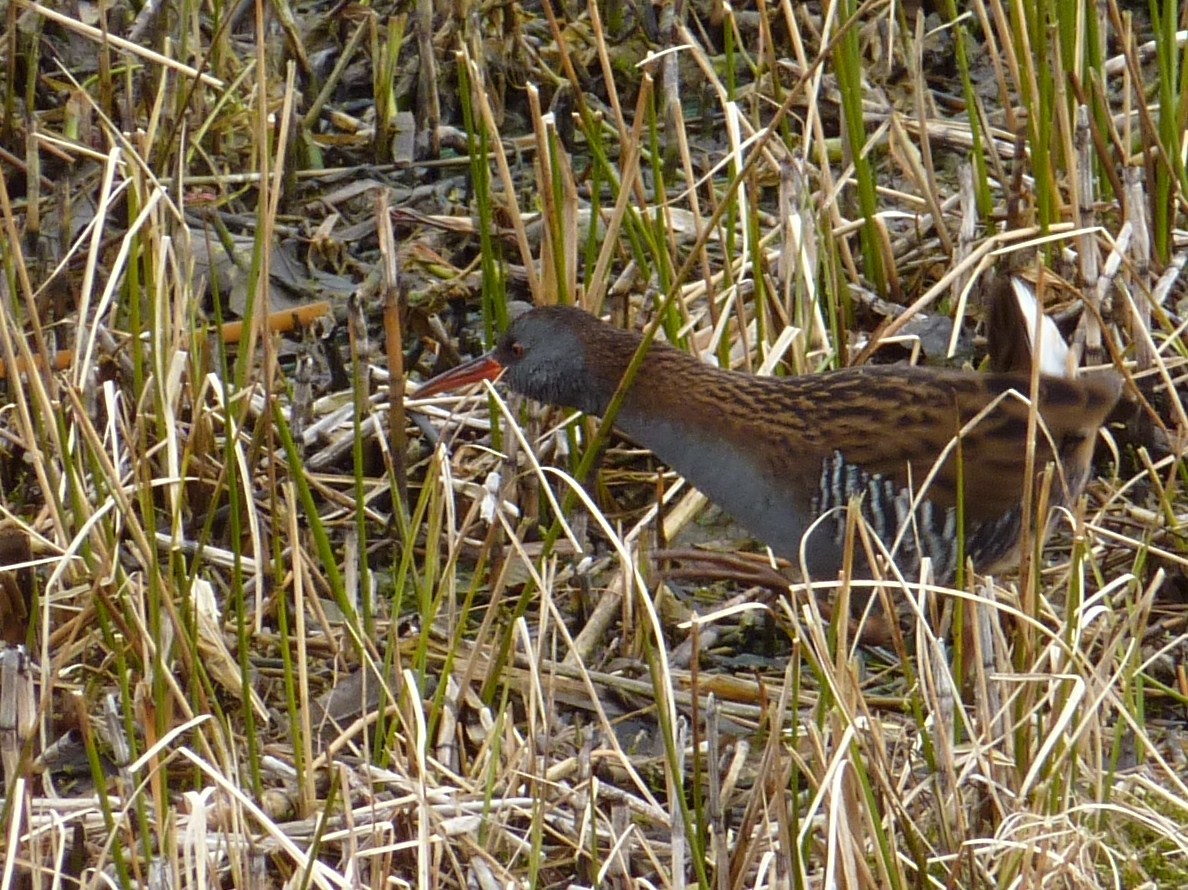
-
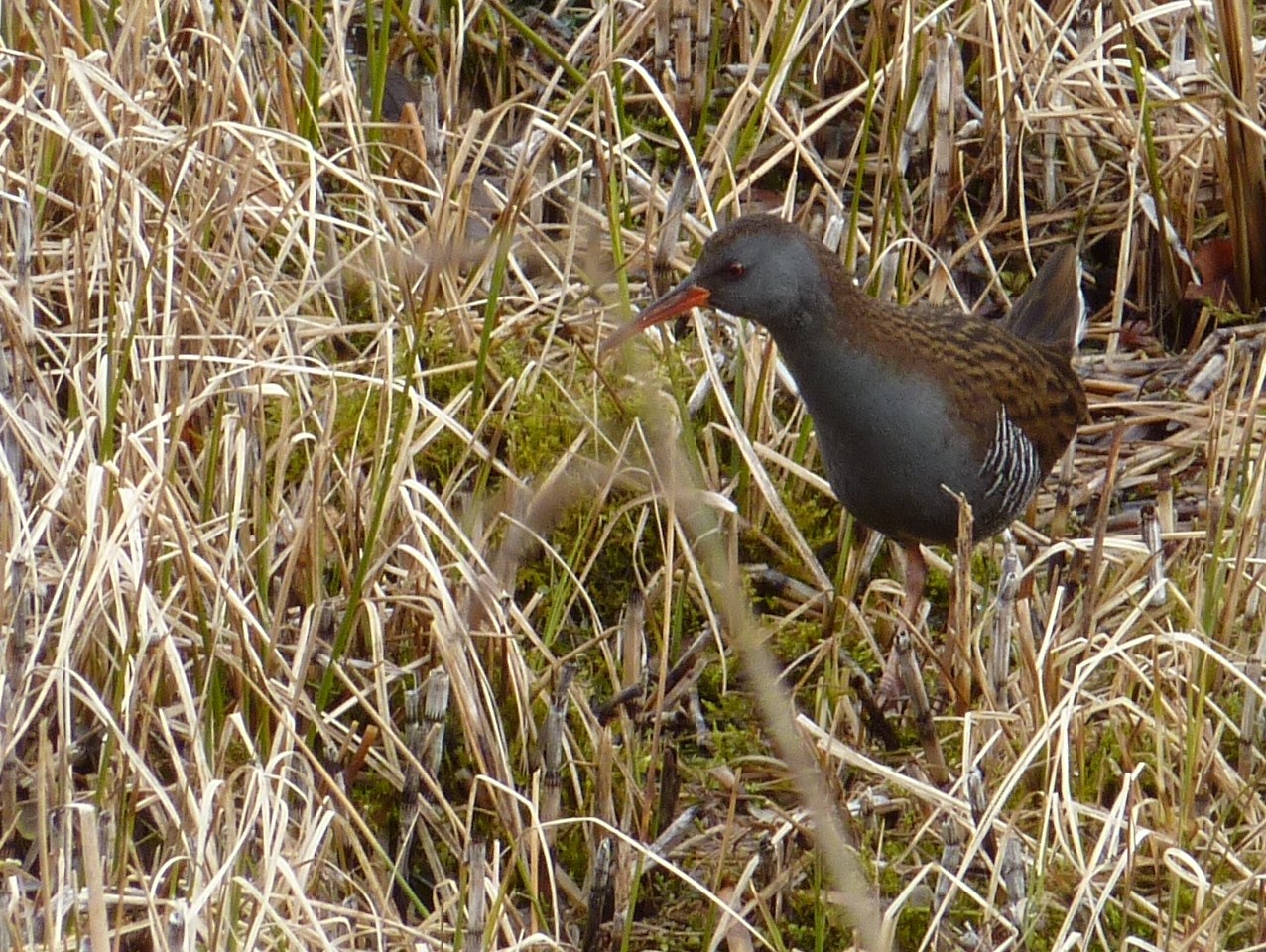
- It’s a Water Rail. Fantastic! I sat and watched it for a good 10 minutes when I probably should have been doing something else, sorry Hannah!
-
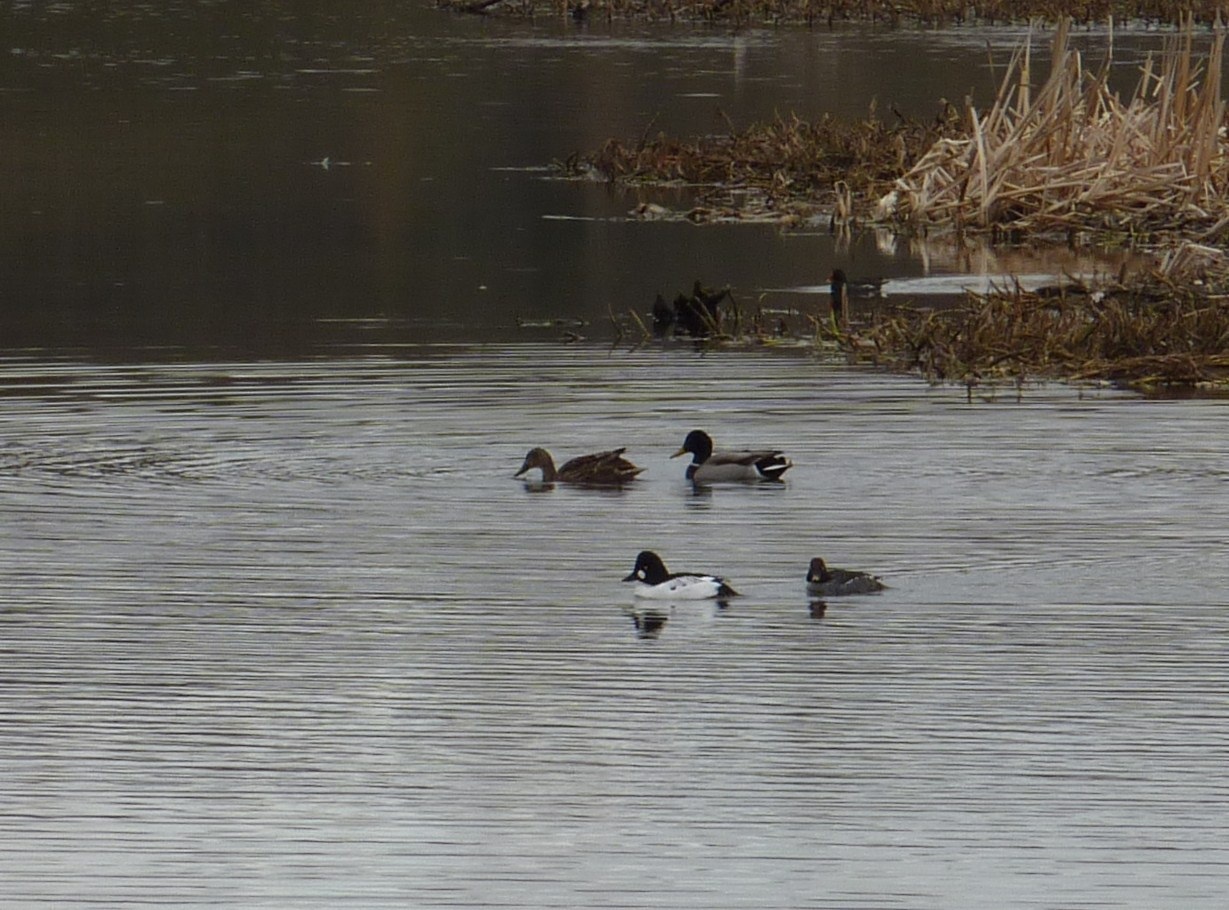
- Ooh, look at this! A pair of Goldeneye, and then a pair of Mallard behind them, and a Moorhen between the reeds behind them
-

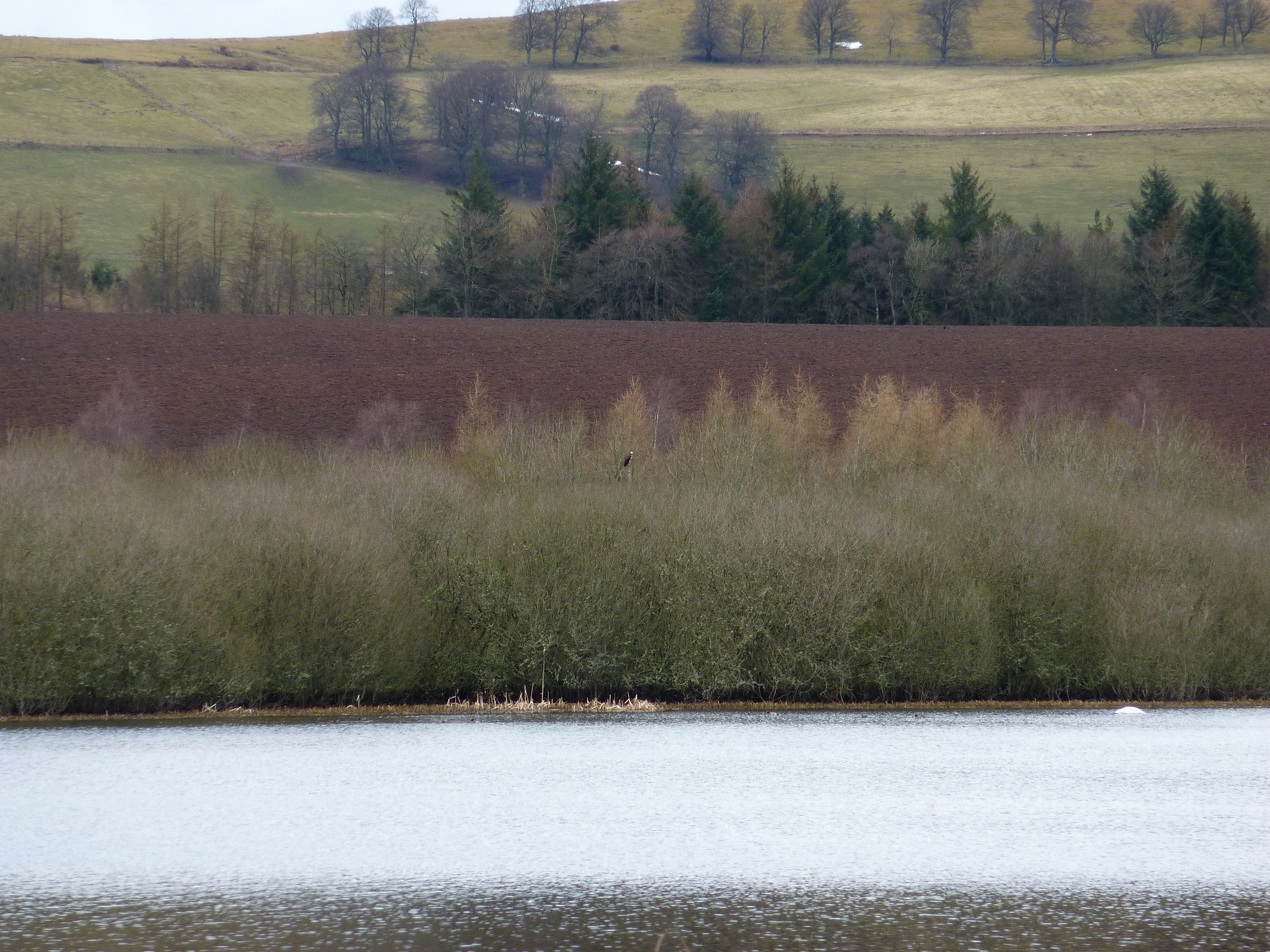
- One of the local Ospreys makes use of the aforementioned favoured post
A few pics from my day off
Yesterday I took a bit of a walk to get to know the place. Here are some pics of the things I saw.
-
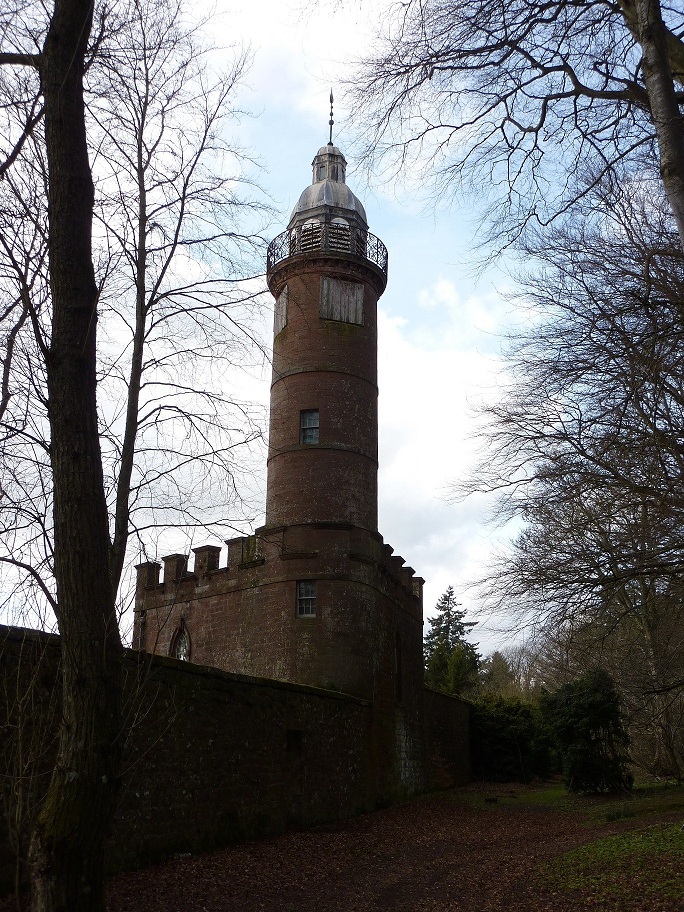
- Most of the reserve is on the Kinnordy estate. I stay in a flat that is part of the estate. This is not it (I’ve included a photo of it in an earlier entry). I don’t know what this is, but it looks great.
-
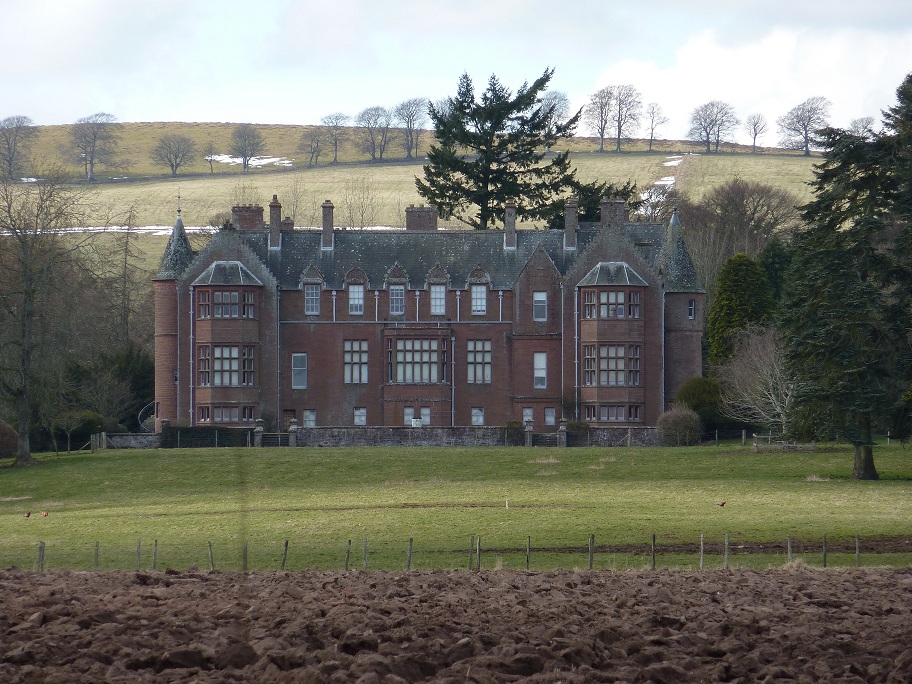
- This is the estate house. I’m guessing it has more rooms than the flat I’m staying in.
-
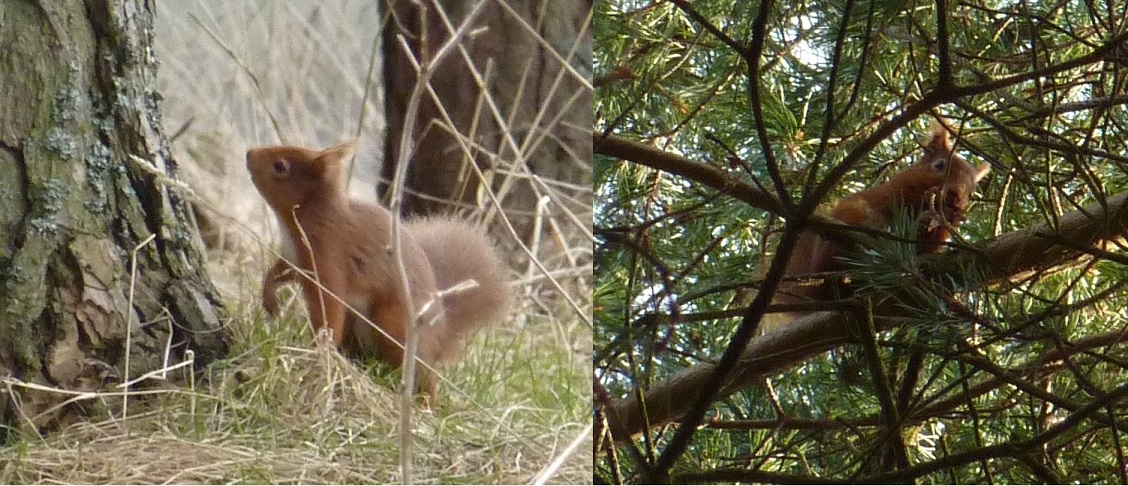
- I was lucky enough to see two Red Squirrels in the same tree, but I didn’t have my camera ready. I think this is probably the same one. One seemed a lot busier than the other.
-
- This chap seems to spend a lot of time hanging around in a ploughed field. Here he wised up a bit and dived for the scrub
-
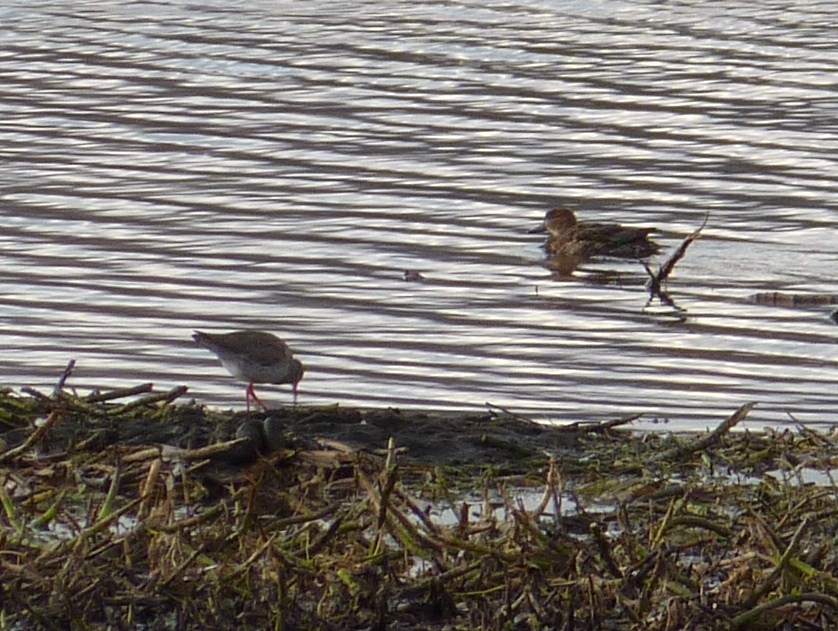
- A Redshank feeding in front of a female Teal.
Loch of kinnordy RSPB reserve
So, I’m doing some more volunteering with the RSPB, this time in East Scotland near a town called Kirriemuir. The reserve is about 90 hectares (almost 1 square kilometre) in size, and it’s possible to see it all in a day, which is what I did on my first working day here (Monday 29th March). Since then I’ve been ducking inside avoiding snow (more snow!), out in a canoe on the loch, taking down fencing, and trying to keep warm.
On Tuesday and Wednesday it was blowing a hoolie, so not much opportunity for pictures. By Thursday (yesterday) things had calmed down a little so Hannah, the warden, took myself and Tom, a local reed cutter contracted to the RSPB, out on the loch in the canoe. Hannah collected 10 samples from the loch, which will hopefully tell someone somewhere something useful about the silt content.
Today I’ve had a day off
More information about the reserve is here
Hannah, the warden writes a blog, which is here
Oh, it’s late – I’ll write more soon.
-

- Tuesday morning – the wagon parked out side the flat, my home for four weeks (not the bit without glass in the windows)

-

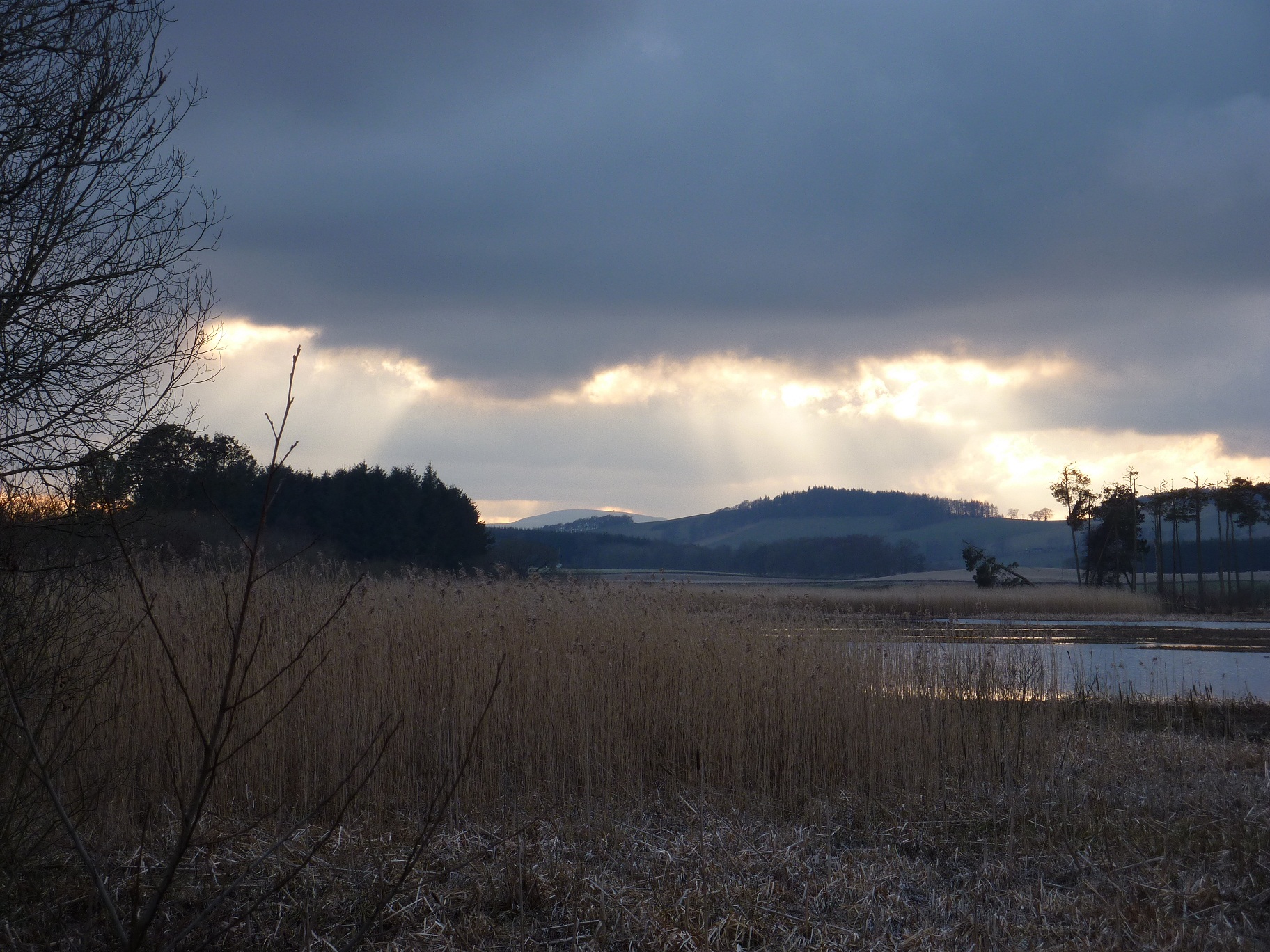
- Looking West from East hide this evening
-

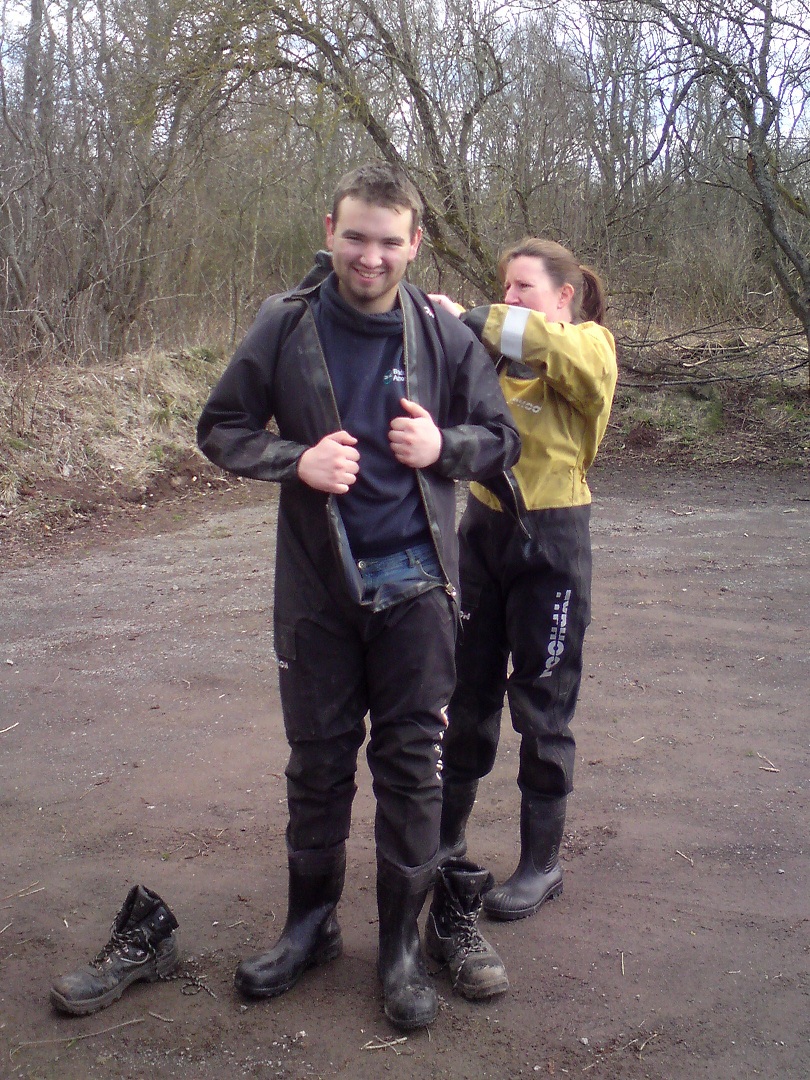
- Hannah tries to fit Tom into his dry suit
-
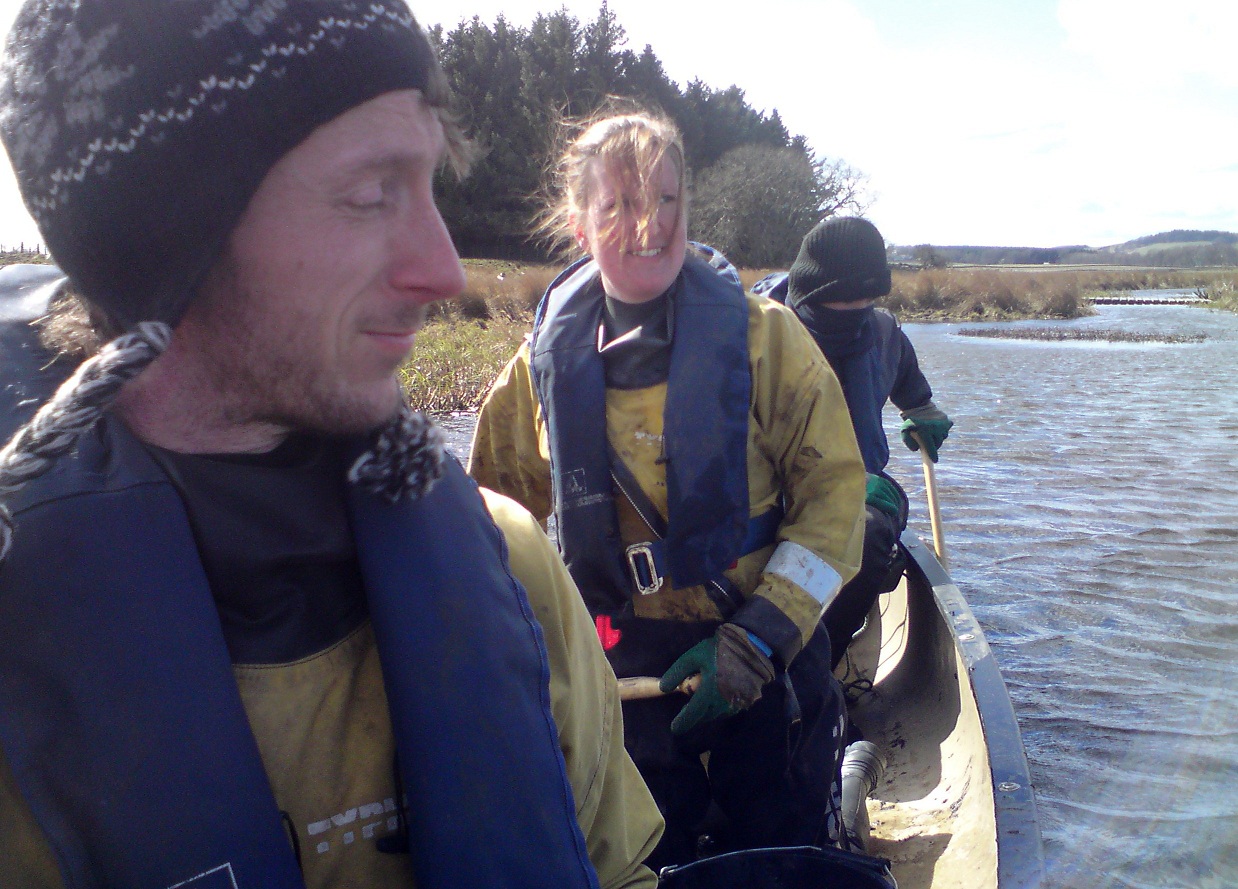
- Making our way in the good ship… Canoe, with a Ninja at the helm.
Cresty spotting
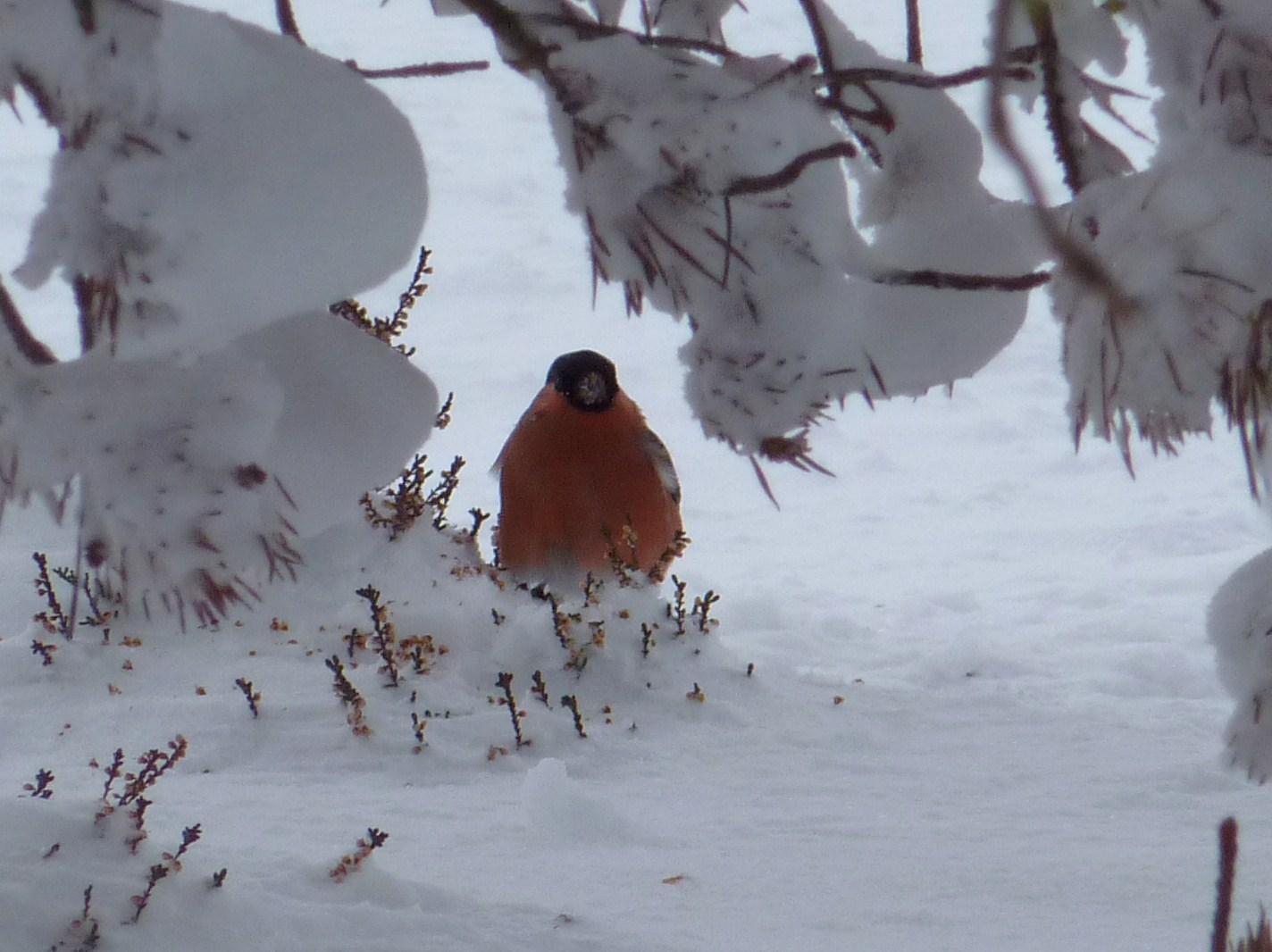
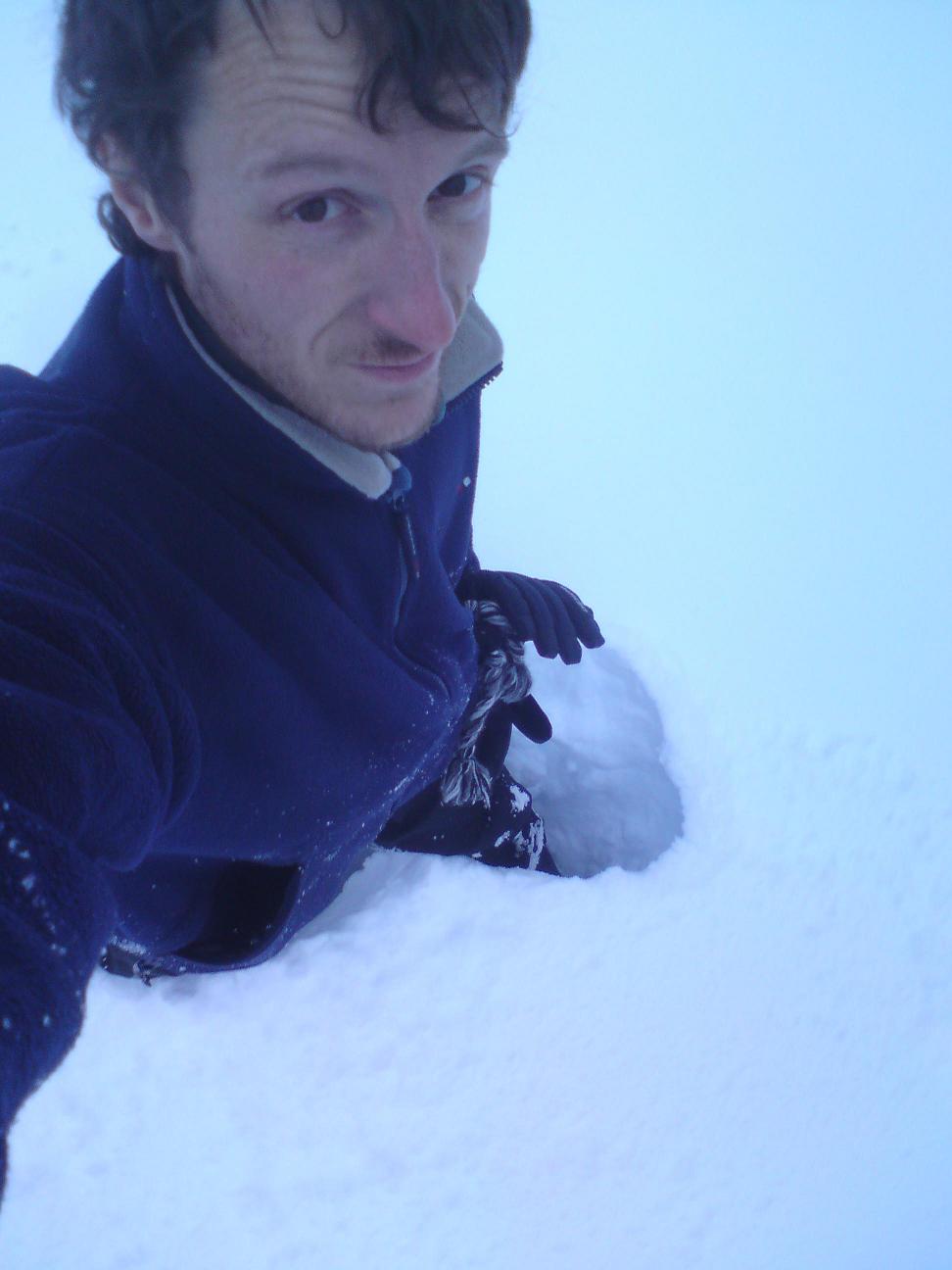
Yesterday (Friday) was spent clearing snow from in front of the workshop, and off various roofs (18inches of snow must be pretty heavy); and out clearing snow breaks and dangerous overhangs from the nearby roads. Afterwards I waded up Cairn Rynettin, where I saw a lone male Bullfinch attempting to keep himself alive through heather seed consumption. Am I wrong in thinking that it’s pretty unusual for a Bullfinch to be hanging out on top of a wind and snow swept hill eating Heather?
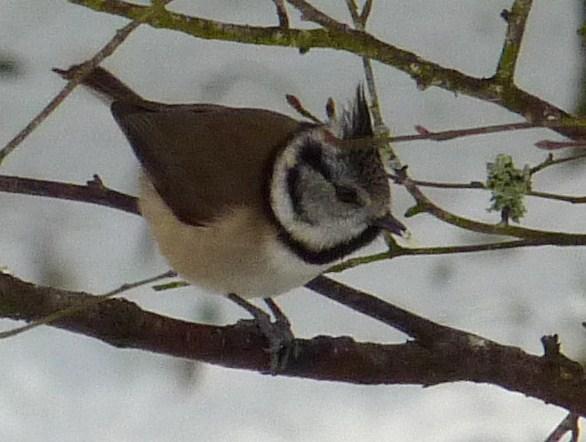
Today myself, Tom and Dougie head over to the Osprey centre. Apparently there are feeders, and a great chance of seeing Crested Tits, a bird I’ve not seen before. When we get there the feeders are busy with Great Tits, Coal tits and the occasional Blue Tit. And then, after a reasonably short wait, a pair of Crested Tits come down to feed. The Cresty is a spiky character, with punk style hair, and a machine gun staccato call. Myself and Tom (check out Tom’s web site by clicking this link) spend a little time trying to get pictures of it feeding, but the light is not great.
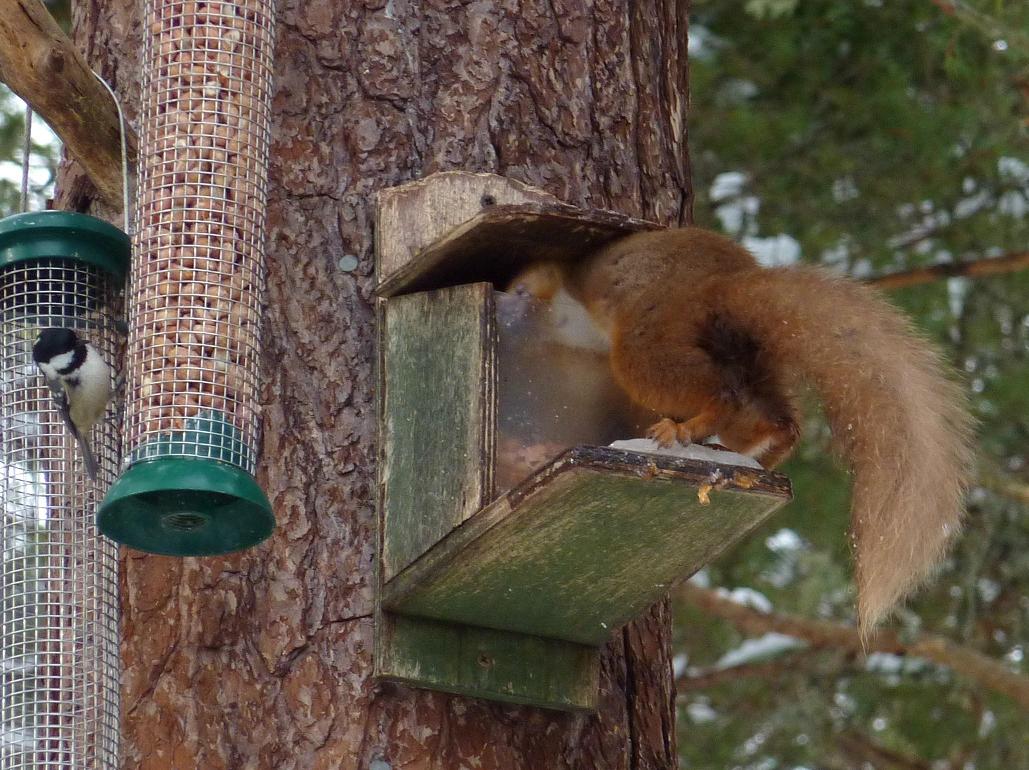
Then, as we’re watching, a Red Squirrel approaches, before climbing the tree with the feeders, and taking food from a box with an openable top.
Anyway, below are my shots. Remember it’s just a digital compact.
-
- Tom and Ross (site manager) spring into life as Dougie fells an overhang

-
- So the wind’ll be coming from the North then
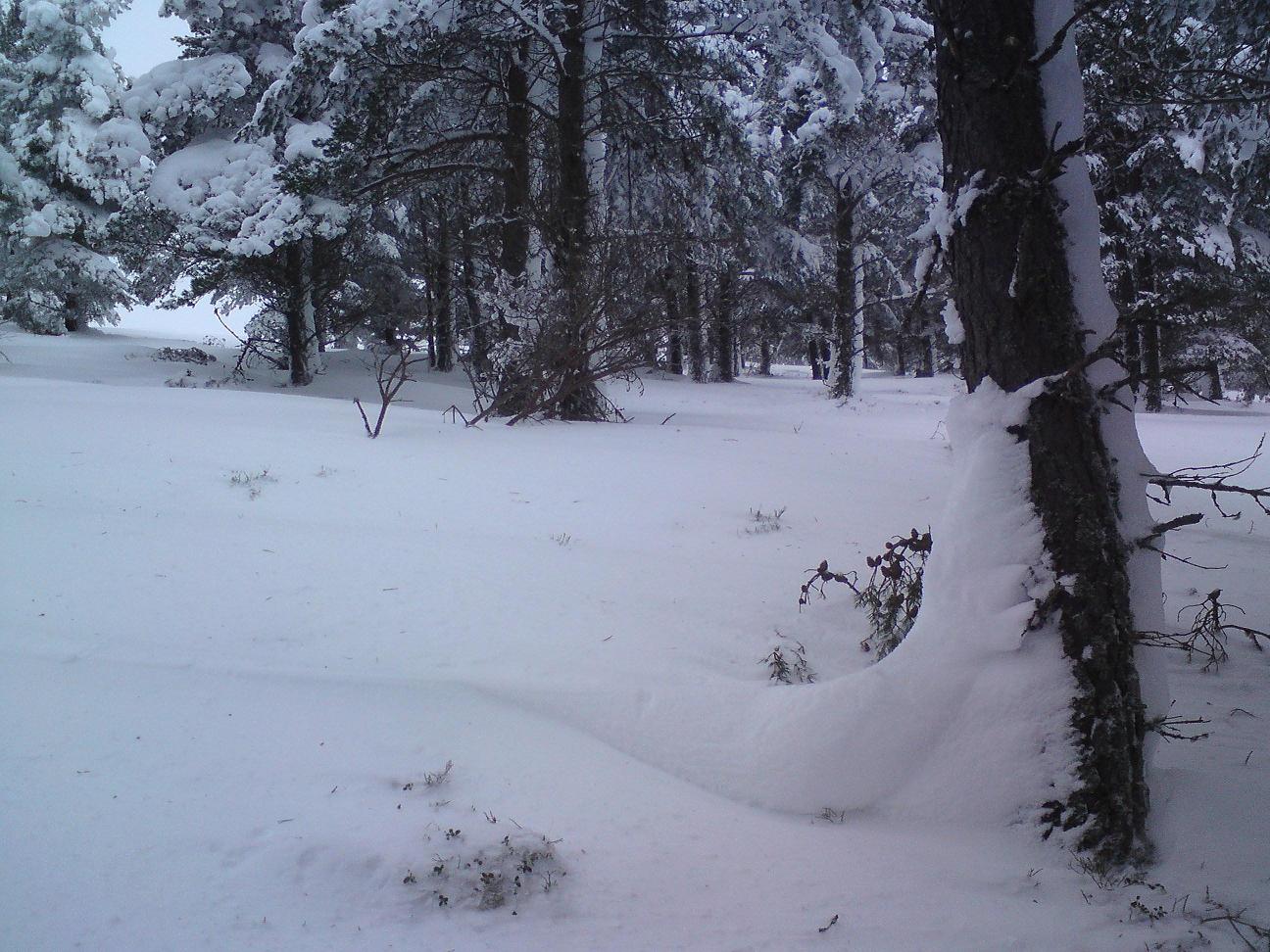
-
- Hmm, that looks like a…
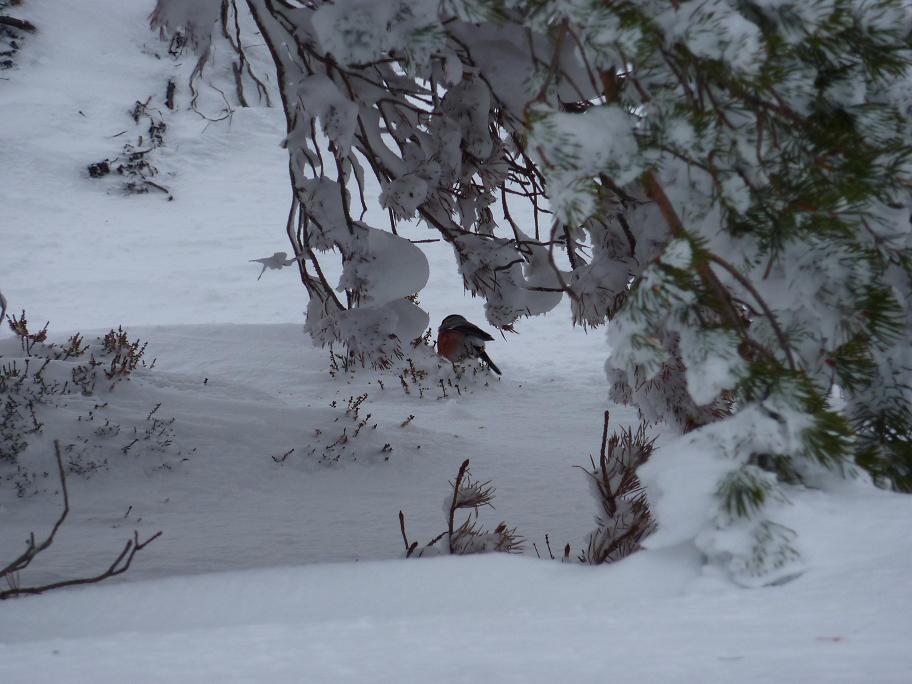
-
- Bullfinch?!
-

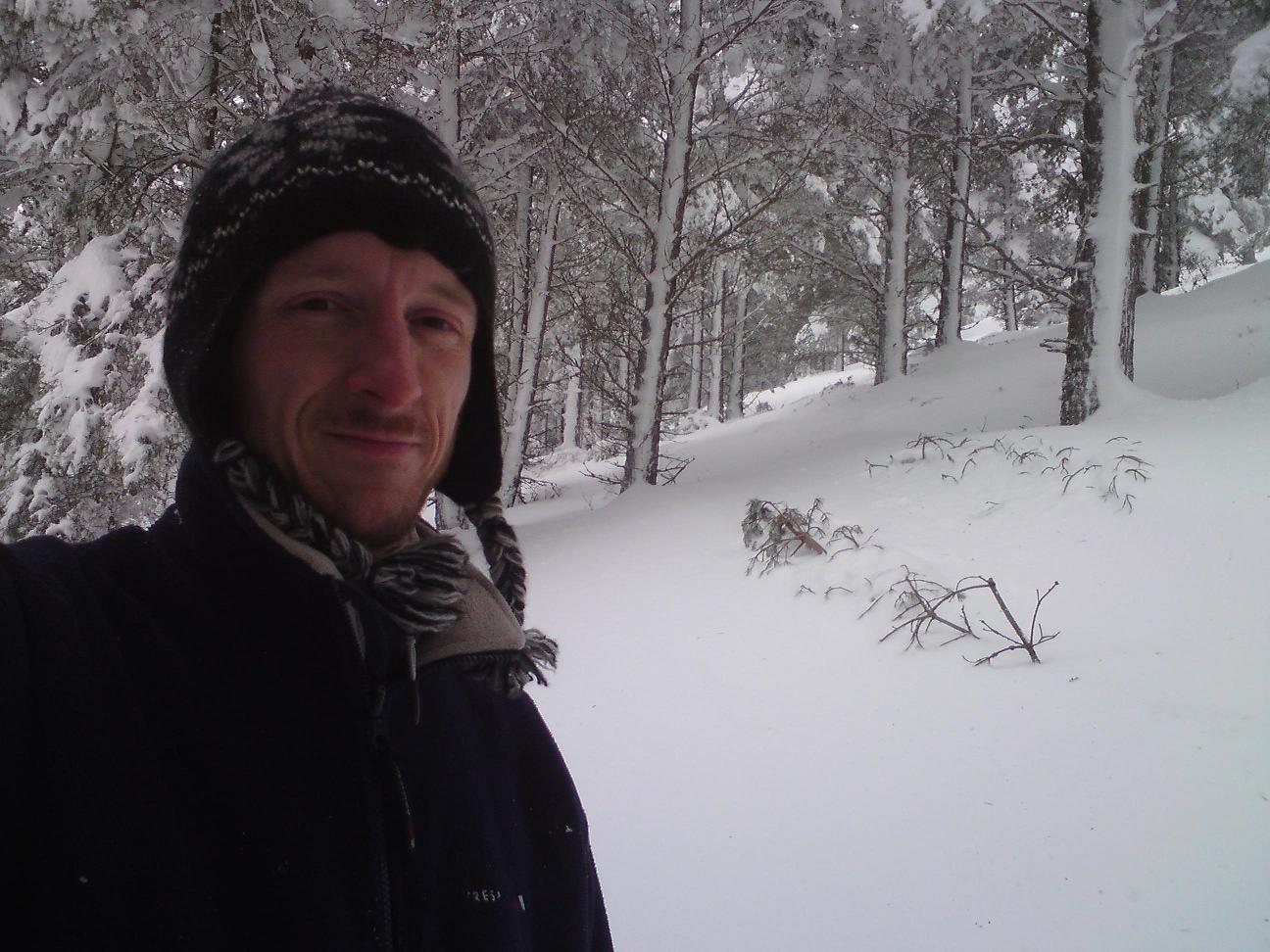
- Snow up to my thighs, splendid.
-
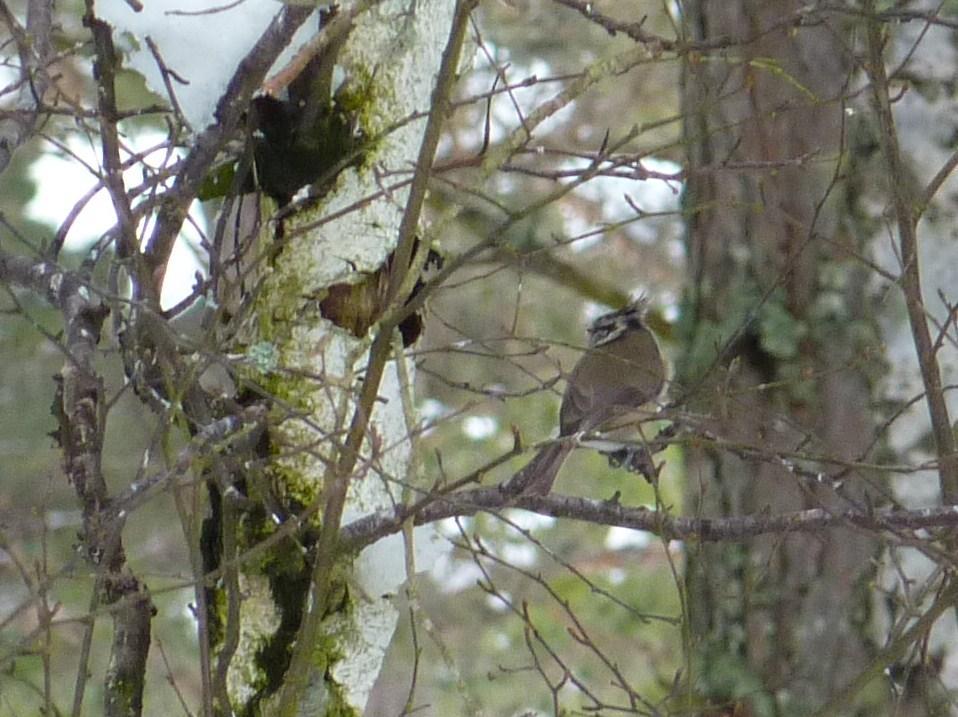
- A cresty in a tree
-
- After 7 hours of sitting alone, below freezing, in a haunted forest, I nail the cresty shot
-
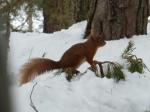
- And the red squirrel shot.

-
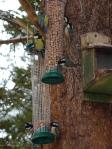
- Feeders, what feeders?

That’s not snow, this is snow.
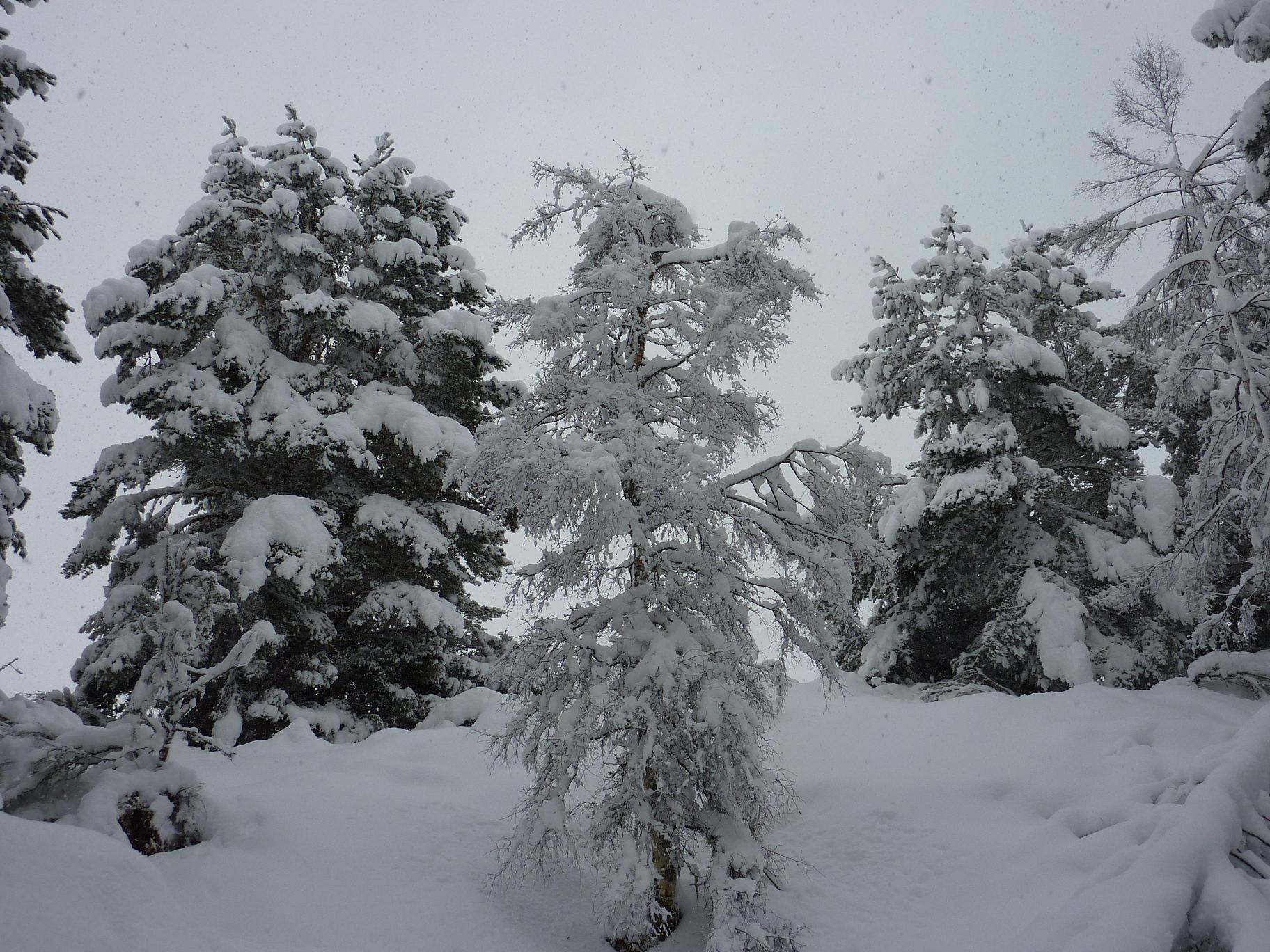
Yesterday is started snowing. It was snowing along, nice and slowly, maybe dropping a couple of inches by the end of the day, and we thought we were due another 3 or 4 inches overnight. When I looked out the kitchen window this morning there still seemed to be the same fine snow that we’d seen yesterday falling from the sky.
However, Tom talked his way through my early morning haze, insisting that there had been at least 6 inches overnight. In fact, when I then ventured outside the snow was at least a foot and rising. It snowed and snowed, and when myself and Tom went looking for a nearby hide, late morning, we had to wade through at least 2ft of the stuff. I, of course, thought this was the best thing I’ve seen in a long time.
Here are some pics of the last couple of days. On Tuesday we went log cutting with Alice, the volunteer co-ordinator, and Clair, a long term volunteer from Insh, who knew my co-resident on Islay, David, as she’d worked with him for a week at Insh. Afterwards I went for a walk in the woods North of the lodge and found some Capercaillie poo, and spotted what I’m fairly sure was a vole.
Yesterday myself and Tom chopped wood and checked a fence for snow breaks. Today, only Alice made it in, due to the snow, and schools being closed, so our main job was to clear snow from paths.
Comments will follow when I get a chance… Comments now added.
-

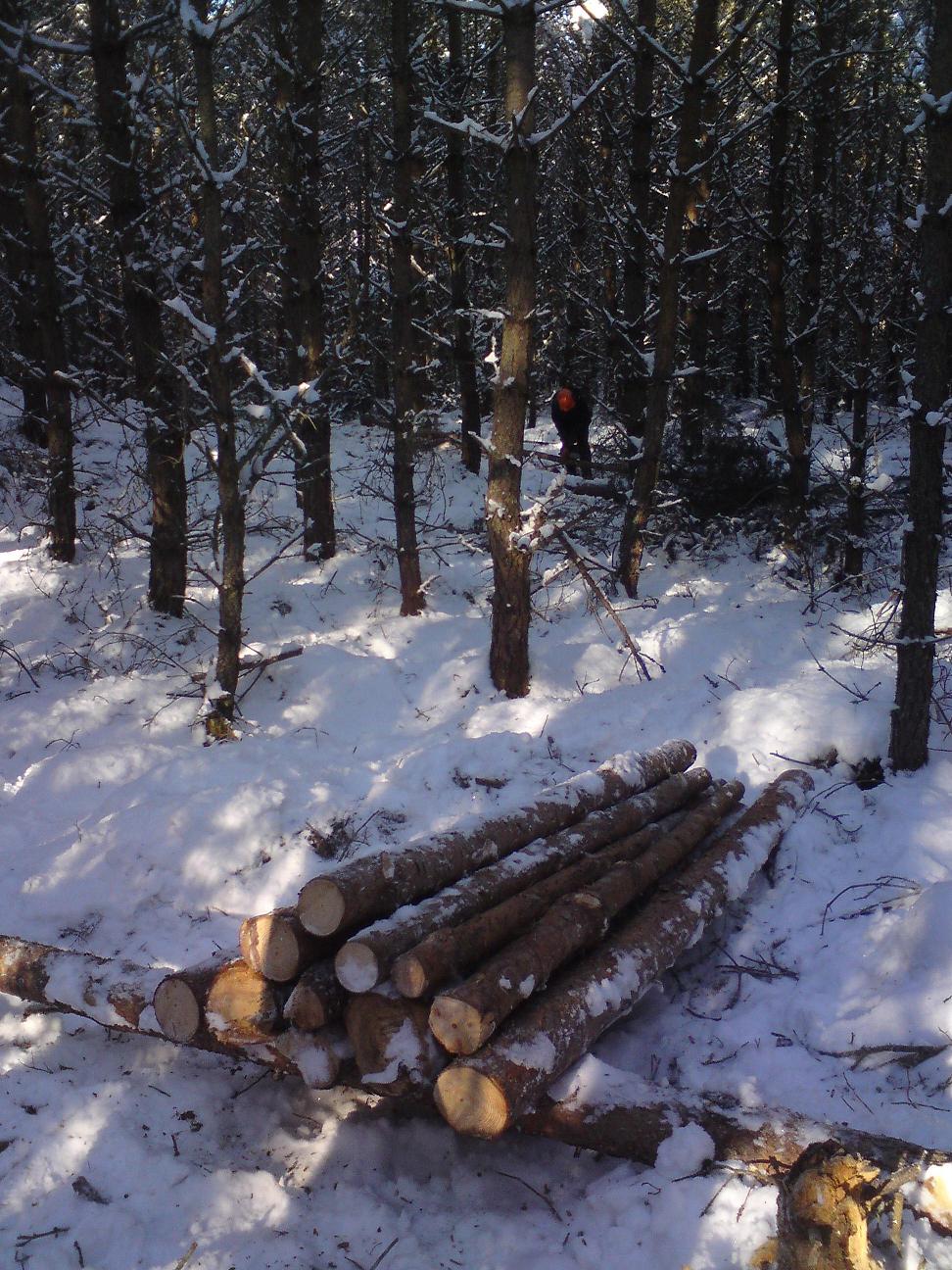
- Myself and Tom, just lowly volunteers, have to stack the wood that Alice, Clair and Dougie saw up
-
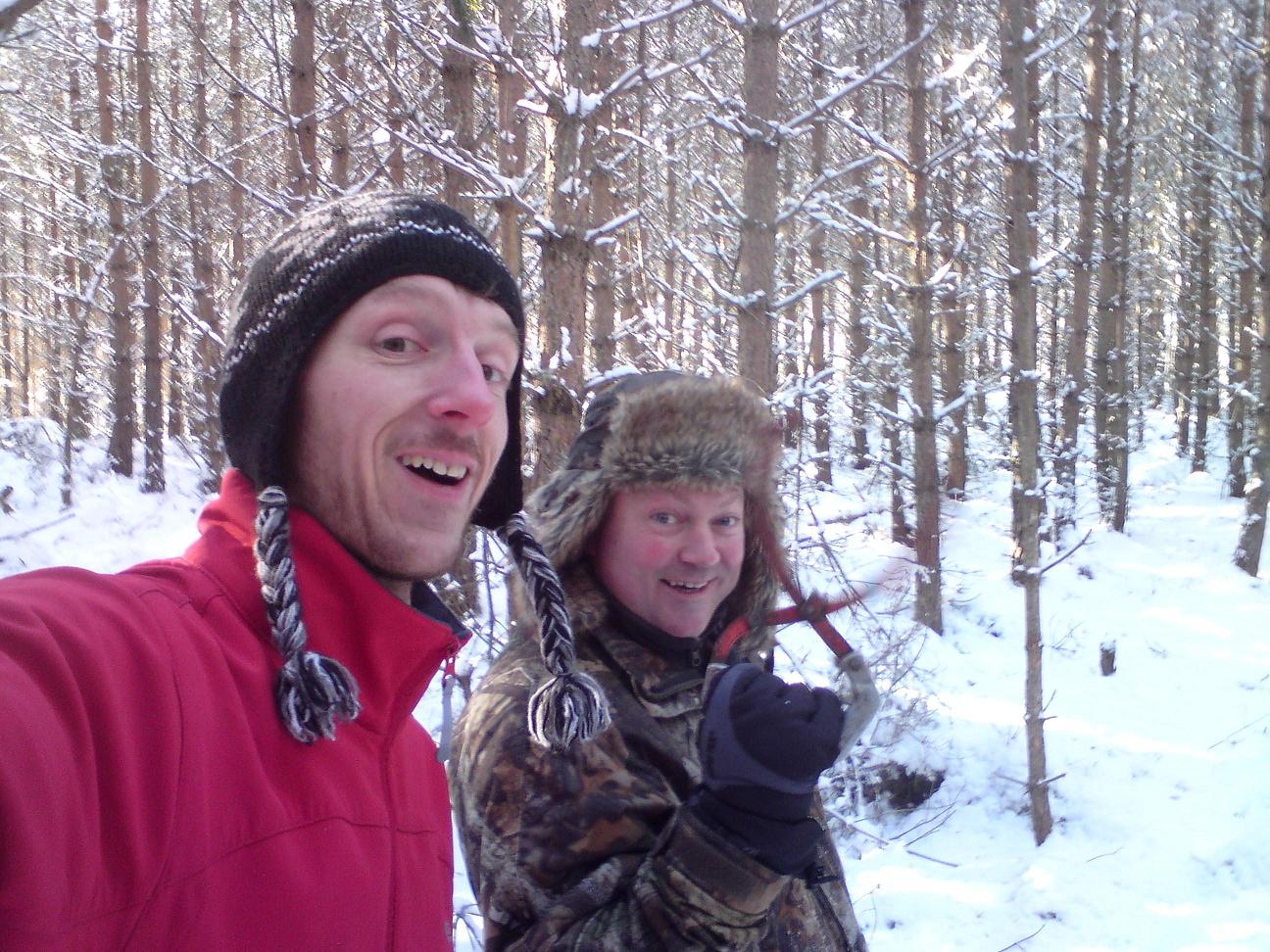
- Tom modelling one log carrying device; myself modelling the “It’s a hat!” hat
-
- I’m fairly sure this is Capercaillie poo – it seems a bit big for grouse…

-
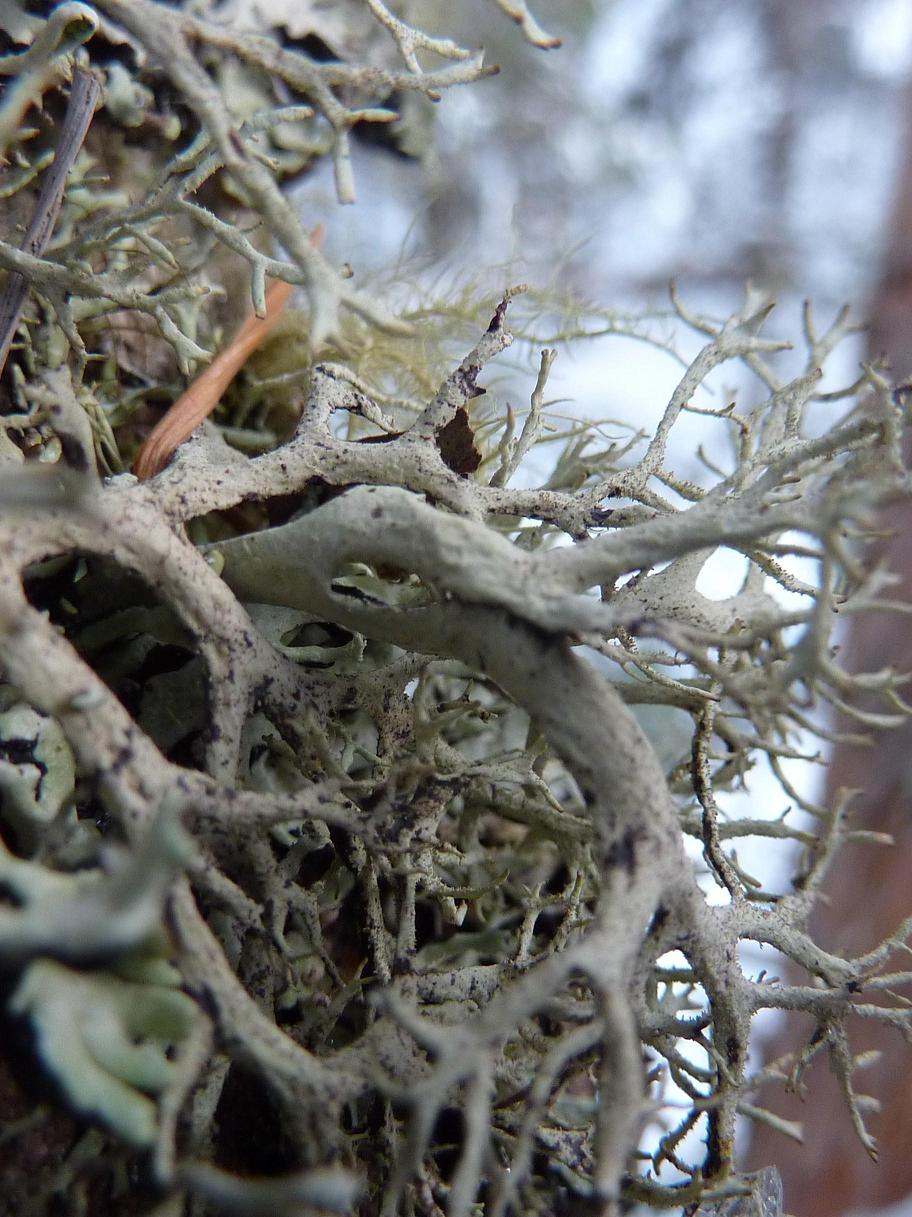
- This lichen, on a Scots Pine trunk, is almost certainly a Cladonia, but it seems greyer and more speckled than the id pics I’ve found
-
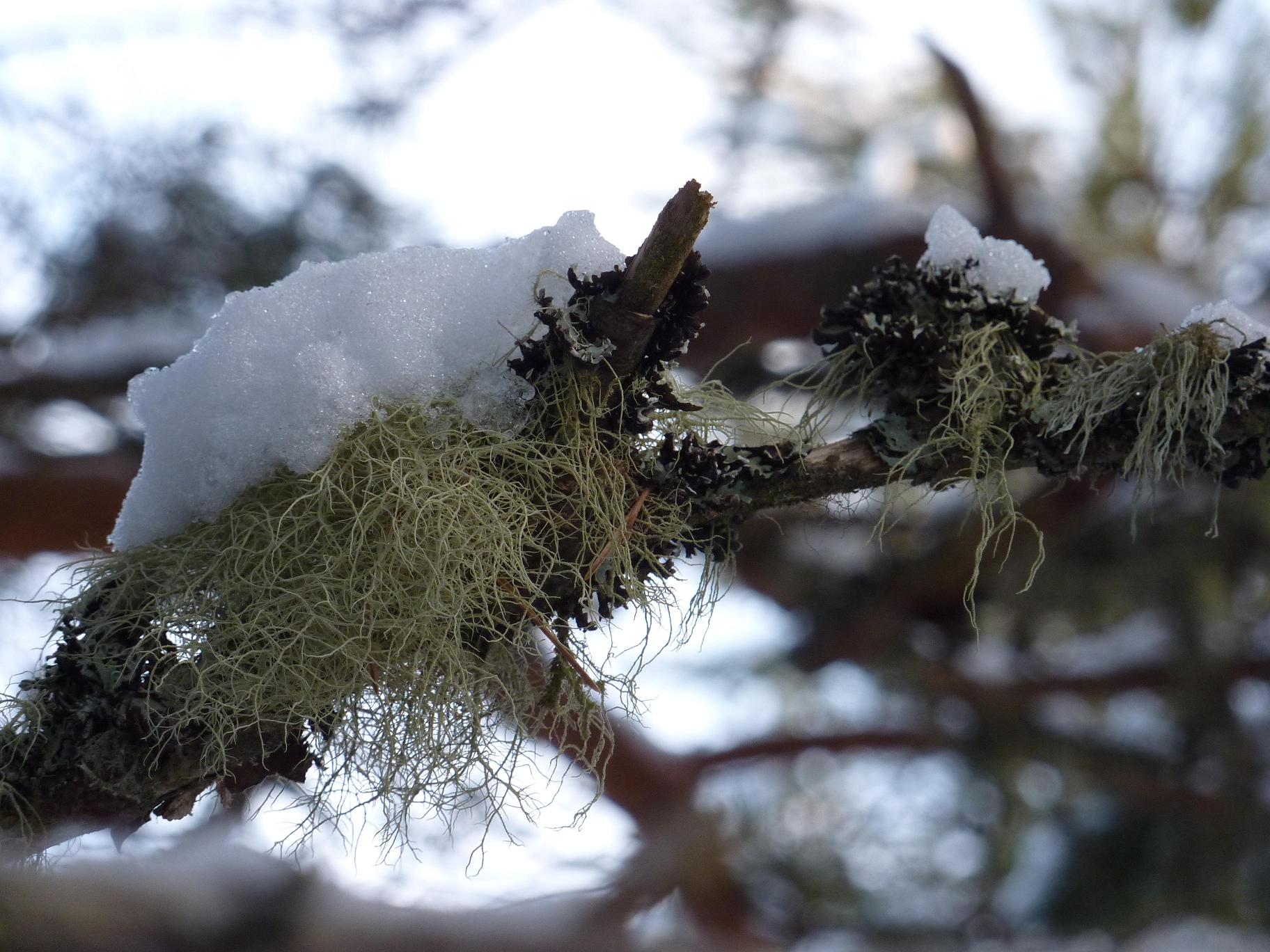
- Whereas I’m fairly sure this is Usnea Rubicunda, also on the same tree.

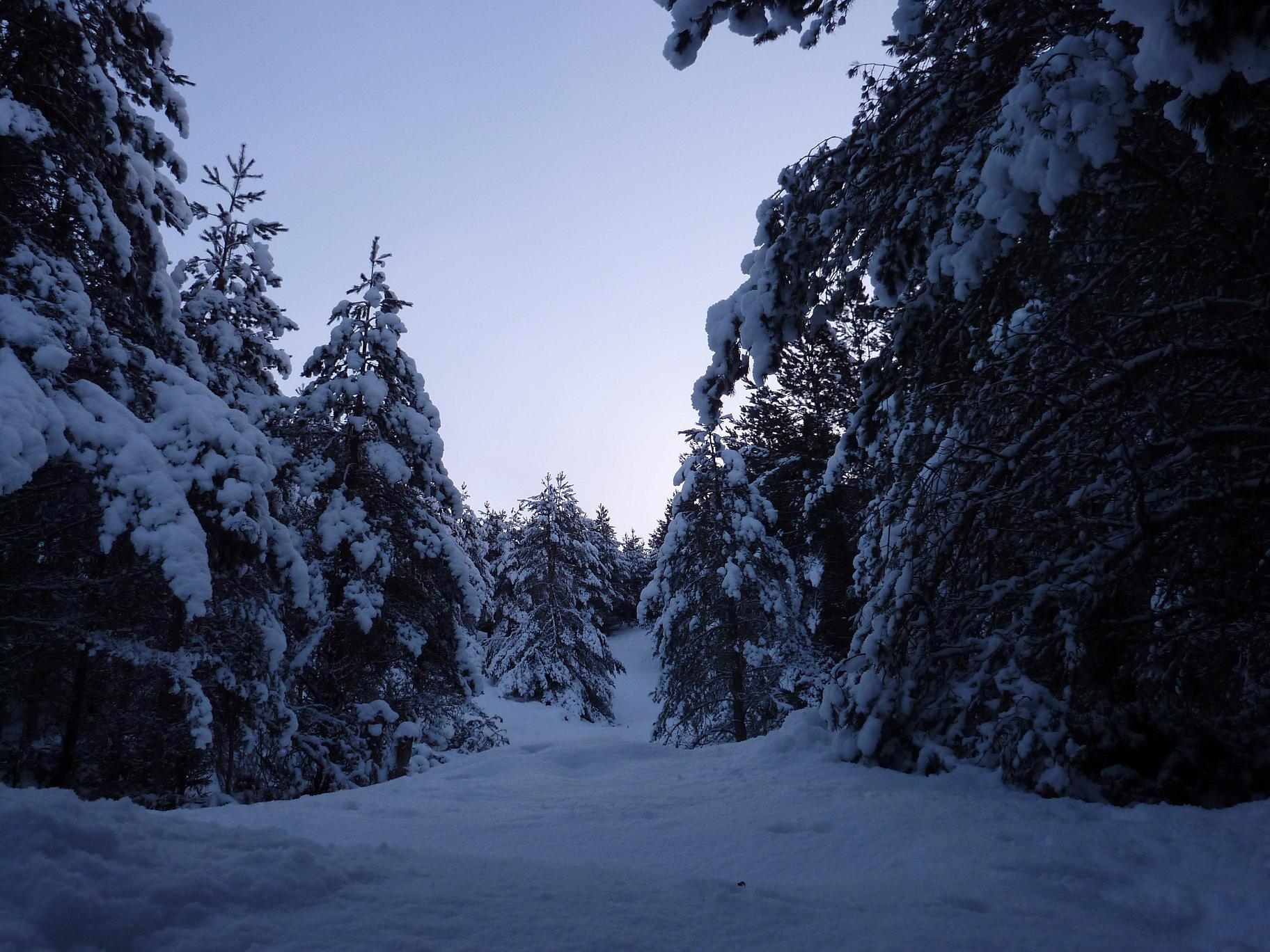
-
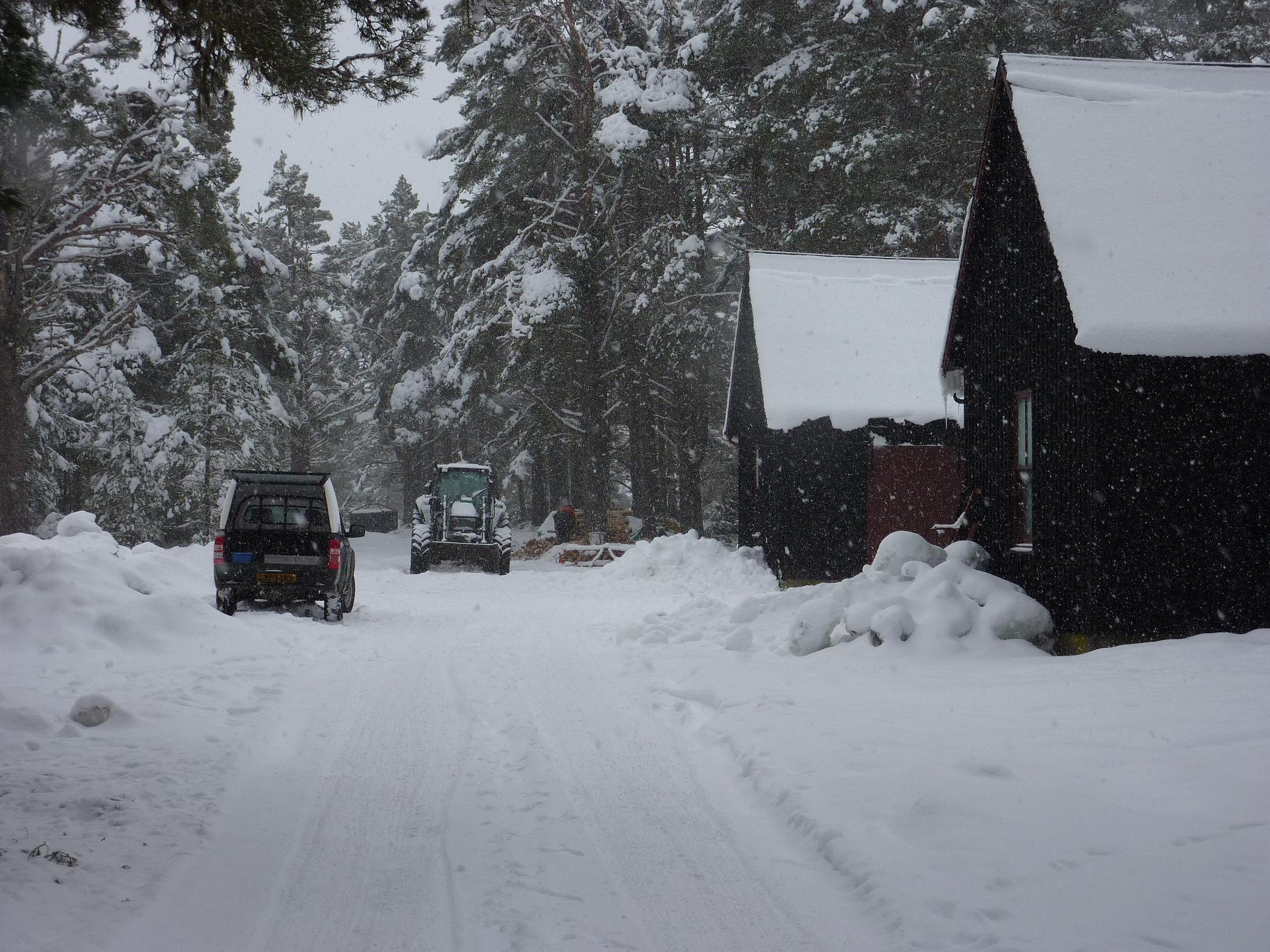
- The workshops.
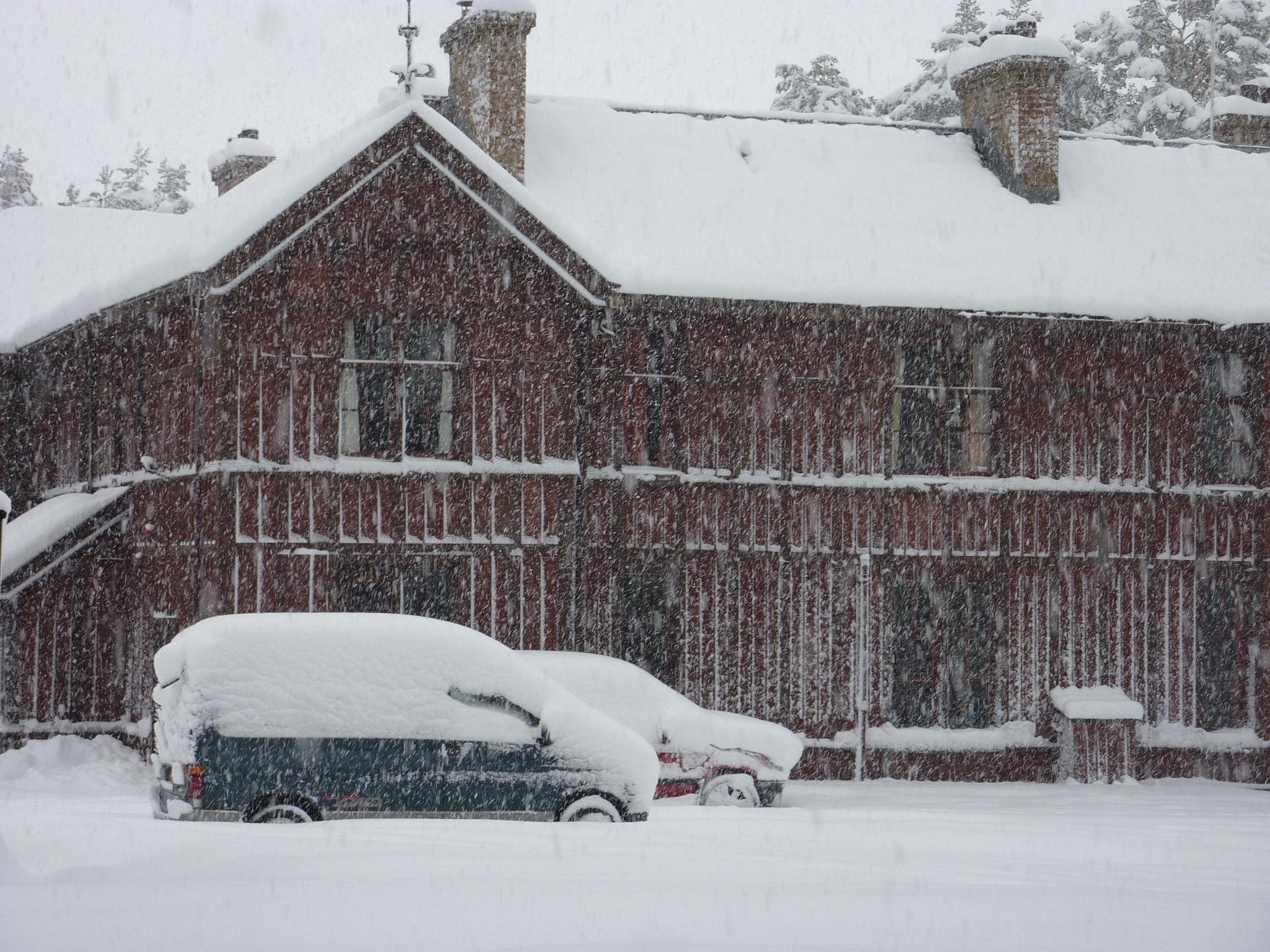
-
- It’s started to snow

-

- Woohoo, it’s properly snowing…
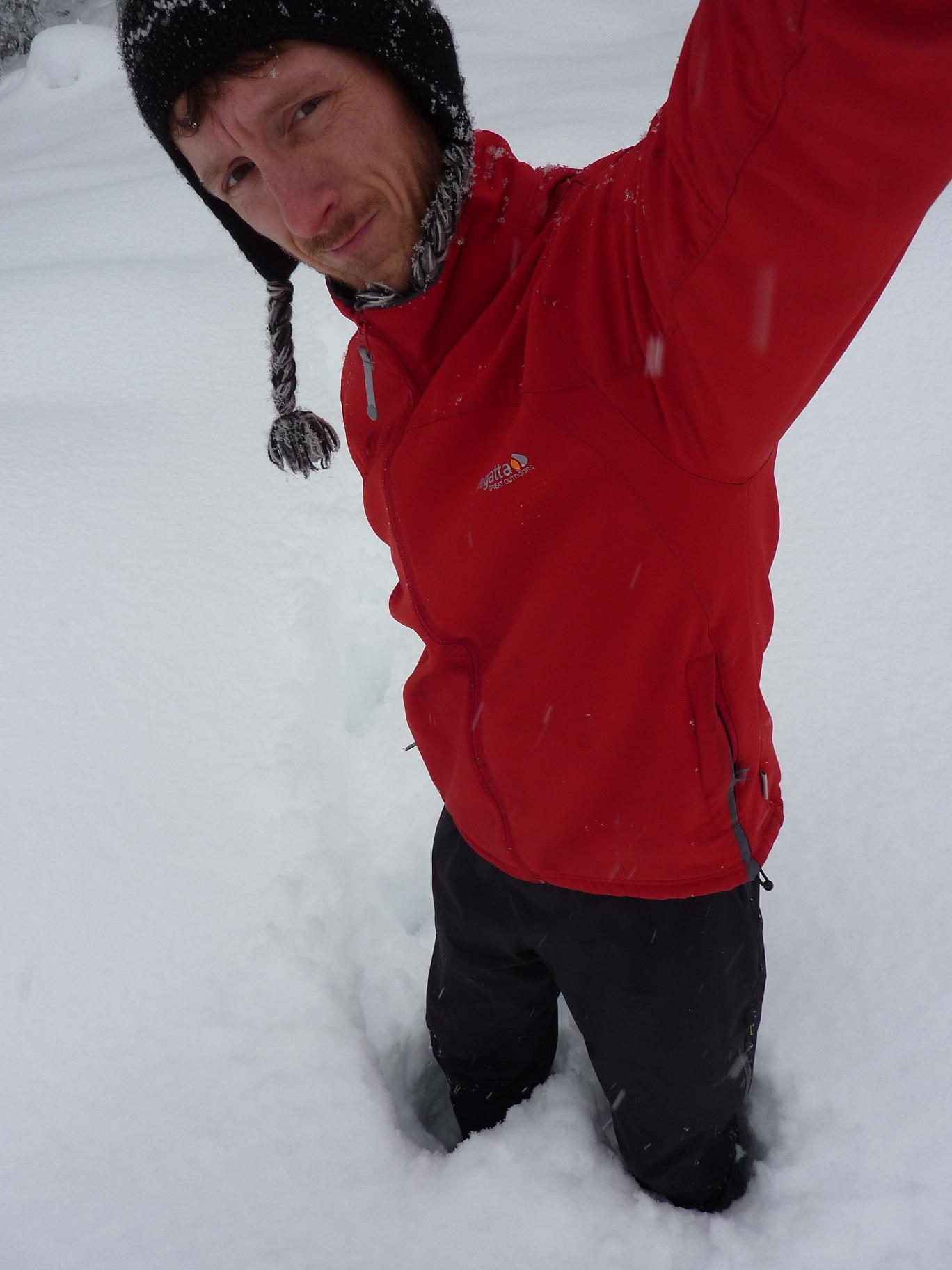
-

- Ah ha haaa, it’s up to my knees!
-

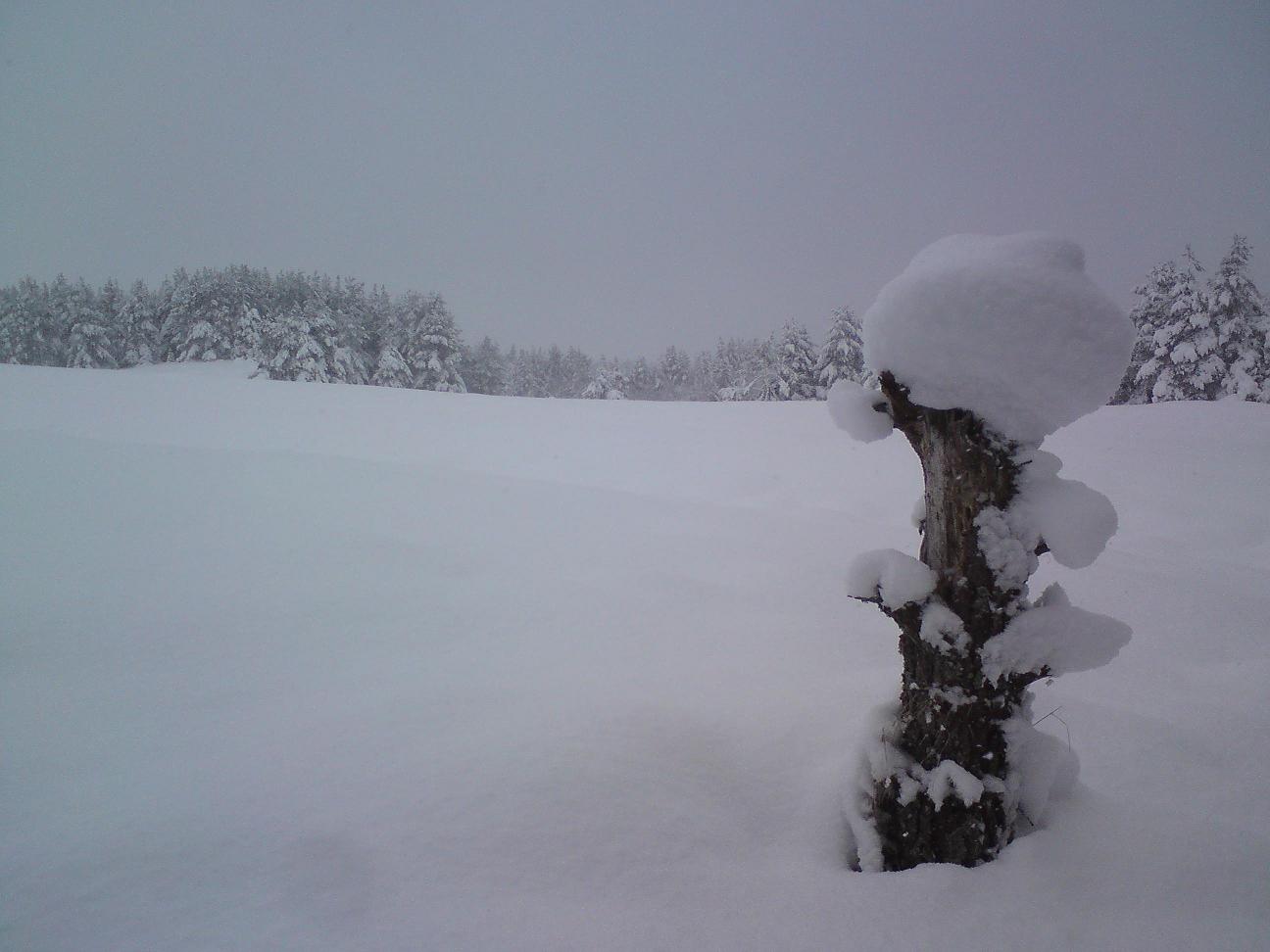
- It’s not so easy making one of these in 2ft of snow

-
- The culmination of years of wishing.
-
- Myself and Tom went to find a hide. Tom turned back, it was pretty knackering walking through 2ft plus of snow. Just yards later I found it, and got these shots of a buzzard

And some pics from Monday
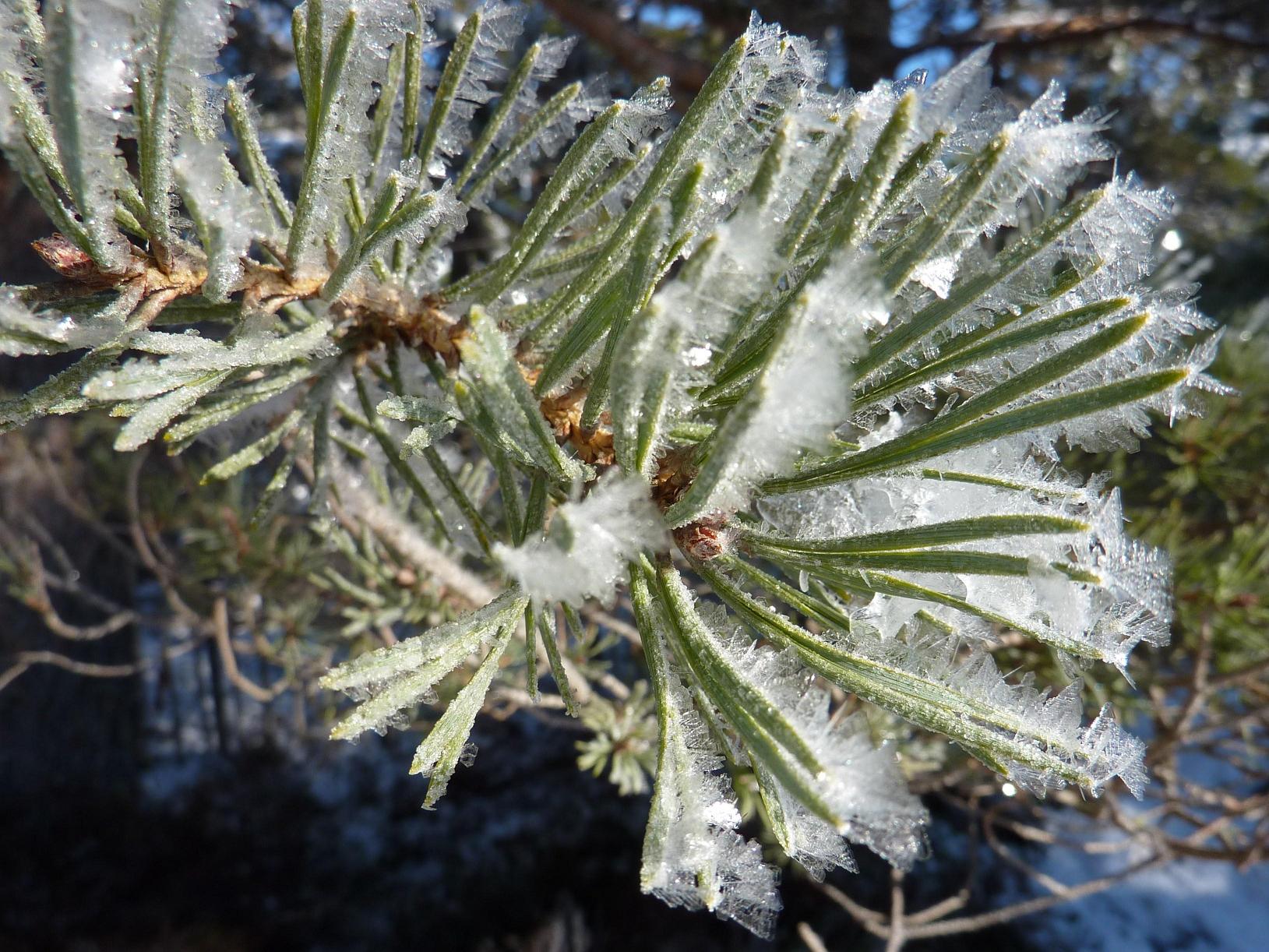
On Monday Dougie, Tom and I were tasked with checking a fence to ensure it hadn’t been breached by any fallen branches. The volume of snow over the last couple of months has caused plenty of branches to snap under the weight. It gives me a chance to see some of the woods near the lodge. Apparently quite a bit of these woods are planted, having been felled many years ago for timber for various wars, mining, etc. Old pictures show the lodge with just a few trees dotted around it, whereas it is now surrounded by semi-mature forest.
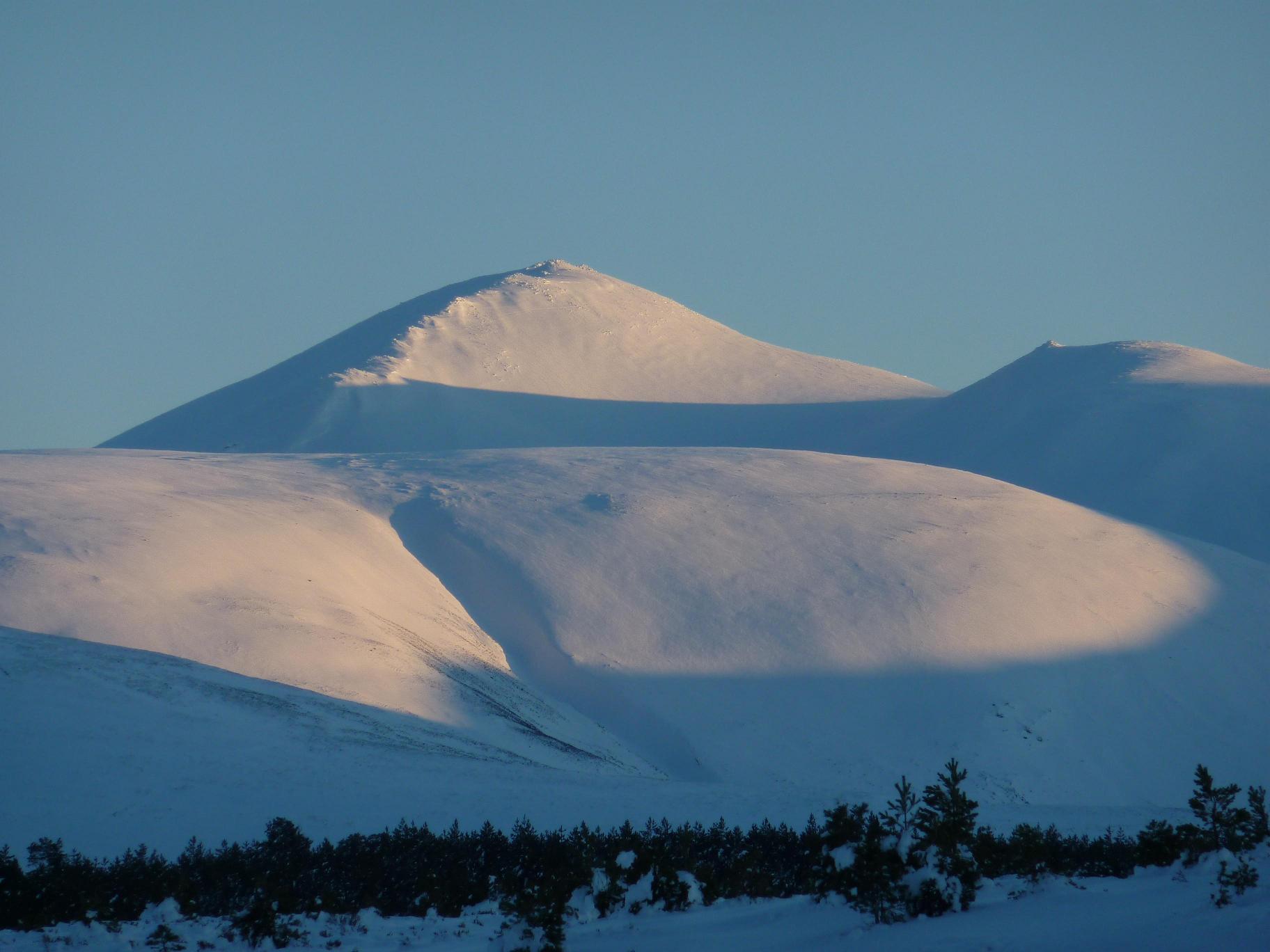
In the afternoon myself and Tom get a chance to drive out towards Rynettin, South of the lodge, to see the sun setting against the Cairngorms.
-
- Dougie and Tom negotiating a slippery river crossing

-
- Bynack More

 Life since the office
Major endorsements