
Old news…
So, February ended up being my last month at RSPB Abernethy. I was offered a contract as a surveyor on the Native Woodland Survey of Scotland (NWSS), and I started training on the 28th. I trained for 4 weeks, then had an assessment with the Forestry Commission Scotland during the last week of March. Thankfully, that went well and I then spent 3 months walking some of Scotland’s woods. Quite a nice way to make a living, I thought. However, would you believe it, things then got even better as I was offered the opportunity to survey raptors, divers and waders off the North coast of Scotland. Days spent watching hen harriers, red throated divers, greenshanks, etc – my dream job as a 12 year old, my dream job now…
For my last full weekend at Abernethy I finally got round to walking up Bynack More, and then on to Loch A’an. I’ve already posted pictures of ptarmigan from the day – here’s another shot or two.
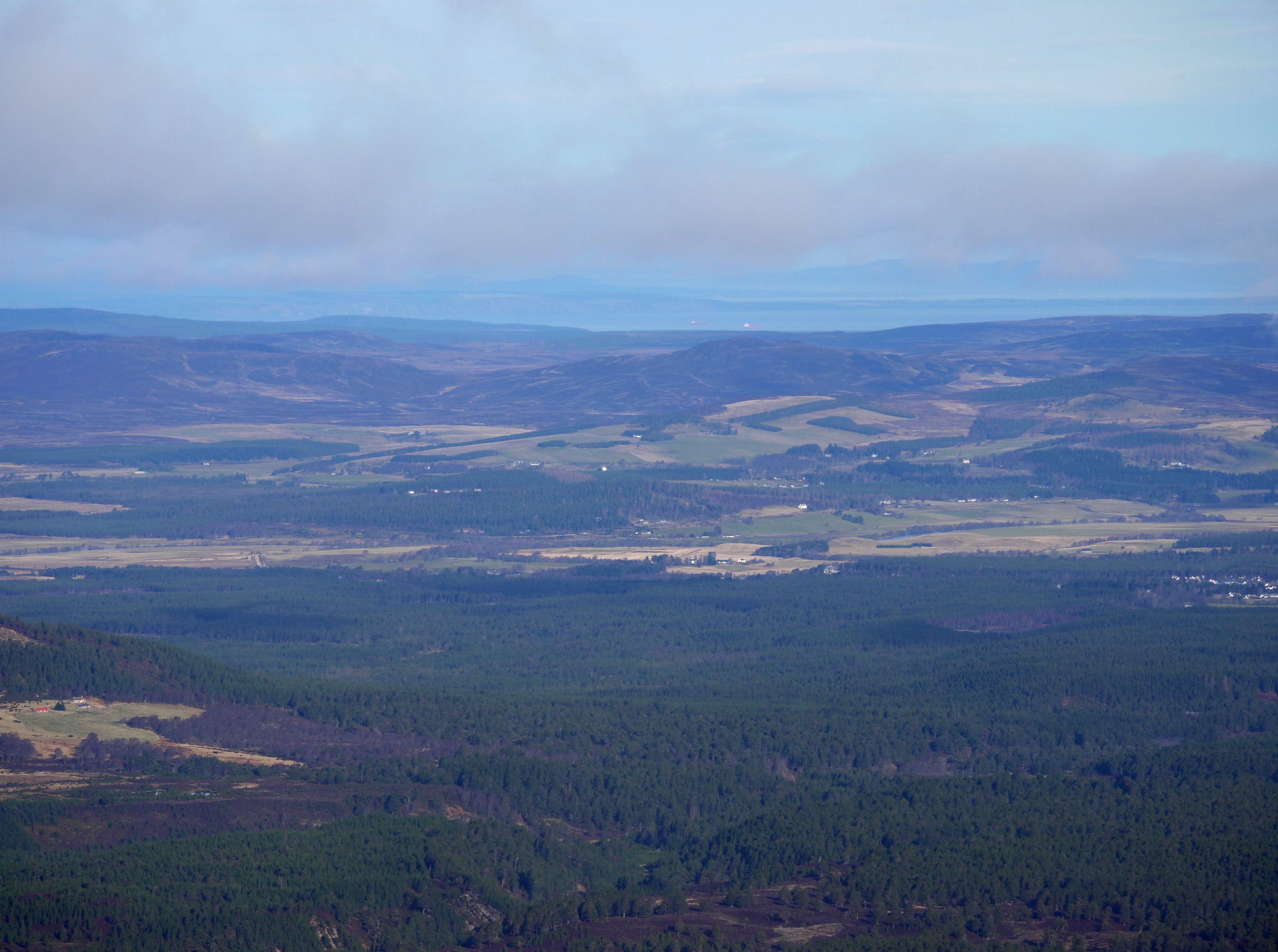
Almost at the top of Bynack More, Abernethy forest in the foreground, Moray firth in the background
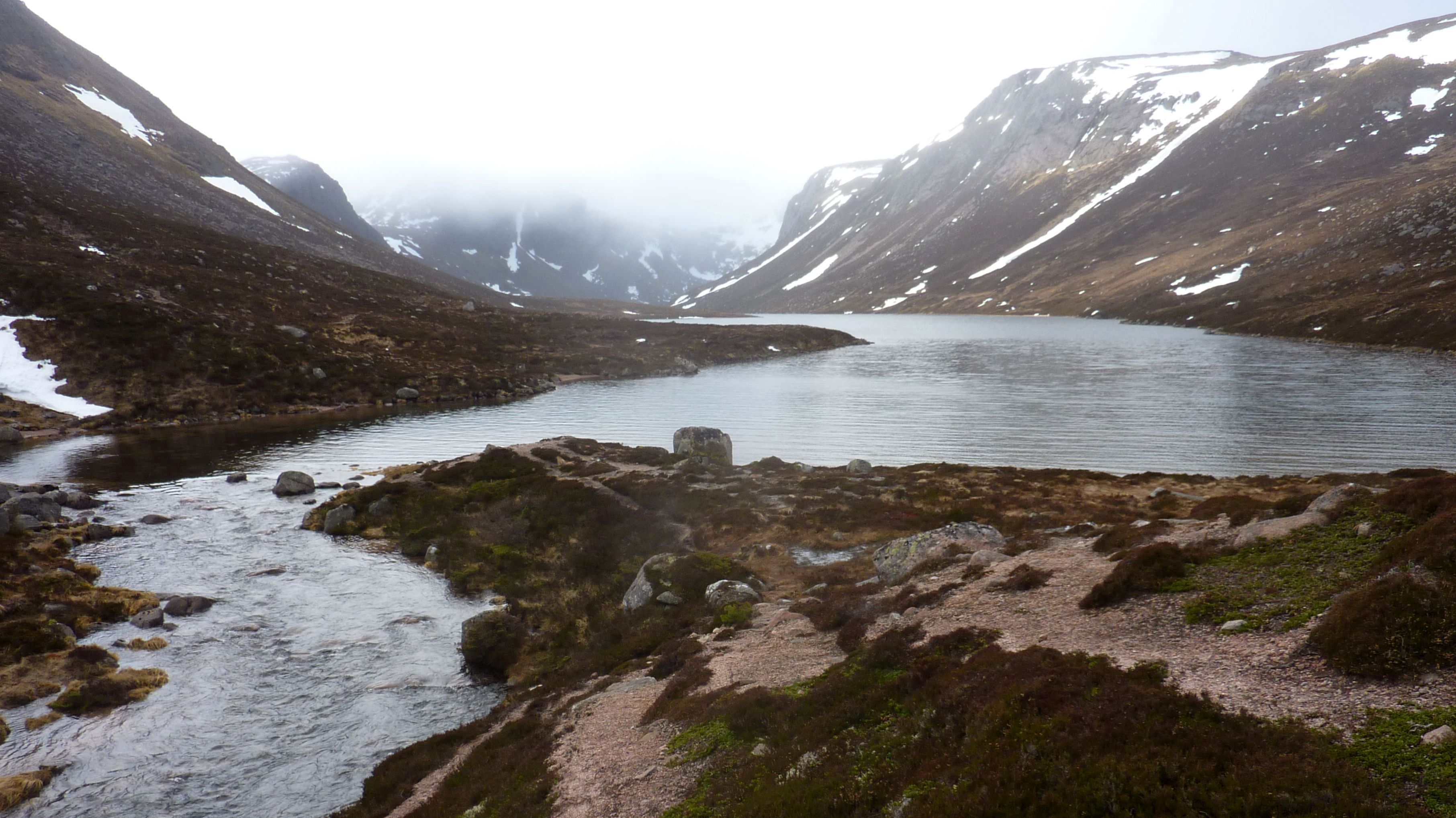
Loch A’an (Avon)
During my last two weeks at Abernethy, I was lucky enough to be offered a contract measuring the progress of the restructuring work that has taken place in the plantations. This involved me walking through all the plantations on a grid pattern and measuring tree density, height and canopy cover. The data collected from this survey will be used to determine where more light could be let in to promote the ground flora favoured by the Caledonian forest’s species. It was a great opportunity to see some of the parts of the reserve that I might not have otherwise seen during my stay.
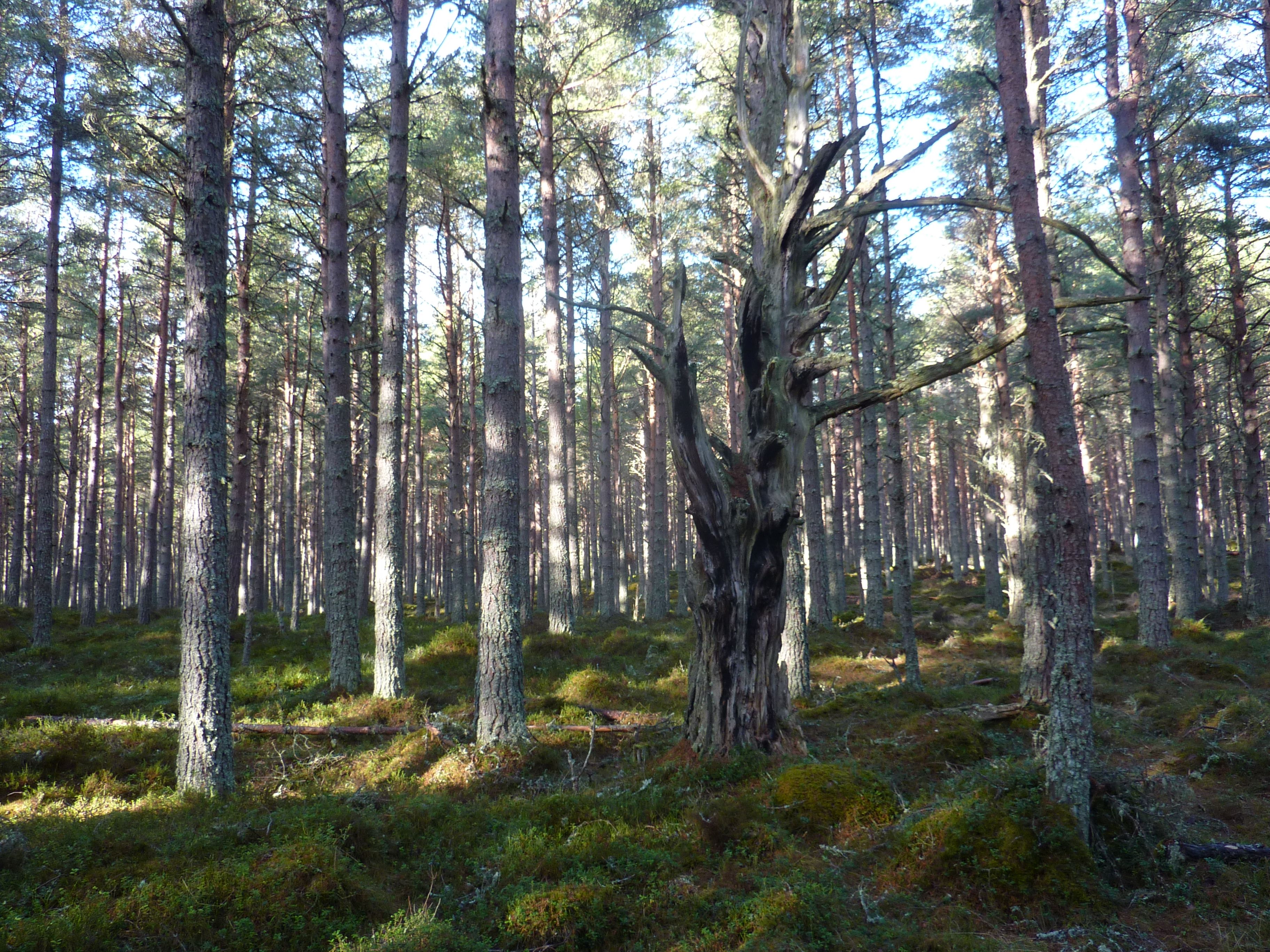
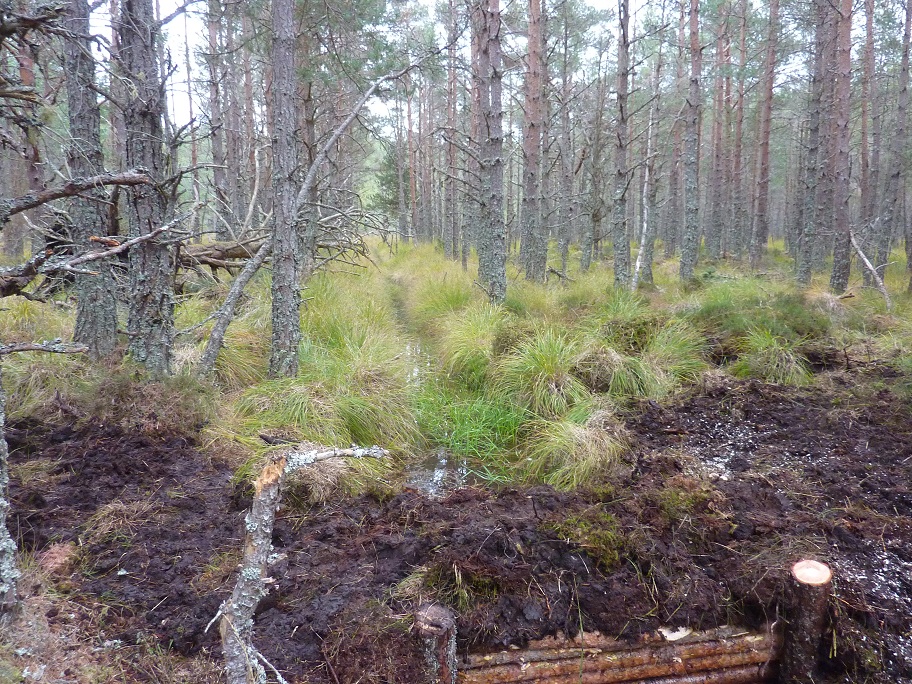
Mondhuie woods – plantation turned good
During this time I’ve also been studying (OU degree) and having to improve my id skills. This doesn’t leave much time for blogging. I’ll keep adding entries when I can, but that won’t be often.
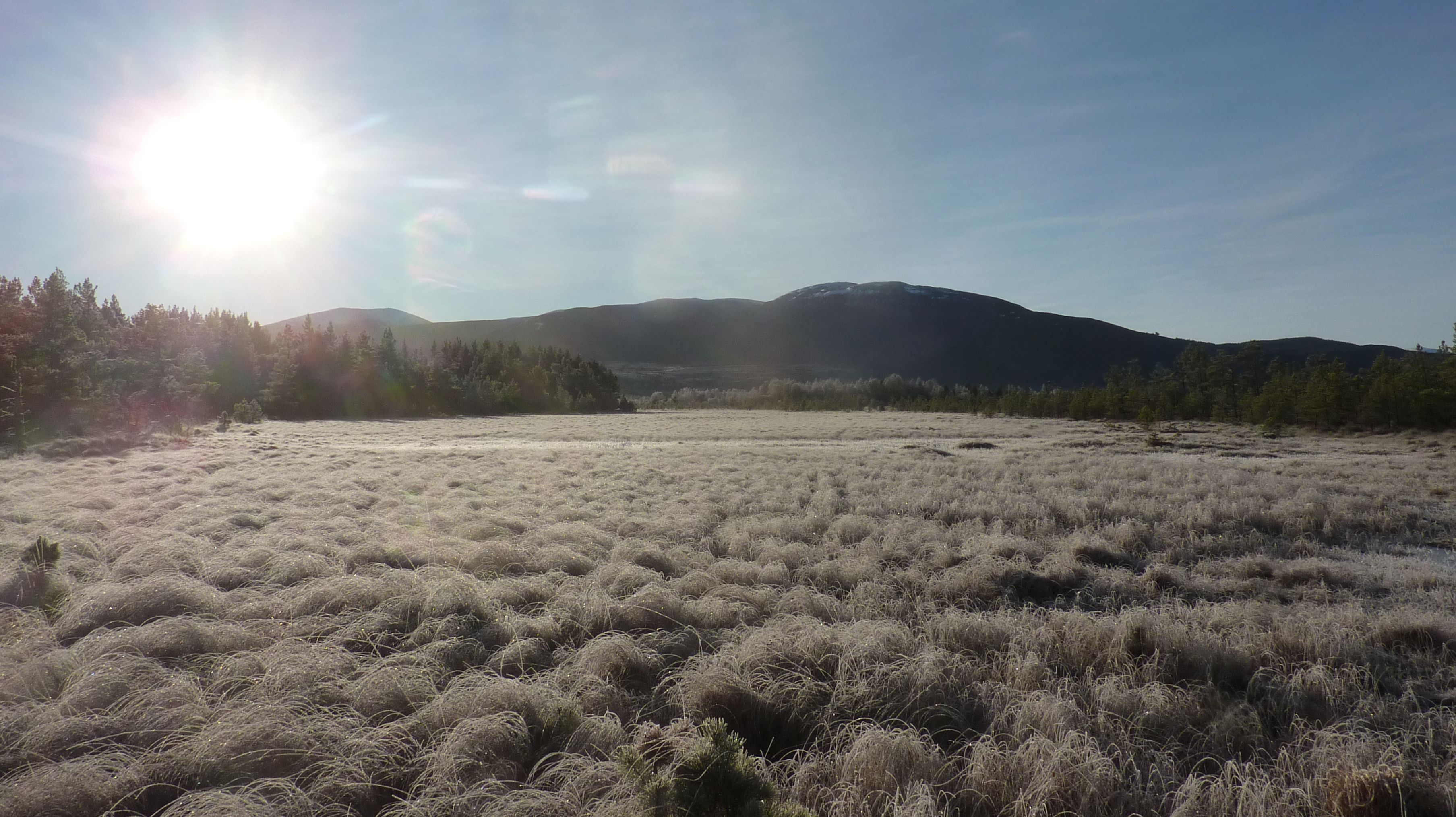
A frozen morning near Loch Mallachie
Here are some final shots from my stay at Abernethy – hopefully I’ll get round to posting some pictures from my time surveying at some point.

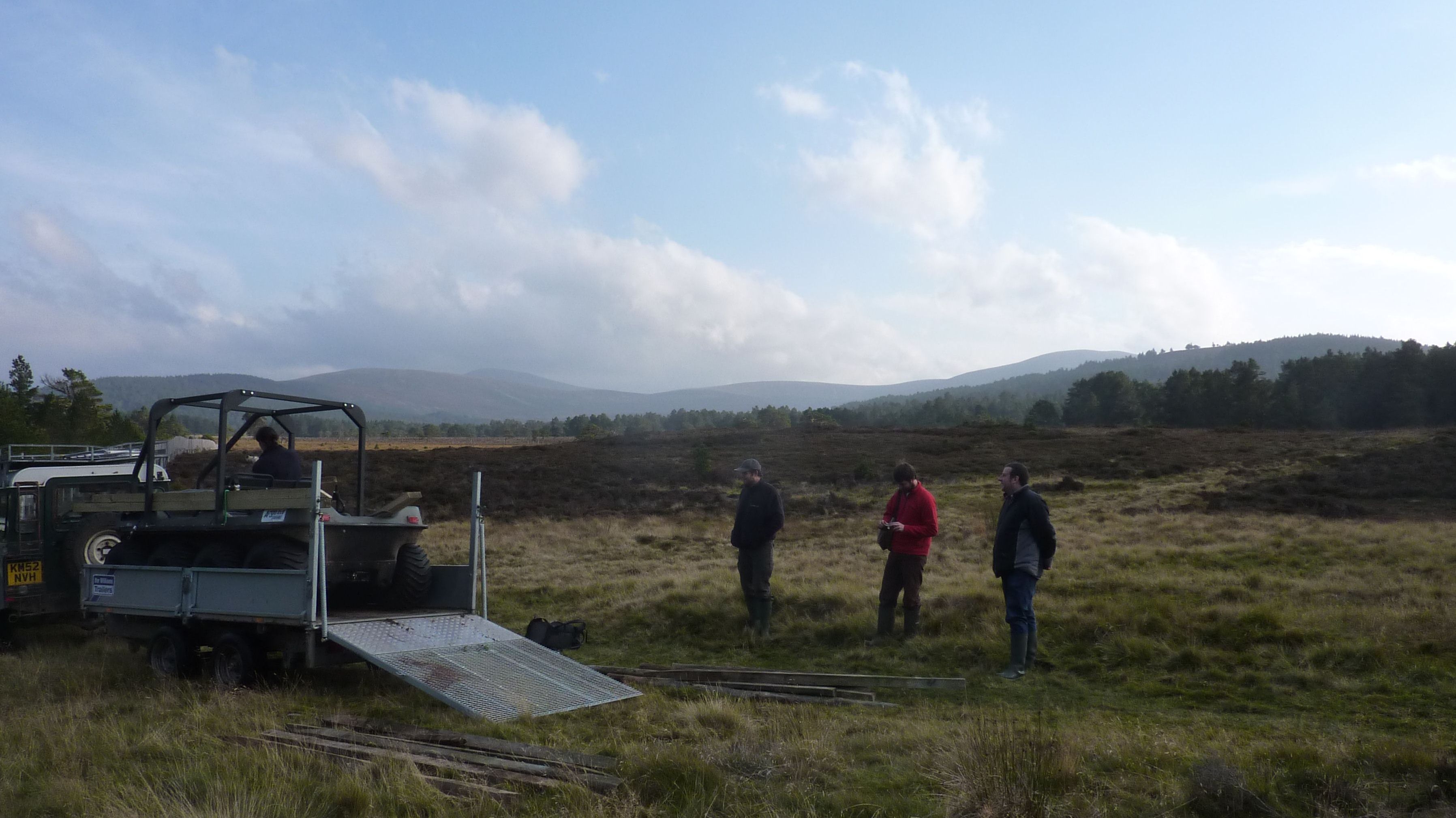
Ian showing off his legendary argo skills up the ‘hill track’. We had planned to get some burning in, but the bitterly cold wind sent us back down the hill
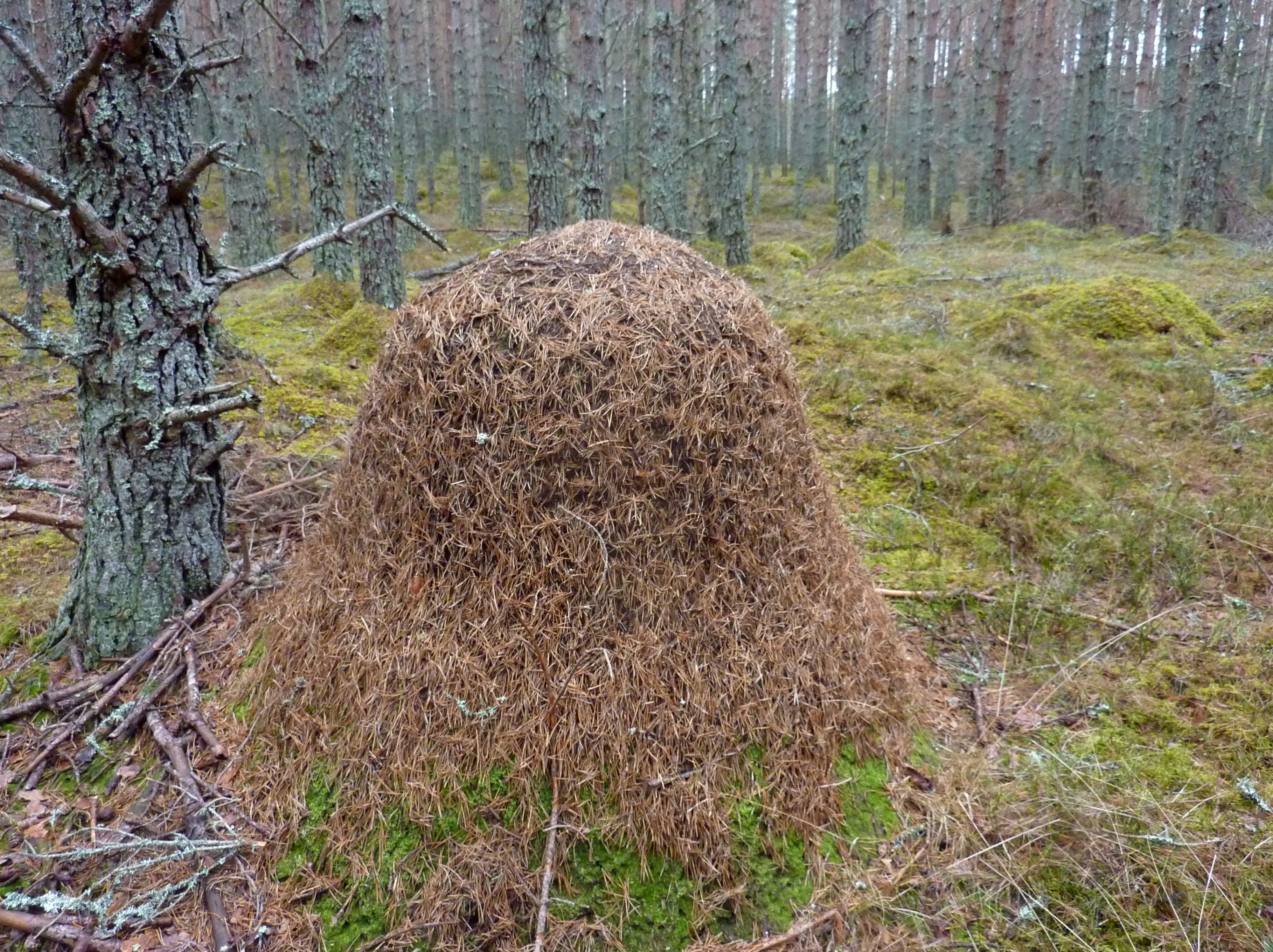
If ant hills are like the tip of the iceberg then I want to see what’s going on under this one…
January at RSPB Abernethy
The three of you that follow this blog will have noticed a minor slow down in posts recently. I’m afraid this situation might not get better any time soon. During my delve into nature this blog has been a great way to express my excitement over all the things that I see. However, as I’m keen to learn more and more about nature, habitats, species, the people who I meet and work with, and the work that we do, etc, the blog has fallen down the list of priorities. I finished my latest OU assignment yesterday, and so have an evening to write this up.
To bring things reasonably up to date I’m afraid I’m going to have to cram a whole month into one entry. I’ve seen some great things this month, as usual but, due to an ongoing lack of zoom functionality on my cameras, I’m unable to bring you pictures of a female hen harrier, male and female capercaillie, crested tit, pine marten, and widgeon and mallard on Loch Garton.
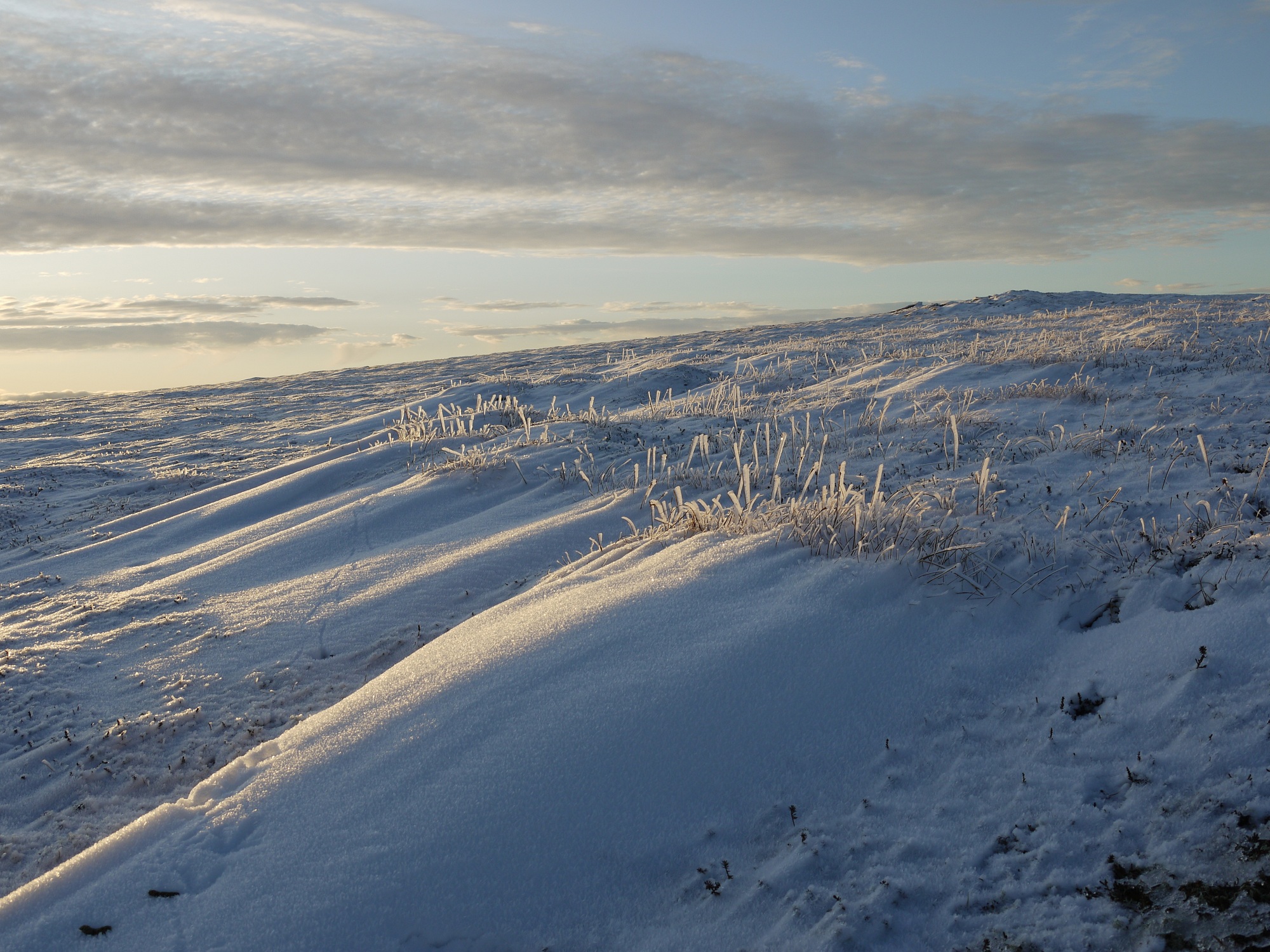
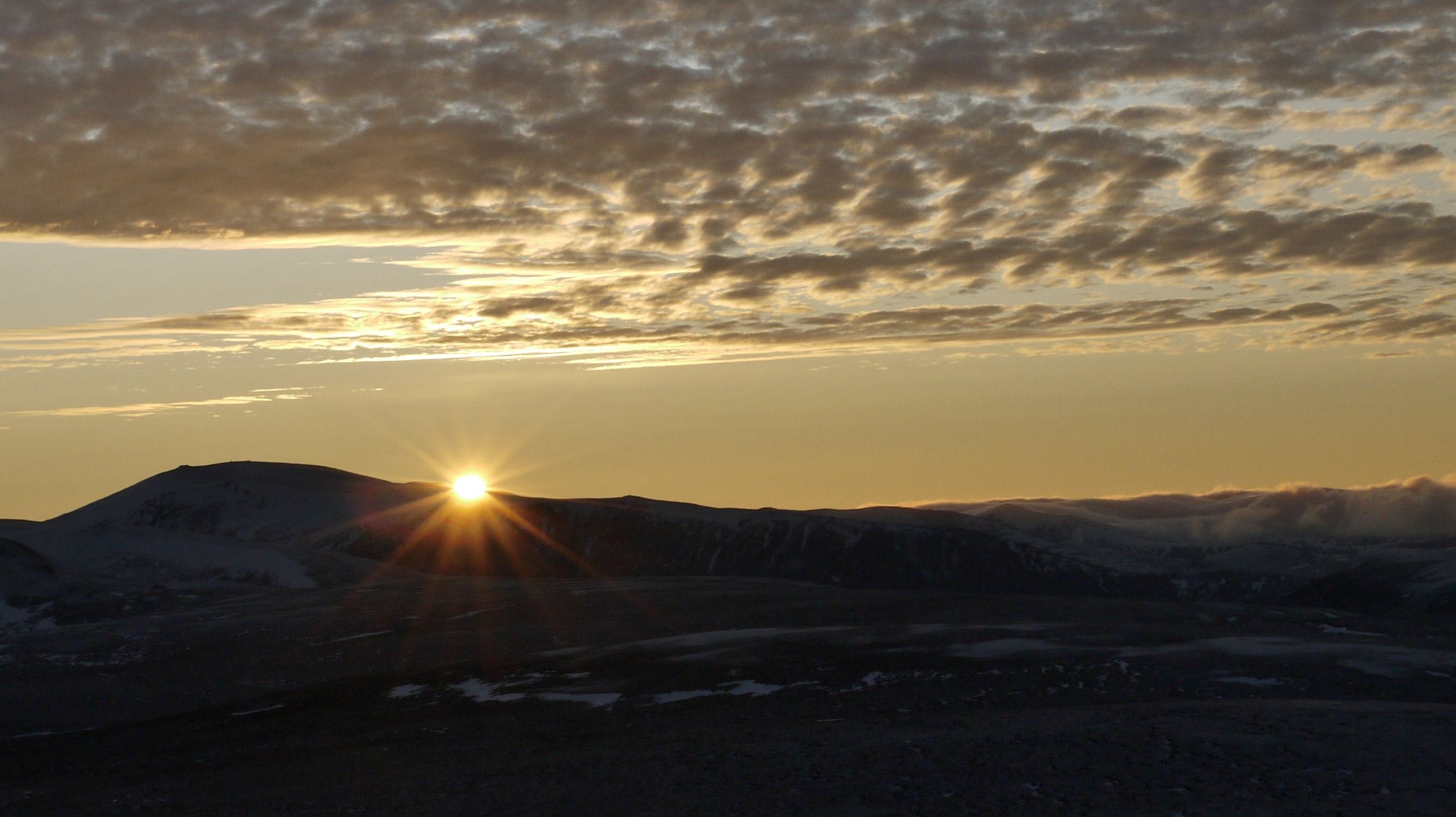
A major walk this month, was to the Water of Caiplich, and the amazing tundra like high altitude (for this country) landscape that I walked through to get there and back. Most of the rest of the photos are from a walk up the Nethy, at the point where it enters the forest from the Savannah. The waterway becomes a large gorge with sand banks on either side. It’s vaguely reminiscent of North West America, and it wouldn’t look out of place if there was a bear pulling salmon out of the river at the bottom of the gorge.
The rest of the month’s story will be explained through the medium of photographs:
-
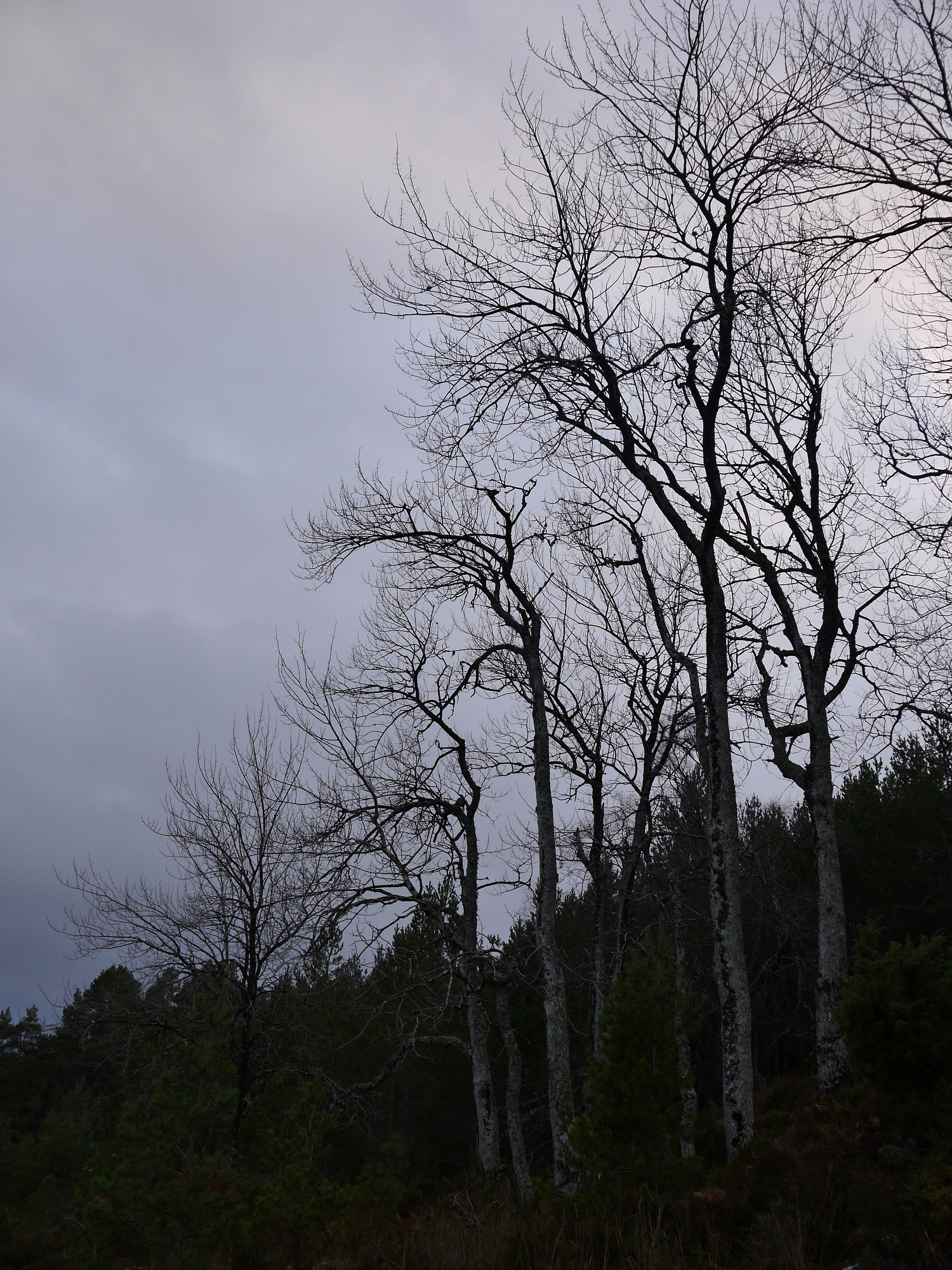
- A rare stand of aspen
-
- Loch a’ Chnuic
-
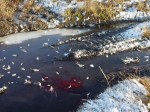
- A red grouse has been smashed into the ice, probably by an eagle
-

- The Water of Caiplich

-

- Signs of grouse action near the top of Geal Charn
-

- When I talk about living in a big old lodge in the middle of the woods, this is what I mean

-
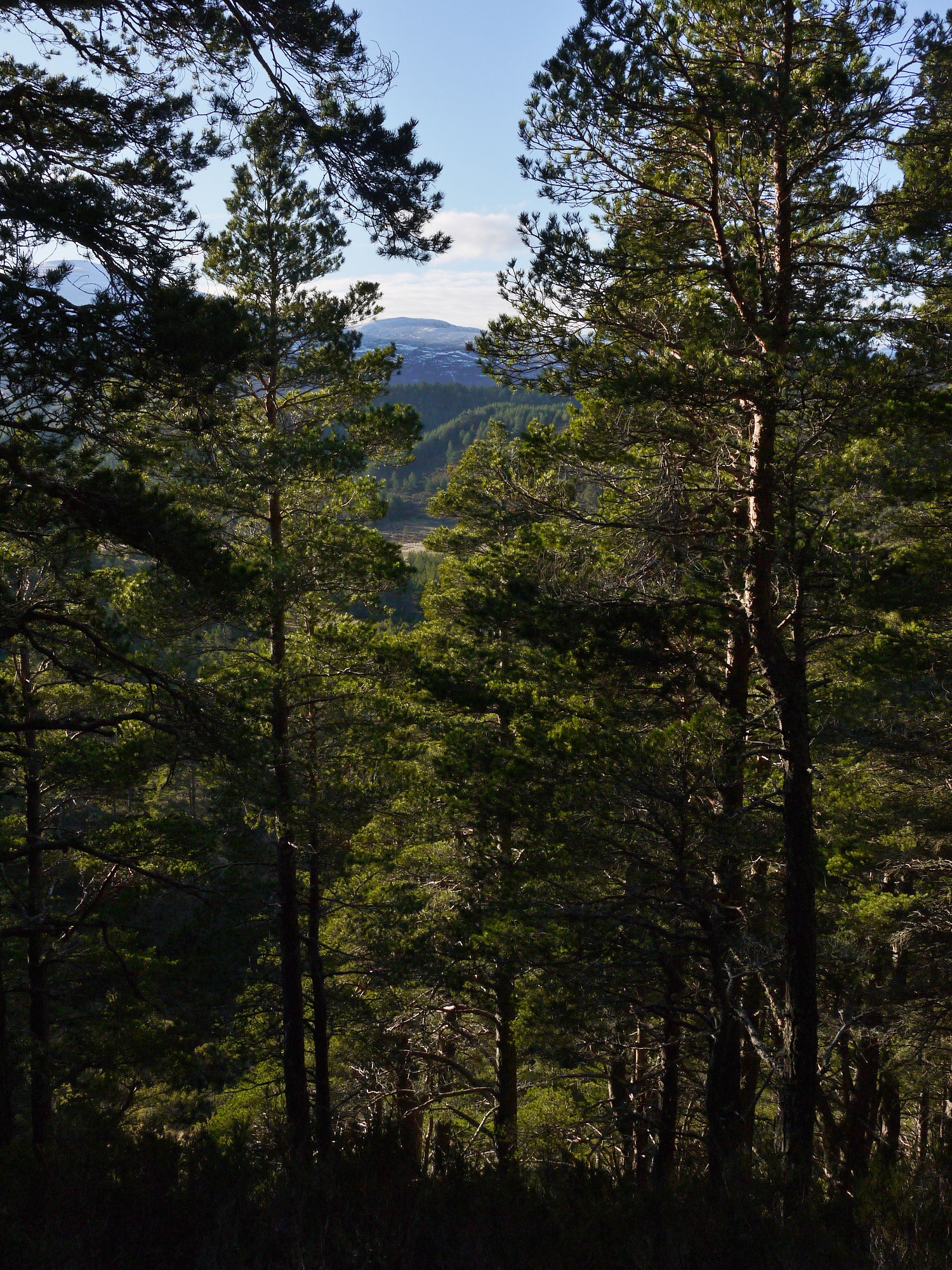
- Some fine examples of scots pine and juniper


-
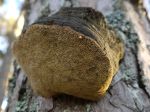
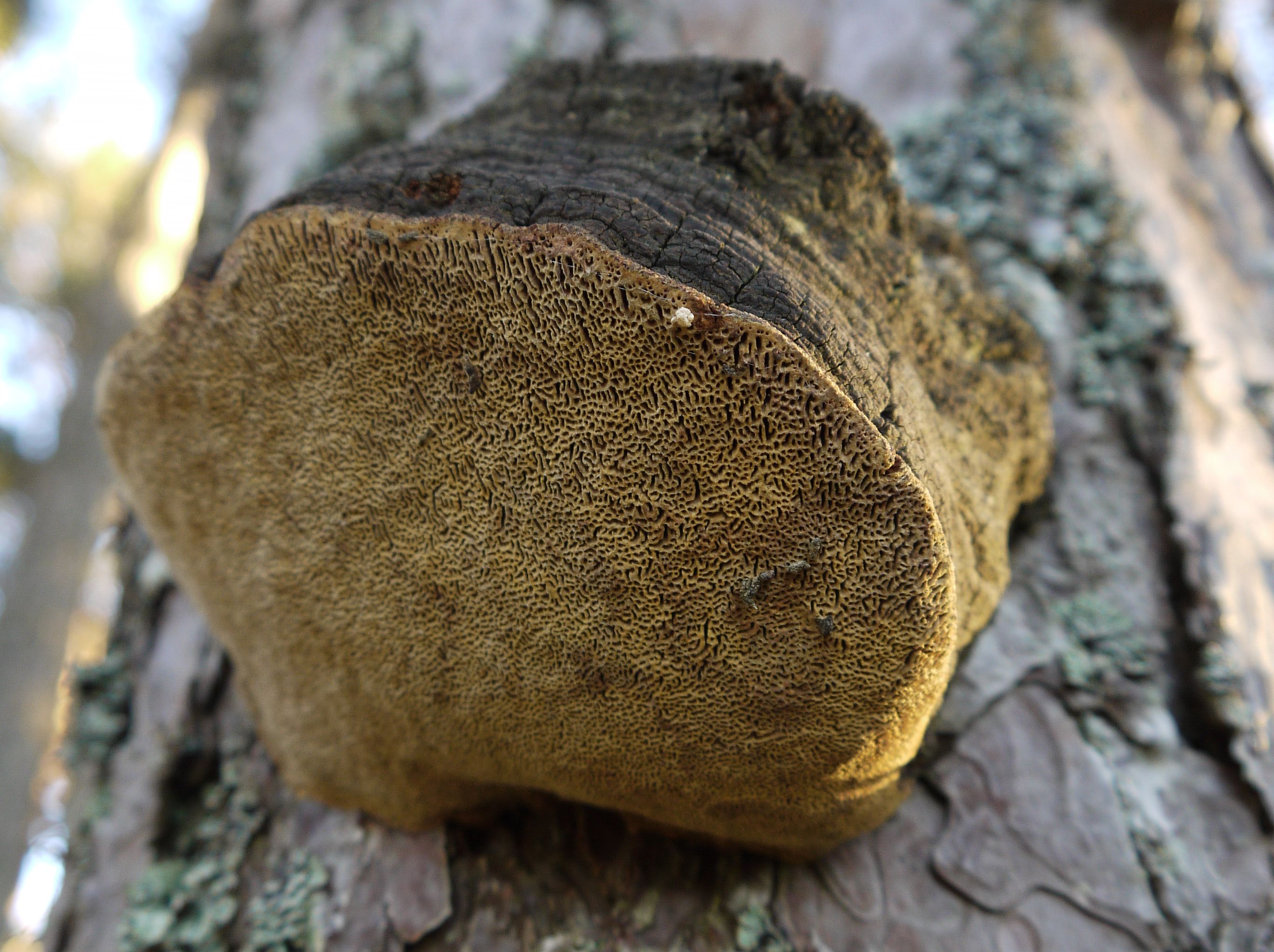
- A bracket fungus on a scots pine
Stirling and storms
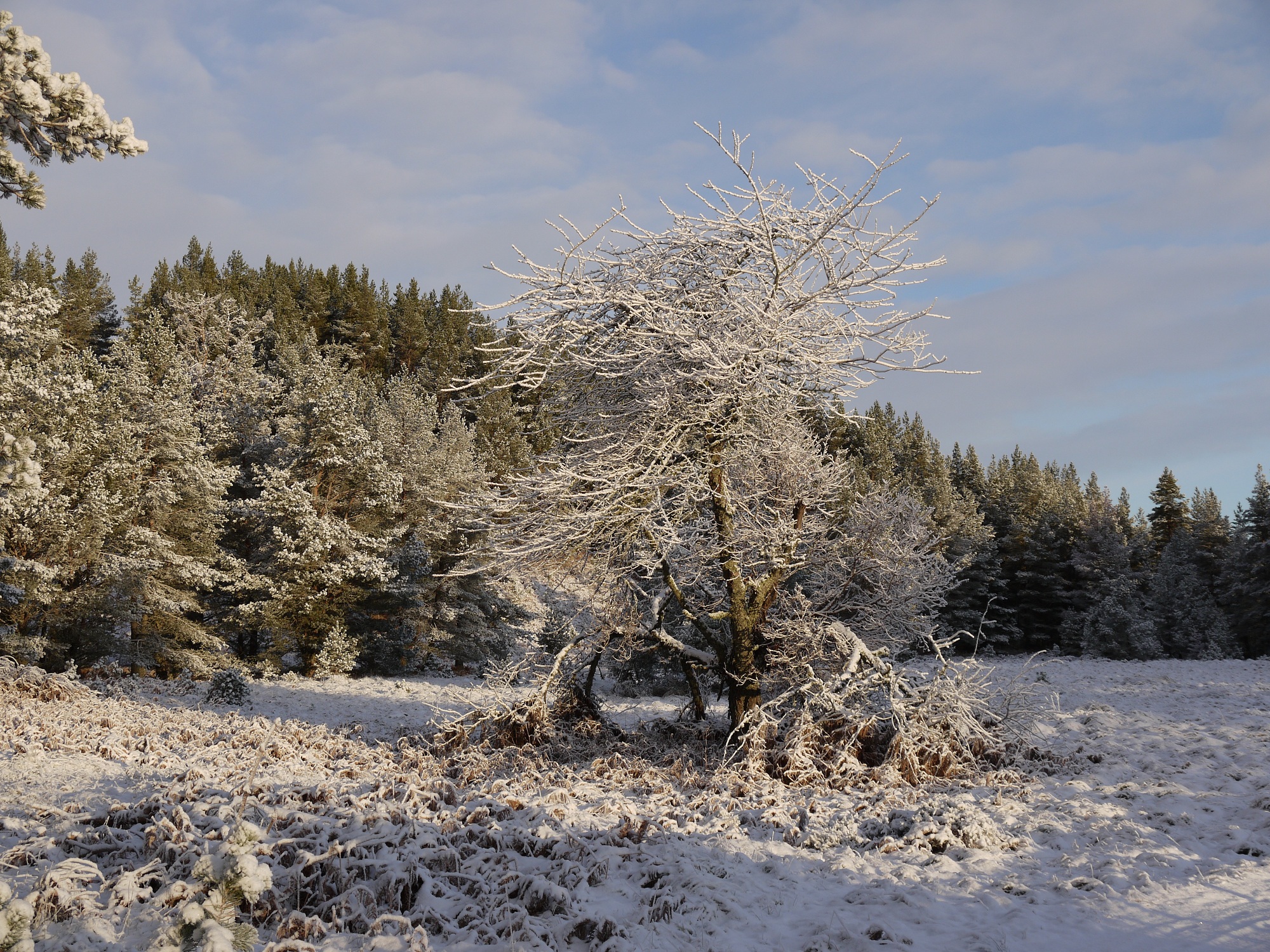
In the last couple of weeks the weather has been a bit changeable. At one point a wind speed of 165mph was recorded on the top of Cairngorm, and we have lost contact with the local radio mast a couple of times in strong winds. On occasions myself and Ross have been out doing late night and early morning tours of the local roads to clear fallen trees.
On the 10th/11th I spent the weekend in Stirling. Since then I’ve spent most of every day out on the reserve. I’ve been lucky enough to get good sightings of golden eagles, and to get reasonably close to a pine marten. There were a few days when we saw a grey heron nearly every day. With the lochs freezing over it’s got to be a tough time of year for a bird looking to find food in water. This might apply to the 14 mallard I saw on Loch a’ Chnuic a couple of days before it froze over, but not the dippers I’ve seen around, who will feed in fast flowing waters that are unlikely to freeze at current temperatures.
There seem to have been an influx of woodcock since the beginning of the month, perhaps late arrivals from Russia and Scandinavia. I’ve also seen one or two black-billed (adult) blackbirds, which are also likely to be of Scandinavian origin.
-
- The Wallace monument and a particularly attractive birch tree.

-

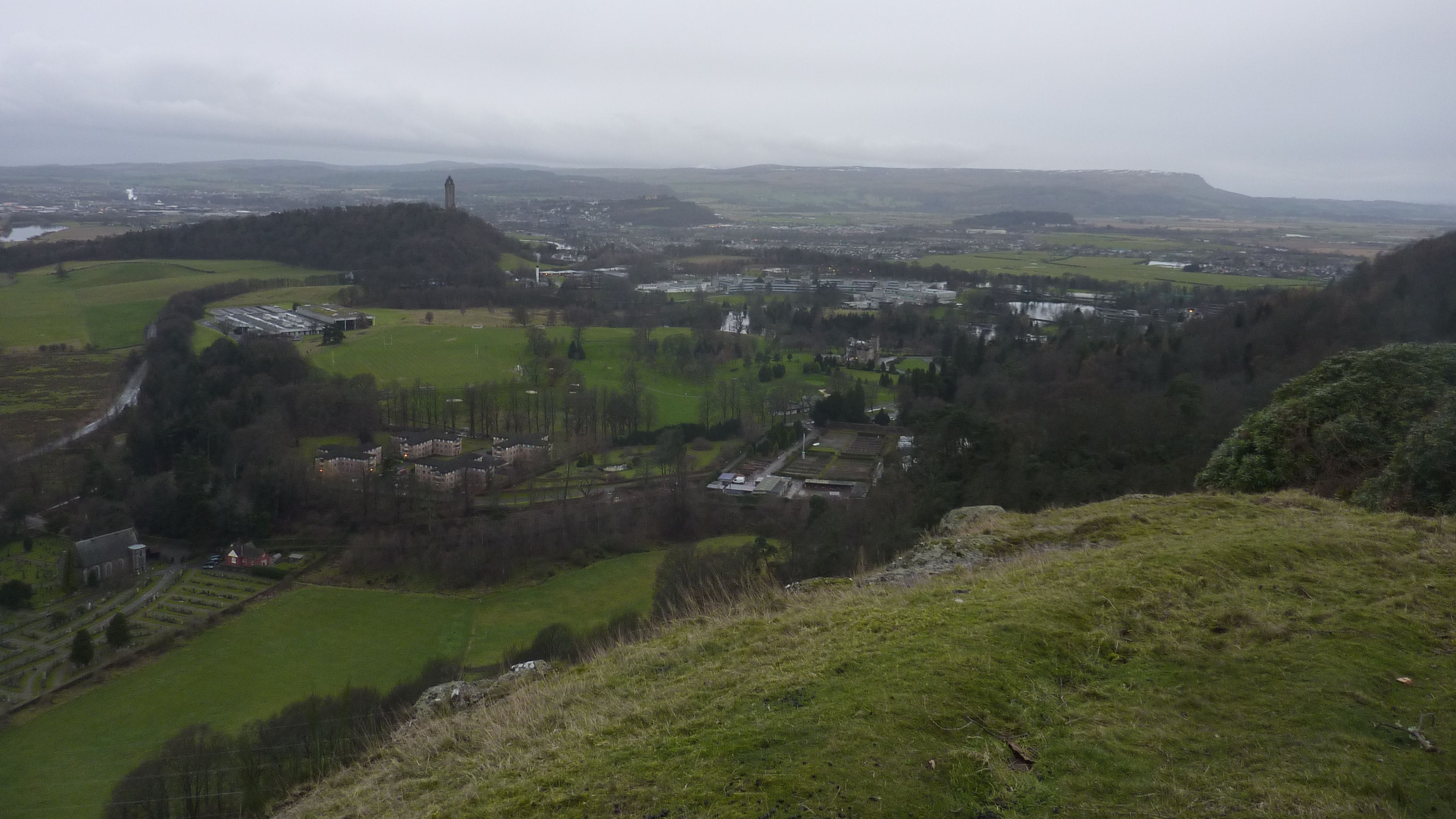
- Stirling, seen from the hills at Blairlogie
-
- Meanwhile, back at Abernethy, the colder weather sees more activity on the bird table

-
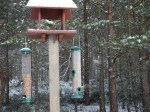
- I can count 143 birds in the picture, how many can you see?


-
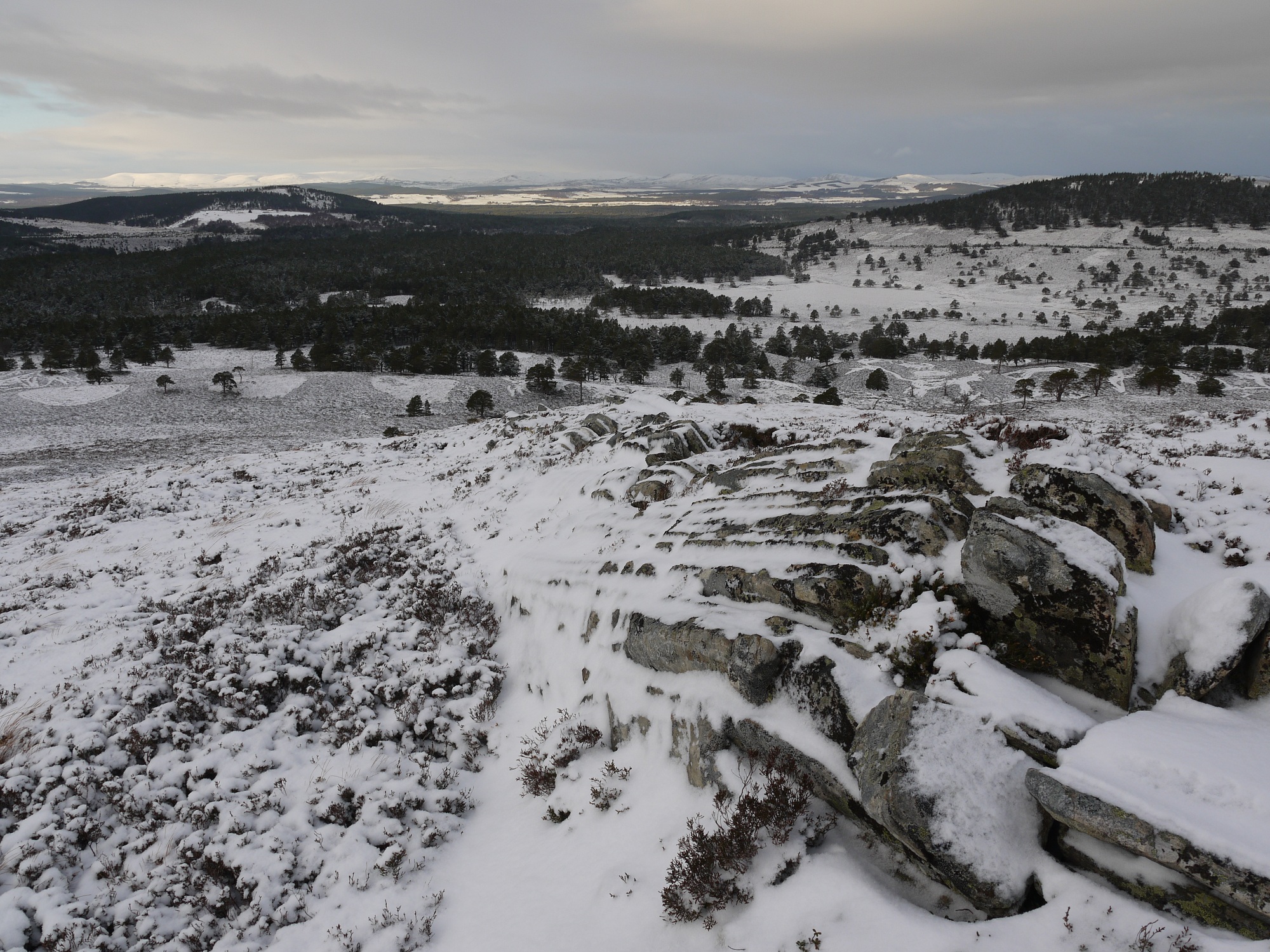
- Looking South from Carn a’ Chnuic

-

- There are plenty of red deer on the reserve at the moment

-

- Looking West from the lower slopes of Carn Bheadhair
-
- The Hidden Loch

Winter finally shows up
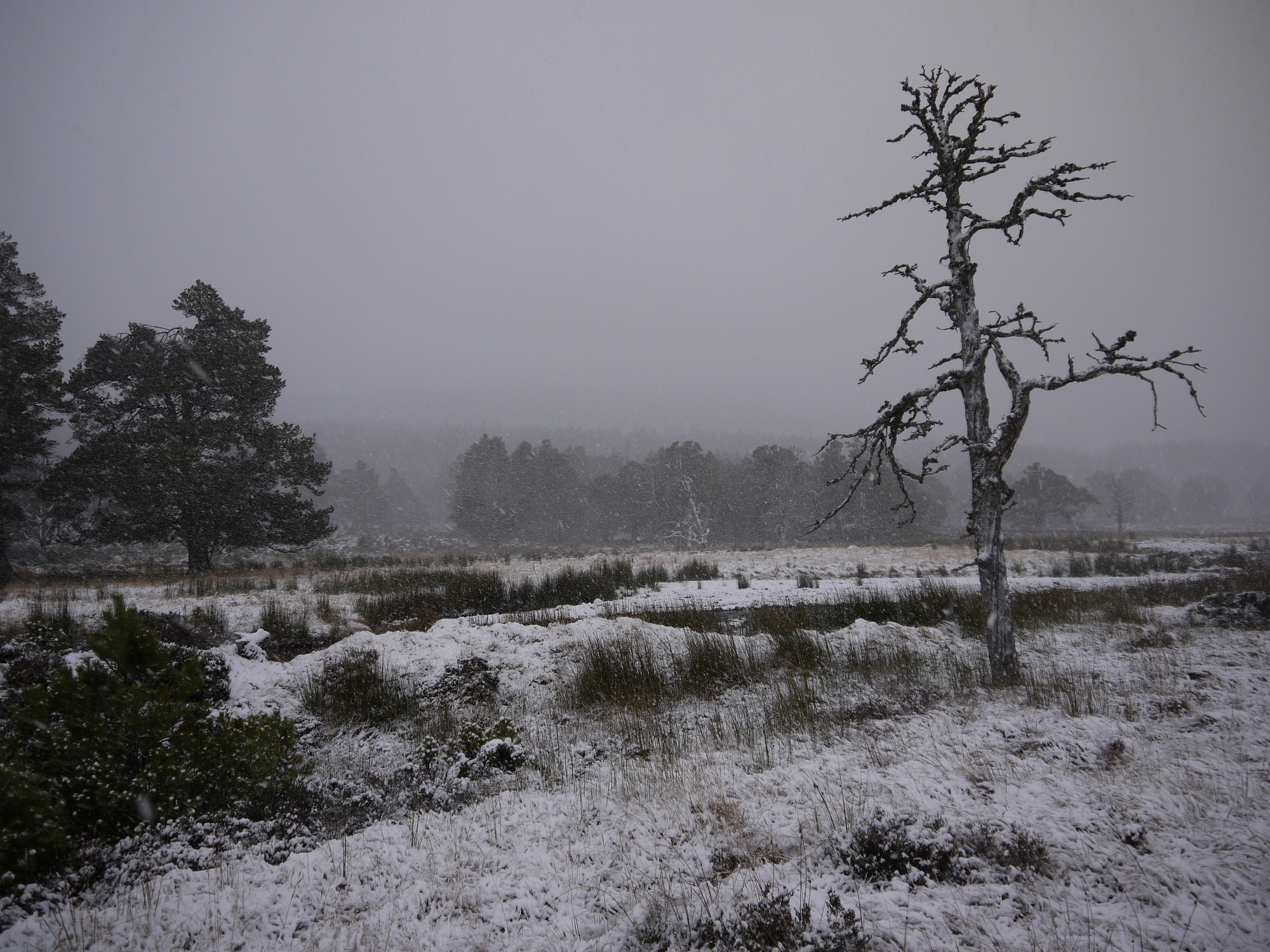
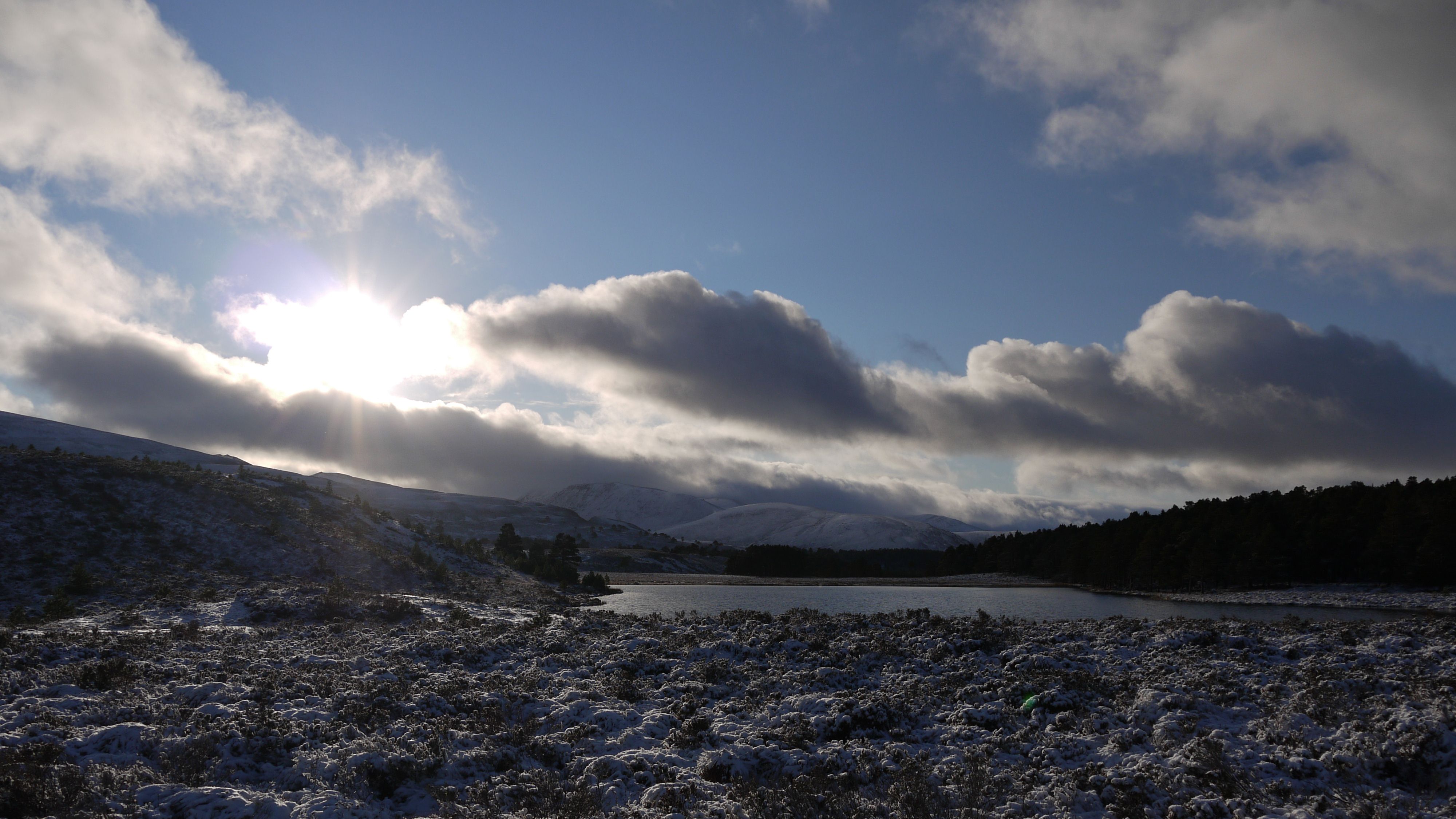
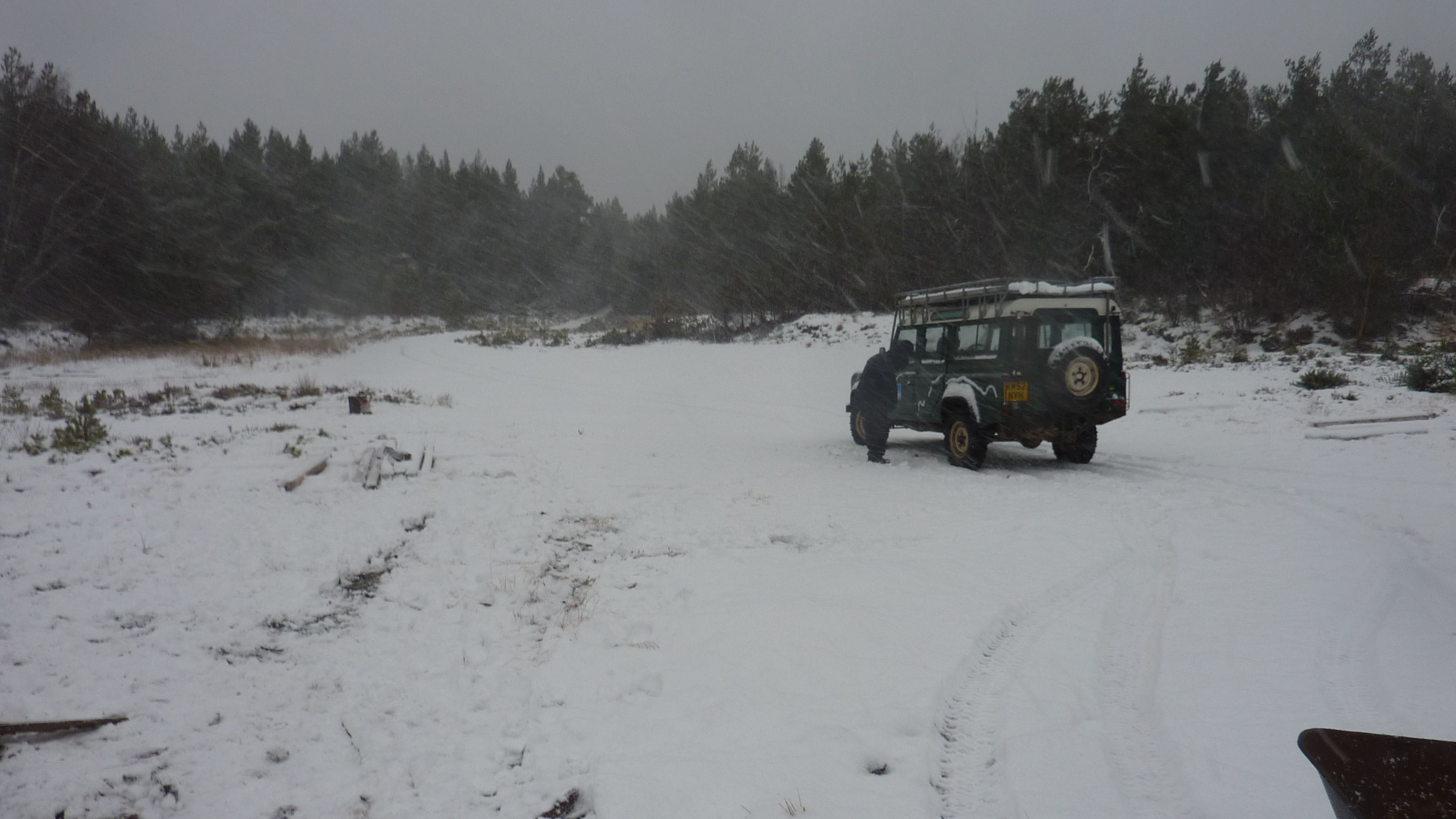
So, finally, we’ve had a sprinkling of snow at Abernethy. It’s not much, yet, but enough to make the place look even more fantastic. I was lucky enough to get caught in a snow storm while out walking on Sunday. In fact, whilst I’ve seen lots of great things while I’ve been here, it was probably the highlight of my stay so far.
Although the time for heather burning has passed, work has been fairly typical of previous entries, with some additional Christmas parties, deer management and fence repairs.
Anyway, these pictures are hopefully a lot more eloquent than I, in describing the snowy scenes, mostly from my walk on Sunday…
-
- Snow is a wonderful gift of nature. It’s disappointing to think that with a warmer climate we are likely to see less of it.

-

- Loch a’ Chnuic
-

- The reserve, looking South towards the Cairngorms from Carn a’ Chnuic

-
- Working in a snow storm, better than working in an office.
-
- Walking in a winter wonderland.
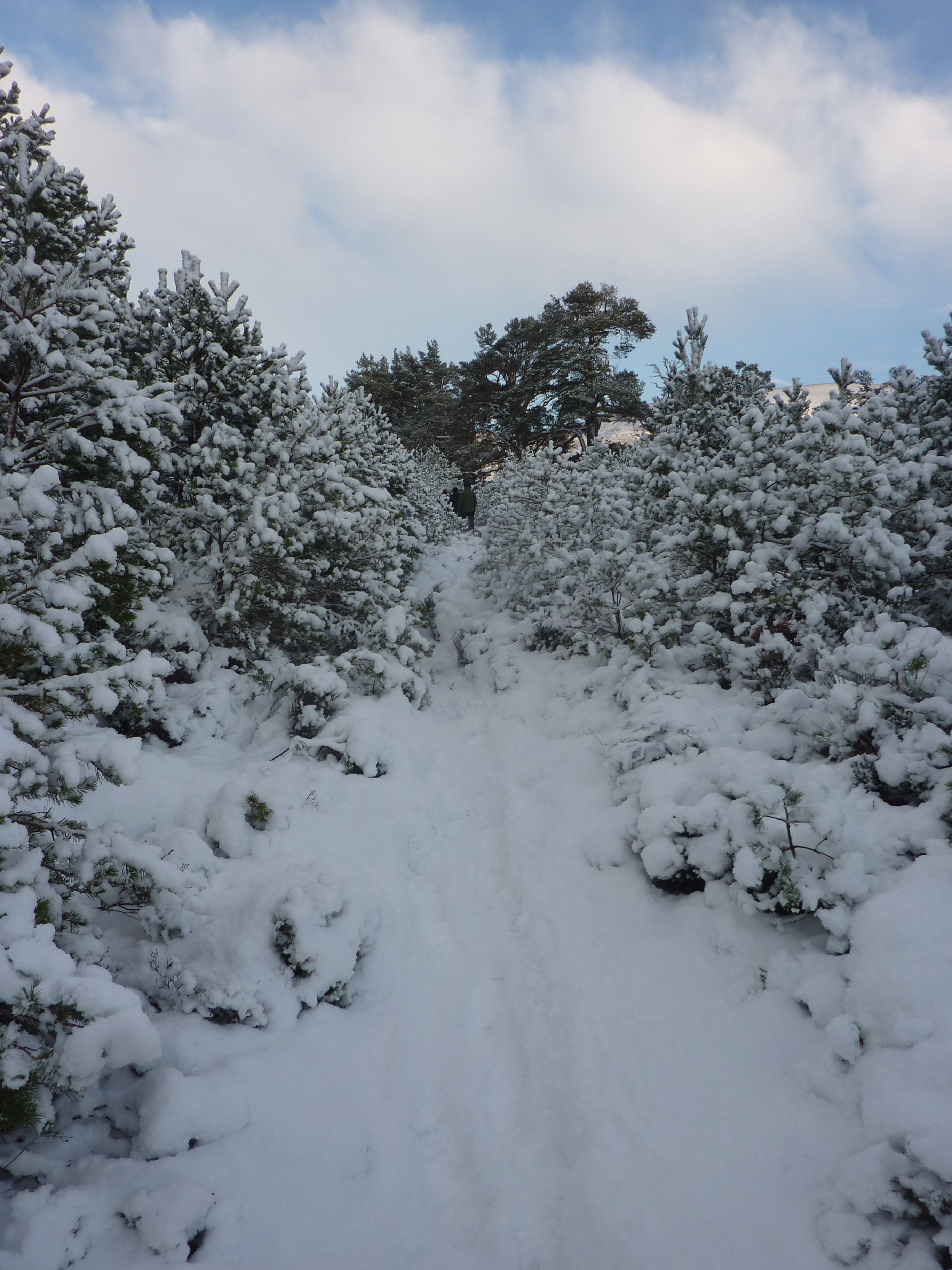
November at Abernethy, in photos
I was hoping for snow and a cold and crispy winter, and this has been the warmest November in my lifetime. I can’t be disappointed though, I’m living in the middle of a wood and I get to walk some of the best landscape our country has to offer, on a daily basis.
I got lucky and picked up a digital SLR off Ebay, so have been able to start taking nature shots again (it’s been pretty hard to get anything other than landscape shots recently as the lcd is not working on my old camera – see earlier entry). Laura (who appeared on The One Show this month) came to stay and, with her bags of SLR experience, has given me some tips, so she is to blame for the quality of my photographic efforts with the SLR to date.
We also tried to walk to Loch A’an (on the 20th) while she was here, but hey, it’s a long way when the days are so short. We turned back with a couple of km to go, and still walked the last 3 or 4 km back to the lodge in the dark. So that leaves me that challenge for another day.
-

- This is likely to be pine marten scat

-

- This is likely to be grass (nice though, isn’t it?)
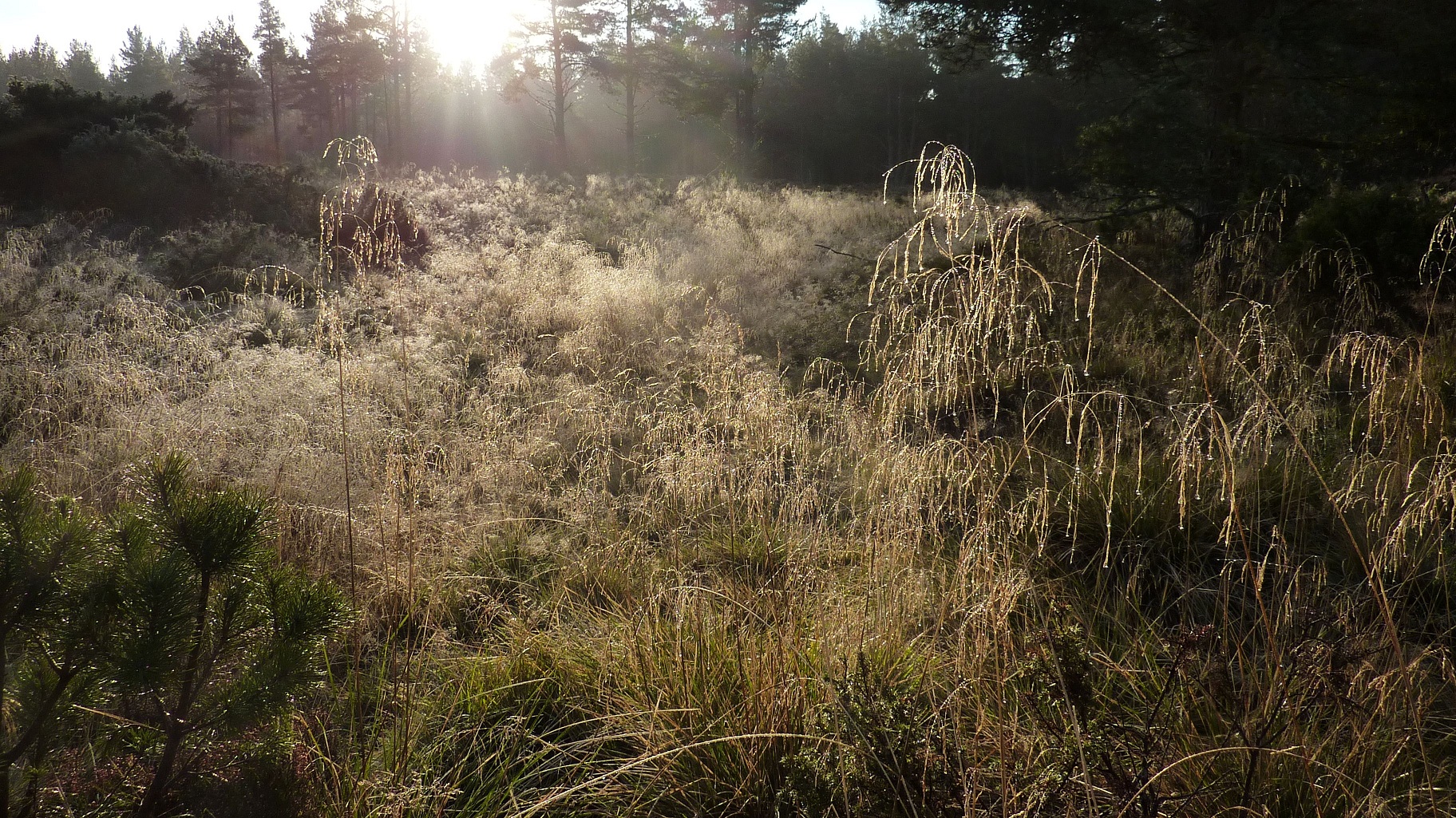
-

- Keeping warm on the hill
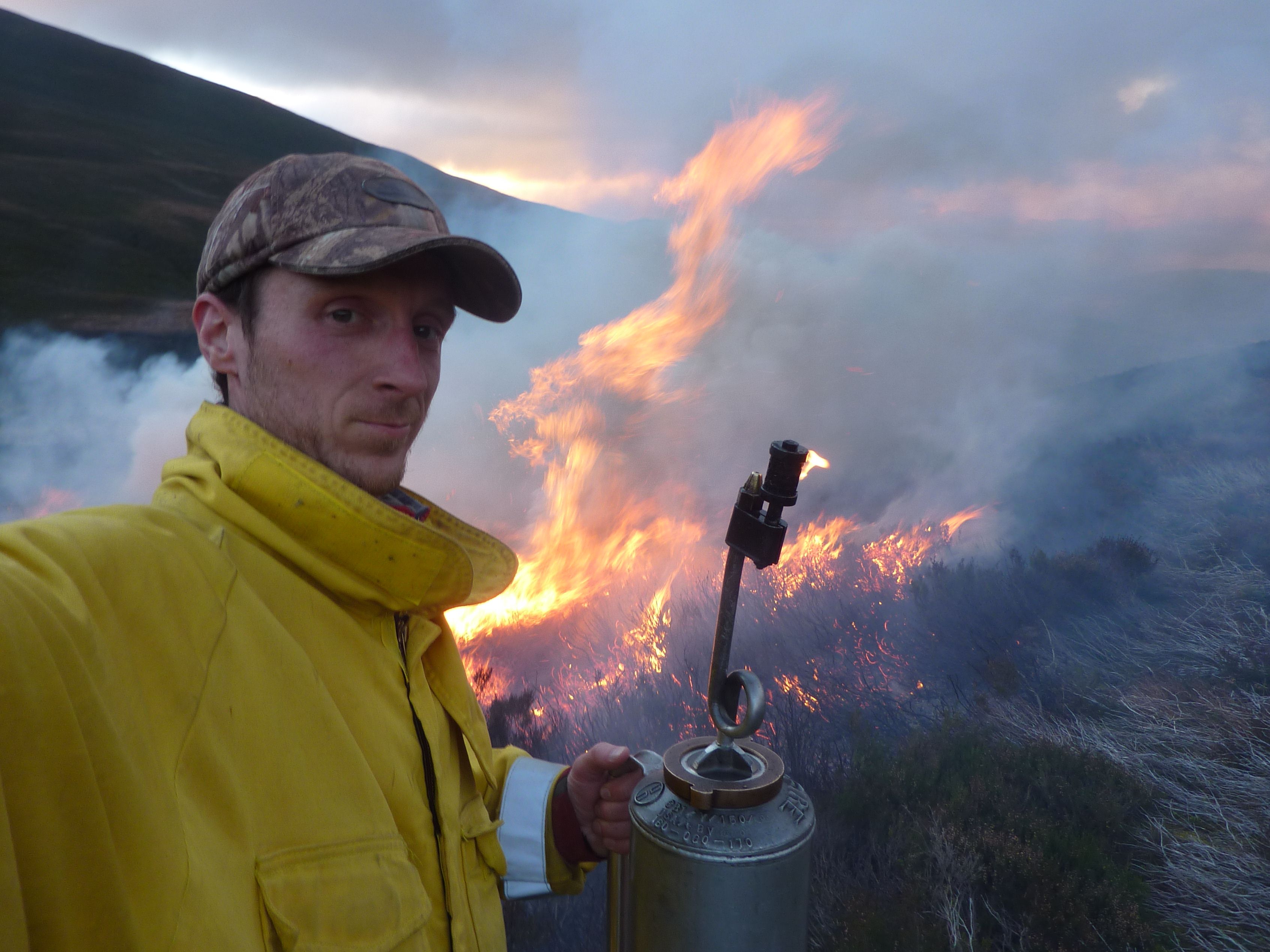
-

- Gregg, a fire and the view we have whilst working

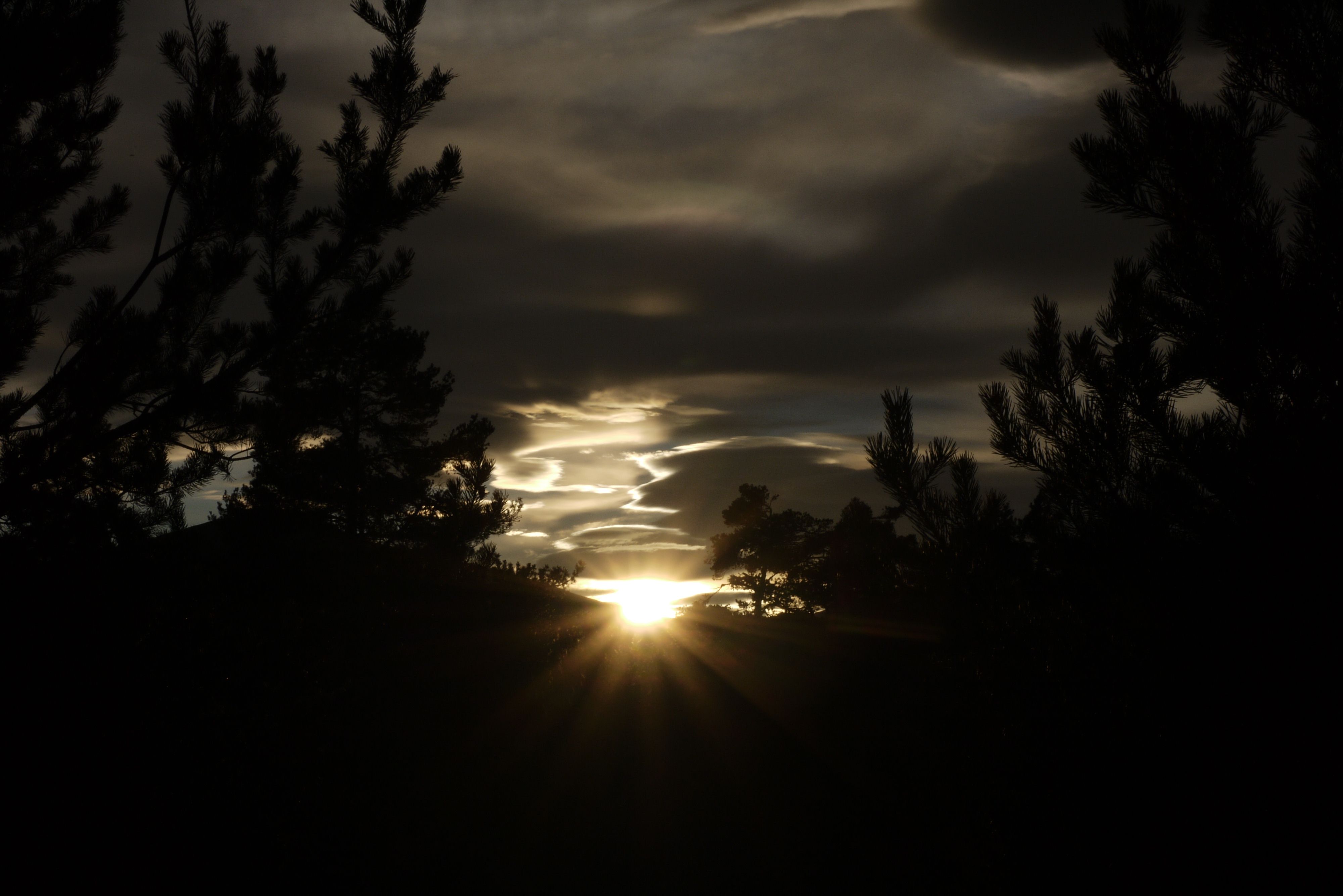
-

- There have been no trees this far up the Strath Nethy for many hundreds of years, so how old is this root system?

-
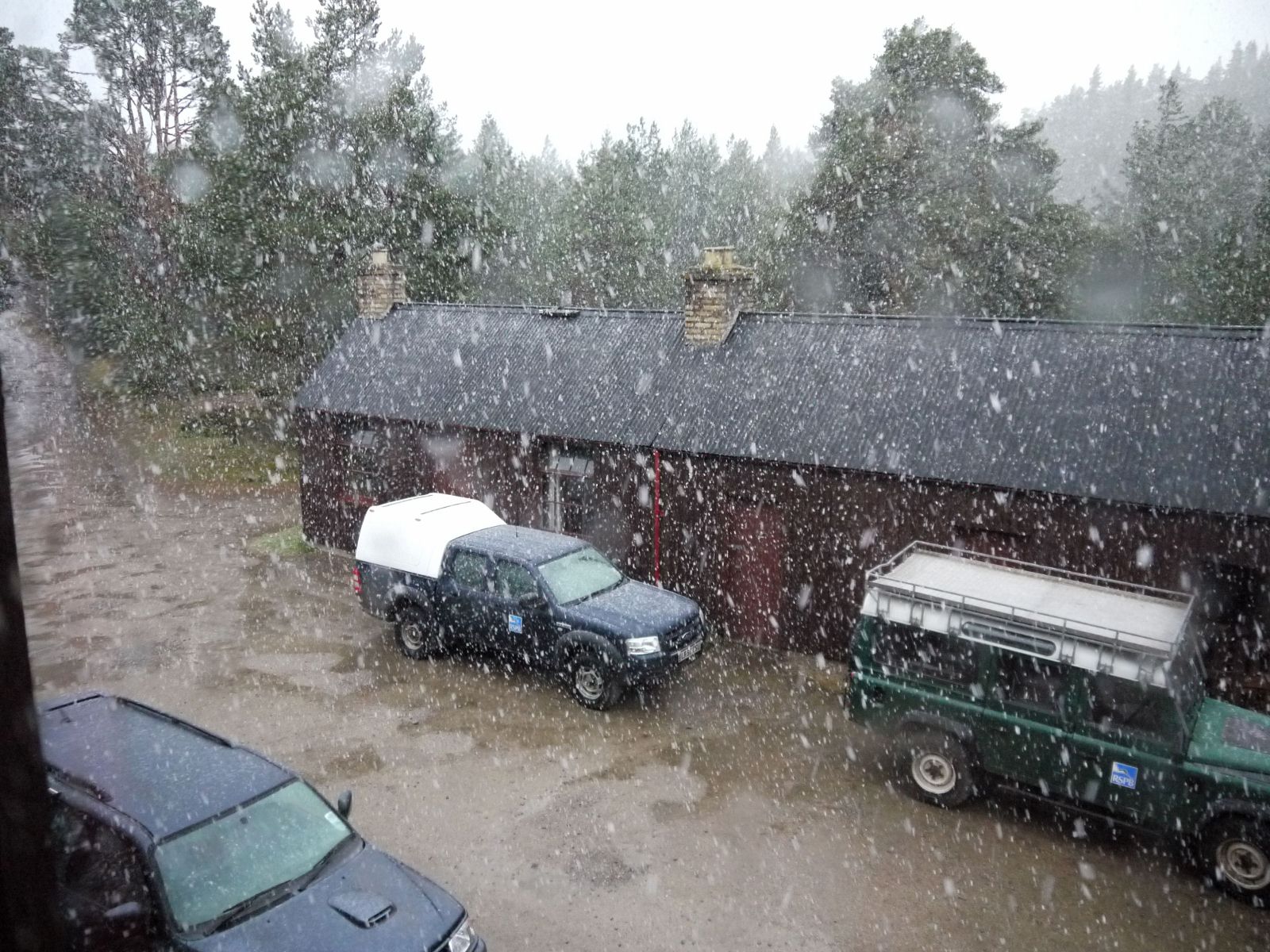
- First snow on 25th November. It’s too warm to settle though
-
- A crestie on the Loch Garten feeder
-
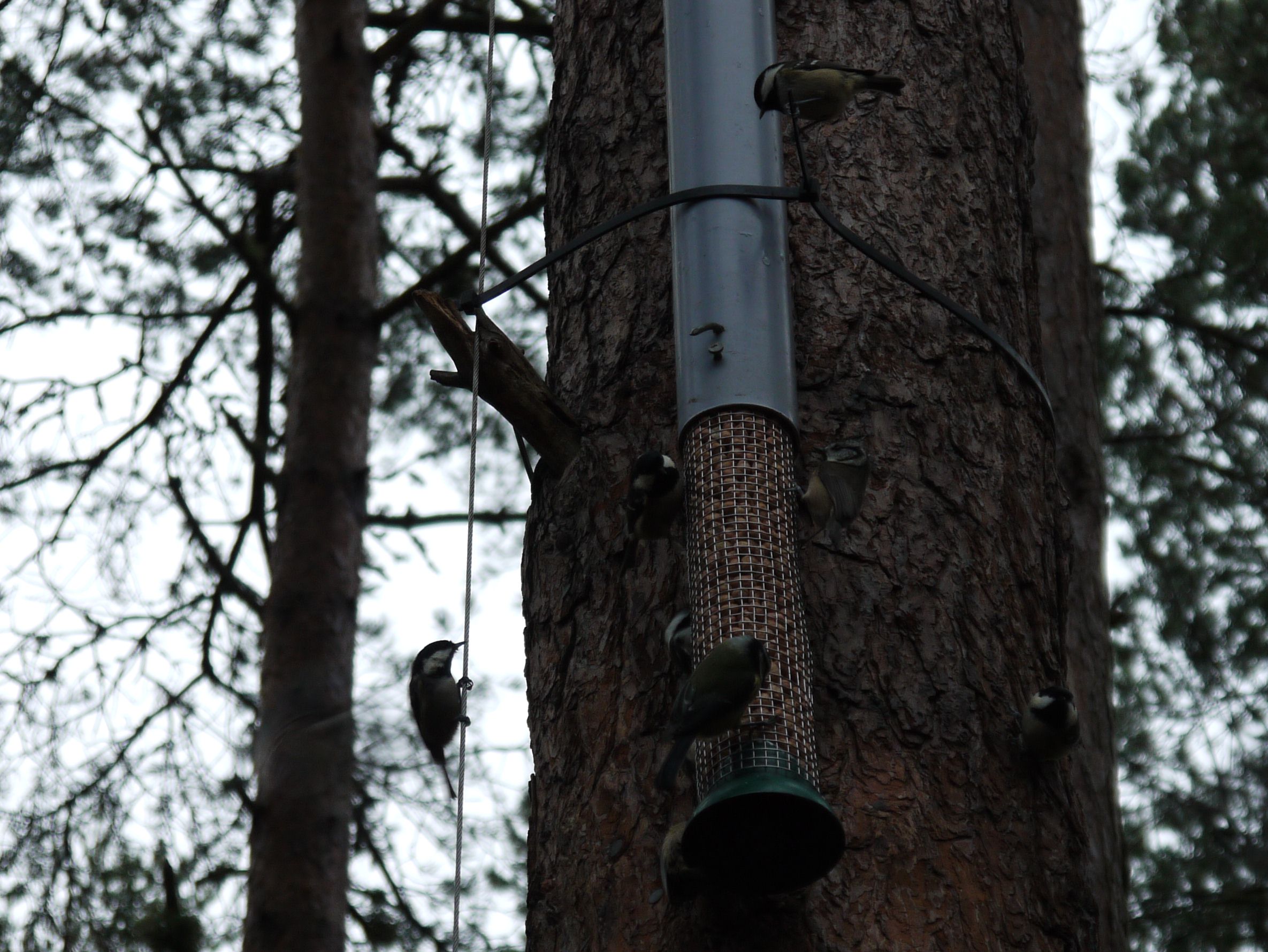
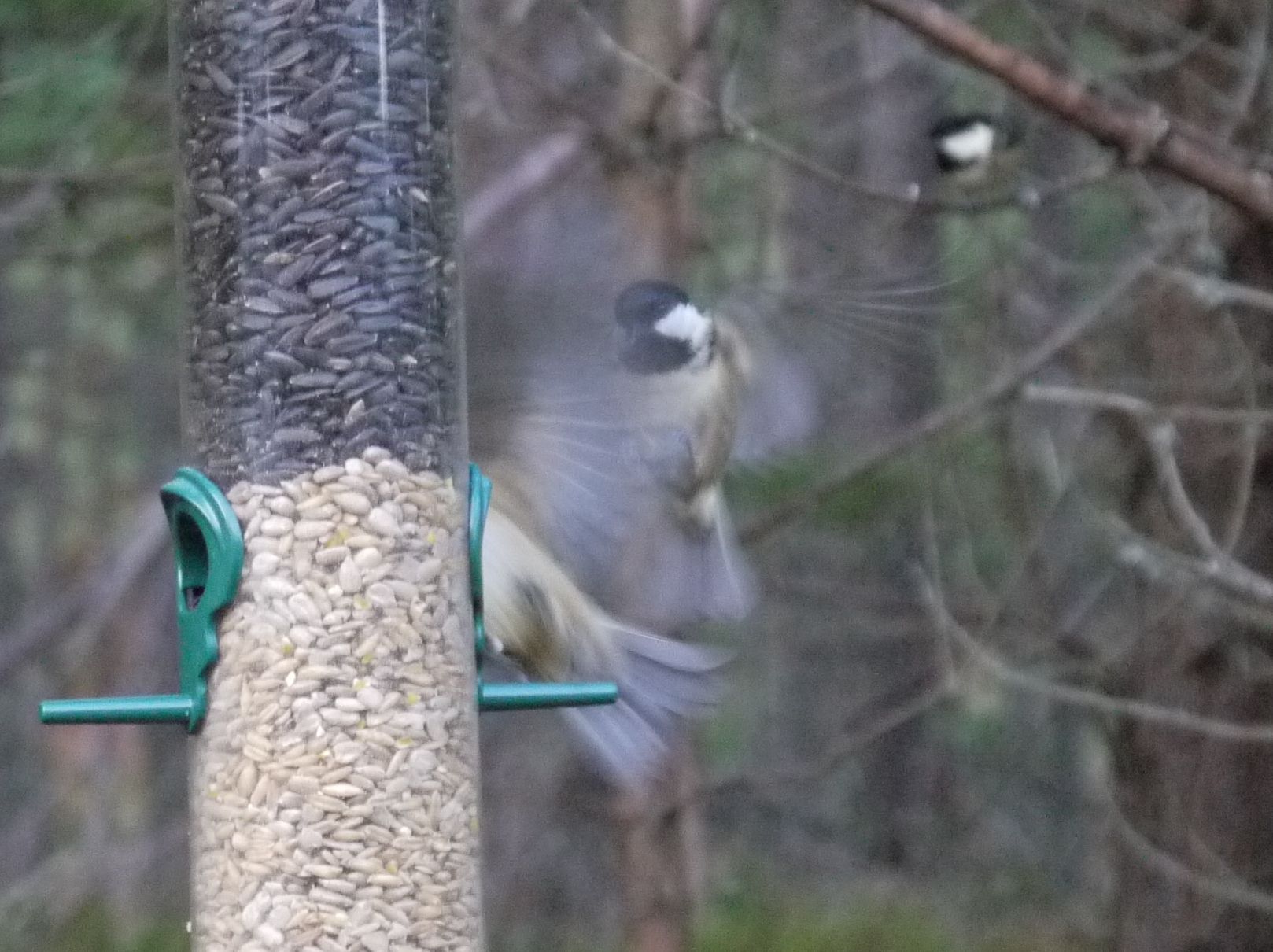
- The coal tits queue up at Forest Lodge feeder
-

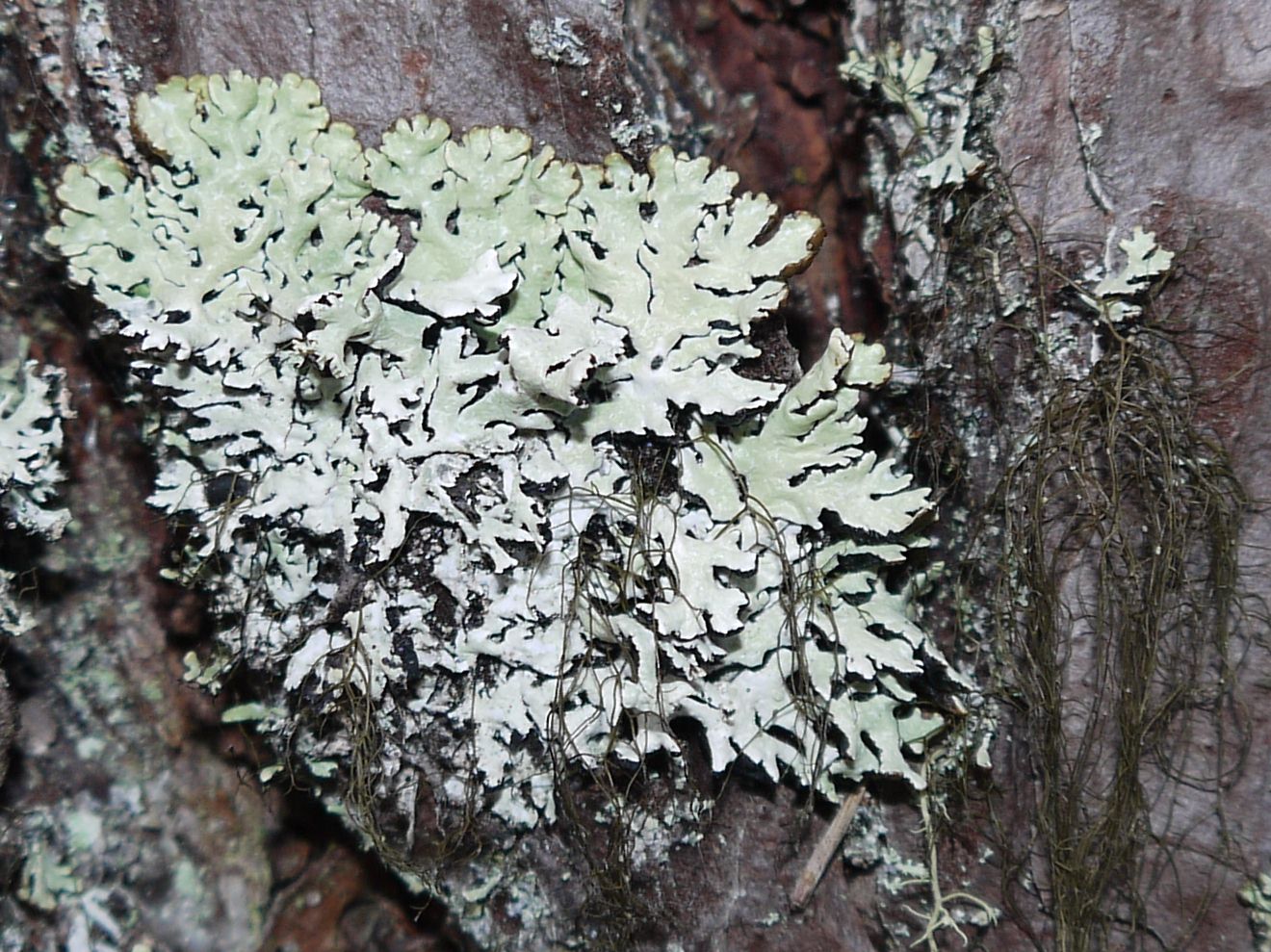
- Hypogymnia physodes, light coloured, and possibly Bryoria fuscescens, on Scots pine bark
-

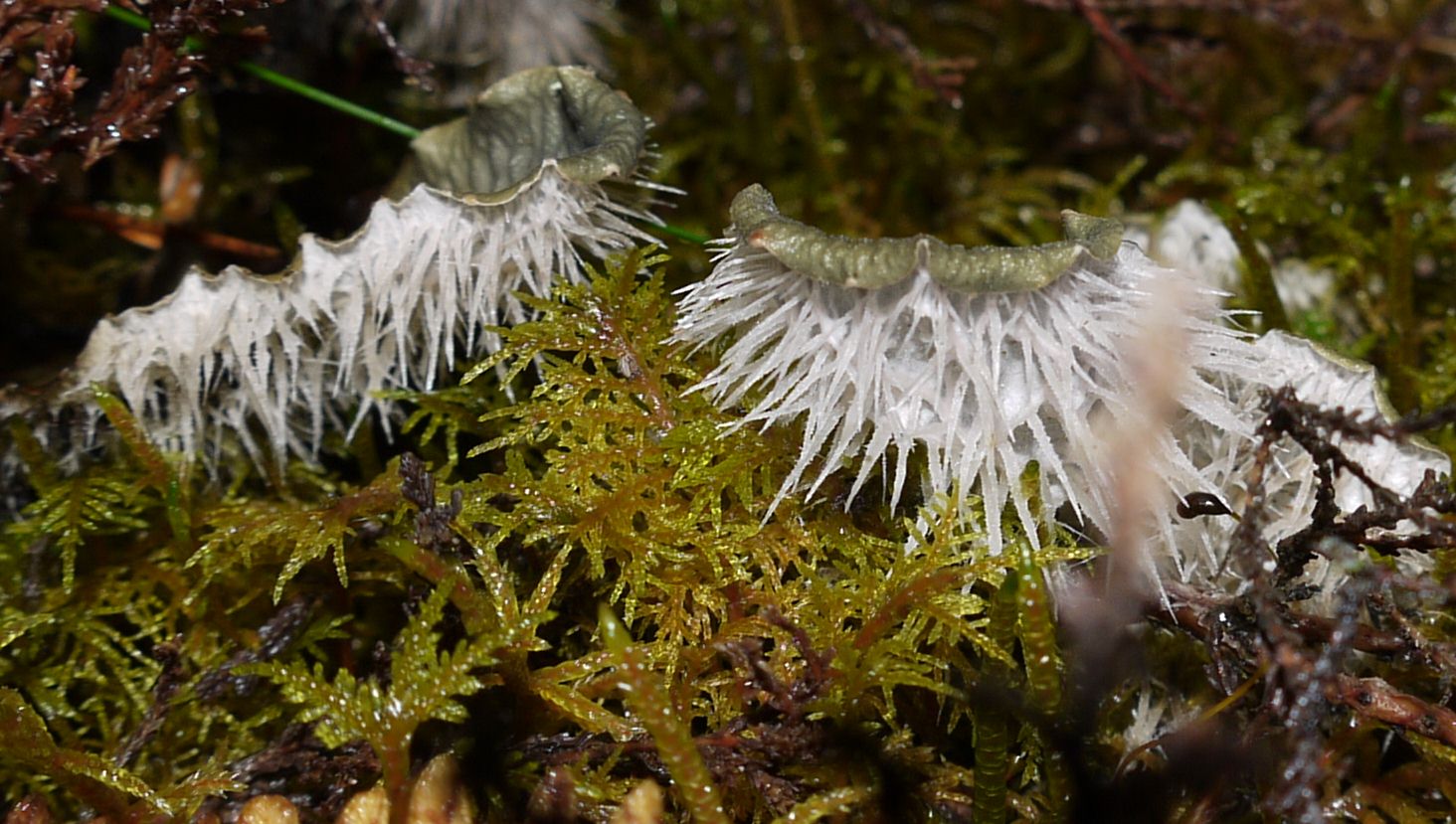
- Dog lichen, so called because of the resemblance to dog’s teeth, apparently. Who’d want a dog with teeth like that?
-

- Looking South at Meall a bhuachaille

I’m also blogging elsewhere… sort of
Recent Abernethy activities include entering data to track the young ospreys from Loch Garten, and writing some blog text to go onto the osprey blog, which can be found here
In the last couple of weeks we’ve started heather burning, up on the moors, to create patches of flora regeneration. We’ve also been doing the usual deadwood creation, dam building and removing some roadside regeneration (pine trees, especially, grow in thick patches alongside tracks because of the ground disturbance).
Last weekend (29th), I accompanied team pine marten (Laura and Dave) on their last visit to Mar Lodge, to pick up the hair tubes that Laura had set up there. Here are some photos from that trip, one from one of last week’s damming days, and one from this week’s burning…
-
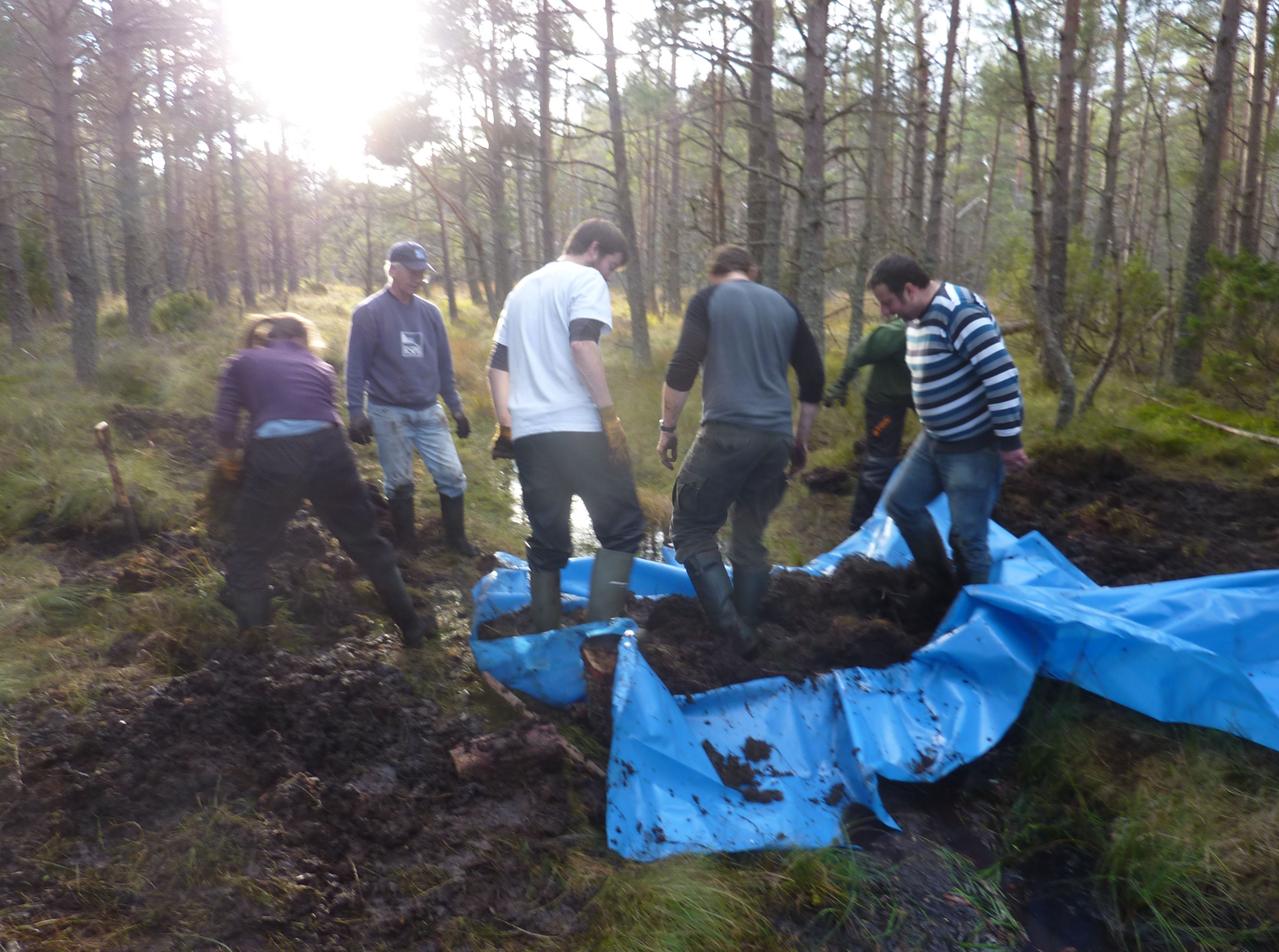
- Dougie watches on as Gregg and the Andys pack the dam full of sheet
-
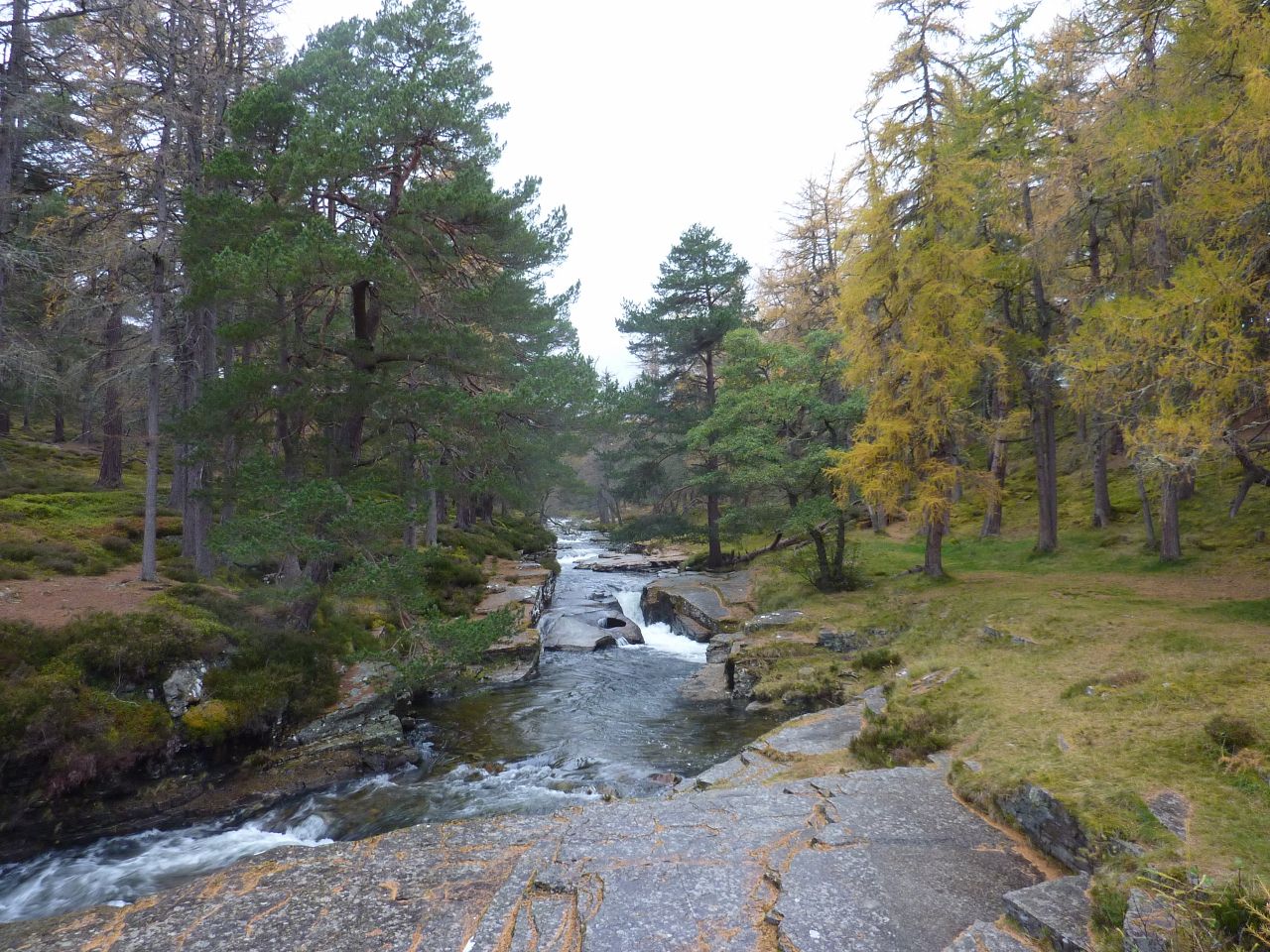
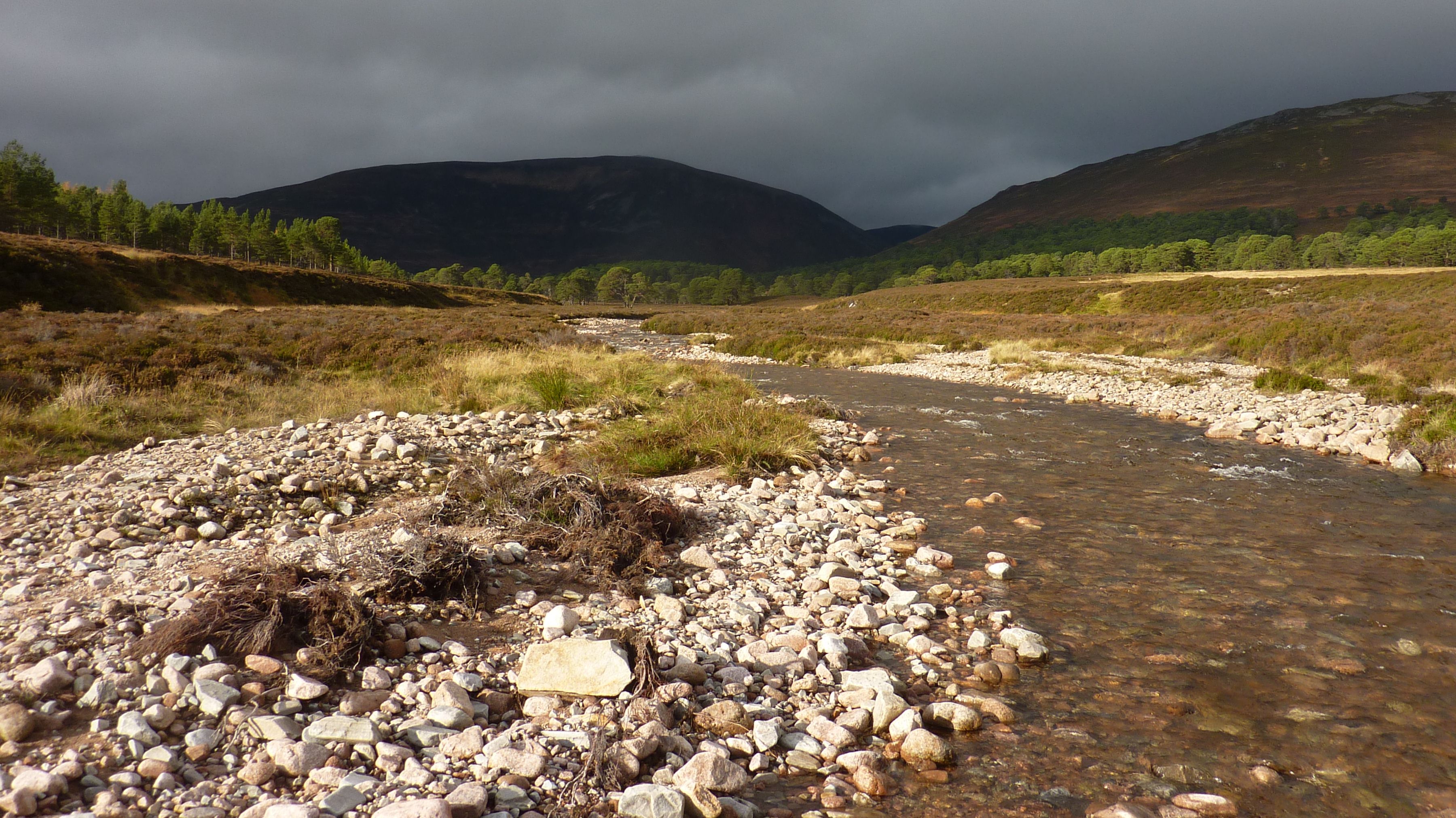
- Quoich water, which is a bit of a crap name for a Scottish river if you ask me
-
- Further up Glen Quoich
-
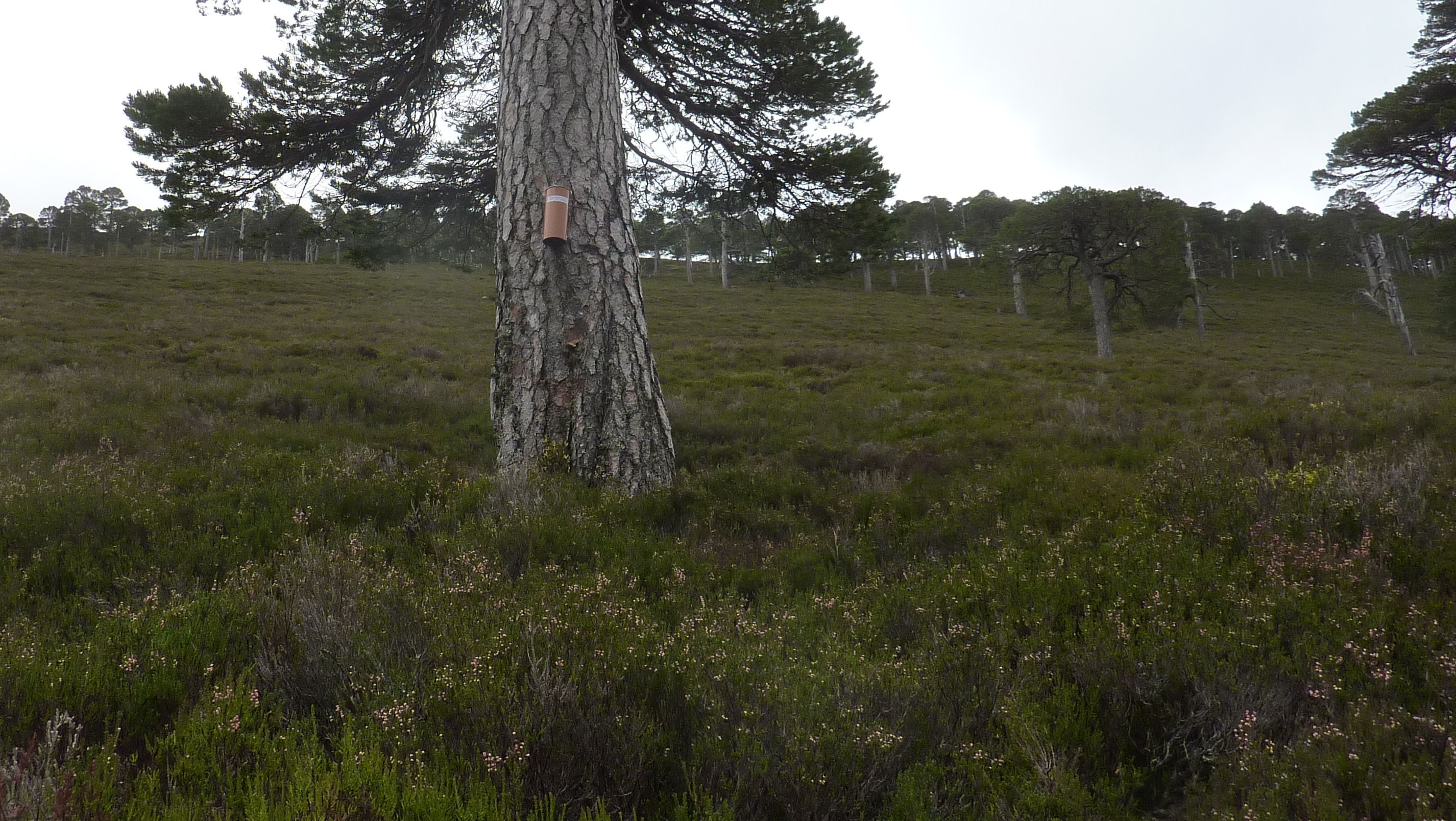
- A hair tube, and a nice tree for a picnic. You can see here how there are lots of beautiful old scots pine, but no obvious youngsters yet
-
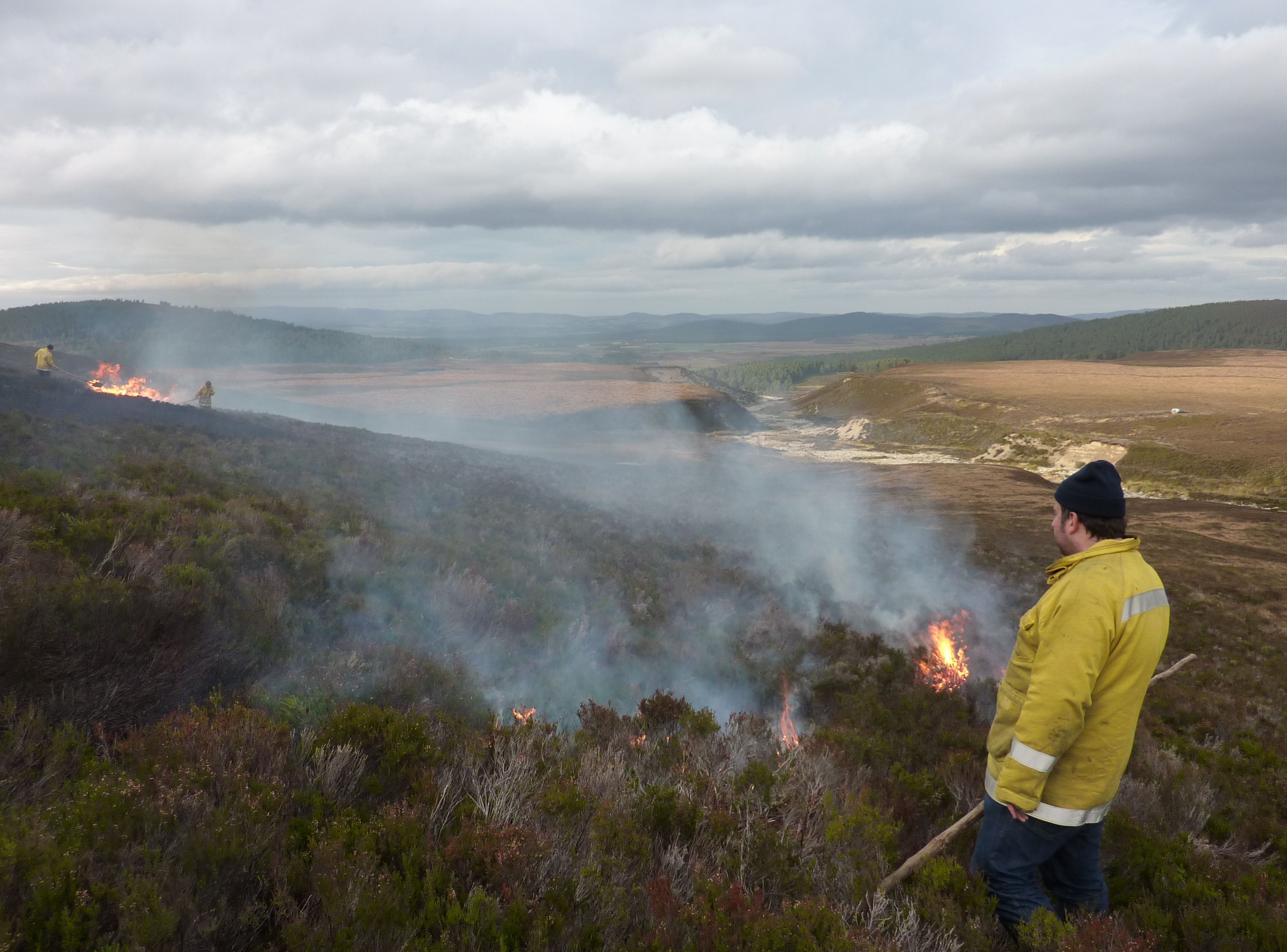
- Andy and I look after the Big Fire, with a great view of some of the reserve
Choughs on the BBC, hang on, I recognise them…
A couple of days ago Fran Miller sent me a link pointing out that some Cornish choughs had made it onto the BBC.
http://www.bbc.co.uk/news/uk-england-15357028
The link describes how four young choughs from West Penwith in Cornwall have made the journey North, up the Cornish coast, towards Newquay and Padtsow. If you’ve kept up with previous entries you’ll know that this group contains two of the boys from the brood that I was watching in the spring. And, even better, the picture shown on the BBC page is of Brownblue and Whitebrown, their proud parents, and the birds that I was blogging about at the time.
For some unfathomable reason, the BBC haven’t used one of my photos.
Another day out with Ron
I’ve been lucky enough to spend another day with Ron Summers again today. This time Rachel and her friend CJ, both from St Andrews university, joined us. Rachel is studying how trees on the reserve can provide a map of when and where fires took place at Abernethy for her final year degree paper. Today they had a glorious chance to watch me cut wedges forth from Scots pines with a carefully wielded chainsaw.
-
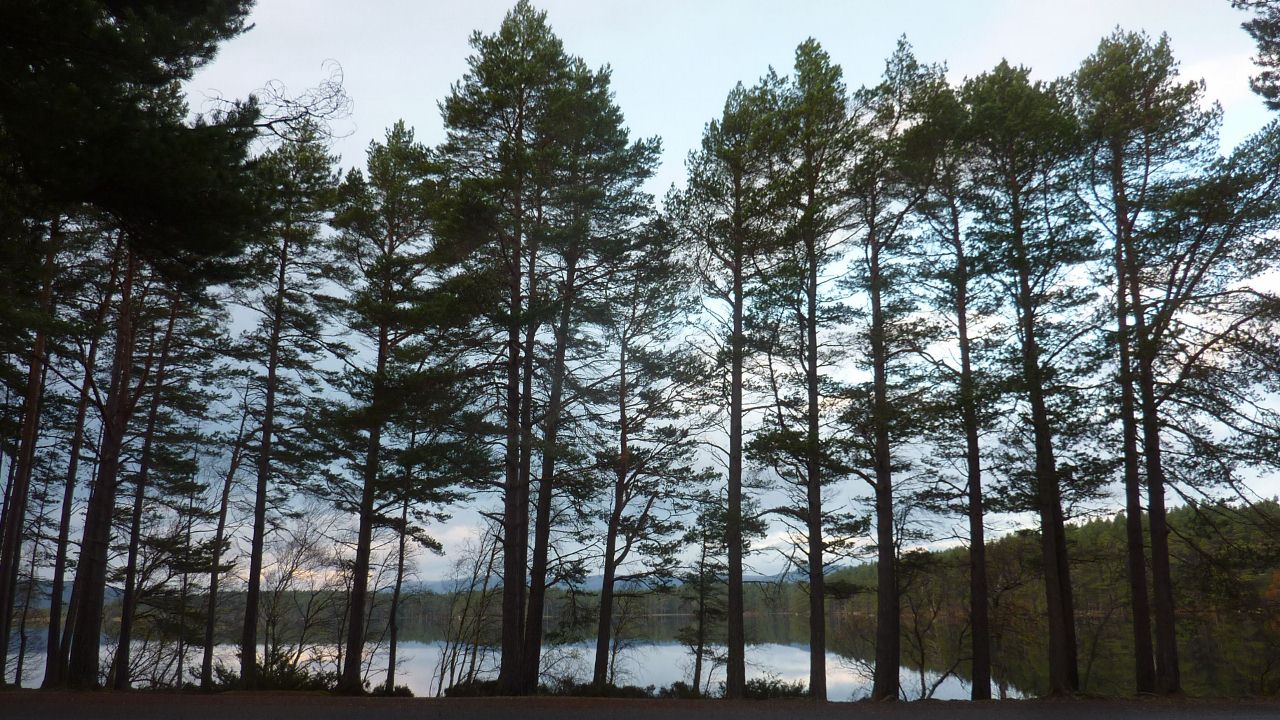
- Loch Garton
-
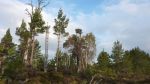
- Who would live in a house like this?
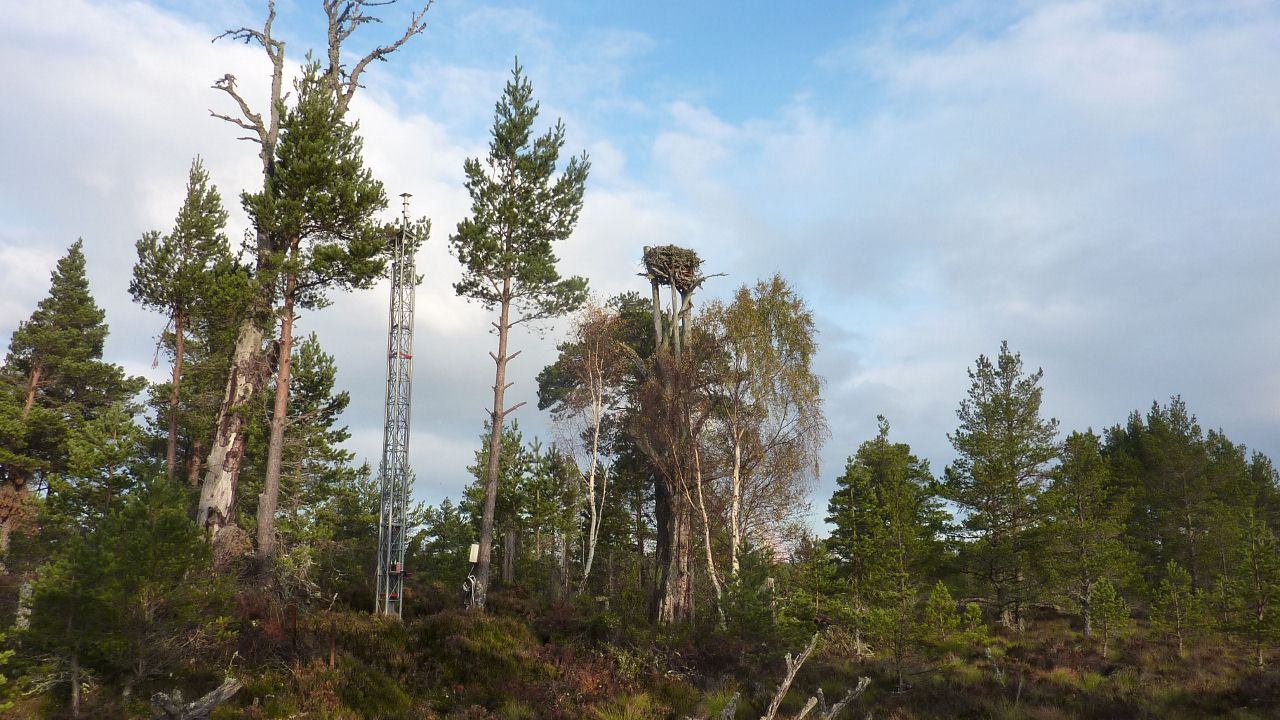
-

- Not one, but two firescars (you can see where the first is charred)
-
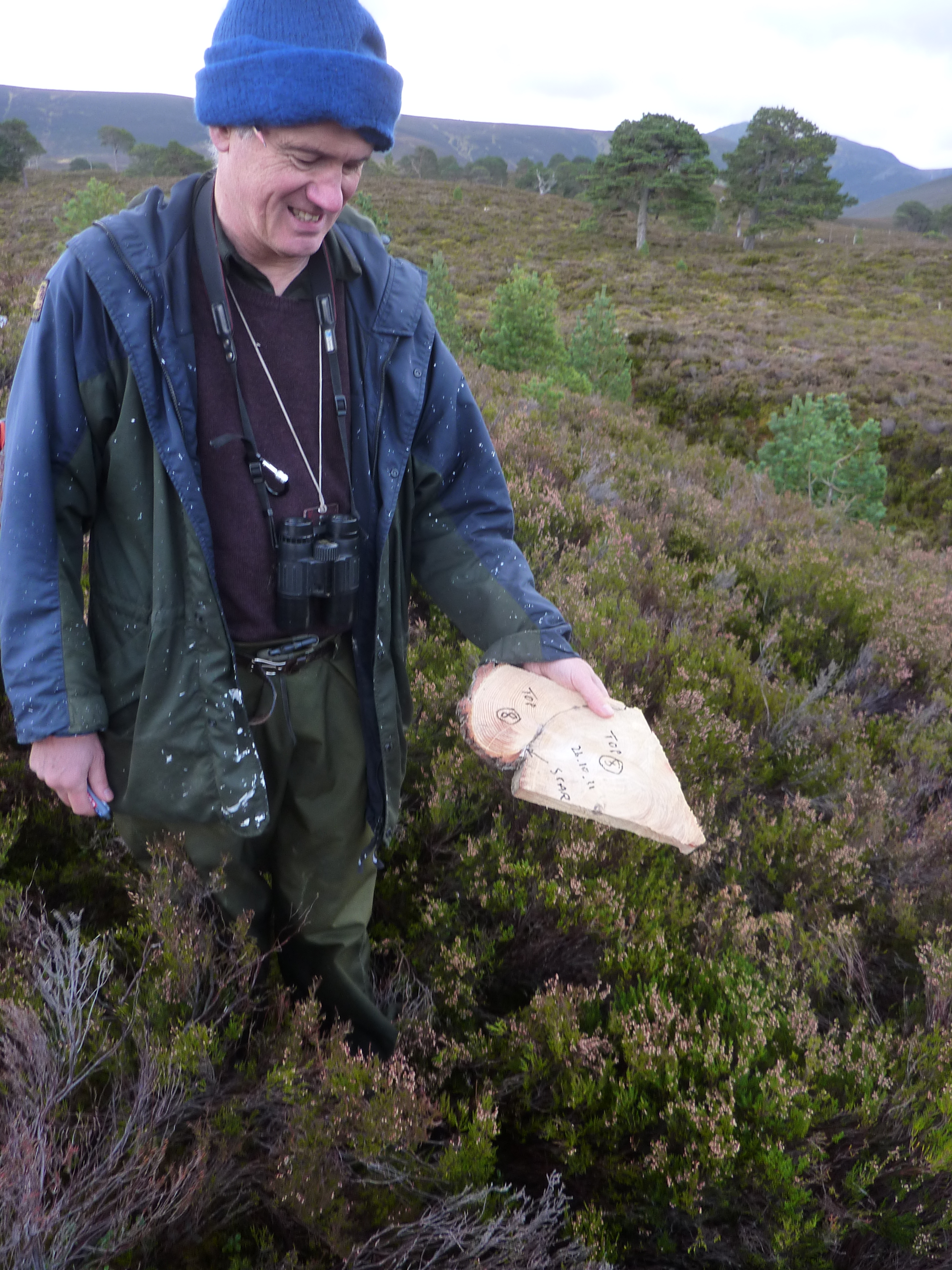
- Ron and a wedge.
-
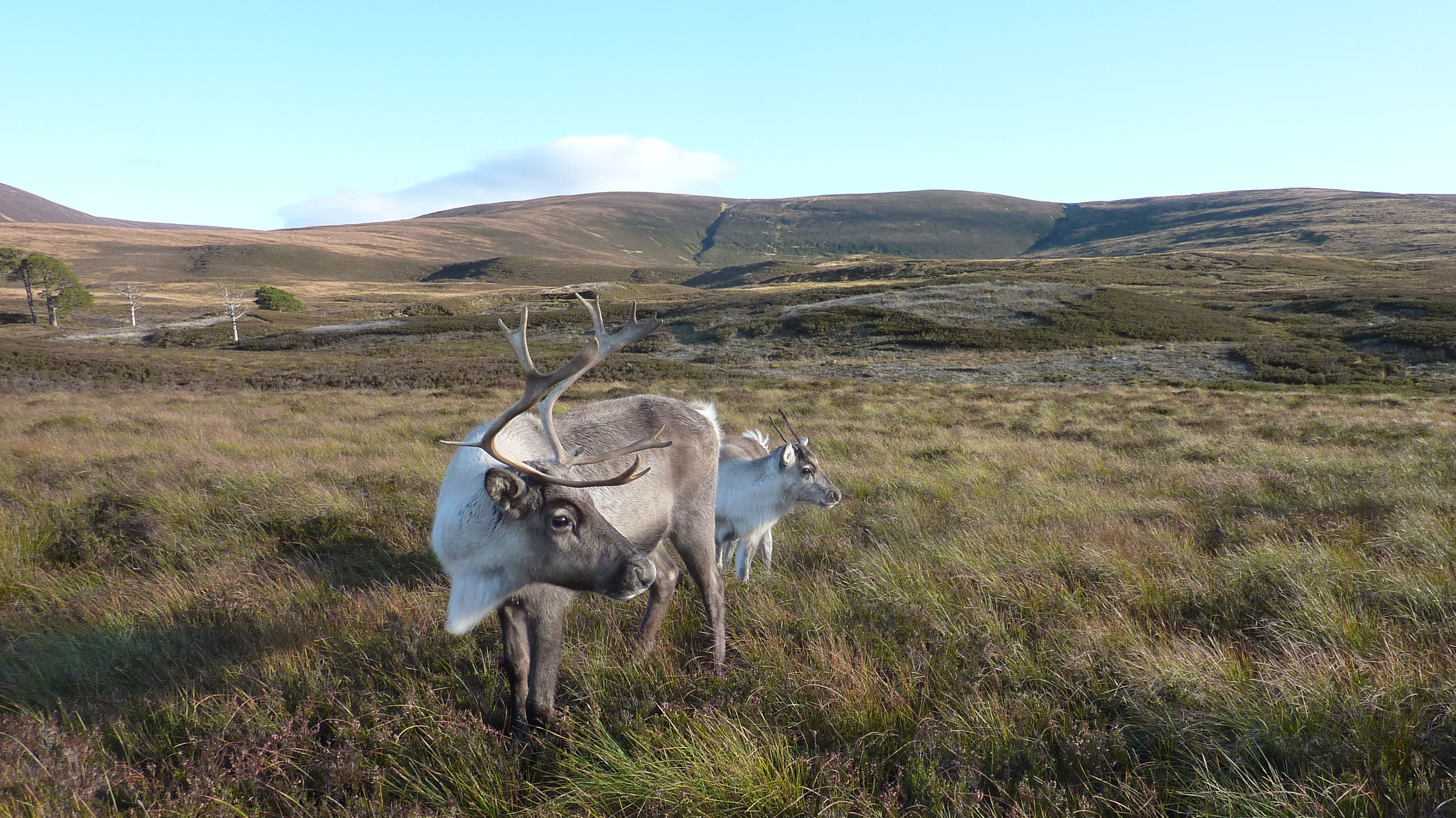
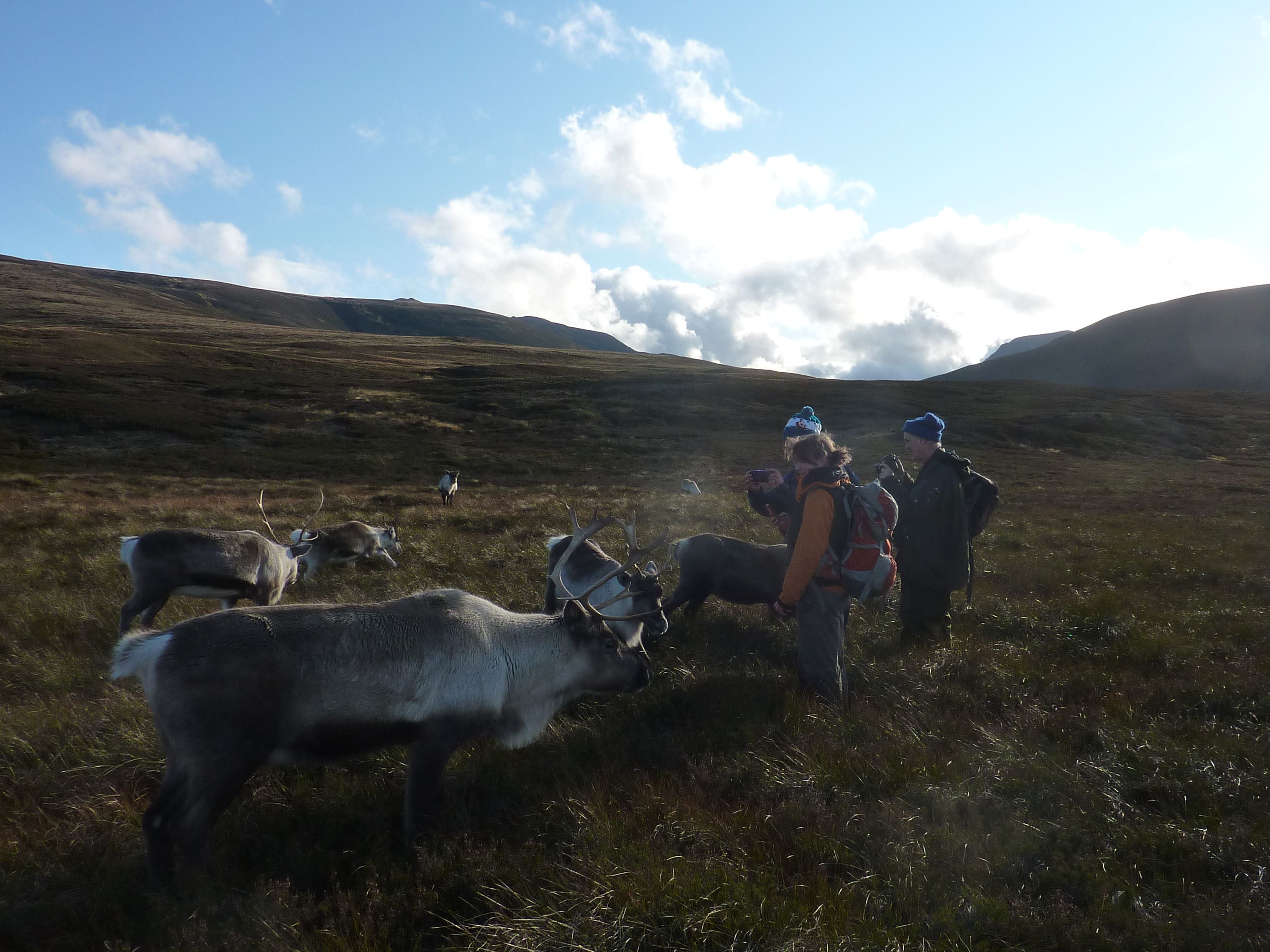
- Reindeer sometimes wander onto the reserve from the local reindeer farm

-
- They are fantastically cute, but not welcome visitors, as they eat the regeneration
-
- Ron uses his special reindeer communication skills to call them over to meet Rachel and CJ
-
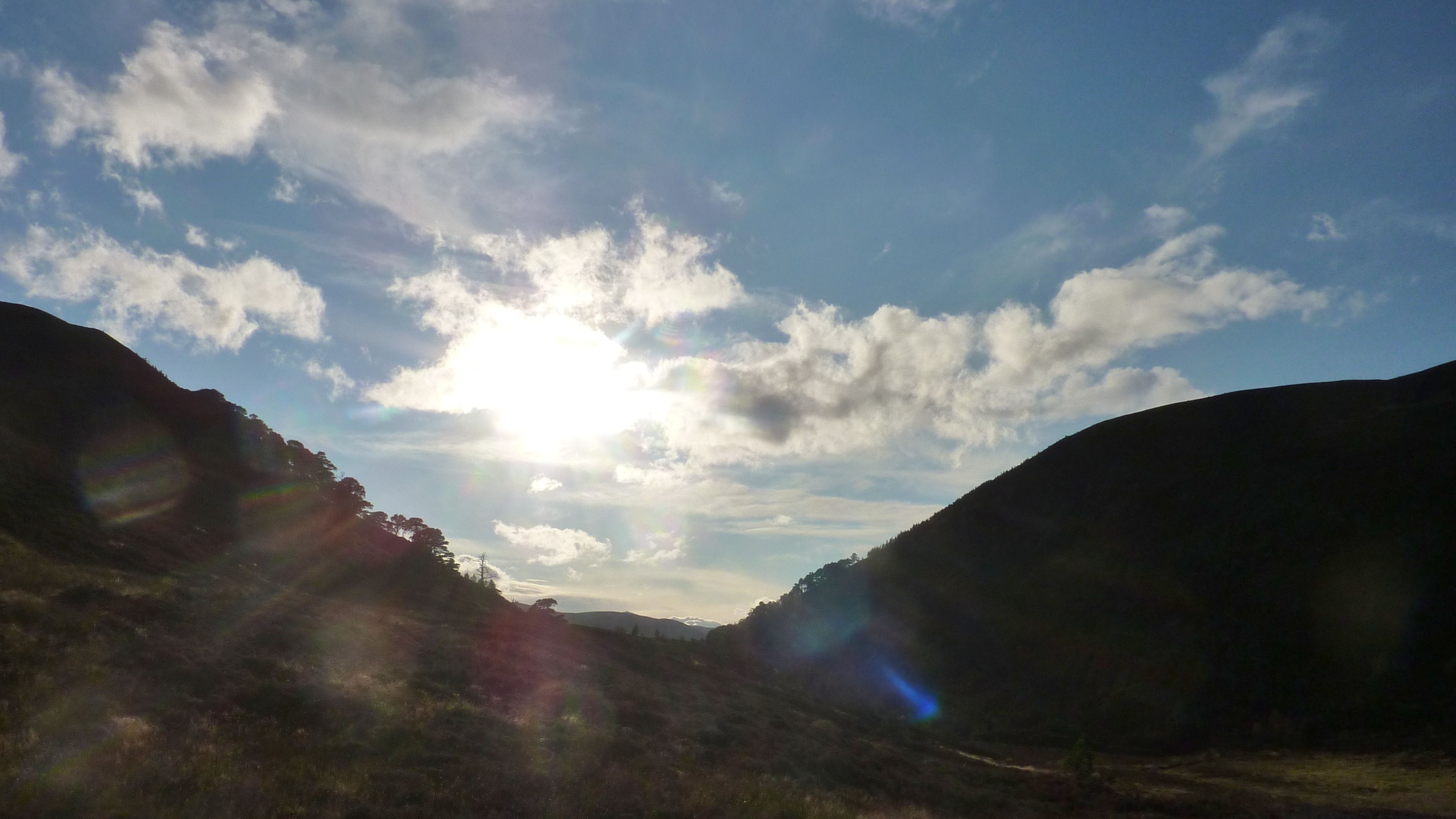
- Looking South into Glenmore FCS estate
Reserve work…
Just to give you an idea of what I’m up to… Yesterday myself, Alice, the two short-term vols (Andy and Andy), and Gregg, who’s on secondment from the RSPB Scotland office created deadwood in the morning. This involves killing trees (generally pine) in a plantation in a variety of ways, to give space to broad leaf trees or granny pines and let light through to the forest floor.
As I have a chainsaw I ring bark trees, damage them (so they are more susceptible to being blown over), or high stump them. The non chainsaw folk are, meanwhile, pulling trees over with a winch, or ‘totem polling’ them. The aim is to leave the majority of the deadwood standing, as this generates invaluable woodland habitat for birds and invertebrates. It sounds harsh, but the plantation is densely packed, and we can create a lot of deadwood by working on just a small percentage of the trees.
In the afternoon we strengthened a fence around an experimental regeneration enclosure. I then had to rush back to the lodge to enter the Osprey satellite tracking data for the week. The news on that front is that the two young that we’re tracking have both made a successful trip to Western Africa, and appear to be fishing and hanging around on the rivers in that part of the continent.
Today, myself, Gregg and the two Andy’s accompanied Bob (one of the wardens) to Craigmore wood, another part of the reserve, where we checked the fence and removed rogue Norway spruce from the site. We also checked fences near Mondhuie and Lyngarrie.
From left to right, Alice, Gregg and the two Andys.
The dam builders
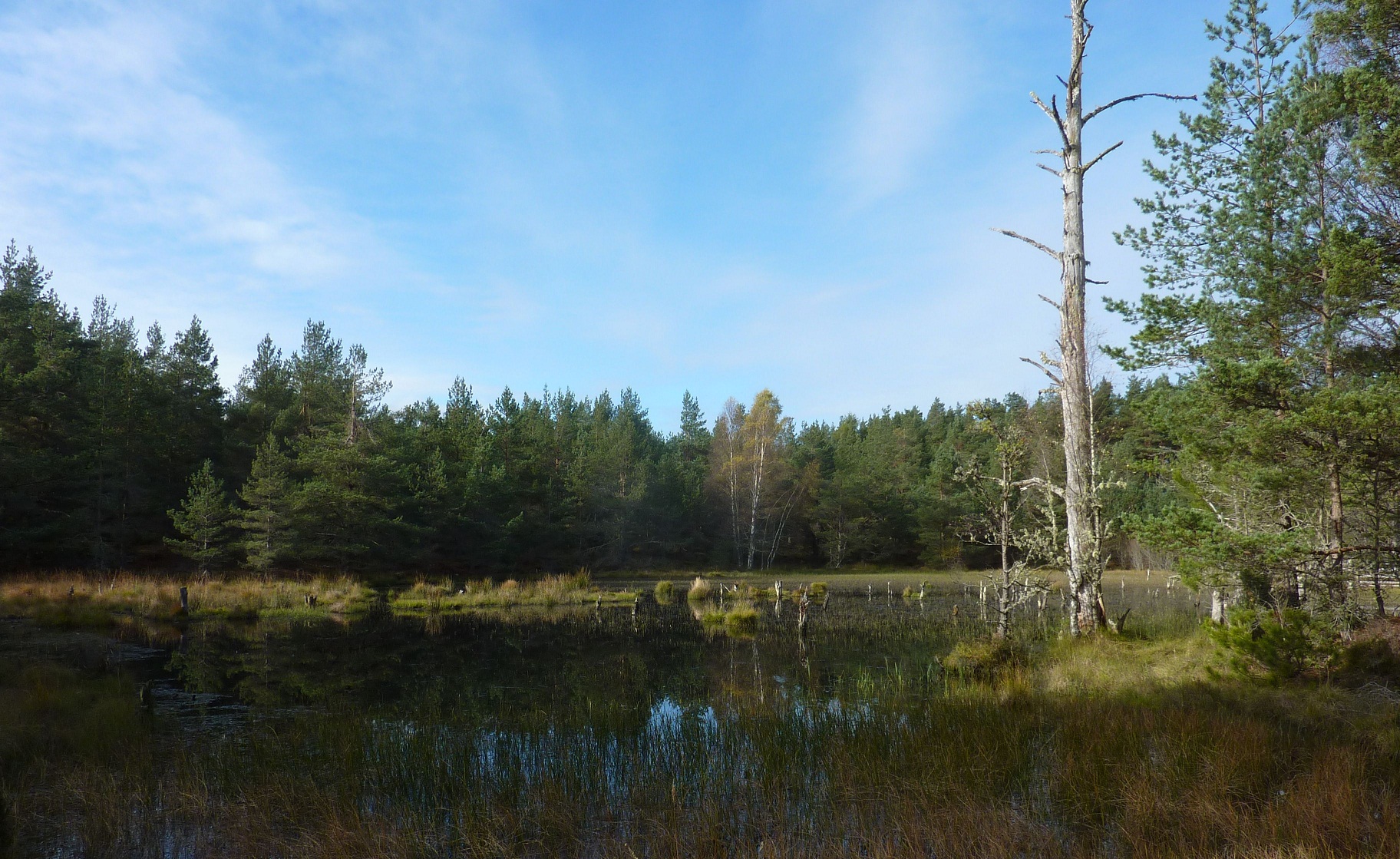
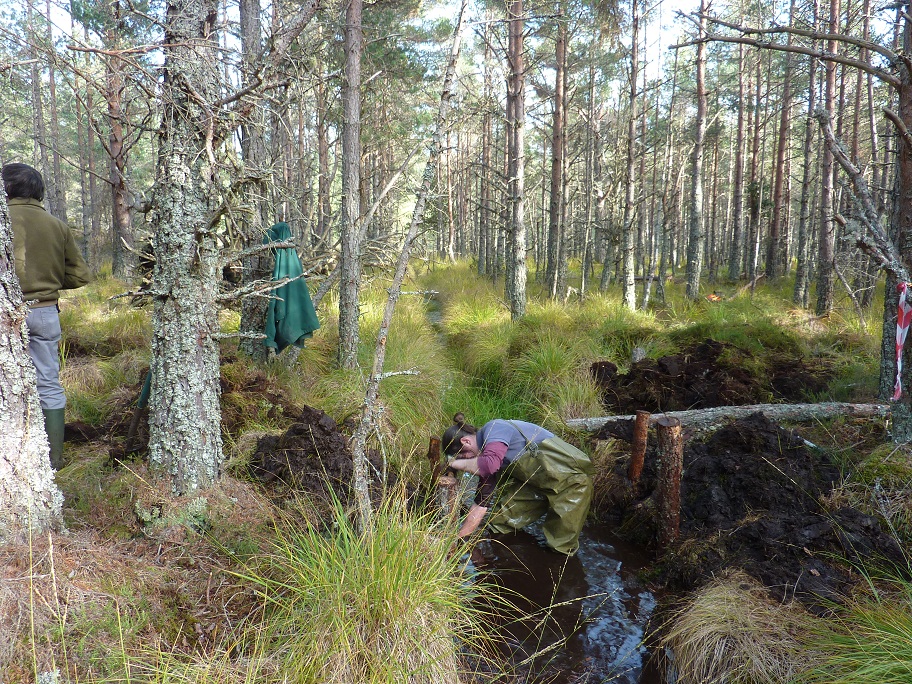
Ross has kindly given me two projects to look after while I’m here at RSPB Abernethy. One is to manage the roadside regeneration on one of the woodland tracks (Mondhuie), and the other is to build a series of dams to block some drainage ditches. The ditches were dug shortly after world war two when trees were in short supply and much of the land was being used to produce a timber crop. Now the RSPB are restoring the area, near Loch Garton, to it’s original bog wood habitat, to help the many species that live there.
It just so happens that dam building is a good team sport. One person gets to put on a large pair of waders and stand in the ditch while the others dig turf, saw up some wood for the structure, stand in the plastic lining, and generally help pack the dam with peat and turf. It’s also great to be able to see the results as the water level rises behind the dam.
-
- The Dragonfly Loch
-

- This is likely to be the only time I see Alice in waders.
-

- Dam fine.
Abernethy strikes back…
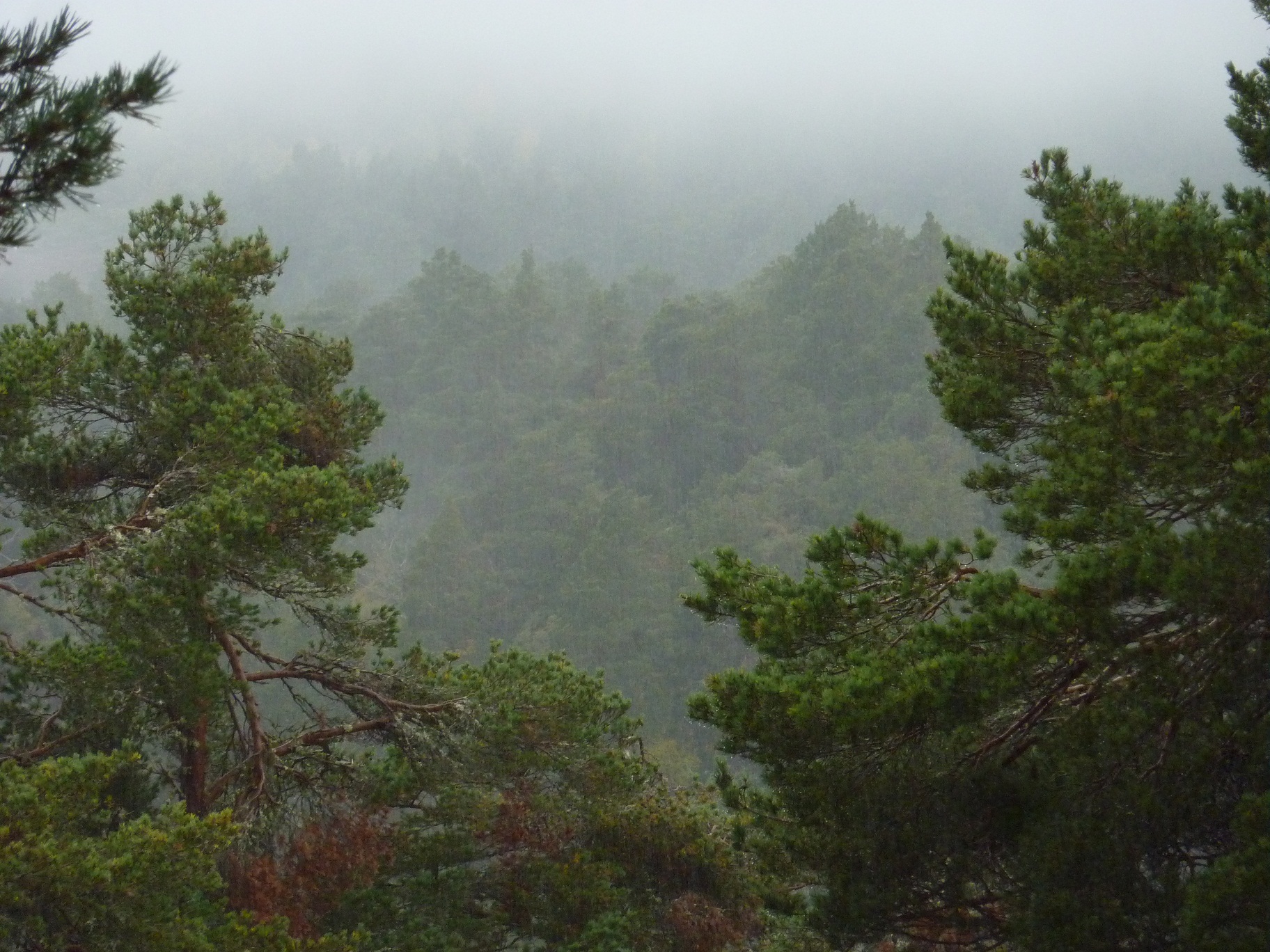
I’ve been here for almost two weeks now, and so far I’m down a mobile phone and half a camera. Whilst out walking on my first weekend at the reserve it rained a lot and I mistakenly took my mobile from my pocket a couple of times to check the time. Alas, on one of these inspections the screen went blank and the phone has not worked since, despite then spending 3 days on a radiator.
On Monday I was out with Ross Watson, Operations Manager and one of the wardens here, and we had to do a fair bit of walking about in rocky burns, and when I next pulled out my camera it became apparent that the LCD screen had taken a knock. This makes photography somewhat more exciting as I’m now unable to see what the picture is like that I’m taking with the camera, and I have to wait to download it onto my laptop to view.
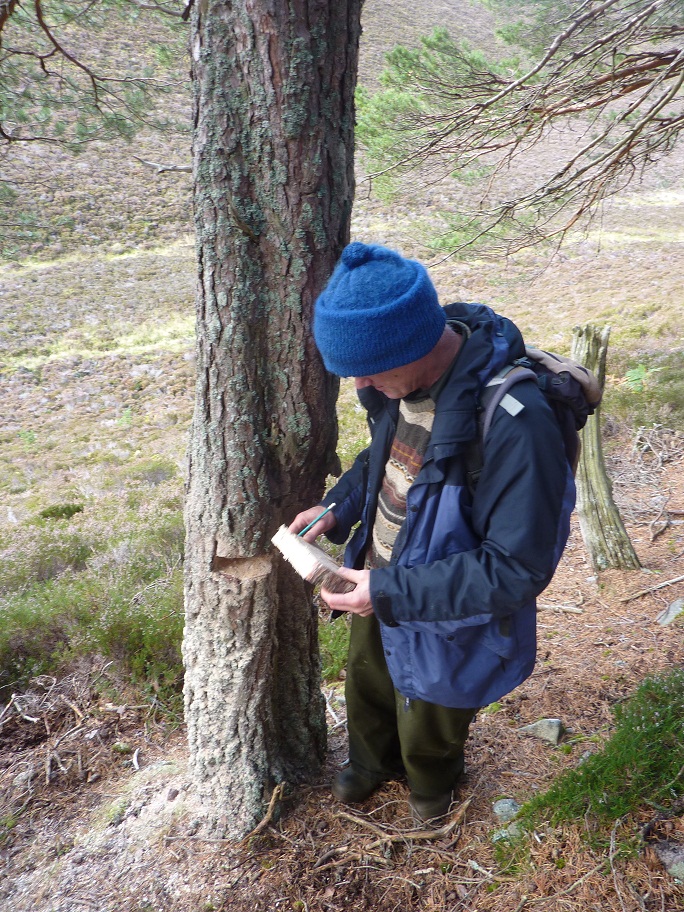
Last week duties included spending a day with the pupils from Grantown Grammer School carrying out non native tree removal and creating dragonfly ponds, and cutting wedges out of older scots pine with RSPB Scotland’s senior research biologist, the brilliantly knowledgeable Ron Summers. Ron is working with a student from St Andrews to identify when fires took place across the reserve. To do this Ron first identifies a tree with a fire scar (see picture below) and the wedges that I cut from the trees are then analysed as the rings show both the age of the tree and in which years the fires took place.
I was also lucky enough to spend two days on a 4×4 course in Aviemore. Many thanks to Andy Burnett for his skill and patience. Now I just need to get a 4×4 vehicle stuck on a steep slippery hill to practice some of the techniques (quickly stick it in reverse, accelerate back down the hill, it goes against everything my nerves tell me to do…).
Ok, enough waffle, time for some pictures (mostly taken while I could still see what I was taking pictures of)…
-
- This weather destroyed my mobile.
-
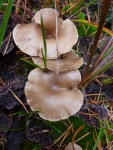
- Can’t believe I can’t identify this…
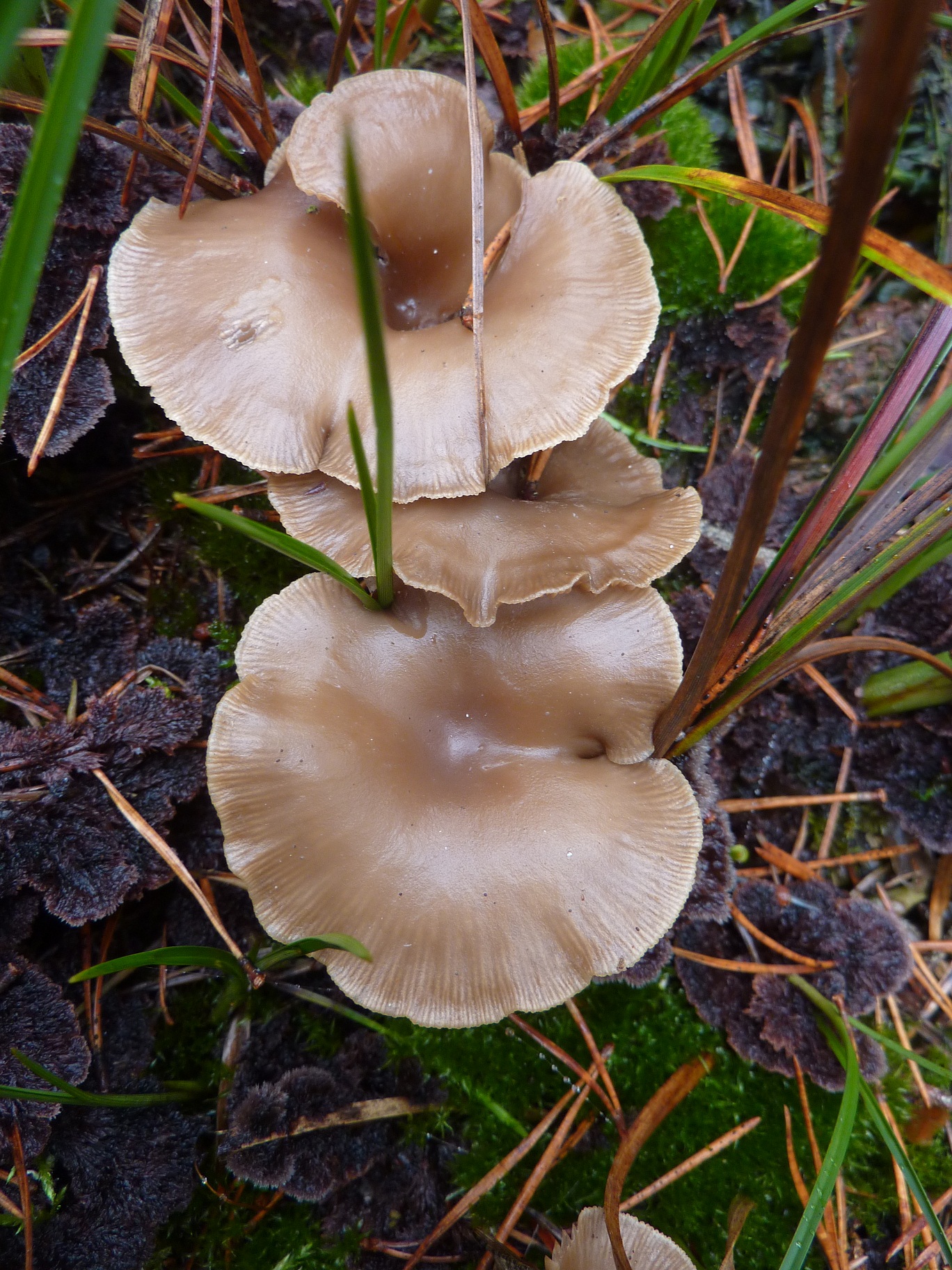
-

- …or this. Any help would be much appreciated.
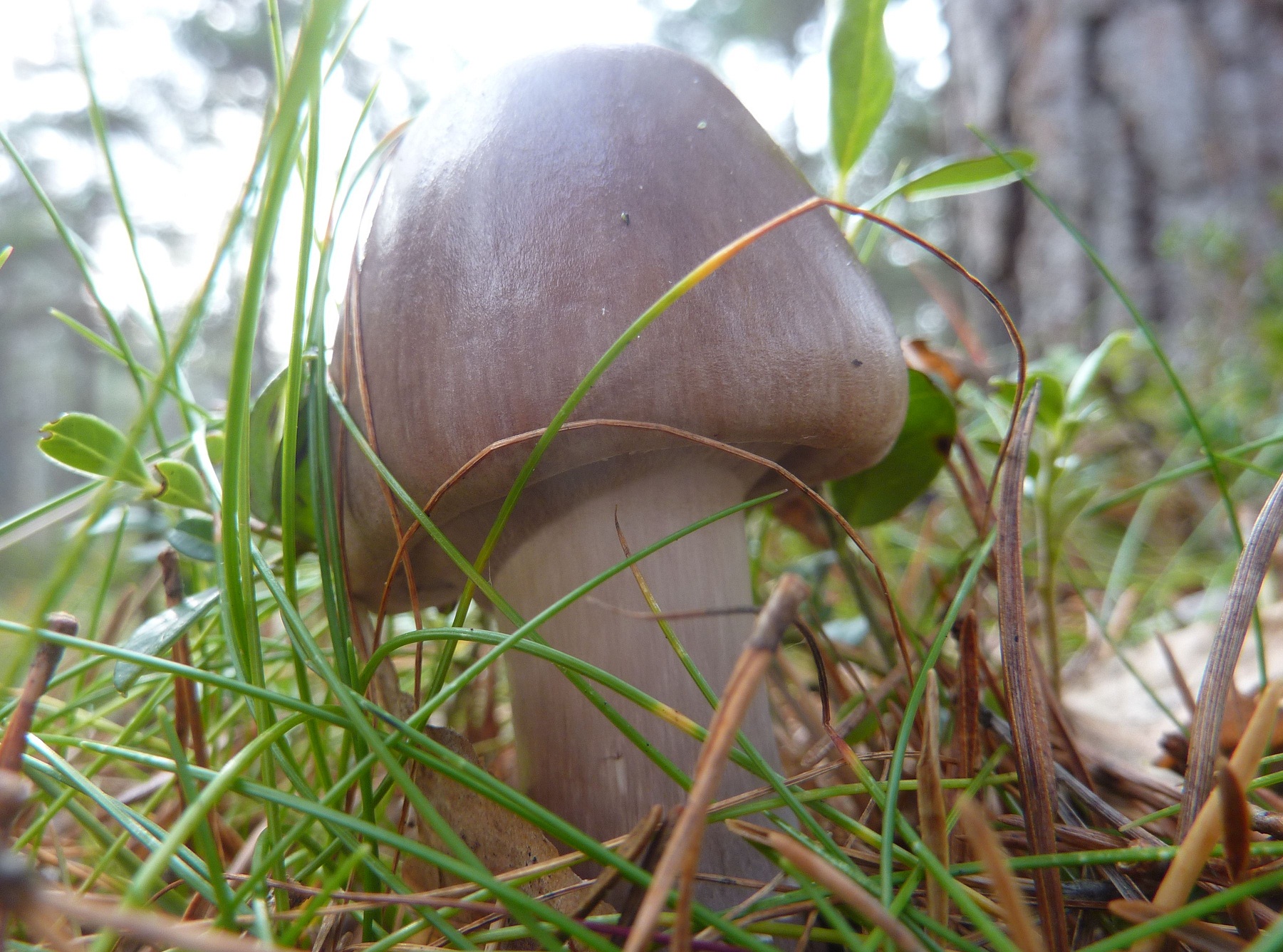
-
- The Grantown kids using weed rakes to create dragonfly ponds
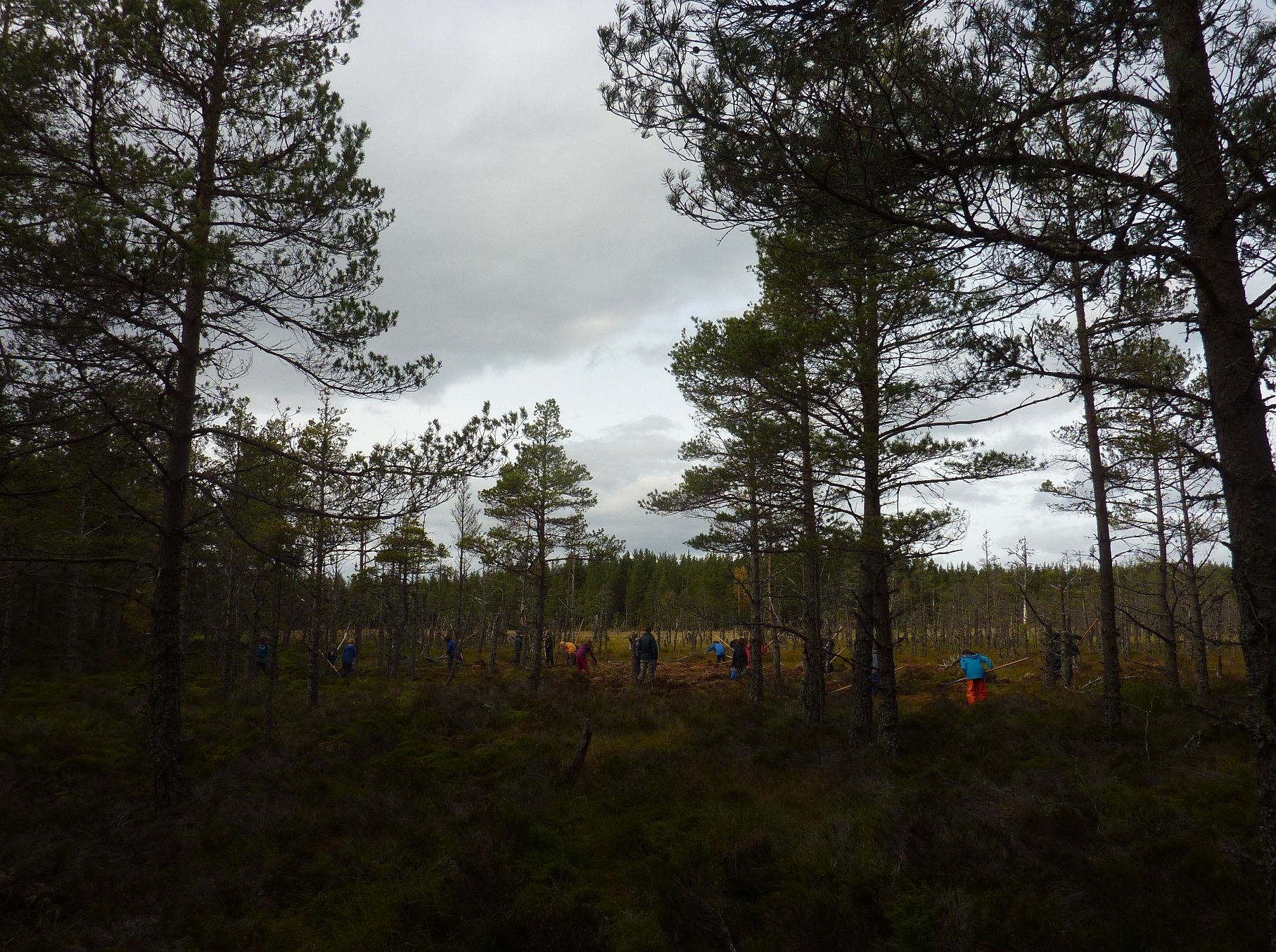
-
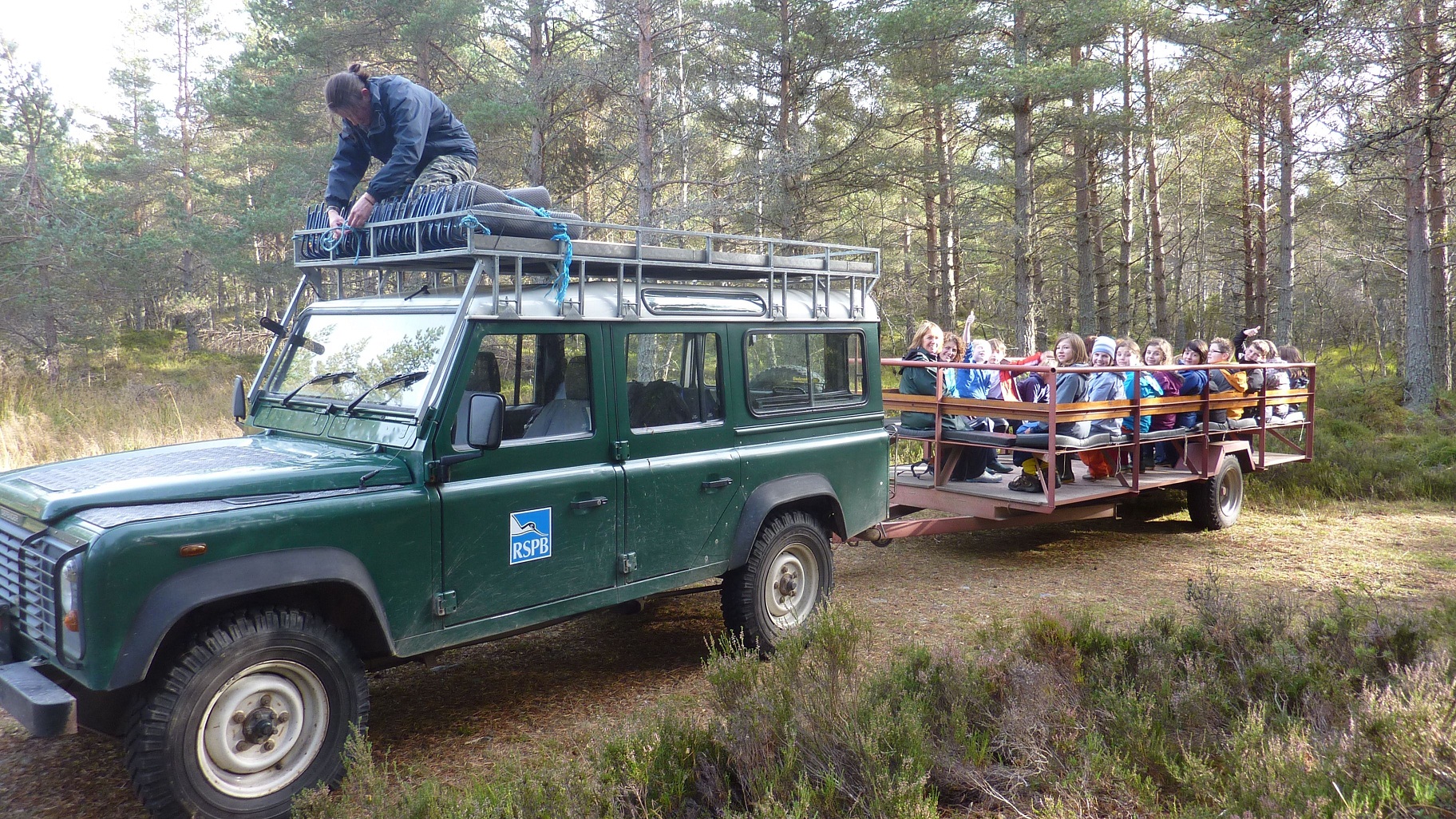
- Before they all fell out…
-

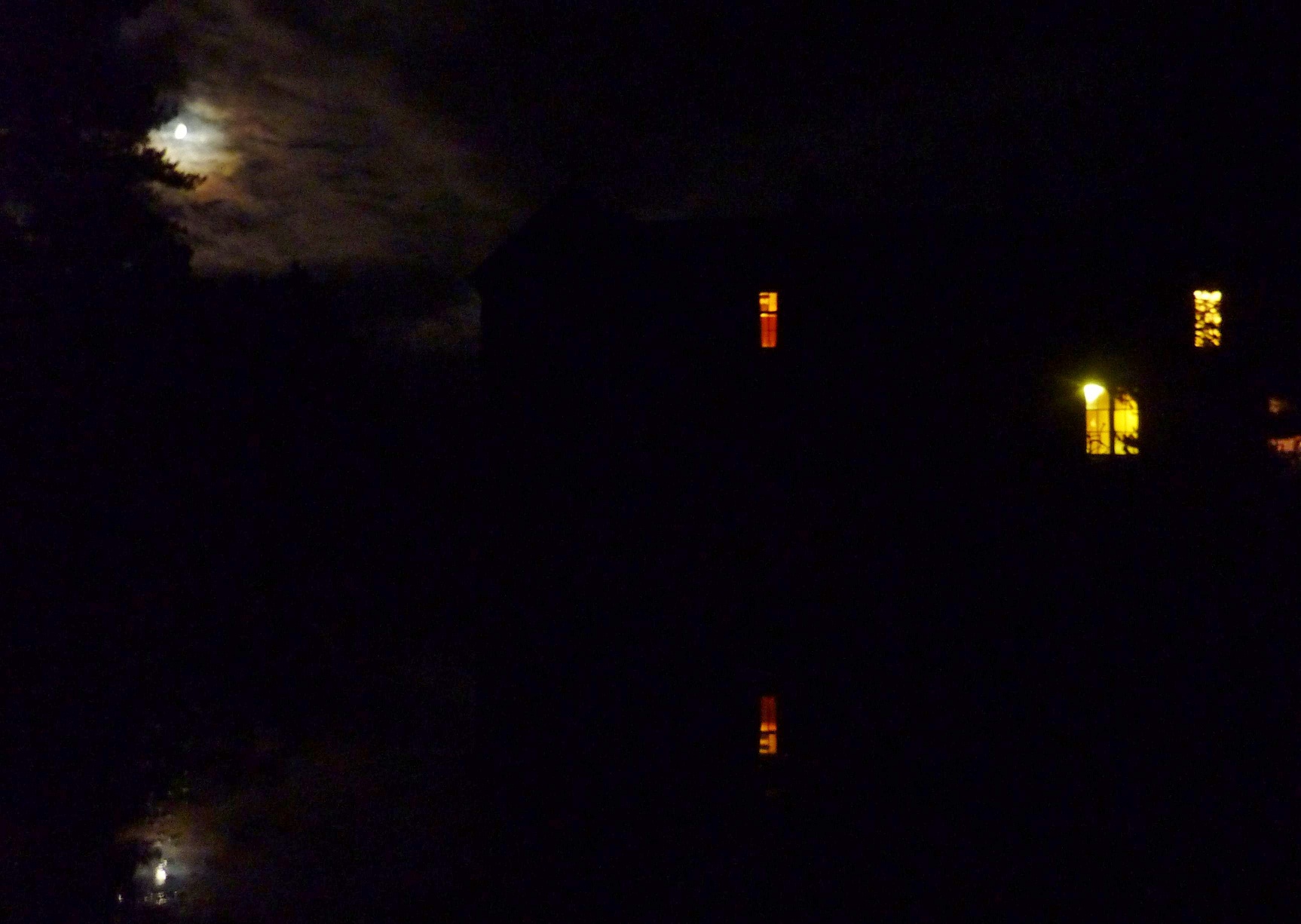
- Forest Lodge
-

- Ron examines the wooden wedge for fire scars
-
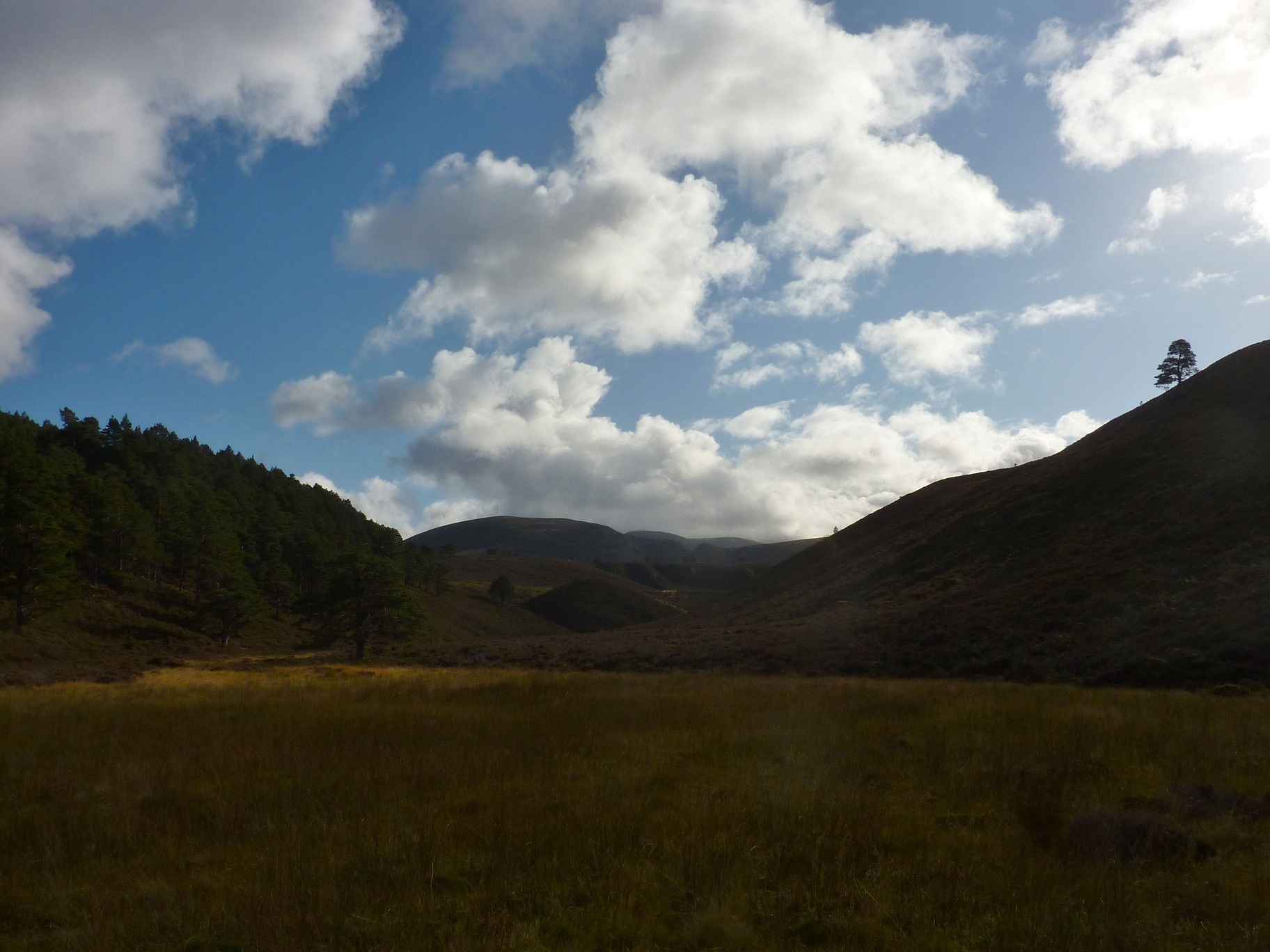
- Allt Clais an Eich
-
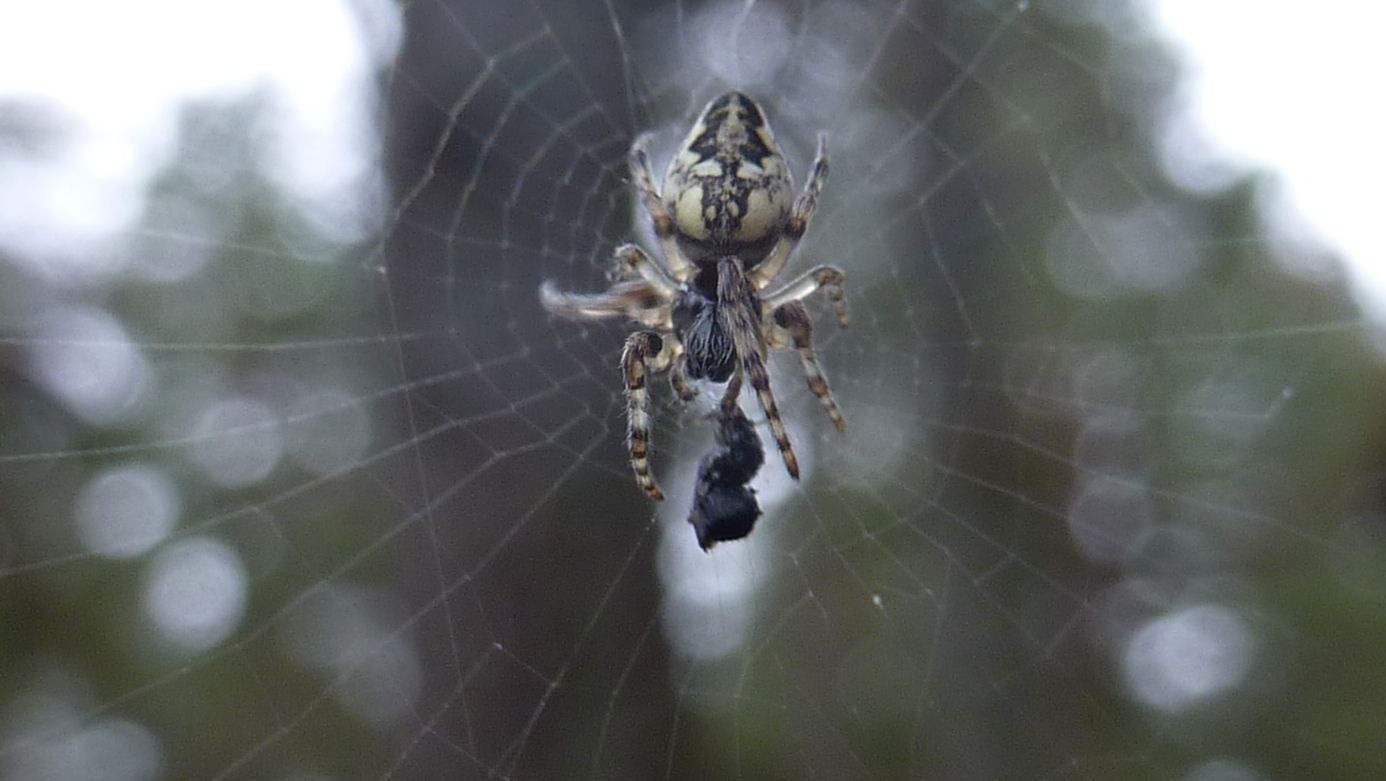
- Cyclosa conica. Gorgeous.
-
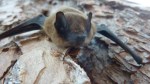
- A bat. I know I should do better. I’ve looked through bat pictures and think it might be a pipistrelle?

-
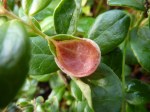
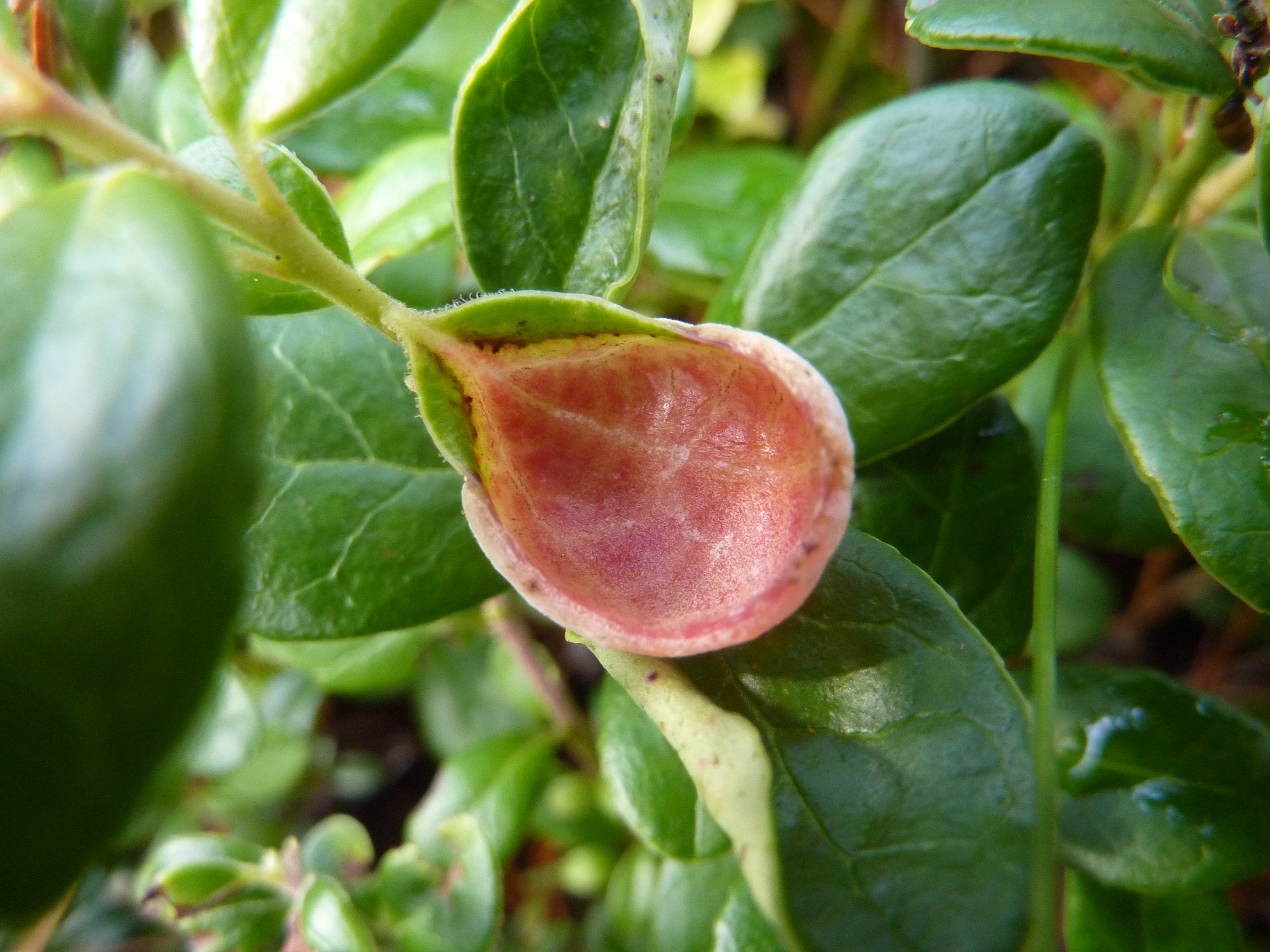
- This gall is caused by the cowberry redleaf fungus (Exobasidium vaccinii)
-
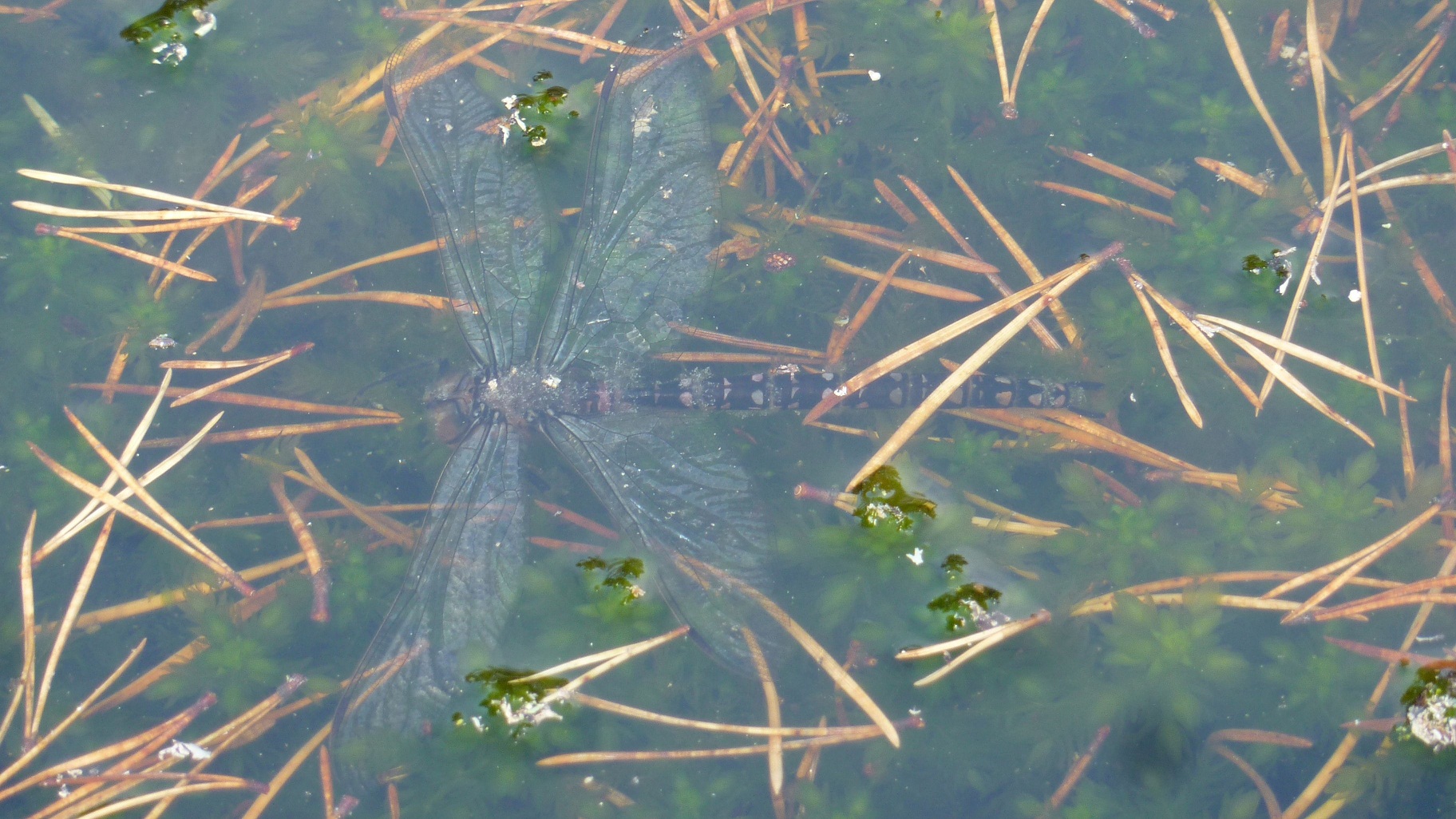
- I think this would have been a common hawker. Now it’s loch detritus.
-
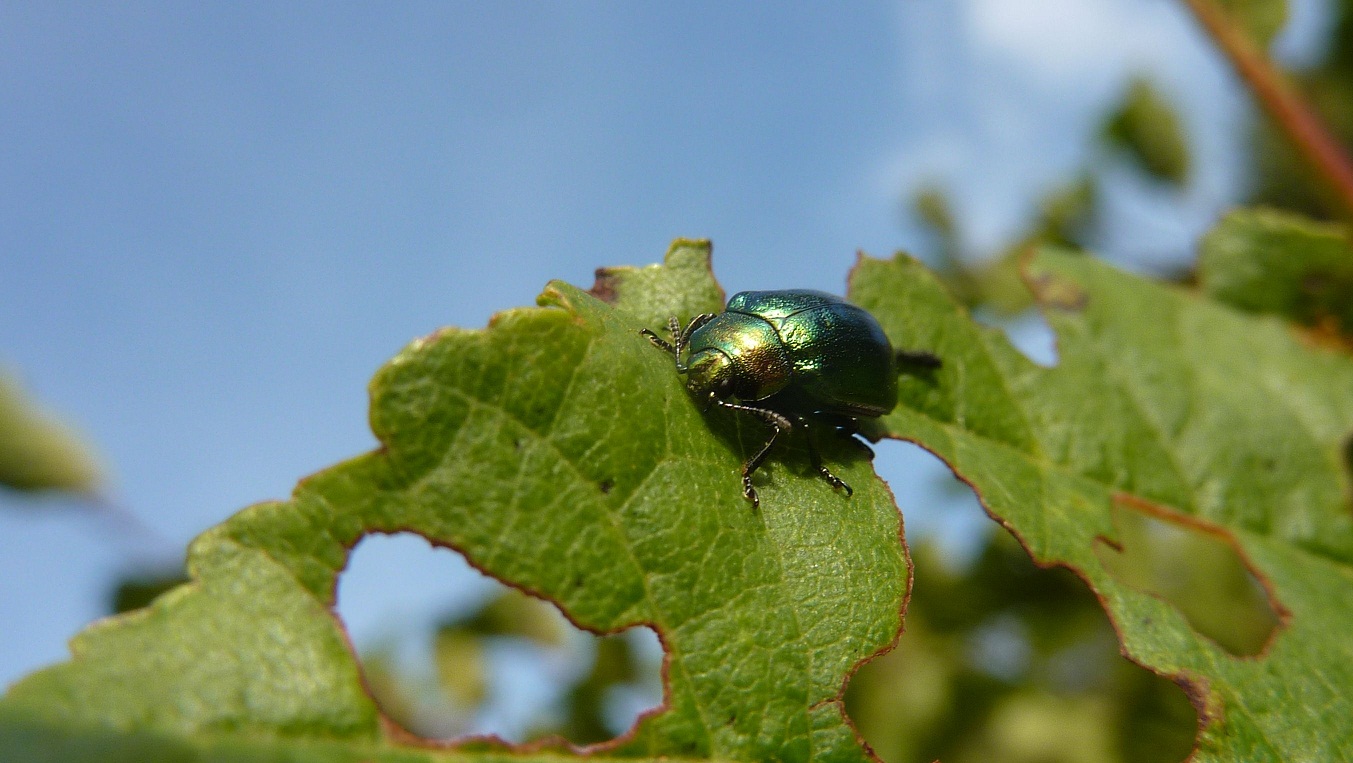
- Green. Iridescent. Amazing. Chrysomela aenea.
-

- These black grouse are practising for the big spring time lekk

Fairy Glen and a bench
I’m back at RSPB Abernethy. I’m excited. This place is fantastic. 14000 hectares of which one third is already wooded, one third is regenerating and one third is montane habitat. Not only that, they also have capercaillie, pine martens, crested tit, red squirrel and the occasional golden eagle. I’m going to be here for six months as the long term residential volunteer. If it’s going to snow this winter there won’t be more snow anywhere in the UK than here. Probably.
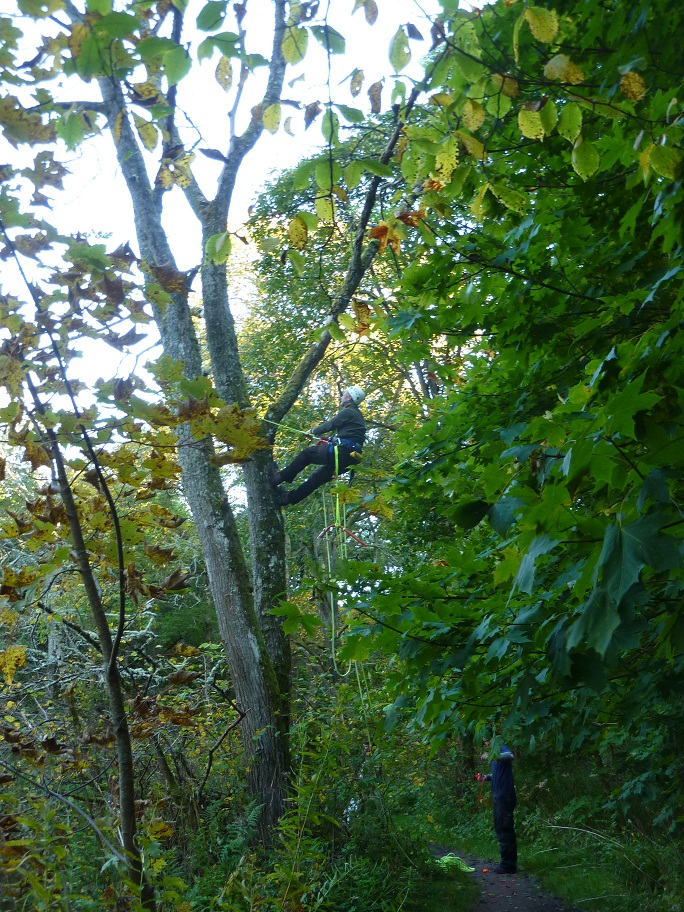
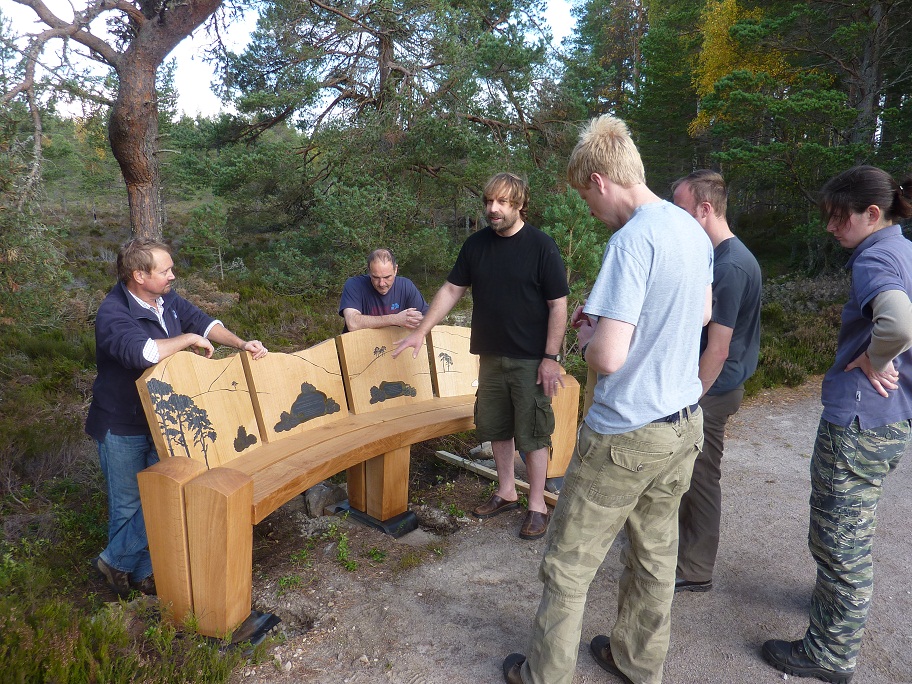
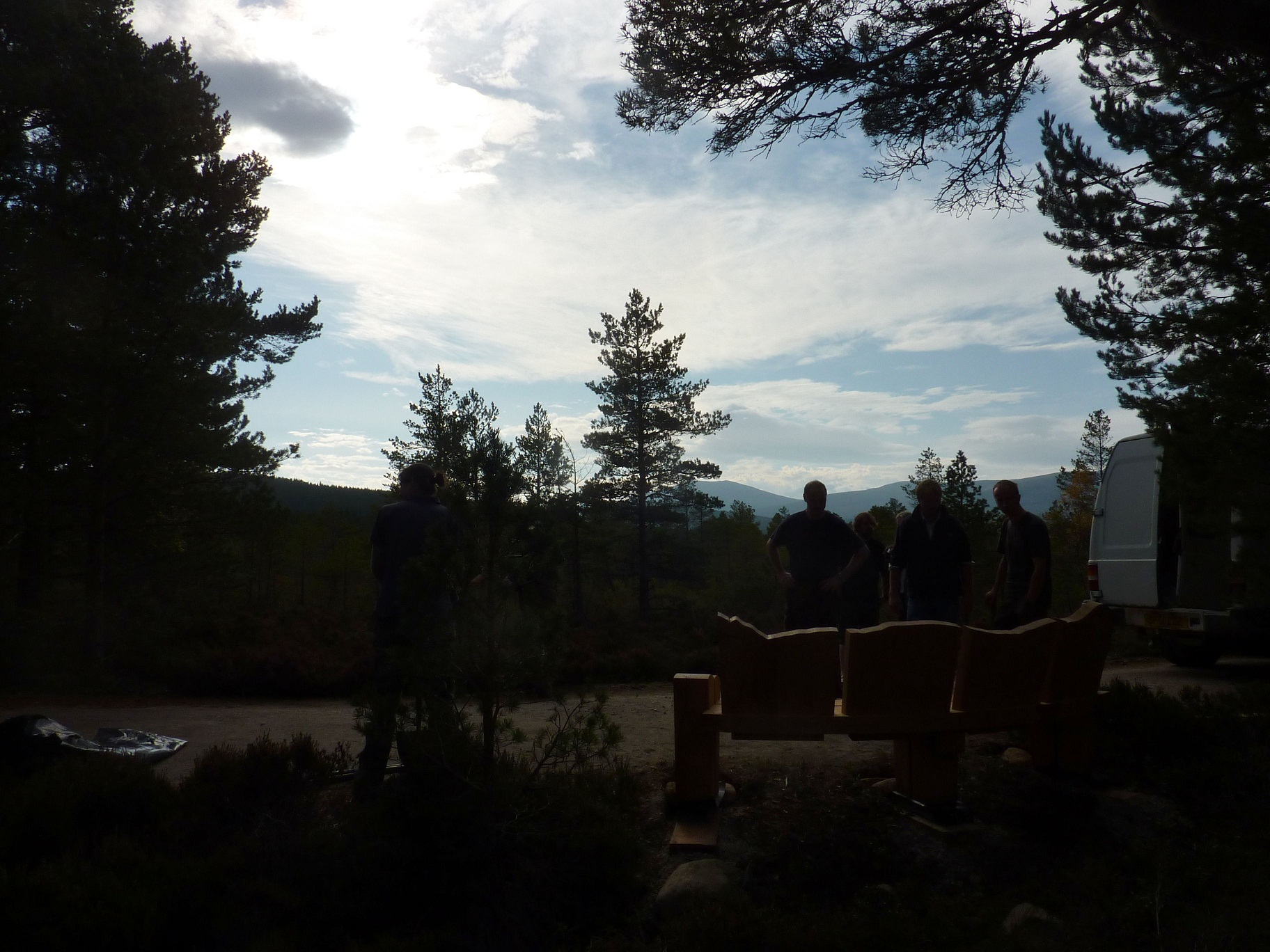
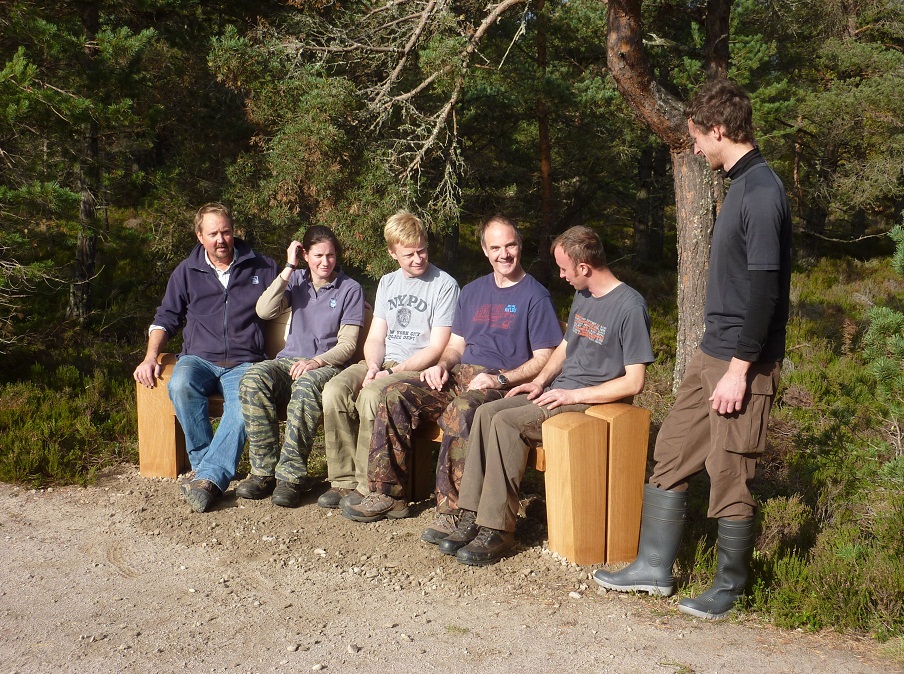
For my first day’s work myself and the two current short term volunteers went along with Alice and Ian to join Kate at the Fairy Glen to clear some fallen trees from over the burn/stream (please ignore as appropriate for your country of origin). Today, my second day, we helped install a rather nice bench up near the Osprey Centre, and I received an ‘induction’.
-
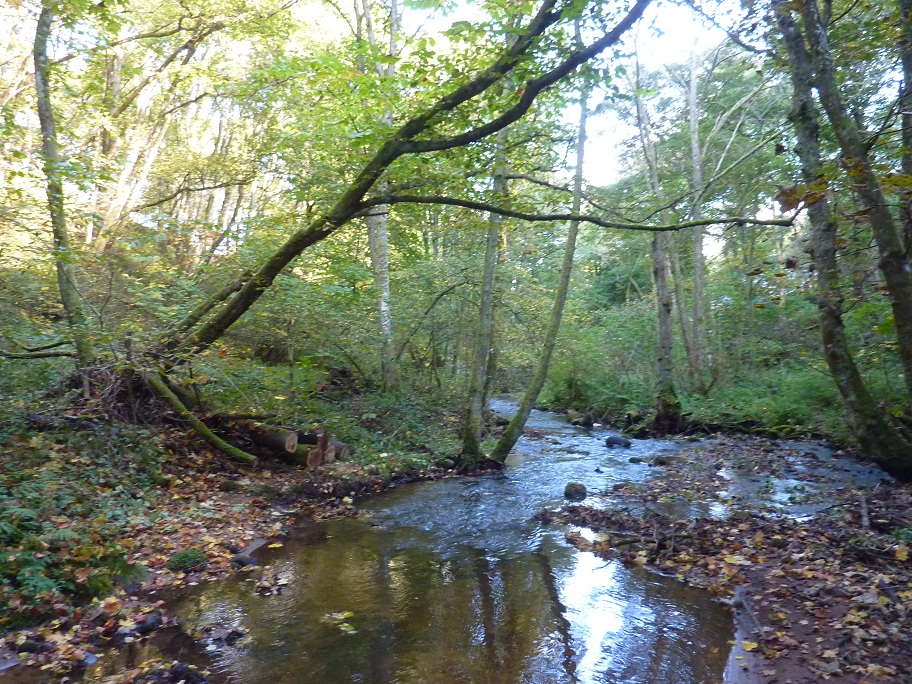
- The Fairy Glen, with some signs of non-fairy activity
-
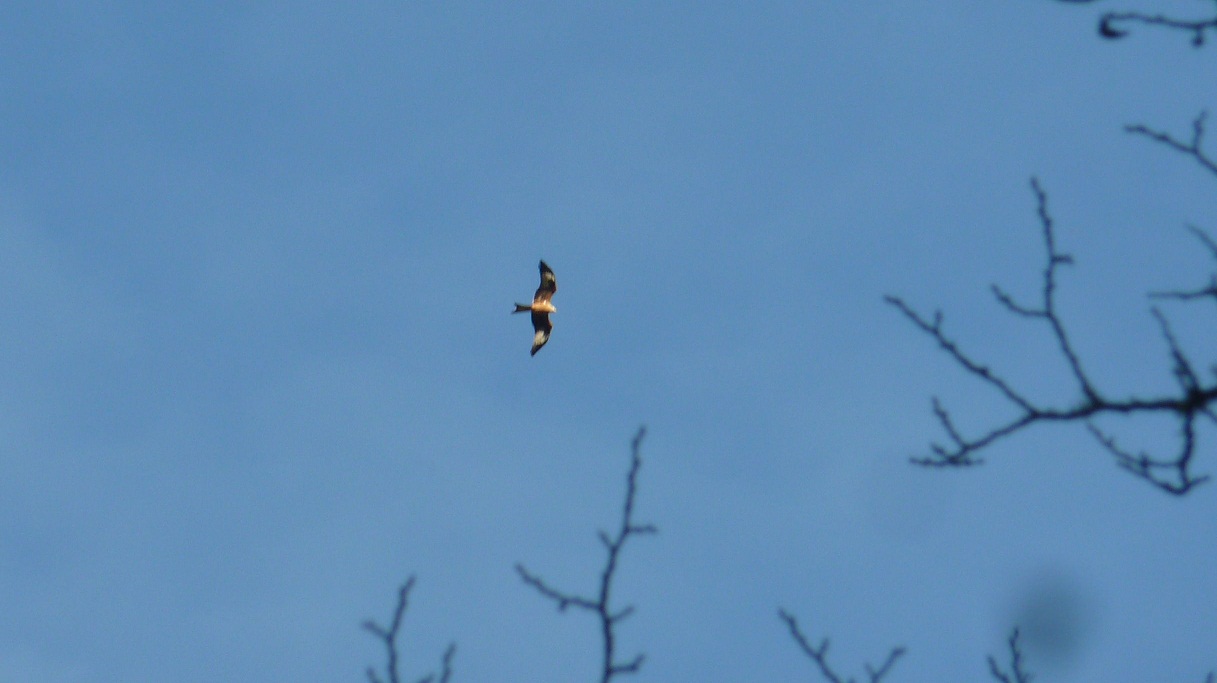
- A quick shot of a red kite
-
- Ian tries to get a better shot of the red kite
-

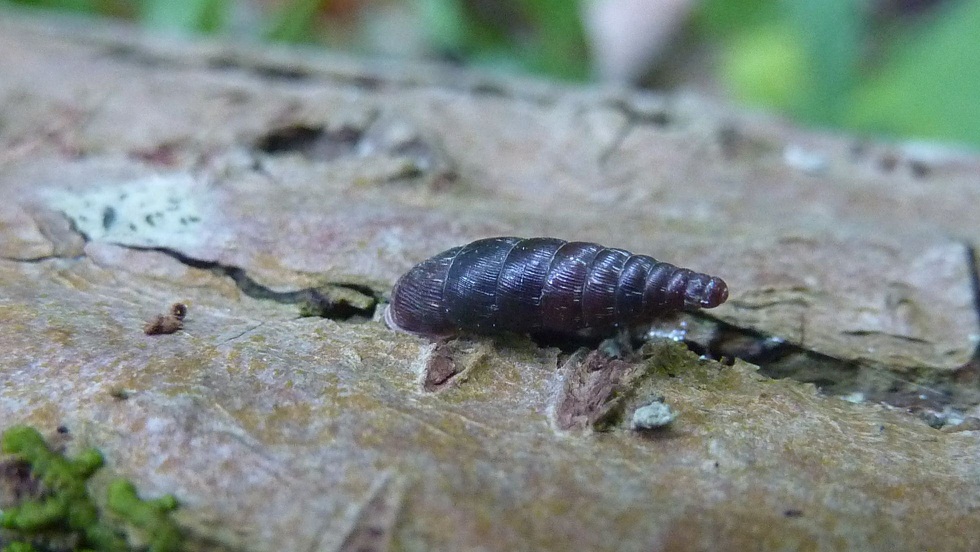
- I think this may be Clausilia bidentata. Massive at 10mm long. Perhaps the fairies ride these.
-
- This morning…
-
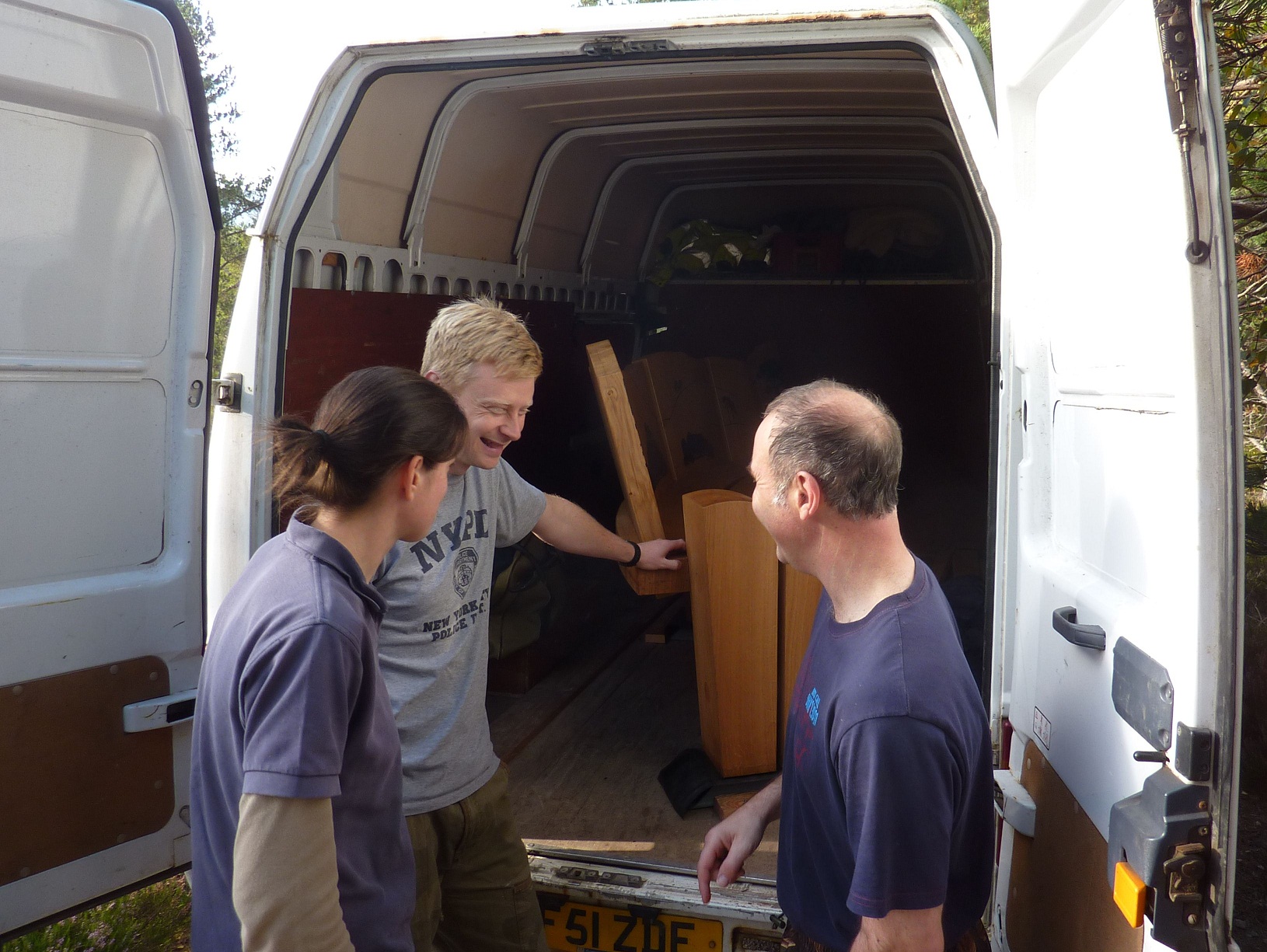
- …with 6 people lifting. Patrick shows us his rather attractive handywork
-
- I’m warmly welcomed into the team
A quick update on the choughs
The news is that Whitebrown and Brownblue were being seen regularly near Land’s End with their three boys (Orangered, Orangelime and Orangegreen). There are some photos of the birds on the Cornish chough blog here and here. However, recent sightings now put at least two of the new boys (Orangelime and Orangegreen) up near Newquay/Watergate bay, having travelled up there with a male and female youngster from the other Penwith brood from this year. With Whitebrown and Brownblue being young enthusiastic parents it doesn’t surprise me that the boys have quickly started to travel long distances from home. I just hope that they have a safe winter.
A day out on Aylesbeare
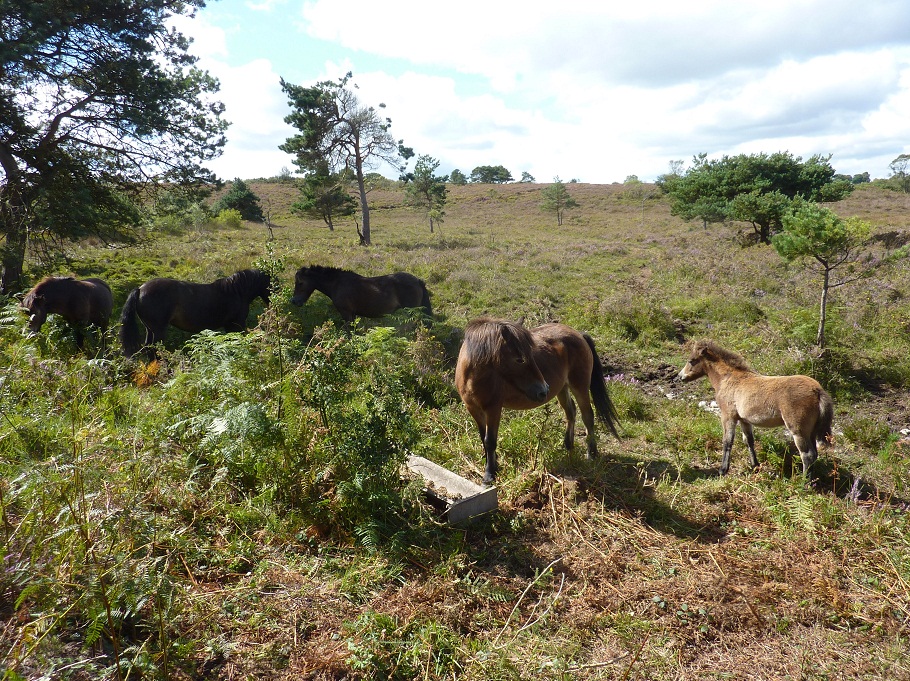
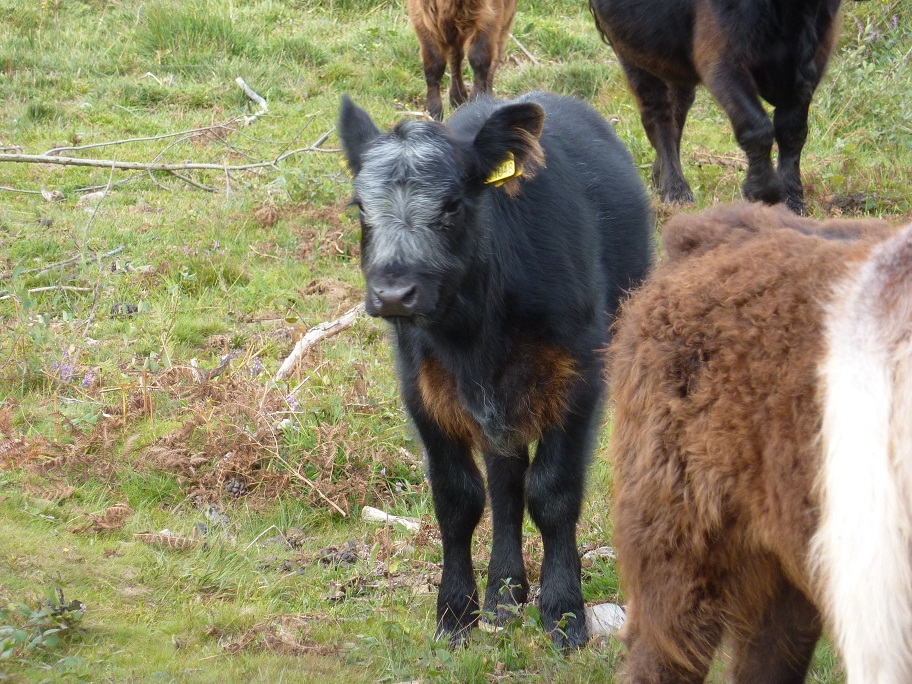
In order to catch up with Tom and Damian from RSPB Aylesbeare (who came out to Dartmoor to help out on the Red Backed Shrike project), I spent today with them as they went round the reserve sites feeding the stock. Putting (Galloway) cattle and local horse breeds out is an environmentally appropriate way to manage heathland. This reduces the need to remove scrub during the winter using powered machinery and burning, and therefore cuts down on emissions and the impact on the ground (contrary to some misinformed local opinions). Now, if you’re going to ask me about whether some of these areas should be heathland, well, that’s a debate for another day.
-
- Tom and some cows

-
- Ponies on Aylesbeare common
-
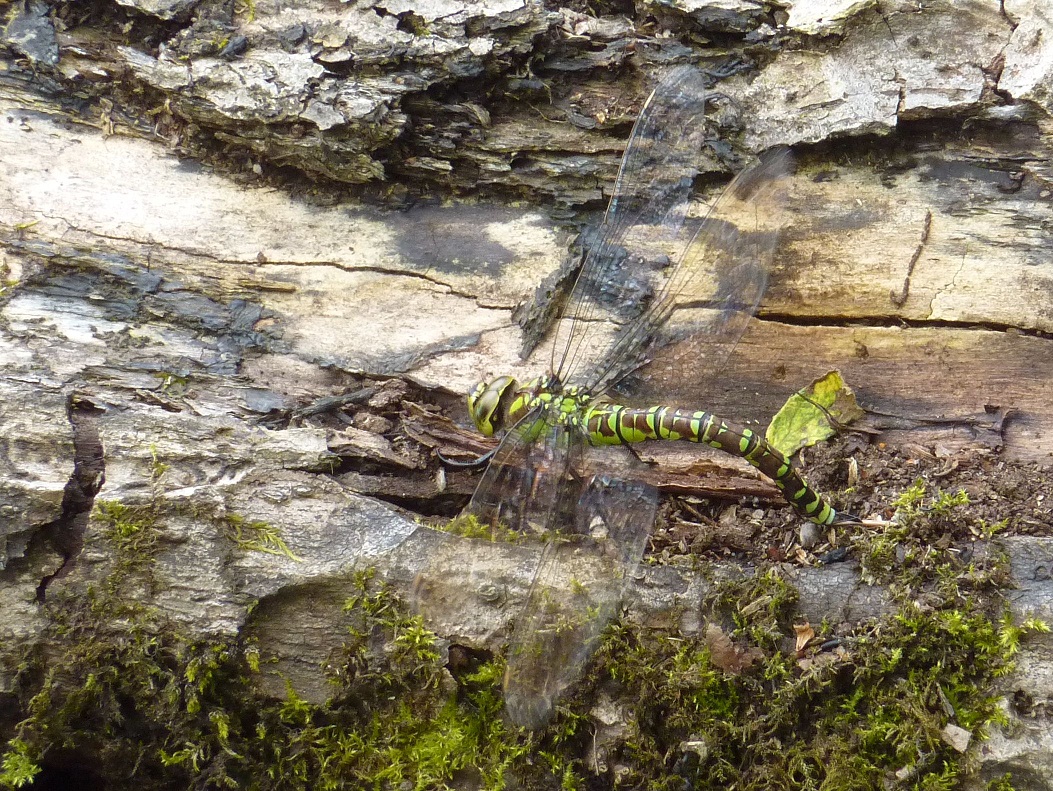
- Southern hawker dragonfly (Aeshna cyanea)
-
- Looking towards Sidmouth from Fire beacon hill

-
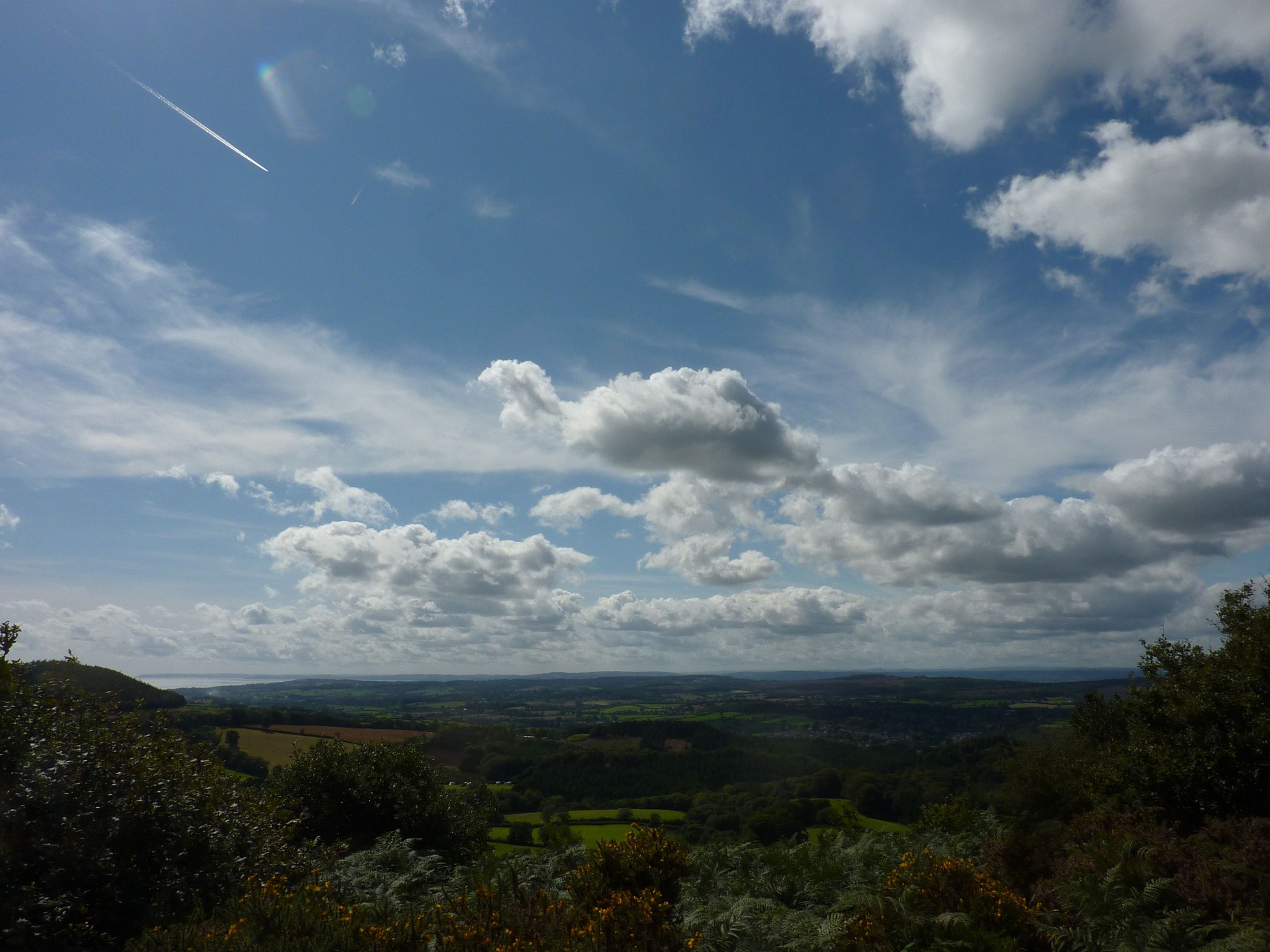
- More of Devon, looking West
August on Dartmoor
So, it’s now August on Dartmoor. It’s interesting to see how the landscape has changed as the bracken has grown, and a different set of flora is in bloom. The bird life has also changed a little since starting here in June. The dawn chorus is now being sung by willow warblers and chiff chaffs that are probably passing through (the locals stopped singing in late June), as well as whitethroats and the ubiquitous wrens. The blackcaps now spend their days chipping out their contacts calls, rather than singing, and we no longer hear cuckoos, garden warblers, song thrushes or even that many blackbirds, although there are still young thrushes (including mistle) about.
I am lucky enough to see numerous young and adult raptors regularly, having worked out where I can see families of sparrow hawks, kestrels, hobbys and buzzards, including a near white fronted, palest young buzzard that I’ve ever seen. We also see a (young?) peregrine fly near the watch site a few times during the month, and on one fantastic occasion we saw this bird spend considerable time testing its moves on a buzzard and then some pidgeons. In fact the only raptor that didn’t seem to get involved in aerial duals with the buzzards were the sparrow hawks, which were content to scythe through the scrub/trees, at high speed. On my final watch myself and Helene were witness to one chasing a very panicked green woodpecker into some trees. Greeny avoided capture by inches with a couple of incredible last minute changes in direction.
Massive thanks goes to Nigel, Mary and Colin for bringing along cakes & crisps for myself and Damian (my co-worker for the last month or so) and to all the day volunteers/birders for spending time watching out for the birds and keeping us from turning into some kind of eccentric recluses during the course of the project. Or at least tolerating us after we had. Thanks to Perry for coming back for a few days (let me know if my moth id is way off the mark), and to Helene and some of the other very nice people from the RSPB office for coming out to help and looking after us.
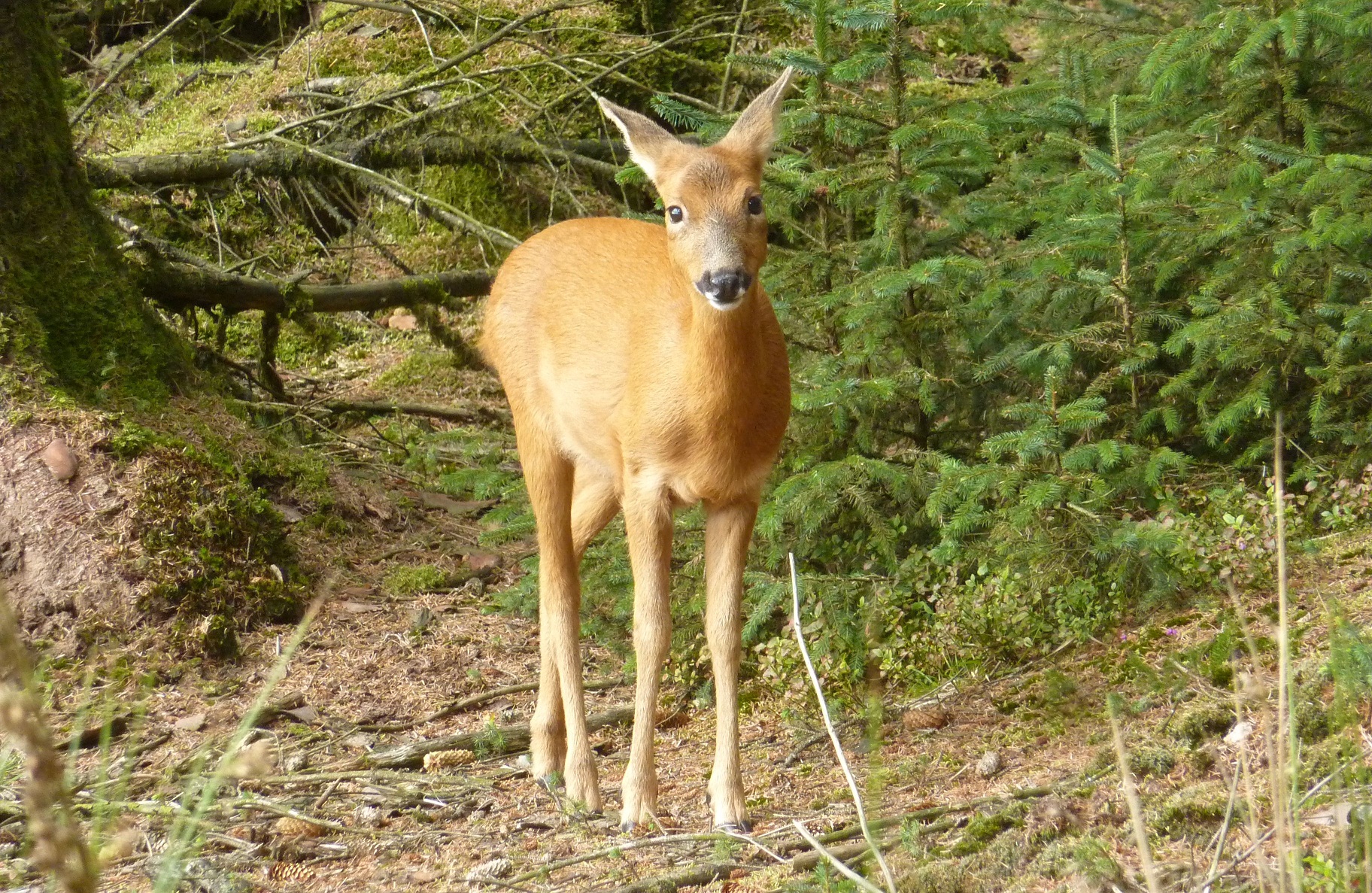
I’m lucky enough to have had some great deer encounters this month, especially with a (young?) roe deer – see photo below. There’s been lots of nightjar action, presumably because the young are now old enough to be out and about. There’s been one particular bird that flies over my van every evening, occasionally stopping to sit on the ground in front of me. It’s amazing. Nightjars really are lovely birds – I’m disappointed that I don’t have a camera able to take decent images in poor light.
I have a great respect for Satish Kumar, who has good things to say about Dartmoor. Whilst I’m sure that it might not have been some people’s cup of tea, I’ve certainly felt very content to spend an extended period of time on the moor, away from the trappings of modern life. Some areas of Dartmoor are fantastic and have a lovely feel to them, and I’ve come to really appreciate time without the communication tools that we now take granted, such as a mobile, email, internet, etc. But, like Satish, I think that trees are an extremely important part of our environment.
It is suggested that the word Dart means oak, and the majority of Dartmoor would certainly have been covered in broadleaf woodland after the ice age. For me the parts of Dartmoor that feel right are those parts that still feature native trees. Although I have no data to prove it, just a short time spent in different areas is enough for it to be obvious that there are certainly at least more wild mammal and bird species in the areas with trees (all the many nightjars on Dartmoor are nesting in the plantations – which makes a mockery of claims that extended heathland is an ideal nightjar habitat, and also shows that the forestry commission are now sympathetic towards the wildlife living in their plantations), and seemingly more flying insects, arachnids, fungi, lichen and bryophytes.
So, yes, I agree with Satish that Dartmoor is a special place, but I think we should move on from the damaging practices of inappropriate intensive grazing, burning, and growing crops of spruce. I’m particularly inspired by the work of organisations such as Moor Trees, who are helping to restore native woodland on and around the moor, and I hope that the forestry commission will consider gradually reverting their plantations back to a majority of native species coverage. Improved tree cover on the moor will lead to more areas with greater species diversity, it’ll be more aesthetically pleasing, more spiritually fulfilling and, in turn, should lead to even higher numbers of (satisfied) visitors.
-
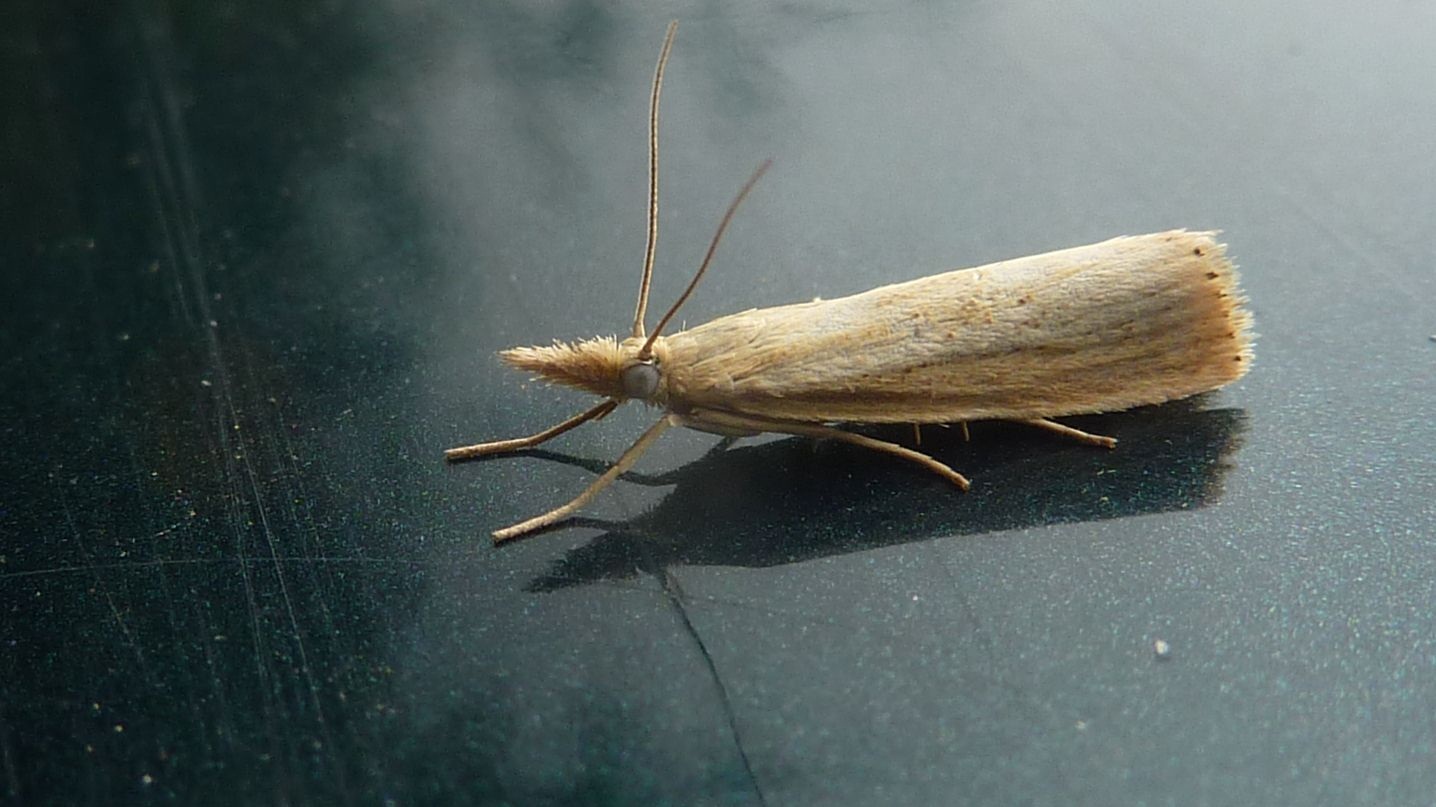
- I think this may be agriphila straminella, the common grass moth. Check out those eyes.
-
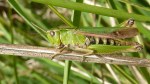
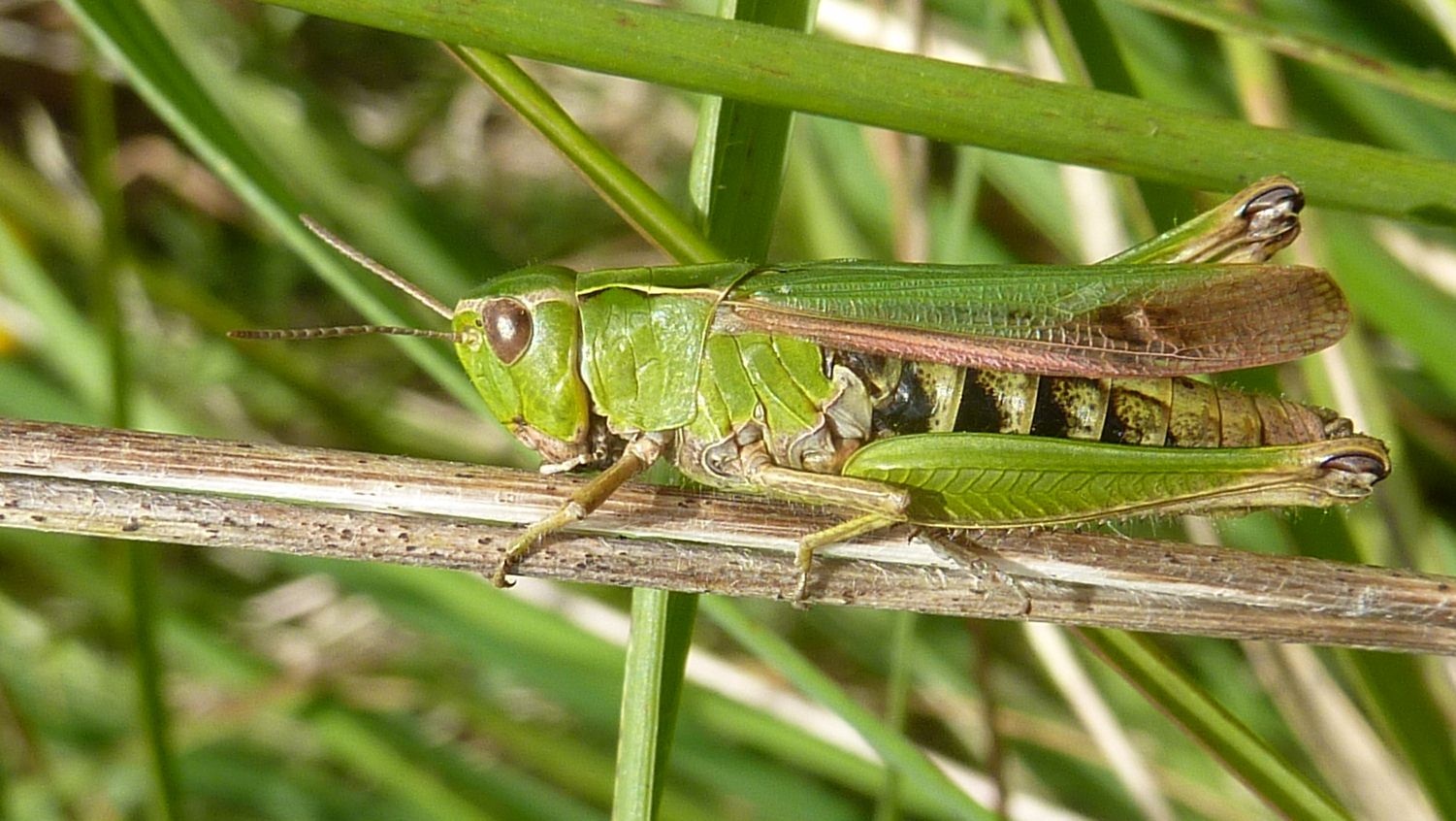
- Surely a common green grasshopper (Omocestus viridulus)
-
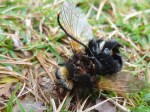
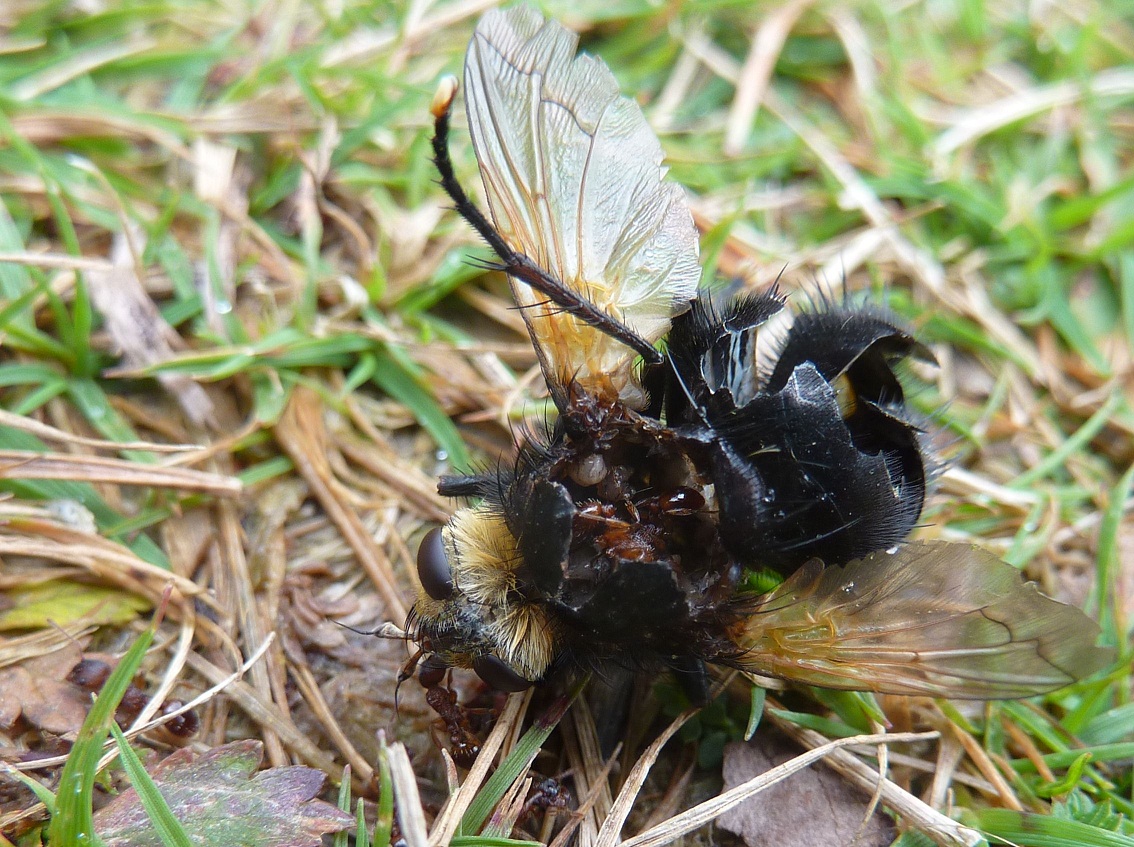
- Poor old custard feet (Tachina grossa) has been a meal for something
-
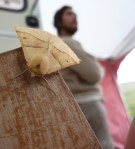
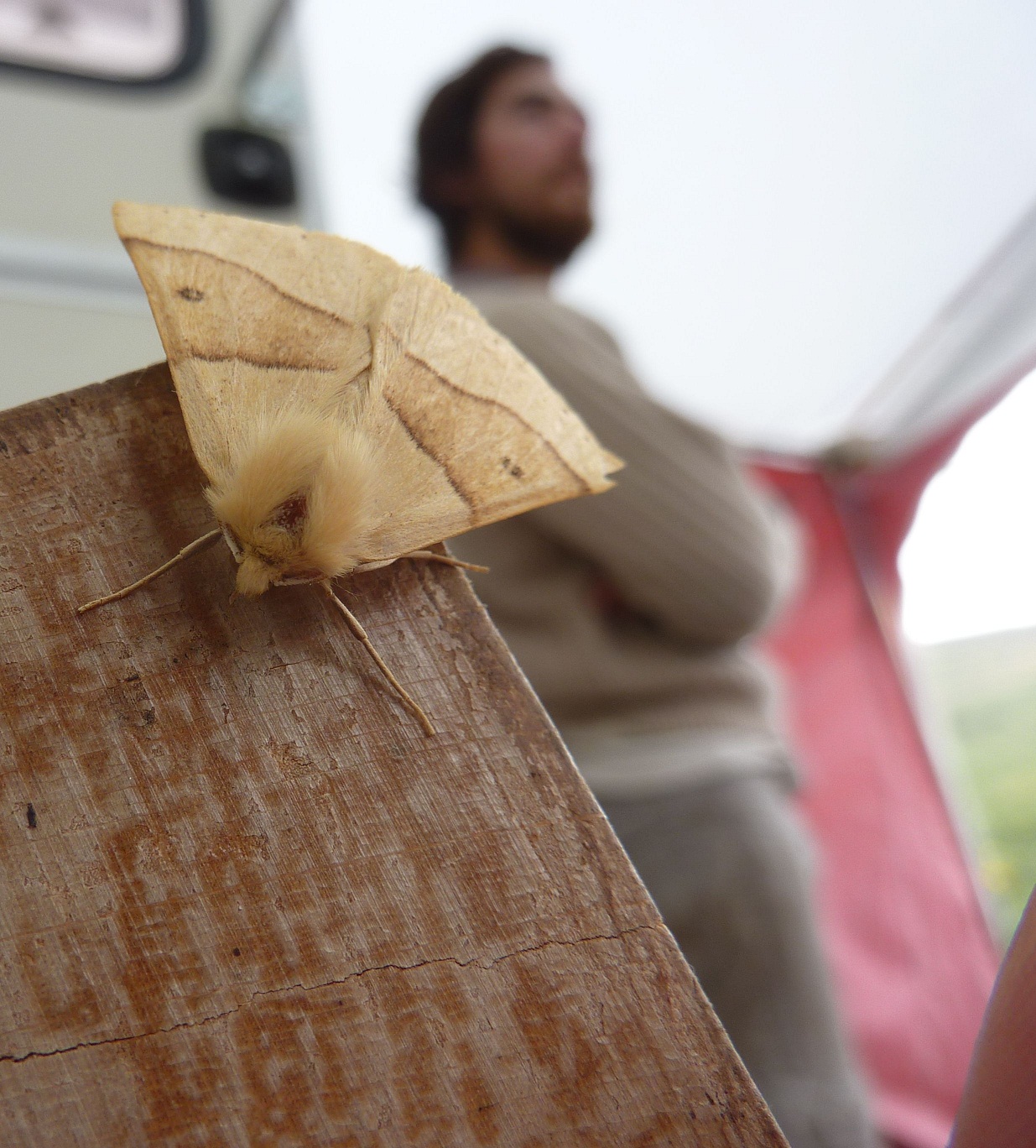
- Perry
-
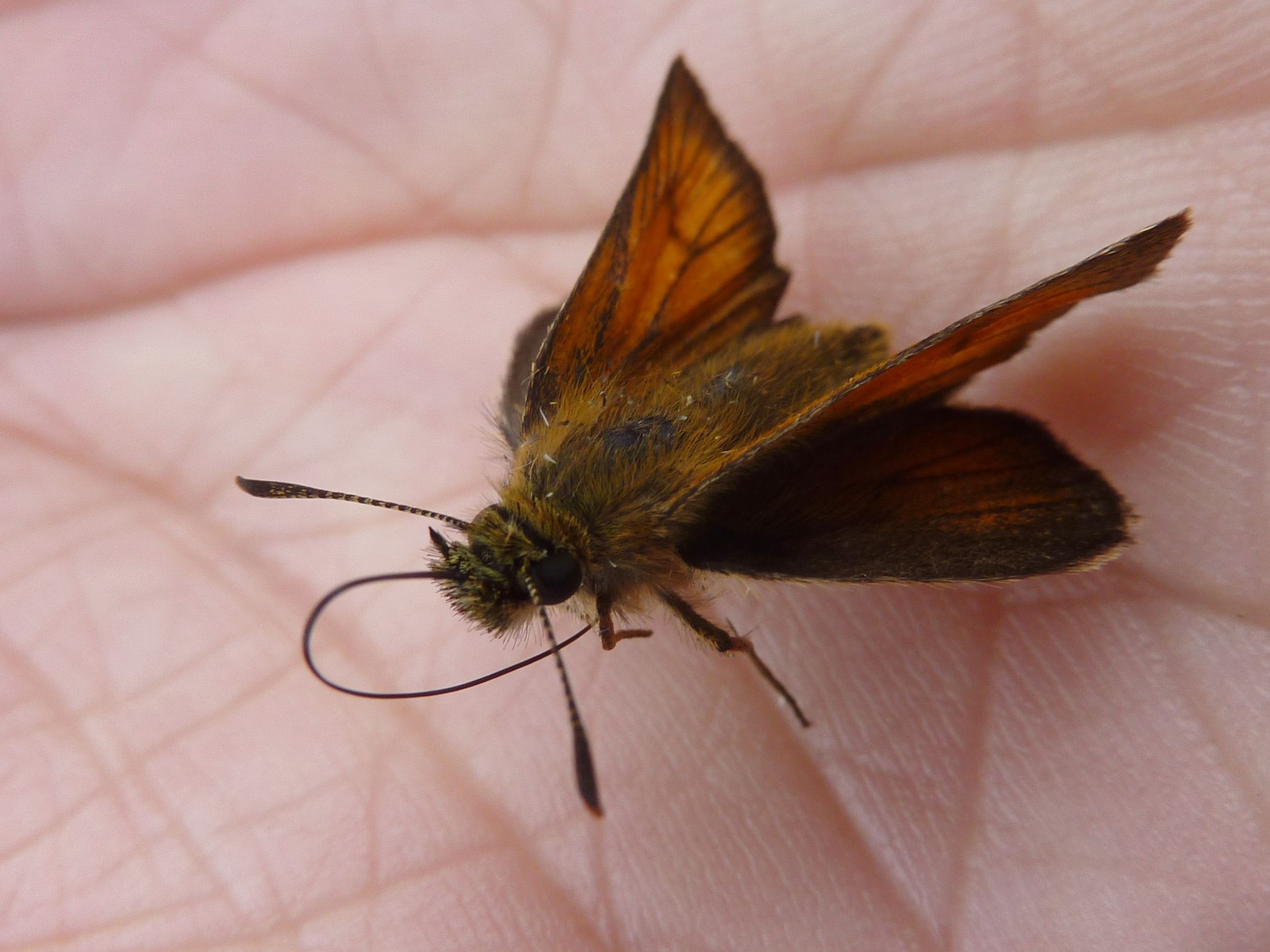
- Small skipper and an amazing tongue like a long straw, used to drink nectar – thanks to Barry Dunn for the id
-
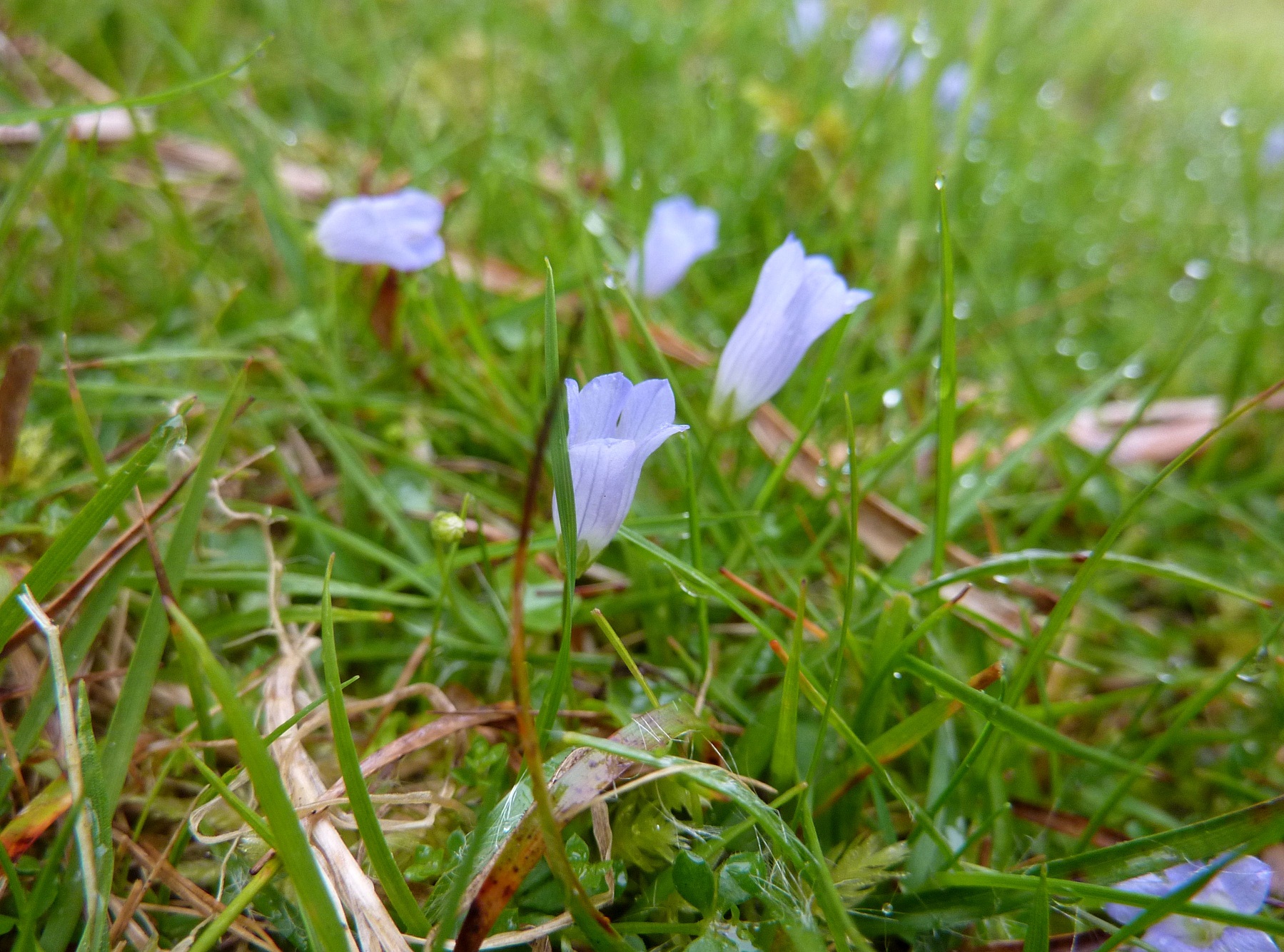
- I found these tiny flowers near a wall, but don’t know what they are – I’m going with Wahlenbergia hederacea (thanks Helene)
-
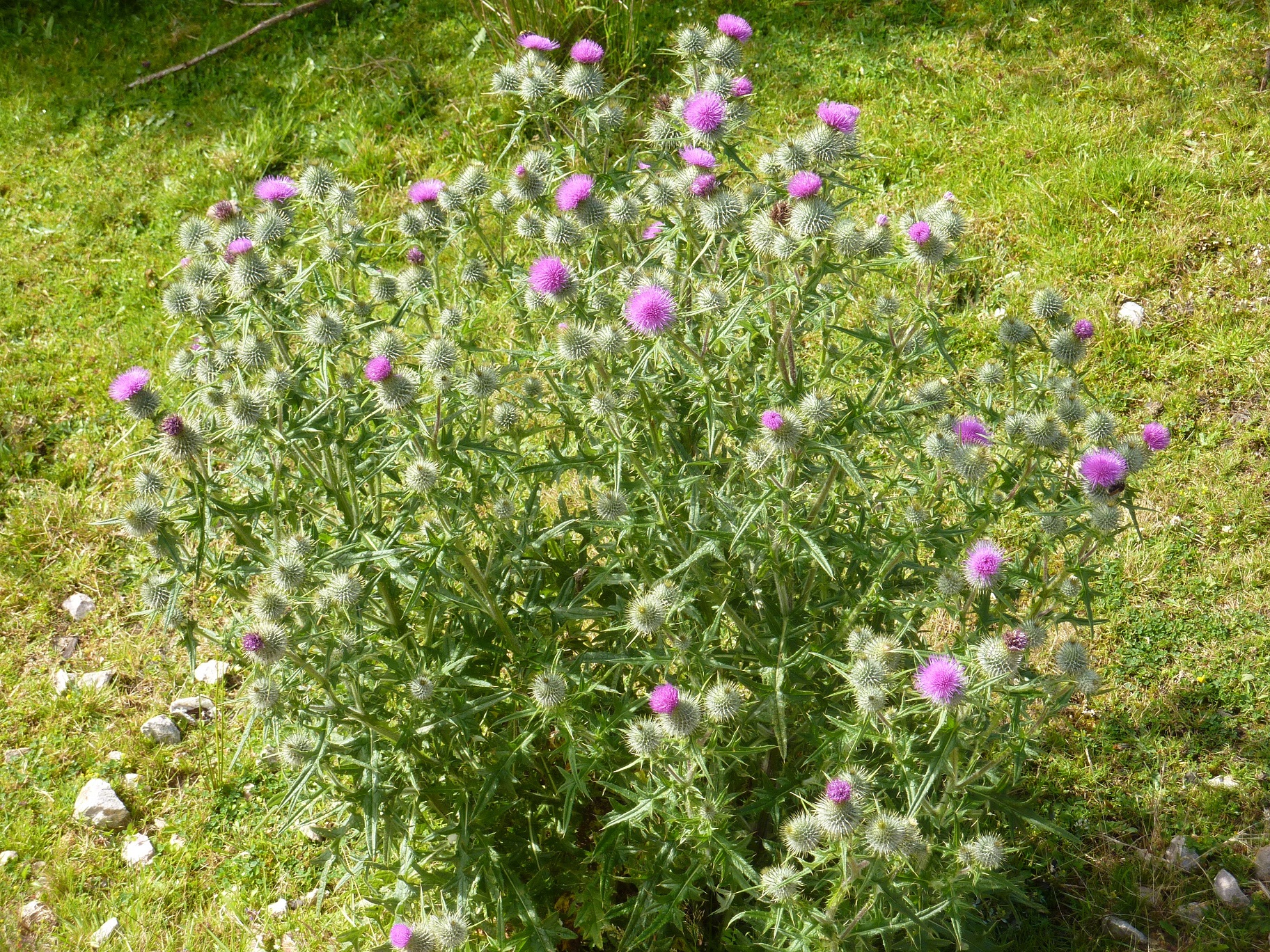
- Thistles are an important plant for bees, hoverflies and other insects.
-
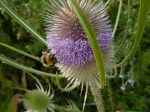
- Some bombus on teasel (Dipsacus fullonum) action.

-

- Oh yes! Top nature geek find, dog vomit slime mold (Fuligo septica)
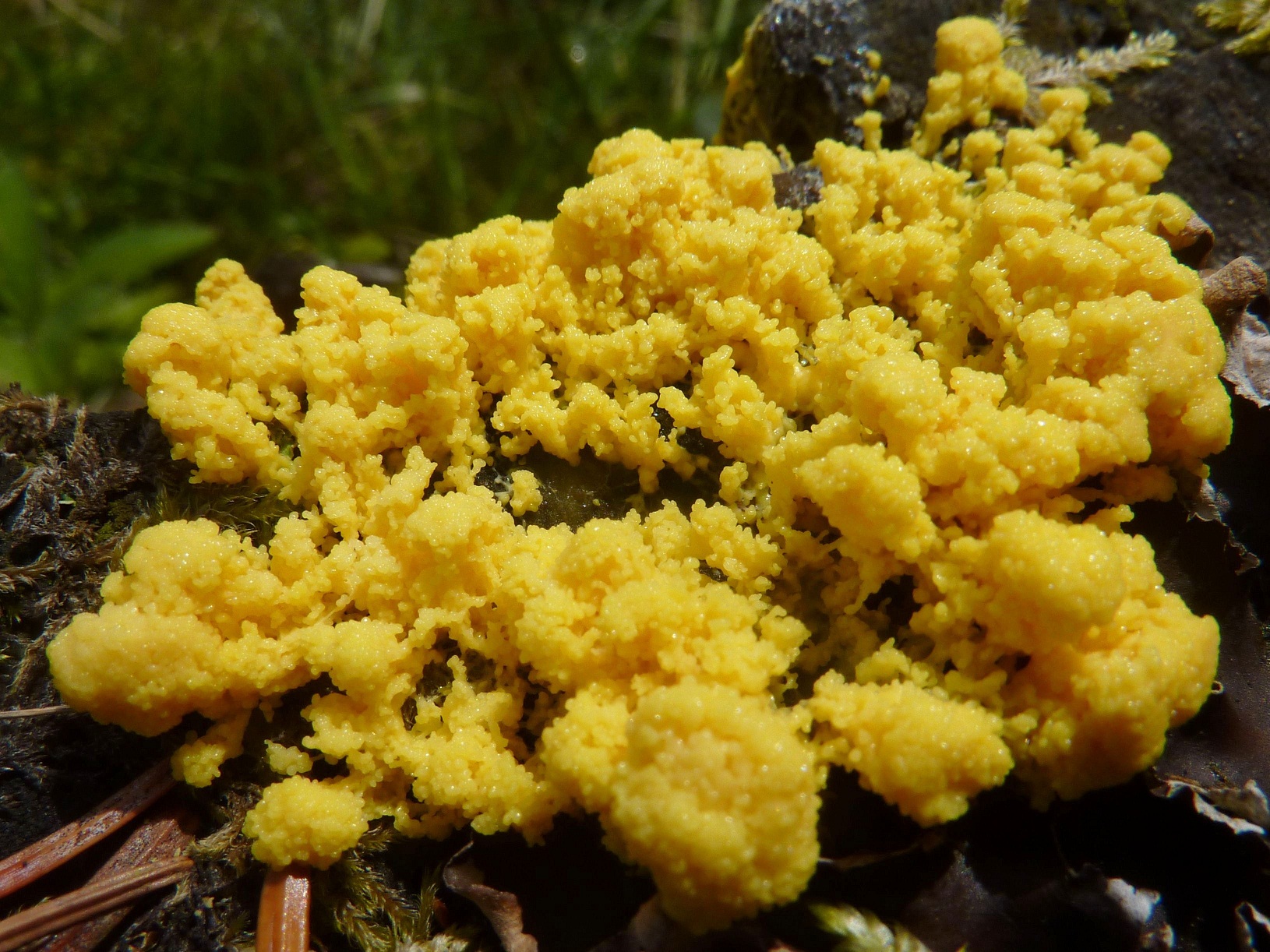
-

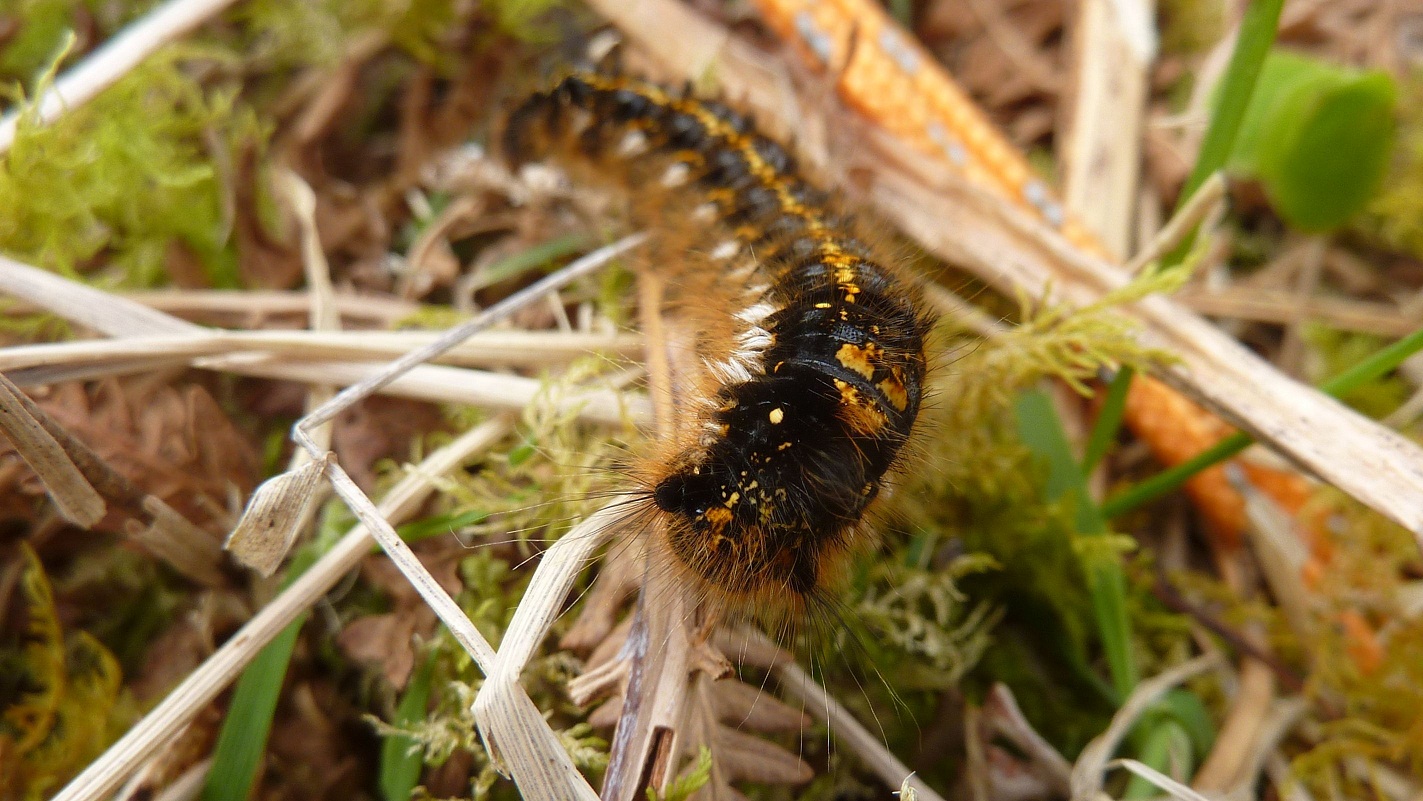
- At first I thought this was a fox moth larva, but closer inspection leads me to think that actually I don’t know what it is.
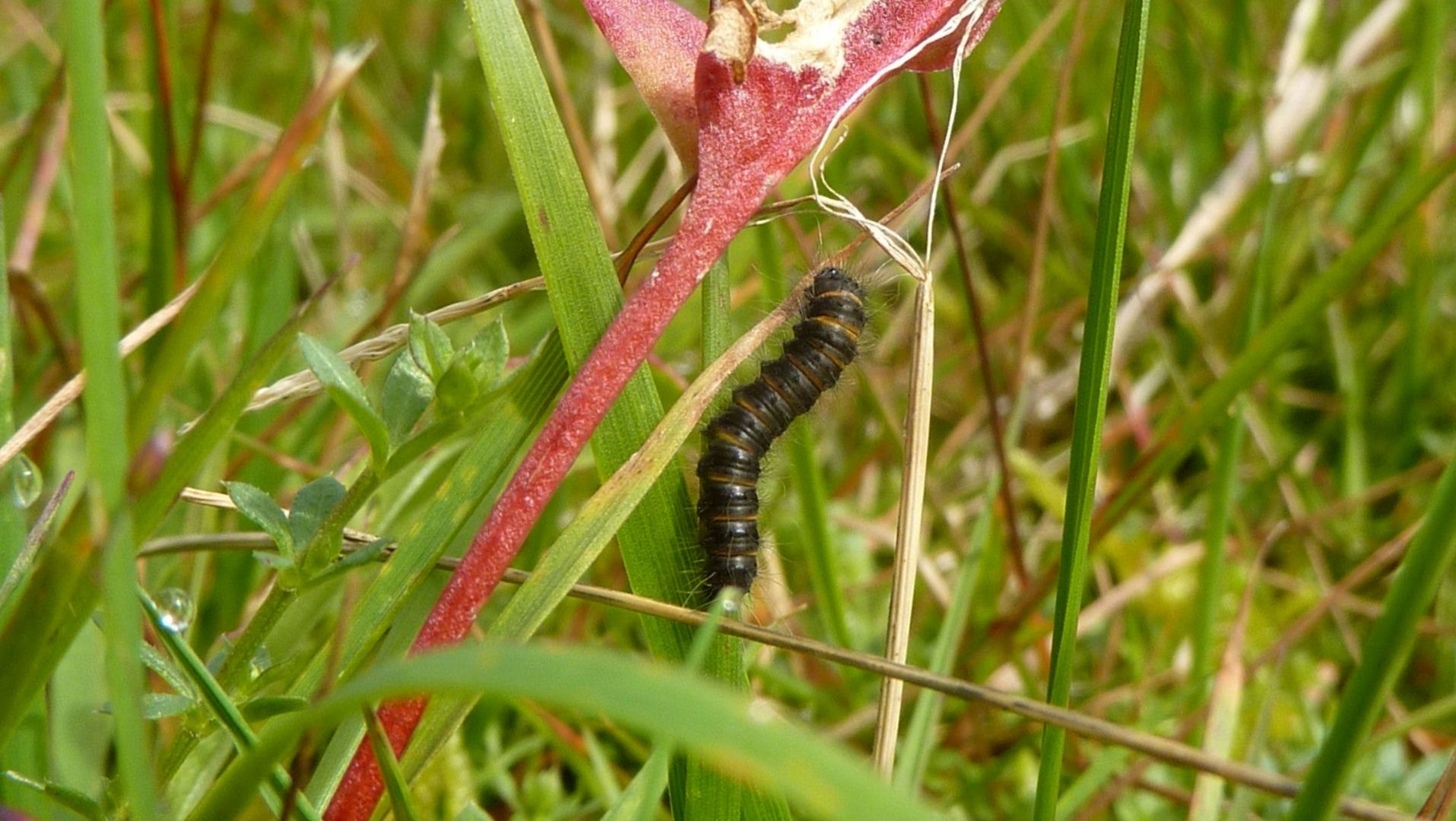
-
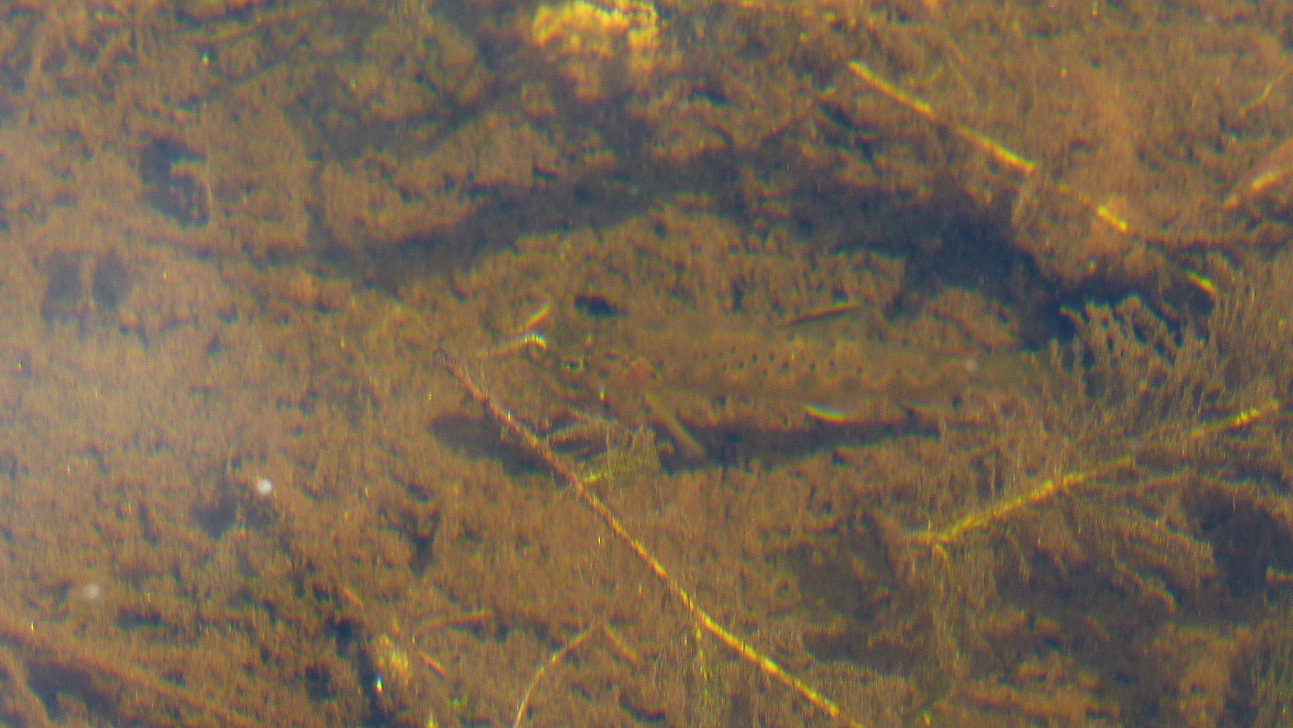
- Salmo trutta, a (very small) brown trout

-
- We had a nice fly over from a Hurricane (and a spitfire, but I wasn’t quick enough to photo both)

-
- Now that’s a pretty cute deer
-
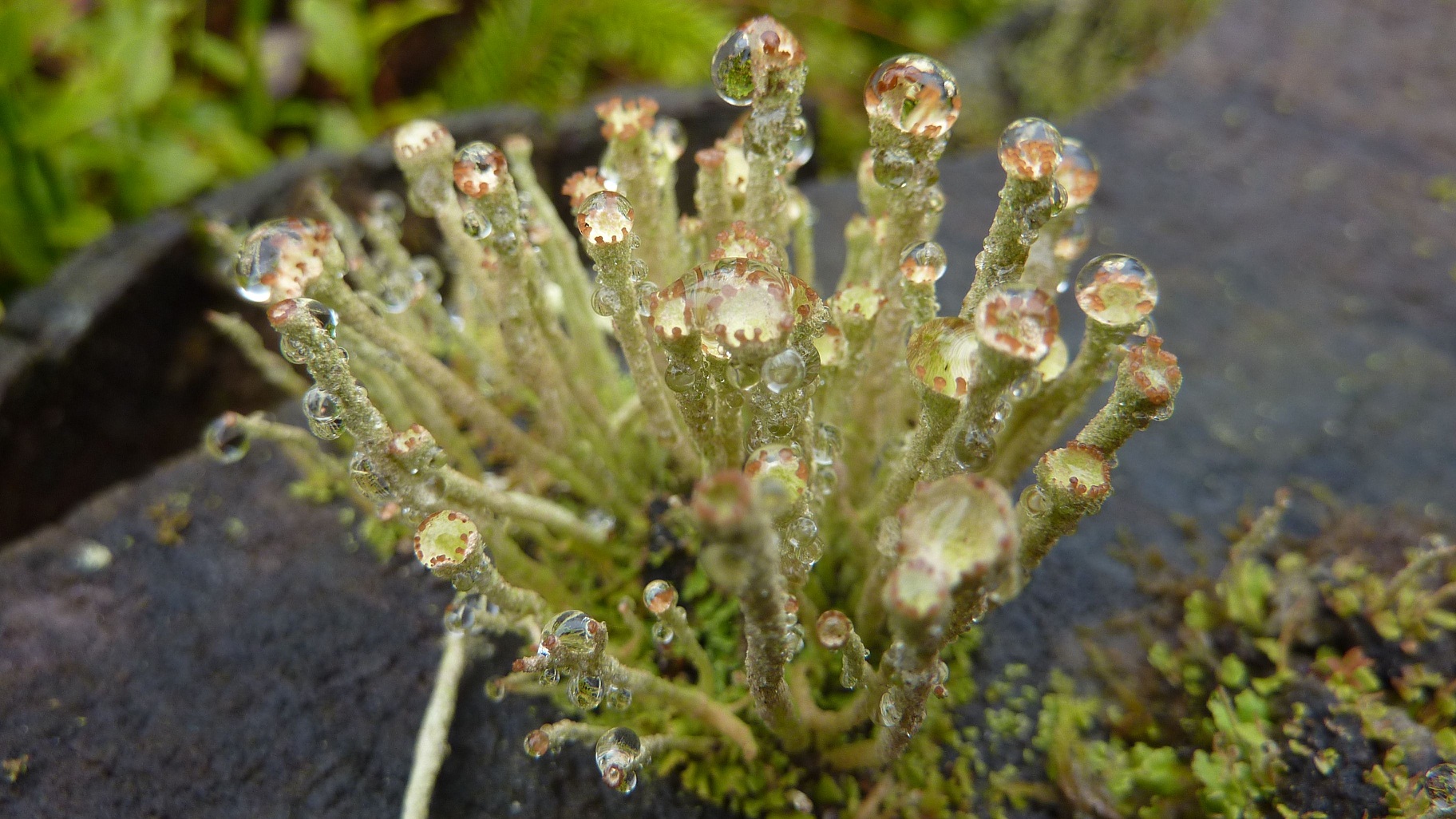
- This lichen is probably Cladonia diversa
-
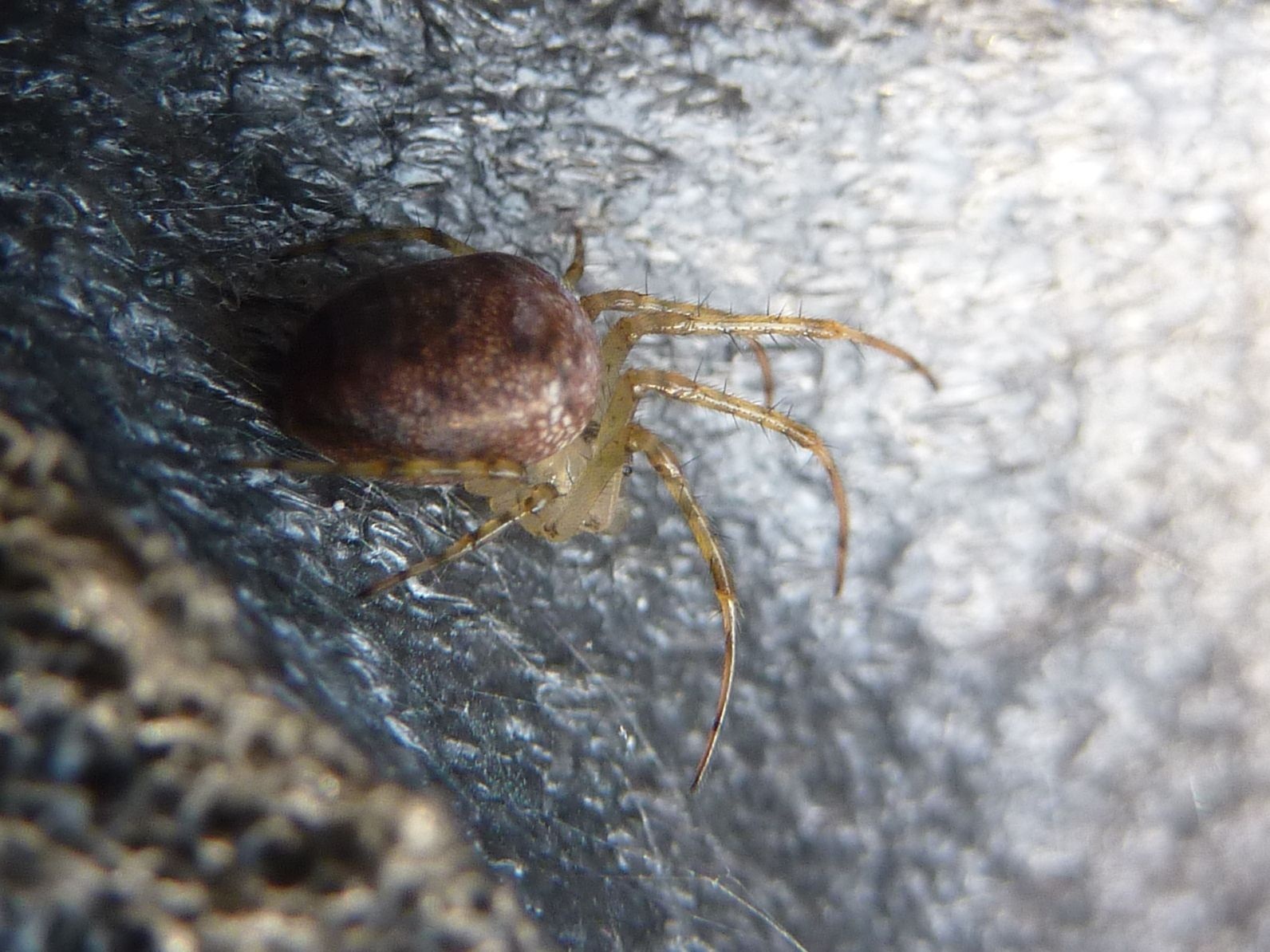
- How beautiful is this? Spiders are top of the evolutionary tree.
Moths on Dartmoor 2
MOTHS ON DARTMOOR! Sounds a bit like it should be a horror movie, snakes on a plane style, with giant moths sucking up hapless walkers, and people having to lock themselves up in the prison to avoid a horrible death, and and…uh, sorry.
Actually these moths, although a tad pissed at being disturbed from their cosy egg box, are very cool. Perry’s second trapping catches 19 species (not all of which are here due to some just flying away), following 17 from the first trap – I think about 26 in total, given that there were some examples of the same species in both. Species without photos included dark arches, antlers, small phoenix, red twin spot and a nut-tree tussock.
-

- There were lot’s of true lover’s knots (Lycophotia porphyrea).
-
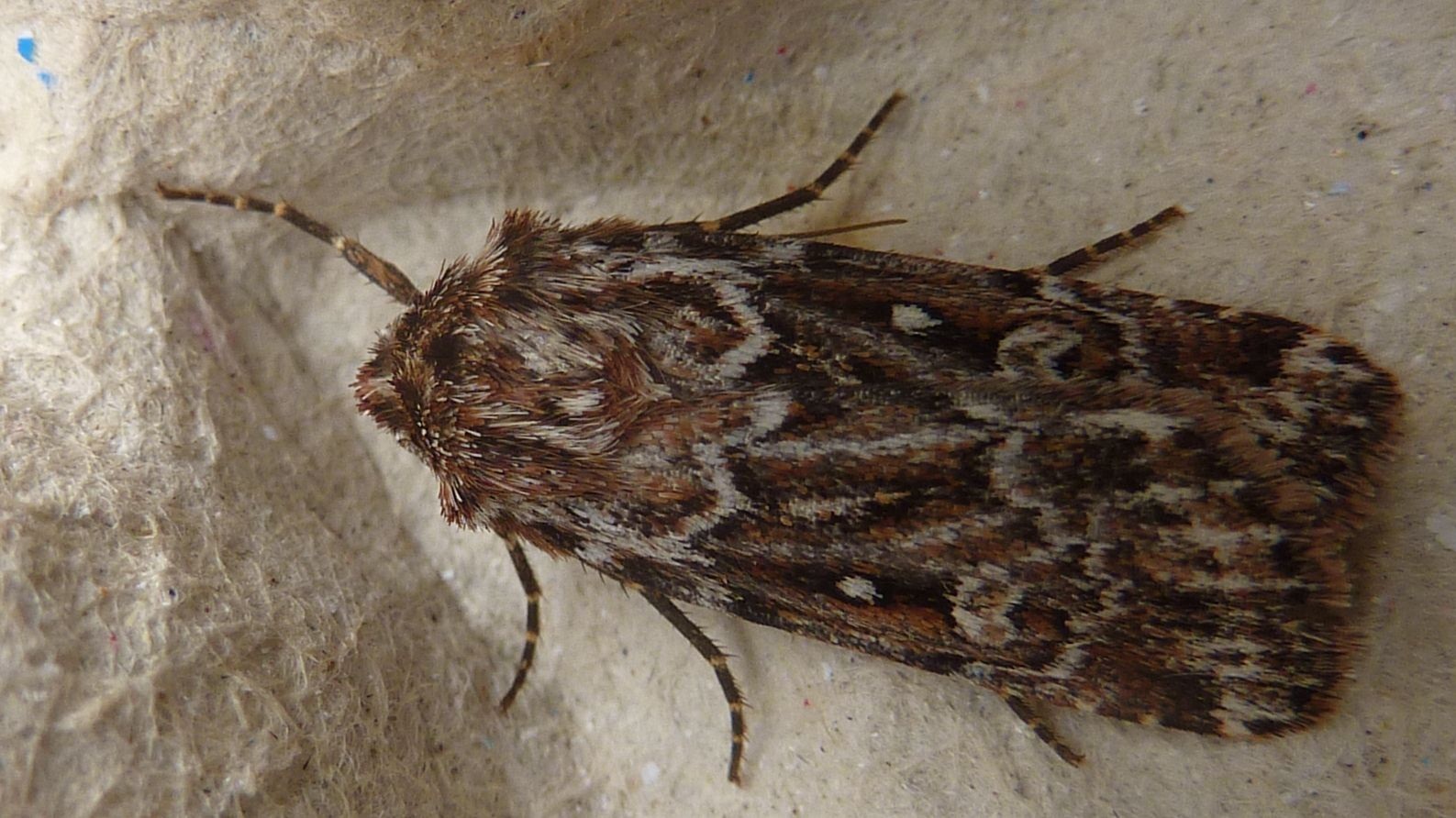
- A double line (Mythimna turca) is bigger than a true lover’s knot. It’s also rare outside Dartmoor.
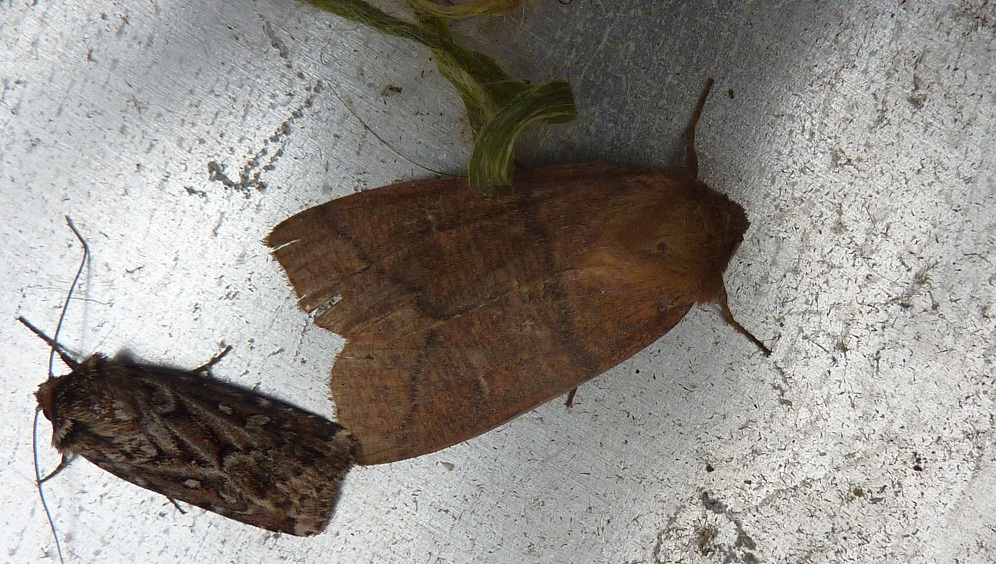
-

- Buff footman (Eilema depressa). A gorgeous moth, as are all the other footmen
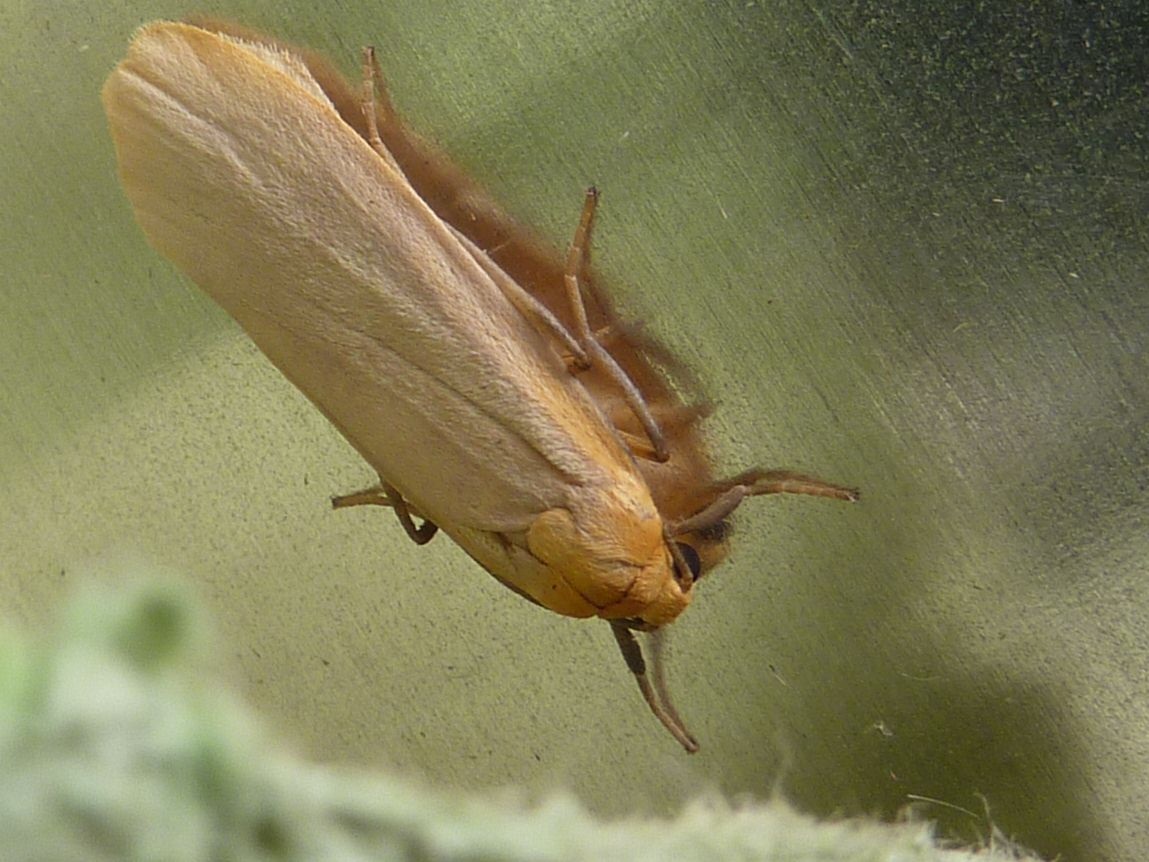
-
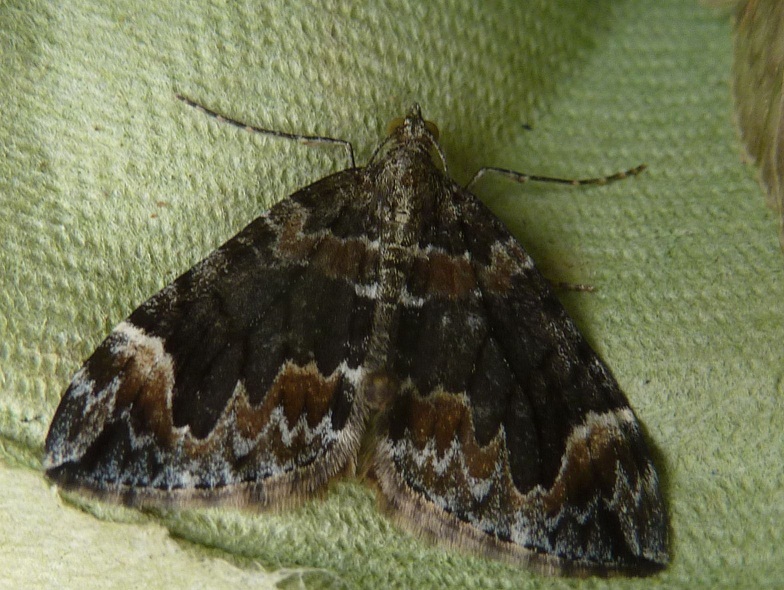
- Dark marbled carpet (Chloroclysta citrata)
-
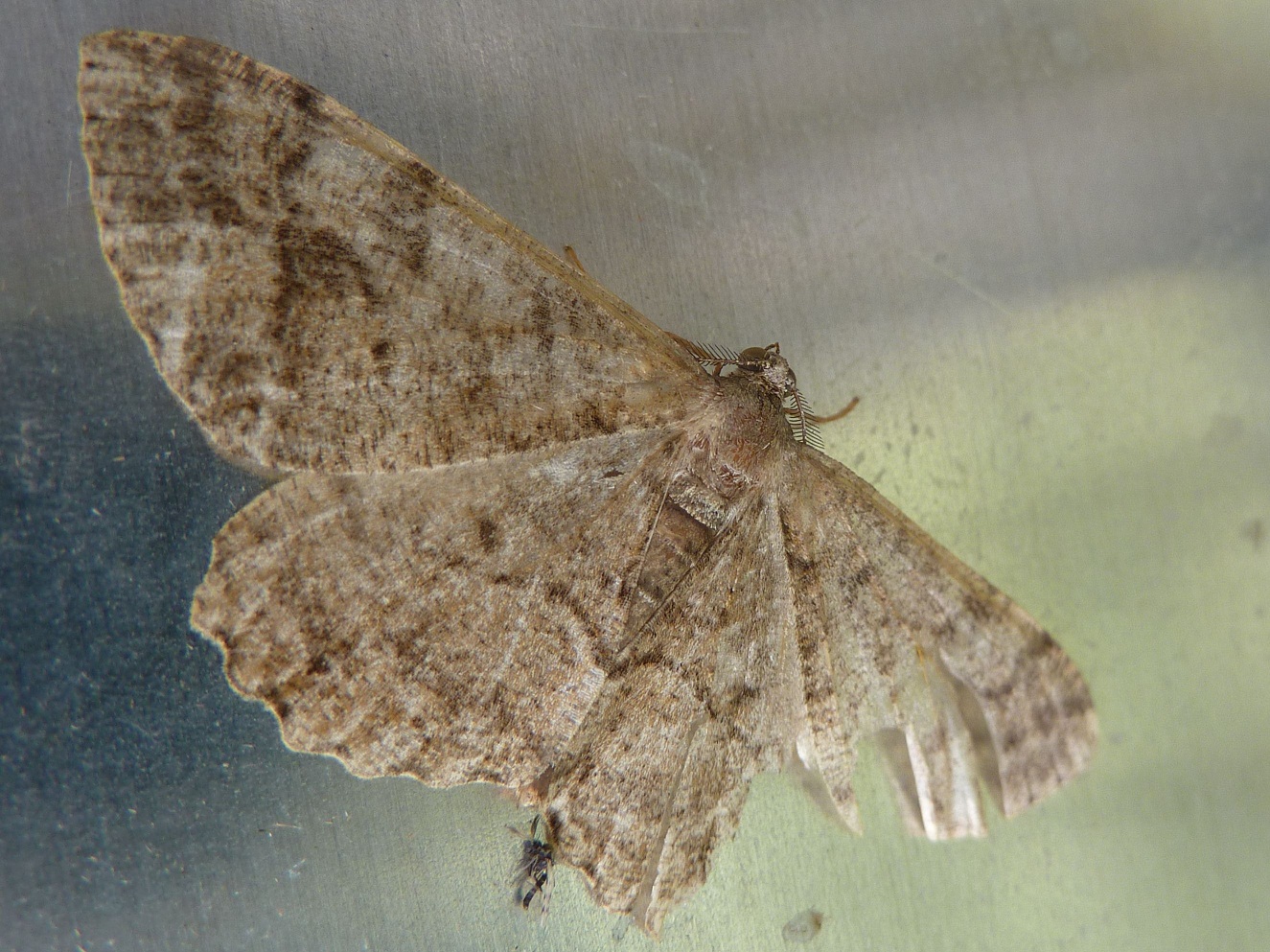
- A rough looking male Mottled Beauty (Alcis repandata). Remember, the purpose of a moths wings is to deflect birds’ attention away from the moth’s head. And to fly.
-

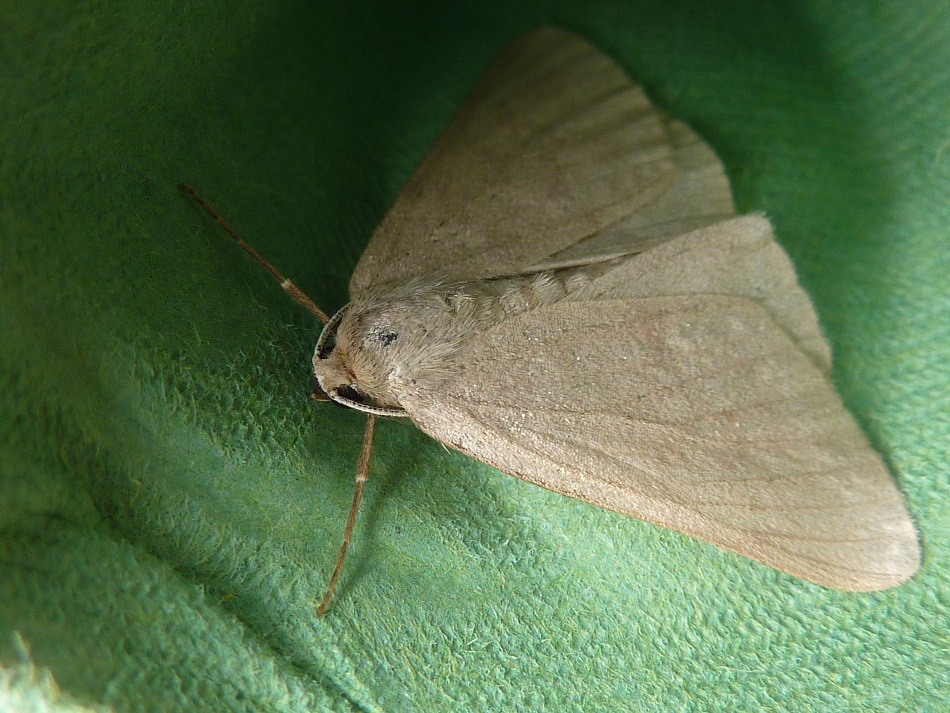
- Common wainscot (Mythimna pallens). Maybe.
-
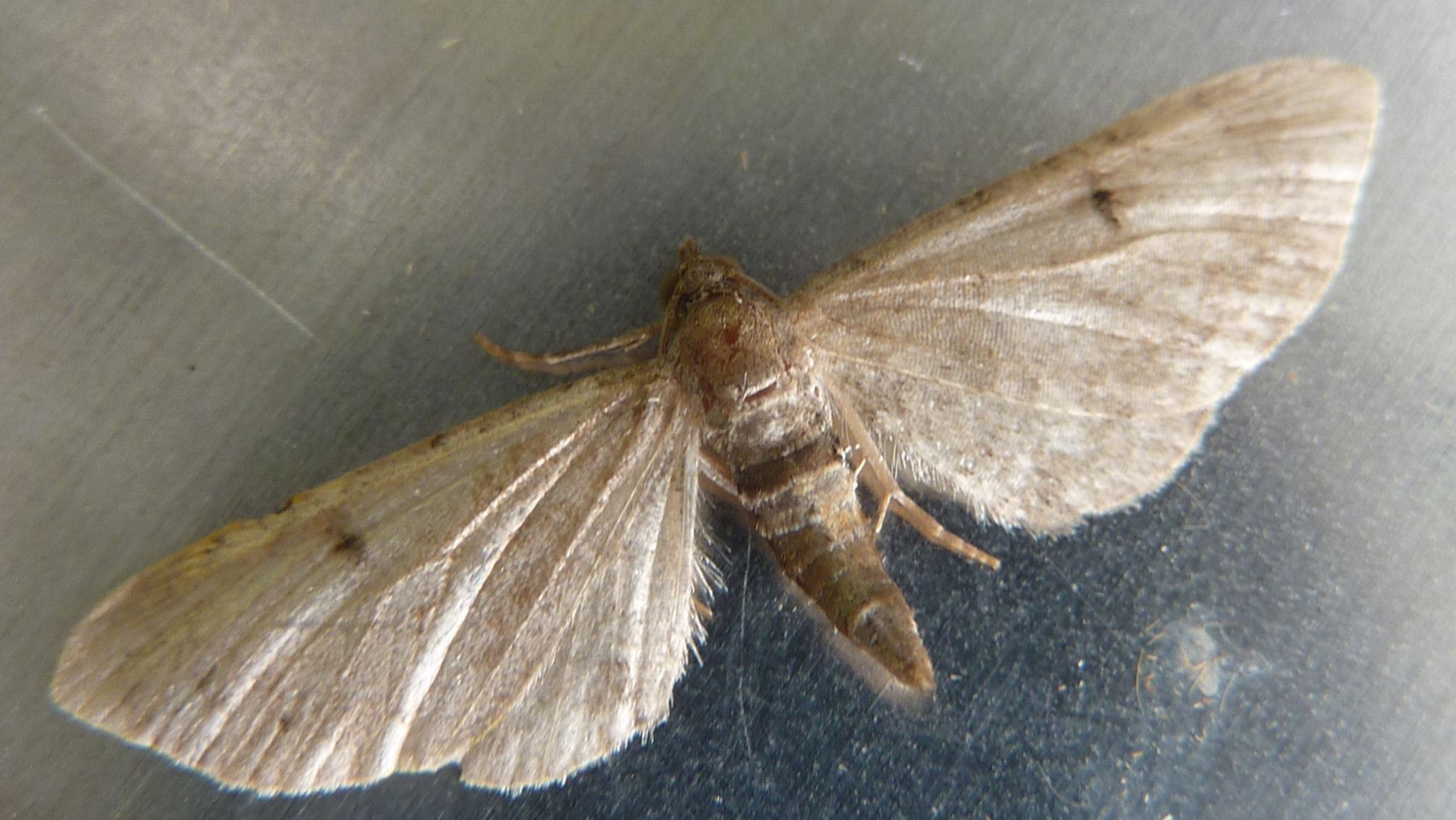
- Is this a wainscot? Why the dark patches on the wings? What are you trying to tell us little moth? There’s a small boy stuck down the well?
-
- Dotted clay (Xestia baja)
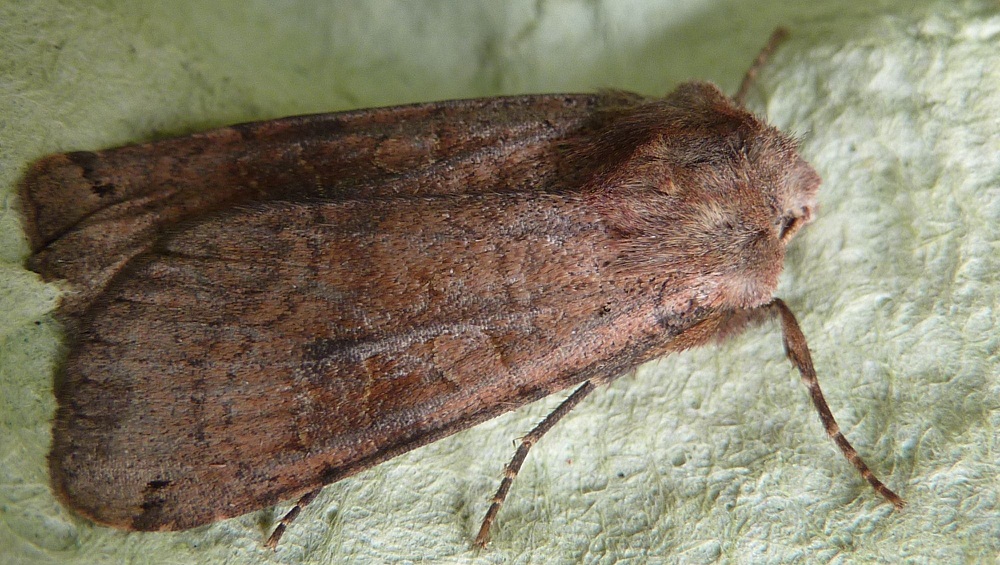
-
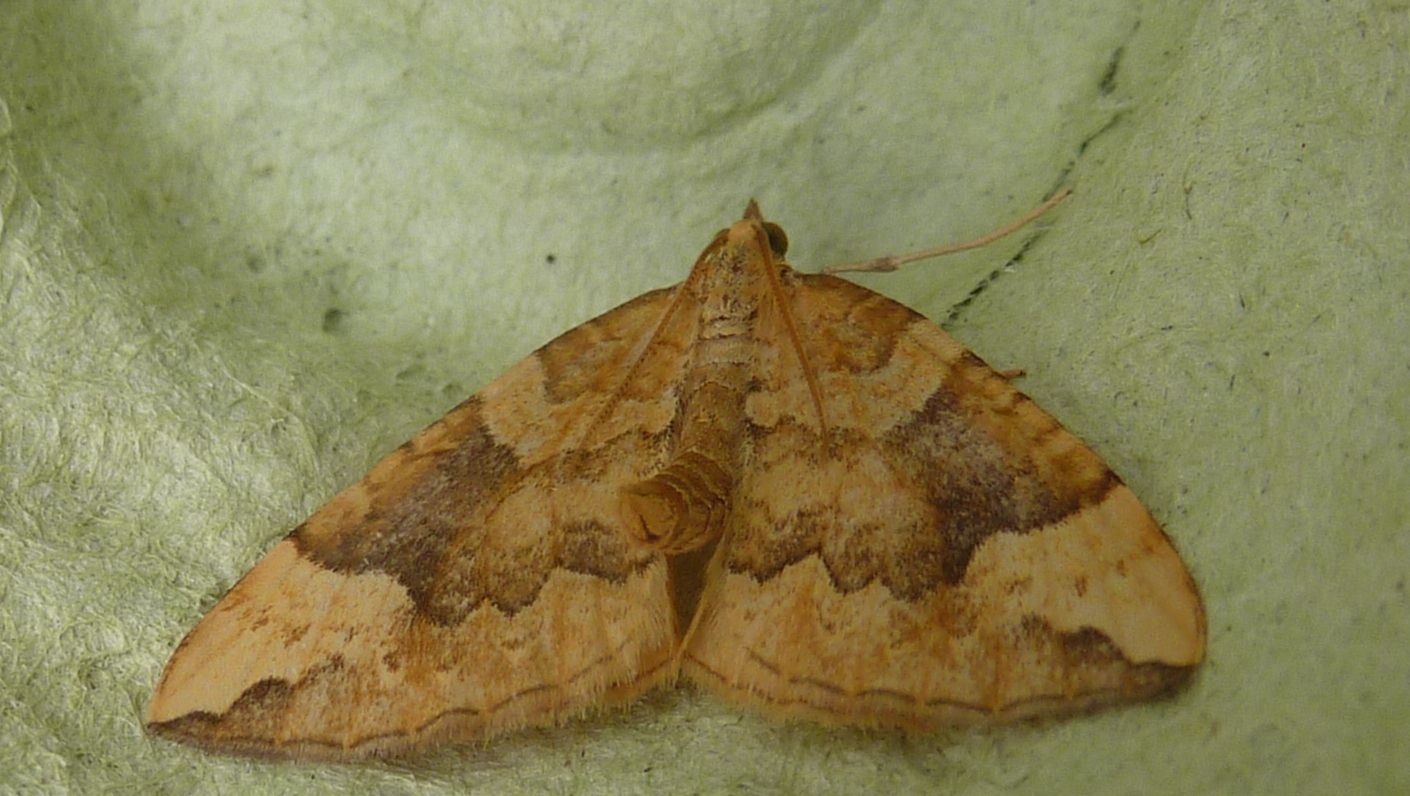
- Northern spinach (Eulithis populata). Nice one this, as they’re less common in the South
-

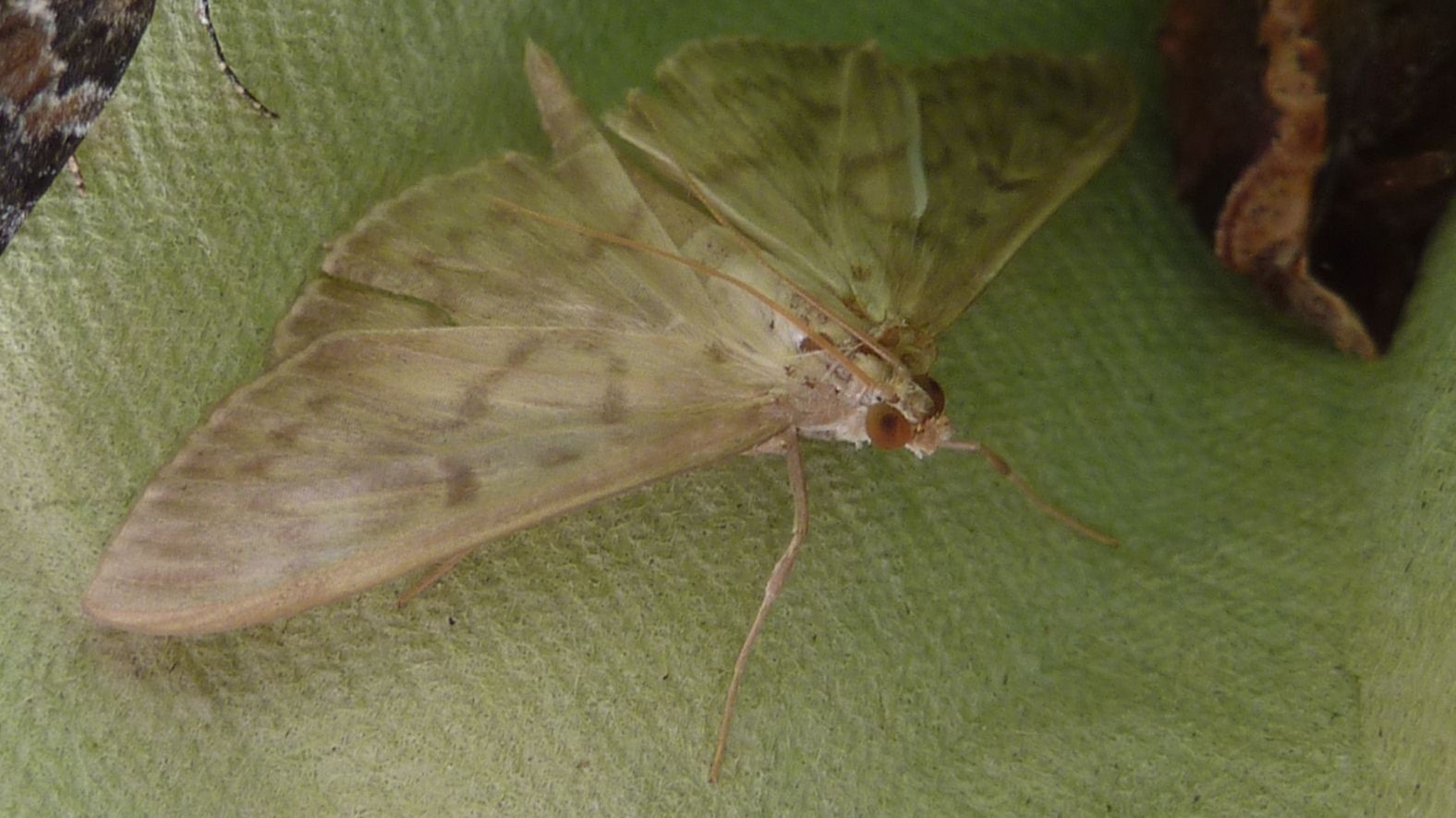
- This lil’ lady is very faded. We think she’s a wave, but is she common? cream? dwarf cream? …?
-
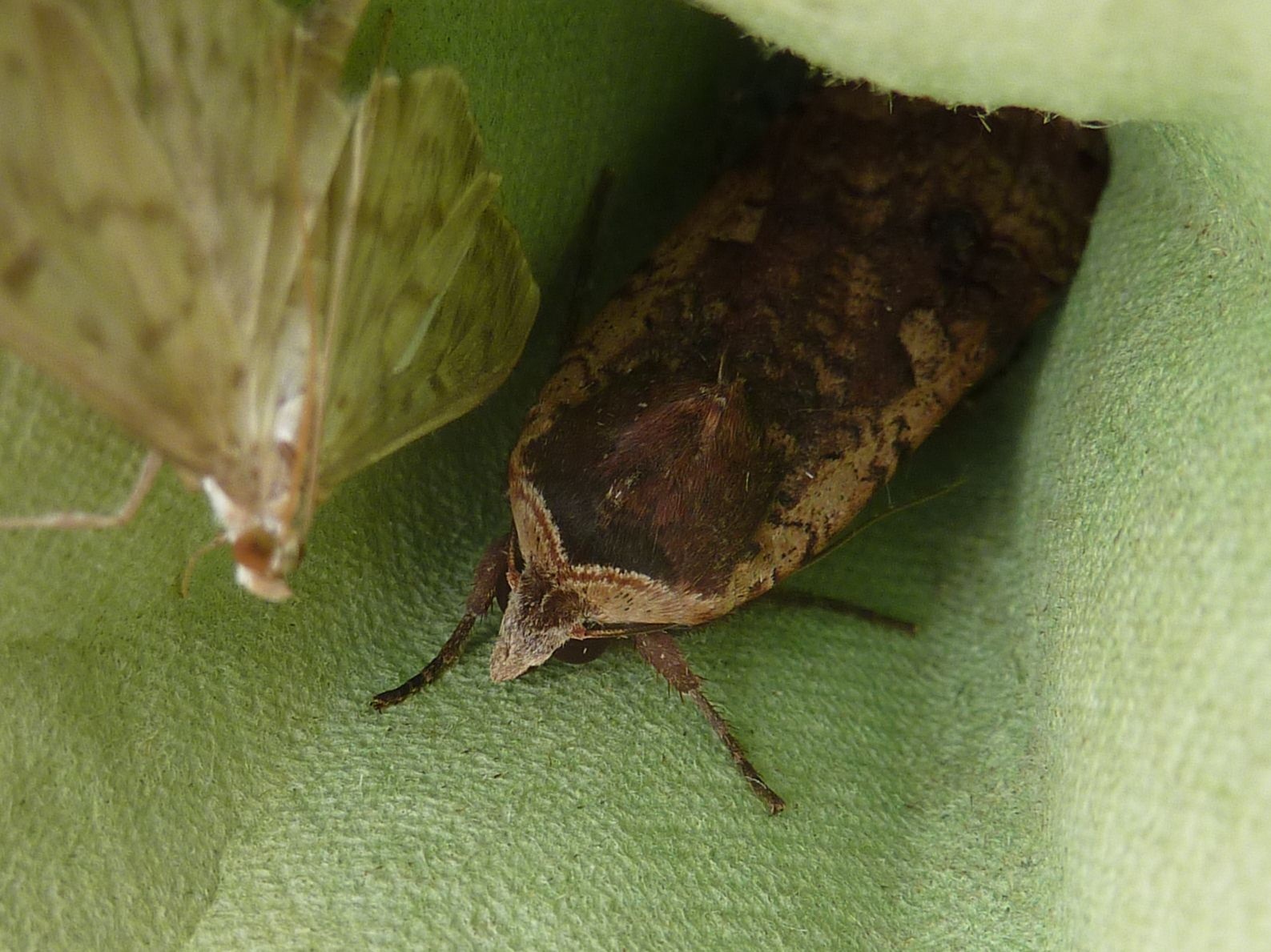
- Large yellow underwing (Noctua pronuba)
-
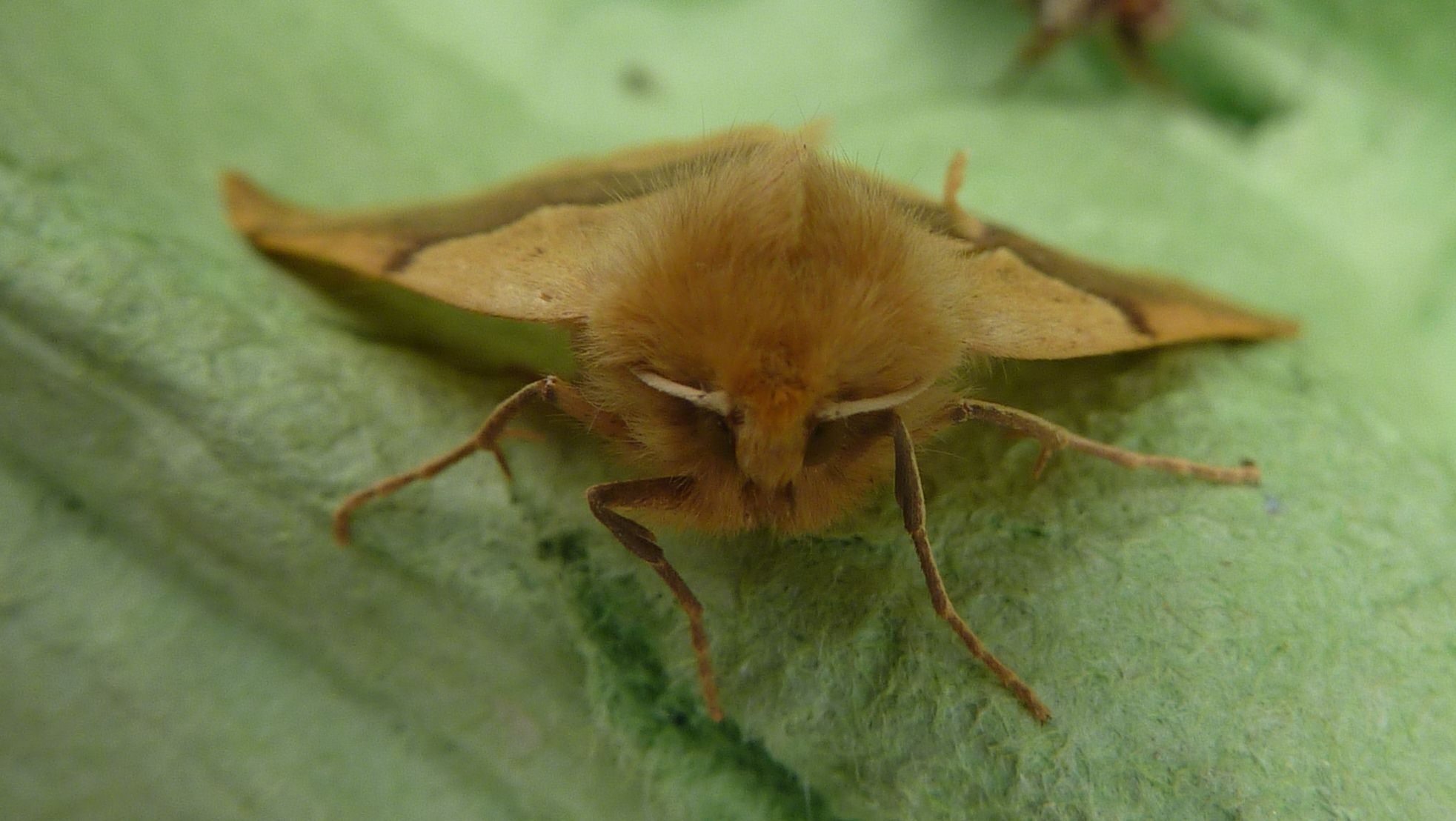
- Scalloped oak (Crocallis elinguaria)
Moths on Dartmoor 1
During the three days that Perry joined me on the moor this month he set up two moth traps. Here are some of the results of the first. I’ve used my encyclopaedic knowledge of all things nature to, no doubt, miss identify them. And a piece of paper which Perry had written the species list on.
-
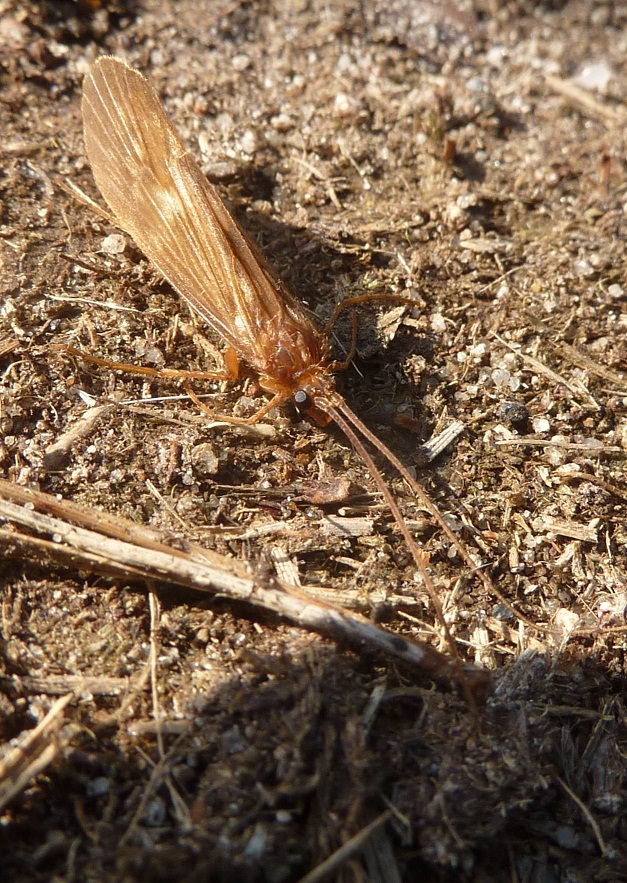
- This caddis fly is closely related to a moth. The father doesn’t know though…
-
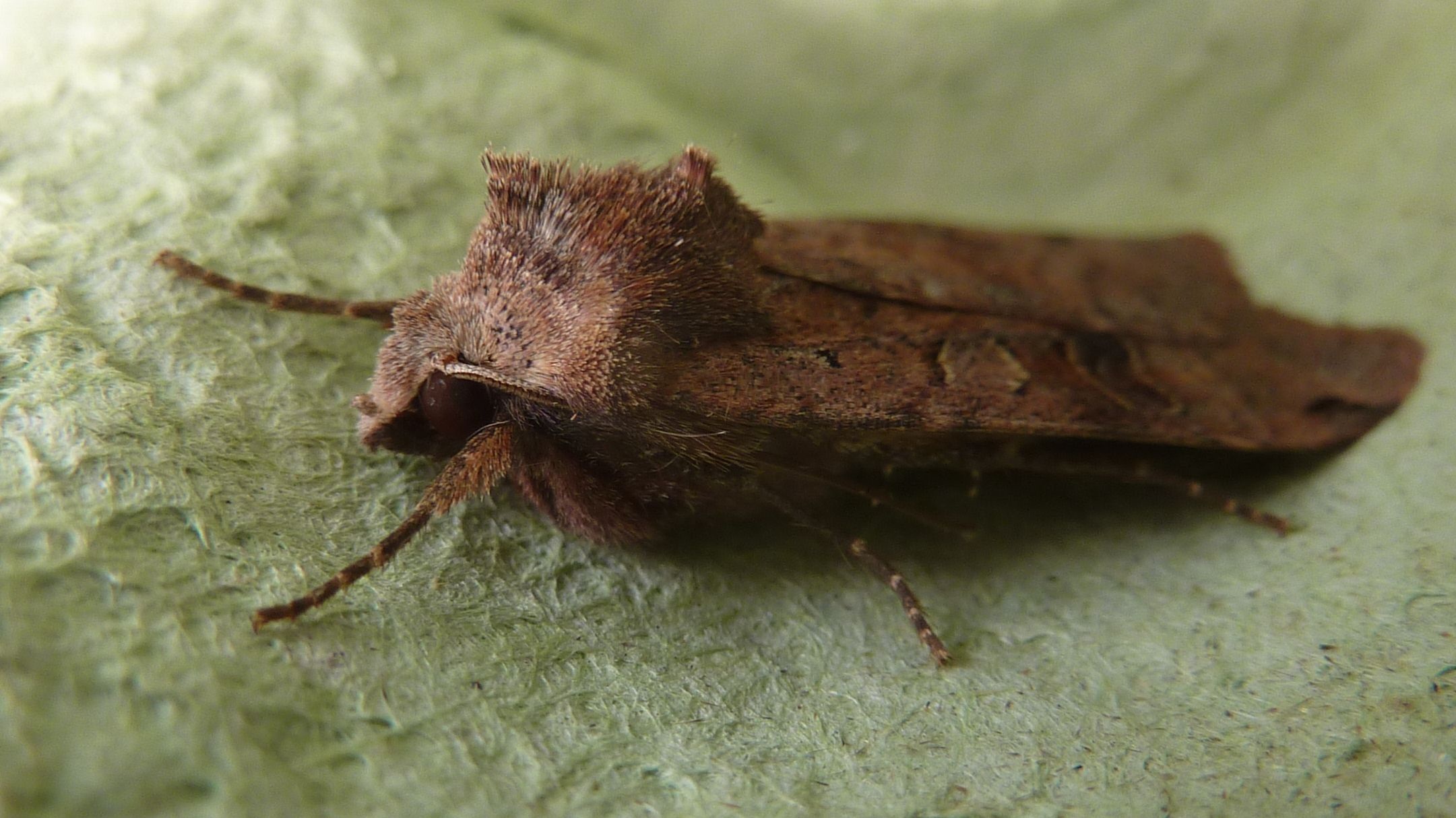
- Dotted Clay (Xestia baja)
-
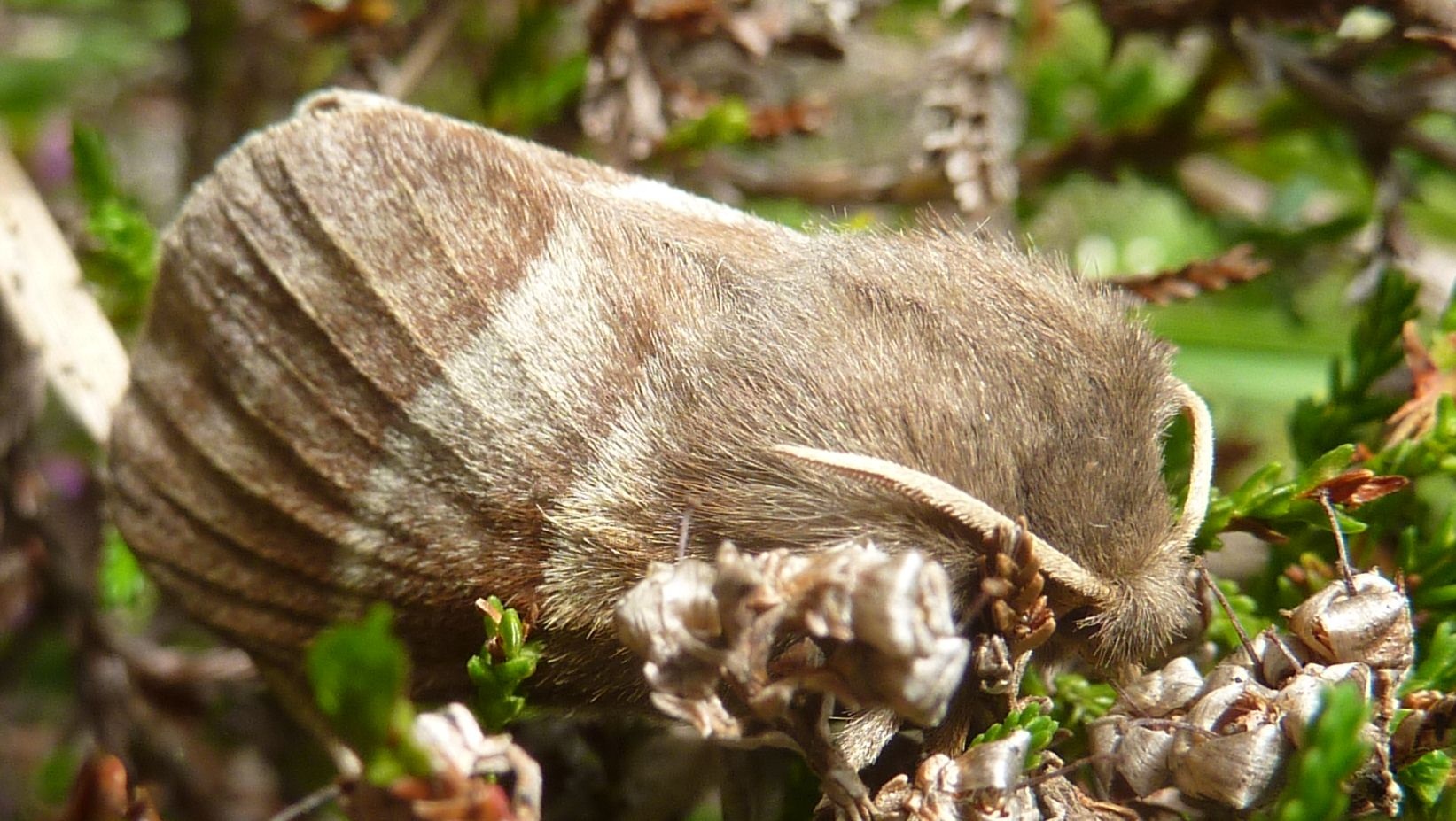
- A fabulous female fox moth (Macrothylacia rubi)
-
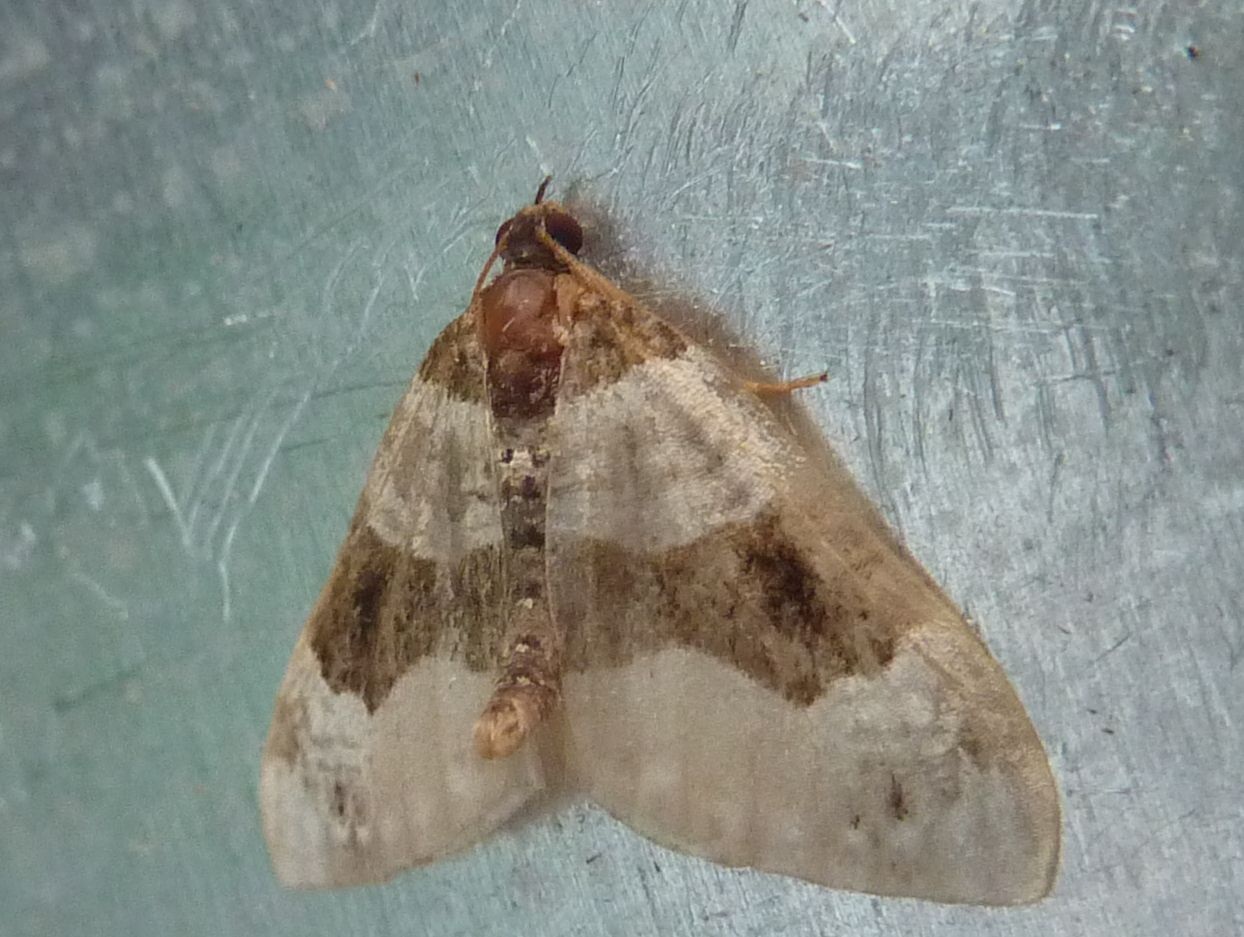
- A faded carpet, possibly Purple bar (Cosmorhoe ocellata)?
-
- The brilliantly named July highflyer (Hydriomena furcata)

-

- Scalloped oak (Crocallis elinguaria)
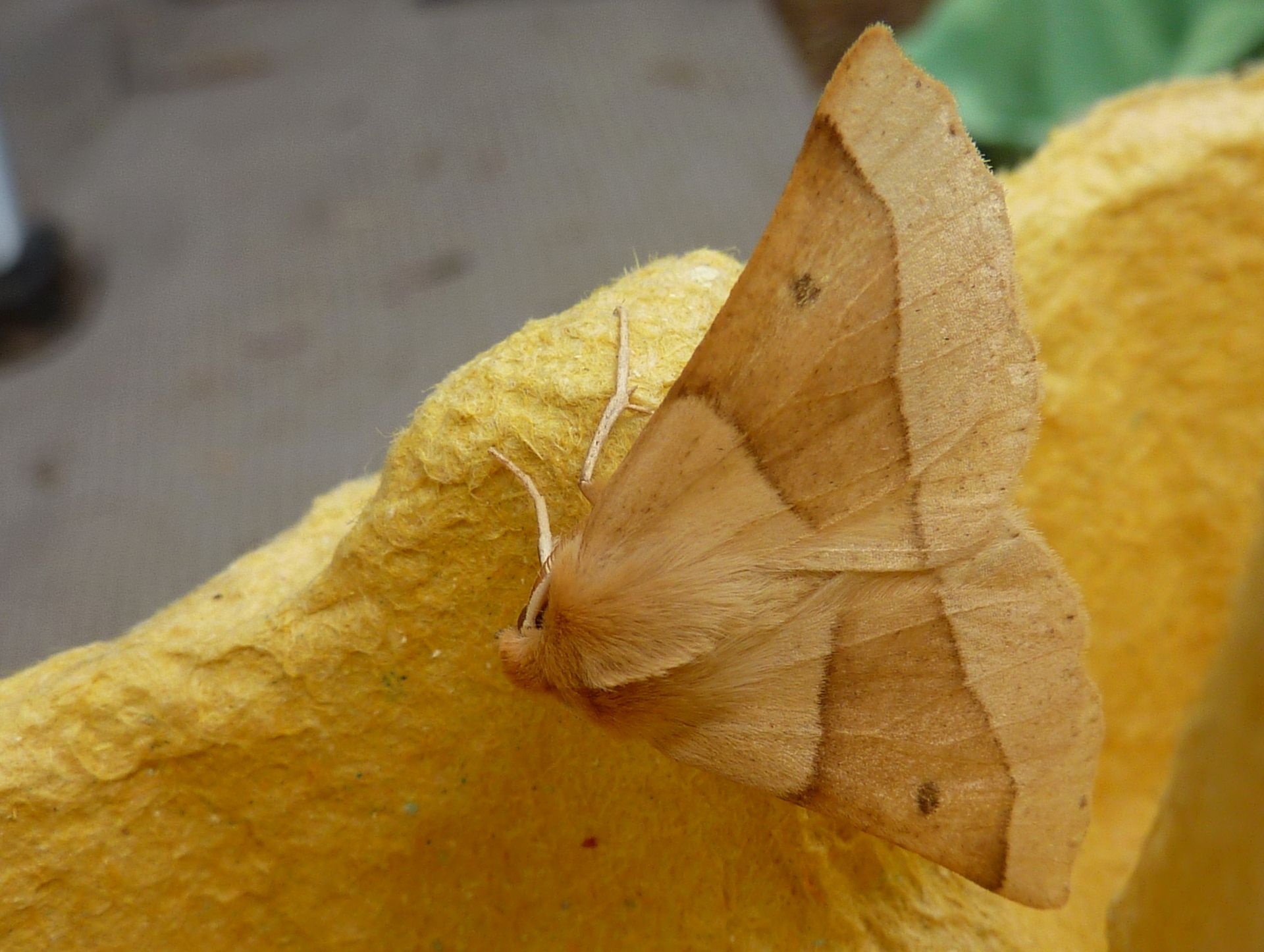
-
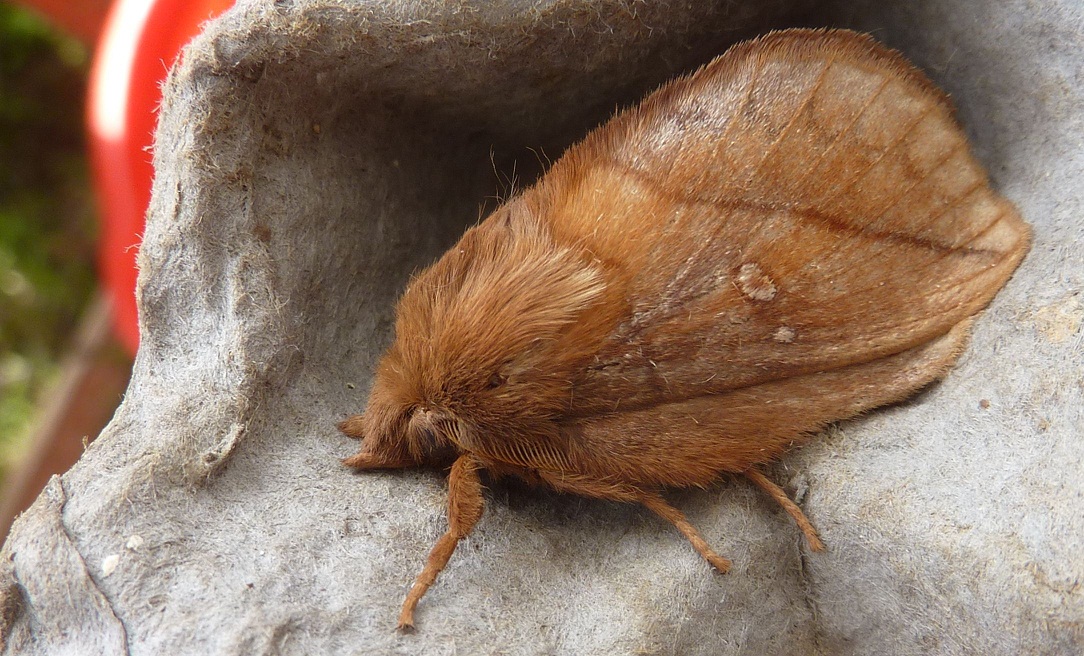
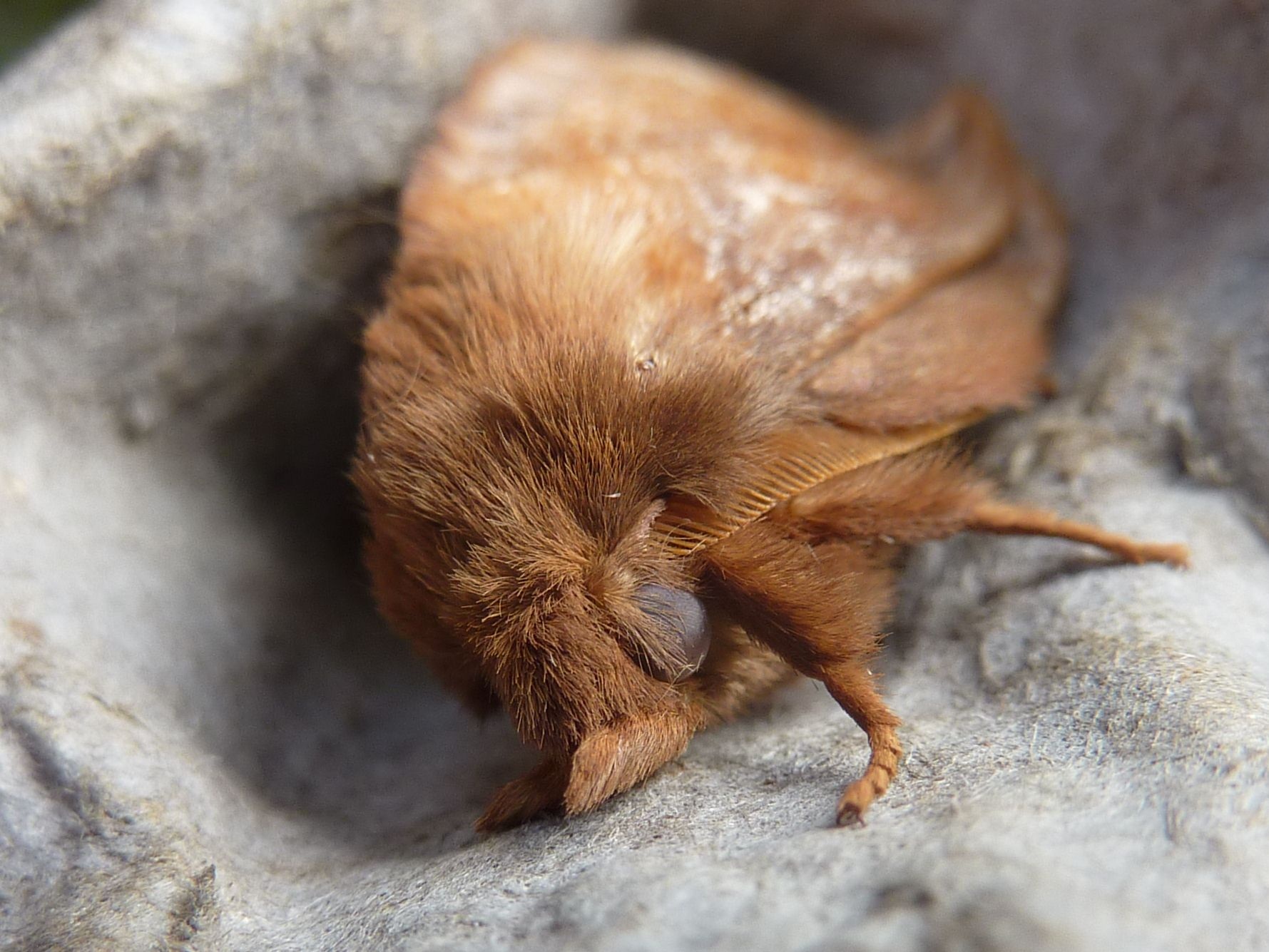
- A fluffy but less colourful than usual male drinker (Euthrix potatoria)
-
- I’ve a few pictures of the drinker caterpillar from earlier in the year, so it’s interesting to see how he’s changed
July on the Moor
More nights on the Moor. The weather starts hot this month, but then goes wet. Very wet. Before being generally mixed. Still, it gives me a chance to try my new harsh weather clothing before my winter at Abernethy.
Highlights from the month include…
I quickly get over the stomach cramps; I see my first Willow tit (whilst just sat in my van!); on one of the night watches I watch lightning light up the sky to the South, without any thunder; Damo, from Aylesbeare, comes back to help out and regale me with stories of the East London gangsta scene; a nightjar flies over my camper pretty much every night then, suddenly, there are at least 4 nightjars around the van towards the end of the month; I watch two roe bucks rutting about 20m away from me one day in some woods – they walk side by side scraping their hooves on the ground and occasionally turn and lock horns – eventually the winner stands and bellows for a while, even though he can see me watching; we regularly see a red hind with a spritely little fawn; John and Chris, the two residential volunteers from the Exe (RSPB) come and help out; I see the bands of Jupiter and its 4 moons through the scope on a couple of clear nights, fantastic.
-

- Riband wave (Idaea aversata)

-

- Look, you can see why this smart fellow is called a crossbill

-

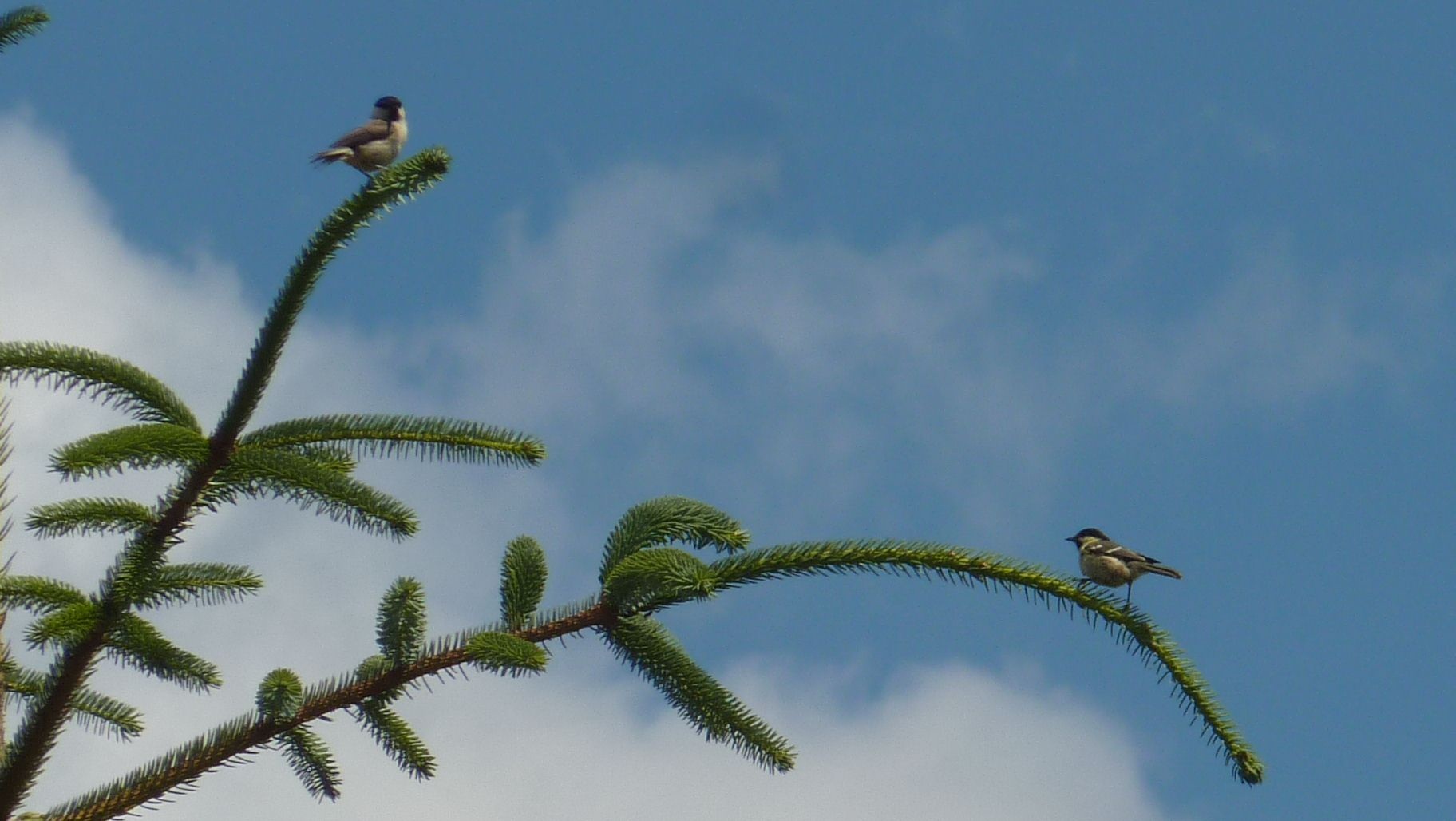
- Very exciting – a coal tit and, on the left, my first willow tit
-
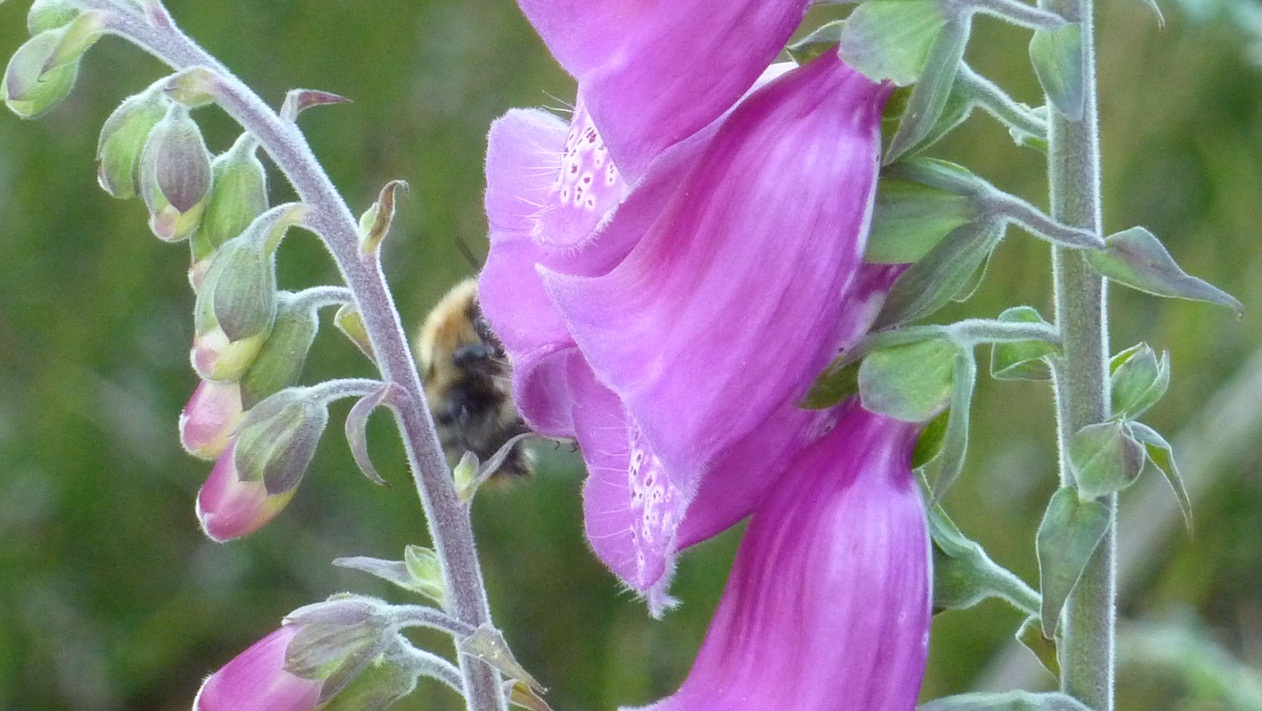
- A bit of Bombus in Digitalis action
-
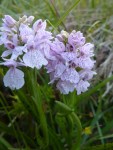
- Common spotted orchid (Dactylorhiza fuchsii)

-
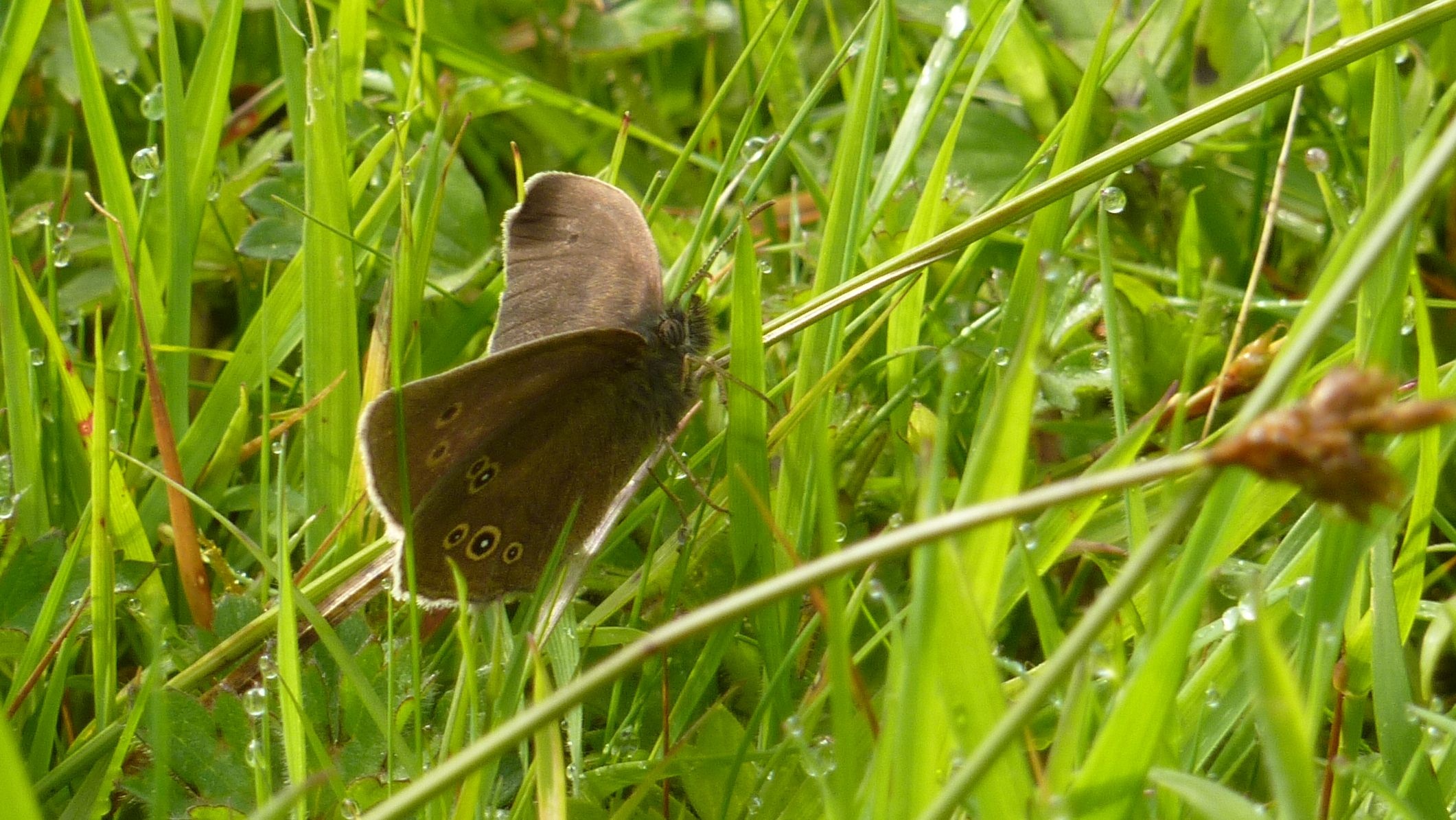
- A ringlet (Aphantopus hyperantus) – check out those stripy eyes
-

- Falco subbuteo. The game Subbuteo has its name because they were not allowed to call it “Hobby”

-

- I thought this might be an ‘arches’ (grey or dark), but now I don’t think it’s archy enough, so I’d welcome suggestions

-

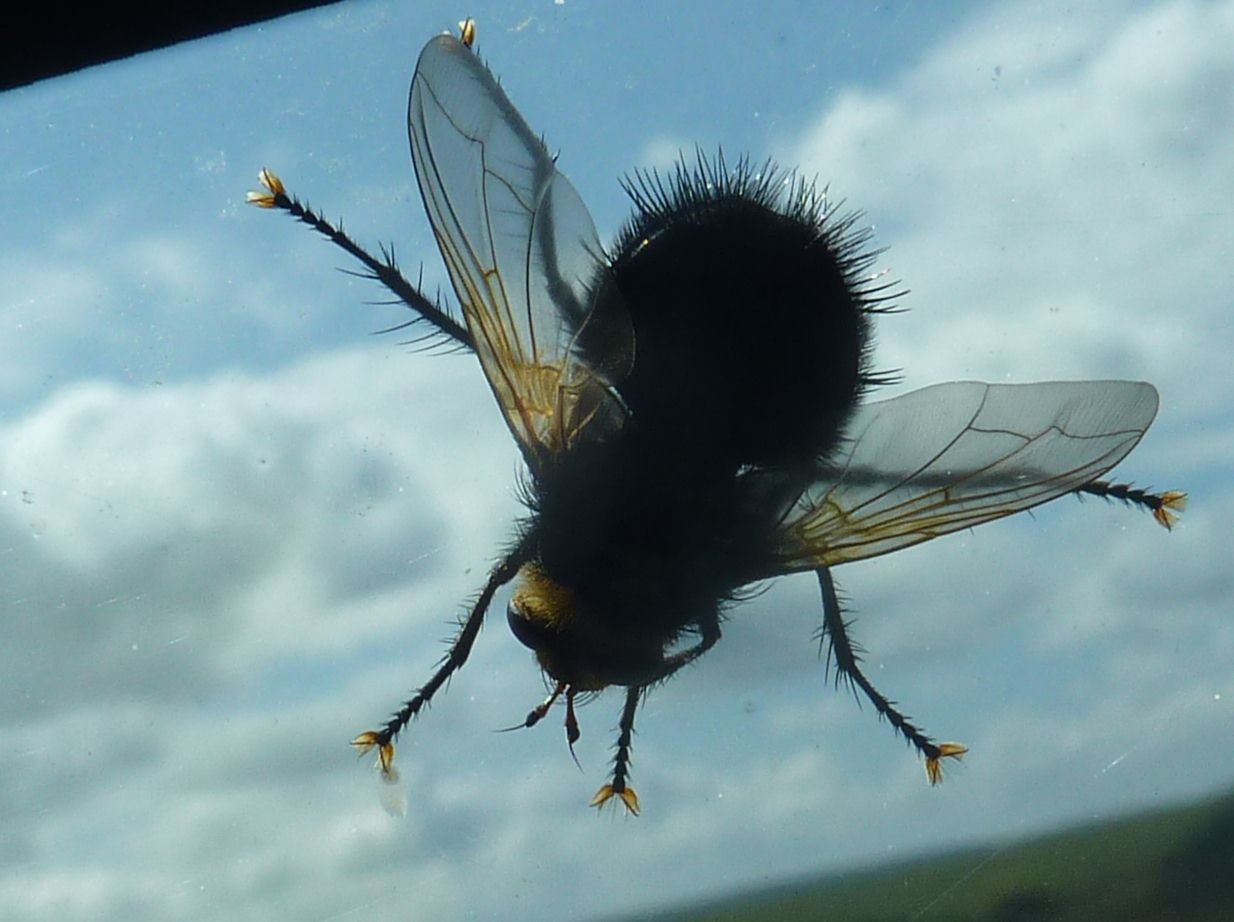
- The custard feet fly, Tachina grossa. Thanks to Chris (Emblem English) for the id
-

- The huge emporer moth caterpillar

-

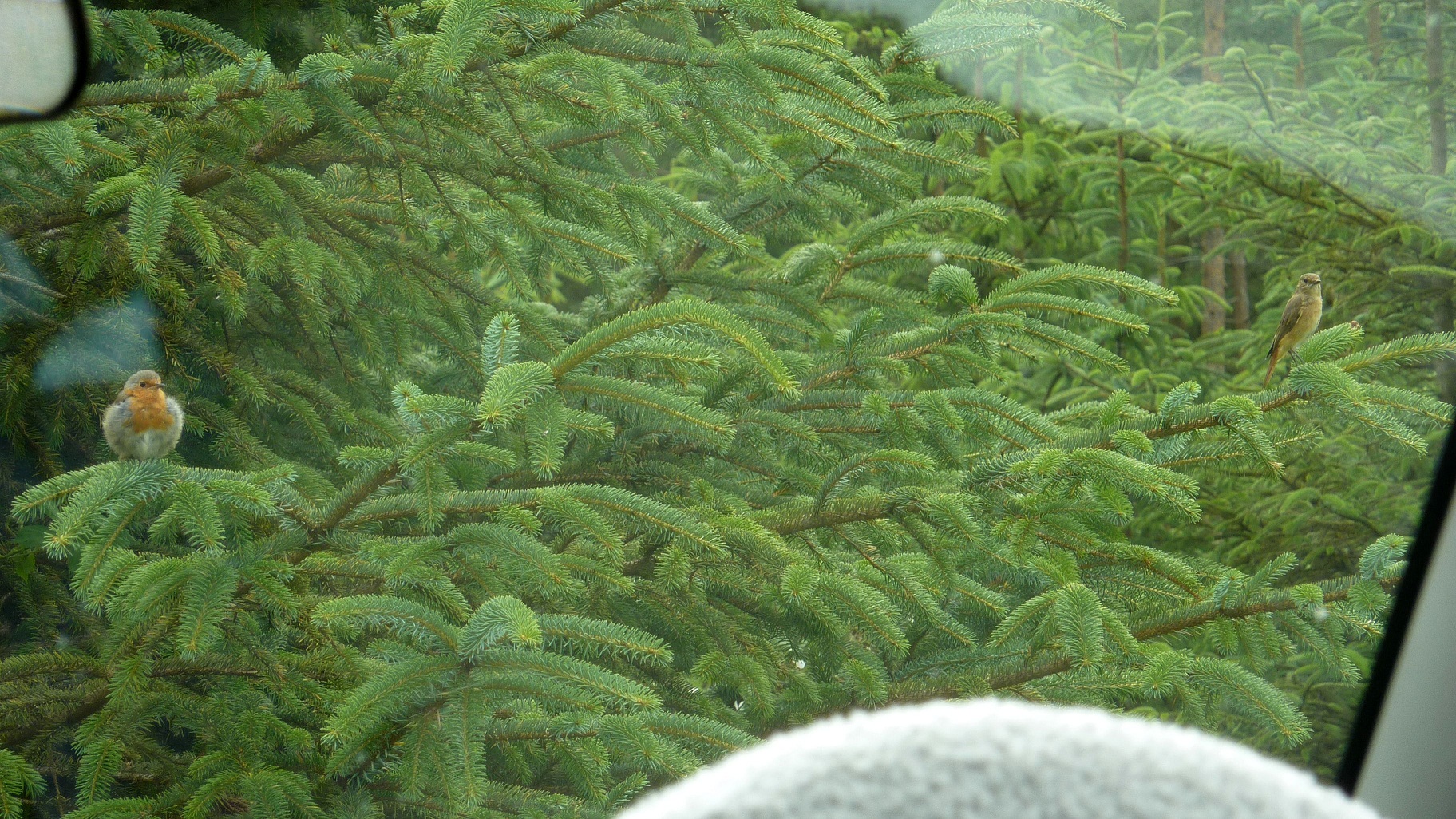
- A young robin and redstart compete for my attention
-
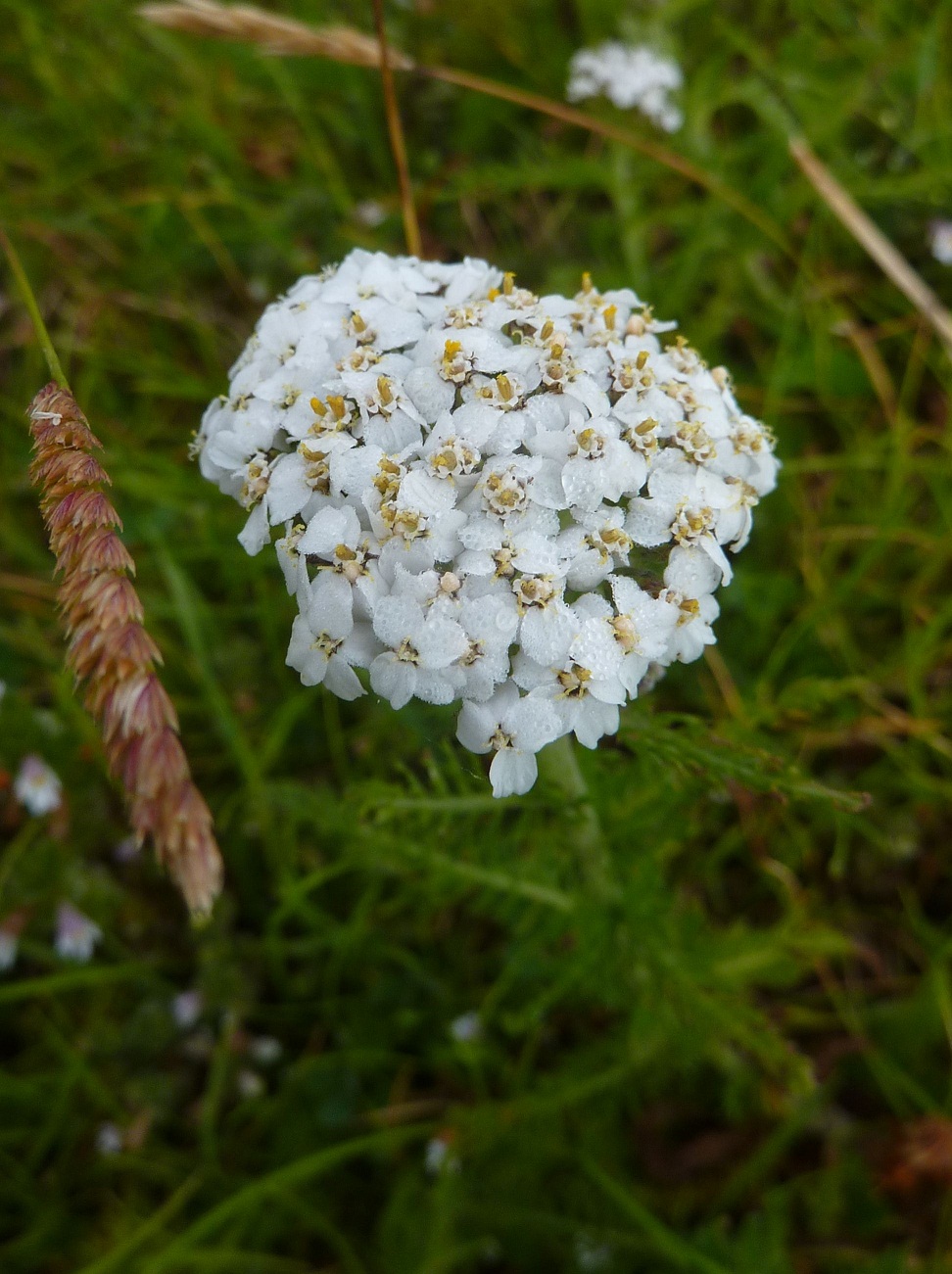
- Yarrow (Achillea millefolium)
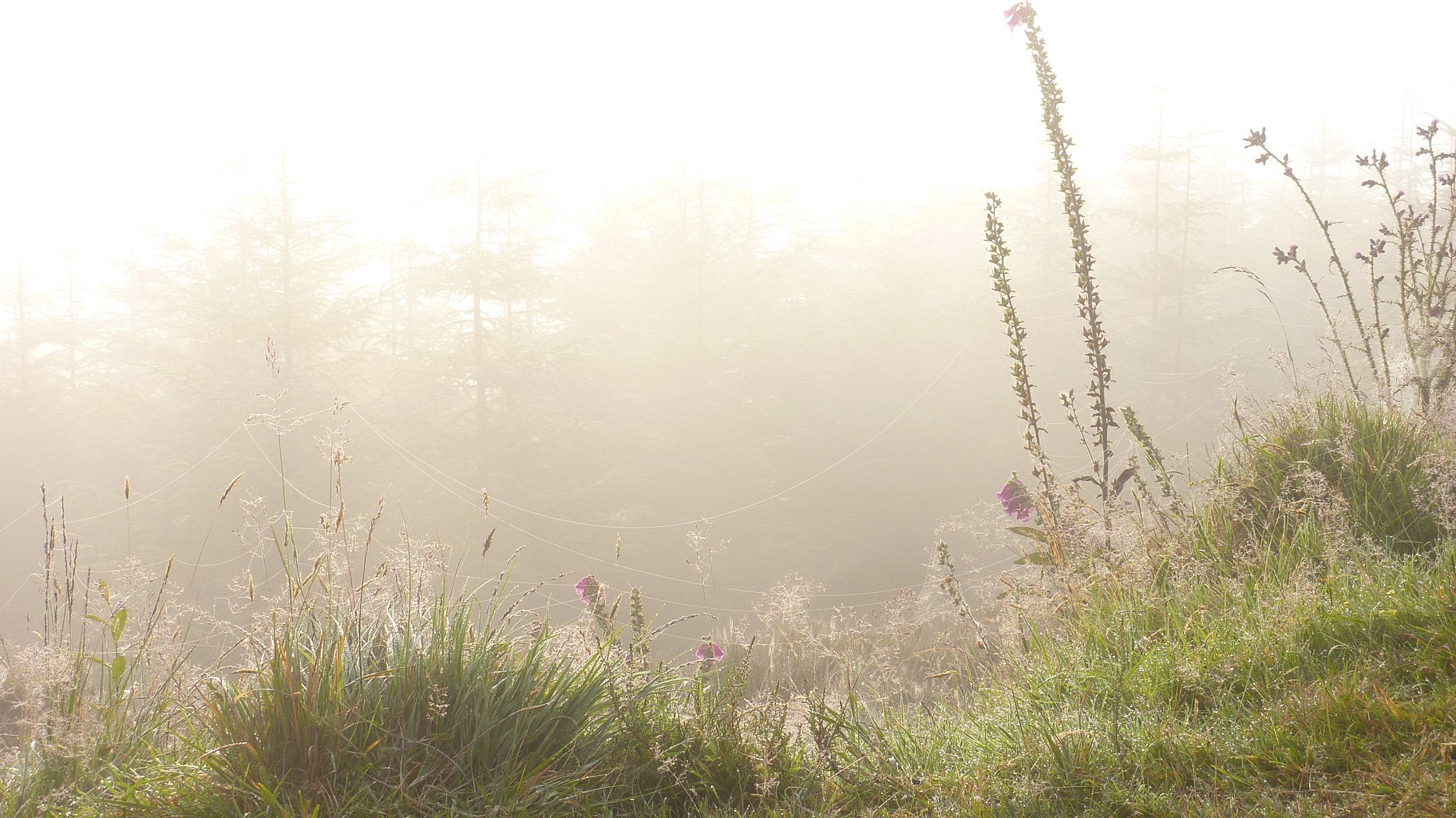
-

- Wow, a leech! Isn’t it?

-
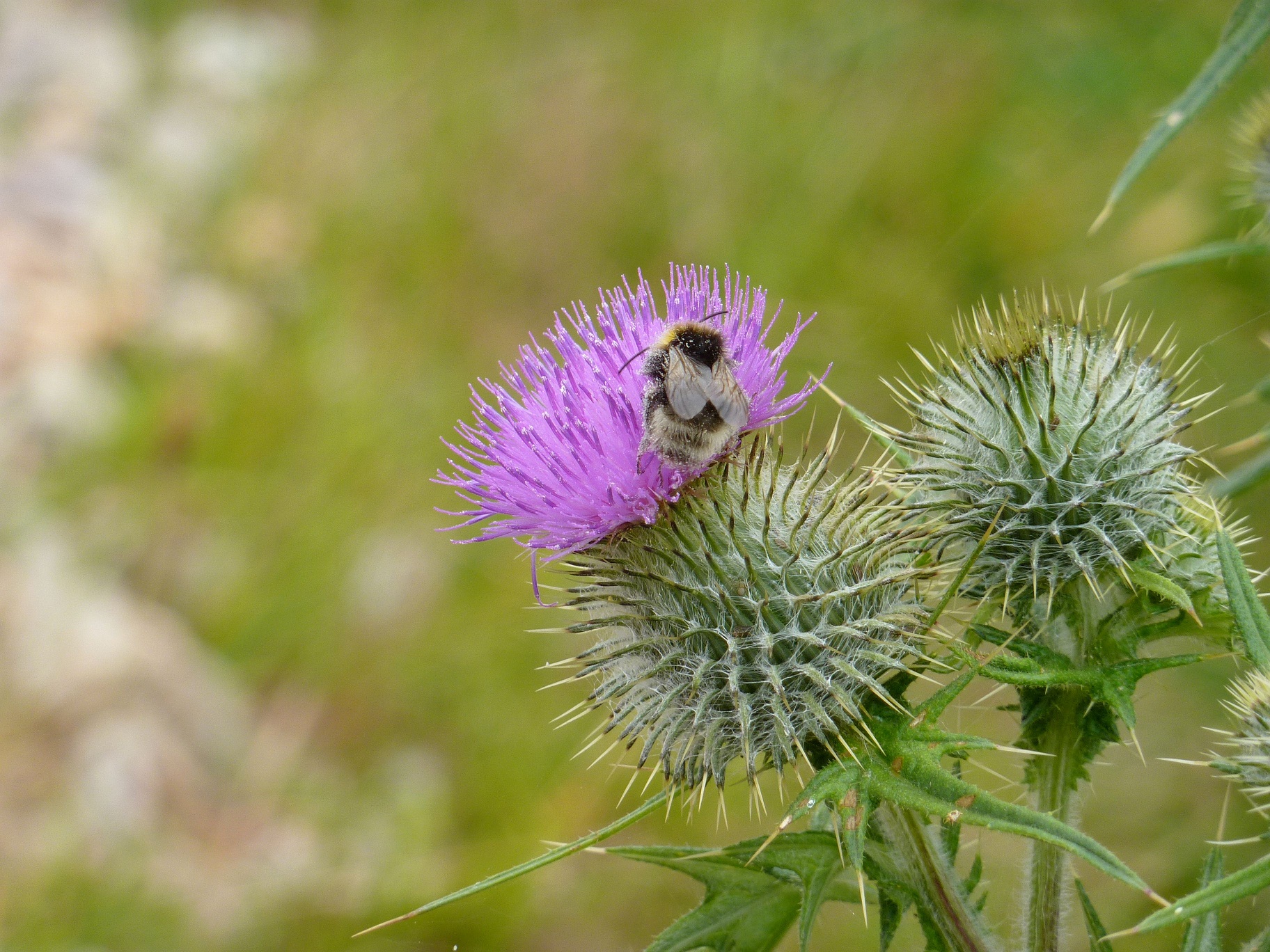
- A bit of bombus on Cirsium action
June on Dartmoor
Given that I’ve been unable to update this while I’ve been up on the moor (and I have a lot of catching up to do) I thought it would be somewhat fraudulent of me to give you a blow by blow commentary of my time. Besides, the early days on the job (with the RSPB) were mostly spent working nights, so I didn’t have the opportunity to capture too many images. I was part of a team monitoring and protecting a pair of red backed shrike. Further details and information on how the project fared will be released by the RSPB in due course, at which point I’ll link to it from here.
As I say, a large part of my time was spent patrolling the moor at night, on the lookout for anyone who might want to disturb the birds. This provided me with a fantastic insight into what it must be like to be a security guard. At least I was outside – so I had the opportunity to learn the night time habits of foxes, rutting roe deer and nightjars, as well as allowing me to experience a fabulous dawn chorus from the song thrushes, blackbirds, whitethroats, wrens, cuckoos, skylarks, to name but a few.
I met a large number of local birders through the project, some of which gave up their time to come out and help keep a round the clock watch on the birds – more about them later. Perry from RSPB West Sedgemoor, and the three current residential volunteers from RSPB Aylesbeare, Damian, Rob and Tom, also came out to help out with the shifts. Nice one chaps.
Highlights from June were…
seeing my first red backed shrike; seeing and hearing the nightjars; trying to work out what that crazy barking is at 3 in the morning (a roe buck); learning to sleep in hour long bursts and at any given opportunity (maybe learning isn’t the right word); seeing a pair of cuckoos getting frisky with each other; and, not having a mobile signal. One other notable moment, whilst I had a stomach bug at the end of the month, I was on patrol and managed to keep myself from sicking up over someone who stopped me for conversation for maybe 20 minutes while I stood there, not talking, and thinking, ‘must hold it in, must hold it in…’. How he couldn’t see this in my facial expression I’ll never know. Thankfully I managed to hold my food down for the duration of the bug, and continue eating at least one decent meal a day.
-
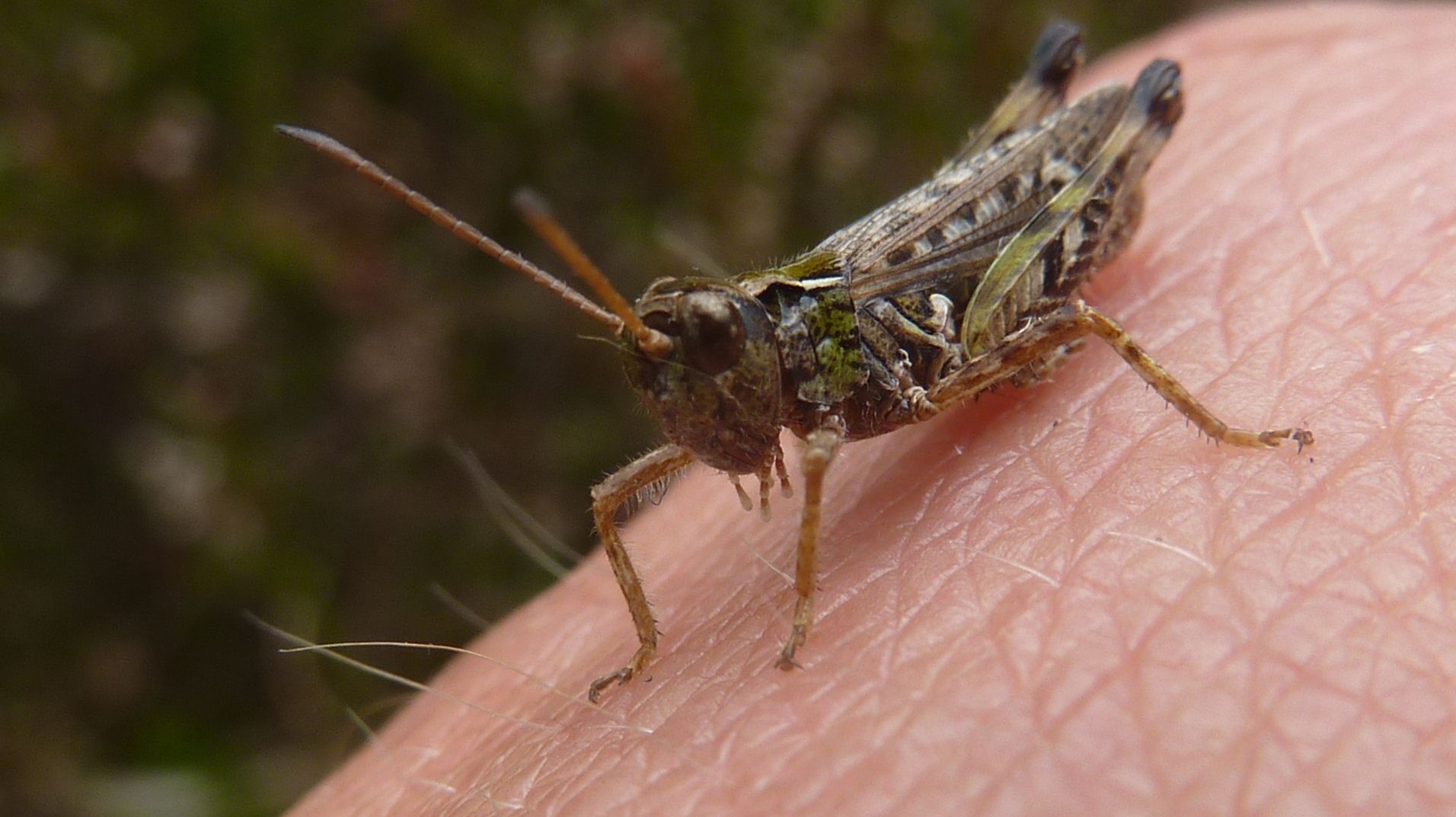
- This is a mottled grasshopper (Myrmeleotettix maculatus). I can tell by the thickening tips and unicolourous nature of the antenna.
-
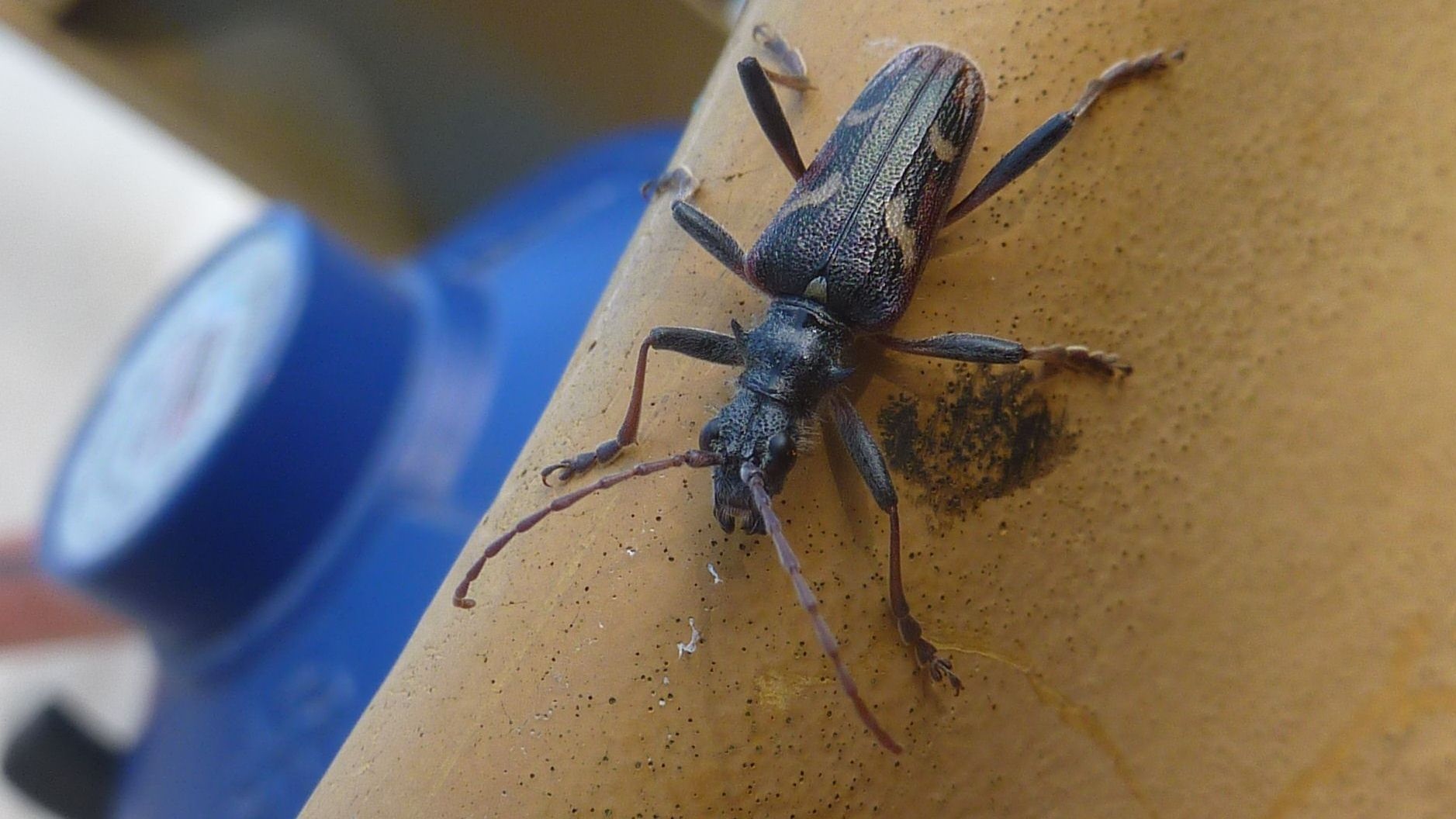
- This is the longhorn beetle Rhagium bifasciatum on its favoured ‘gas bottle’ habitat
-
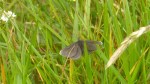
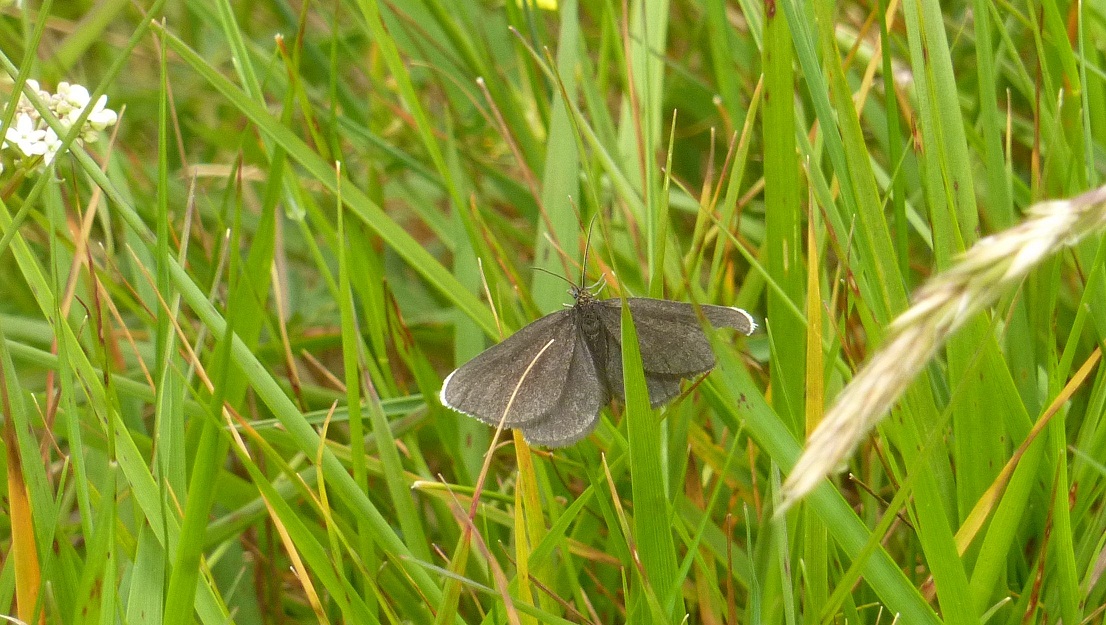
- Chimney sweeper moth (Odezia atrata)
-

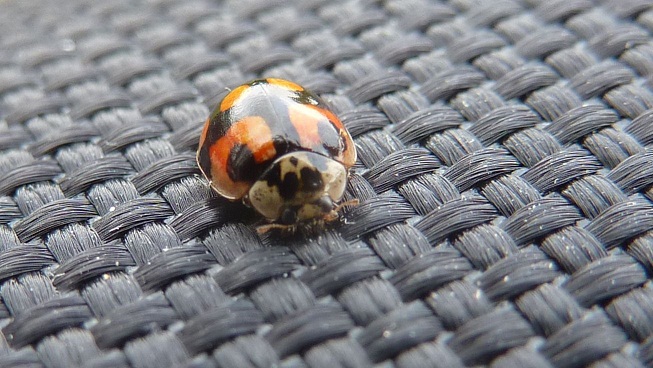
- Adalia decempunctata. A melanic 10 spot ladybird. It’s quite small.
-
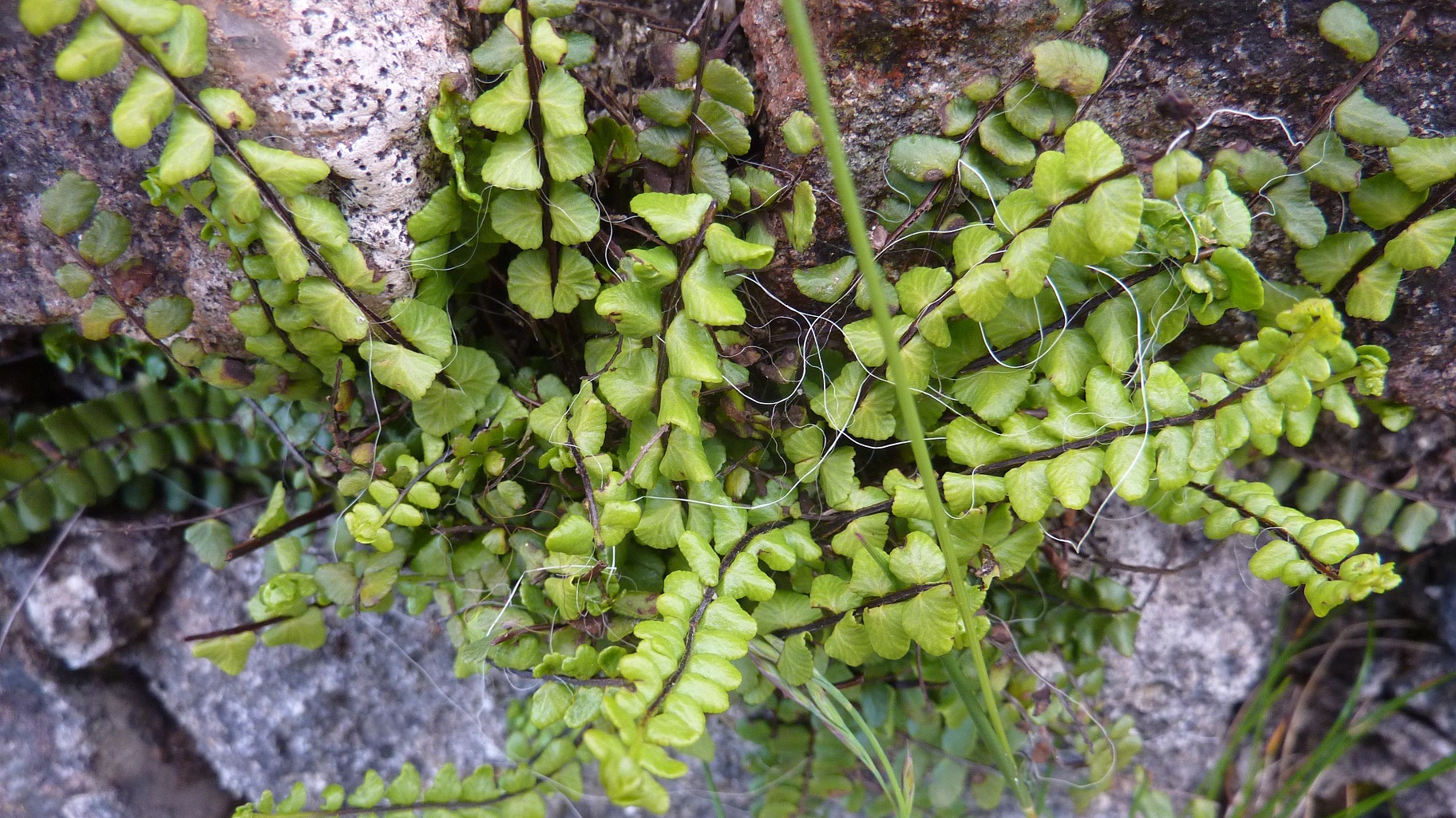
- Maidenhair spleenwort, get in! I can’t remember seeing any of this since I found out what it’s name was. I’ve always wanted to tell someone that this is maidenhair spleenwort.
-
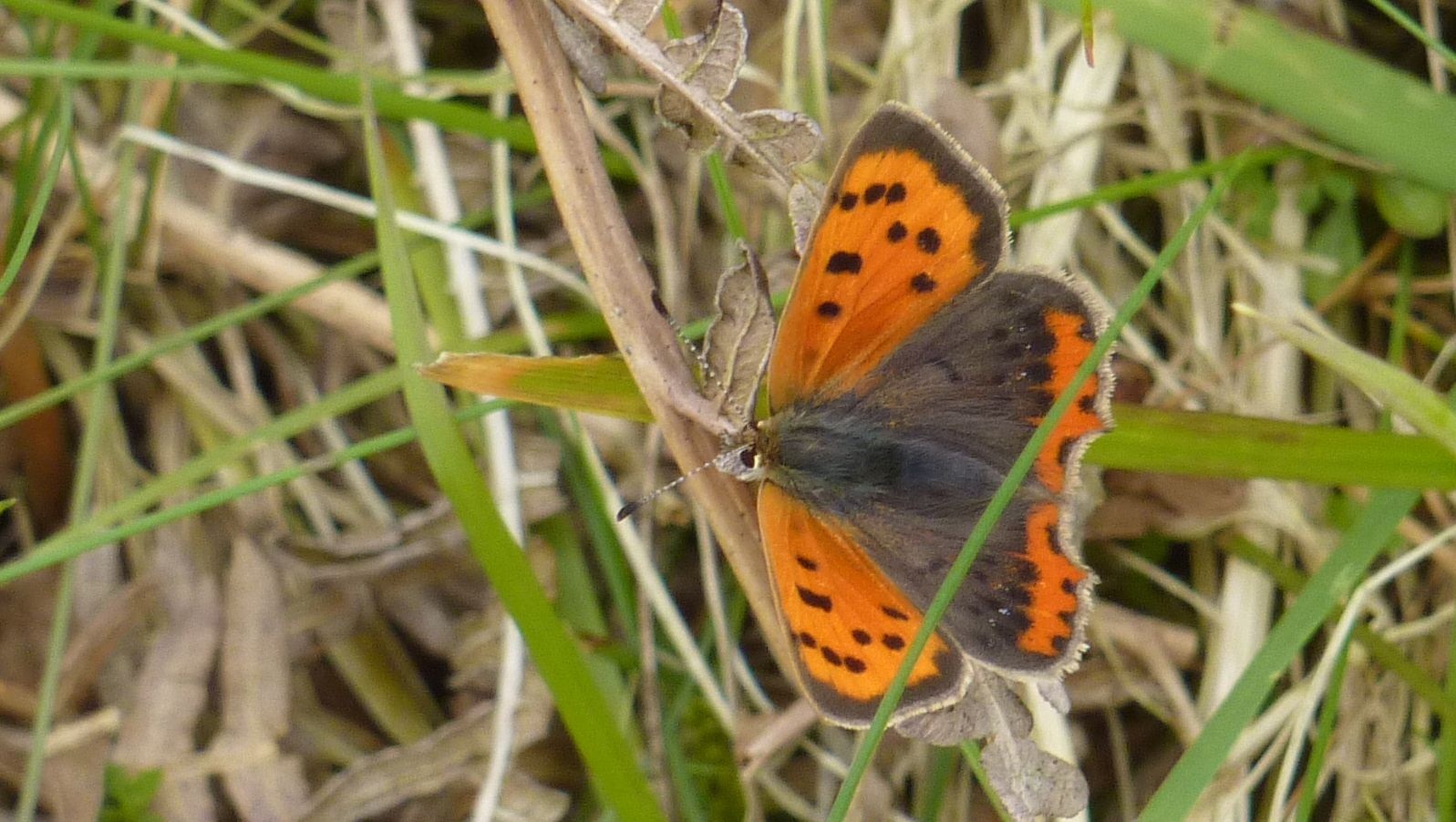
- Small copper (Lycaena phlaeus)
-
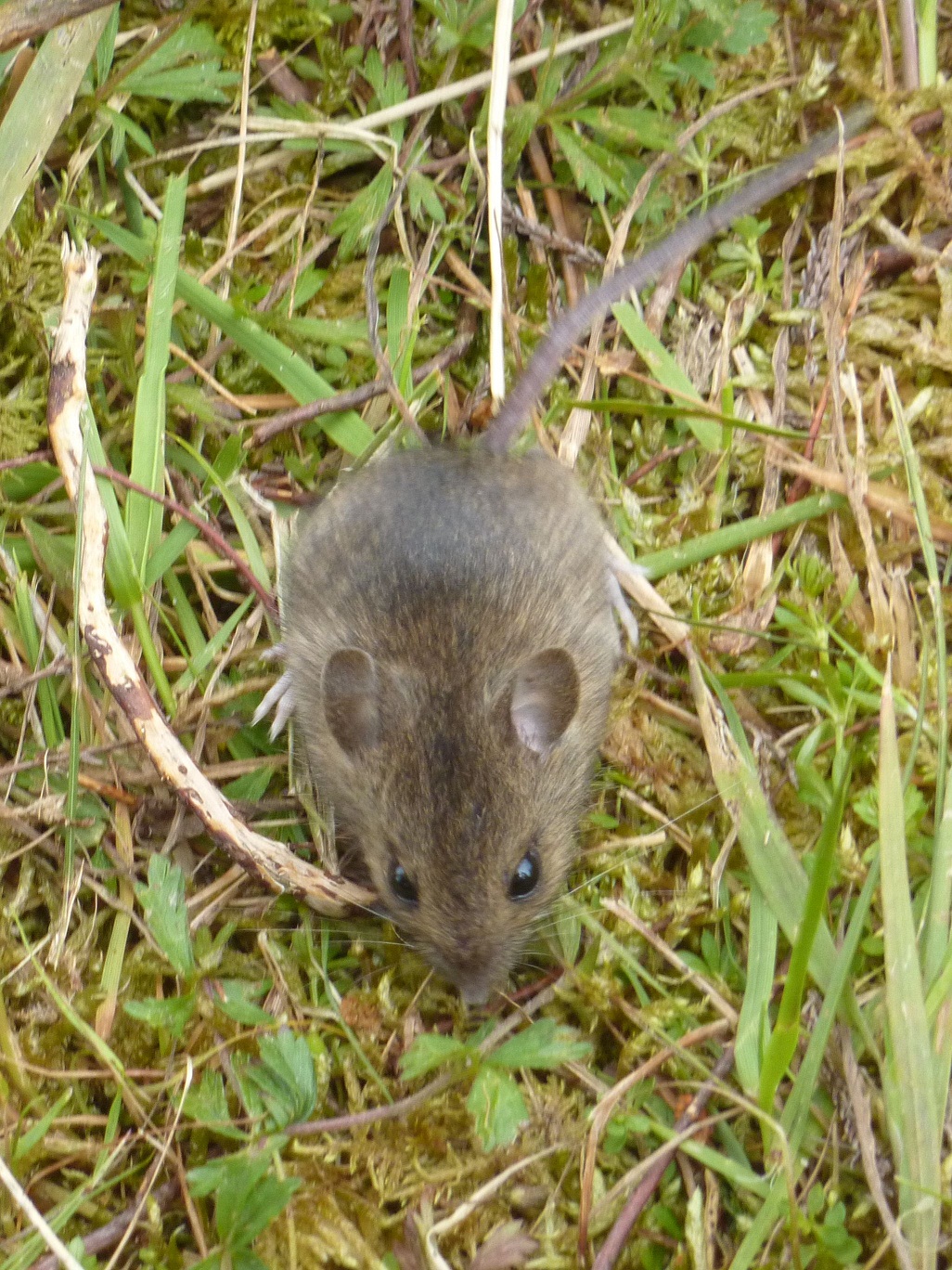
- This is likely to be a wood mouse (Apodemus sylvaticus)
-

- At least two whitethroat fledglings and possibly another lurking on a lower branch

-
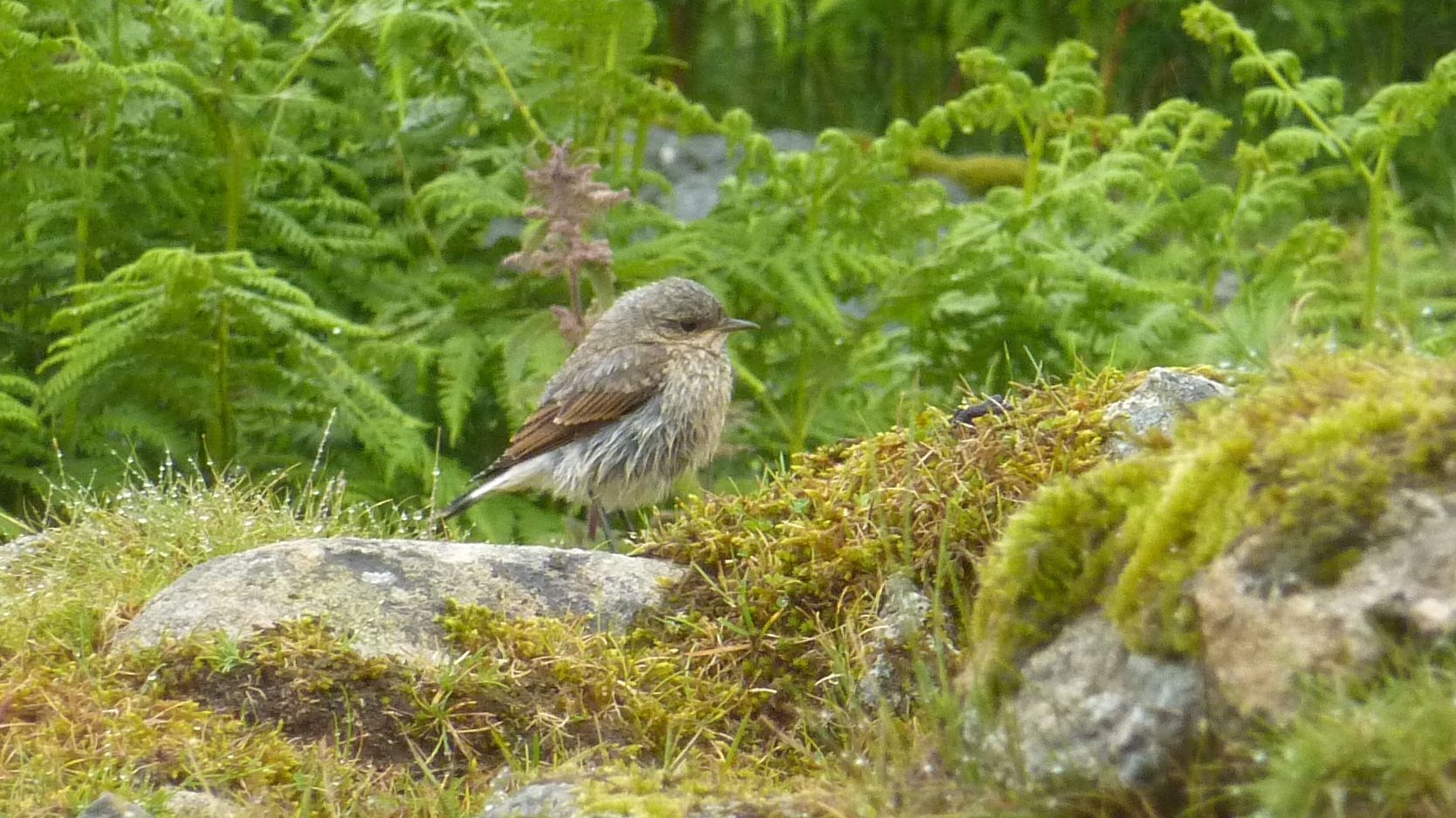
- Unlike Cornwall the creatures of Dartmoor (including this young wheatear) had to deal with plenty of rain after I arrived
-
- I wouldn’t know where to begin to id this. Is it the black haired mustard fly (Sinapisium crinisnigris)?

-
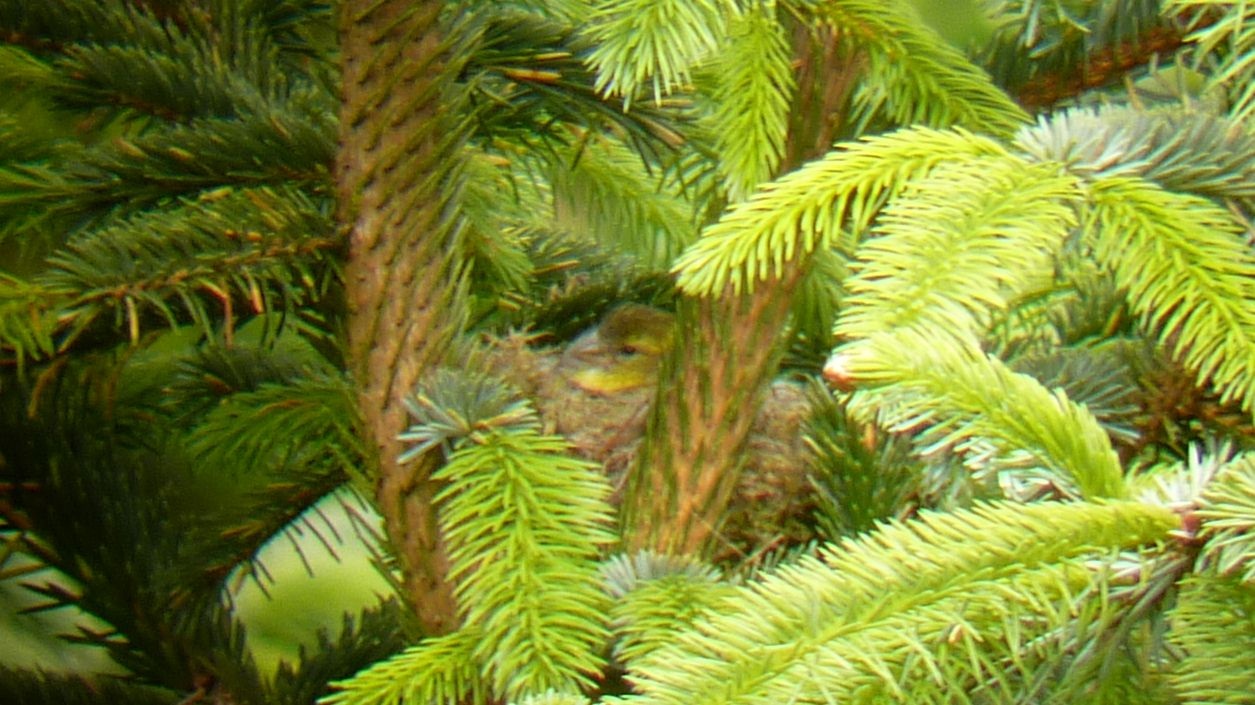
- Mummy siskin on her brood
-
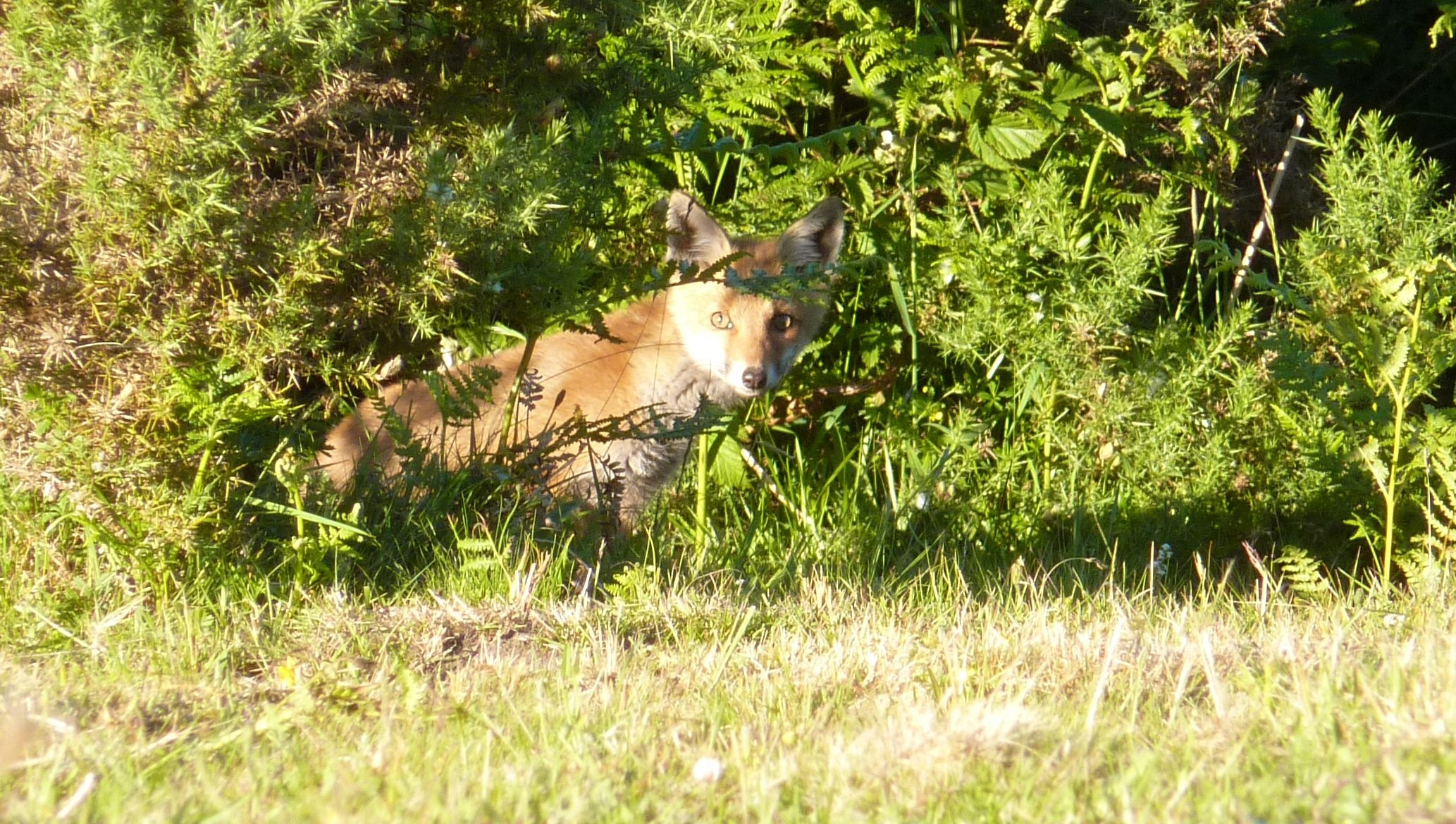
- The photo is good (even if I do say so myself), but the moment was even better
Some pics from my last two days on the Cornwall coast
So, my time walking and monitoring the coast of Western Cornwall has come to an end. For now. But the last couple of days have provided some of the best surprises. Firstly the wind on Thursday morning provided a fantastic looking swell rolling into the beaches, where I was able to watch seals and cormorants swimming amongst the waves. Then I spied a basking shark gliding about in the waves, the birds were all flying acrobatically in the wind, and one of the choughs performed an amazing roll and dive into the nest site at one point. On top of all that I saw a bird that looked something like a stone curlew blown in with a flock of jackdaws. It lingered just long enough for me to make out the two yellow lines down its back/wings, but then, as it flew away inland, its wings just didn’t seem dark enough.
Then, yesterday, the weather was still, sunny and hot. I met Nic (Shanks, of the chough project) at our watch point and the little ones were still not out. I’ll miss seeing them fledge. Instead nature rewarded me with dolphins and a basking shark, and a clear view of the isles of Scilly.
I guess you’ll want to see pictures…
-

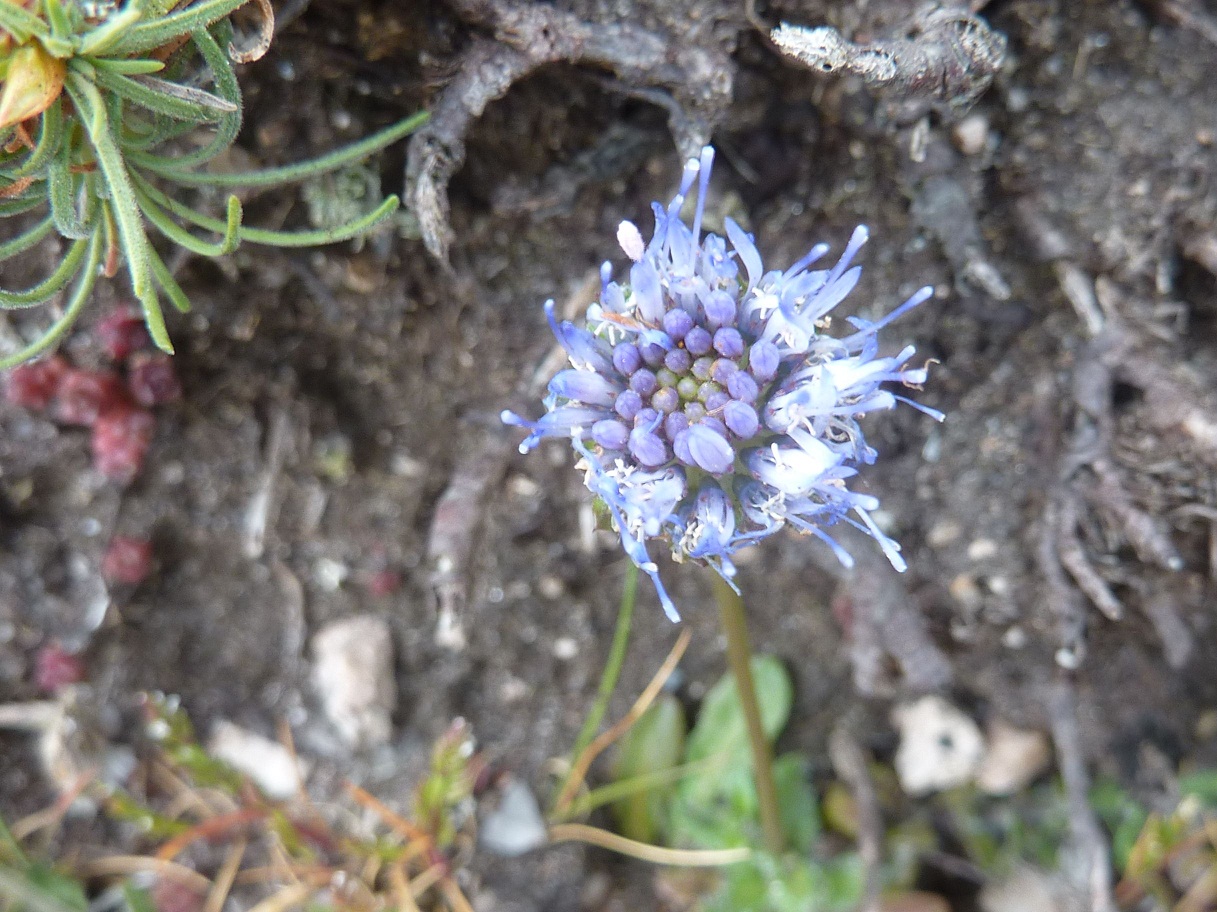
- Jasione montana?
-
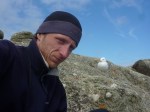
- Me & Larry

-
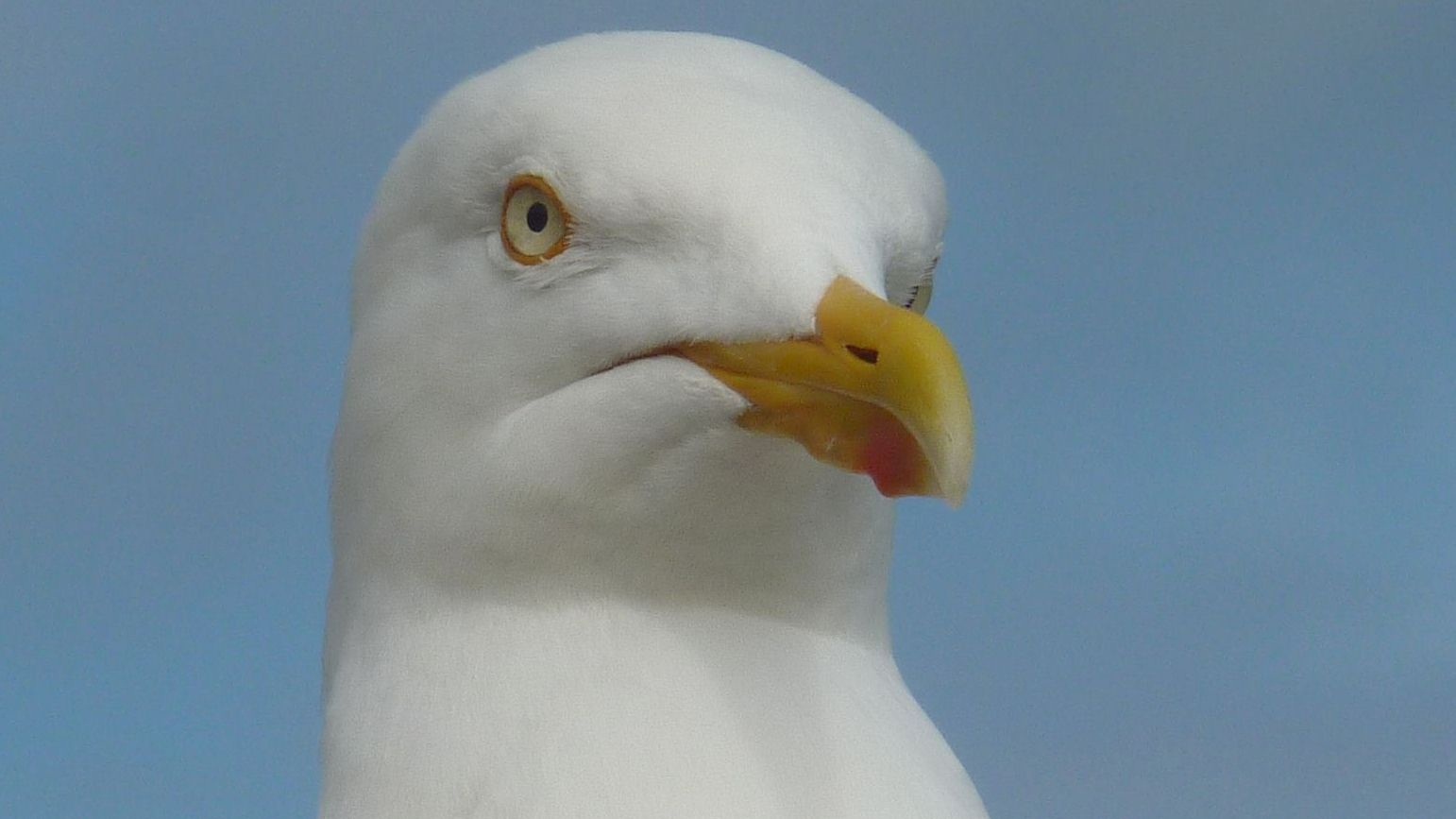
- Larry posing
-
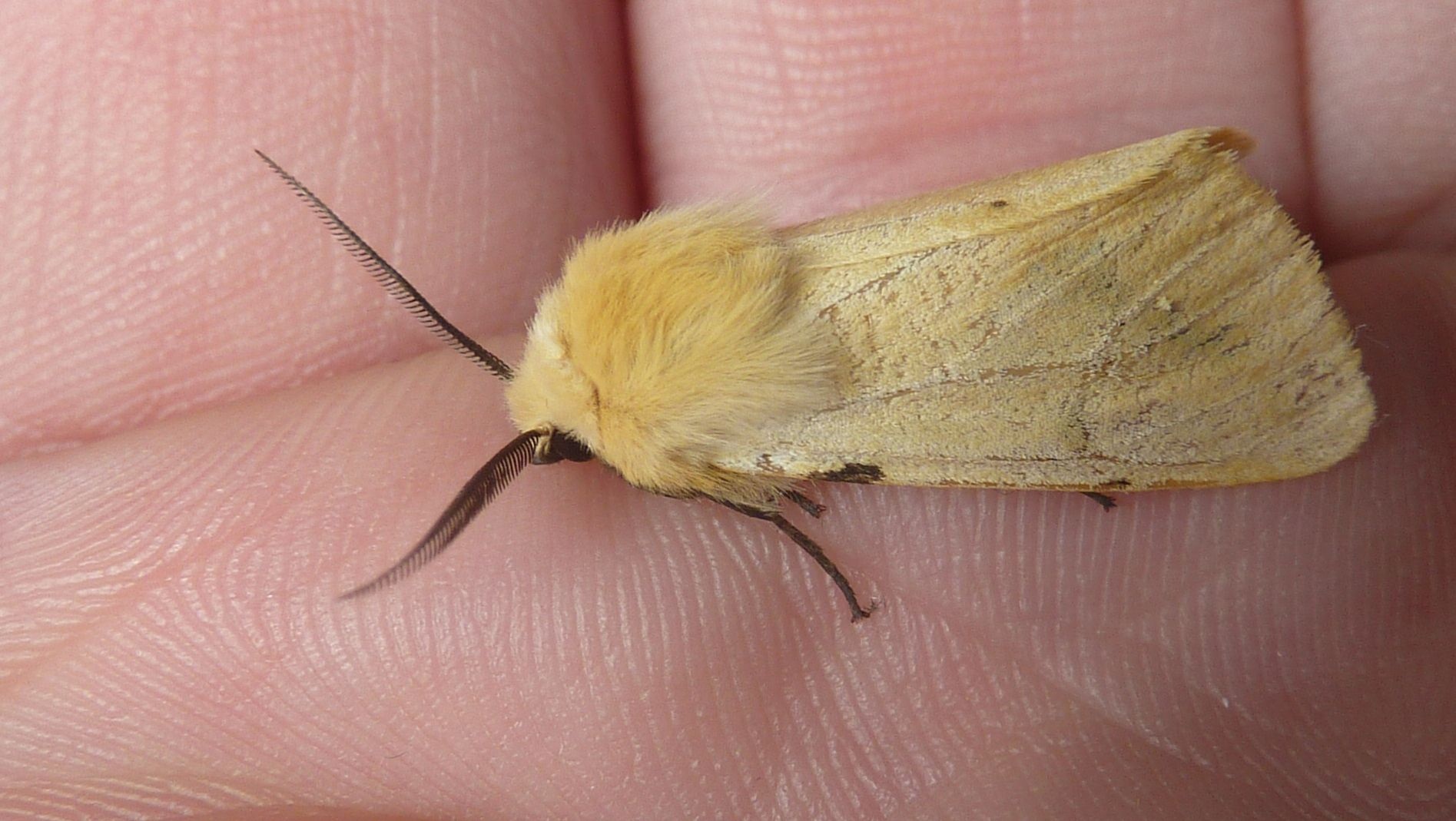
- I think… this may be a slightly worn looking buff ermine (Spilosoma luteum) plucked from the inside of my van?
-
- Ha, another magic moment.
-

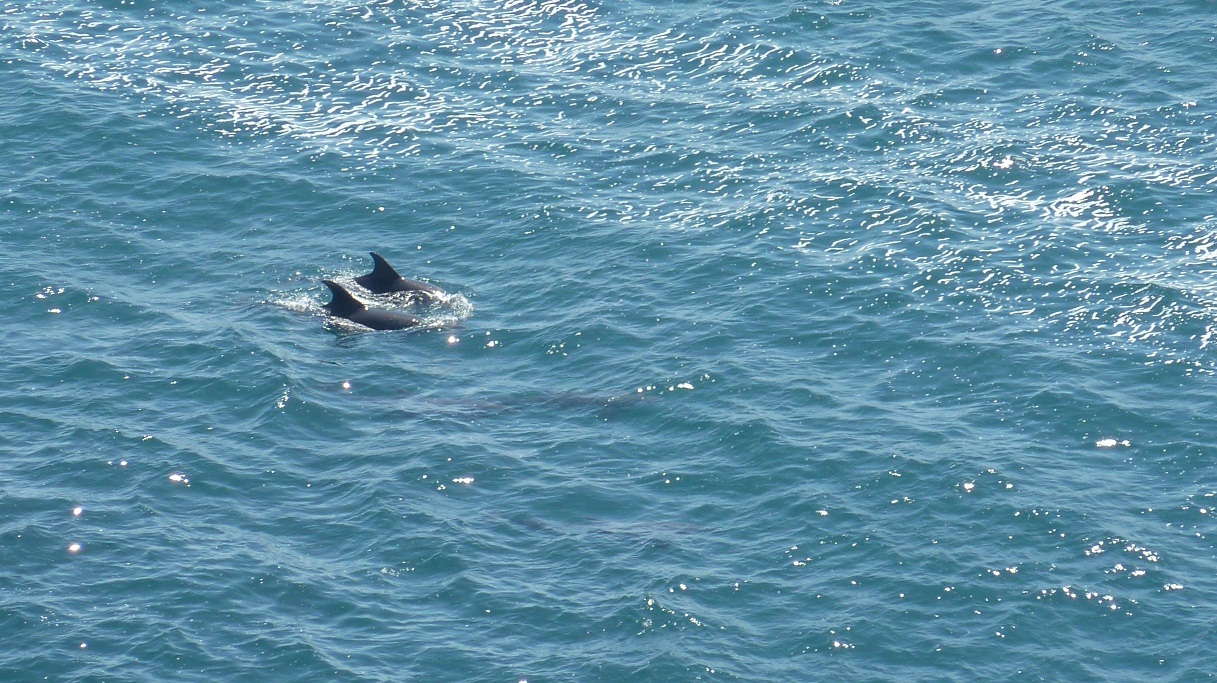
- I’m pretty sure they’re dolphins, five of them, swimming past slowly…
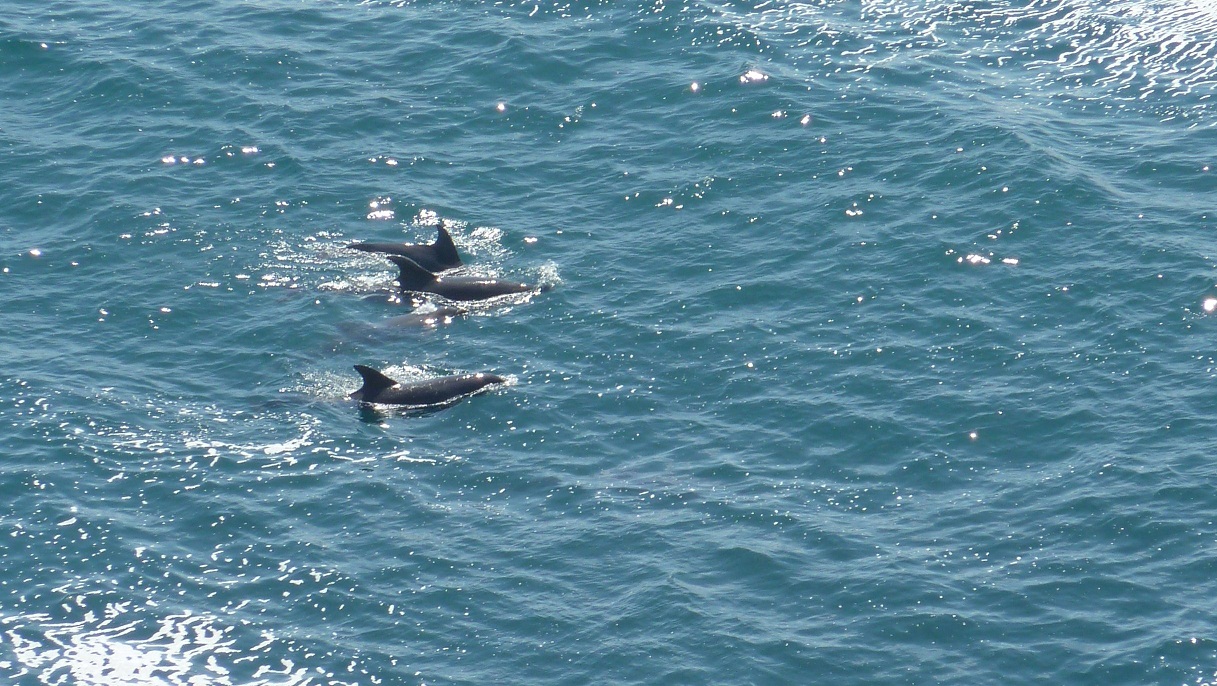
-
- My second shark in as many days.
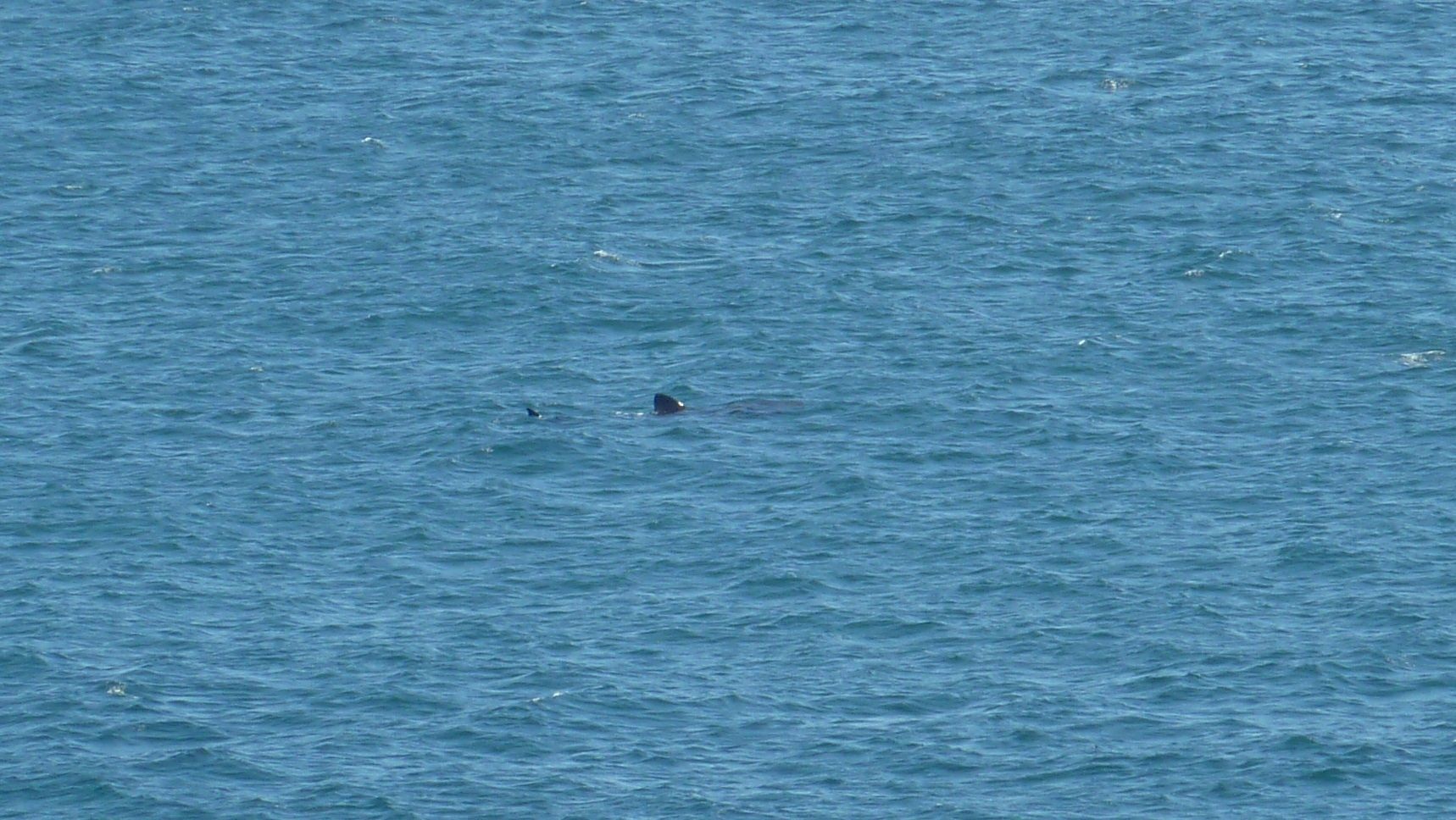
-
- So, these are what the fuss was all about. Goodbye and good luck BB & WB. You have such a lovely home.
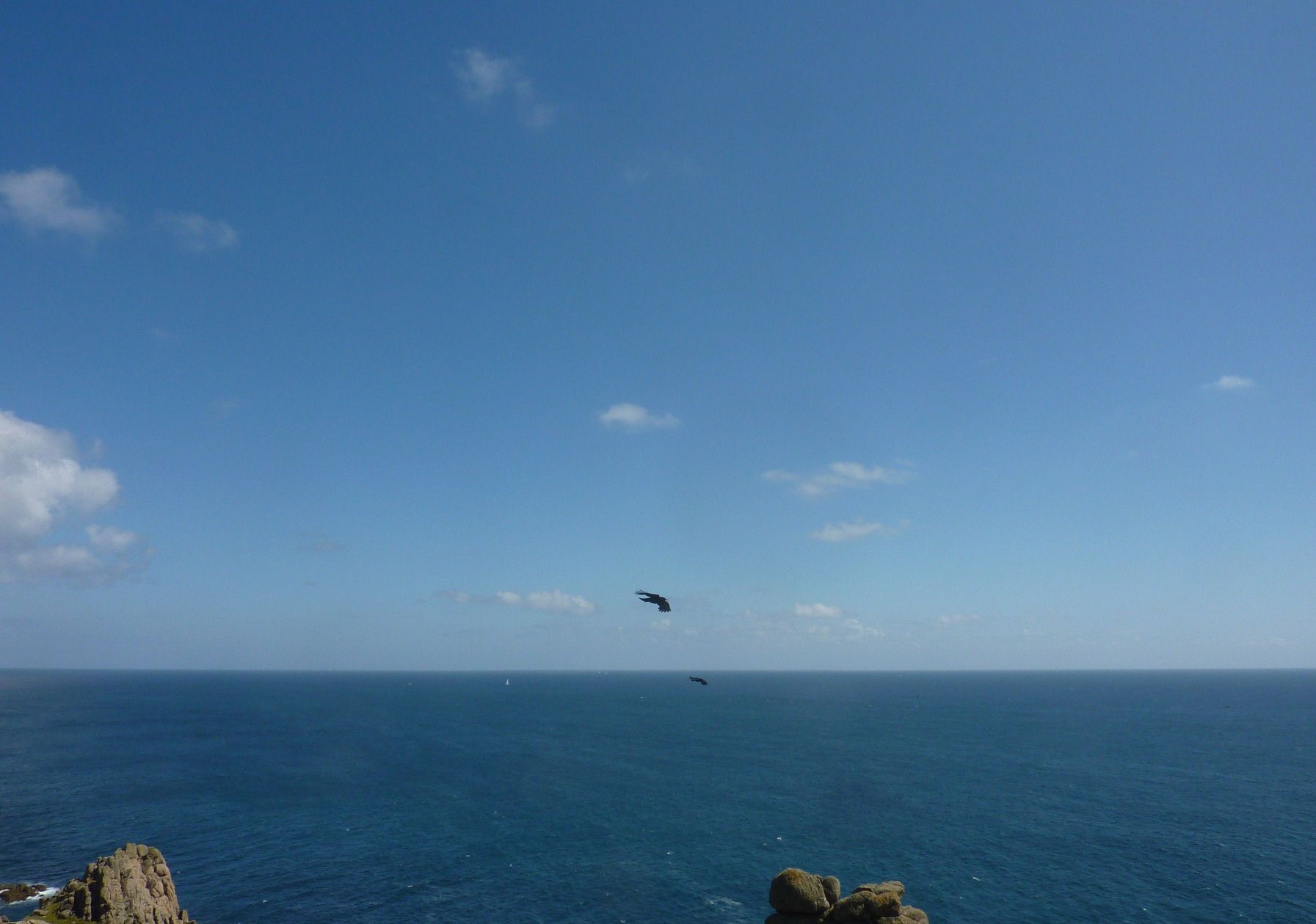
Early morning is the best time
Walking anywhere during early mornings, is almost always rewarding. This morning (before sunrise) and yesterday morning I’ve seen over 20 species of birds, at least 4 species of butterfly and numerous moths and insects.
We wanted to see what time the Choughs were getting up, it turned out to be 0536. As a great example of how nature works I was able to watch as a raven came overhead, and the jackdaw’s started alarming. Almost immediately the choughs appeared and immediately set chase after the raven. Later I saw them mobbing a pair of peregrines that were carving up some prey on the rocks in the distance. However, peregrines are a greater threat, and are treated with a little more caution than the ravens.
-
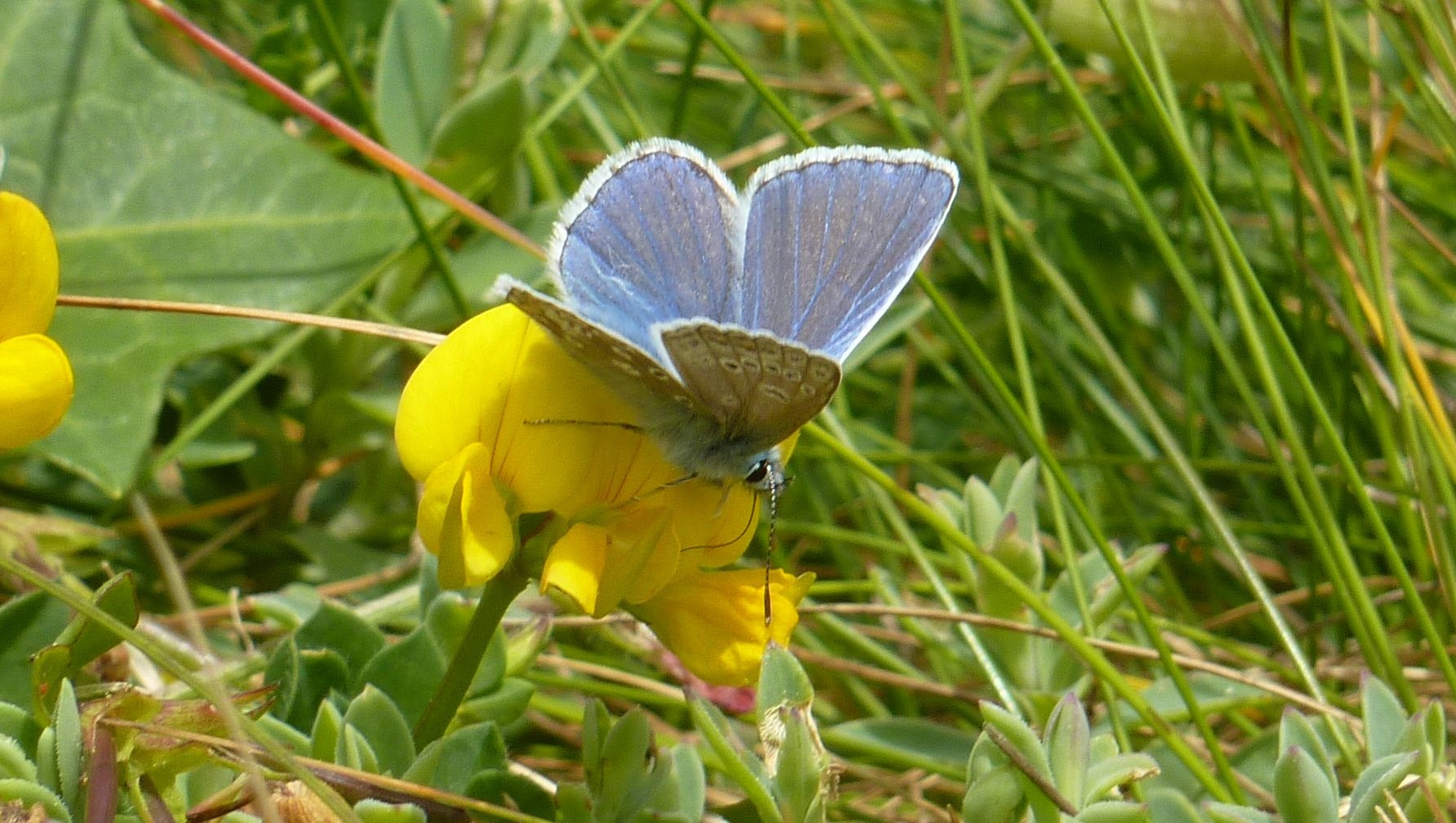
- Common blue (Polyommatus icarus)
-
- Grass eggar (Lasiocampa trifolii). Look up the gorgeous moth if you get a chance.

-

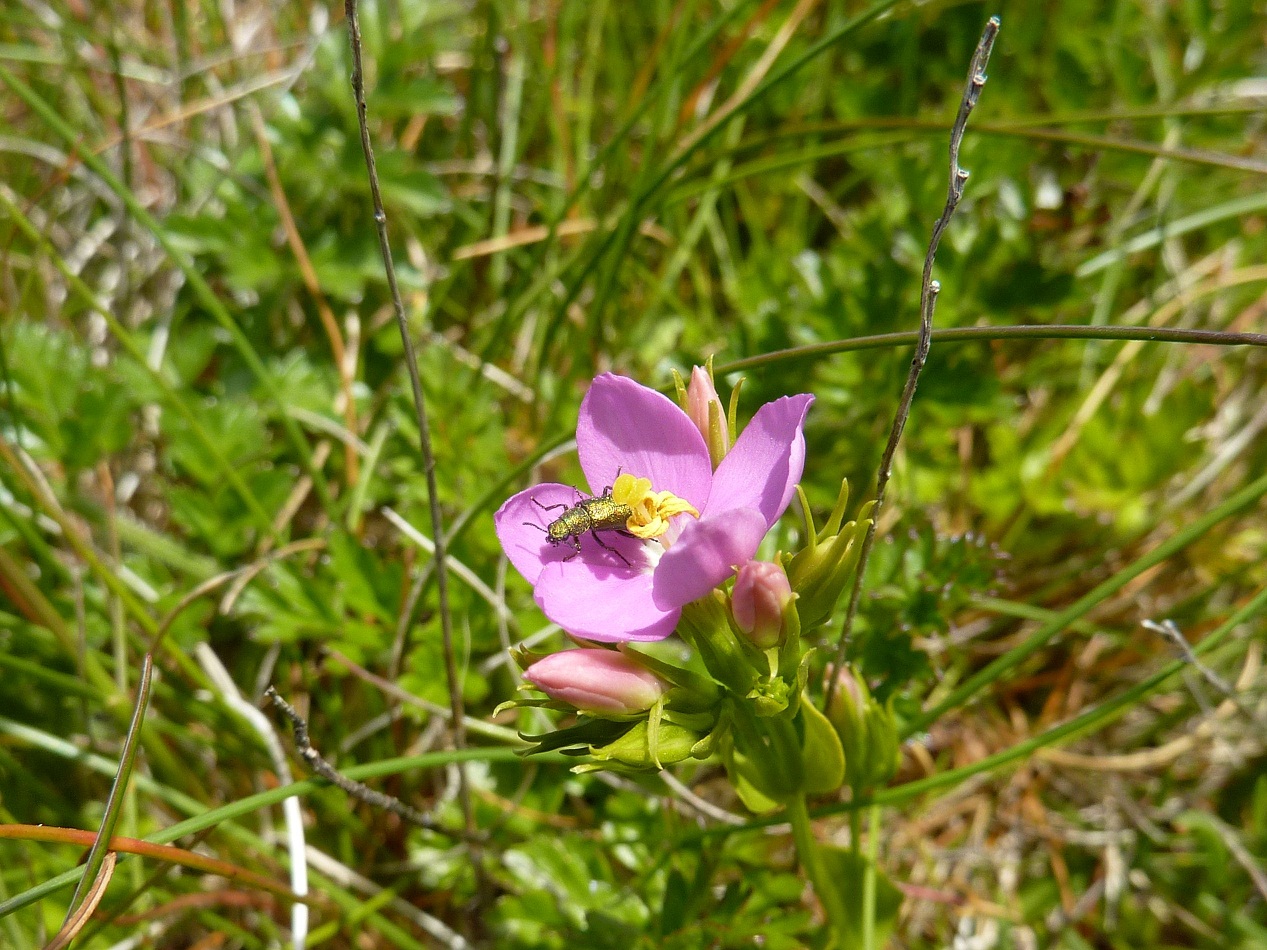
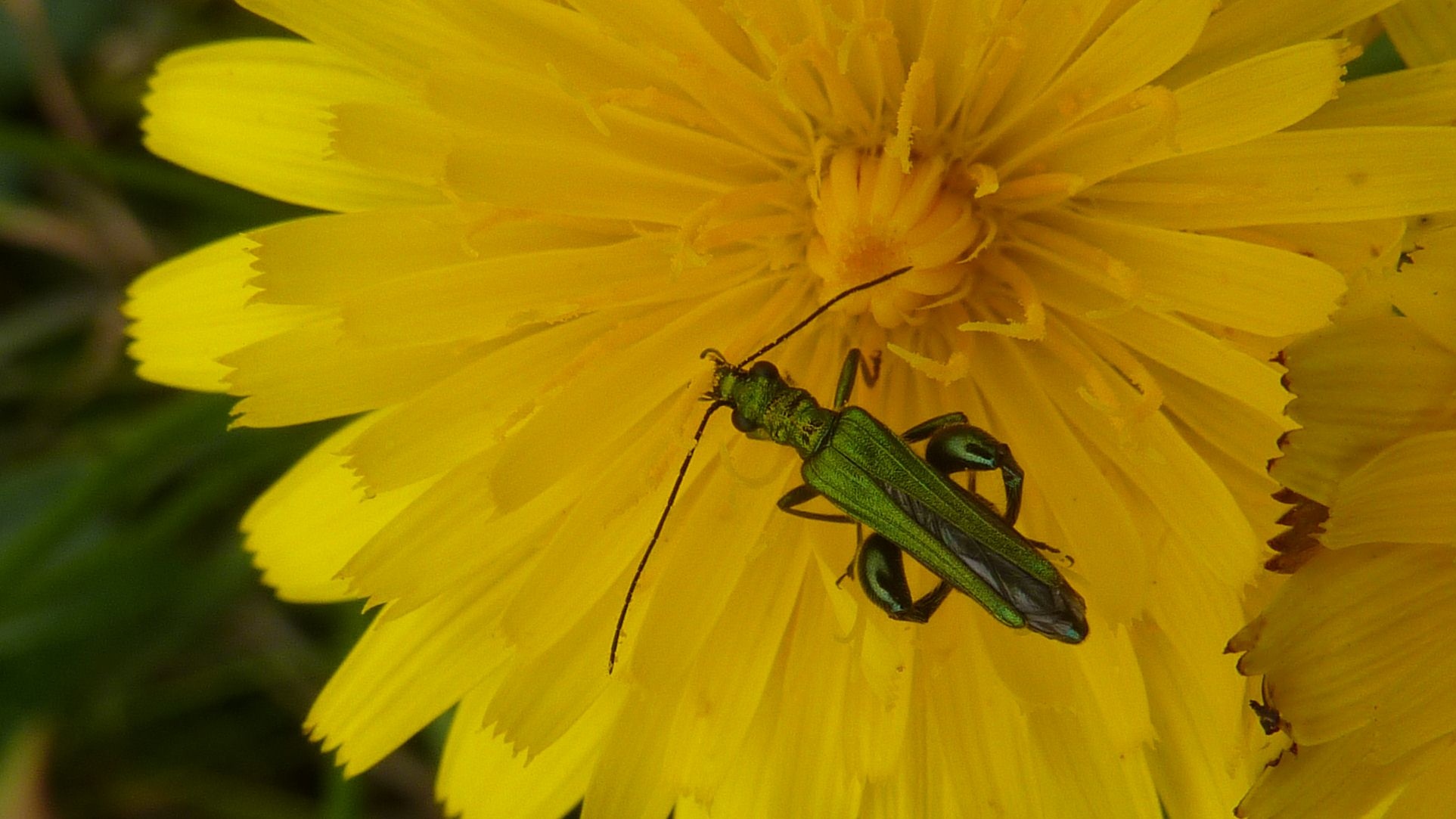
- Another picture of our Centaurium friend with Oedemera (lurida? nobilis? Damn, they all look the same to me…)
-
- A gannet (Morus bassanus)

-
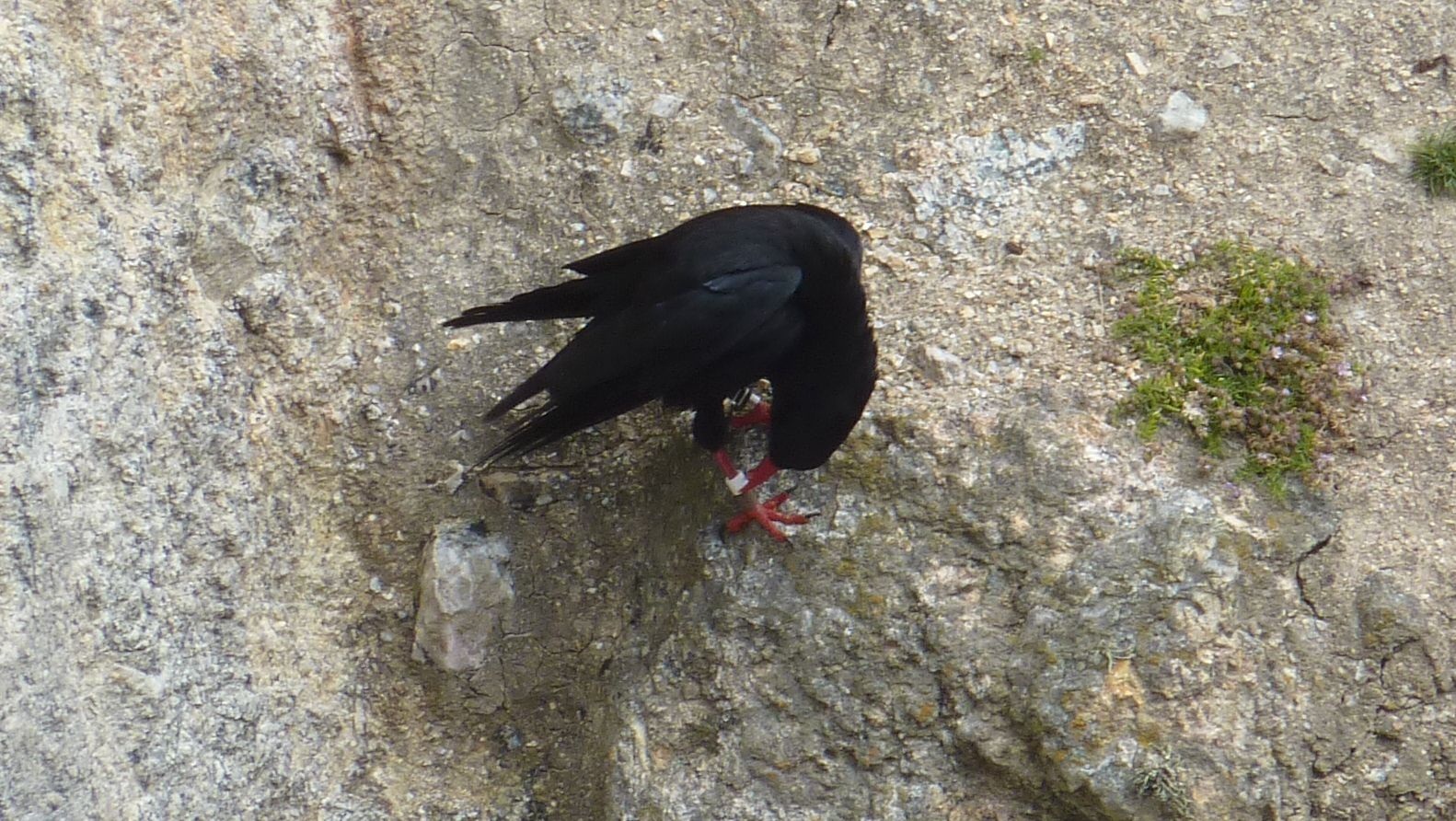
- Lady Whitebrown (soon to be Lady Brown).
-

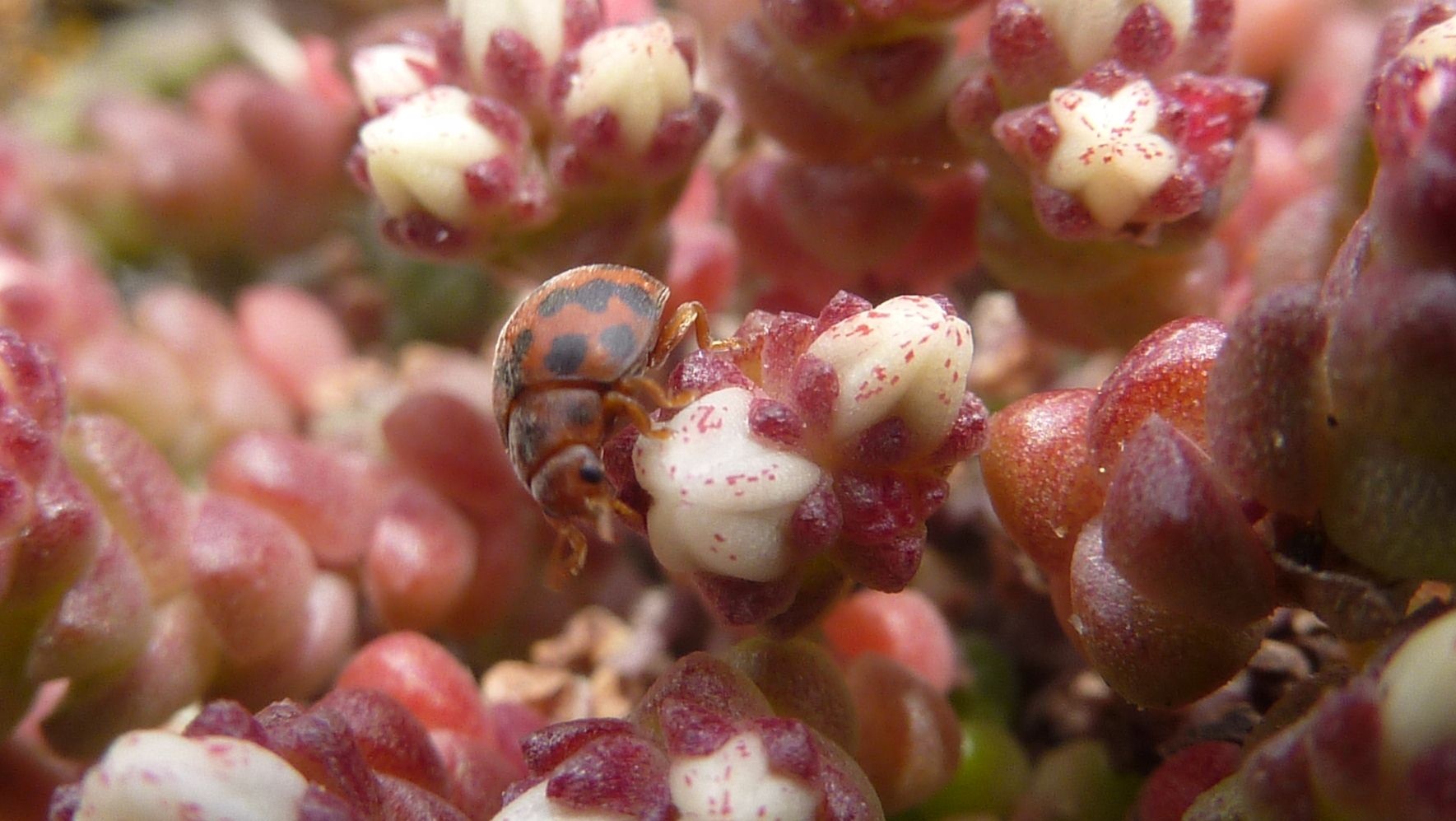
- I’m fairly sure that this is Subcoccinella 24-punctata on the beautiful Sedum anglicum
-

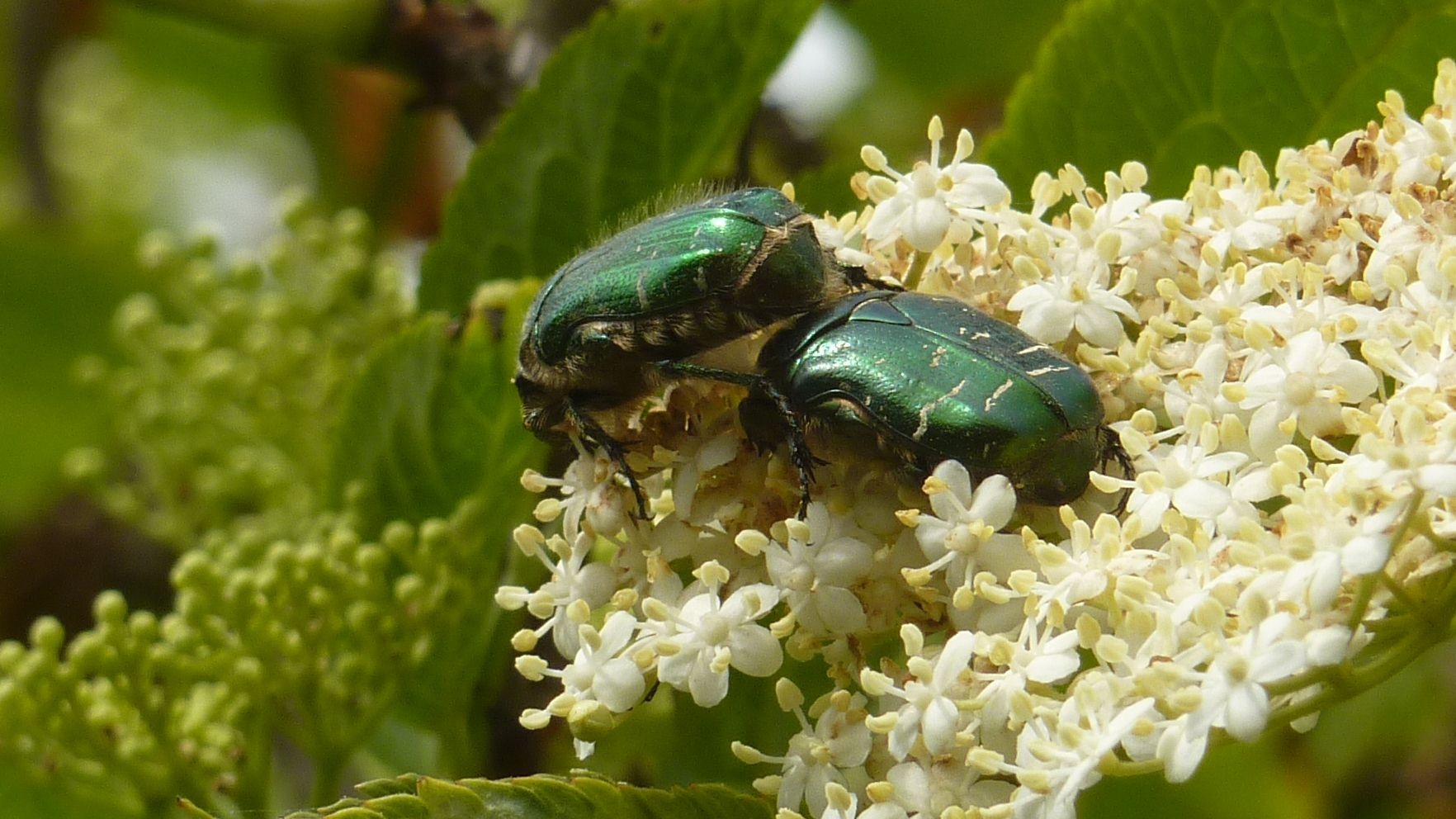
- Frisky rose chafers
-
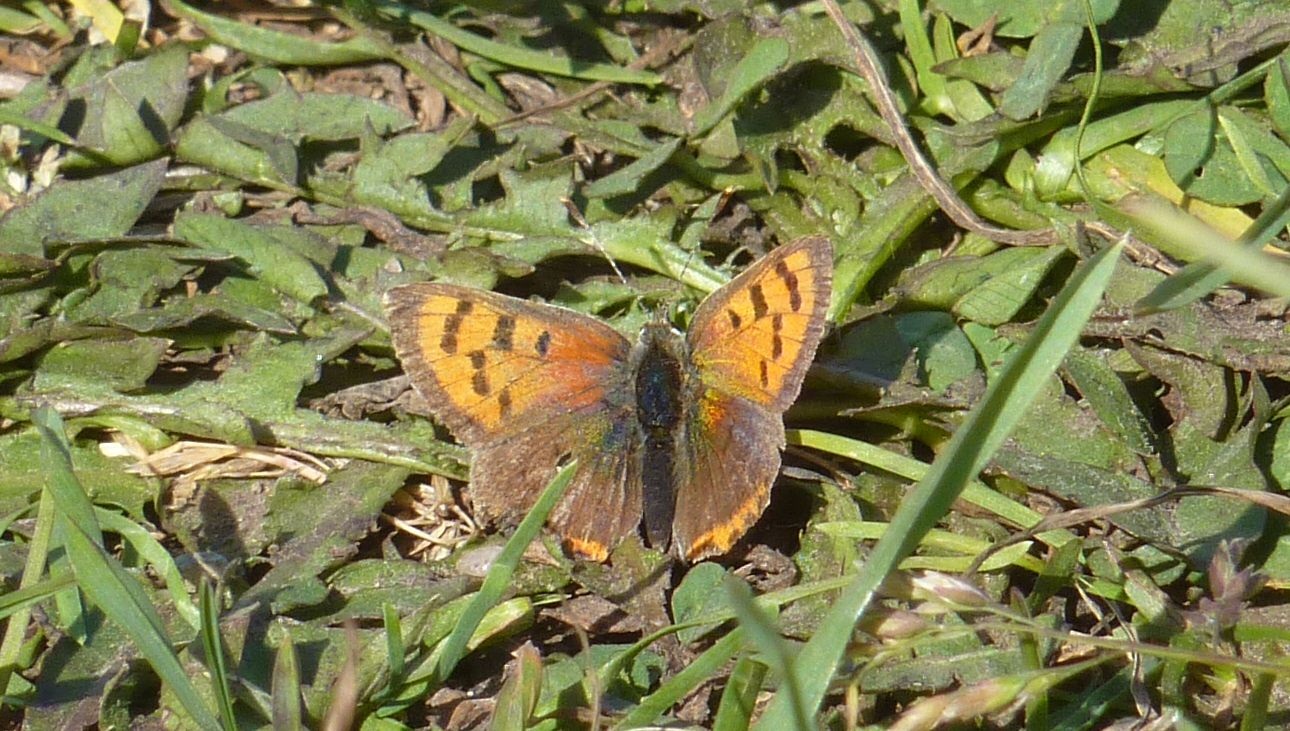
- Small copper (Lycaena phlaeas)
-
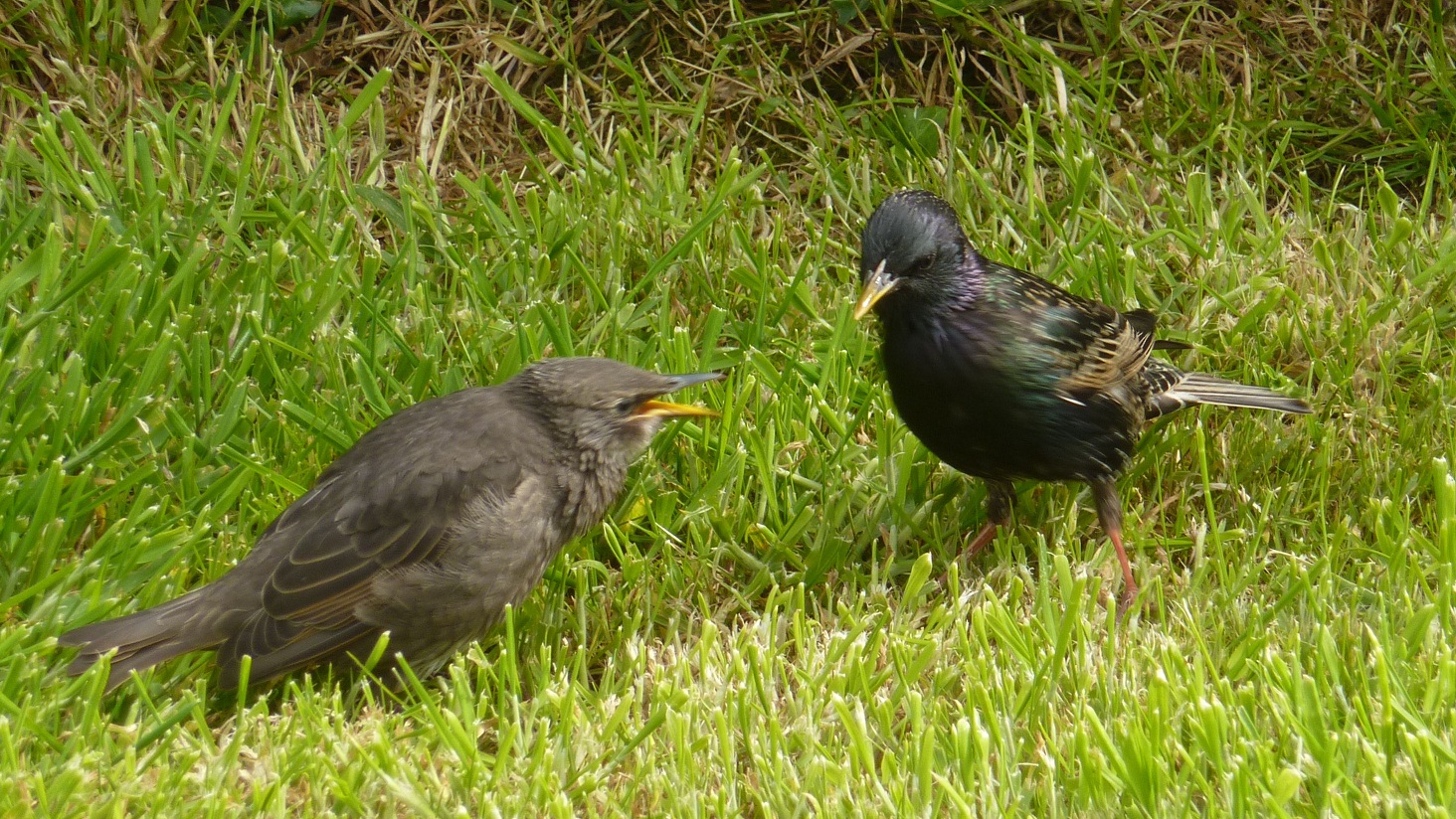
- Mr Starling realises that he’s created a monster
-

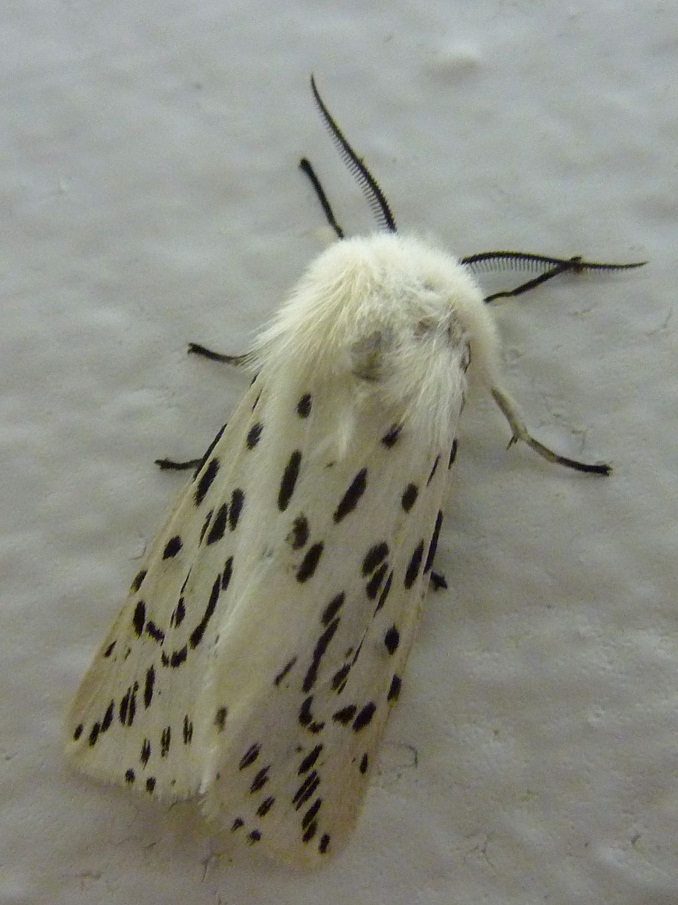
- Male white ermine (Spilosoma lubricipeda) in the gents at Treen
My first bit of rain in ages, and a fox and a seal
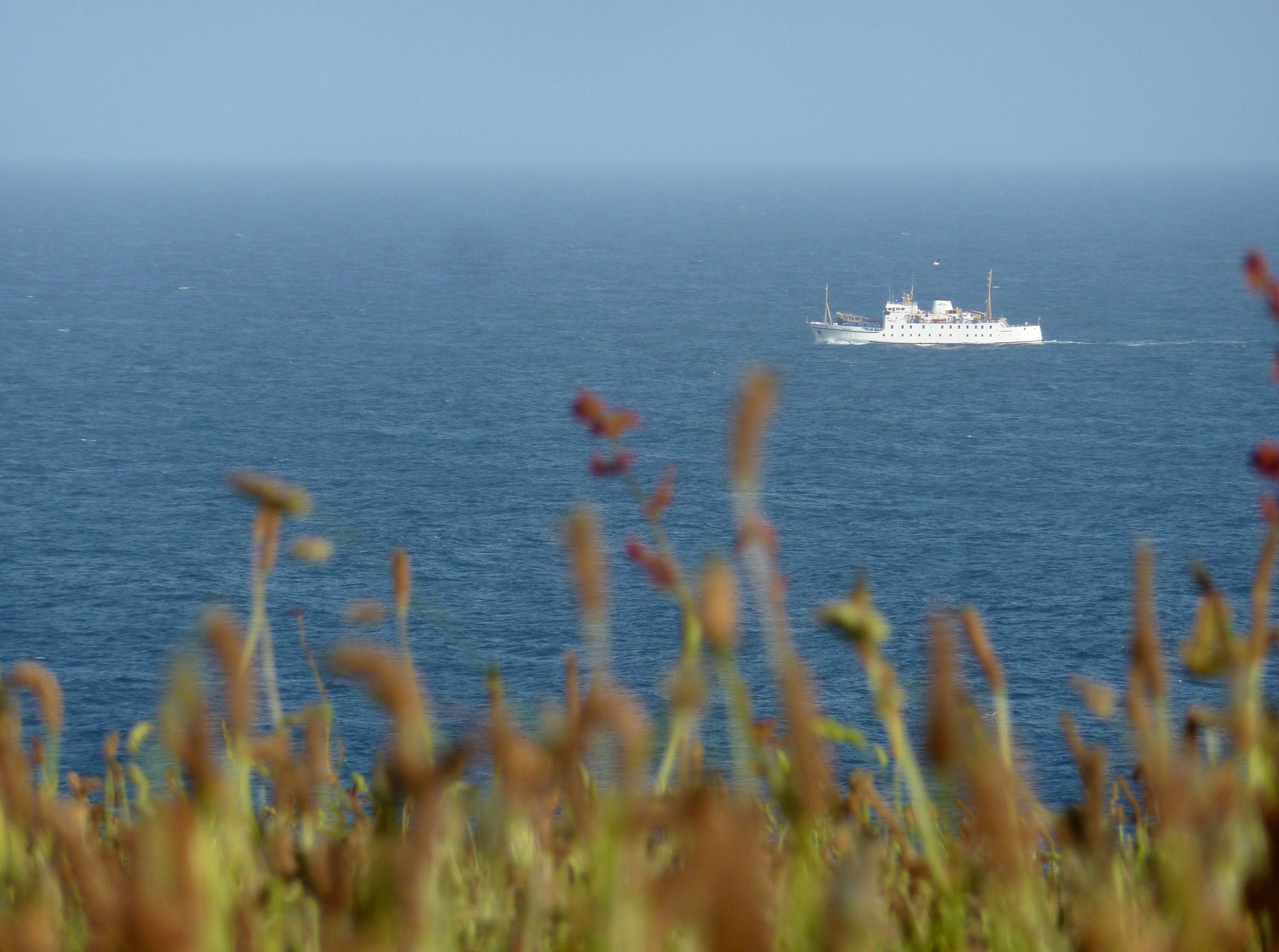
I haven’t seen much rain while I’ve been down here in Cornwall and, apparently, most of the South West is pretty dry. When I left my camper this morning (after a day off) it looked bleak though. The mist and rain persisted until after midday (although I’ve seen worse), and then it cleared into another beautiful, bright day. The choughs were good, I saw a fox again, and watched a seal up close for a while. My walk home was through wild flower meadows, with deep blue sea and skies, and the Scillonian slipping past on its way back to Penzance.
-
- When I looked closely, Charlotte’s message seemed to say, “kufzsd fpame”!

-
- A whitethroat

-
- A brimstone moth (Opisthograptis luteolata) in the gents at Porthgwarra

-
- Oedemera nobilis
-
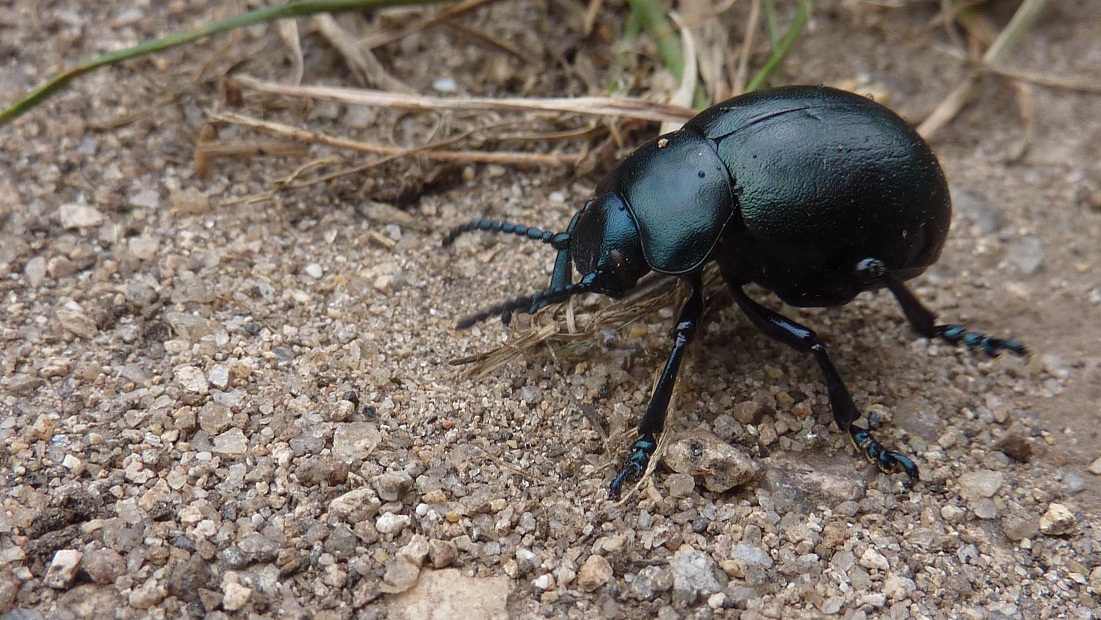
- This little fella is apparently a bloody nose beetle, taken shortly before I suffered a bloody nose
-
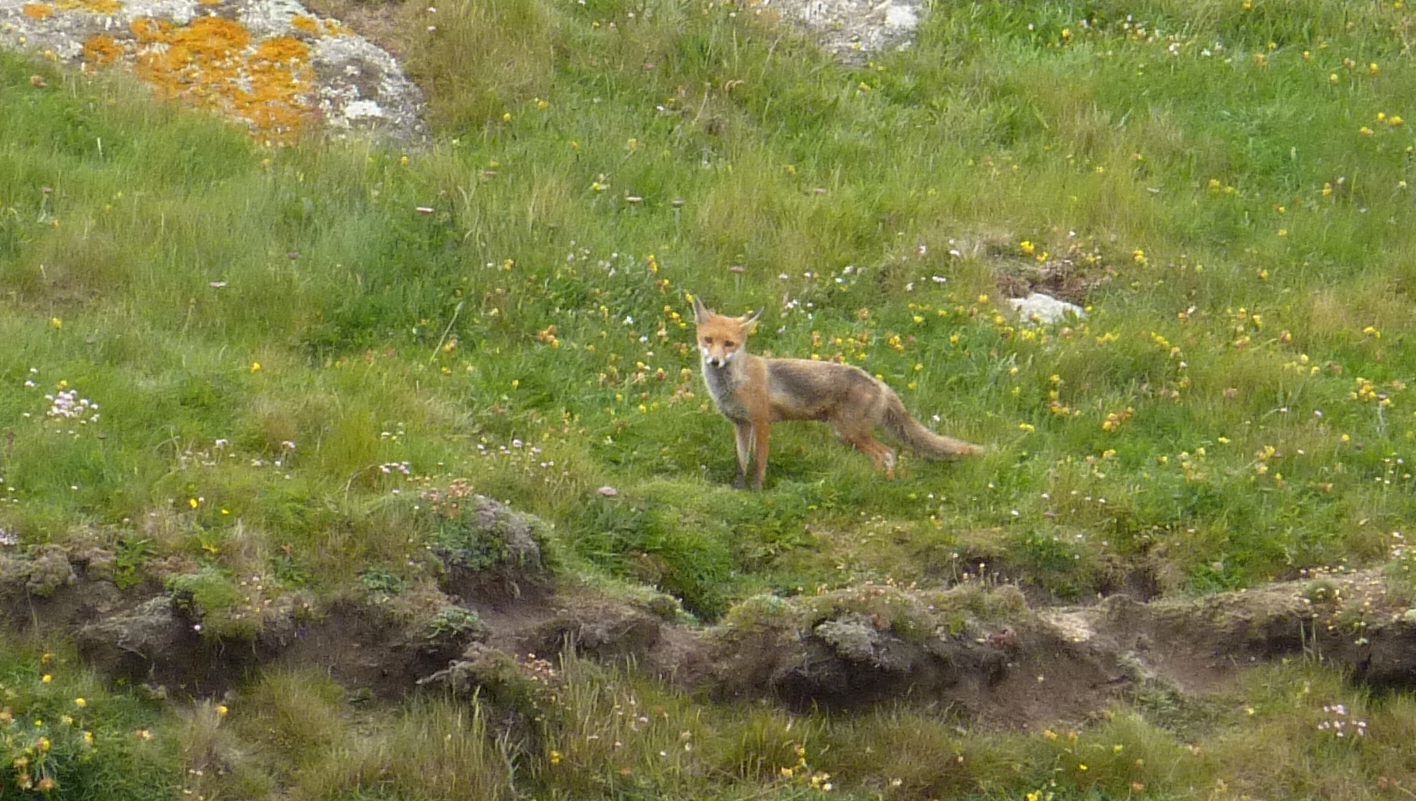
- Wow, maybe my best moment so far…

-
- Centaurium scilloides (rare) or erythraea (common). What do you reckon?


-
- The Scillonian
Seals and rare flowers
It’s always fantastic to see seals, especially as they are shot in large numbers by fish farmers, within the law (please remember this if thinking of buying farmed salmon). Seal numbers have declined enormously in the last 10 years, with harbour seal numbers halving in some parts of Scotland. There are likely to be other contributory factors, such as reduction in food availability, but this is, in my opinion, a significant indicator of how we are mismanaging our seas.
If you haven’t already done so, read up about Hugh’s fish fight, follow the links on the site to the other organisations involved in marine conservation, work out whether you really need to eat (so much) fish (there are plenty of food stuffs that contain the oils thought to be so valuable in fish, e.g. hemp, flax, etc), and make an effort to find out where your marine based products are coming from. Out of sight, out of mind, is this why we treat our oceans so badly? Would people react differently if we were to trawl fields to catch lambs, and at the end of the field empty the net of all the birds, mice, voles, insects, etc, into a heap to die.
Anyway, I digress somewhat, apologies. Today was a busy one. All of the Cornish chough nests were checked out (not by me, I just met the team briefly as they passed on through), and seem in good order. However, the latest expected date for fledging is now another two weeks or so, which might, sadly, be after I’ve left. Further news will be available here:
http://www.cornishchoughs.org/
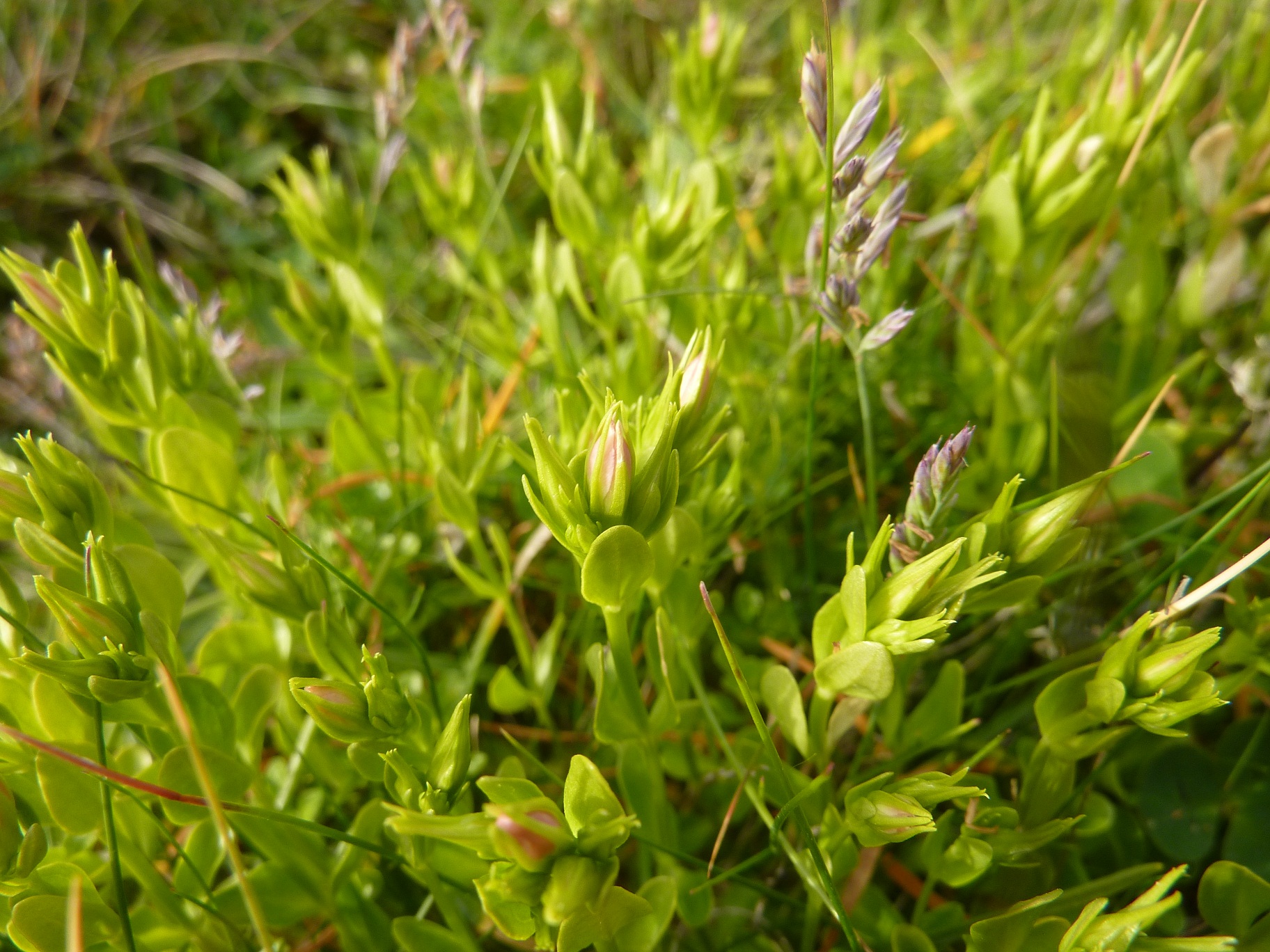
After an early start, I finished early so I comforted myself by taking some time out to go and view one of the rarest plants in the UK. I’ll be impressed if anyone can tell me what it is (I do know what it is. Obviously.)…
-
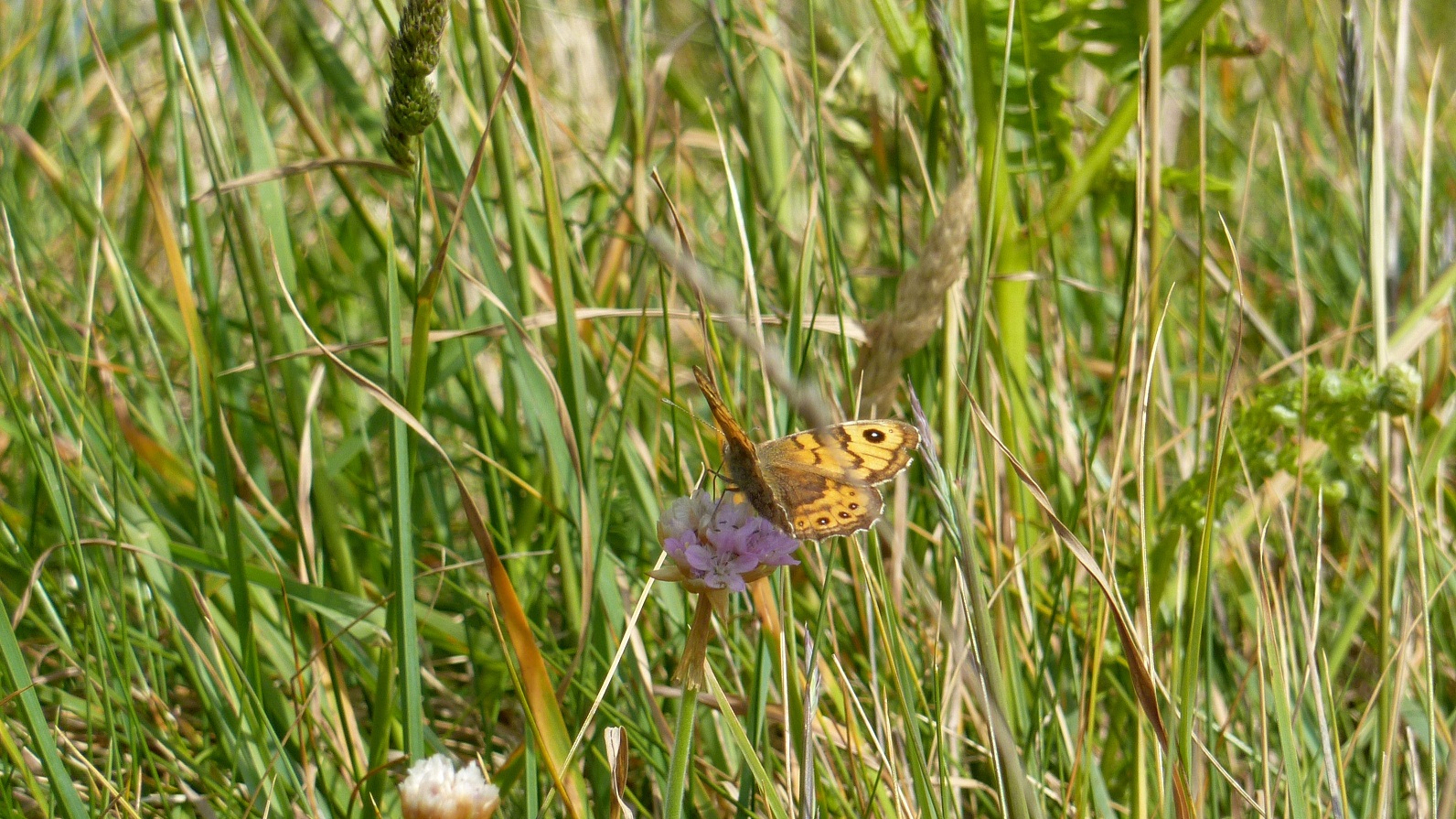
- Wall butterfly (Lasiommata megera)
-

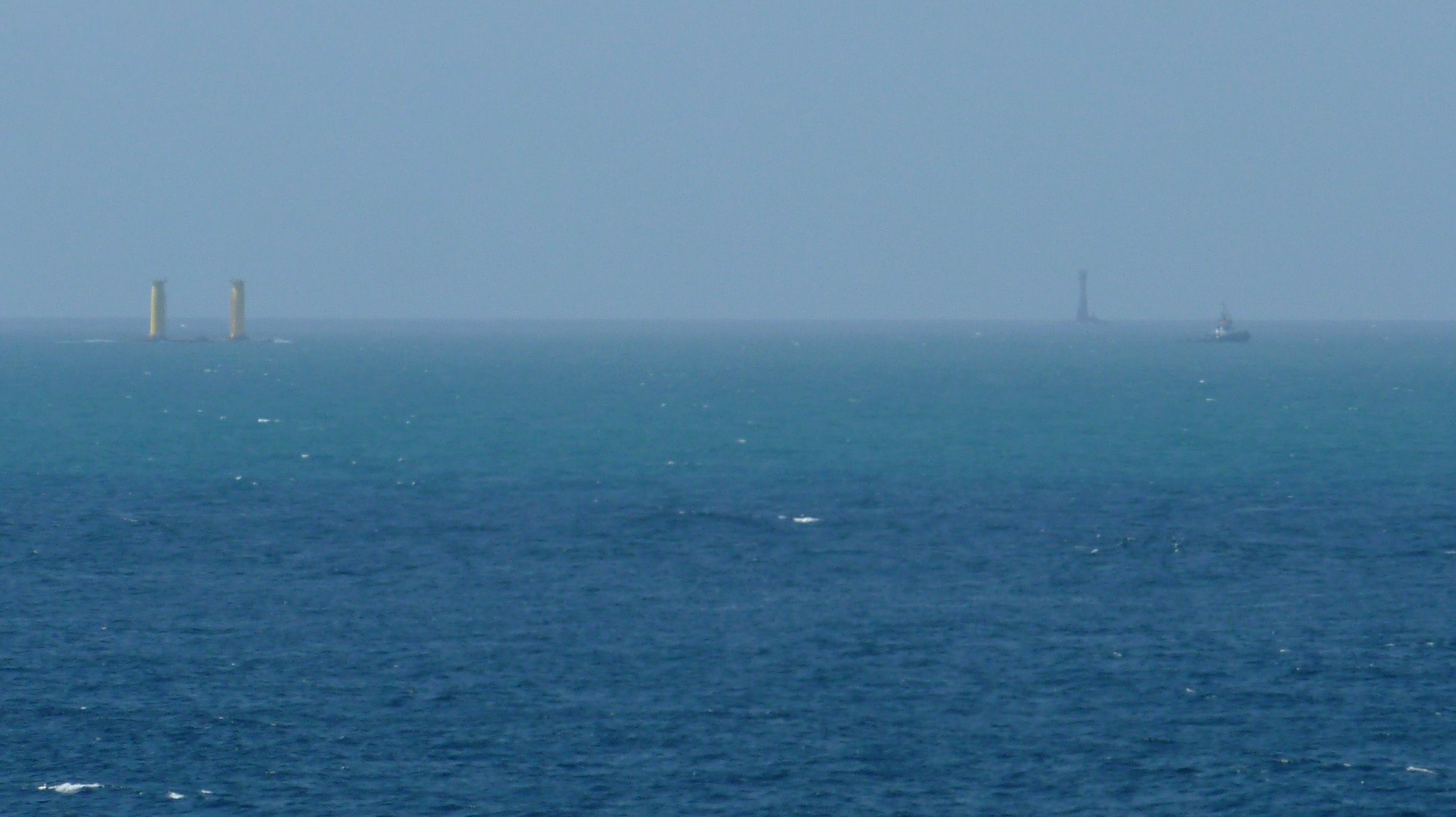
- These bits of metallic nonsense are being towed to the North to help build a wind farm
-
- The face of a lackey (Malacosoma neustria). One day it’ll be a beautiful moth.

-
- A seal!

-

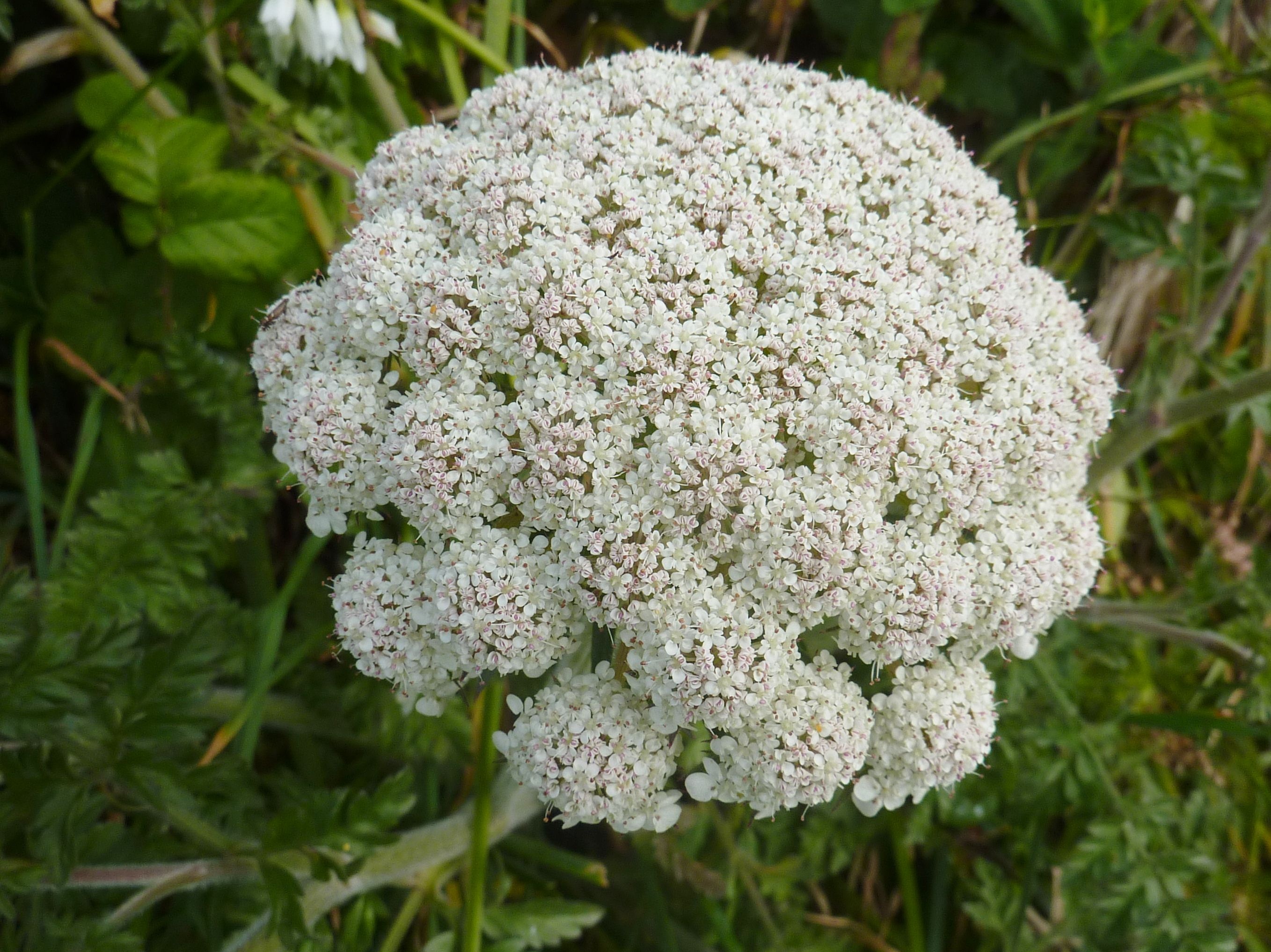
- Sea carrot (Daucus carota?)
-
- Gloomy weather, but sparkling wildlife

-
- Rare plant. So, any ideas?
-
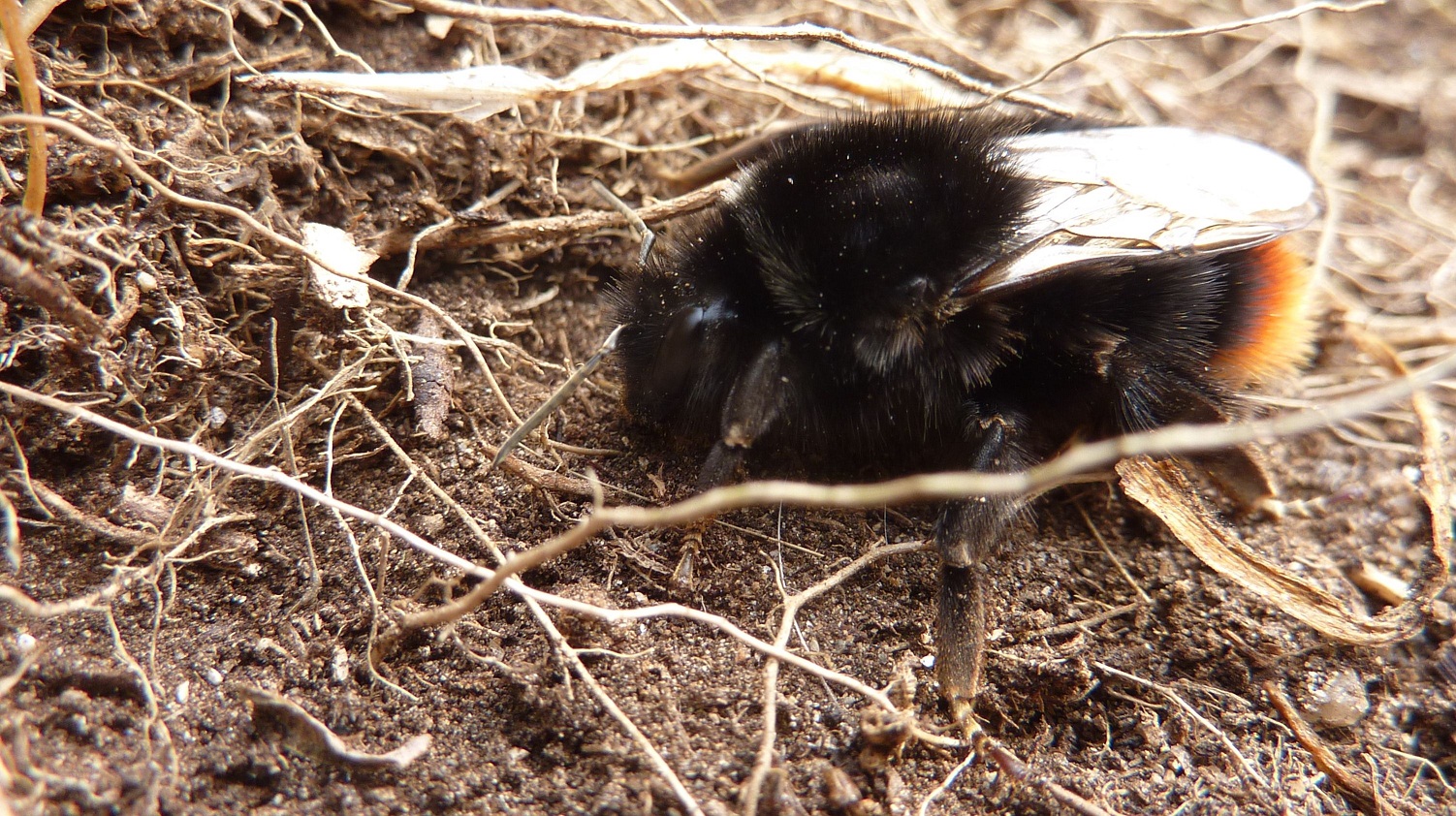
- Mrs Red Tail (Bombus lapidarius) was, I think, a bit unwell.
A trip to the lizard, and more of the sedge.
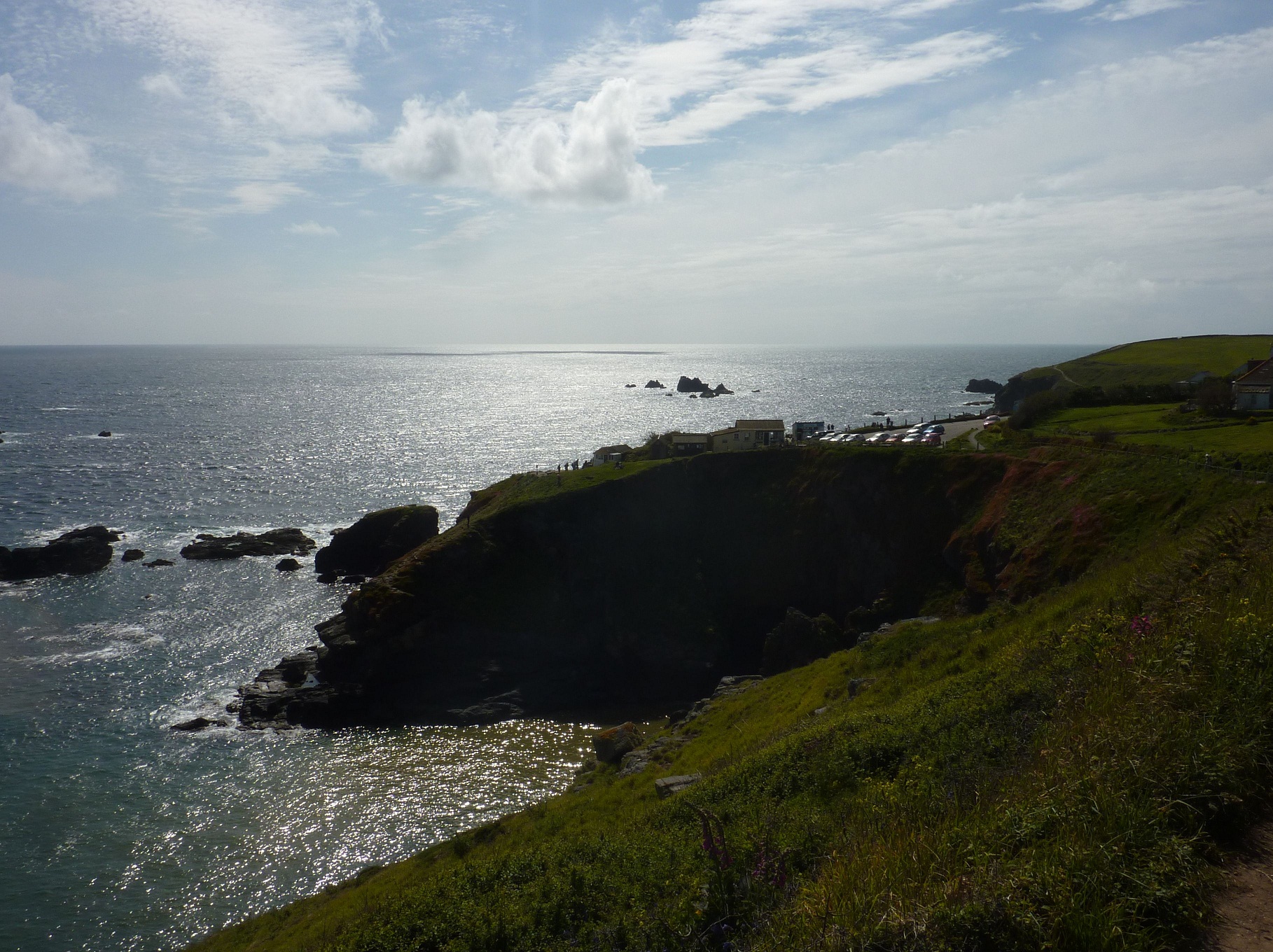
There was a chough team party down the lizard yesterday. It was my first visit to the Lizard and it was great to make acquaintance (sort of) with the legendary Lizard pair. The Lizard pair were the first pair of choughs to nest in Cornwall since 1952. In 2002 they reared three young, and have successfully reared young each year since. Apparently they are prone to showing off to the crowds, but today, they were very business like, and didn’t come close enough for me to get pictures. Choughs are known to live up to 16 years, so hopefully they will be there for a few more years yet.
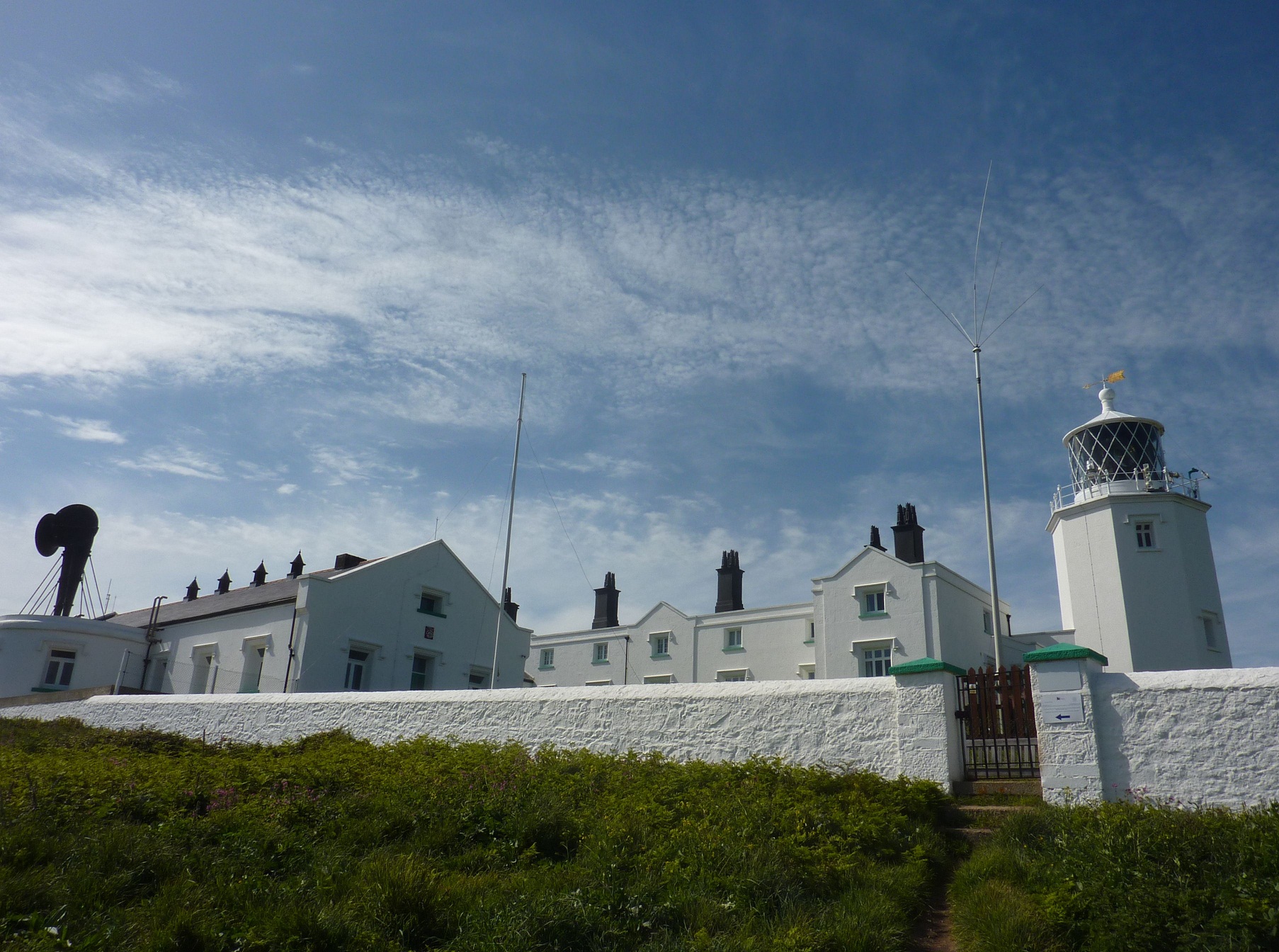
I also got the chance to meet the rest of the chough project team, and watch the sun set over the Lizard Lighthouse.
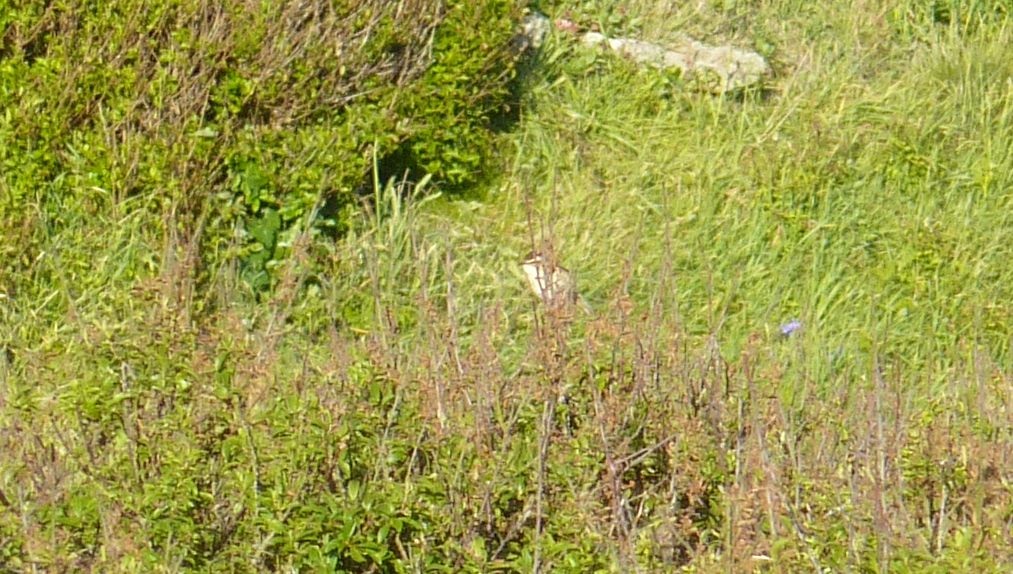
Today, back on my patch, there was a cold wind blowing in from the sea (there often is), and the choughs didn’t seem to be about much. There was a bit of raven action at one point, and I managed to get a rather poor shot of the slightly illusive sedge warbler.
-
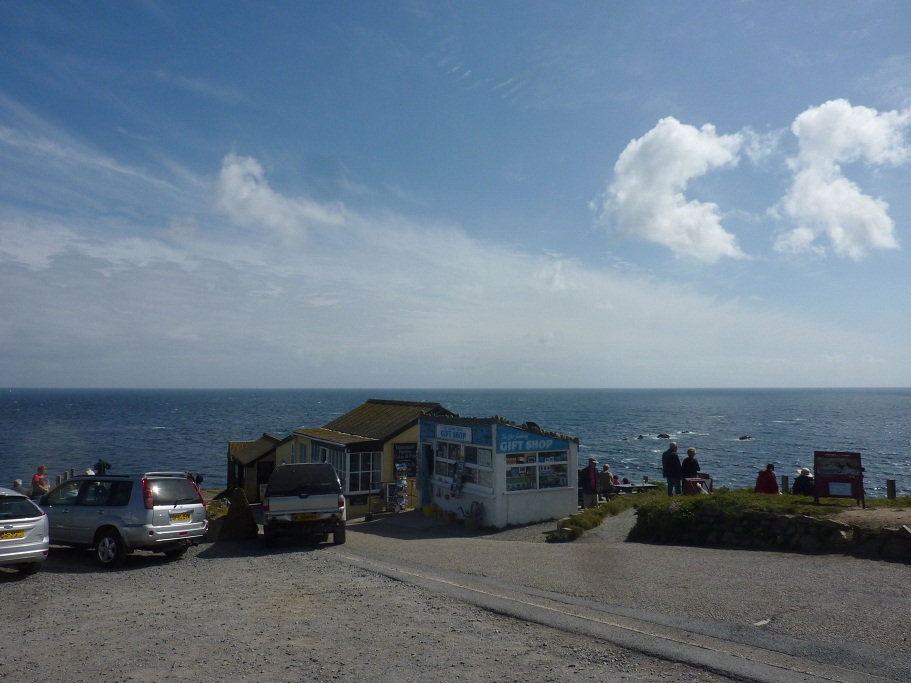
- The southernmost point of the UK mainland. Chough watch on the right hand side.
-
- Looking West across Lizard Point
-
- Check out the (Trinity house) fog horn on the left of the picture. Now not required thanks to Sat Nav.
-
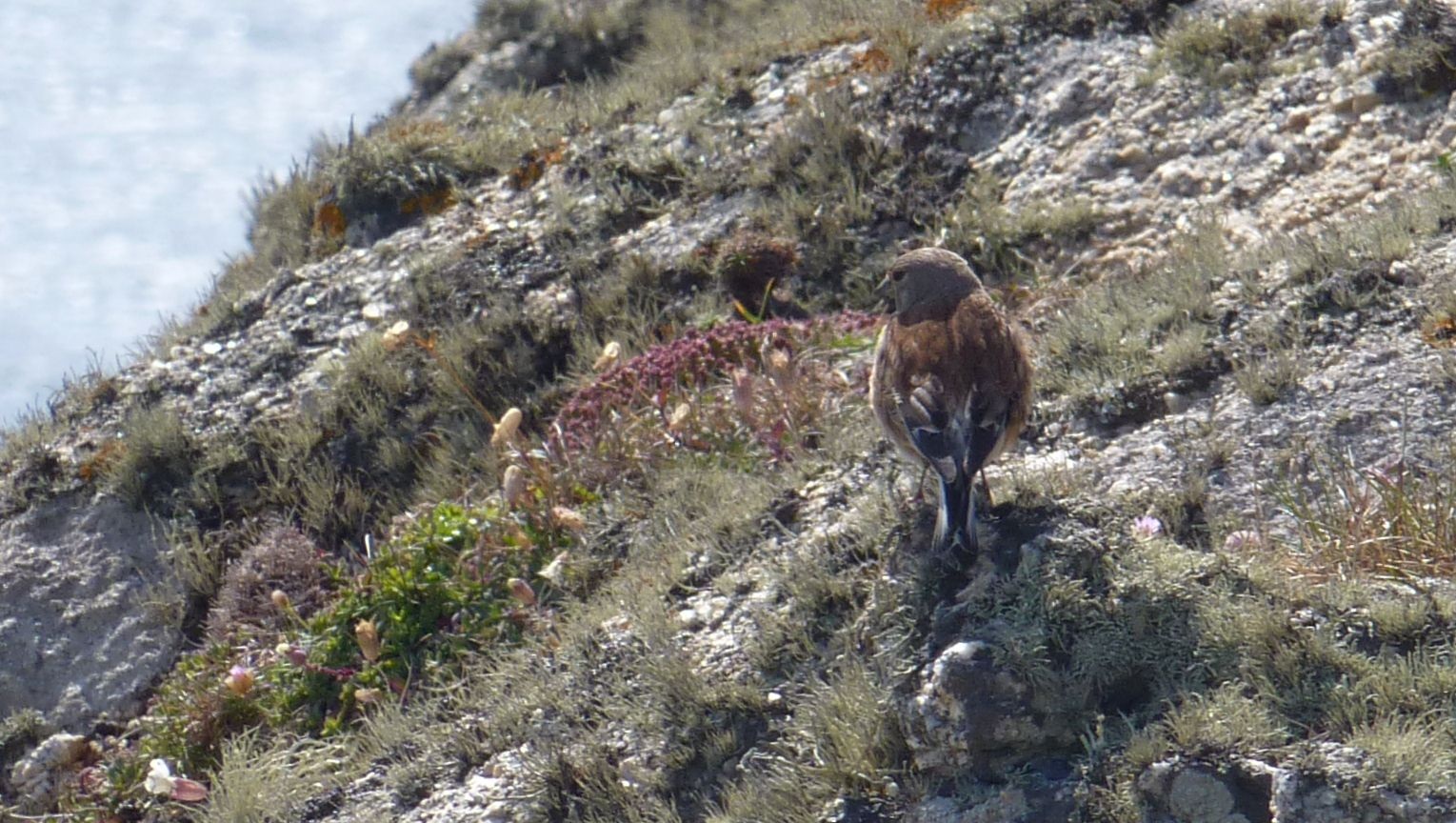
- The back of a female linnet
-
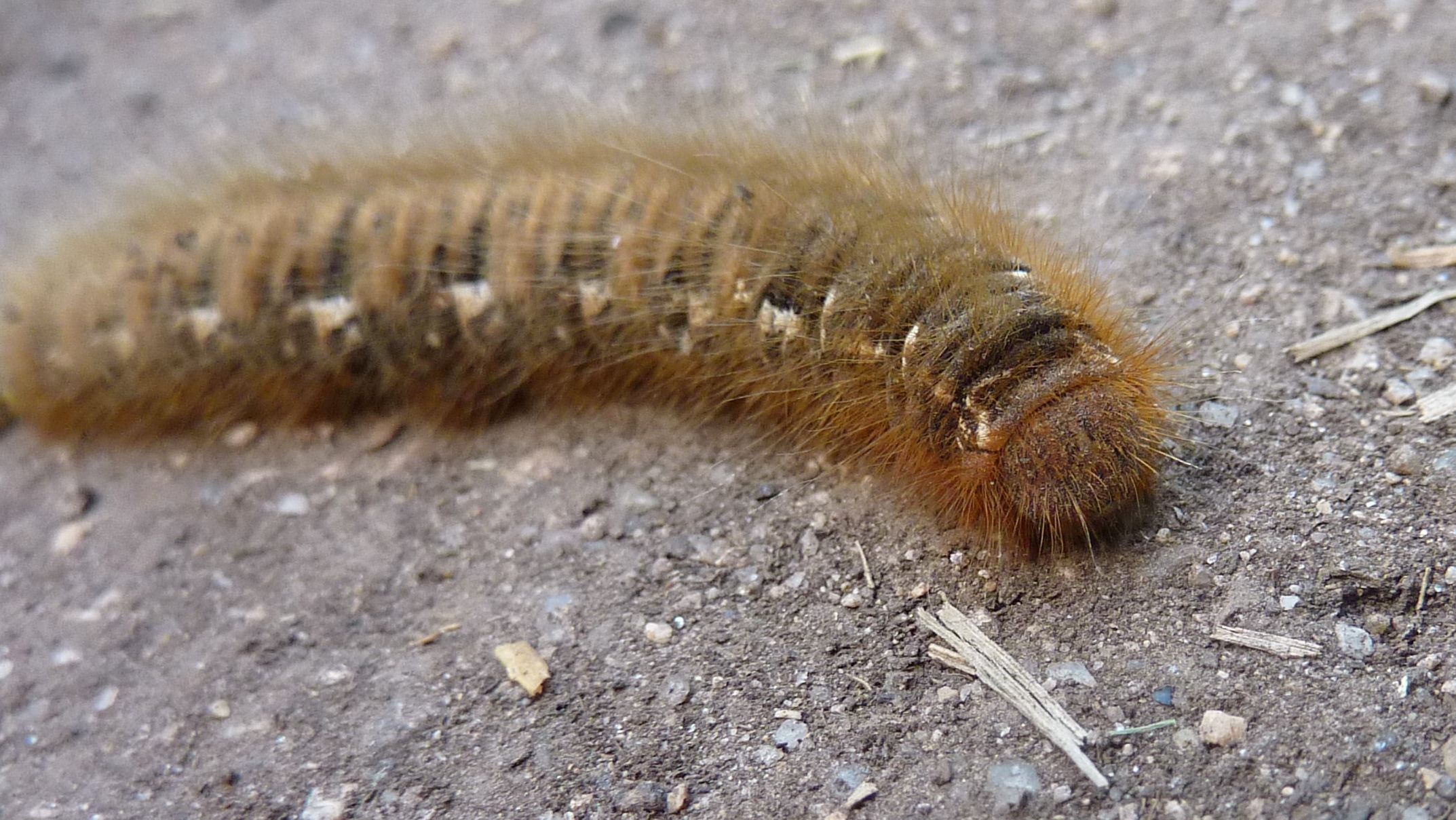
- Oak Eggar moth caterpillar (Lasiocampa quercus)
-
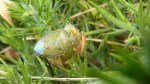
- A shield bug, probably gorse (Piezodorus literatus)

-
- A very vocal sedge warbler
-

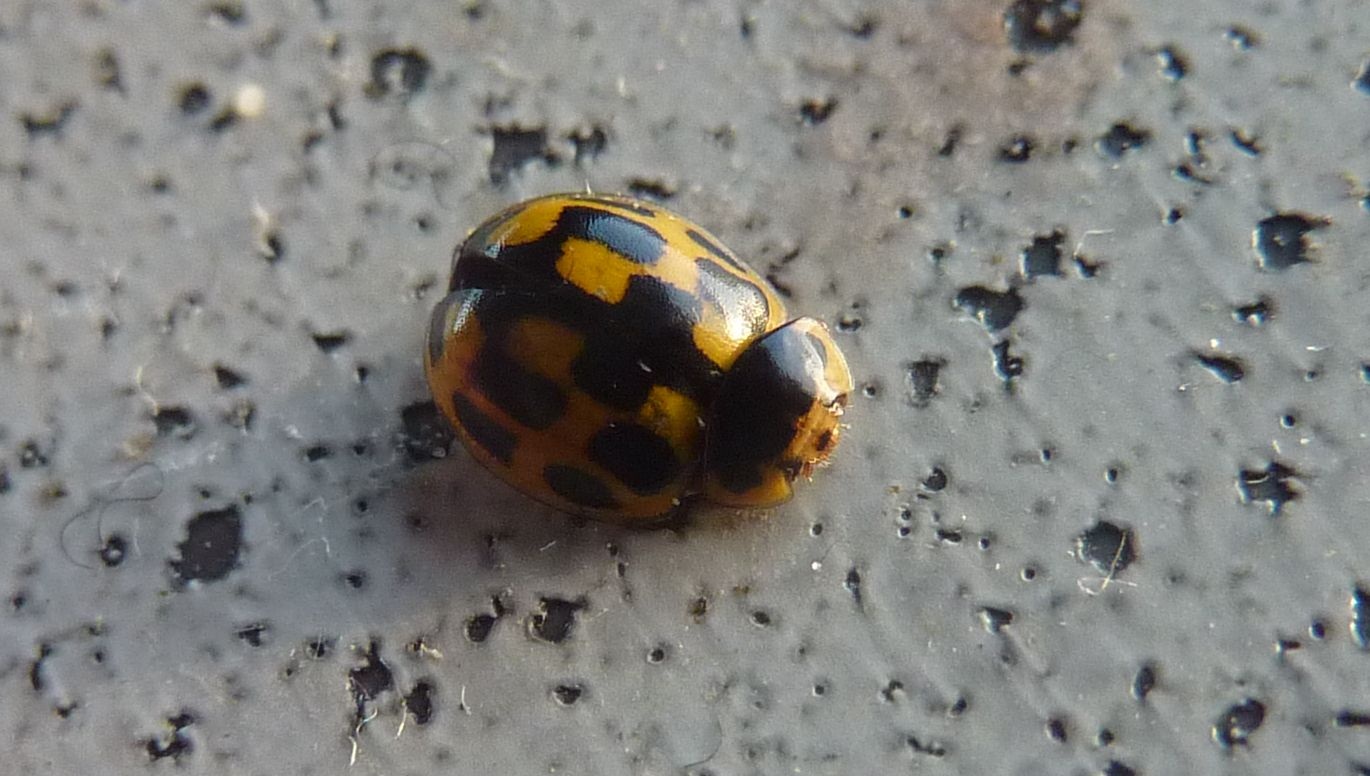
- A slightly dead 14 spot ladybird, thanks to some unplanned time in my boot.

 Life since the office
Major endorsements