
Some family pics
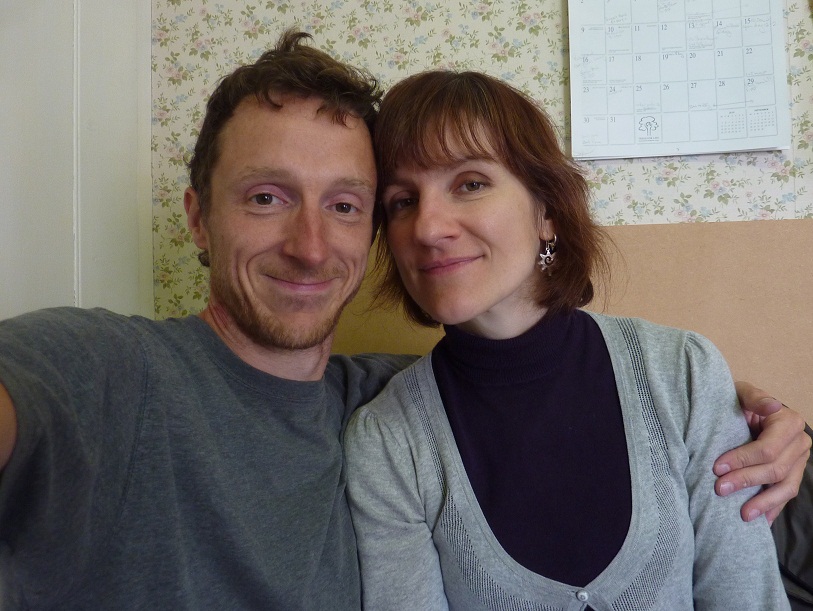
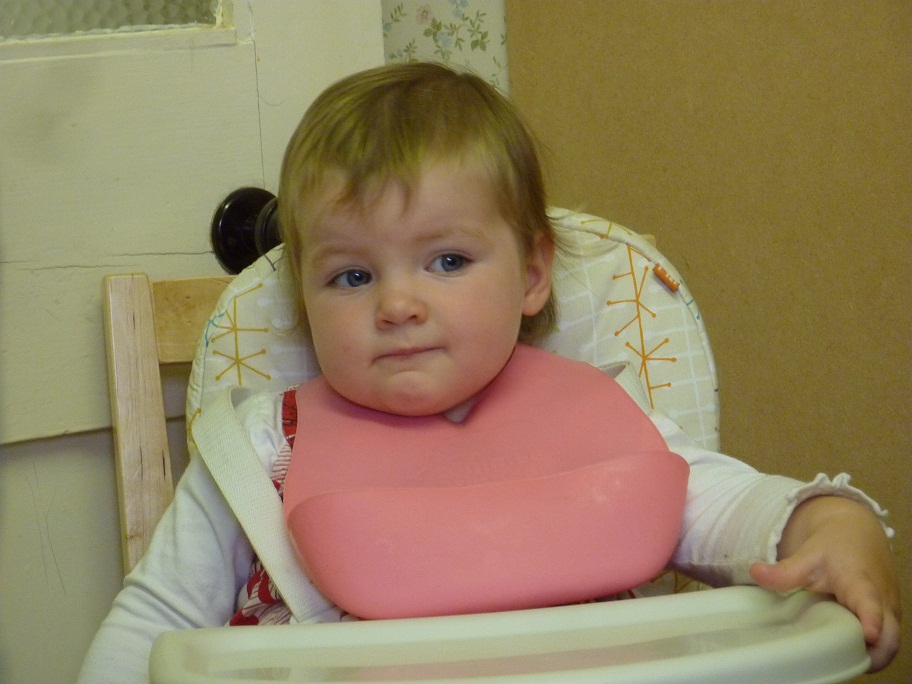
Before heading North for the Autumn season, the Exmouth clan popped round for some lunch. Here are some pictures, mostly for you Mum…
-

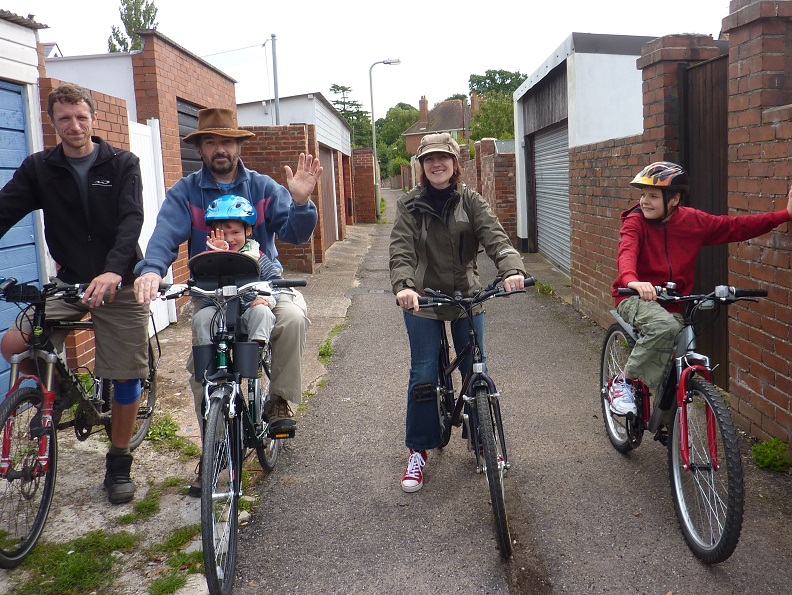
- So we’re off to see the Red Arrows fly-over
-
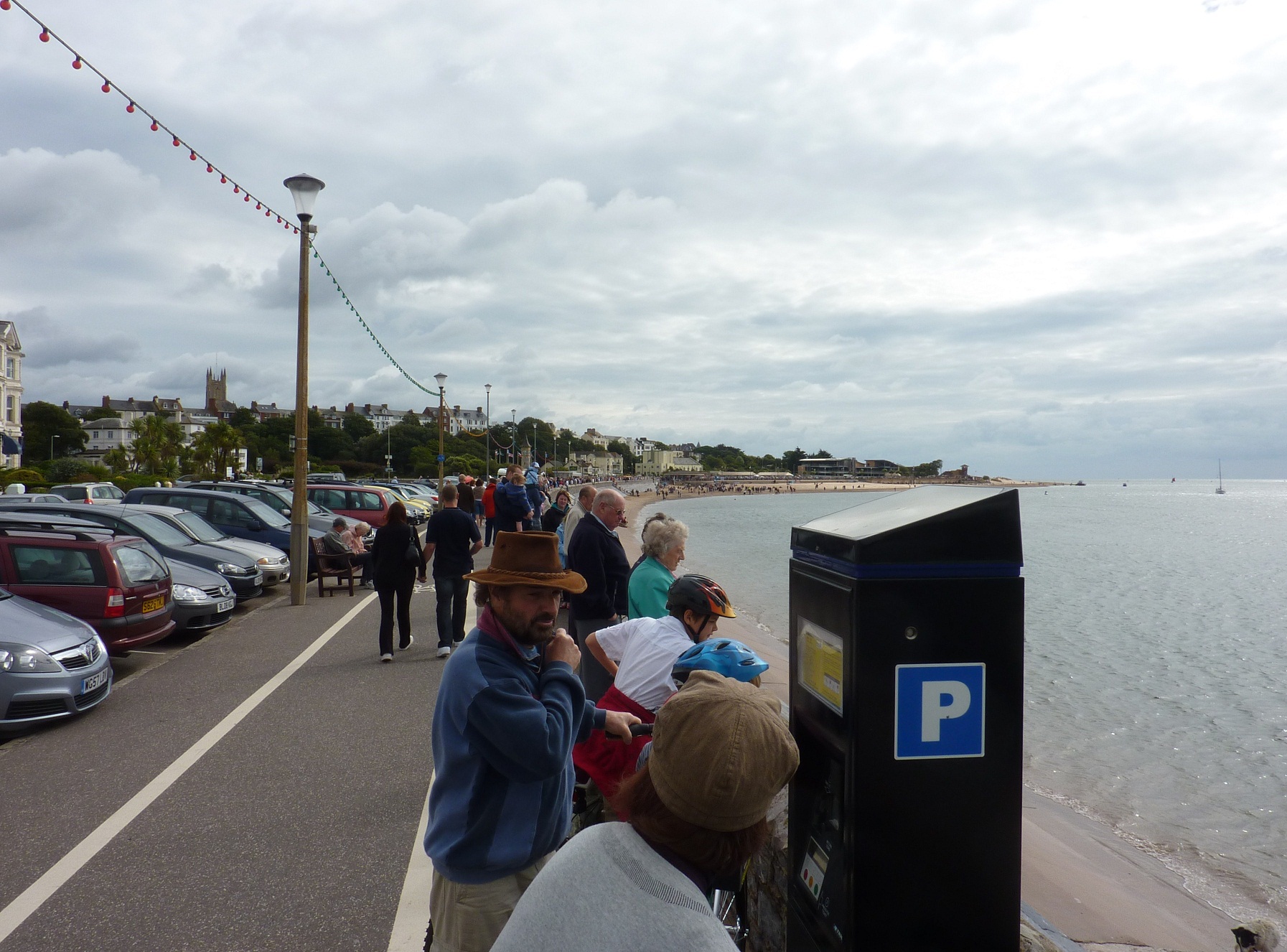
- And so, Exmouth watches while they fly over, and don’t come back…
-

- The Flynnster with Zachary Quack and Bobo

-
- Here’s one for you Mother.
-
- Lolo
-
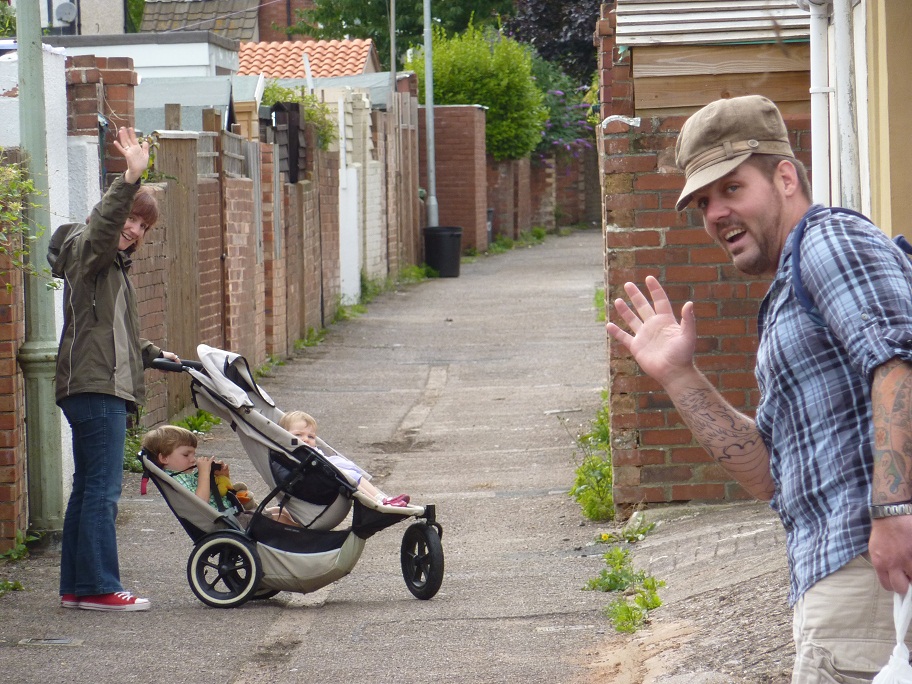
- The more eccentric side of the family.
Creatures of the allotment
Before leaving for Scotland I spent some time up the allotment, with Mum. I hoped to get some shots of insects in action. These are some of the (mixed) results…
-
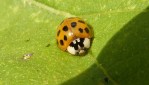
- Harlequins (invasive non-natives) are now a common site in Exmouth
-
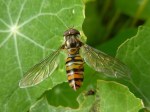
- This hoverfly is cleaning it’s back with it’s back legs
-
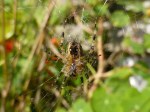
- A garden spider. I love spiders.
Dartmoor, day 2
My first night in the van for some time (early June?), was accompanied by the heaviest downpour Devon has experienced this summer. However, it felt like home, and apart from waking at one point due to dreaming that the rain was inside the van with me, I slept pretty well. Myself and Dave waited for the weather to subside a little before walking around Venford reservoir, and then on to the very attractive woods alongside the river Dart.
-
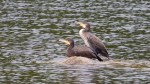
- A couple of cormorants waiting for the sun to come out
-
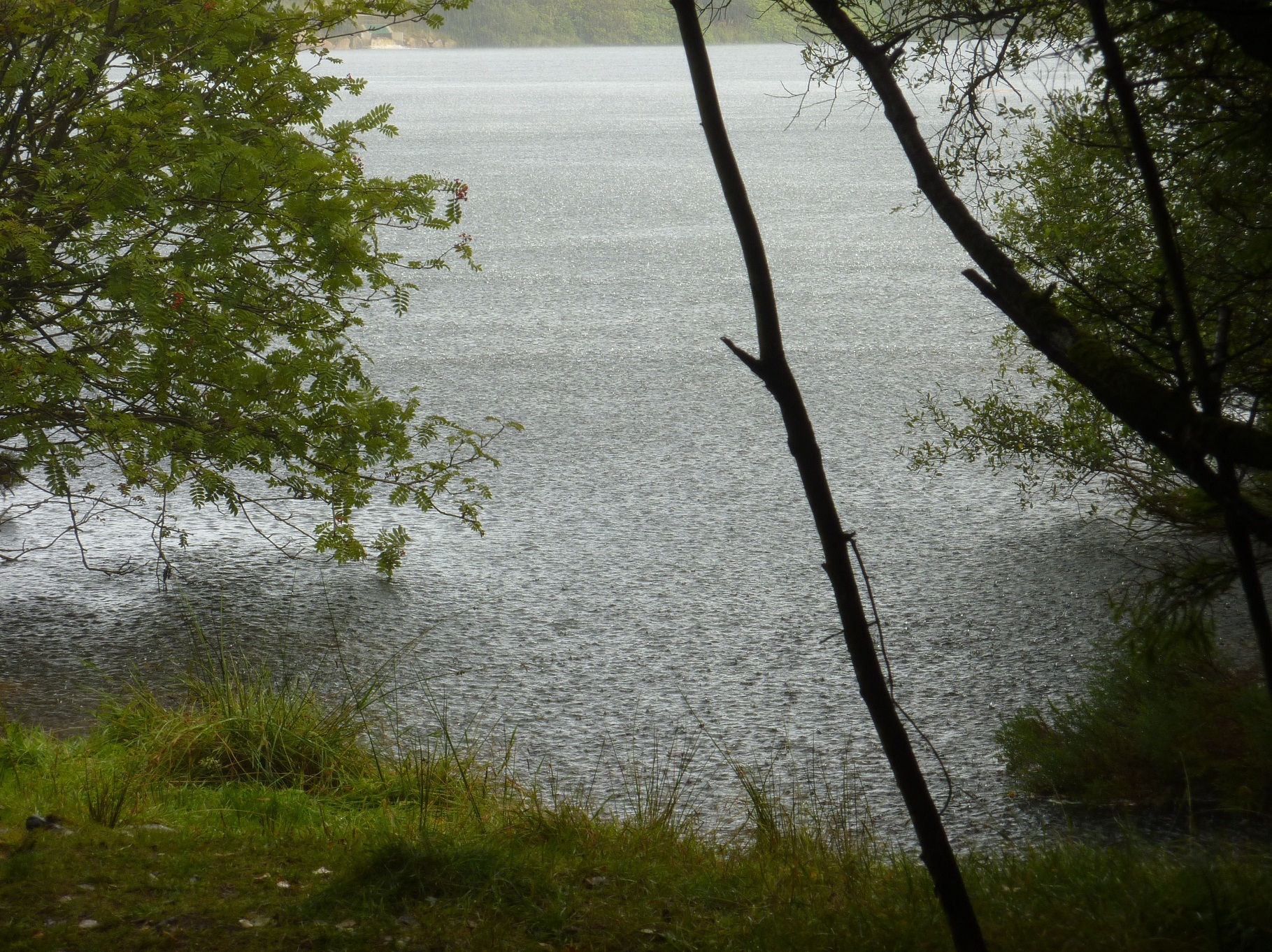
- Hmm…
-
- Then, suddenly…

-
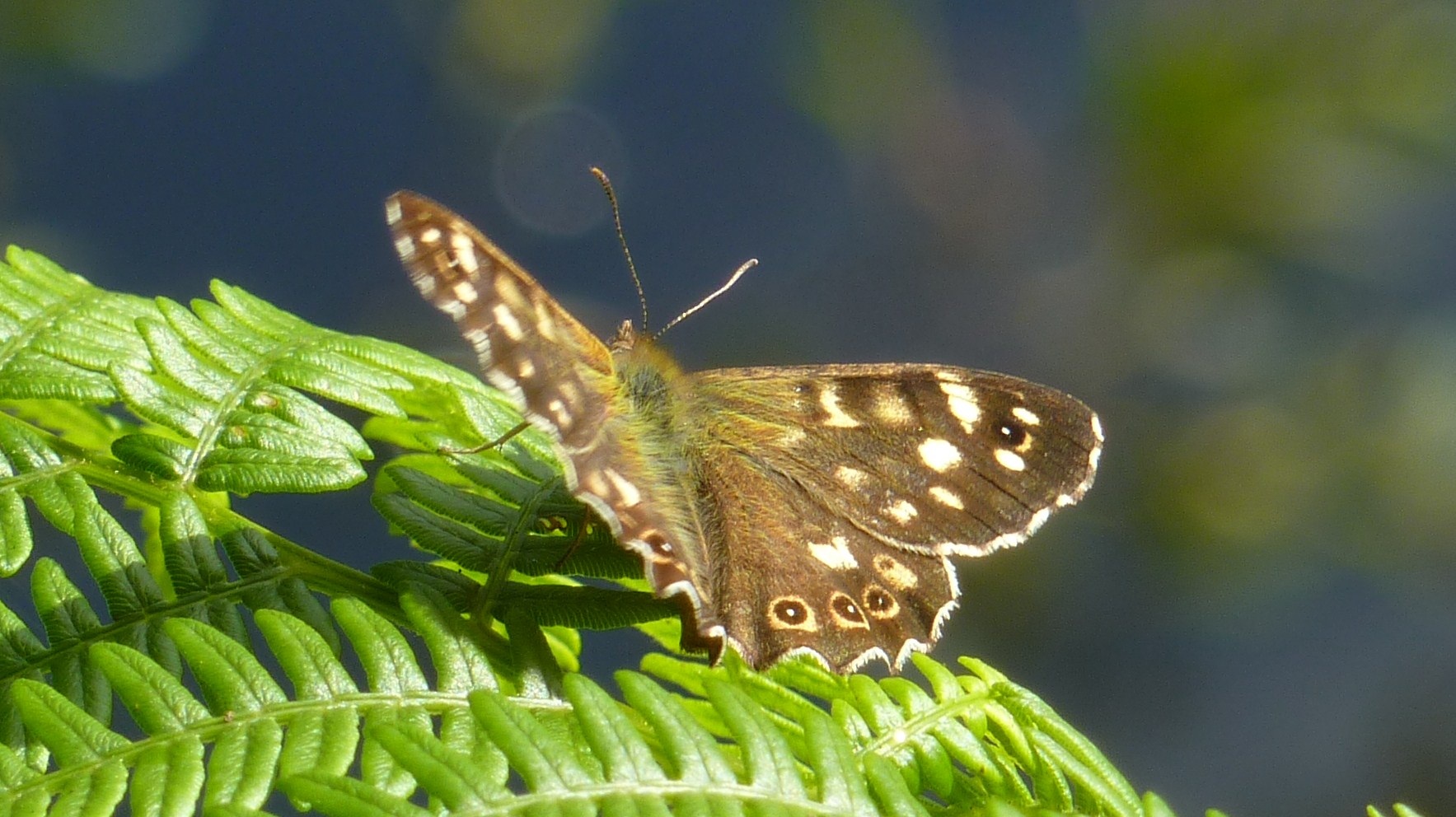
- A Speckled Wood (Pararga aegeria), possibly a first for me
-
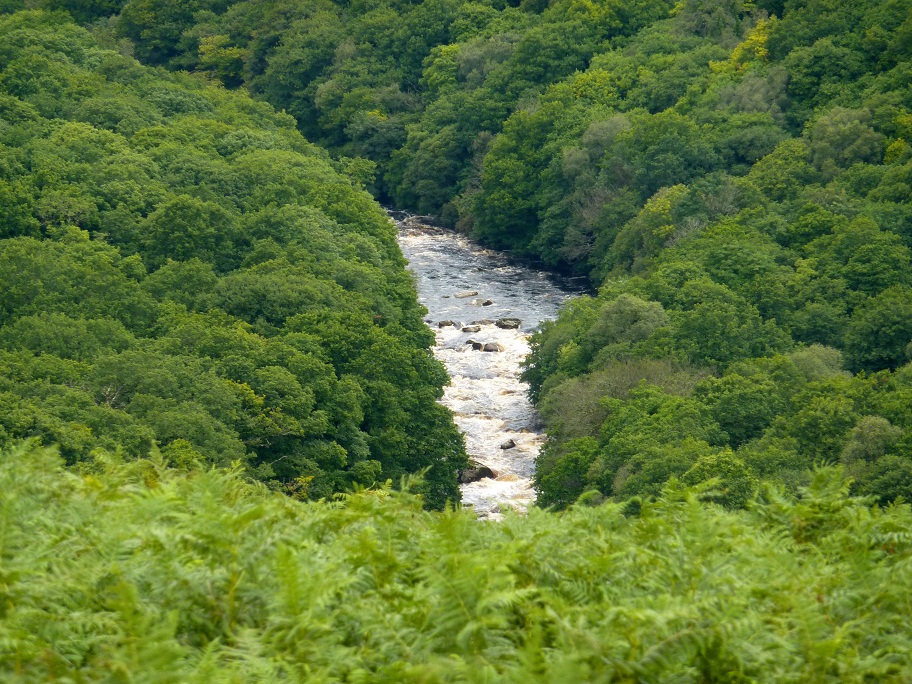
- The Dart. Wow.
-
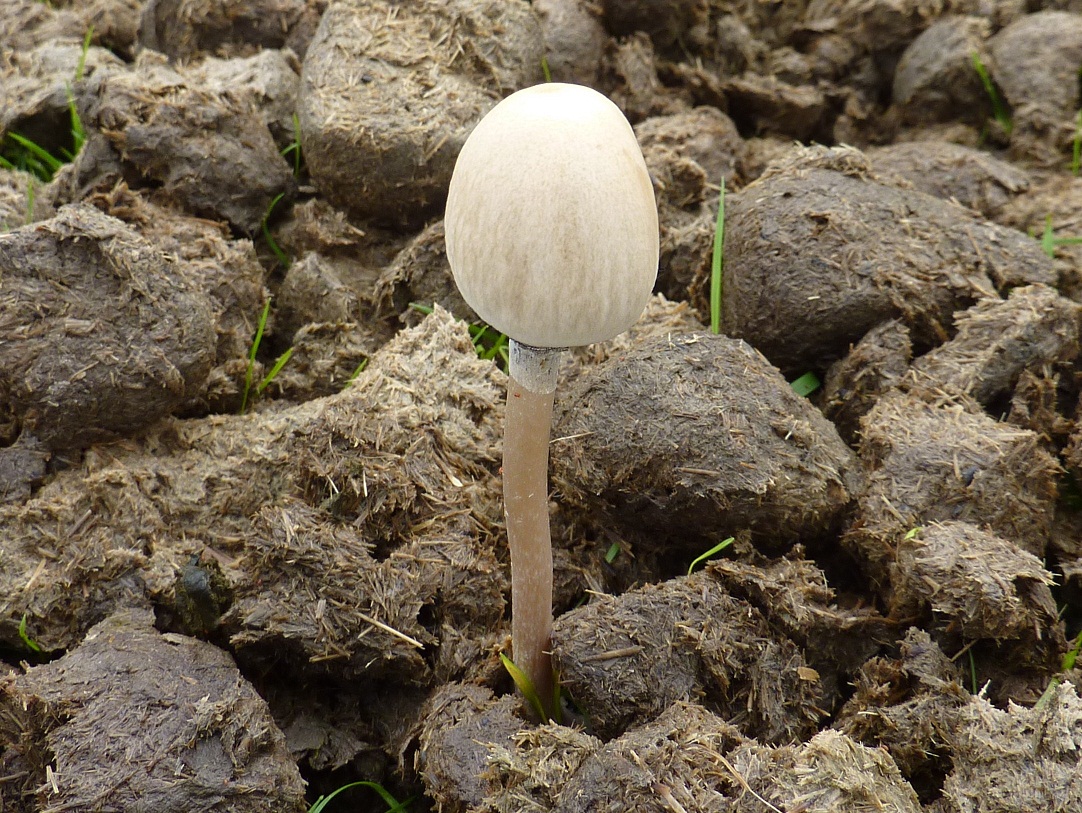
- I think this is Panaeolus semiovatus, Dung Roundhead
-
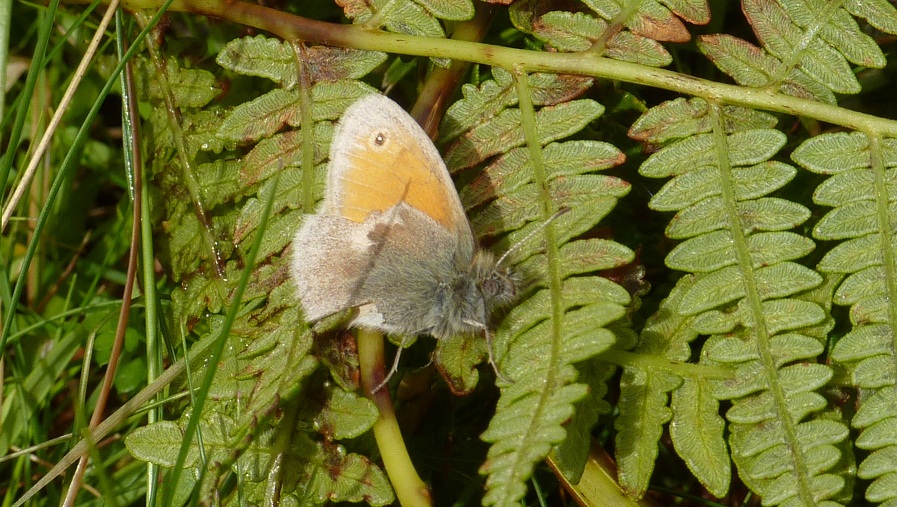
- A Small Heath
-
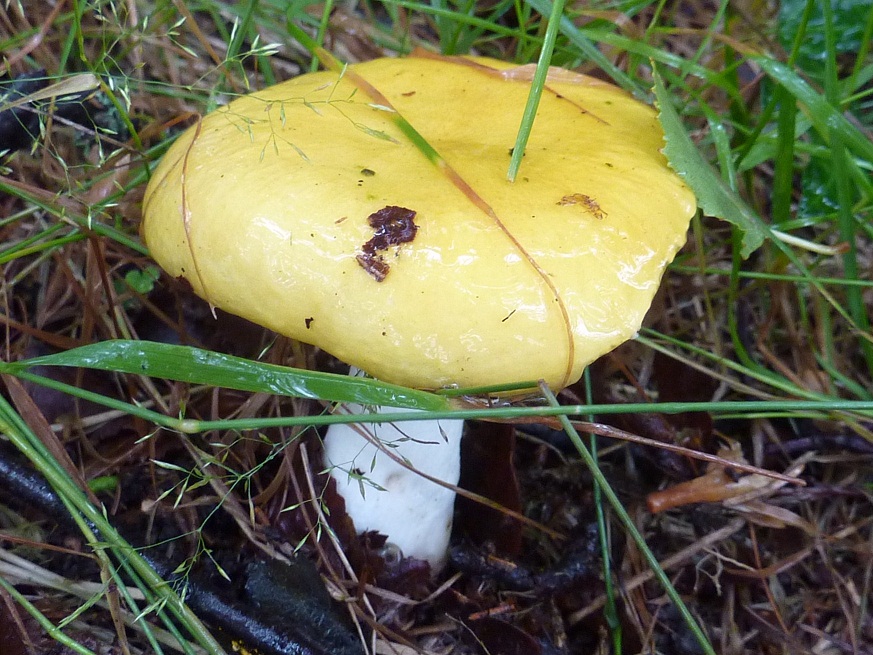
- A Yellow Russula, Russula claroflava. Not 100% sure of its English name
Wistman’s Wood
As I’m off to Scotland soon, and Dave had some free time, we decided to get together to explore some of nearby Dartmoor. First we walked to Wistman’s wood, then, before the rain became too heavy, we camped up in a car park near Venford reservoir.
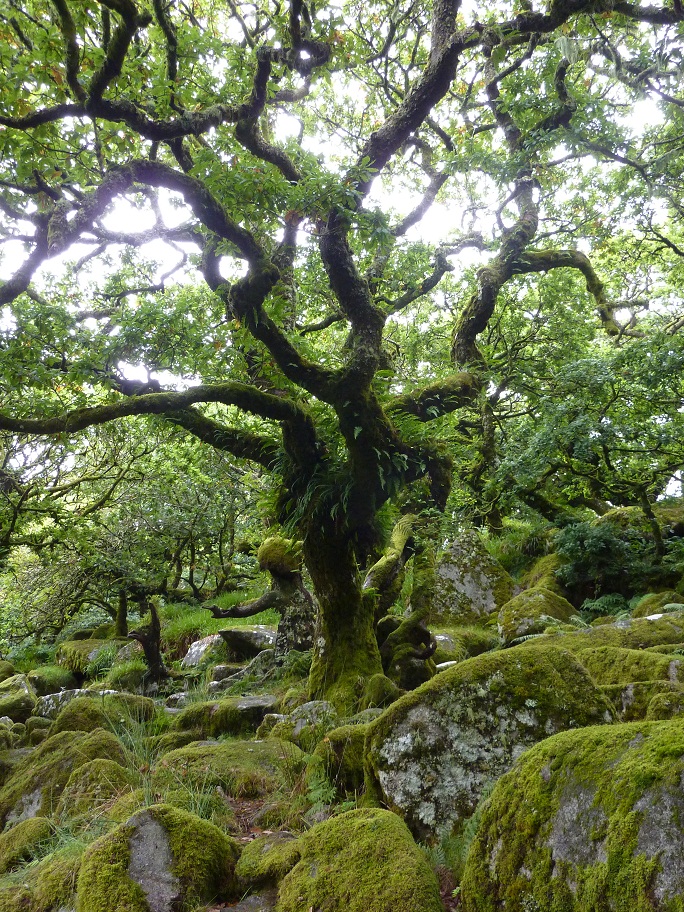
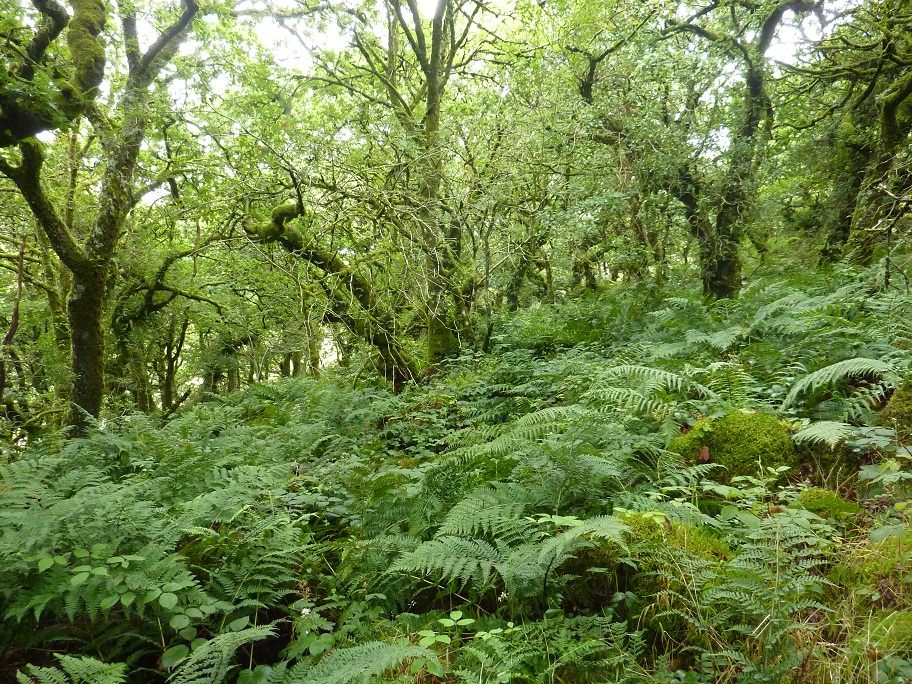
Wistman’s wood is a beautiful piece of Oak wood not far from Two Bridges. It’s dominated by gnarly, character rich oak trees, with the occasional Rowan and Birch. I’m afraid I have no idea of deer numbers in the area, or of what grazing pressures the wood may be under, but I was surprised to find that only a very small section of the wood is fenced off. The area within the fence appears to display considerably more regeneration than that outside.
-

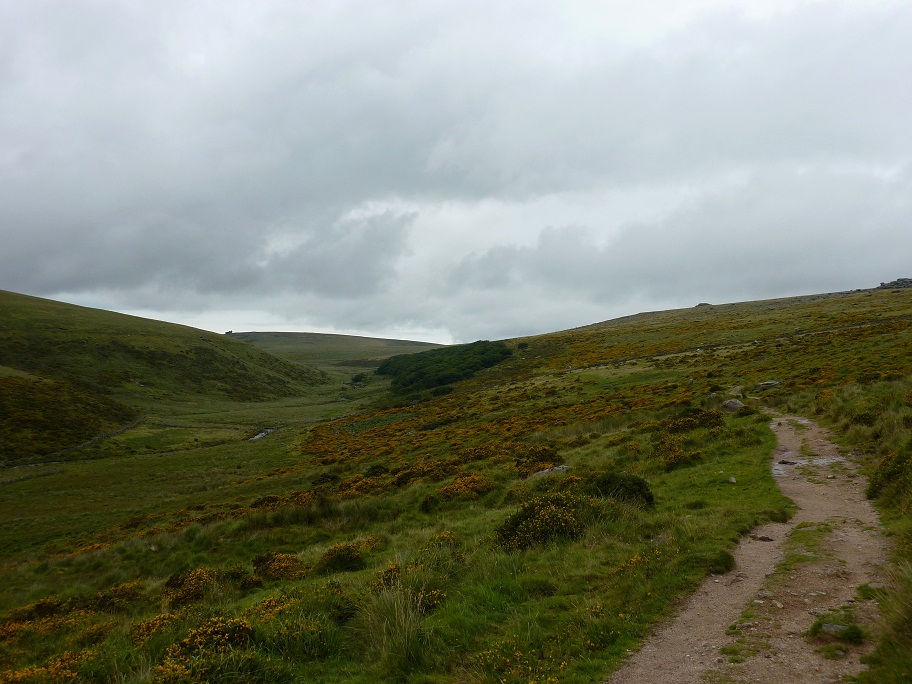
- The woods are a short, well trodden walk from the road

-
- Amethyst deceiver (Laccaria amethystina) it seems. I never knew mushrooms could be so purple

-
- The appearance of the wood inside the fenced area is markedly different to that outside
-
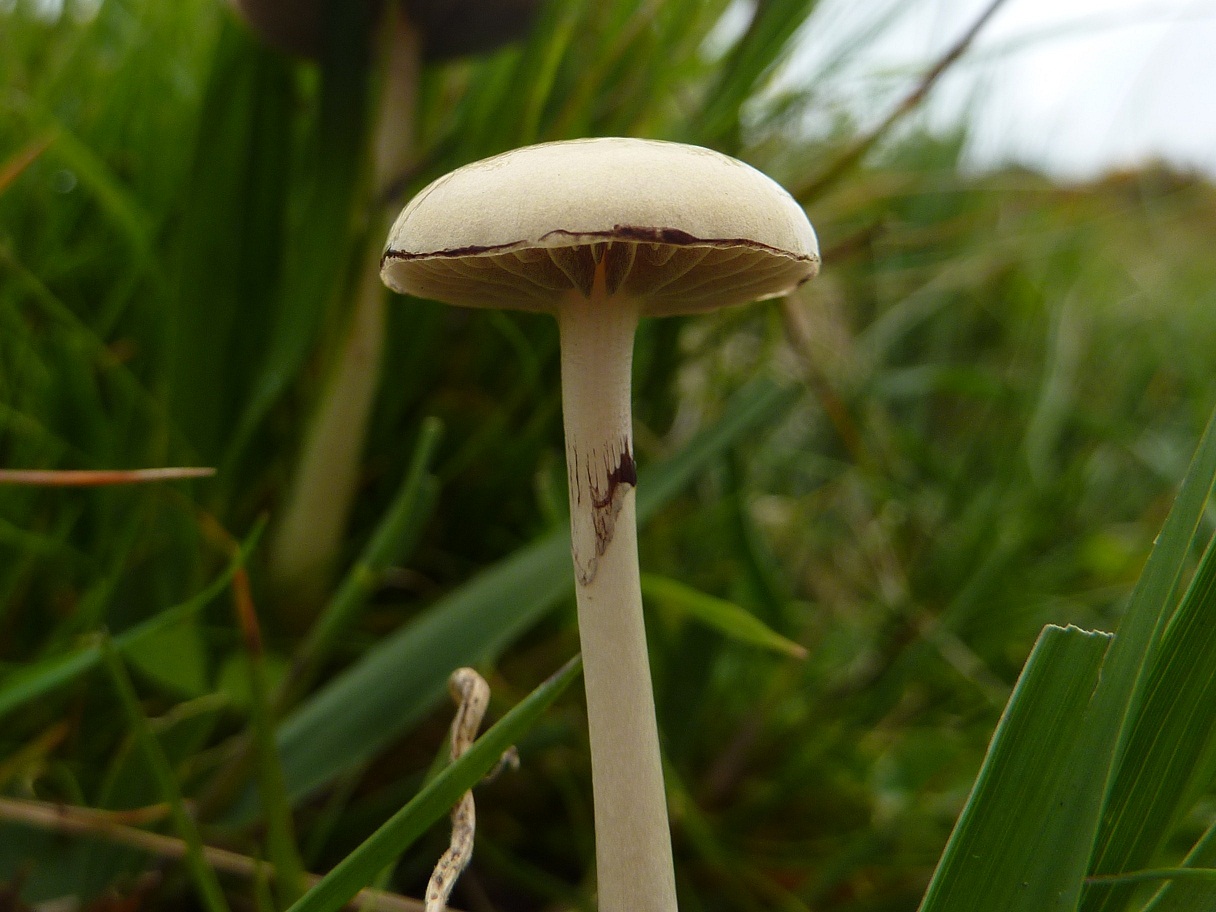
- Still trying to work out what this is…
-
- A seemingly juvenile Redstart

-
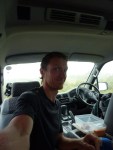
- After our walk we settled down for some refreshments

-
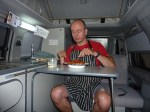
- and Dave cooked up some food. Nice apron Dave.

-
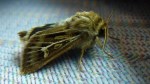
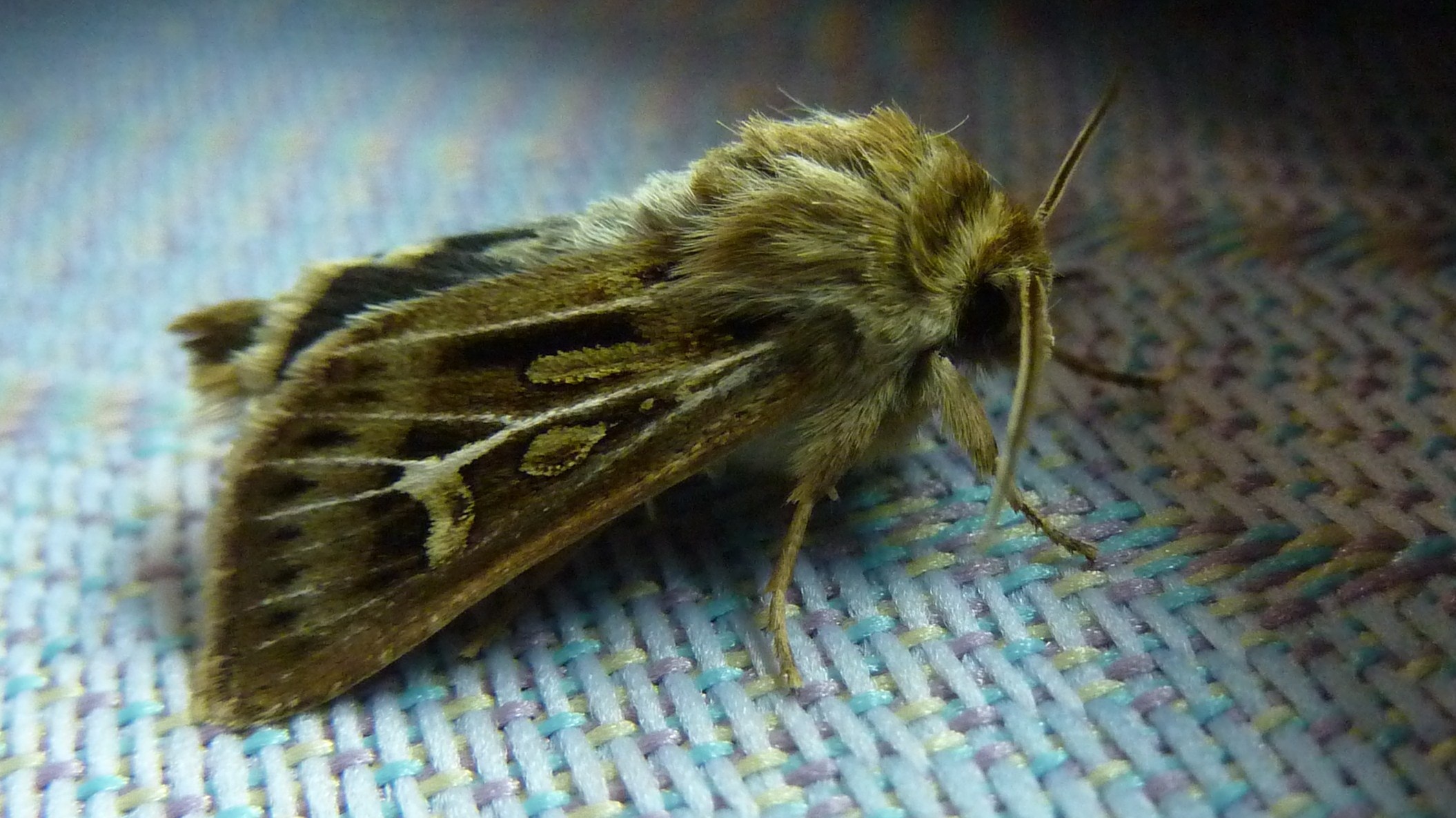
- Antler moth (Cerapteryx graminis), in the van
Lancaster bomber?
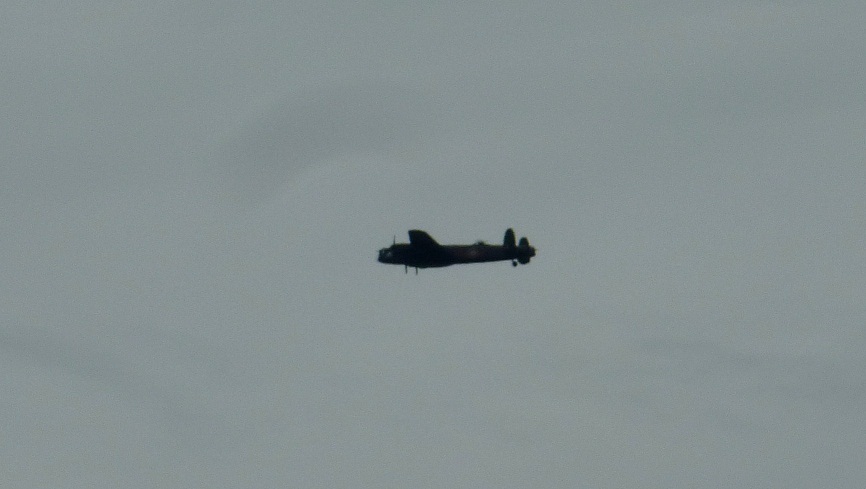
There was a plane approaching that sounded different to anything I could remember hearing before. A louder, more clapping sound than the normal single propeller planes that fly over. So, I thought I’d go out and check it out. Just as I did a plane with four props banked around over head and over the houses into the distance. By the time I’d run inside to grab my camera it had finished another curving, banking flight over Exmouth, and I finally caught a brief glimpse of it being accompanied by a much smaller single prop fighter, as it flew back in the direction it had come from.
I’m guessing it was a Lancaster bomber, accompanied by a Spitfire. I just can’t imagine what kind of a noise tens, or maybe hundreds of these planes would have made when taking off. Or how hearing the sound of their engines, in the distance, after they’d been away for hours must have been so emotive. Just hearing one flying overhead somehow left me feeling melancholy.
-

- After grabbing my camera I was just in time to see the bomber disappear over the nearby roofs

-
- On its way back the autofocus let me down
Arne – week two
Week two included a fire, survey work, an amazingly successful heathland amble and plenty of general maintenance, mostly with Trevor one of the estate workers. The good people at Arne also keep a blog (some great pics get posted there and it’s a useful tool to keep track of migrant birds), which can be found here:
http://www.rspb.org.uk/community/groups/arne/blog/default.aspx
Whilst at Arne I’ve also been running in an attempt to see whether I’m going to be capable of competing in the Baxters Loch Ness corporate 10k, while I’m in Scotland. Every three or four nights I ran to Ridge and back, about 8k, and on my third and final attempt I managed it in under 45 minutes, which I was pretty chuffed with given that I’d had ‘Trev’s gut’ for most of the time I’d been there.
-
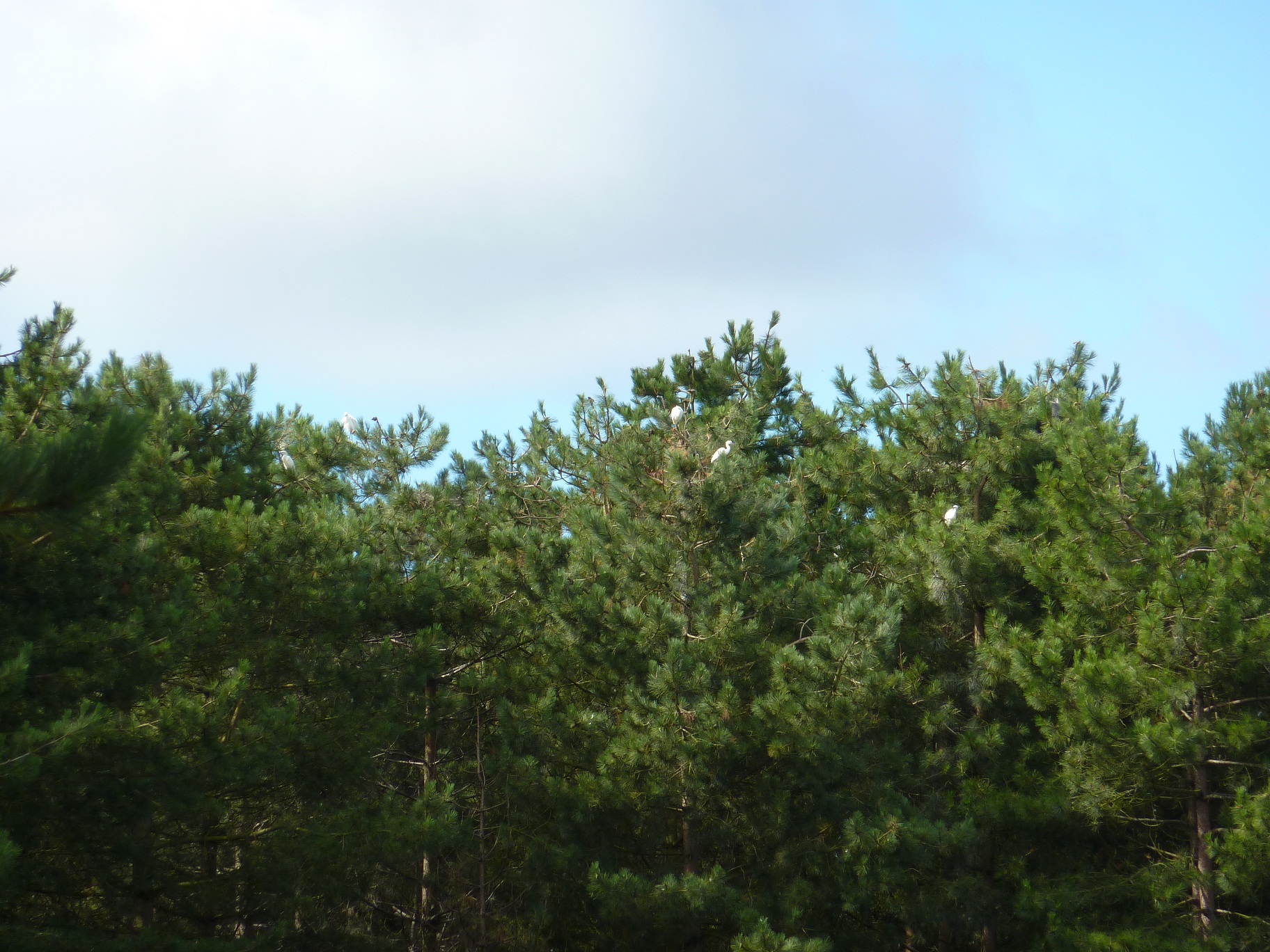
- Whilst wandering (slightly off) the reserve, I stumble across this gathering of Little Egret
-
- A Dartford Warbler. C’mon!

-
- I’m reasonably confident that this is a Spotted Flycatcher, especially as it was repeatedly flying out from the tree and back, as if to catch flies

-
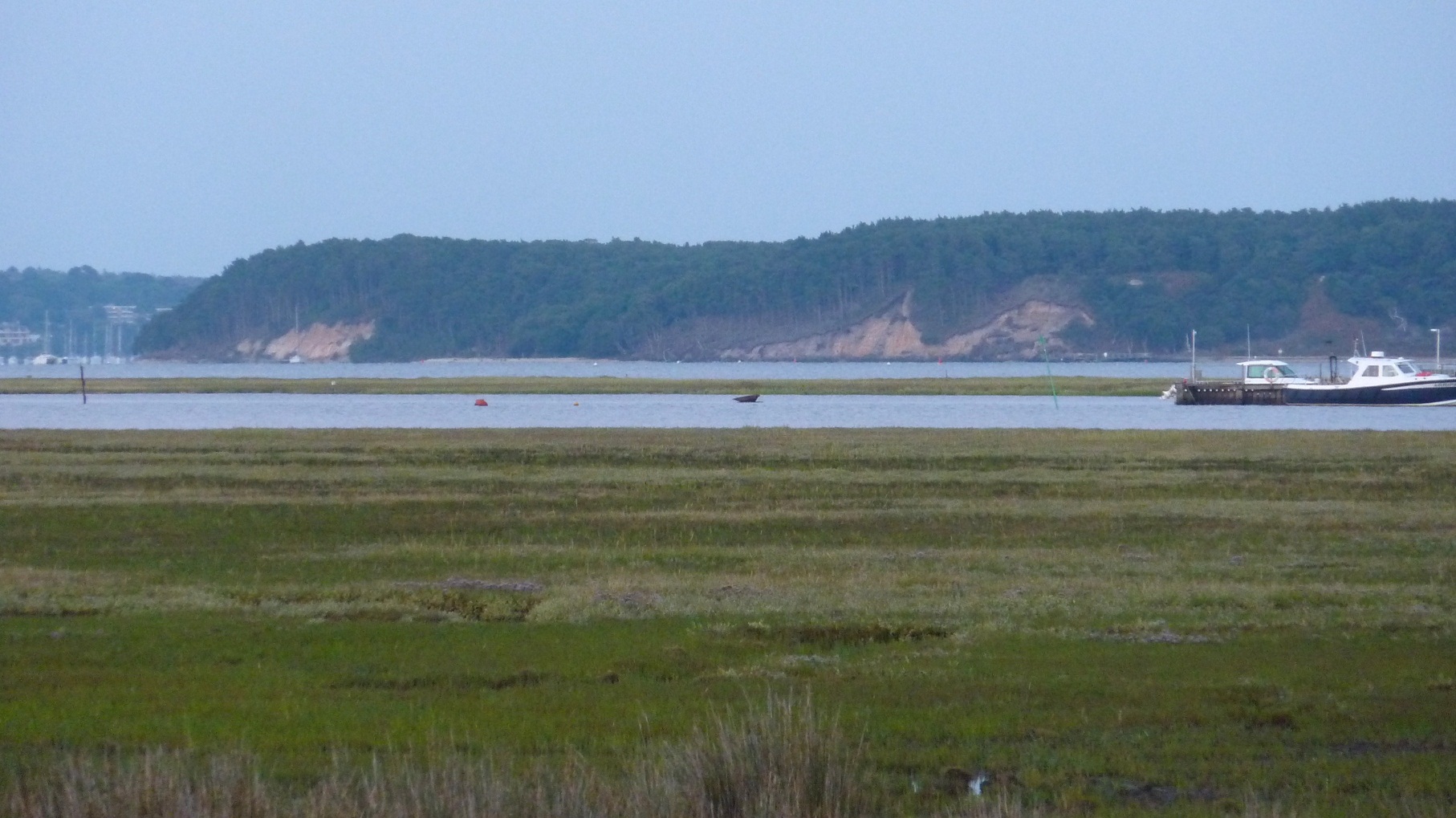
- A lone seal in front of Long Island
-
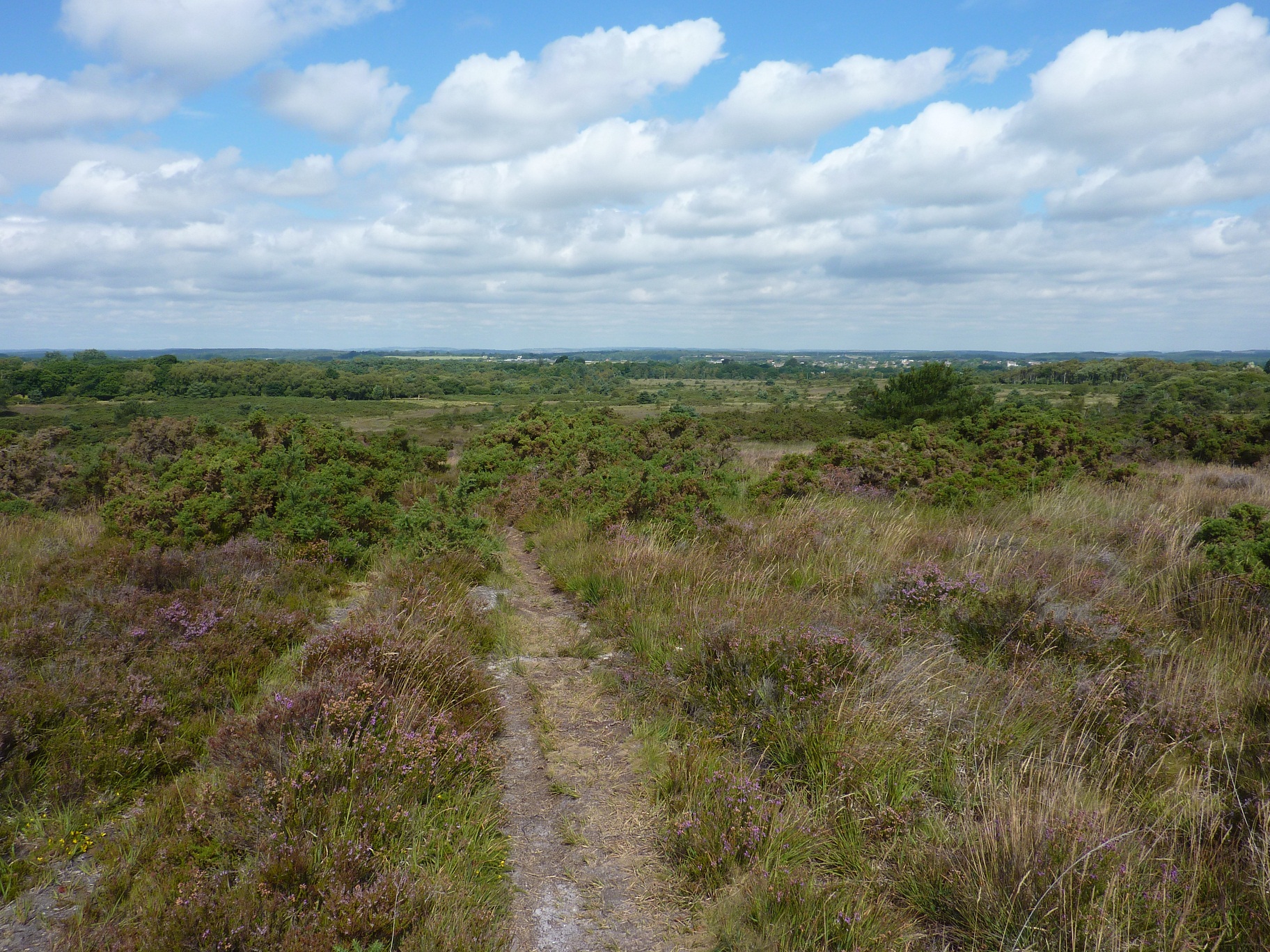
- Stoborough Heath, also RSPB
-
- Laura (a co-volunteer) says look it’s a lizard, and it’s a female Sand Lizard! Get in!

-
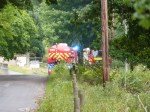
- These are just two of the thousands (seemingly) of fire vehicles that came to put out our heath fire

-
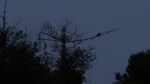
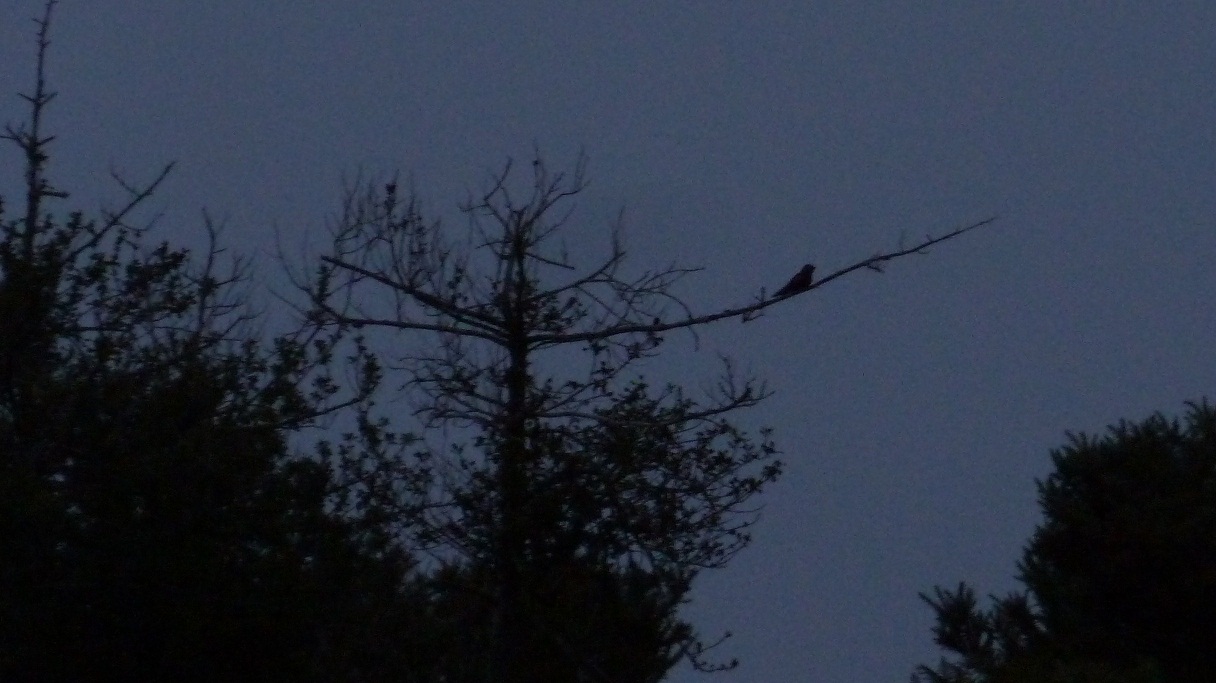
- This photo doesn’t do Nightjars, or the excitement I felt at seeing them, justice. After 4 days of stalking them, to see them hovering in front of me was breathtaking
-

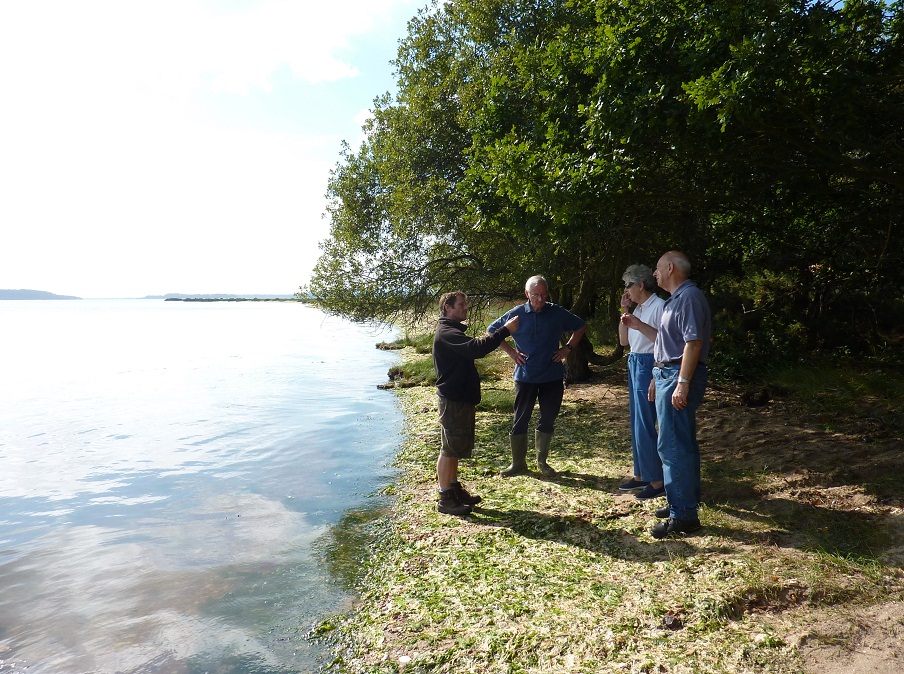
- Craig with local vols John, Harry and Jenny near Gold Point
-
- Wareham Channel

-
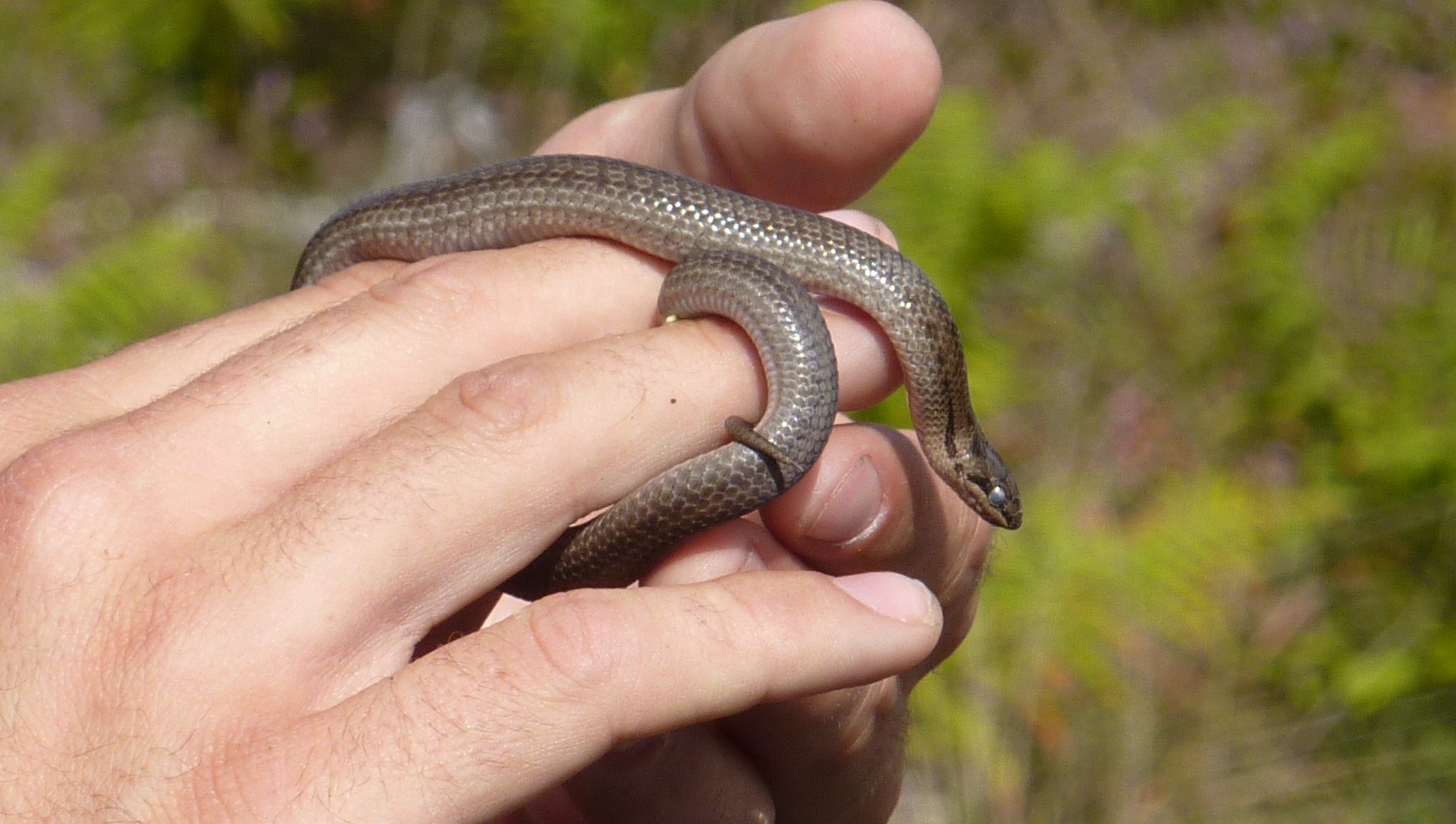
- Week two’s amble produced another Smooth snake, and a Grass snake, Slow worm, newts eating dragonflies, etc …fantastic stuff.
-
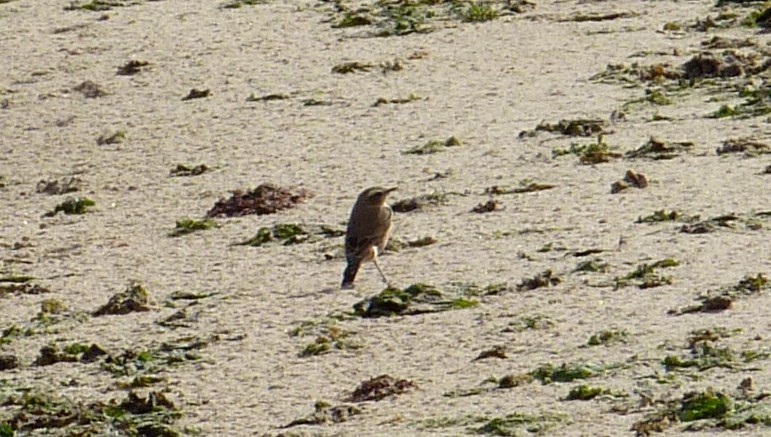
- A female Wheatear
-
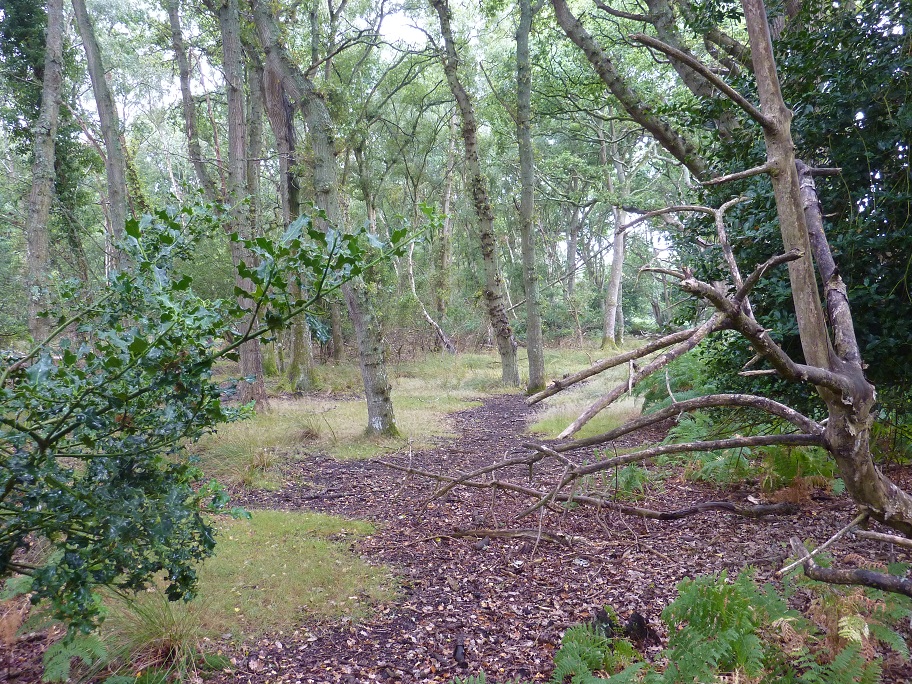
- The beautiful Oak woods behind the clay pit

Arne – other invertebrates
Here are some pictures of invertibrates that don’t fit into the previous two posts. Most notable, I suppose, were the majestic looking dragonflies. In case you’re wondering where the birds on this RSPB reserve are, well the RSPB is not all about protecting birds. In fact it concentrates more on protecting habitats, and improving biodiversity, which in turn should help bird species. And from my point of view, although I saw 67 different species of bird while staying at the reserve, they were a lot more difficult to get good photos of than these invertebrates…
-

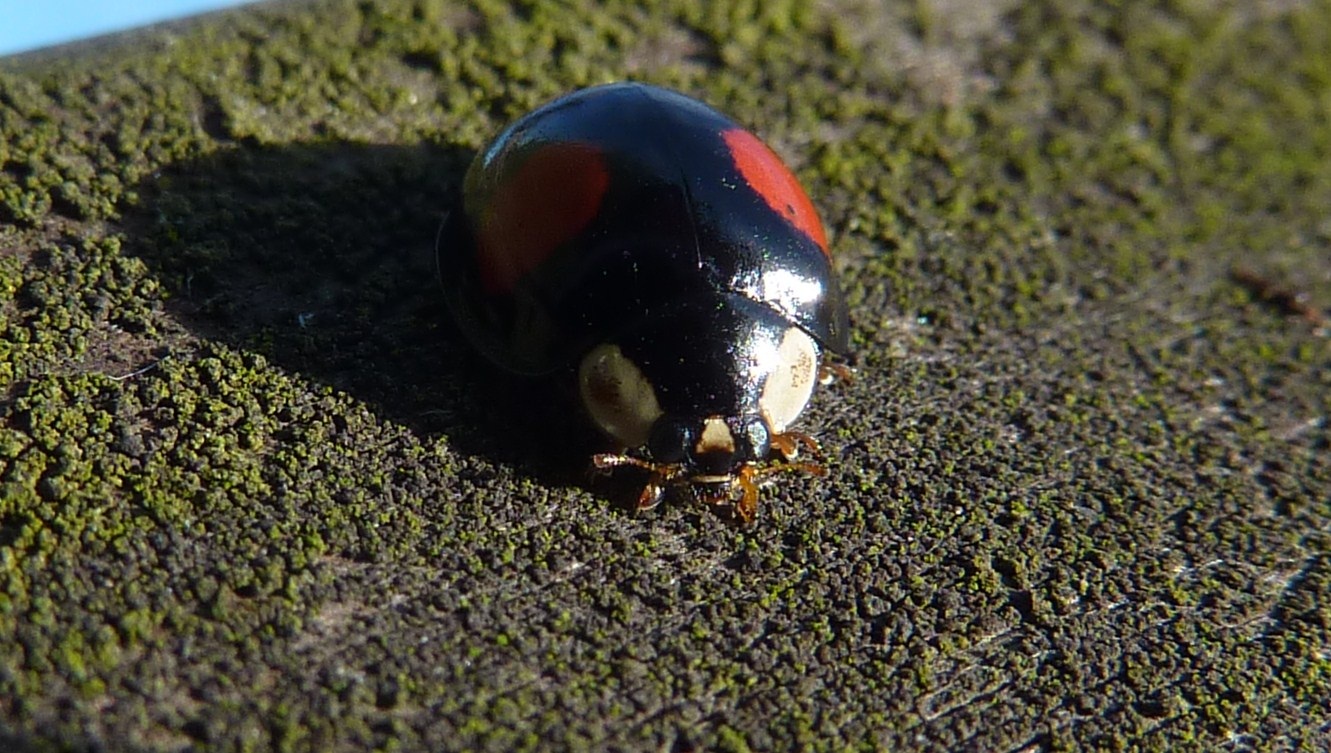
- This is a Harlequin Ladybird. It’s not good news I’m afraid, as it’s been introduced from Asia, without much thought, in an attempt to control so called pests. In the US it’s been associated with severe declines in native species.
-
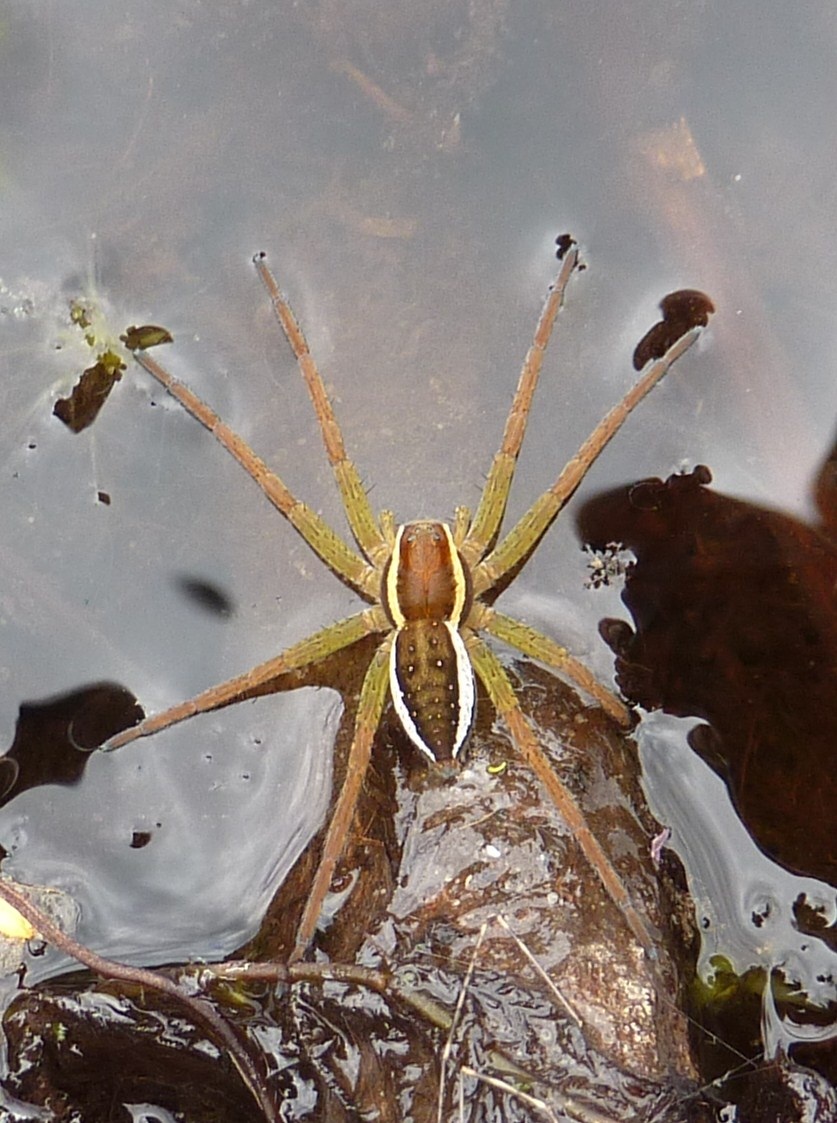
- A raft spider. Something I was very chuffed to see.
-
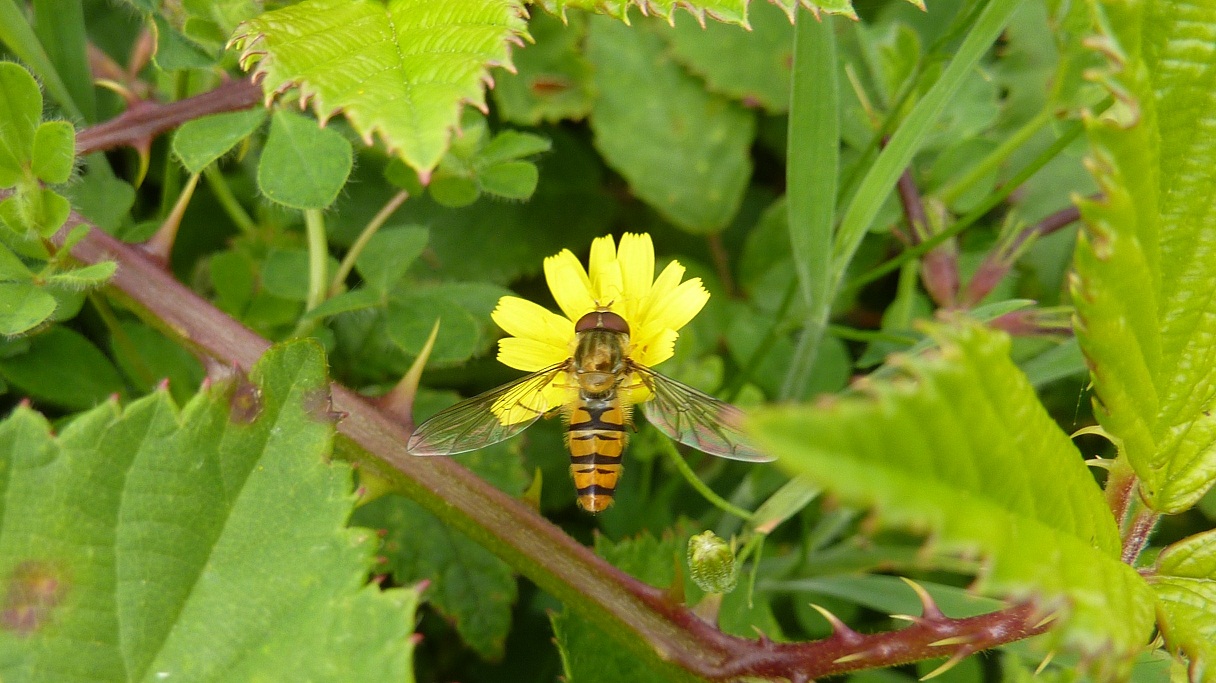
- Probably a fairly common type of hoverfly. Apparently most id is done by comparing their genitalia
-

- I think this is Bombylius Major.

-

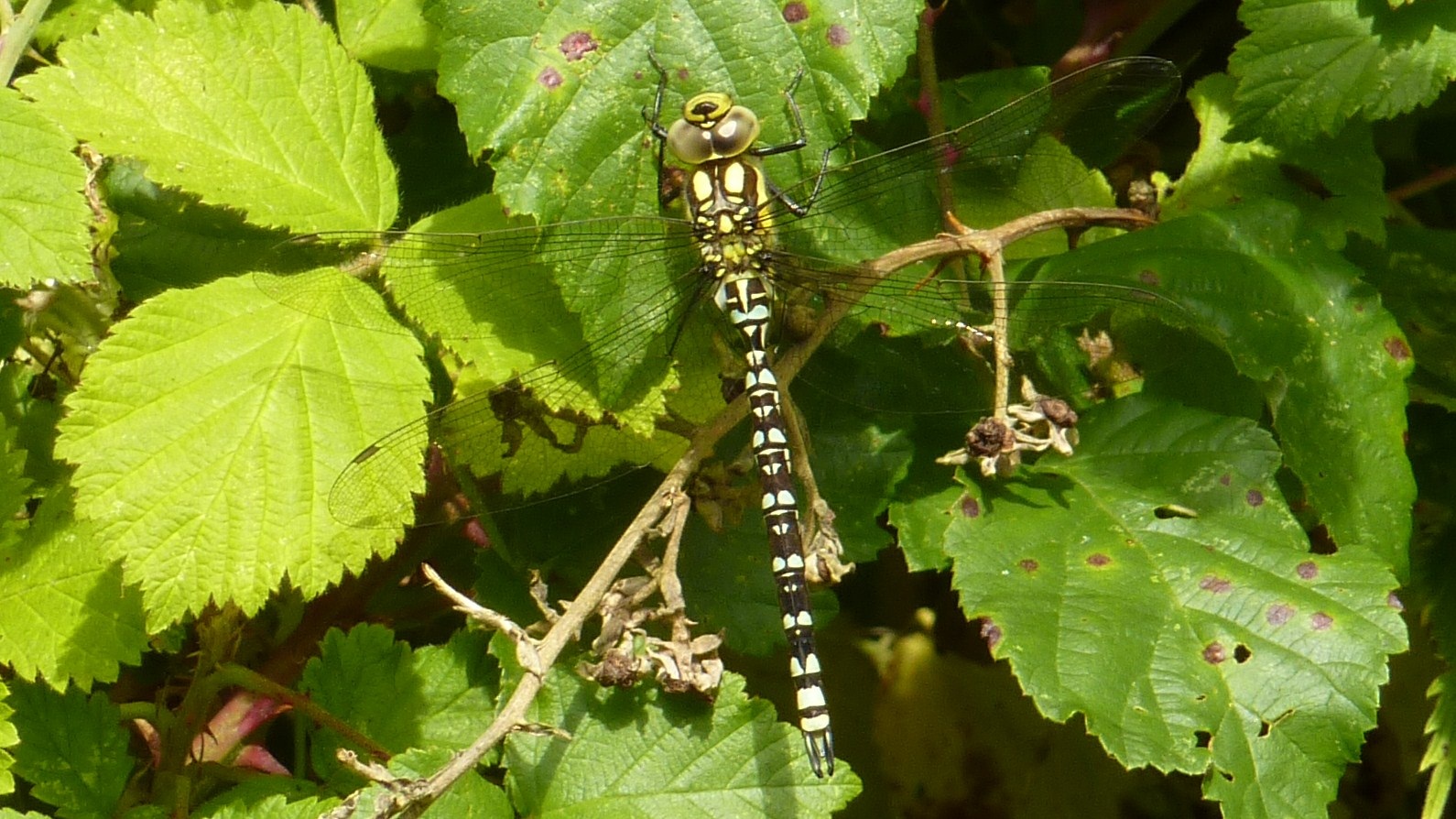
- A Southern Hawker (Aeshna cyanea)
-
- A Gold Ringed (Cordulegaster boltonii)

-
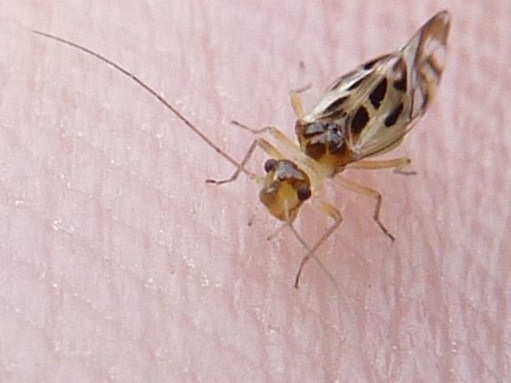
- I’ve no idea what this tiny wee fella is
-
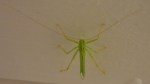
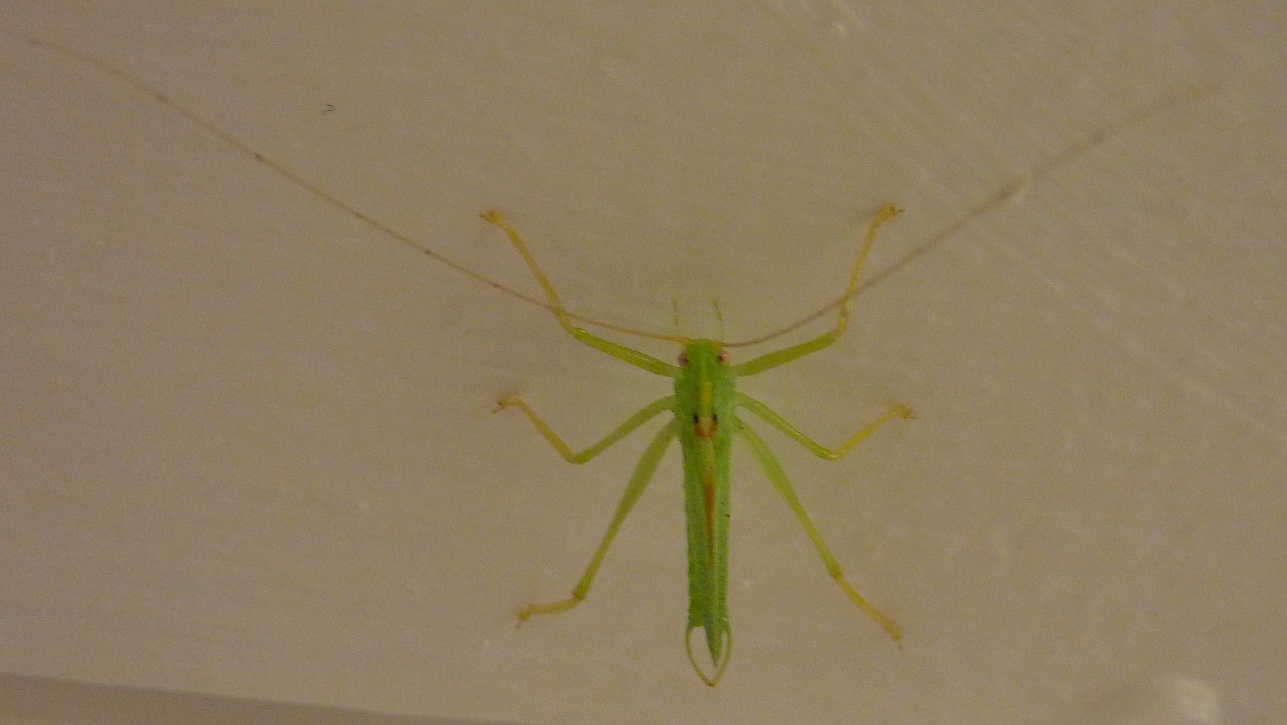
- This was hanging about in the gents
Arne – moths and butterflies
I also saw some butterflies that I can’t ever remember having seen before (the comma and common blue), and some quality caterpillars…
-
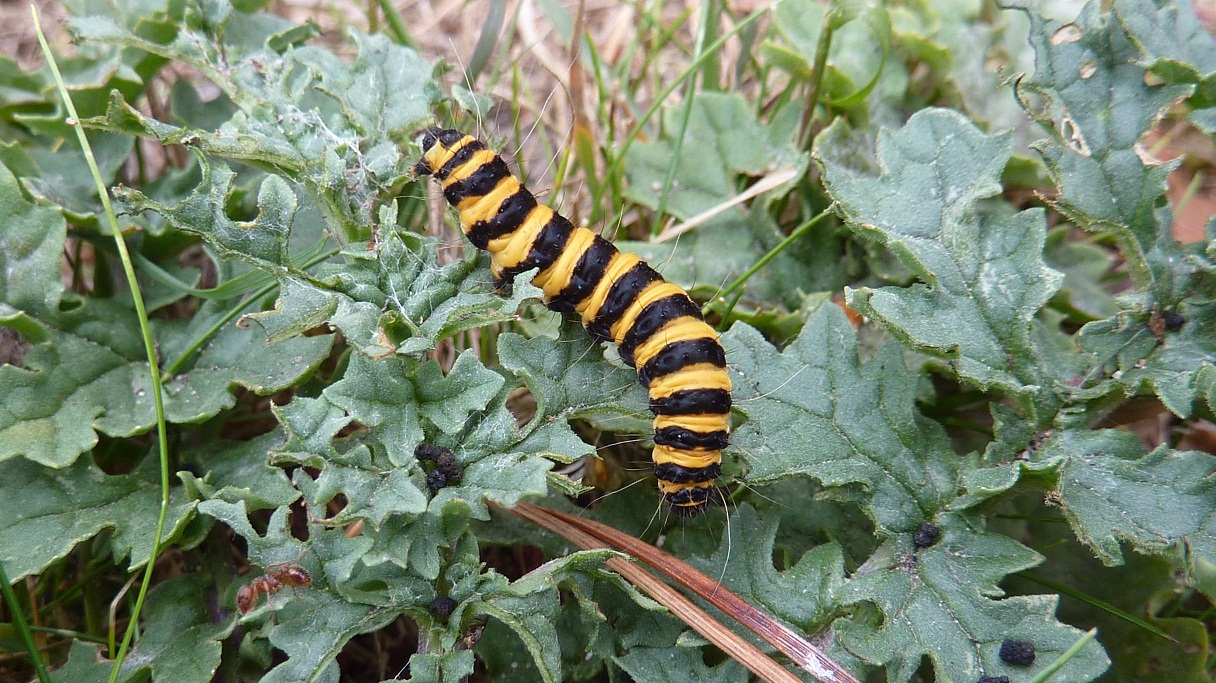
- An adolescent Cinnabar Moth
-
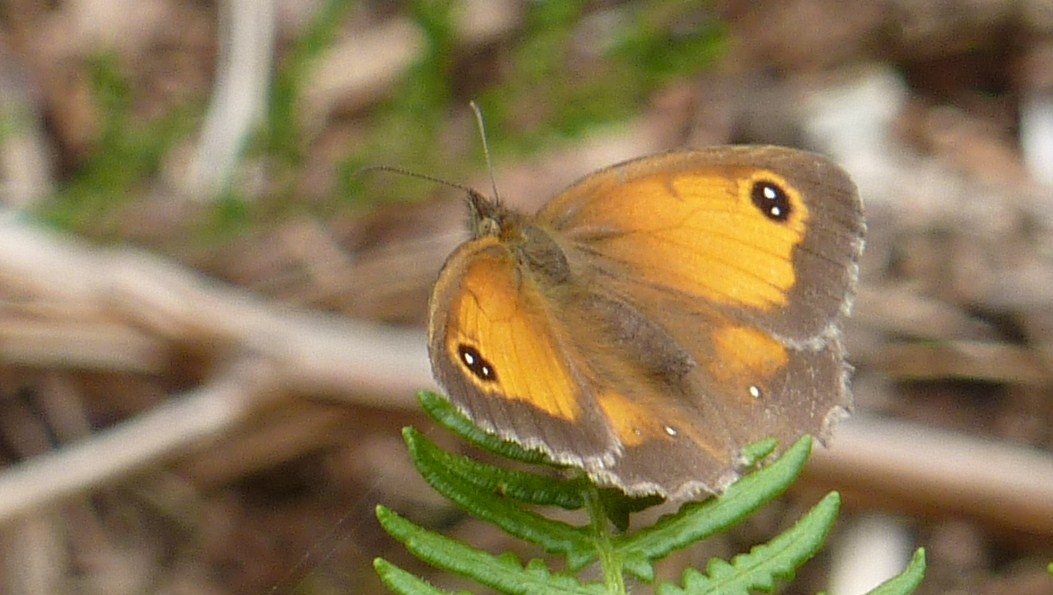
- There were so many Gatekeepers that I’ve posted this pic twice
-
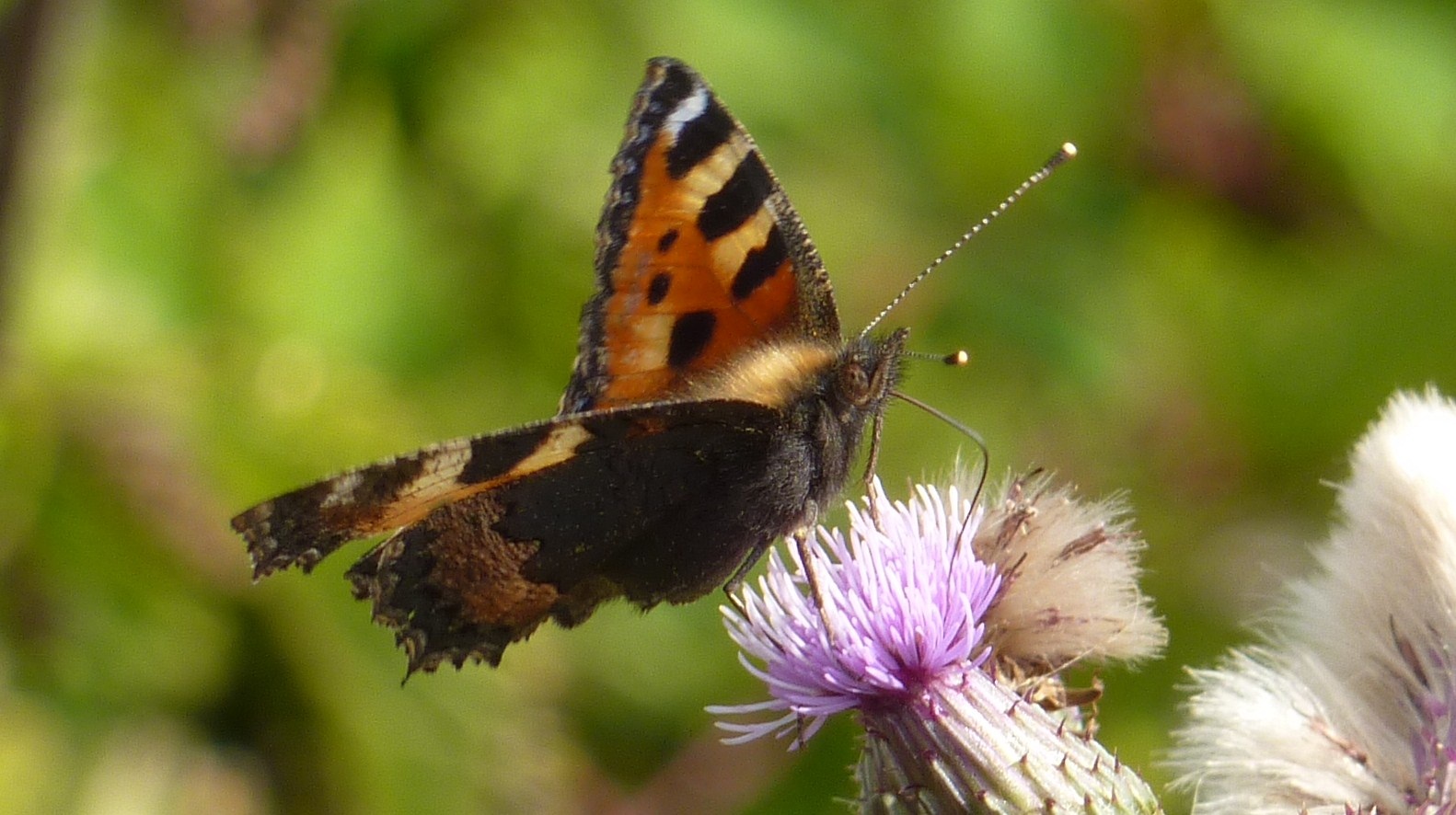
- Small Tortoiseshell
-
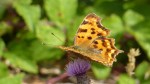
- My first (I think) Comma (Polygonia c-album)

-
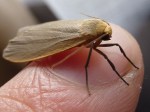
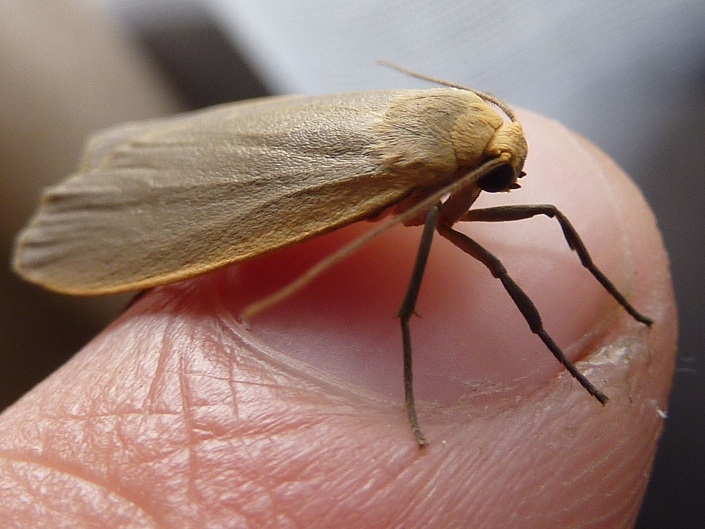
- This was hanging around in my bedroom in the chalet. I must admit I don’t know what it is.
-
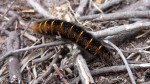
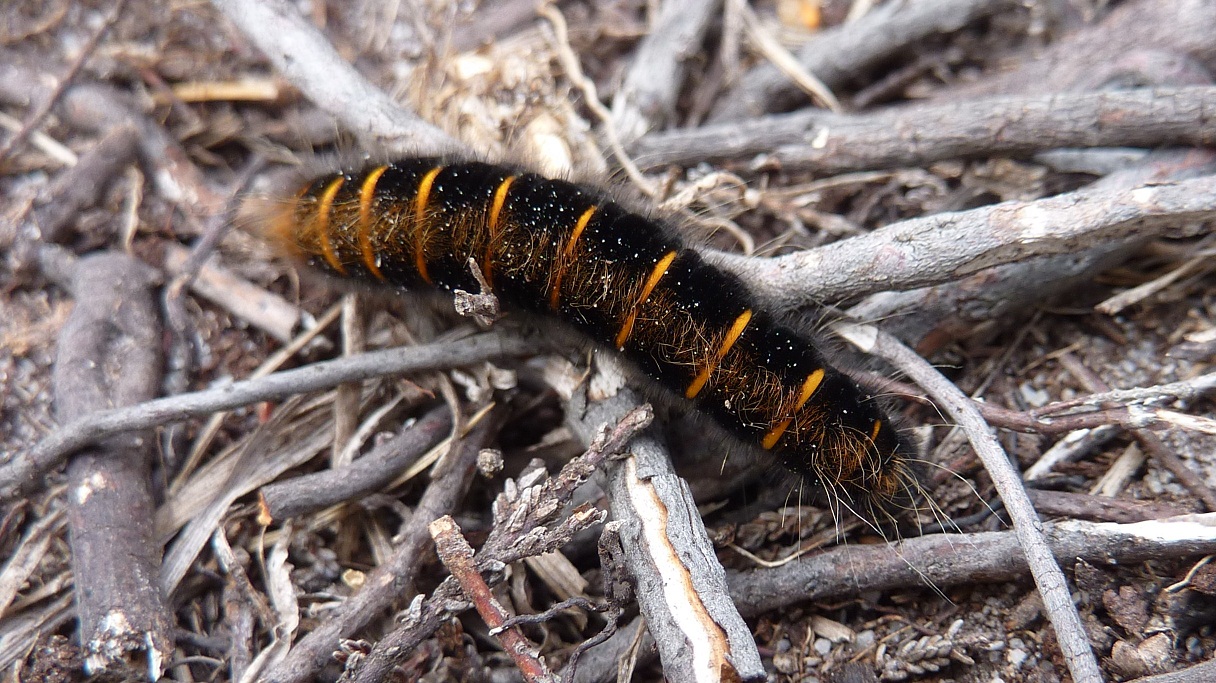
- A Fox Moth caterpillar.
-
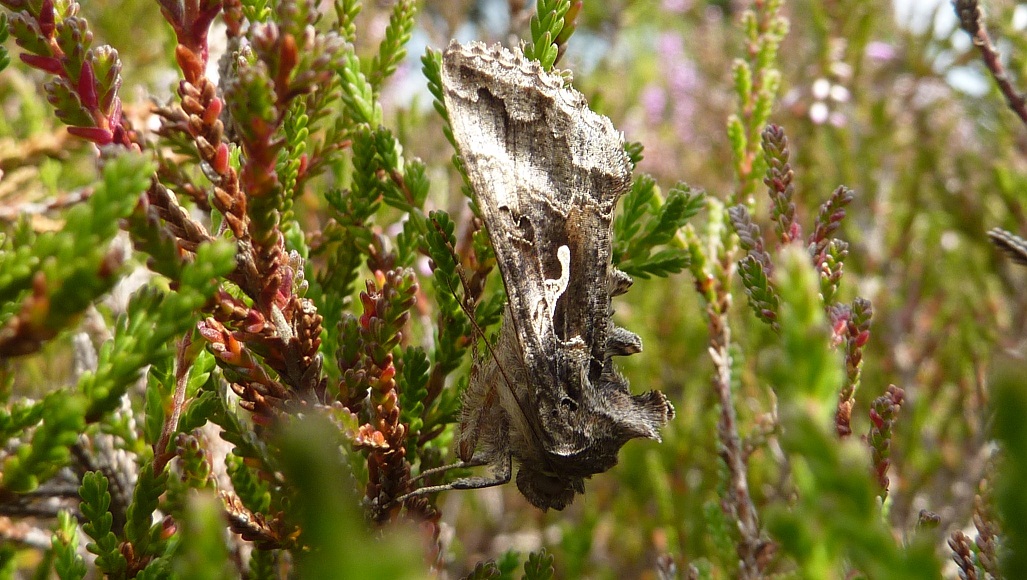
- The stunning Silver Y (Autographa gamma)
-
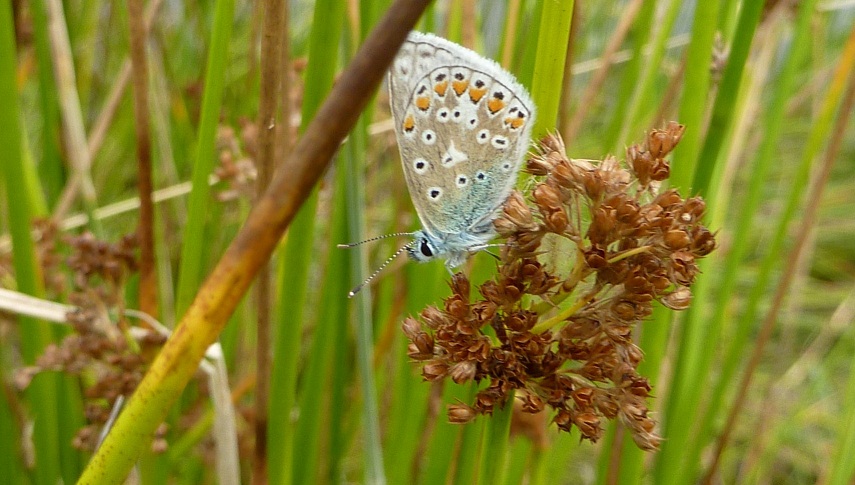
- This common blue (Polyommatus icarus) did not make it easy for me to get this shot
Arne – grasshoppers (or are they crickets?)
Whilst at Arne I discovered that there were many more varieties of cricket/grasshopper in this country than I’d imagined. These creatures are spectacularly cool, not only are they blessed with the most amazing propulsion system, but they also have wings. If you were playing invertebrate trumps then surely these would be a great card to have in your hand.
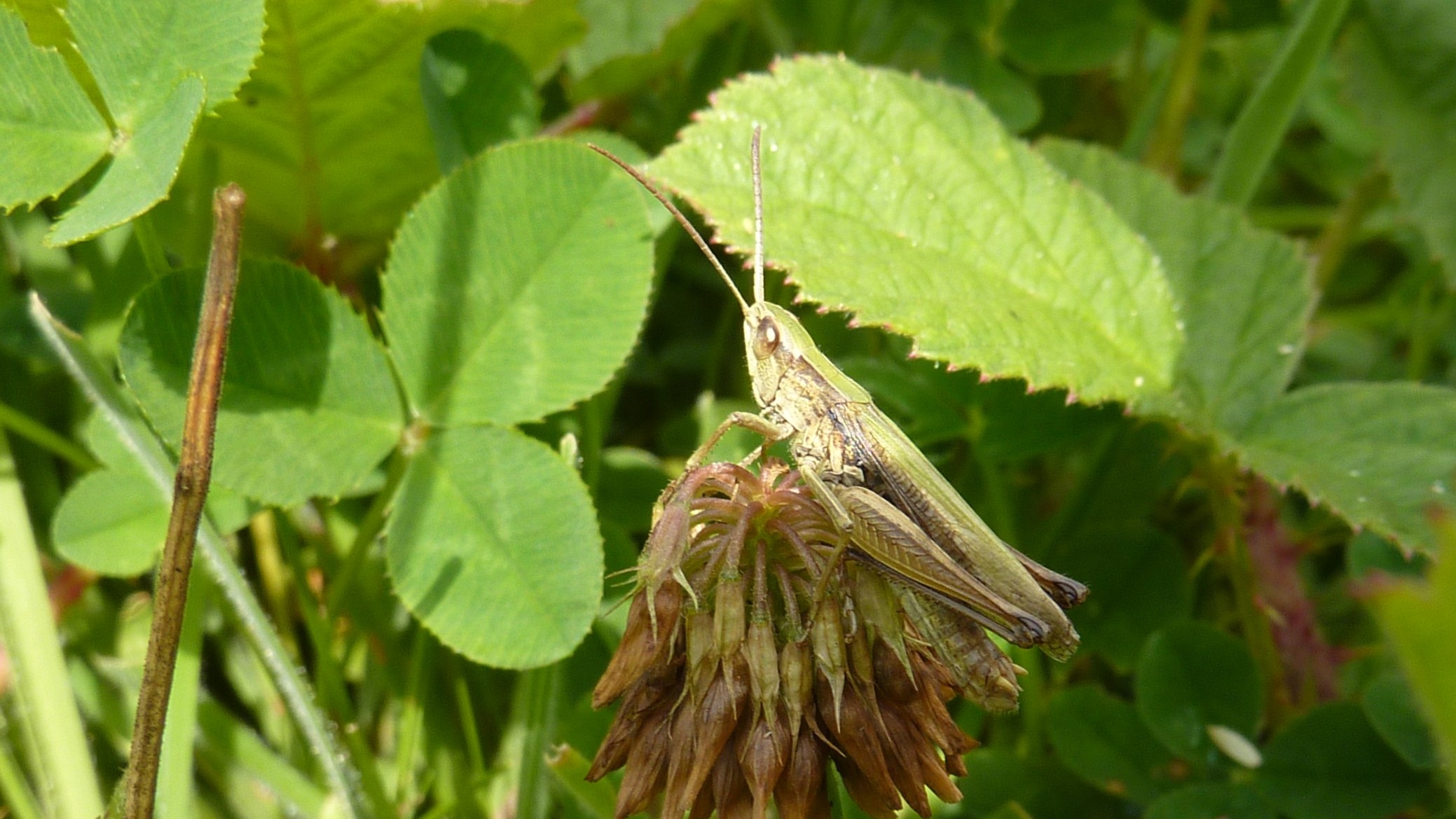
Apparently there are three main types of Grasshopper, Common Field Grasshoppers, Meadow Grasshoppers and Lesser Marsh Grasshoppers. I’m afraid, from the id notes I’ve found on the subject, I only seem to have decent pictures of the first two types…
-
- Chorthippus brunneus – Common Field Grasshopper?

-

- Chorthippus parallelus – Meadow grasshopper?
-
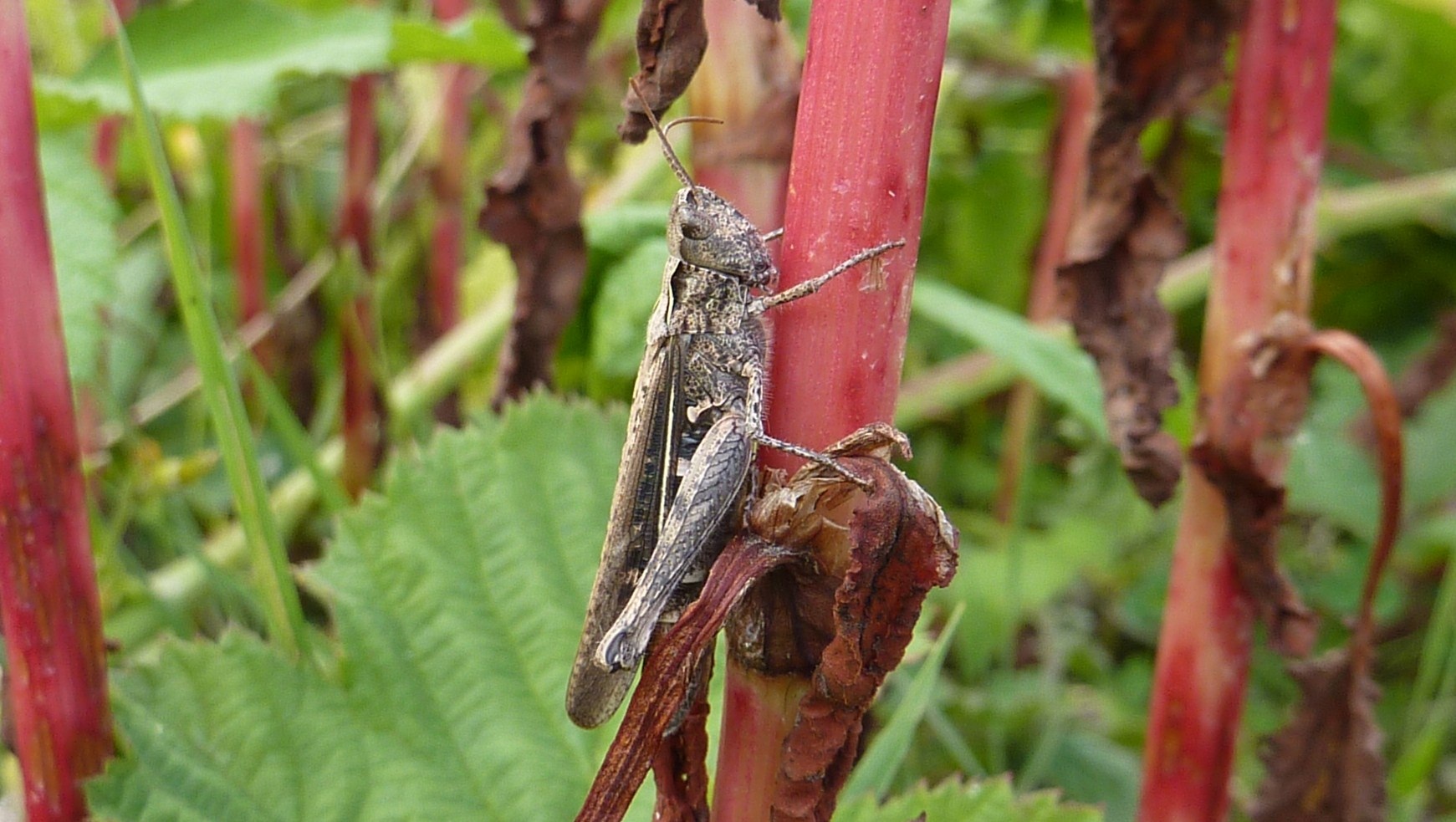
- I think this is another Chorthippus brunneus – Common Field Grasshopper?
-
- And probably another Field Grasshopper

-
- Unfortunately a shot in poor light of what is probably a meadow grasshopper.

Arne – First week highlights
Here are some pictures from my first week at Arne. Thanks to Craig (Daters – the volunteer co-ordinator) I’ve been able to enjoy a wide variety tasks, including moving cattle, making up signs (with power tools, yeh!), fixing the electrics on a trailer board and cleaning hides and toilets. Nice.
-
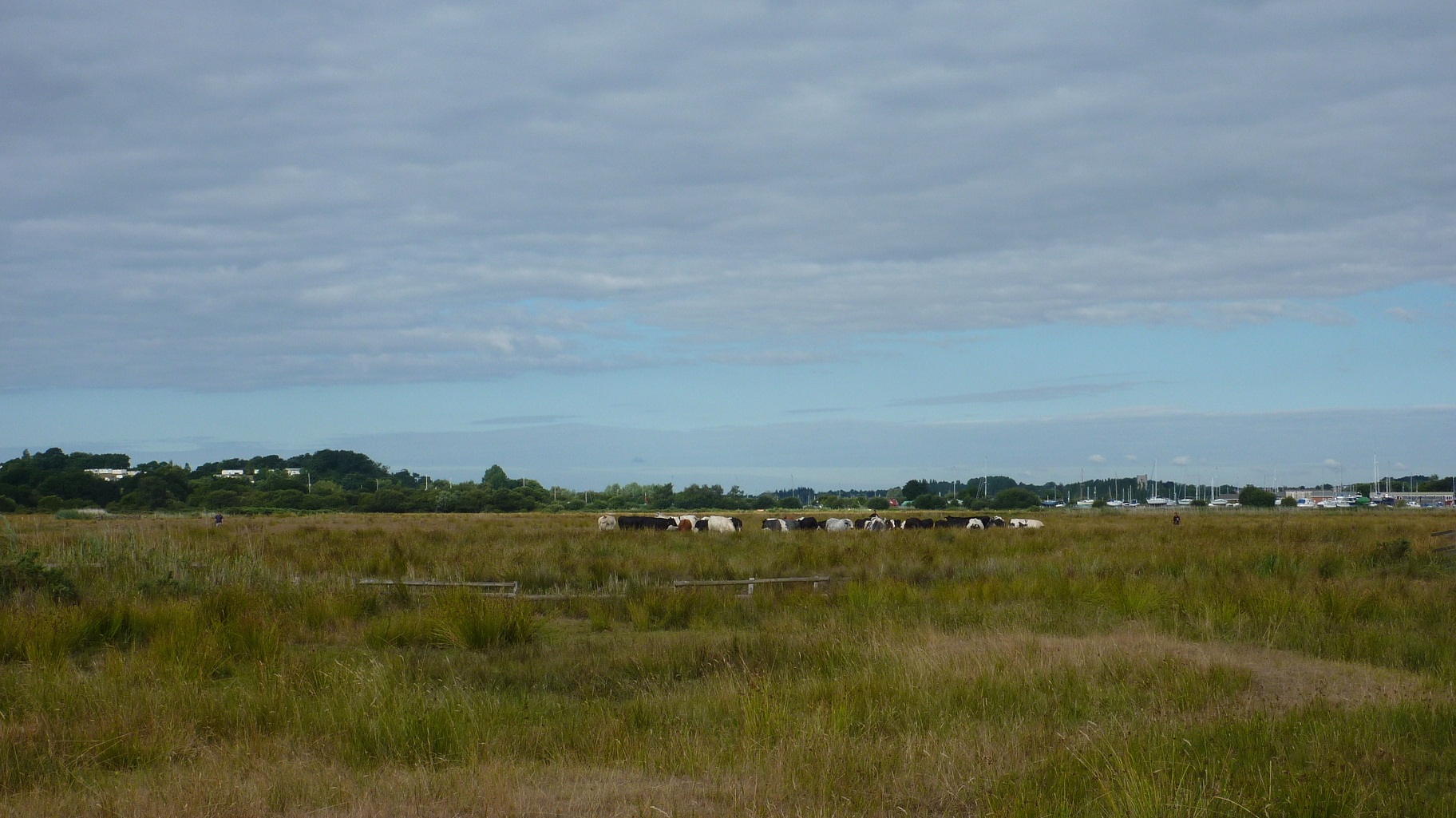
- First job of the week – myself, Craig and the two other vols, Dianne and Rhiannon, move some cows
-
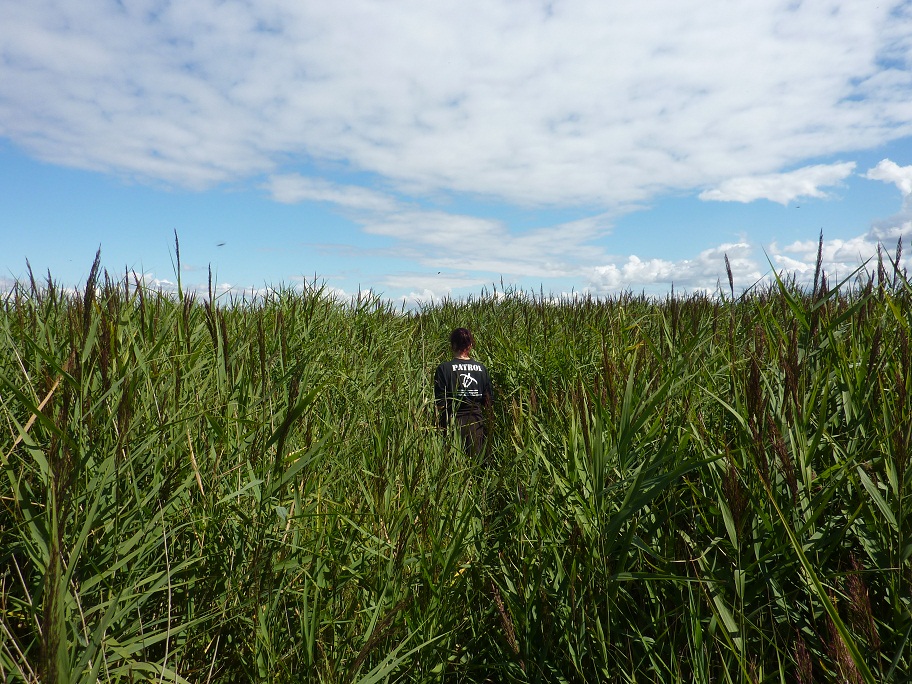
- Rhiannon leads me through the reeds as we search for gauge boards
-
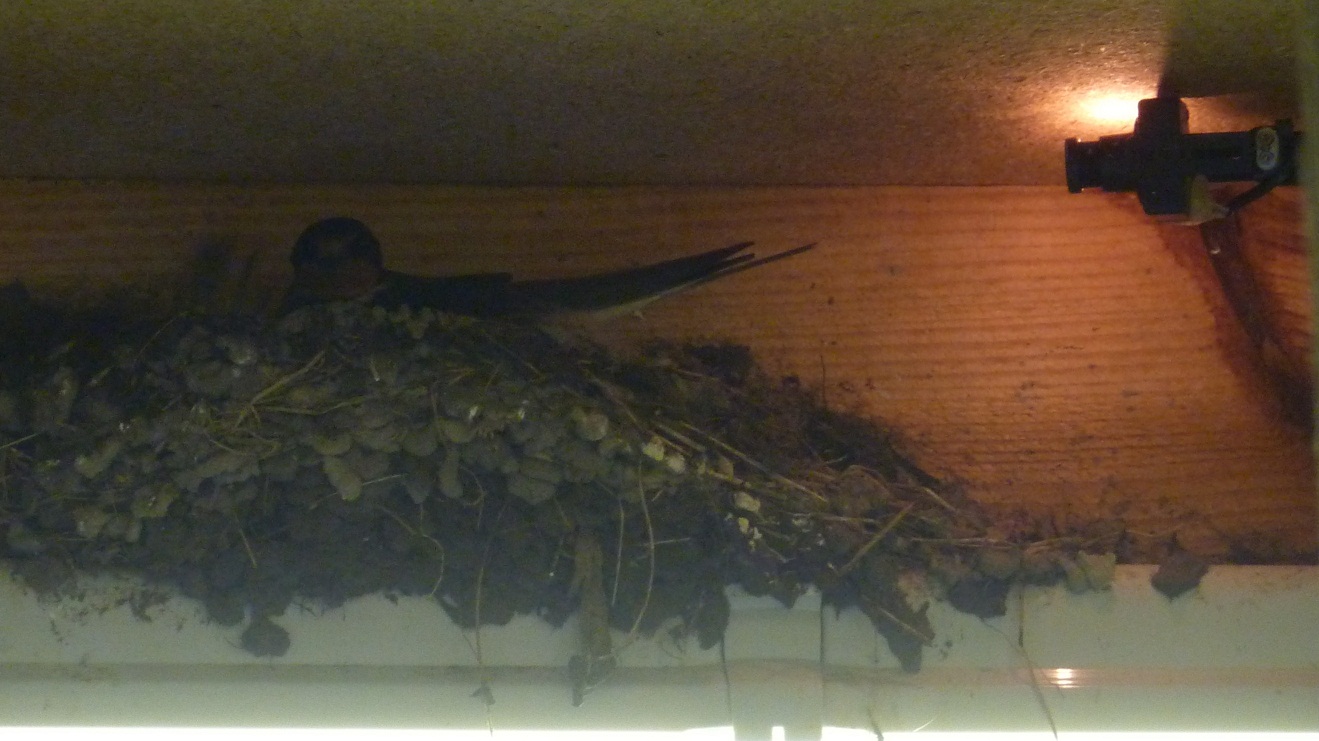
- Swallow cam
-
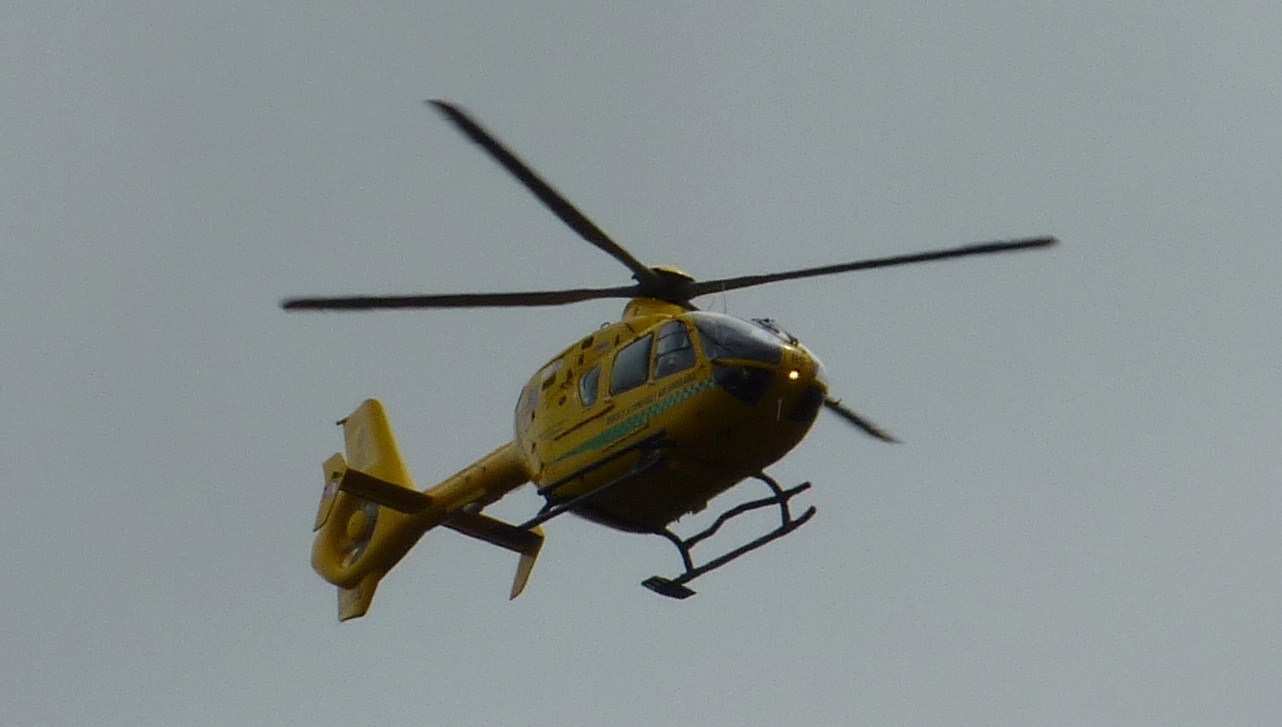
- The air ambulance looking for a place to pick up an ailing visitor
-
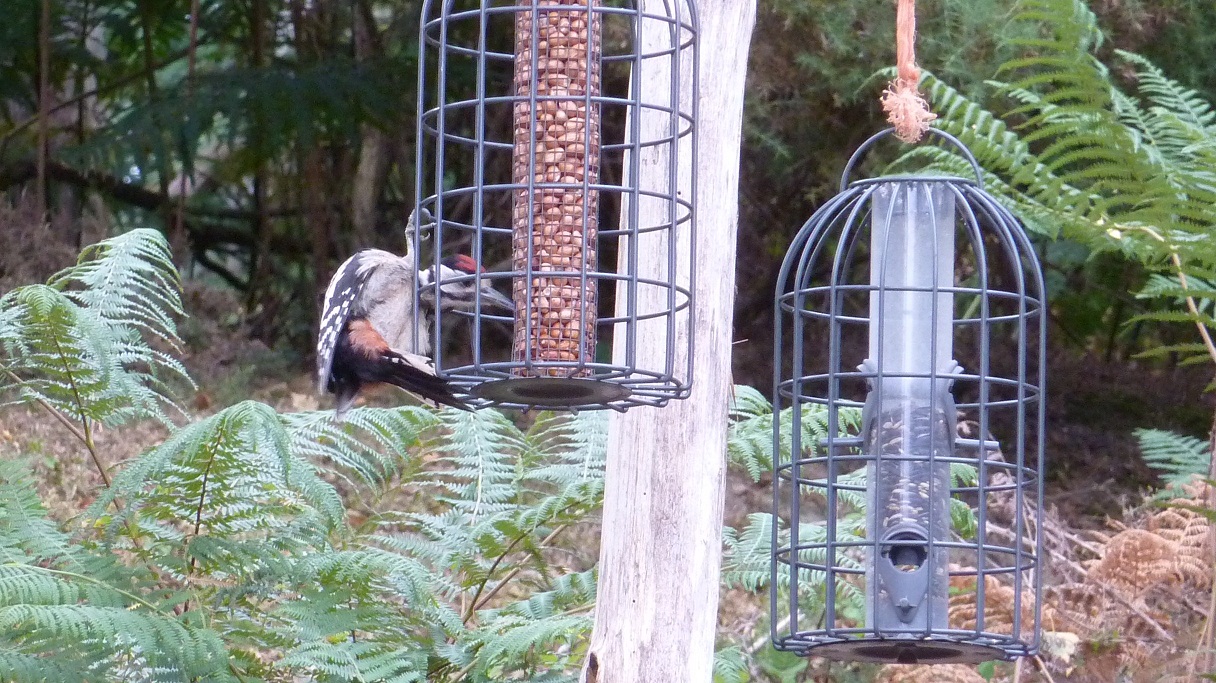
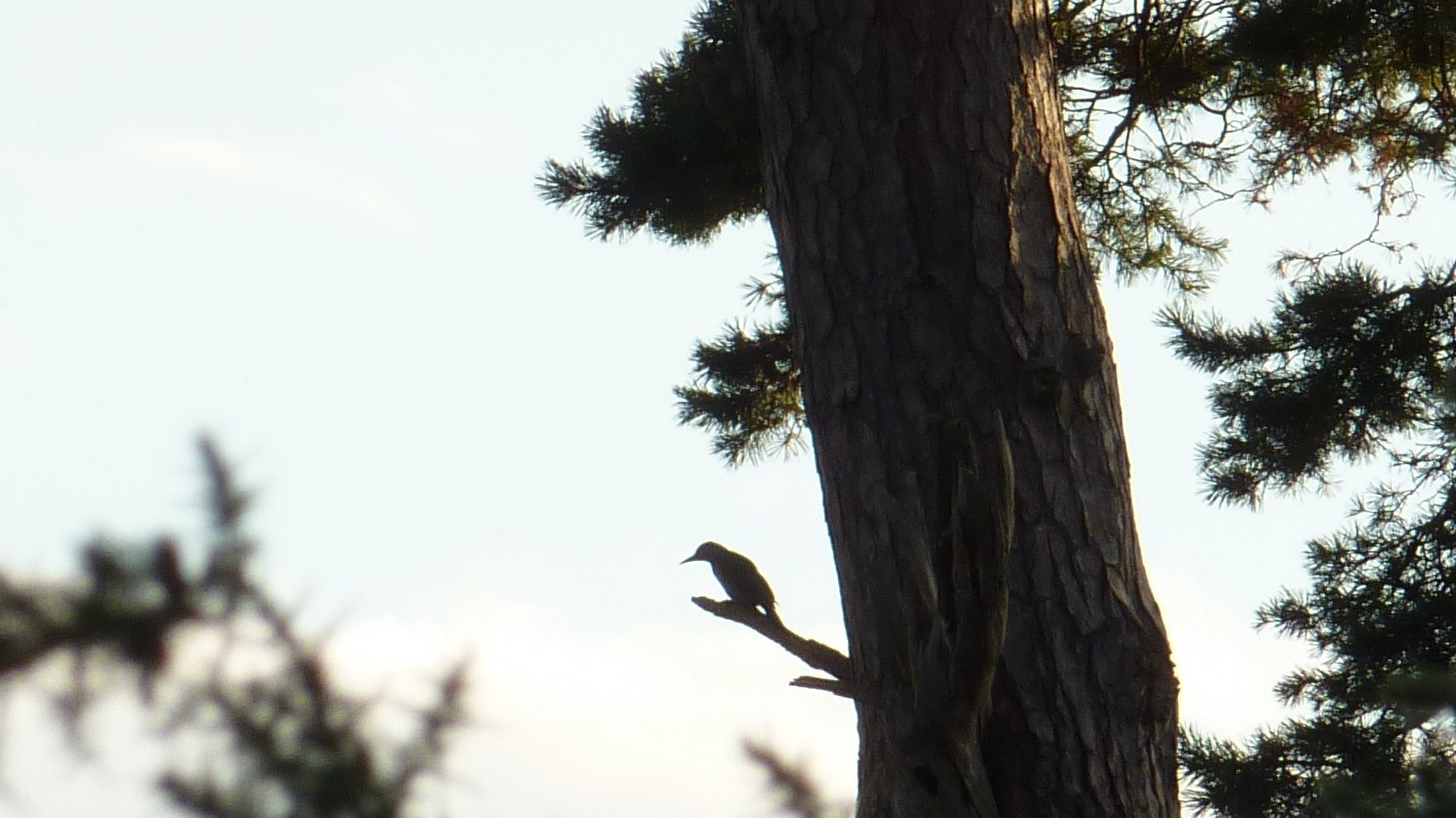
- A great spotted woodpecker
-
- Two adults (grandparents?) look after all the local baby Shelducks

-

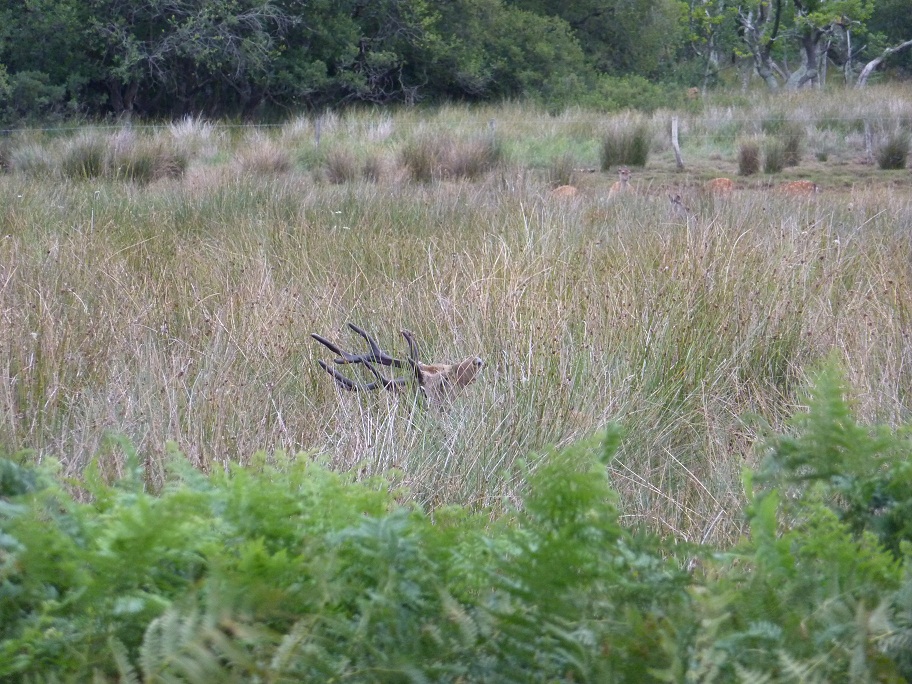
- I can’t be sure, but I don’t think this Sika stag had noticed me creeping through the undergrowth
-
- Paul Morten leads the Wednesday heathland amble…
-
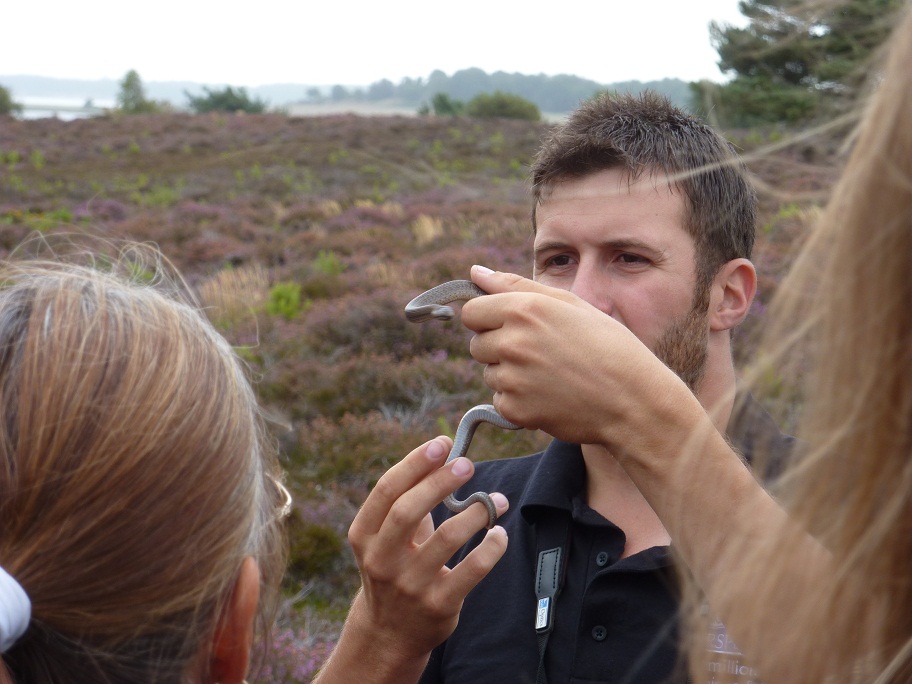
- …and finds a Smooth Snake
-
- Two Green Woodpeckers, the second is a bit difficult to spot…
-
- ..and their old nest?

-
- This is one of the coolest places on the reserve. The edges of this field are planted with Sunflower, Quinoa, and other seed baring flowers. As a result large numbers of small birds hang around in the field

RSPB Arne
Today marks the first day of my two weeks at the Arne RSPB reserve. The reserve is situated just across Poole harbour from Poole, and it seems a bit odd to be standing in an area where all around me I can see heather or trees, and yet I can still hear the rumble of traffic far in the distance. Anyway, here are some shots from my first day…
-

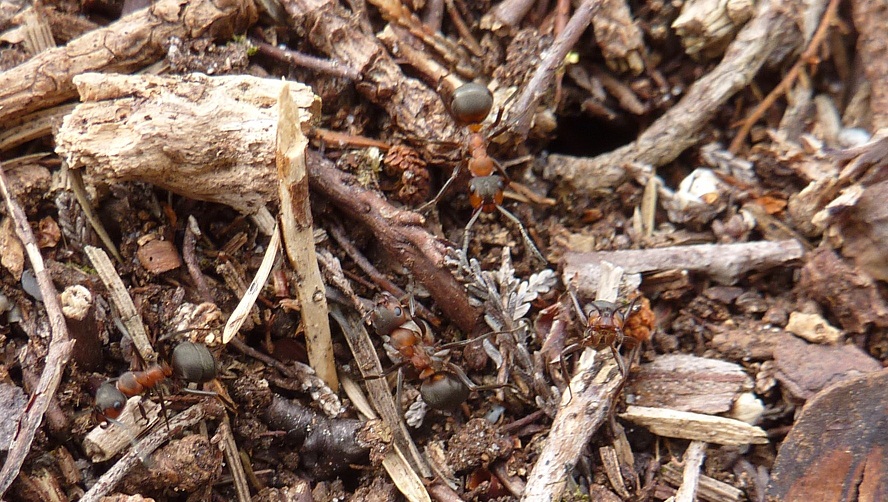
- One of the first things I notice is that there are lots of wood ants on the reserve, which is fantastic
-
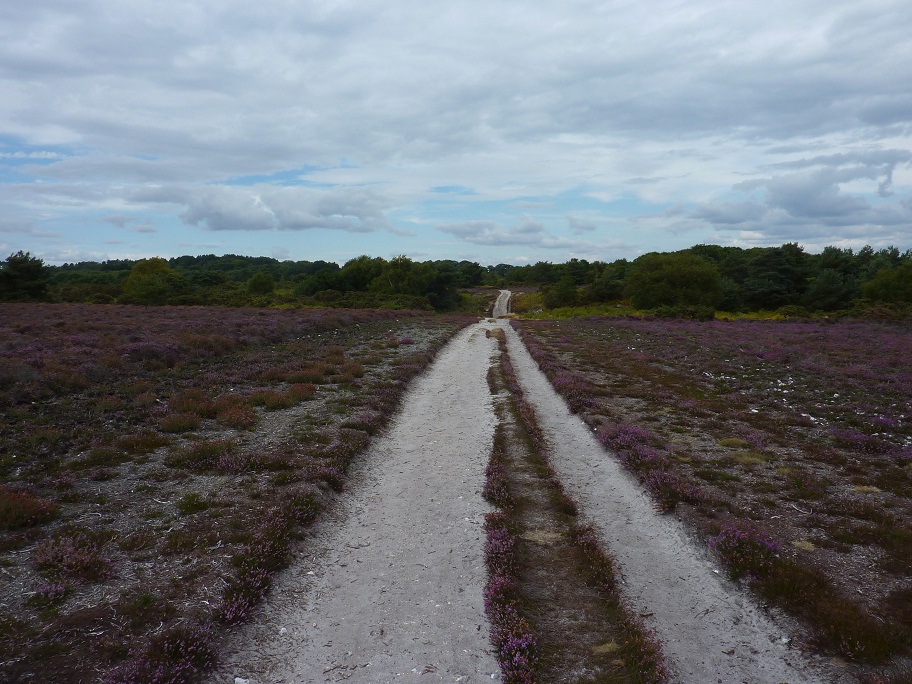
- Arne is a heathland habitat on a sandy bed
-
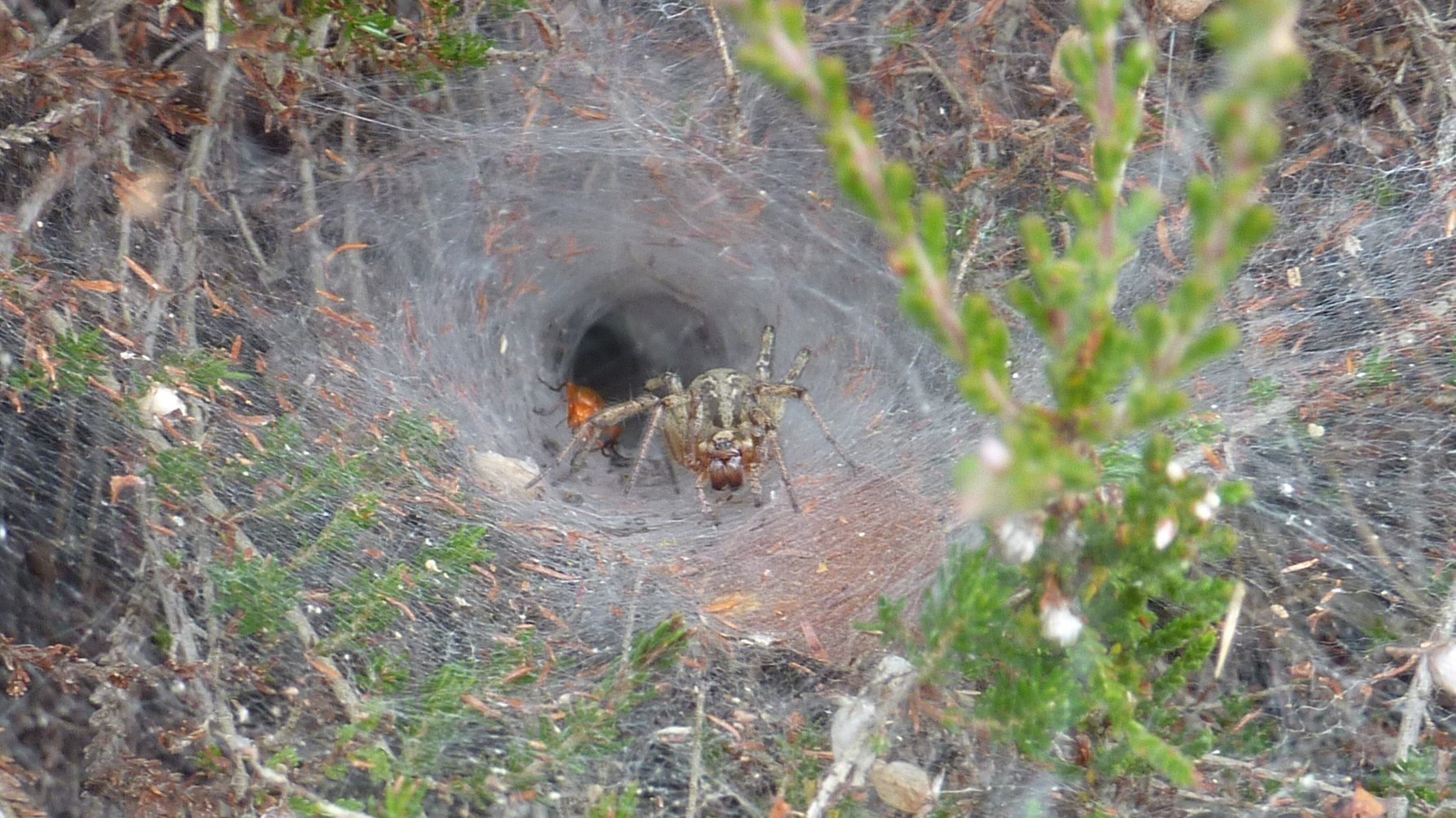
- These spiders are awesome, uk funnel webs, Agelena labyrinthica, I think
-
- There are plenty of Gatekeepers about

-
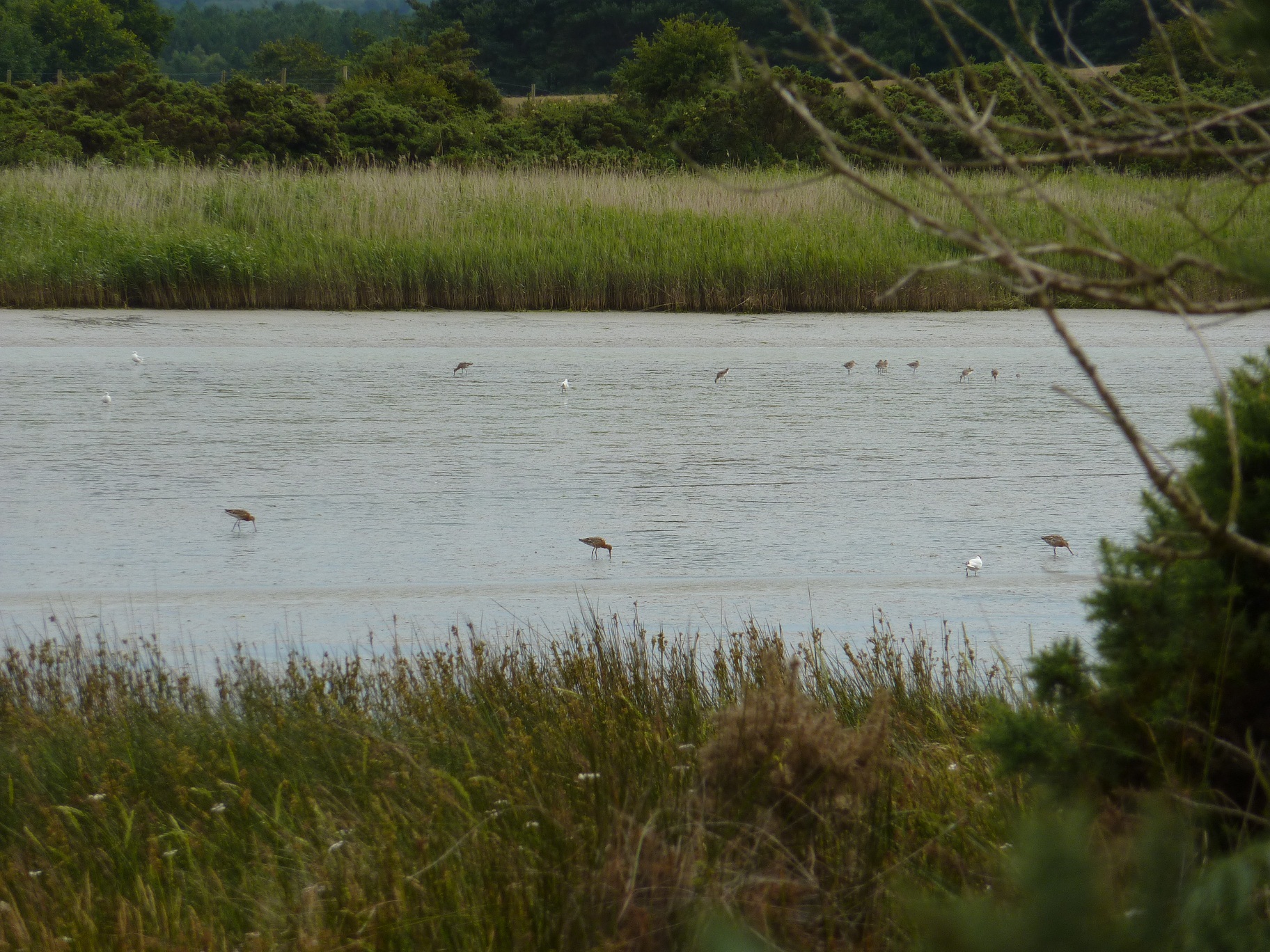
- and some Godwits (I think most of these are black tailed)
-

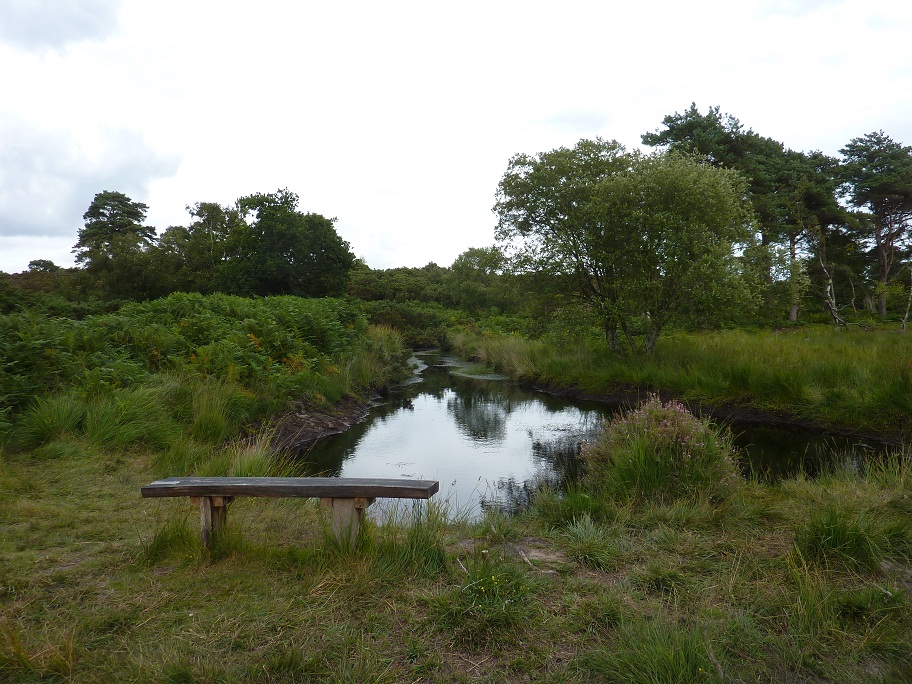
- And here is one of the places that the springwatch team looked for raft spiders. I can’t see any today.
Cycling from Bristol to Land’s End
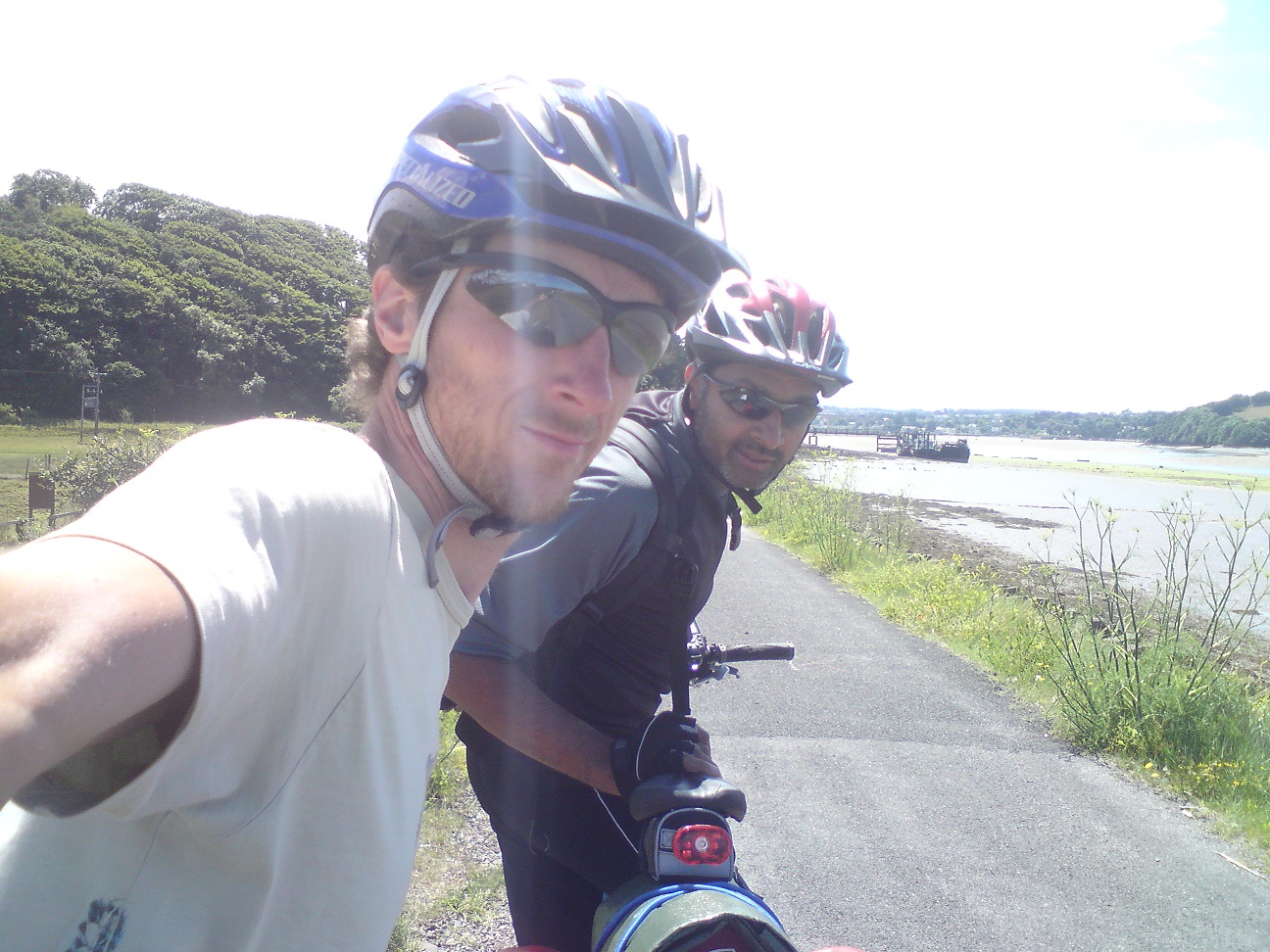
I’ve just got back from a great cycling trip, from Bristol to Land’s End. Myself and Manoj mostly followed Sustrans cycle routes, cycled about 30 to 40 miles a day, taking 12 days to travel over 350 miles. We camped and carried all of our kit on our bikes.
Yes, I’d do it all again. But maybe in the other direction. And for longer…
More details to follow, but first I must try and make a video of the trip… Hmm, ok, so the video is bigger, and taking longer than I expected. So, here are a few shots from the trip:
-
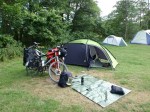
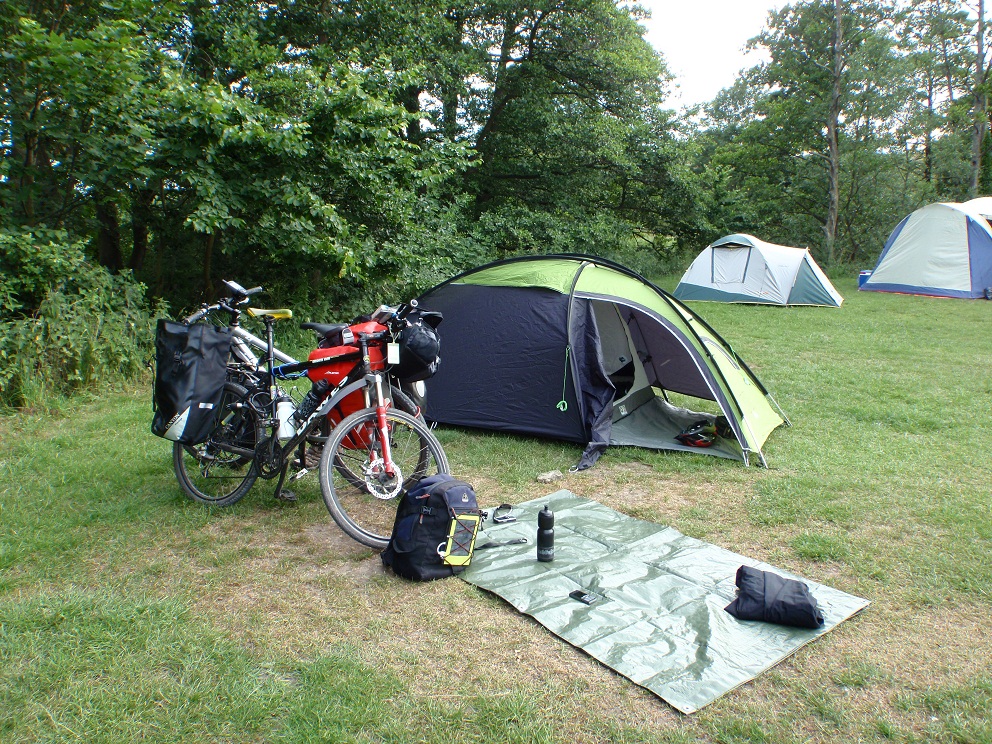
- Our first day’s camp, nr Bradford-upon-Avon
-
- Here we are, looking happy to have made it to Glastonbury Tor

-
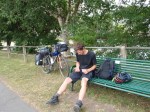
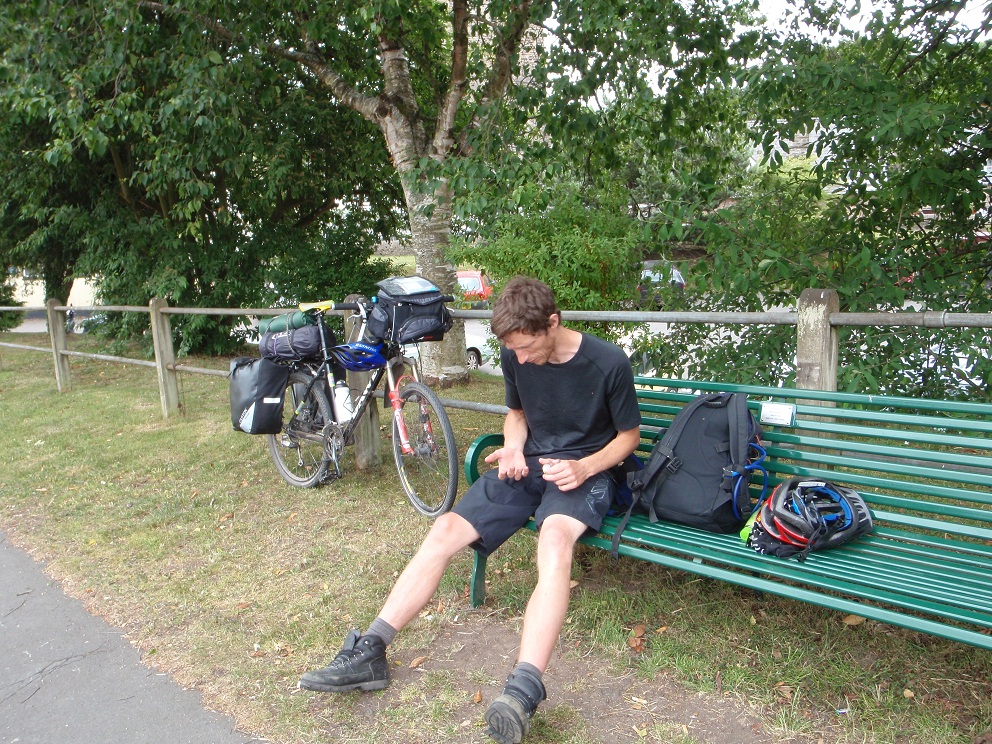
- By this time my knees were busted, but it was too late, I was addicted to Tiger Balm
-
- Our first sight of the sea – Woolacombe Bay in the distance

-

- On the Tarka trail approaching Bideford
-

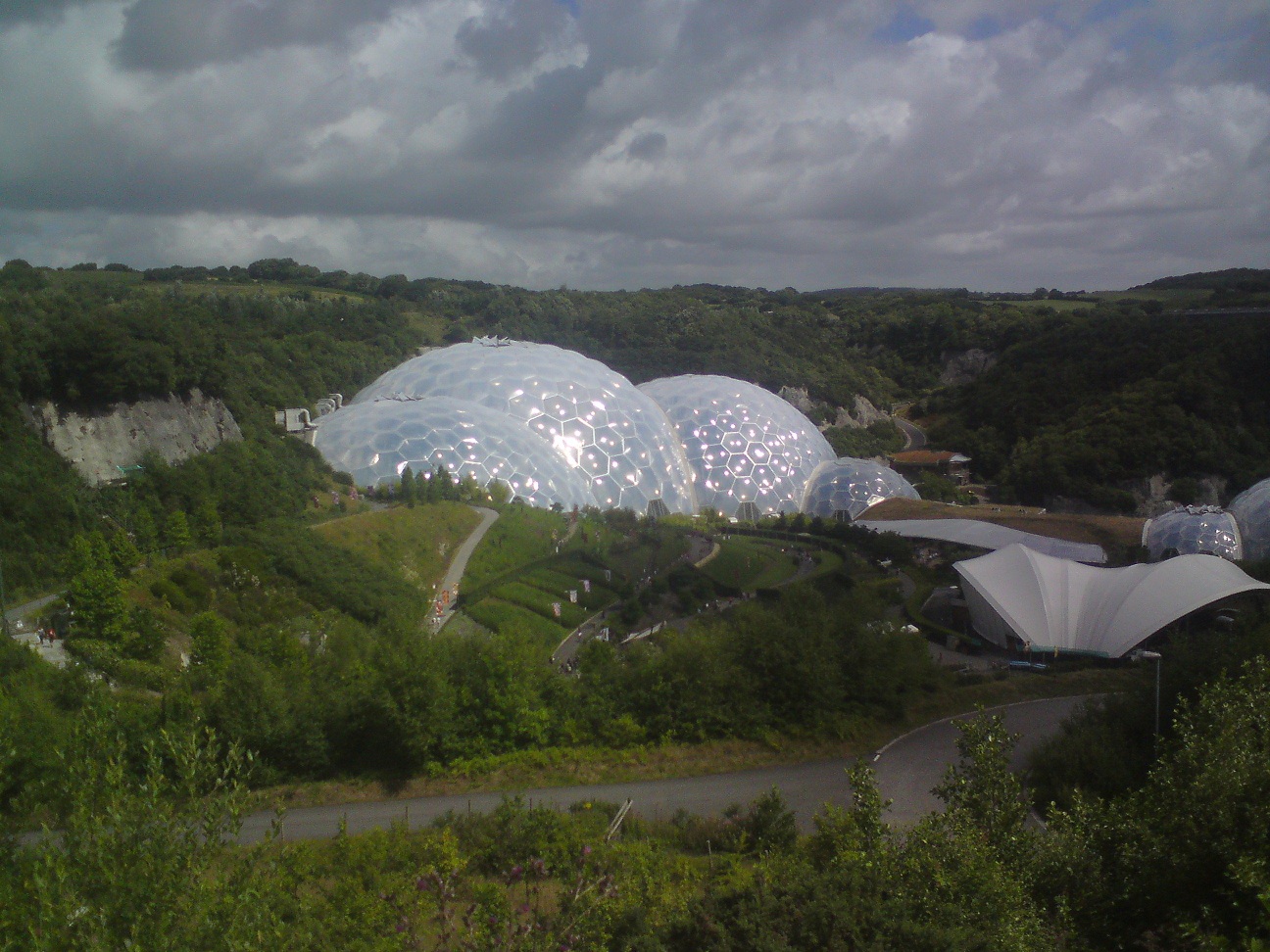
- We passed by the spectacular Eden Project
-
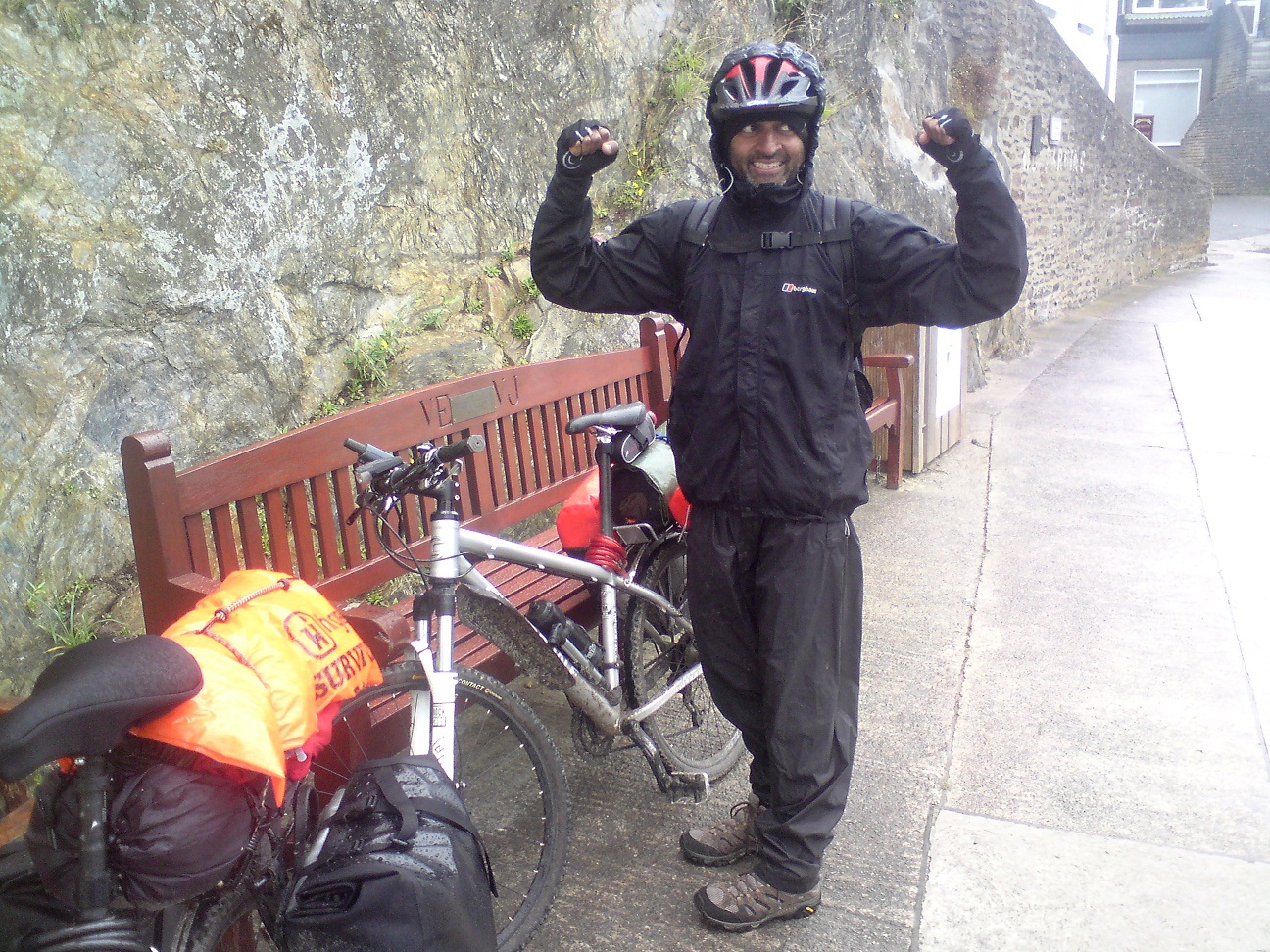
- We only had one really wet day. There were big winds and people’s tents were destroyed. But we plodded on unharmed
-
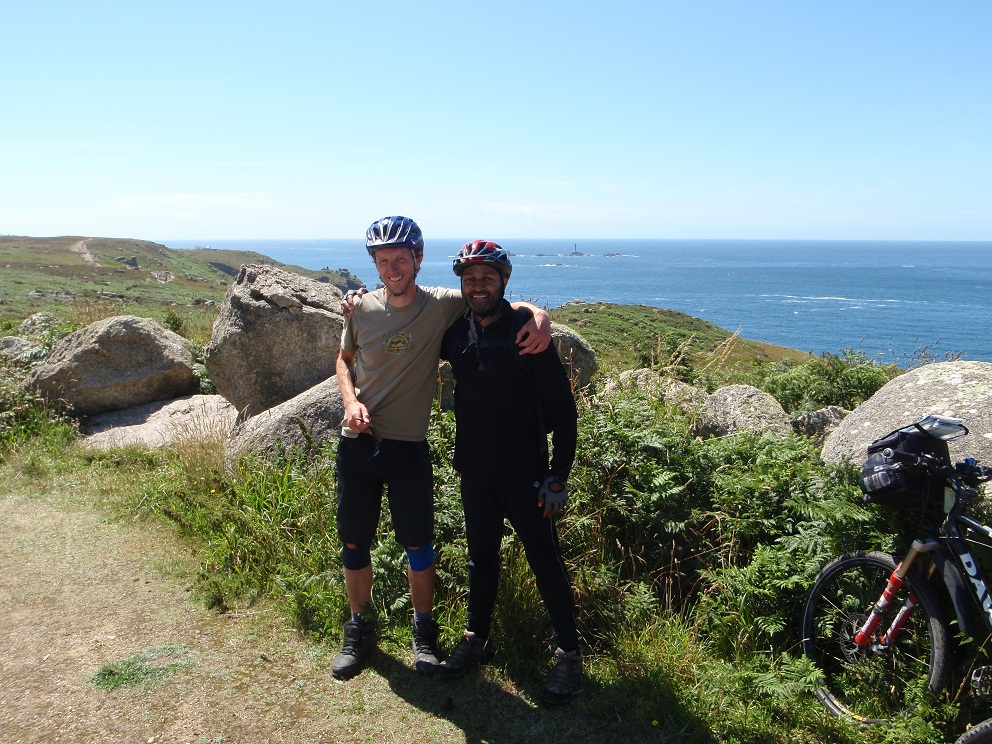
- Woohoo! nearly there…
-
- Wow, what a let down. The beautiful views have been spoiled by this abomination. The waves were drowned out by the sound of machines making dalek noises. Very disappointing.

-

- One more night’s camping and then we caught the train back to our homes.
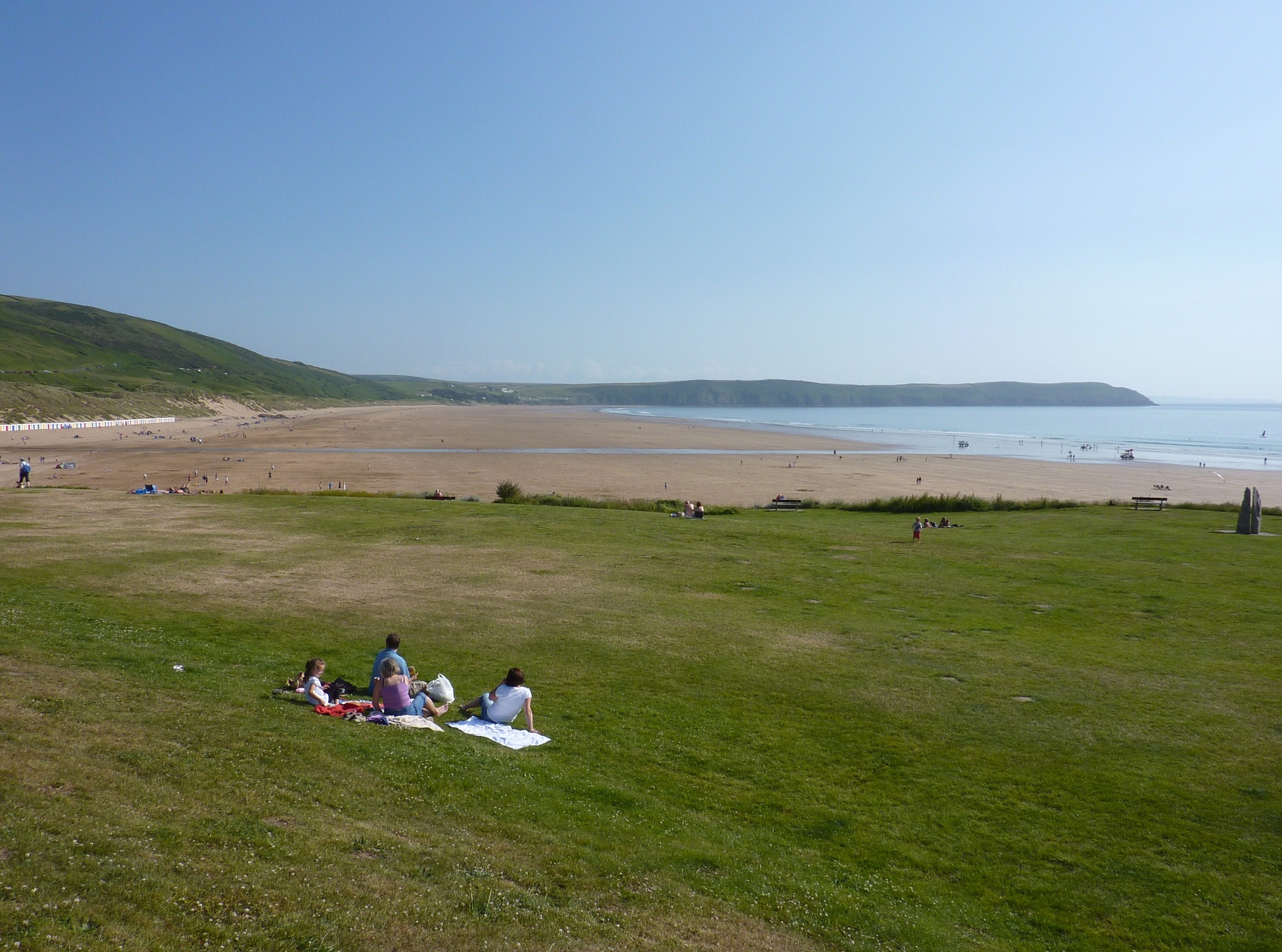
Sun, sea and surf at Woolacombe
Say no more, a top few days indeed.
-
- Croyde – some racing shenanigans. It was also the weekend of the Gold Coast fest

-

- Wooly looking splendid in the late afternoon sun
-

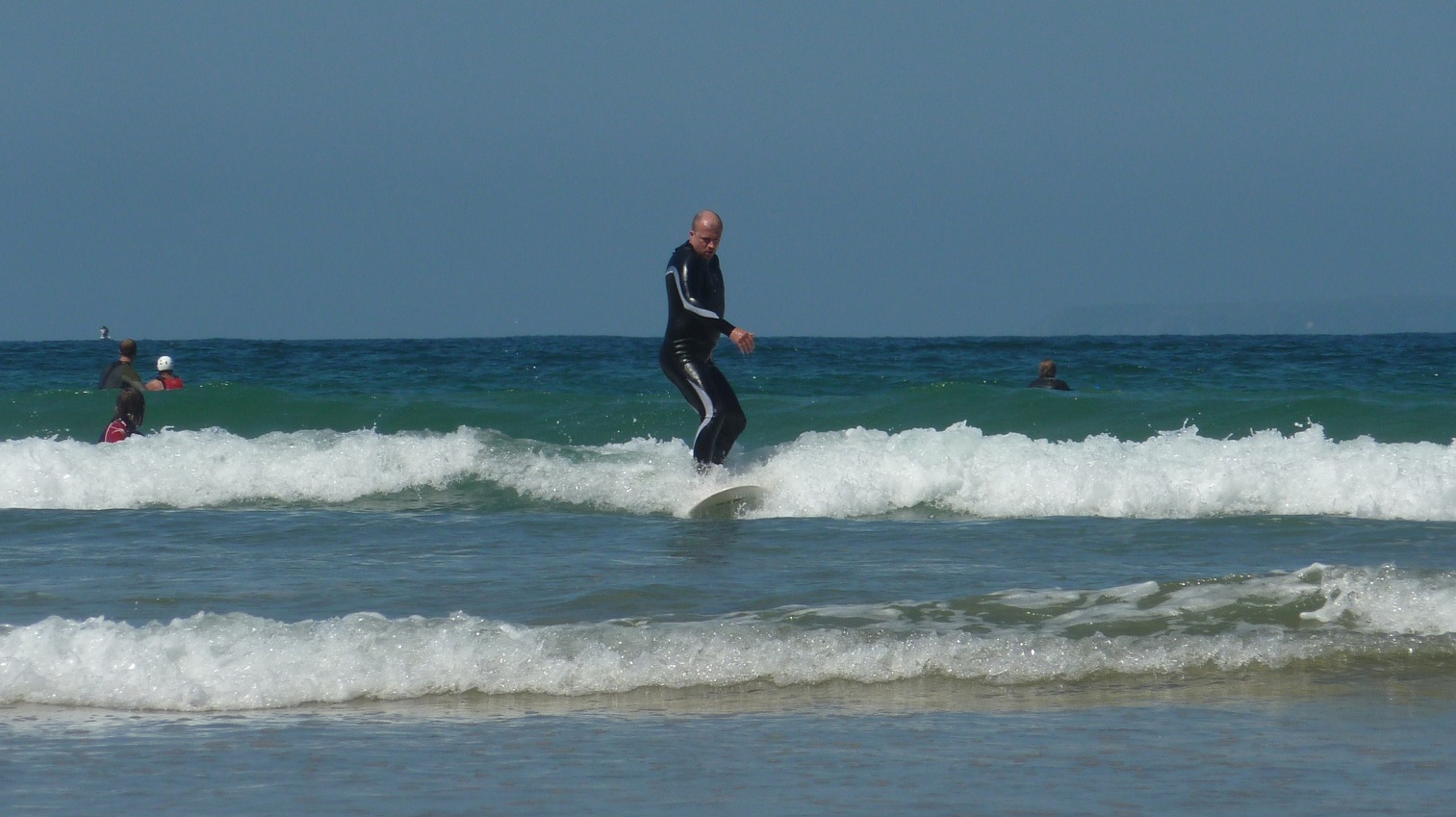
- Paul catching some wave action
-
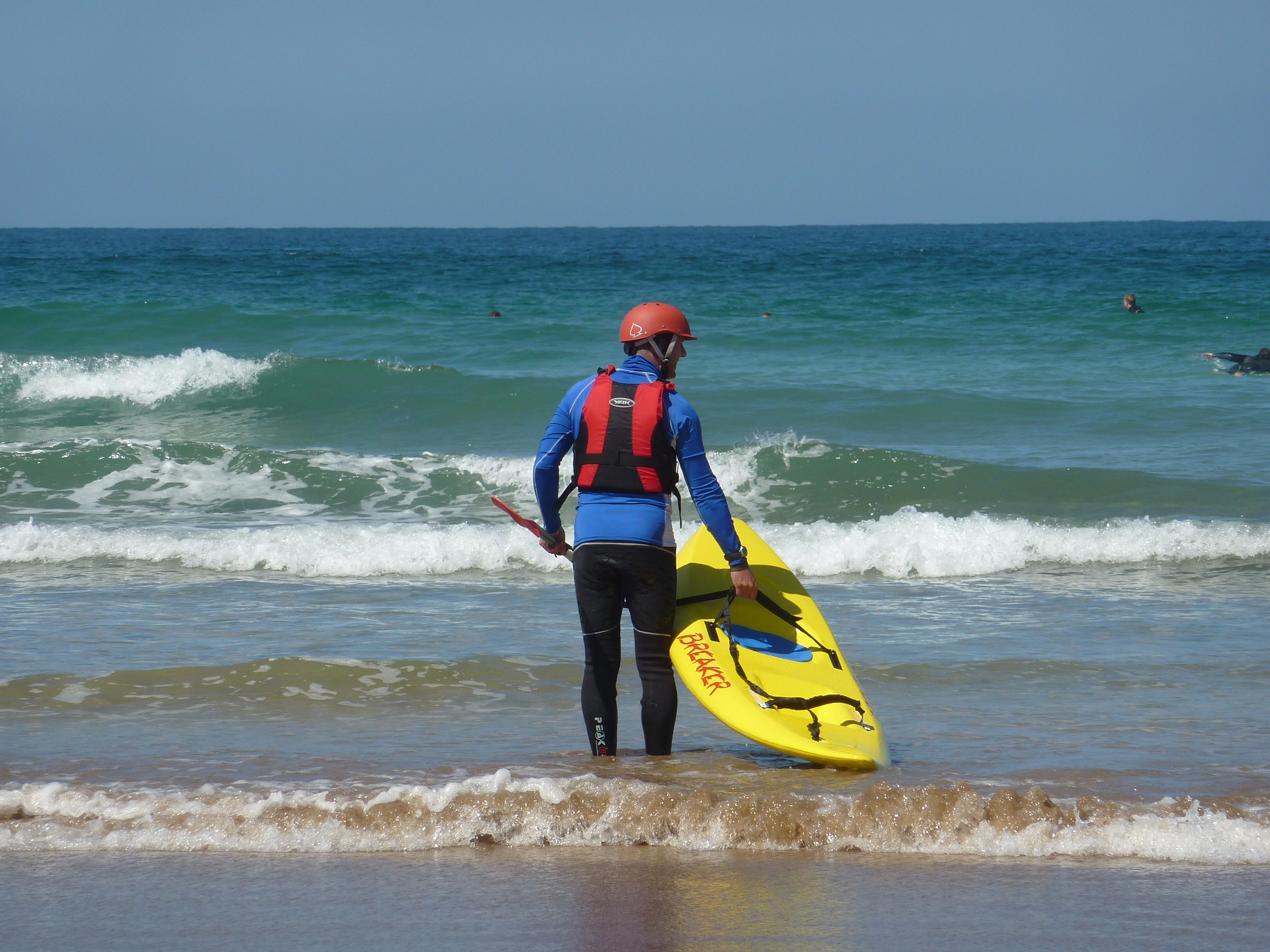
- Dave looking for some wave action
-
- This jellyfish’s wave action is, sadly, over.

-
- Waves.

-

- Half man, half sun

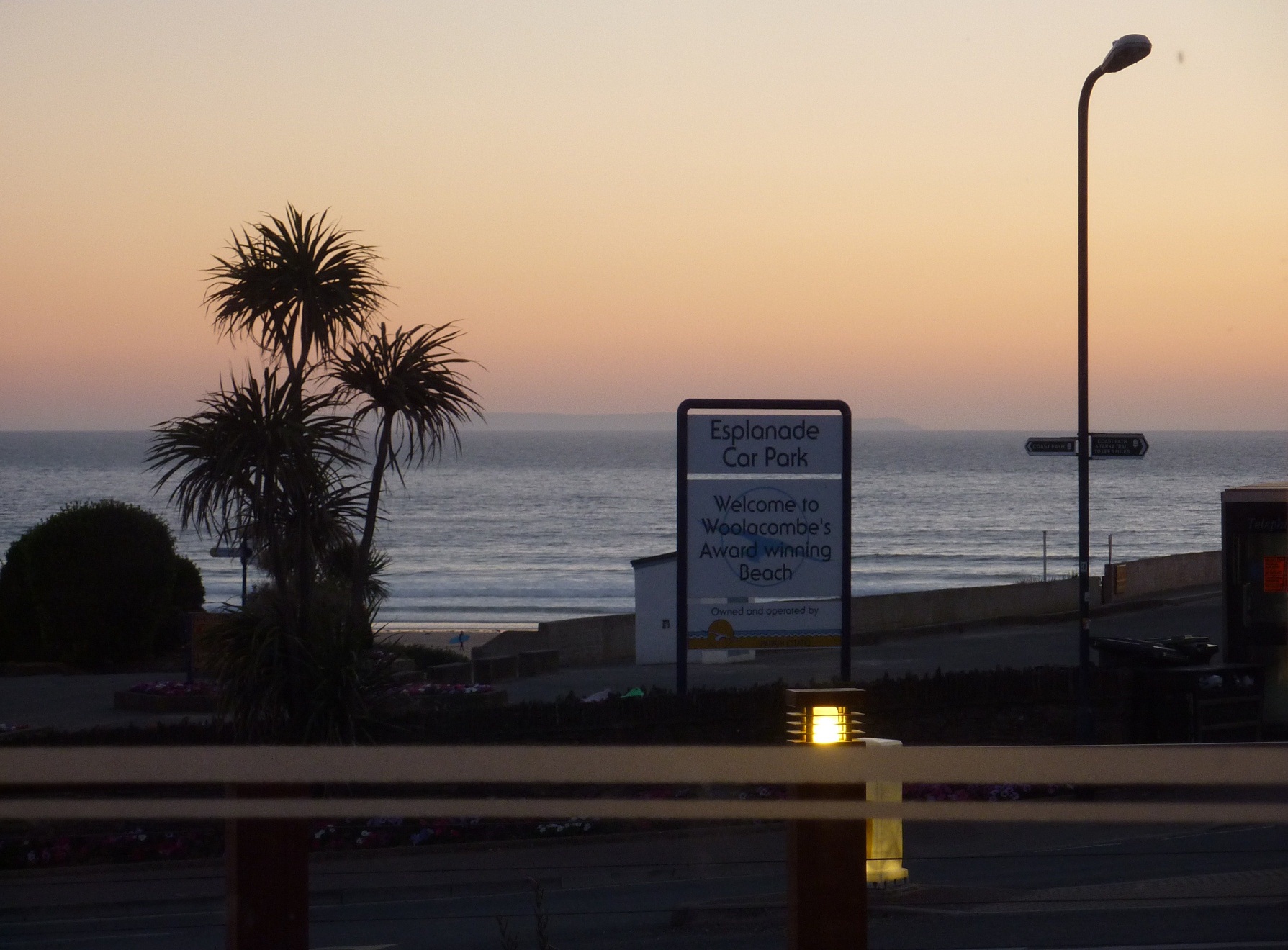
Heading South for the summer
So, I left Dundreggan on the morning of the 25th, and made it back last evening (28th). I’d been in Scotland since the end of January, my longest ever stint up there. And, as much as I’m really looking forward to spending some time with the family, and activities in the sun, and meeting up with folk I’ve not see in a while, etc; I had this urge to stay North of the border, the closer it got.
The trip was great, all apart from the sizeable jams in Bristol (BH weekend, and half term, I’m a bit out of touch, I had no idea). And on the way I was able to stop by John’s to gee him up for his forthcoming Focaliser training. I have the privilege of Focalising with him on his first F week in the Autumn. Something I’m really looking forward to. Anyway, here are some photos from the trip…
-
- Heather and Stuart take me on a fabulous walk up the river Nevis

-
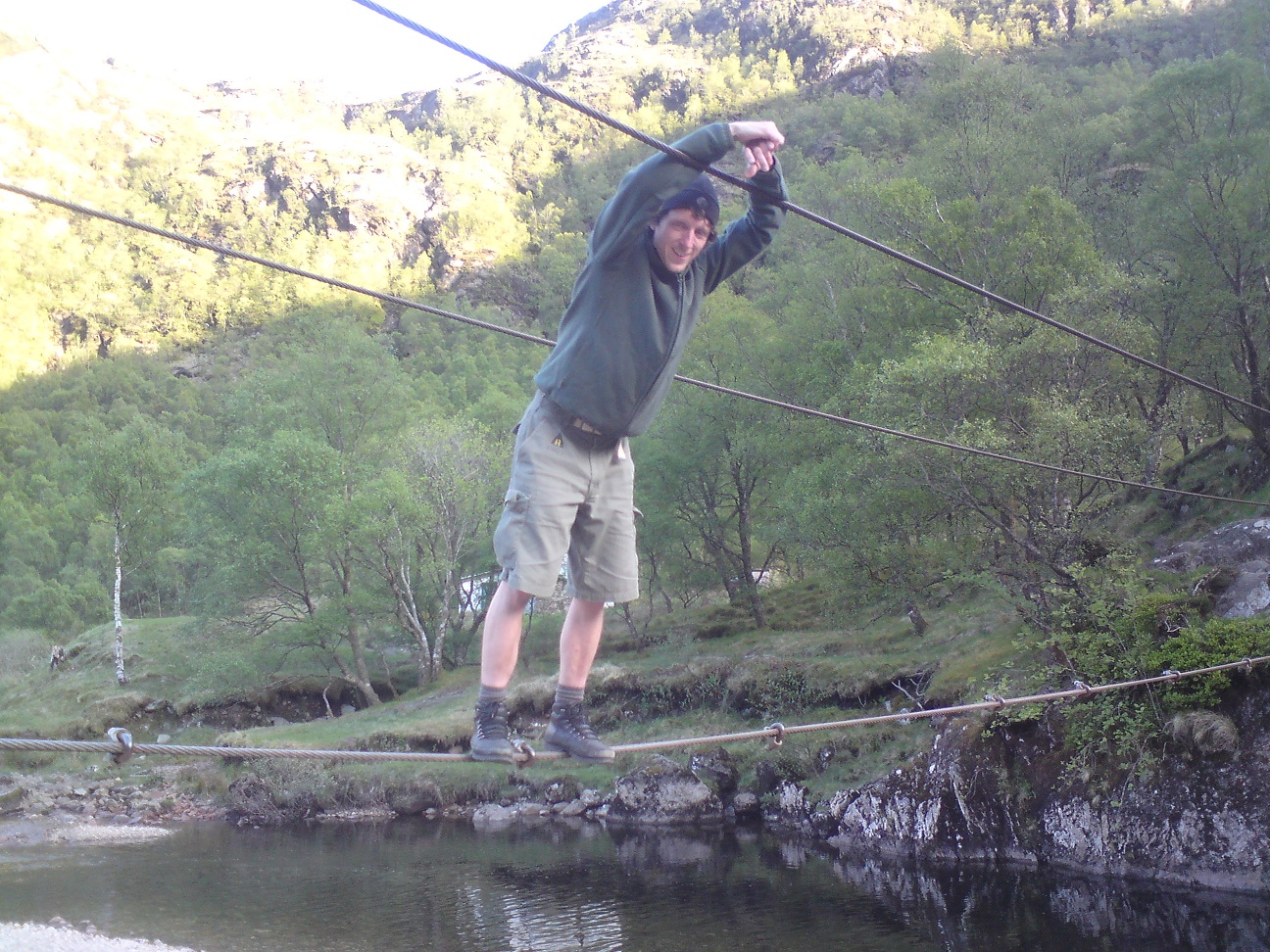
- Shortly before the wire snapped…
-
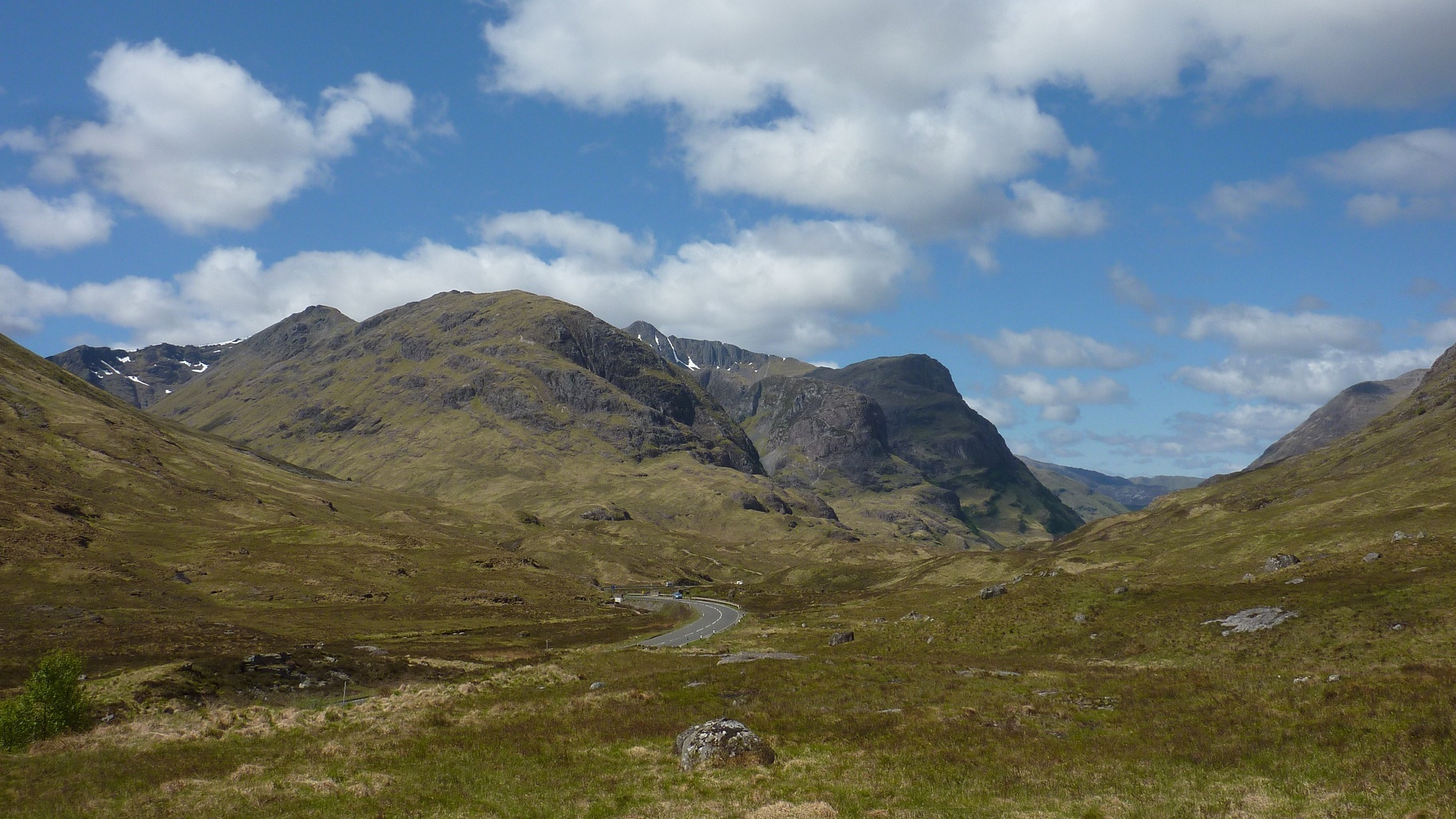
- Looking back at the amazing Glencoe
-
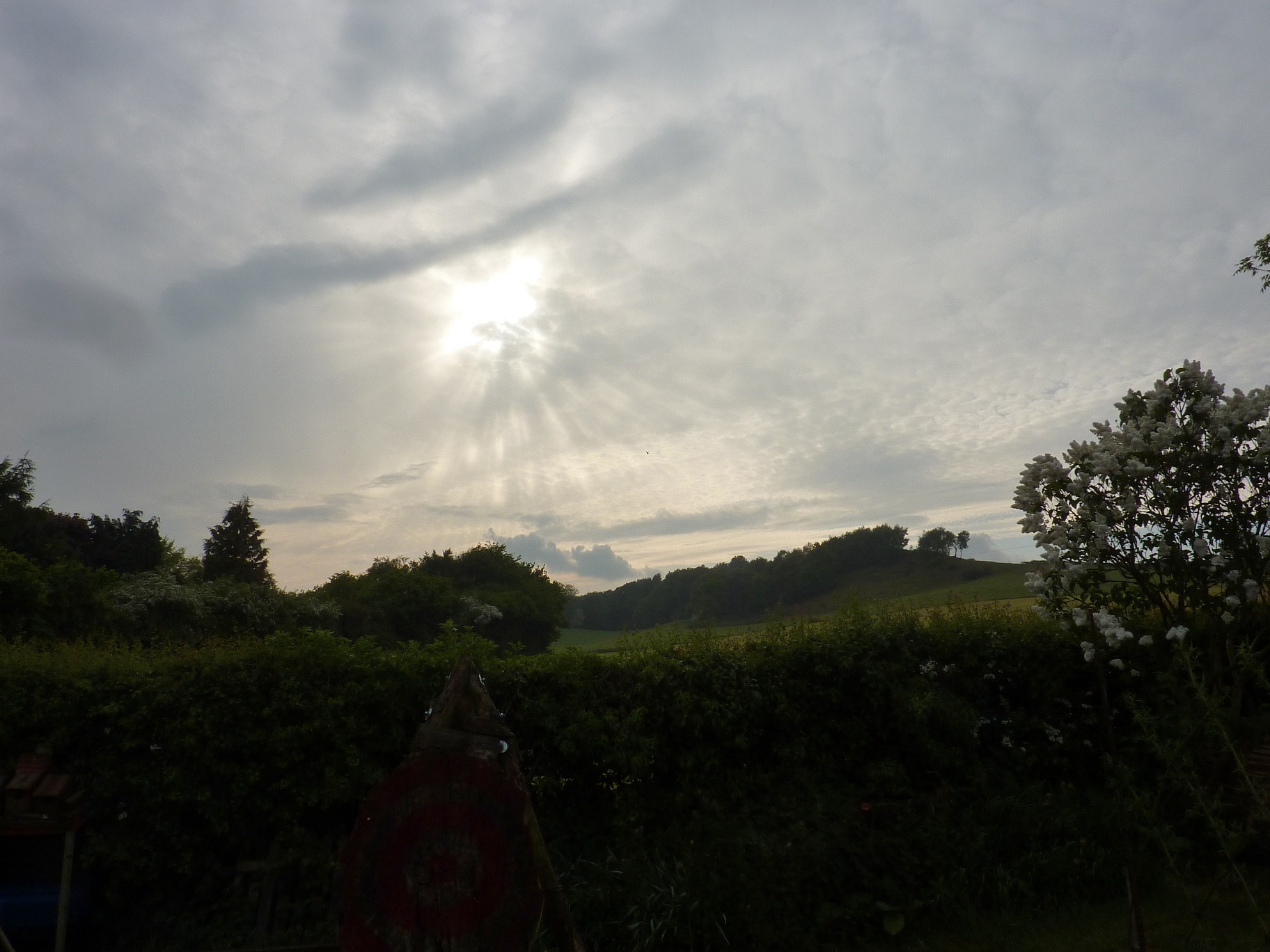
- John’s axe target, before you ask…
Last stop at Dundreggan before heading South
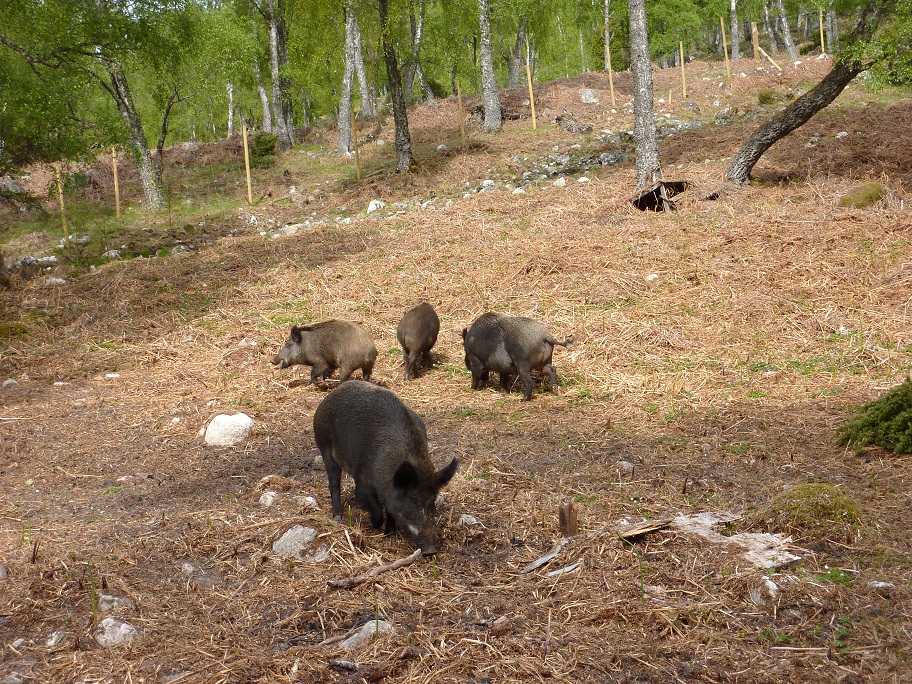
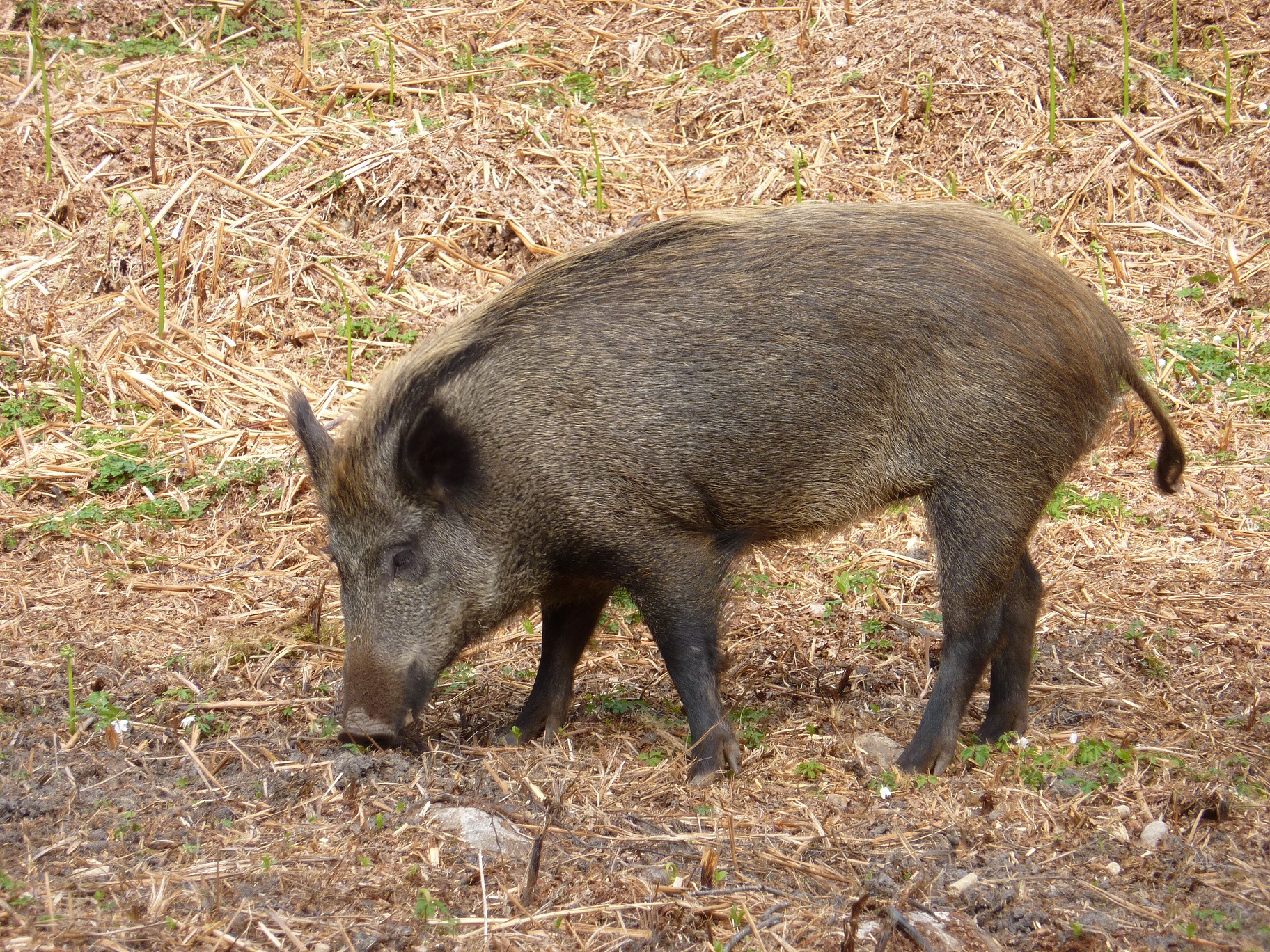
After the weekend at Achnashellach, I had one last stop to make before starting my journey South for the summer. The weather was fine, Steve was out working in the garden, there was some IT stuff to do, and Russell and Stephanie made supper. Great stuff. I stayed for the night before seeing the wild boar fed in the morning. The boar seemed in relaxed mood so Steve took myself, Russell and Steph for a walk in the enclosure, where we spotted a wild boar ‘nest’, a dragonfly, and some signs of regeneration…
-
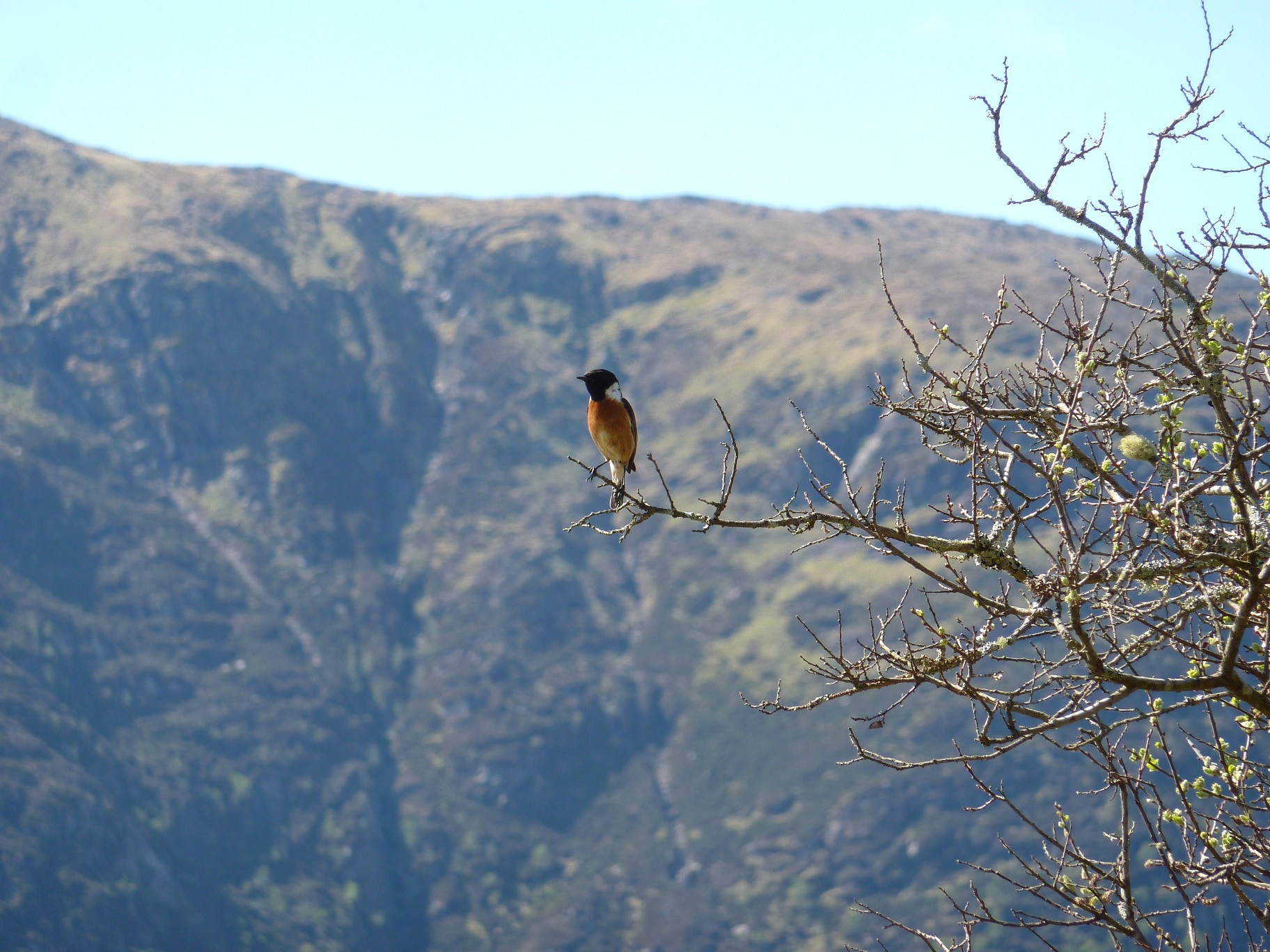
- As I was driving from Achnashellach to Dundreggan I stopped at the WGS site alongside Loch Claunie, where I spotted this Stonechat
-
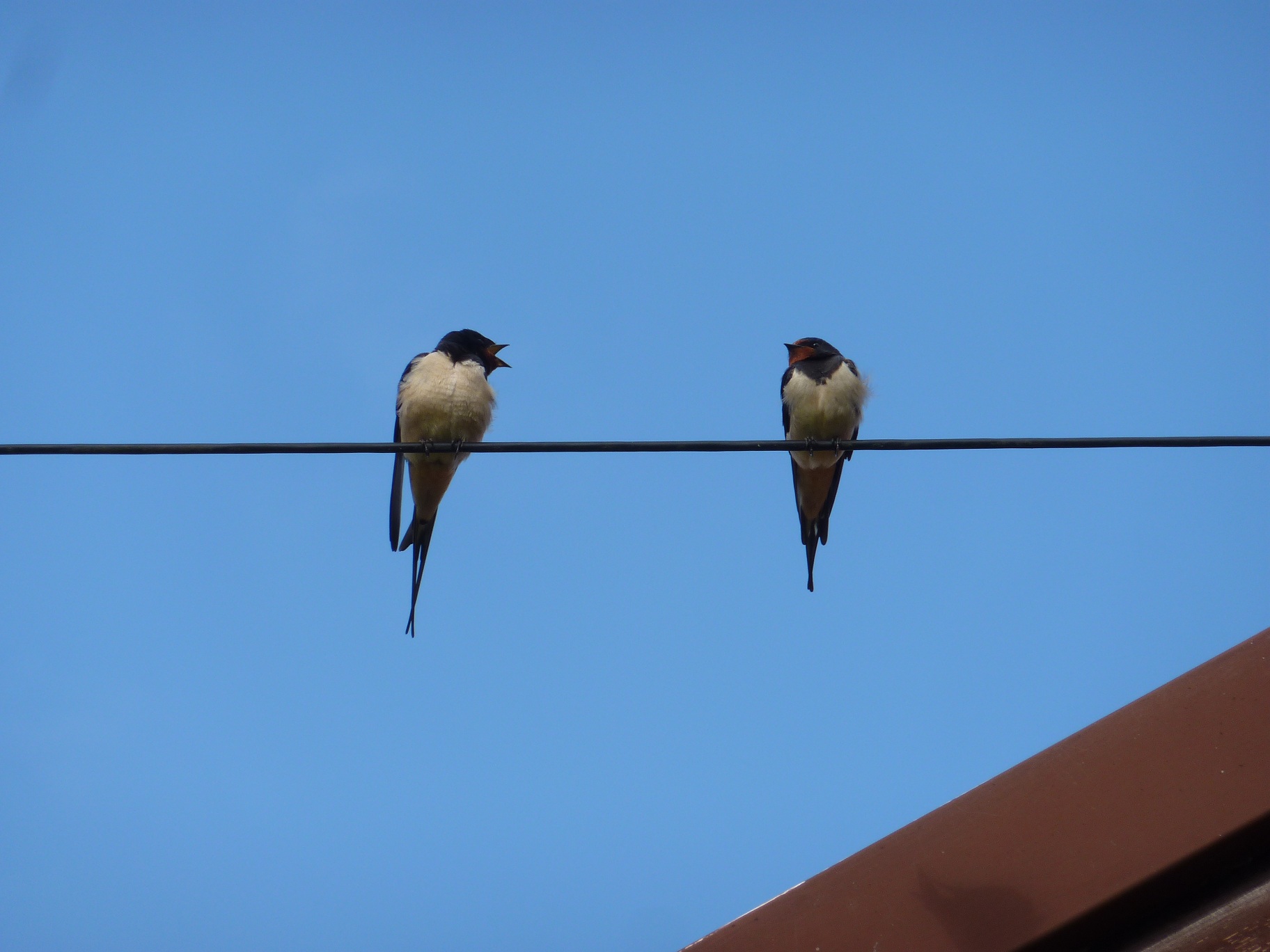
- Mr Swallow uses some, soon to be successful, chat up lines
-

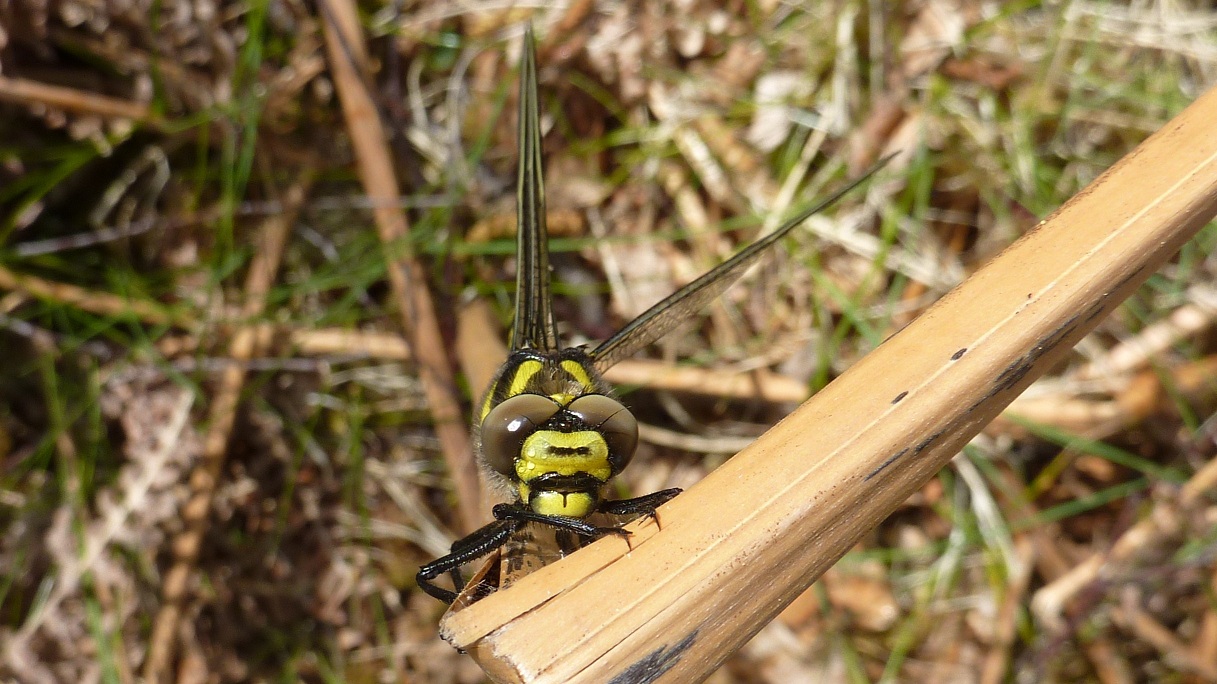
- A Gold Ringed Dragonfly, in the wild boar enclosure
-
- Steve and Russell admire a gnarly hawthorn

-

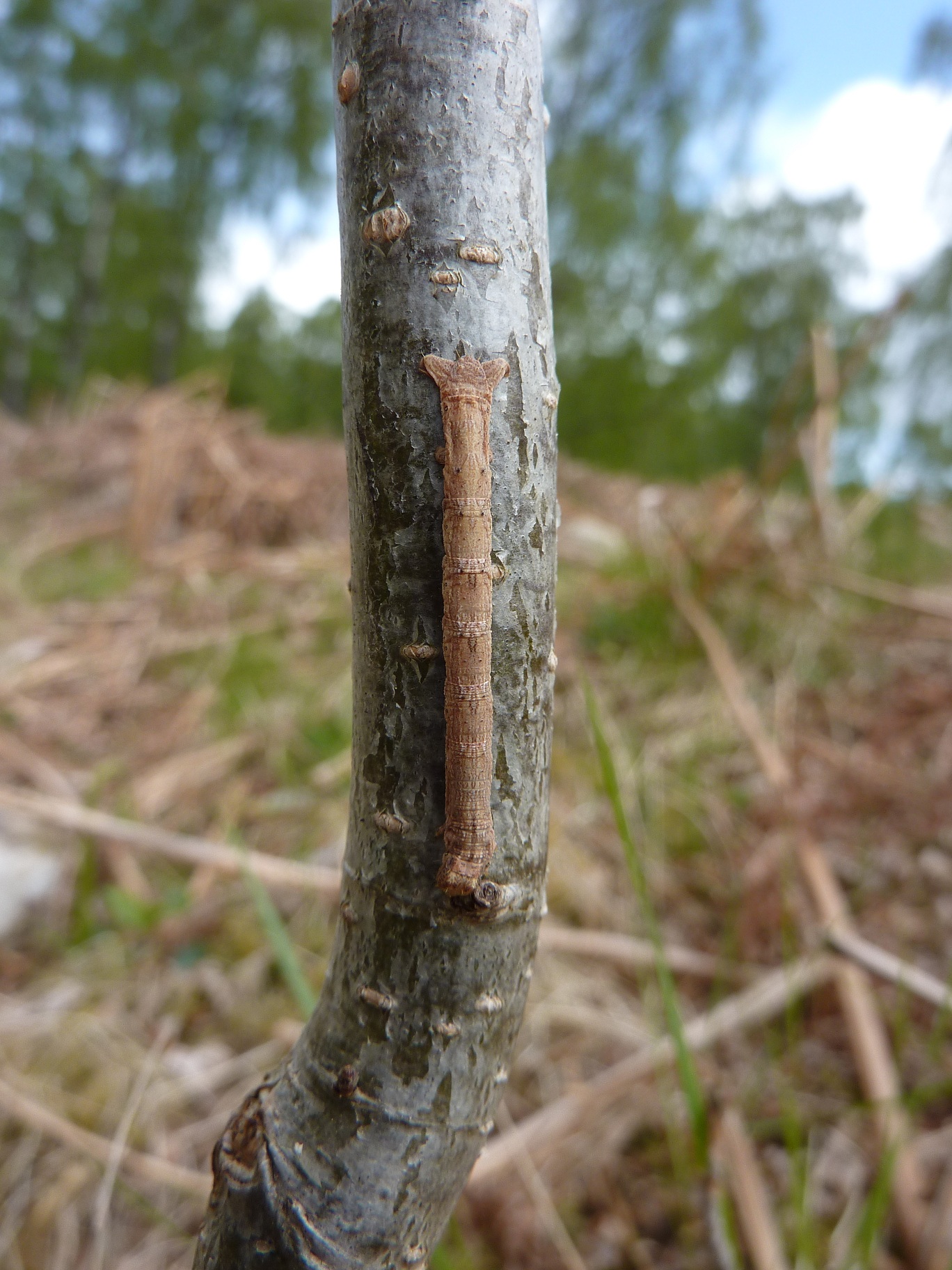
- Hmm, don’t know what type this is – any guesses?
-
- A Hazel in the Dundreggan riparian planting area
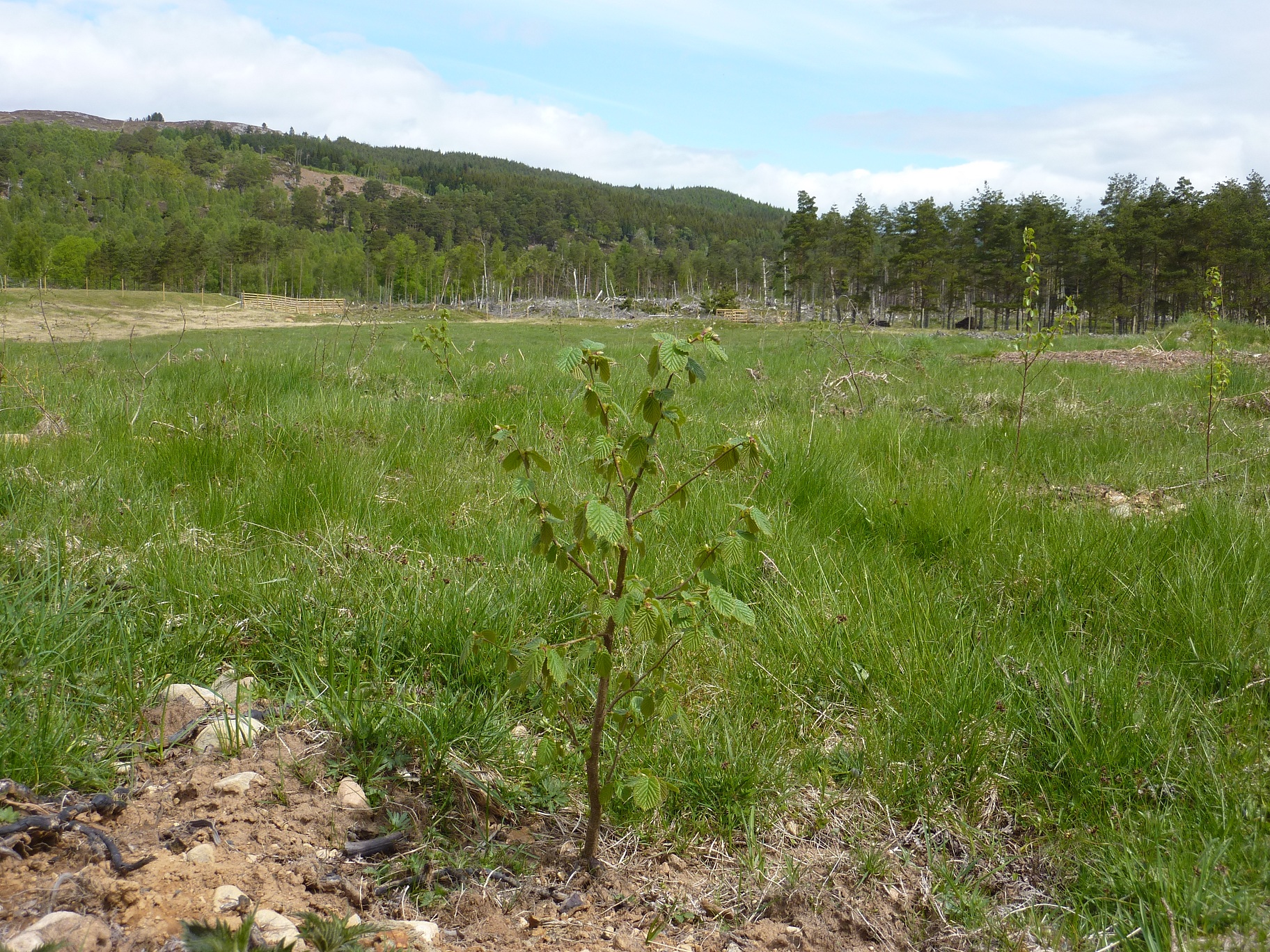
-
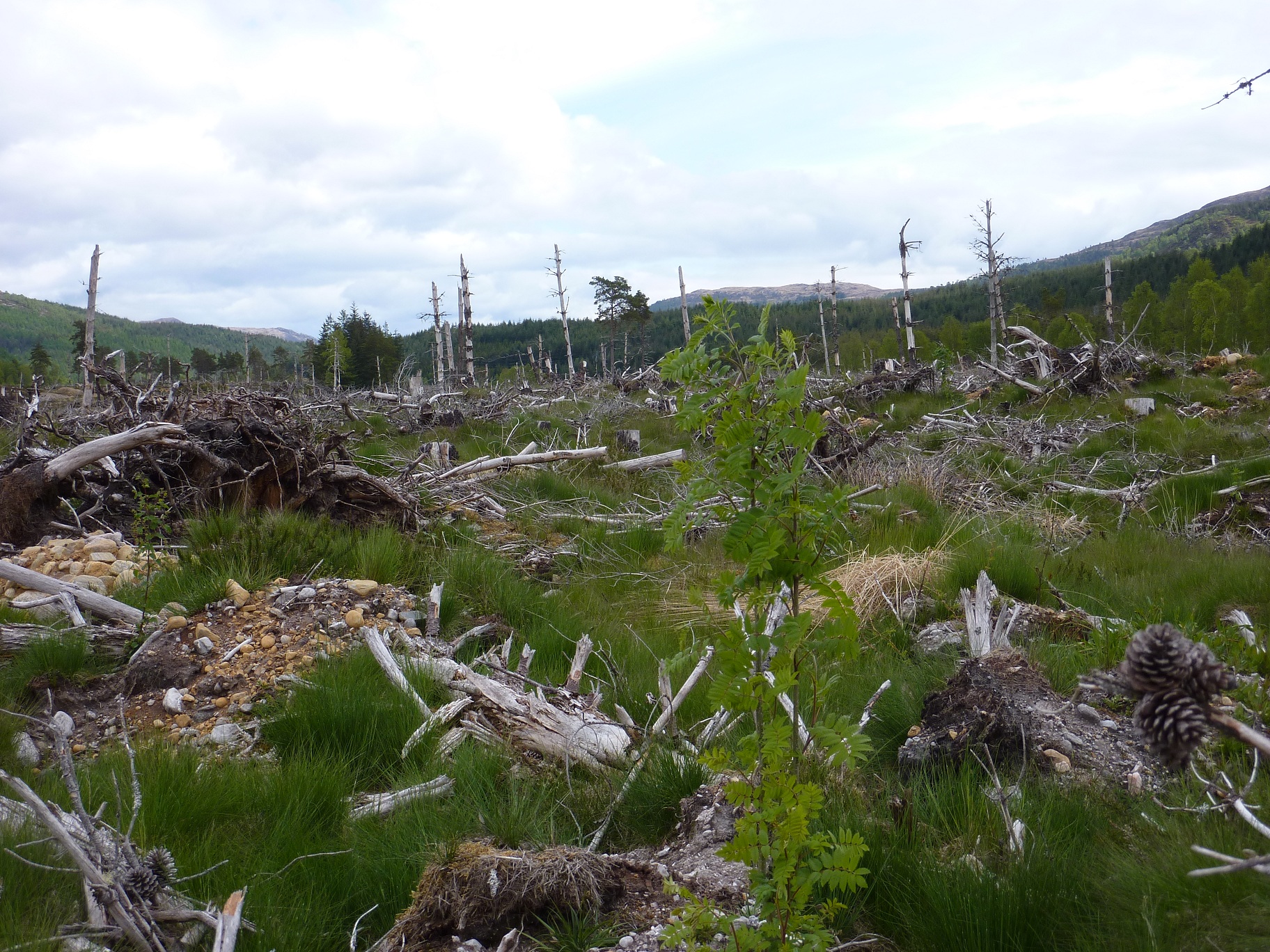
- A Rowan in the FCS riparian planting area (adjacent to Dundreggan’s)
Planting at Achnashellach and some time in the TFL Findhorn office.
Following my two work weeks at Plodda I was fortunate enough to have the opportunity to hang around the Trees for Life Findhorn office for a week, under the guise of an IT professional. My work was mostly based around upgrading slower MACs, ensuring machines were being backup up and specifying and ordering any other required IT kit. This was the last chance to see the TFL staff at Findhorn for the spring season, and I was treated to a beautiful walk in the dunes, a large slice of carrot cake, and a bbq party round at Mick’s (thanks Mick).
However, (possibly) the best part of my season was yet to come. On the Friday (21st) I had to leave Mick’s bbq reasonably early to head over to Achnashellach. There were still some unplanted trees left over from the season’s work weeks, and I’d agreed, with Colin, to have a go at getting some of them in. Armed with a spade, a couple of planting bags, and an FCS key, I drove to Craig, crossed the railway crossing, and was into the wild.
My illusions (delusions) of being into the wild were shattered at 7.30 the next morning when the slow trickle of walkers started to make their way into the hills, up the track past my sleepy camper. So, I dropped the roof, picked up some trees and got on with the business of increasing the population of Scots Pine on the hillside.
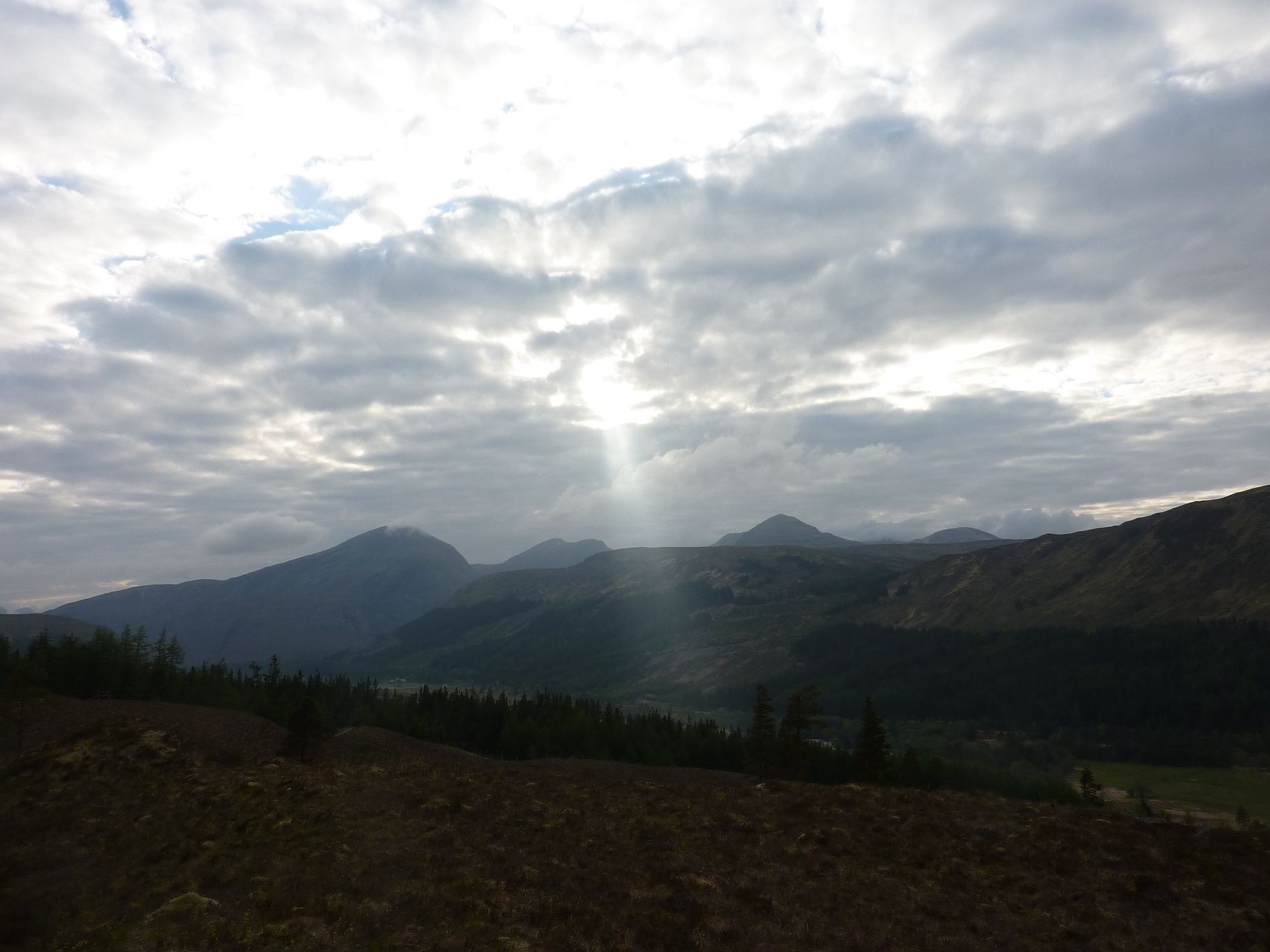
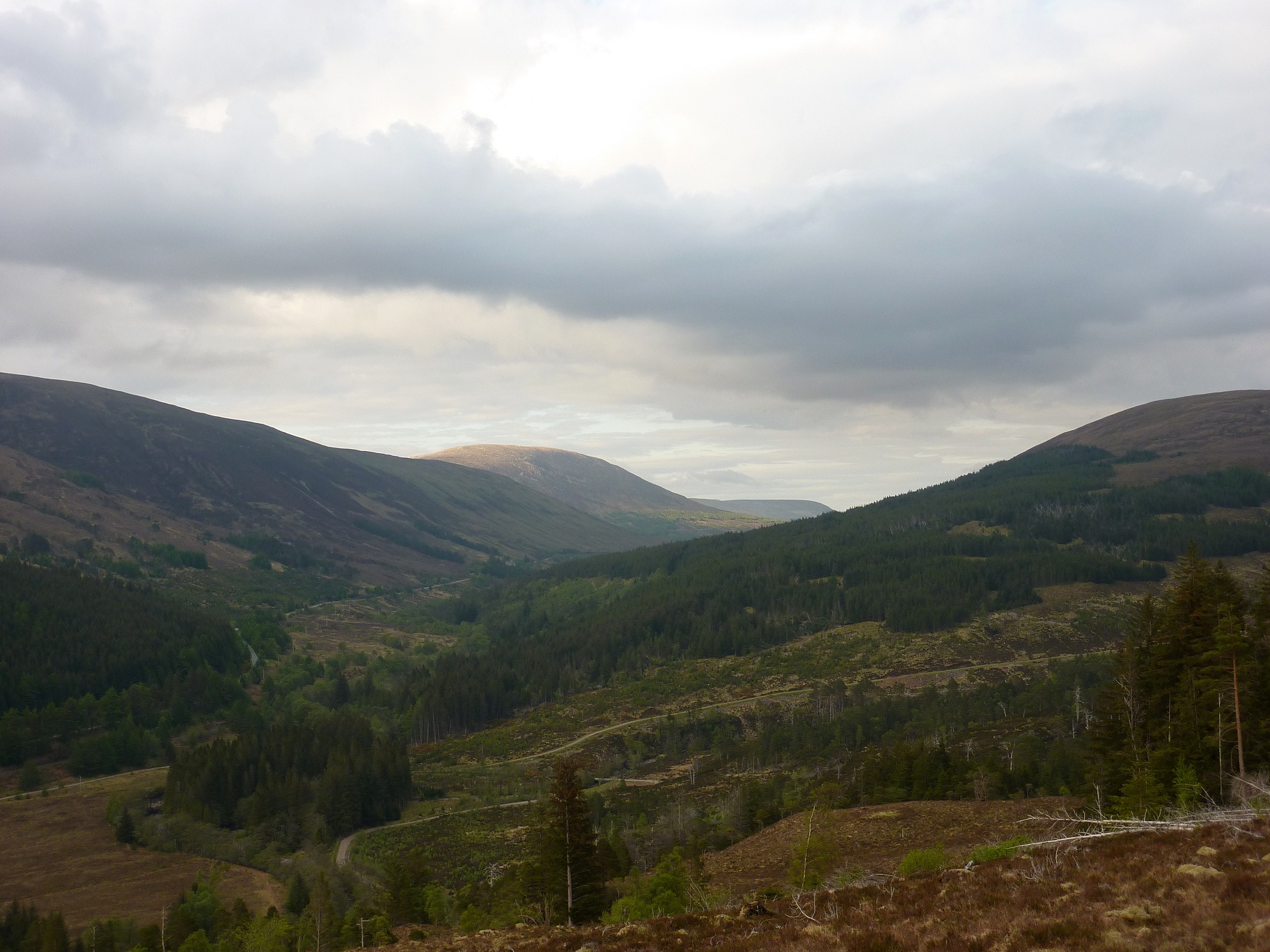
Amidst reports of some kind of heat wave across the rest of the UK, the weather gods were kind enough to leave Achnashellach overcast, with some fine rain at times, much to my relief, as carrying hundreds of trees up a hillside covered in 3ft high heather is warm work. At the end of each day the weather would brighten a little and I would stand at the top of my hill and survey the Glen. To the West were a series of majestic craggy mountains, to the East a large rolling Glen. Near me there was a burn running down the hill with a number of native trees alongside it; a sign of how large parts of the hill should look in just a few years time. In amongst the trees were Willow Warbler, Tree Pipit, Chaffinch, Great Tit, Blackbird, Thrush, etc…
-

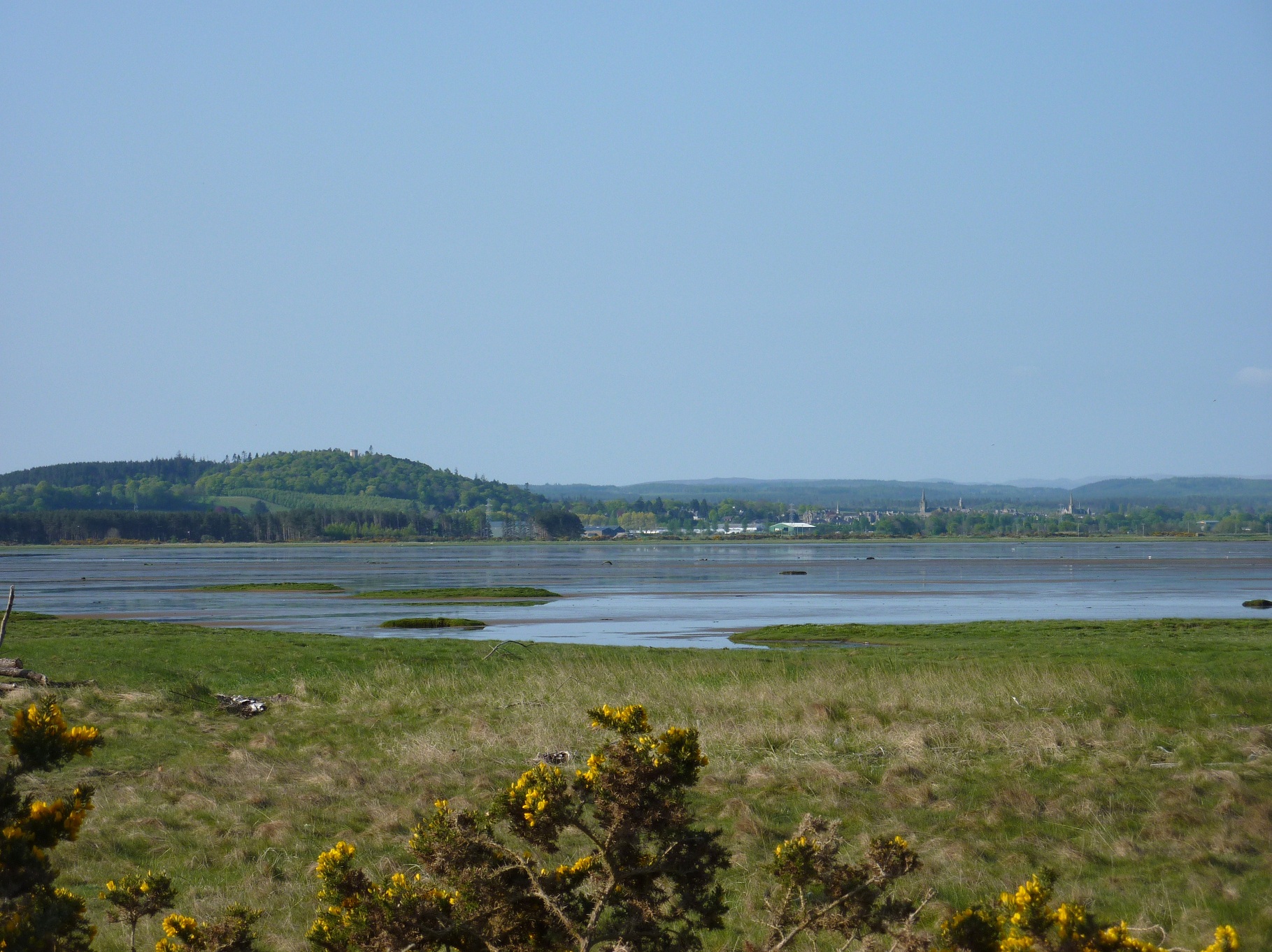
- On a number of mornings whilst staying in my van near The Park, I awoke to this view of the bay
-
- After my first day’s planting I thanked whoever might be listening, for the cooler weather, and…
-

- Looking East up the Glen. I was bringing the trees up from the track you see below
(Not just) Another TFL work week at Plodda, 8th to 15th May
Sometimes life throws up opportunities that just can’t be missed. Whilst on my work week with Gordon (see previous entries), I received a call from the office explaining that they needed someone to stand in for one of the Focalisers on the following week at Plodda. I wouldn’t normally work two weeks in a row, not only are the weeks physically demanding, but they can be emotionally so too. However, in this case I would be working with Howard, who I trained with, and I would be back at Plodda for another week, a place I love being around.
Thanks to Howard’s energy and the enthusiasm of the group, I was carried through my more tired moments, and by the end of the week I was extremely disappointed to say goodbye to a fantastic group of people and our well formed community.
During the week we planted roughly 4000 trees in Glen Cannich. We also spent one day in the tree nursery at Plodda under Jill’s guidance, transplanting trees, digging out and adding compost to beds, and potting out Aspen root cuttings.
There was amazing food (including a multiple course curry, and veggie burgers on another night), and another opportunity to get up to Loch An Eang, this time with Howard and Charlotte, on our day off. Here are some photos, a link to more will follow…
Ok, link is now here.
-
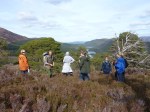
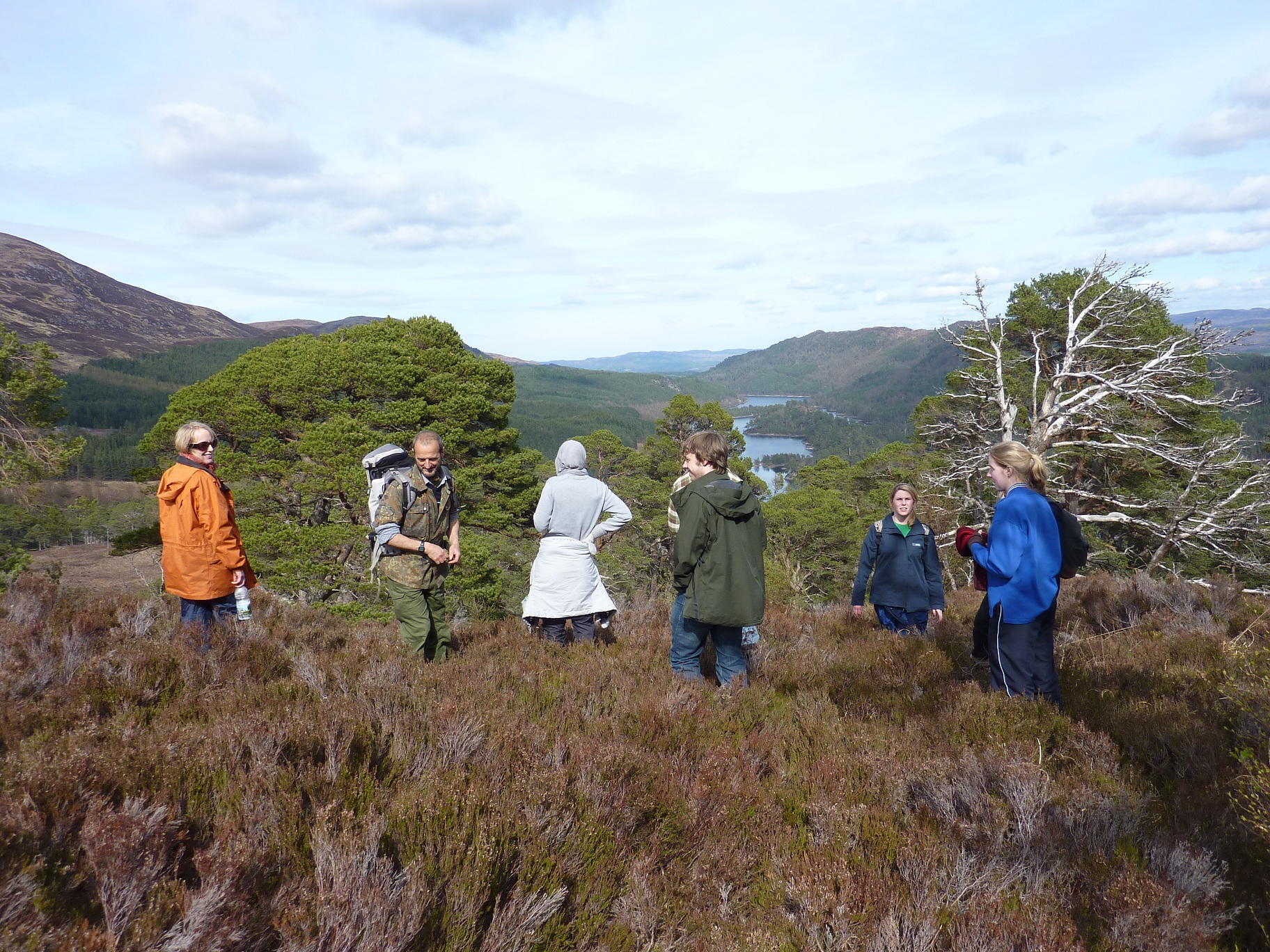
- Near the top of Coille Ruigh on the intro walk
-

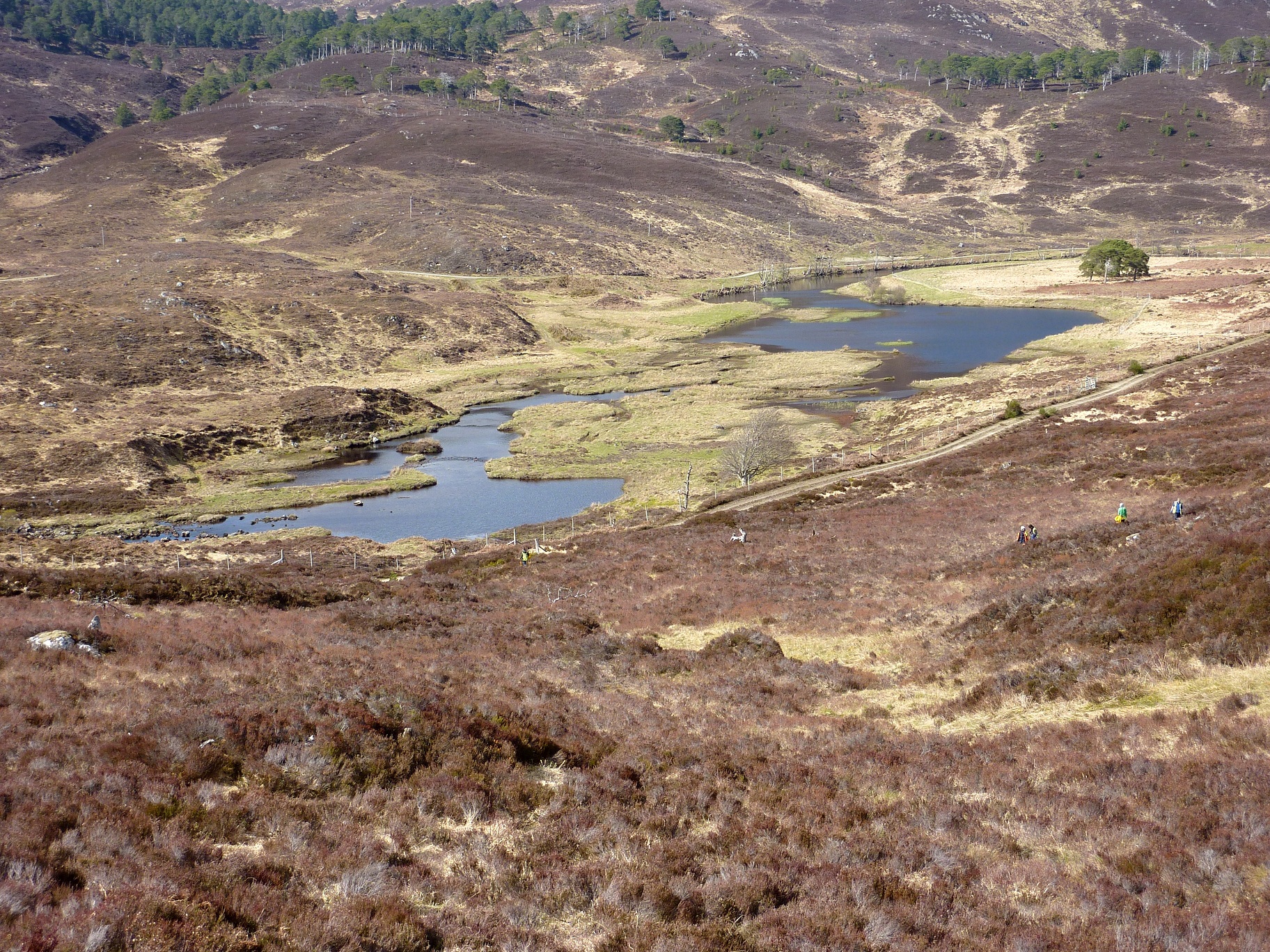
- The Glen Cannich planting site
-
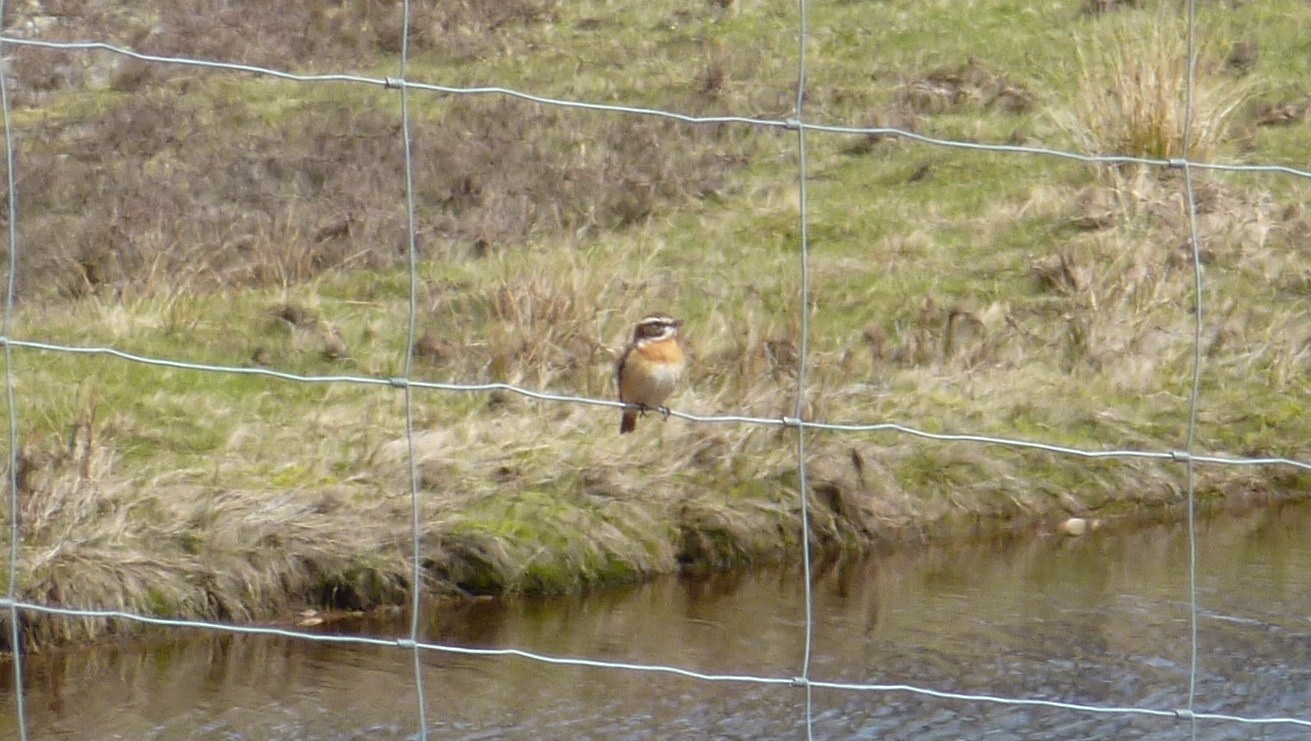
- This little fella (Winchat) spent a fair bit of time with us
-
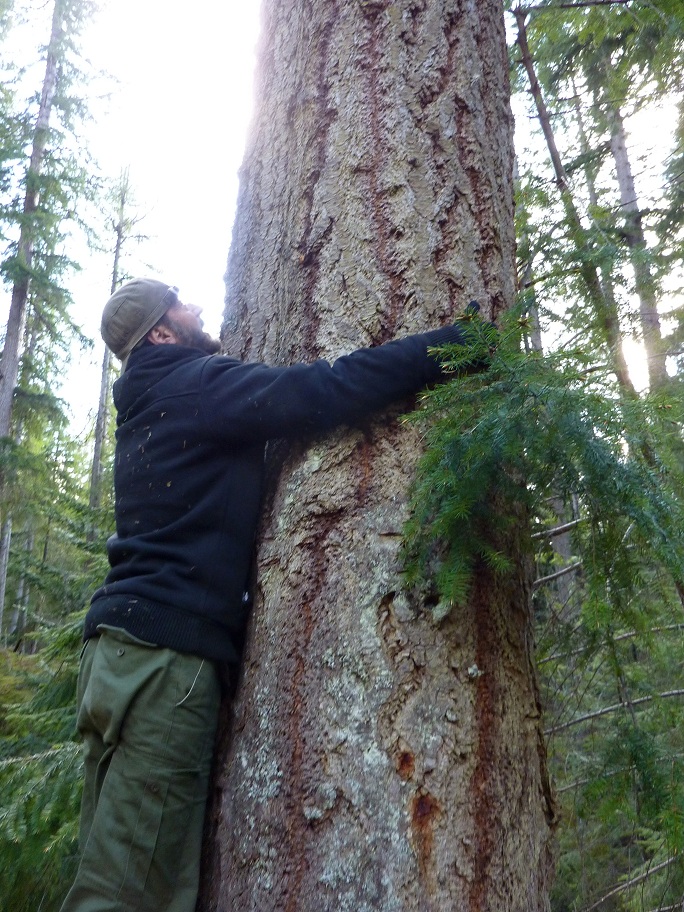
- Myself and Howard get to know the trees about Plodda
-
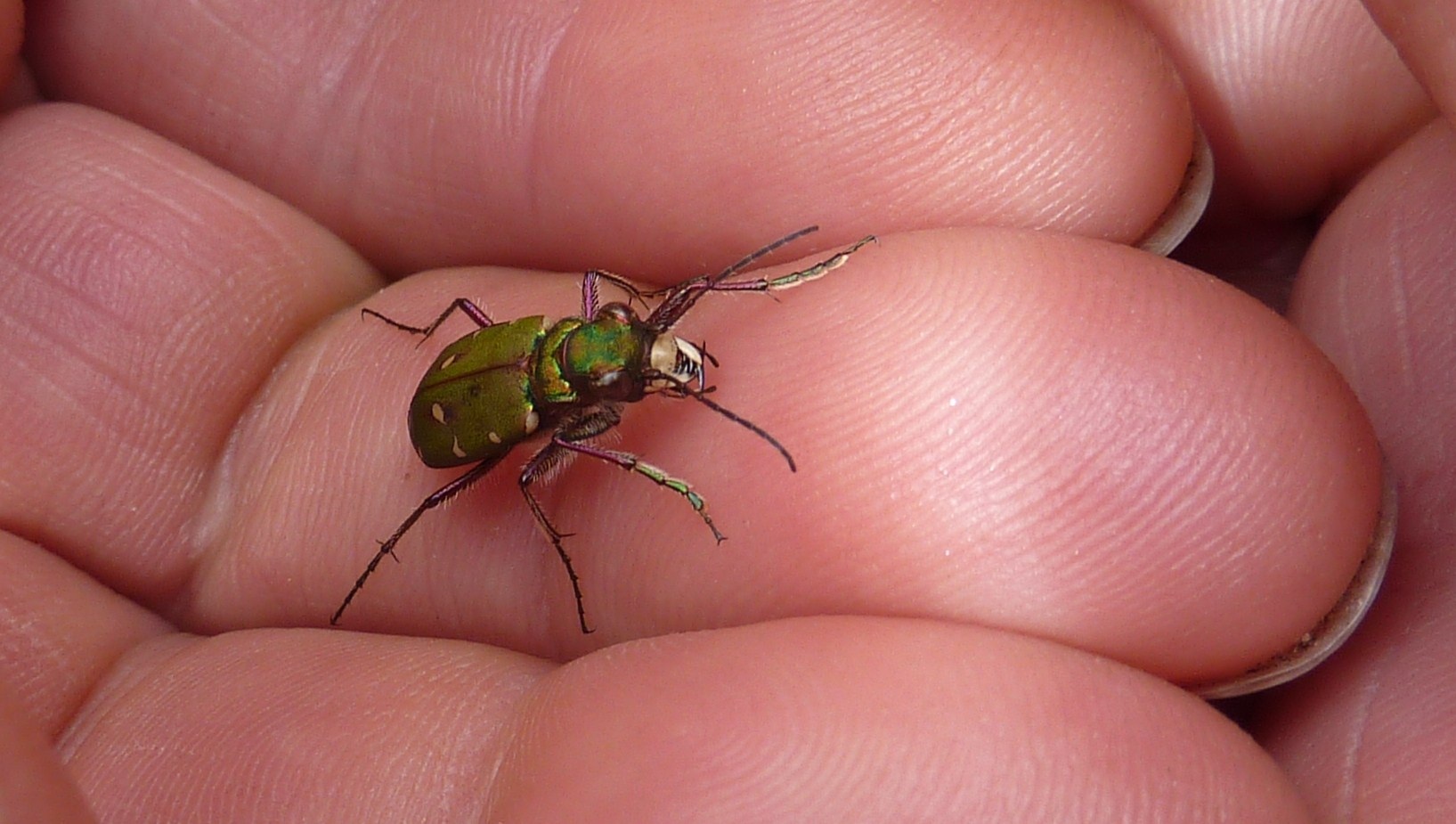
- A Green Tiger Beetle. And a hand.
-
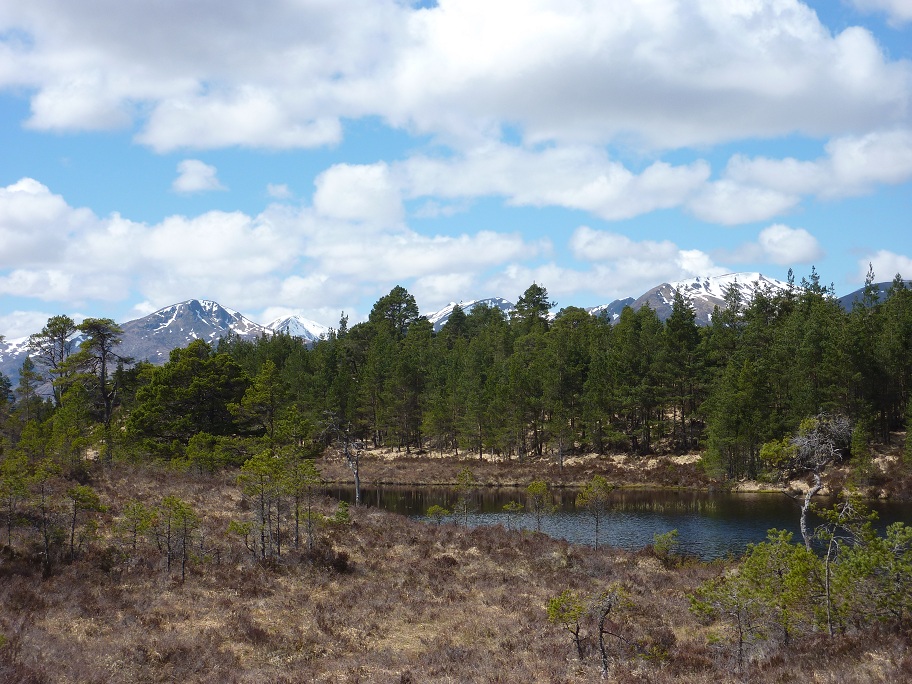
- Off the beaten track, the heart of the Glen Affric NNR is amazing.
-
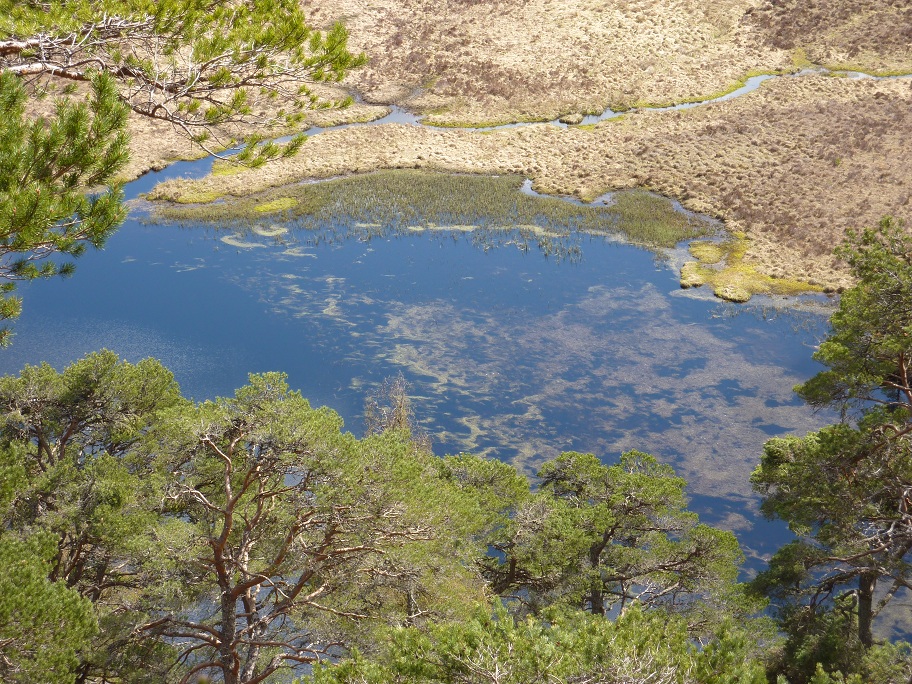
- The quite ridiculously attractive Loch An Eang
-
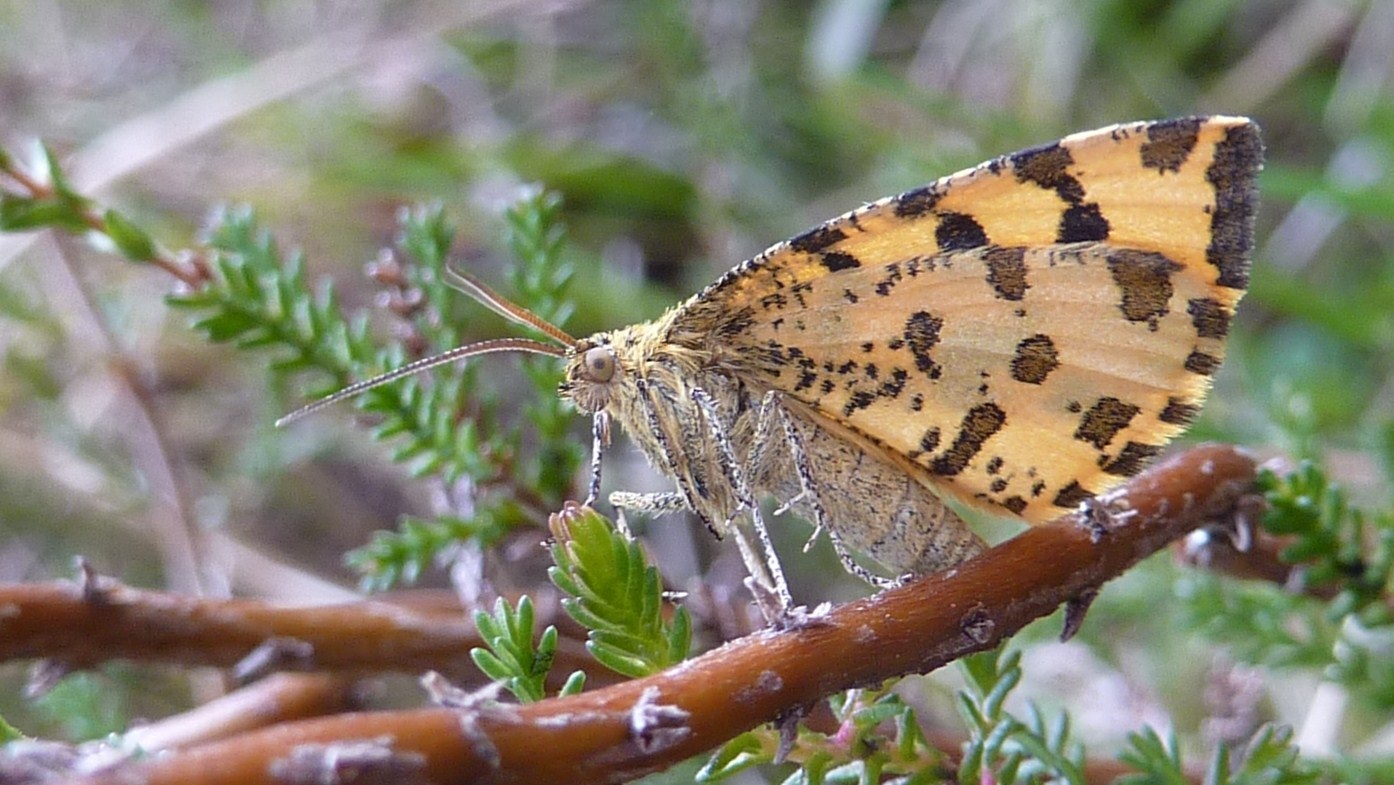
- After a sip of the local stream water, Howard spots this Speckled Yellow…
-
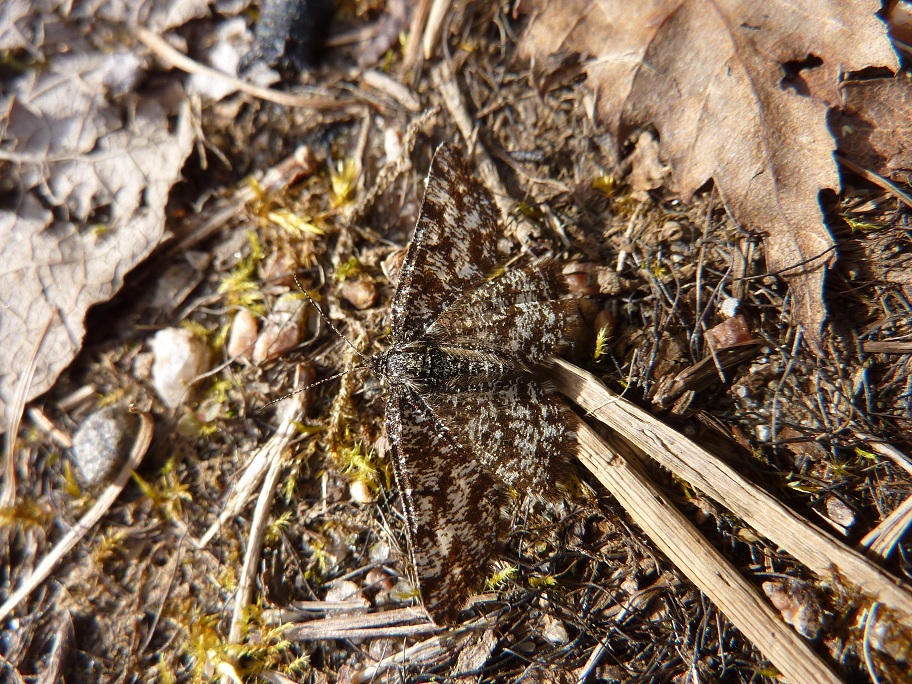
- …Once his newly attuned superpowers have really warmed up, he finds this Common Heath
-

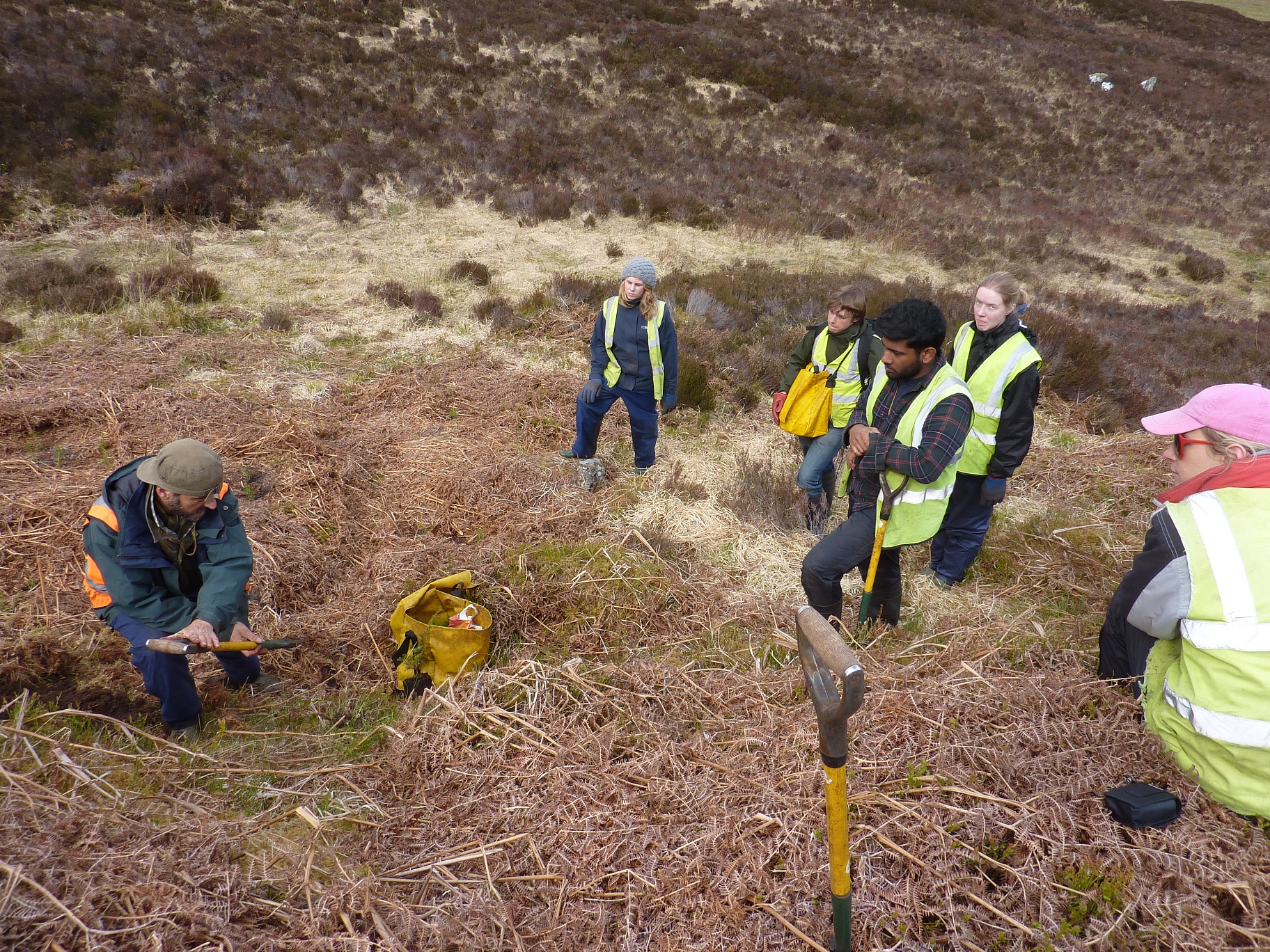
- Howard demonstrates planting Juniper
-

- Andreas has planted Charlotte in amongst his Juniper

-

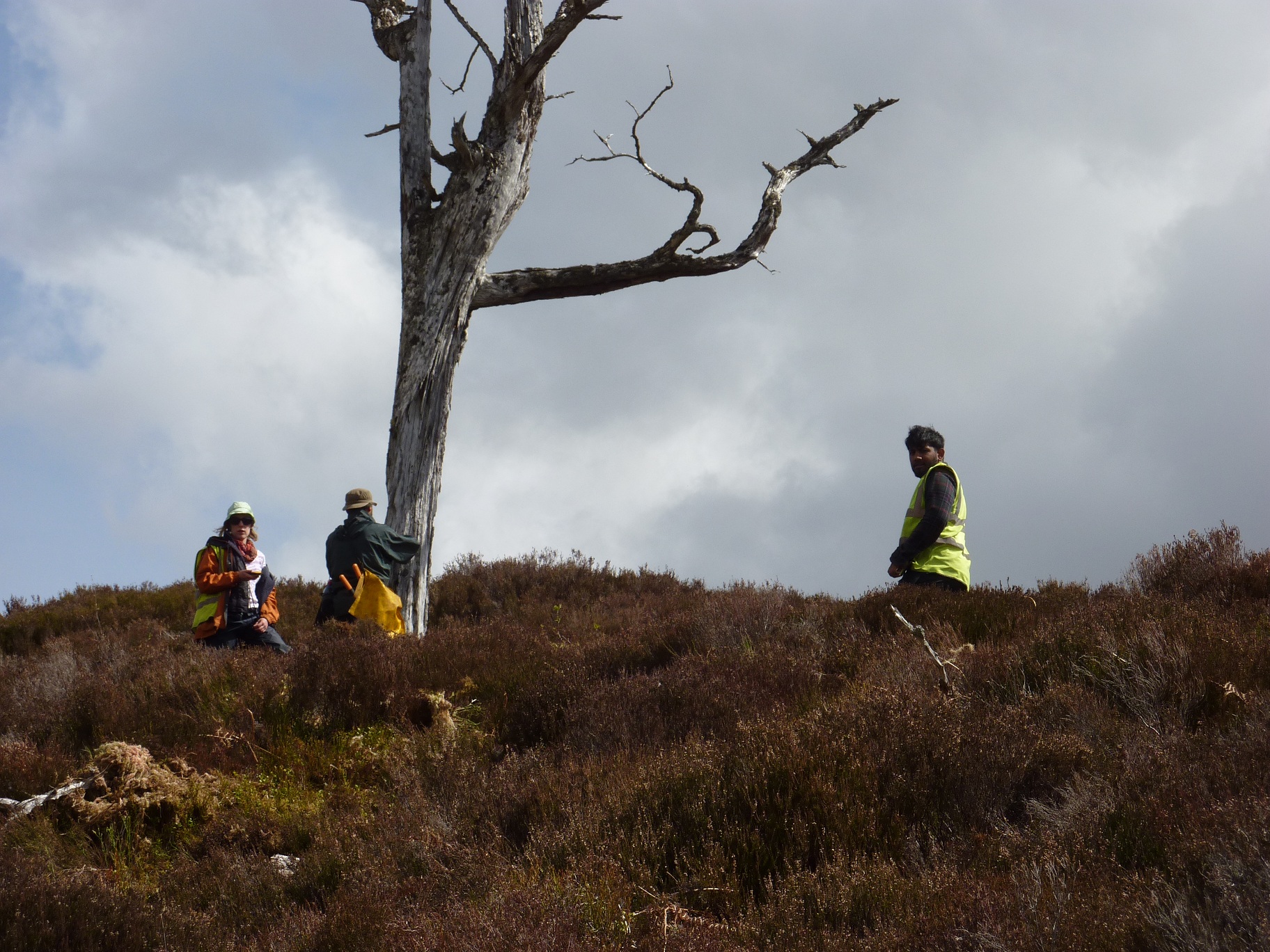
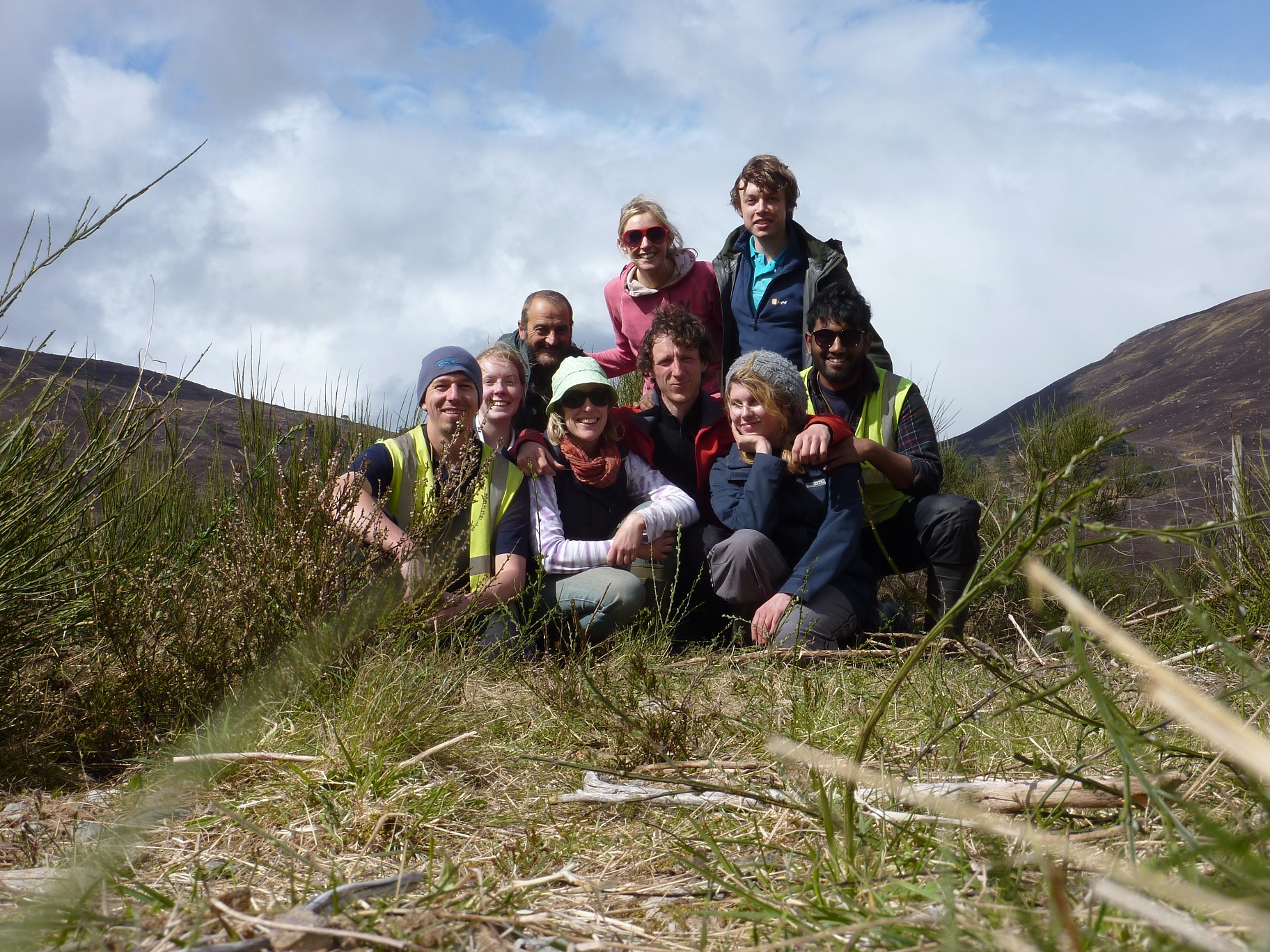
- This tree marks the cornerstone of Raj’s empire
-

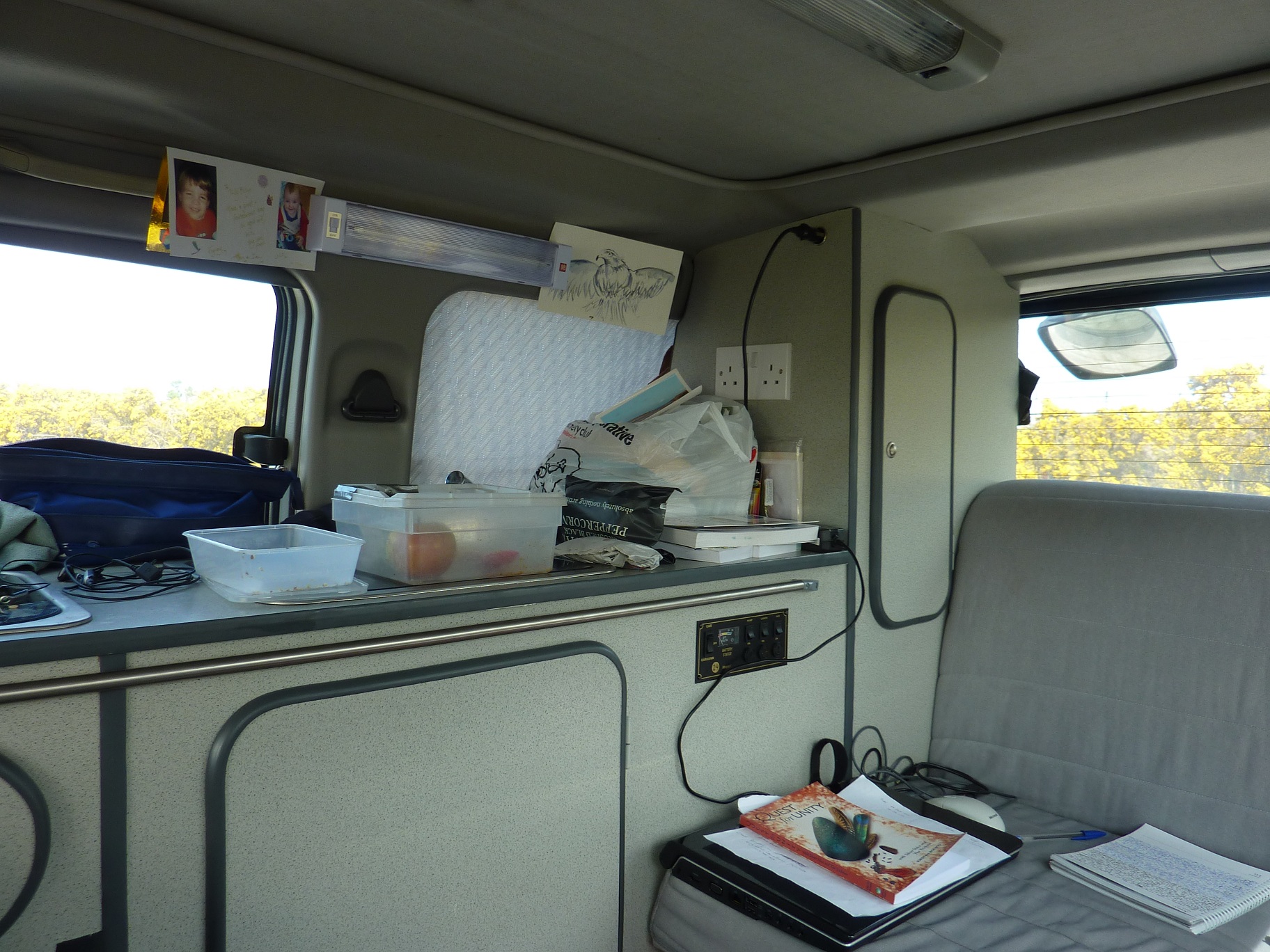
- The first hand painted card I’ve received on a work week takes pride of place in my home.
More photos, taken with a real camera, (not my phone!) from the ww 1st to 8th May
The first of these pics were taken on the day off, the rest later in the week.
Here is a link to more photos, not published on the blog
-
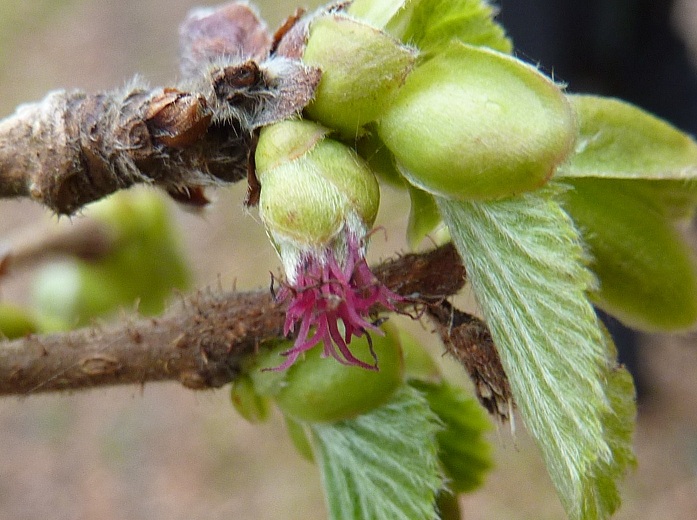
- A flower on a Hazel tree
-

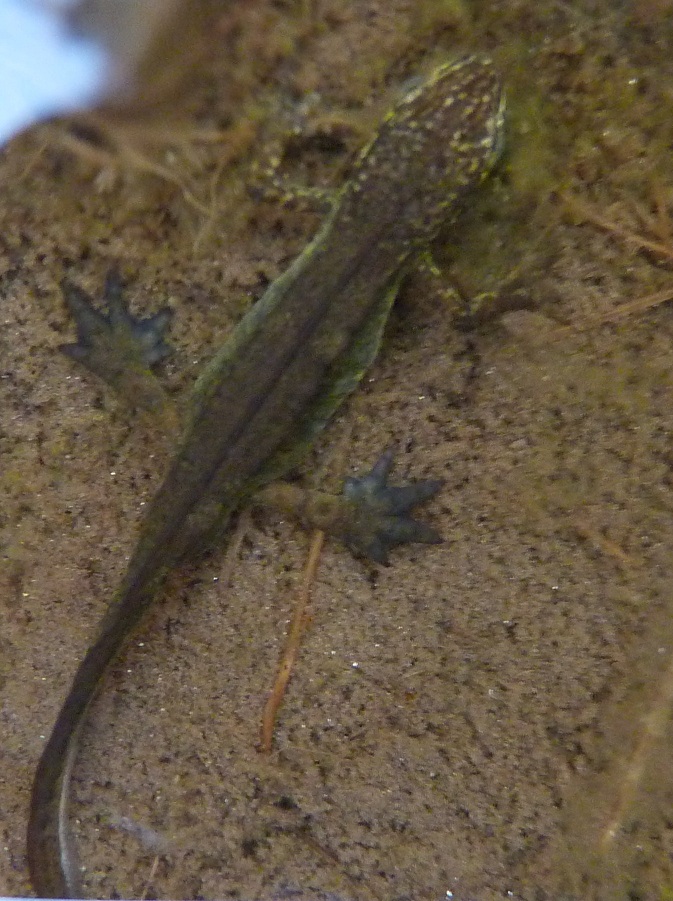
- We found some palmate newts getting frisky in the larger puddles on the track on the way up to Loch An Eang

-
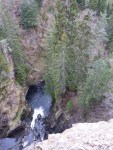
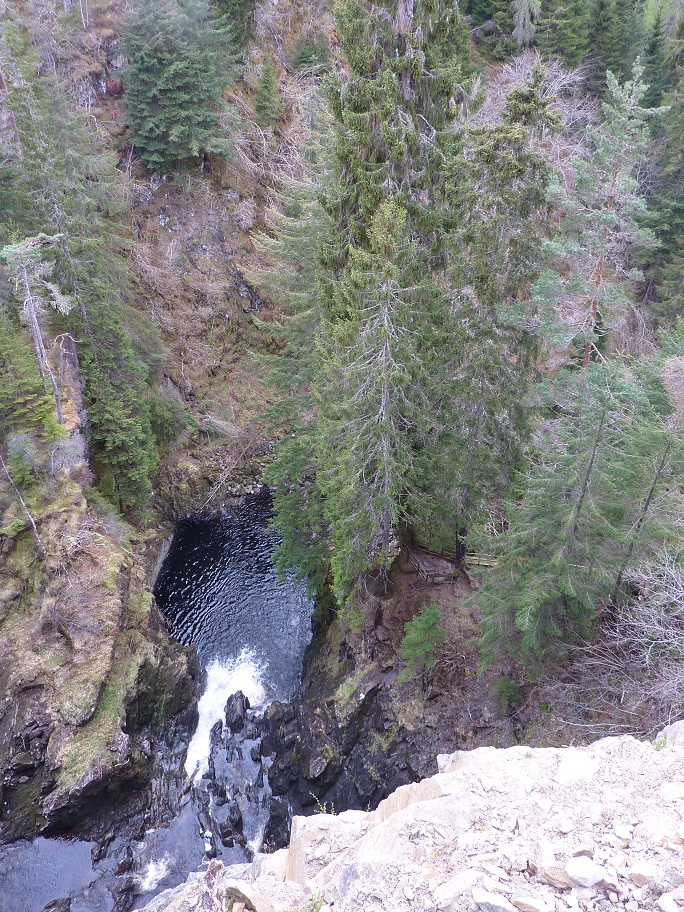
- The falls at Plodda
-

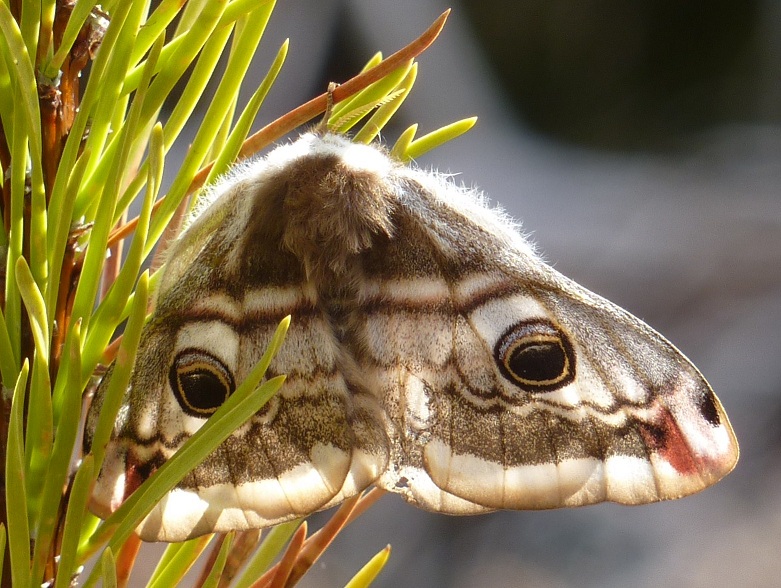
- An Emperor Moth
-
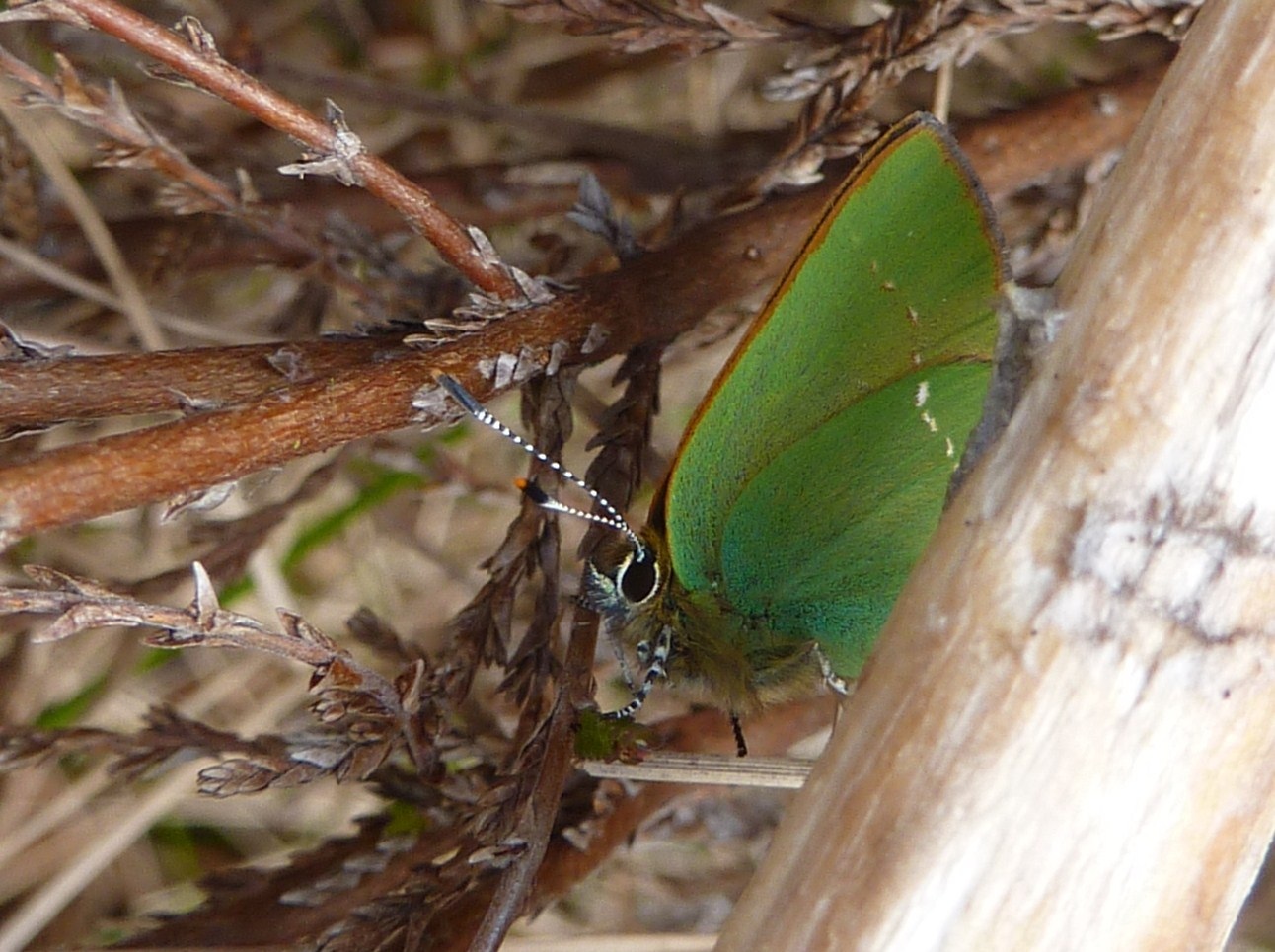
- And a very cute looking Green Hairstreak
-
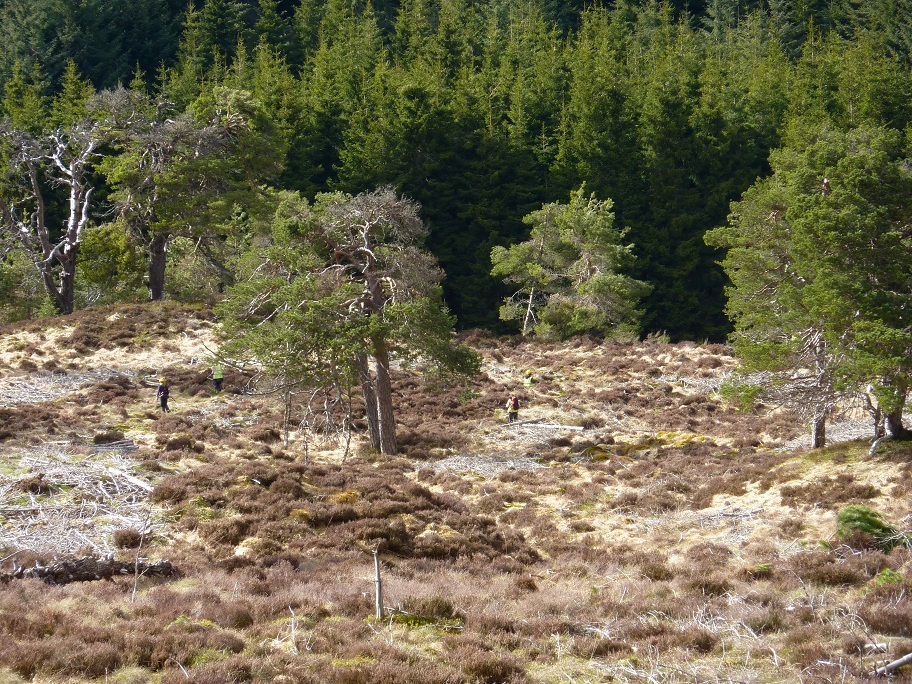
- A beautiful day removing non-native growth from the hill near the Cougie farmstead
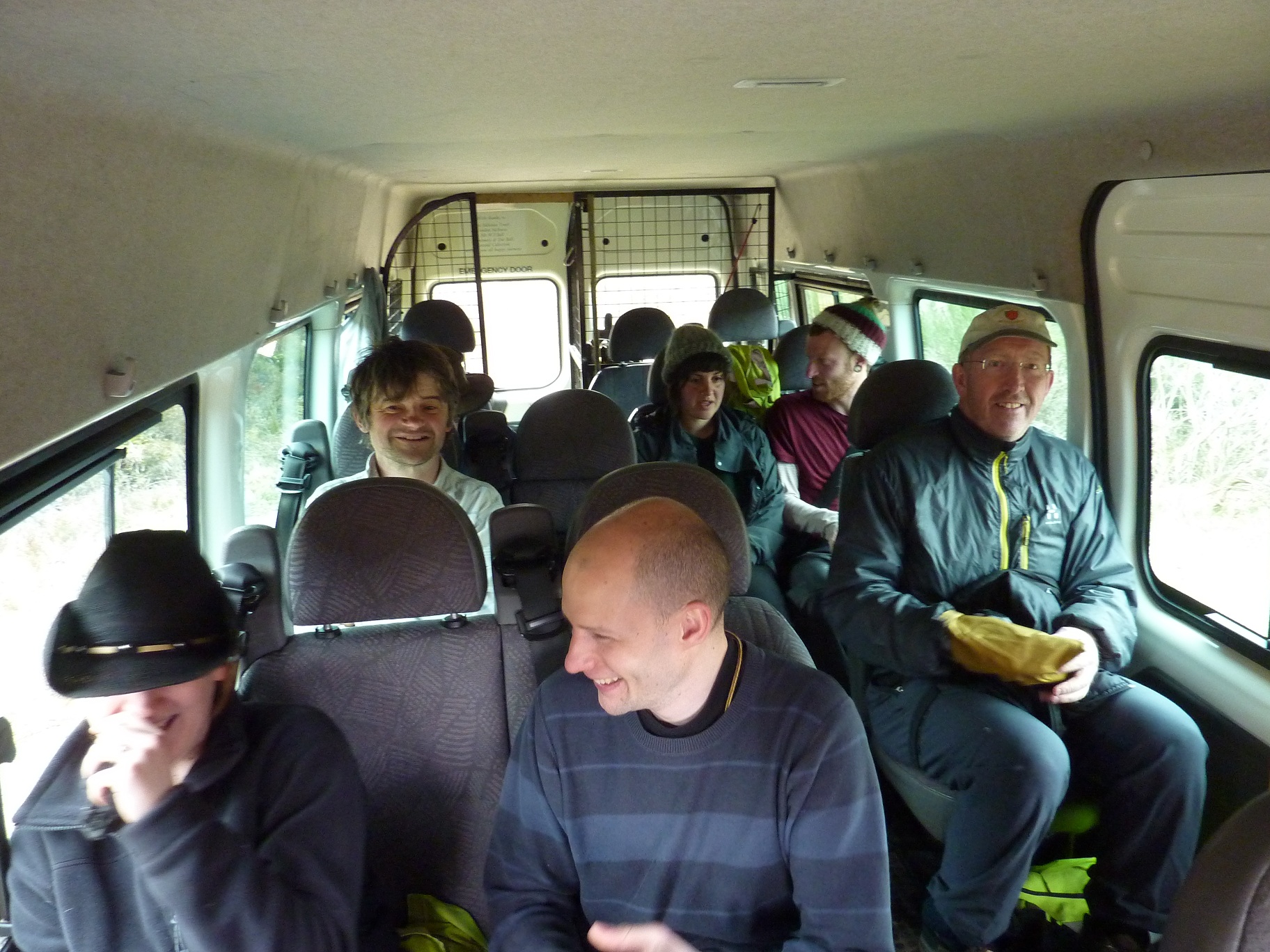
-
- At the end of the week you have to take an exam…

-
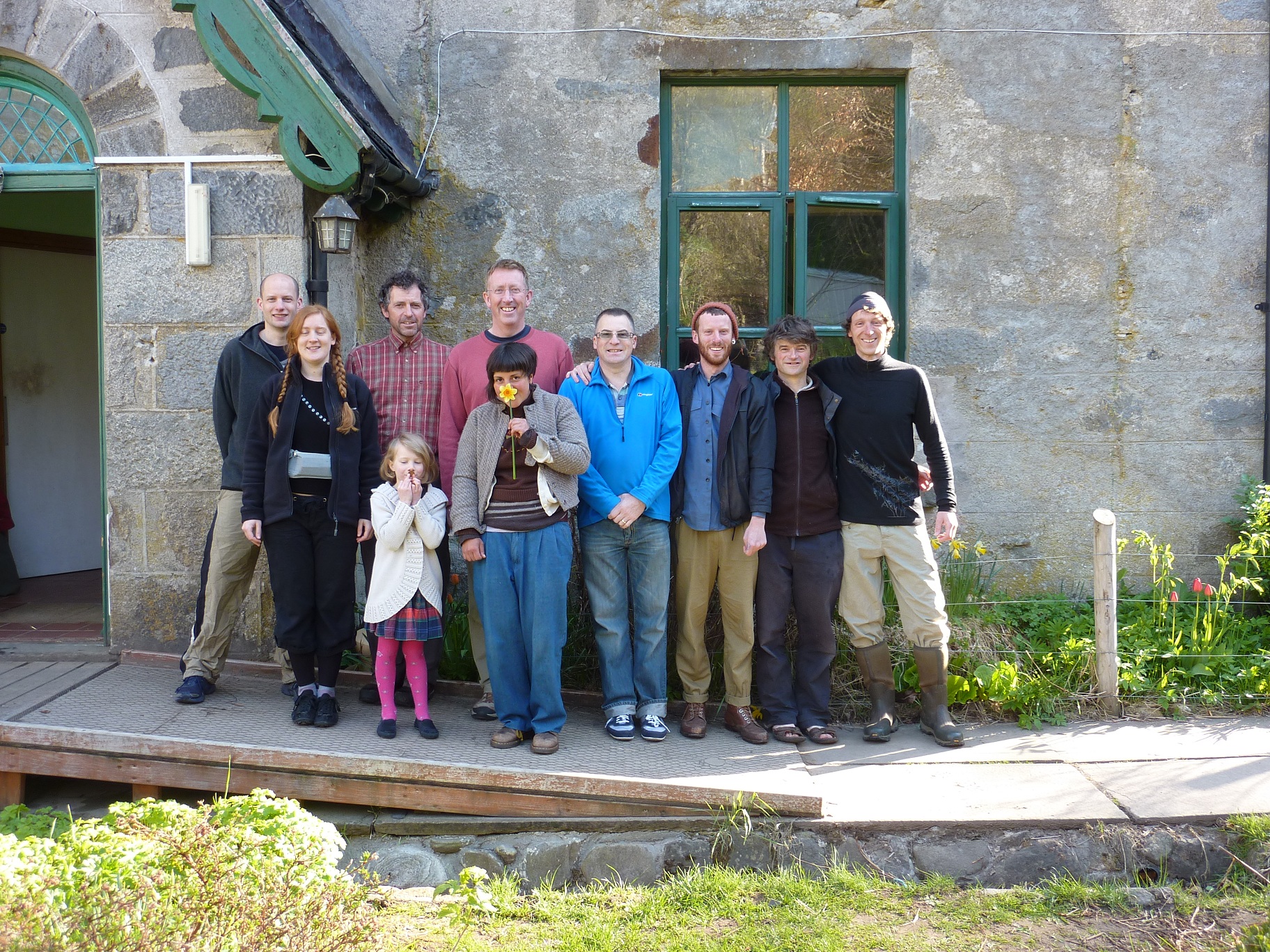
- Hang on, weren’t there only 9 of us out on the hill?
A TFL work week at Plodda, 1st to 8th May.
So May has been a bit hectic, and I’ve a bit of catching up to do on here. It all started with only my second work week of 2010. This one was in a tried and tested Focalising combo with the legendary Gordon. We were staying at Plodda and planting in Glen Cannich, with a couple of non-native weeding days at Glen Cougie.
Both sites offer incredible views of the Glen Affric National Nature Reserve, and some excellent examples of ‘granny’ Scots Pine trees, and I found the drive to work each day incredibly inspiring. There was a significant amount of birch regeneration on the way to Glen Cannich, and it looked like this could be happening in some parts of Glen Cougie too. In Glen Cannich we planted just over 2000 trees, and in Glen Cougie we cleared a substantial area of non-native tree species (Spruce & Lodge Pole Pine).
This work was all thanks to 7 wonderful volunteers, some good weather and great food. I also had an amazing walk to Loch An Eang (with Gordon and Alan) on our day off.
Here are some photos. More will follow when I’ve an improved internet connection.
Here is a link to more photos, not published on the blog.
-

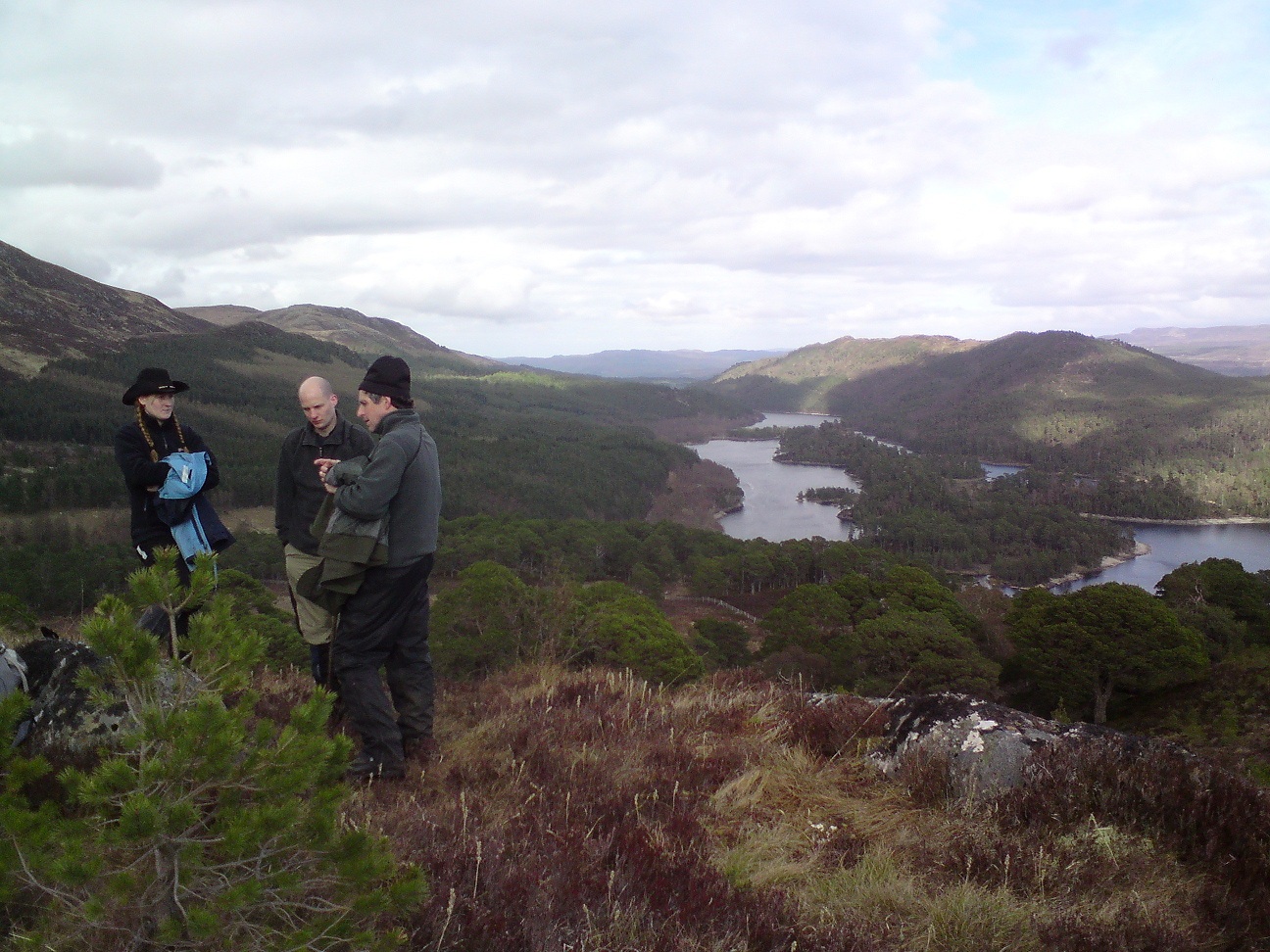
- The view from near the top of the Coille Ruigh introductory walk.
-
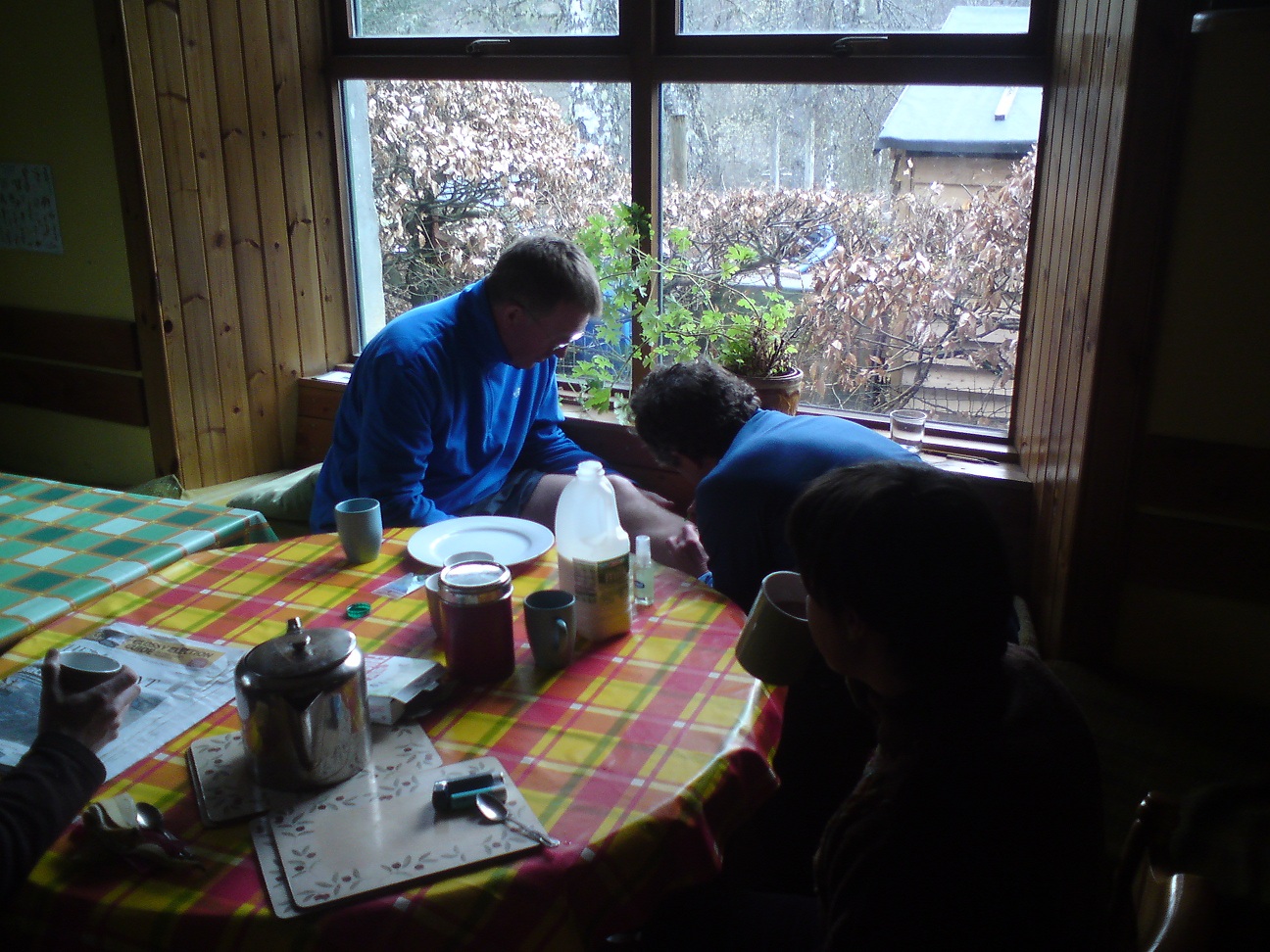
- Gordon and Alan spend most of the week removing all the ticks that Alan hoovered up on the first planting day.
-
- The sun shined on us for most of the week…

-
- Jill gives us a tour of the nursery

Dundreggan pics…
So, myself and Calum have been staying in the cottage at Dundreggan, and planting the trees left over from the spring work weeks. The planting site is high up, over-looking the only coniferous plantation on the estate. The views are superb, with large Munro’s to the West and the wide rolling Glen of Moriston below and to the East.
Steve, the Dundreggan project manager, has tried to make planting as easy as possible, ensuring that there are plenty of prepared areas of ground within the fenced exclosure (to keep out deer). As a result I put in 500 to 600 trees a day, and am glad that myself and Calum have been given the opportunity to ensure that the trees get the best possible start in life, rather than the job being given to an external contractor.
On Monday I walked up to see the pigs. I can’t remember having seen them since I stayed here at the end of last year. Unfortunately, there are two less little ones than when I last saw them, due to a combination of infection and some extraordinary cold weather over the winter. But the two remaining little ones are now not so little. In fact they’ve grown so much, they all look fantastic.
After seeing the wild boar I continue up Binnilidh Bheag, before running down from the top to the cottage. This I manage in under 9 minutes. I was hoping to do it in 4 – probably not achievable without killing myself.
Evenings are spent eating with Calum, Tim (a Belgian long term volunteer) and, for a couple of days, Willie, Calum’s Dad. Tim introduces us to a very cool looking Belgian desert. It turns out to be custard. Excellent.
-
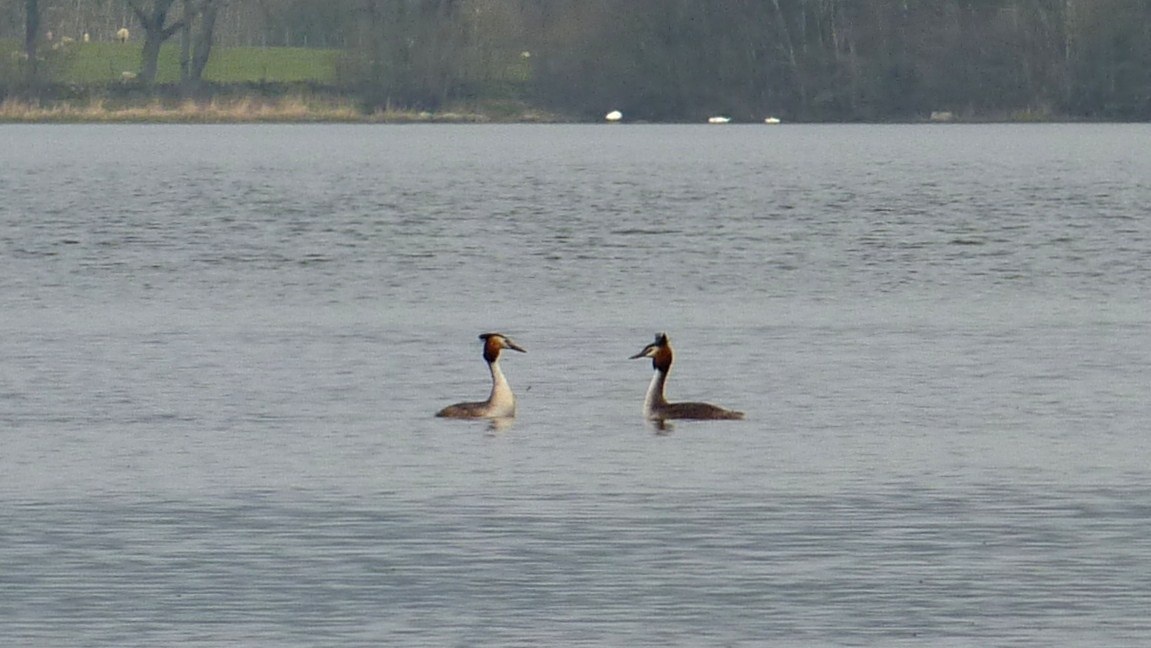
- Whilst driving from Kinnordy to Dundreggan I stop at Loch of the Lowes, and see some Great Crested Grebe’s flirting
-
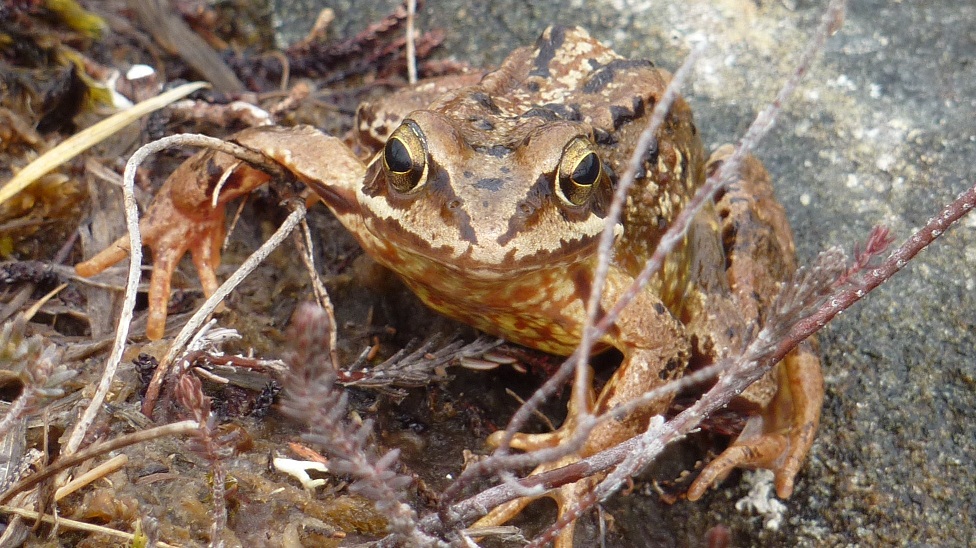
- A Dundreggan frog, probably not too happy about all this chomping about around it’s home.
-

- Calum and Willie in the afternoon sun after a day’s planting.
Goodbye Kinnordy, hello (again) Dundreggan
So, it’s time to leave the Loch of Kinnordy reserve. Today, I packed my stuff into the van, bought some food in the local Co-op, and then called into the reserve for one last time (for now). While I was there, Jim, a regular visitor to the hides arrived with his grandson. Jack has a fantastic enthusiasm for nature for one so young. He has a camera and loves taking pictures of the Osprey, Lapwing and Shoveller. Today, though, when he pointed out from the hide and shouted “What’s that?”, it turned out to be a Marsh Harrier. Woaw!
I’ve never seen a Marsh Harrier before, but it looked amazing with a strikingly pale head, flying over the reeds, before swooping down, out of sight, probably to grab some prey. Unfortunately we didn’t see it again, but not long after an Osprey cam along and pulled a fish from the reserve within site of where we were sat in the Gullery.
As if this wasn’t enough for one day, I then called by the Loch of the Lowes on my way West, where I was lucky to see a number of Great Crested Grebe performing to each other on the water.
I’m now staying at Dundreggan for a week to plant some trees, in a new area for planting on the estate, with Calum. Hopefully I’ll get time to update with another entry before the end of the week. I have no broadband reception here, so am having to pop round to the office to pick up email.
Anyway, here are some pictures from the last few days…
-
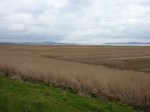
- Earlier in the week I was given a guided tour of the Tay estuary reed beds by Graham, who manages the reed cutting.
-
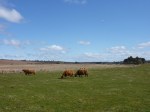
- Looking east across the reserve.
-
- My RSPB transport, and the bench next to the bird feeders on the reserve, prior to me re-staining it.
-
- Some Willow flower.
-
- Spring is so close to bursting out, but I have to leave before I get it to see it happen…
-
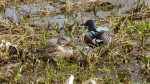
- My new favourite photo – a pair of Shoveller duck.
-
- The Swallows are back…
-

- …and performing acrobatics in front of the Gullery.
A new and exciting world?
A great story on the radio this evening. One of the sports commentators had some friends who were going on a stag do. 14 of them were due to fly out to one of the Balearic islands for the event. They were from all over the UK, and were taking a number of different flights from different airports to get over there. One of them made it.
Eyjafjallajokull is the volcano in Iceland that has closed down North European airspace. What a wonderful thing nature is. It’s such a simple way to reduce the number of flights, something anyone with an awareness of the environment, or a house near Heathrow, would like to do permanently.
I love flying. Unlike some people I know I find the process of taking off (and landing, although not to the same extent) a magical, exciting experience. But I haven’t flown for some time now, and having to fly to far away customer sites was one of the many reasons why I left the office. Aeroplanes produce many many times more CO2 per traveller than most other forms of transport do, as well as reducing air quality and increasing noise pollution. Furthermore, the CO2 released by planes is at least TWICE as effective at trapping the Sun’s heat due to the altitude at which it is being released at. For a comparison in CO2 levels take a look at this site comparing plane journeys with Eurostar.
Wouldn’t it be great if this event made people realise that there are alternatives to flying – video conferencing, holidaying in the country you live in, buying local produce, travelling by rail (with an improved infrastructure, if the right party gets elected).
Another story I heard on the radio was of a retired couple, living in Spain, complaining that they were finding it difficult to get back to the UK to see their family. The presenter quite rightly pointed out that they’d hardly put their family top of their list of priorities when they’d decided to move to another country.
So, maybe exciting changes are afoot. There is a chance that this election might see the formation of a government that does care for the environment. And, maybe nature is starting to get it’s own back.
Ok, here are a couple of pictures from the last couple of days. I’ll sort out more when I get time.
-
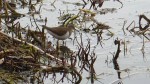
- This Common Sandpiper was feeding in front of the Gullery yesterday
-
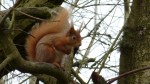
- First of all I got the wagging tail, then little clicking noises. Finally it just sat there waiting for me to move on…
The Cranes are still here, and are big news
So, the Cranes have taken flight a few times in the last few days, but, when I was down at the hides earlier, they were still around. They seem to alternate between the nearby ploughed fields and spending time in amongst the reeds of the ‘Swamp’ part of the reserve.
They have attracted quite a bit of attention, perhaps too much. It would be great if they stayed here to breed. I’m not sure how likely that would be under normal circumstances, but I’m sure the attention they are receiving will move them on eventually, as they seem easily spooked. There has already been at least one incident (that myself and others watched from the hides) of them leaving the reserve because of two people, clearly looking for them, wading through the reeds nearby
But I can’t blame people for wanting to get a look at them, they are incredible looking birds, possible Britain’s biggest, although I wait to be corrected on that. I have, over the last few days, been lucky enough to spend plenty of time watching them. And this morning I managed to work out how to marry my camera to the RSPB scope, to get some half decent shots of them.
Work over the last couple of days has been great. Myself and Tom spent time wading about, up to our thighs in mud, with dry suits on, clearing out the drainage burn from the loch. The rest of the time was shared between surveying waders and manning the hide. Today was a day off, but I popped down the hides anyway to pop into see Darell, a local volunteer, and catch up with the latest Crane news.
The Cranes on the BBC, note Darell’s photo.
-
- A couple of nights ago I was down at the hides at dusk setting up the moth trap
-

- A male Gadwell in front of the Gullery yesterday
-
- Ha, I thought I was going to have a lucky day, after the Gadwell a Little Grebe swam in front of the hide…
-
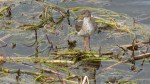
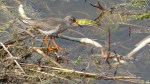
- But then, along came this Redshank. Fantastic. My new favourite photo.
-
- The cranes flying back onto the reserve shortly after they’d been spooked
-
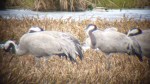
- Using my home made digiscope.
Cranes and surveys at Dawn
The last couple of days have been dominated by early morning breeding bird surveys. Although I’ve been getting up for 6 to 6.15 starts (not my forte), I’ve been rising with some enthusiasm, as the surveys have provided me with a great opportunity to improve my bird call identification skills.
The birds seem to have a greater enthusiasm for calling at the break of day. To my unknowing ear they appear to exude joy that another day is upon them. It’s a privilege to be able to hear the songs, of such a great variety of birds, at this time of day.
This morning myself and Hannah made a quick detour via the ploughed fields to the North of the reserve to catch up with some Cranes (Common/European) that had been seen the evening before. Luckily enough these rare visitors (from Europe?) were still there feeding and looking fantastically regal in the early morning mist.
-

- These trays are the same size, tray one shows Otter prints, tray two, seemingly Mink. Unfortunately for the Mink, they aren’t welcome in this country, so they must be trapped.
-
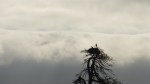
- This might be my favourite photo of all time. The Ospreys discuss their plan for the day as the sun rises.
-
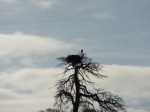
- Two similar photos in one post is a luxury, especially given my appalling internet connection, but I like this one too
-
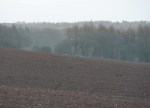
- The Cranes
-

- Looking East over the reserve this morning
-

- Or maybe this is my favourite of all my photos. This Lapwing was flying and peewiting its little heart out to please the prospective Mrs Lapwing
-

- A pair of Gadwall, the male is in the foreground.

 Life since the office
Major endorsements