
A meeting with RSPB Abernethy
I’ve been trying to set myself up with a winter residential voluntary placement at RSPB Abernethy, somewhere I’ve worked before. In order to discuss this I had a meeting with Alice and Ian at Forest Lodge today. After spending a few weeks near the sea I was beginning to wonder if I’d appreciate being back inland again, but as soon as I found myself in the woods I started to feel pretty excited about the prospect of coming back here for a long term stay.
Last night, around late dusk time, I heard the most amazing noise and it took me a few moments to work out what it was. It sounded a little bit like the drunk old guy from The Fast Show, followed by a mini screech. Anyway, it was a Scolopax rusticola. I recommend clicking the link and then listening to the call on the RSPBs web site.
-
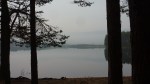
- No osprey for me on Loch Garton this morning, instead pairs of mallard and widgeon

-
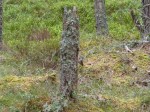
- And a pair of crested tits. Excellent! The other was keeping watch in a tree just out of shot
-
- A tree pipit.
Grasshopper warblers and the Point of Ardnamurchan
So, the point of Ardnamurchan appears to be to provide solid ground for a lighthouse. I’m not sure that it’s the most interesting of lighthouses (my recent lighthouse experience consists of looking out to sea to Long Ships and Wolf Rock lighthouses), and, in general, there’s not much vegetation around. I took a picture of the lighthouse, but I don’t think it’s exciting enough to include.
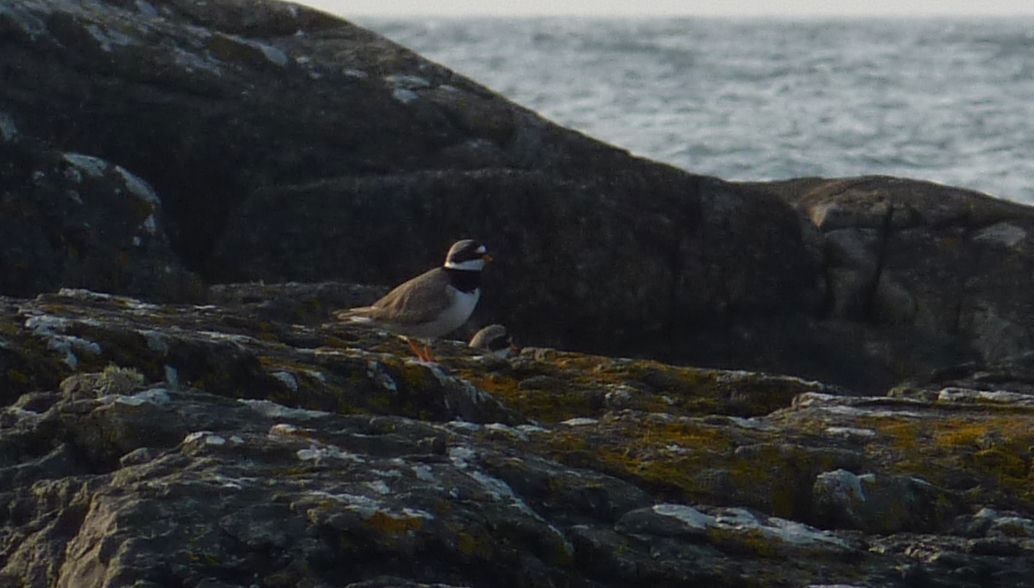
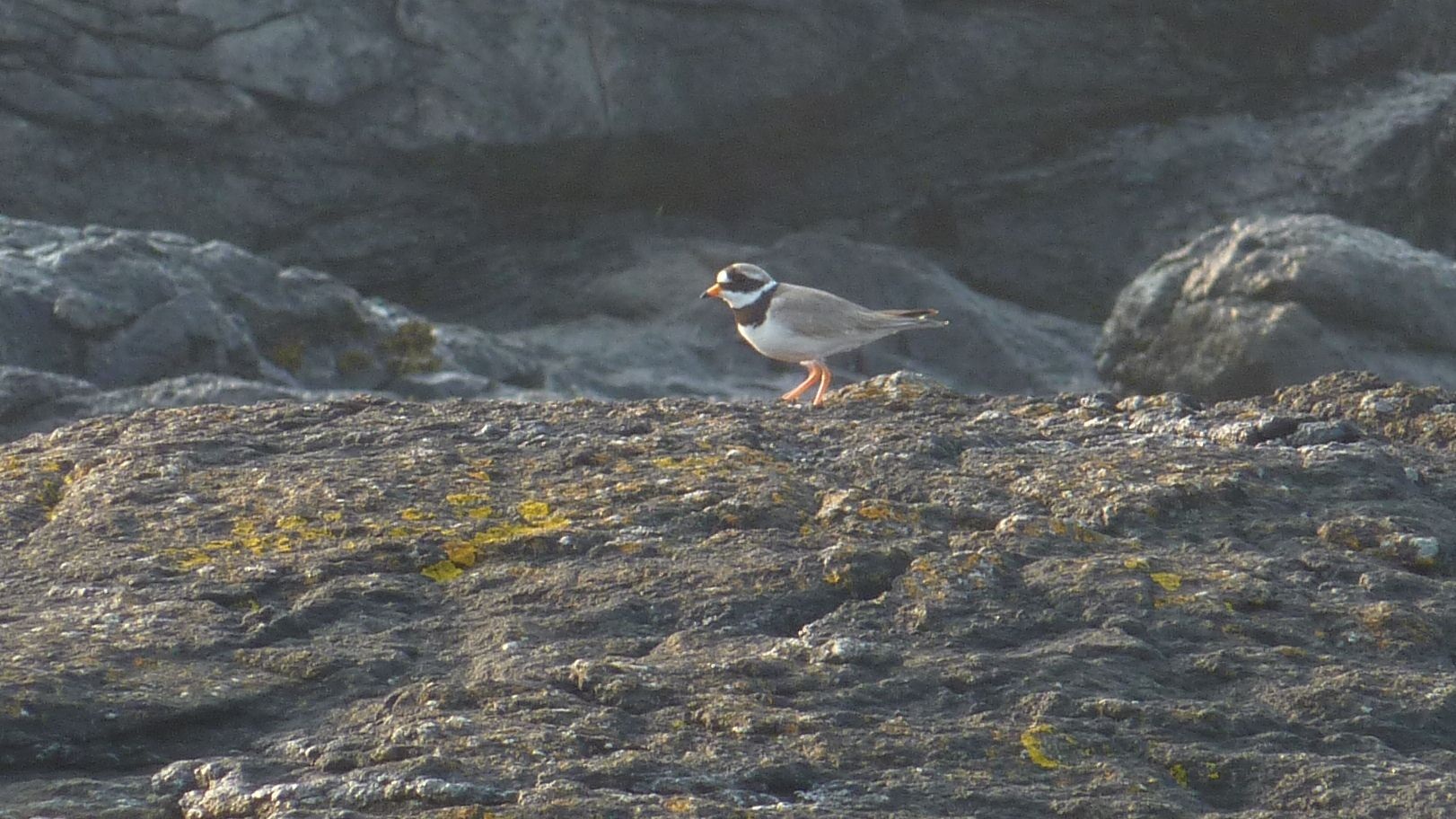
What is exciting though is that yesterday, following a night in a B&B after our walk out from the JMT weekend (entirely Manoj’s idea – you can take the man out of the city, but…), we saw an otter near Kinlochmoidart. We drove through Glenuig, which seems to have a great woodland regeneration scheme. And last night we saw ringed plovers and listened to oystercatchers and snipe as we fell asleep (well, I did anyway, from inside the roof of my van. Manoj probably couldn’t hear anything tucked up in bed downstairs).
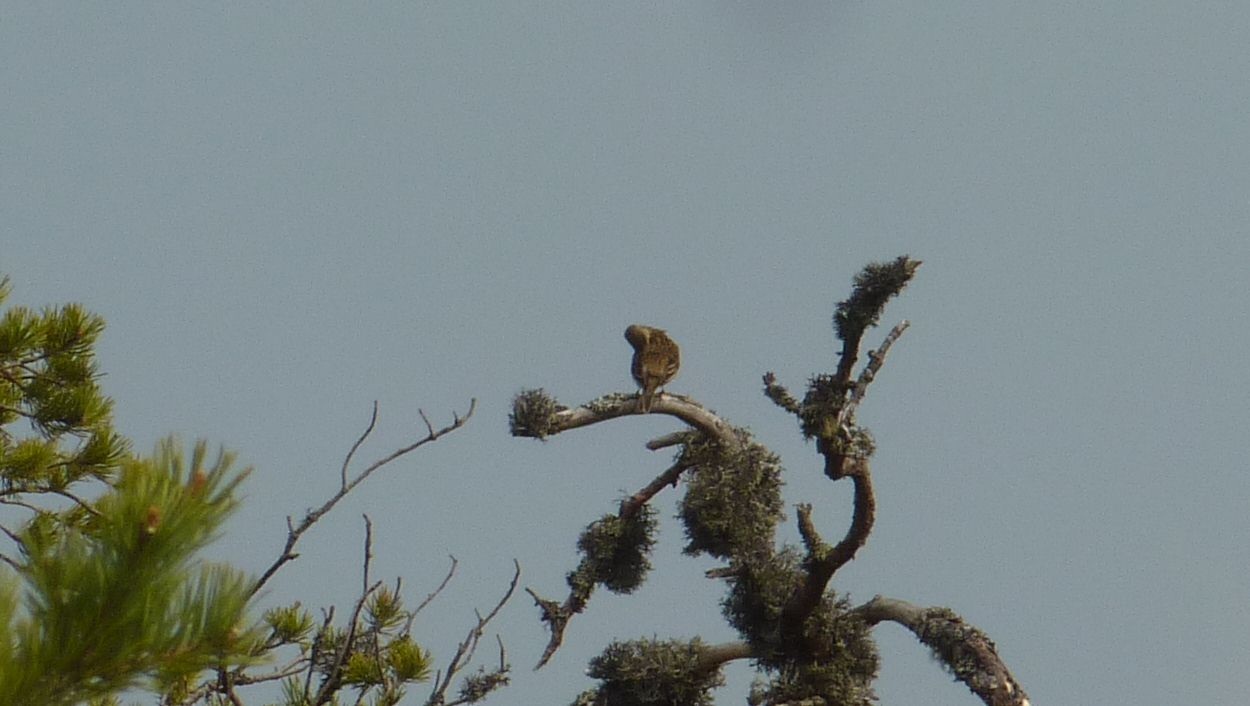
Today we also saw what I’m fairly sure were a golden eagle and a merlin, and my first ever grasshopper warbler, c’mon! Not being entirely familiar with my little warbler friend, I’d been hearing it for a few minutes before I realised that it was a bird. Then it was just a matter of tracking it down, which I managed to do even though it was giving it’s ‘song’ deep in the middle of a willow bush. I’m afraid it was a little too illusive for a photo.
A little while ago I dropped Manoj off in Fort William. He plans to cycle from there up to Inverness, and then around the North East. I’m making my way to Abernethy for a meeting with the RSPB.
-
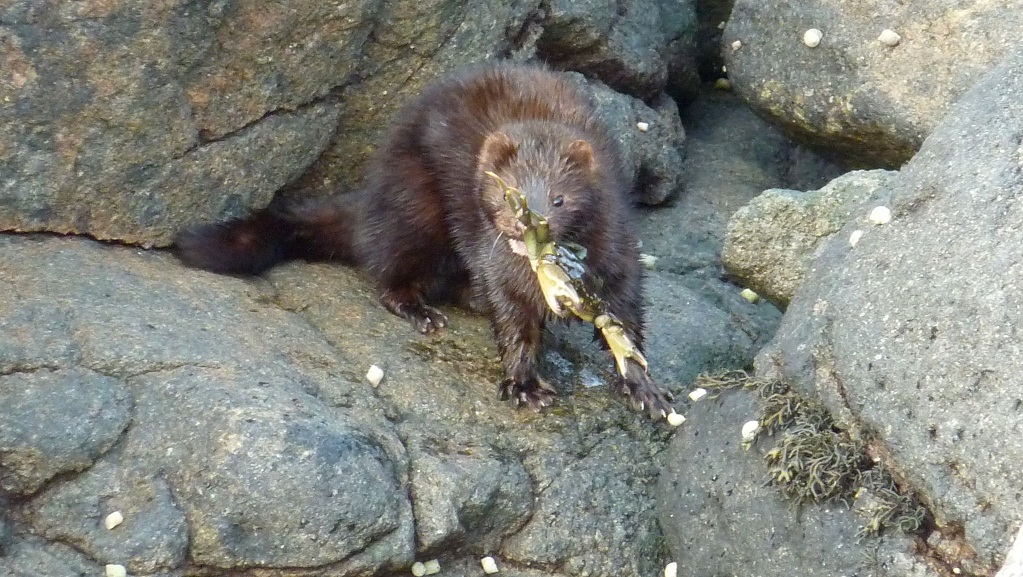
- This cute little fella is an American mink. It causes considerable problems for local species.

-
- There is now a co-ordinated effort in Scotland to remove it

-
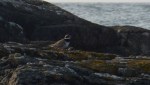
- A pair of ringed plover
John Muir Trust work party at Li and Coire Dhorrcail, 15th to 19th April.
Woaw, so this was a fabulous introduction to a John Muir Trust (JMT) work party, and the JMT ethos. The JMT is all about protecting, or enhancing the fabulous wild parts of our country. The work, and end goal is similar to that of Trees for Life (TFL), but the two organisations’ approach is very different. Whereas TFL can appear to come across as a very tree focused organisation (something it really isn’t), the JMT presents itself as an organisation protecting the wilderness experience.
However, TFL state that they are restoring a wild forest, for it’s own sake. And JMT plant trees, manage the deer population to encourage regeneration and see trees as part of a healthy ecosystem.
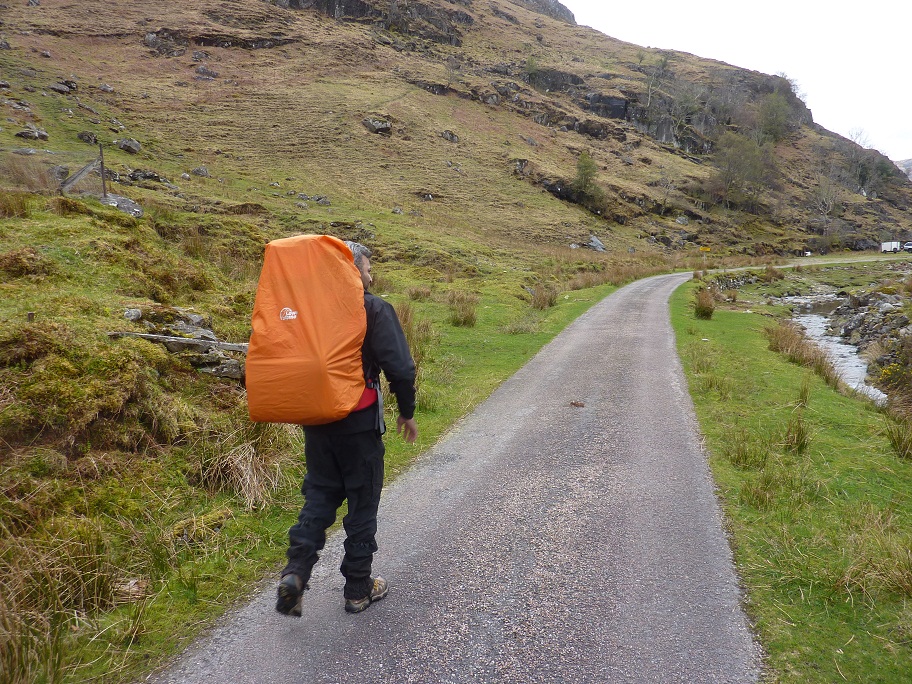
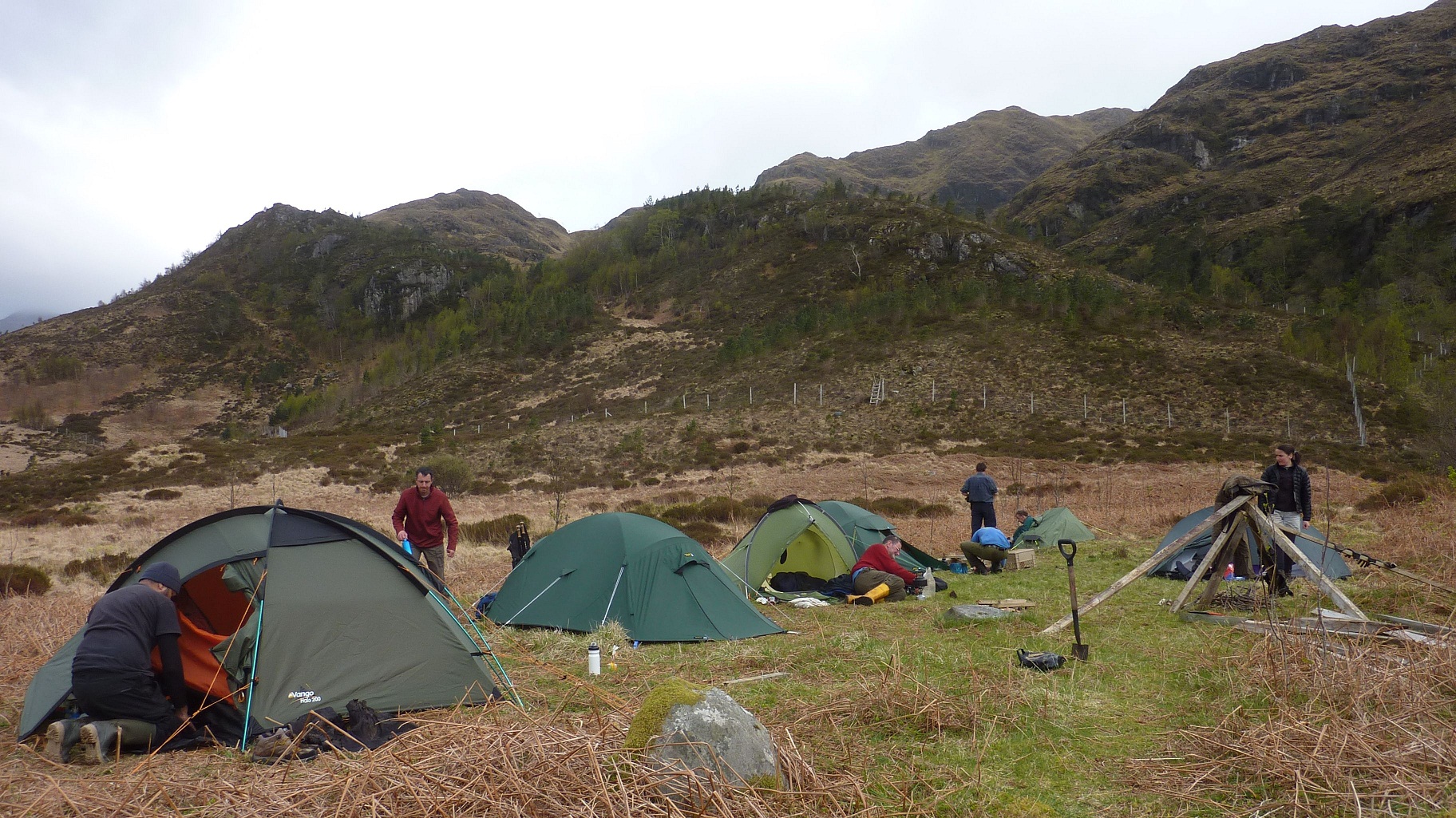
The format of the JMT work party was a little different to what I’m used to. JMT don’t provide accommodation or food and transport to site. But the work parties are free. This one was the most hardcore one I could see on the list. A 9 mile (yes, that’s nine miles) walk in to the spot where we would wild camp, with all our kit, would ensure that I would be sure to meet some fantastically experienced, or foolhardy fellow volunteers.
I’d somehow roped Manoj into accompanying me, and on the 12th we began our road trip, stopping at John Garrett’s over night. We then drove to Fort William so that I could introduce him to Heather and Stuart, whilst wishing them well on their forthcoming cycle ride to NZ (cycling to NZ, hmm, now that’s an idea, more about that in a future entry…). The next morning we picked up a few last minute supplies and drove to Kinloch Hourn. It took slightly longer than expected thanks to the 22 mile single track road. We then walked the 9 miles in.
Bizarrely, even though the path to Barrisdale was totally unsuitable for it, one of the work party attendees, Doug, decided that he would cycle from the Kinloch hourn car park. The more we walked the more I realised that Doug must be completely mental. Perhaps not surprisingly, we caught up with Doug as we were approaching Barrisdale, three hours into the walk/cycle. He looked like he might not make it, and commented that he was ‘running on empty’. He seemed like a nice guy and I wasn’t looking forward to carrying him , and his bike, back to the car park. But, just then, the path descended its final slope and turned into a vehicle track. Doug was away, and we marched on, relieved.
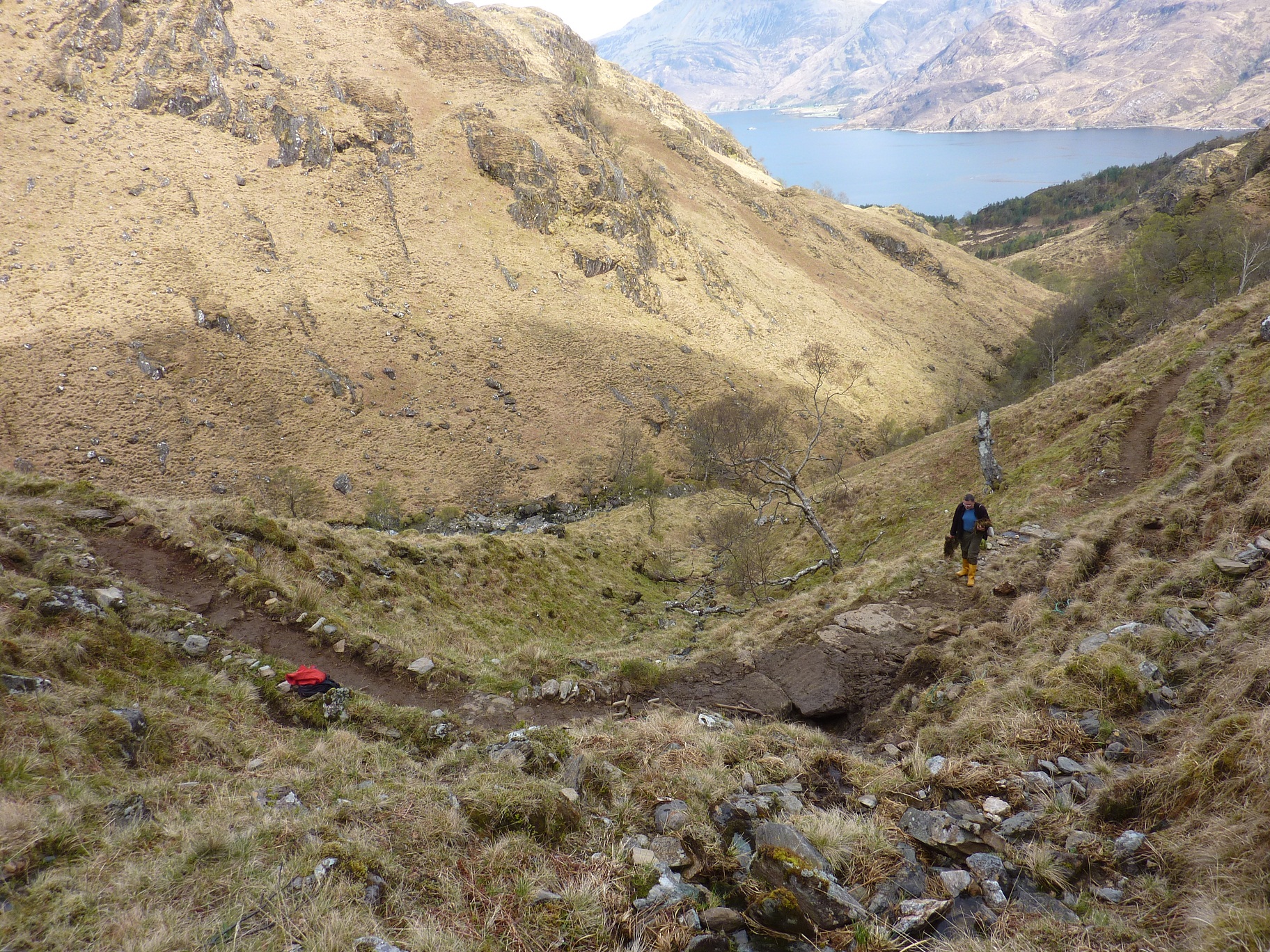
Thankfully we made it the wild camp spot just before dark, pitched our tent, and then spent the next four days shitting in holes. Oh, and we also removed some fencing materials and threw together a new footpath with a few stones that were lying around.
Many thanks to JMT’s Sandy Maxwell for putting the weekend together, and providing a brief history of JMT and John Muir one night around the camp fire. And to Lester Standen for giving a great insight into his work for JMT out in the field, and indulging my thirst for knowledge and search for the mystery bird (which turned out to be a cheeky Reed Bunting, with a fairly strong Northern accent).
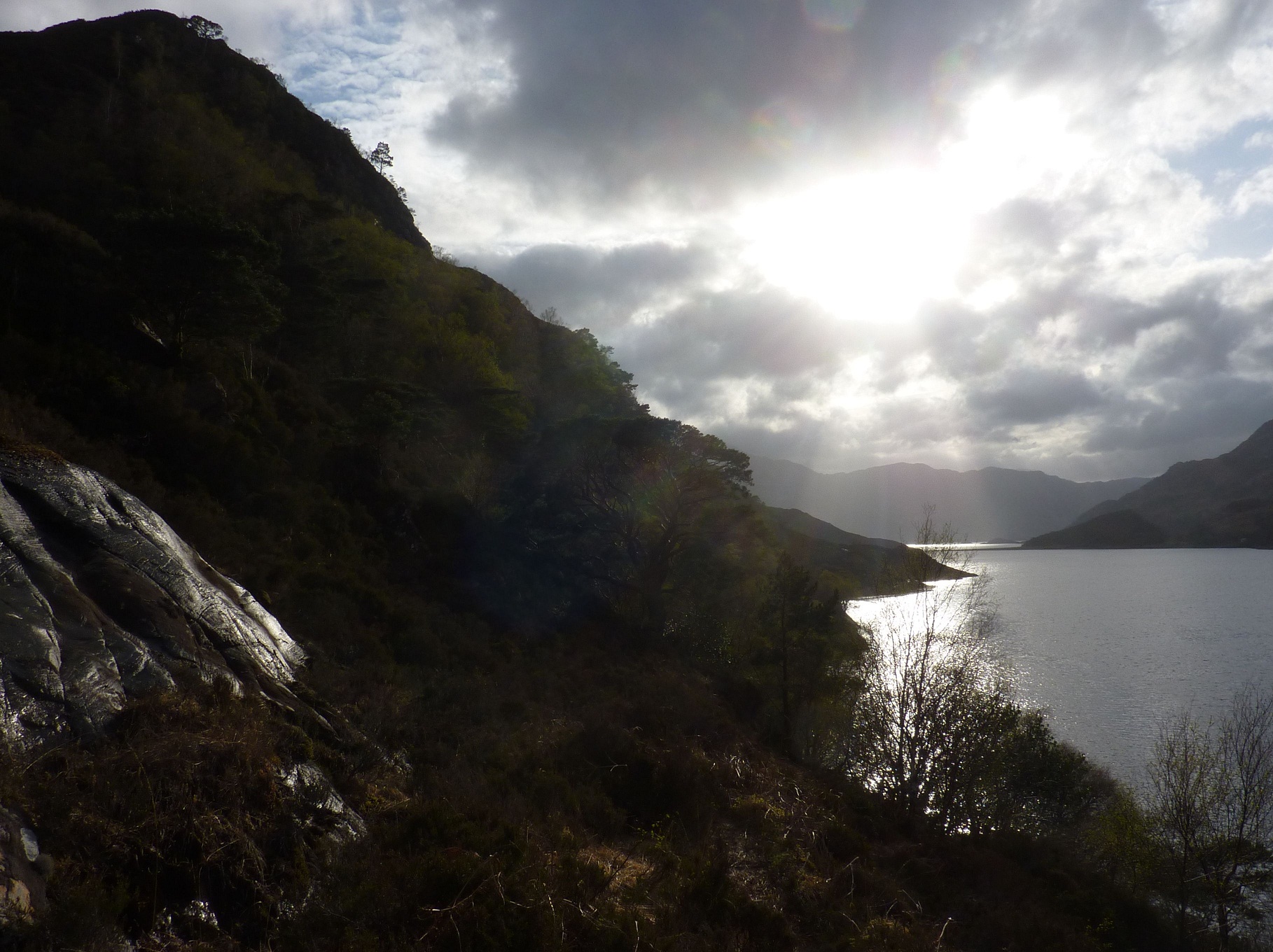
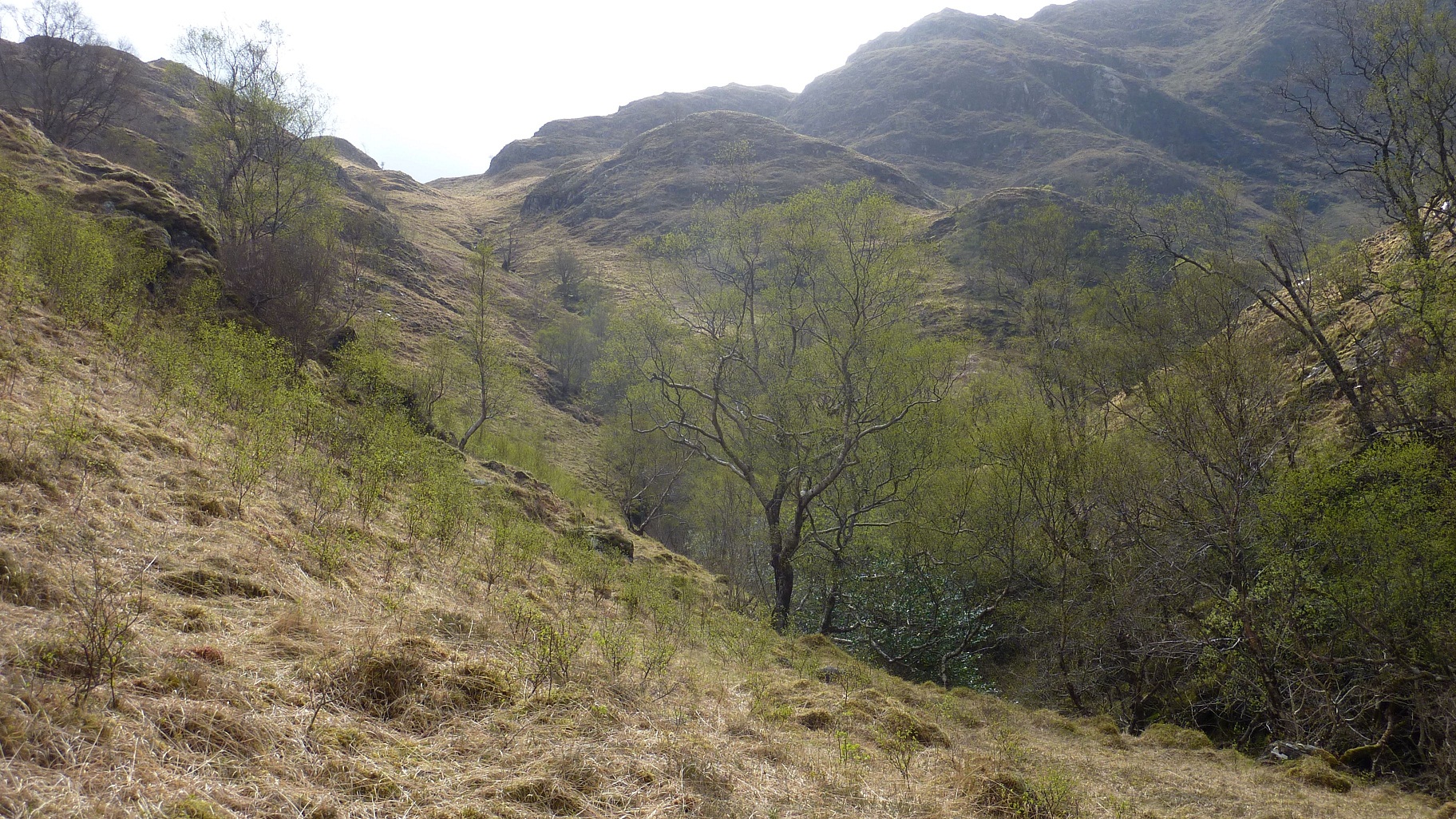
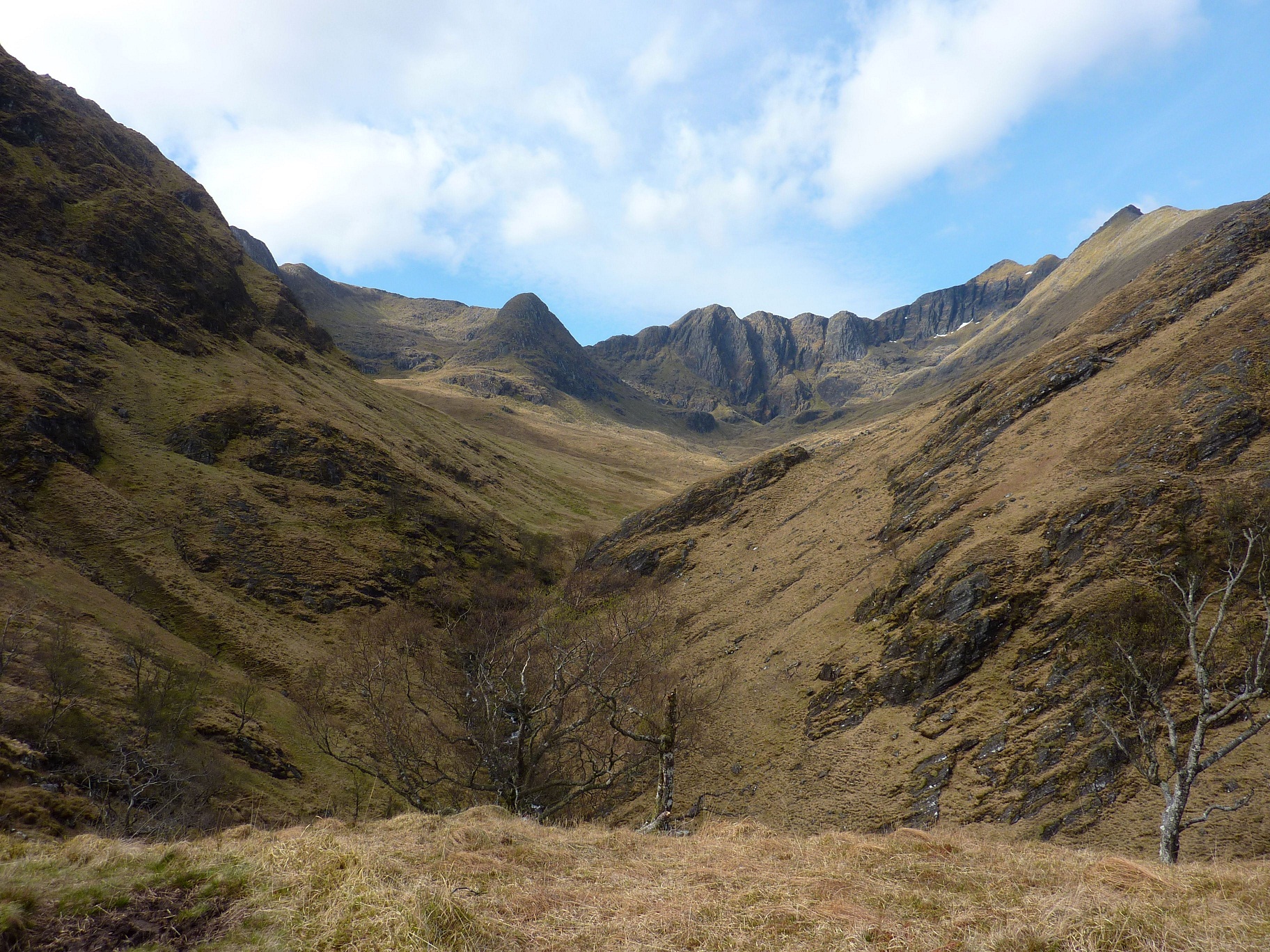
Coire Dhorrcail is amazing. I’ve seen some magnificent landscapes whilst travelling this beautiful country, but I think this is probably the most geographically fascinating. I love wild camping, and our little group had some great conversation around the camp fire. If this is what JMT is all about then you can count me in…
-

- Four yards from the car park and I suspect Manoj may already be wondering why I suggested this
-

- Wow.
-
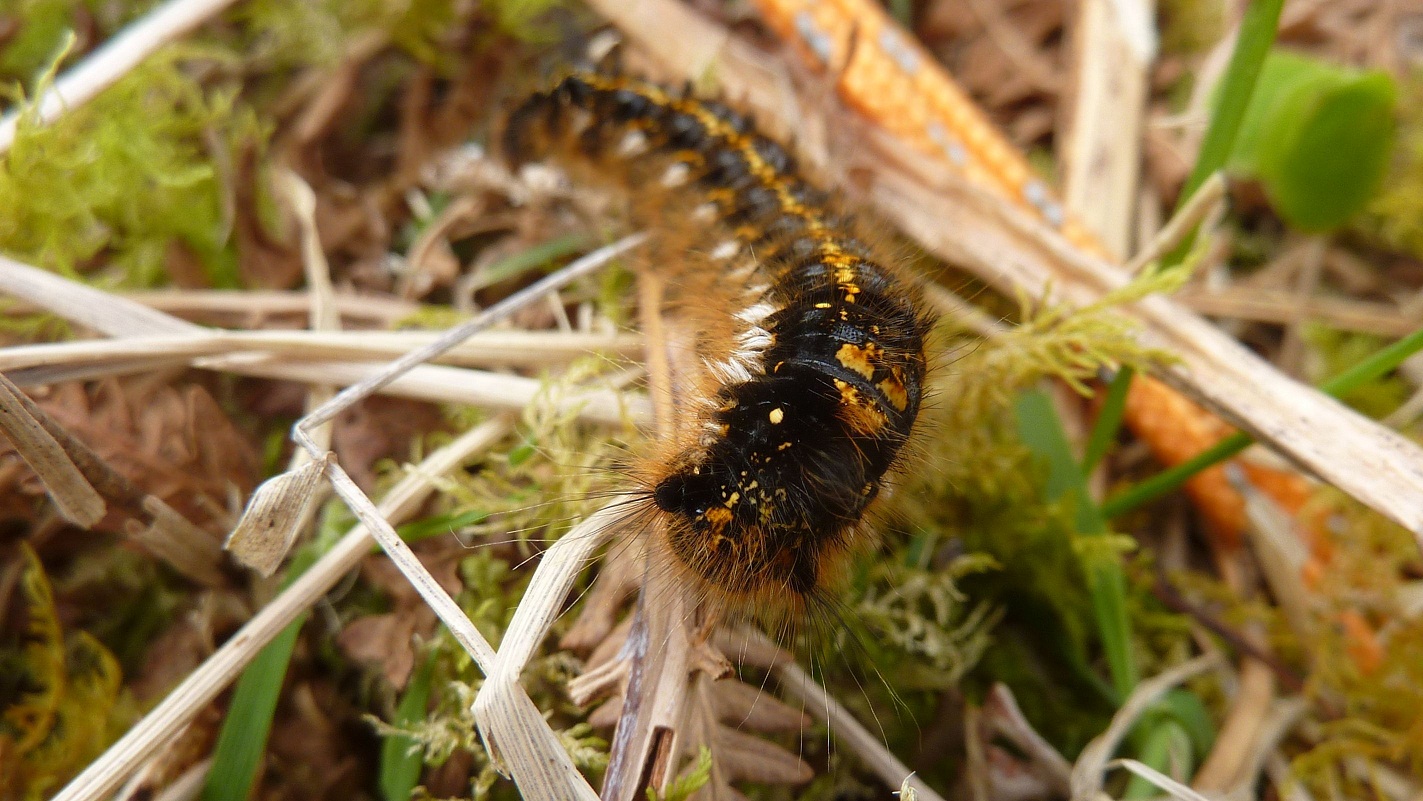
- Caterpillar of the Drinker moth, I believe.
-

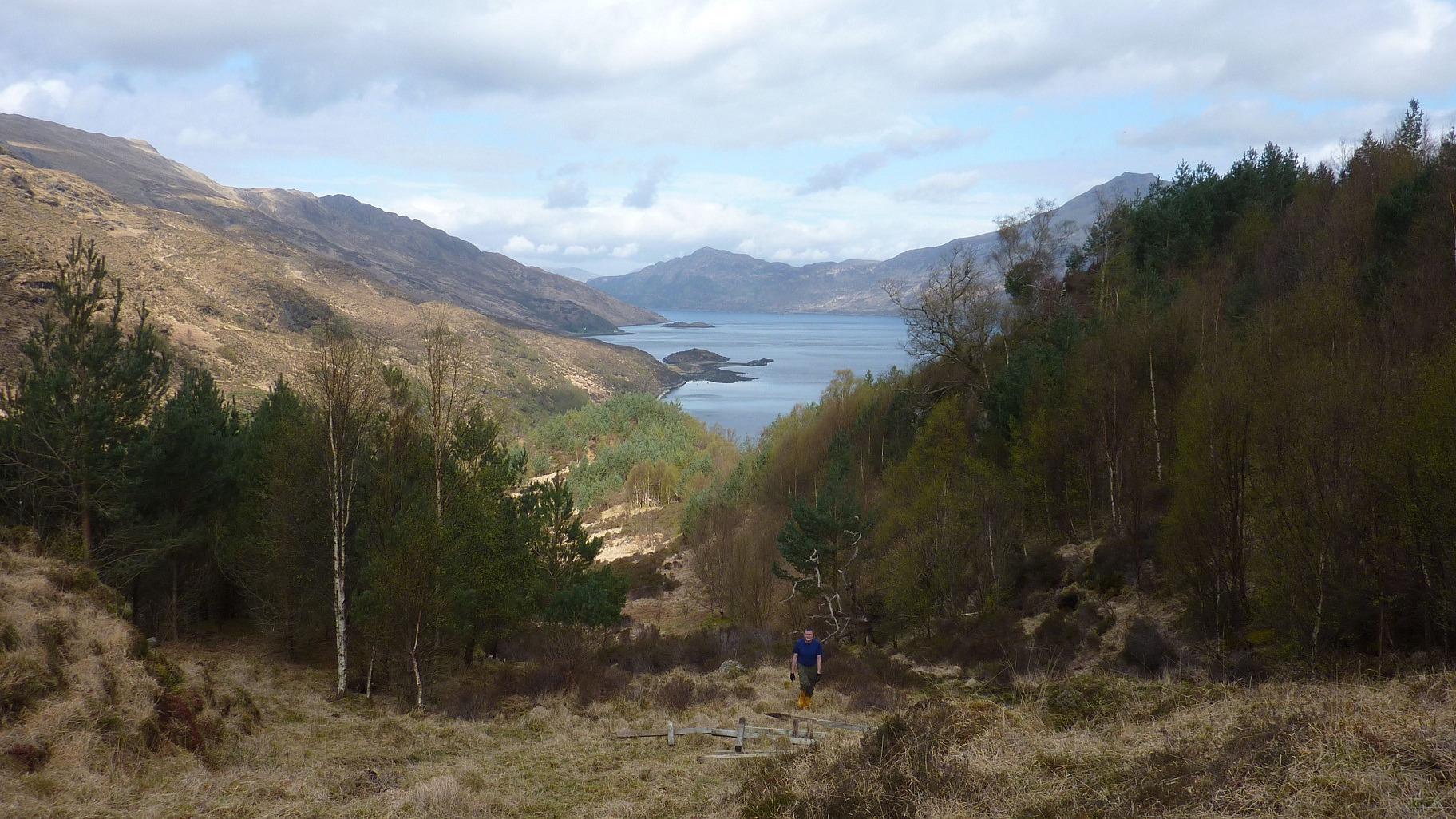
- Hmm, I’m such a regen geek
-
- Niall and Sandy kick stone

-

- A bunch of happy campers
-
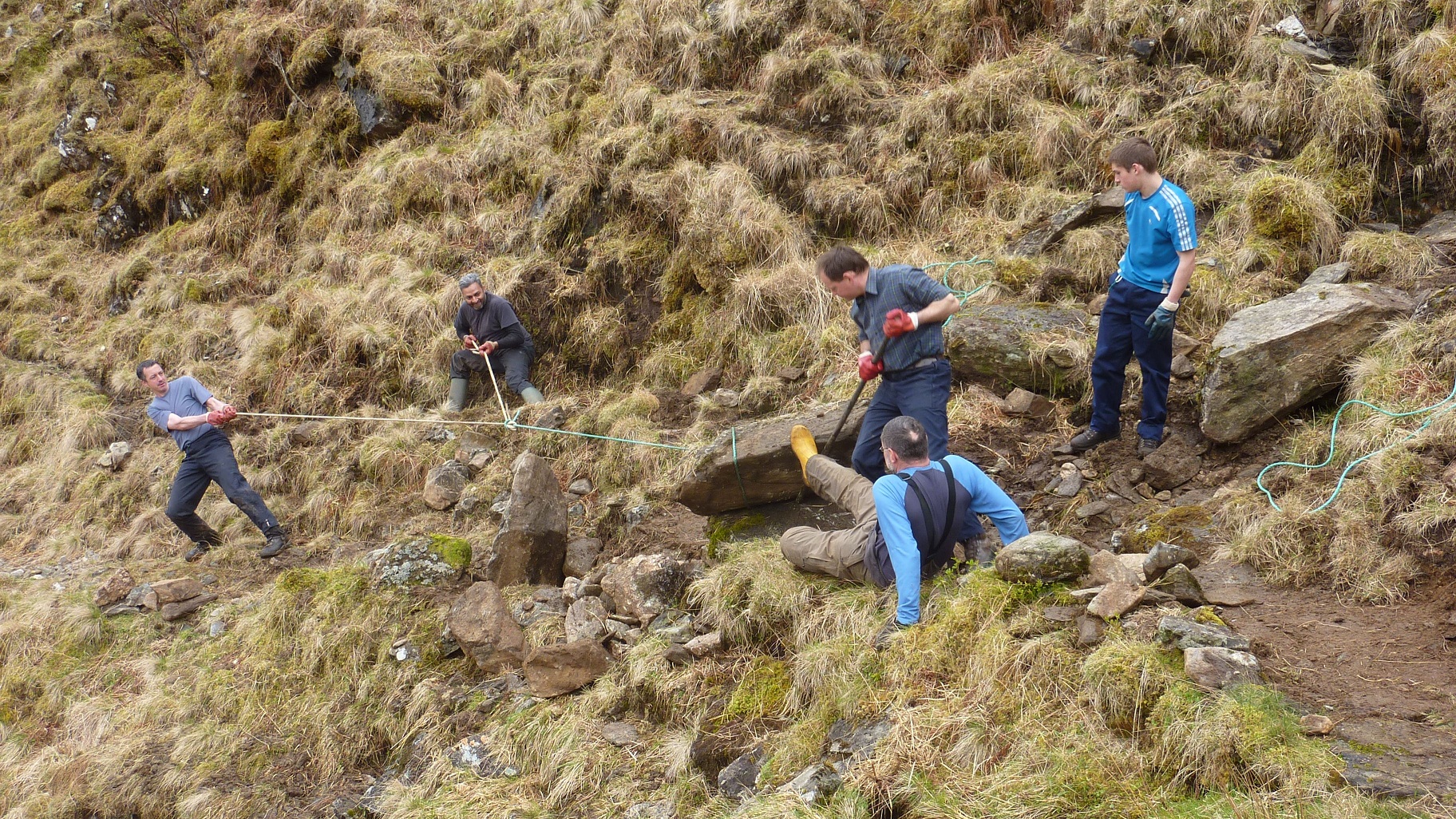
- Now Lester and Manoj get involved for the final adjustments. Hugh, unlike the rest of the weekend, watches on
-
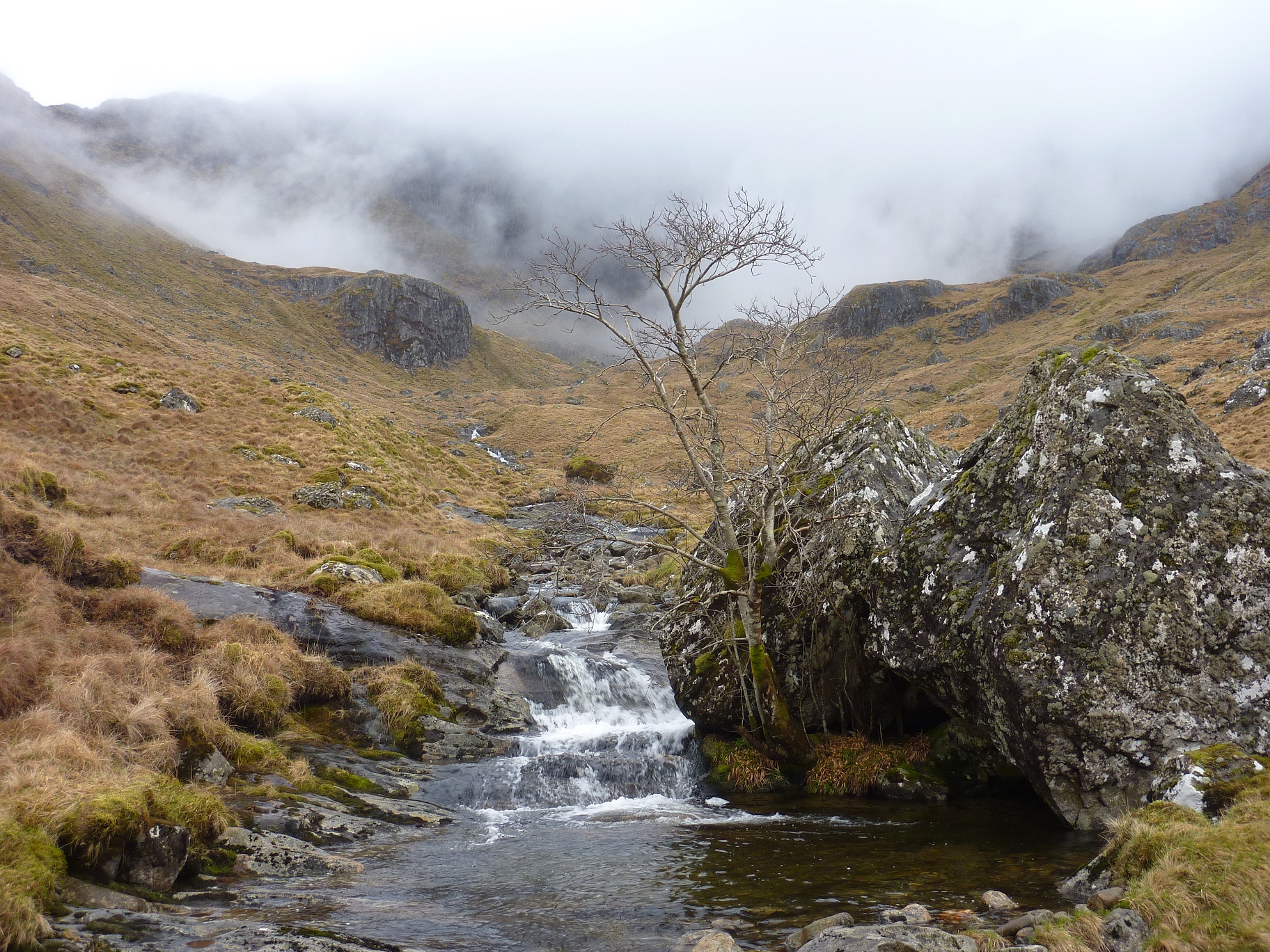
- I had a chance to take a brief hike to the top end of the Coire…
-
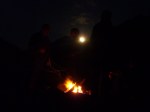
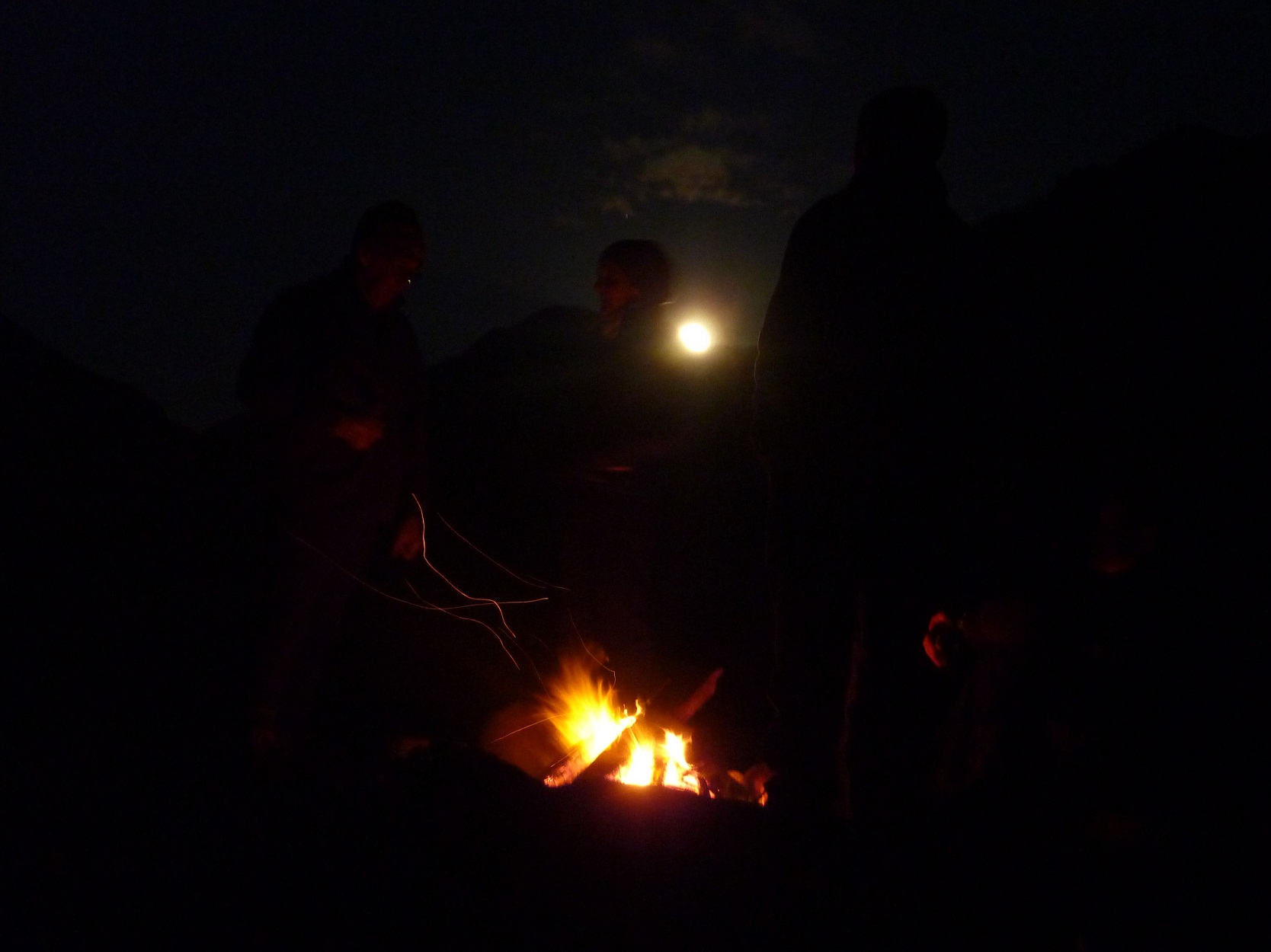
- Camp fire stories under the full moon

-
- Sandy applies the finishing touches to one of the path revisions
-
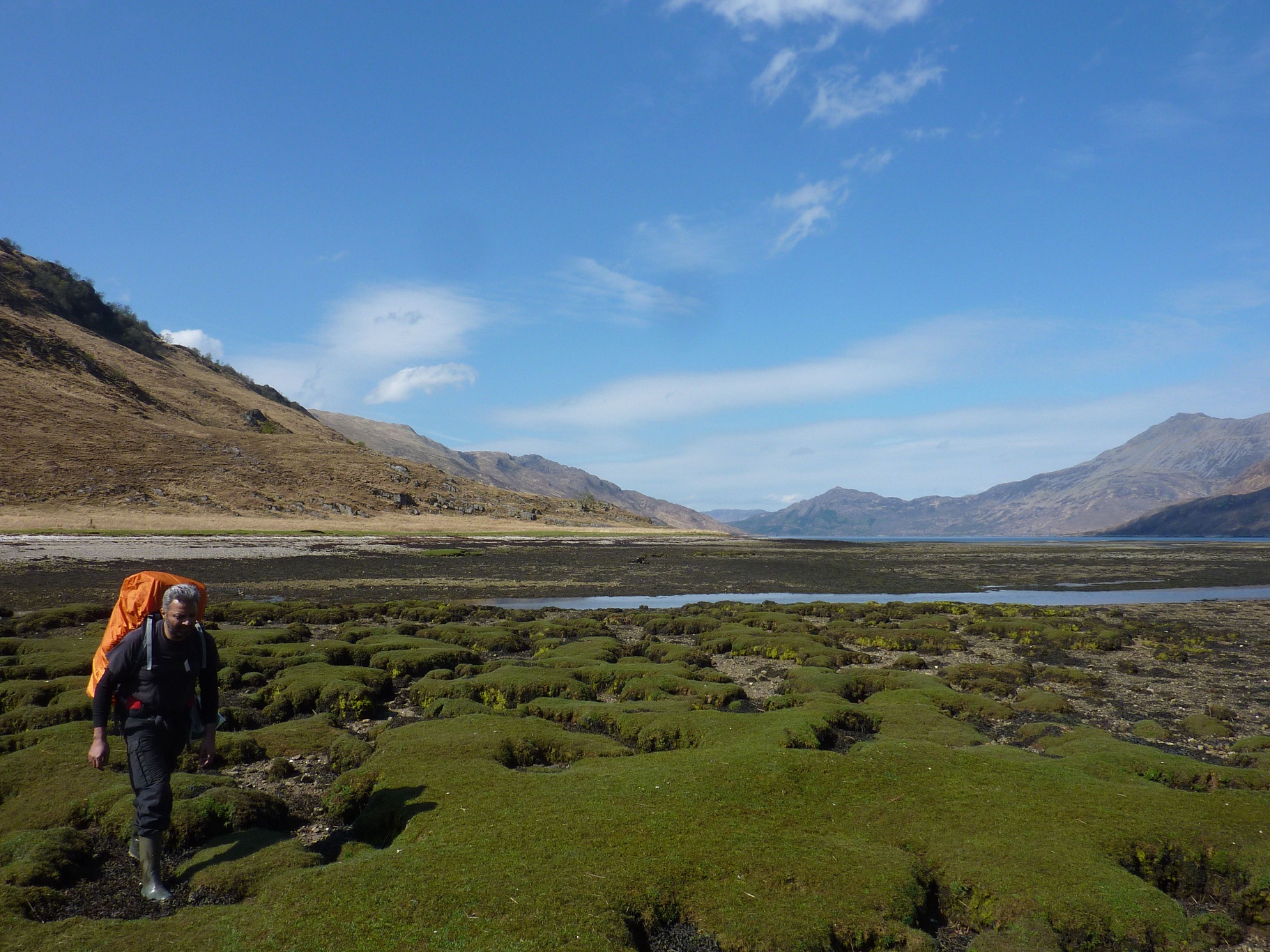
- An amazing day to walk out
-
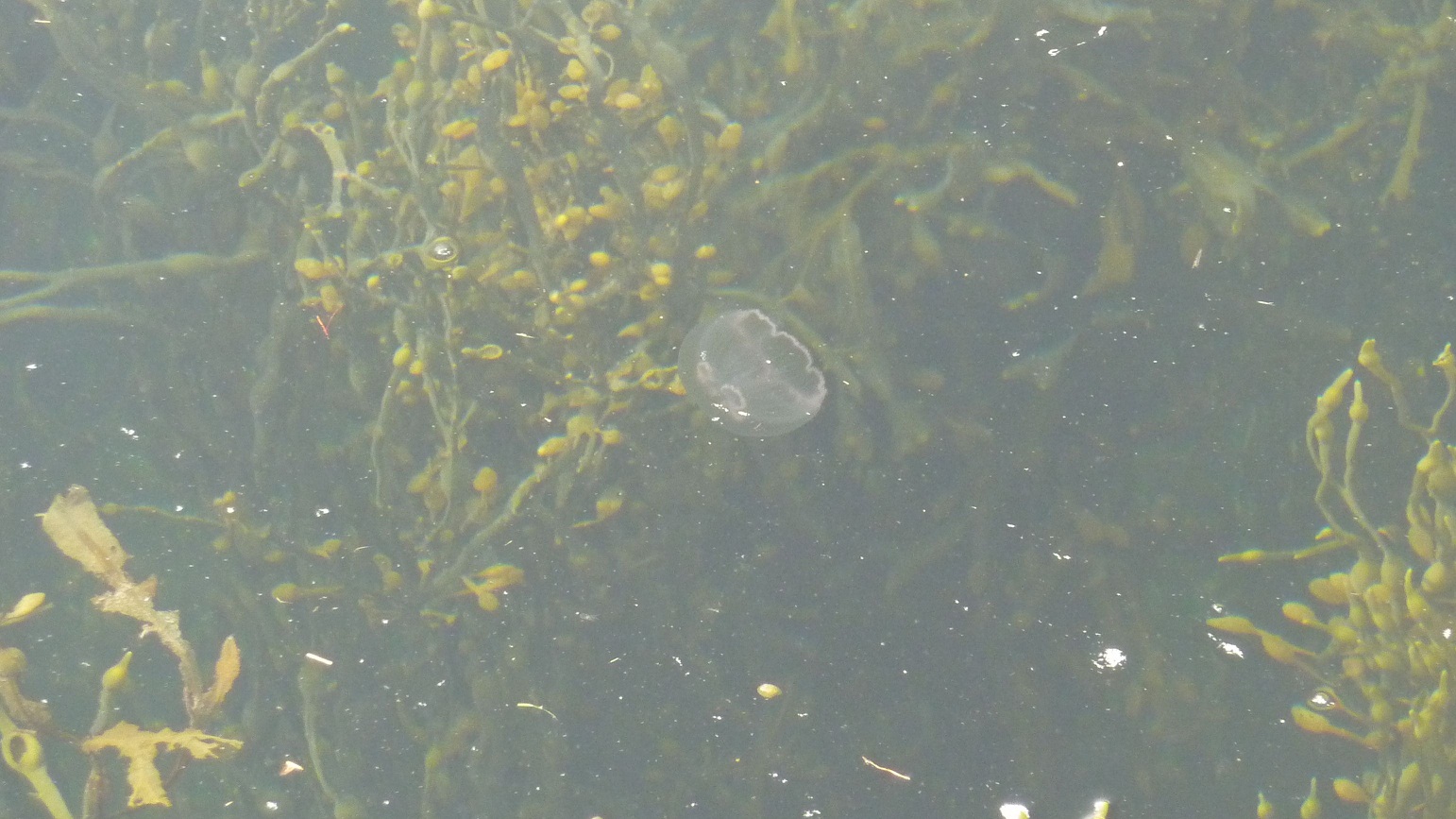
- Loch Hourn moon jellyfish (Aurelia aurita hournicus)
Saturn and into the night shifts.
So, for my last three days on the project (for now at least), I was down to do shifts into the night. Once the pairs have laid eggs, the plan is to get 24 hour watches going on each of the nest sites (some mindless people still collect eggs, would you believe). This requires a fair bit of man power, so if you’re reading this, and fancy getting involved, then please do. Probably your best bet is to contact the Cornish Chough Project (http://www.rspb.org.uk/ourwork/projects/details/223656-cornwall-chough-project).
Anyway, it just so happened that the last three days have been blessed with clear skies and much less wind than previous days. In fact I’d go as far as to say it was hot during the day. As a result, I managed to do some star gazing at night, and found Saturn through the RSPB scope I was using (16 to 20x). Wow, I can’t believe how clear the rings are. I’m afraid my digi-scope system just wasn’t up to getting a picture of it, but let me tell you, it’s an amazing site.
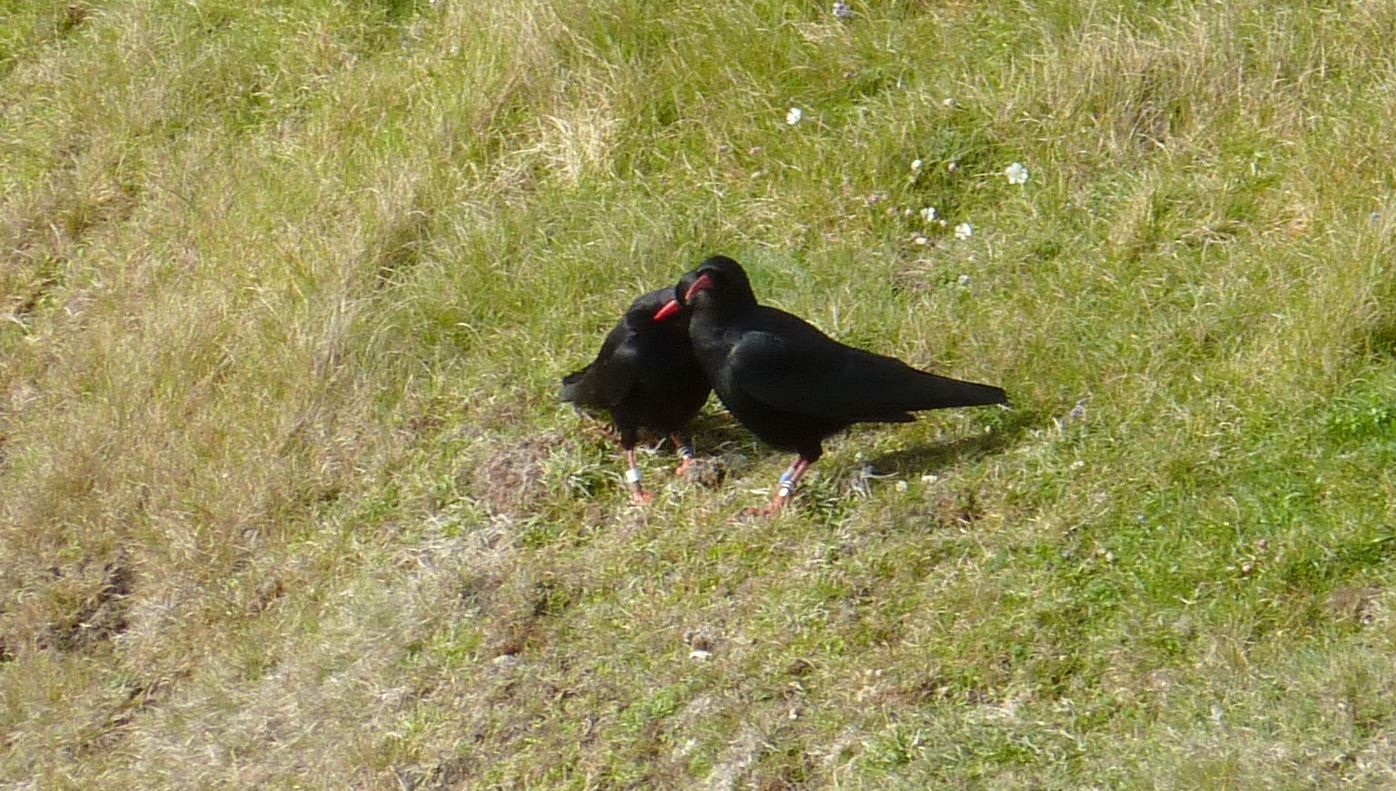
My shifts were to look after the young choughs, who are now showing all the signs of incubating. She spends the majority of her time on the nest, coming out, mostly near the end of the day, to feed and partake in grooming sessions with him. Usually I get to see this and it’s very sweet. He makes some (although maybe not as much as we might consider appropriate) effort to make sure she’s fed well, and she often cuddles up to him, or grooms his back with her beak.
Meanwhile, he’s continuing to harass the local raven, although he now seems at ease with passers by. Apparently ravens are known to take chough eggs, so I have to wonder whether his behaviour doesn’t just draw attention to the pair, or if he’s got the raven thinking that he’s not to be messed with. We’ll see.
Tonight, as the birds were going to roost, I wished them the best of luck. I’ve grown very fond of Brownblue and Whitebrown, and a couple of the local pairs of jackdaws (currently hauling large amounts of nesting material about, in a sometimes fairly comical way). I’m hoping that I’ll get a chance to come down here again this spring. In the meantime, if I hear any news about Mr Brownblue and Lady Whitebrown et al, I’ll add it to this blog.
-
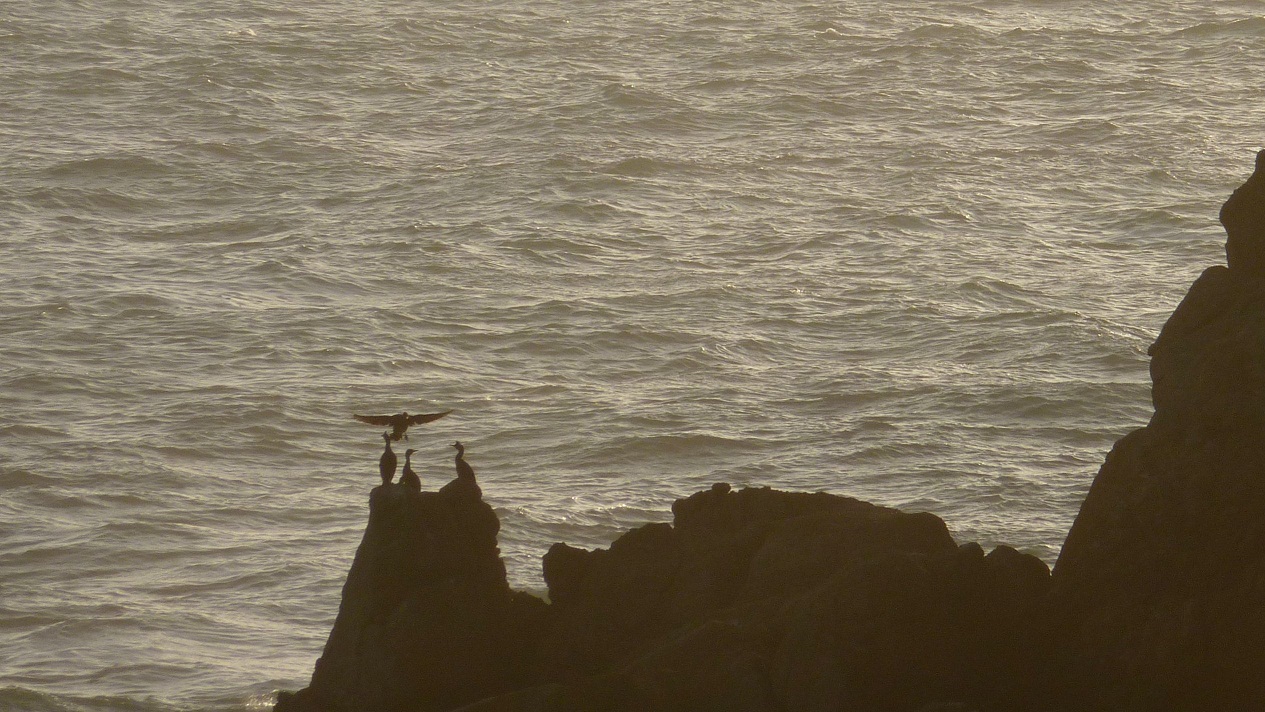
- Hmm, shags (as opposed to cormorants).
-

- Woaw, I took this picture and when I got it developed…
-
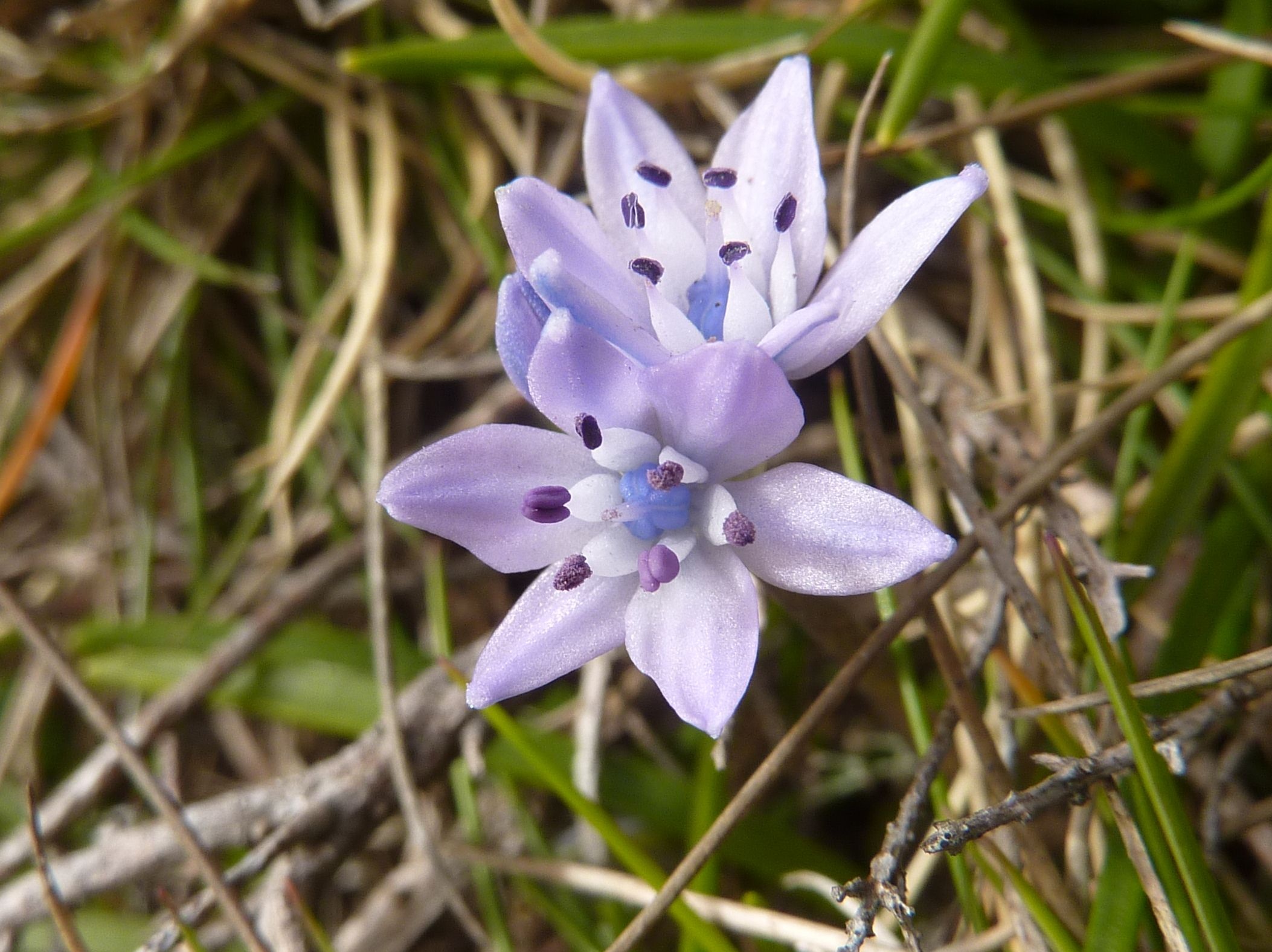
- Scilla Verna, or spring squill
-
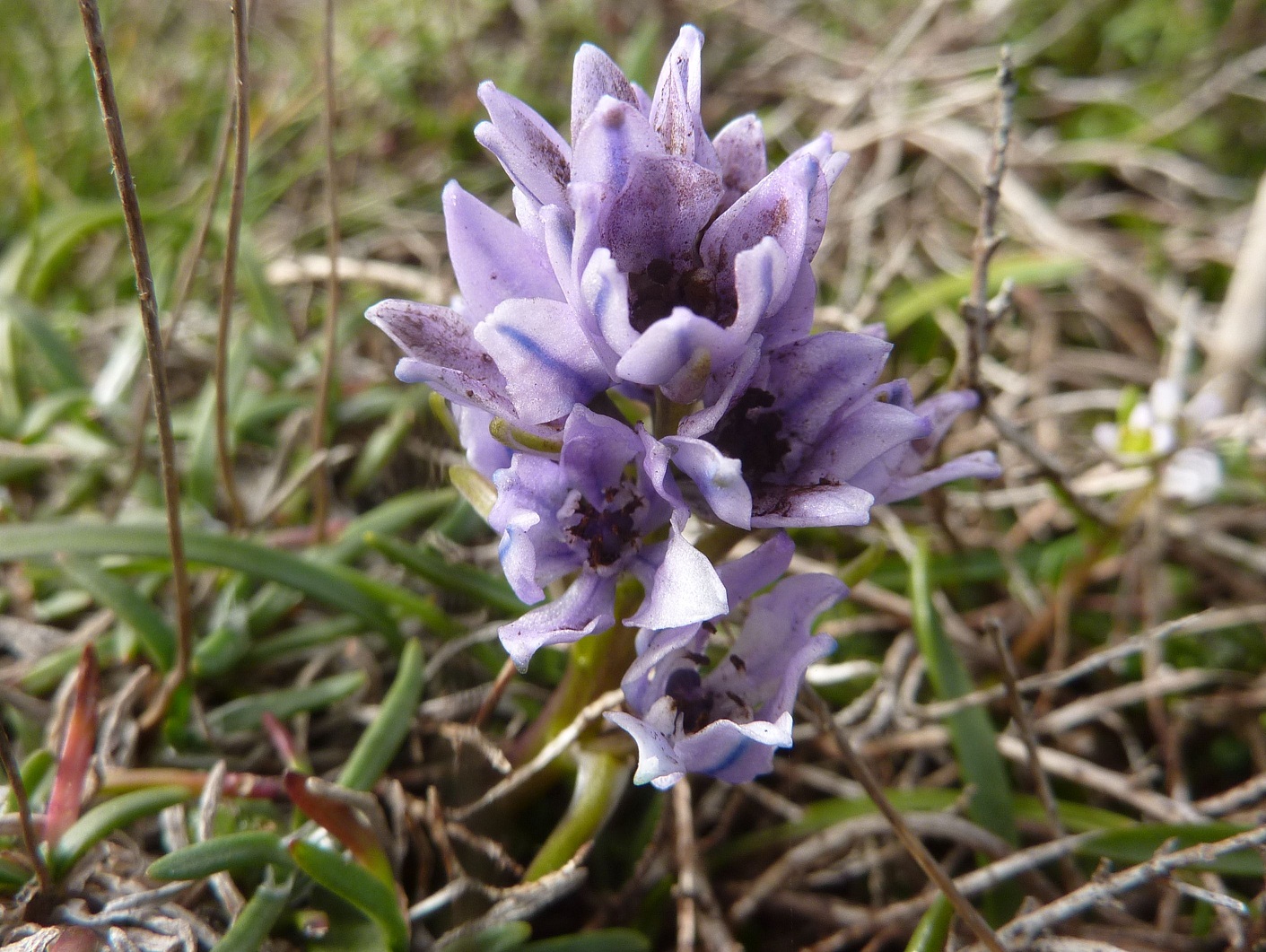
- Although nearby, surely this isn’t the same plant? Anybody? (Jane!)
-
- The young choughs cuddle up

-

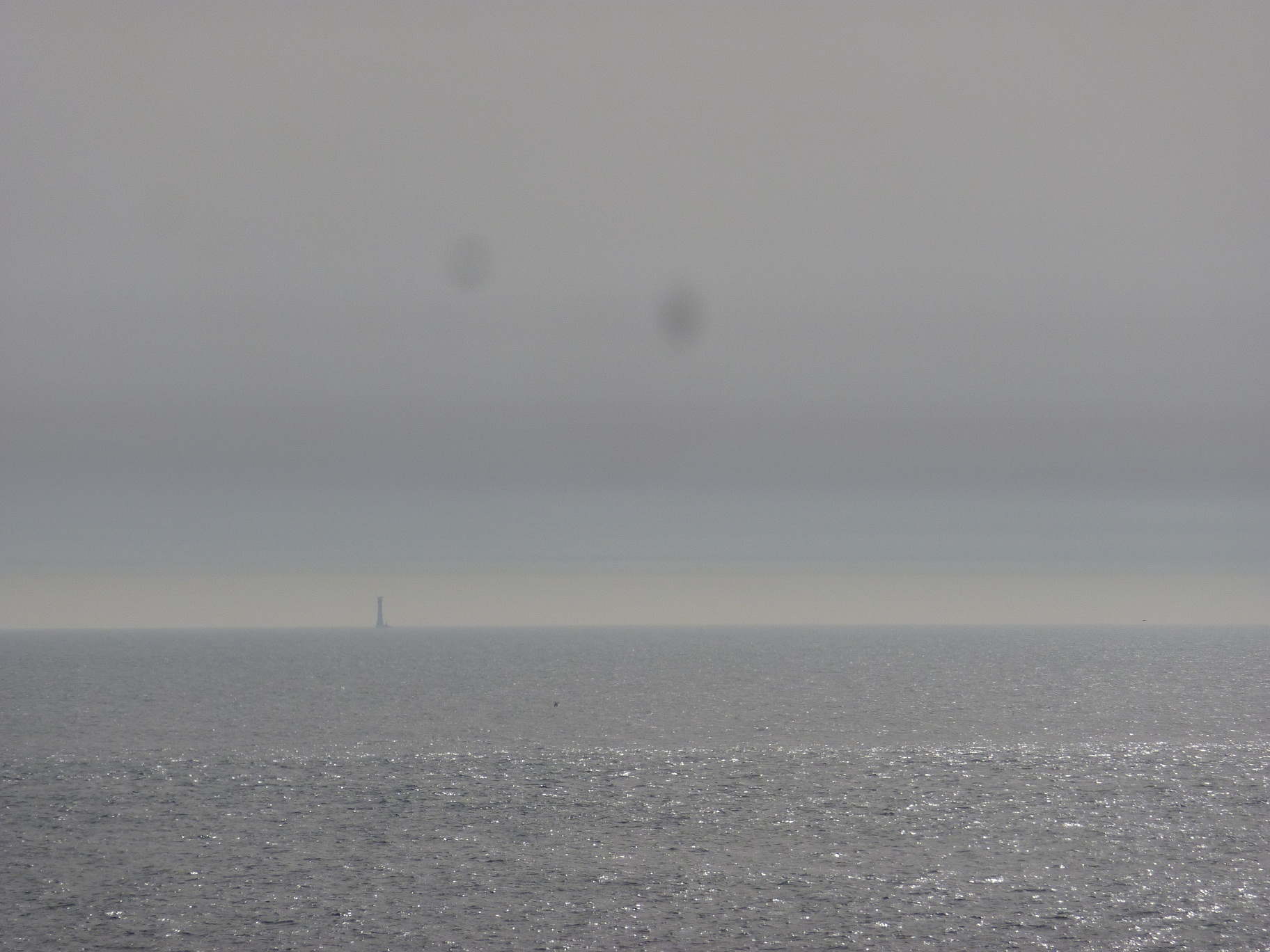
- Wolf Rock is 9 miles away. The shit on my lens is not.
-
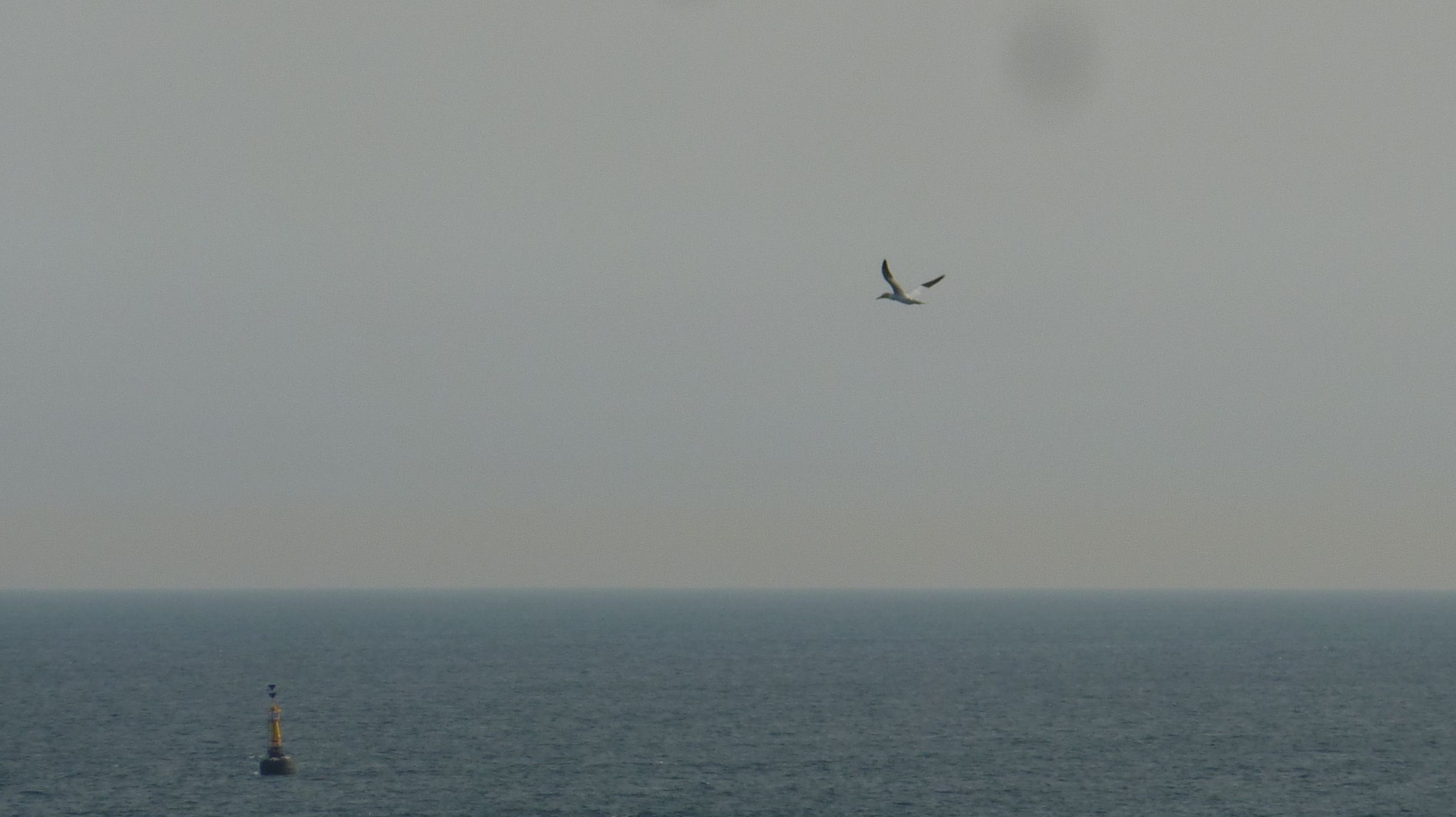
- A gannet, the rolls royce of birds.
-
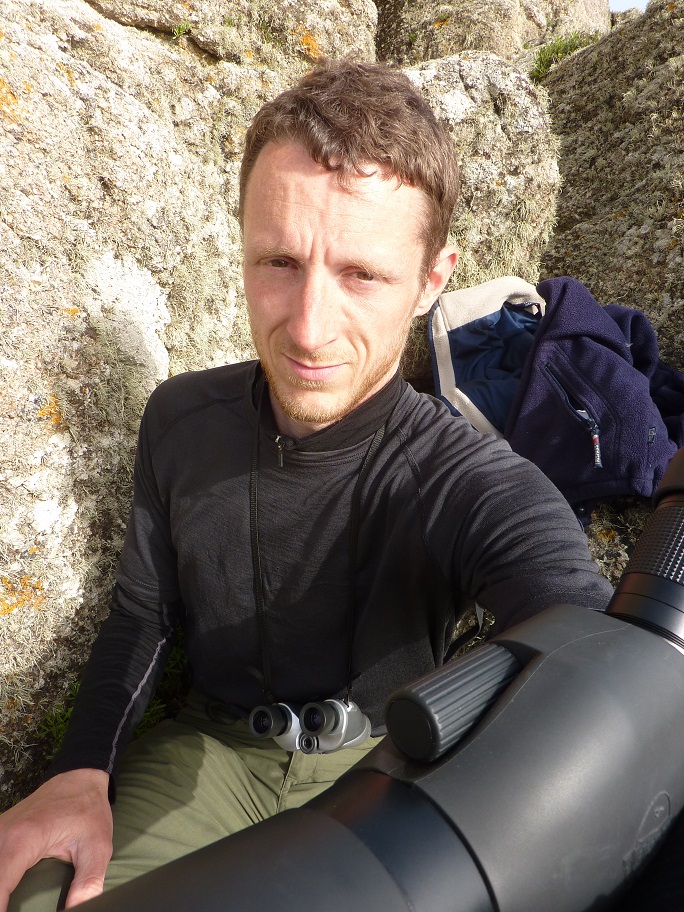
- Phil Golder, the rolls royce of bloggers.
-
- Sea campion.
Adits and other holes
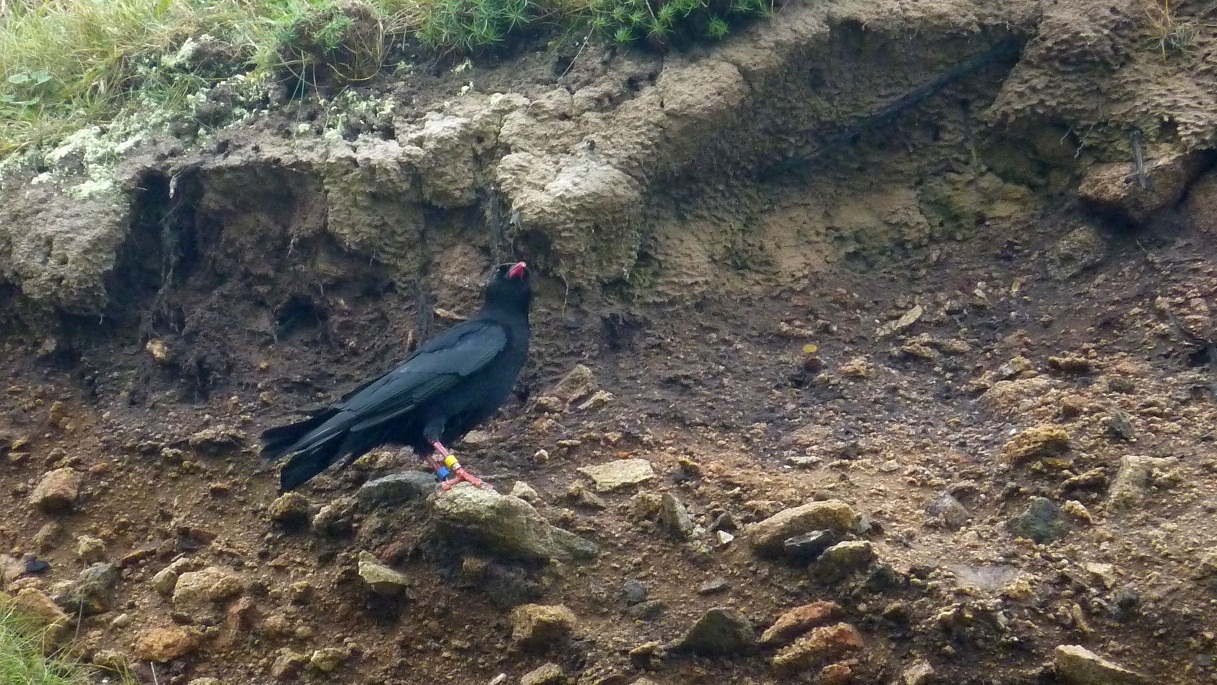
Today, whilst the pairs were being reasonably well looked after, I had a chance to catch up with the boys, and to determine whether the situation had improved for our lone female, Brownblack. After a lot of traipsing about I determined that the boys look unlikely to pair up with our young lady. At one point, after a break to explore one of the adits, the boys landed 8 feet up the slope from where I had emerged. They then proceeded to get a bit jiggy with each other. This made a fairly significant contribution to my deductions.
I did see her following them, at a distance, towards the end of the day. But there was no significant interaction, and, unfortunately, no sign of the unringed chough seen in previous weeks. ‘Unringed’ has apparently been spotted further up coast recently.
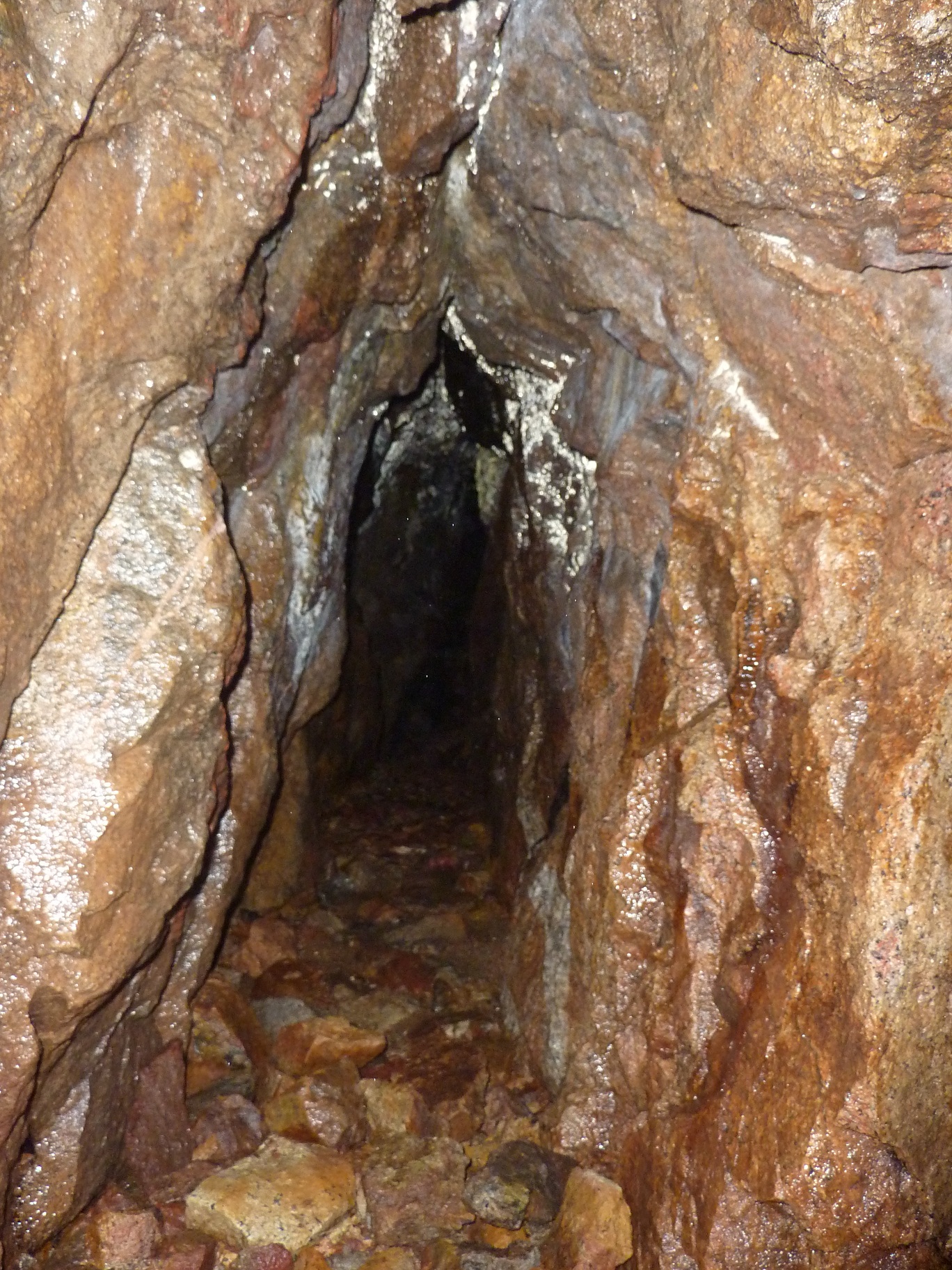
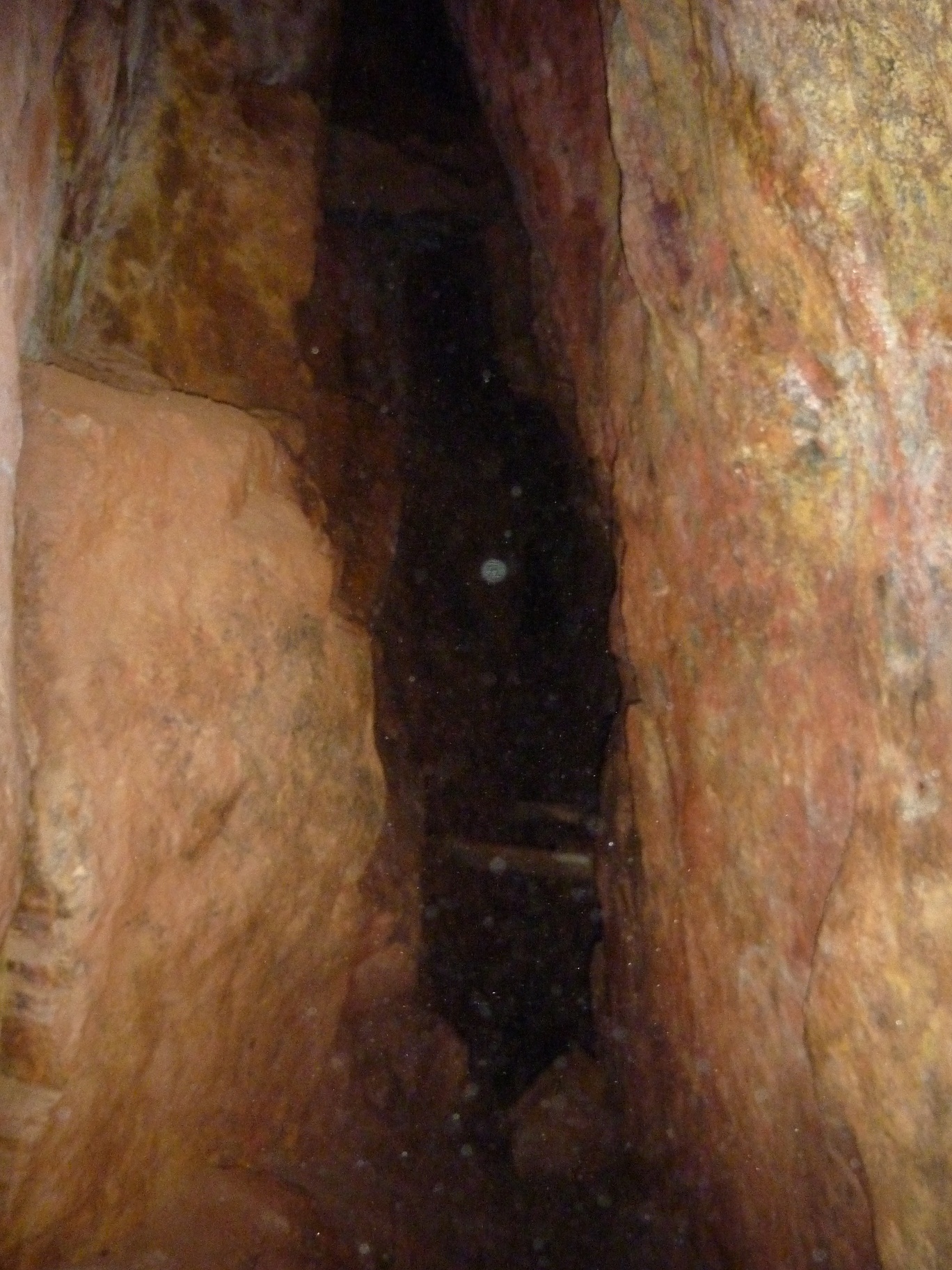
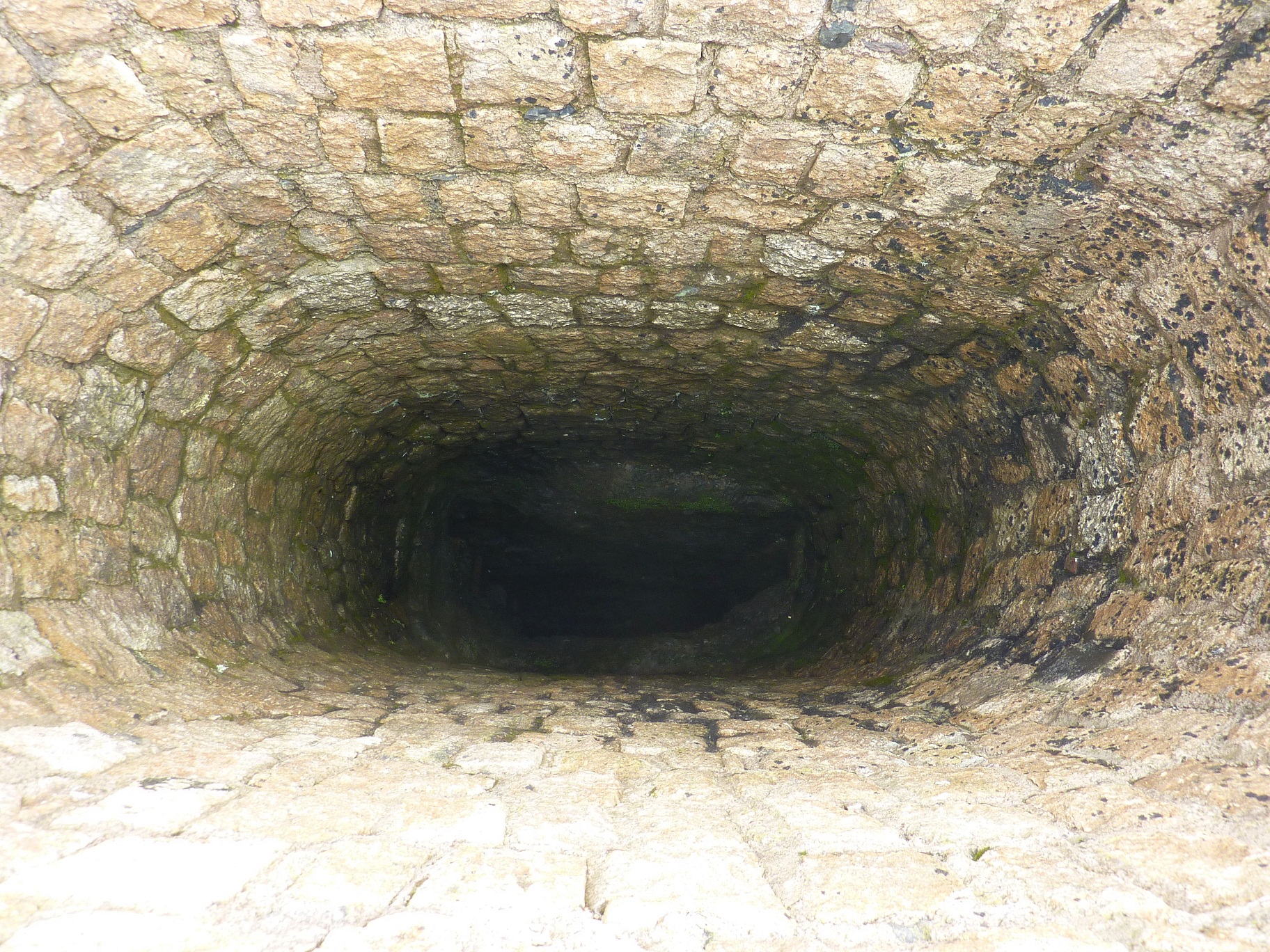
This part of Cornwall is littered with old mine related buildings and shafts. I have an insatiable urge to look down every hole, or walk into every adit. I can’t work out where this comes from, but given the slight feeling of disappointment I felt after exploring some adits today, I can only assume that, subconsciously, I had been hoping to find Mines of Moria style caverns backing away for miles underground. Unfortunately, it seems our Cornish mining ancestors were less interested in creating Tolkien-esque underground chambers, and more interested in scraping out more for less. Still, the leftover workings, stained walls and apparent maze like quality to the tunnels continue to leave me fascinated.
-
- On closer inspection the glittering appears to be millions of tiny water droplets
-
- To be fair there may have been riches a plenty beyond this point, but I would have fallen thousands of feet trying to get further
-
- Blueblack, one of our boys.
-
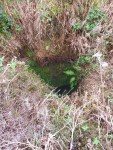
- The National Trust try to collar off holes where they can, but…

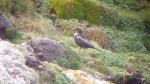
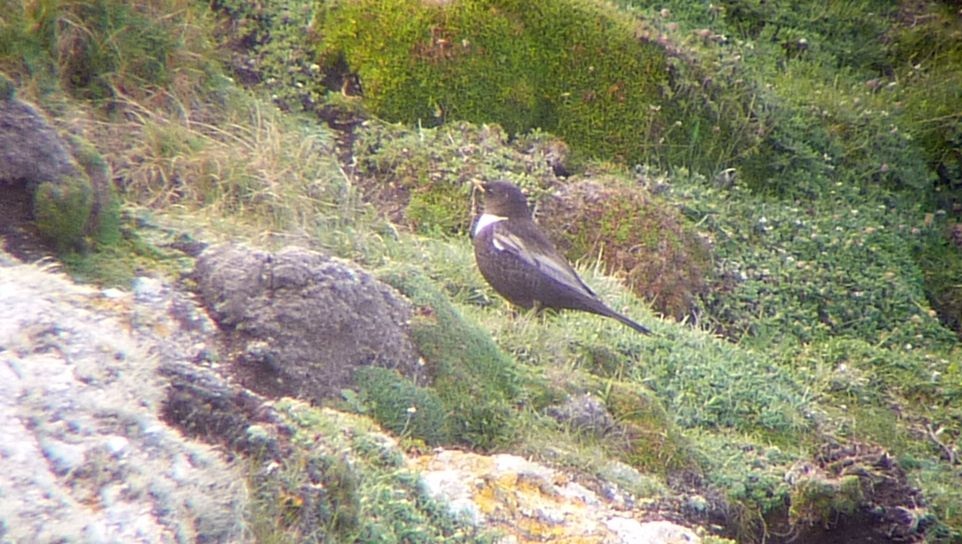
A ring ouzel! Where are you now, Nick Baker!?!
Today, the skies were blue and so was the sea. On the way to my office, with a cliff top view, I stopped and gave a lift to a pretty lass who was doing some painting for someone nearby. On site, I found myself a seat in the sun and watched choughs, wheatears, and then my first ever ring ouzel, for the afternoon. Not to mention the jackdaws acrobatically flying amongst the rocks, and the gannets diving out to sea, and the raven wafting by, and the kestrel hovering gracefully looking for prey, and the occasional pleasantry with a passer by.
So, it looks like our more mature pair (Mr Redred & Lady Blueorange) are beginning to sit on the nest. She was spending up to half an hour spells on it while I was watching today.
And our young choughs are surely incubating eggs now, as she is spending more time on the nest than not. This evening, they both spent time near base together. He passed her food on a couple of occasions and she spent a little time grooming him, at one point with one of her feet on his back.
To be fair to Nick Baker, his work for the RSPB has been to identify breeding pairs of ring ouzels, and their nest sites. From his talk on it at the RSPB pre-Christmas South West regional meeting, this seemed to involve him hunkering down for hours trying to work out where the birds were flying to, which he did with some success (http://www.nickbaker.tv/blog/). All I had to do was sit around in my usual spot and ‘my’ ring ouzel just flew on out from under a nearby rock. It was pretty unlikely to have been thinking of sticking around, let alone nesting here, as their usual habitat would be uplands, somewhere like Dartmoor. Still, I was lucky enough to be able to watch it feeding for many minutes during the afternoon, and then again in the early evening.
-
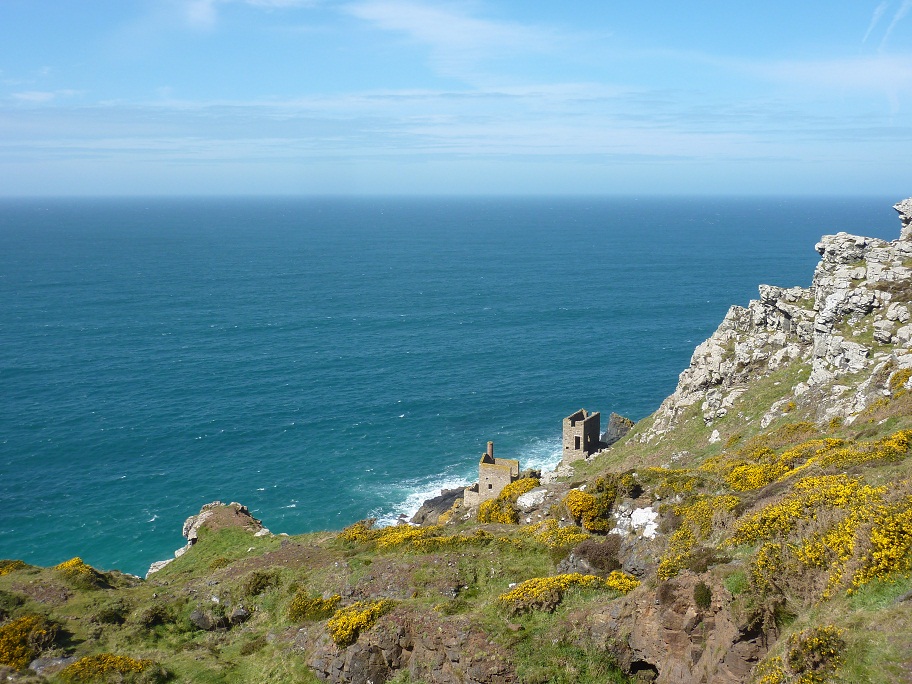
- Some of the old mine buildings near the Vean
-
- I’m reasonably confident this is a male, as the females don’t have such a prominent ‘ring’.

-
- Brilliant!
-
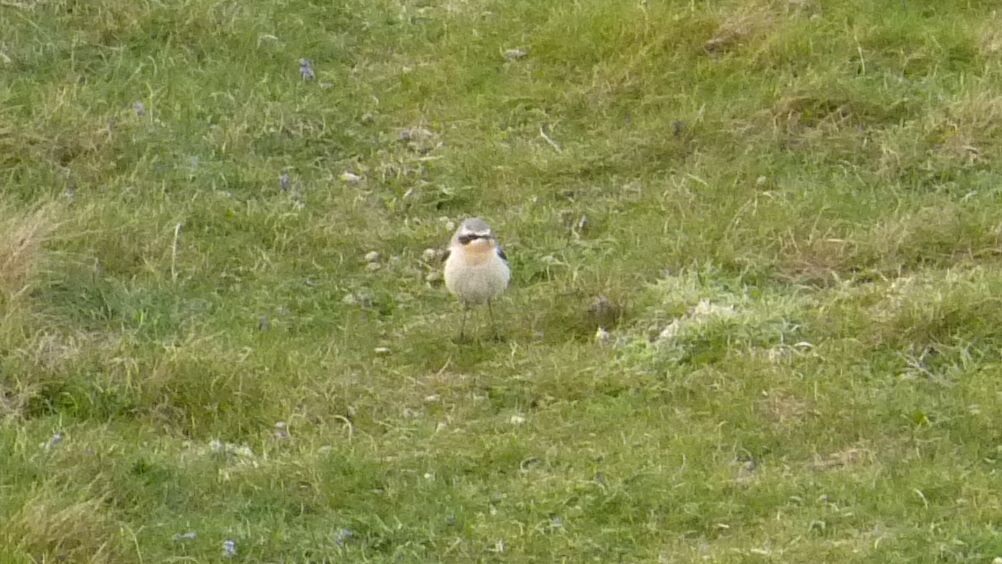
- Later this wee chap (wheatear) came calling.
Dive bombed, ravens and jackdaws
On Wednesday, during a couple of days off, I popped into Aylesbeare to pick up the chough project landrover. Most of the winter management work has now stopped for spring, so as not to disturb birds nesting, etc. So, most of the staff and Wednesday volunteers appeared to be working about the yard, carrying out maintenance or updates on the infrastructure.
Then on Thursday, on my way back South, I met up with Ray Piper, the Lantra trainer who had trained us during our tractor course, for a days Mule (the Kawasaki 4 by 4 version) training. This involved driving the Mule up onto Dartmoor and then through terrain that you would ordinarily consider off limits for vehicles. It’s all about momentum, top stuff.
Since then I’ve mostly been watching the young pair. She (Whitebrown) is now spending as much time at base as she is away. This is a new nest site, and it’s impossible to see where the birds go when they fly into it, but we have to assume that she’s now sitting on at least one egg. As far as we know none of the other nest sites are at this stage. This pair, maybe because they are so young, are doing this a little earlier than expected.
Our man, Brownblue, is still having a go at passers by, sometimes even if they are nowhere near the nest site. As much as this is quite entertaining it means that I sometimes have to explain to people what’s going on, and ask them if they’d be kind enough to let him have his way. Everyone seems to have an appreciation of the birds (there are information boards on the walks), and are happy to have seen them, so it’s generally a pretty nice thing to have to do.
However, Brownblue isn’t getting things all his own way. Yesterday I’d spotted a Peregrine about on rocks a couple of times, which the choughs are usually wary of. Seemingly with good reason, for as they both flew away from the nest site yesterday afternoon, he suddenly twisted and dived, dropping amazingly quickly down towards the sea. As he went below the cliff line I just managed to catch a glimpse of something dropping after him. Although I didn’t manage to identify it at the time, I can only assume that it was the Peregrine, as I know nothing else likely to do this. Anyway, I stood there wondering if it was possible that he might have been caught, or even if he, or his assailant, had not pulled out of their dive before hitting rocks or the sea (they were already flying quite low). Thankfully I spotted Brownblue on some rocks a few hundred metres down the coast. He then flew slowly back to meet up with our lady, who had taken refuge on rocks up the slope from me. They spent some time reassuring each other, and tapping beaks, and I wondered what he must be thinking as they flew off together.
-

- Falco Peregrinus.

-

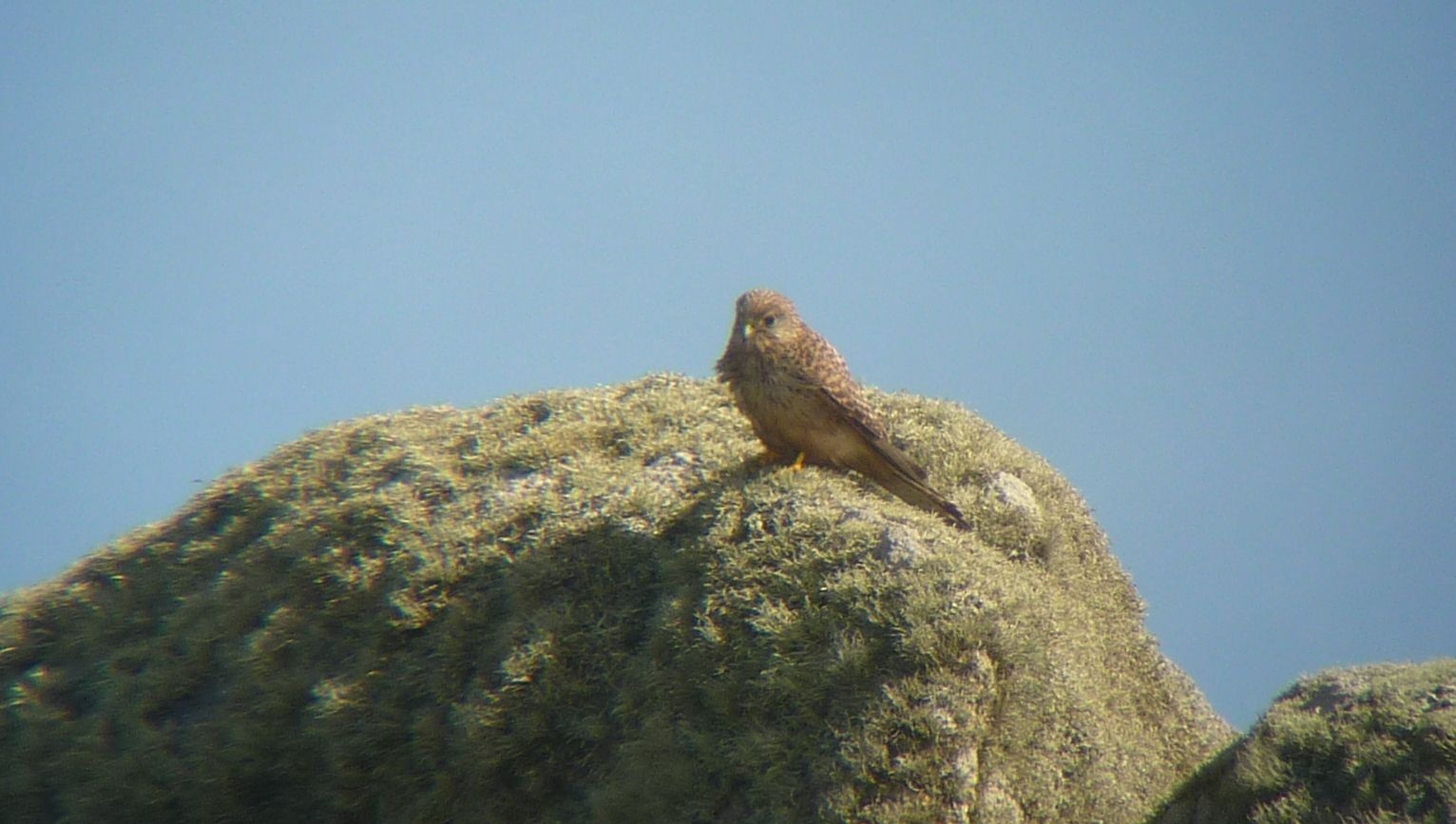
- The slightly more chough friendly, Falco tinnunculus
-
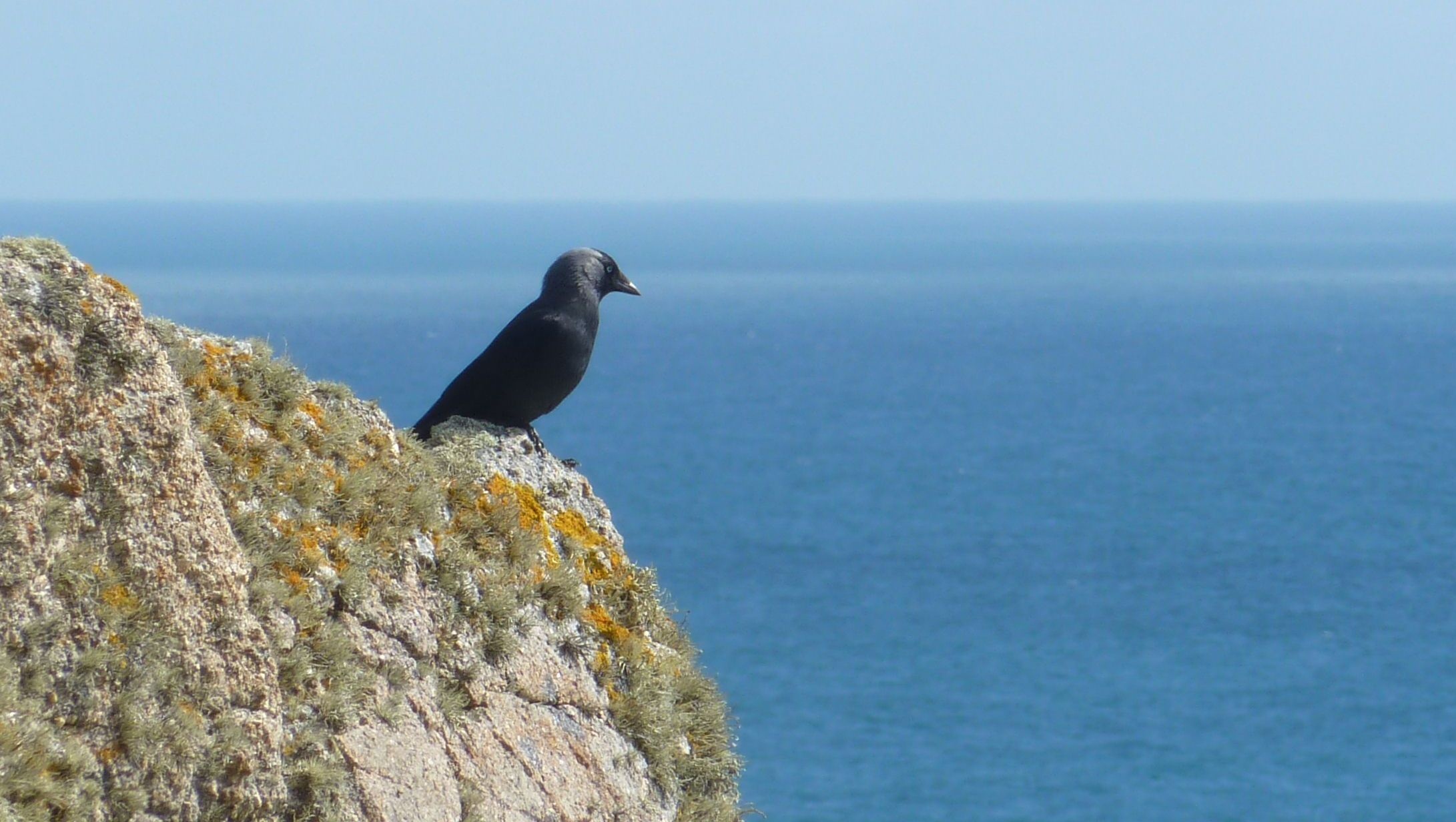
- Possibly my new favourite birds. Jackdaws take cliff top flying to a new level
-
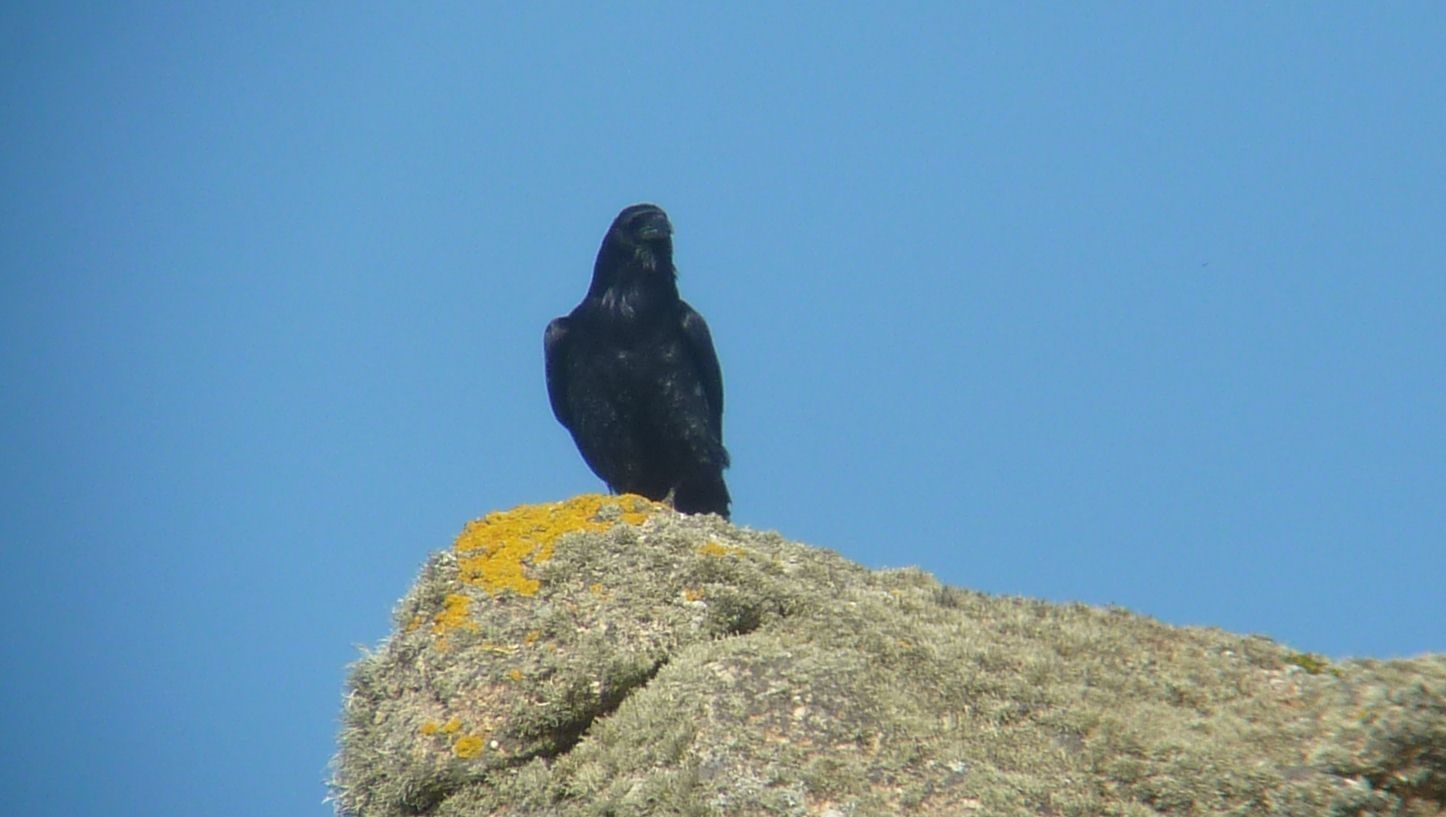
- Corvus Corax. Often seems to get mobbed, especially by Brownblue, for reasons unknown to me
-

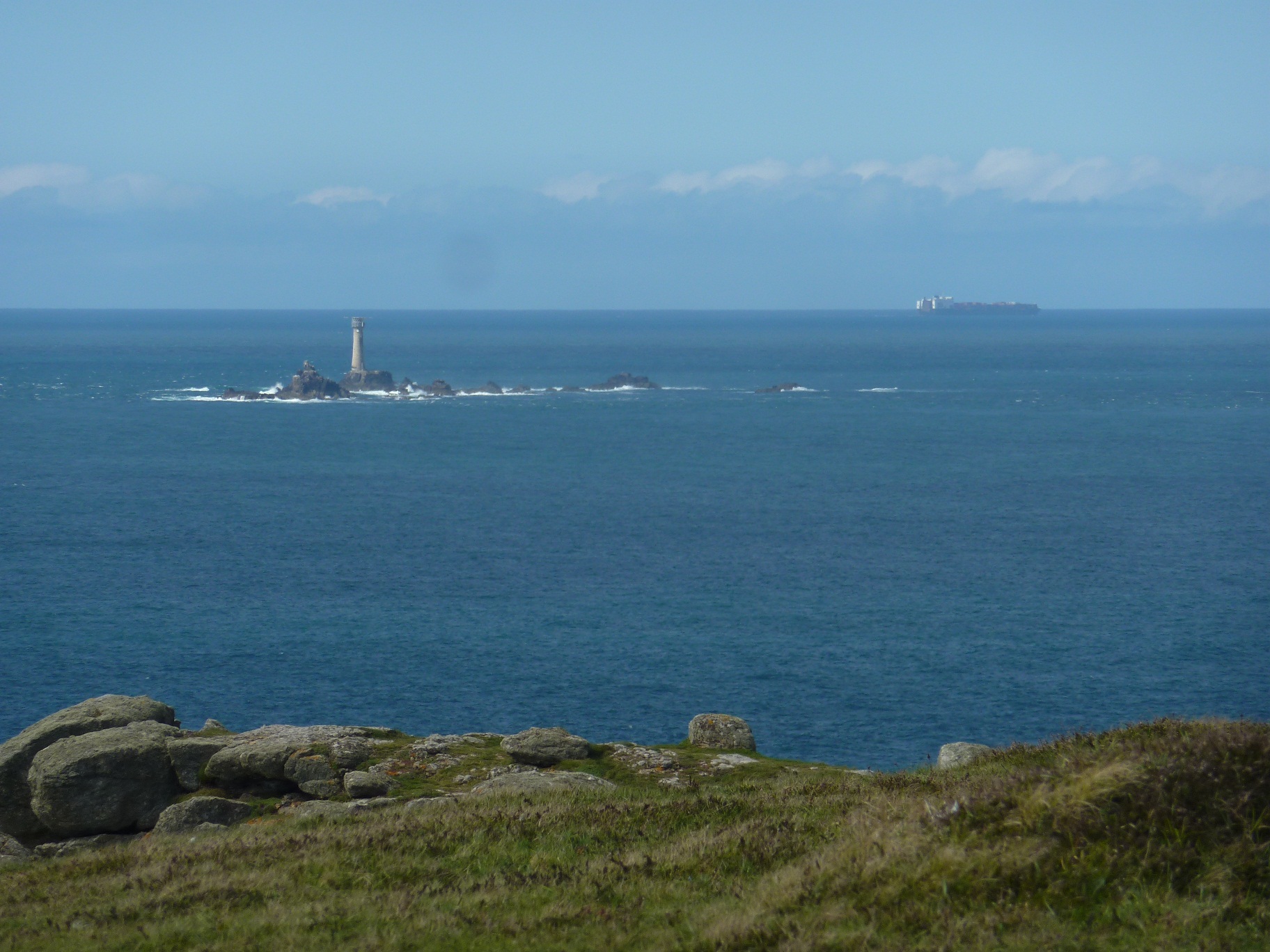
- The Long Ships lighthouse off Land’s End
-
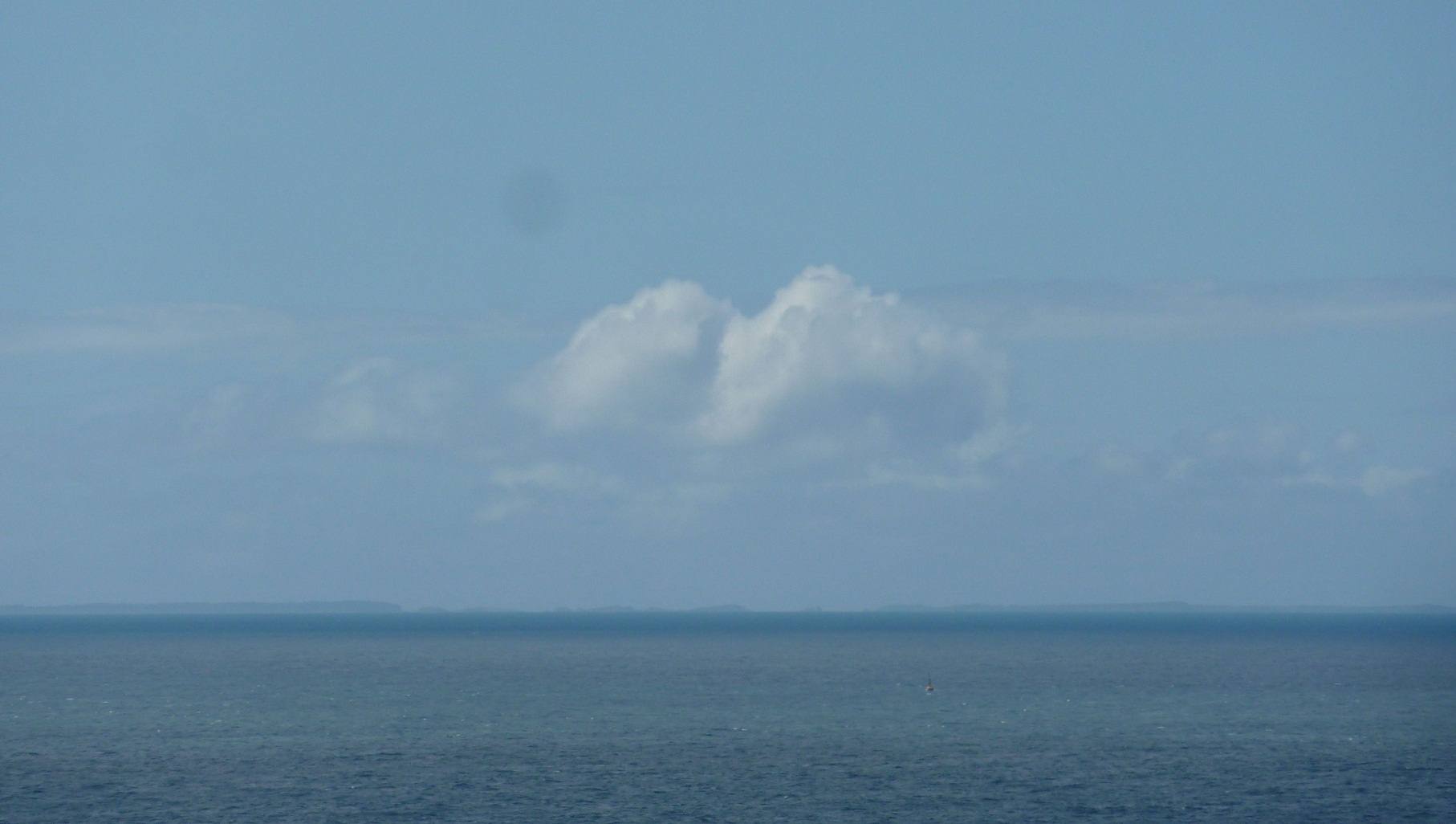
- The isles of Scilly!
Getting jiggy…
So the sun isn’t always shining down here. On Sunday I spent my shift peering into the fog for a glimpse of our mature pair, redred (see pictures from last entry) and blueorange. This pair have a good history of getting away broods (http://www.cornwall-birding.co.uk/category/choughs/), so the fact that I barely saw them all day is not too much of a concern.
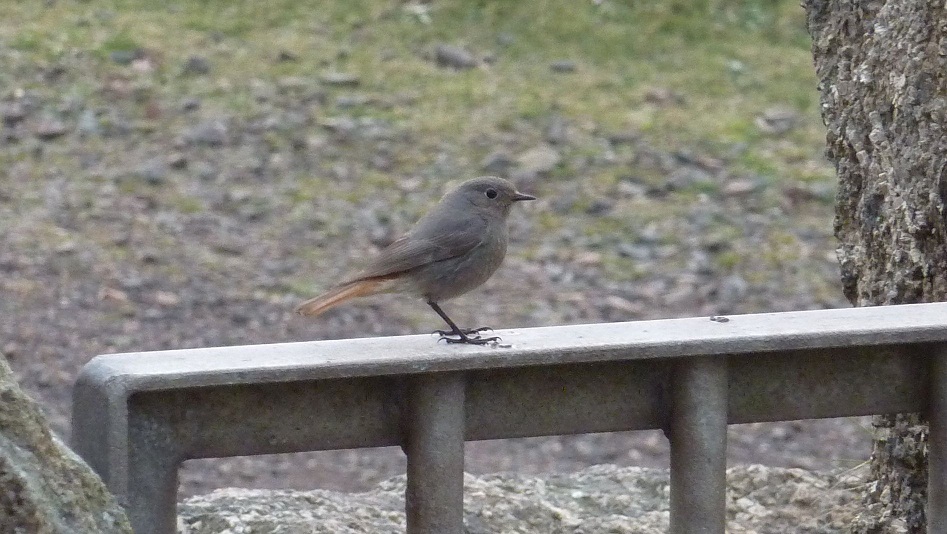
Yesterday I spent time watching the young pair, who were mostly out feeding all day, but are spending a bit of time around the suspected nest site. Back at the Vean, I did see what I’m fairly sure is a female black restart, so that was cool.
Today, the weather was pretty bleak to start with – 100% cloud, visibility maybe 5-10Km. Again, watching the young choughs, they are spending more time nearer their base, and our man, brownblue, is getting quite fiesty with anyone that comes near. This involves him landing within maybe 20 feet of them and calling whilst occasionally pecking the ground. Invariably this leads to people stopping, pointing at him, and then standing there taking pictures. He’s a bit of a character, I have a bit of a soft spot for the little fella, but he doesn’t do himself any favours.
Still, he must be doing something right, because our lady, whitebrown, made it quite clear, with a fair bit of stooping and wing fluttering, that he was the man for her. Jiggyness ensued, although I must admit, I didn’t have to look away for too long.
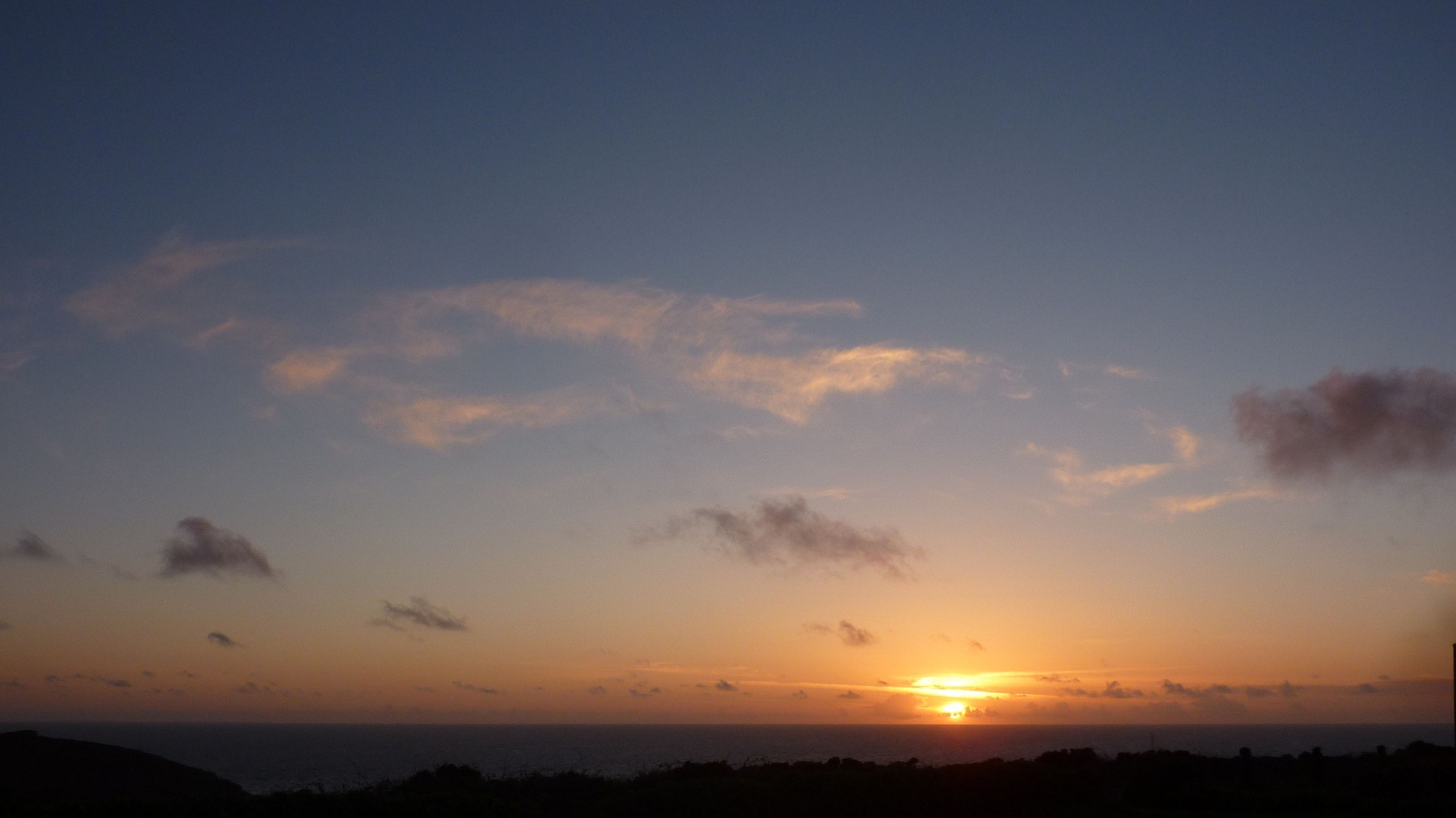
I’d been watching it come over the sea for some time and at half one there was a break in the weather and the sun came out. Visibility was excellent, maybe the best it’s been while I’ve been down here. All the lighthouses, etc, in the distance were clearly visible, the sea became a deep azure blue, to mirror the sky. All the local birds, gulls, jackdaws, the choughs, pidgeons, took to the air and were all whirling up and up, and we were all suddenly very happy.
The choughs seemed especially upbeat, circling higher than I’ve seen them go before, and then flying sensationally together, before she went back to base. He came over and checked me out, still rising up and diving and spinning in the air, before heading back. I said hello and suggested that he calm down around people, but, he probably wasn’t listening…



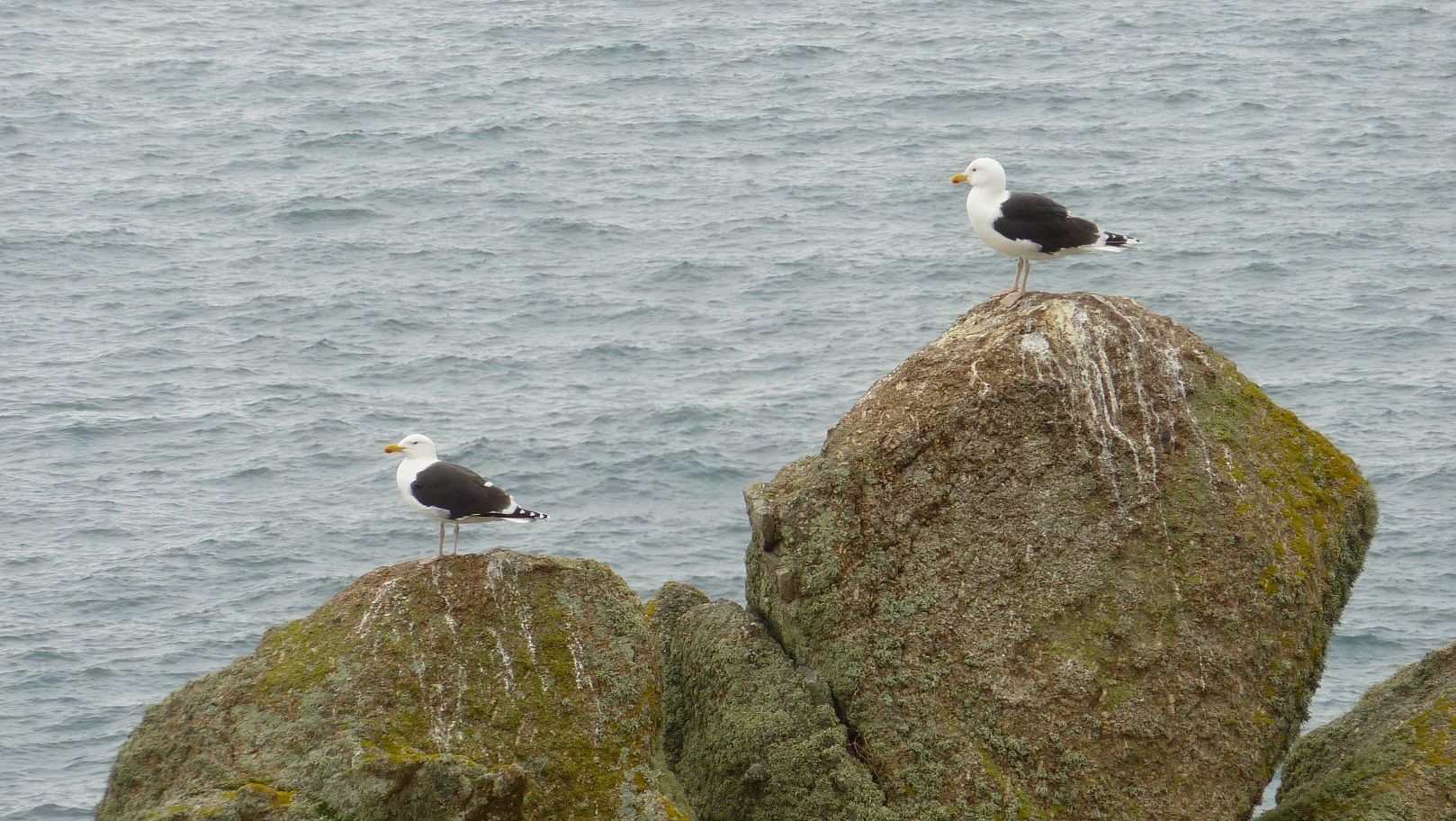
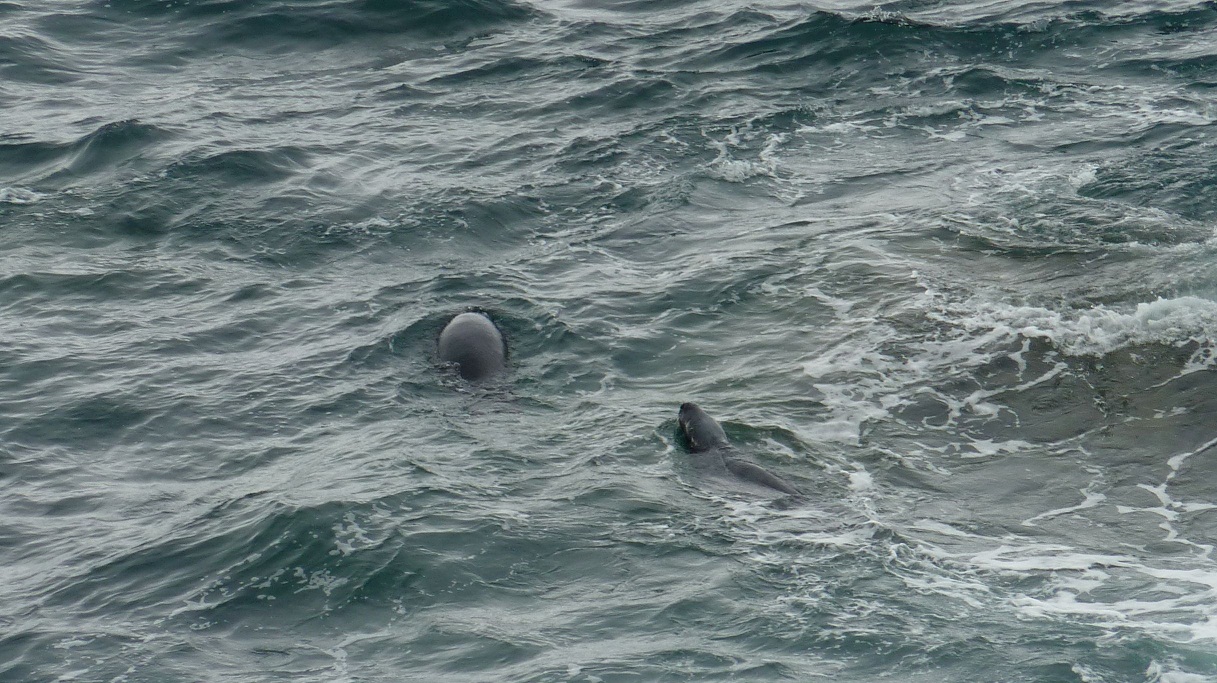
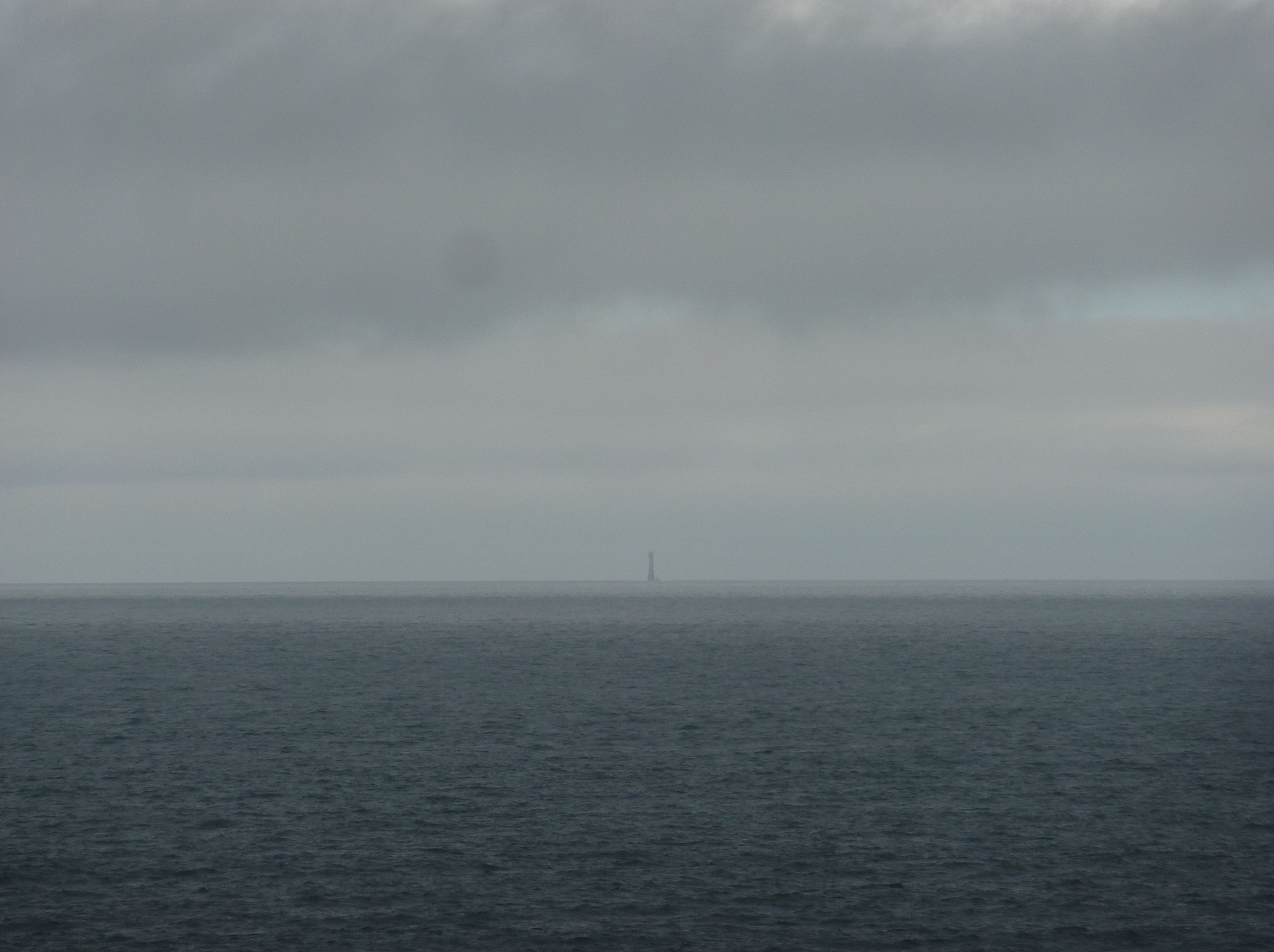
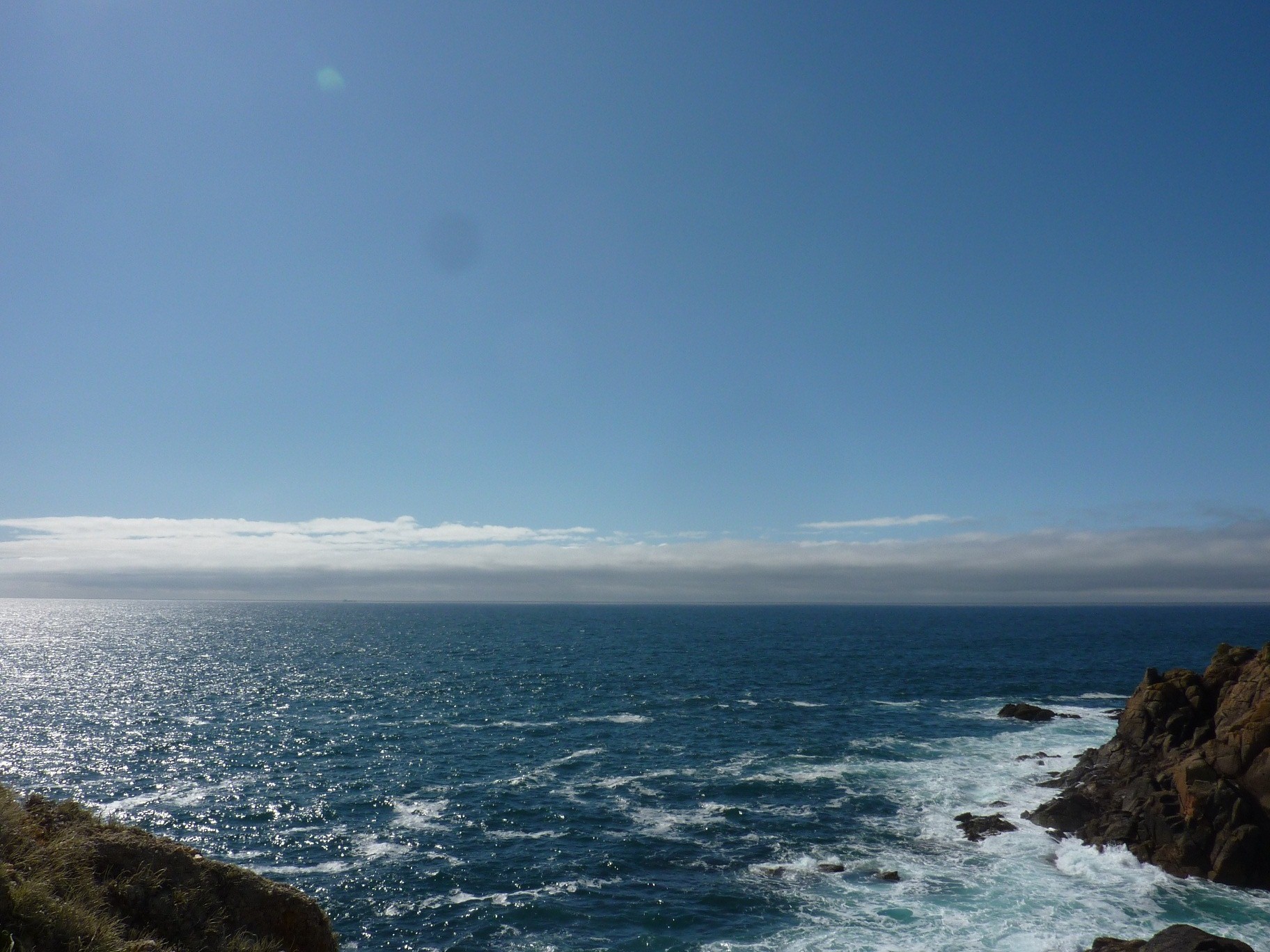
Choughs and kestrels
So, we’ve been concentrating our monitoring efforts on the non-paired choughs for the last few days, to see if there were any likely pairings appearing. But, alas, it seems not. Our boys still seem very close, and the lone female doesn’t seem to be able to attract their attentions for long enough.
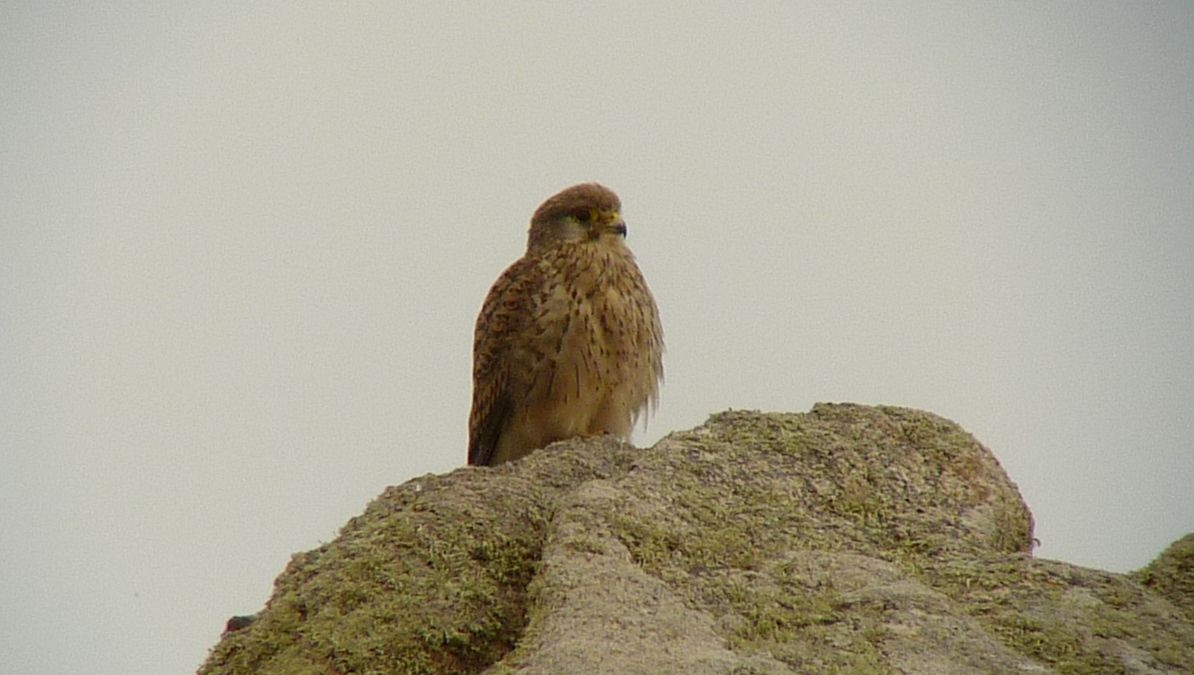
This looks like it might be quite frustrating for her, as she, today, took to flying about with large bits of nesting material in her mouth, whilst performing aerial acrobatics. Quite spectacular acrobatics. At one point she stole up to a kestrel, that was just minding her (I’m fairly sure it was a female) own business, bumped her from above, then dived down below and around her. It was spectacular stuff, but neither the kestrel, nor the boys seemed particularly interested.
Also, the unringed chough, that appeared to be hanging around with these three, hasn’t been seen for a few days. So, it looks like that story might not break, which is a shame. However, I could be misreading all these signs, and it might all mean something entirely different…
I’ve managed to get some quite interesting shots of the kestrel by, in some cases, combining my camera with the RSPB scope. Later today, I saw two of them fly up to a roost site, possibly a pair, although it was getting a bit dark to tell. They really are incredible to watch whilst hunting. Once I’ve trained my binoculars on them, it’s possible to see that they hover in exactly the same spot, by judging it against the background. How do they now how to do this?! Amazing.
-
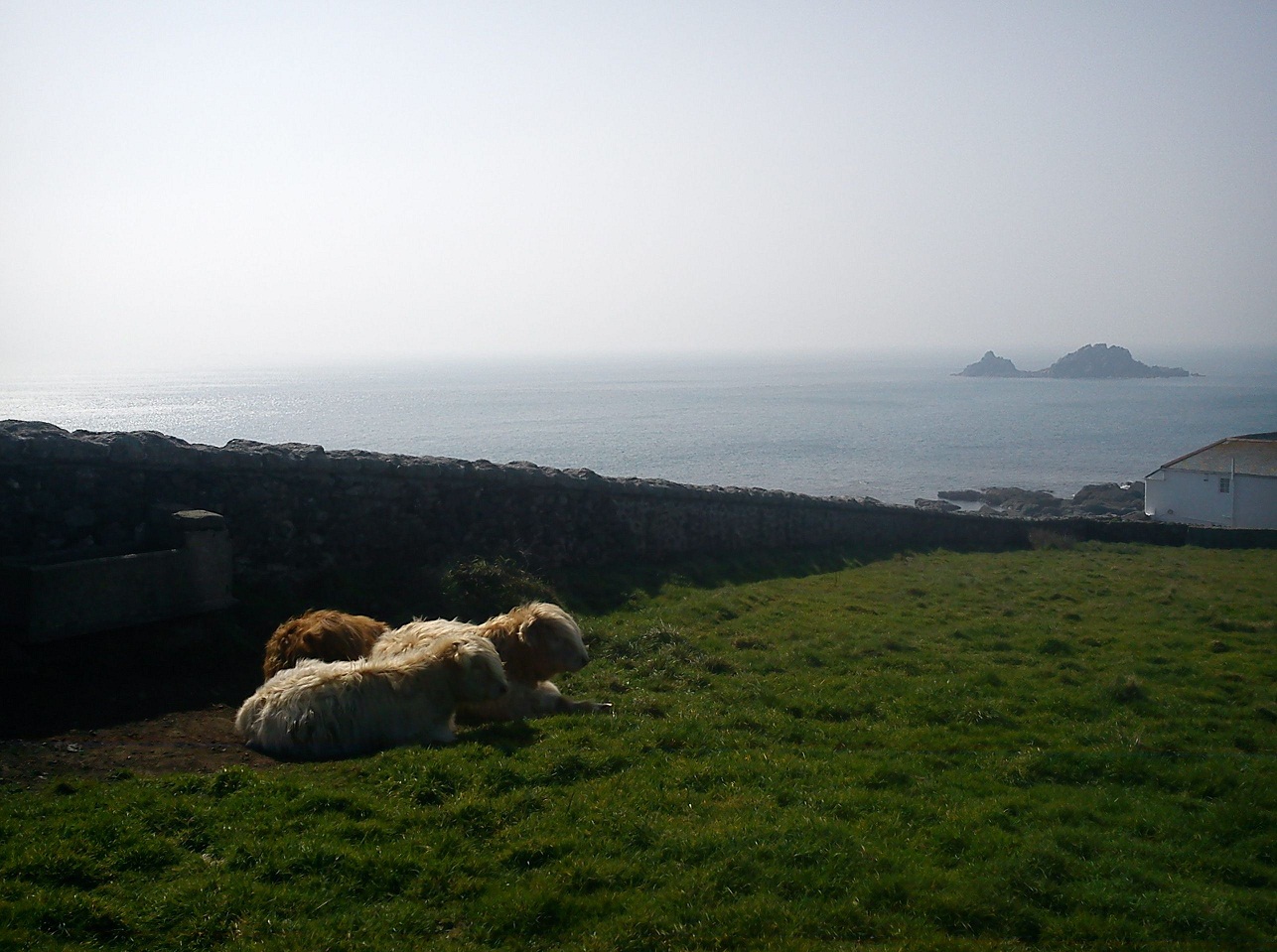
- Here dogs and cows are bred to produce cogs.
-
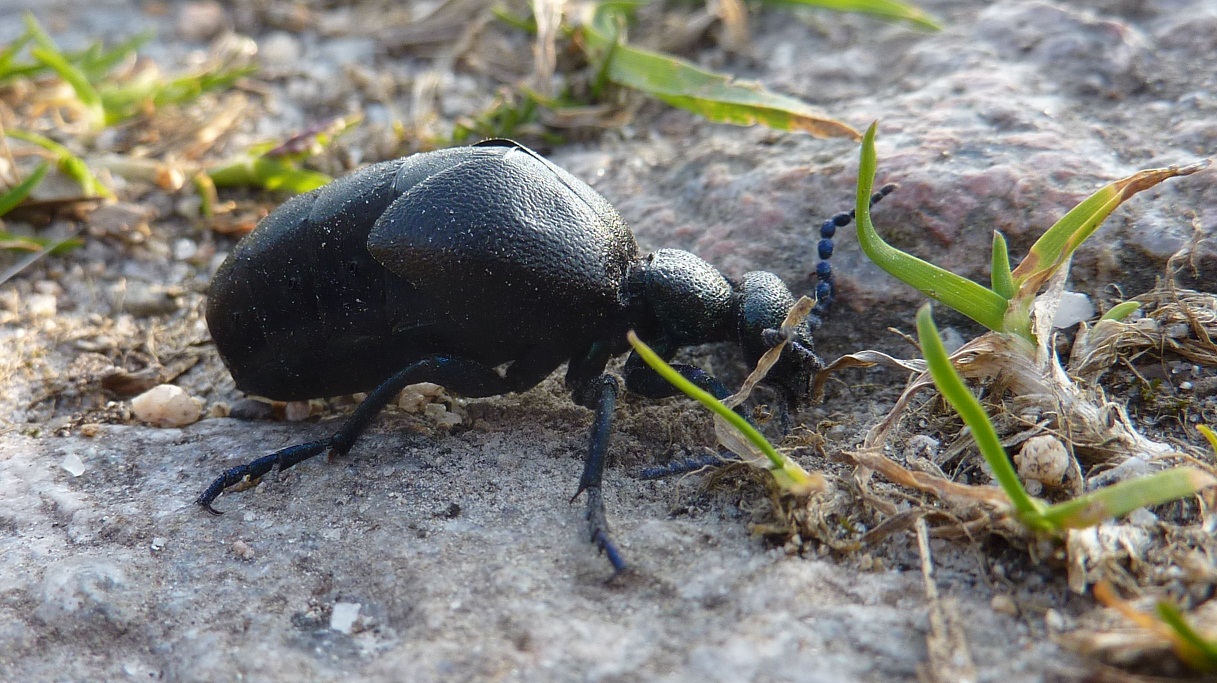
- This mad looking fella is an oil beetle.
-

- This is our older, experienced pair. He clearly knows that this is a killer move
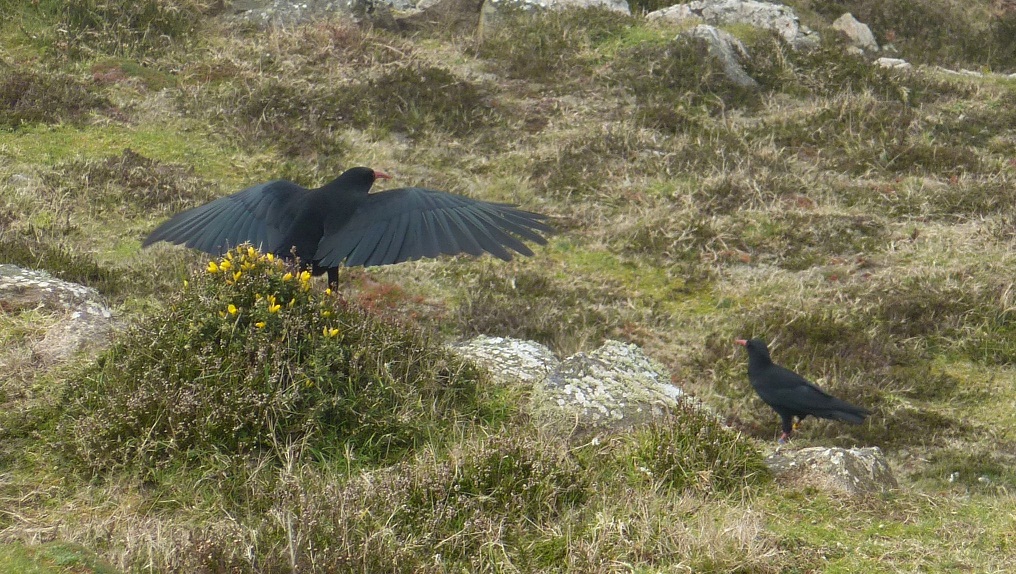
-
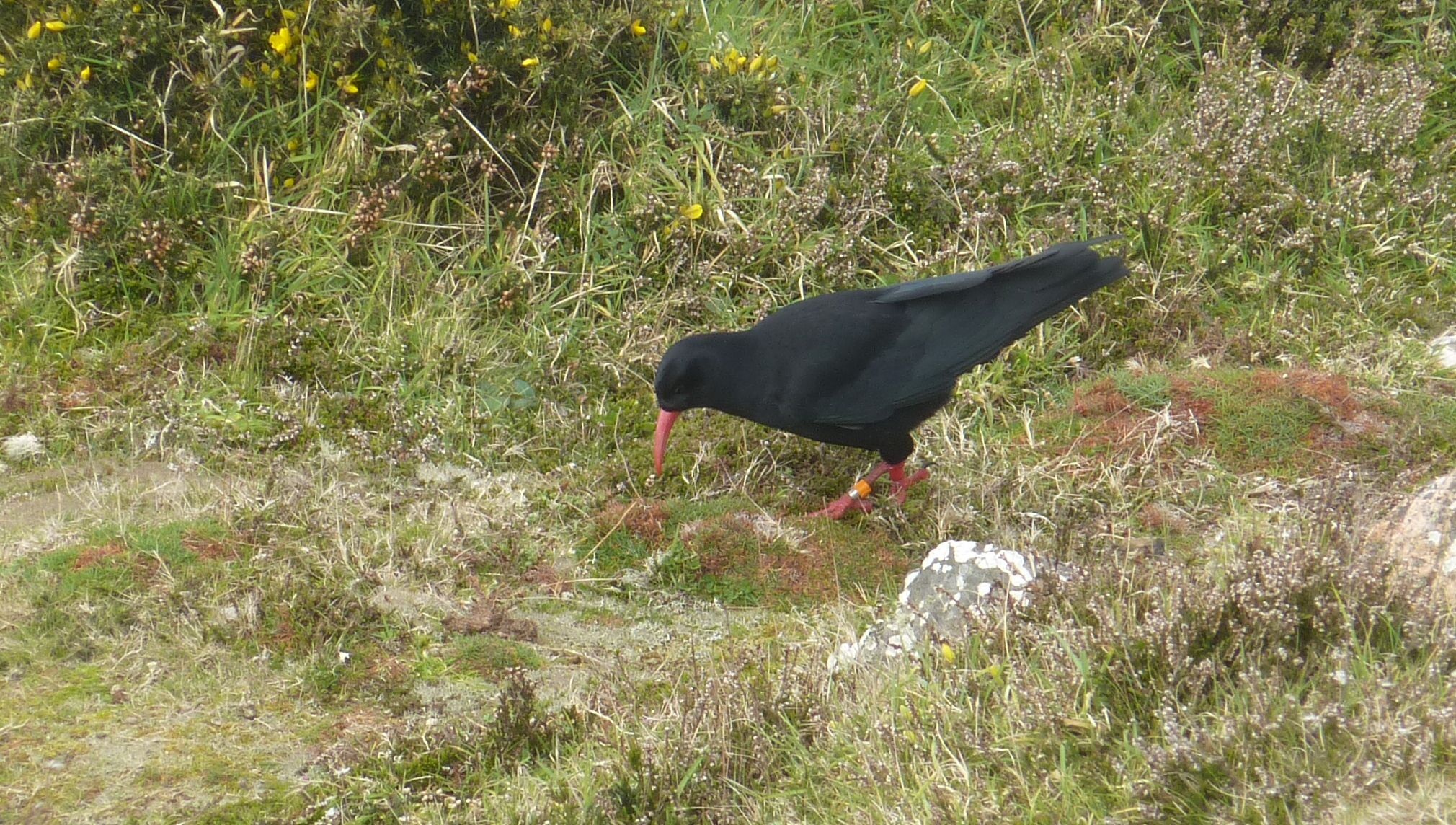
- At 7 years old, he’s the oldest bird that I’ve been watching.
-
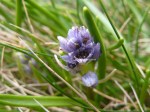
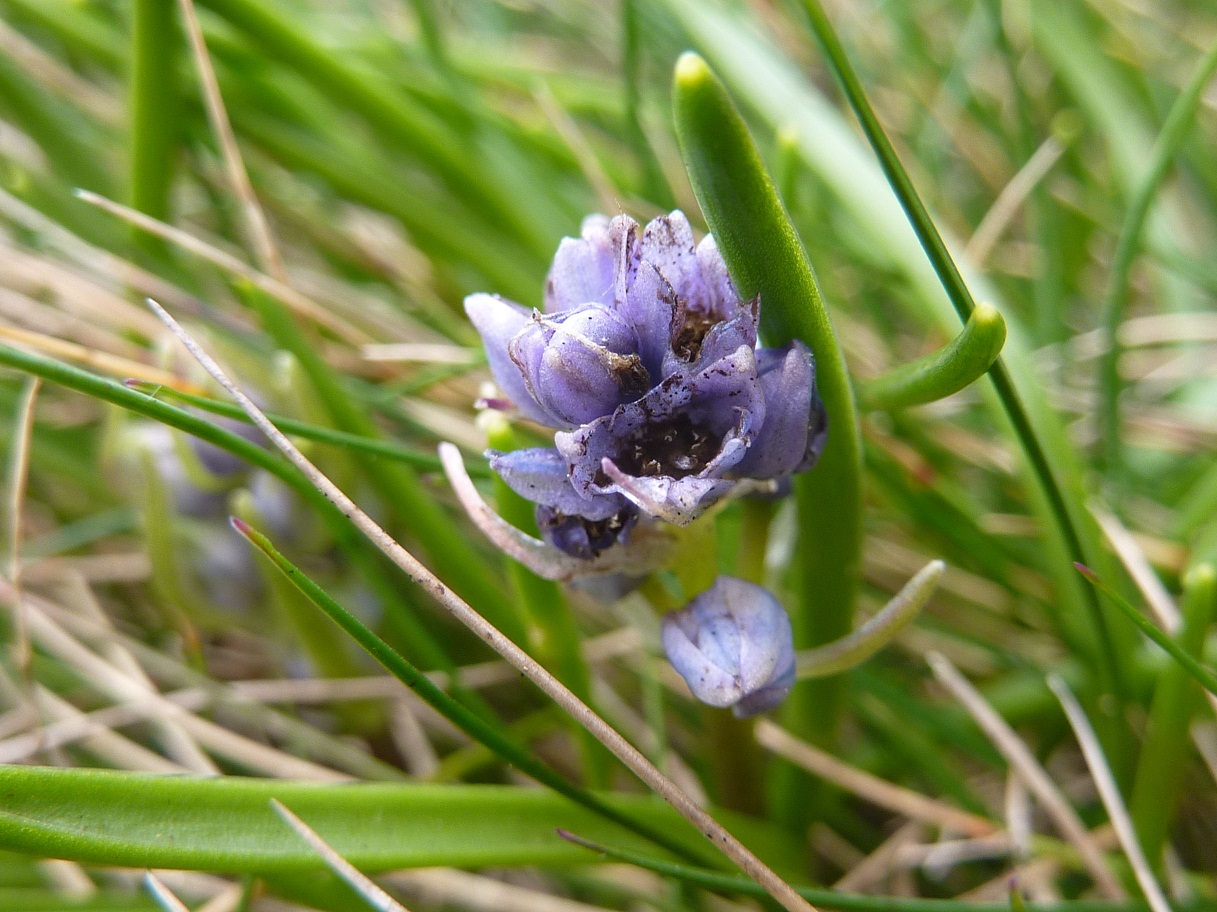
- Someone please tell me what this is?
-
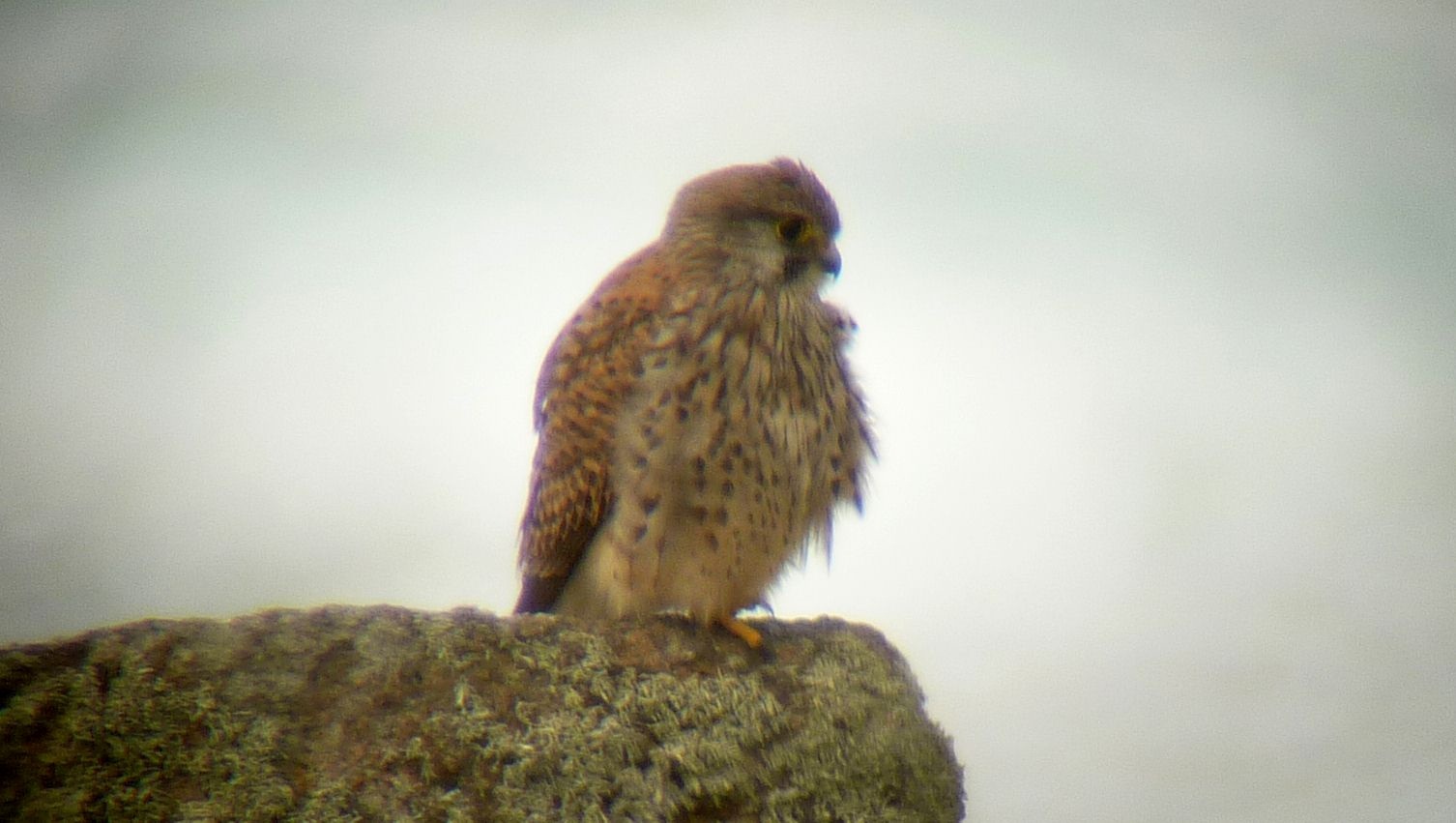
- I’m fairly sure, from the brown cap, that this is a female kestrel
-
- Here she is on a different rock a little while later.
-
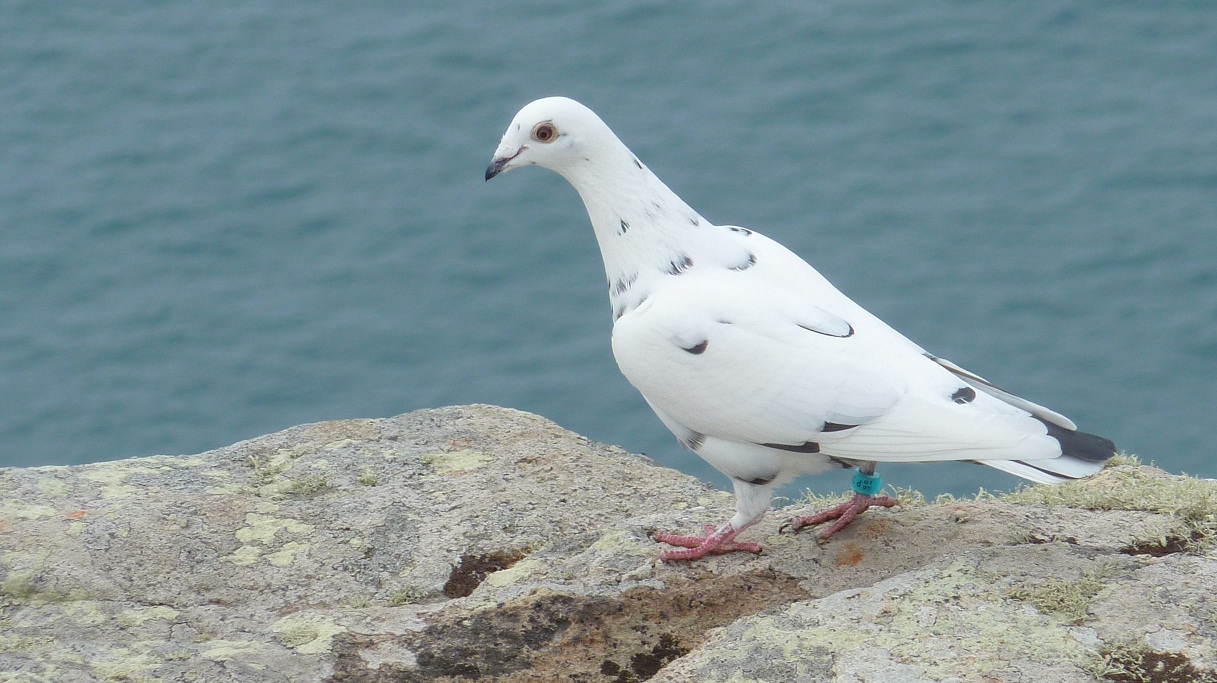
- This, I’m afraid, is not quite so attractive.
-
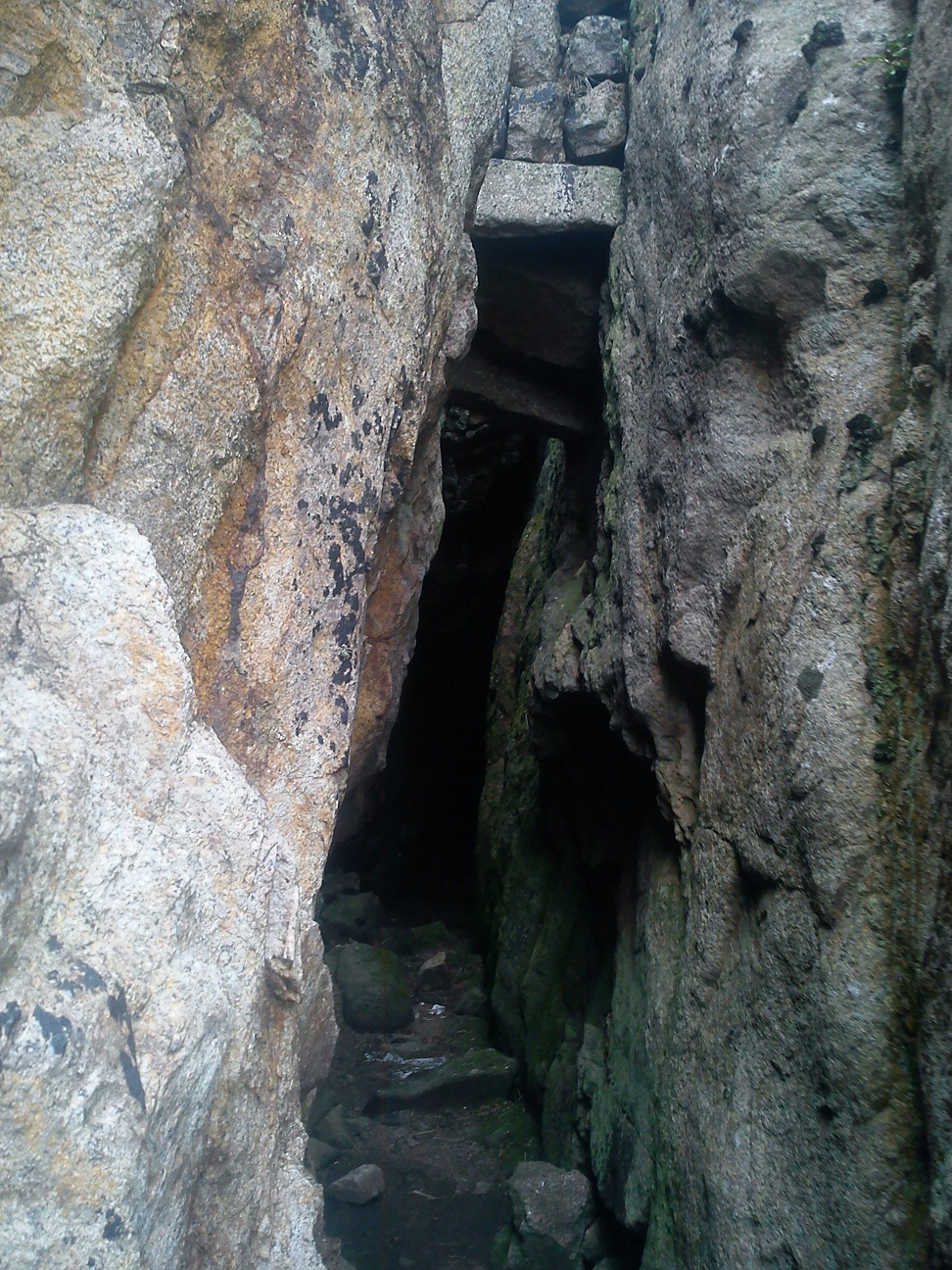
- A new word for you (maybe), this is an adit.
-

- Male stonechat. First rate perching.

Young choughs
I spent today watching the young choughs affectionately known as brownblue and whitebrown. Catchy names, I know you’ll agree, but I don’t have the job of naming the choughs yet. As I mentioned in my last post, all of the choughs that grew up in Cornwall have been ringed. Coincidentally, the rings on these choughs match their names. Brownblue is the male in this pair.
These guys are young, just two years old. So this is the first time they’ve looked like they might nest. They seem to be very close. After even short spells apart they’ll spend time reassuring each other by being close and occasionally tapping beaks (possibly food is passed between them, but I haven’t been able to see this for sure). While they’re foraging they’ll occasionally run towards each other and tap their beaks in a fashion that looks very much like they’re kissing.
By the end of today, our lady was spending a little time on her own in the area where we think the nest might be. At this point our man spent his time calling and generally looking a bit restless.
-
- Mr Chough thinks he’s a winner with the ladies. Well, lady.

-
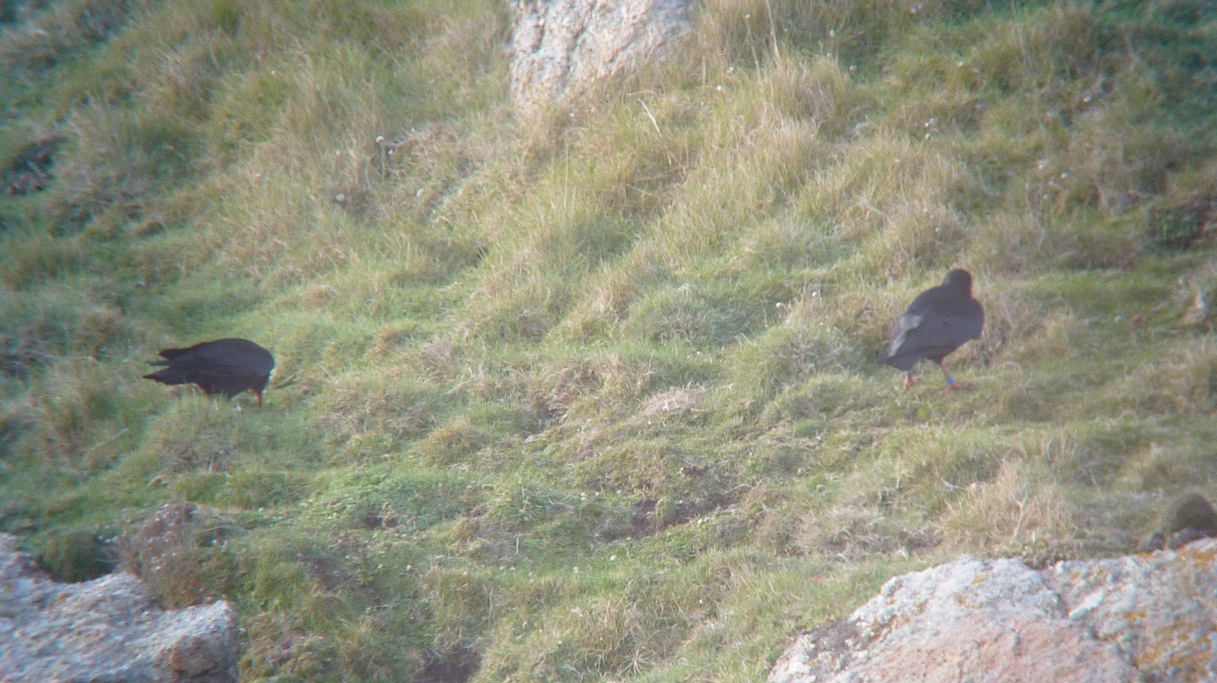
- and it seems he is
-
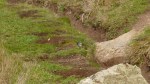
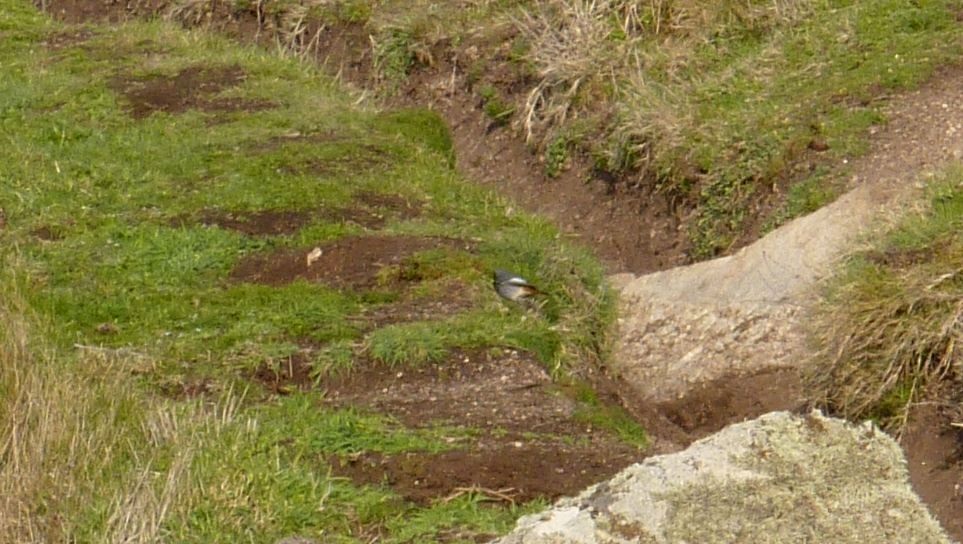
- A male black redstart. A first for me, fantastic.
-
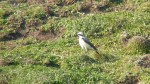
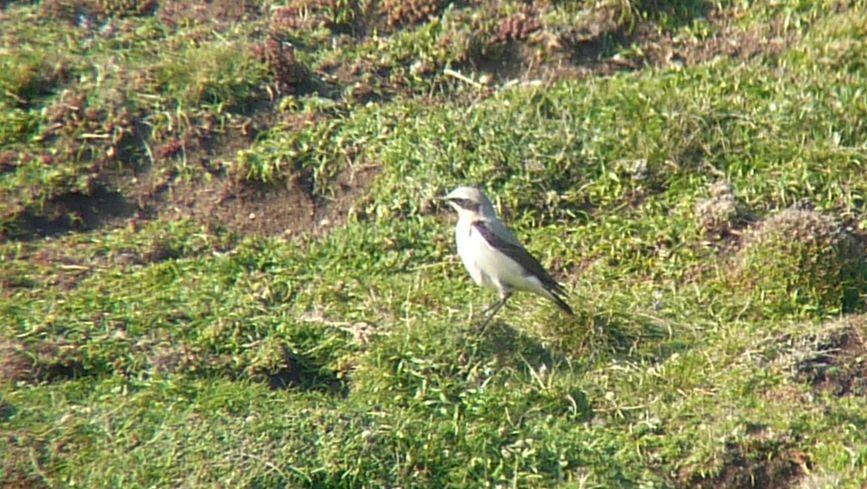
- A male wheatear…
-
- …and a female wheatear

-
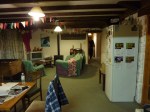
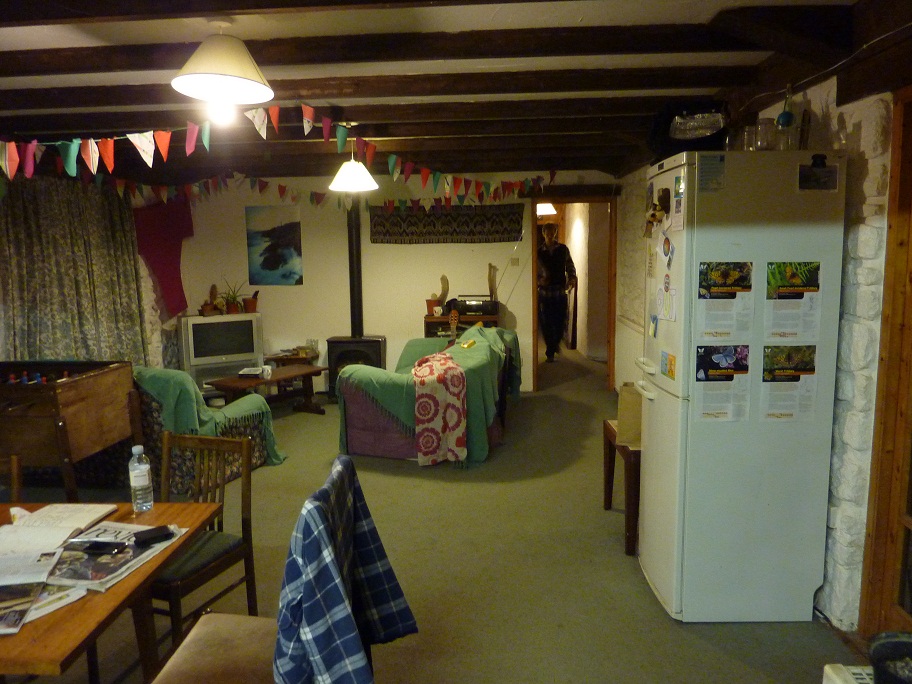
- The Botallack Vean lounge, where I’ve been staying. Not in the lounge you understand, they have given me a bedroom
Off to Cornwall again then…
So, my next role brings me back to Cornwall, just two weeks after I was last here. I call by the Marazion office again, but this time to meet up with the RSPB’s Claire Mucklow and the Cornish chough project. I get a little bit of time to look around the Eastern part of the reserve, and see the usual array of passerines. It still makes me smile hearing how loud the Cetti’s warblers are.
Once our hire van has turned up we head out to a place called Botallack, where I’ll be staying. The Botallack Vean is a National trust property – they are also involved in the project – as is a lot of the land on Cornwalls South Westerly tip. Nic, the project co-ordinator and I, go out to see if we can see one of our chough pairs, and they duly oblige with a fly-by as we are out walking. Good start.
Day 2, and I’m shown another pair, who are apparently young but enthusiastic, and then an assortment of other choughs, including a couple of males who seem to be quite close. So close in fact, that they seem to be ignoring the attention seeking actions of a local female. They become known as the ‘boys’. They like flying along cliffs in formation, especially with ravens and occasionally kestrels.
There is also one unringed chough about, which we are really hoping will hang around. All the locally born choughs were ringed in the nest, hence we know what sex they are. As with any small colony, it would be great to get some new blood involved to prevent the potential for issues arising from a small gene pool.
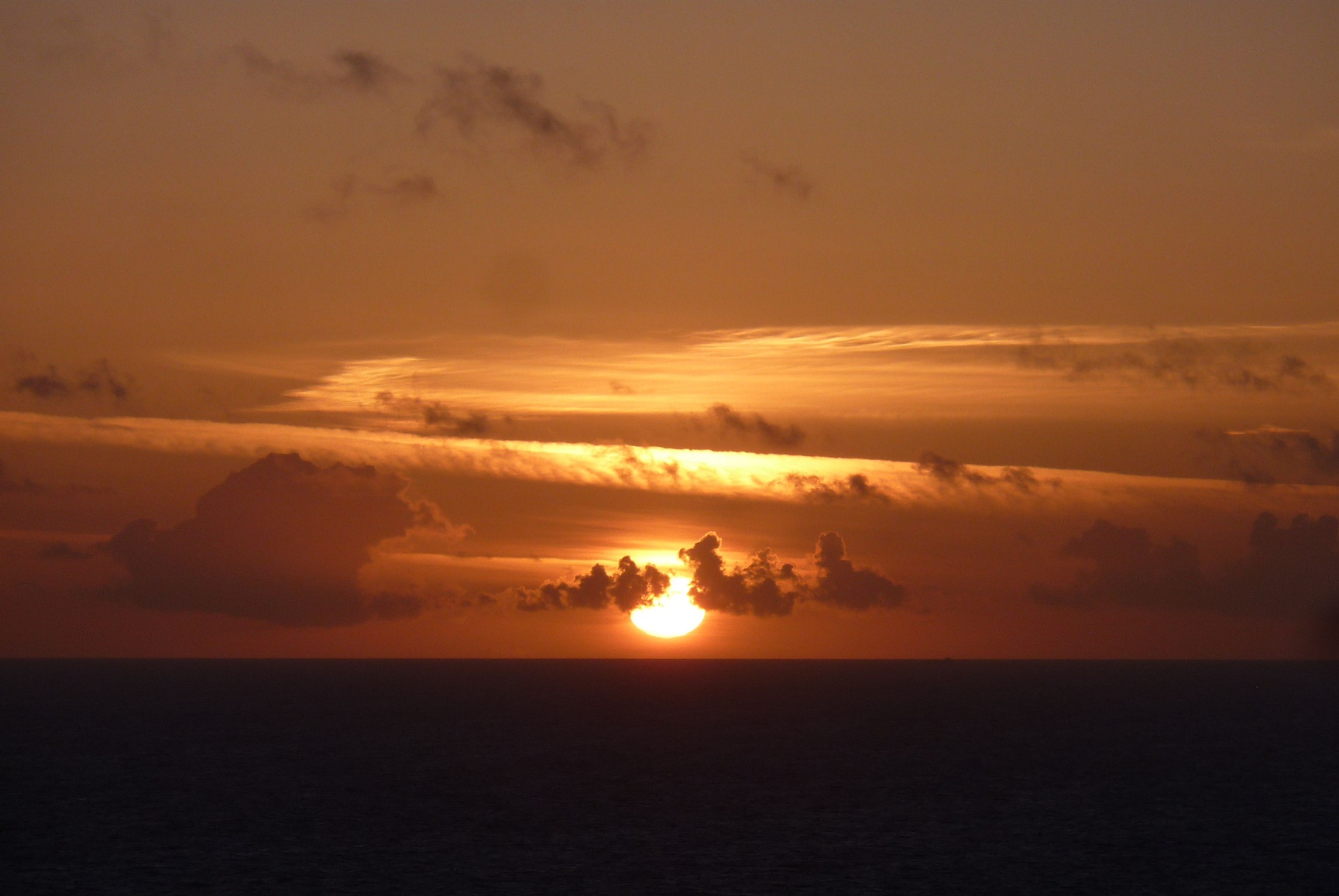
At the end of my second day, the sun is going down over the sea, the pipits are flying around me as I sit on my rocky outcrop, watching 4 choughs. It’s a lovely evening, hello Cornwall, hello choughs.
-
- A blackbird (poss juvenile) at Marazion

-
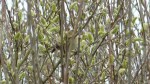
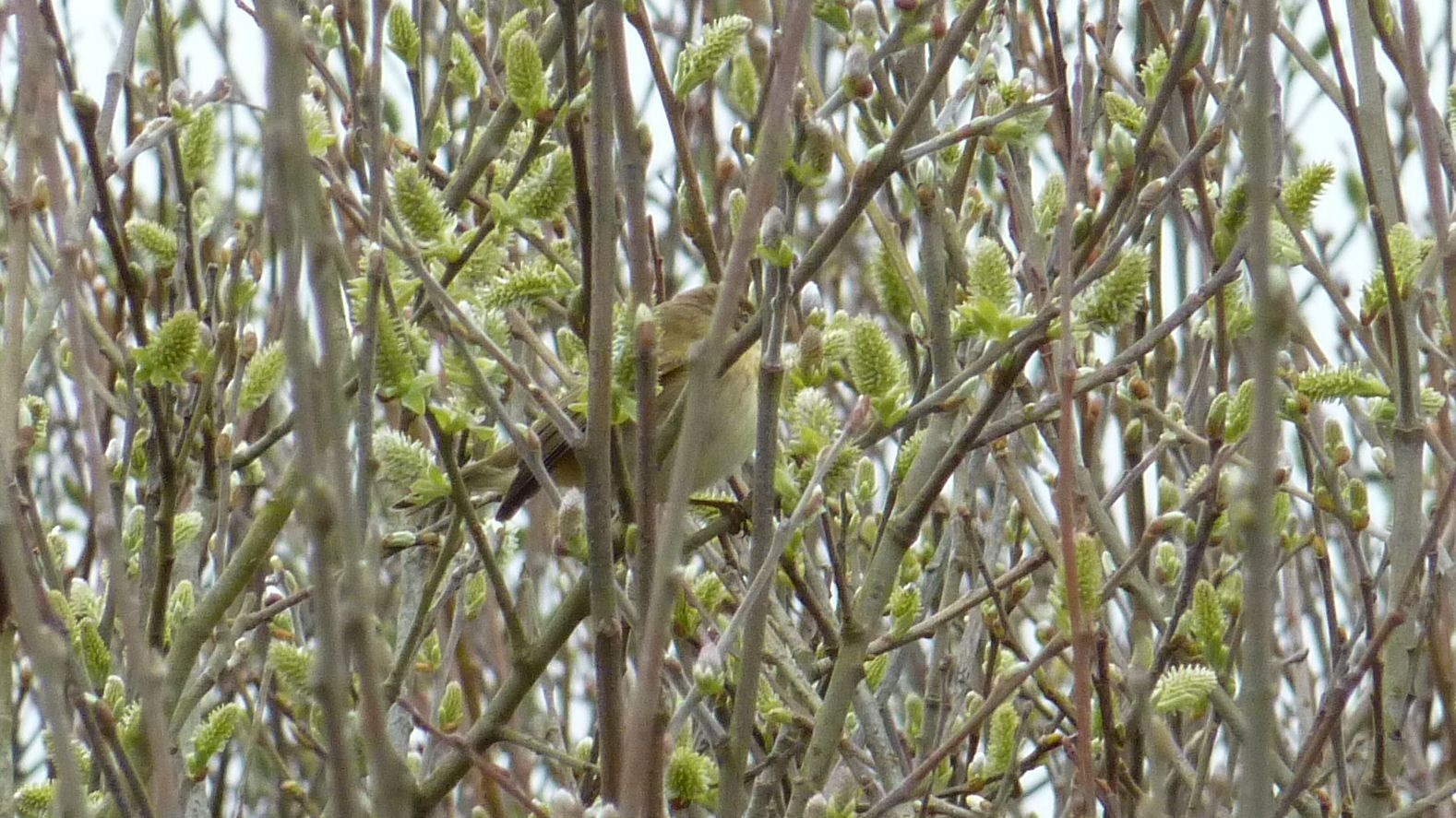
- This picture of a chiffchaff is one of my best
-

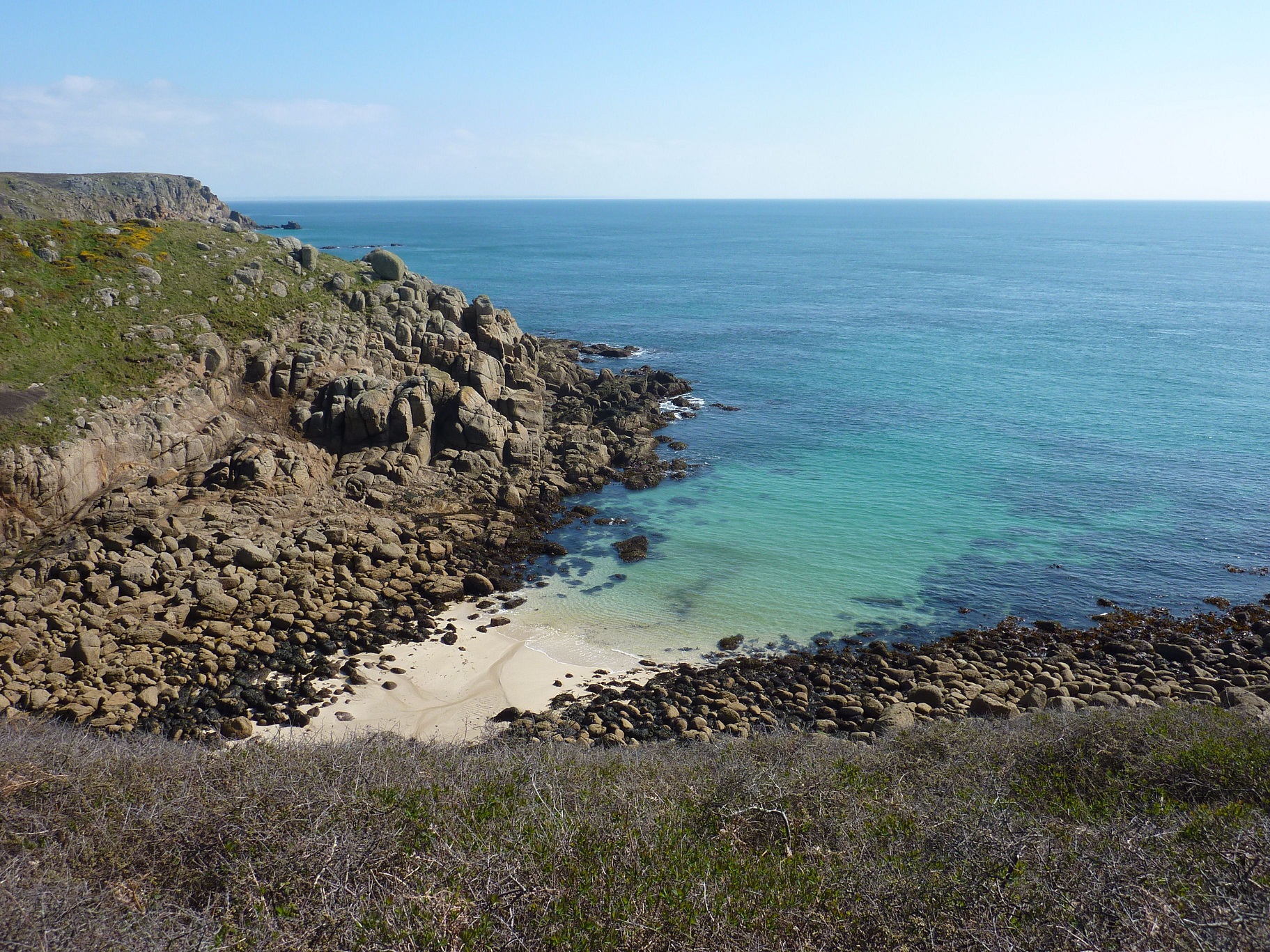
- Deep and narrow inlets down here are called Zawns. This one doesn’t quite qualify
-
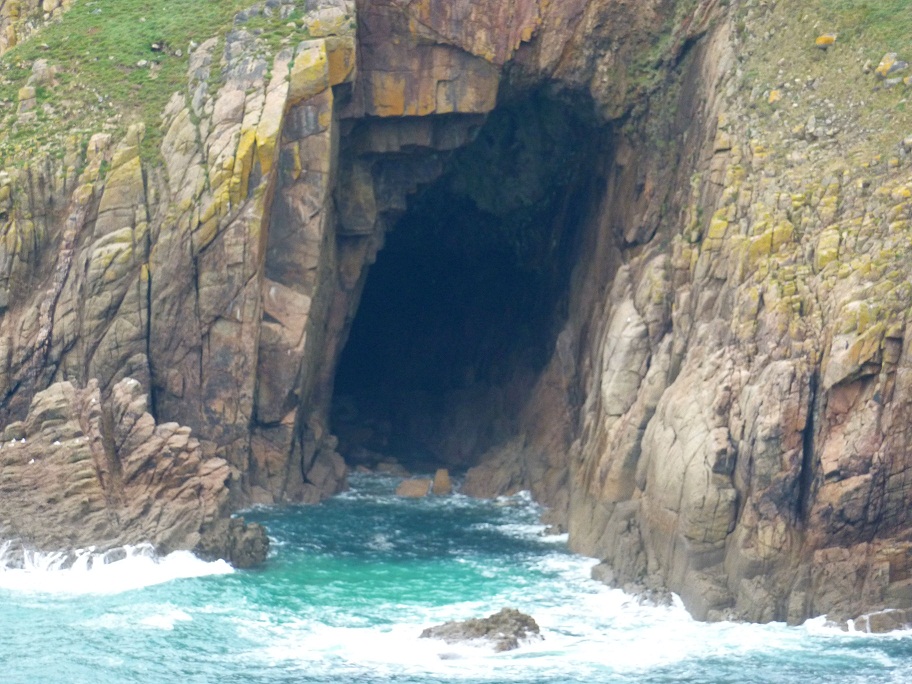
- Caves down here are called caves. Oooh, what’s in there?
-
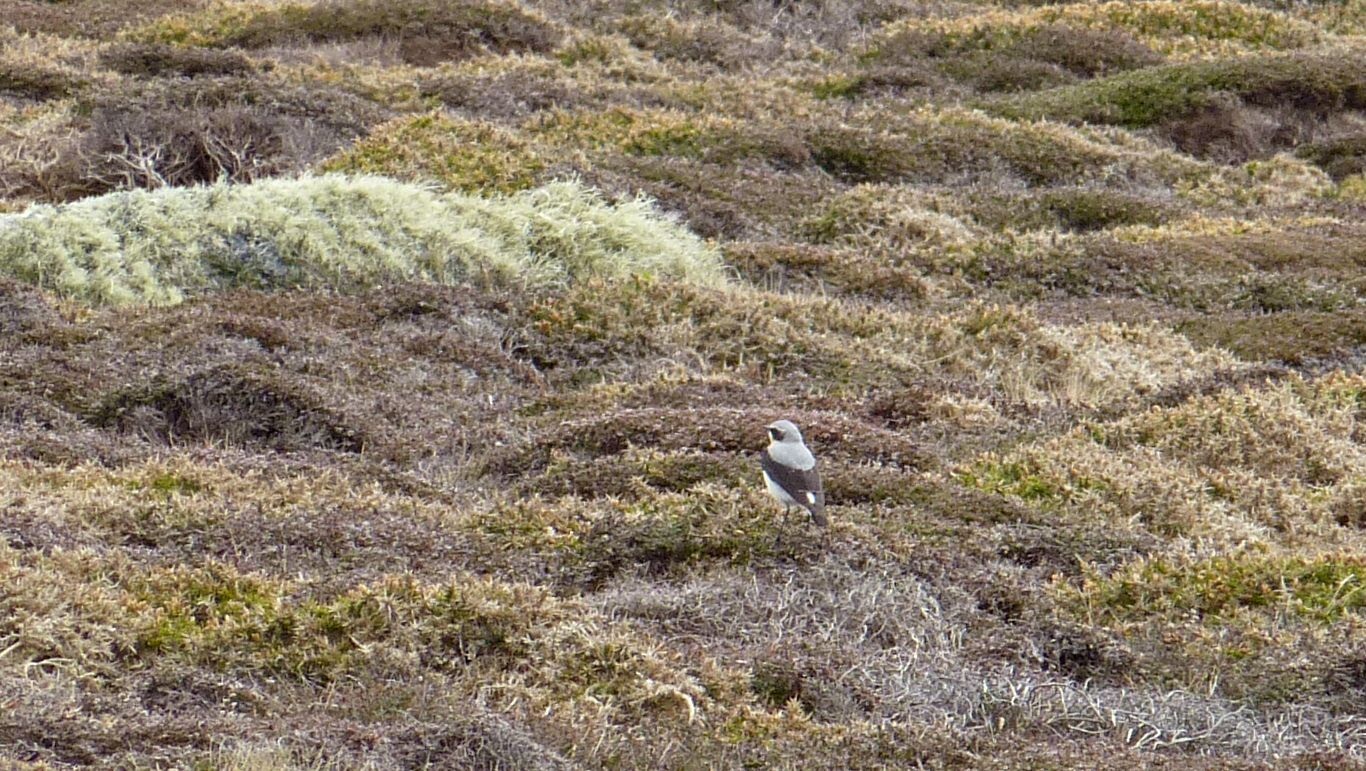
- One of three male Wheatears about near Gwennap head today
-

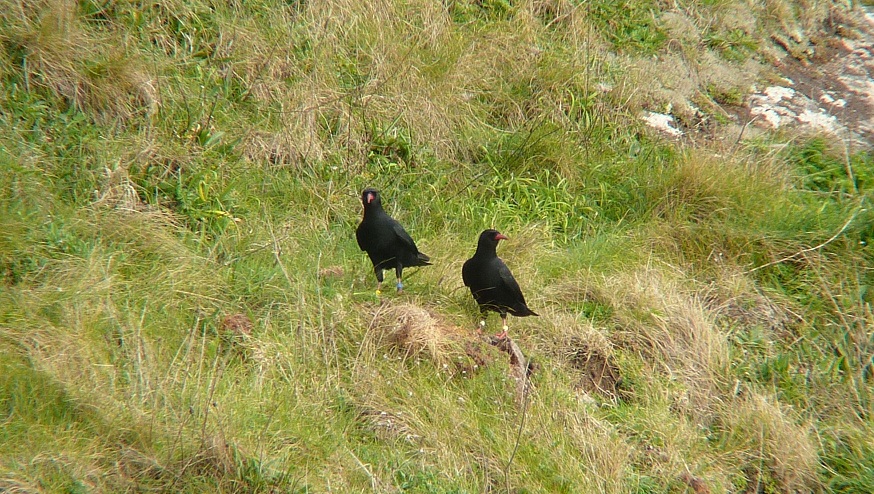
- Let me introduce you to the ‘boys’
-

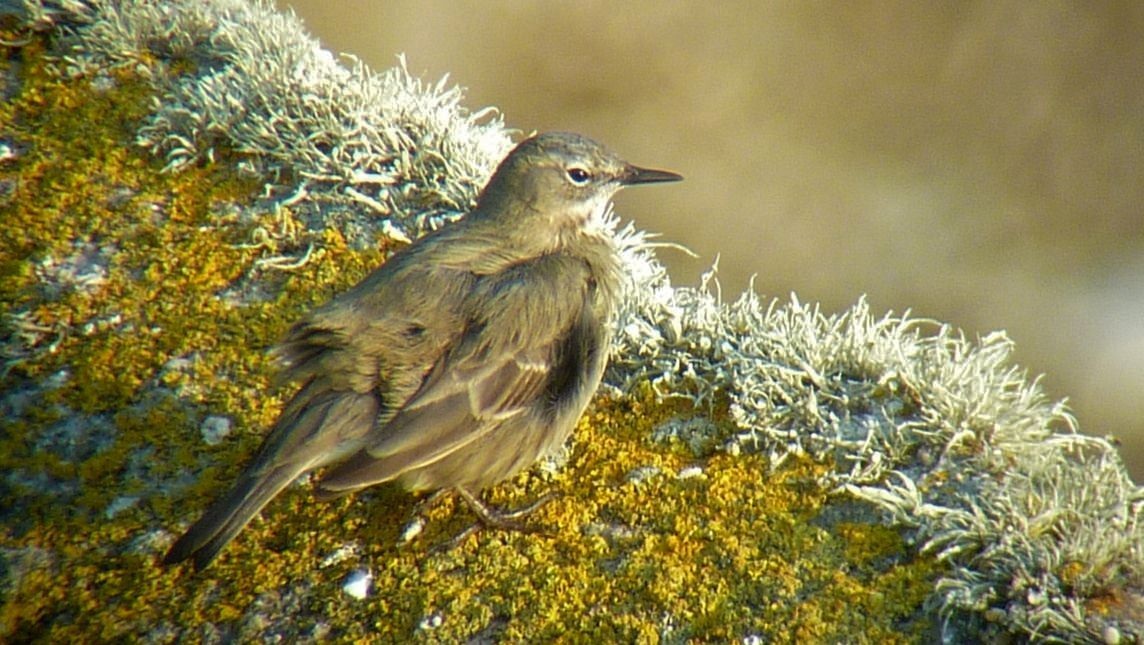
- From it’s call I’d say this was a Rock Pipit. Pipits all look the same to me…
-
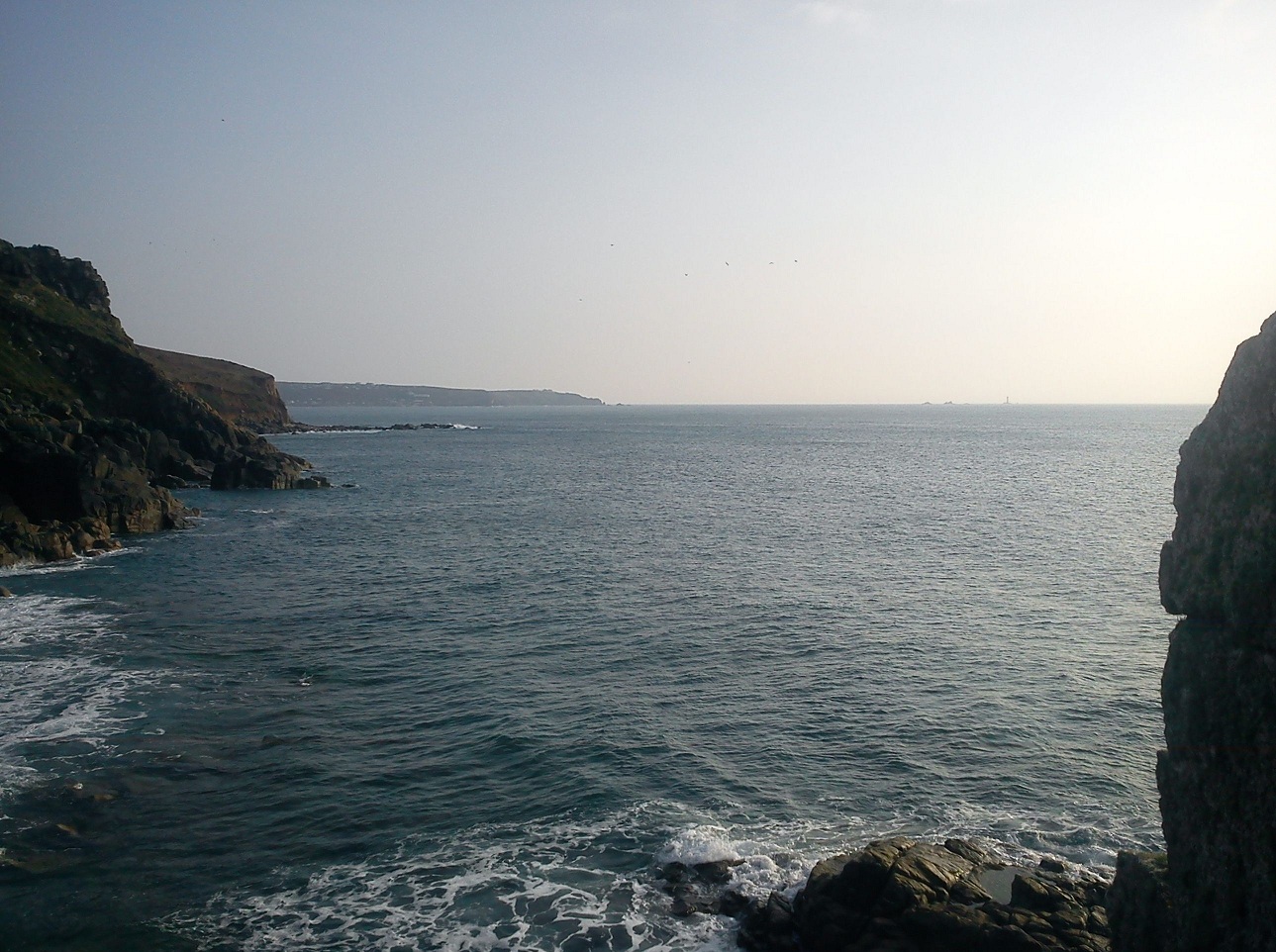
- The mist round here is a bit unpredictable…

My last days at Aylesbeare
So, it’s time to say goodbye to RSPB Aylesbeare. It’s been 5 months of proper physical work, some lengthy debate and a little self questioning. I’m now confident in the use of a chainsaw, and have used tractors with trailers, winches, mowers, front loaders, blah blah blah. The truth is that I’ve really enjoyed using all this machinery. I set out thinking it would be good to have the experience, and that it was a little bit boys toys, but maybe I’m just a boy at heart (ha, I already knew this).
I’ve also learnt a lot from the guys I’ve been working with, who have a fantastic grasp of the environment they’re working in. They work hard, eat cake, and share biscuits and knowledge. On Friday we all went in to Exeter for a few drinks and I was presented with a copy of “East Devon pebblebed heaths, 240 years in the making” by Andrew Cooper, signed by my colleagues from the reserve. I realised (again) that I’m pretty lucky to be doing what I’m doing. I hope to stay in touch with both the reserve and the people.
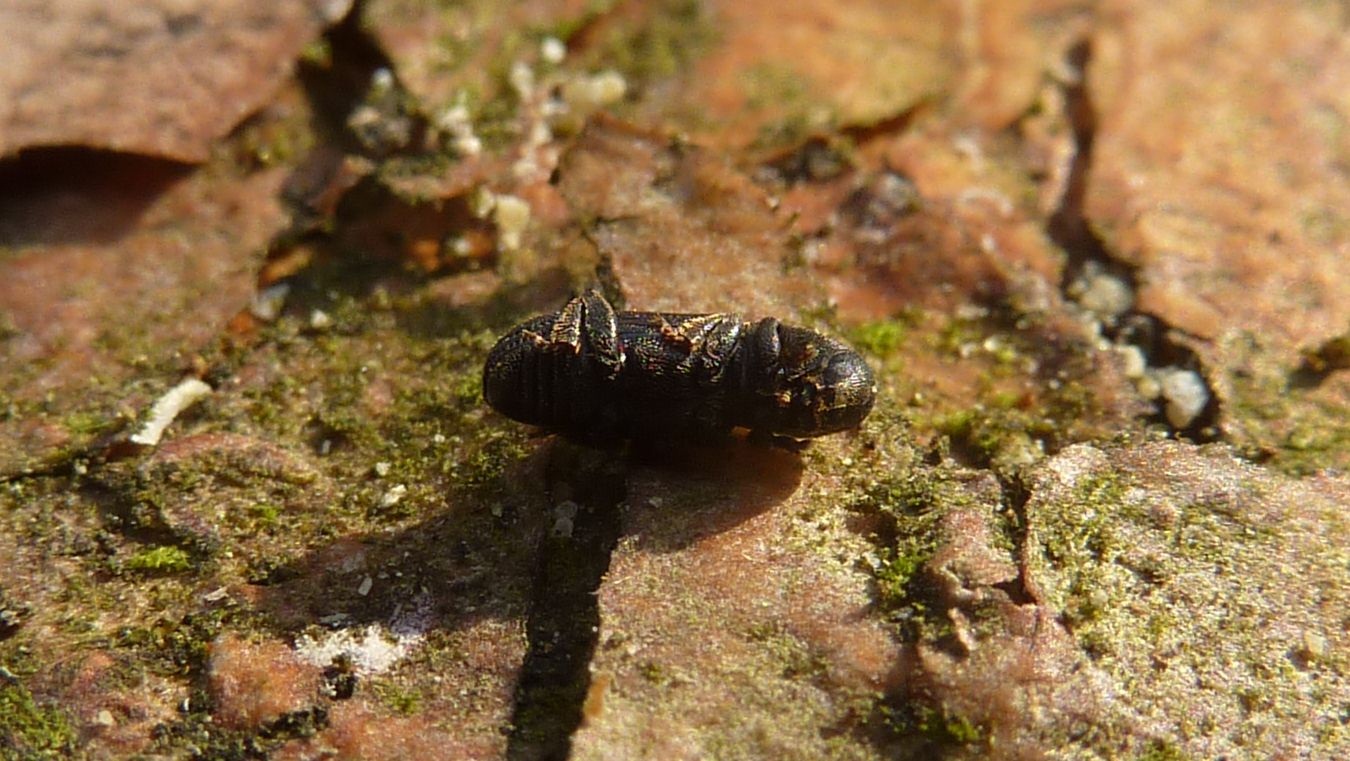
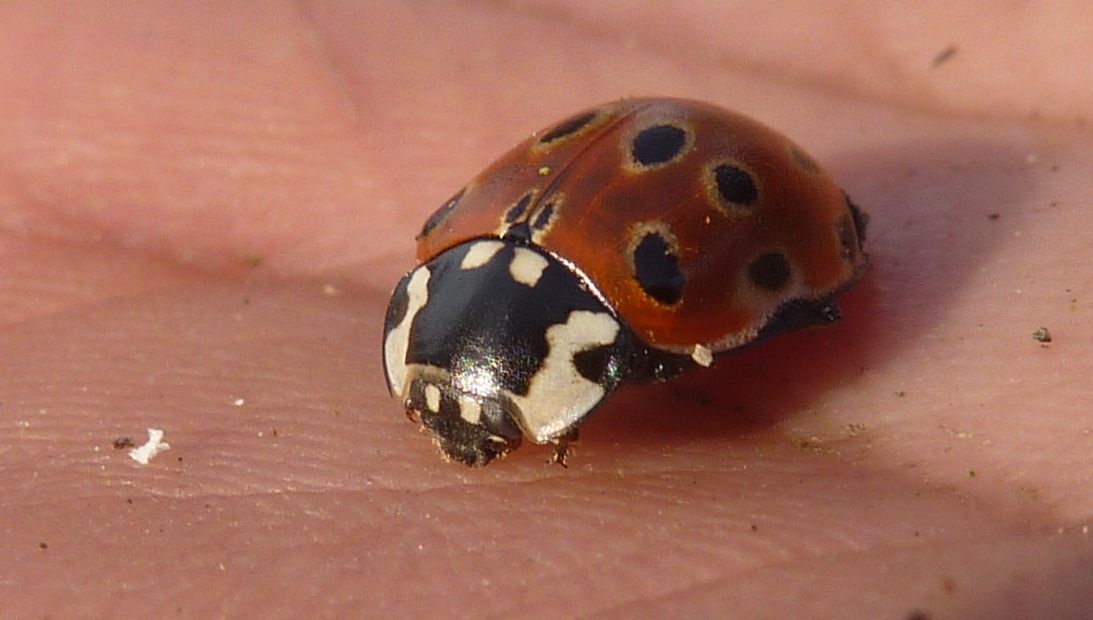
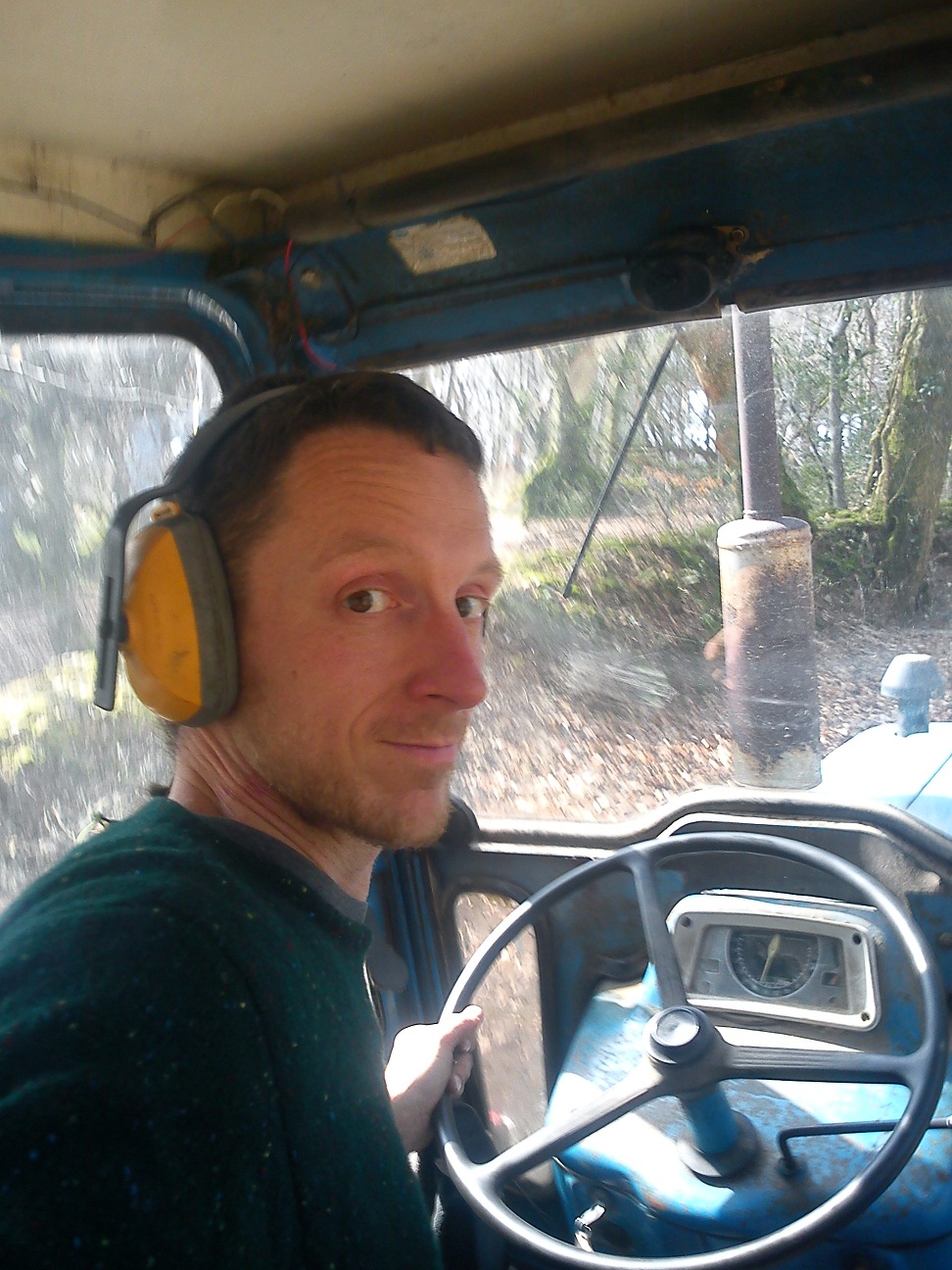
Other highlights in my last week were… Finding an “eyed” ladybird, anatis ocellata (see photos). This wee fella is apparently only found in pine wood habitats, and was indeed found amongst some Scots Pine we were thinning out. And driving the Ford 4000 around. Although this tractor seemed pretty heavy going when I first started driving it, as soon as I got used to its little idiosyncrasies (like third being opposite first, then fourth bring at the other end of the box), it turned out to be my favourite. The one at the reserve is k registration, which, it turns out, makes it a couple of years older than me. My parents also enthuse about their experiences in Ford 4000s. Ok, that’s enough, before I start sounding like a tractor geek.
-
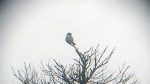
- Myself and Johnny got lucky enough to see this great grey shrike for many minutes. Picture was taken with my phone through binoculars

-
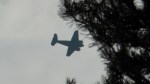
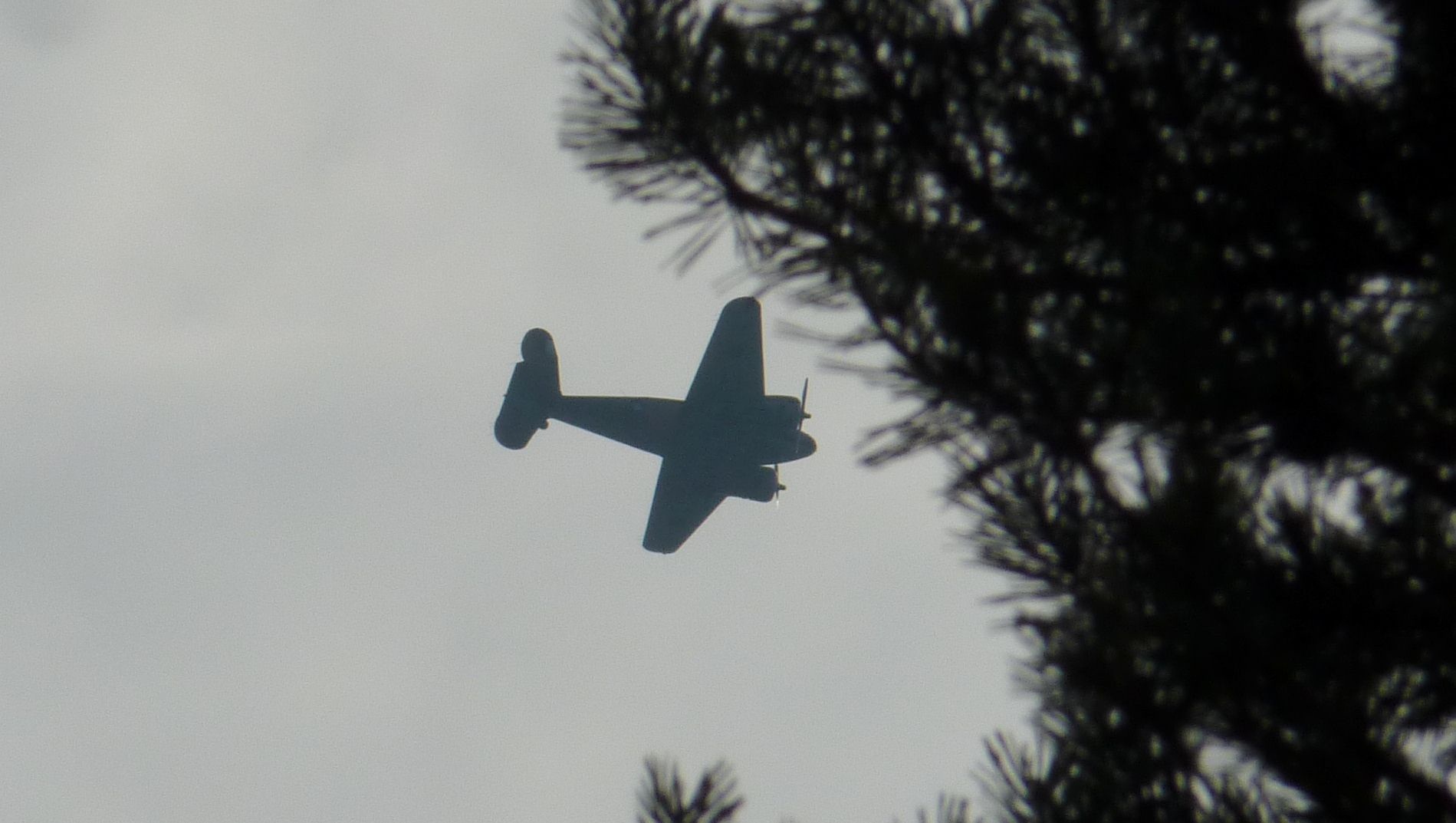
- I think this may have been a mosquito flying over
-
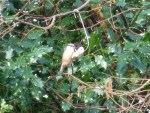
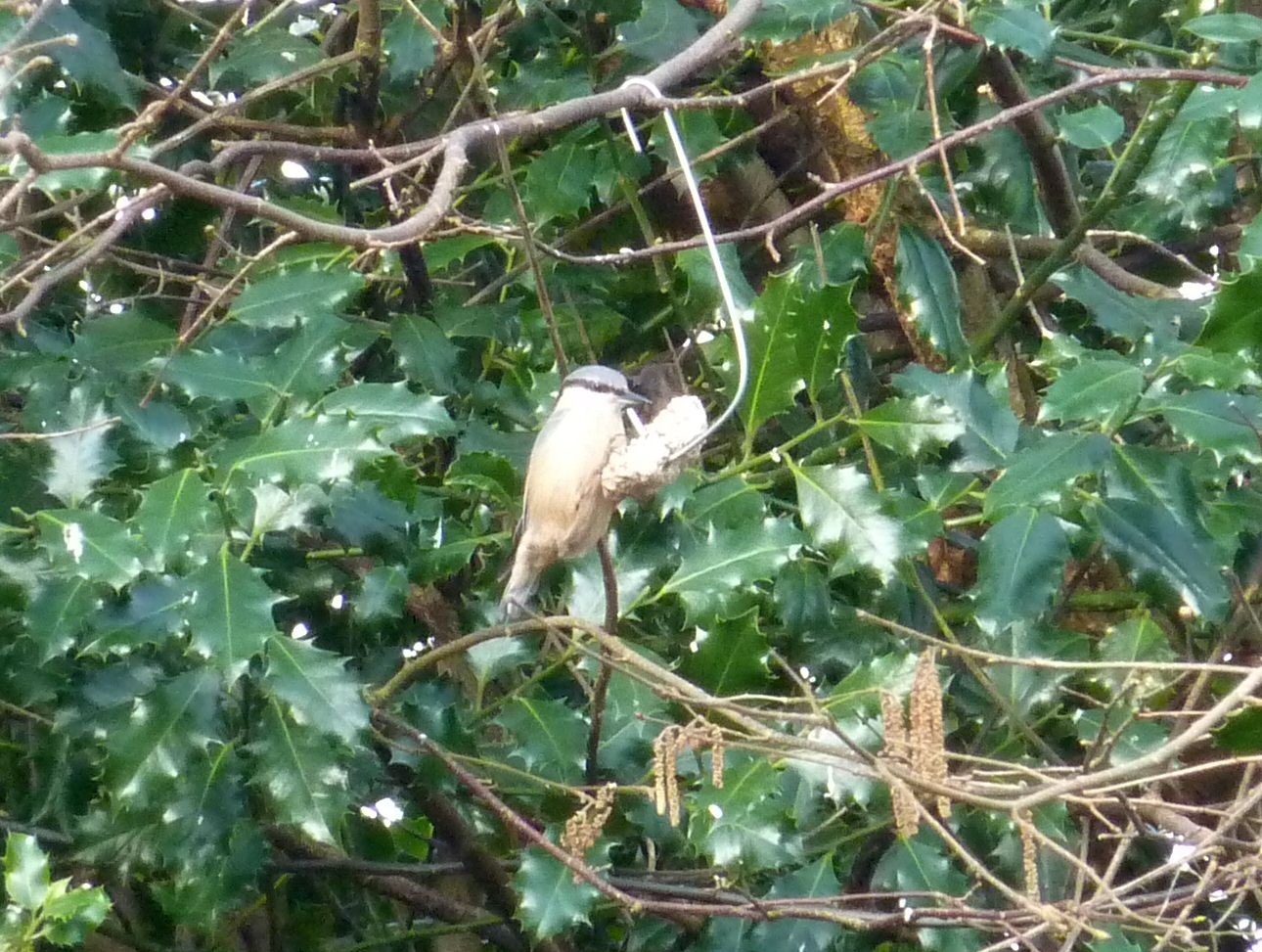
- At last a half decent picture of the ever vocal nuthatch
-
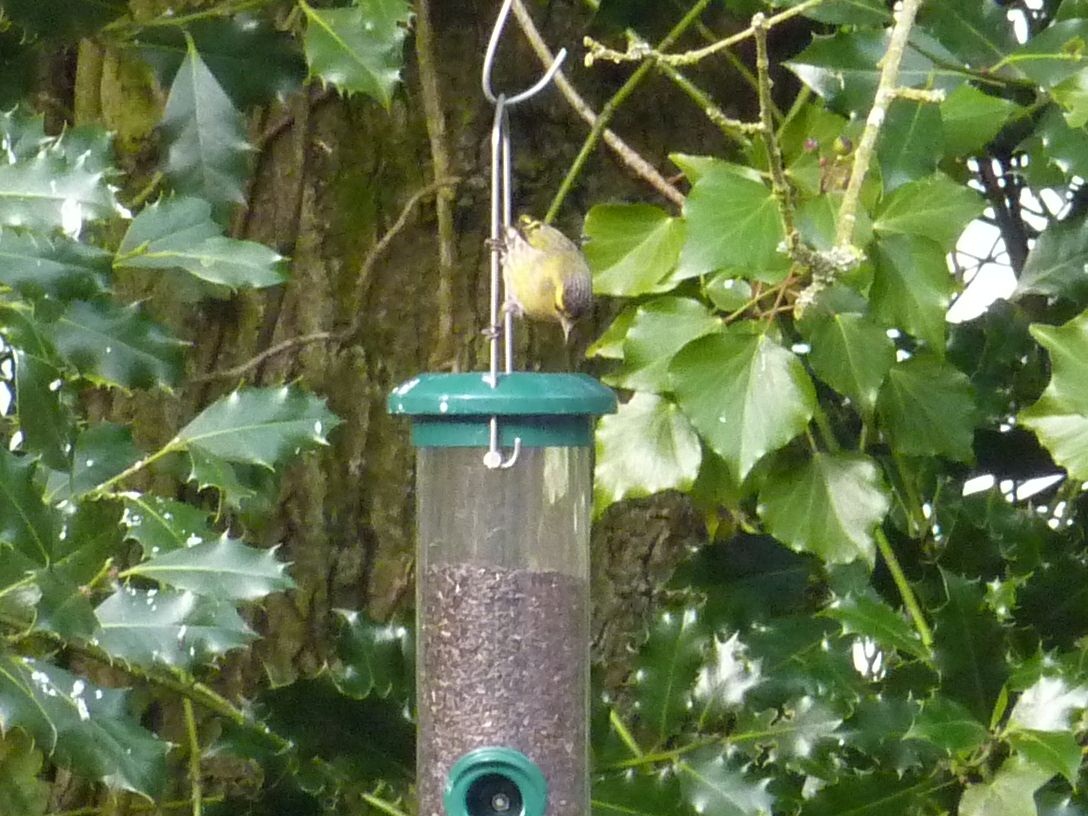
- Daring. Or at least it would be if we tried it.
-
- Moments before it produced the nunchucks
-
- The aforementioned anatis ocellata
-

- Me driving Fordy
-
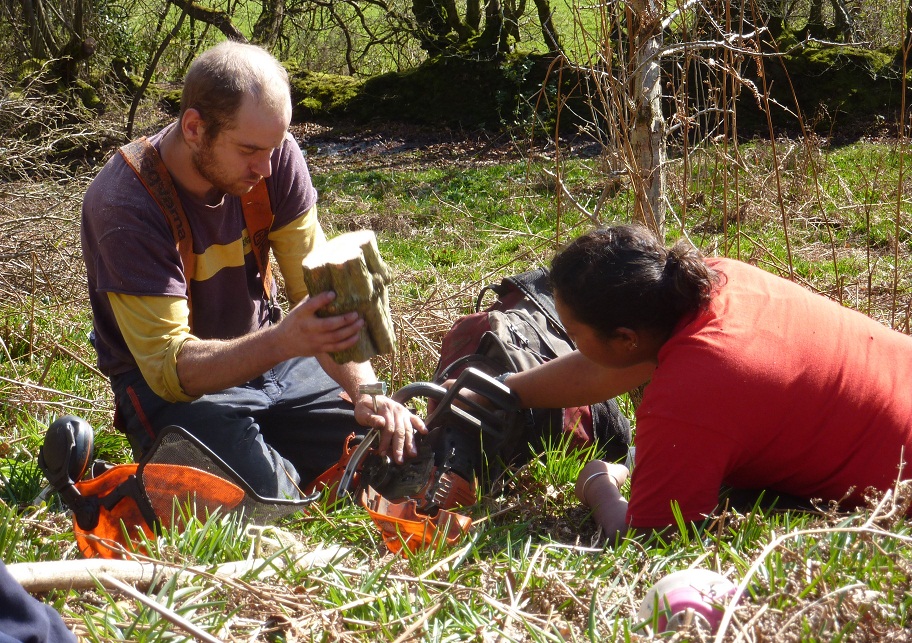
- Ed de-clutching using the shock method
-
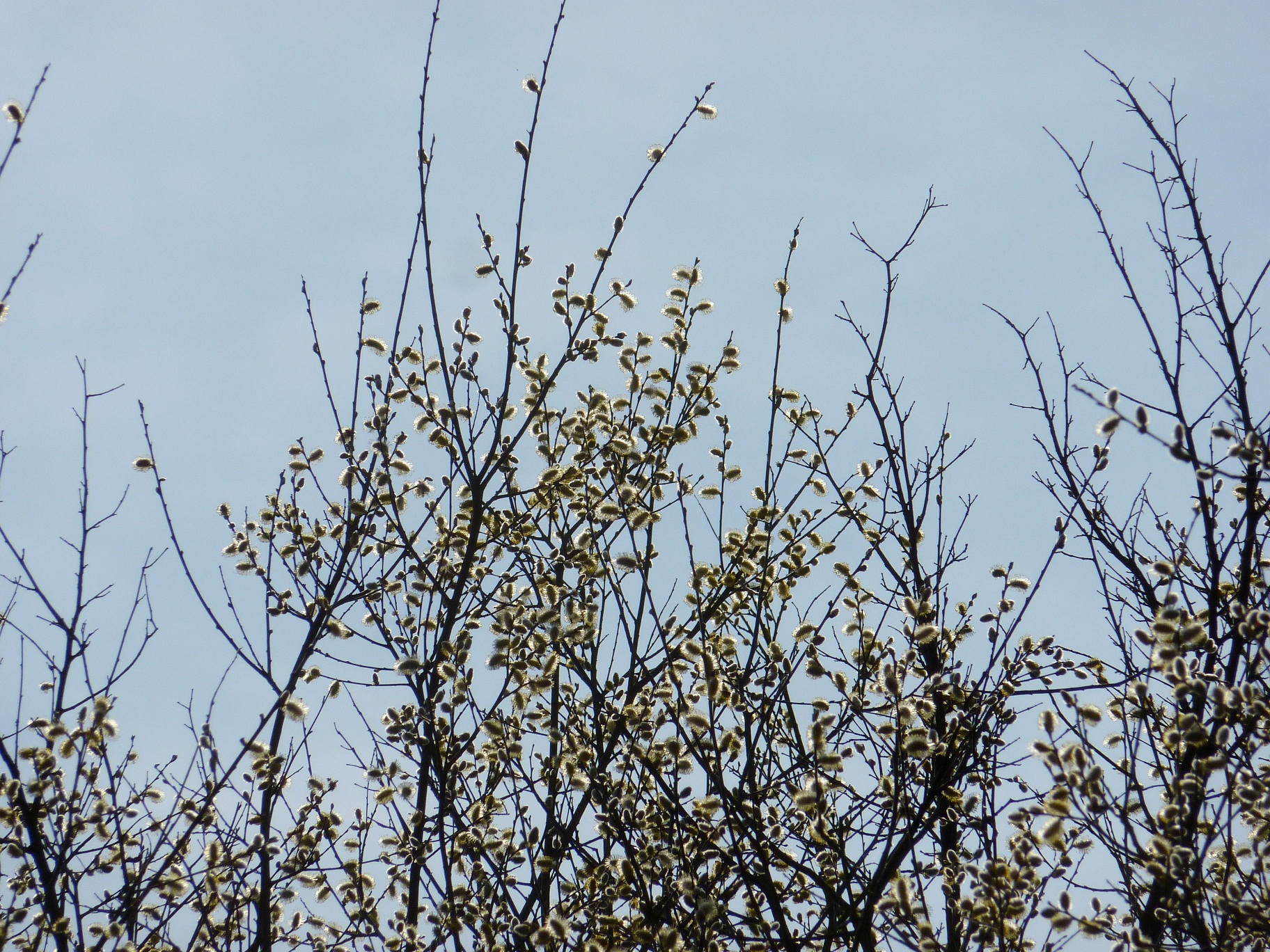
- Willow in bloom, spring is here.
Labrador Bay
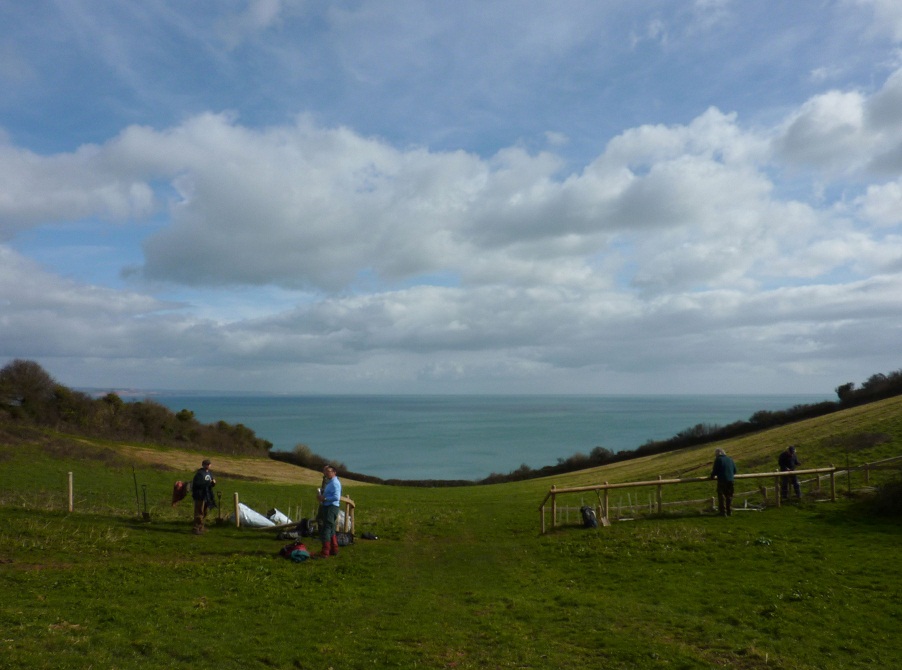
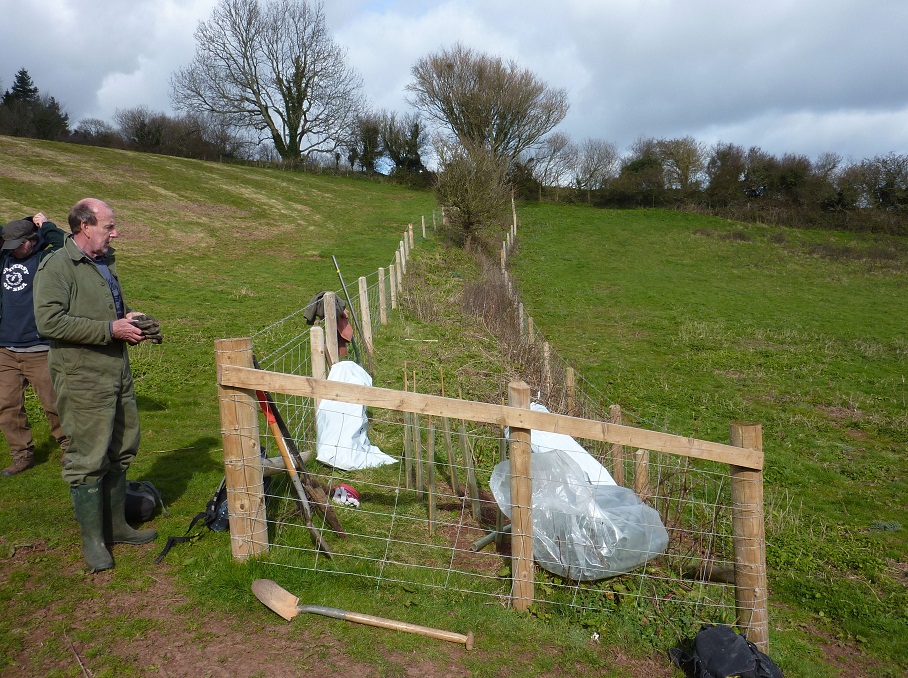
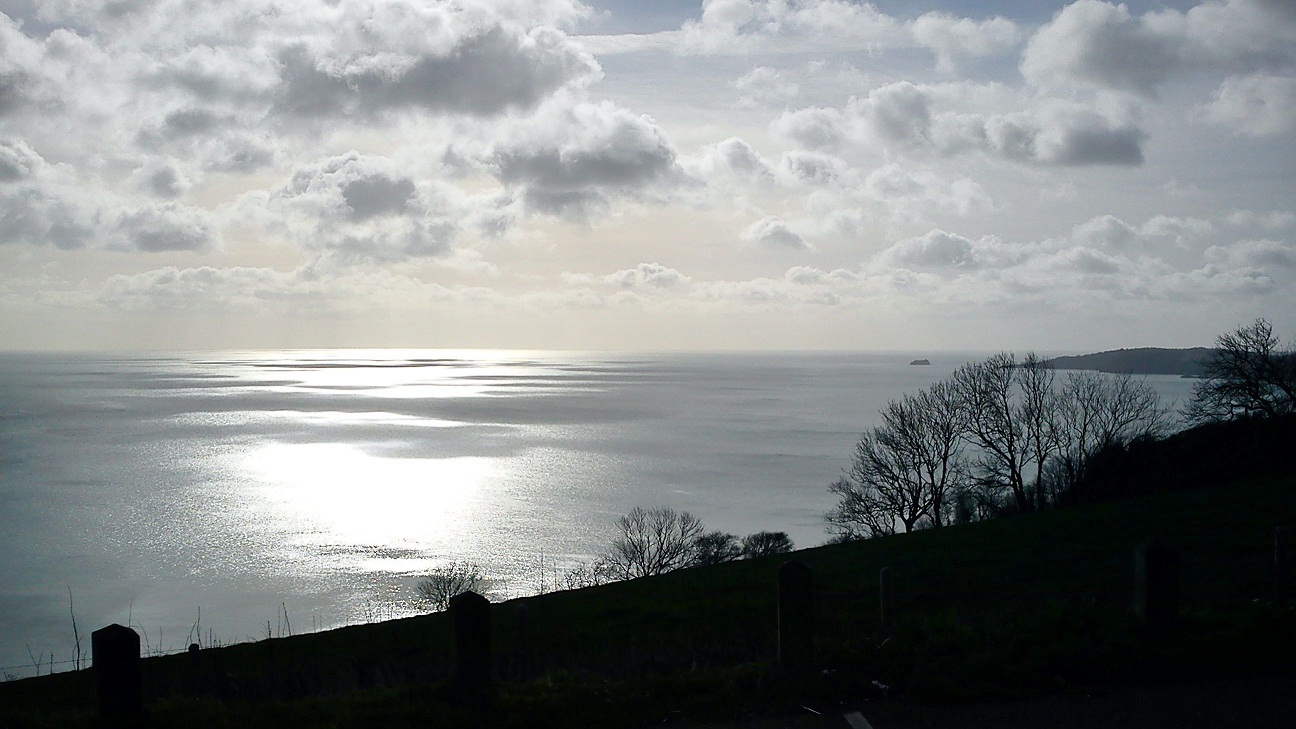
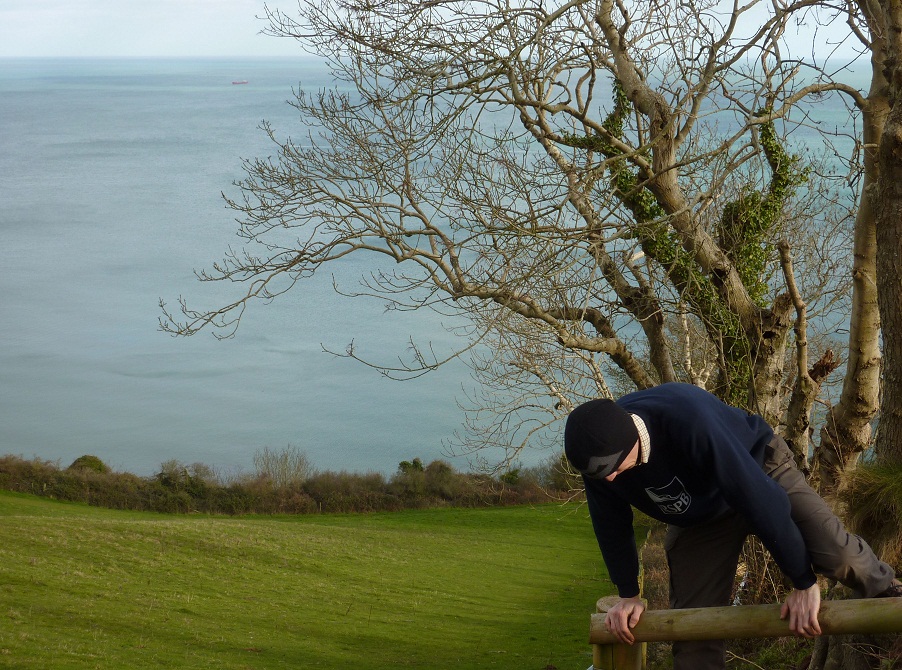
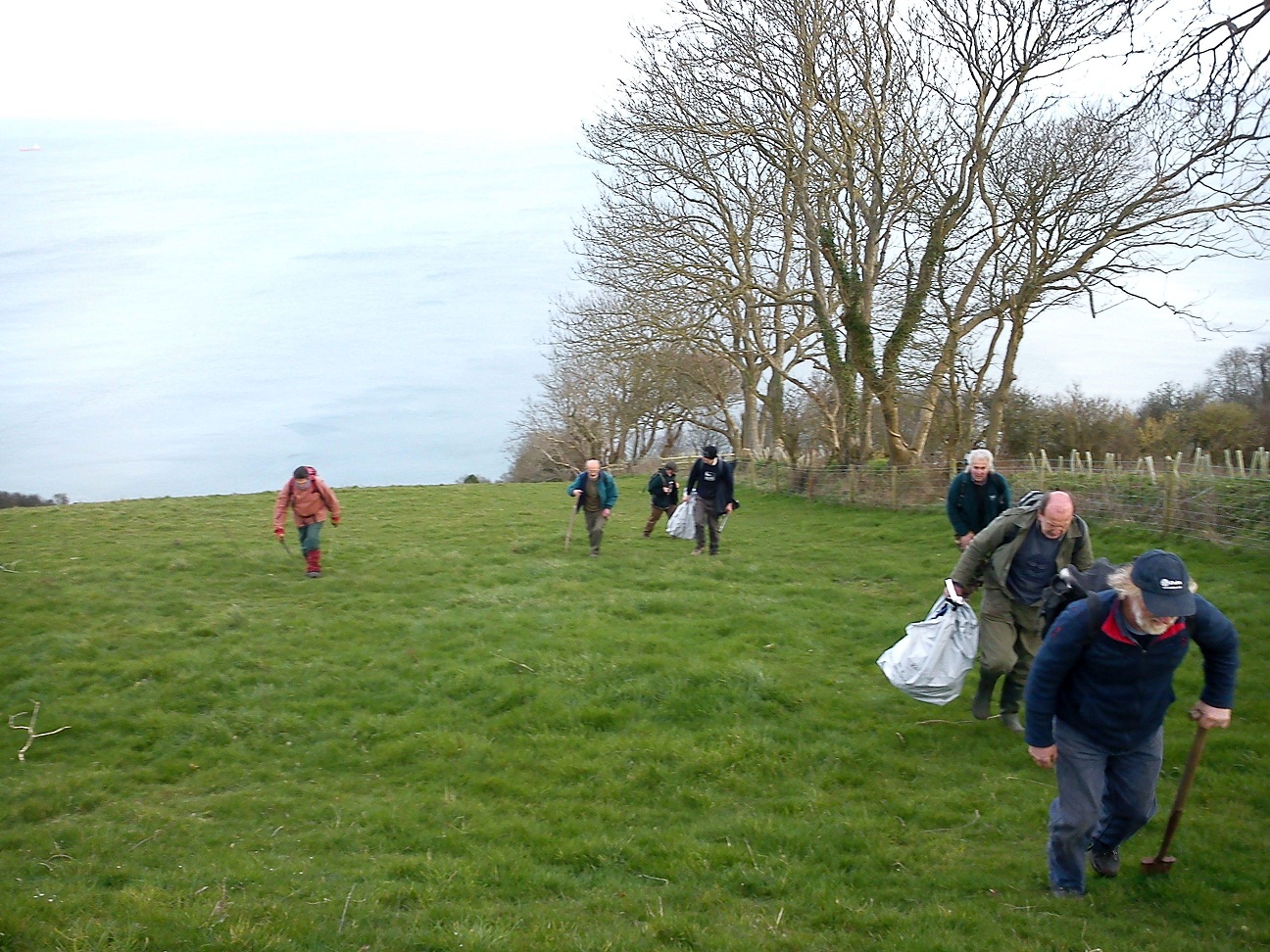
Today, with some of the Wednesday vols, we planted a hedge at the RSPB reserve at Labrador bay. The weather was again delightfully bright and sunny. Despite the extraordinarily steep slopes no one fell off the hill into the sea.
-
- Soon, all this will be hedge.
-
- Richard just manages to stop himself from rolling down the slope
Spring at Marazion
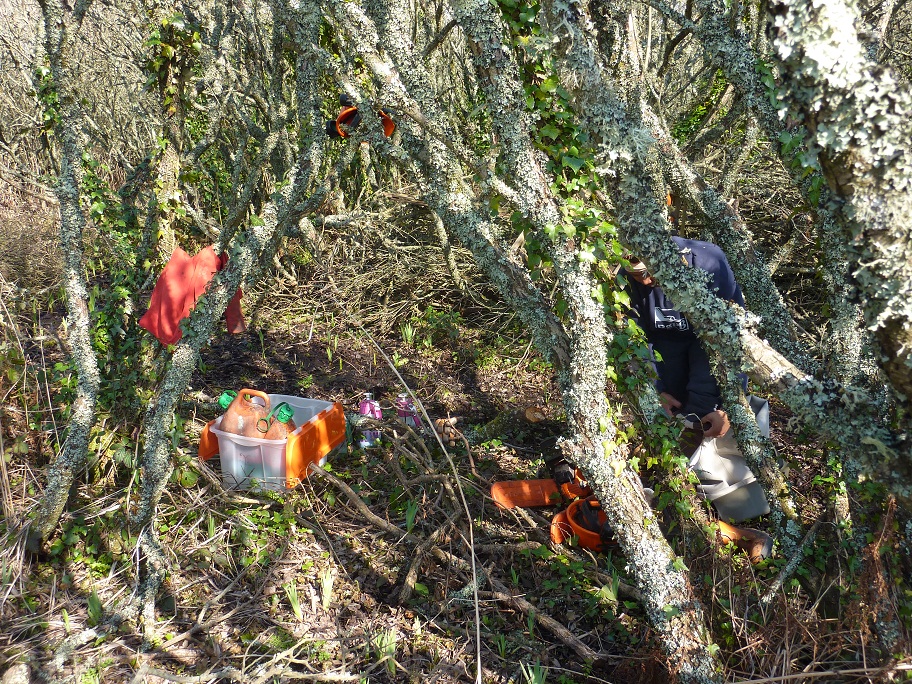
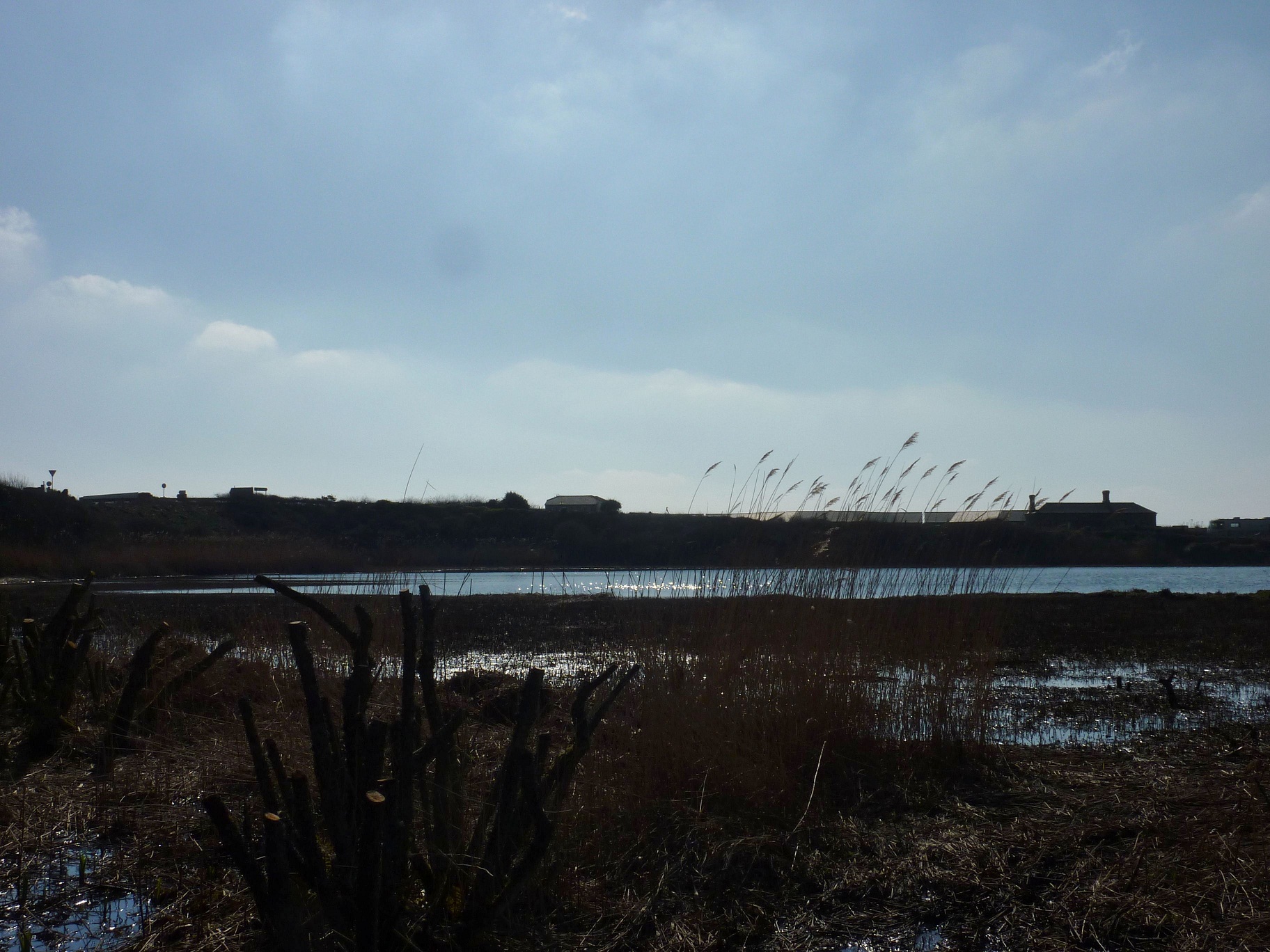
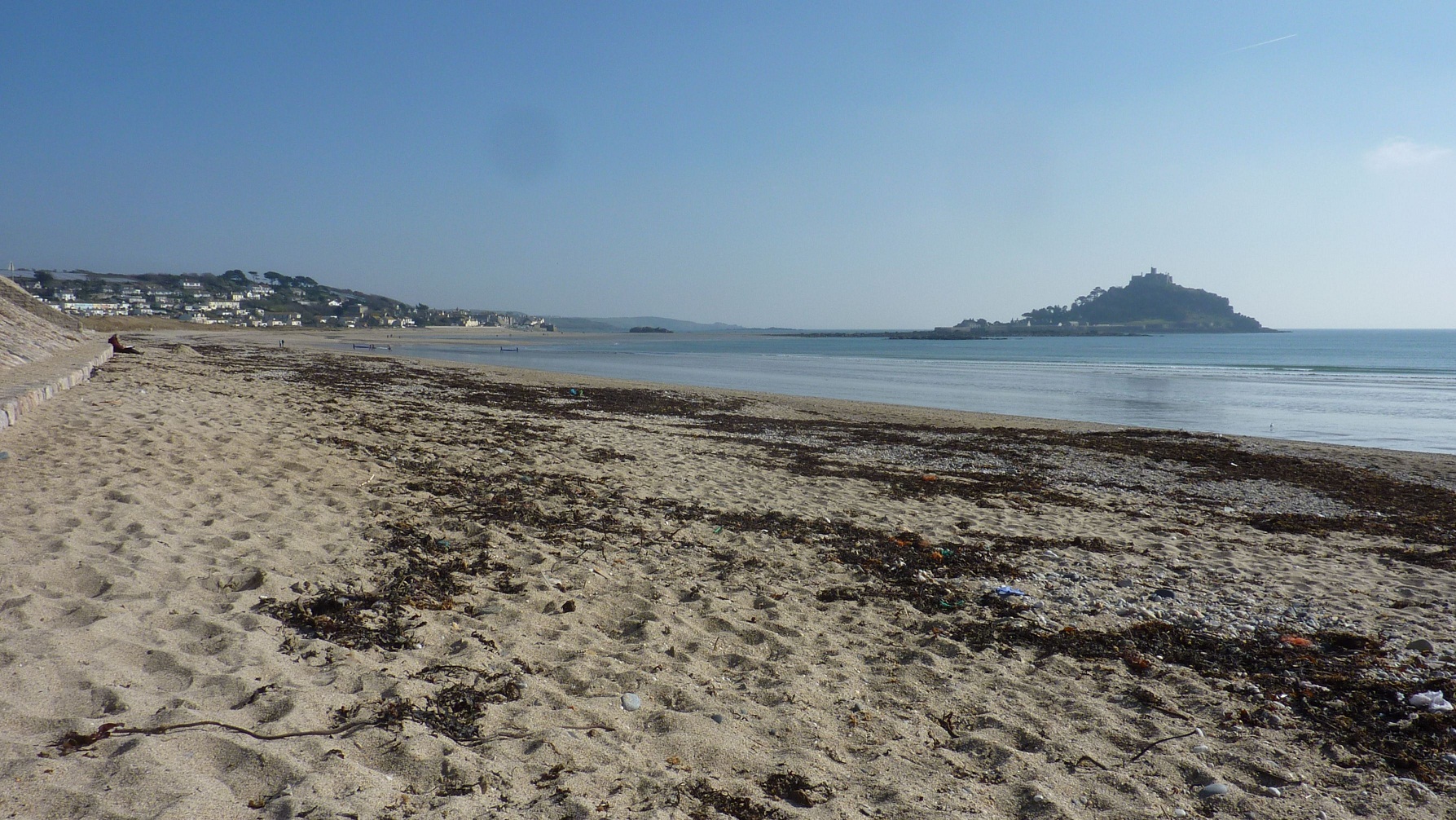
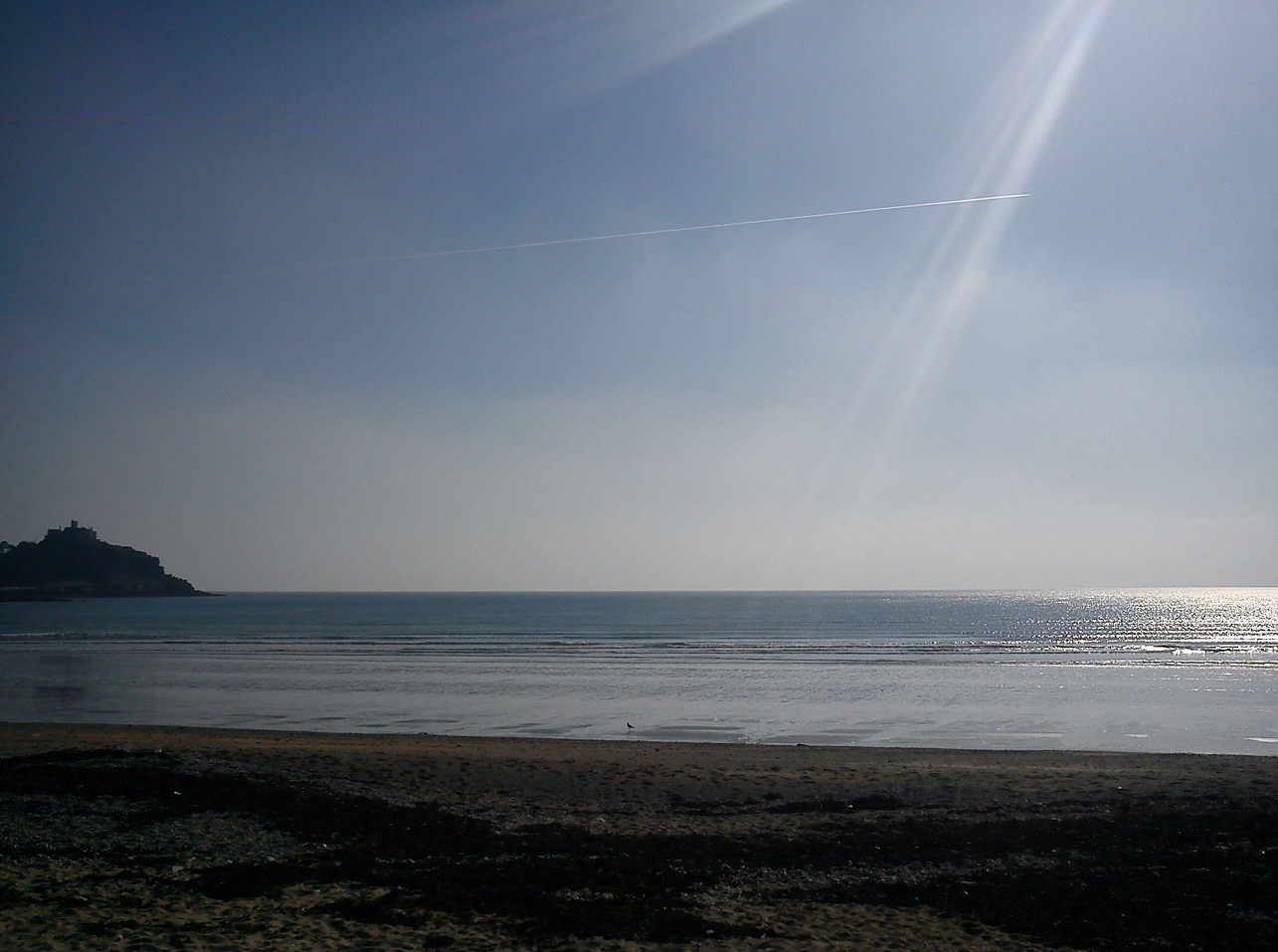
The RSPB Aylesbeare warden, Toby Taylor, very kindly offered out the services of myself and Tia to RPSB Cornwall reserves. As a result we’ve been removing willow stumps at a place called Marazion for the last couple of days. The weather has been glorious, the reserve is beautiful, and we’ve been eating lunch on the beach looking out at St Michaels Mount. If Dave, the warden down there, offered residential placements I’d be jolly well signing up.
What’s more, whilst there, I saw my first bittern, flying for a good few hundred metres across the marshes this morning, fantastic! No, more than fantastic. Both myself and Tia became very excited and probably embarrassed poor Dave by gushing thank yous to him, when he isn’t, after all, able to control what the birds get up to. There are also Cetti’s warblers on the marshes, and chiff chaffs that hang around all year round. With chiff chaffs joining in the plentiful bird song there was a proper feel of spring in the air, probably something that part of the world feels before most places in the country. Oh, and it’s hard to describe how loud the Cetti’s are – they manage to make their call sound like it’s being produced in an amphitheatre. Incredible.
-
- We set up base amongst the willow
-
- Some of the stumps to be removed – looking South, the sea is the other side of the road
-
- Our lunchtime view
-
- Larus argentatus

-
- Finishing the day with only one boot full of water was a result.

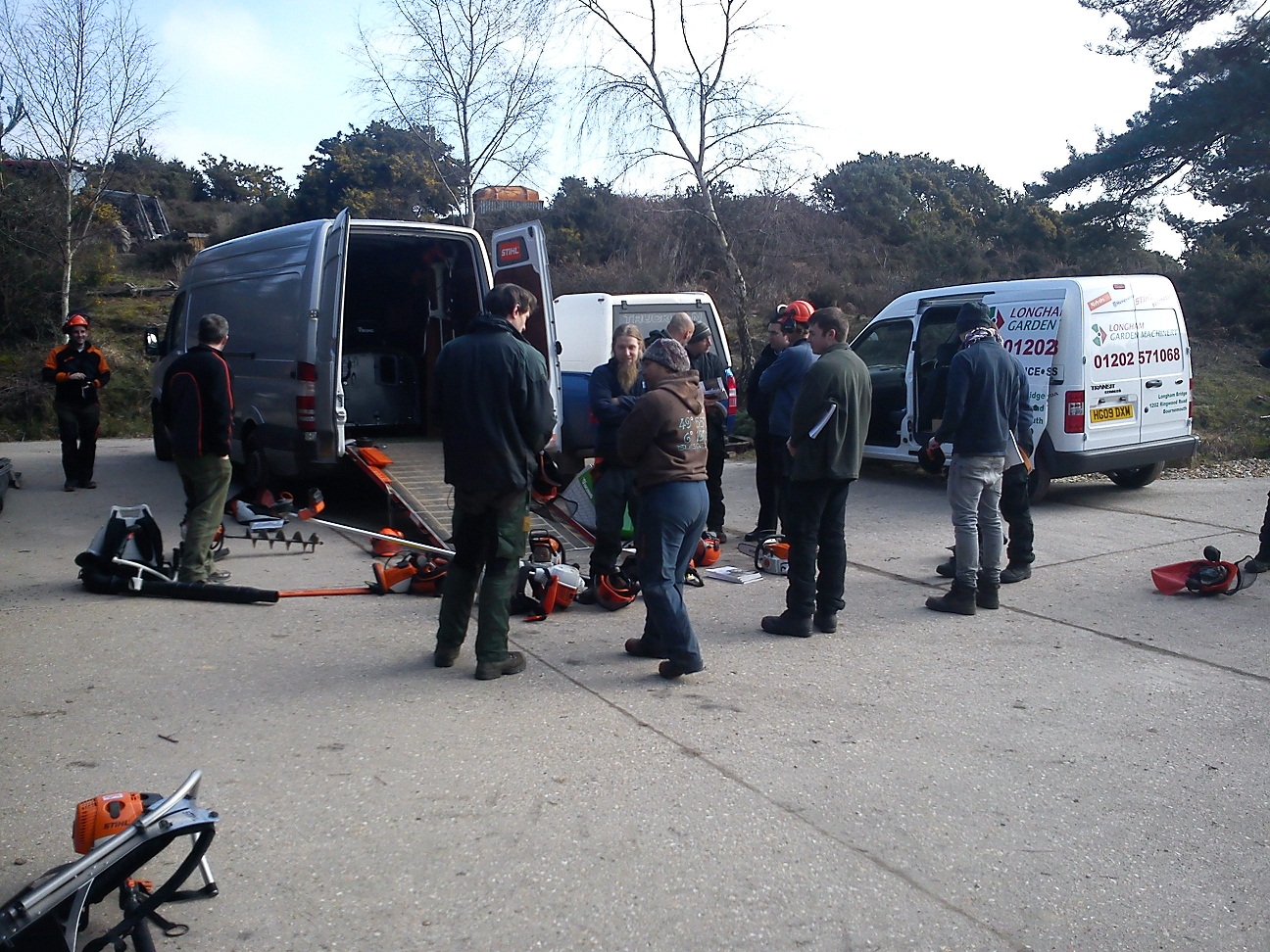
Stihl open day at Arne
I get a chance to pop along to RSPB Arne for a Stihl open day, with Richard and Tia. The weather is pretty bright, and Arne is looking good, as usual. I get a chance to give the new Stihl MS261 a go. I’m hoping to get a chainsaw at some point (probably the, not yet released, MS241), and this is as smooth as a babies bottom. Ok, maybe not the correct analogy for a chainsaw, but you get my point, don’t you? So, if anyone out there lovin’ my work, wants to sponsor my chainsaw purchase, let me know. Anyone? Hello?
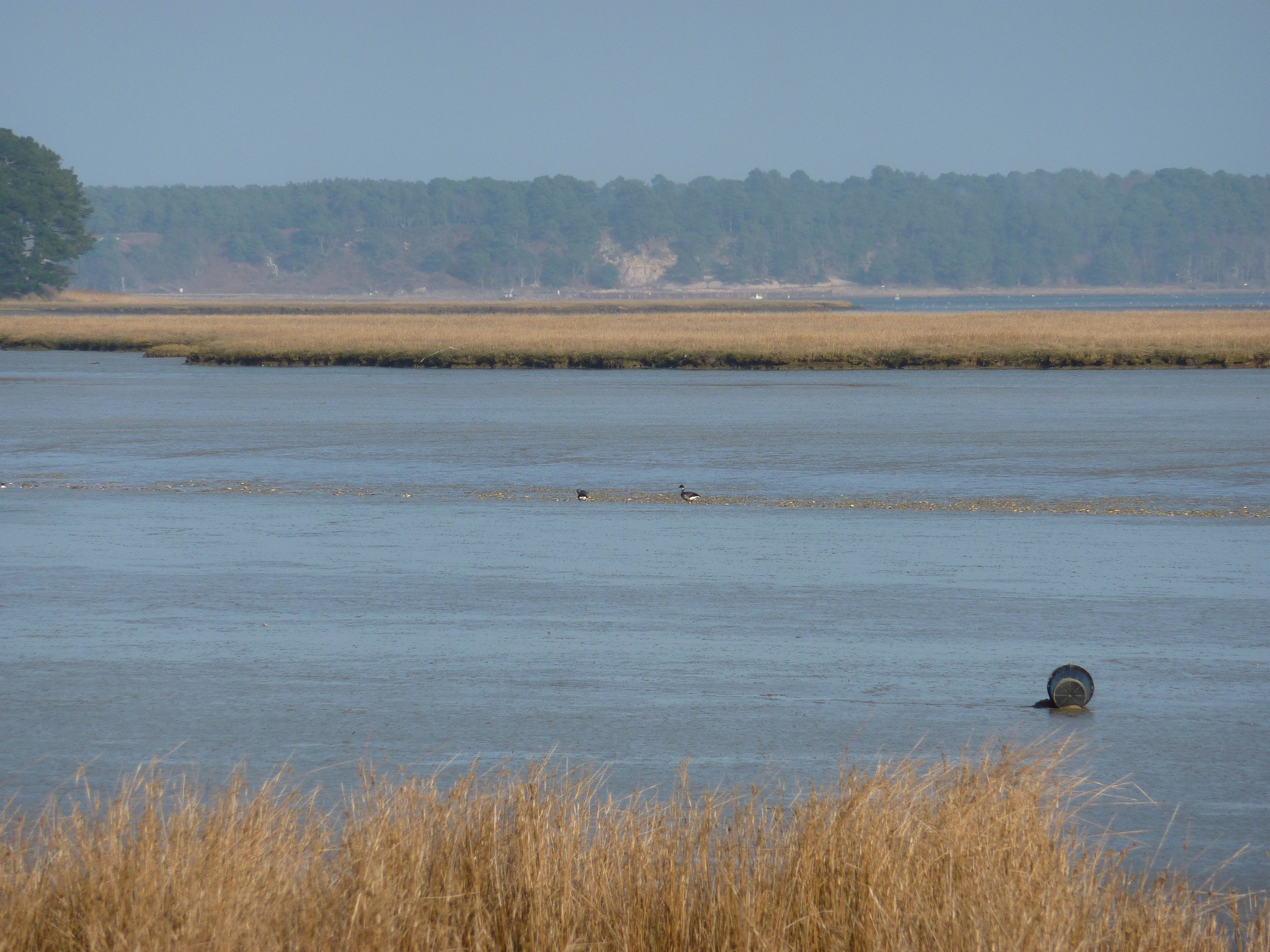
Thanks, as usual, to Toby and Craig, for making us feel welcome. Following the spiel from the Stihl guys, we took a walk about the reserve. Great to see a few brent geese about, possibly (as far as I can remember) another first for me.
-
- No one explained to us what the giant cork screw was for

-
- Brent geese and a dust bin (exotic)
-

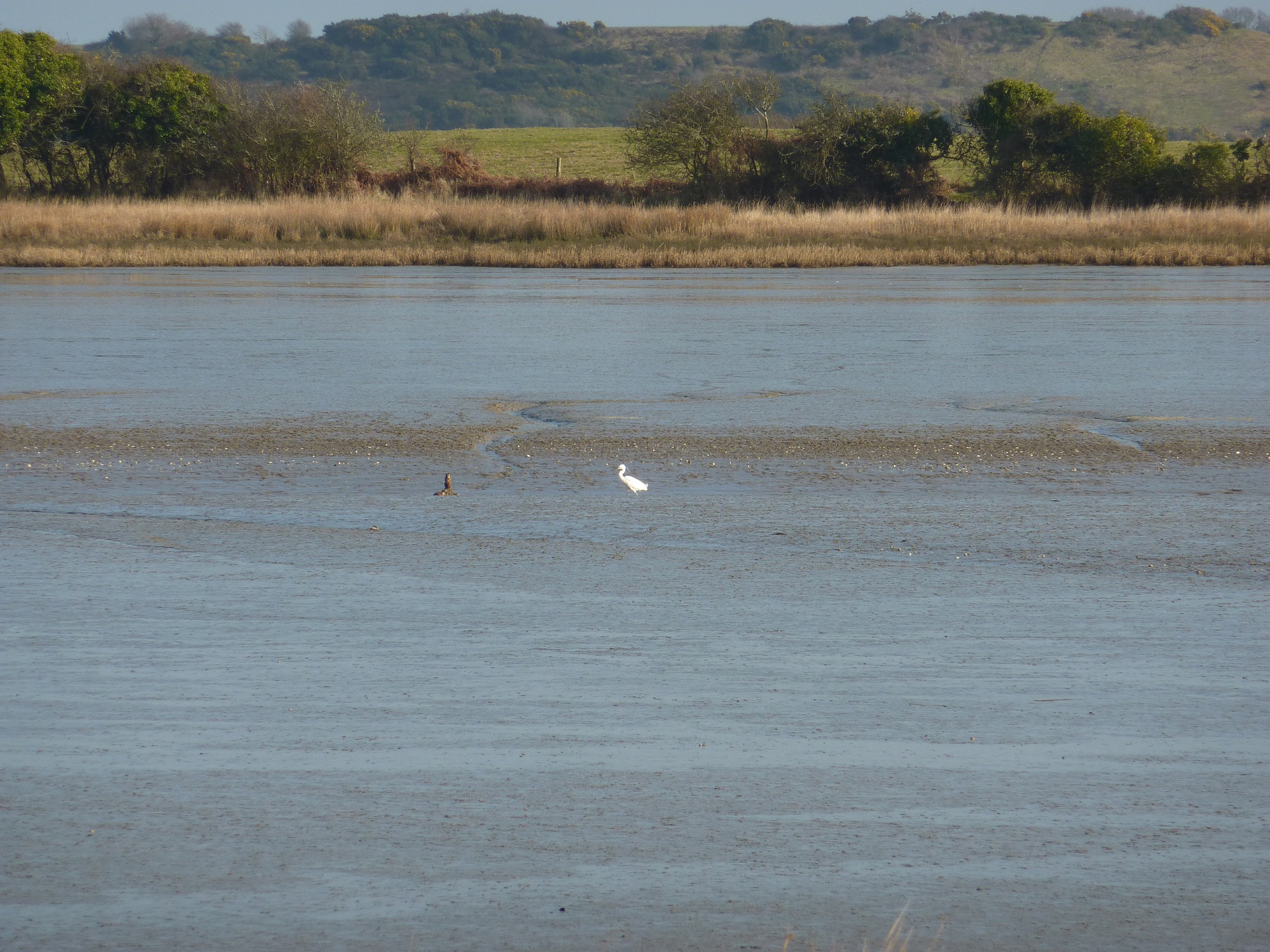
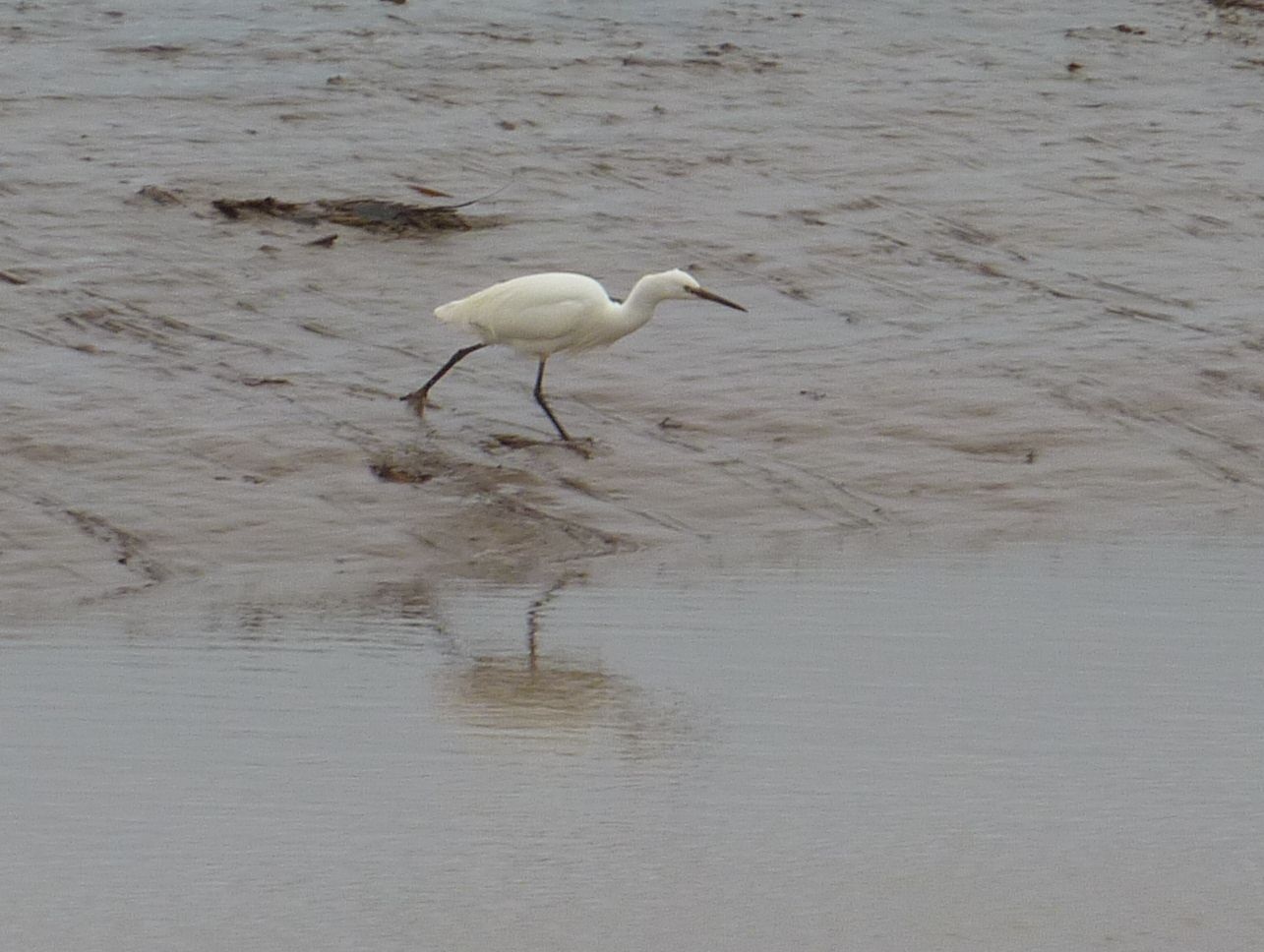
- Hmm, is this the same little egret I saw at Bowling Green (see post 20/2)?
Fire Beacon Hill
The overcast mornings are clearing to bright sunny days. And our current view while working, from Fire Beacon Hill (FBH), near Sidmouth, is pretty fine. We are carrying out annual winter management of ‘our’ part of the hill, which includes removing birch scrub and coppicing some of the more leggy gorse.
On Wednesday, we are joined by the Wednesday volunteers, a great bunch of people, all giving some of their time to help out and pass round cake. Shortly after arriving at FBH on Wednesday, I received a call to say that the Ford 4000 (with trailer) had broken down on the way over. I hurried back, with the battery pack, to where Richard had managed to pull over on the A3052. Ed had also turned up in Zetor (another tractor), but their attempts to get Fordy started were all in vain. In the end myself and Ed had to leave – Richard took a hit for the team and stood bravely on the road side, hand to his to his head, saluting us off. Would we ever see him again…
As it happened Johnny came out in the Valtra and towed Fordy, the trailer and Richard down the road and across the reserve back to the workshop, while we had to get on with some real work. Oh, meant to say, saw my first butterfly of the year last week – a Brimstone! I’ve never seen one before, it was moving about too quickly for pics unfortunately, but still, fantastic.
-
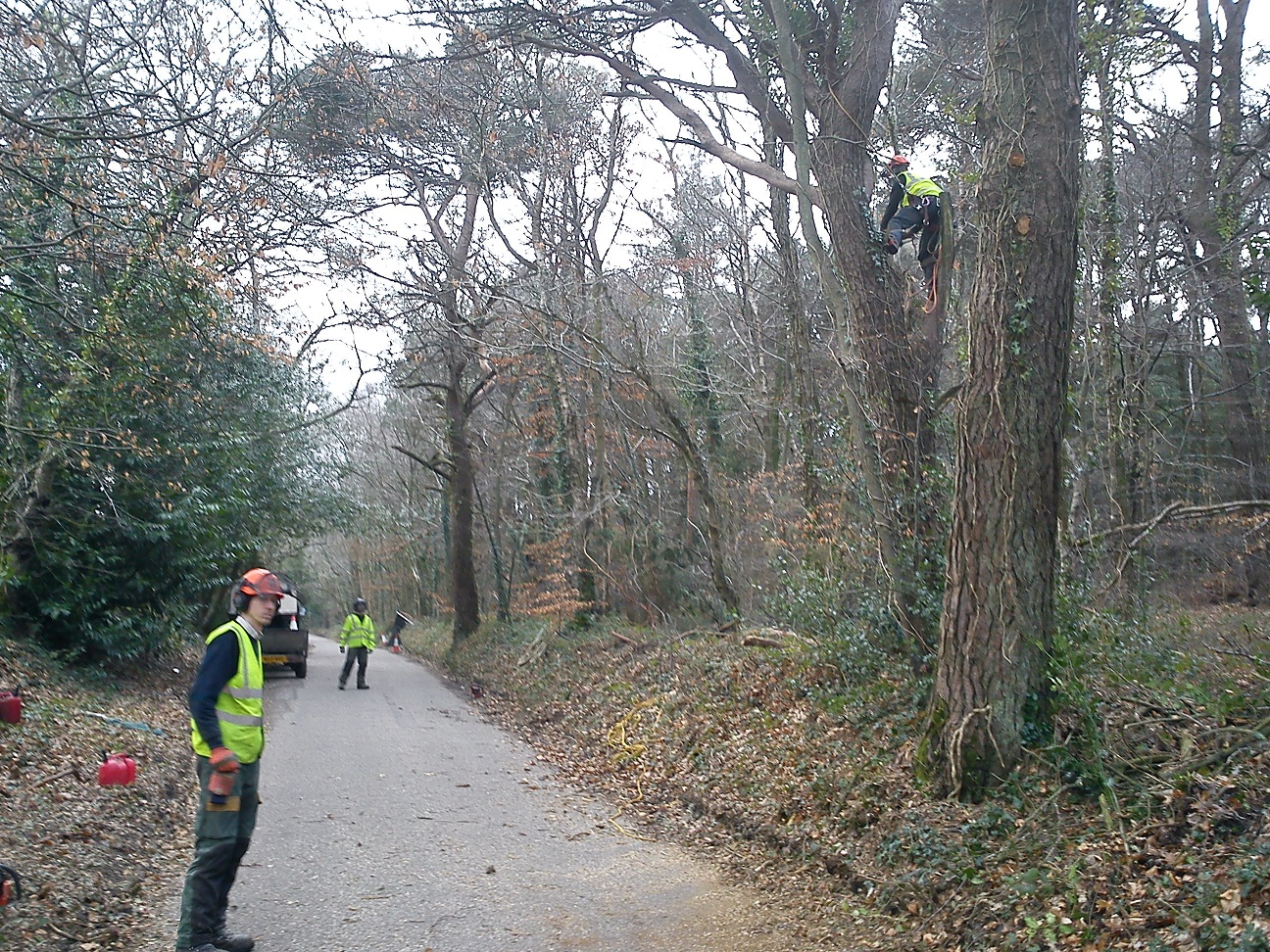
- The 2 Richards watch as John Bell (of Axewood fame) trims a tree with surgeon like precision.
-
- Tia, Ed and Johnny aren’t speaking to each other.

-

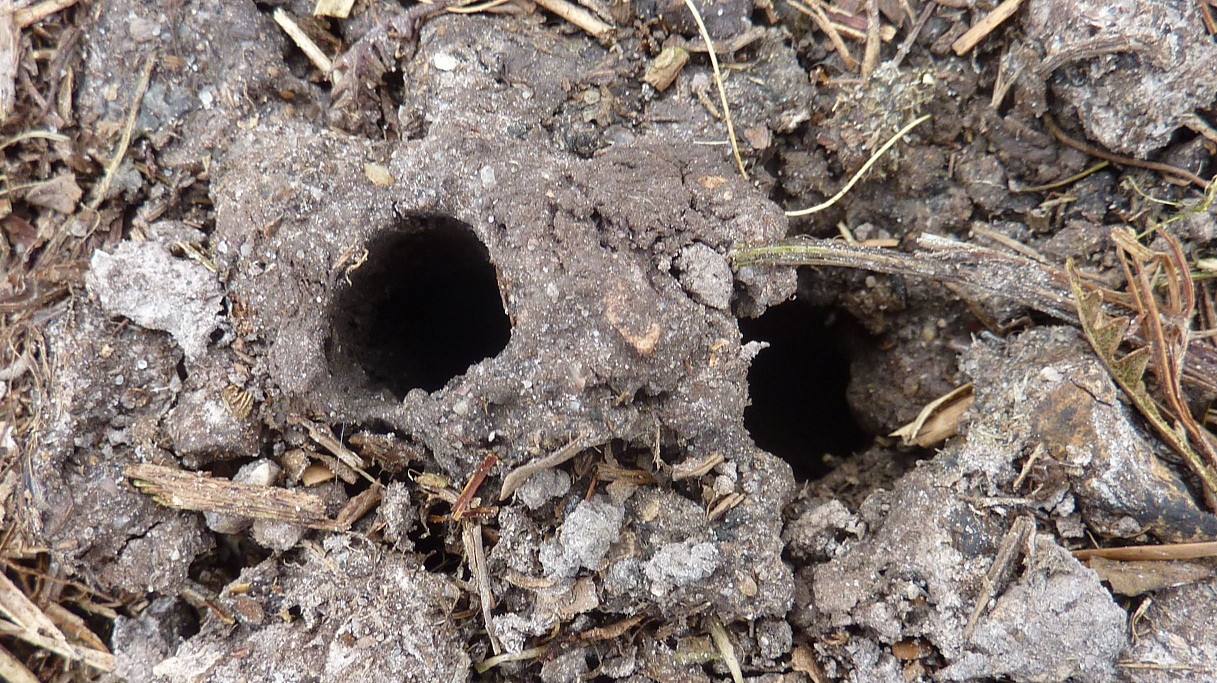
- Who would live in a house like this?
-
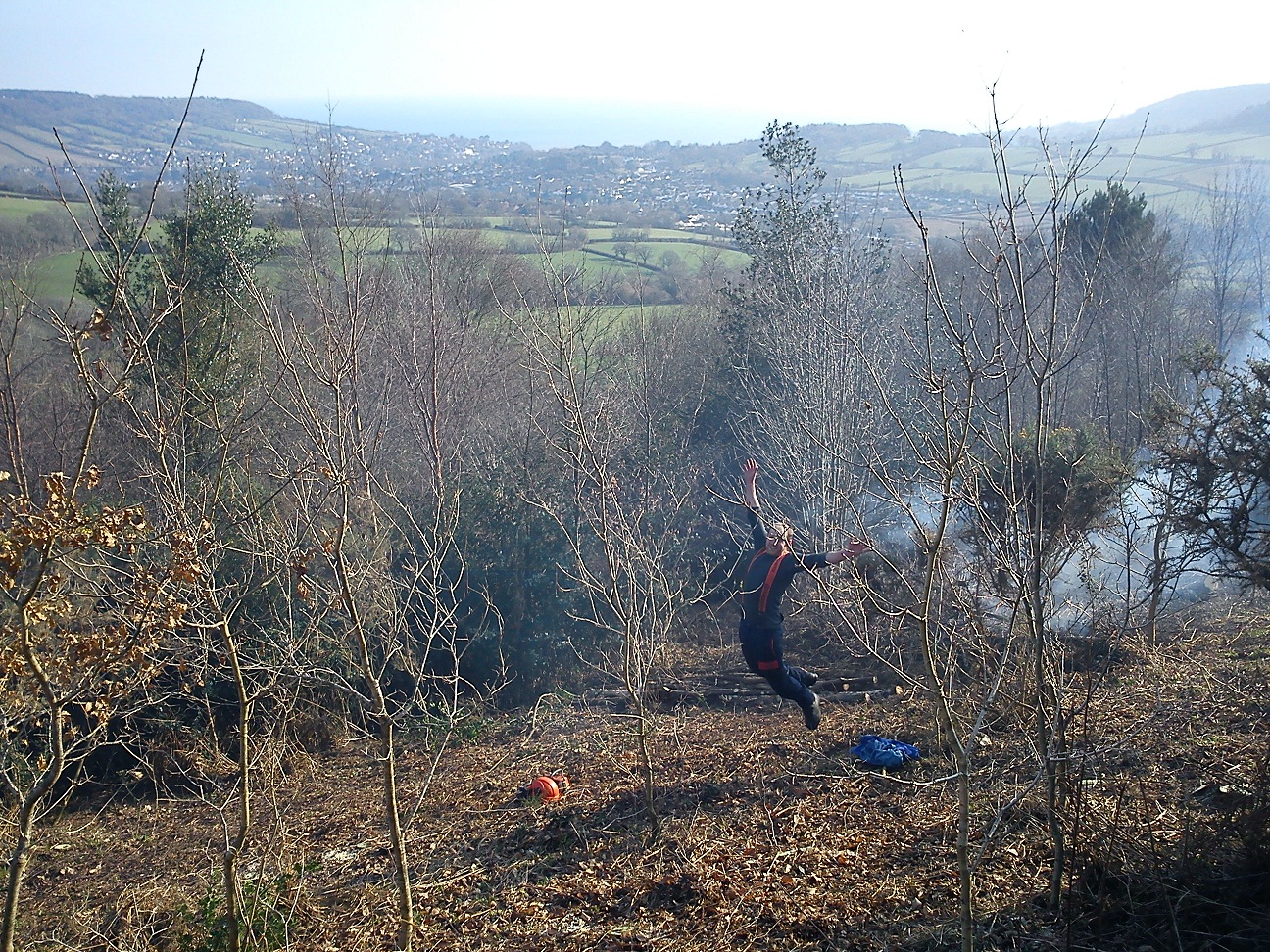
- Ed. No comment needed.
-

- The Norman Lockyer observatory – well worth a visit, apparently.

-

- Turned out nice again.
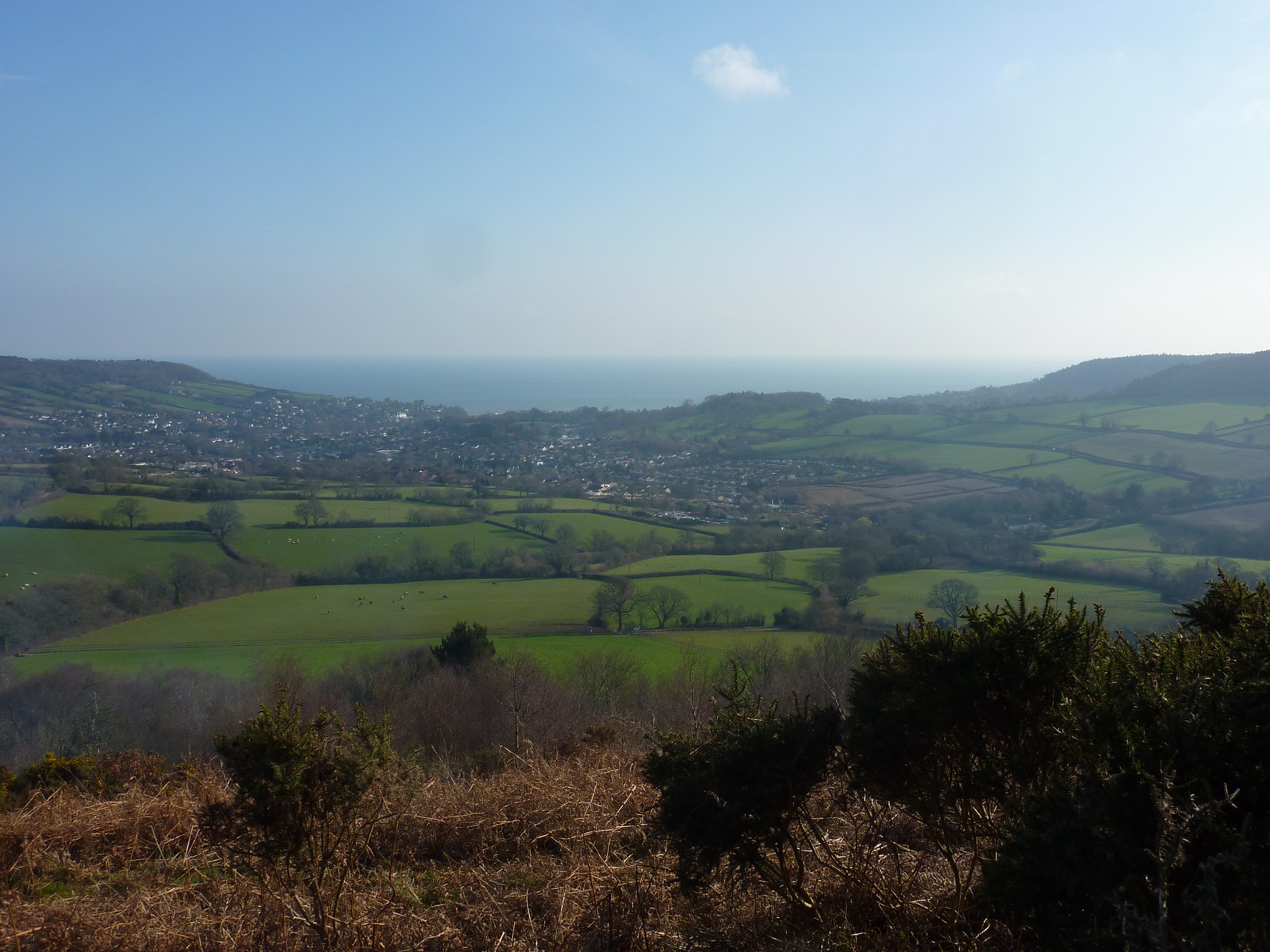
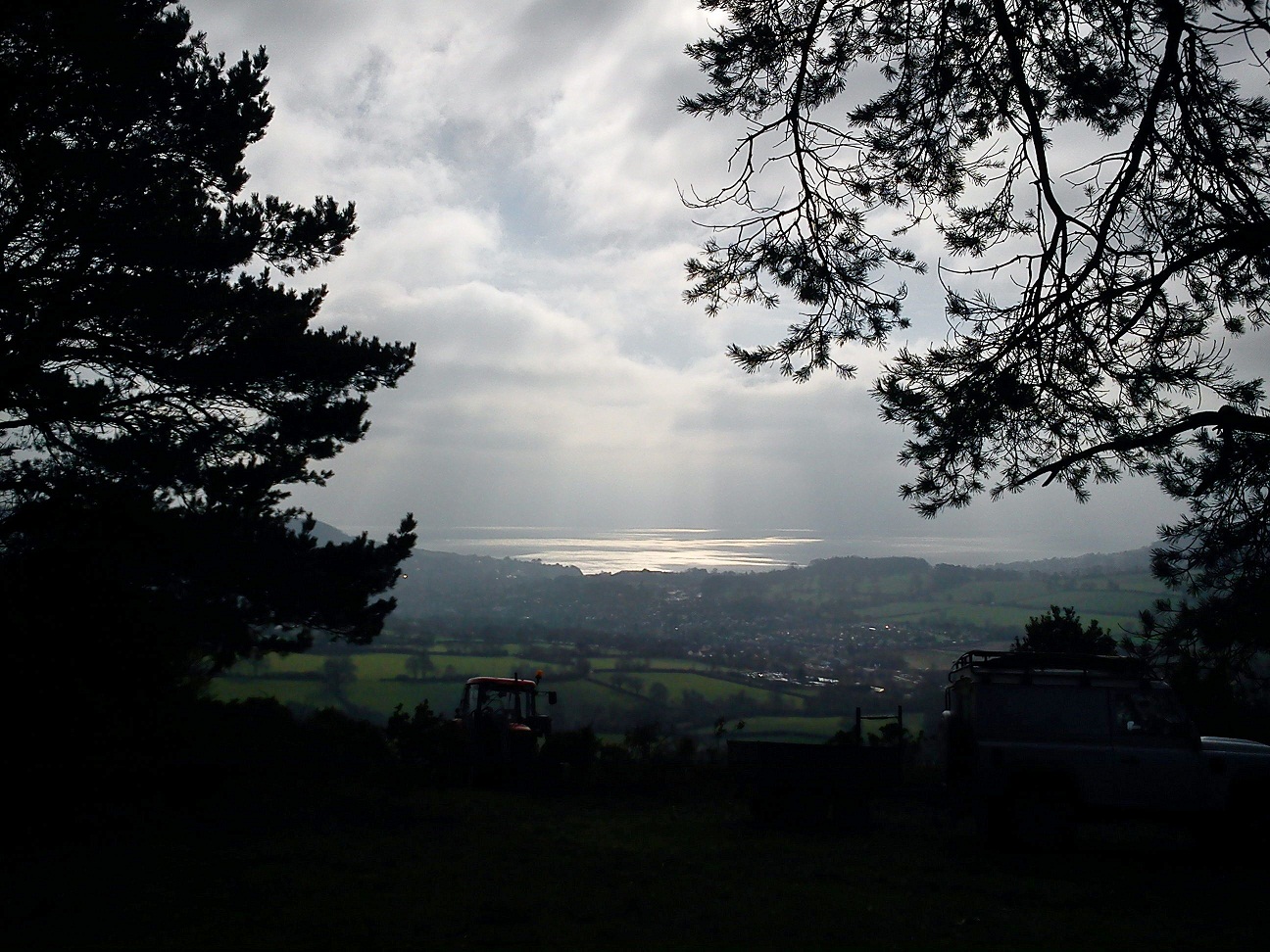
-

- The Wednesday vols
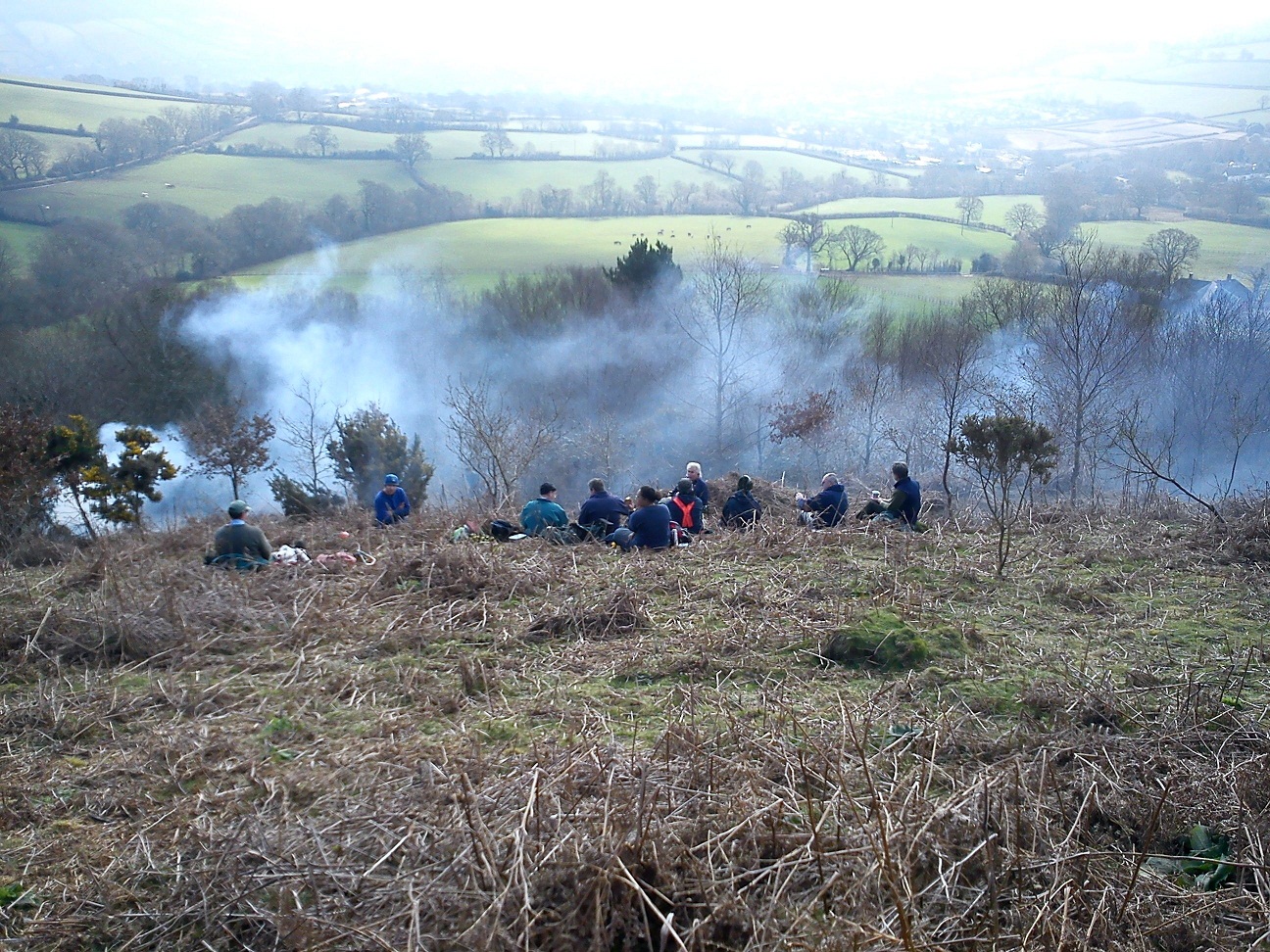
Rain and odd jobs
It’s been raining a lot recently. 25mm last weekend, 35mm the week before, and a little more early this week. But as the week has gone on there seems to have been a change in the air. It feels a bit like spring is on the way.
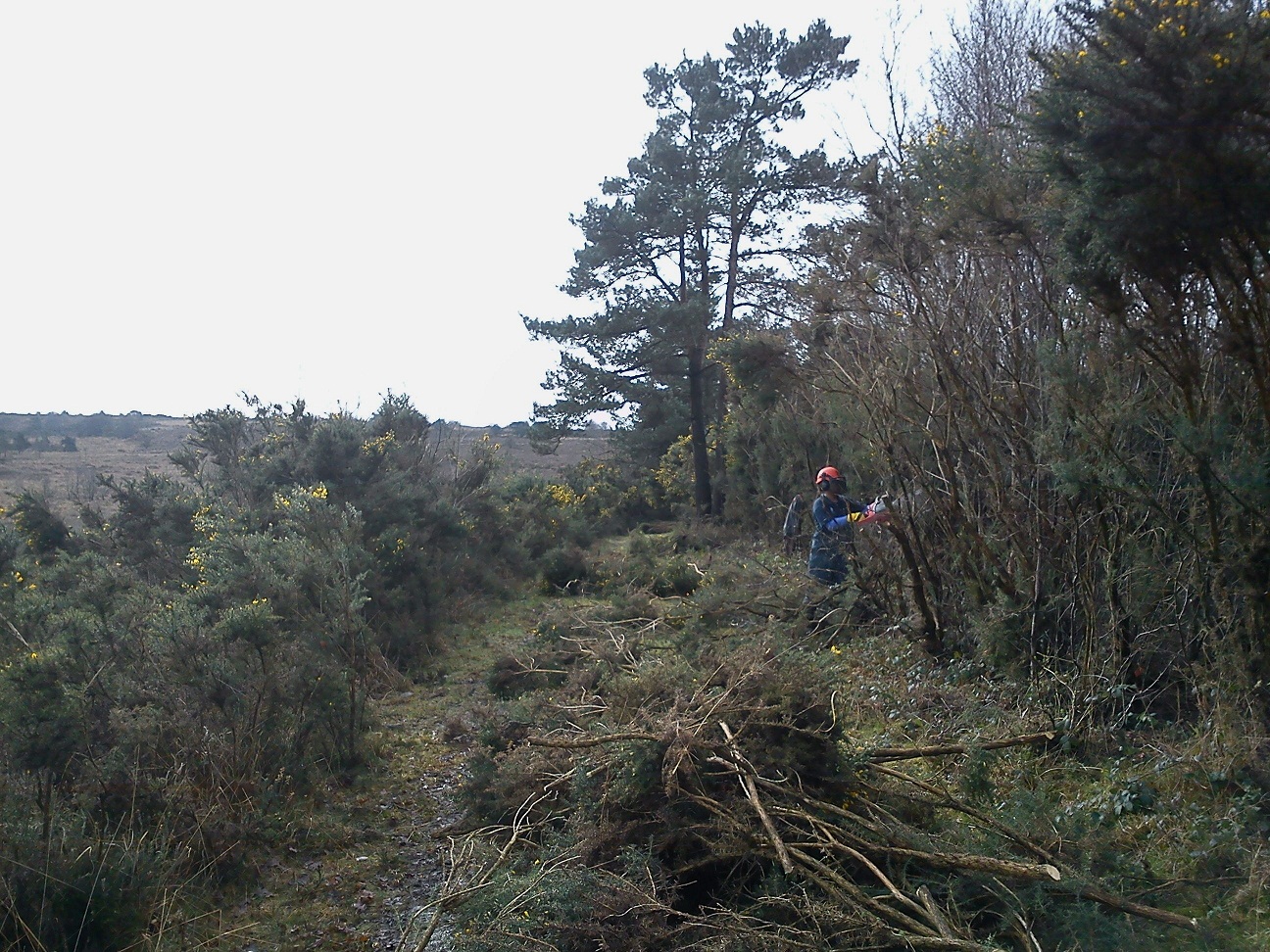
Jobs this week include: clearing paths on the reserve, which basically involves chainsawing gorse & creating habitat piles; clearing ‘dangerous’ roadside trees near Lympstone common; clearing a fence line on parts of the reserve; and clearing brash on Lympstone common. I also managed to create some unneeded air conditioning in my chainsaw trousers whilst bending (my knees, not my back) down yesterday. Tia has very kindly made them public friendly again.
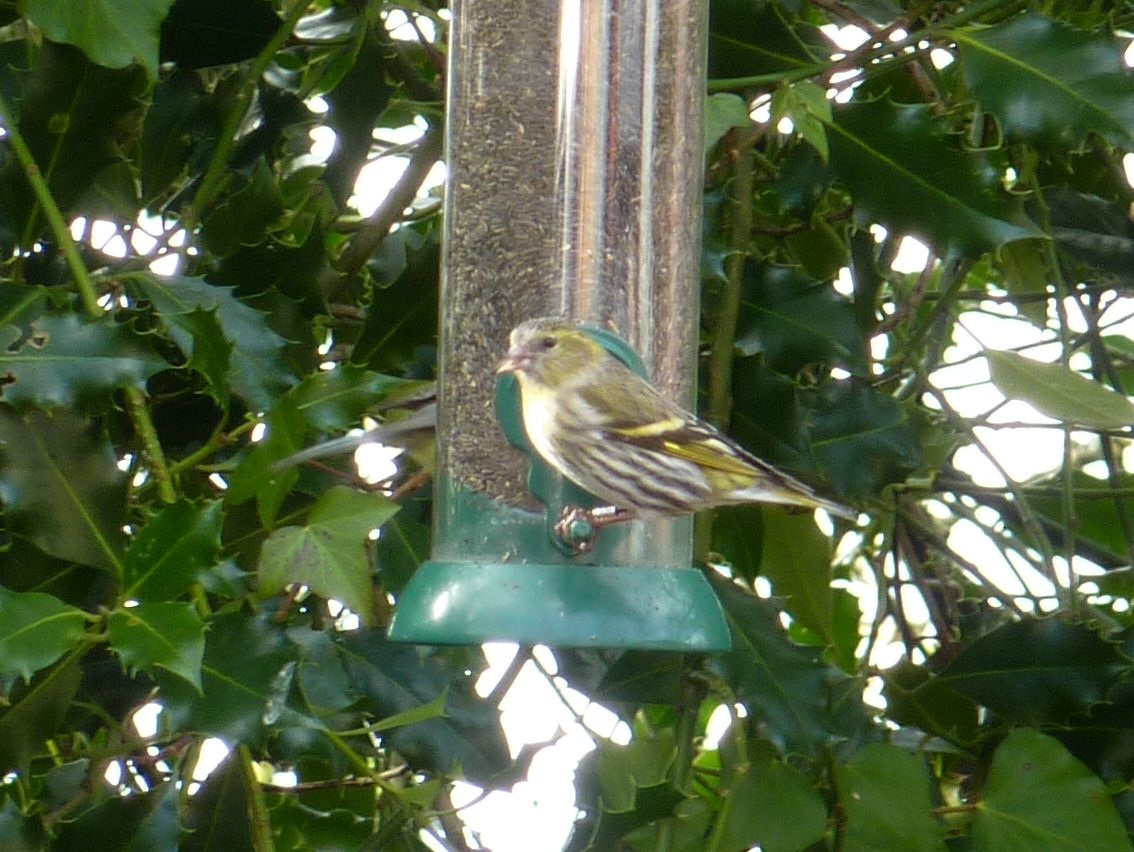
I tried to get a few shots of the visitors to the workshop bird feeders. None of them turned out that well, but I’ve added the Siskin one.
-
- Tia attacks some gorse
-

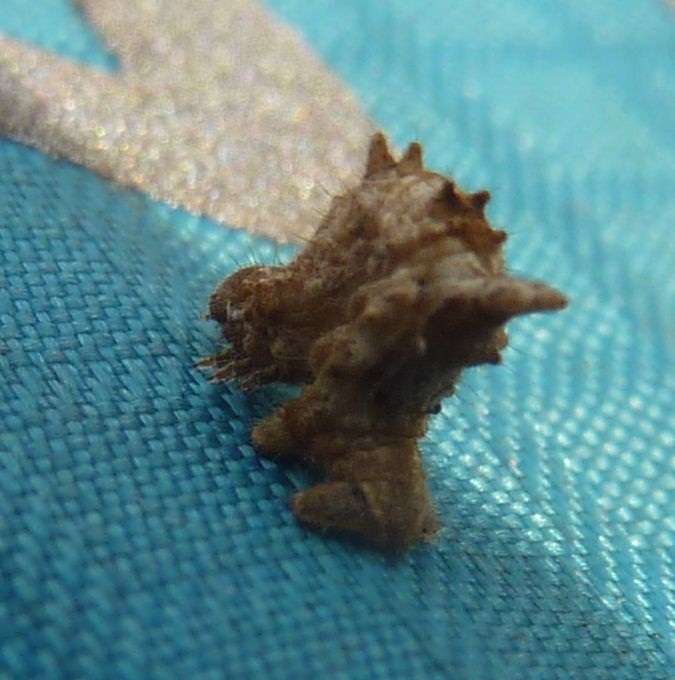
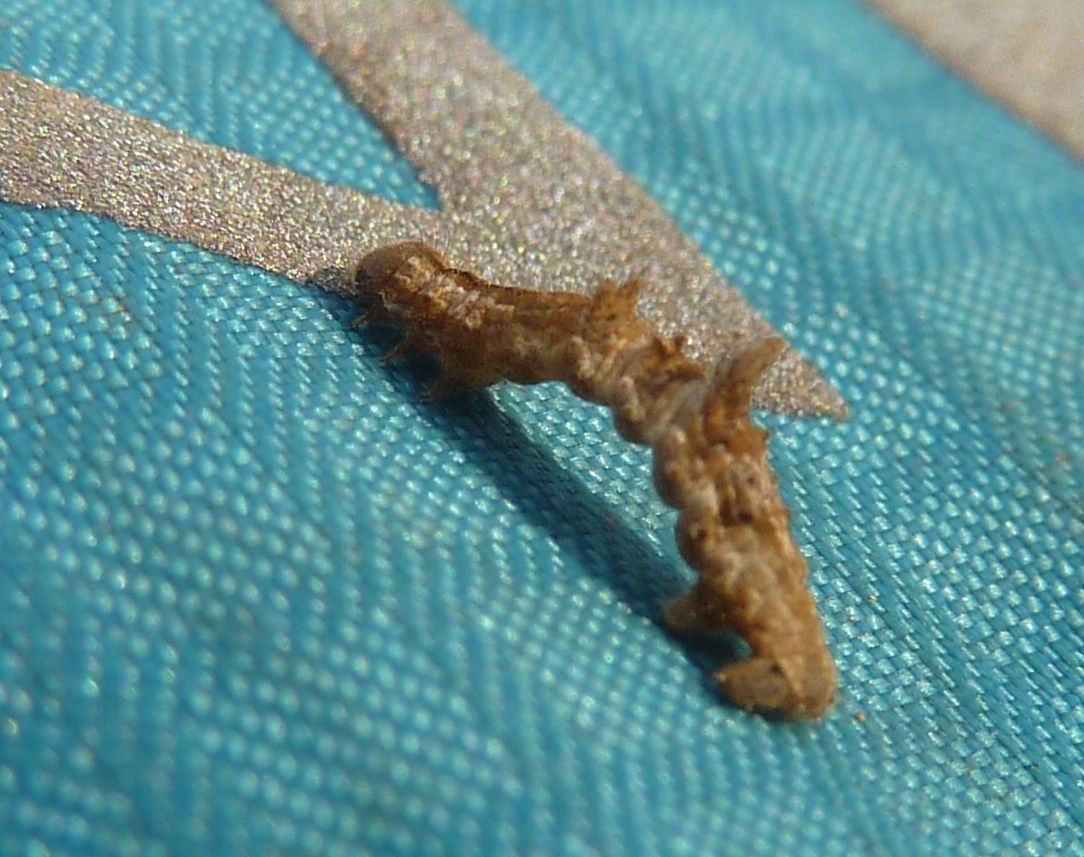
- Woaw, isn’t this cool?
-
- Siskin seem to be the only birds going for these smaller seeds
A charm of goldfinches
I popped along to the Bowling Green hide again today. This time John and Jane were manning the hide, and enthusing about the birds to the visitors. During my conversation with one knowledgeable visitor the topic of collective nouns for birds cropped up, and I learnt that the collective noun for goldfinches is a charm. As the lady said, that’s sweet.
-
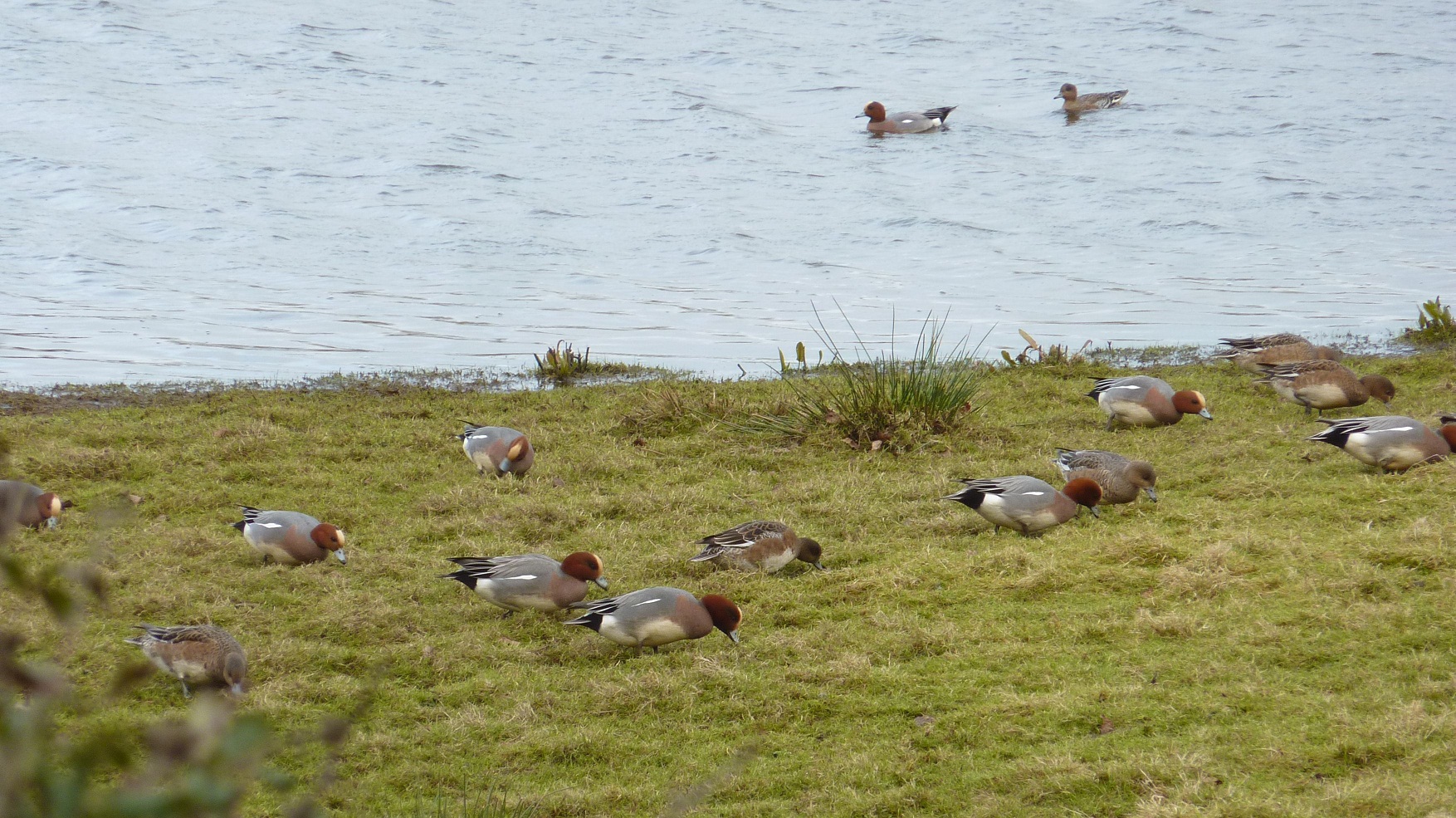
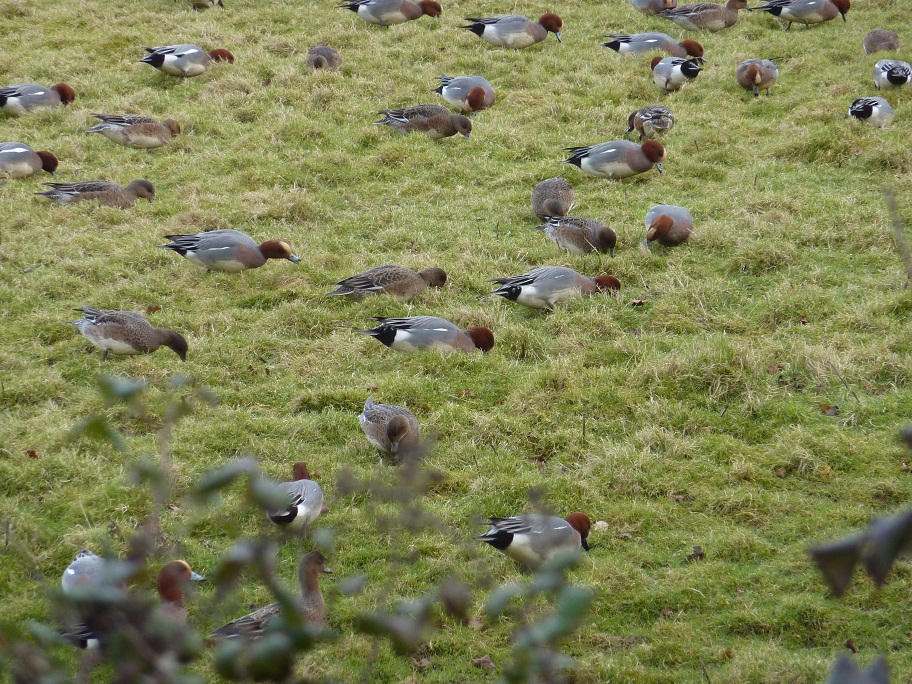
- Widgeons
-
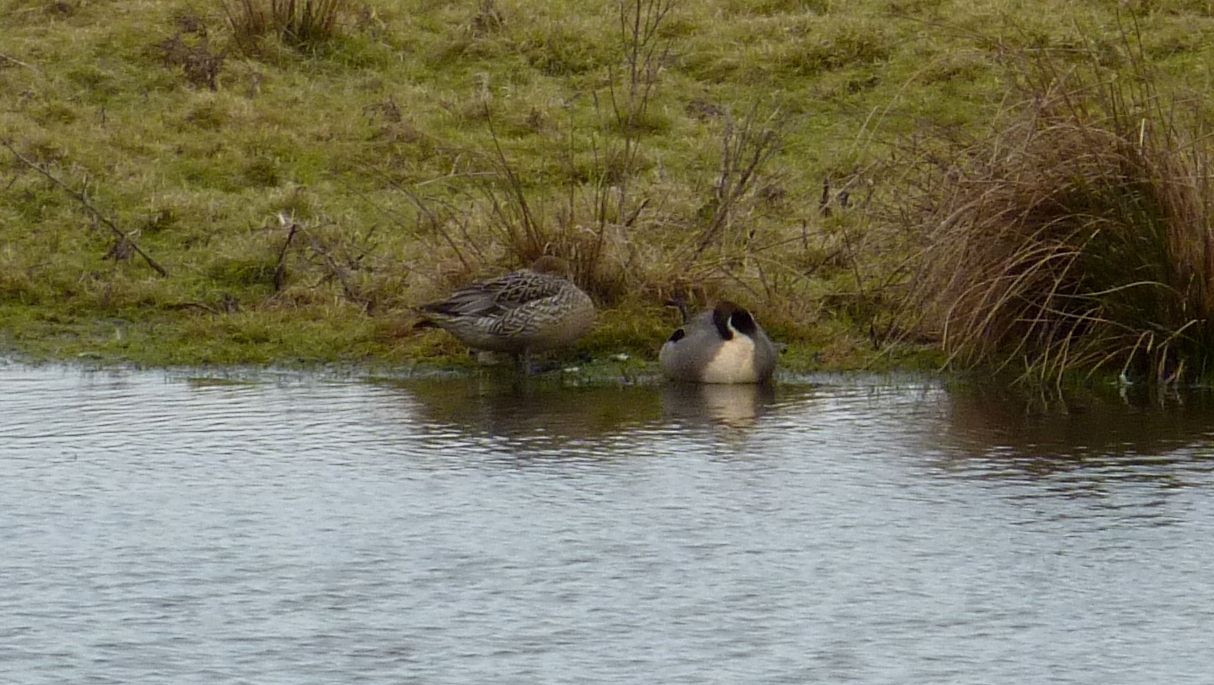
- A pair of pintail
-
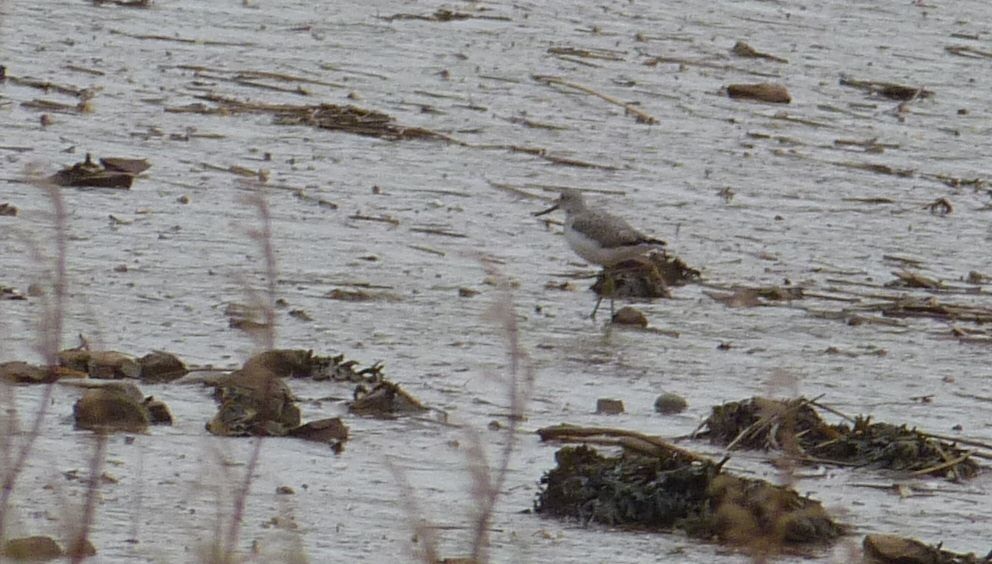
- This is a Greenshank. I couldn’t get any closer without sinking.
-
- A little egret
CS chainsaw assessments
Today I made a small trip over to Salcombe Hill to take a look at the Axewoods Co-operative woodlands project (http://axewoods.org/), a project that aims to promote working and communities in East Devon woodlands. The project offers the opportunity to learn wood work skills, and free wood to those who want to get involved.
Afterwards I took a walk around some of the National Trust paths on the hill, which offer great views of Sidmouth. It was a beautiful evening (it’s stopped raining!), and I was treated to a fantastic vista of the sun setting over Devon.
On Monday I had my CS30 and CS31 chainsaw assessments at Bicton college. Frantic revision over the weekend, and a few tips from Johnny on the reserve the Friday before (thanks Johnny!), helped me through both assessments. It was a long day with the maintenance part of the assessment at Bicton college in the morning, and the felling taking place on Harcombe hill in the afternoon, but I’m now free to fell trees unsupervised. Nice.
-
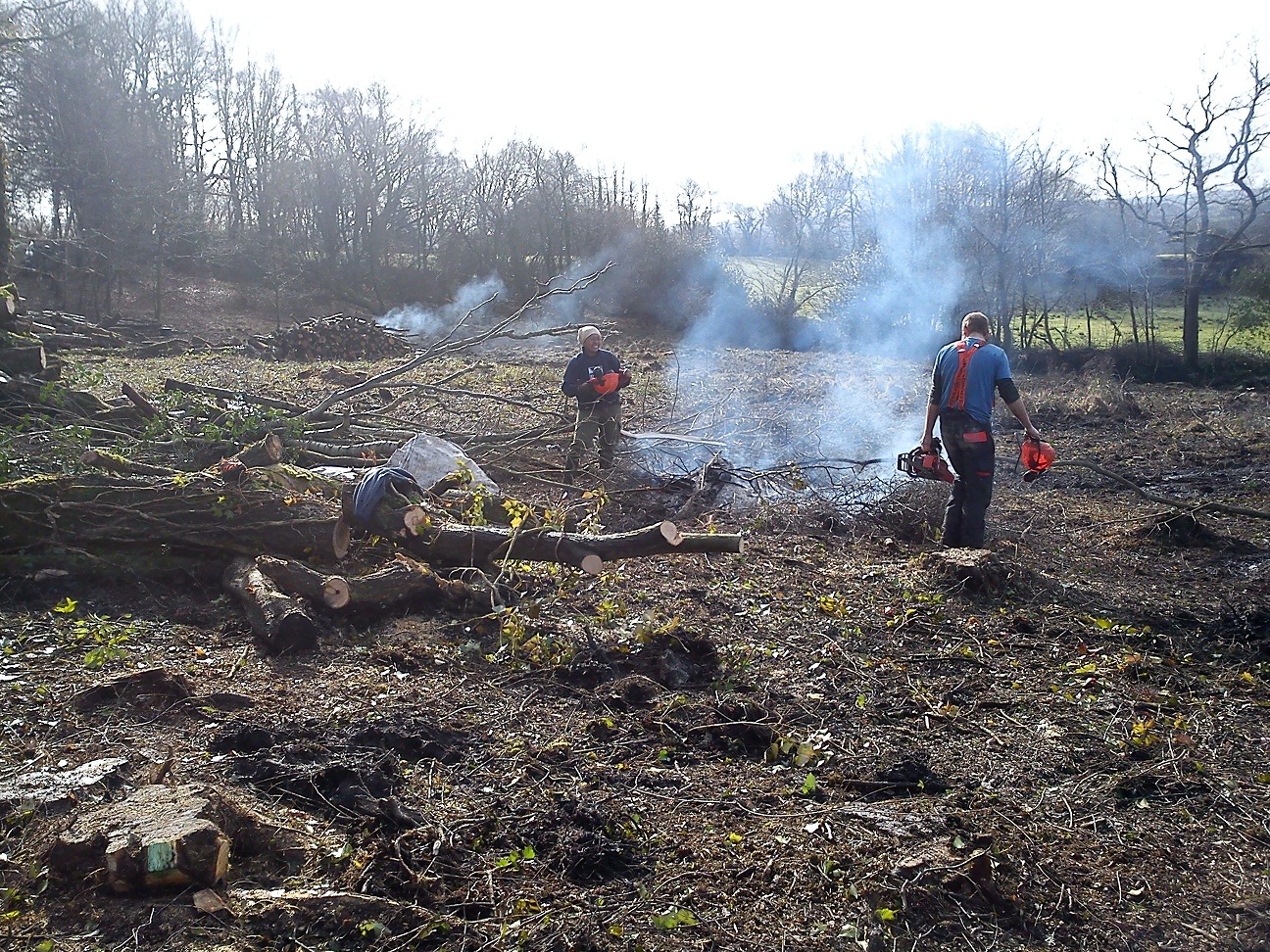
- Tia and Ed on our last full day of work on the Bucehayes (Stockland) turbary
-

- The view from Harcombe hill, where I became a stage 1 chainsaw jedi
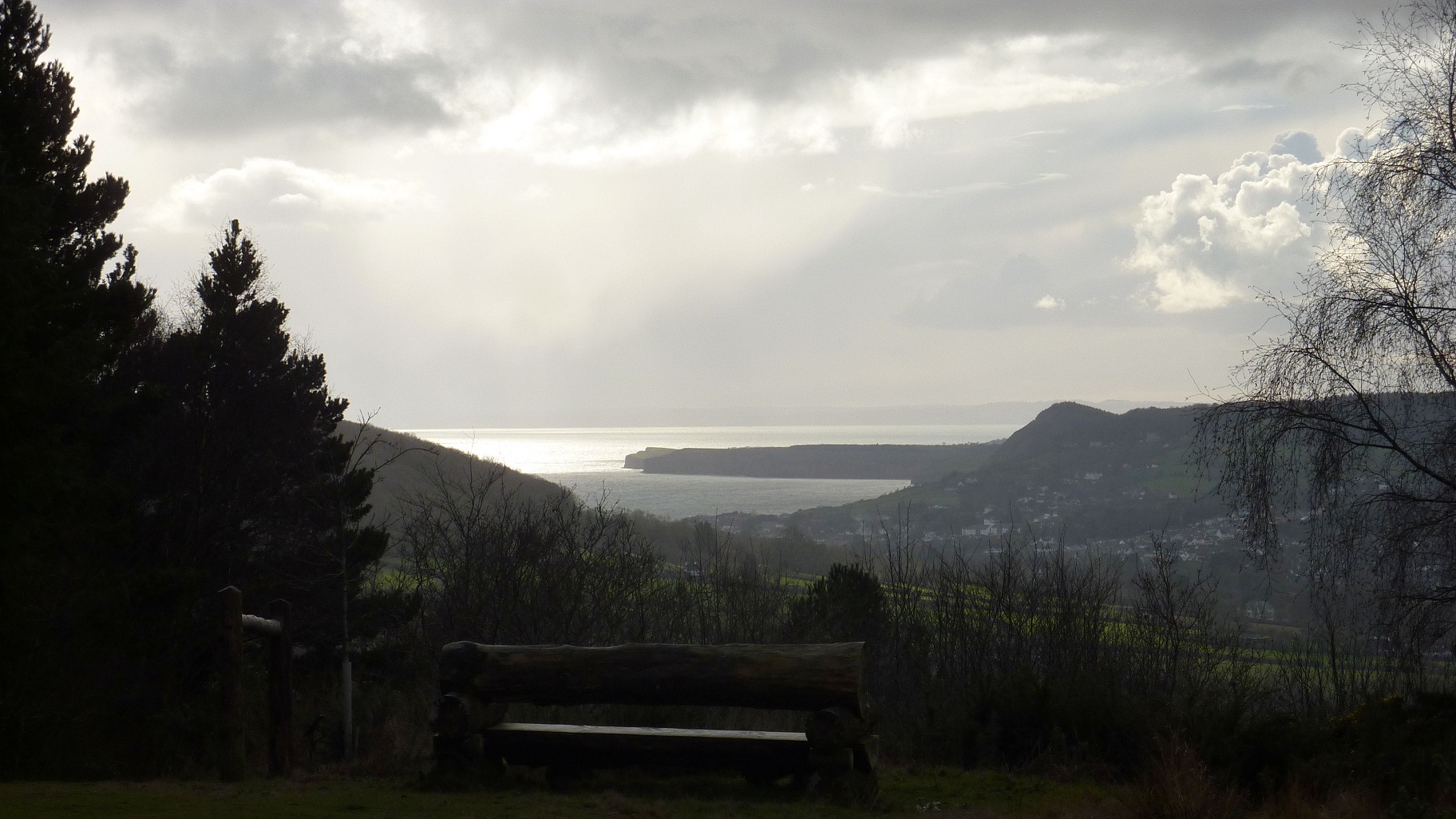
-
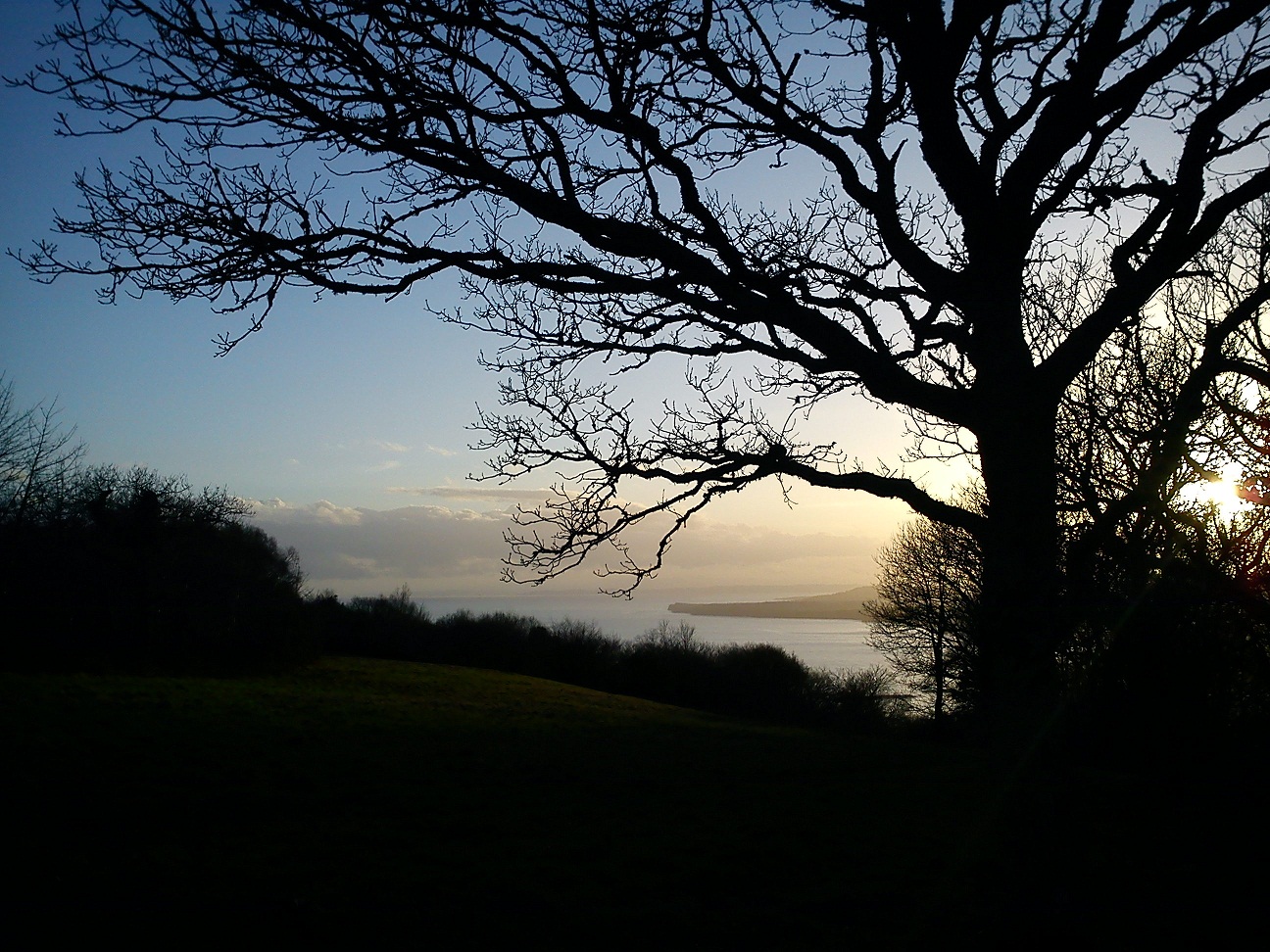
- Salcombe Hill

-
- Sidmouth
Bowling Green Marsh bird hide
Today I popped along to the hide at Bowling Green Marsh, Topsham, to meet the legendary John Allan, and brush up on my wader identification skills. A female Smew has been hanging around the marsh for a few days and I was lucky enough to spot it, on numerous occasions, diving away in front of the hide. This was probably my first sighting of Smew, although I find it difficult to remember which birds I used to see when I went out with the YOC many years ago.
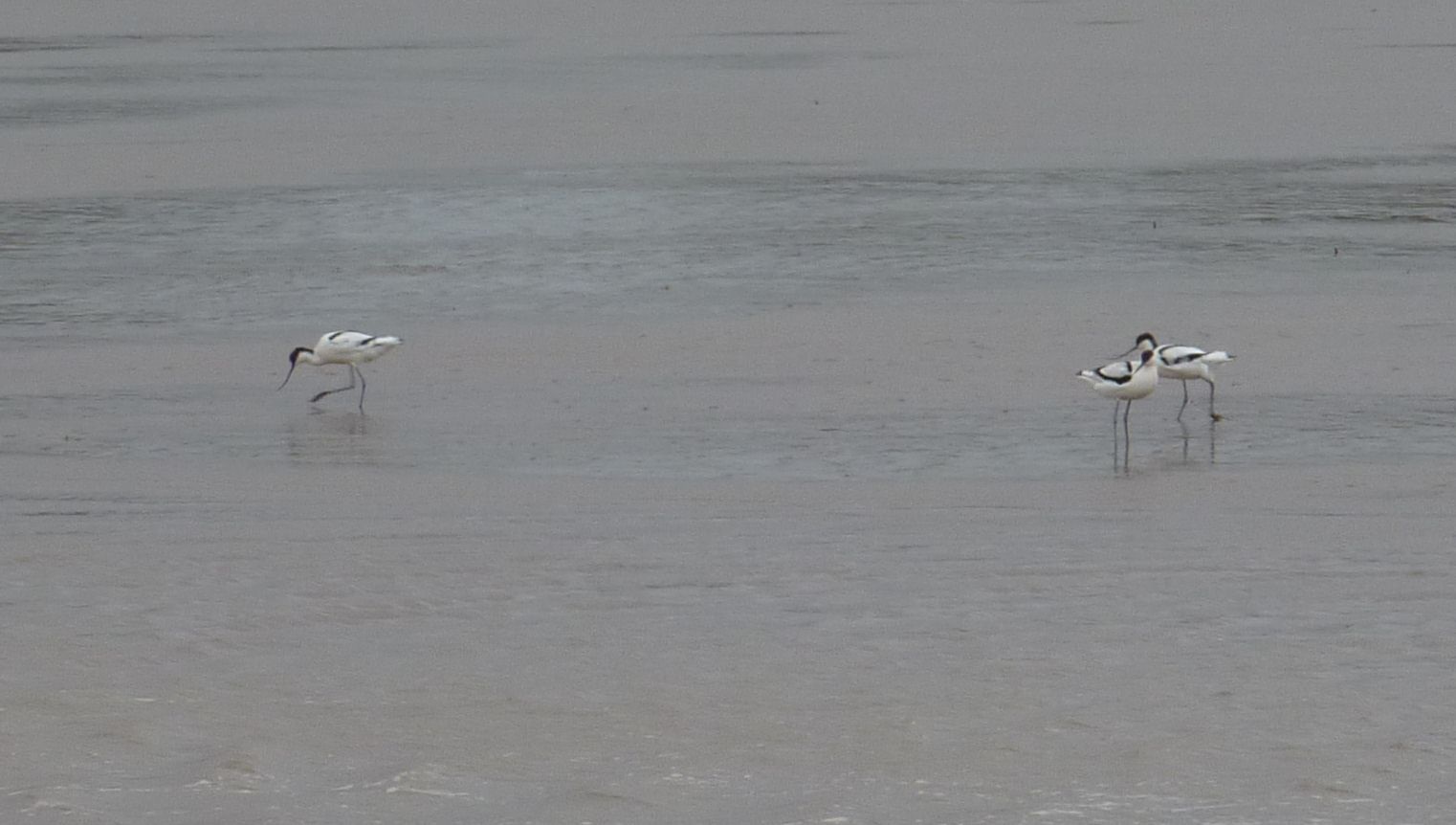
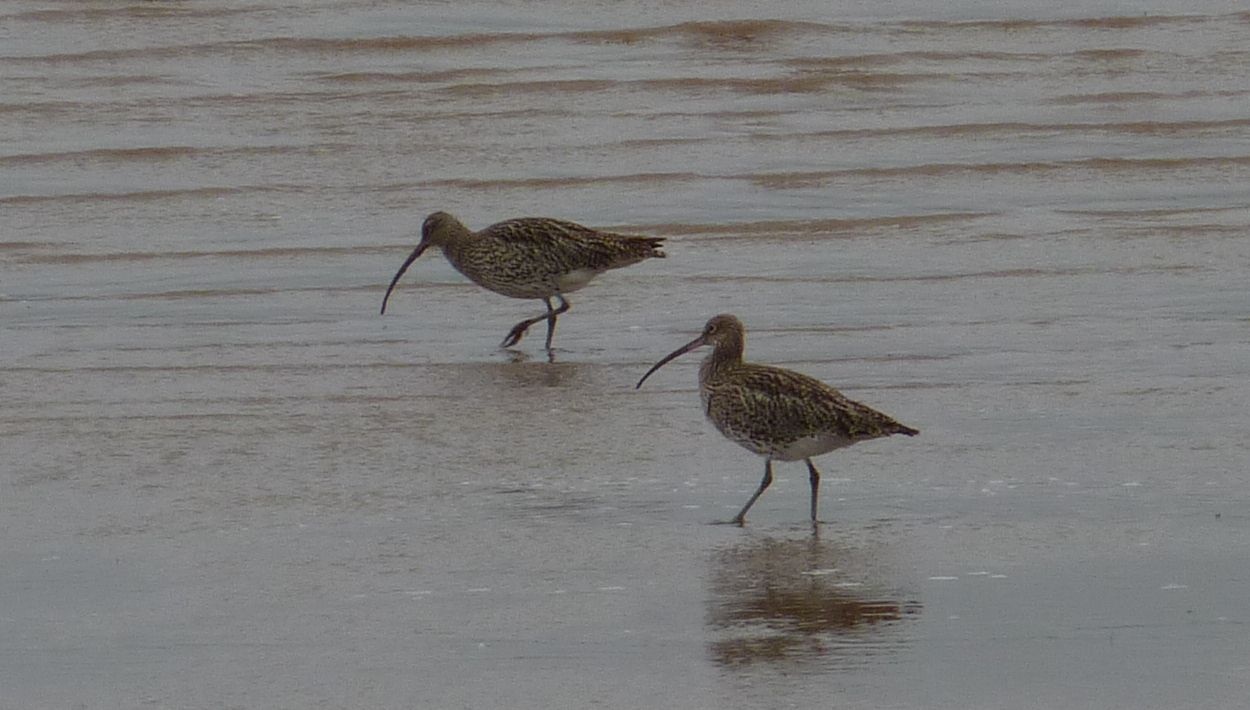
Also in attendance were most of the other duck species I’d expect to see, Mallard, Teal, Widgeon, Gadwall, Shoveller, Pochard, Pintail, Tufted ducks and Shelducks. There were also large numbers of Avocets, Godwits (black tailed), Curlew and Redshank.
John attends the hide at some point during most weekends, and today he and Margaret were helping inexperienced visitors to identify birds with a scope.
-
- Redshank and Godwits try to find some shelter from the chilly breeze


-

- Avocets
-

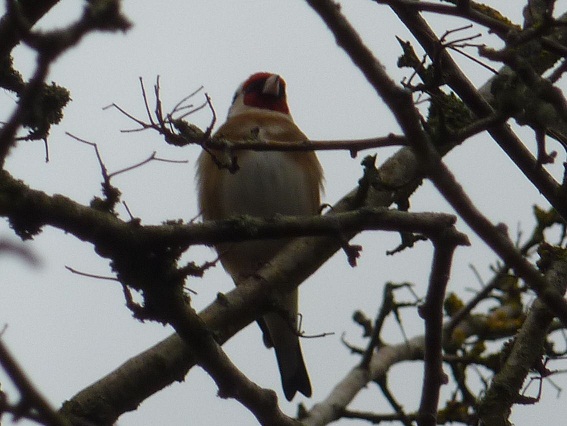
- A Goldfinch
-
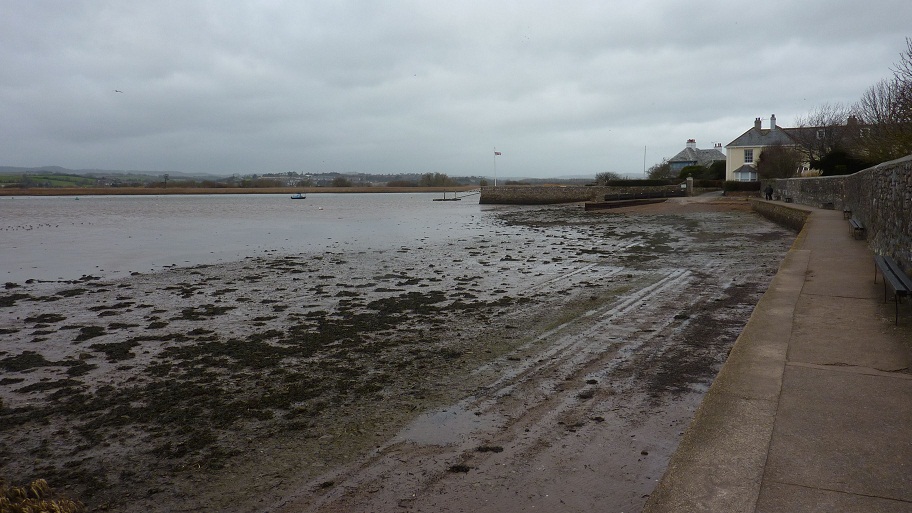
- Goat walk, Topsham
-
- Curlew
A couple more Edinburgh shots…
…from my weekend up North, just because I like them.
-
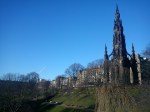
- Colin and this view were at Edinburgh to greet me

-

- The window in the roof of Edinburgh station

The 2011 TFL focaliser conference
So, it’s that time of year again. When various focalisers, from all parts of the globe, make their way to Dundreggan to listen to Rob and Julie’s hilarious anecdotes. This year there was no snow, which was disappointing, but lots of constructive (hopefully) talk again.
We got a chance to learn about the new Dundreggan planting site, Rosie showed us how to calculate distances from our stride length, Dan taught us about tracks and signs, and Adam enlightened us with the names of woodland flora.
As for my trip, I caught the Exmouth train to Exeter at 2 minutes past midnight on Friday morning (Thursday night?), along with a highly entertaining group of drunk goths, who apologised en masse every time any of them got in the way or looked like they might throw up. I then alighted the 1am sleeper train from Exeter to Paddington. As it happened it was the most uncomfortable train I’ve ever been on. The seats were bum numbing, I was sat too close to the guy sat opposite me, and there was a sizeable gale blowing cold air through the carriage. I took my jacket off as I sat down, then put it back on, then realised that I needed more than the four layers that I was already wearing to stay warm.
I briefly fell asleep somewhere between Reading and Paddington before trying to find a tube train at sometime around half 5 in the morning. As it happened one turned up reasonably quickly, to take me to Kings Cross. Whilst standing in the big open space where the train times were being displayed I spotted Julie Mac. Instinctively I caught her eye and attempted to display signs of recognition. I immediately regretted it, feeling that I was way too tired to converse with anyone. Still, Julie came over and I probably made her feel terrible by mumbling incoherently to her until she had to catch the 6.15 train North.
My train left at 7am. I had a seat all to myself, and I gradually let the motion of the train calm me off to sleep. I woke some time after Peterborough to notice that someone was sitting next to me. After a little more dozing I realised that she was gorgeous, so I stirred myself and got to know a little about Francesca from Newcastle University.
So, by the time I arrived in Edinburgh I was in a proper daze. Many thanks to Colin, Rob, Sarah, Joan and Julie for putting up with me without comment. No thanks to Deborah for pointing out that I reminded her of a bear with a sore head.
Thankfully I managed to sleep rather well at Dundreggan. On my way back (today) my train travelled directly from Edinburgh to Exeter, and there were plenty of opportunities for naps. Not so many opportunities to avoid the butt numbing x country train seat though.
-

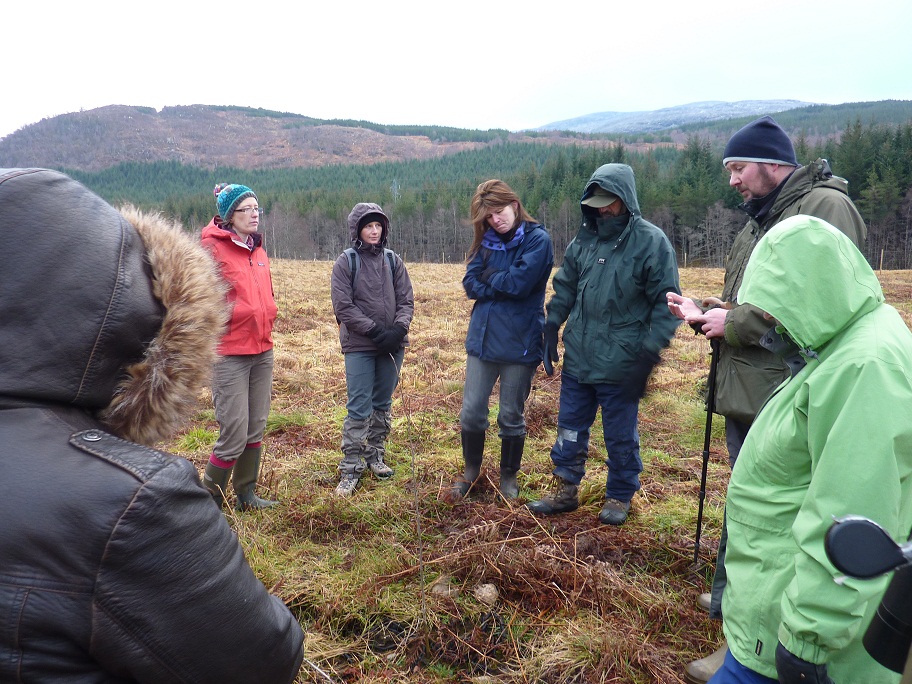
- How can we find the sweets if they’re not marked on the map?

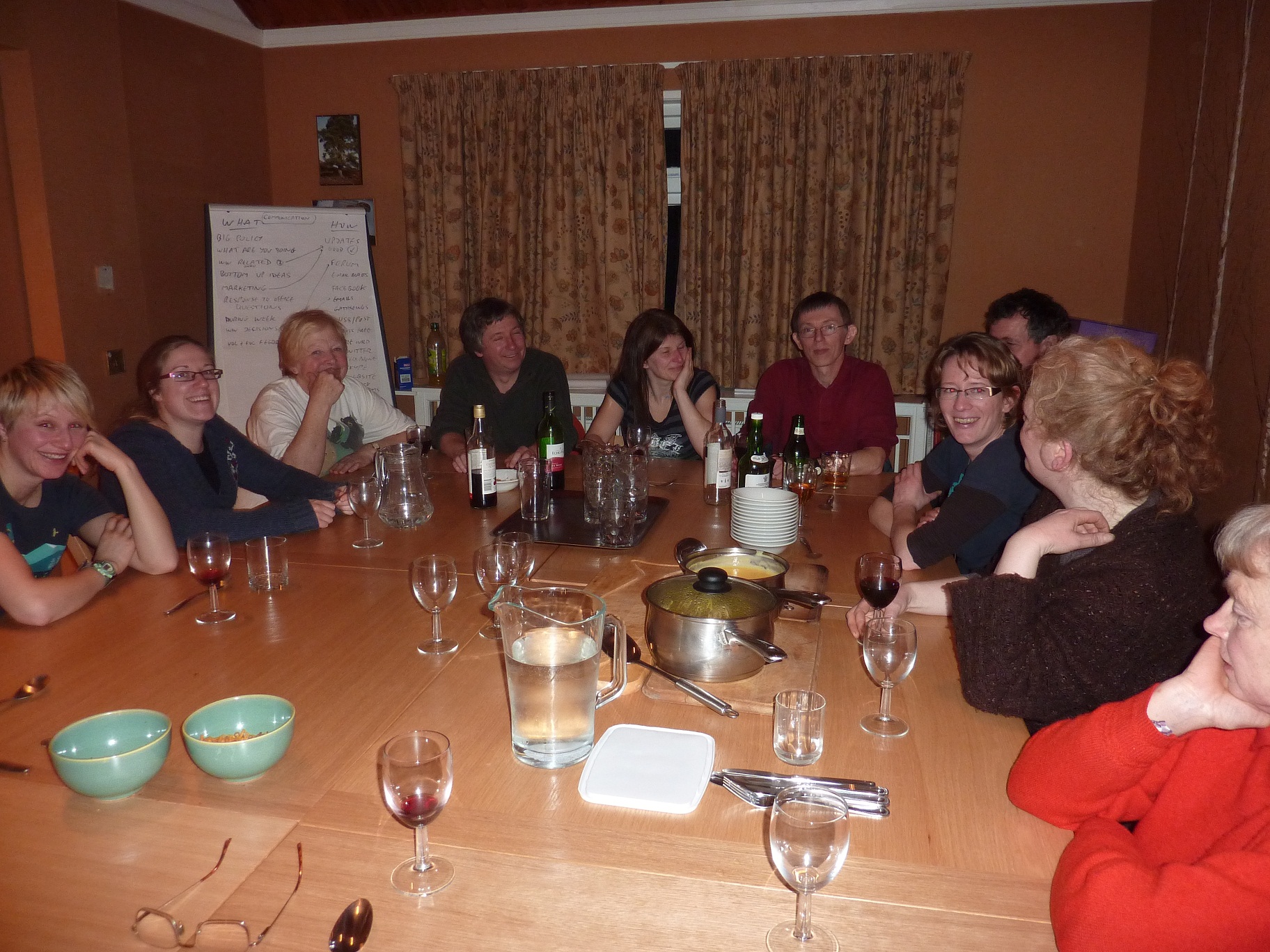
-
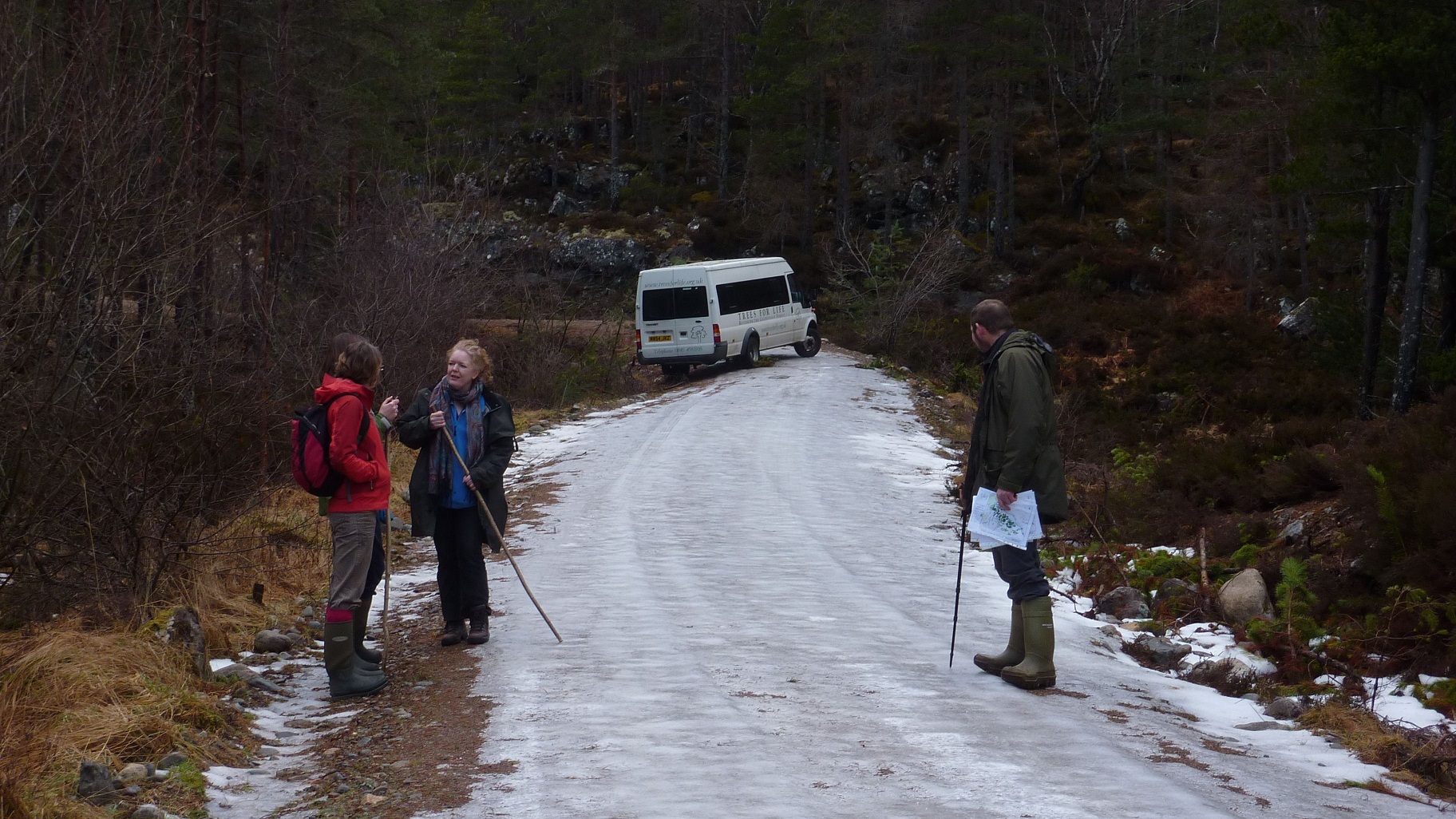
- As the snow melts we discover where the minibus has been all this time
-
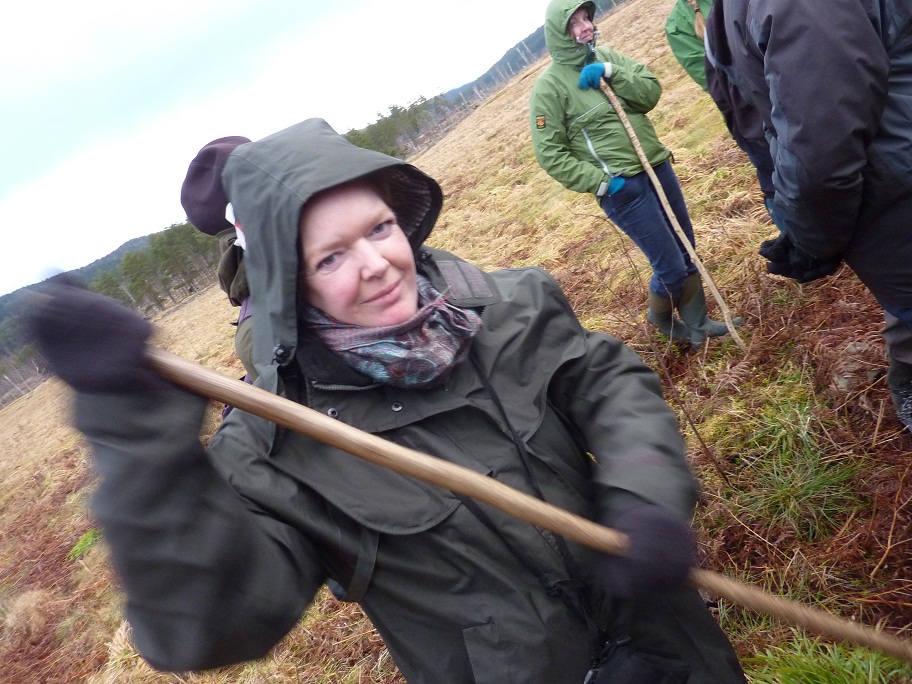
- Julie taps me on the shoulder, before beating me with her stick. Hilarious.
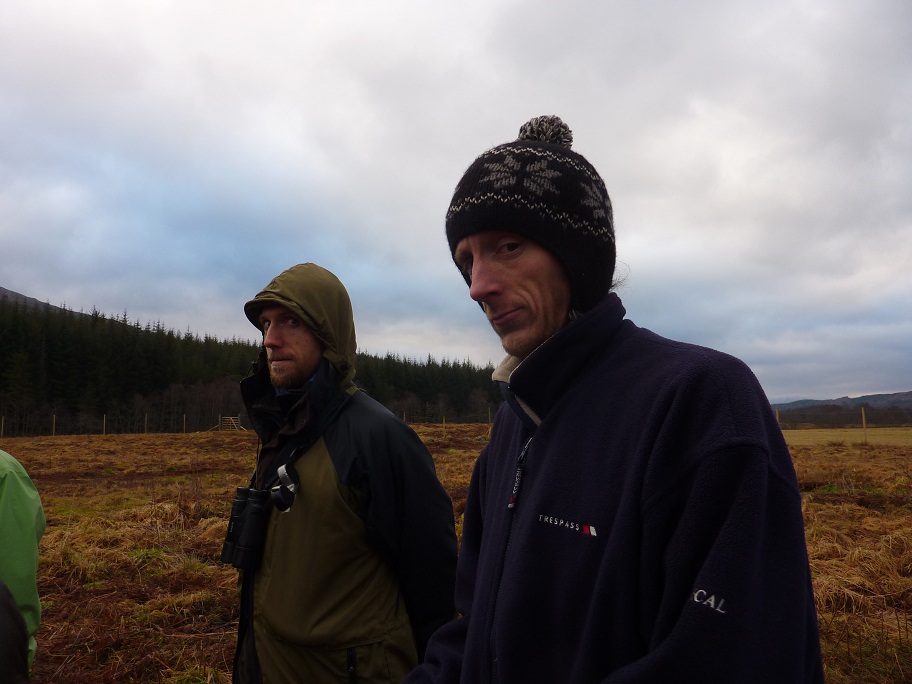
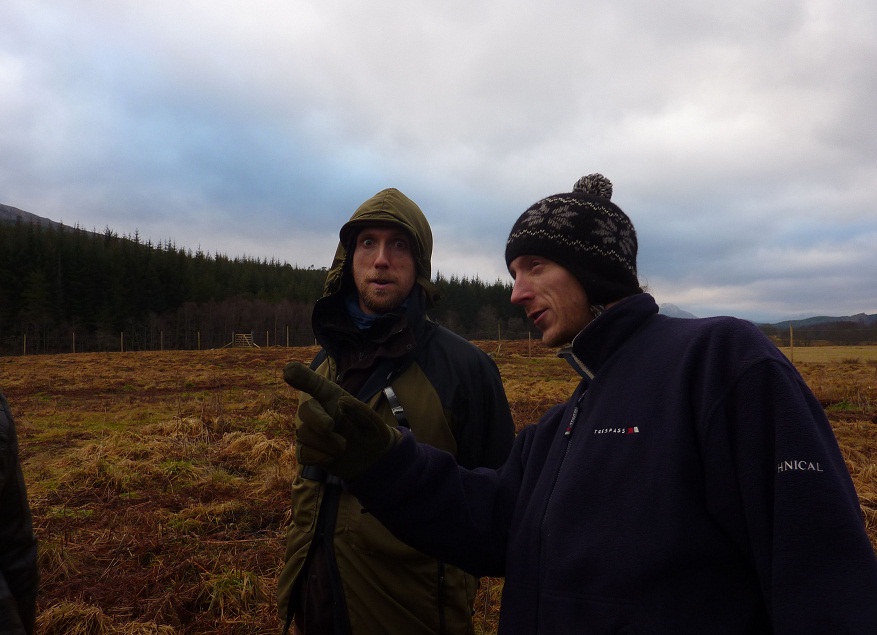
-
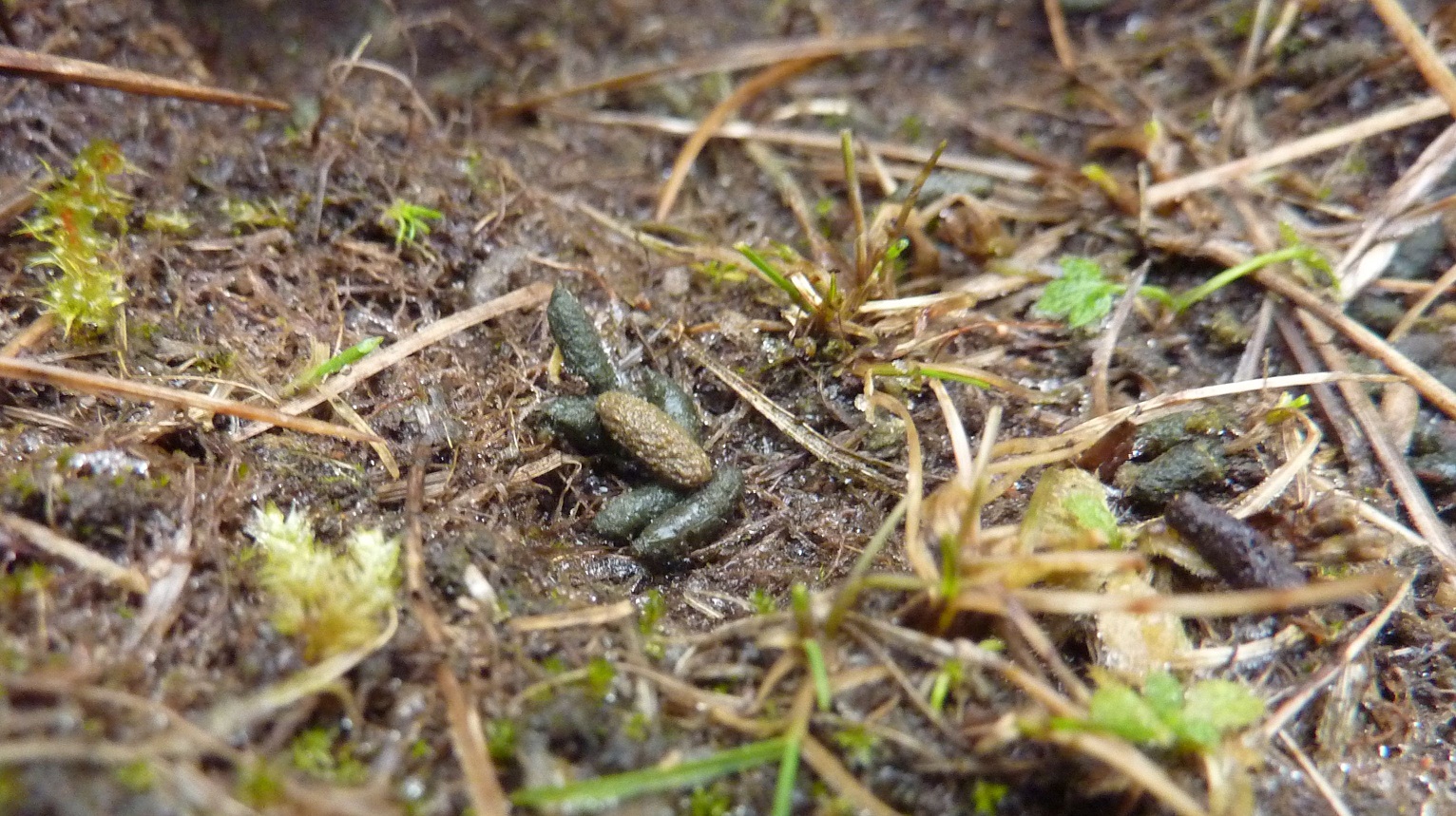
- Vole Poo. Water vole? Special.
-
- So when I got this picture developed, I found that there was something odd in the foreground

-
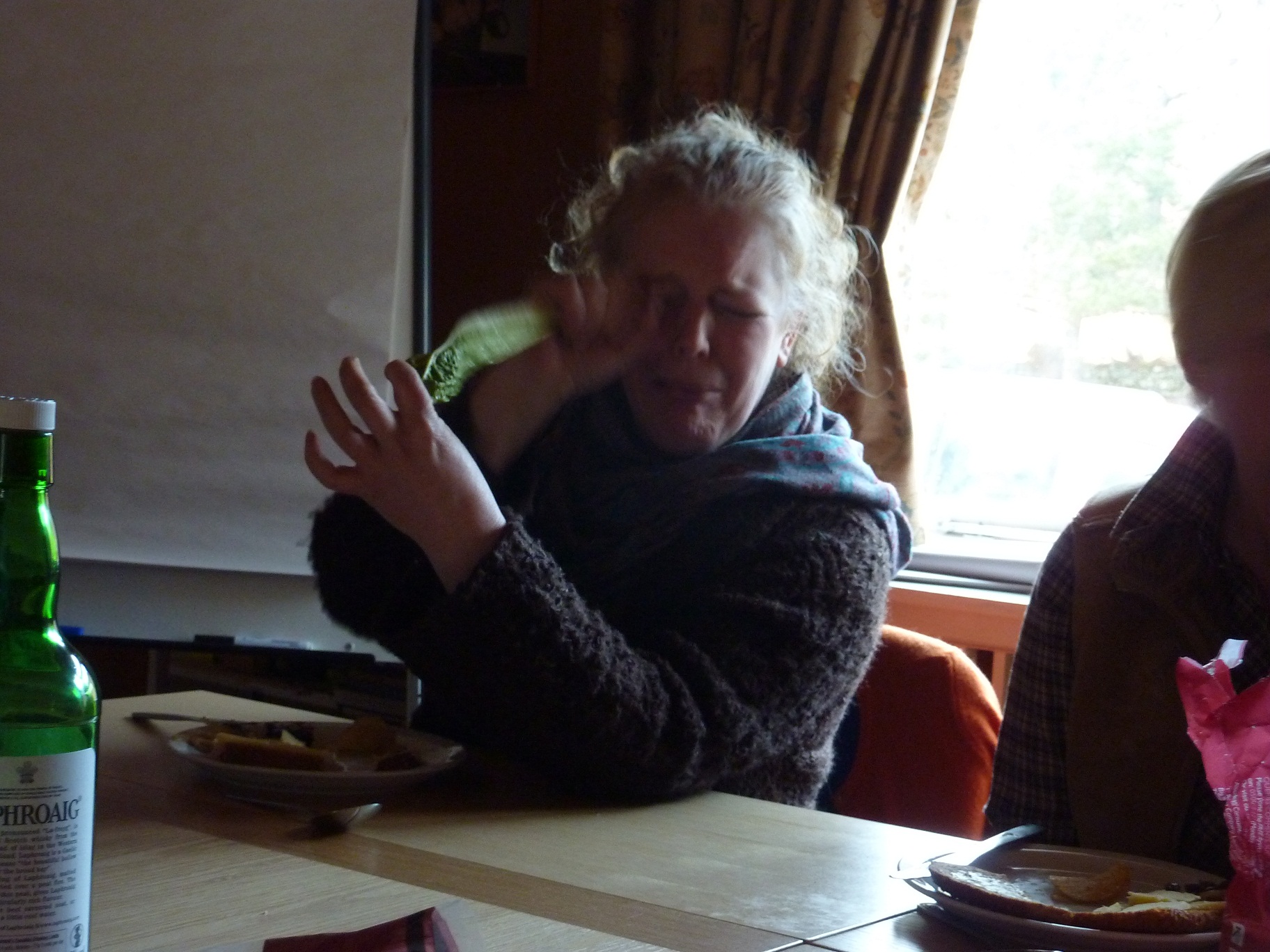
- In the ensuing food fight Julie takes a lettuce in the eye…
-
- Ecototty?
-
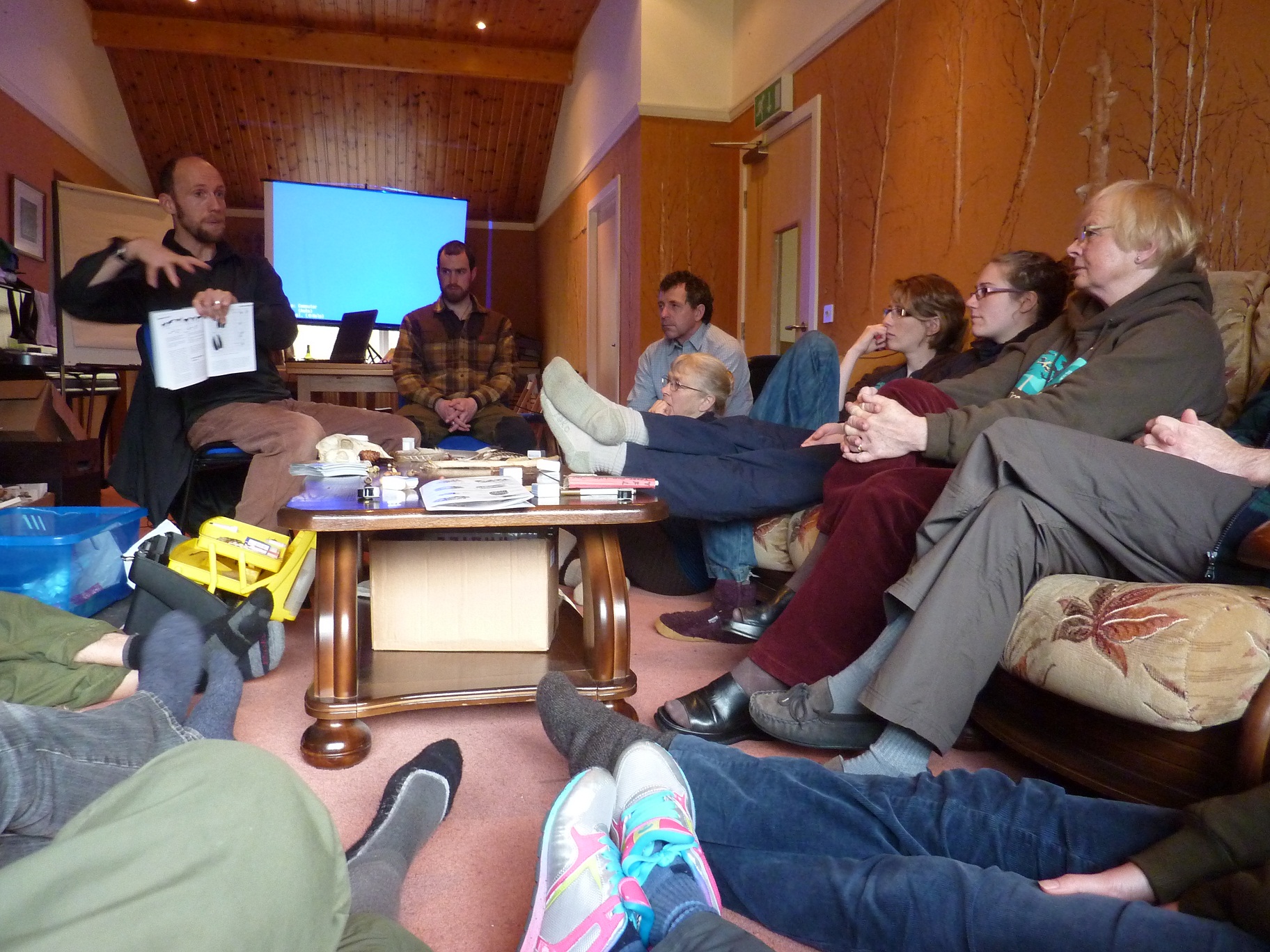
- Lectures TFL style
-

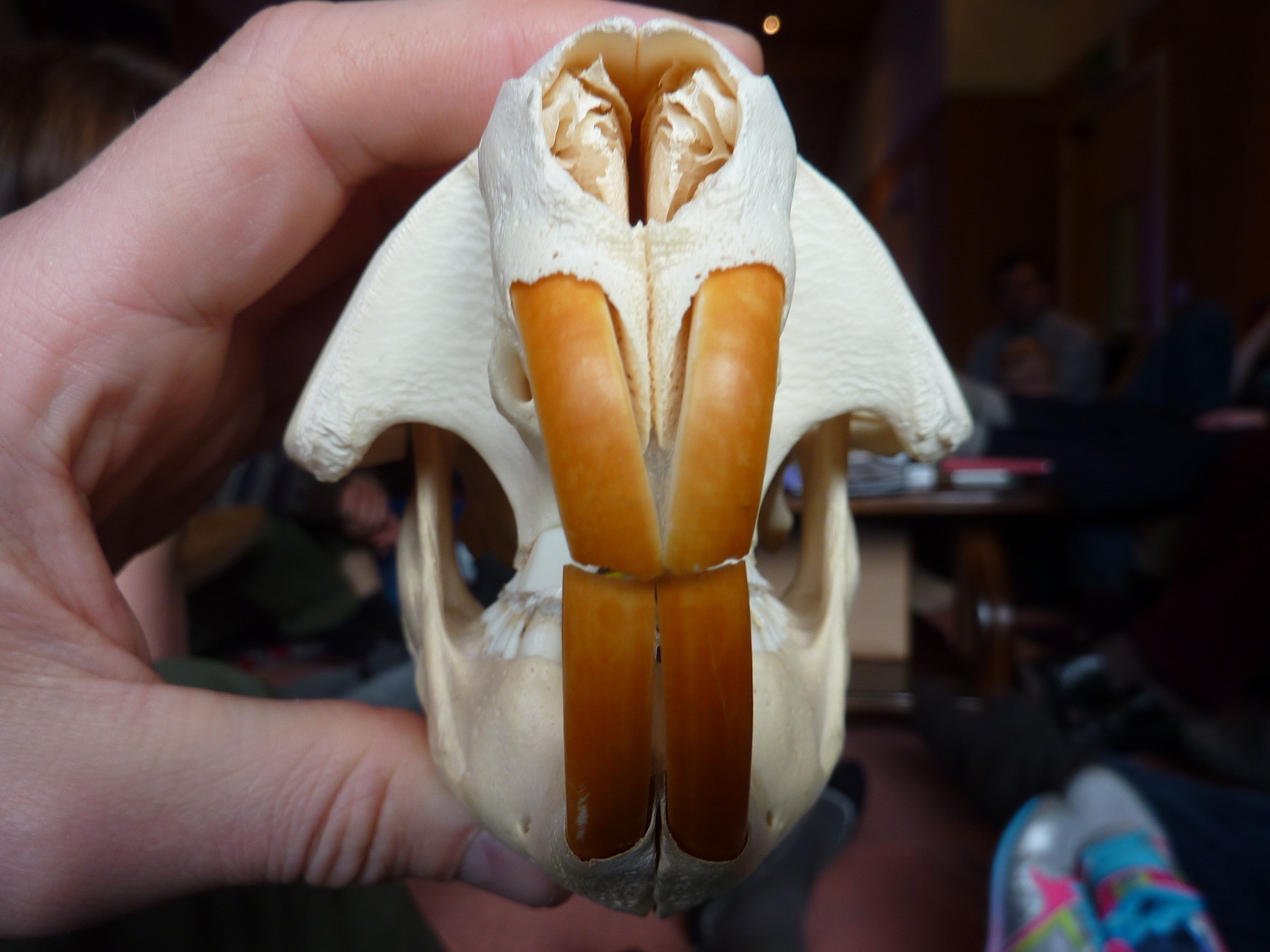
- Beaver
-
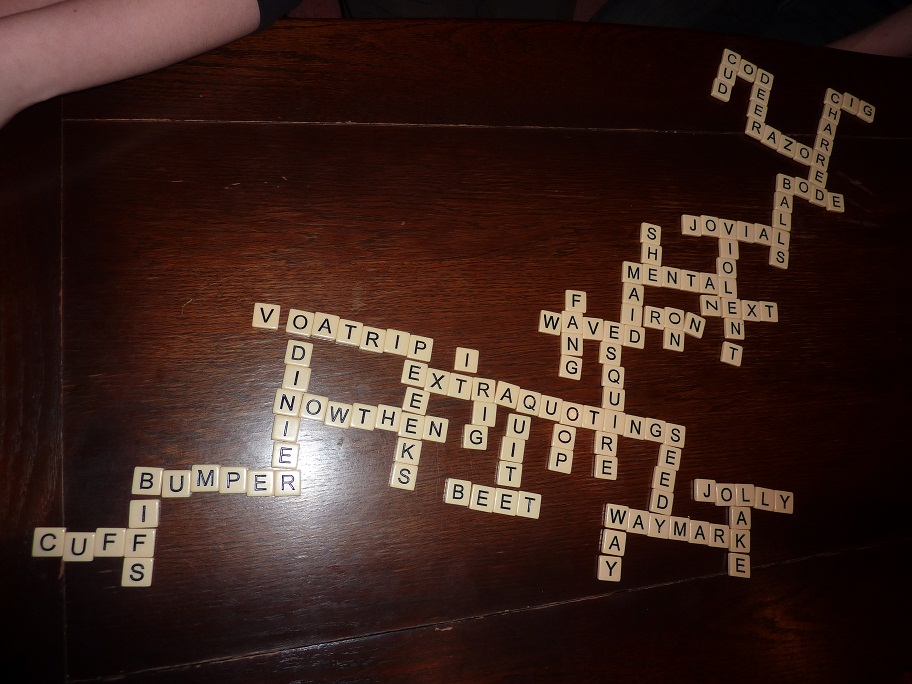
- As the conference enters it’s last night we find more and more obscure ways to entertain ourselves
Some recent photos…
Nothing too unusual to report. Lots of rain, the usual work out at Stockland, and a bit of a look around the Venn Ottery parts of the reserve.
-

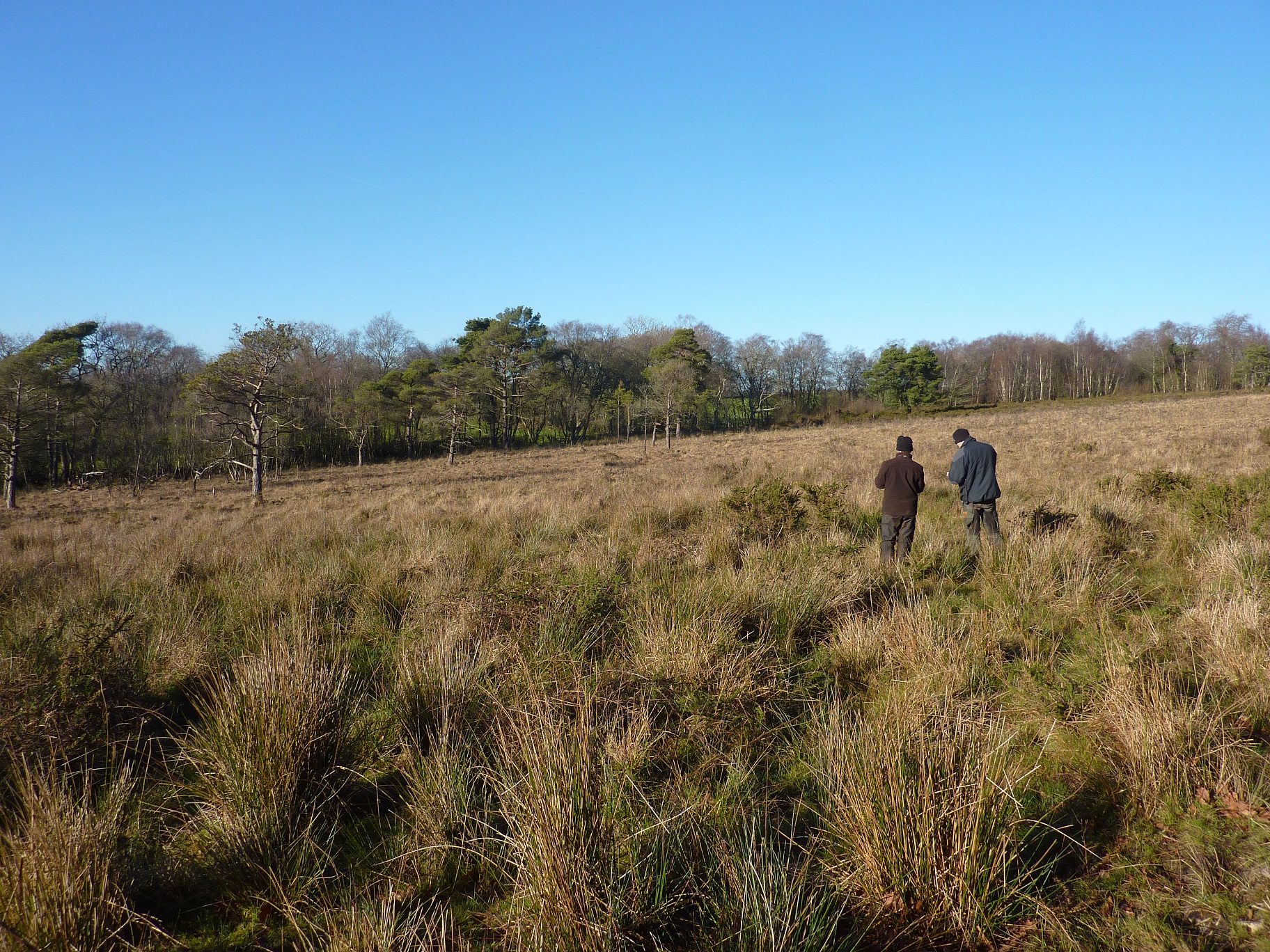
- Johnny and Richard take a look at the Stockland site that was cleared a few years ago.
-
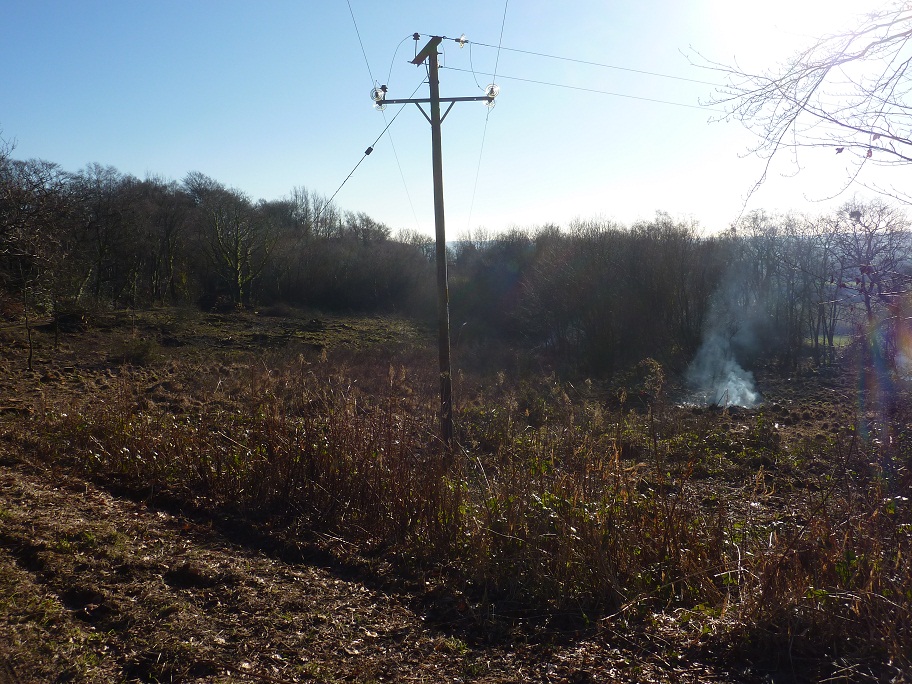
- We’re finishing up the current Stockland site.
-
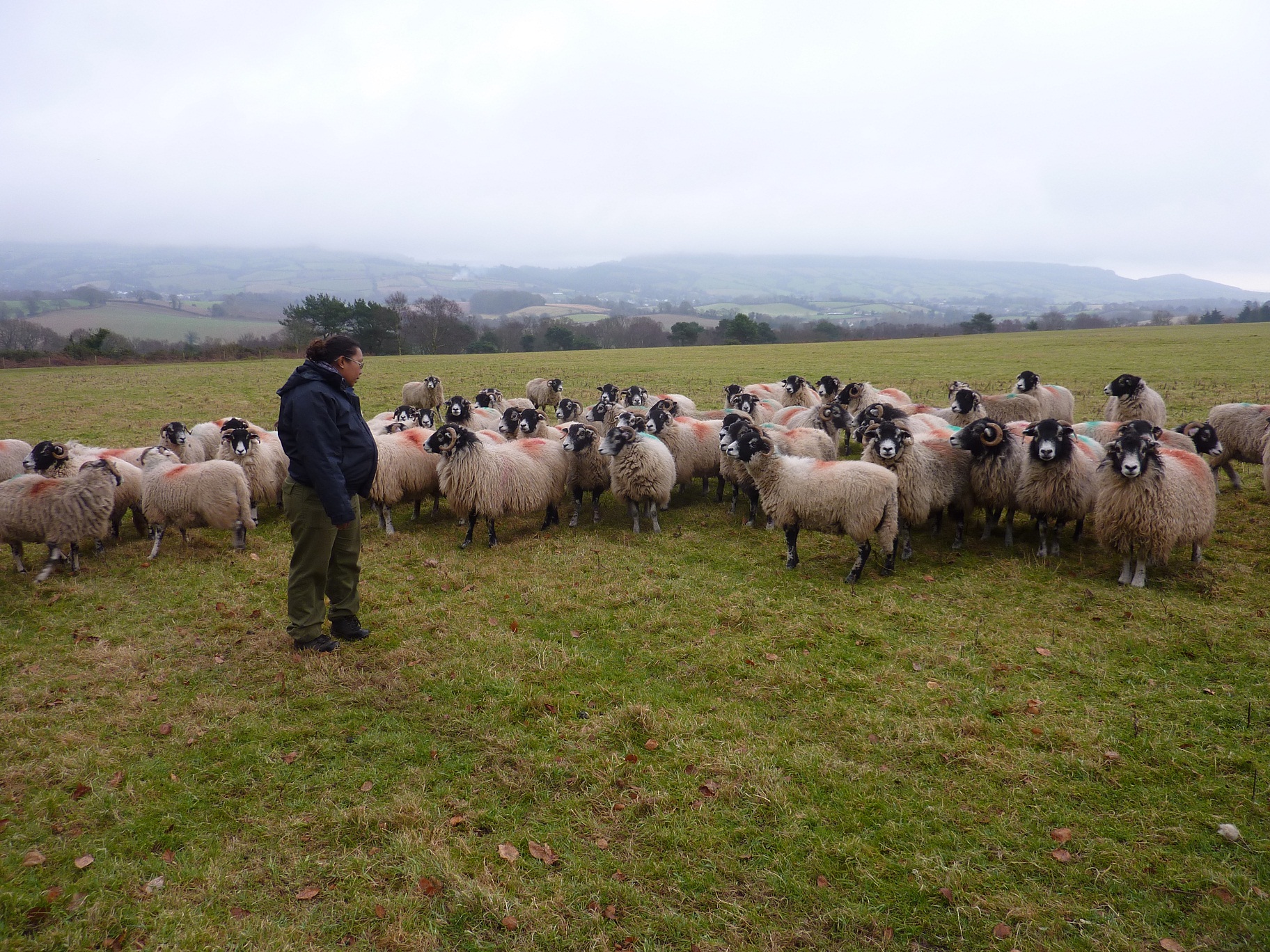
- Sheep on Venn Ottery hill. There will soon be quarry works here.

-

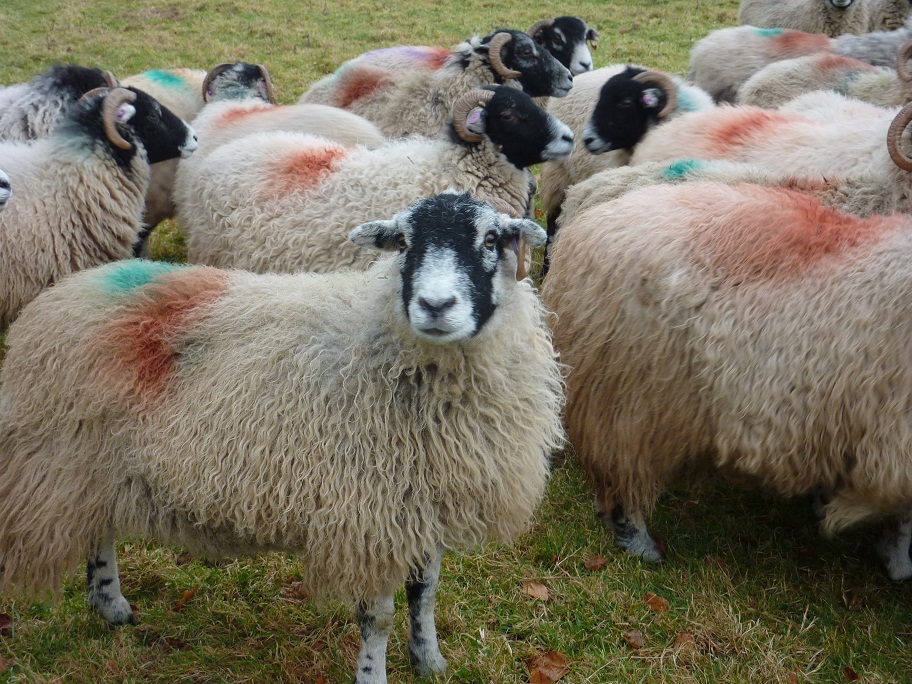
- This one is called Simone
-
- Here Tia explains that the quarry diggers will soon be moving in
-
- Below Venn Ottery Common, this Spruce must have some sort of an ear infection

A winter moth and tractors
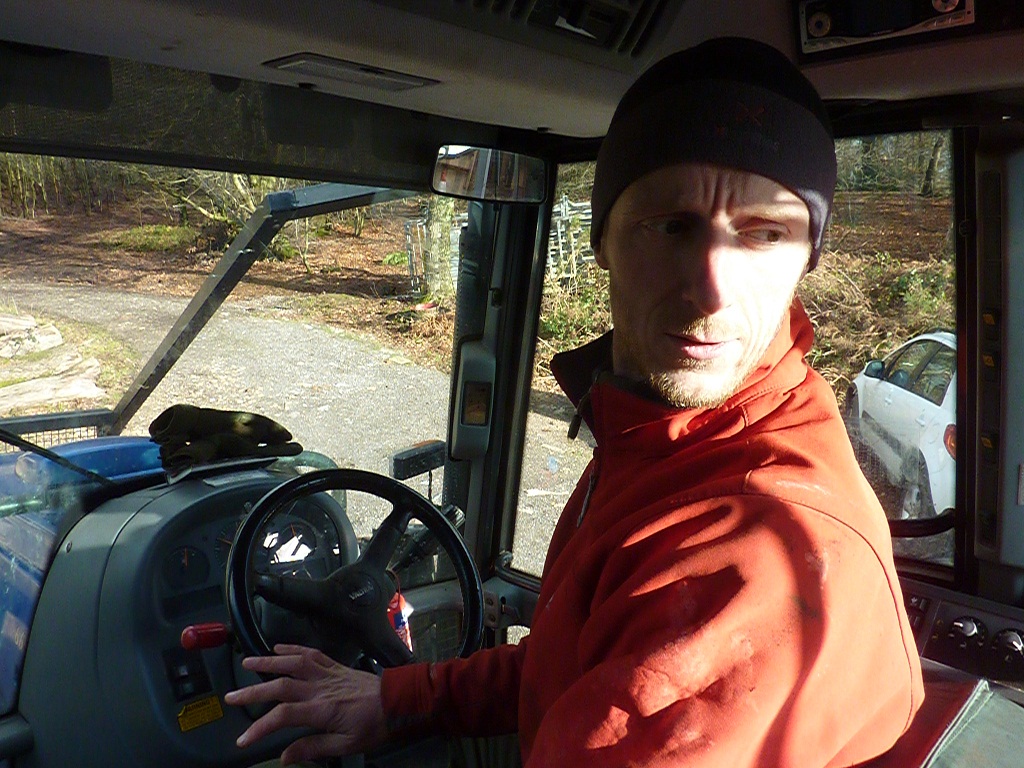
As an extra special birthday present the RSPB have put my through some tractor training. Thanks to the marvellous, patient Ray Piper for teaching us the ways of the PTO and 3 point linkage. On day three (today) we were assessed by Ray, and I’ve now been given the go ahead to get tractoring. It’s all a bit mad really. At least one of the tractors that we drive is the size of a small house. It has power steering, no, power everything, and feels as easy, if not easier, than driving a car. And yet, if the driver was to take their eye off the ball for a couple of seconds he/she could find that they had just driven over a car. Apparently 13 year olds are allowed to drive tractors, and 16 year olds can take them on roads.
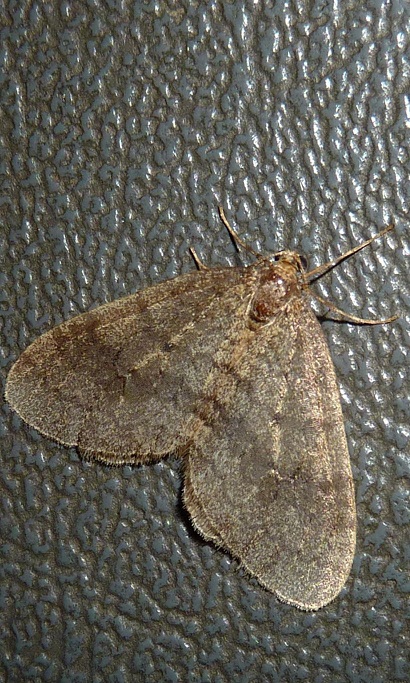
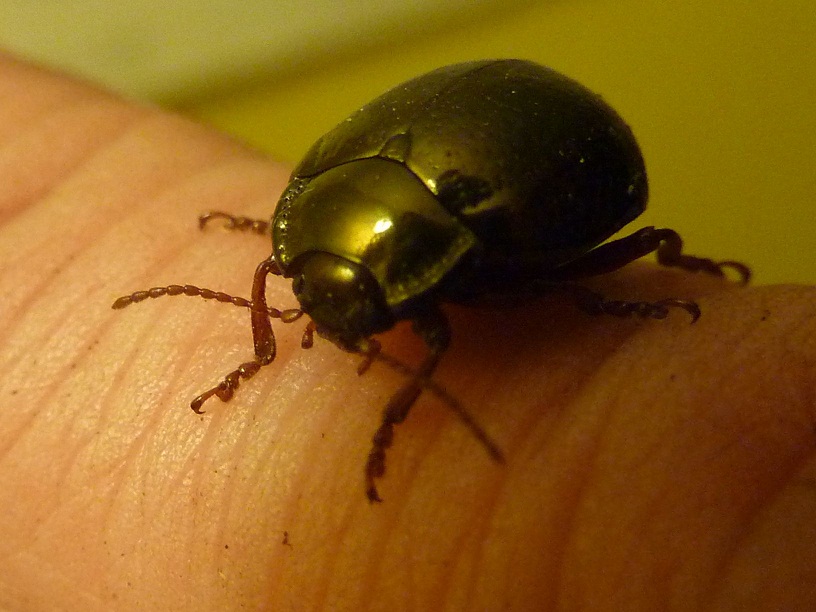
Here are some wildlife photos taken in the Land Rover and cottage. The moth (in the LR) is a winter moth (Operophtera brumata). Apparently it has an internal anti-freeze that prevents it allows it to fly through the winter. Top stuff. The beetle was found wandering the cottage looking for st john’s wort.
-
- Winter moth
-
- Chrysolina hyperici – the st john’s wort eating beetle. Sadly, this one had become lost.
-
- Here I can be seen nonchalantly reversing over a barn
-
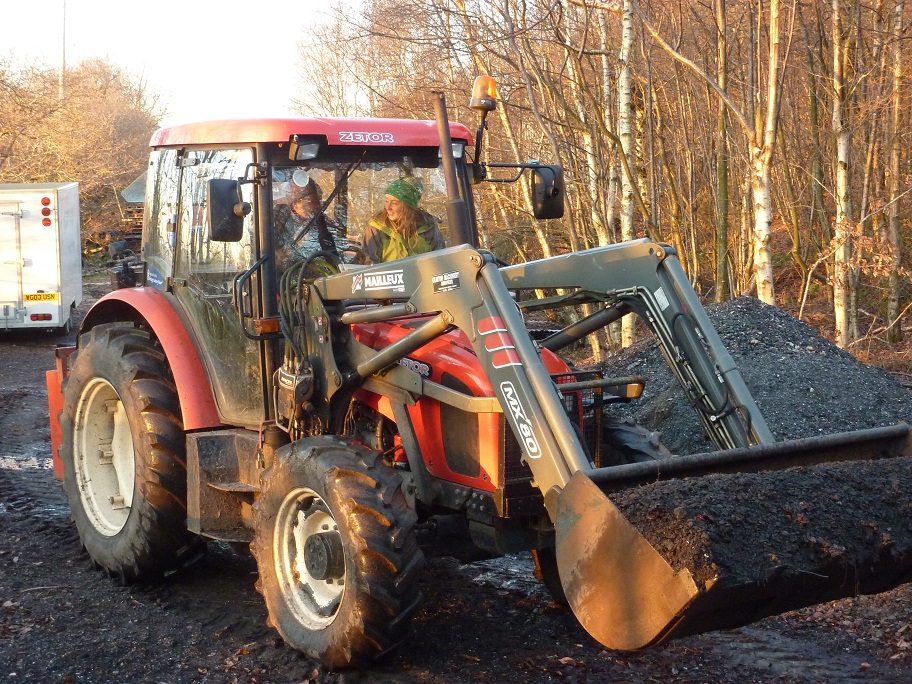
- Here Tia and Yasmin head for the M5 with a loader full of grit

 Life since the office
Major endorsements