
Garden and allotment shots
Some things I found in the family garden and allotment.
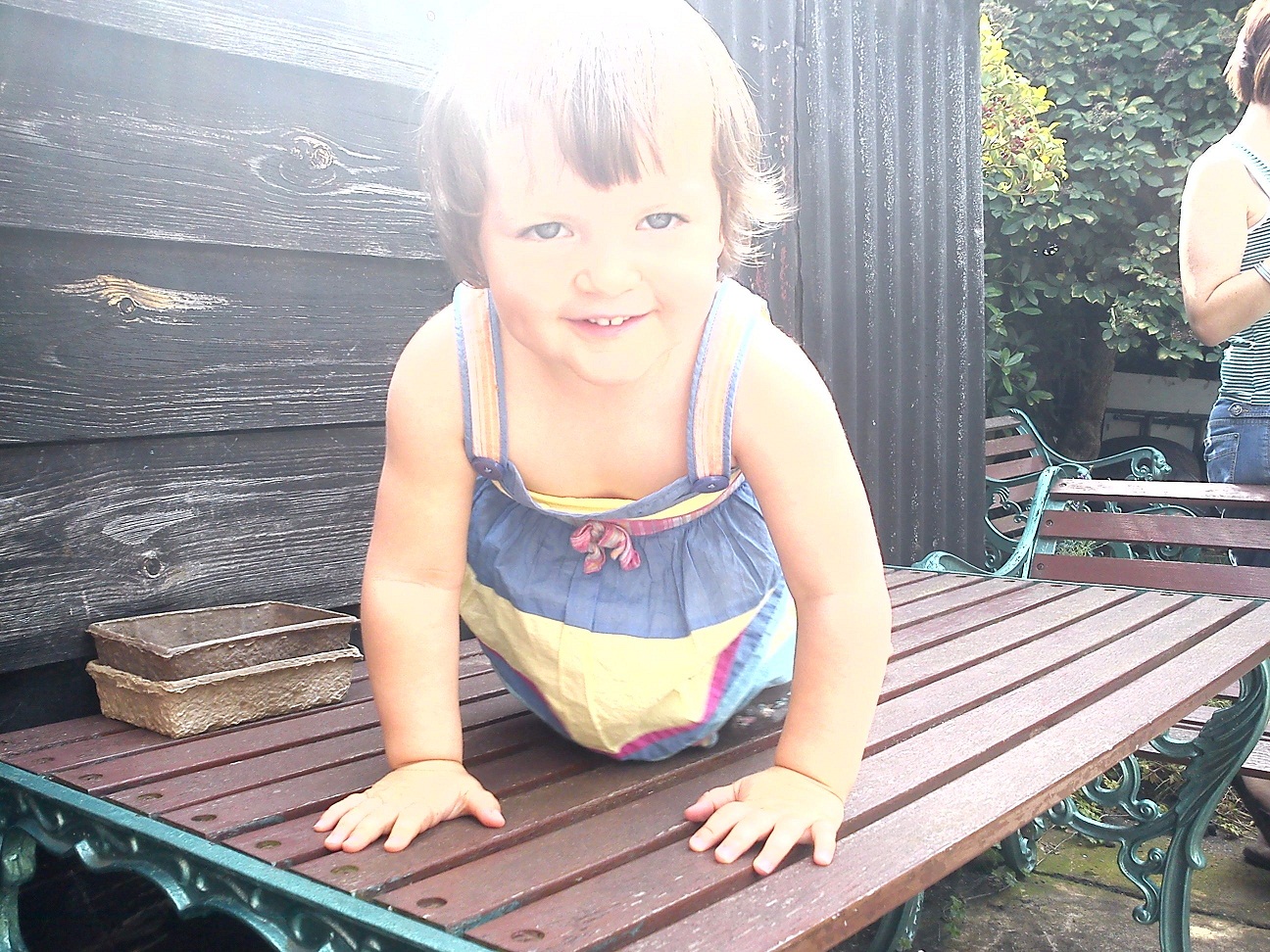
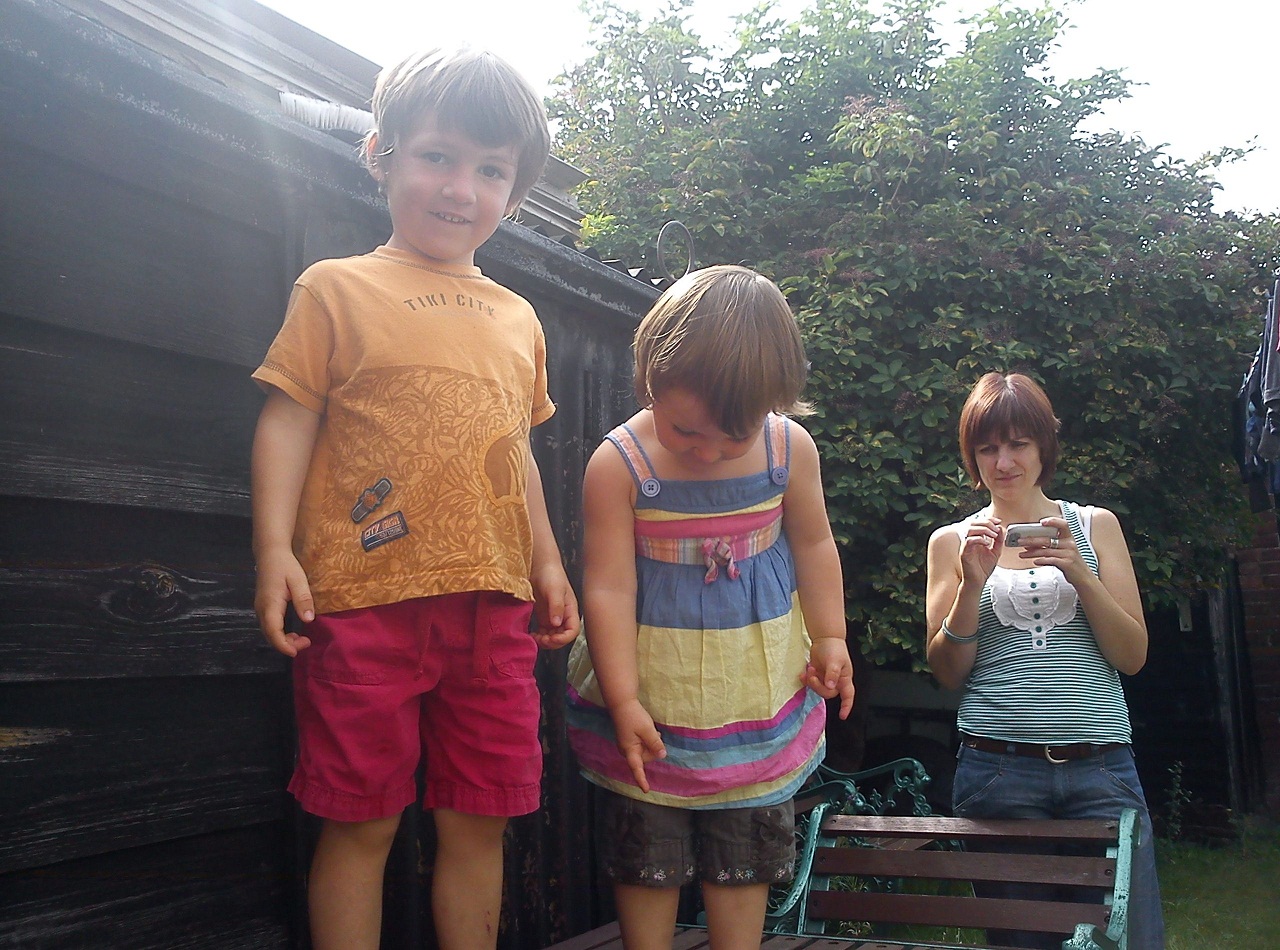
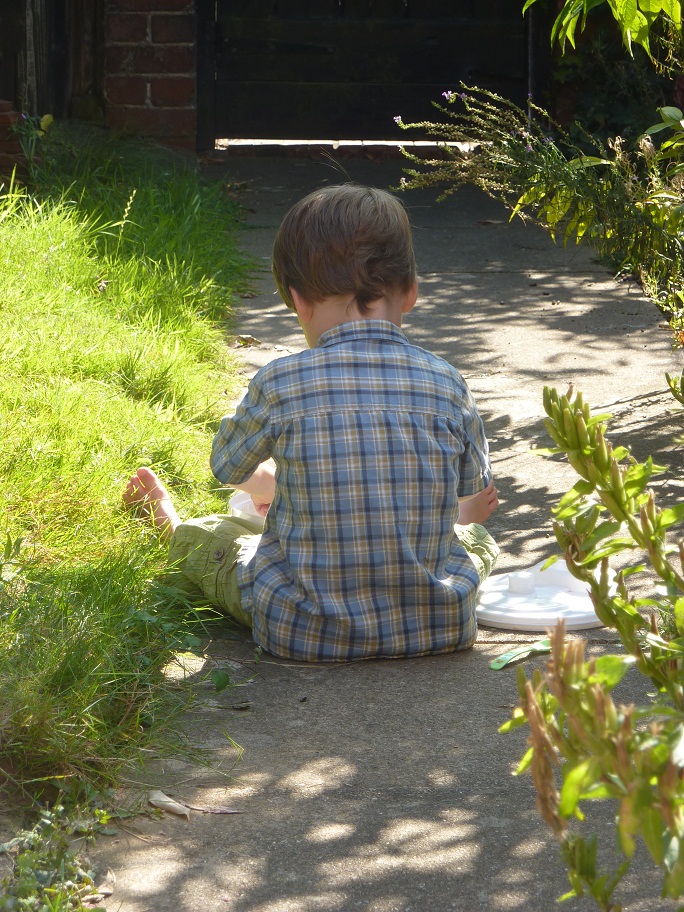
-
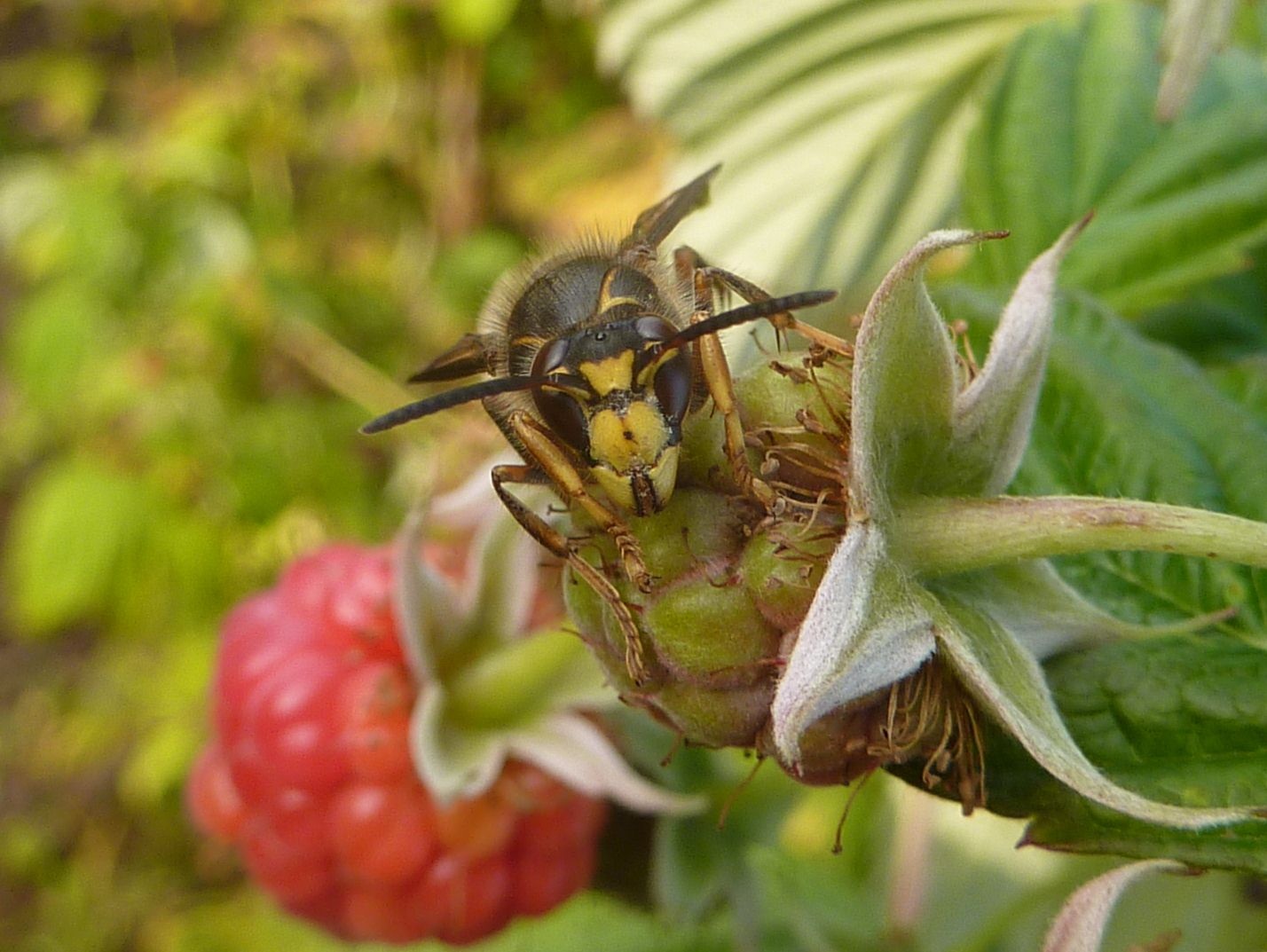
- Wasps (and hornets, Vespidae) are great for the garden as they eat garden ‘pests’. The male doesn’t sting, so find out it’s sex before upsetting it.
-
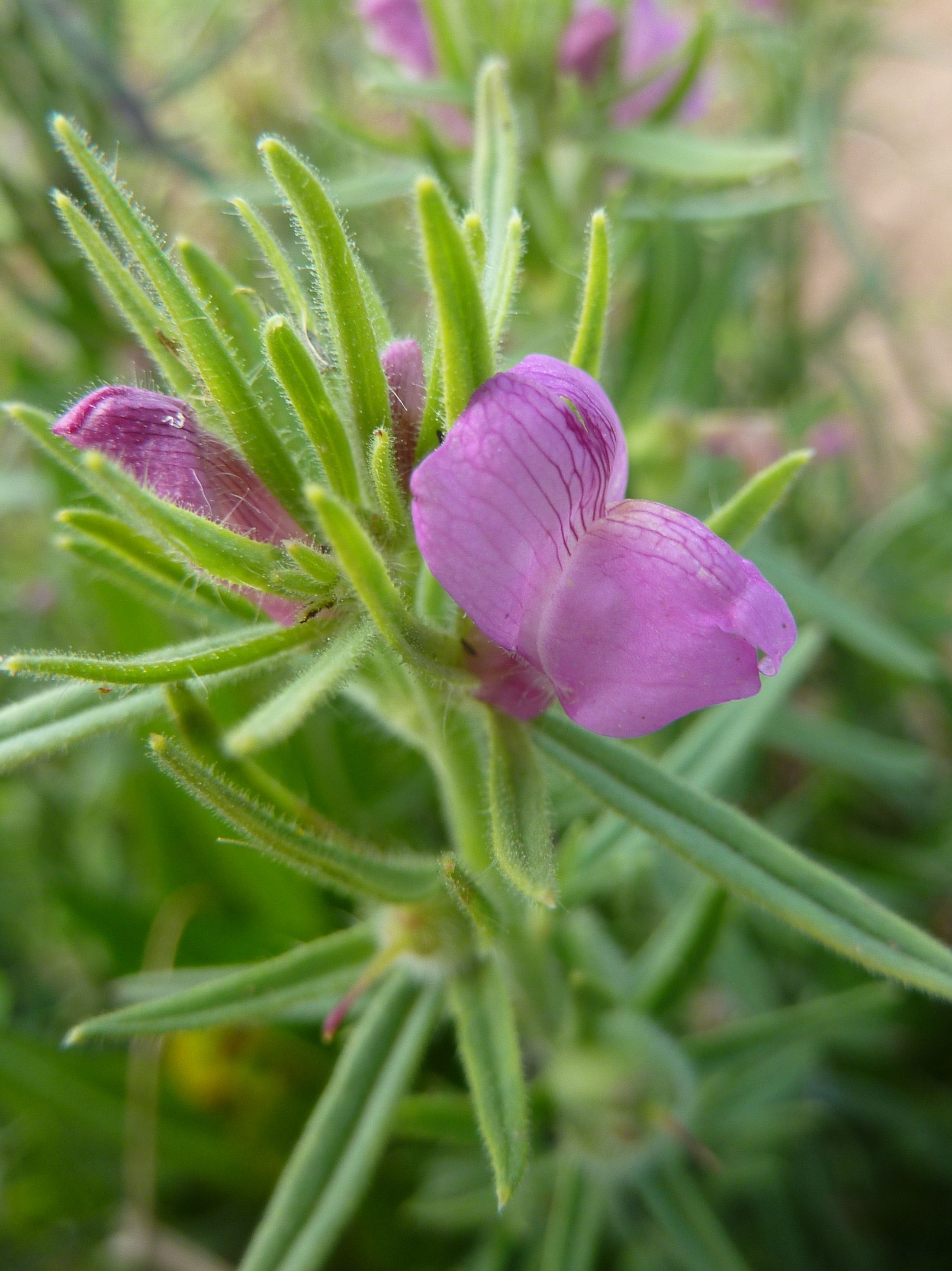
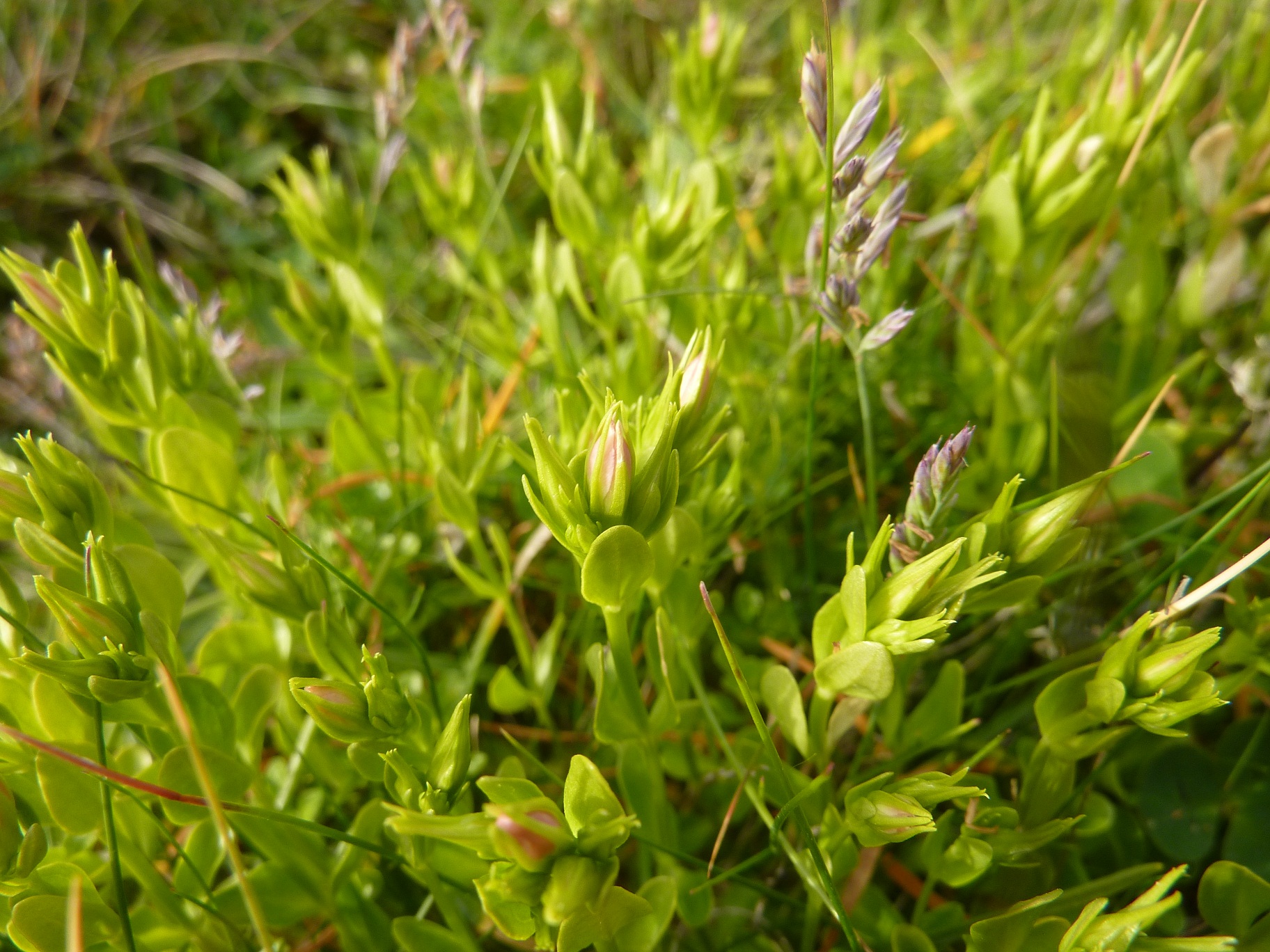
- One of the more attractive plants in the allotment, Weasel’s snout, or wild snap dragon (thanks Helene for the id)
-
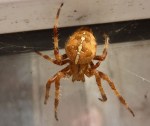
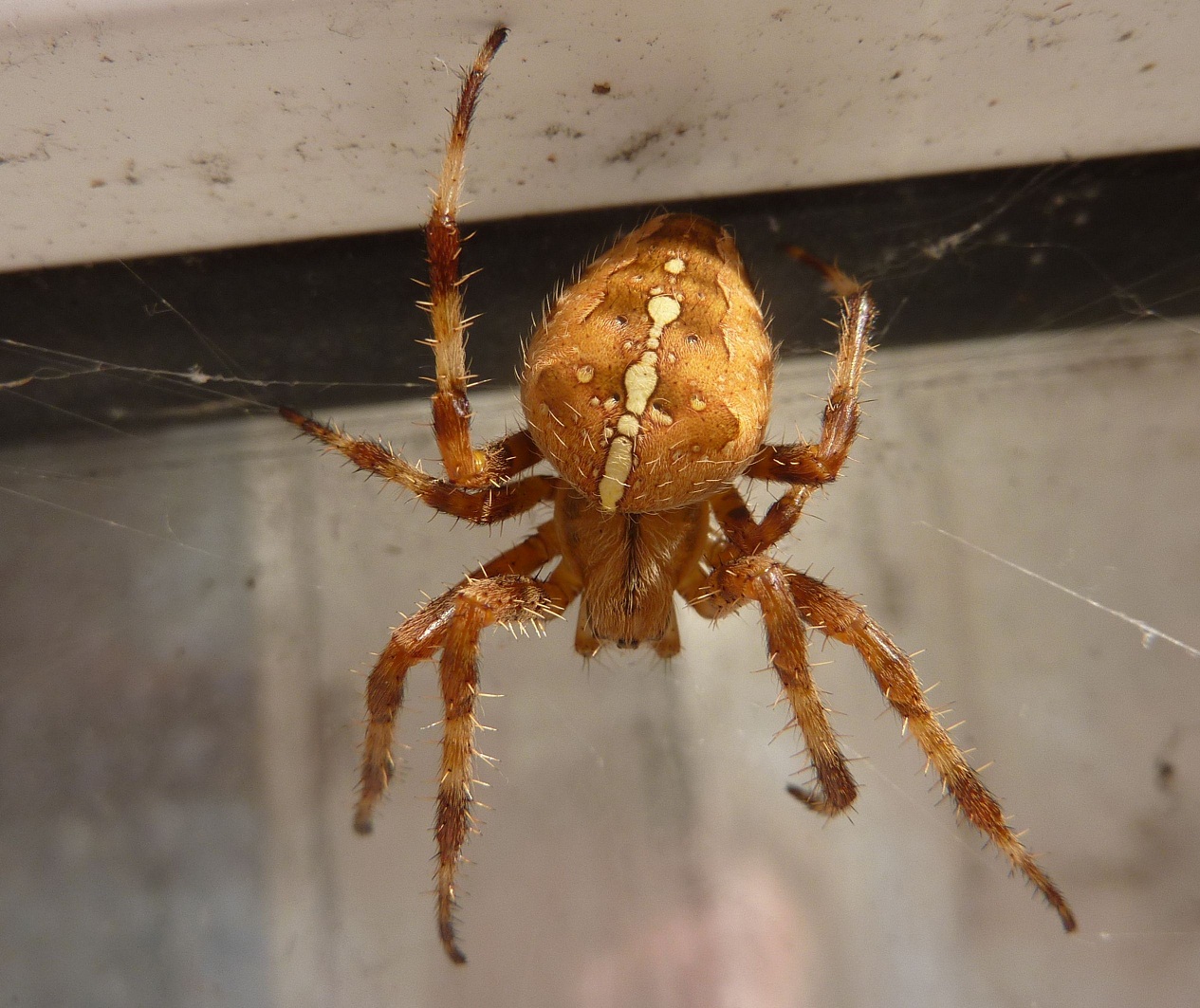
- The absolutely amazing looking Araneus diadematus
-
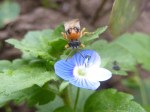
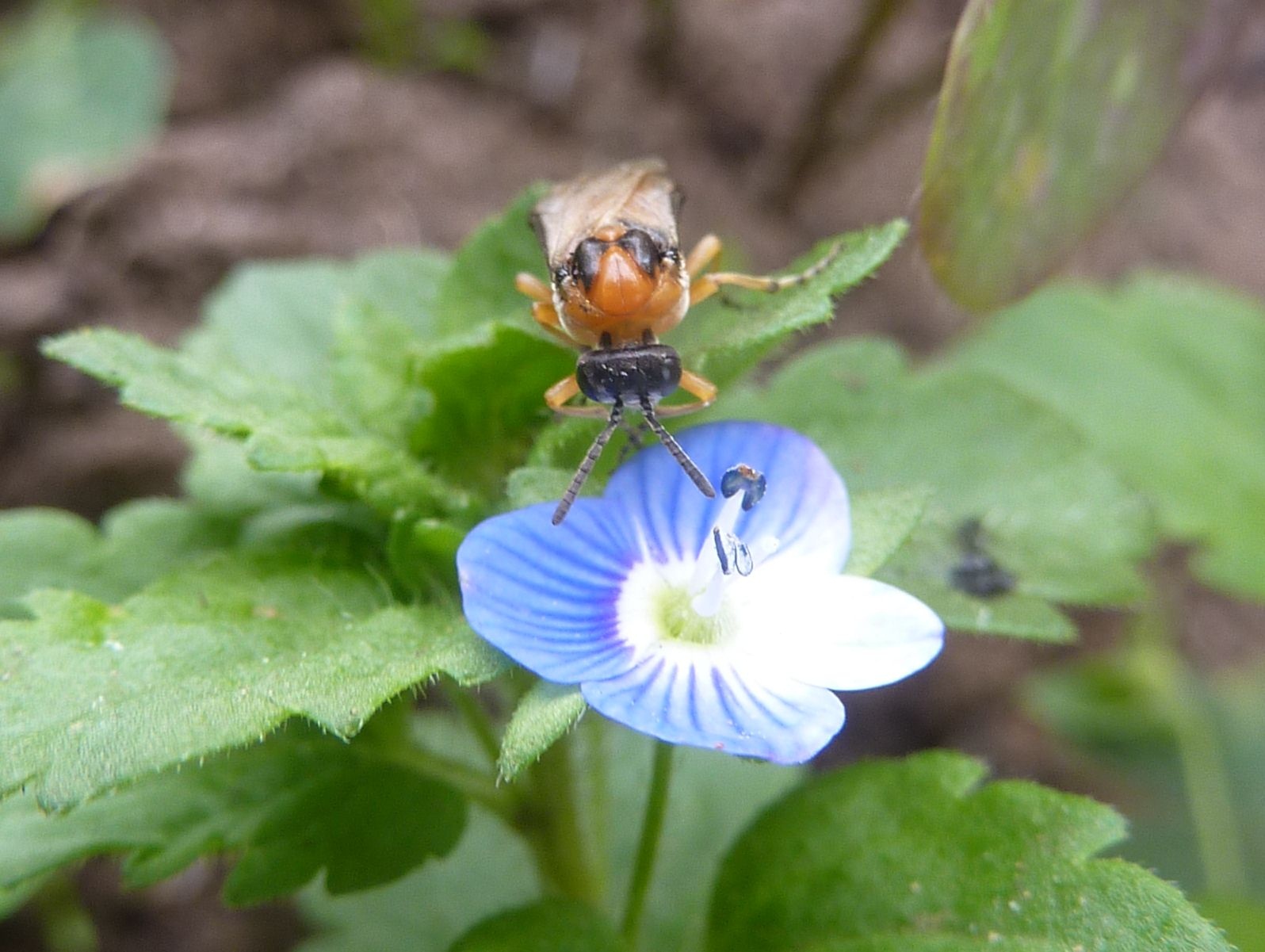
- Turnip sawfly (Athalia rosae)
Dartmouth and canoeing the Dart
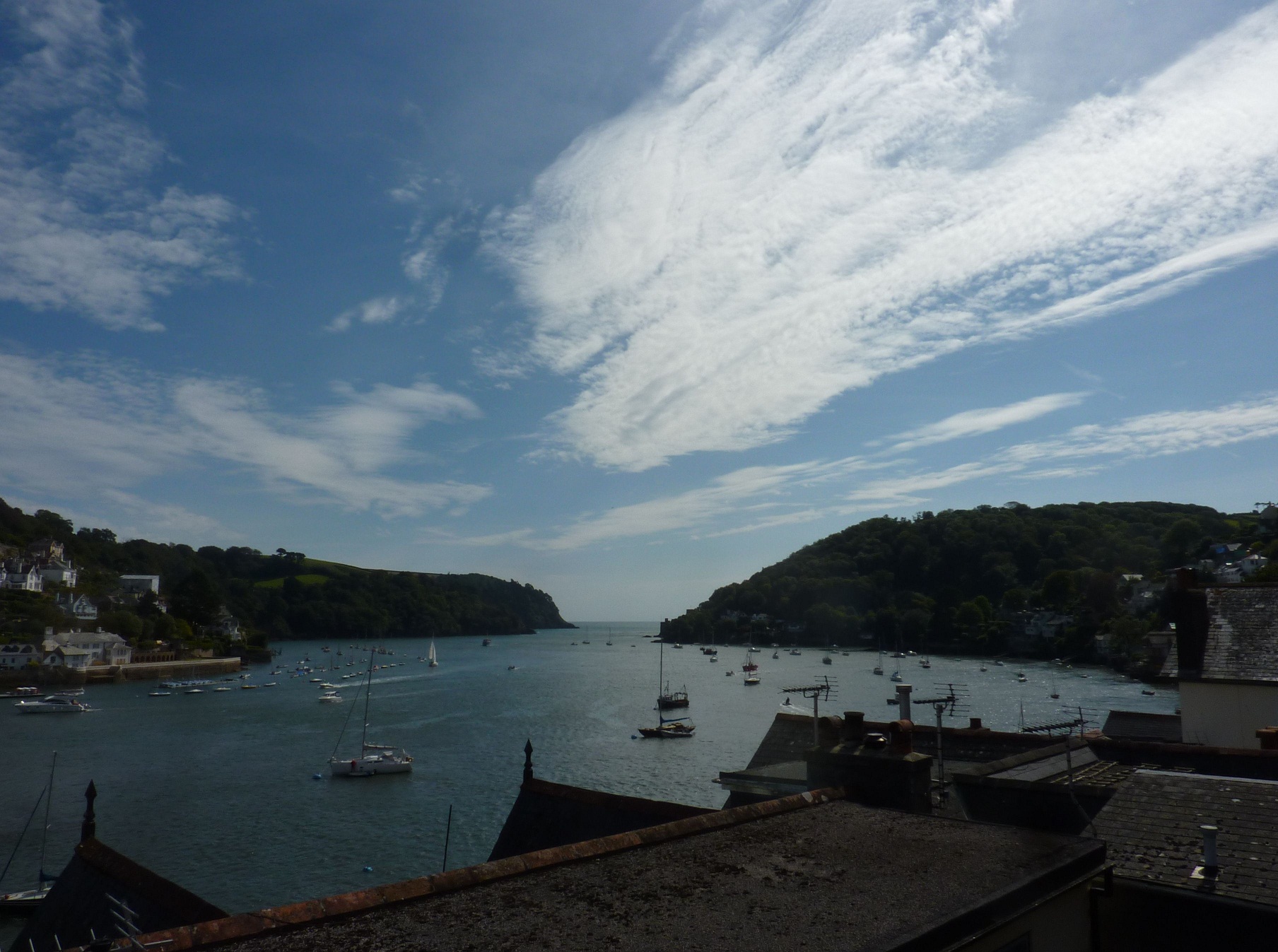
I met up with Dave and JD yesterday and myself and John canoed down the Dart from Stoke Gabriel to Dartmouth, while Dave made the trip along side us on his (stand up) paddle board. Today myself and John hung about Dartmouth with Victoria and Pearl, and Dave joined us later for a swim and some food.
-

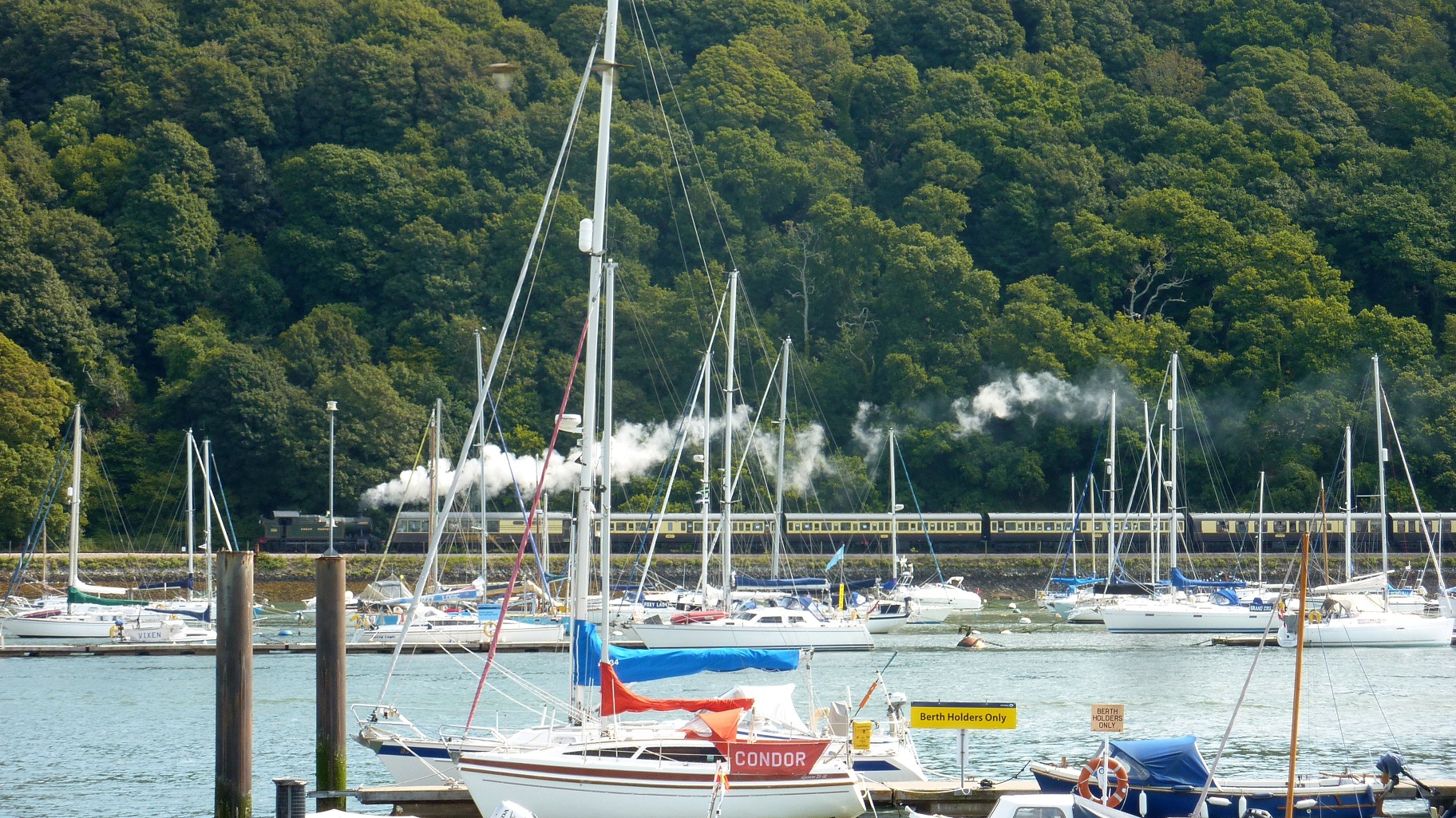
- The Kingswear Express
-
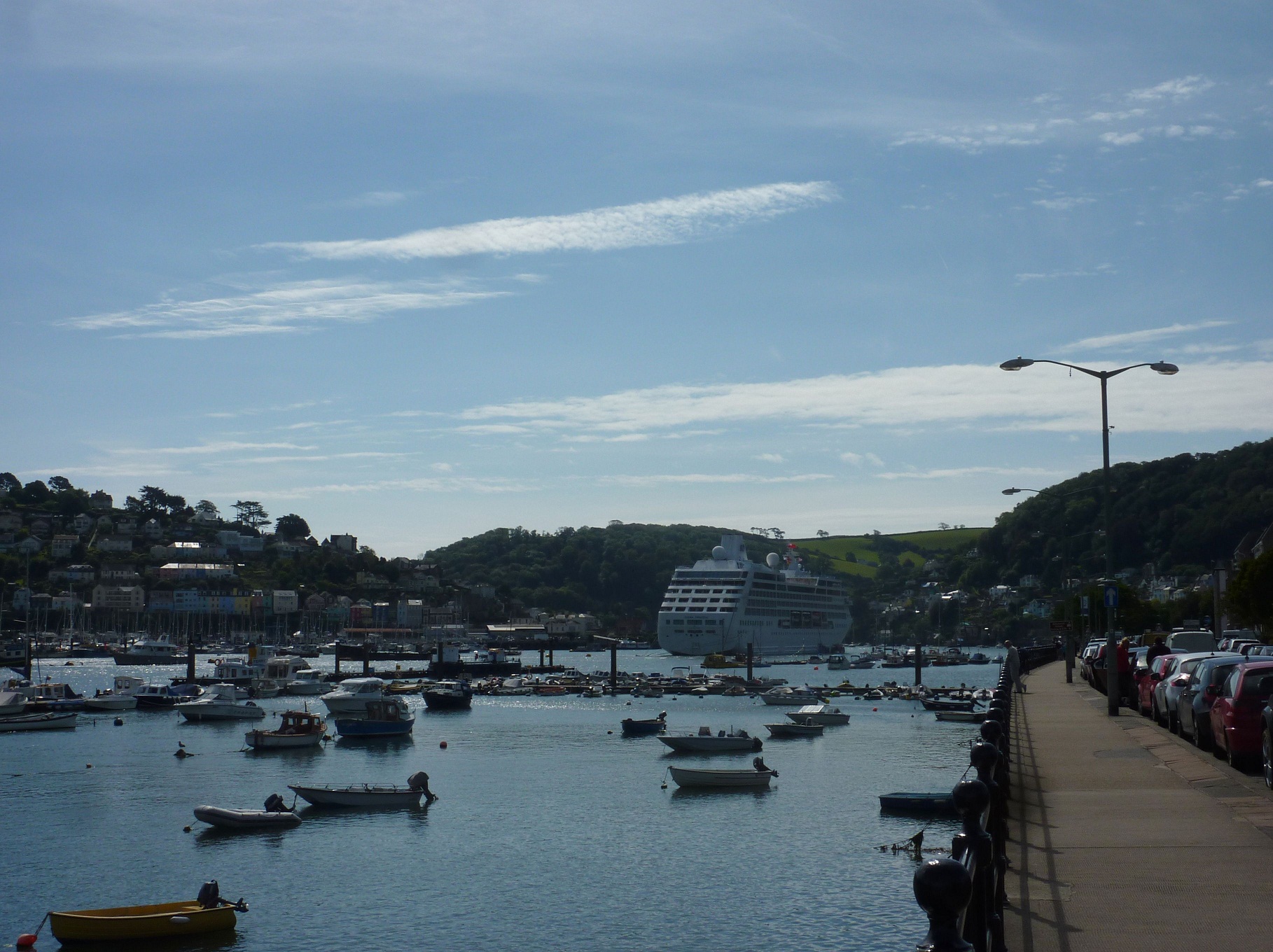
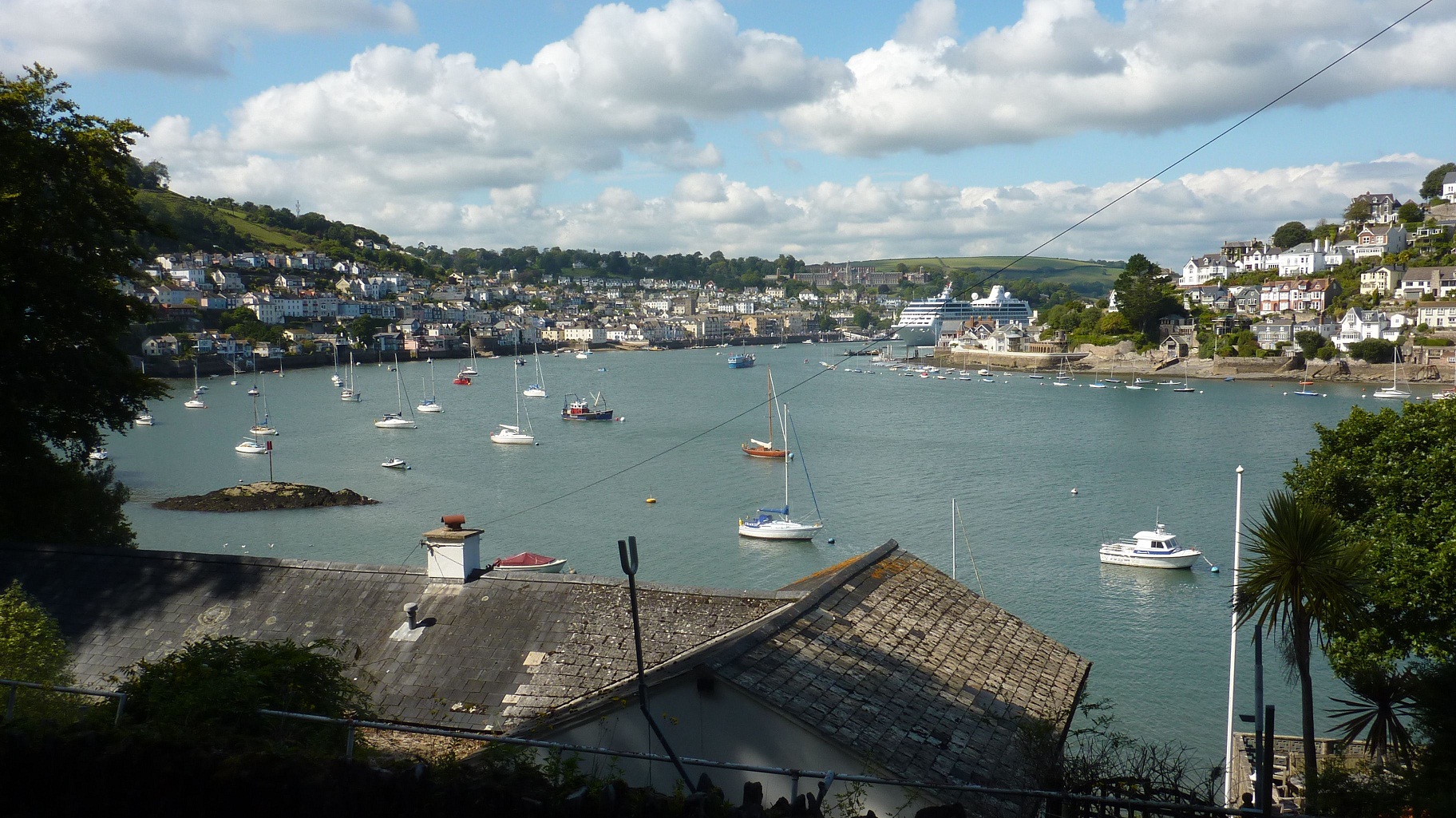
- Small harbour, big boat. The Ocean Princess can only turn around at high tide
-

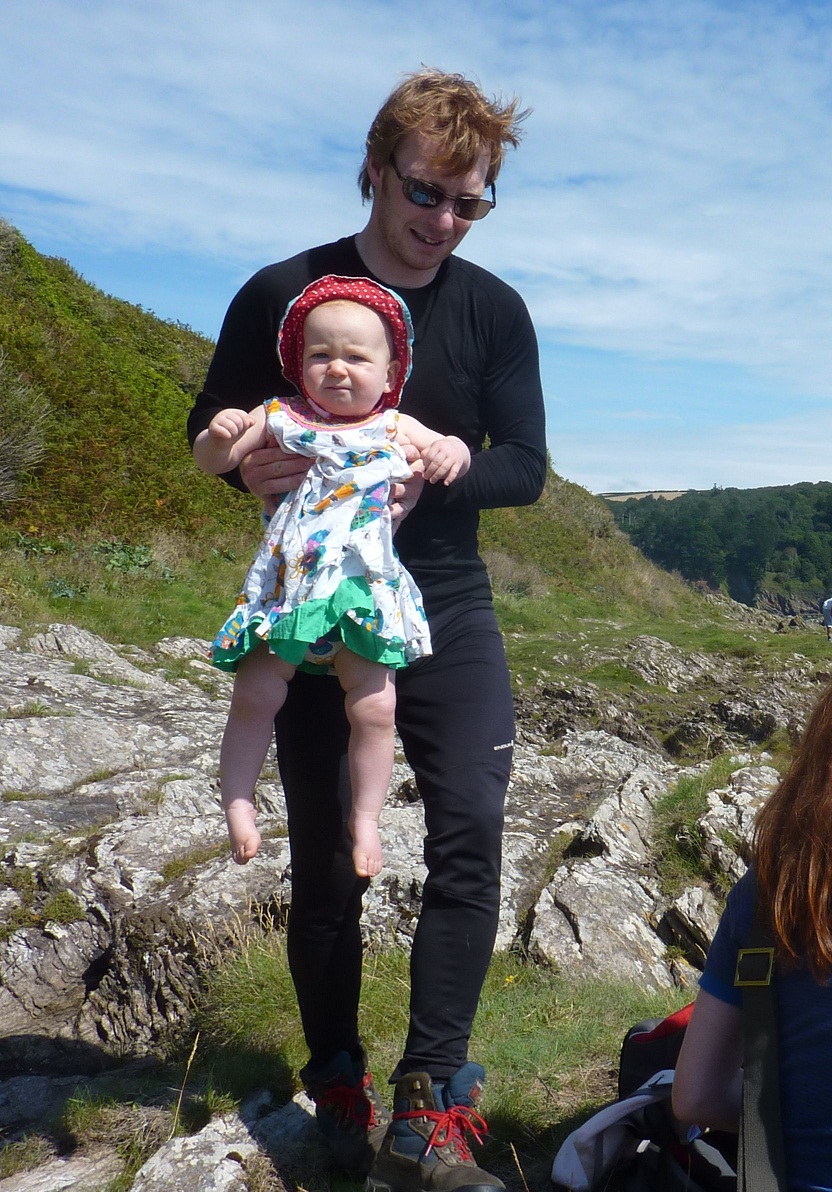
- JD and latest activity weekend member, Pearl
August on Dartmoor
So, it’s now August on Dartmoor. It’s interesting to see how the landscape has changed as the bracken has grown, and a different set of flora is in bloom. The bird life has also changed a little since starting here in June. The dawn chorus is now being sung by willow warblers and chiff chaffs that are probably passing through (the locals stopped singing in late June), as well as whitethroats and the ubiquitous wrens. The blackcaps now spend their days chipping out their contacts calls, rather than singing, and we no longer hear cuckoos, garden warblers, song thrushes or even that many blackbirds, although there are still young thrushes (including mistle) about.
I am lucky enough to see numerous young and adult raptors regularly, having worked out where I can see families of sparrow hawks, kestrels, hobbys and buzzards, including a near white fronted, palest young buzzard that I’ve ever seen. We also see a (young?) peregrine fly near the watch site a few times during the month, and on one fantastic occasion we saw this bird spend considerable time testing its moves on a buzzard and then some pidgeons. In fact the only raptor that didn’t seem to get involved in aerial duals with the buzzards were the sparrow hawks, which were content to scythe through the scrub/trees, at high speed. On my final watch myself and Helene were witness to one chasing a very panicked green woodpecker into some trees. Greeny avoided capture by inches with a couple of incredible last minute changes in direction.
Massive thanks goes to Nigel, Mary and Colin for bringing along cakes & crisps for myself and Damian (my co-worker for the last month or so) and to all the day volunteers/birders for spending time watching out for the birds and keeping us from turning into some kind of eccentric recluses during the course of the project. Or at least tolerating us after we had. Thanks to Perry for coming back for a few days (let me know if my moth id is way off the mark), and to Helene and some of the other very nice people from the RSPB office for coming out to help and looking after us.
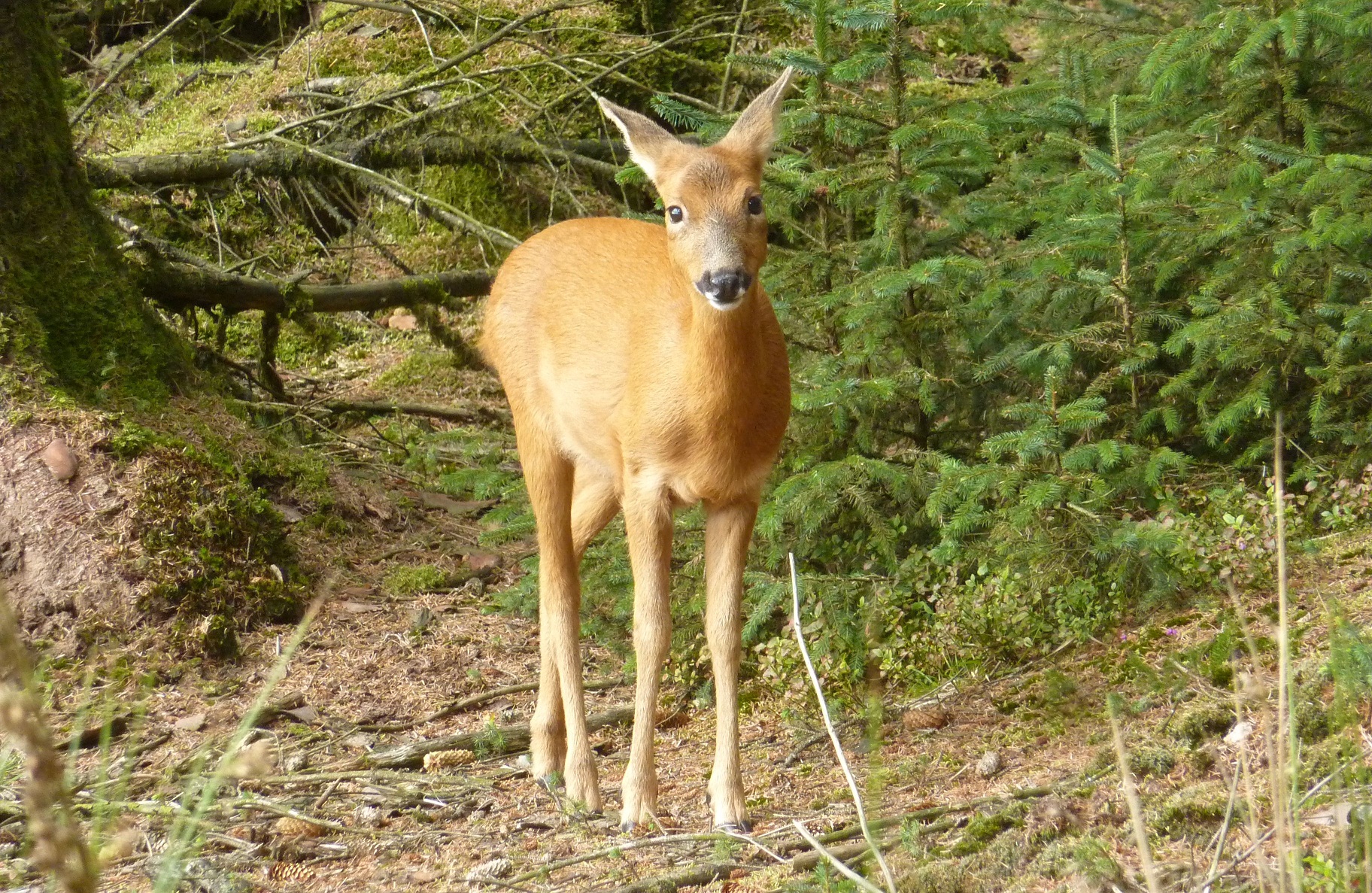
I’m lucky enough to have had some great deer encounters this month, especially with a (young?) roe deer – see photo below. There’s been lots of nightjar action, presumably because the young are now old enough to be out and about. There’s been one particular bird that flies over my van every evening, occasionally stopping to sit on the ground in front of me. It’s amazing. Nightjars really are lovely birds – I’m disappointed that I don’t have a camera able to take decent images in poor light.
I have a great respect for Satish Kumar, who has good things to say about Dartmoor. Whilst I’m sure that it might not have been some people’s cup of tea, I’ve certainly felt very content to spend an extended period of time on the moor, away from the trappings of modern life. Some areas of Dartmoor are fantastic and have a lovely feel to them, and I’ve come to really appreciate time without the communication tools that we now take granted, such as a mobile, email, internet, etc. But, like Satish, I think that trees are an extremely important part of our environment.
It is suggested that the word Dart means oak, and the majority of Dartmoor would certainly have been covered in broadleaf woodland after the ice age. For me the parts of Dartmoor that feel right are those parts that still feature native trees. Although I have no data to prove it, just a short time spent in different areas is enough for it to be obvious that there are certainly at least more wild mammal and bird species in the areas with trees (all the many nightjars on Dartmoor are nesting in the plantations – which makes a mockery of claims that extended heathland is an ideal nightjar habitat, and also shows that the forestry commission are now sympathetic towards the wildlife living in their plantations), and seemingly more flying insects, arachnids, fungi, lichen and bryophytes.
So, yes, I agree with Satish that Dartmoor is a special place, but I think we should move on from the damaging practices of inappropriate intensive grazing, burning, and growing crops of spruce. I’m particularly inspired by the work of organisations such as Moor Trees, who are helping to restore native woodland on and around the moor, and I hope that the forestry commission will consider gradually reverting their plantations back to a majority of native species coverage. Improved tree cover on the moor will lead to more areas with greater species diversity, it’ll be more aesthetically pleasing, more spiritually fulfilling and, in turn, should lead to even higher numbers of (satisfied) visitors.
-
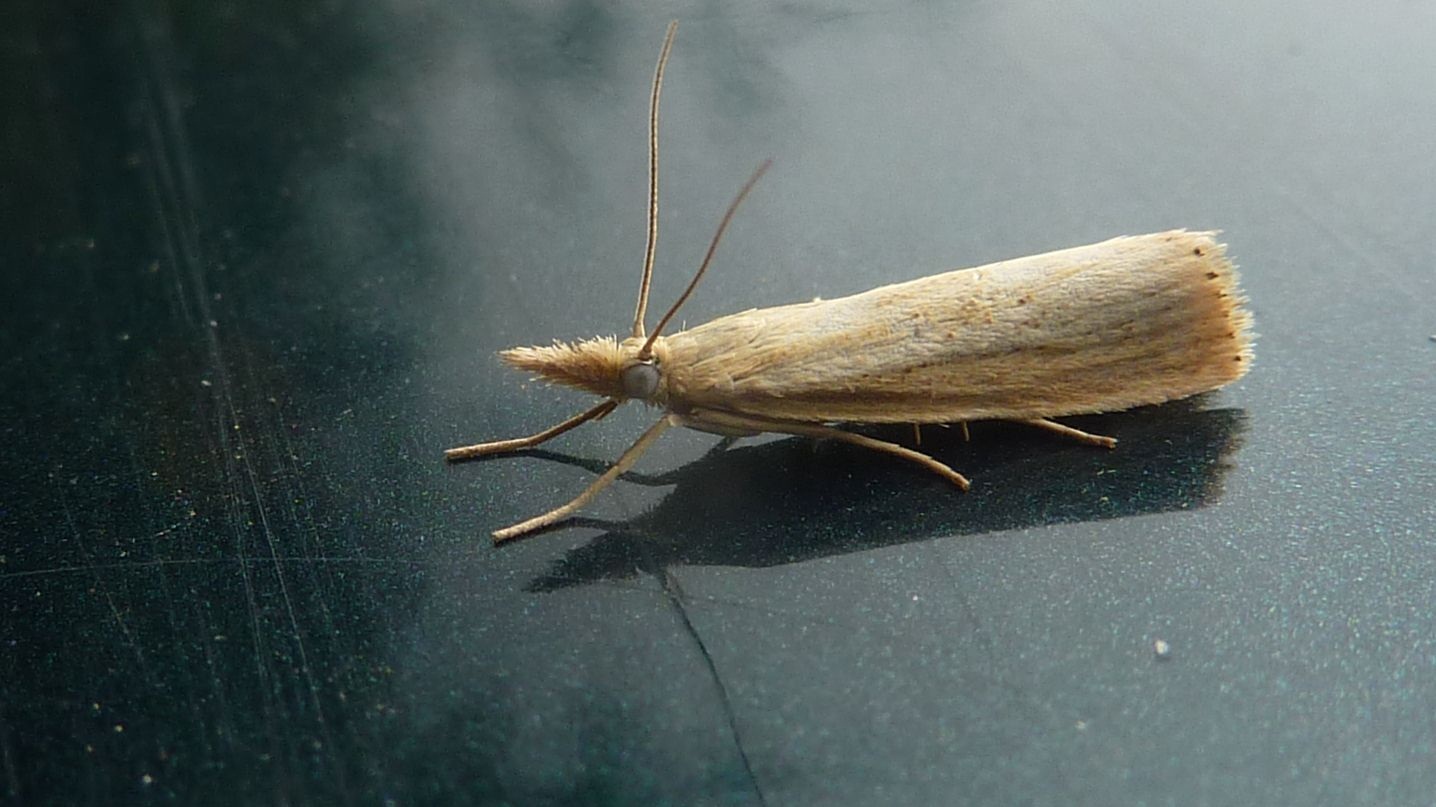
- I think this may be agriphila straminella, the common grass moth. Check out those eyes.
-
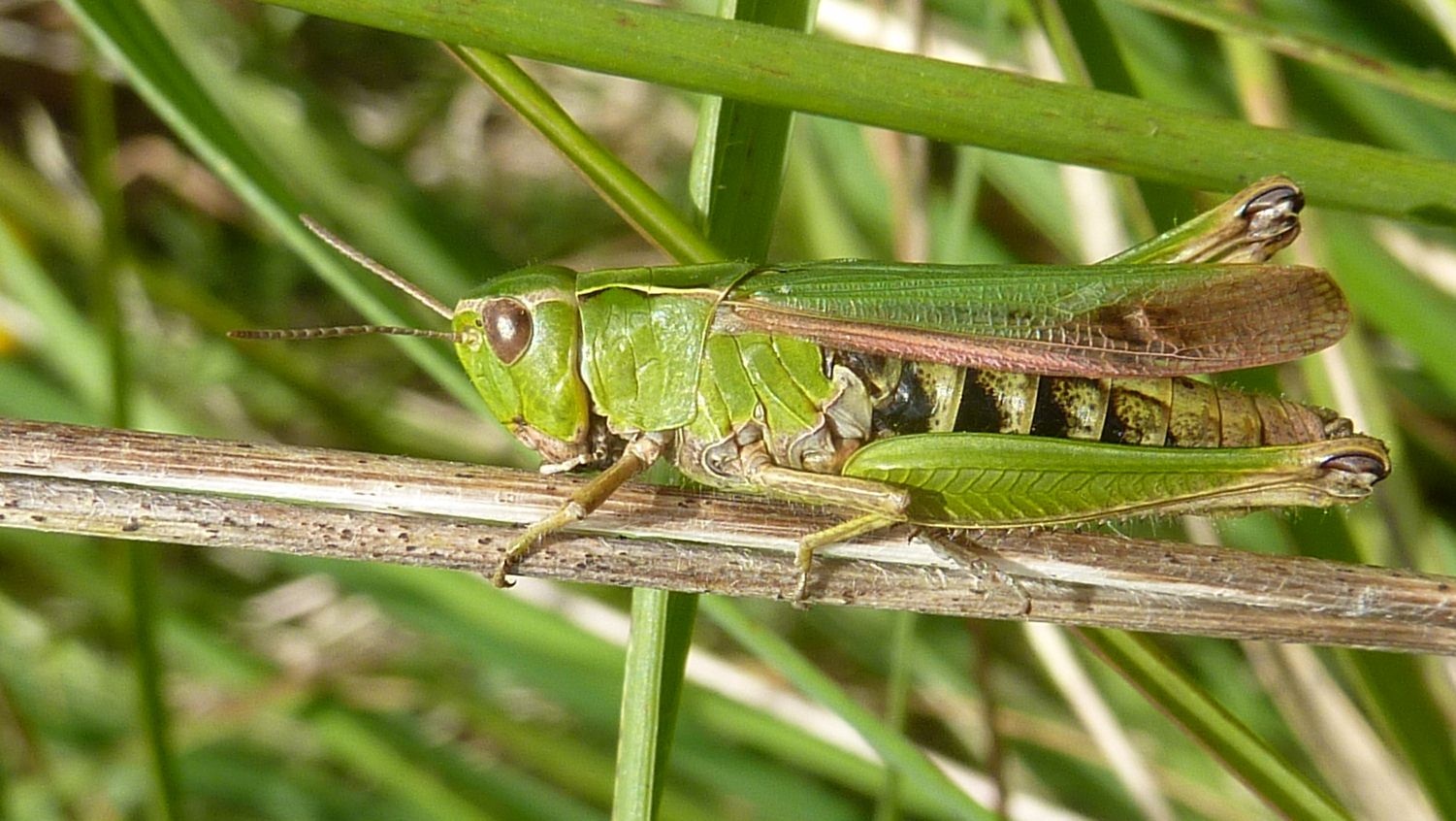
- Surely a common green grasshopper (Omocestus viridulus)
-
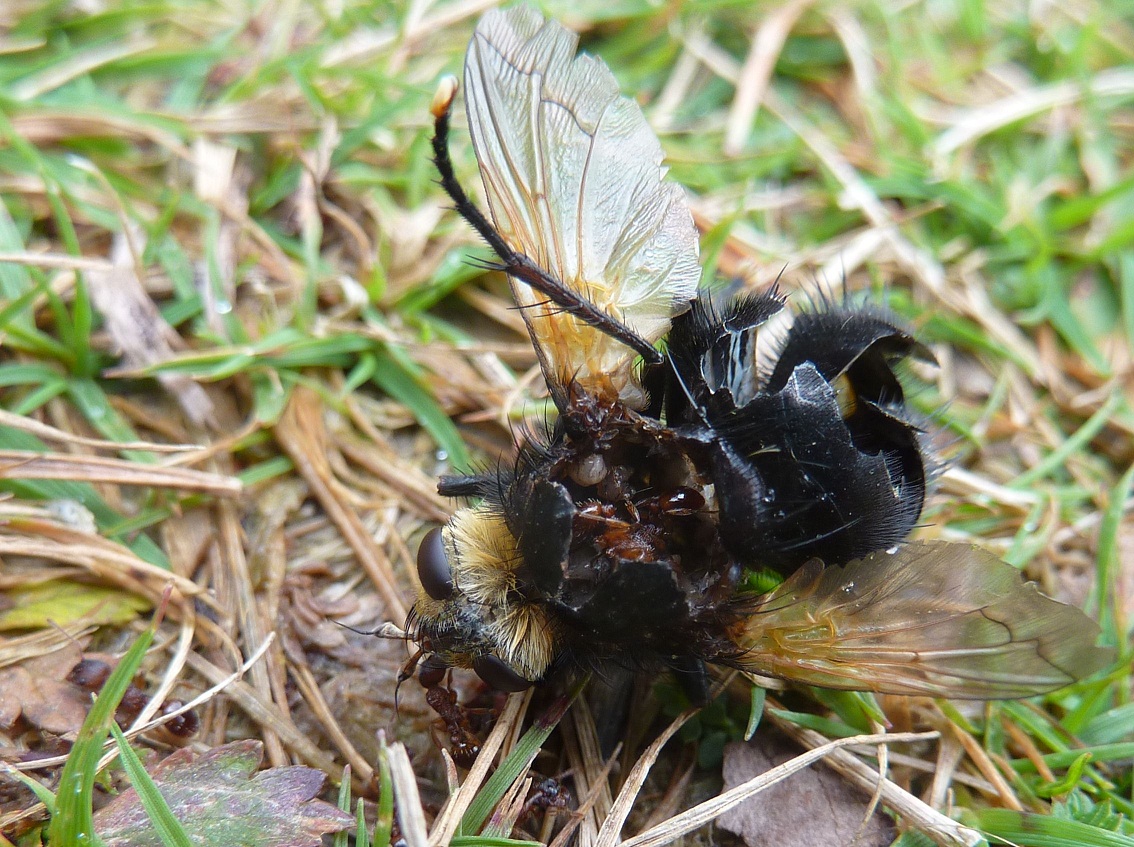
- Poor old custard feet (Tachina grossa) has been a meal for something
-
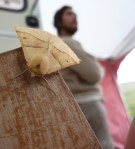
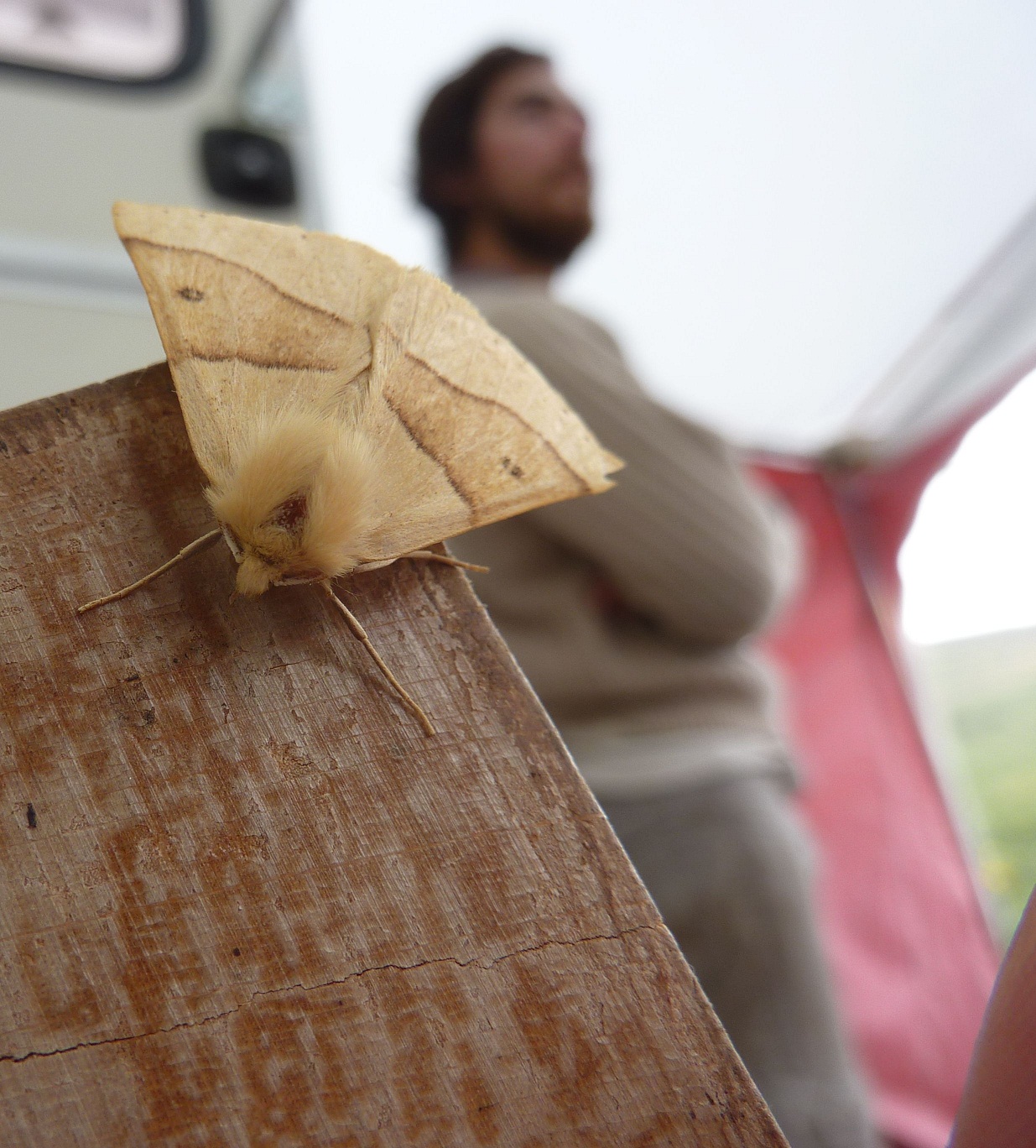
- Perry
-
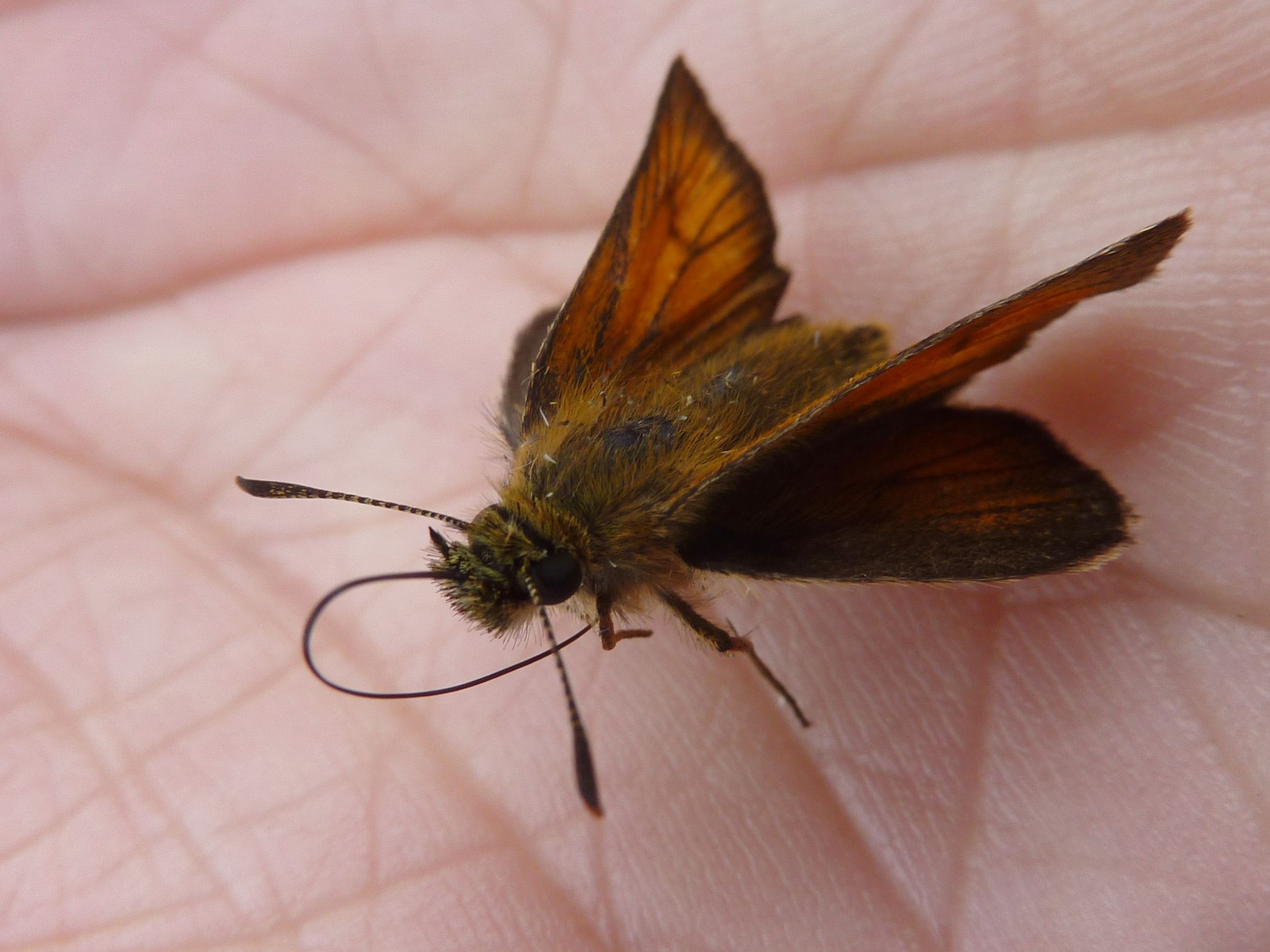
- Small skipper and an amazing tongue like a long straw, used to drink nectar – thanks to Barry Dunn for the id
-
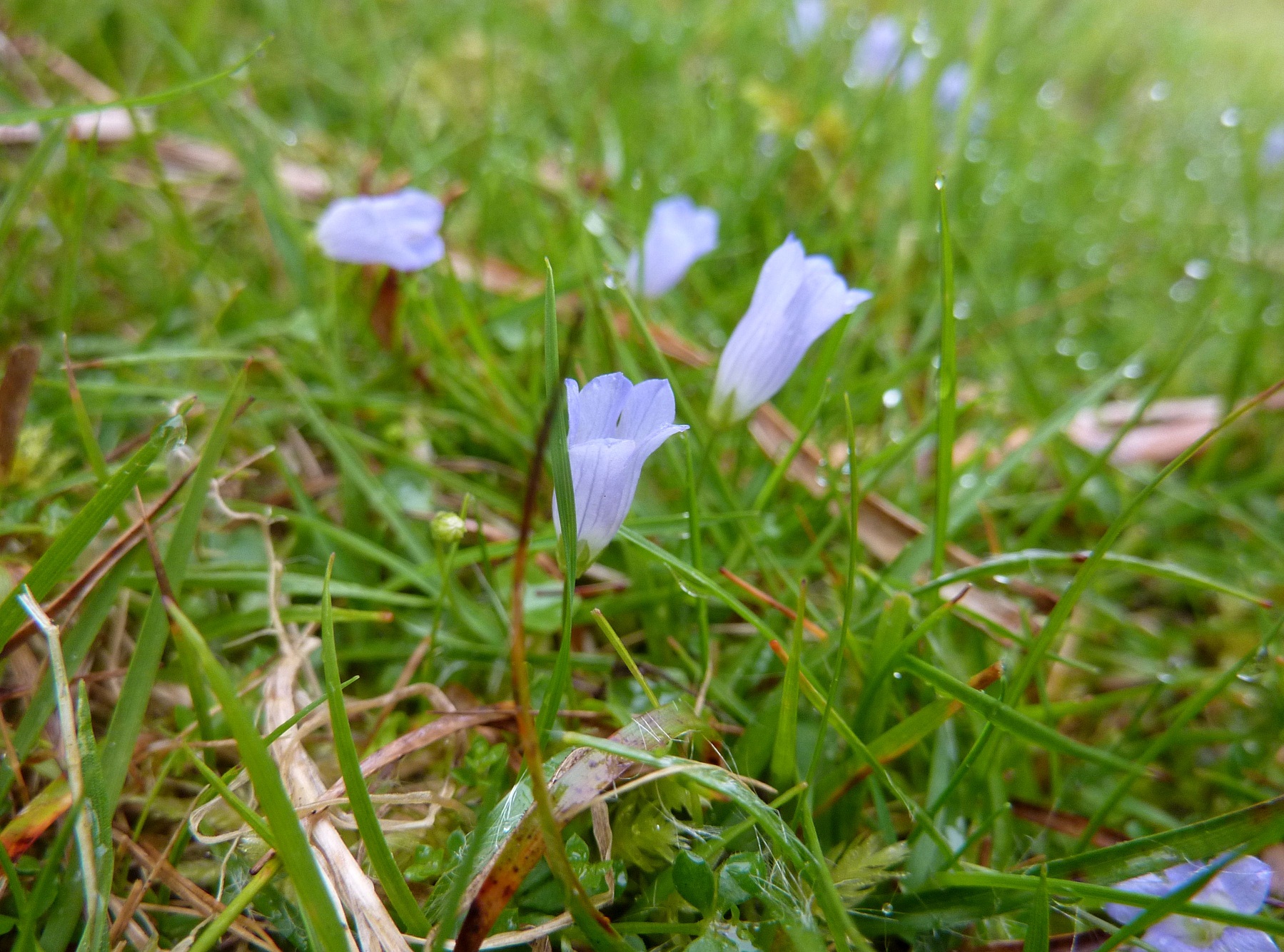
- I found these tiny flowers near a wall, but don’t know what they are – I’m going with Wahlenbergia hederacea (thanks Helene)
-
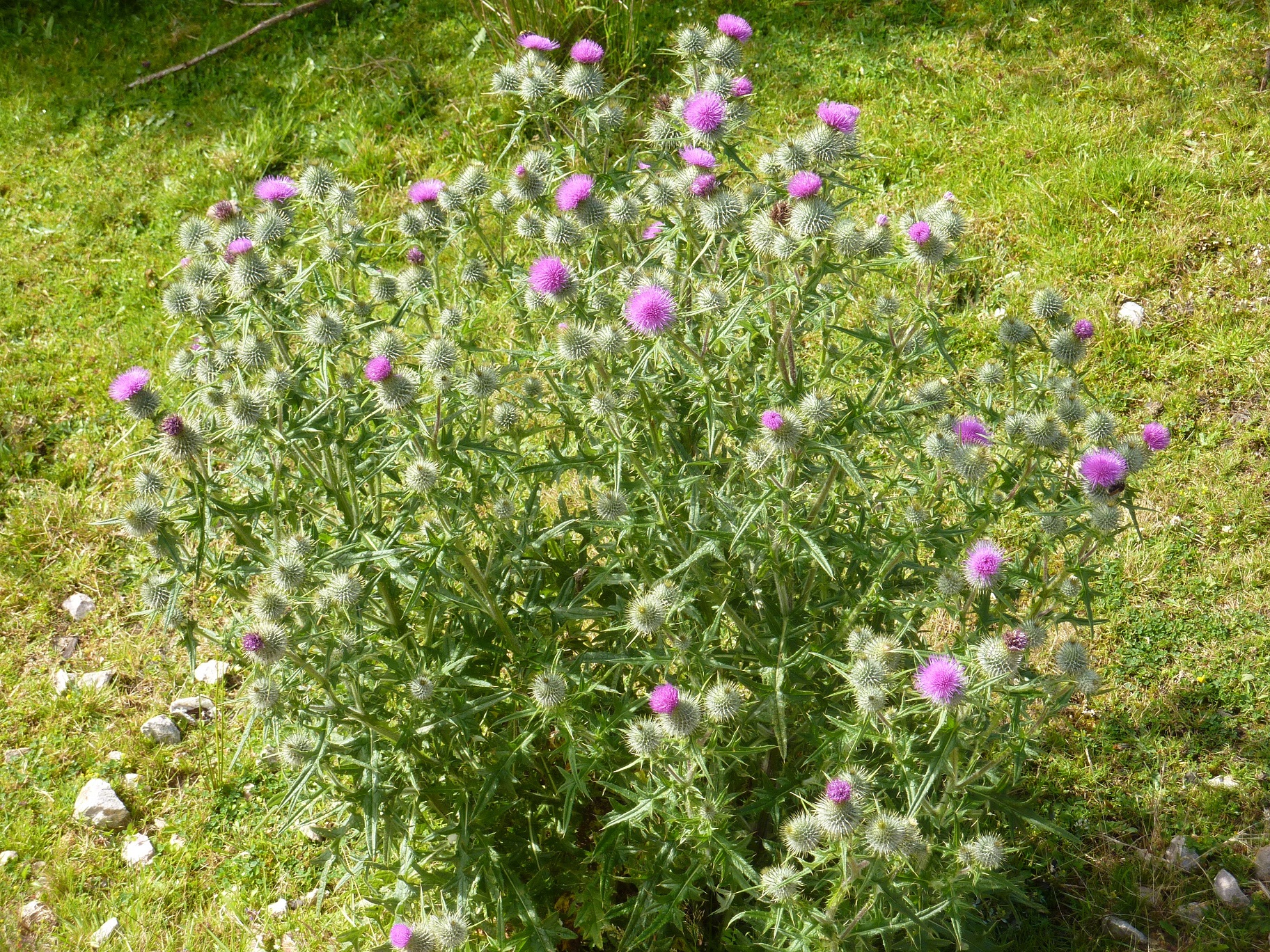
- Thistles are an important plant for bees, hoverflies and other insects.
-
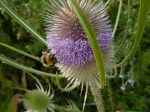
- Some bombus on teasel (Dipsacus fullonum) action.

-

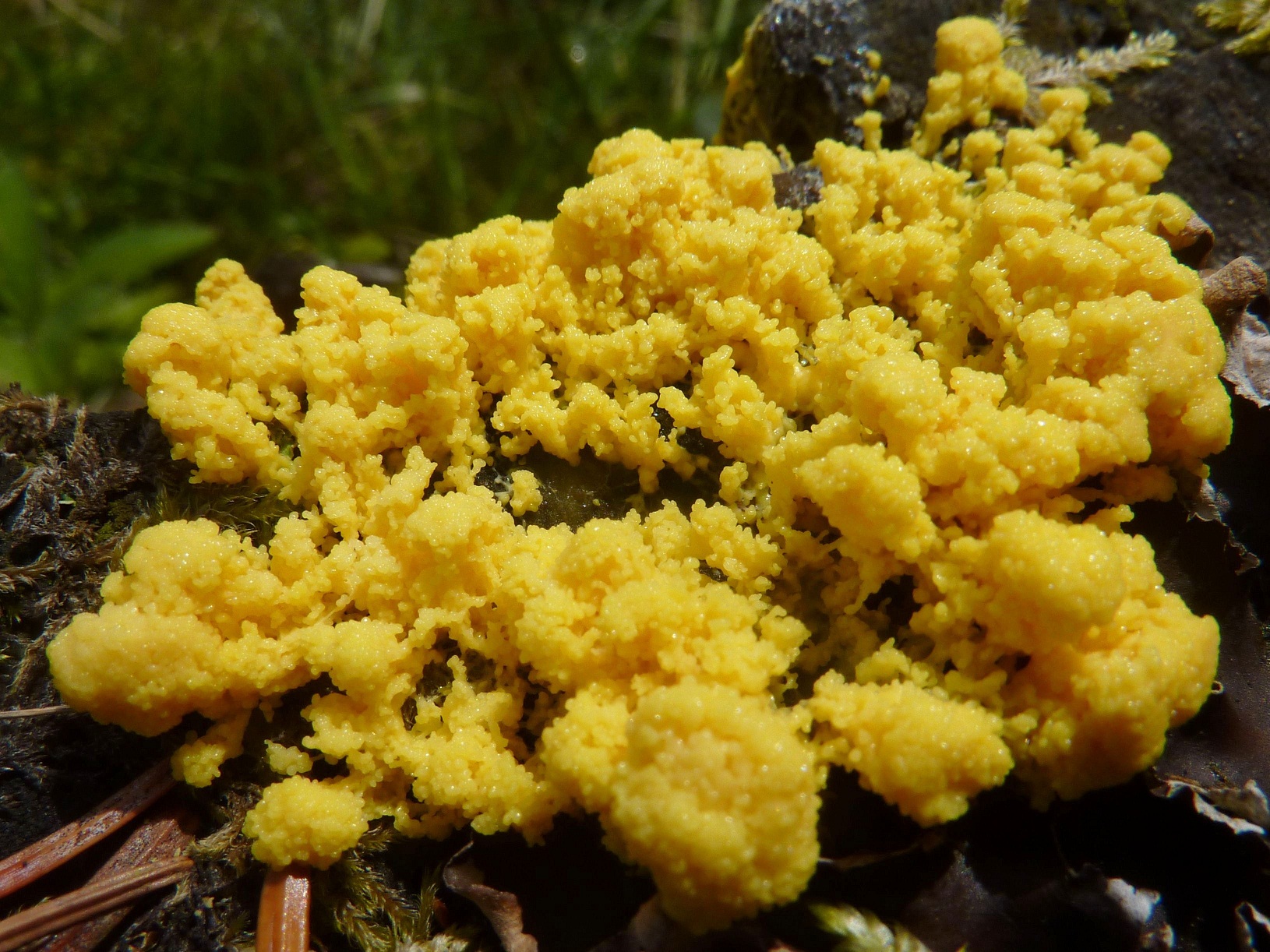
- Oh yes! Top nature geek find, dog vomit slime mold (Fuligo septica)
-

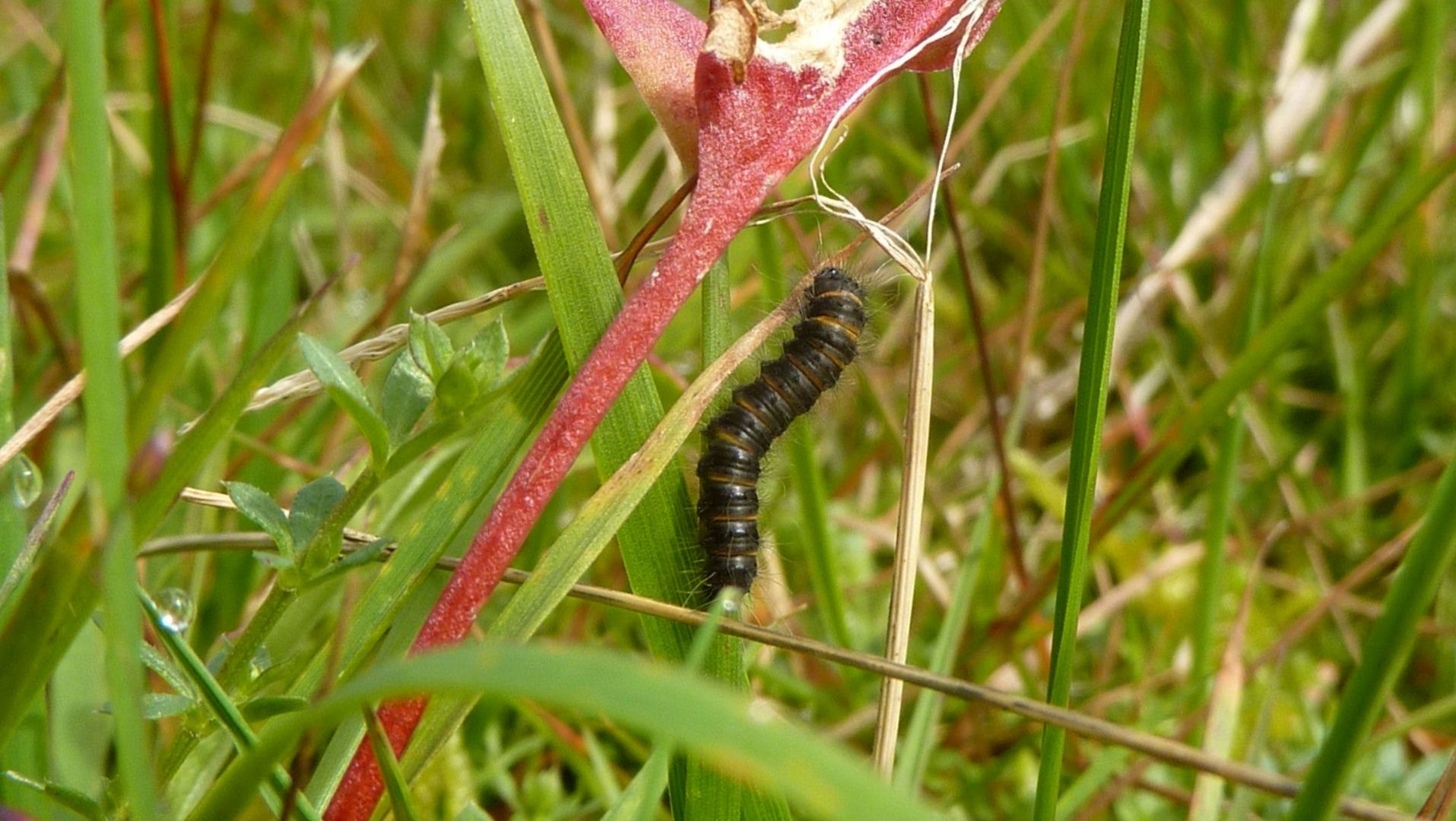
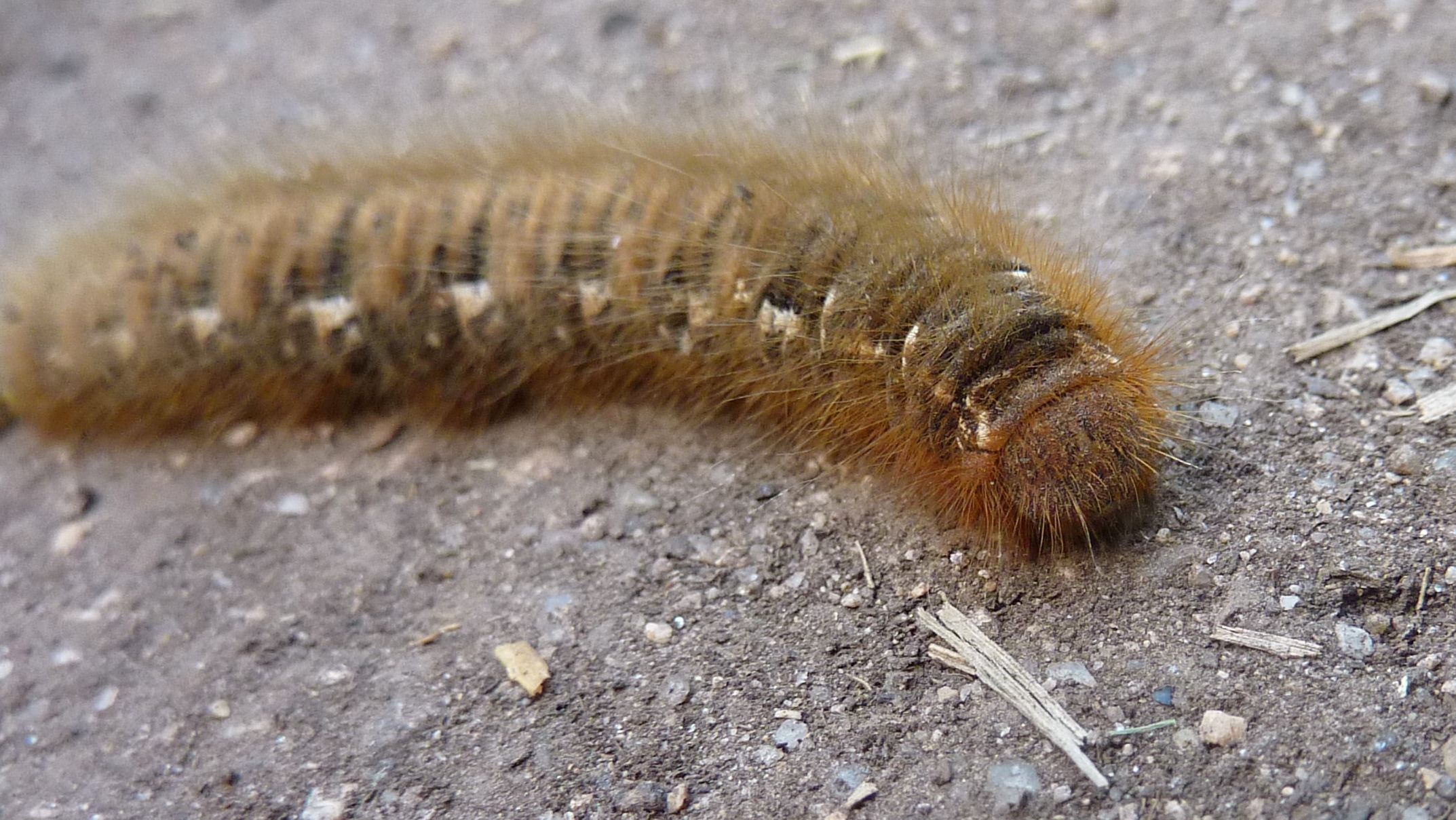
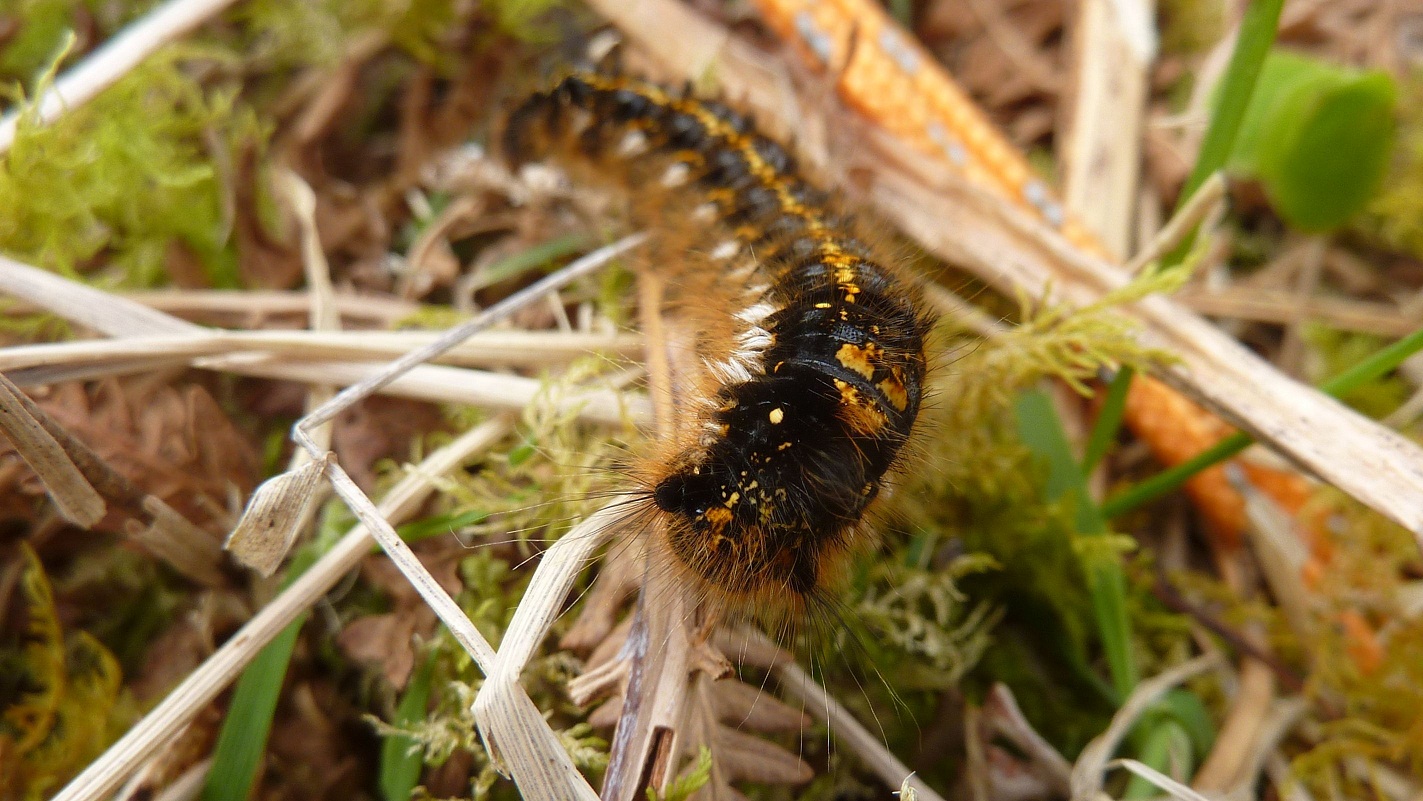
- At first I thought this was a fox moth larva, but closer inspection leads me to think that actually I don’t know what it is.
-
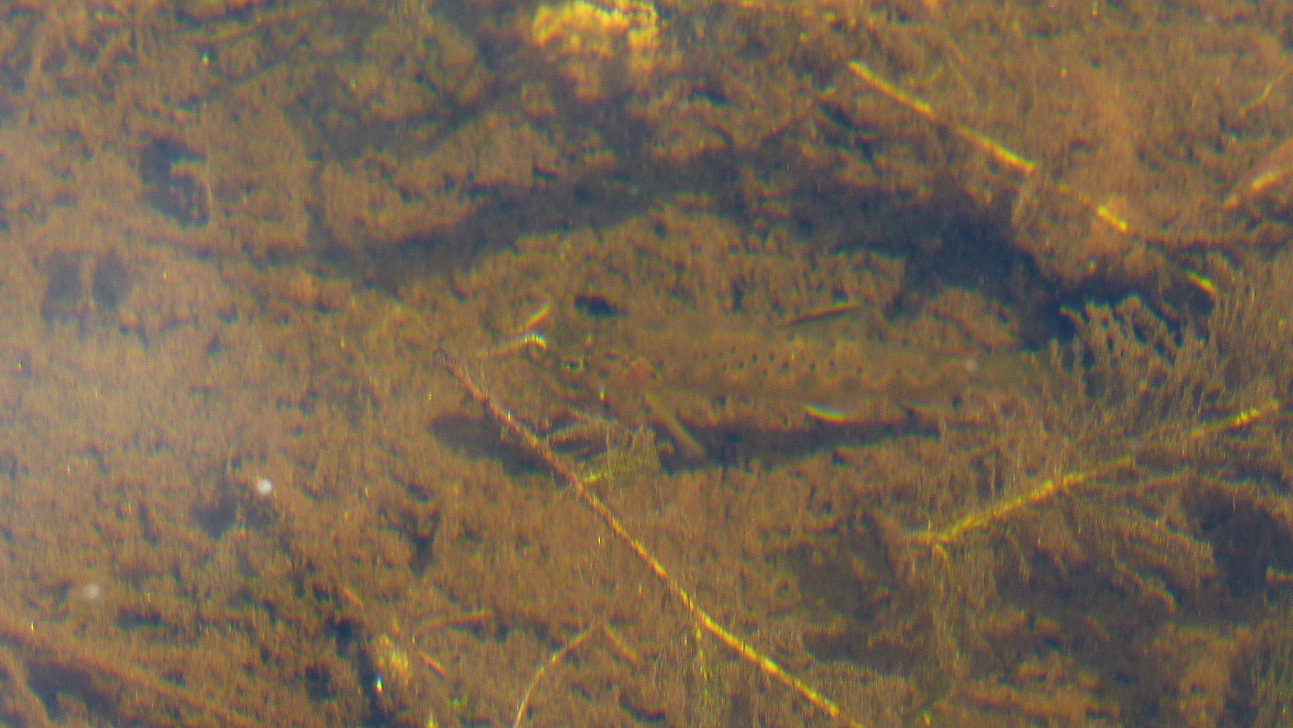
- Salmo trutta, a (very small) brown trout

-
- We had a nice fly over from a Hurricane (and a spitfire, but I wasn’t quick enough to photo both)

-
- Now that’s a pretty cute deer
-
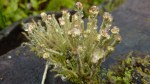
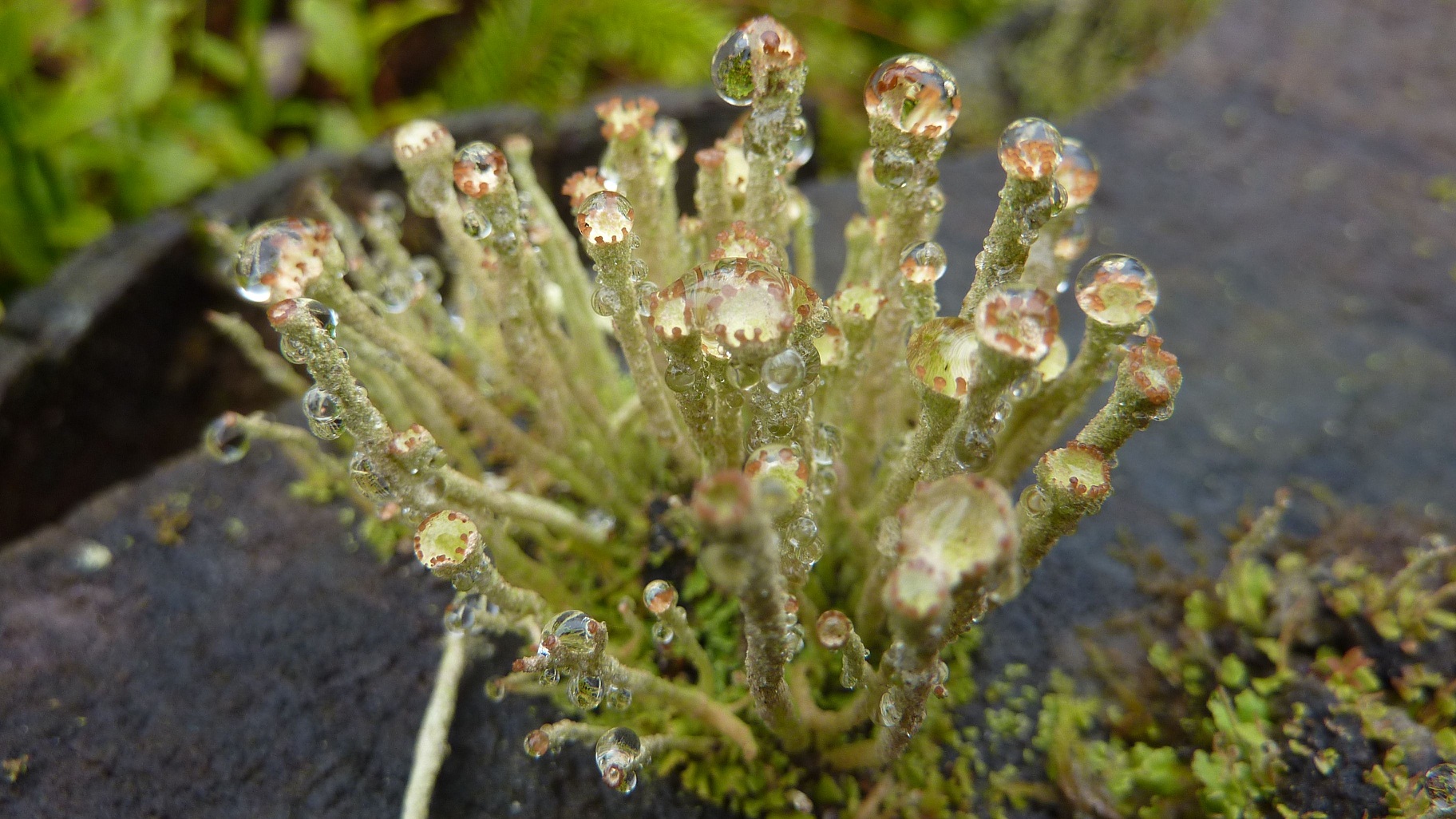
- This lichen is probably Cladonia diversa
-
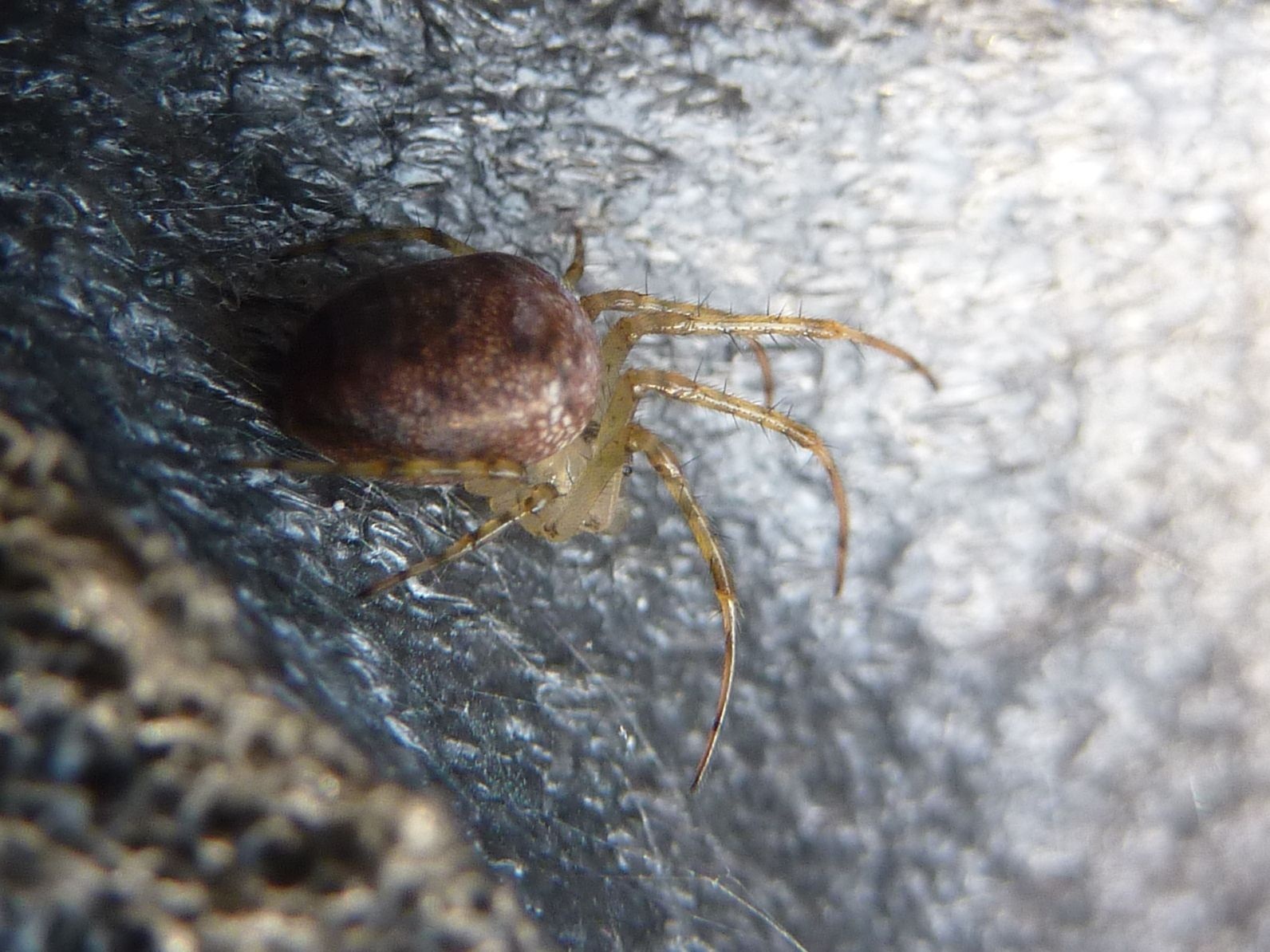
- How beautiful is this? Spiders are top of the evolutionary tree.
Moths on Dartmoor 2
MOTHS ON DARTMOOR! Sounds a bit like it should be a horror movie, snakes on a plane style, with giant moths sucking up hapless walkers, and people having to lock themselves up in the prison to avoid a horrible death, and and…uh, sorry.
Actually these moths, although a tad pissed at being disturbed from their cosy egg box, are very cool. Perry’s second trapping catches 19 species (not all of which are here due to some just flying away), following 17 from the first trap – I think about 26 in total, given that there were some examples of the same species in both. Species without photos included dark arches, antlers, small phoenix, red twin spot and a nut-tree tussock.
-

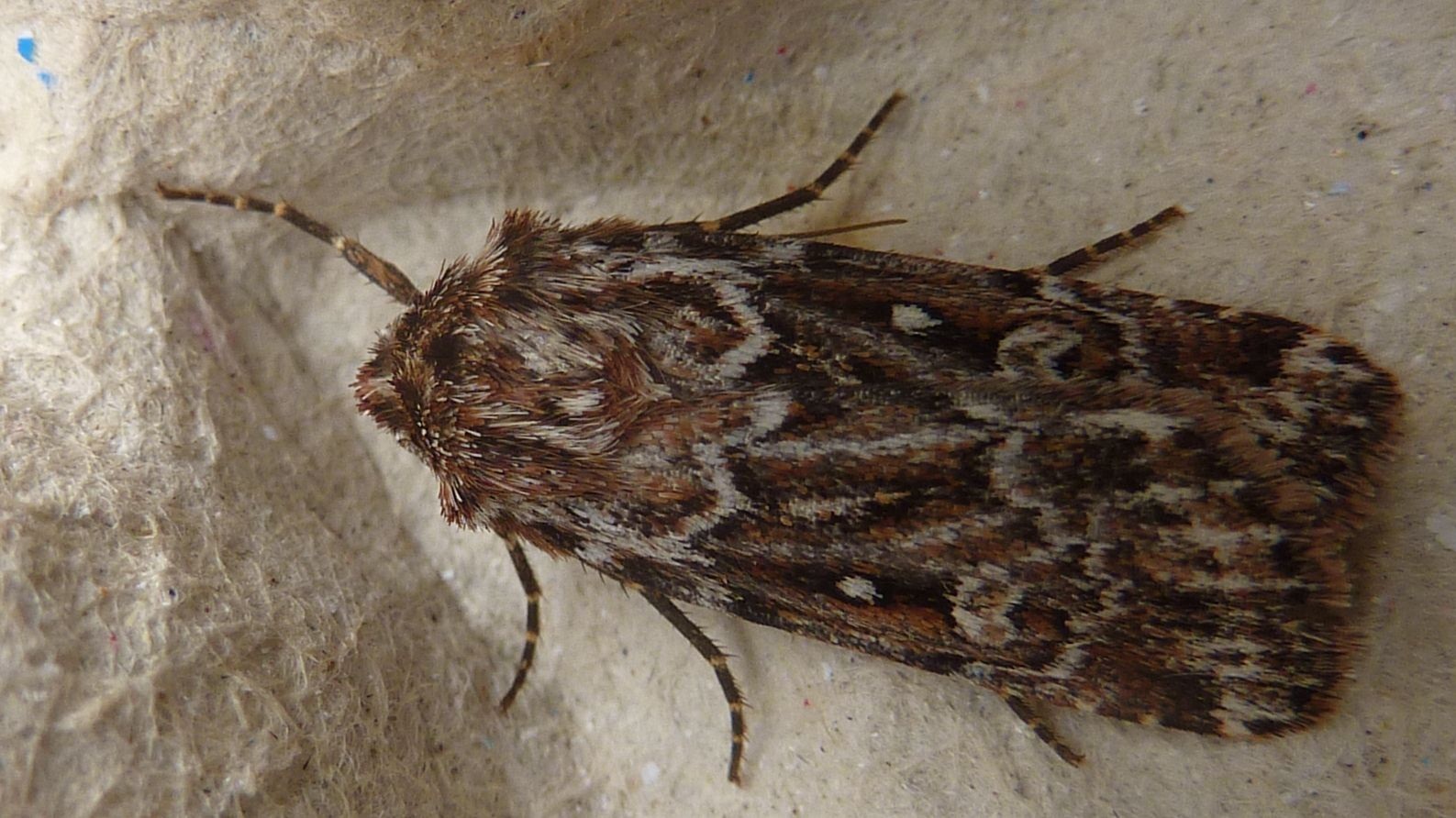
- There were lot’s of true lover’s knots (Lycophotia porphyrea).
-
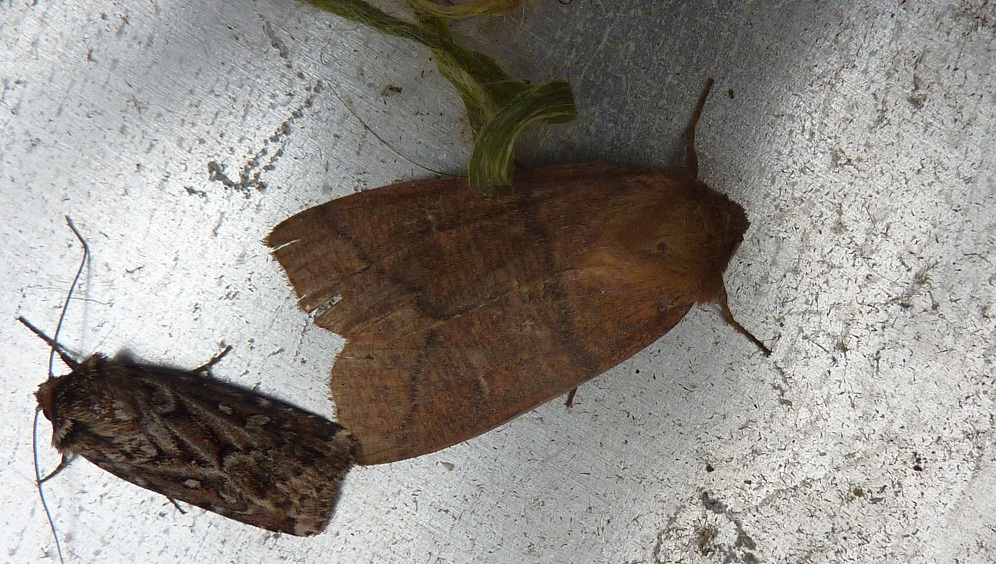
- A double line (Mythimna turca) is bigger than a true lover’s knot. It’s also rare outside Dartmoor.
-

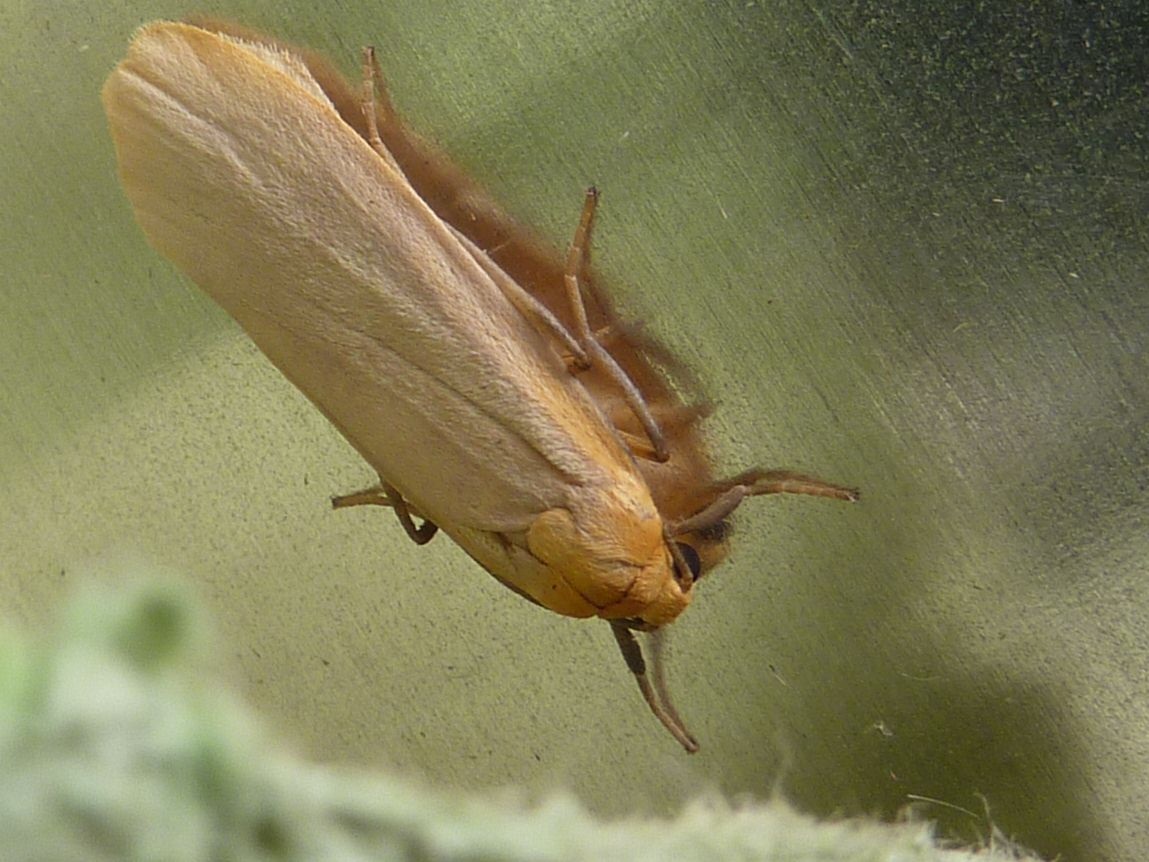
- Buff footman (Eilema depressa). A gorgeous moth, as are all the other footmen
-
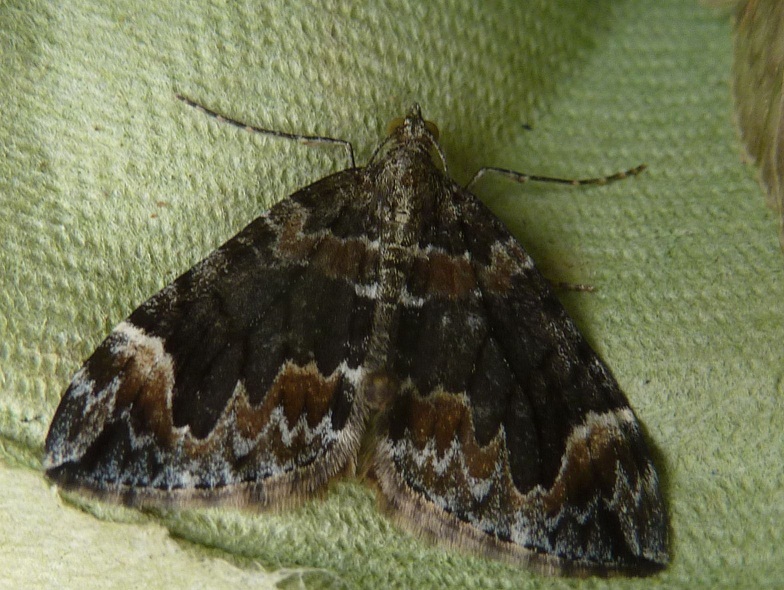
- Dark marbled carpet (Chloroclysta citrata)
-
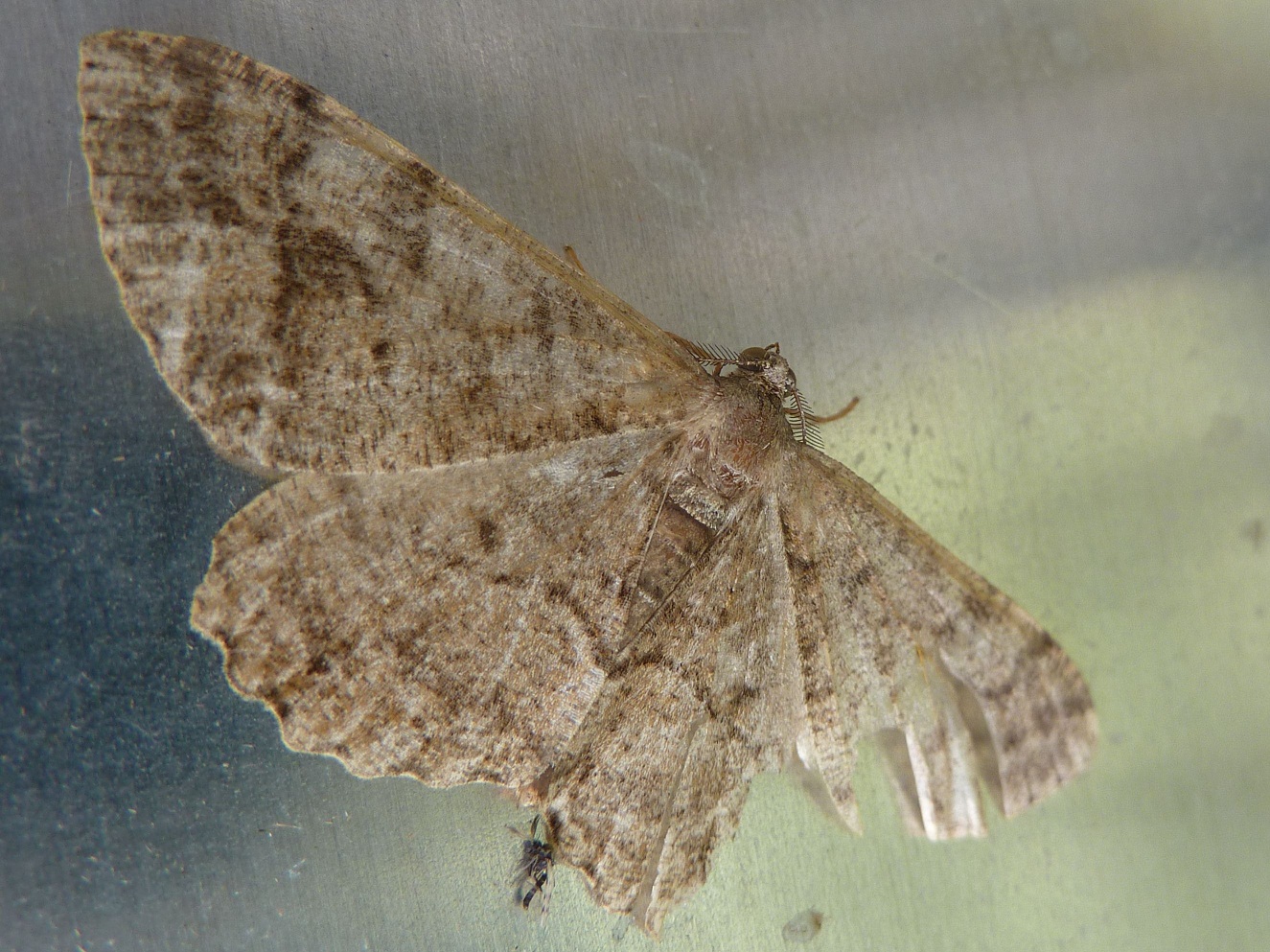
- A rough looking male Mottled Beauty (Alcis repandata). Remember, the purpose of a moths wings is to deflect birds’ attention away from the moth’s head. And to fly.
-

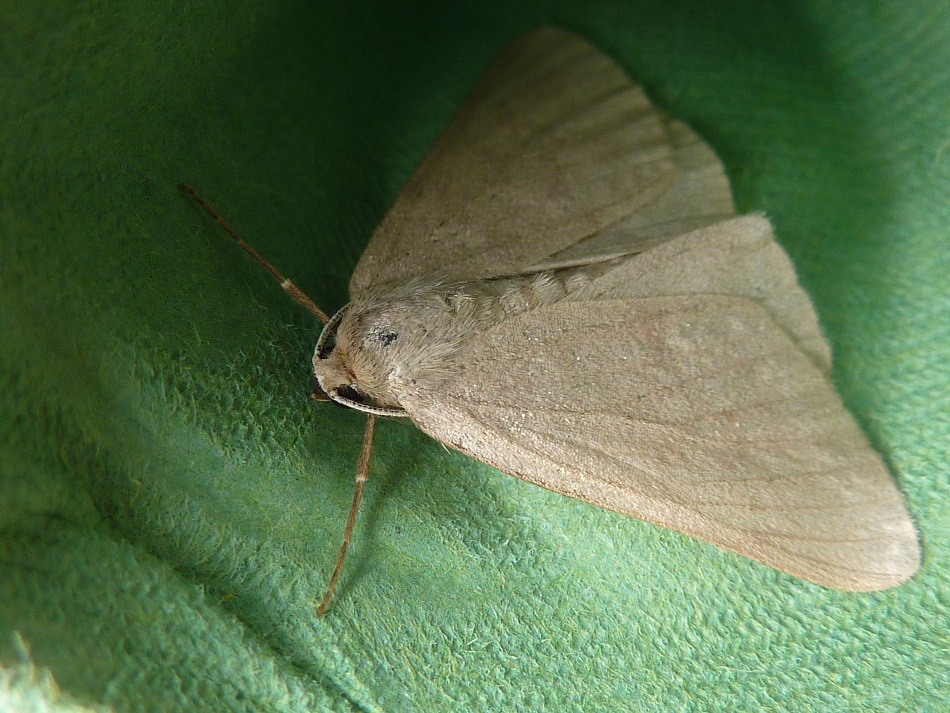
- Common wainscot (Mythimna pallens). Maybe.
-
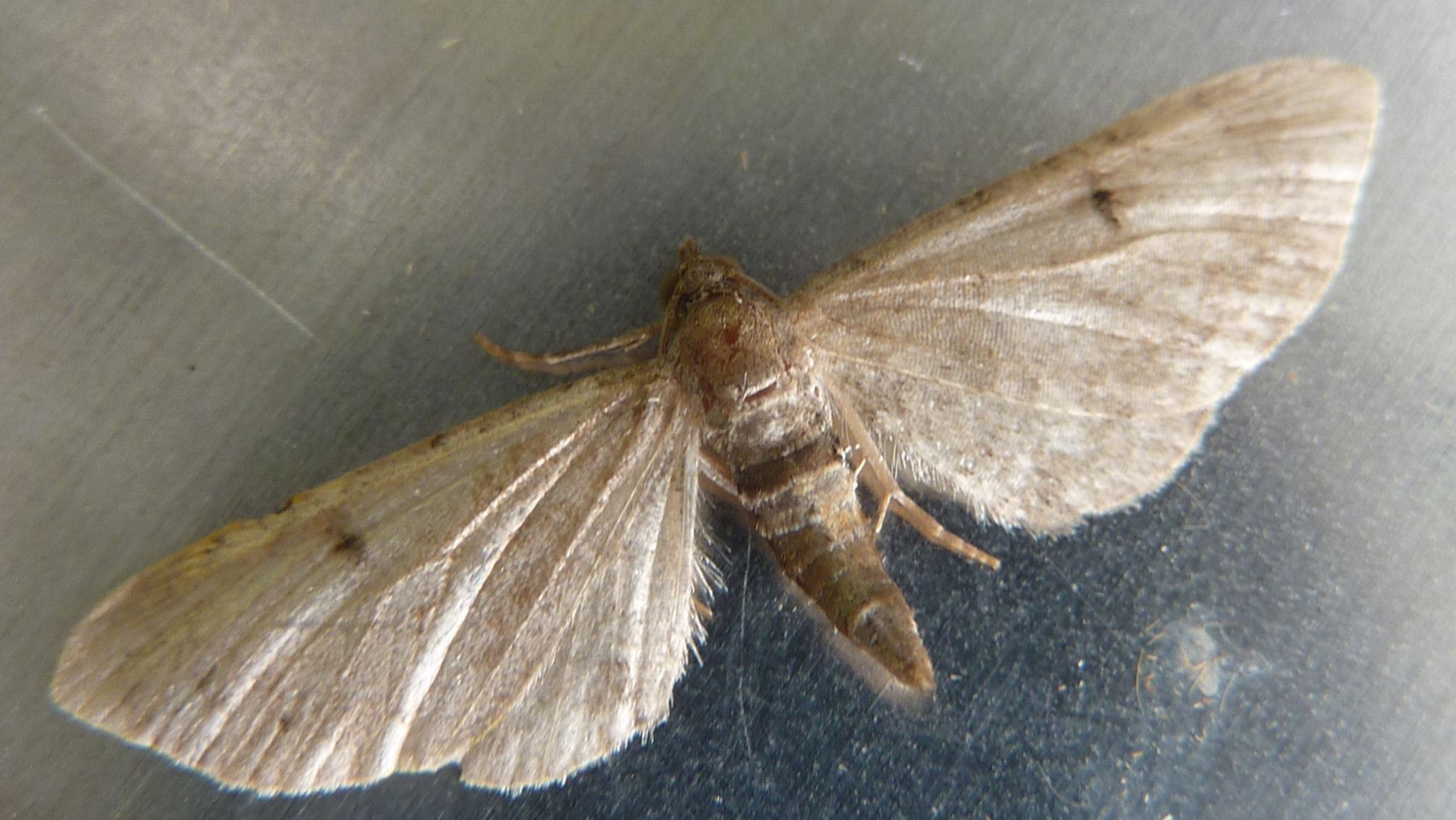
- Is this a wainscot? Why the dark patches on the wings? What are you trying to tell us little moth? There’s a small boy stuck down the well?
-
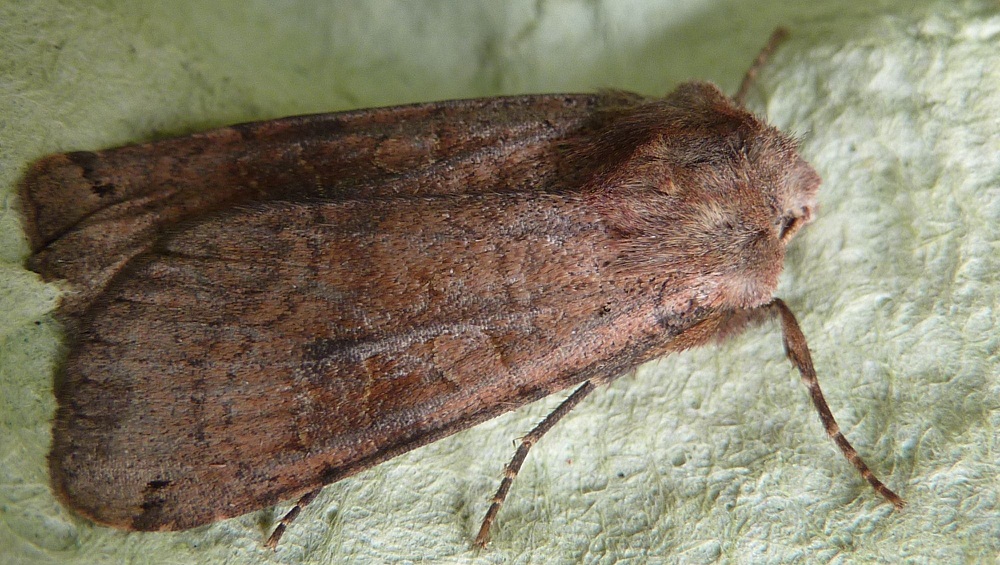
- Dotted clay (Xestia baja)
-
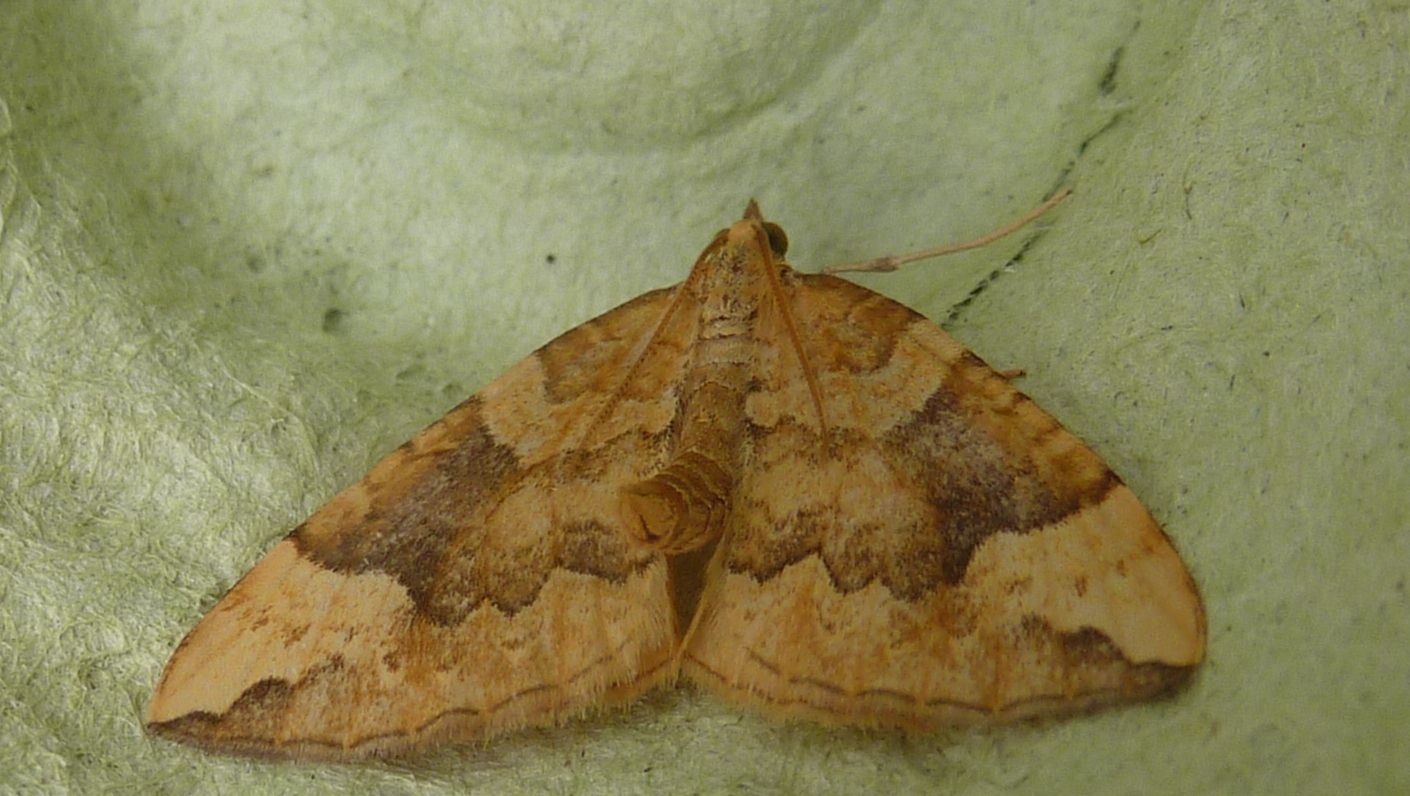
- Northern spinach (Eulithis populata). Nice one this, as they’re less common in the South
-

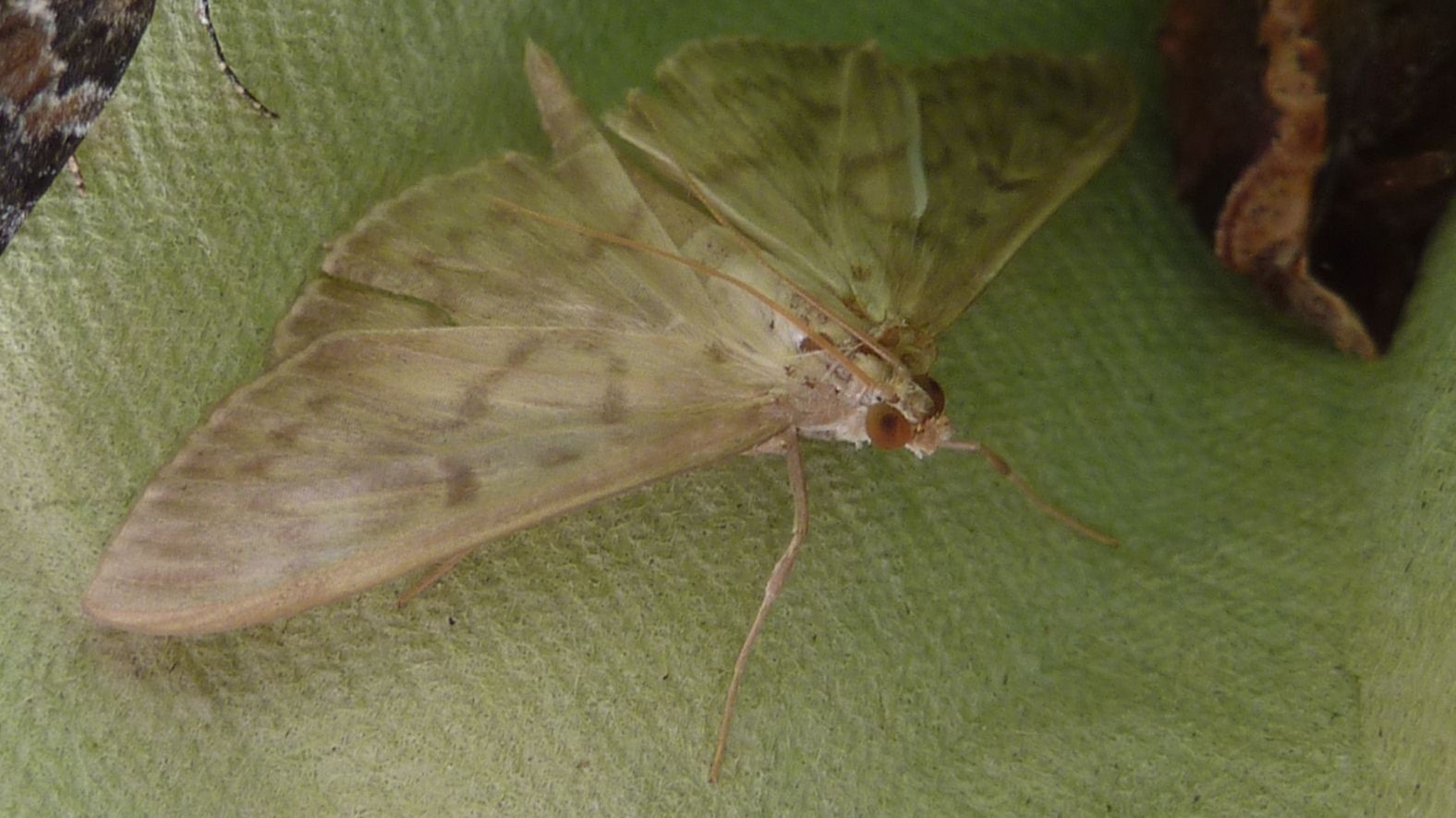
- This lil’ lady is very faded. We think she’s a wave, but is she common? cream? dwarf cream? …?
-
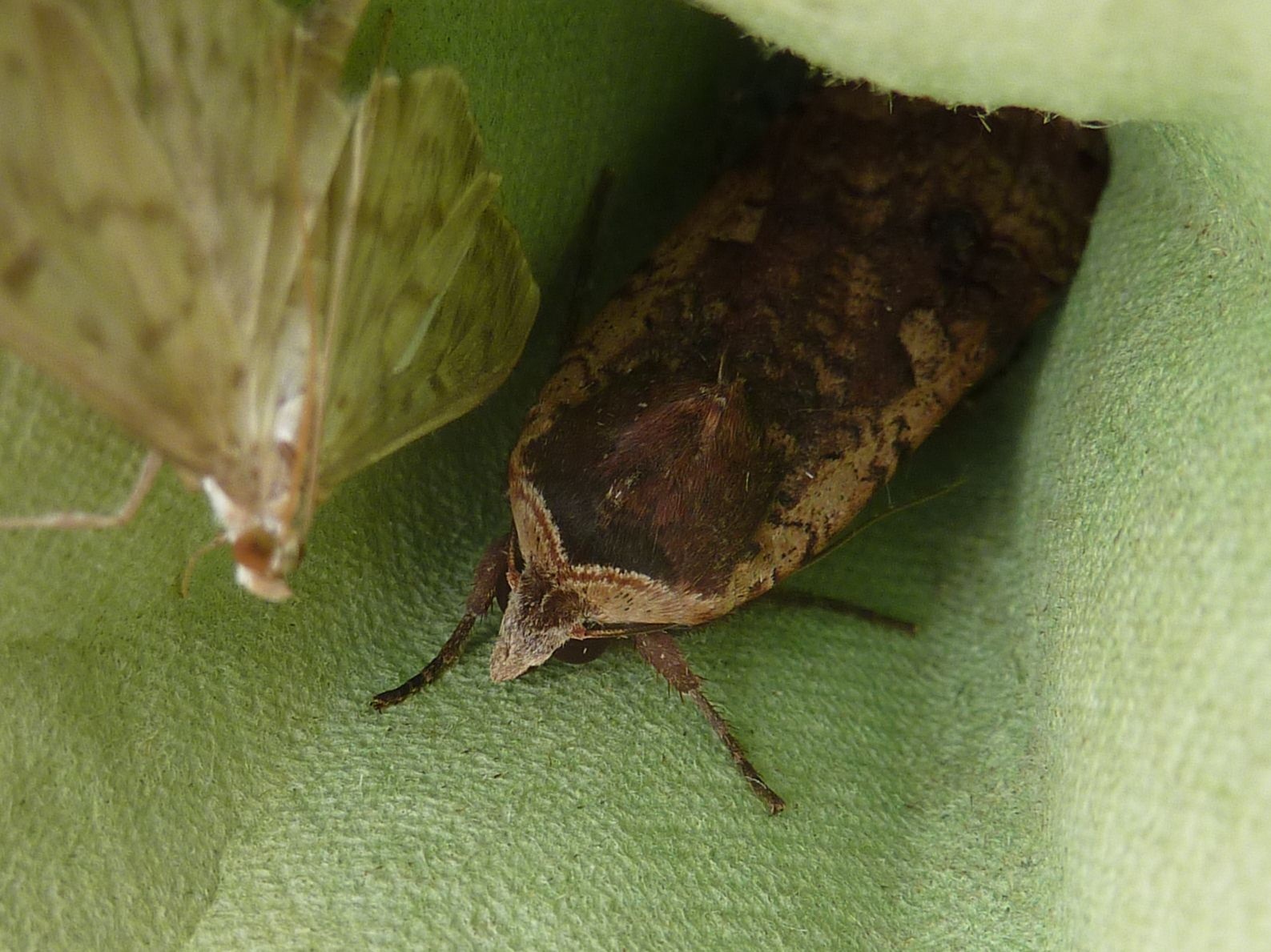
- Large yellow underwing (Noctua pronuba)
-
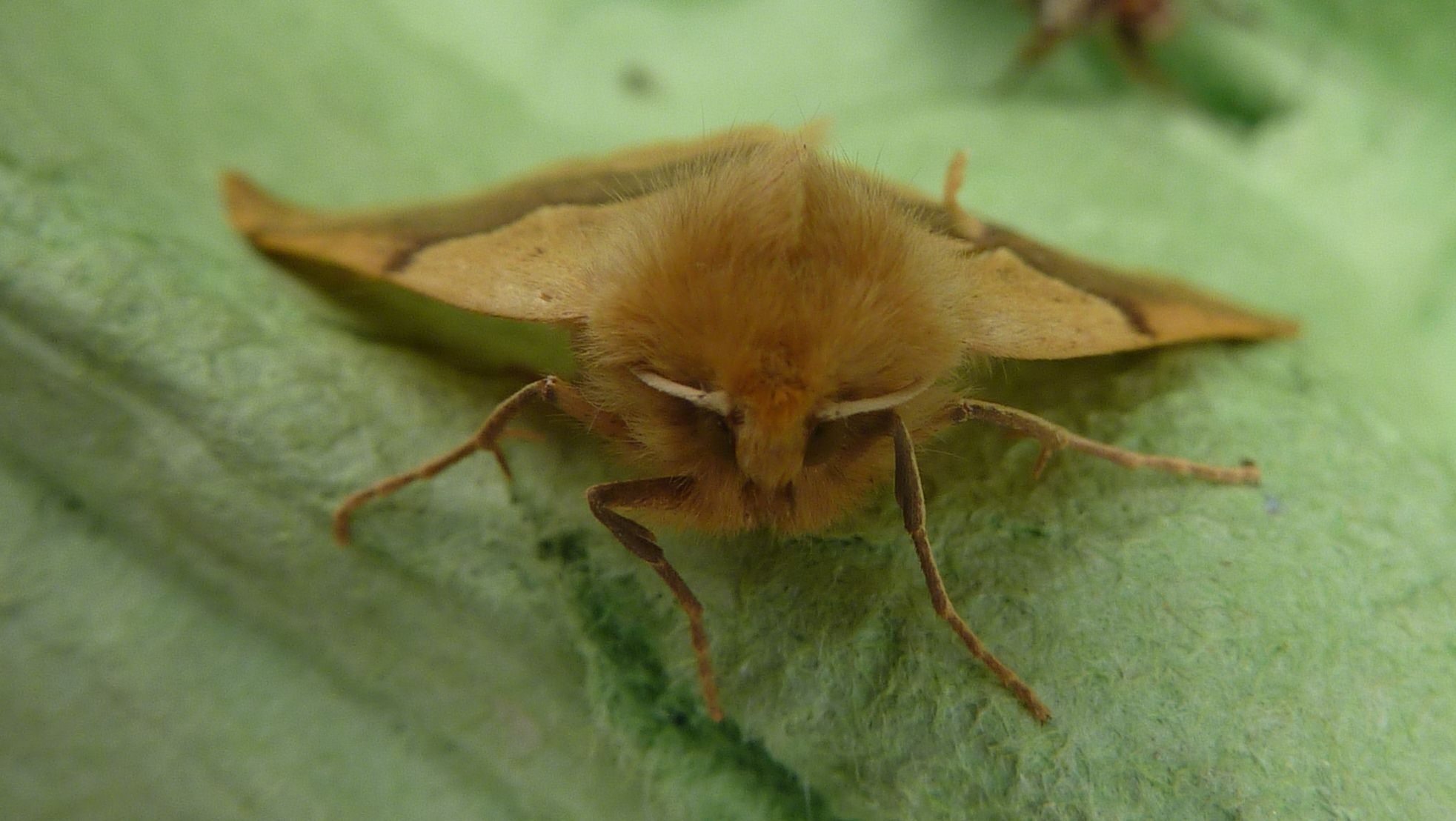
- Scalloped oak (Crocallis elinguaria)
Moths on Dartmoor 1
During the three days that Perry joined me on the moor this month he set up two moth traps. Here are some of the results of the first. I’ve used my encyclopaedic knowledge of all things nature to, no doubt, miss identify them. And a piece of paper which Perry had written the species list on.
-
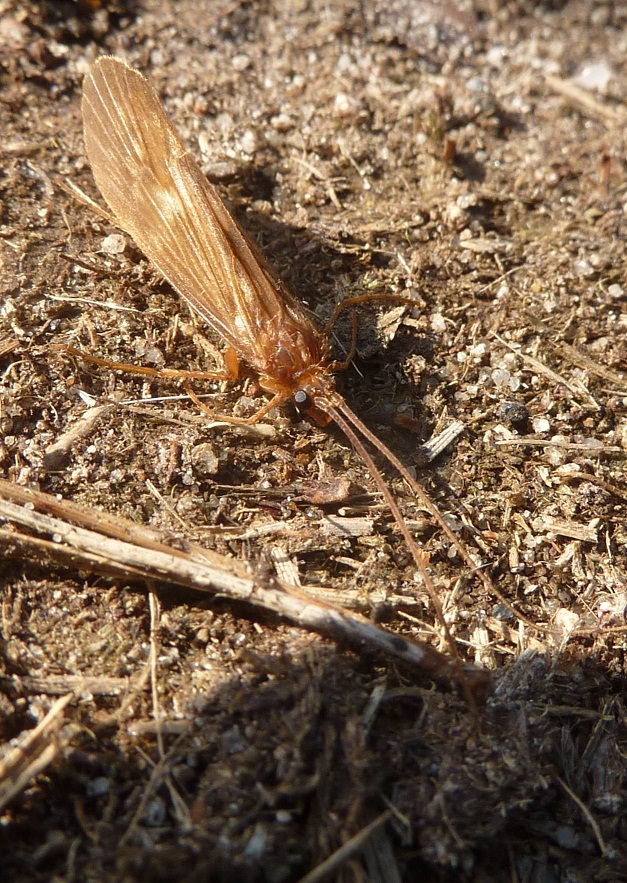
- This caddis fly is closely related to a moth. The father doesn’t know though…
-
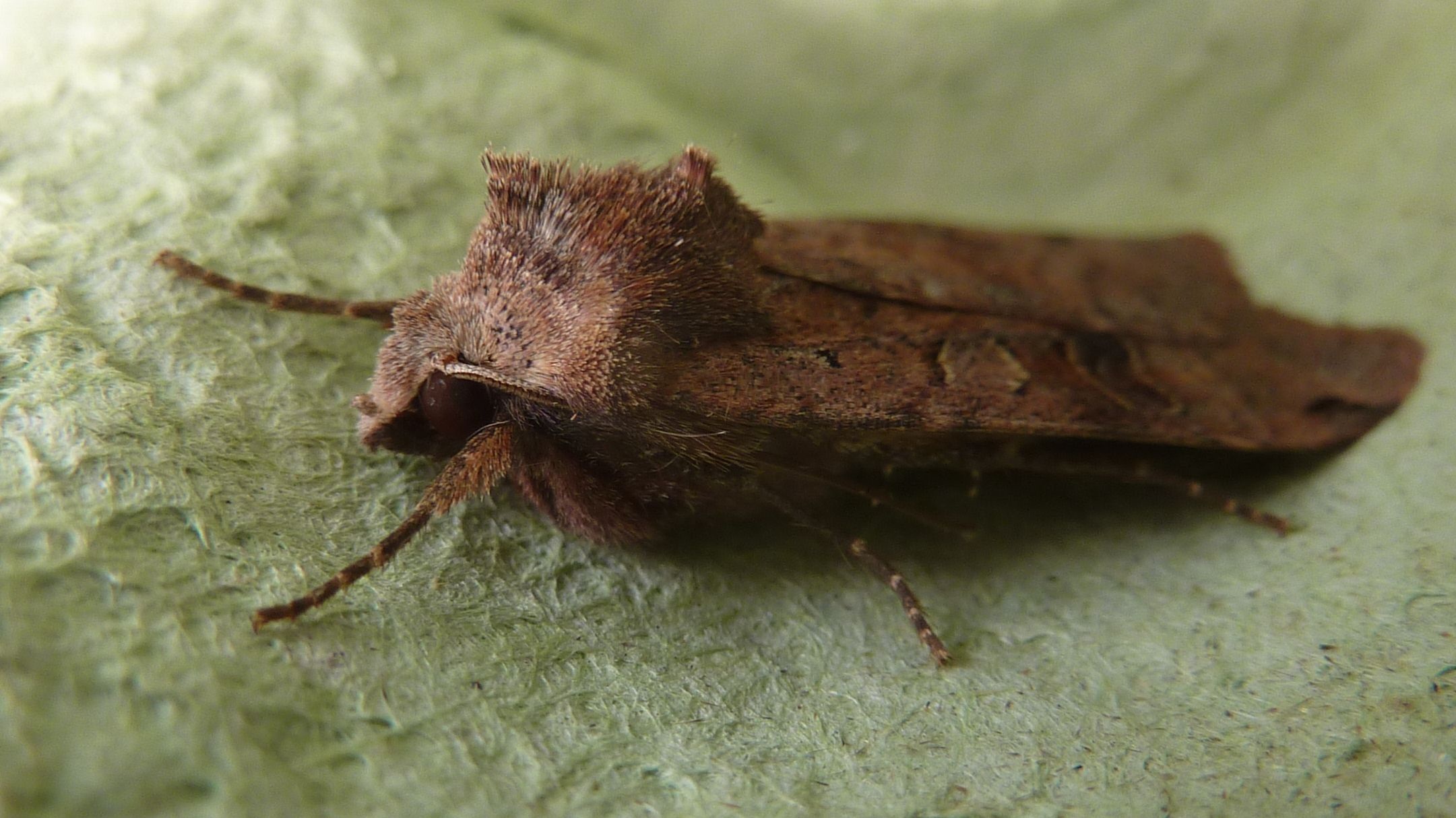
- Dotted Clay (Xestia baja)
-
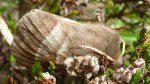
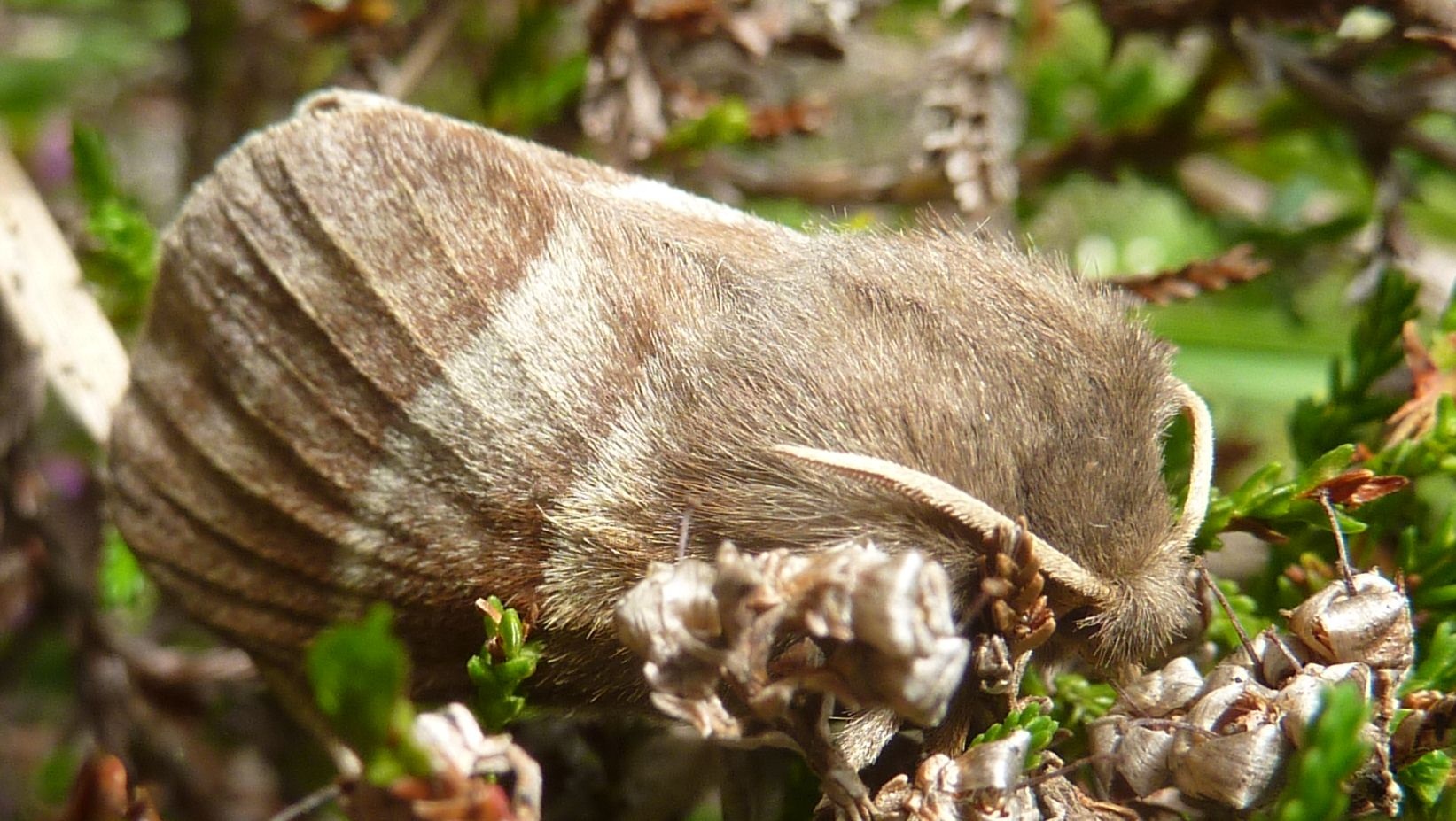
- A fabulous female fox moth (Macrothylacia rubi)
-
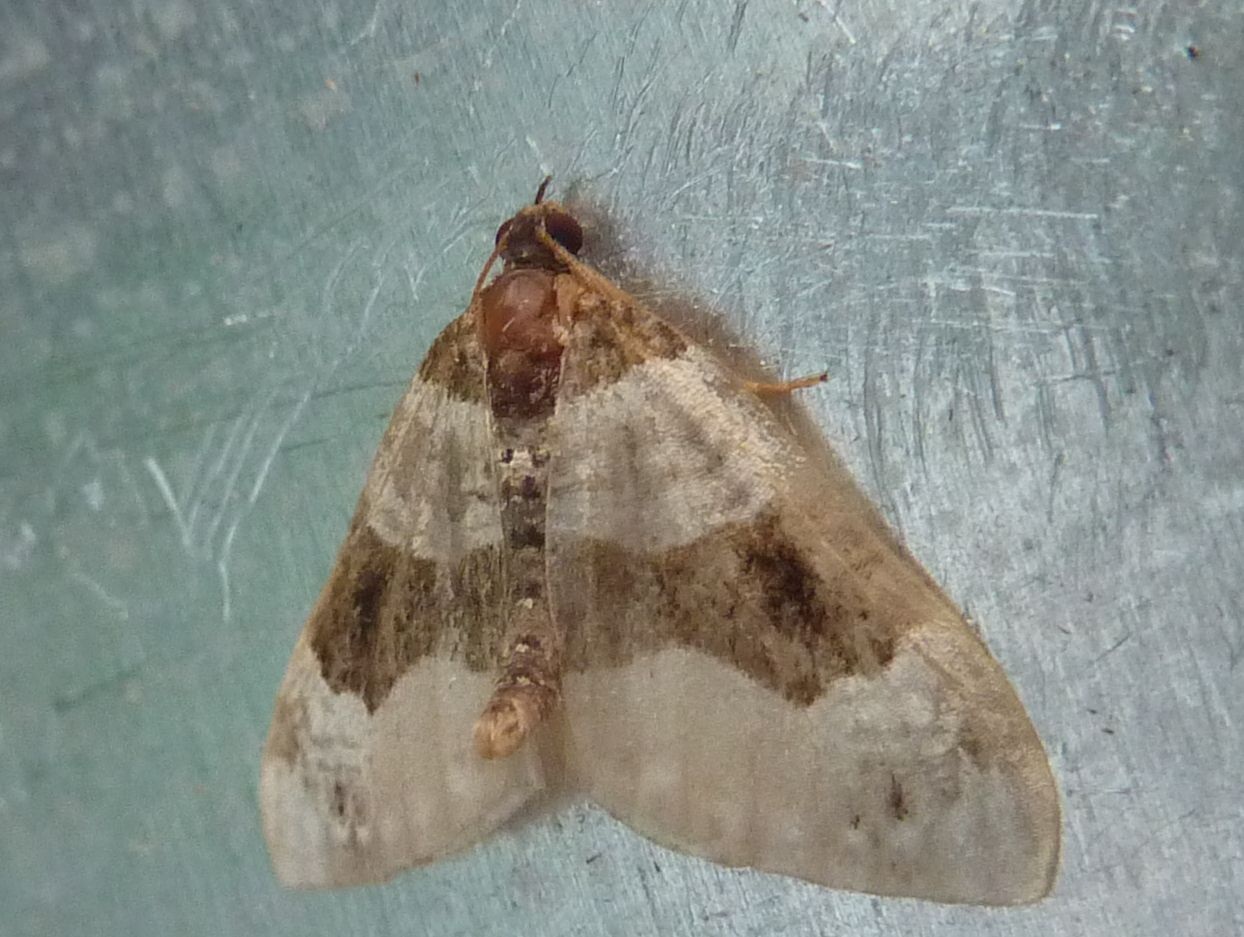
- A faded carpet, possibly Purple bar (Cosmorhoe ocellata)?
-
- The brilliantly named July highflyer (Hydriomena furcata)

-

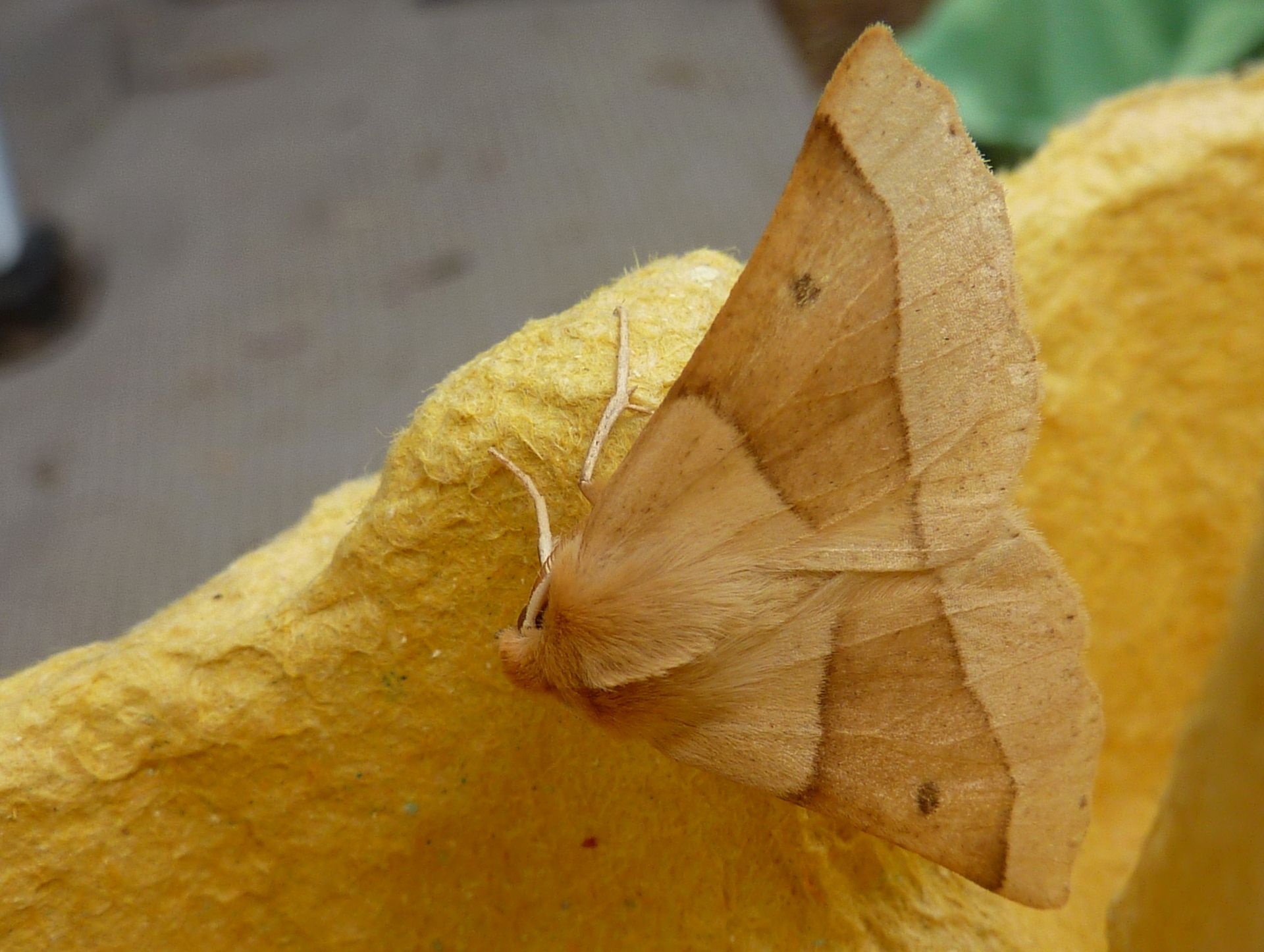
- Scalloped oak (Crocallis elinguaria)
-
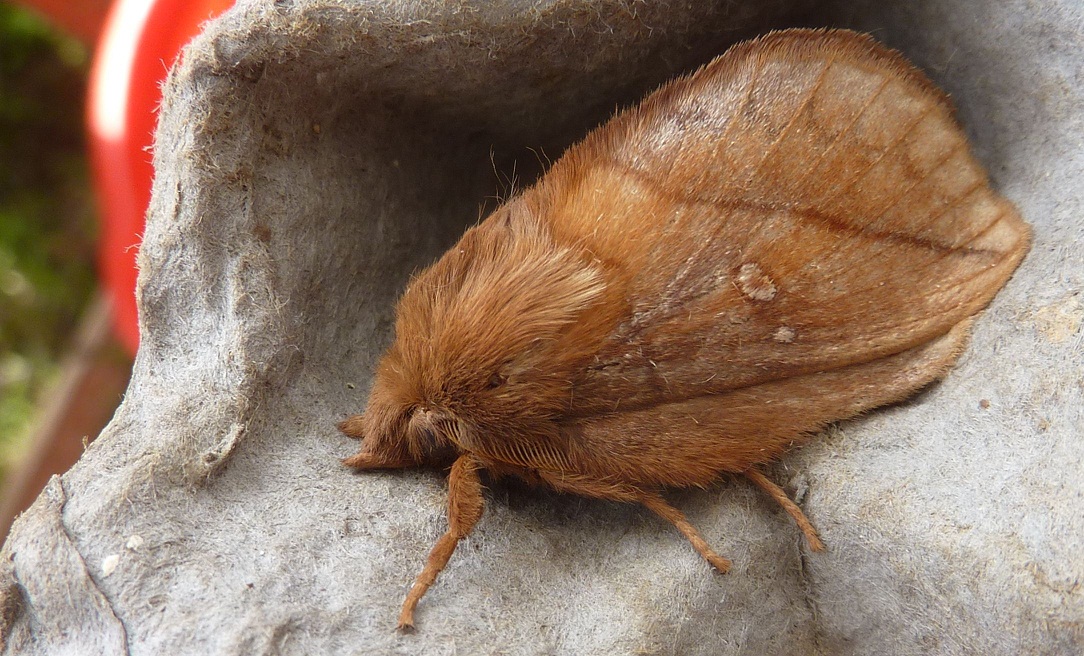
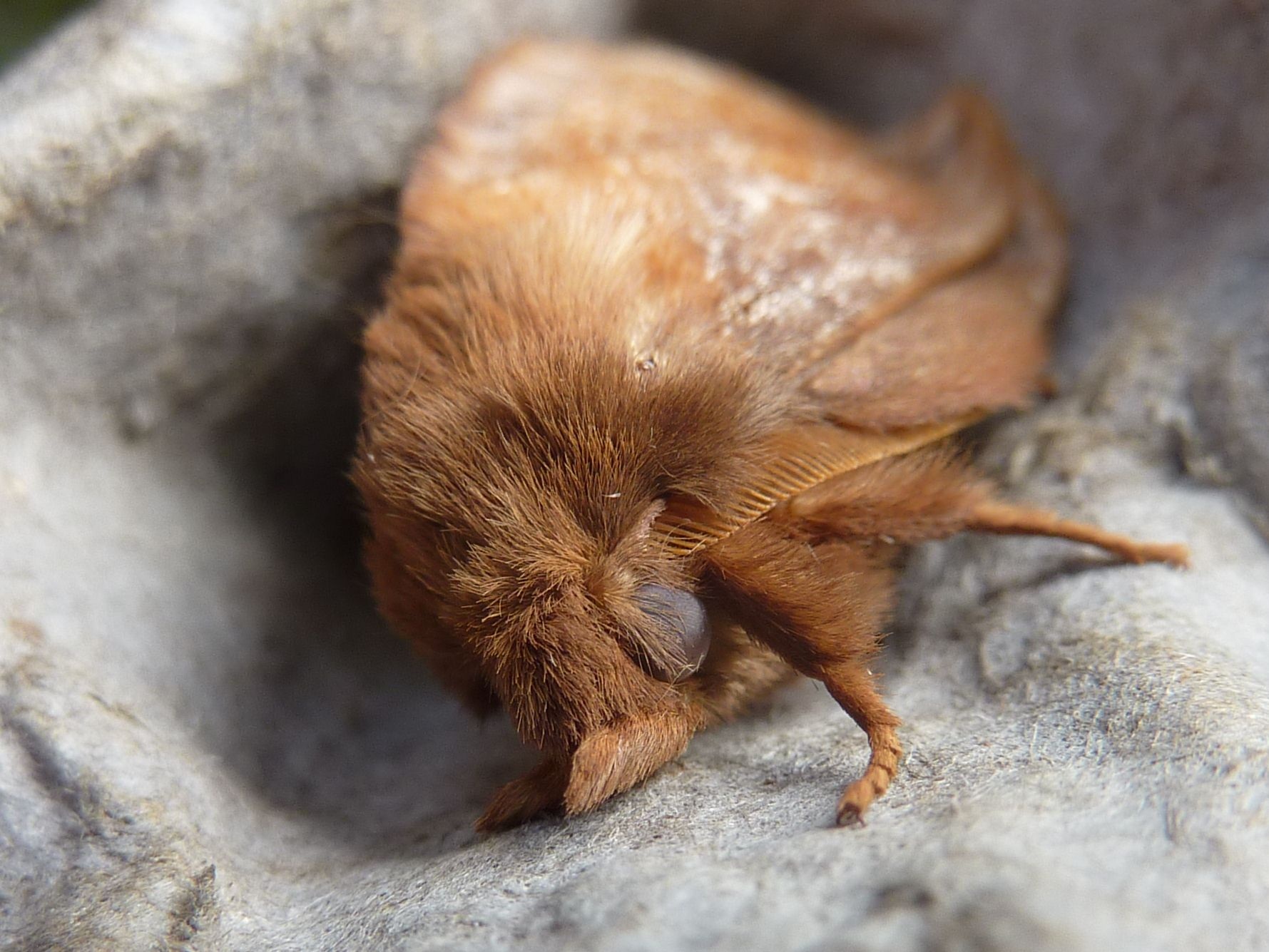
- A fluffy but less colourful than usual male drinker (Euthrix potatoria)
-
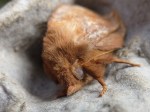
- I’ve a few pictures of the drinker caterpillar from earlier in the year, so it’s interesting to see how he’s changed
July on the Moor
More nights on the Moor. The weather starts hot this month, but then goes wet. Very wet. Before being generally mixed. Still, it gives me a chance to try my new harsh weather clothing before my winter at Abernethy.
Highlights from the month include…
I quickly get over the stomach cramps; I see my first Willow tit (whilst just sat in my van!); on one of the night watches I watch lightning light up the sky to the South, without any thunder; Damo, from Aylesbeare, comes back to help out and regale me with stories of the East London gangsta scene; a nightjar flies over my camper pretty much every night then, suddenly, there are at least 4 nightjars around the van towards the end of the month; I watch two roe bucks rutting about 20m away from me one day in some woods – they walk side by side scraping their hooves on the ground and occasionally turn and lock horns – eventually the winner stands and bellows for a while, even though he can see me watching; we regularly see a red hind with a spritely little fawn; John and Chris, the two residential volunteers from the Exe (RSPB) come and help out; I see the bands of Jupiter and its 4 moons through the scope on a couple of clear nights, fantastic.
-

- Riband wave (Idaea aversata)

-

- Look, you can see why this smart fellow is called a crossbill

-

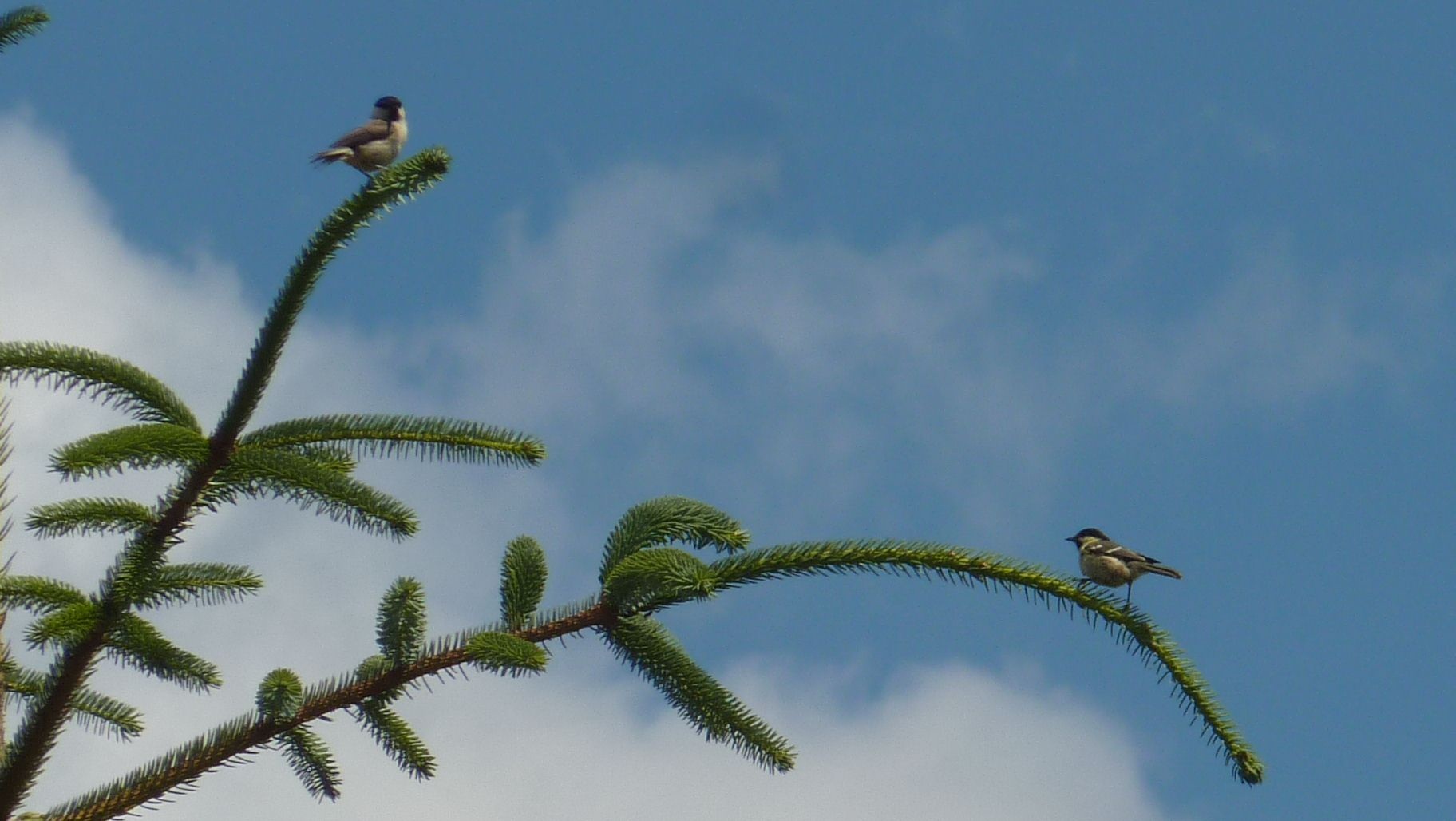
- Very exciting – a coal tit and, on the left, my first willow tit
-
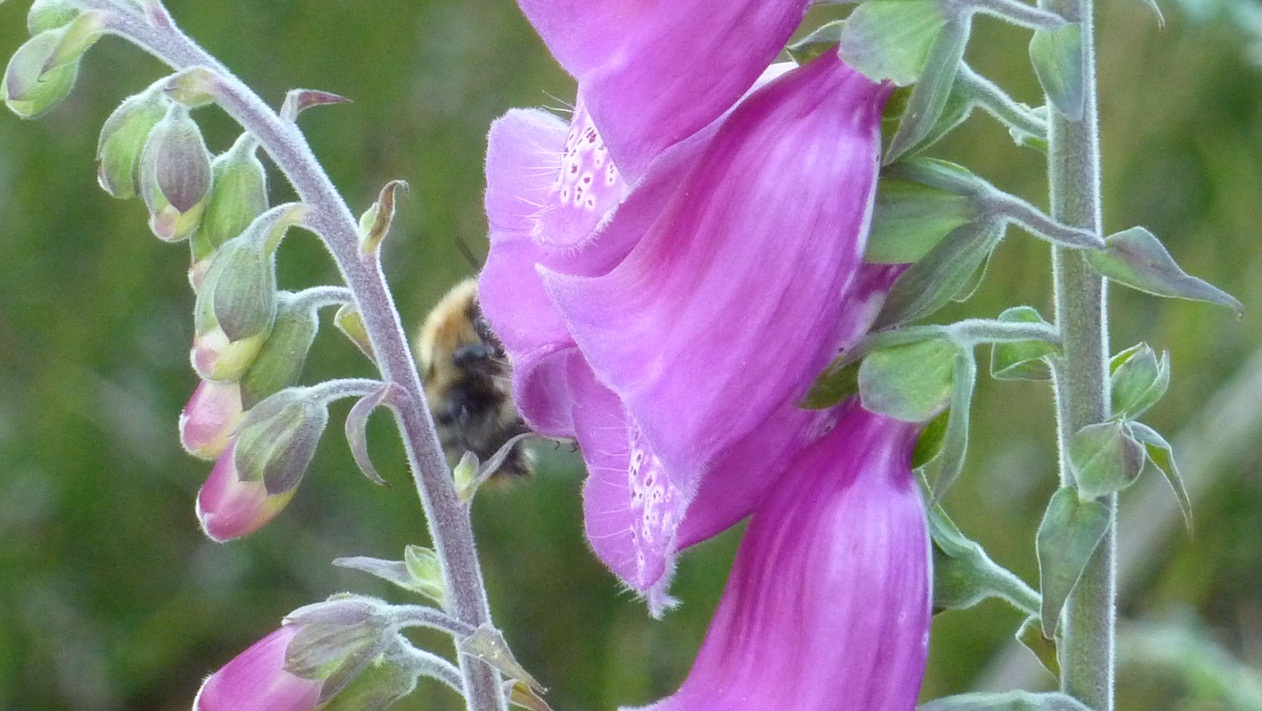
- A bit of Bombus in Digitalis action
-
- Common spotted orchid (Dactylorhiza fuchsii)

-
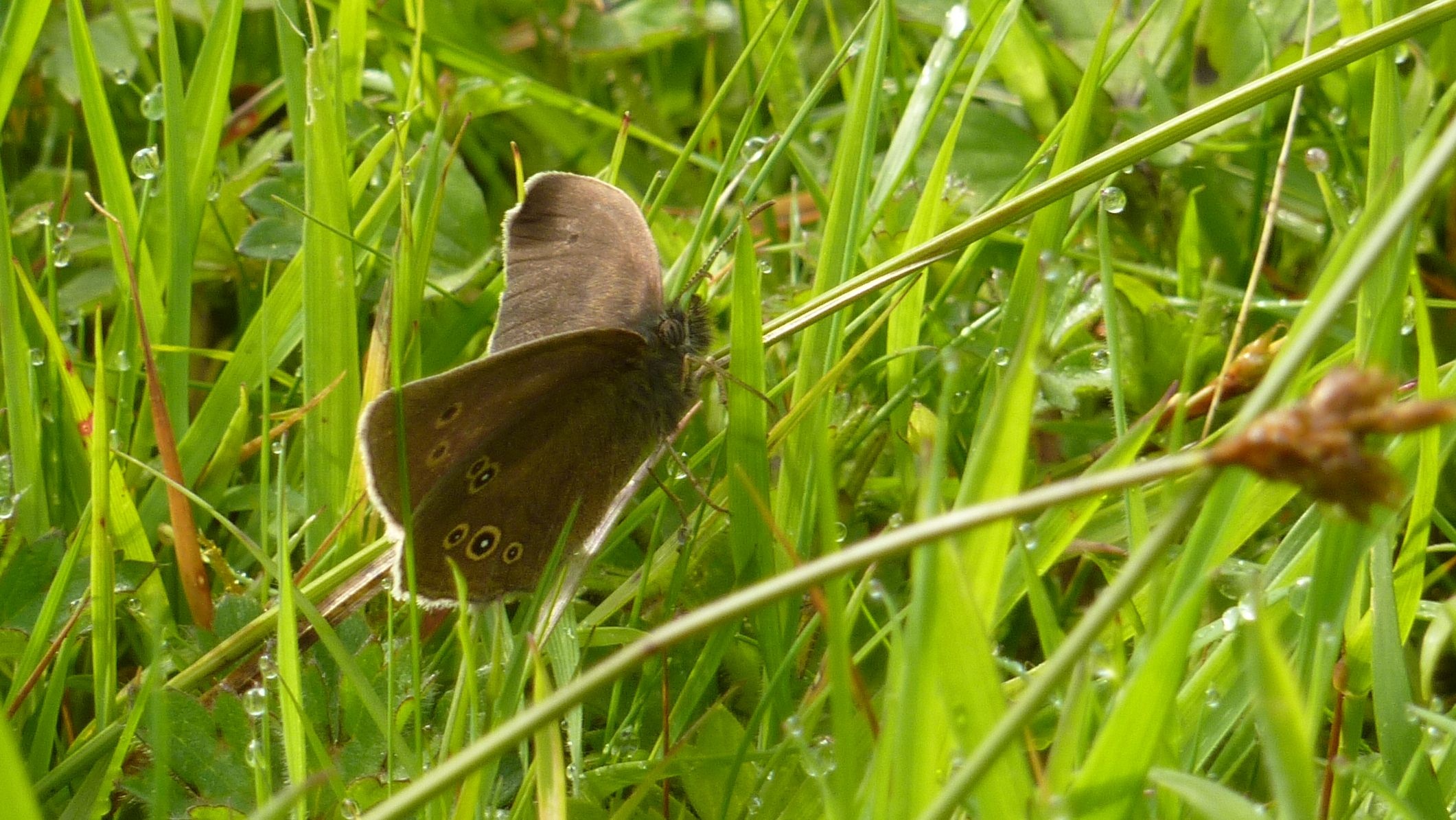
- A ringlet (Aphantopus hyperantus) – check out those stripy eyes
-

- Falco subbuteo. The game Subbuteo has its name because they were not allowed to call it “Hobby”

-

- I thought this might be an ‘arches’ (grey or dark), but now I don’t think it’s archy enough, so I’d welcome suggestions

-

- The custard feet fly, Tachina grossa. Thanks to Chris (Emblem English) for the id
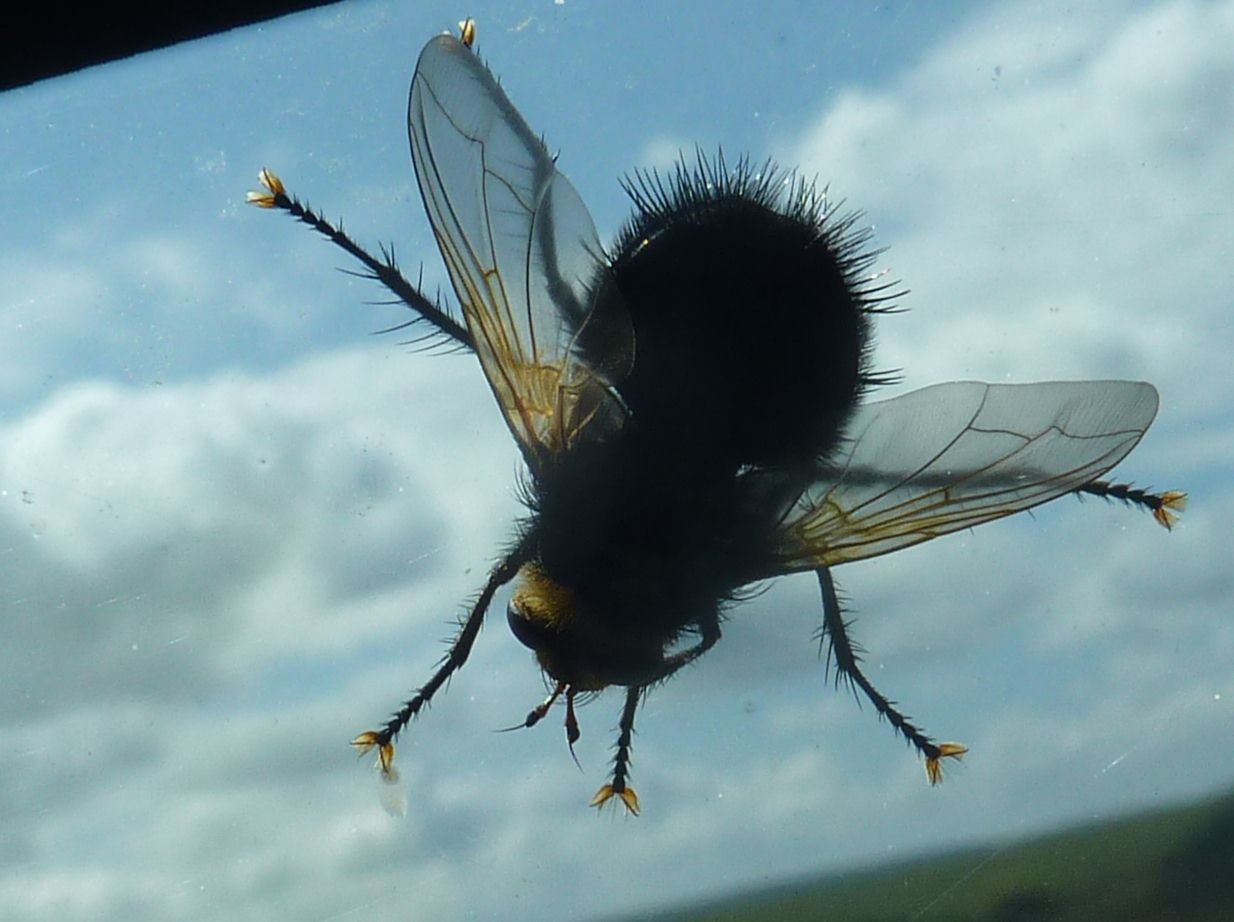
-

- The huge emporer moth caterpillar

-

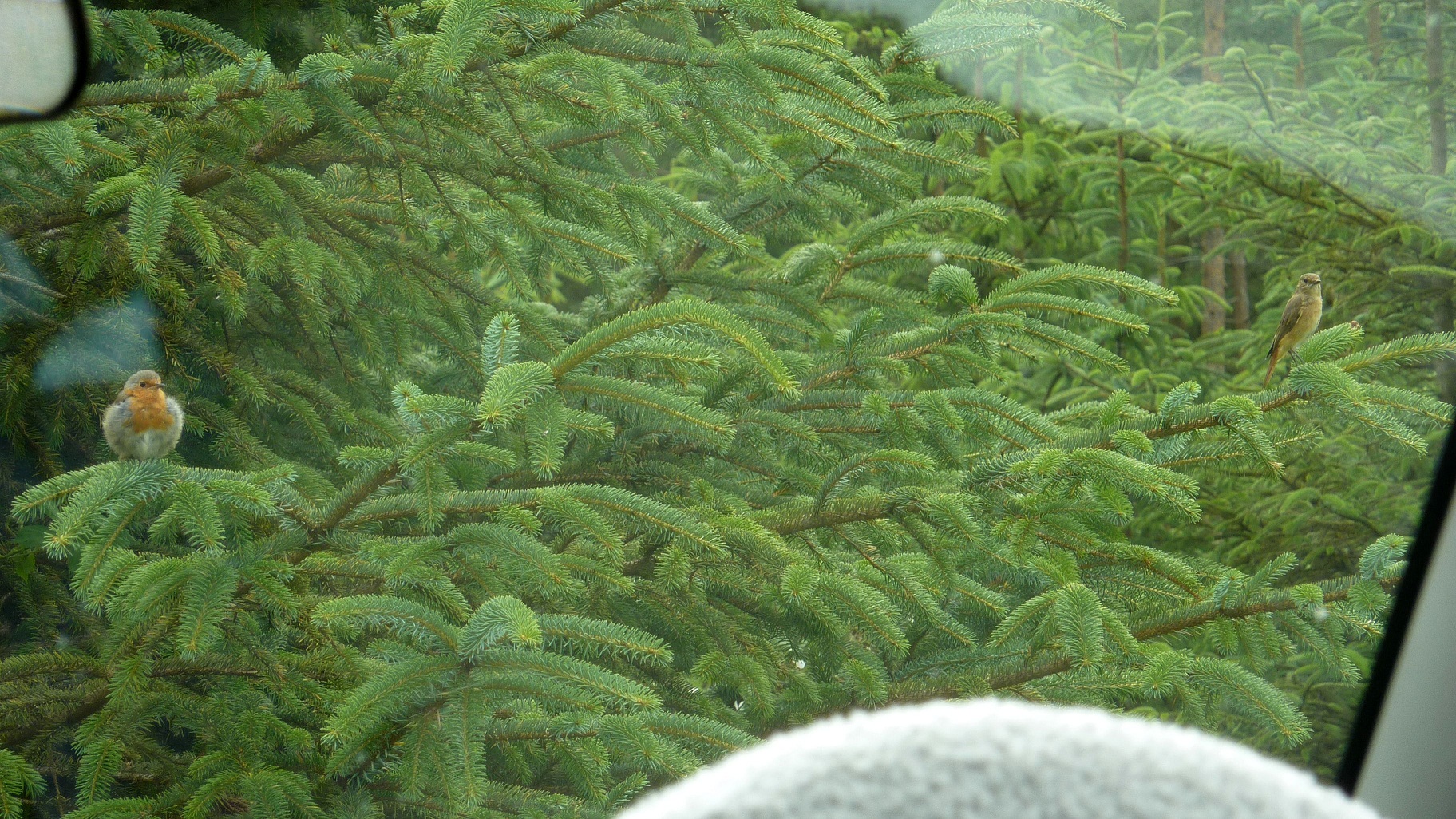
- A young robin and redstart compete for my attention
-
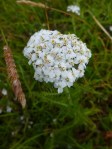
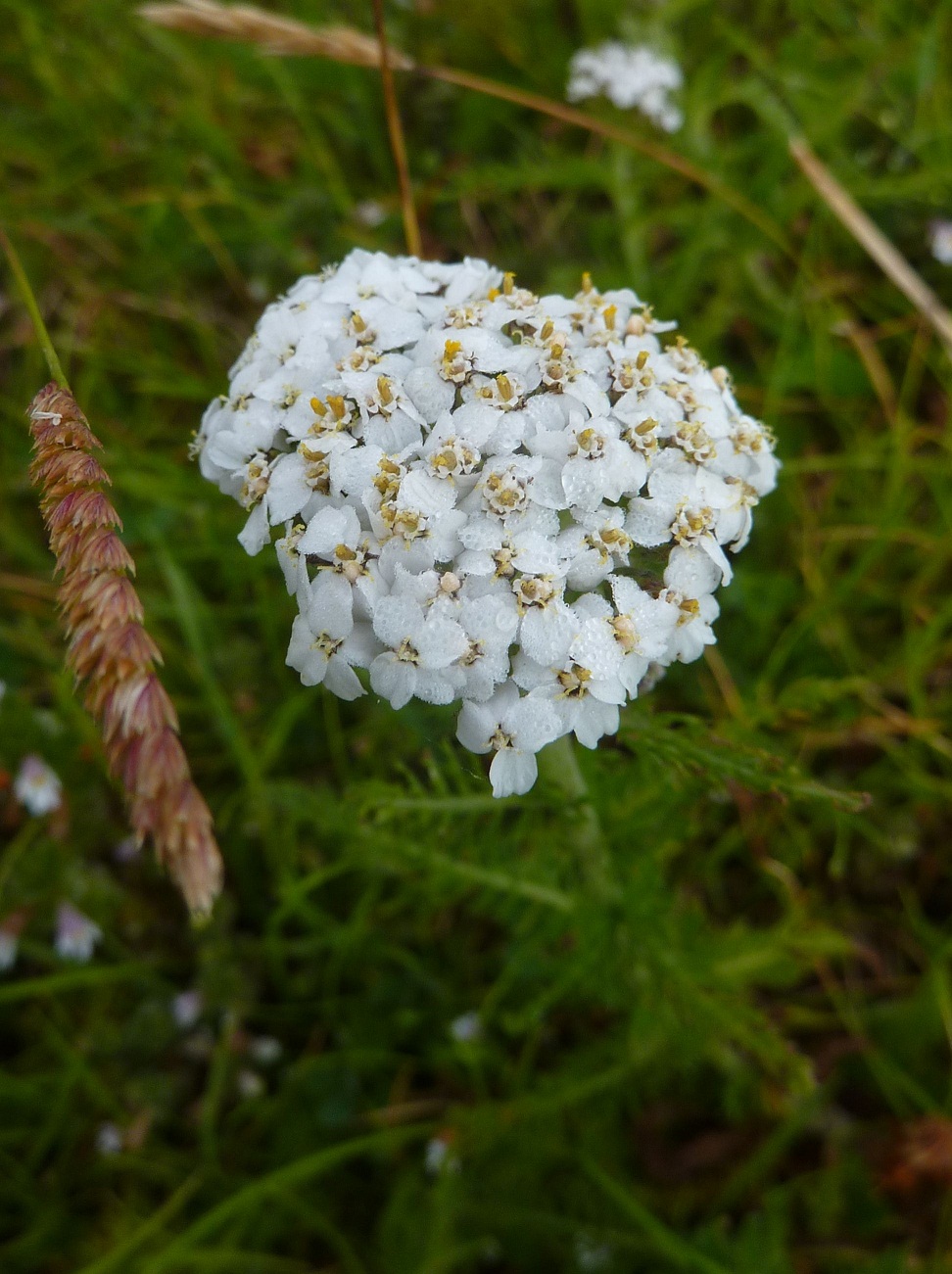
- Yarrow (Achillea millefolium)
-

- Wow, a leech! Isn’t it?

-
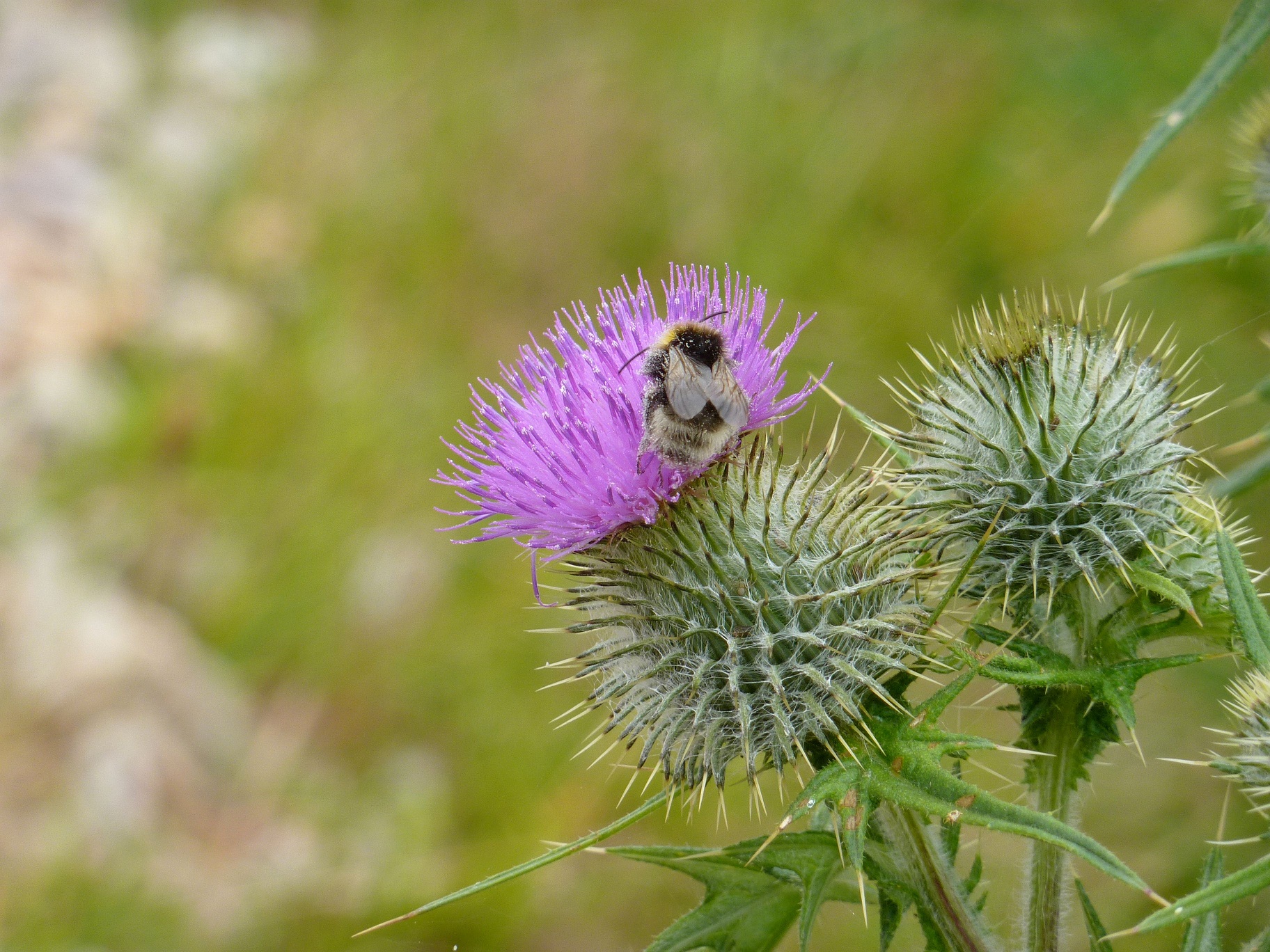
- A bit of bombus on Cirsium action
June on Dartmoor
Given that I’ve been unable to update this while I’ve been up on the moor (and I have a lot of catching up to do) I thought it would be somewhat fraudulent of me to give you a blow by blow commentary of my time. Besides, the early days on the job (with the RSPB) were mostly spent working nights, so I didn’t have the opportunity to capture too many images. I was part of a team monitoring and protecting a pair of red backed shrike. Further details and information on how the project fared will be released by the RSPB in due course, at which point I’ll link to it from here.
As I say, a large part of my time was spent patrolling the moor at night, on the lookout for anyone who might want to disturb the birds. This provided me with a fantastic insight into what it must be like to be a security guard. At least I was outside – so I had the opportunity to learn the night time habits of foxes, rutting roe deer and nightjars, as well as allowing me to experience a fabulous dawn chorus from the song thrushes, blackbirds, whitethroats, wrens, cuckoos, skylarks, to name but a few.
I met a large number of local birders through the project, some of which gave up their time to come out and help keep a round the clock watch on the birds – more about them later. Perry from RSPB West Sedgemoor, and the three current residential volunteers from RSPB Aylesbeare, Damian, Rob and Tom, also came out to help out with the shifts. Nice one chaps.
Highlights from June were…
seeing my first red backed shrike; seeing and hearing the nightjars; trying to work out what that crazy barking is at 3 in the morning (a roe buck); learning to sleep in hour long bursts and at any given opportunity (maybe learning isn’t the right word); seeing a pair of cuckoos getting frisky with each other; and, not having a mobile signal. One other notable moment, whilst I had a stomach bug at the end of the month, I was on patrol and managed to keep myself from sicking up over someone who stopped me for conversation for maybe 20 minutes while I stood there, not talking, and thinking, ‘must hold it in, must hold it in…’. How he couldn’t see this in my facial expression I’ll never know. Thankfully I managed to hold my food down for the duration of the bug, and continue eating at least one decent meal a day.
-
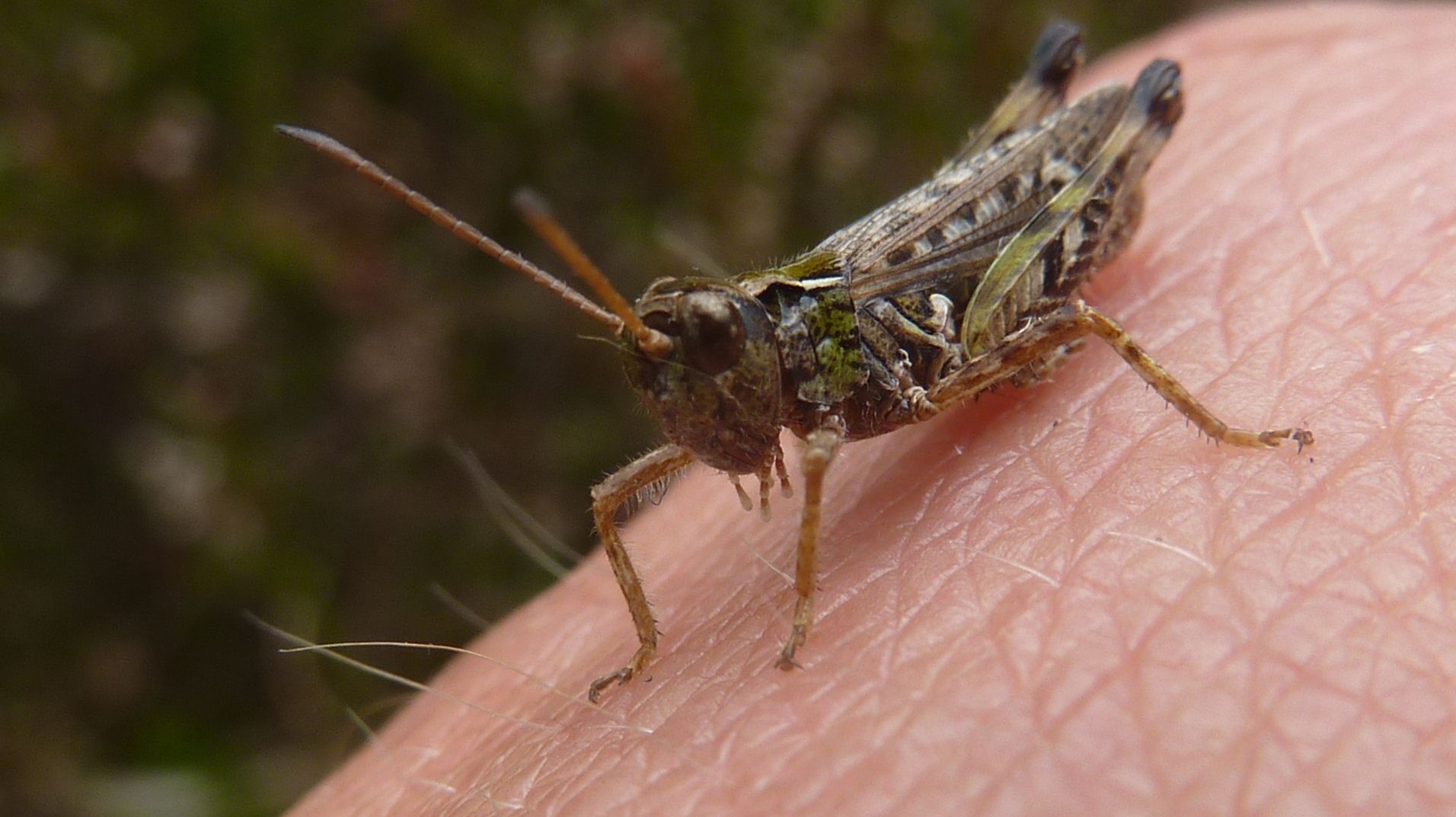
- This is a mottled grasshopper (Myrmeleotettix maculatus). I can tell by the thickening tips and unicolourous nature of the antenna.
-
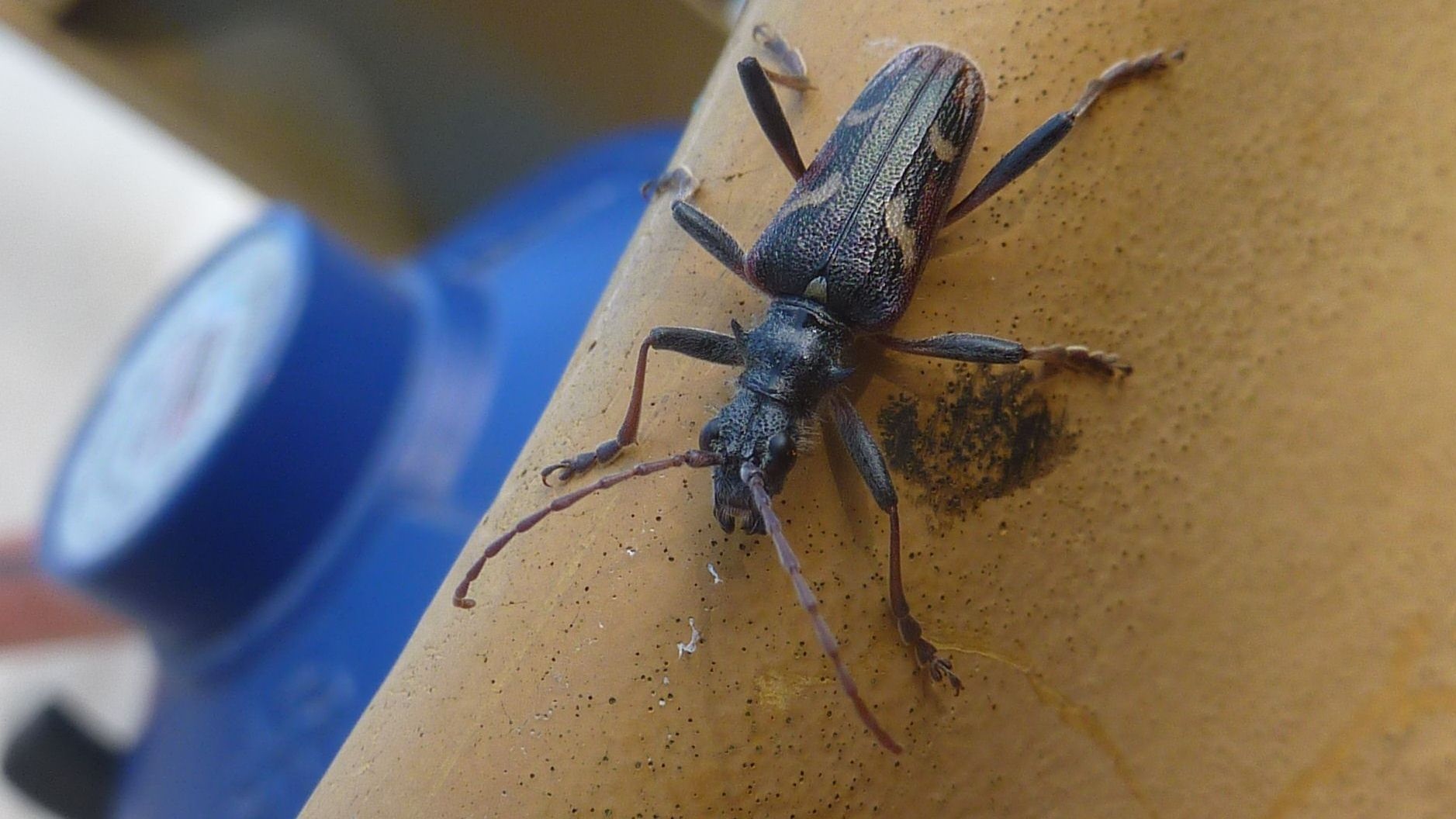
- This is the longhorn beetle Rhagium bifasciatum on its favoured ‘gas bottle’ habitat
-
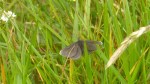
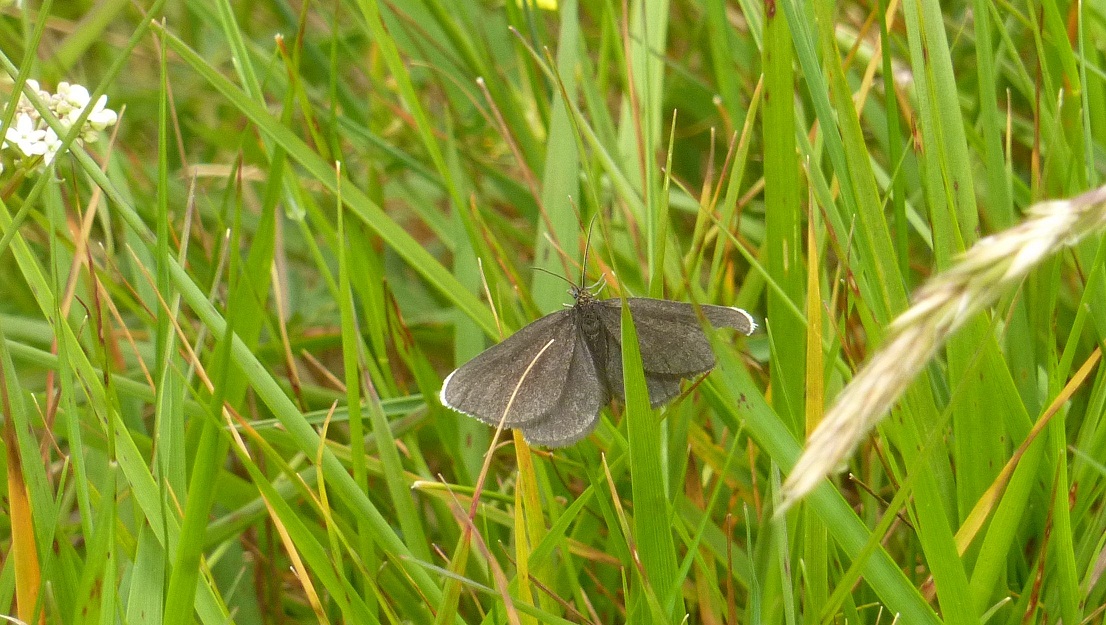
- Chimney sweeper moth (Odezia atrata)
-

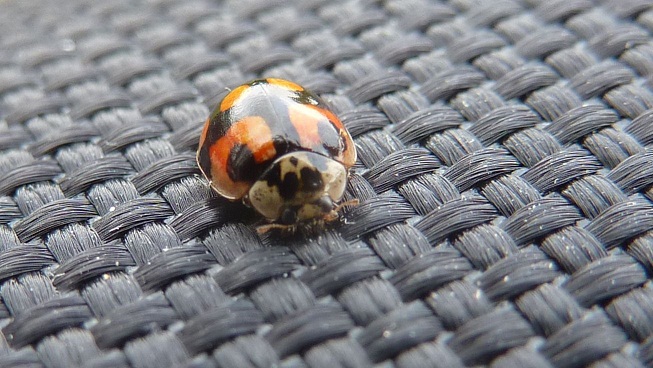
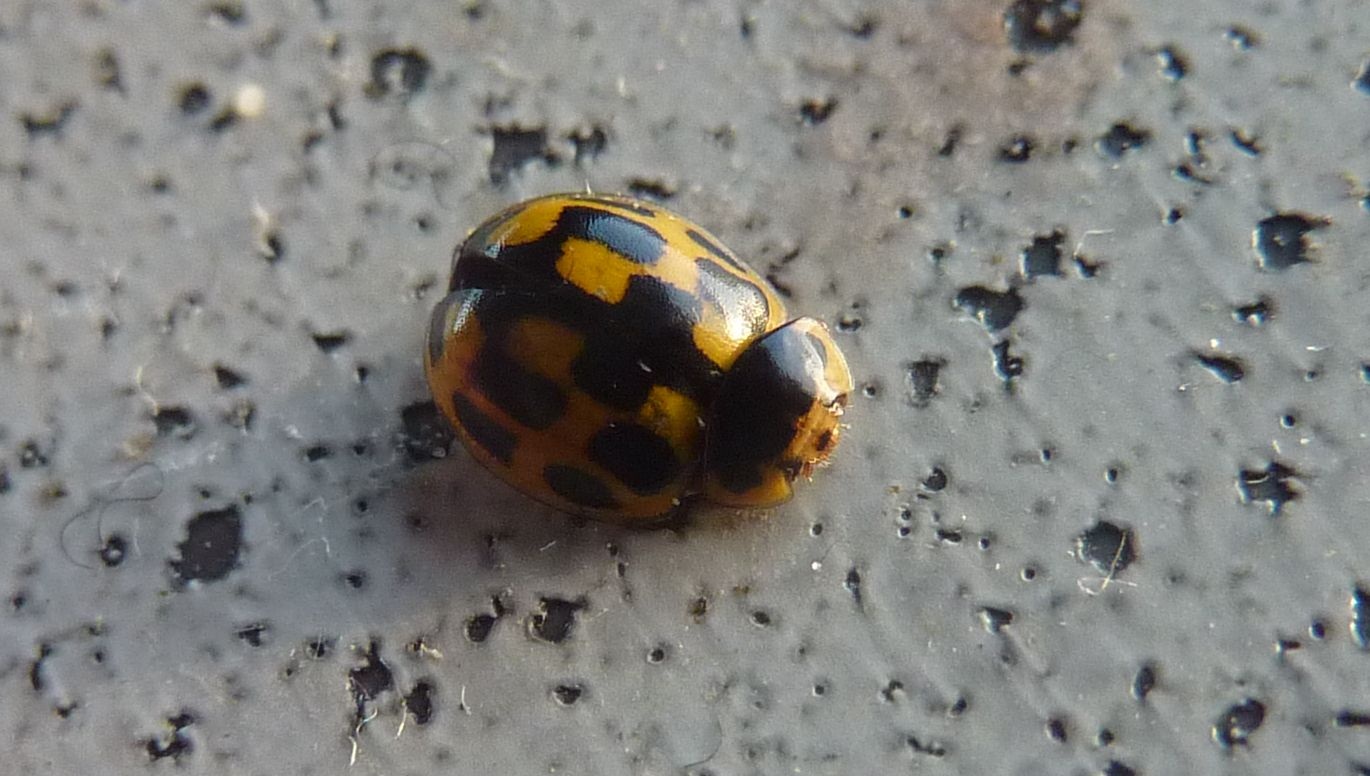
- Adalia decempunctata. A melanic 10 spot ladybird. It’s quite small.
-
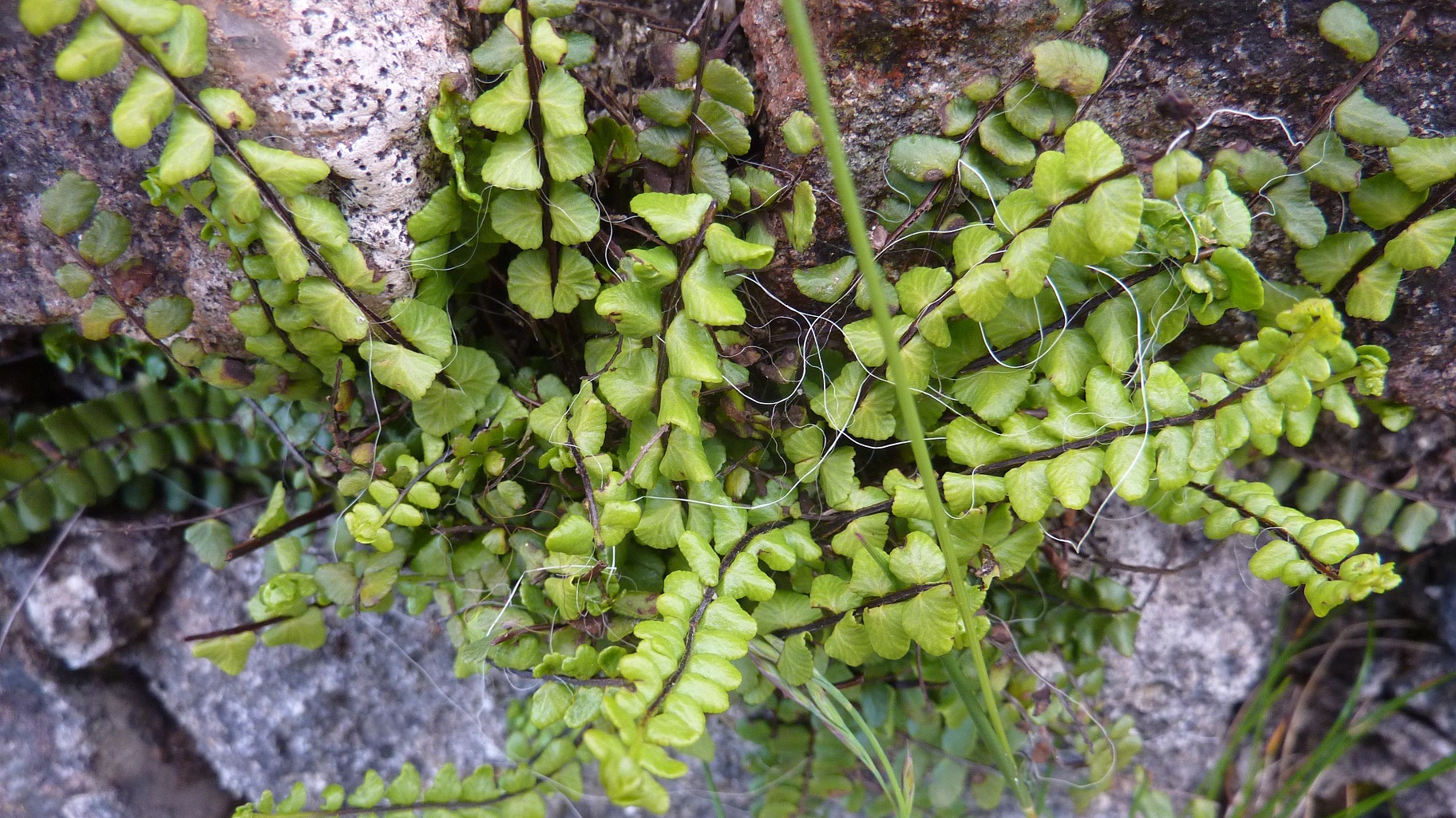
- Maidenhair spleenwort, get in! I can’t remember seeing any of this since I found out what it’s name was. I’ve always wanted to tell someone that this is maidenhair spleenwort.
-
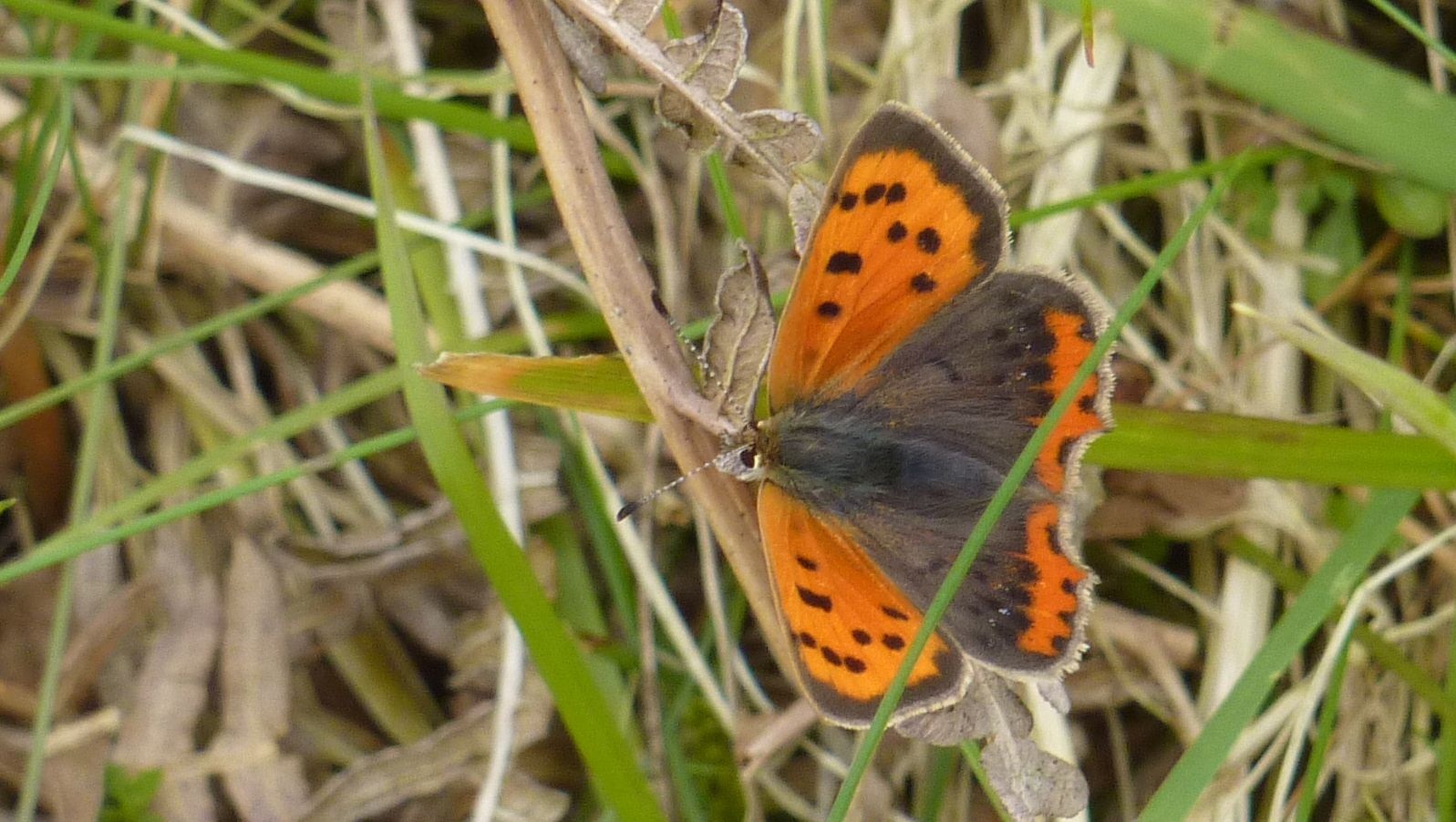
- Small copper (Lycaena phlaeus)
-
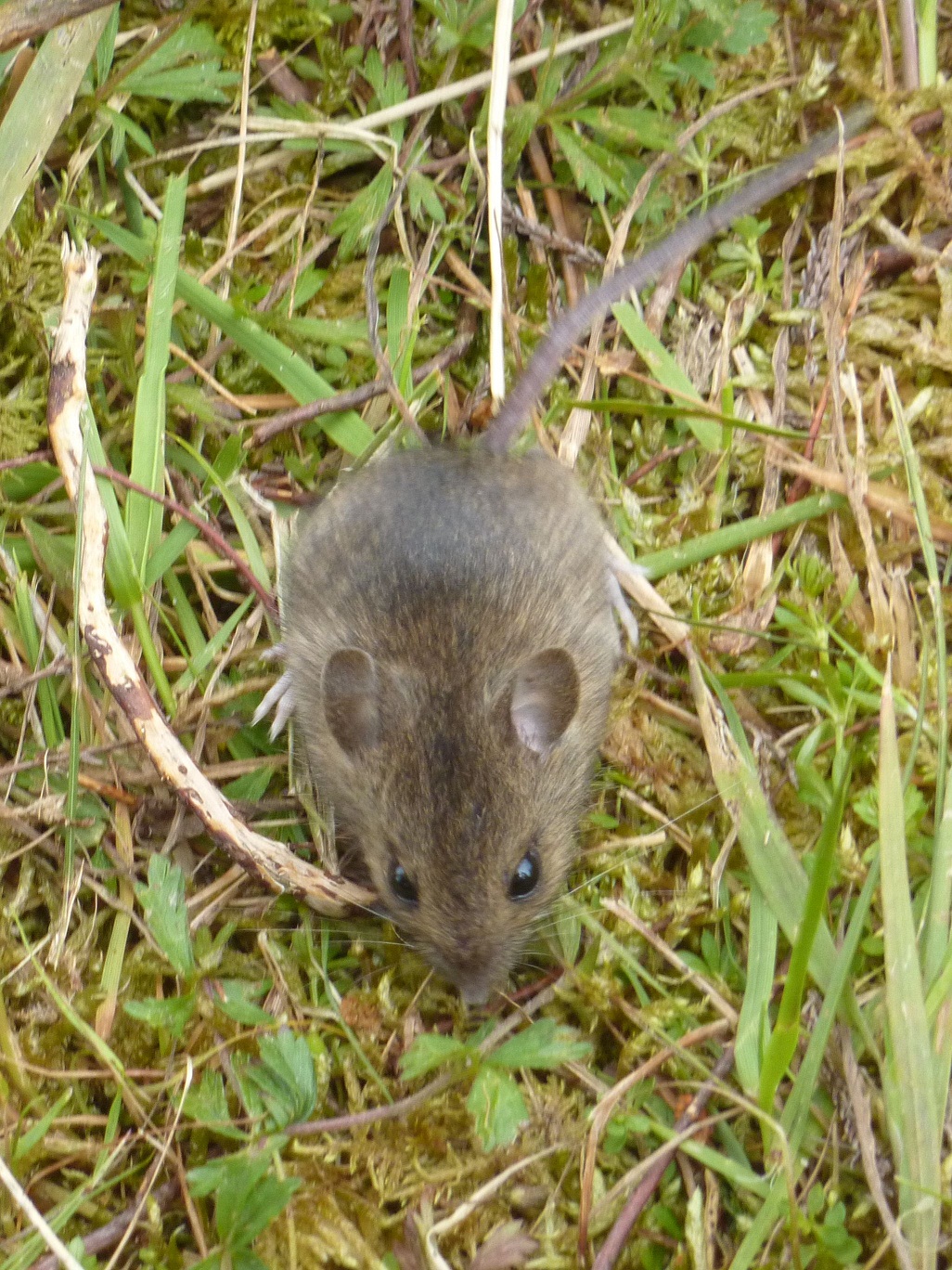
- This is likely to be a wood mouse (Apodemus sylvaticus)
-

- At least two whitethroat fledglings and possibly another lurking on a lower branch

-
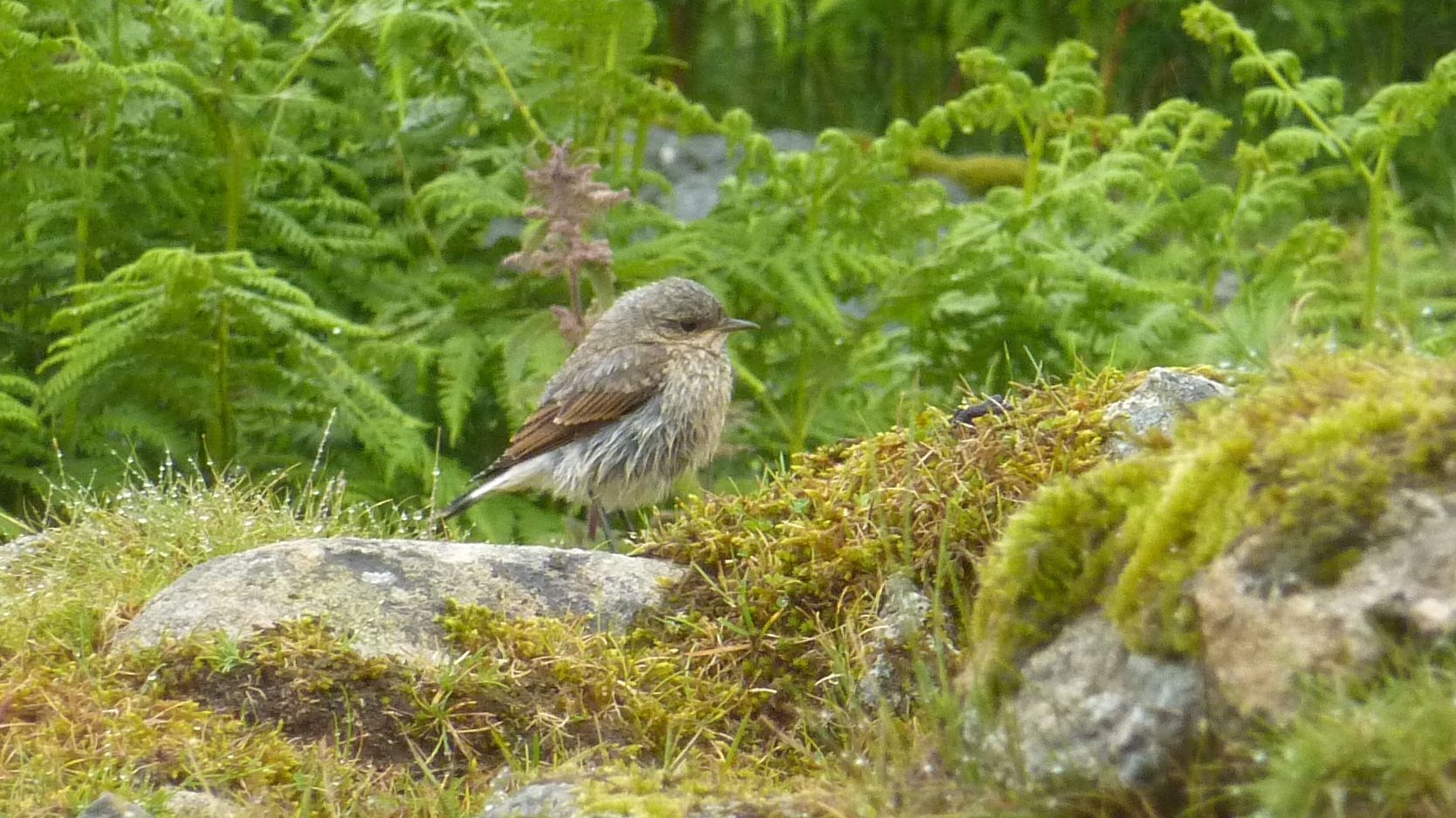
- Unlike Cornwall the creatures of Dartmoor (including this young wheatear) had to deal with plenty of rain after I arrived
-
- I wouldn’t know where to begin to id this. Is it the black haired mustard fly (Sinapisium crinisnigris)?

-
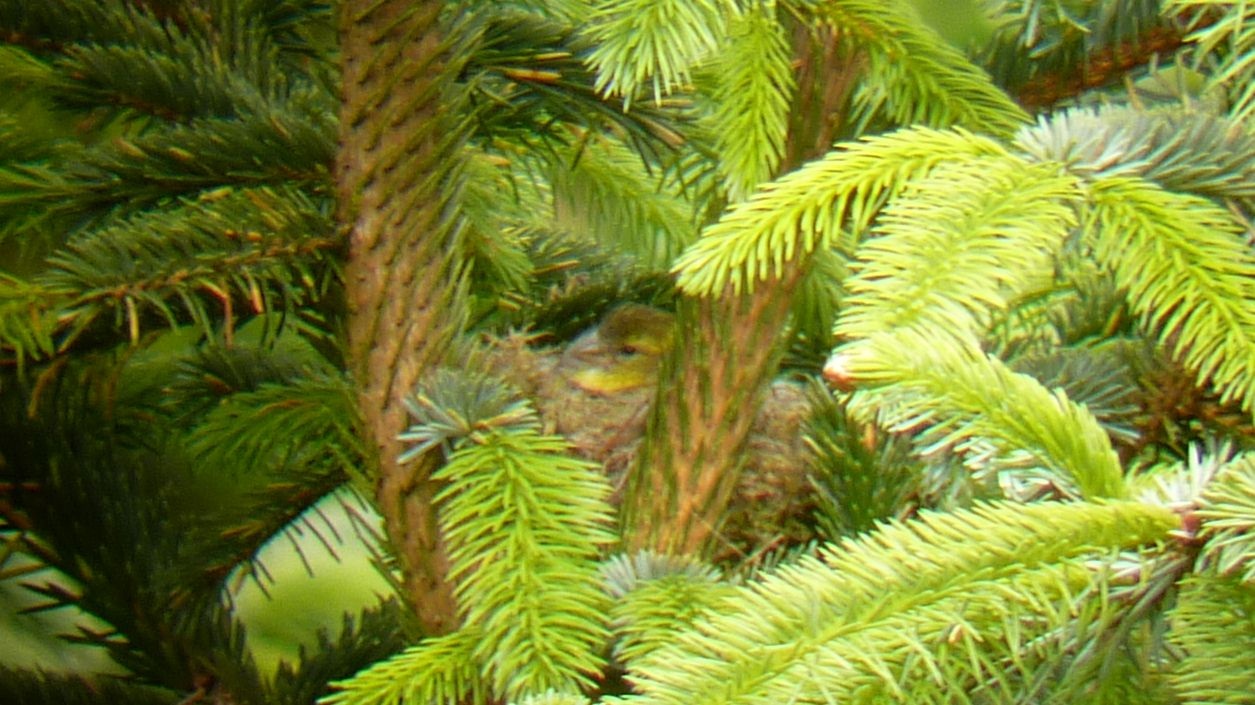
- Mummy siskin on her brood
-
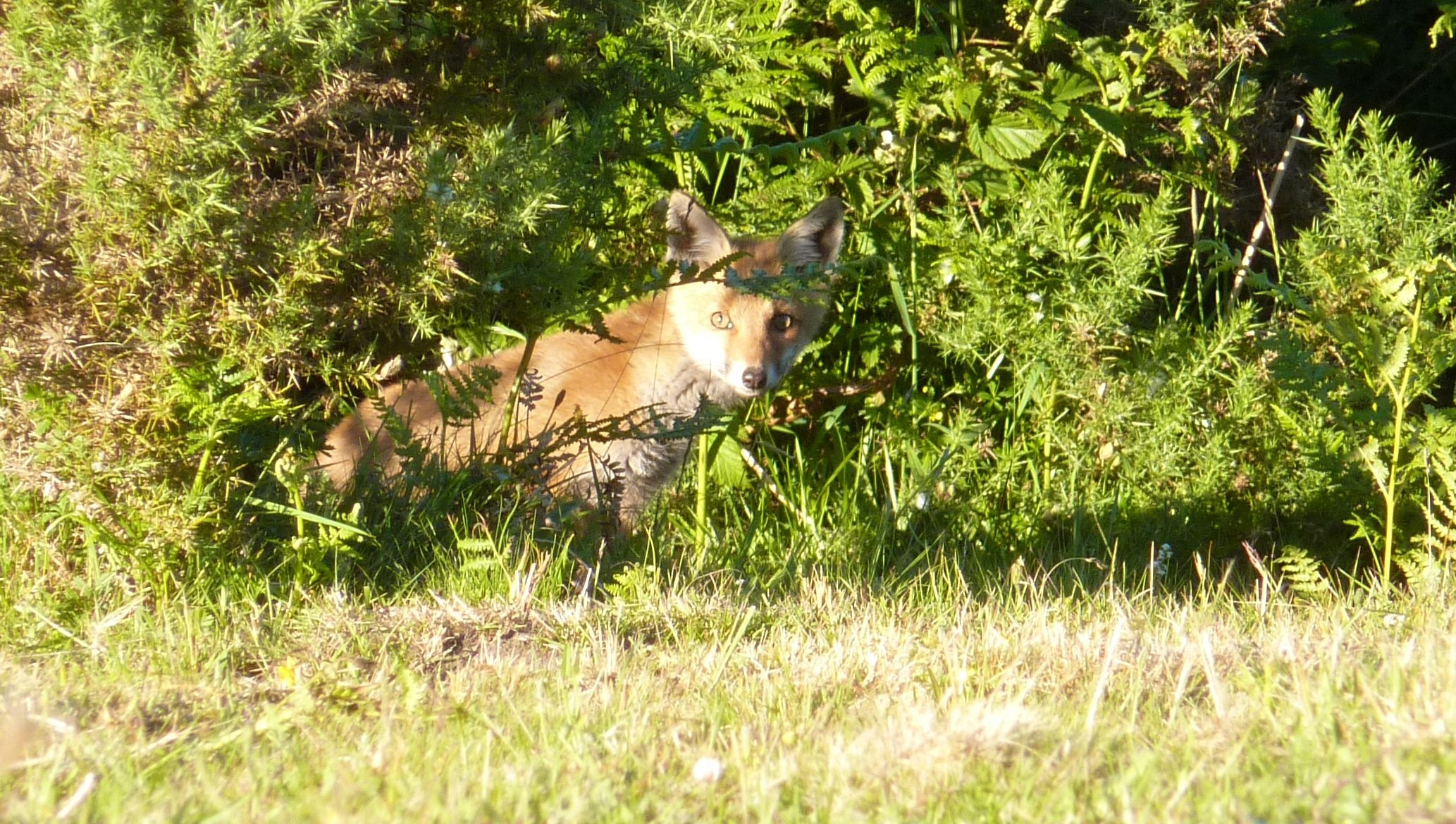
- The photo is good (even if I do say so myself), but the moment was even better
Weston Super Mare
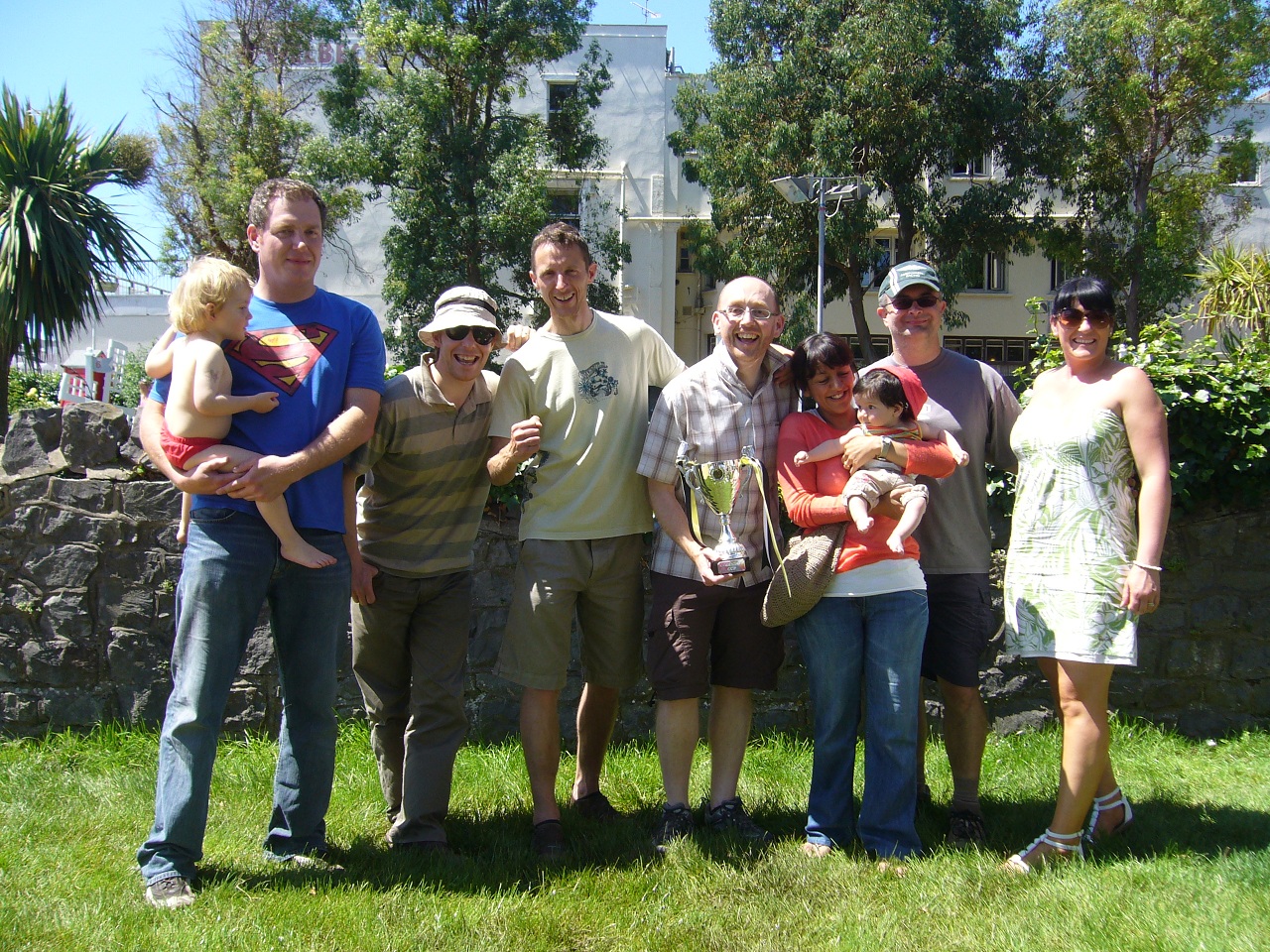
Every year I meet up with a bunch of my university friends in a UK seaside ‘resort’ and we party like its 1999. Well, we used to (especially in 1999). These days we have a few drinks, dance, eat and wonder how long it’ll be before more kids than adults turn up. This year we re-visited our 1997(?) venue of Weston Super Mare. The last time we were here I was able to drink, heavily, there were (I’m pretty sure) no kids, JD slept on the lawn of the hotel with a dog, and I jumped off the sea wall and landed on a concrete ramp, forcing beach patrol to come out and check up on me. Thankfully I was diagnosed as having no broken bones by Mike, a dentist.
This time the evening passed smoothly, I was introduced to baby Saffiyah, I ended up in Dave’s winning Sunday crazy golf matchplay team and I headed back to Dartmoor happy to have experienced some sunshine and laughter.
-
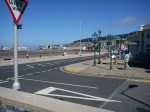
- Has the beach wall changed in recent years – I seem to remember it being bigger

-
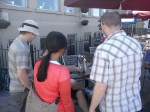
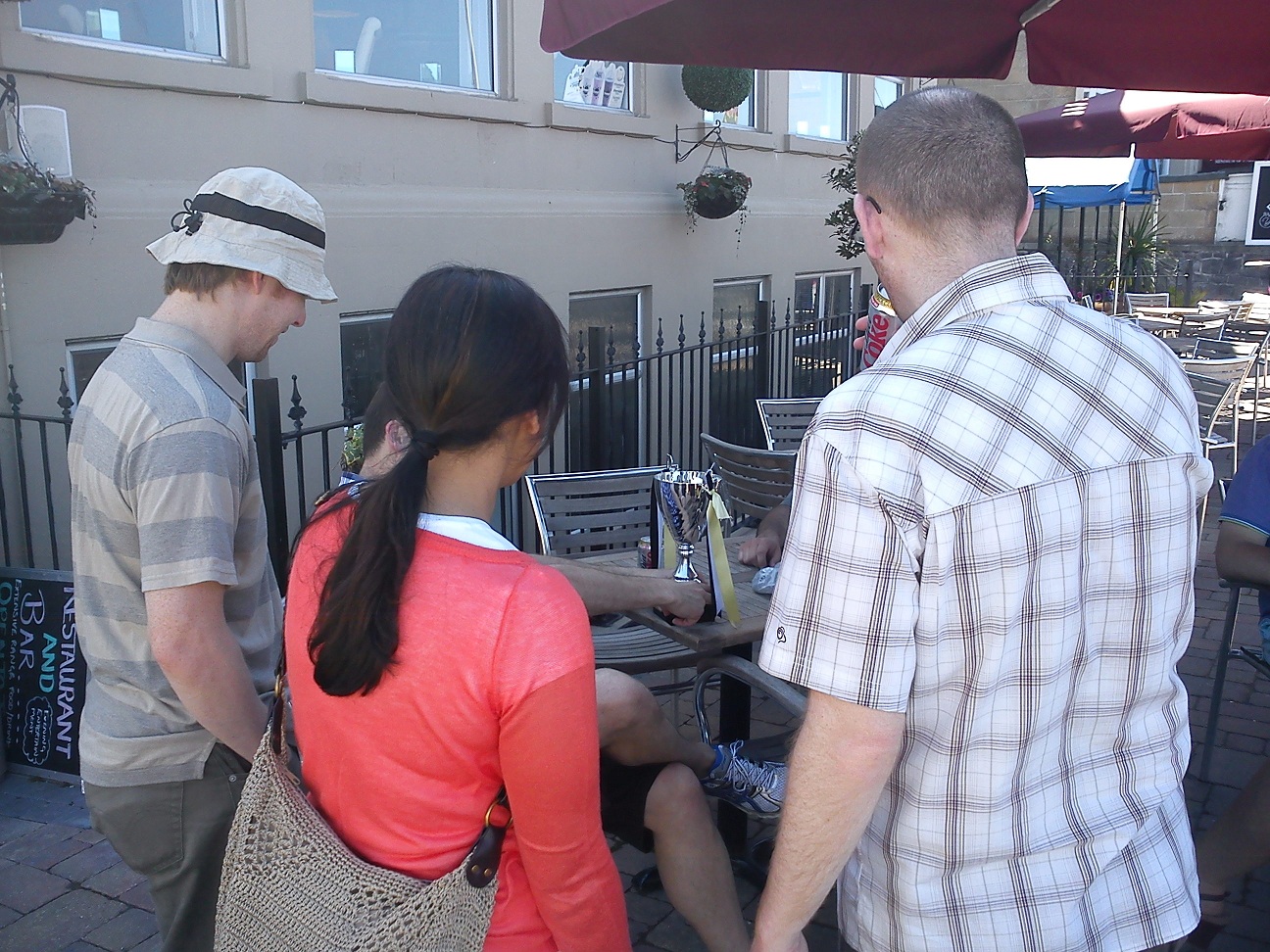
- The crowds jostle for a view of the Godinson cup
-
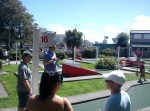
- High tension on the golf course

Severe lack of good form
Hello. Yes, those of you who follow my outdoor antics (all 5, yes, it’s going up – it’s possible to subscribe to emails via the link on the right (Mum!). An email will only be sent when I post something i.e. not that often, and then in bursts…) will know that I’m not very good at blogging in real time. My entries tend to get added to the site in a retrospective fashion. Alas, such is the nature of the beast. If I’m going to spend all my time working outdoors, in remote locations, then I can hardly expect to have access to the world wide web on a daily basis.
Tomorrow I start a new assignment on the lovely Dartmoor. I will, once again, be out of reach of modern digital communications for much of the time. I’m looking forward to it, it’s something of a fillip to be able to see people whilst communicating with them, rather than spending time trying to work out how to insert sarcasm into text.
Anyway, I’ve not finished adding all my Cornwall entries, even though I’ve been staying in a house (!) for a few days, which I’m pretty disappointed about. I’ll do it when I get a chance. The latest news of the lovely Whitebrown and Brownblue, is that they have three beautiful boys, who are, apparently, thinking very hard about leaving the nest. News will be posted here when it happens.
I could be away on Dartmoor for up to eight weeks, during which time blogging will fall to the bottom of the list of priorities. But, there’s so much to look forward to. I am going to stay at RSPB Abernethy over the winter, and I’ve a couple of TFL weeks lined up this Autumn. I have more photos from Cornwall to add, and will, no doubt, see some good stuff on Dartmoor. In the mean time you could read the ramblings of the fabulous Rob Pedley, or the really delightful Heather and Stuart, on their way to New Zealand.
Any comments always welcome, especially where I’ve not been able to, or have miss-identified something.
Cornwall – the South West coastal path
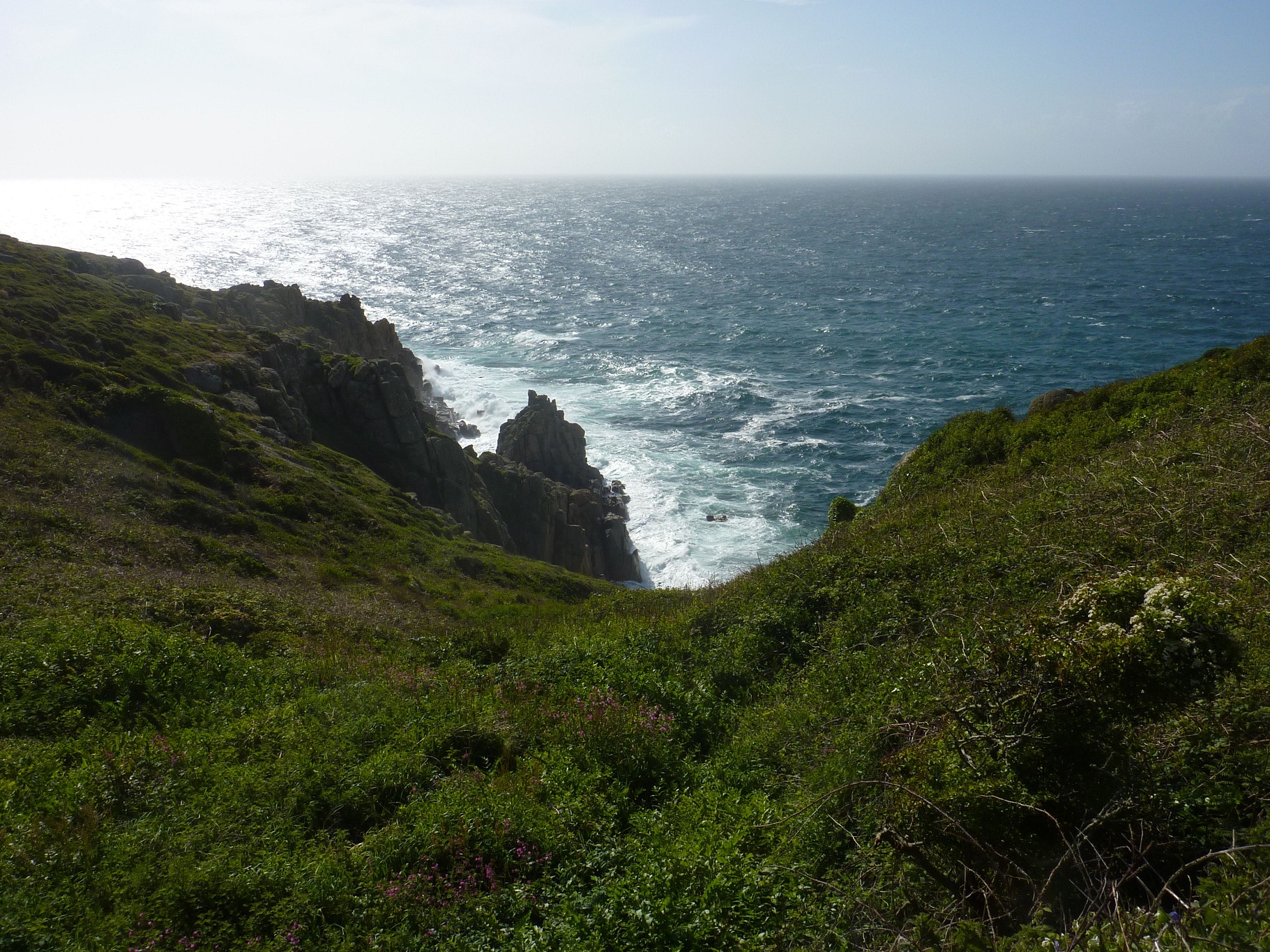
During the last couple of months I’ve had the opportunity to spend a great deal of time walking the coastal path between Penberth and Land’s End. As well as all the wildlife that I’ve already documented I’ve been blessed with having to look out over the equivalent of landscape (and seascape) eye candy every day.
I’ve tried to capture some of the best moments, but this is all I have to offer…
-
- An evening shot of the church at St Levan

-
- This lovely undisturbed scrub is one of the reasons why so many species live here
-
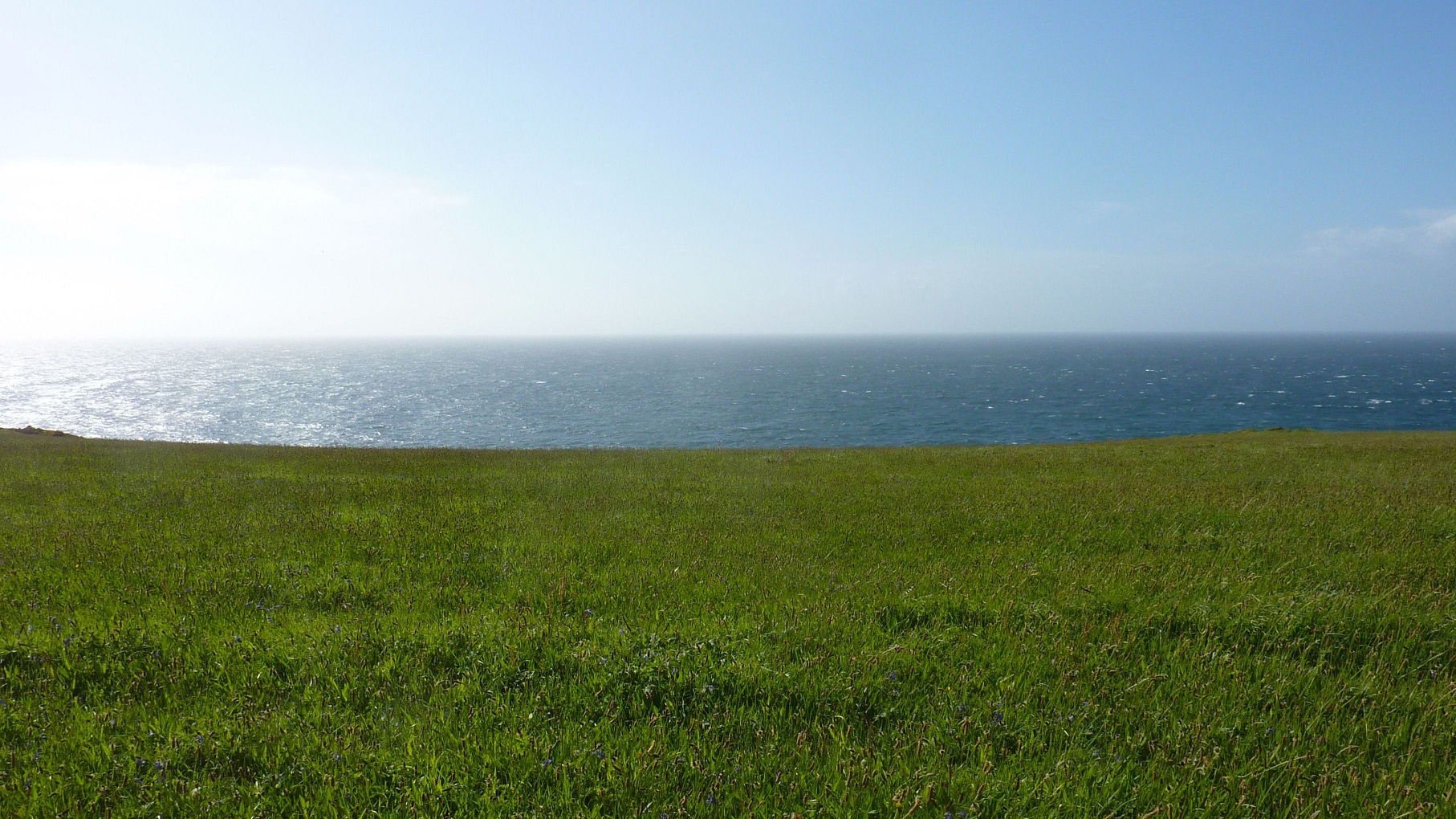
- Wild flower meadows, managed by the National Trust, is another.
-
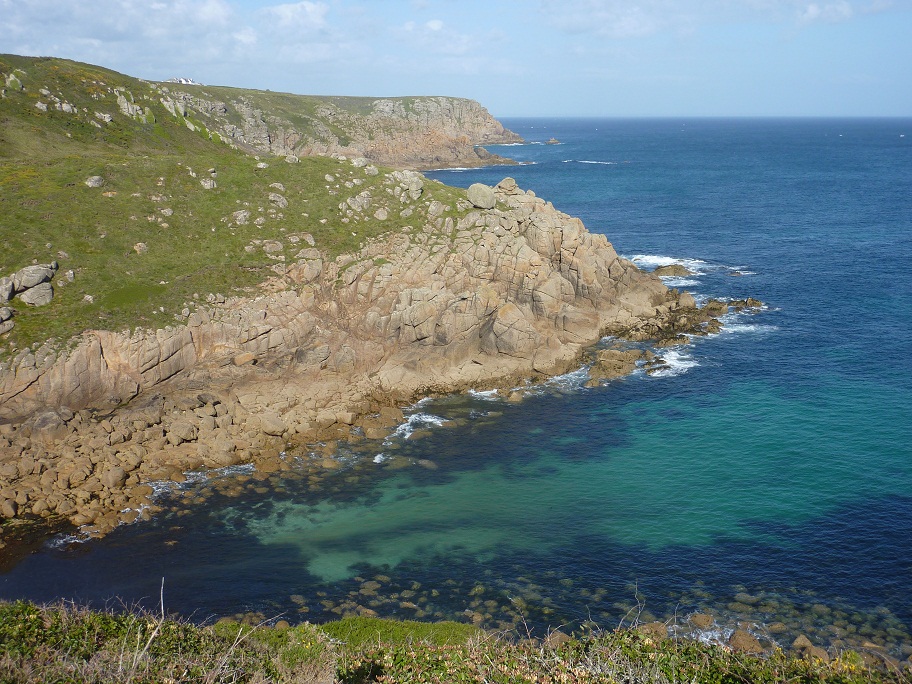
- Porthgwarra
-

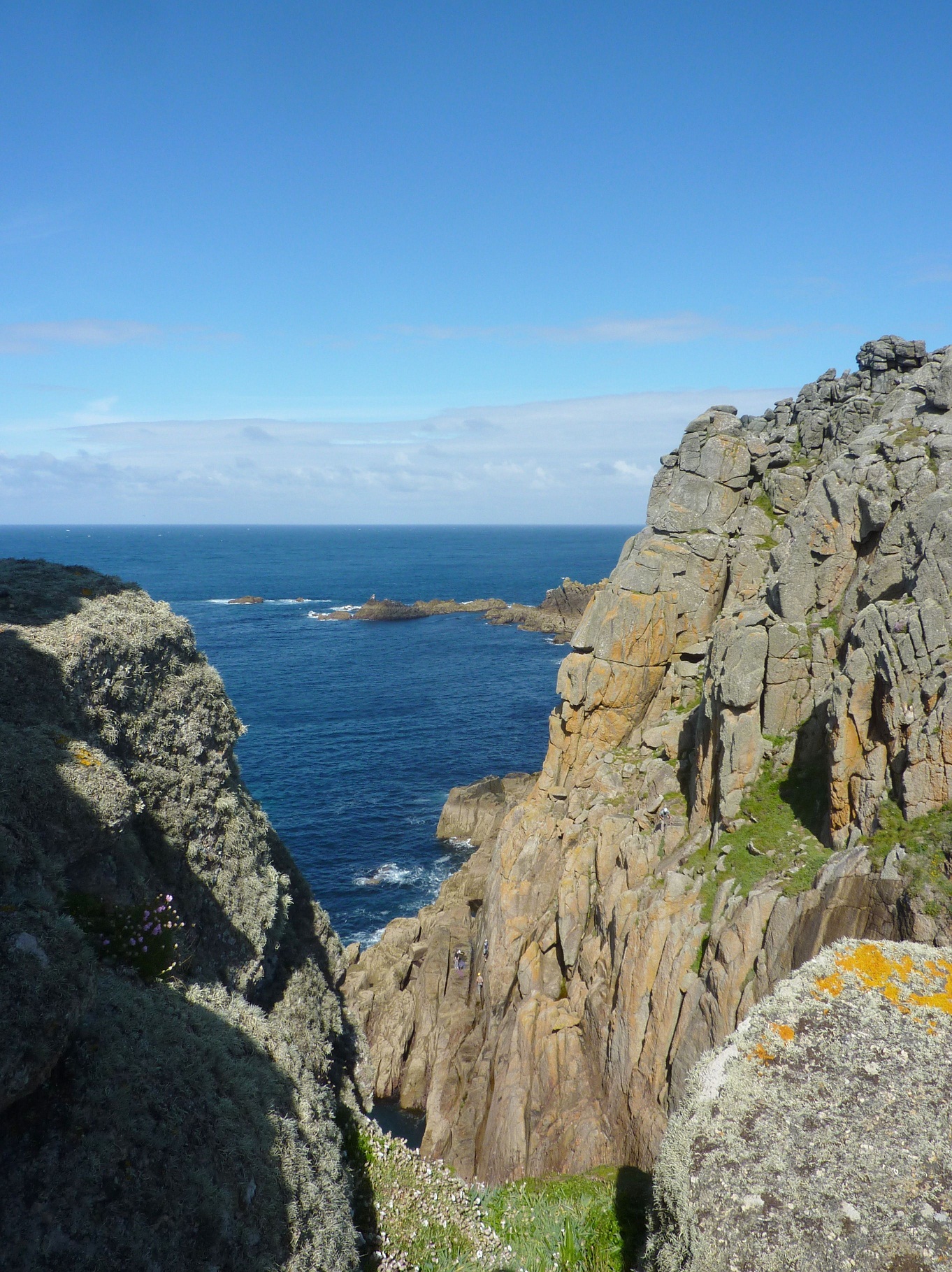
- A popular spot for climbers
-
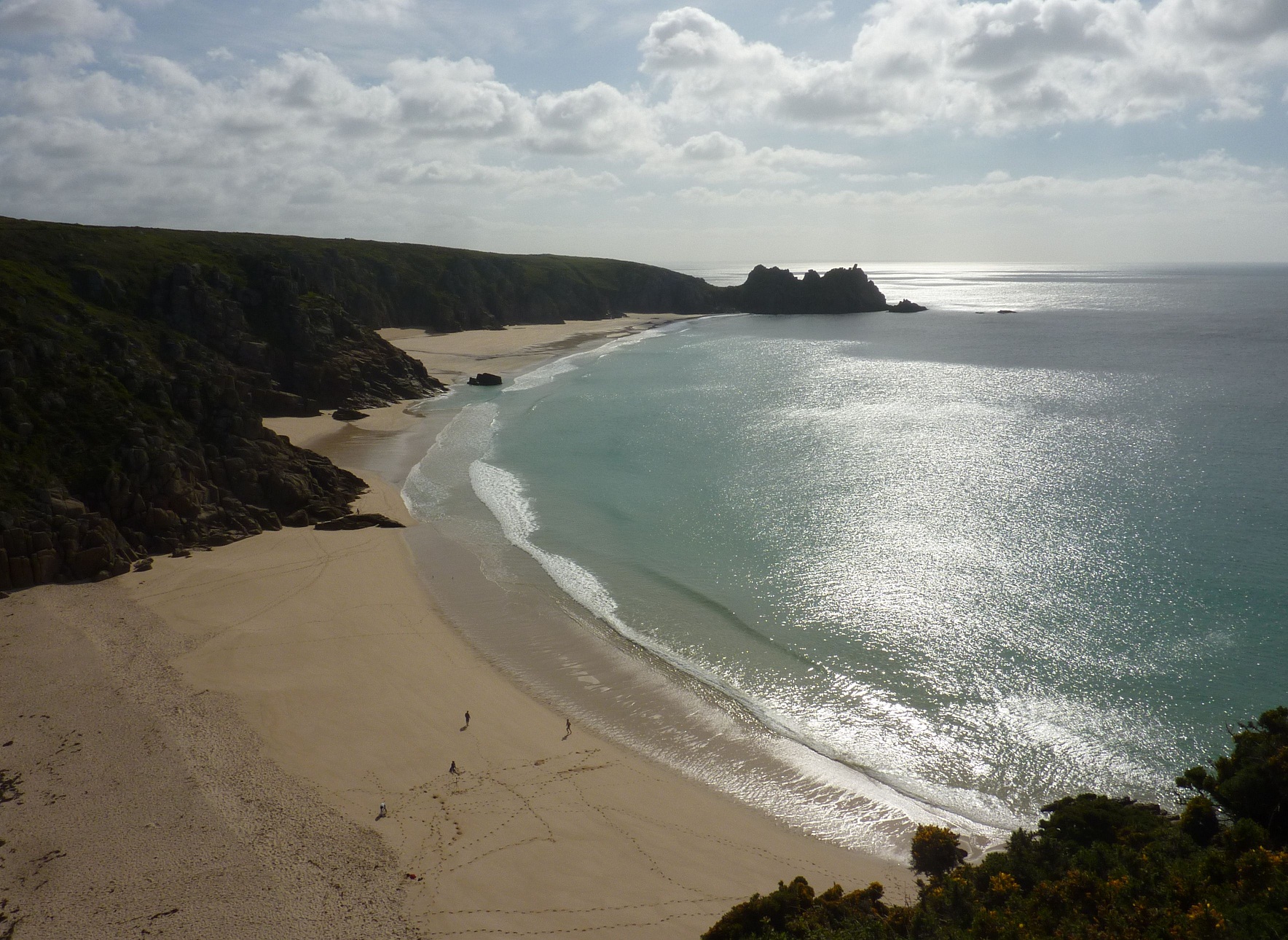
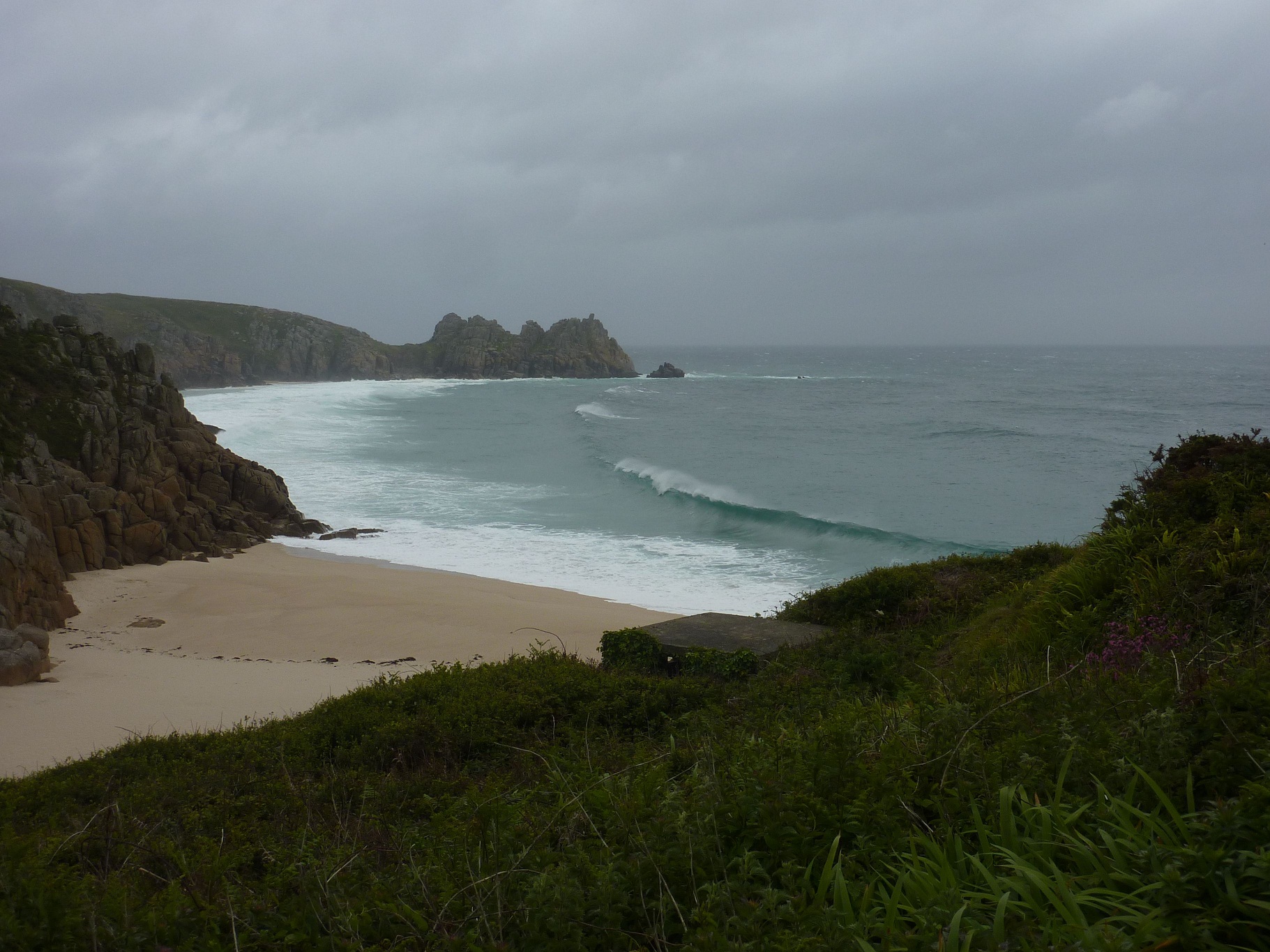
- Porth Curno and Treen beaches
-
- There were rare occasions when the sun didn’t shine (but I wished I could spend the day boarding)
-
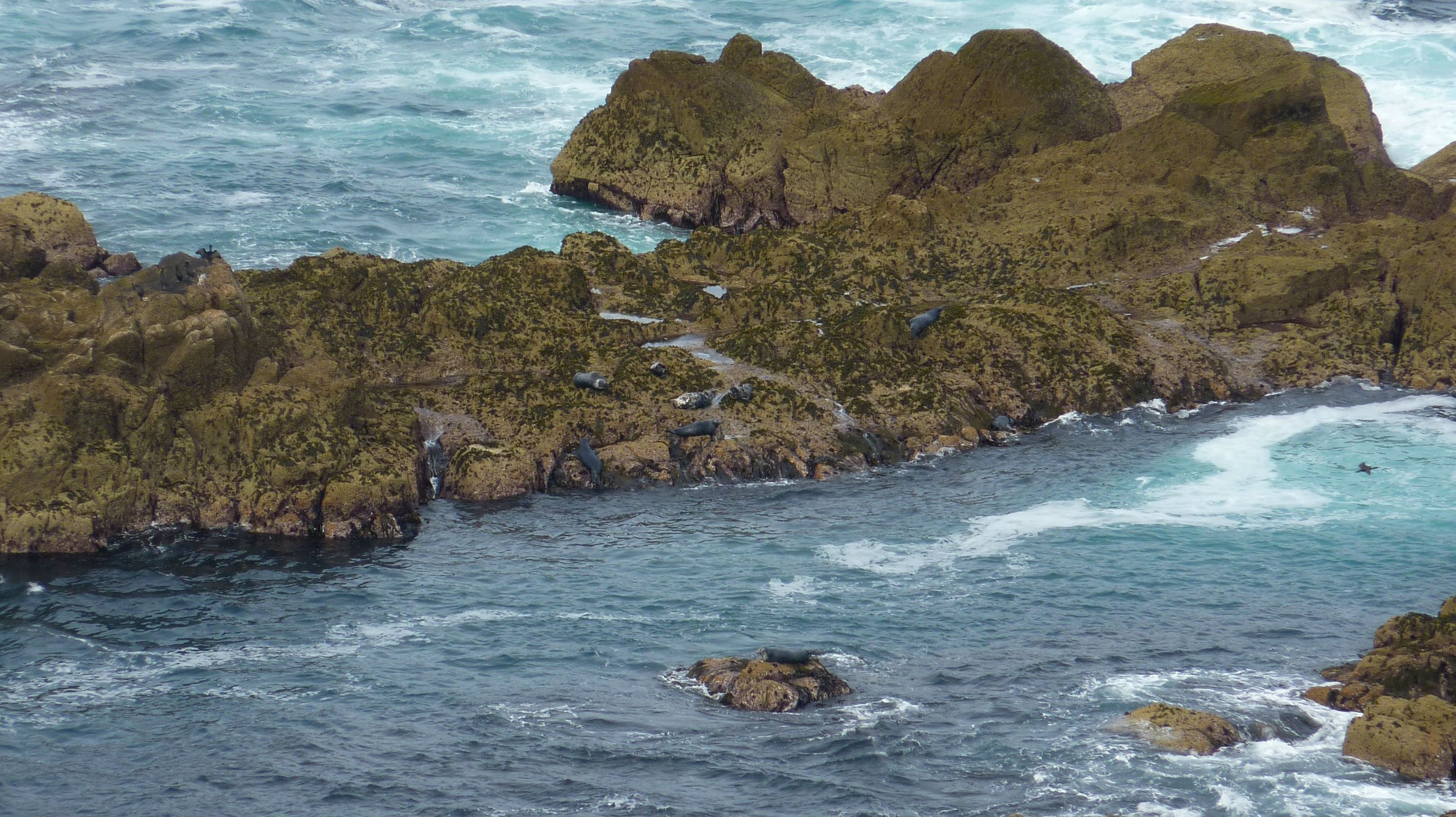
- Seals on rocks near the watch point at Gwennap Head
-
- Porth Chapel

-
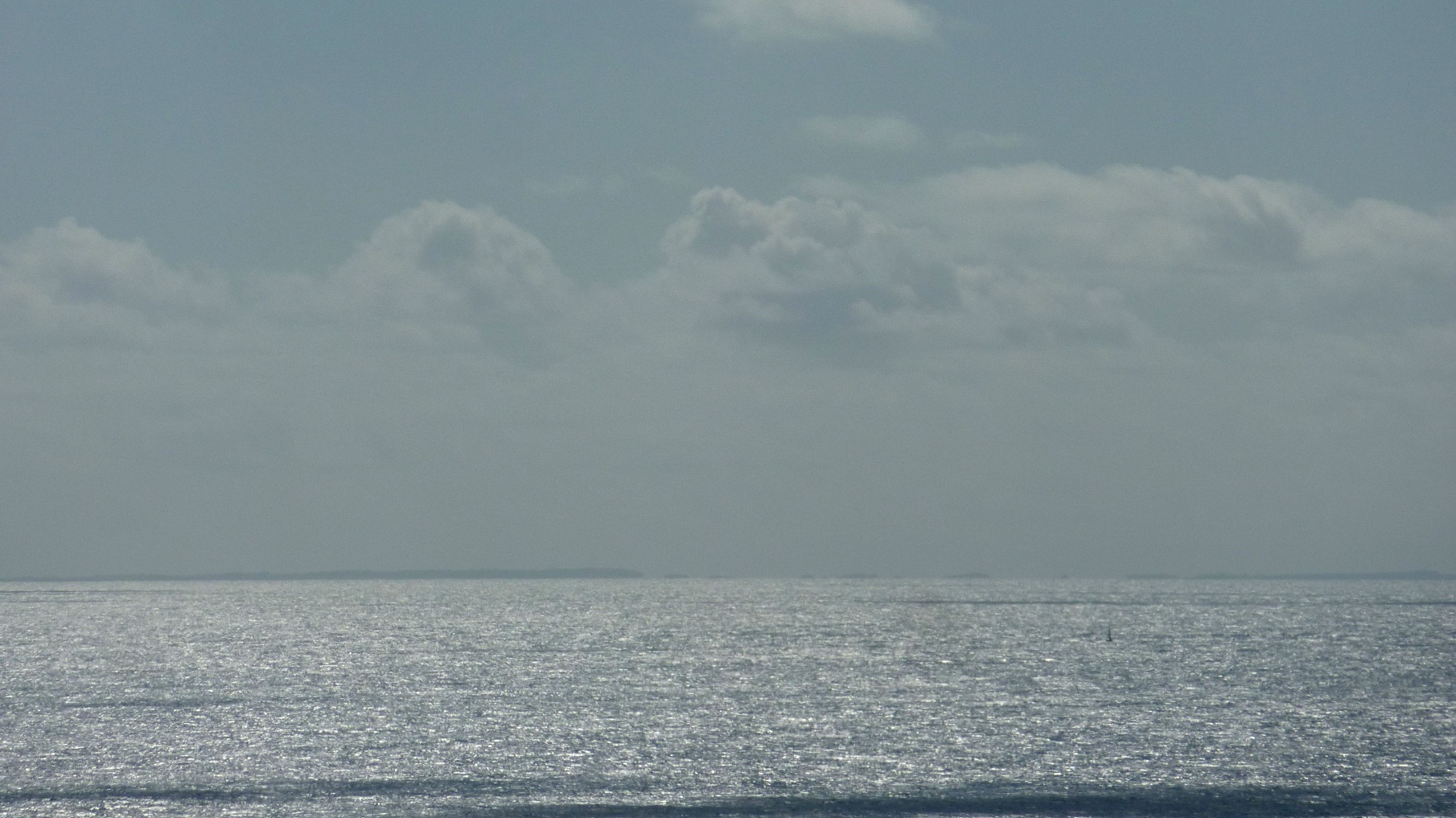
- The isles of Scilly
-

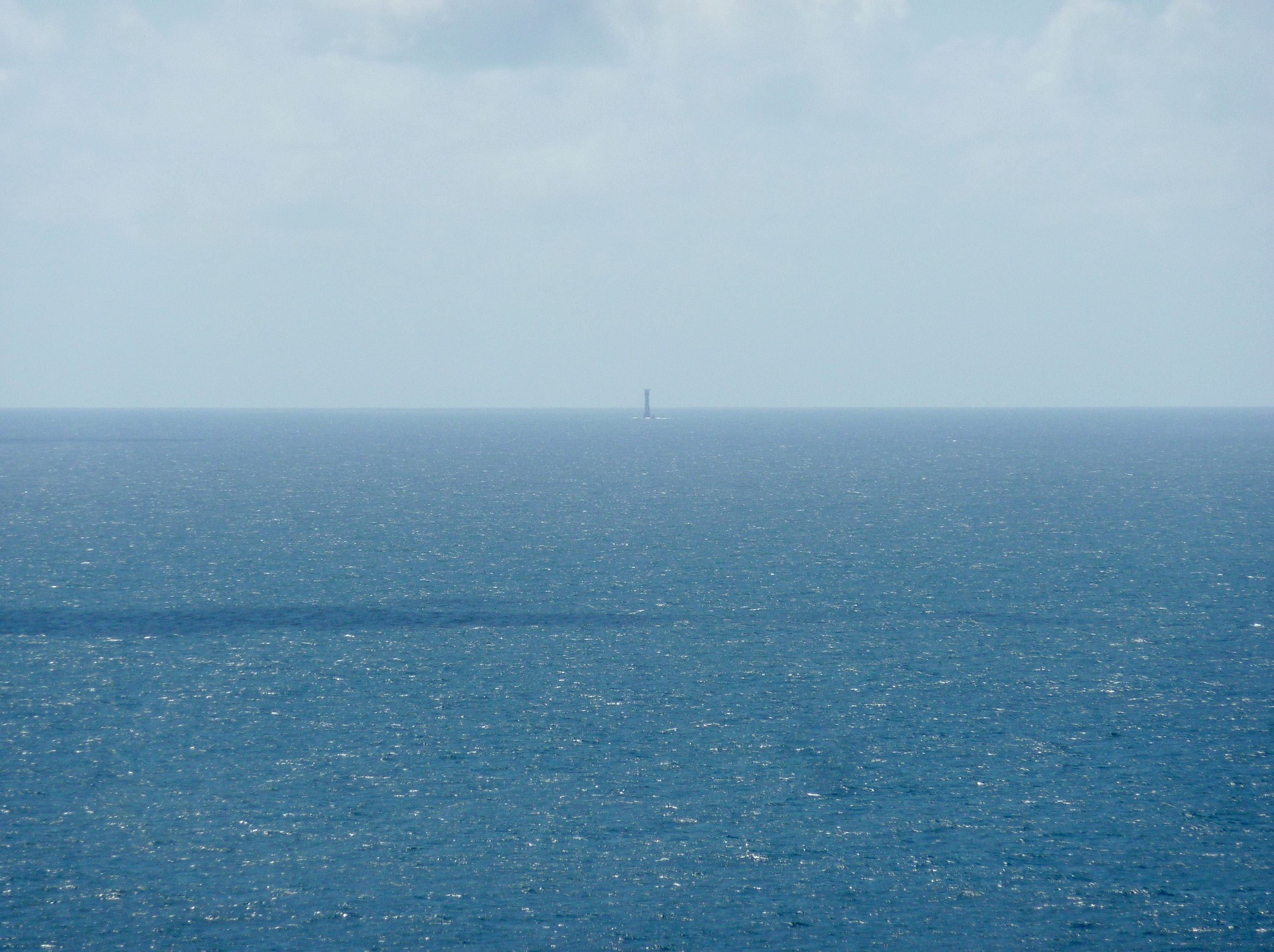
- Wolf Rock lighthouse
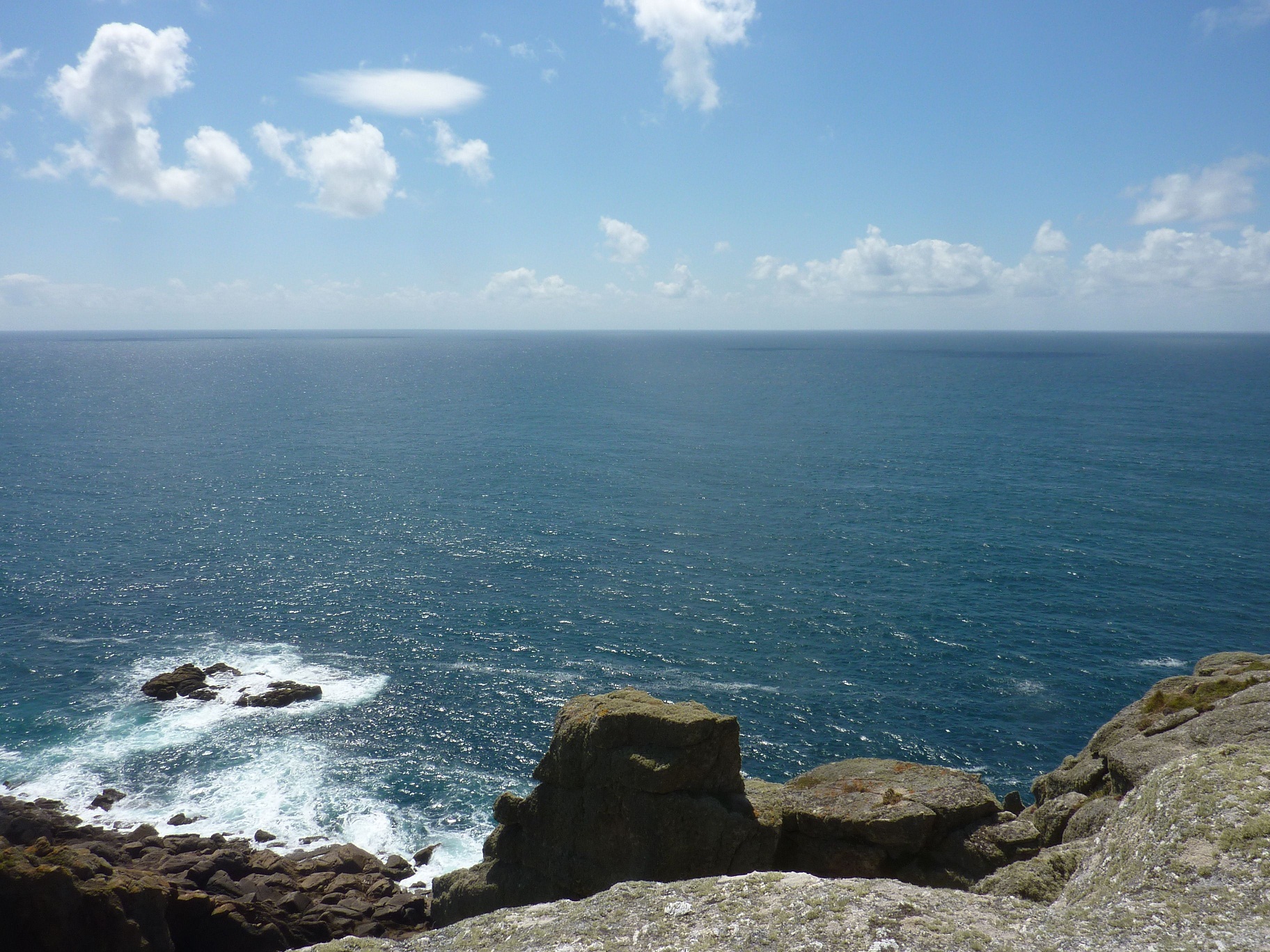
Some pics from my last two days on the Cornwall coast
So, my time walking and monitoring the coast of Western Cornwall has come to an end. For now. But the last couple of days have provided some of the best surprises. Firstly the wind on Thursday morning provided a fantastic looking swell rolling into the beaches, where I was able to watch seals and cormorants swimming amongst the waves. Then I spied a basking shark gliding about in the waves, the birds were all flying acrobatically in the wind, and one of the choughs performed an amazing roll and dive into the nest site at one point. On top of all that I saw a bird that looked something like a stone curlew blown in with a flock of jackdaws. It lingered just long enough for me to make out the two yellow lines down its back/wings, but then, as it flew away inland, its wings just didn’t seem dark enough.
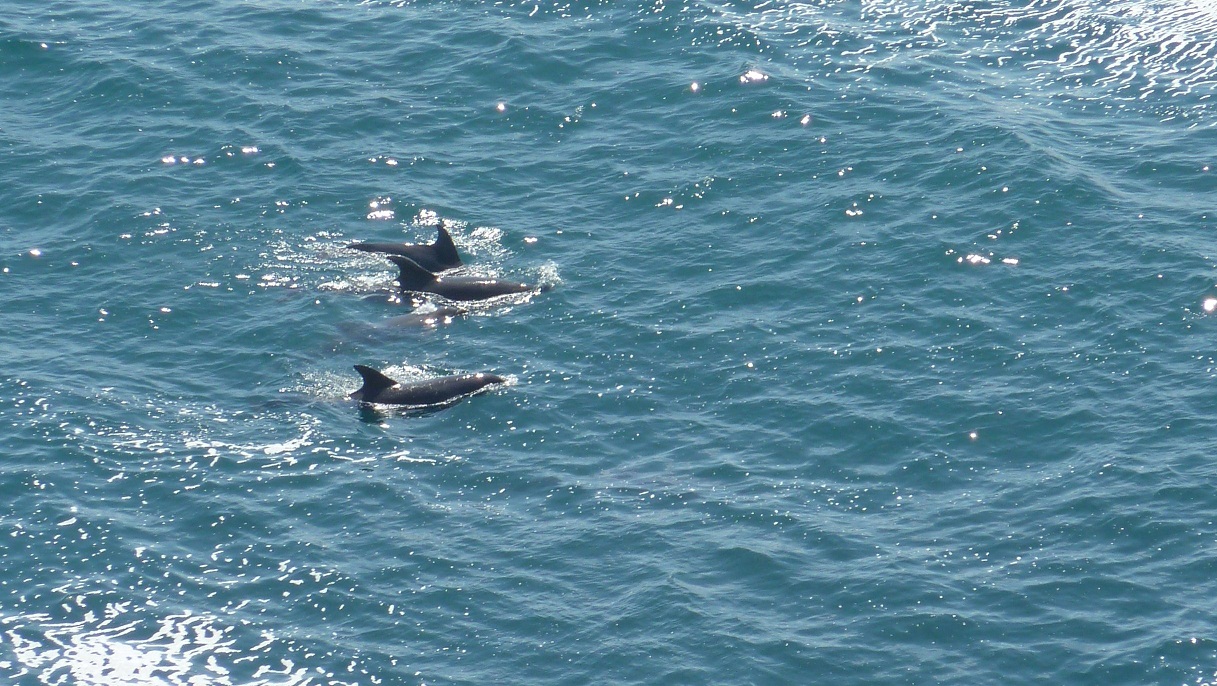
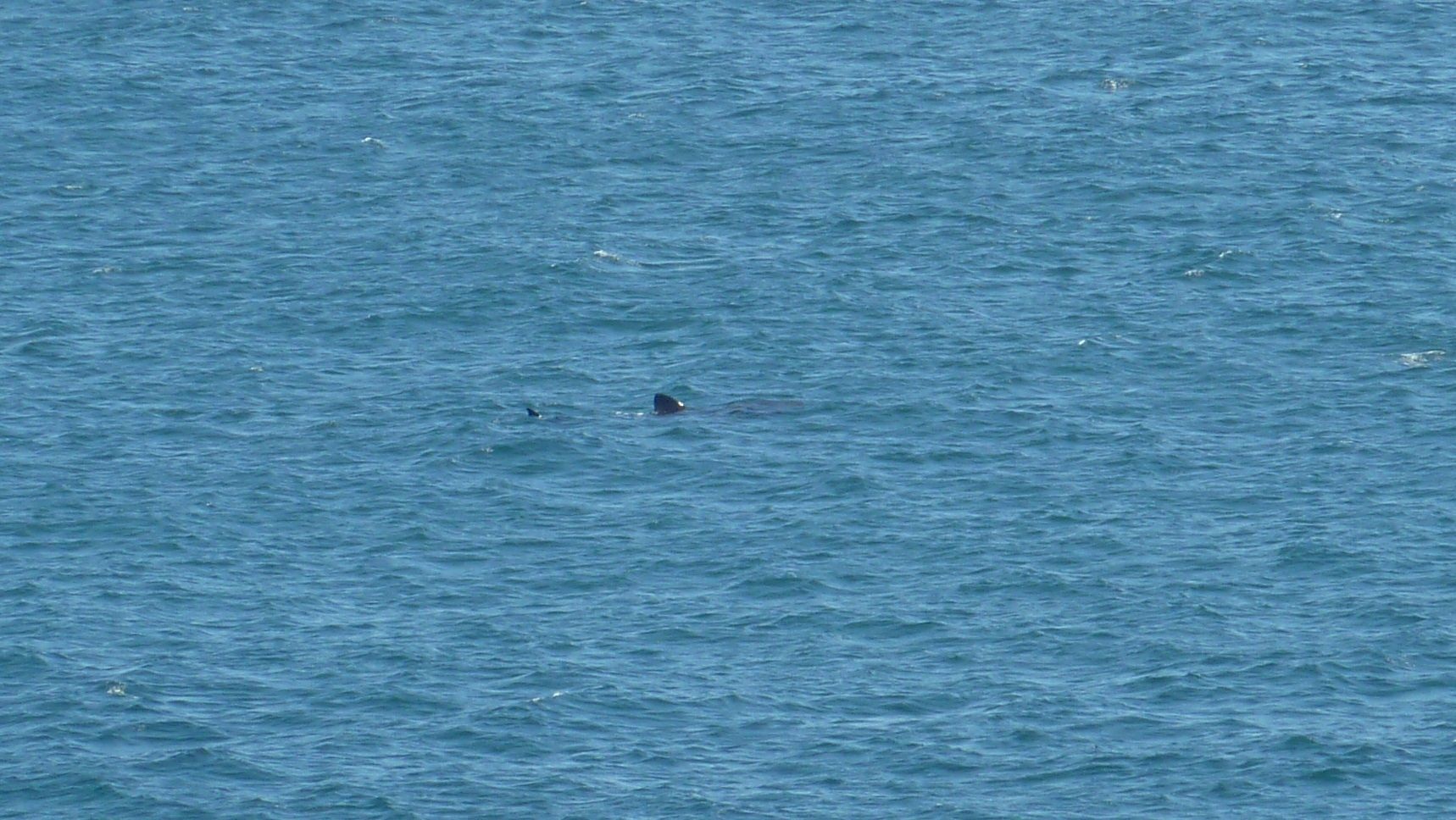
Then, yesterday, the weather was still, sunny and hot. I met Nic (Shanks, of the chough project) at our watch point and the little ones were still not out. I’ll miss seeing them fledge. Instead nature rewarded me with dolphins and a basking shark, and a clear view of the isles of Scilly.
I guess you’ll want to see pictures…
-

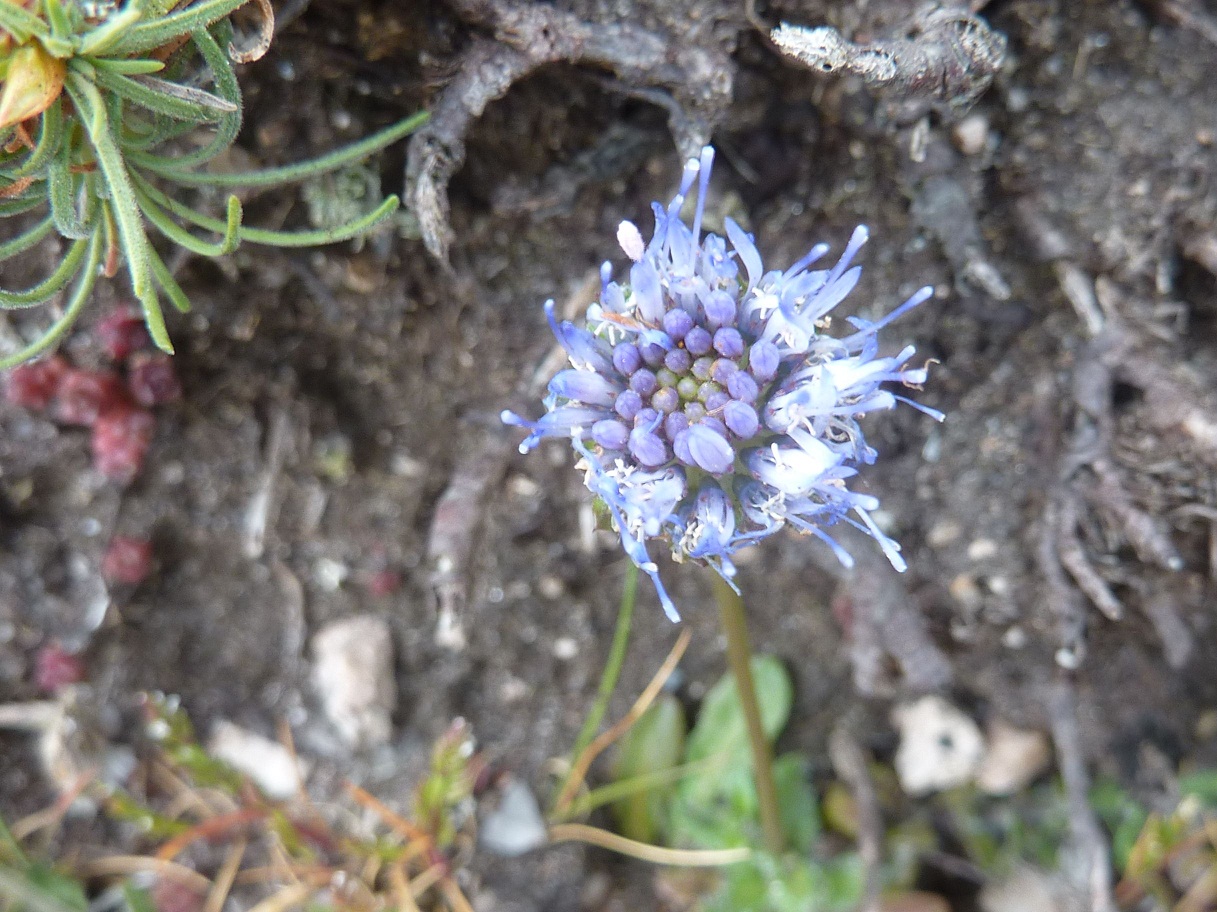
- Jasione montana?
-
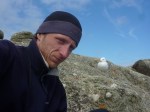
- Me & Larry

-
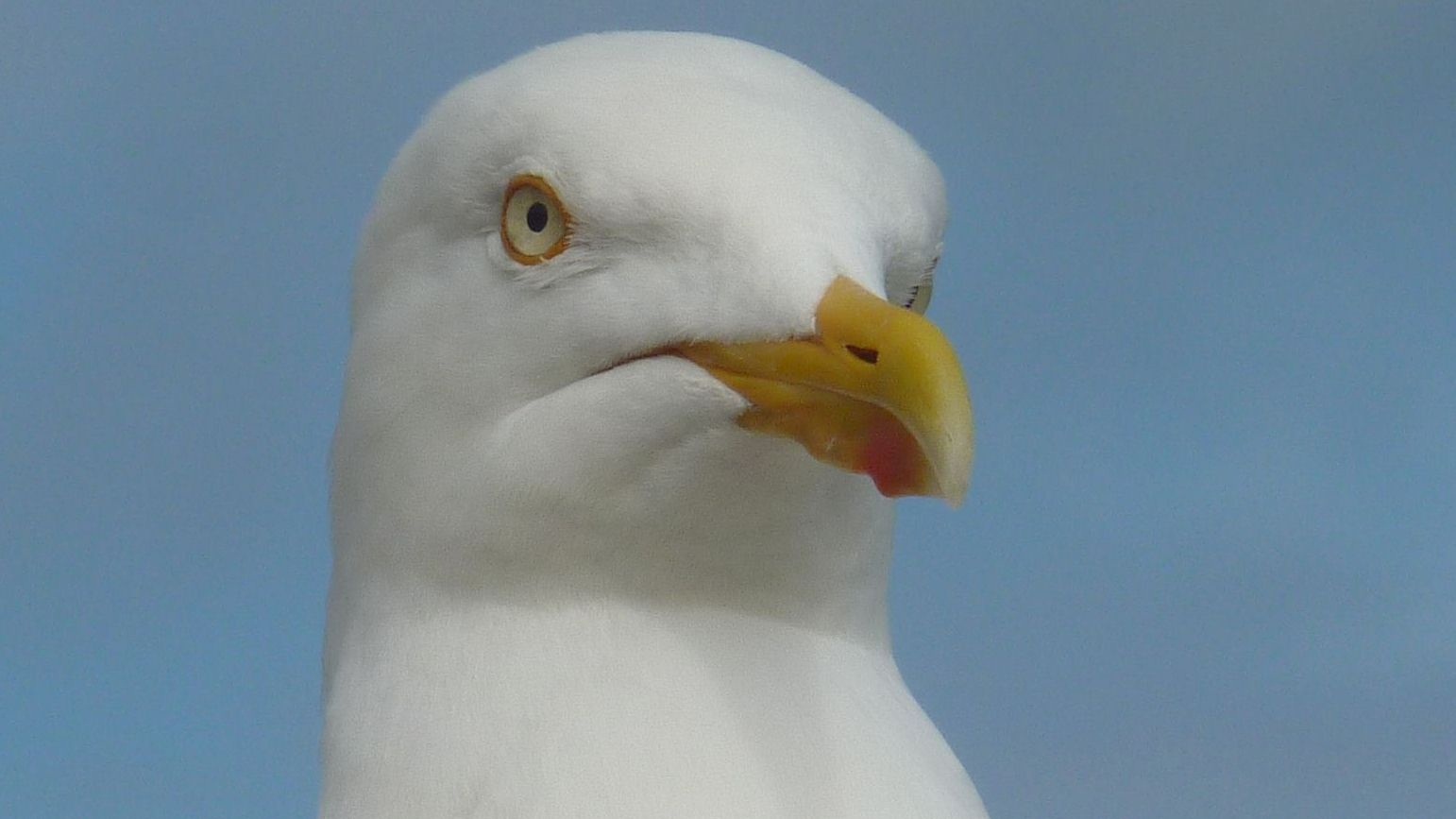
- Larry posing
-
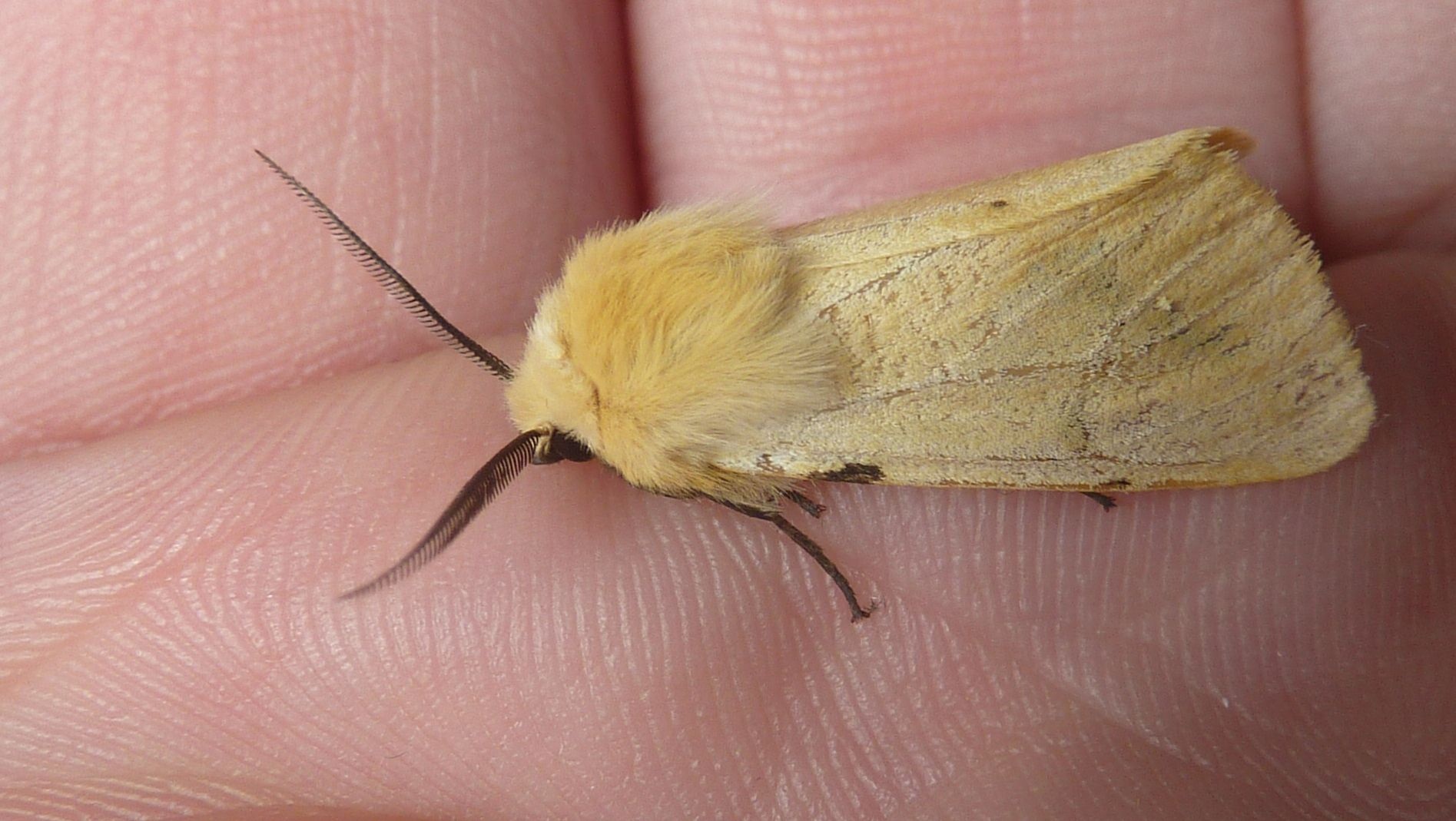
- I think… this may be a slightly worn looking buff ermine (Spilosoma luteum) plucked from the inside of my van?
-
- Ha, another magic moment.
-
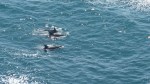
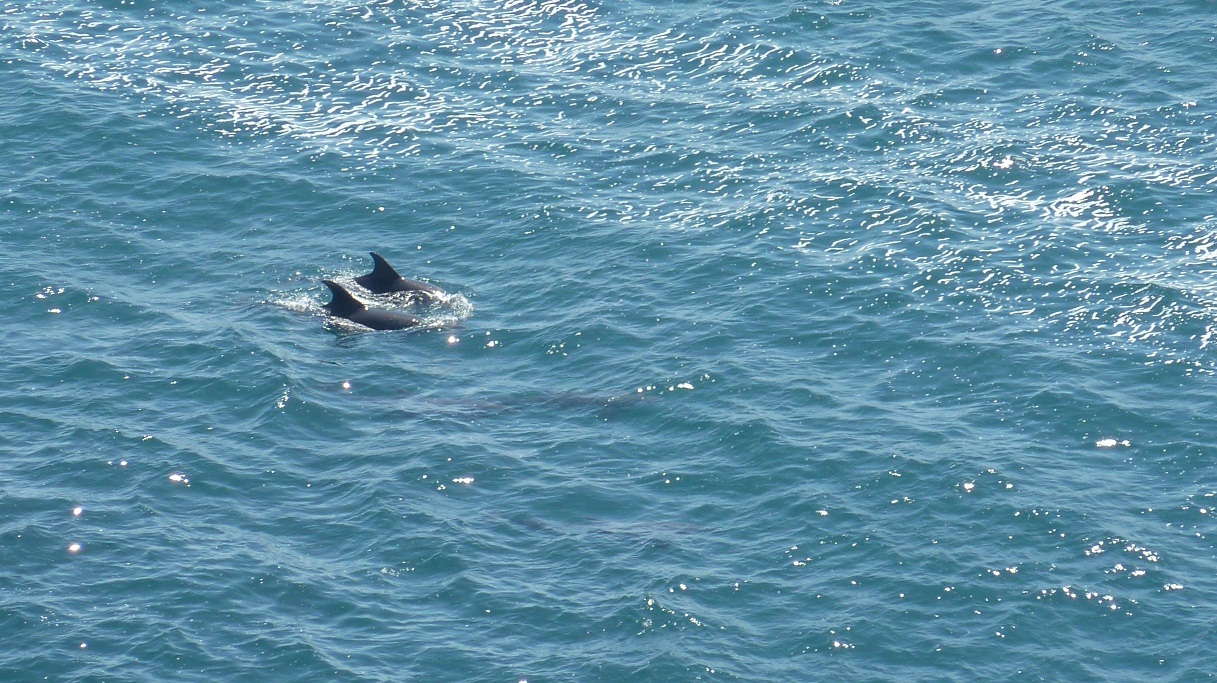
- I’m pretty sure they’re dolphins, five of them, swimming past slowly…
-
- My second shark in as many days.
-
- So, these are what the fuss was all about. Goodbye and good luck BB & WB. You have such a lovely home.
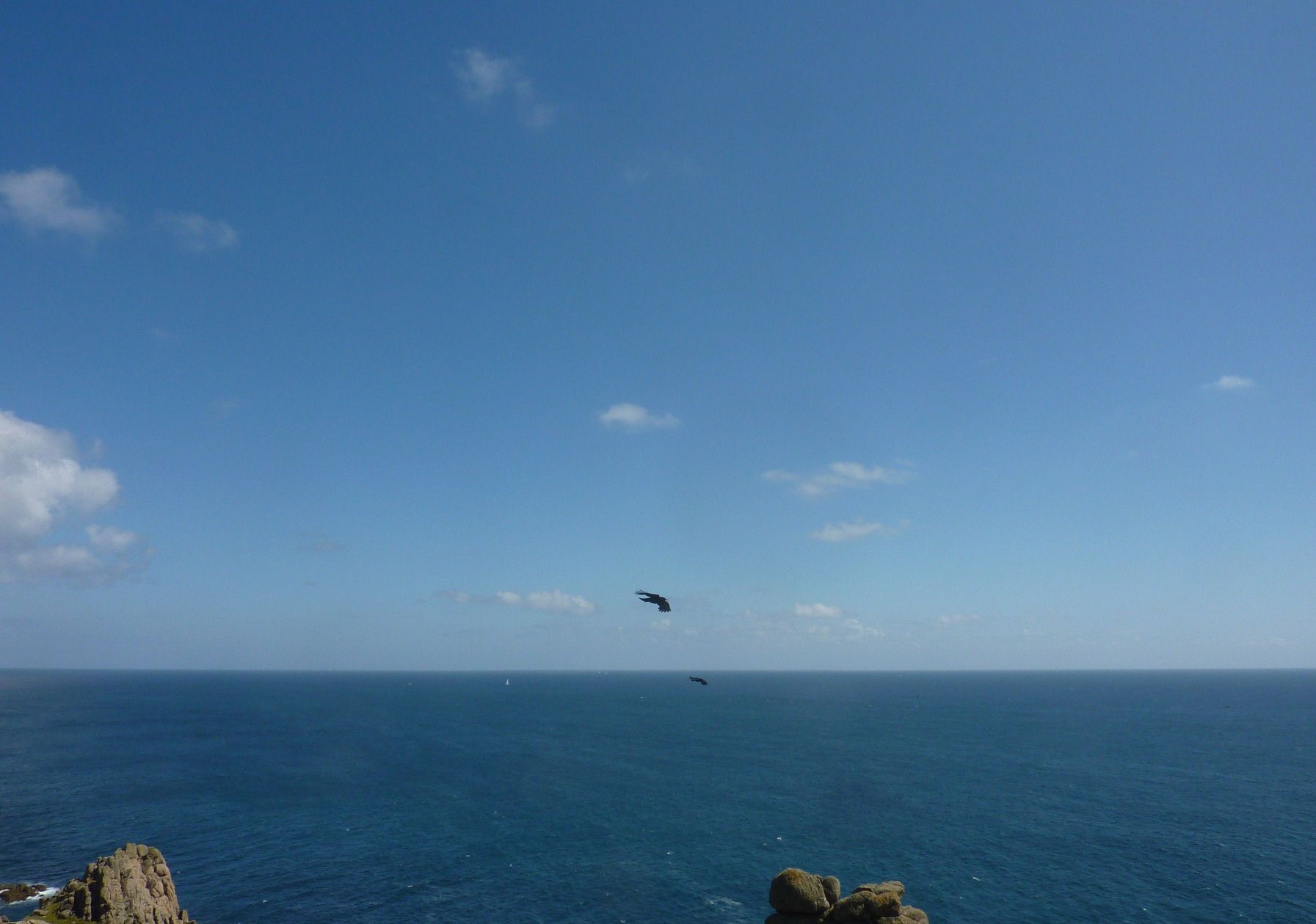
Early morning is the best time
Walking anywhere during early mornings, is almost always rewarding. This morning (before sunrise) and yesterday morning I’ve seen over 20 species of birds, at least 4 species of butterfly and numerous moths and insects.
We wanted to see what time the Choughs were getting up, it turned out to be 0536. As a great example of how nature works I was able to watch as a raven came overhead, and the jackdaw’s started alarming. Almost immediately the choughs appeared and immediately set chase after the raven. Later I saw them mobbing a pair of peregrines that were carving up some prey on the rocks in the distance. However, peregrines are a greater threat, and are treated with a little more caution than the ravens.
-
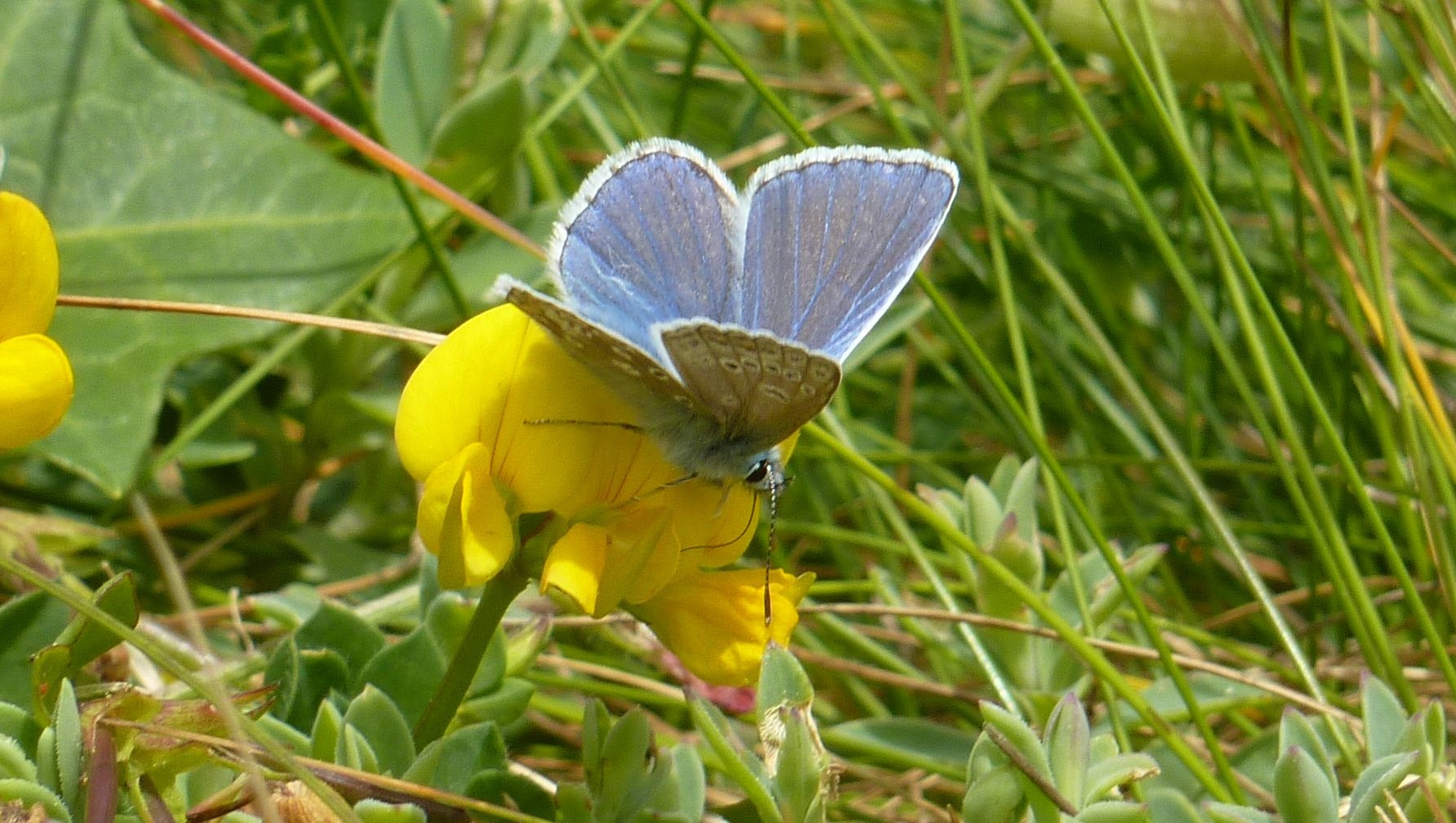
- Common blue (Polyommatus icarus)
-
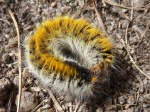
- Grass eggar (Lasiocampa trifolii). Look up the gorgeous moth if you get a chance.

-

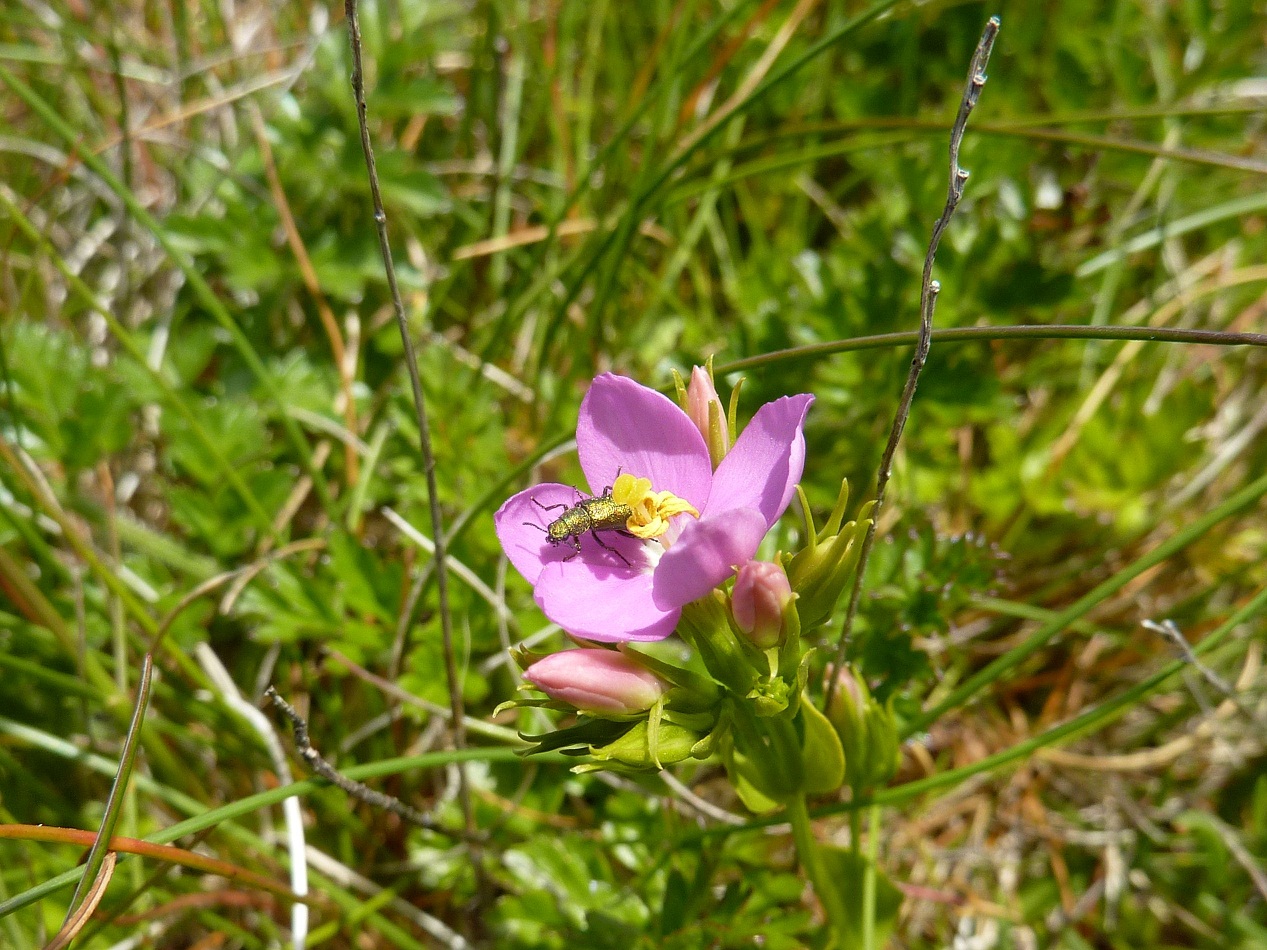
- Another picture of our Centaurium friend with Oedemera (lurida? nobilis? Damn, they all look the same to me…)
-
- A gannet (Morus bassanus)

-
- Lady Whitebrown (soon to be Lady Brown).
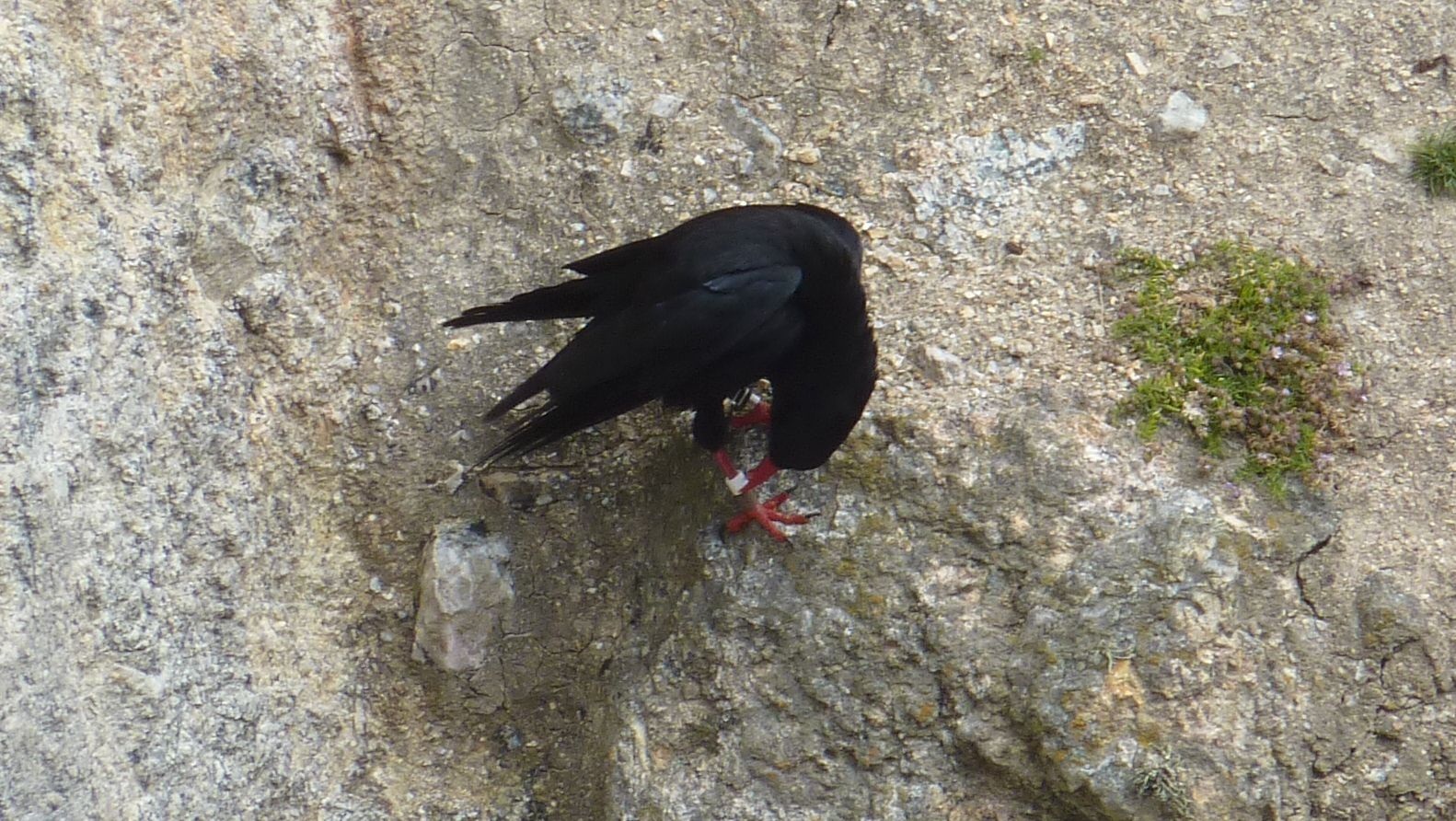
-

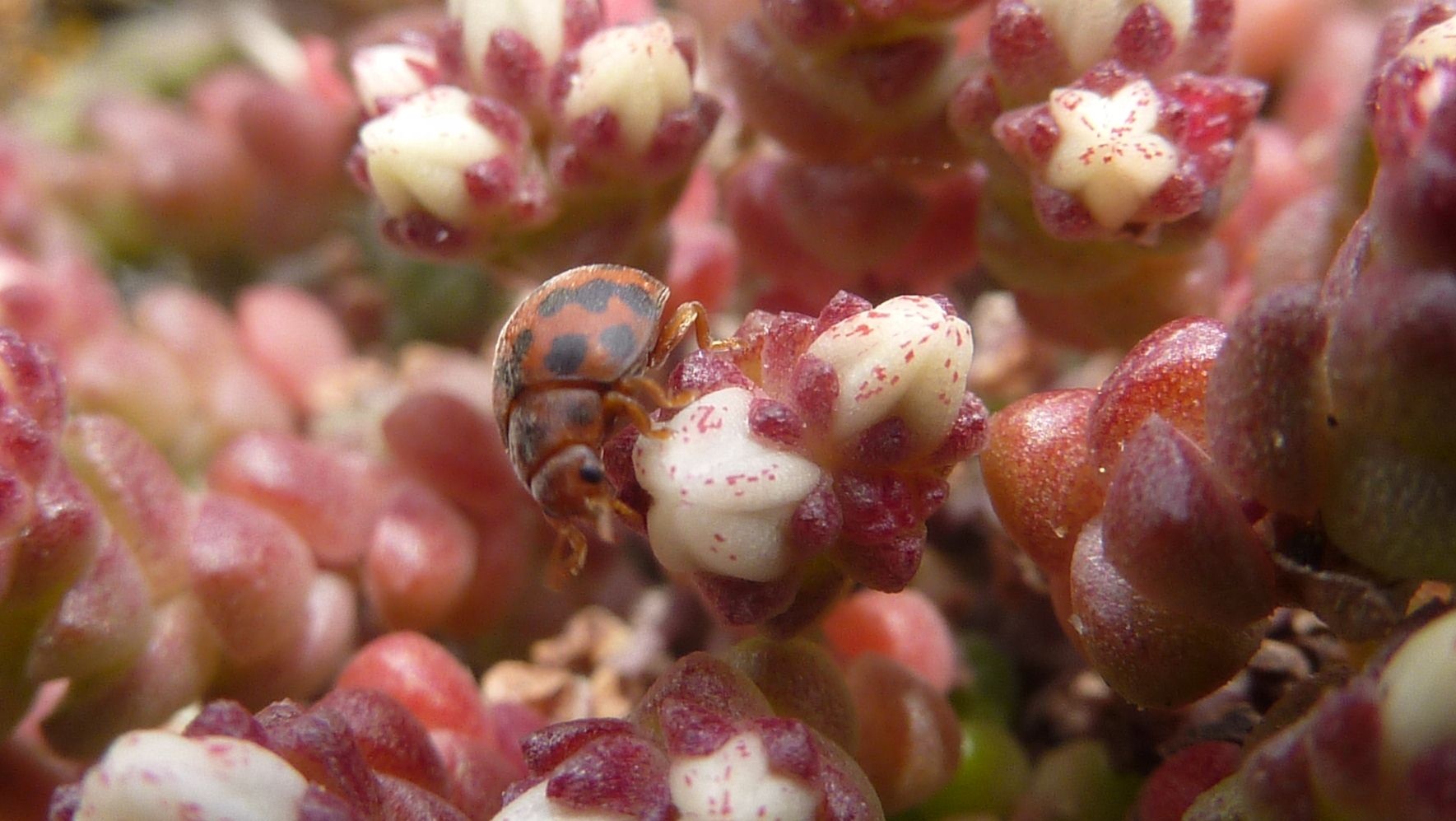
- I’m fairly sure that this is Subcoccinella 24-punctata on the beautiful Sedum anglicum
-

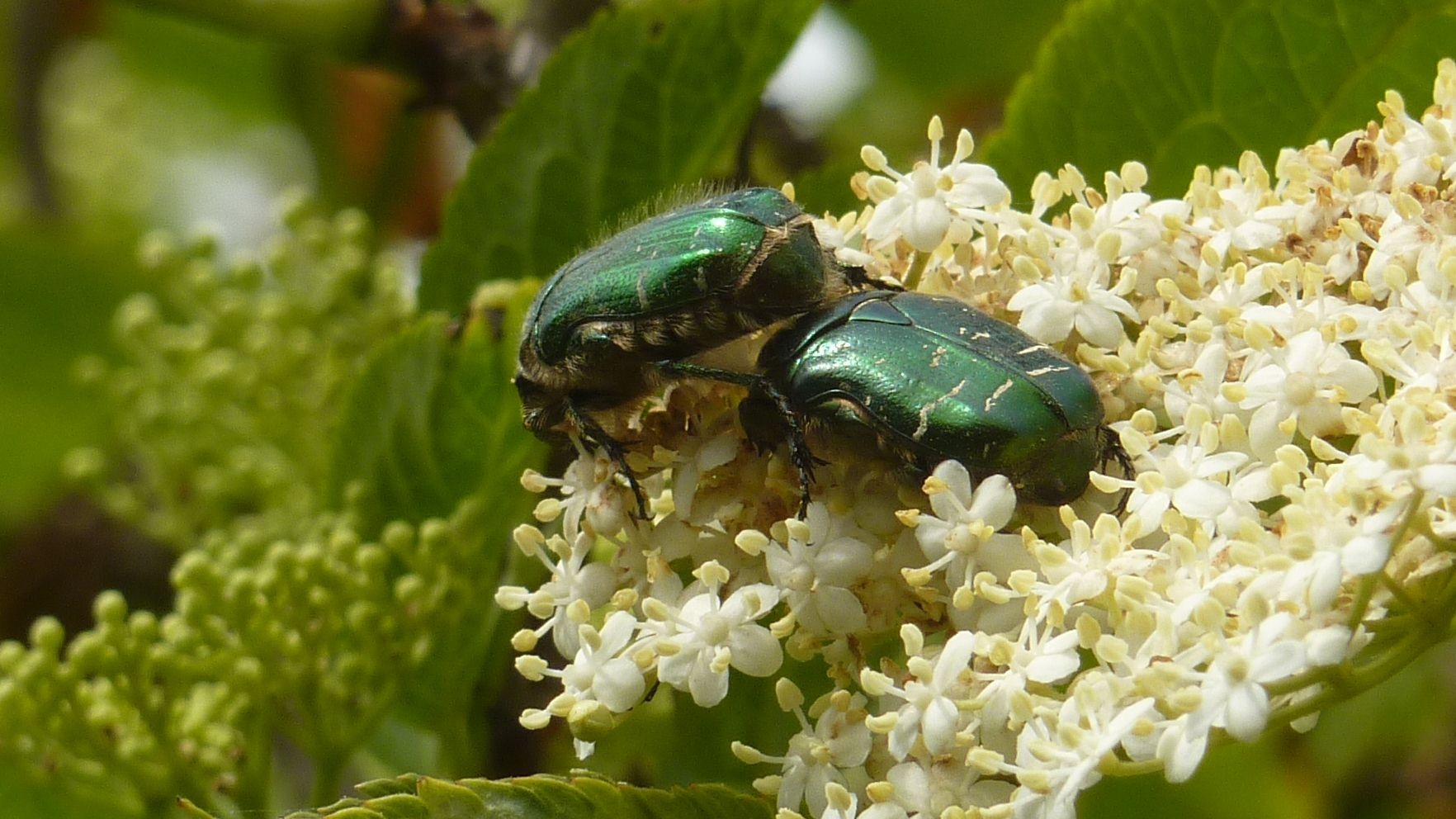
- Frisky rose chafers
-
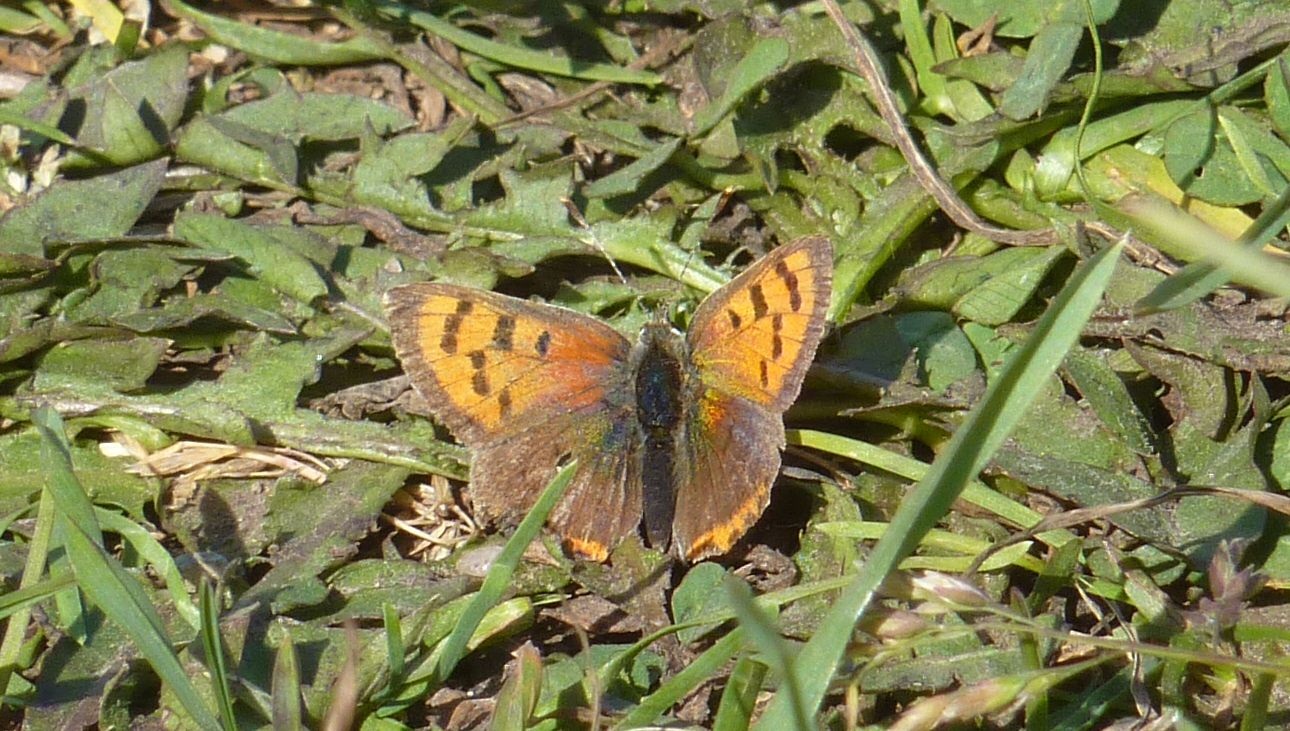
- Small copper (Lycaena phlaeas)
-
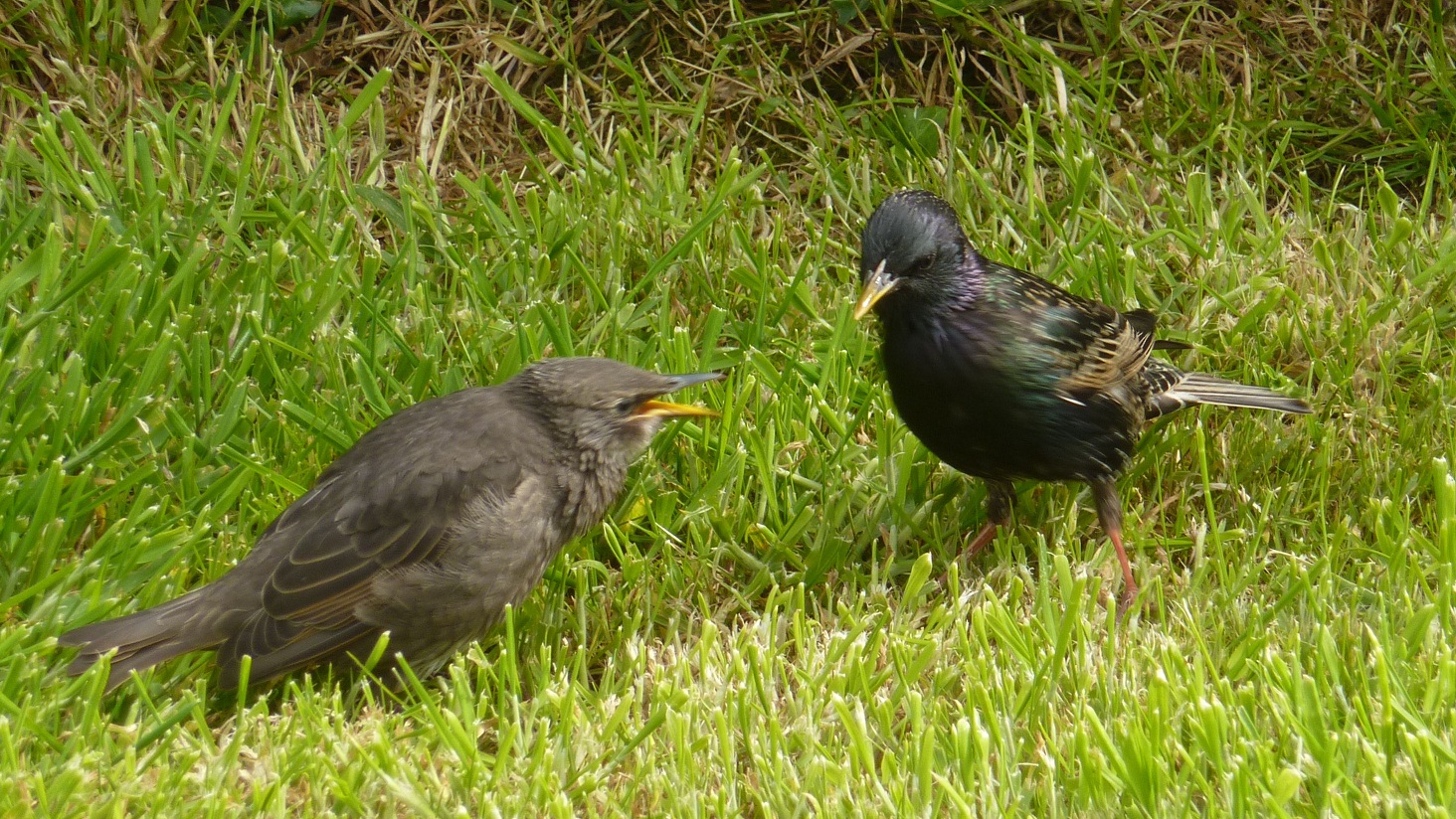
- Mr Starling realises that he’s created a monster
-

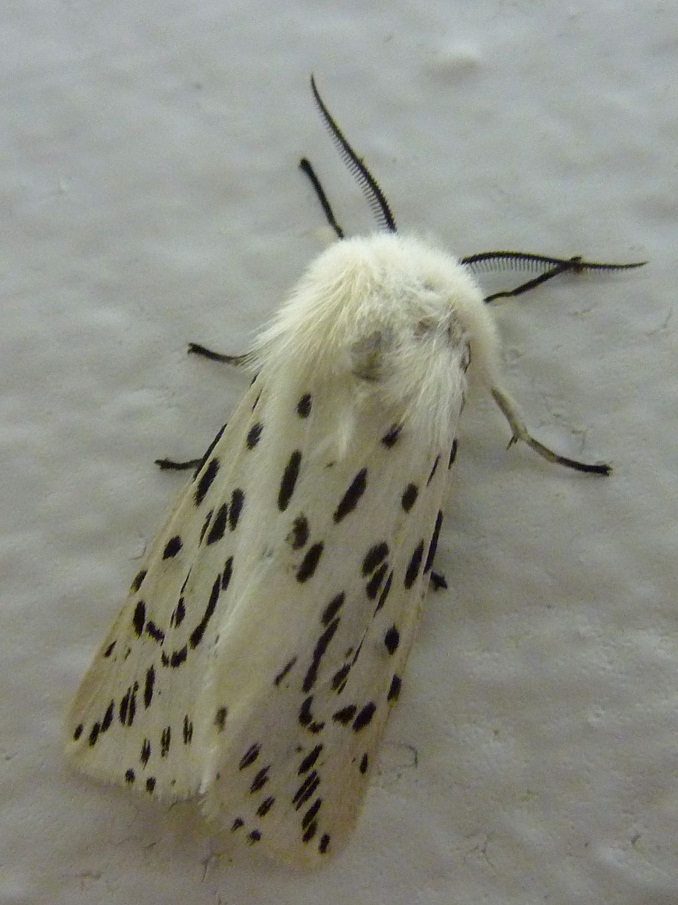
- Male white ermine (Spilosoma lubricipeda) in the gents at Treen
My first bit of rain in ages, and a fox and a seal
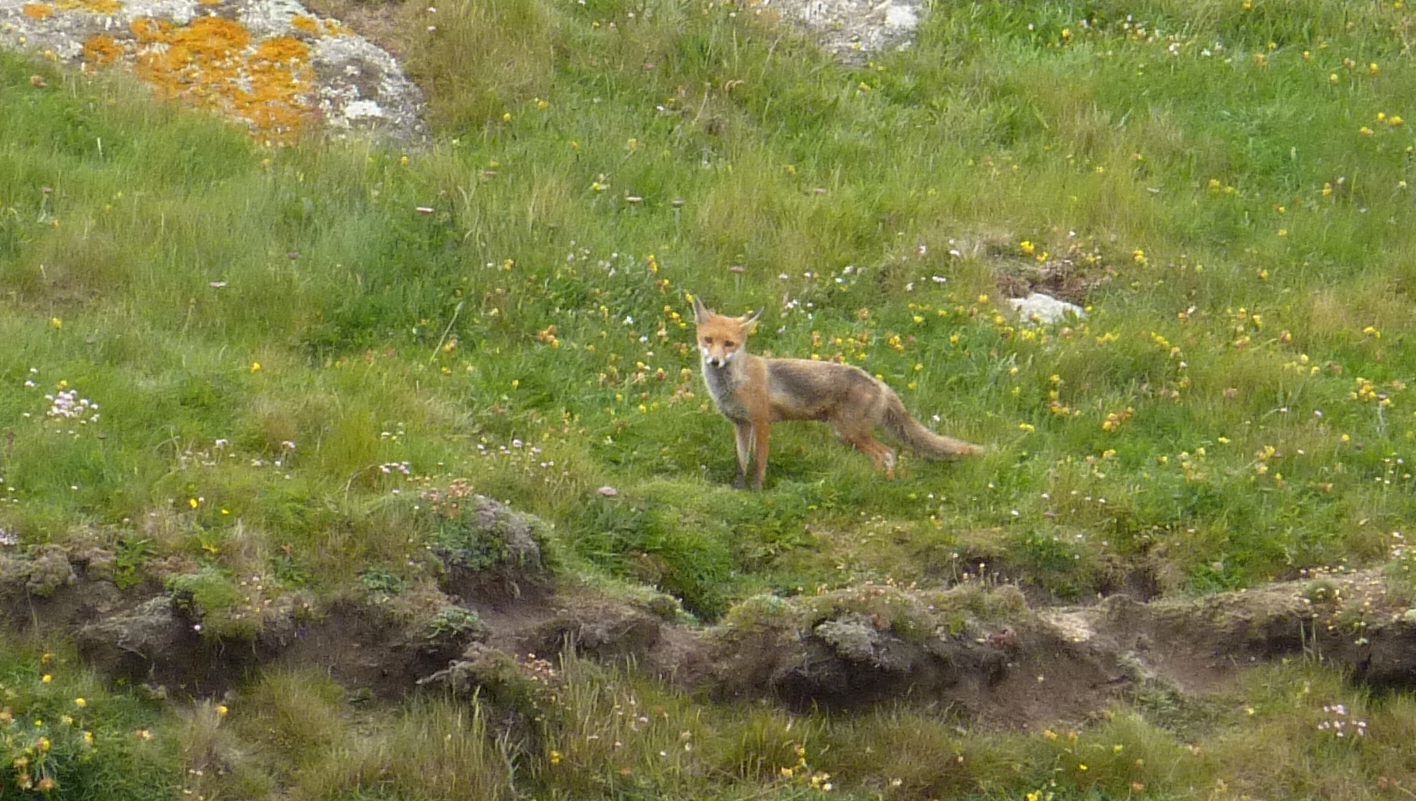
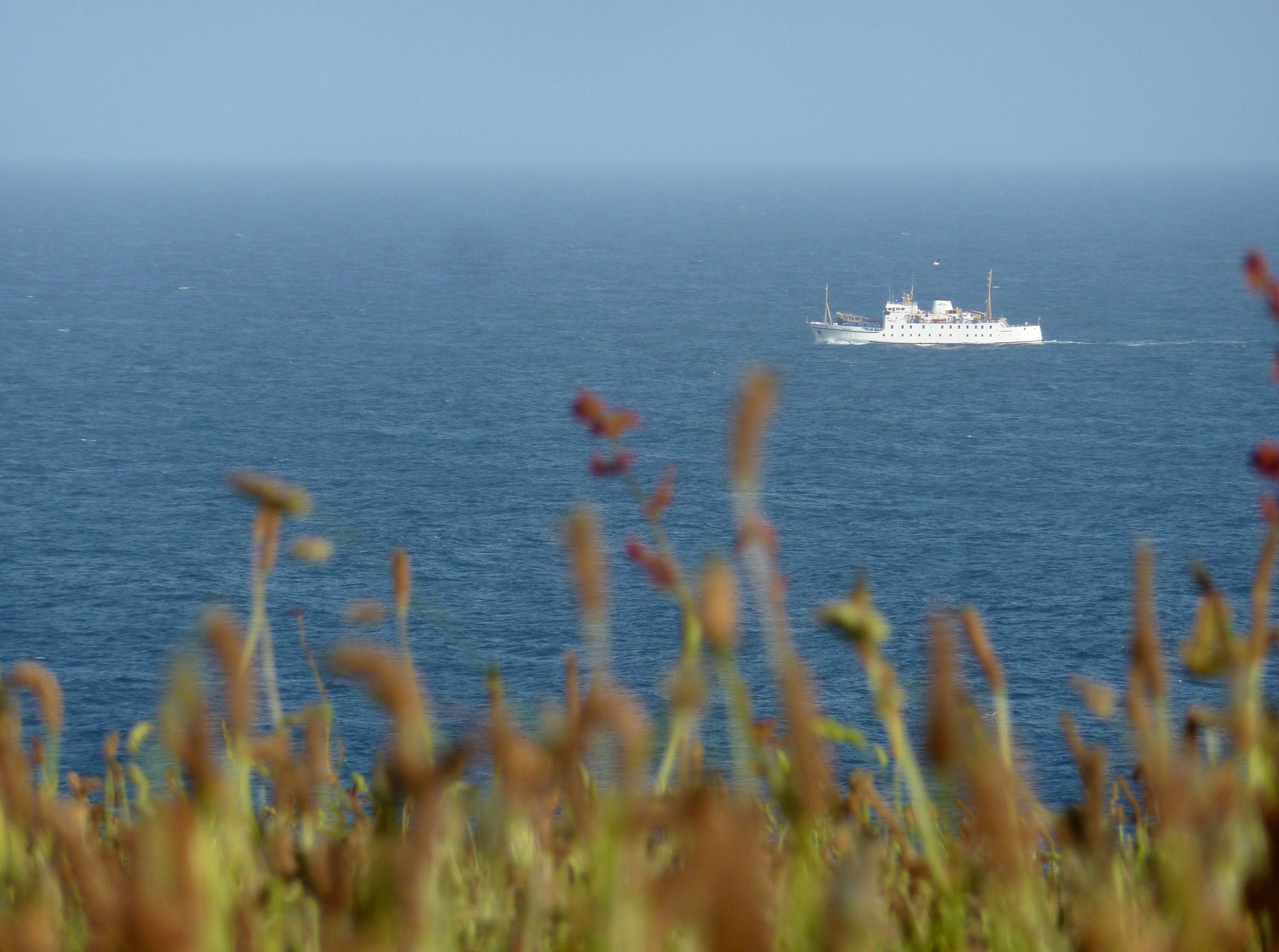
I haven’t seen much rain while I’ve been down here in Cornwall and, apparently, most of the South West is pretty dry. When I left my camper this morning (after a day off) it looked bleak though. The mist and rain persisted until after midday (although I’ve seen worse), and then it cleared into another beautiful, bright day. The choughs were good, I saw a fox again, and watched a seal up close for a while. My walk home was through wild flower meadows, with deep blue sea and skies, and the Scillonian slipping past on its way back to Penzance.
-
- When I looked closely, Charlotte’s message seemed to say, “kufzsd fpame”!

-
- A whitethroat

-
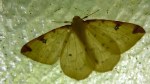
- A brimstone moth (Opisthograptis luteolata) in the gents at Porthgwarra

-
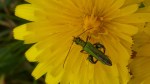
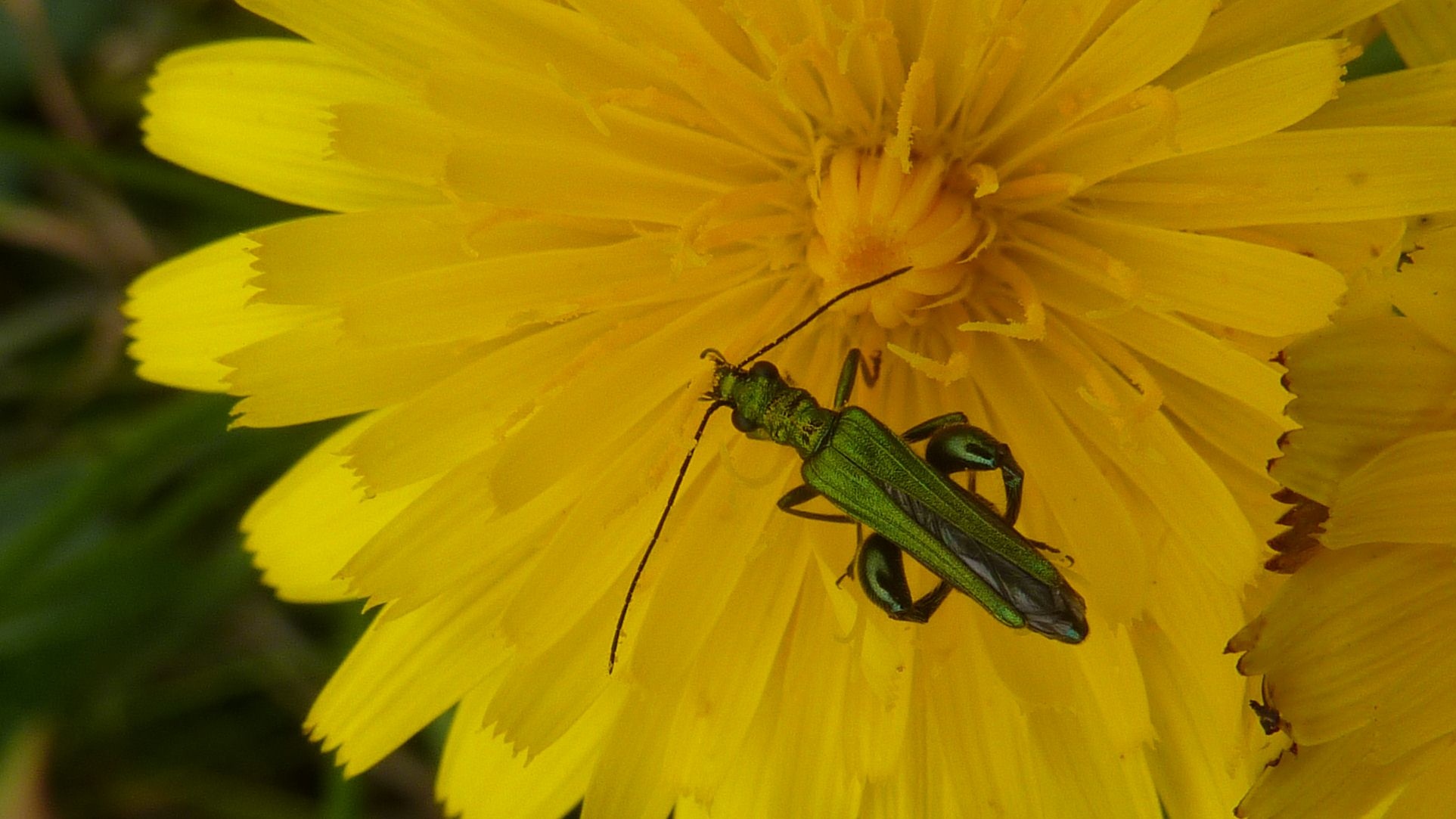
- Oedemera nobilis
-
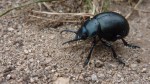
- This little fella is apparently a bloody nose beetle, taken shortly before I suffered a bloody nose
-
- Wow, maybe my best moment so far…

-
- Centaurium scilloides (rare) or erythraea (common). What do you reckon?


-
- The Scillonian
Seals and rare flowers
It’s always fantastic to see seals, especially as they are shot in large numbers by fish farmers, within the law (please remember this if thinking of buying farmed salmon). Seal numbers have declined enormously in the last 10 years, with harbour seal numbers halving in some parts of Scotland. There are likely to be other contributory factors, such as reduction in food availability, but this is, in my opinion, a significant indicator of how we are mismanaging our seas.
If you haven’t already done so, read up about Hugh’s fish fight, follow the links on the site to the other organisations involved in marine conservation, work out whether you really need to eat (so much) fish (there are plenty of food stuffs that contain the oils thought to be so valuable in fish, e.g. hemp, flax, etc), and make an effort to find out where your marine based products are coming from. Out of sight, out of mind, is this why we treat our oceans so badly? Would people react differently if we were to trawl fields to catch lambs, and at the end of the field empty the net of all the birds, mice, voles, insects, etc, into a heap to die.
Anyway, I digress somewhat, apologies. Today was a busy one. All of the Cornish chough nests were checked out (not by me, I just met the team briefly as they passed on through), and seem in good order. However, the latest expected date for fledging is now another two weeks or so, which might, sadly, be after I’ve left. Further news will be available here:
http://www.cornishchoughs.org/
After an early start, I finished early so I comforted myself by taking some time out to go and view one of the rarest plants in the UK. I’ll be impressed if anyone can tell me what it is (I do know what it is. Obviously.)…
-
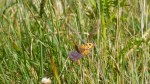
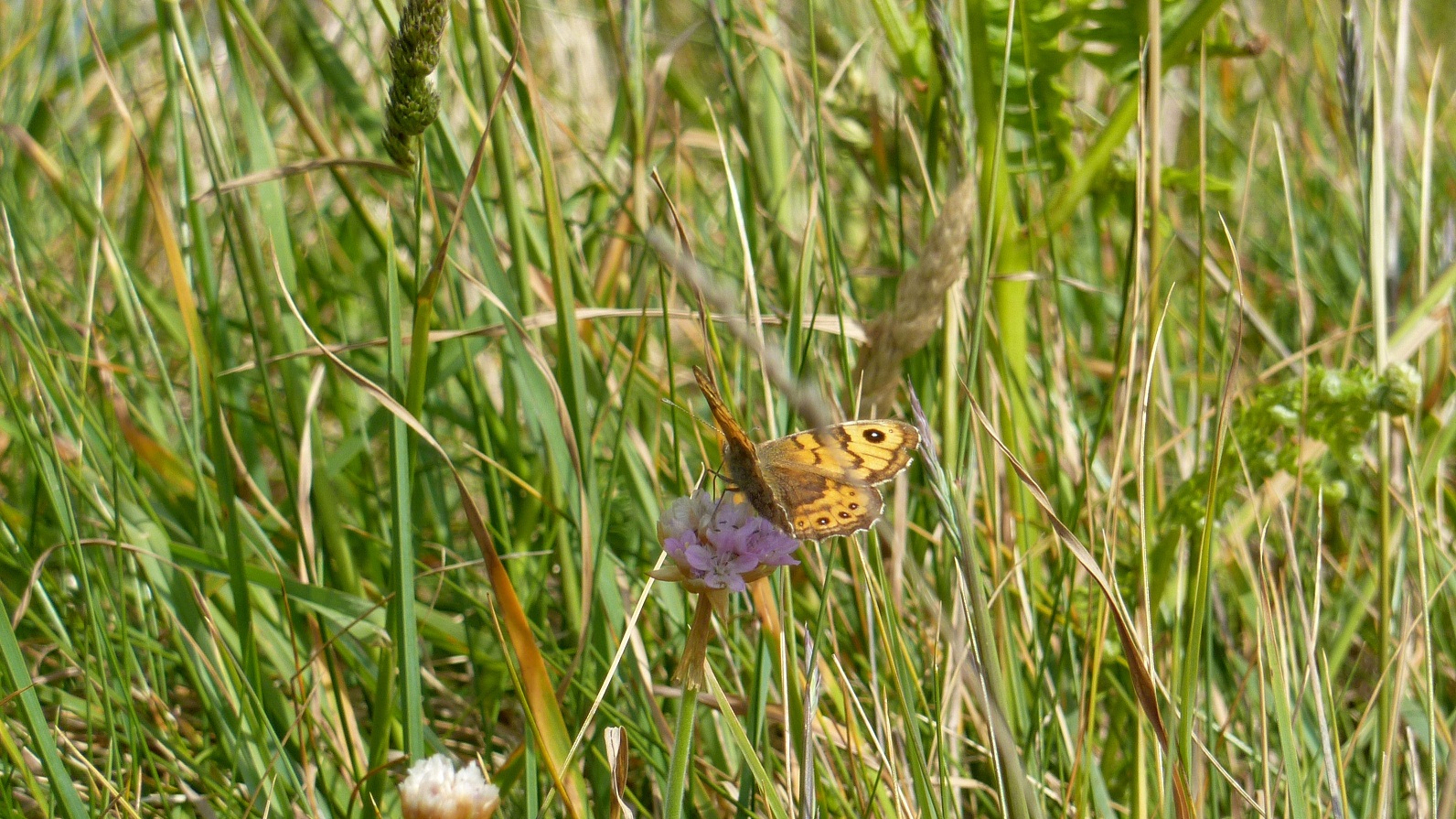
- Wall butterfly (Lasiommata megera)
-

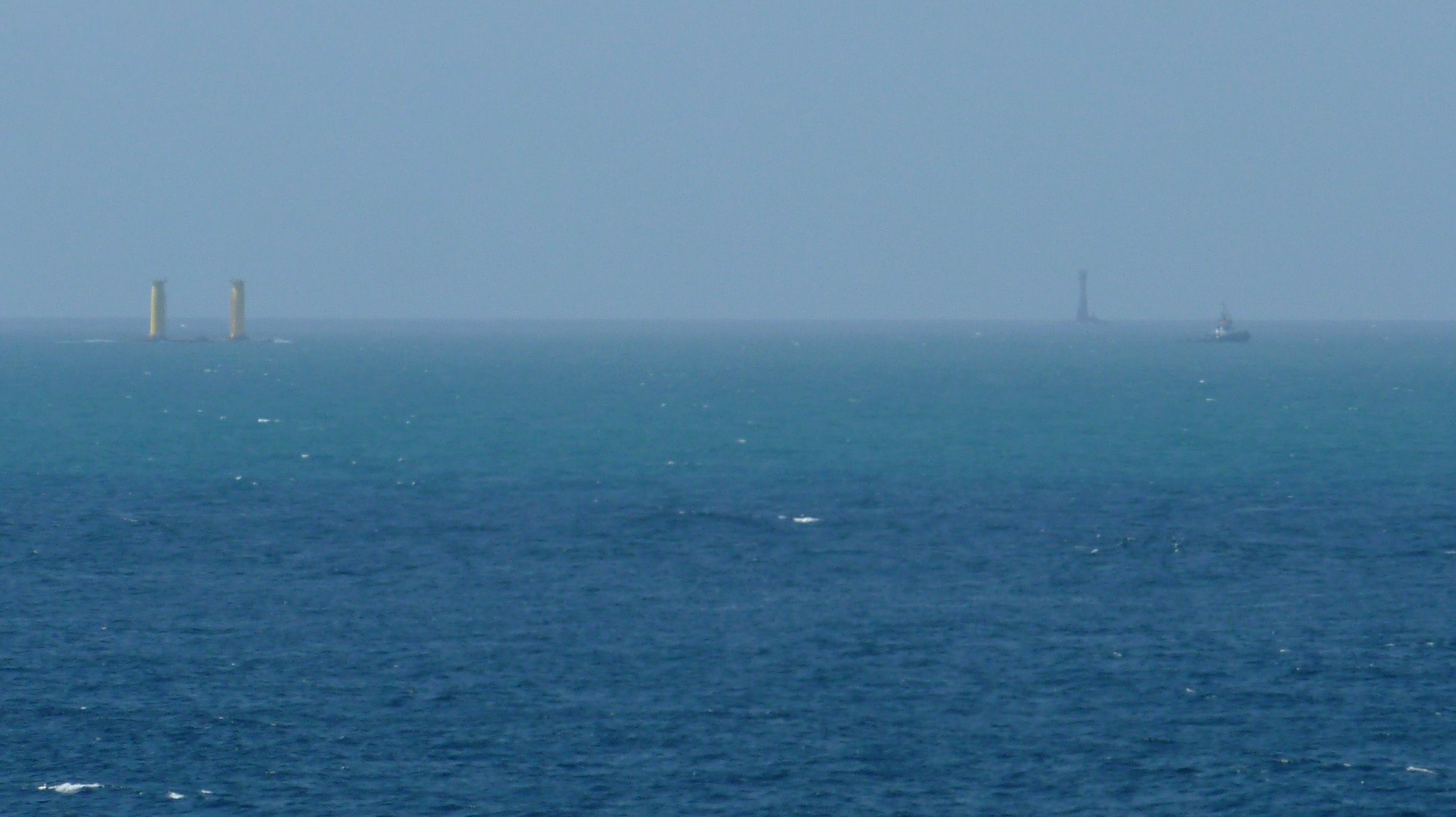
- These bits of metallic nonsense are being towed to the North to help build a wind farm
-
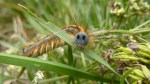
- The face of a lackey (Malacosoma neustria). One day it’ll be a beautiful moth.

-
- A seal!

-

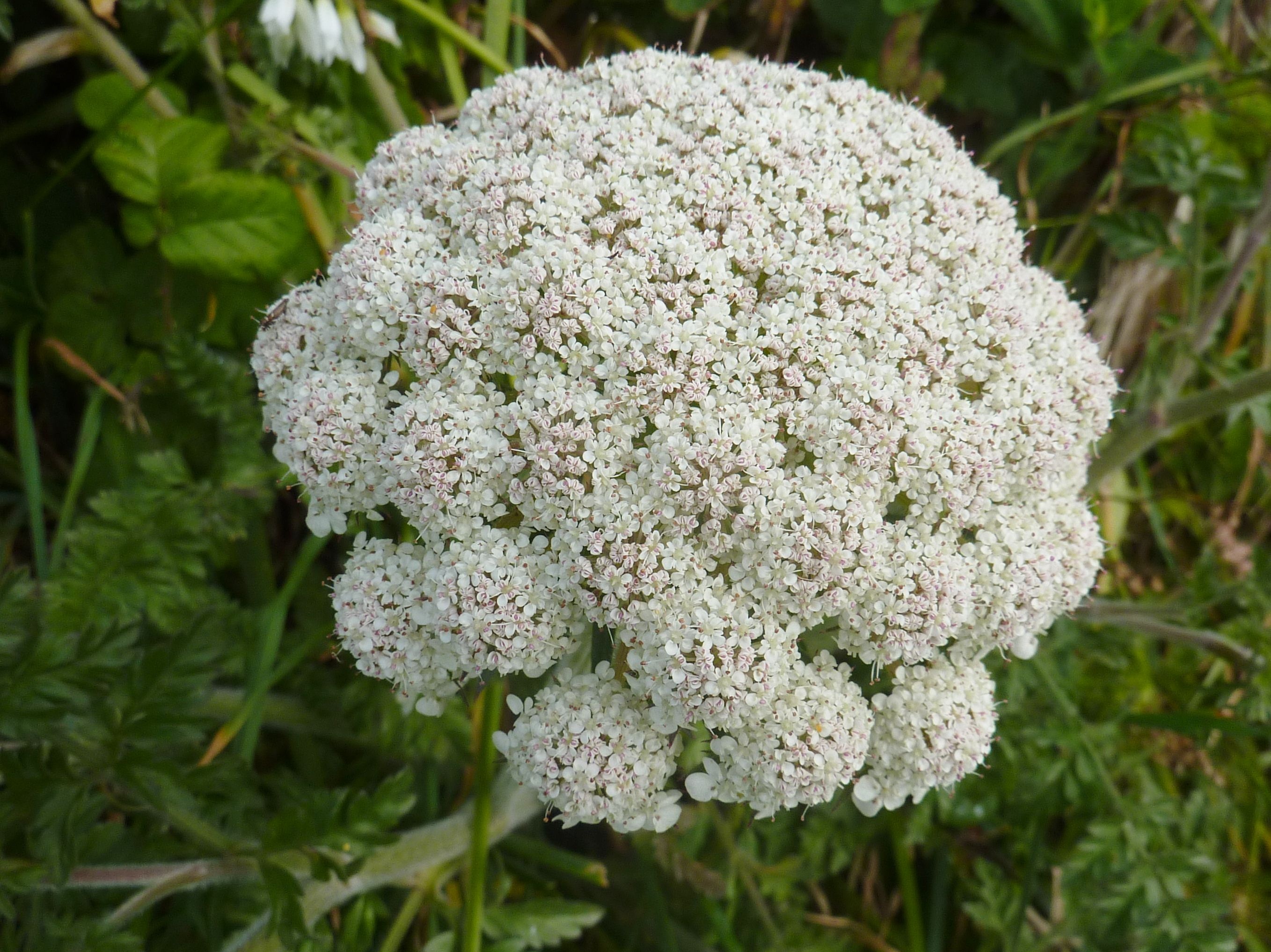
- Sea carrot (Daucus carota?)
-
- Gloomy weather, but sparkling wildlife

-
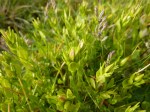
- Rare plant. So, any ideas?
-
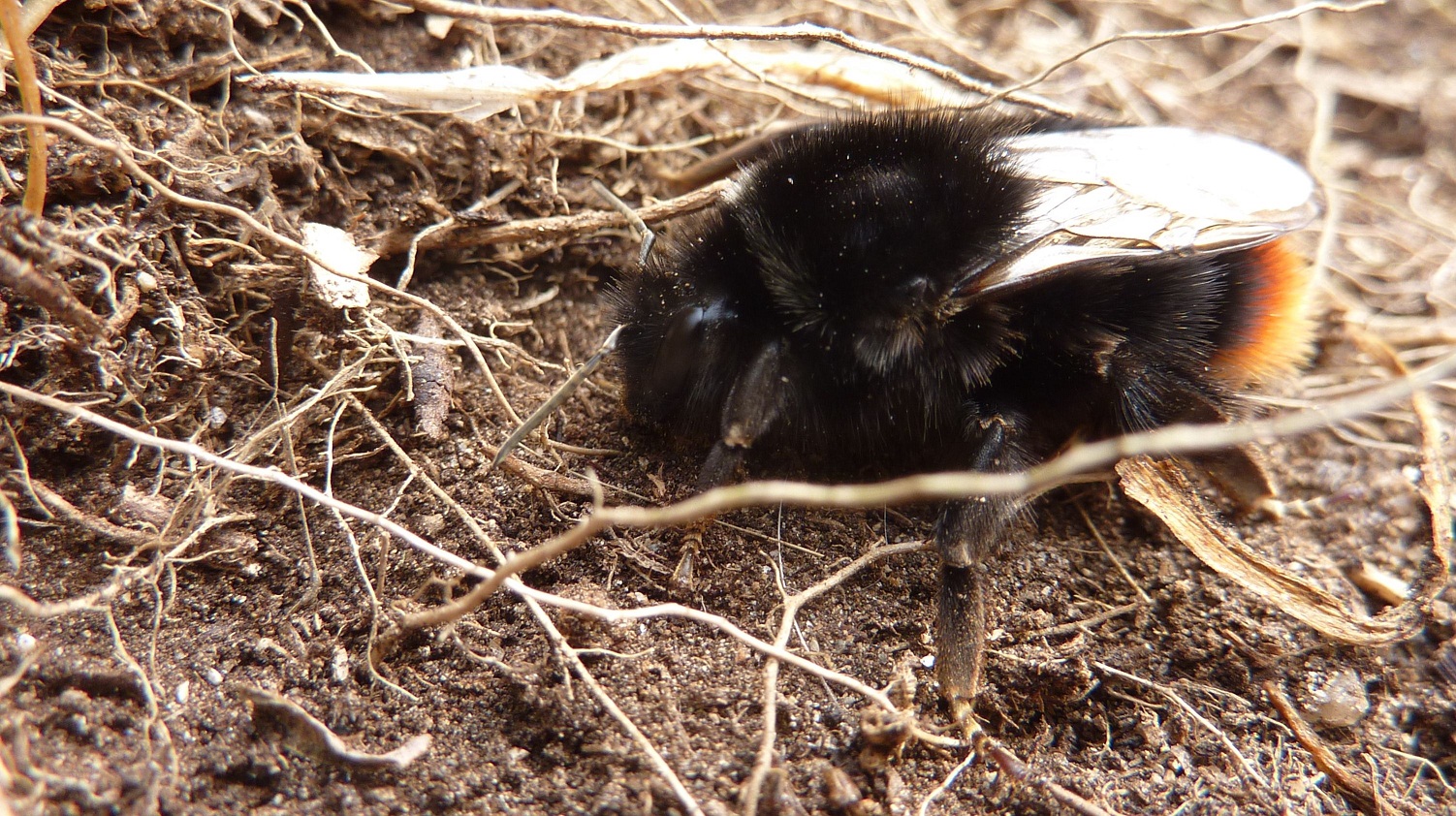
- Mrs Red Tail (Bombus lapidarius) was, I think, a bit unwell.
A trip to the lizard, and more of the sedge.
There was a chough team party down the lizard yesterday. It was my first visit to the Lizard and it was great to make acquaintance (sort of) with the legendary Lizard pair. The Lizard pair were the first pair of choughs to nest in Cornwall since 1952. In 2002 they reared three young, and have successfully reared young each year since. Apparently they are prone to showing off to the crowds, but today, they were very business like, and didn’t come close enough for me to get pictures. Choughs are known to live up to 16 years, so hopefully they will be there for a few more years yet.
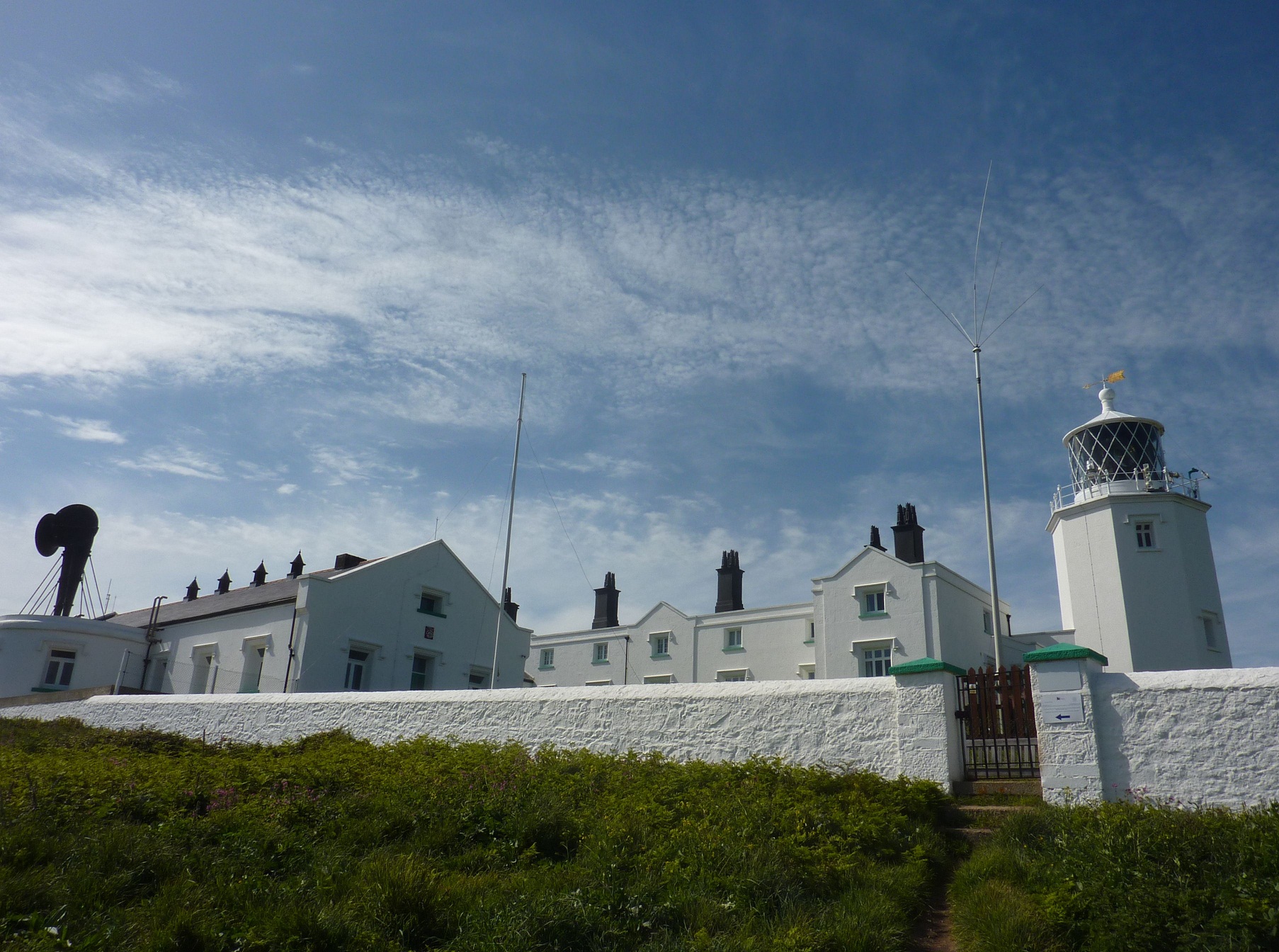
I also got the chance to meet the rest of the chough project team, and watch the sun set over the Lizard Lighthouse.
Today, back on my patch, there was a cold wind blowing in from the sea (there often is), and the choughs didn’t seem to be about much. There was a bit of raven action at one point, and I managed to get a rather poor shot of the slightly illusive sedge warbler.
-
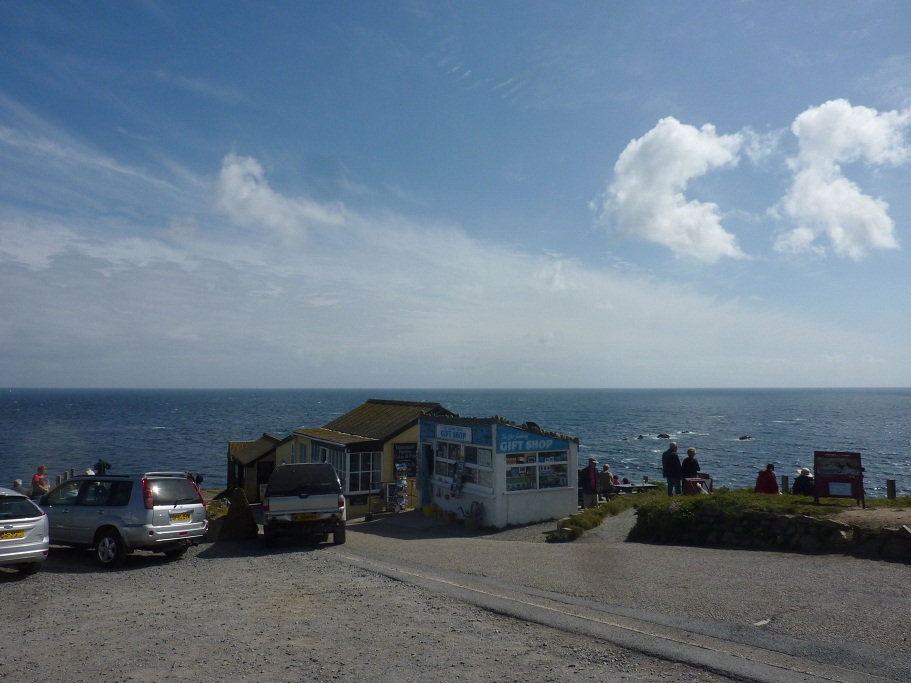
- The southernmost point of the UK mainland. Chough watch on the right hand side.
-
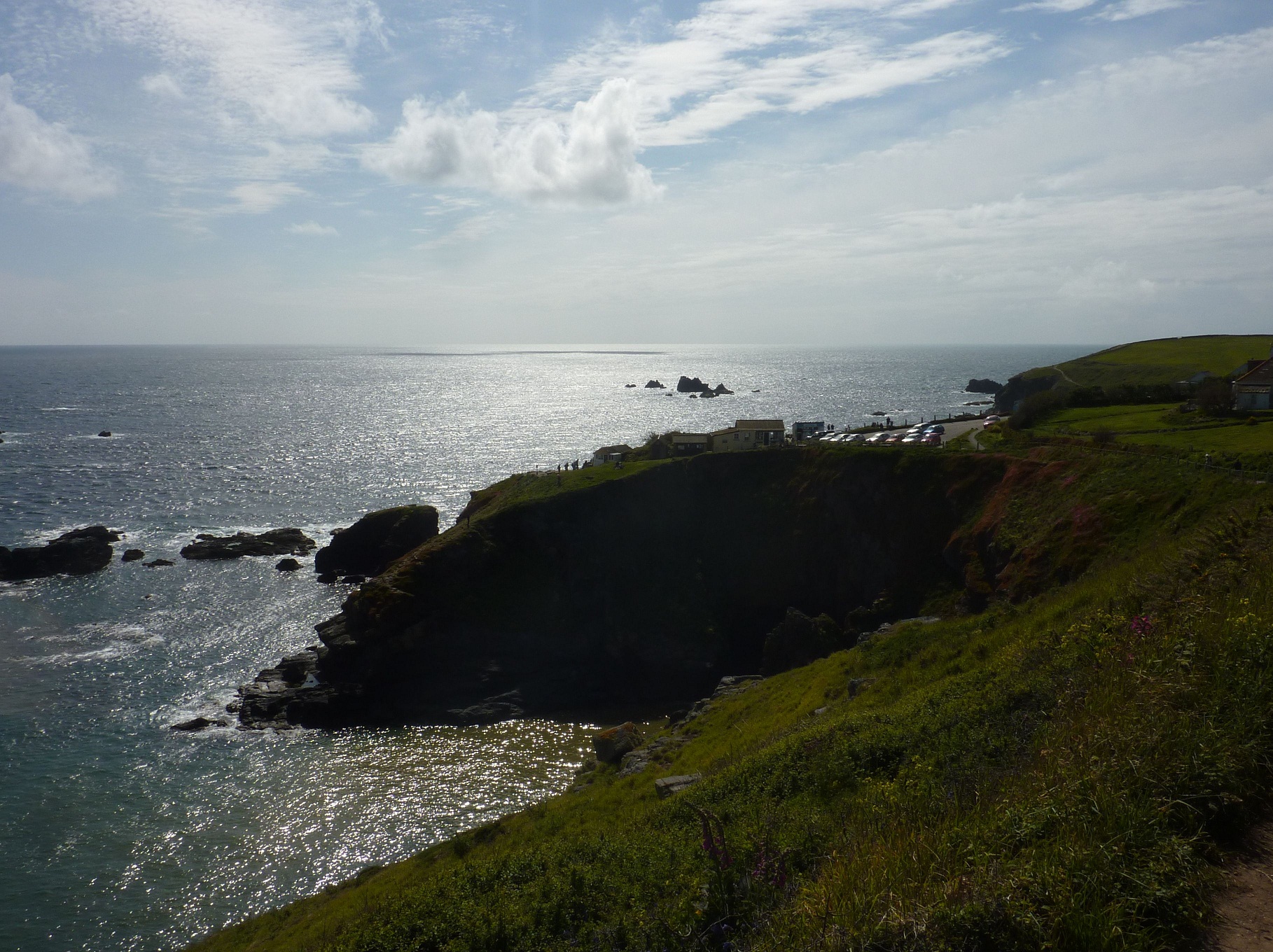
- Looking West across Lizard Point
-
- Check out the (Trinity house) fog horn on the left of the picture. Now not required thanks to Sat Nav.
-
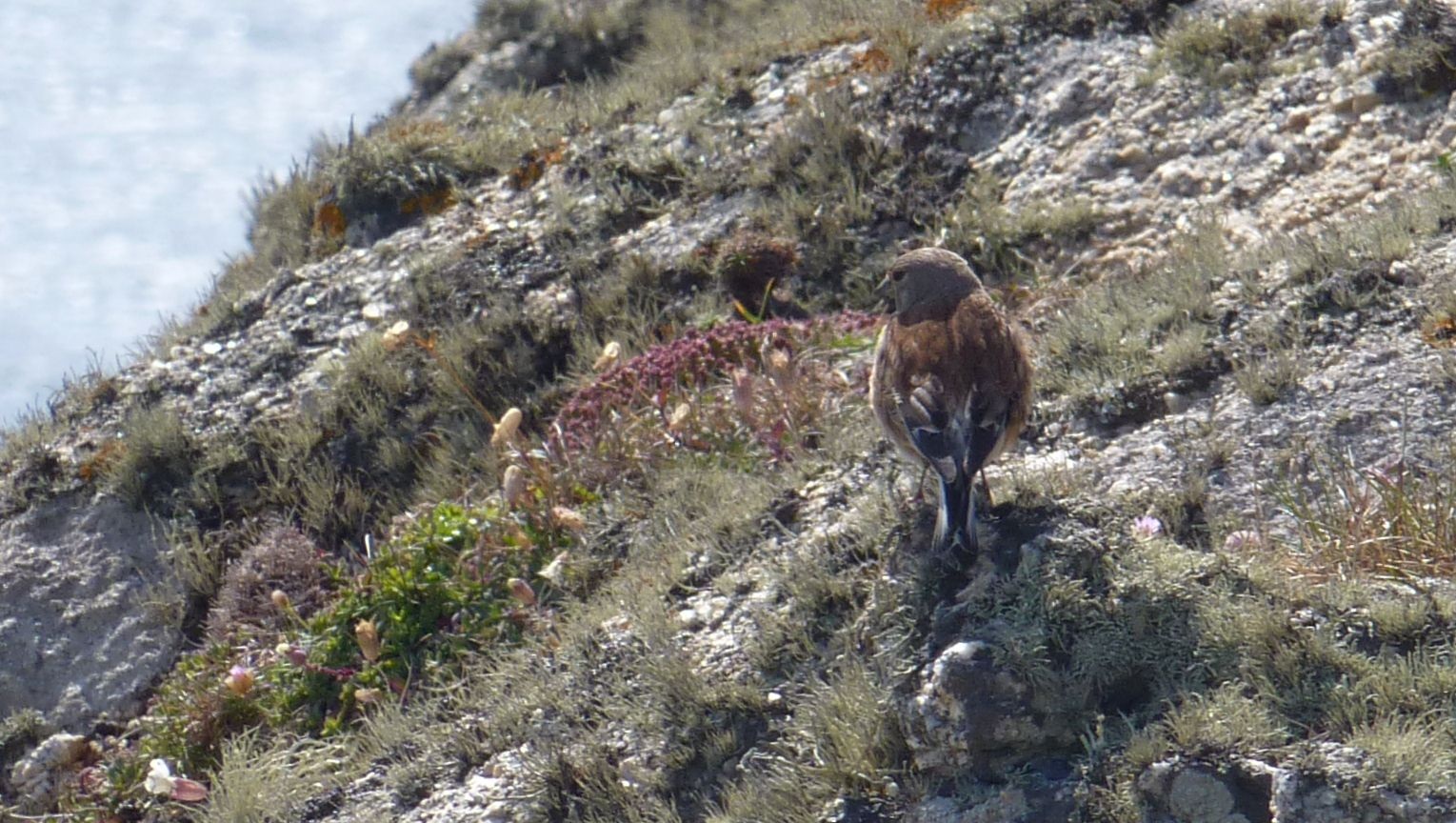
- The back of a female linnet
-
- Oak Eggar moth caterpillar (Lasiocampa quercus)
-
- A shield bug, probably gorse (Piezodorus literatus)

-
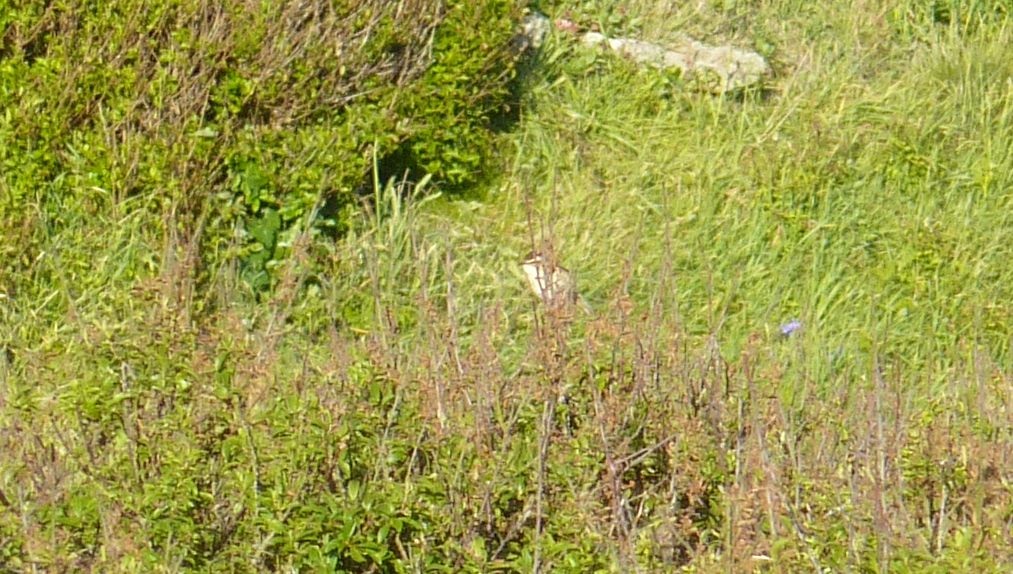
- A very vocal sedge warbler
-

- A slightly dead 14 spot ladybird, thanks to some unplanned time in my boot.
Bugs and a sedge warbler
Today I follow the choughs about a bit to determine their feeding sites. This should also give us a good idea of where they might bring the chicks when they fledge (which we’re hoping should be around the end of the month). The birds are busy collecting food, but still take time to groom each other, with Mr Brownblue occasionally running over to Lady Whitebrown with a food offering. Both the birds still look in top condition.
Today I saw, and heard, my first sedge warbler. Excellent. They have an incredibly complex and varied call (the RSPB recording doesn’t really do it justice, as it usually goes on for a lot longer), which makes them sound ever so slightly mental.
-
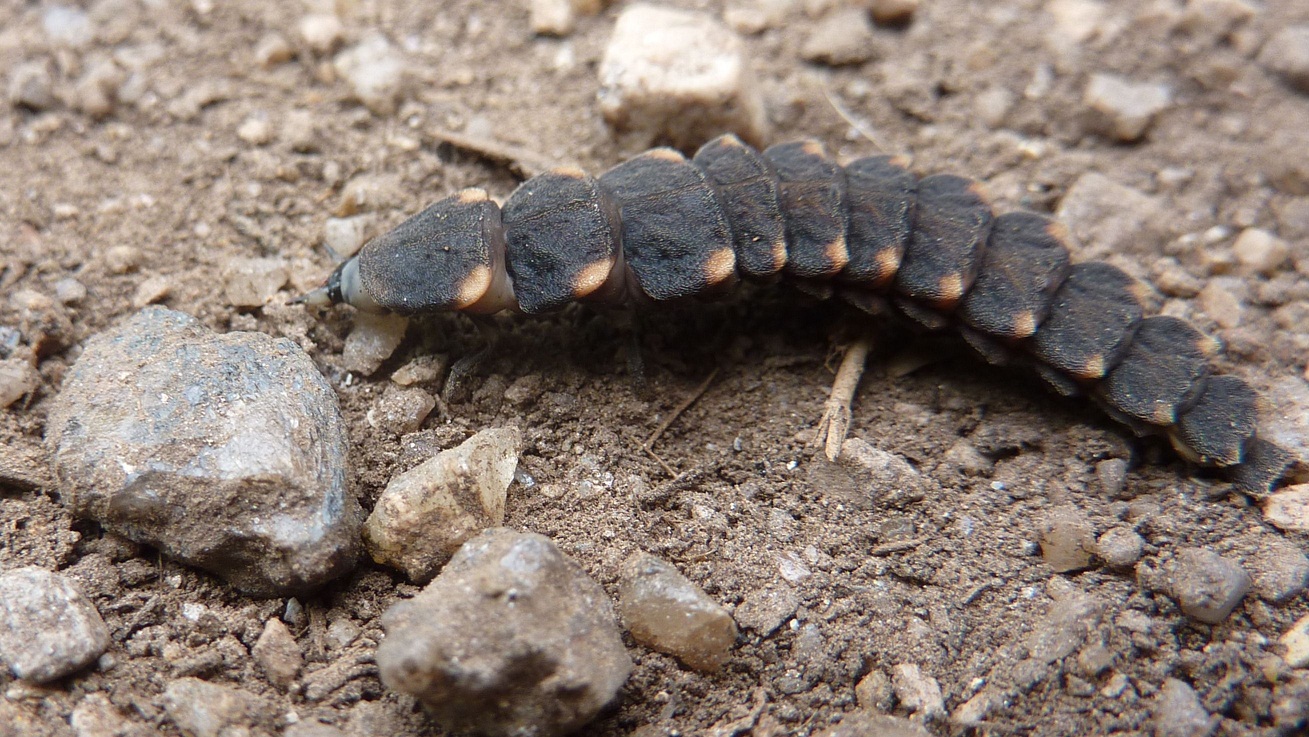
- Glow worm larva (lamppyris noctiluca). Glow worms are suffering a continuing decline in numbers thanks to reduction in habitat and other human related factors
-

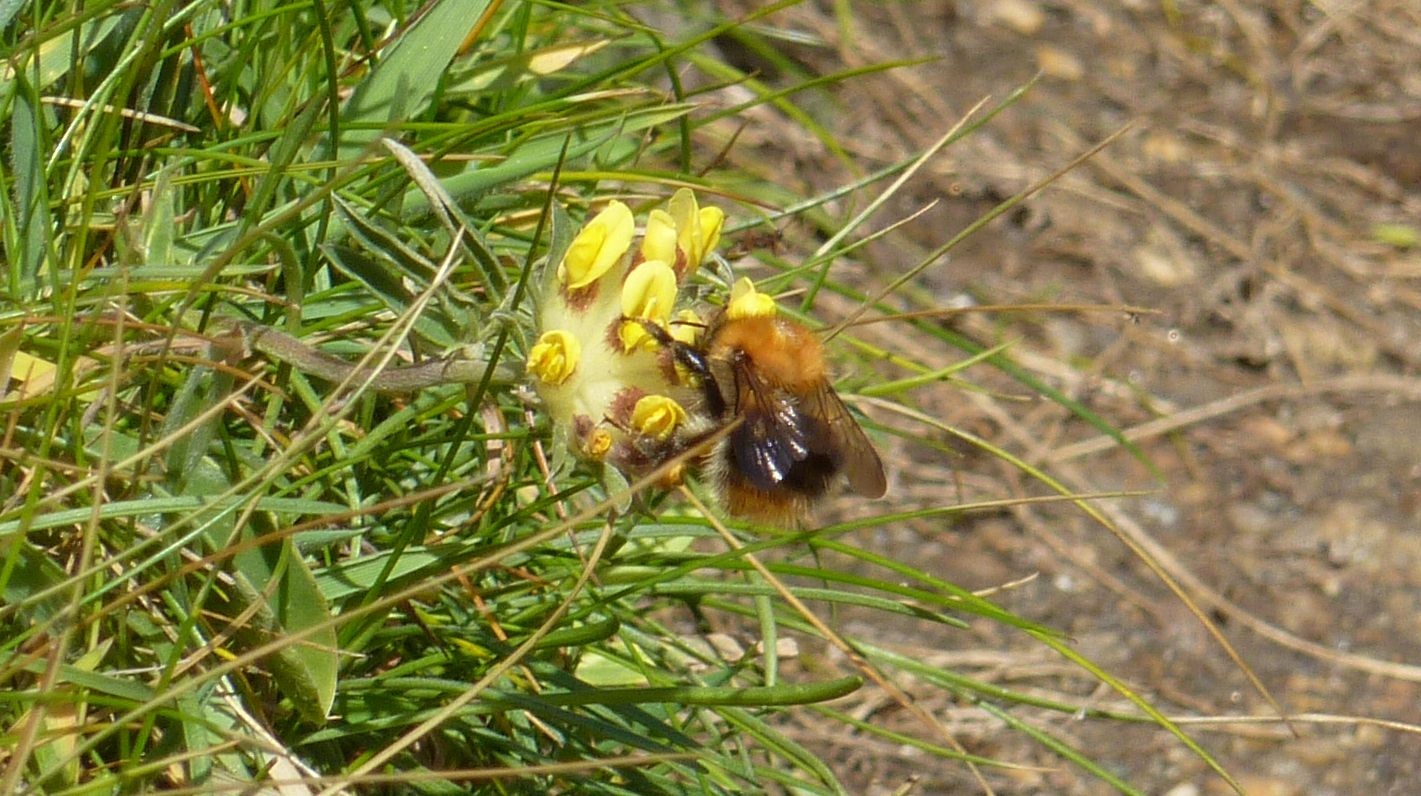
- Bombus Pascourum on Kidney Vetch
-
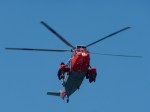
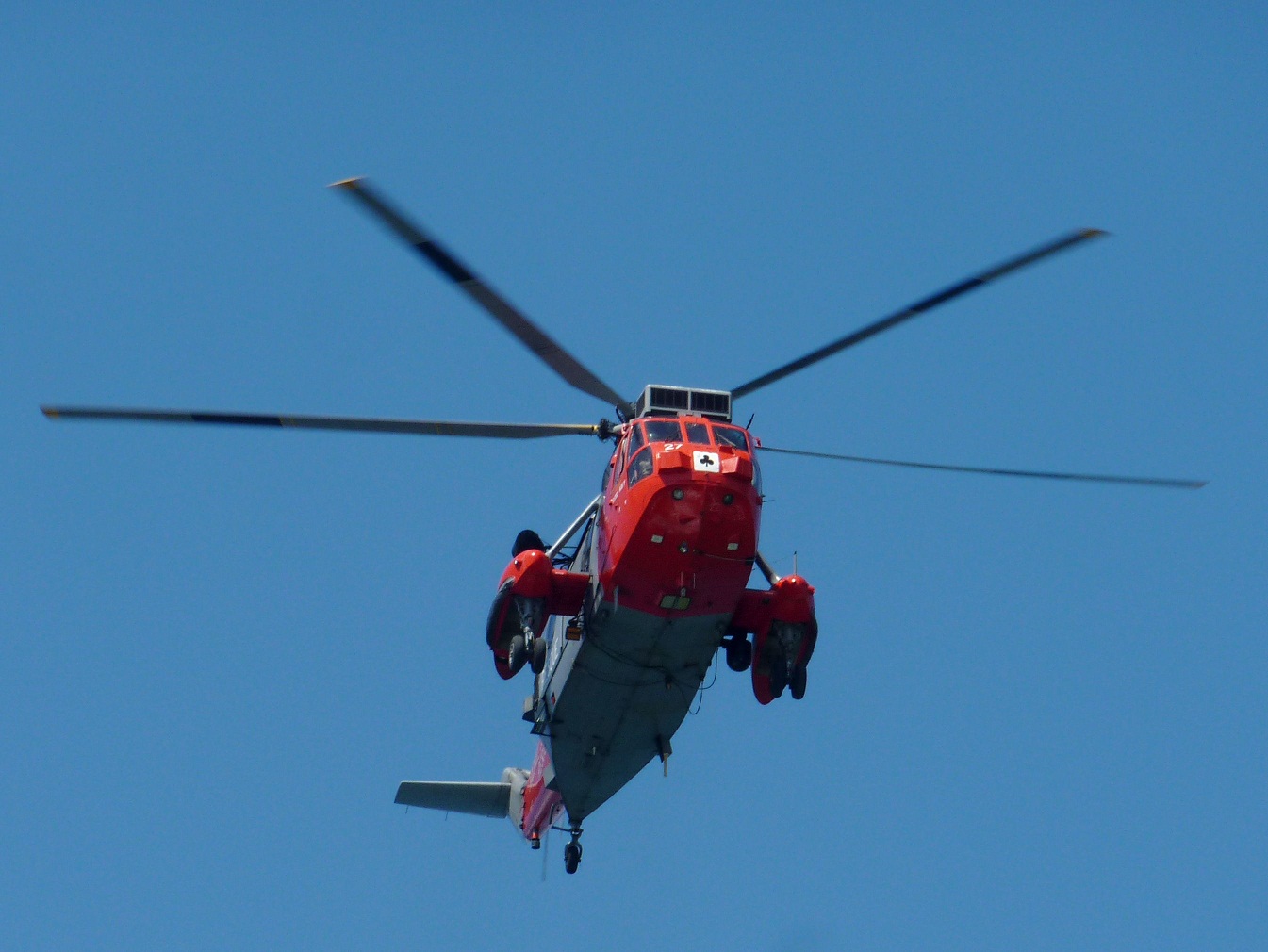
- Uhh, do I need rescuing?
-
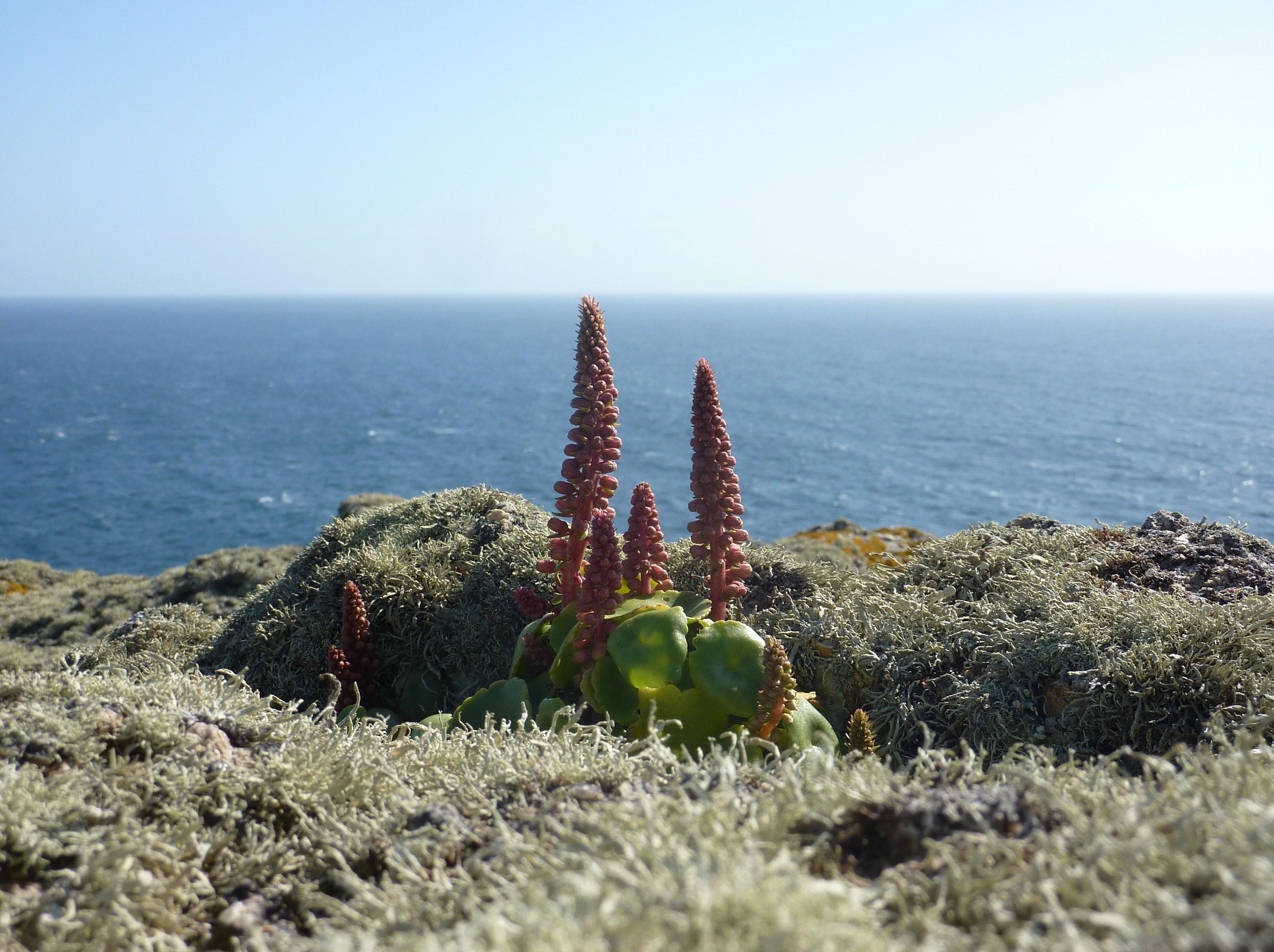
- Wall pennywort or navelwort (thanks Nic/Rachel), lichen on rock, and the Atlantic. And some sky (blue).

-

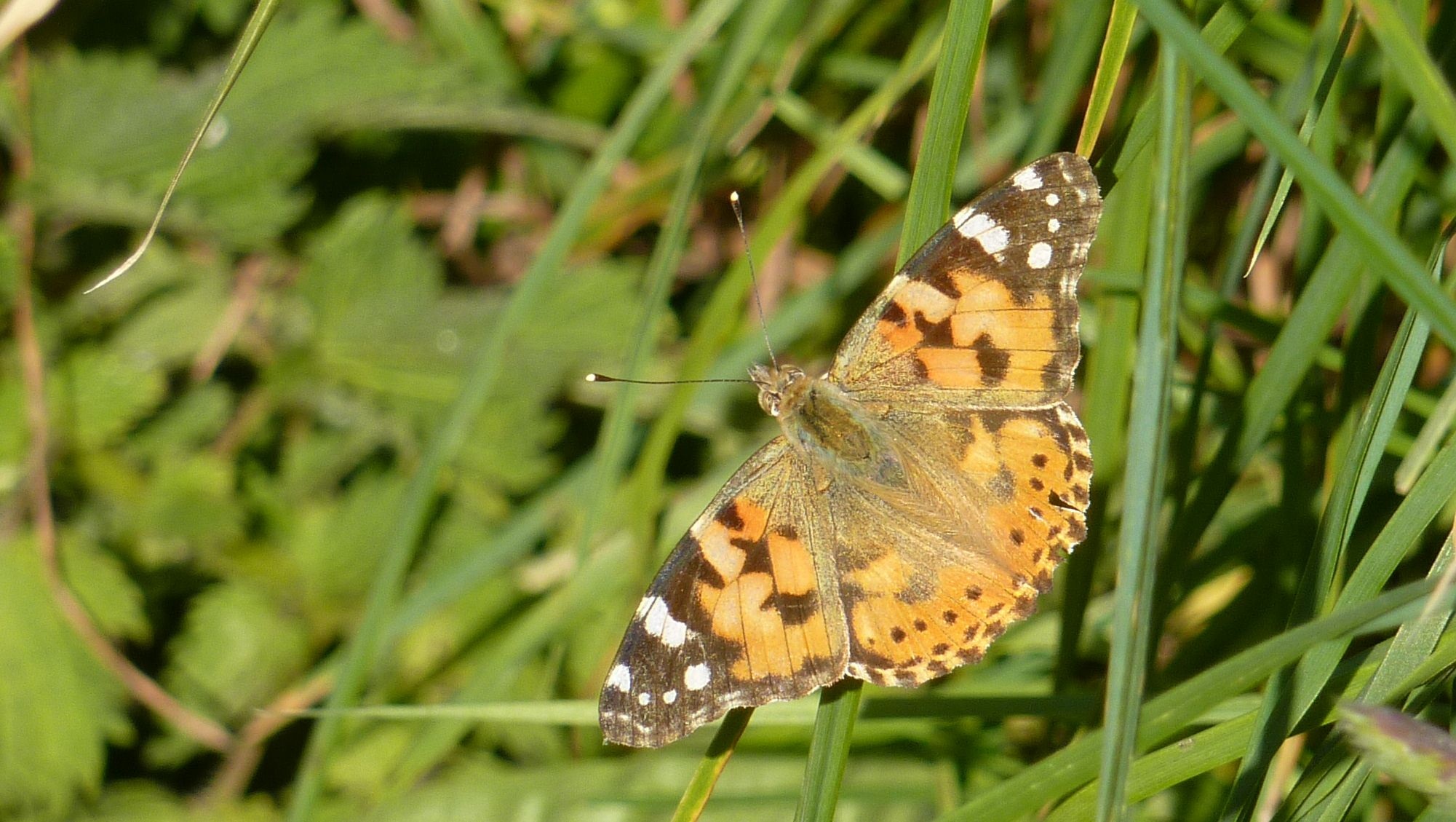
- Painted lady (Vanessa cardui)
-
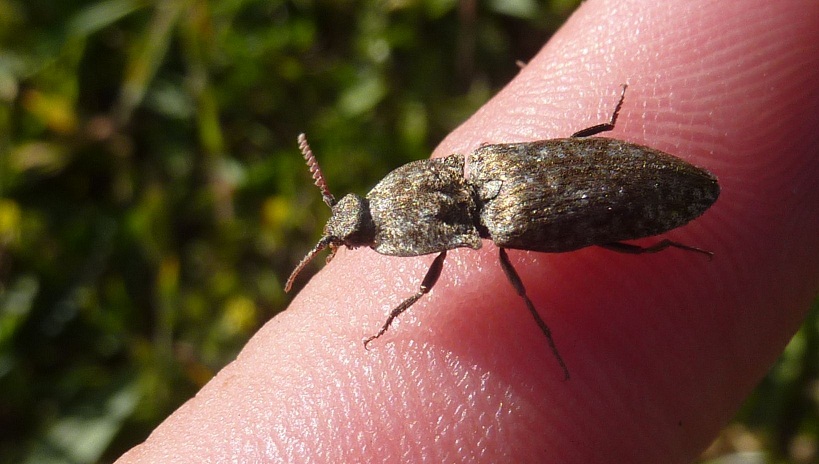
- A wicked wee bug on the blogger’s finger. It gave me some advice (good), and then was on its way
More sun, sea and sightings, peregrines included.
After a day off I’m obliged to wander the cliff tops looking out for choughs again. Our pair are mildly agitated by what I’m fairly sure is a female peregrine today. But she (the peregrine) doesn’t give them the same stick as in previous days. My impression is that it’s the smaller male that seems to take pot shots at most birds. Not that I’m able to spend time tracking the peregrines to know whether it’s just the one pair that I’m seeing, or how successful they are, but I get the impression that the male I’ve seen is a bit more laid back and mischievous than the female, who’s probably just battering prey out of the sky while I’m not around (peregrines tend to hunt early).
It’s a bit damp first thing today, but the sun comes out before I start walking, and I hear a plethora of bird song as I hit the coast paths. Blackcaps, whitethroats, chiffchaffs, finches, tits, swallows, blackbirds, song thrushes, etc. I’m lovin’ it.
-
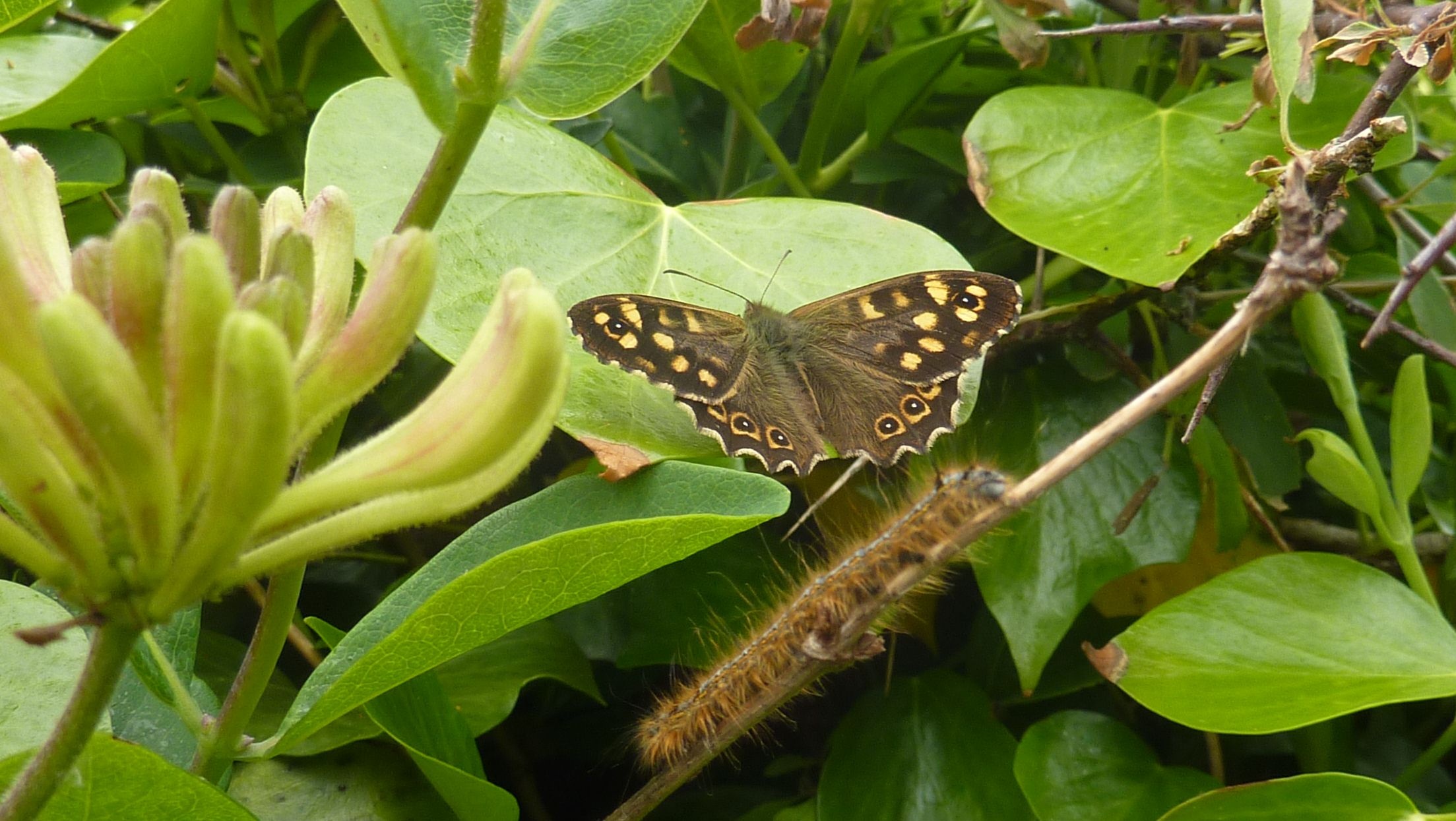
- Speckled wood (Pararge aegeria) with a lackey (Malacosoma neustria) moth caterpillar in the foreground
-
- Was this shed or is this all that’s left?

-

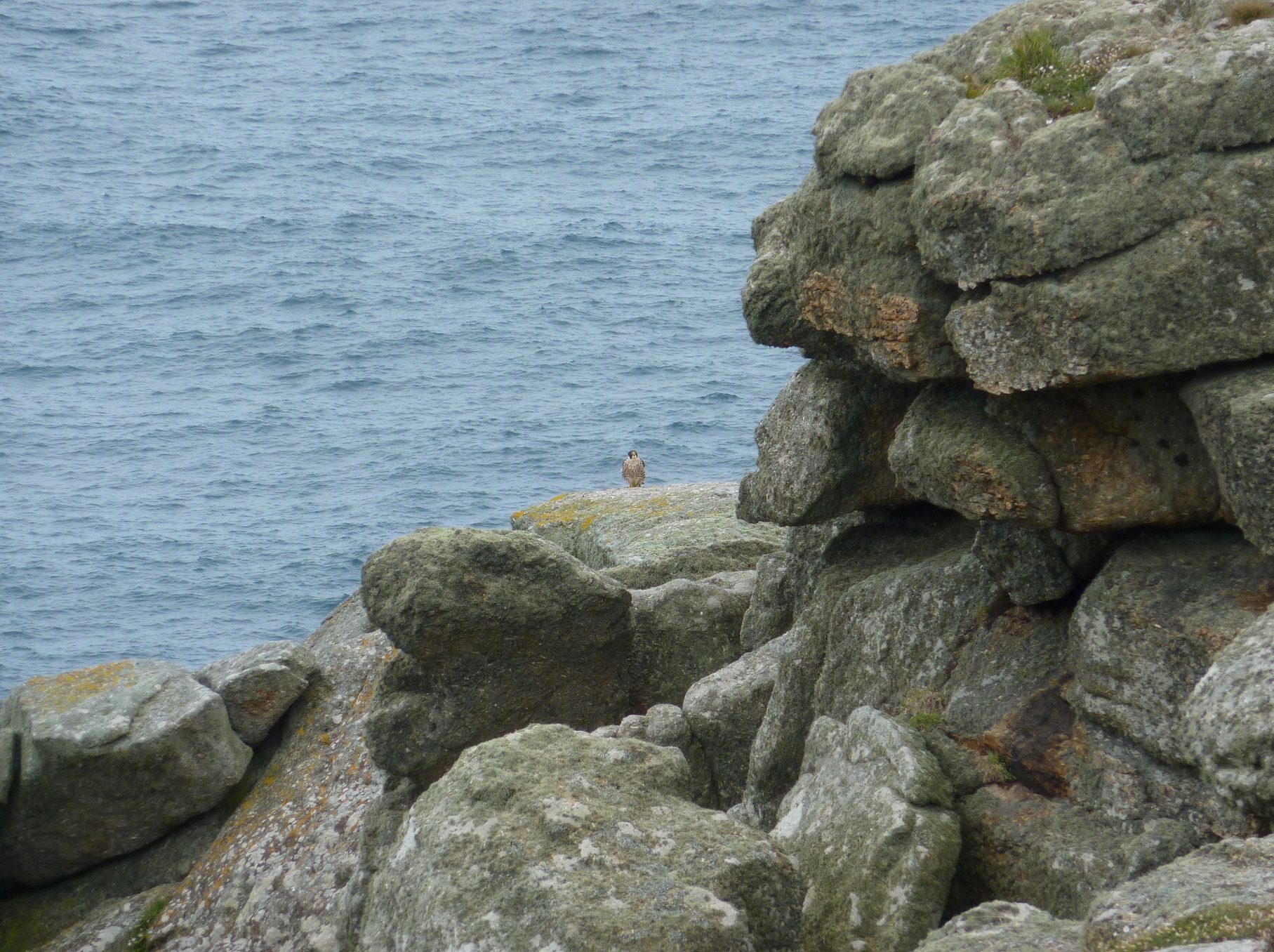
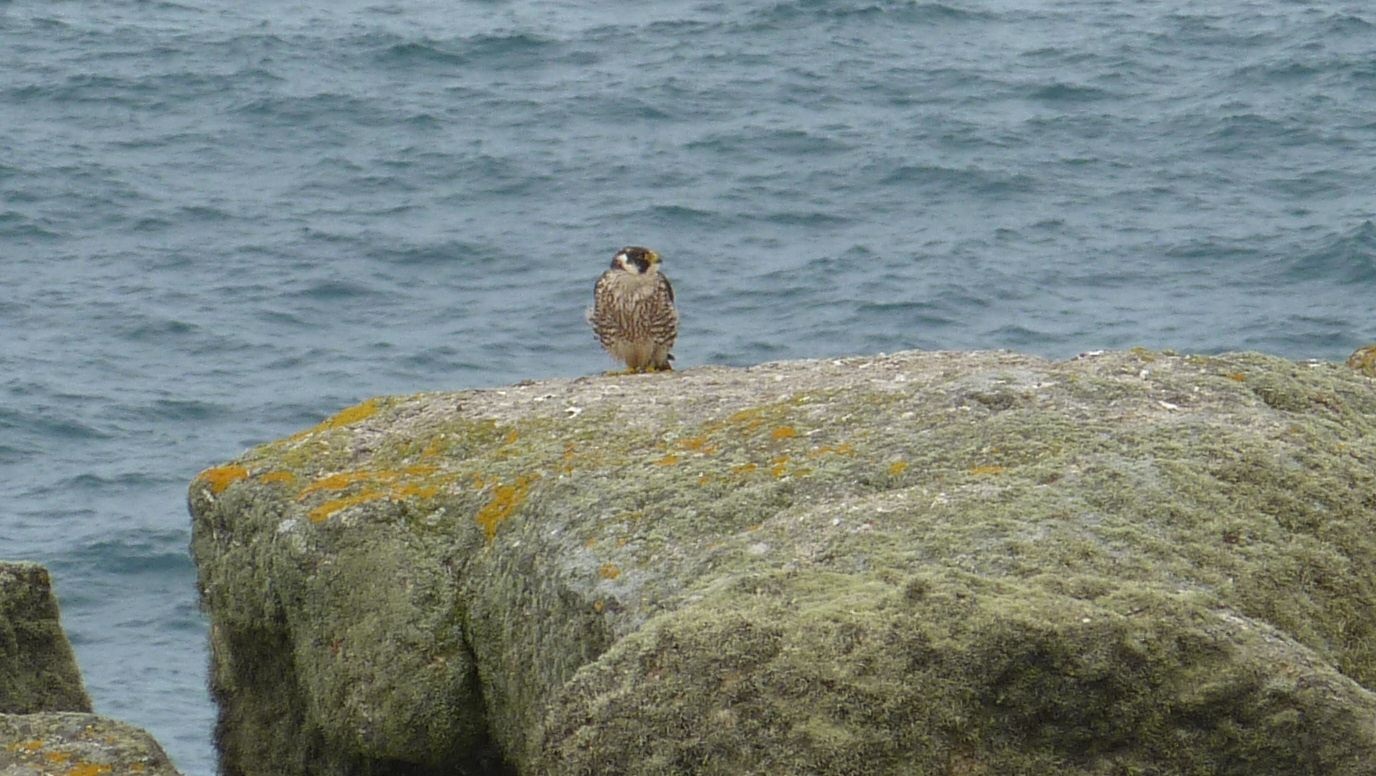
- A fairly big looking Falco peregrinus I thought, so probably a female
-
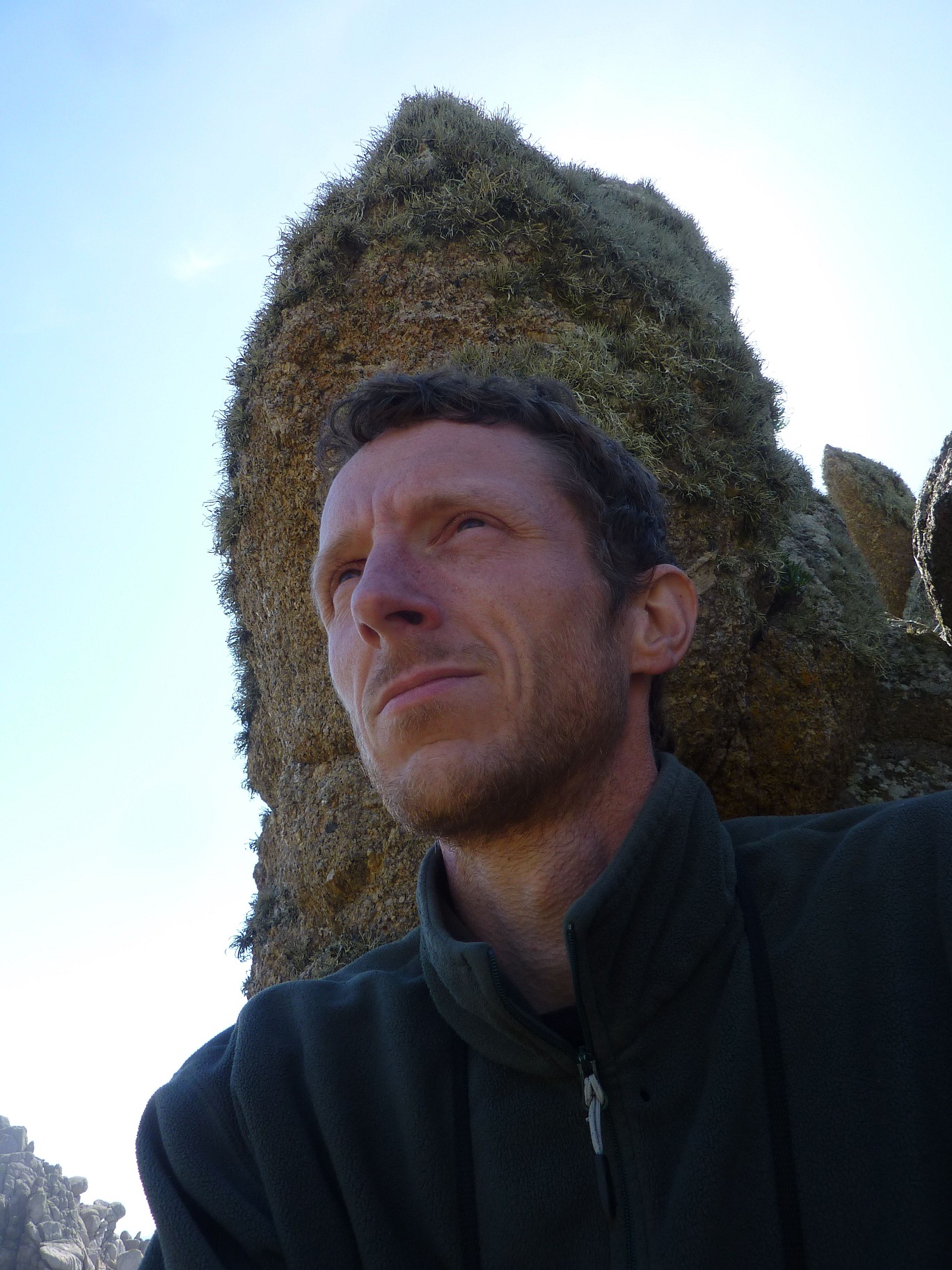
- Just so that you know I’ve been working hard, here I am watching things in a particularly productive way
-

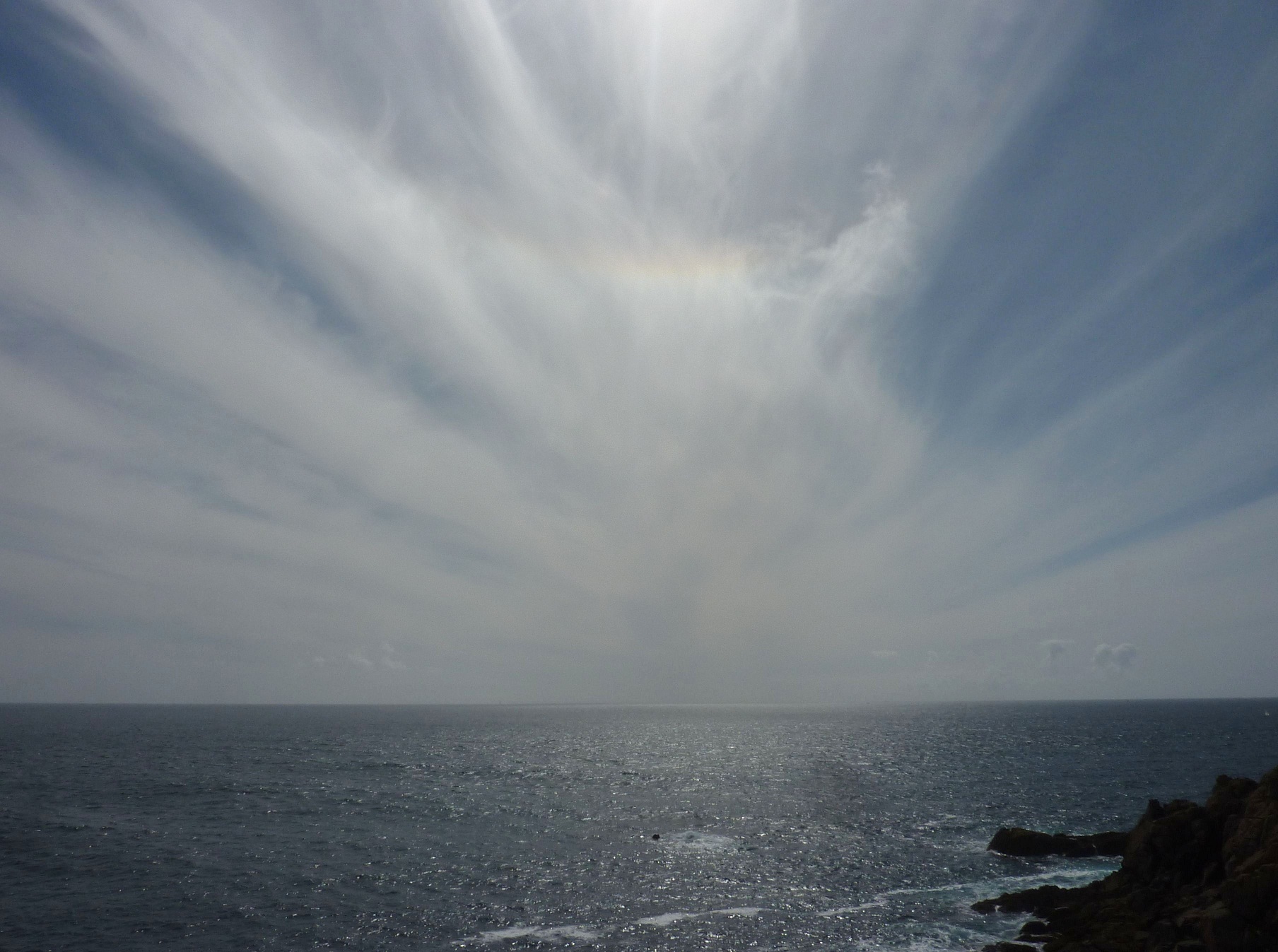
- Ooh, check that out! I wouldn’t’ve seen that from the office window.
Saxicola Rubicola
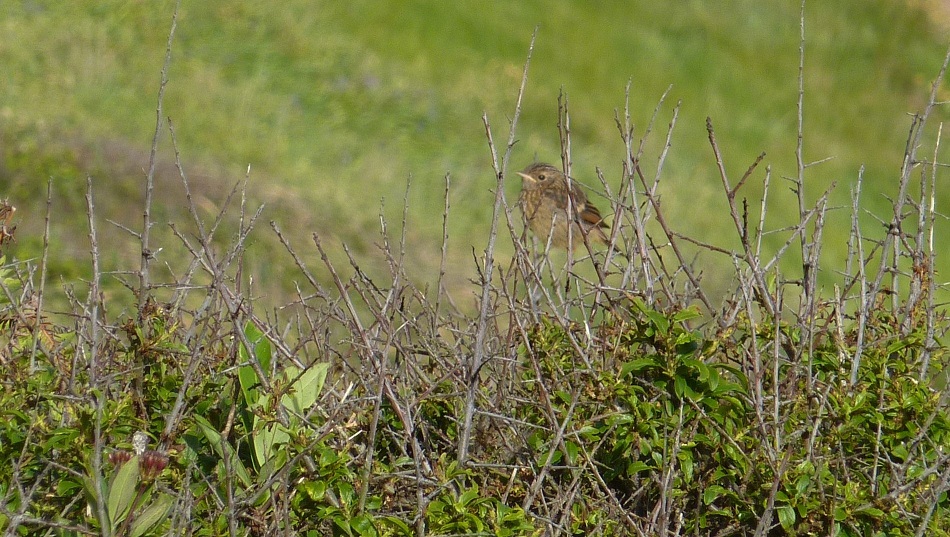
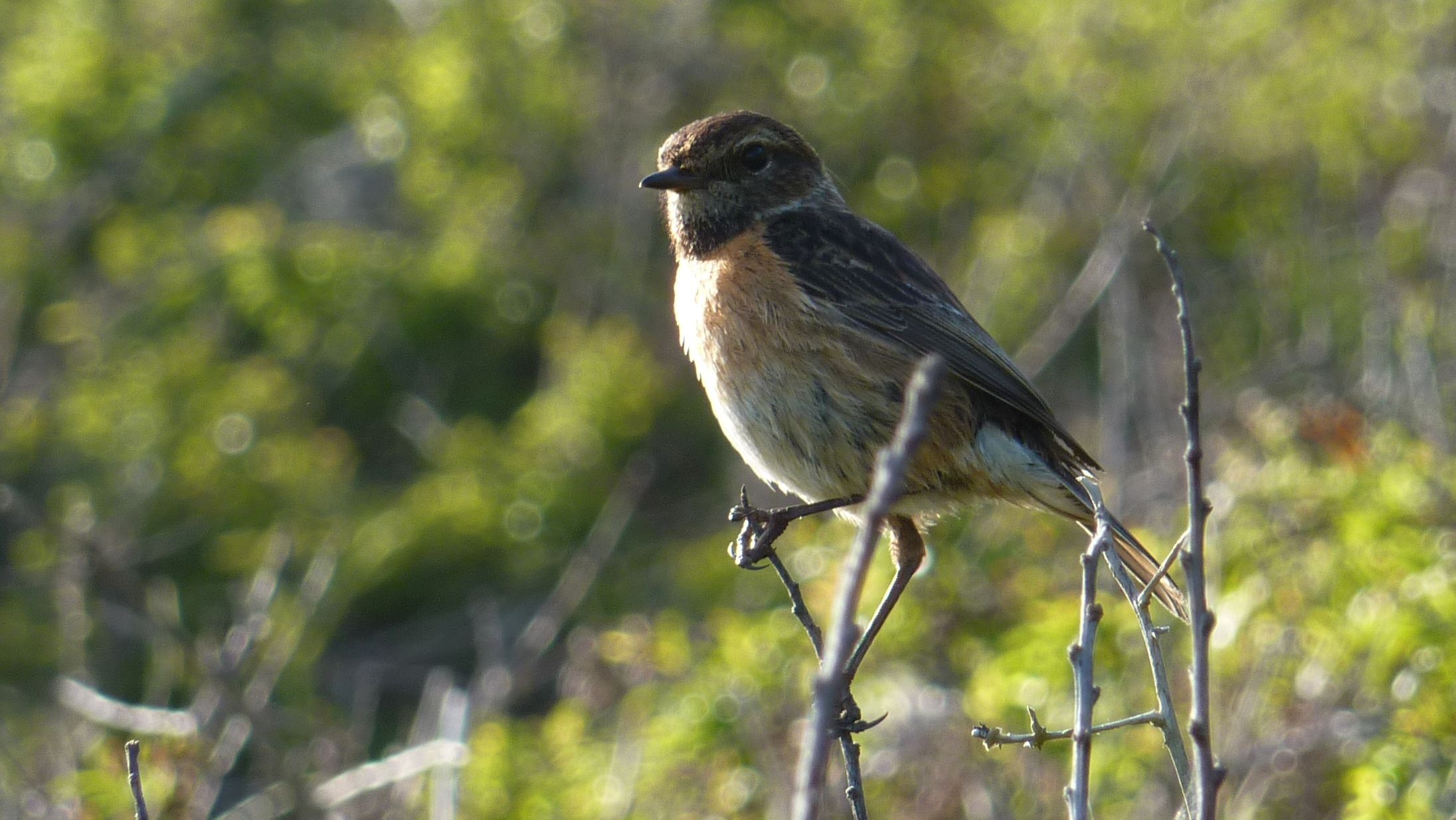
Ha, Saxicola rubicola. Such a quality name. Saxicola means rock dweller, and rubicola means to drink red fizzy pop. These birds are also known as stonechats, because they often make a call exactly like the sound of two small stones being knocked together. On the coast they hang about in the scrub, eating insects; further in land they like heathland and small scrub. Whilst walking this evening I was lucky enough to see male and female feeding a juvenile. I’m afraid I only managed a decent shot of Mrs Rubicola, but I think it’s one of the most exciting photos I’ve ever taken.
The male, by the way, really is a striking fellow. See a previous shot of him here (not the same one you understand, there are more than one pair in Cornwall, thankfully)
In other news, a peregrine was about today, at one point giving the choughs quite a hard time. They both kept low on the rocks for a while, until it moved on. It also swooped for a gull, and a house martin while I was watching. It didn’t seem to be putting much effort in, just gliding along and then darting towards something before gliding on again. Magic to watch.
-
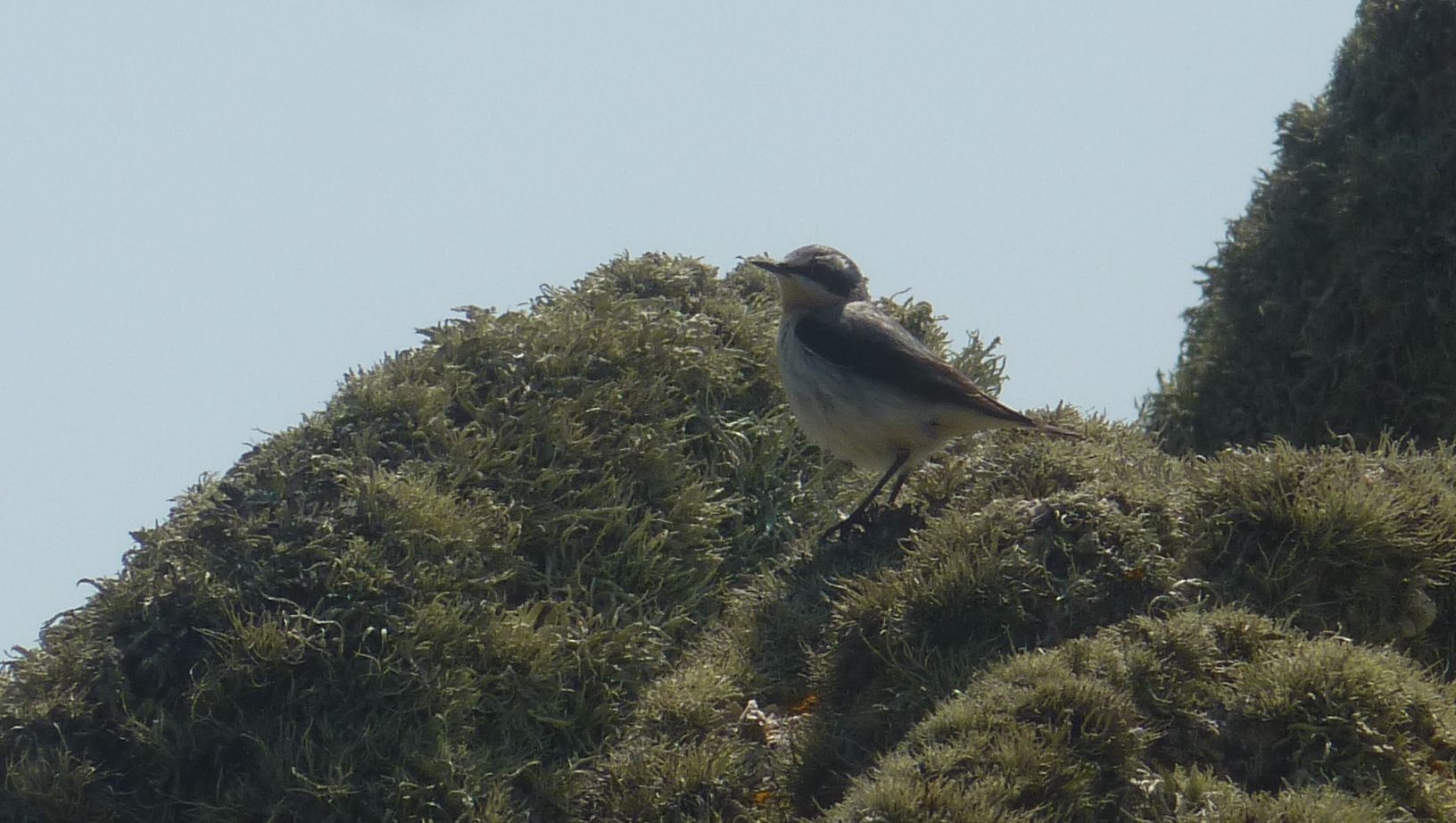
- This male wheatear (Oenanthe oenanthe) often puts up with me hanging about.
-
- Rock pipit (Anthus petrosus)

-
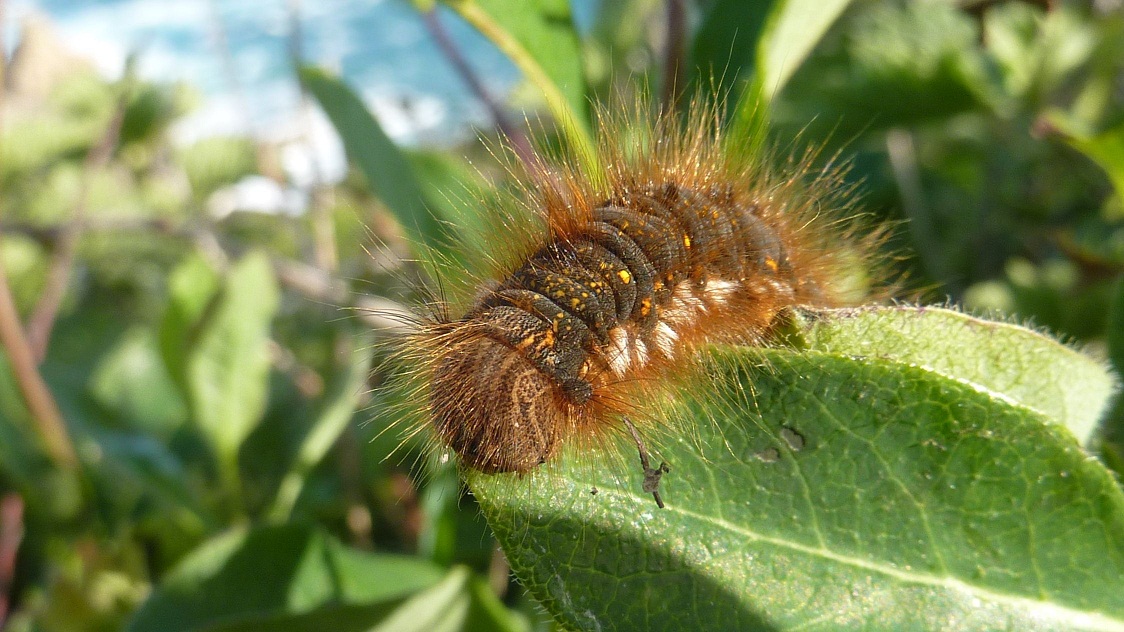
- Check out this fella’s crazy head! Drinker moth caterpillar (Euthrix potatoria)?
-
- Here’s the juvenile
-

- And here’s its mum, having flown up to just a couple of meters from me
Getting carried away
I walk about in the sunshine wondering if all is ok (see previous entry). Apparently the choughs haven’t been seen at their usual feeding site this morning. But then I see one, and then the other. In fact they spent a lot of the day feeding near me. And it’s beautiful day, and I maybe get a bit carried away, taking pictures of everything I see…
-
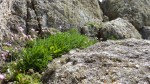
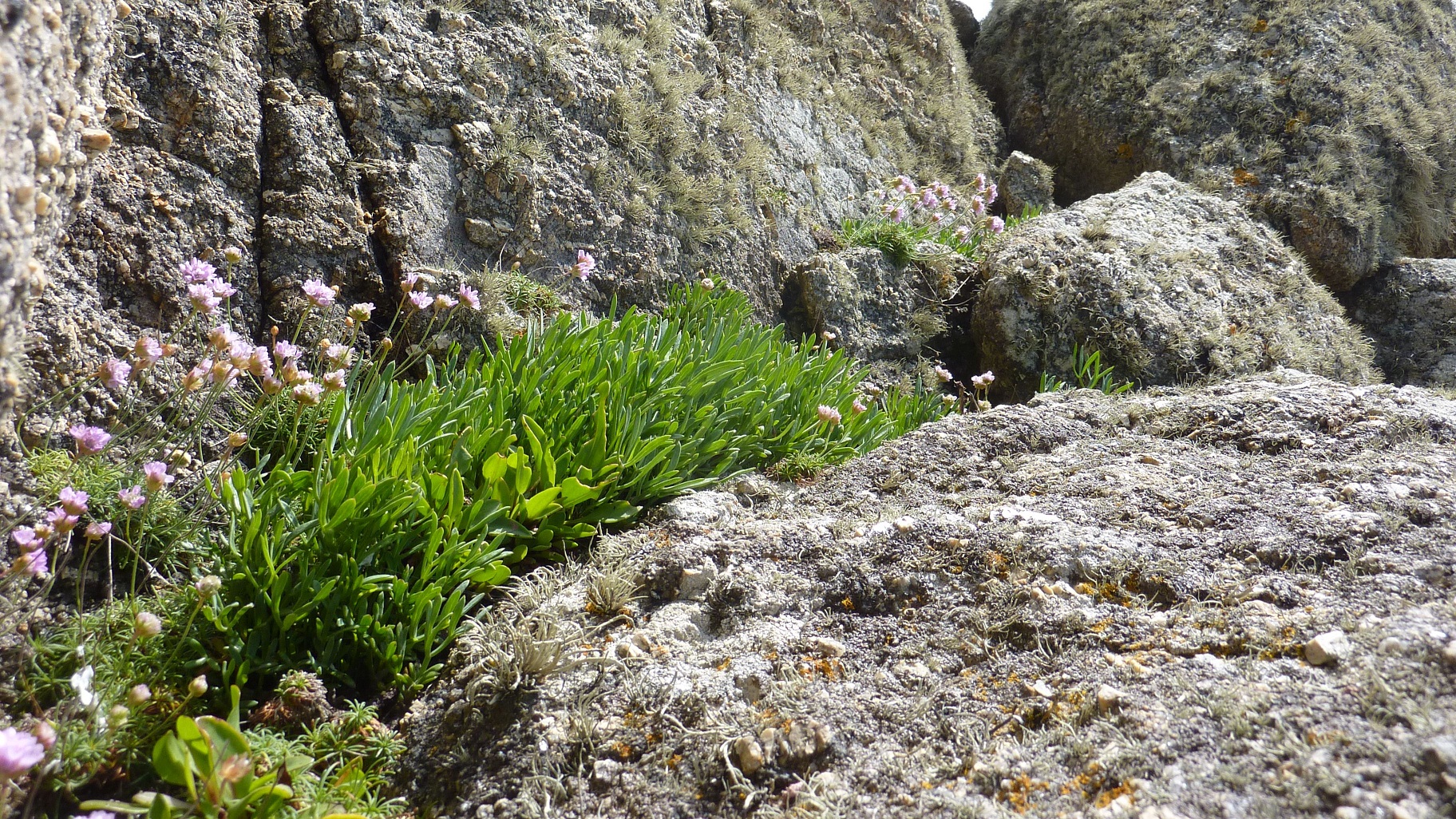
- Sea pink (Armeria maritima) and what I think is rock samphire (Crithmum maritimum) in the foreground, but, if anyone knows otherwise…
-
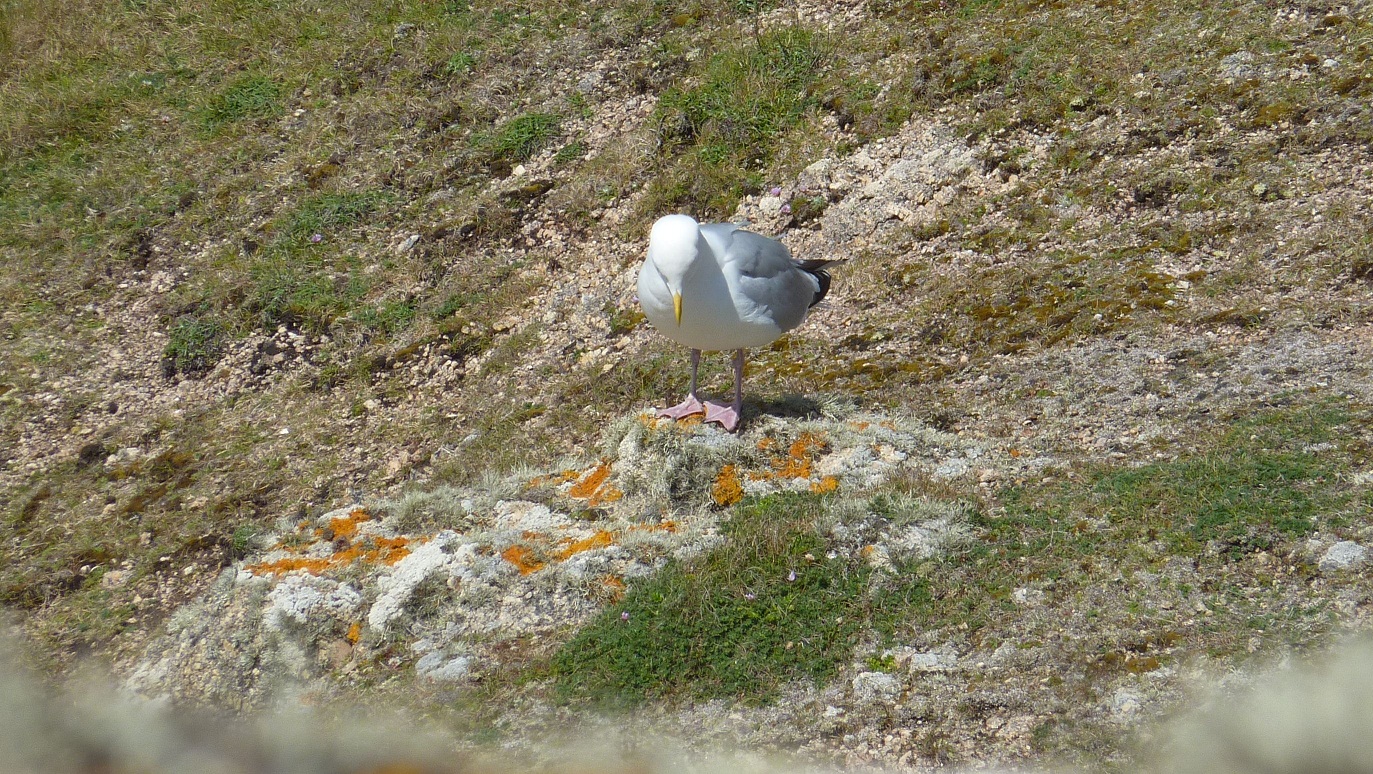
- I was eating my lunch and this gull had coincidentally just discovered something interesting on this rock
-

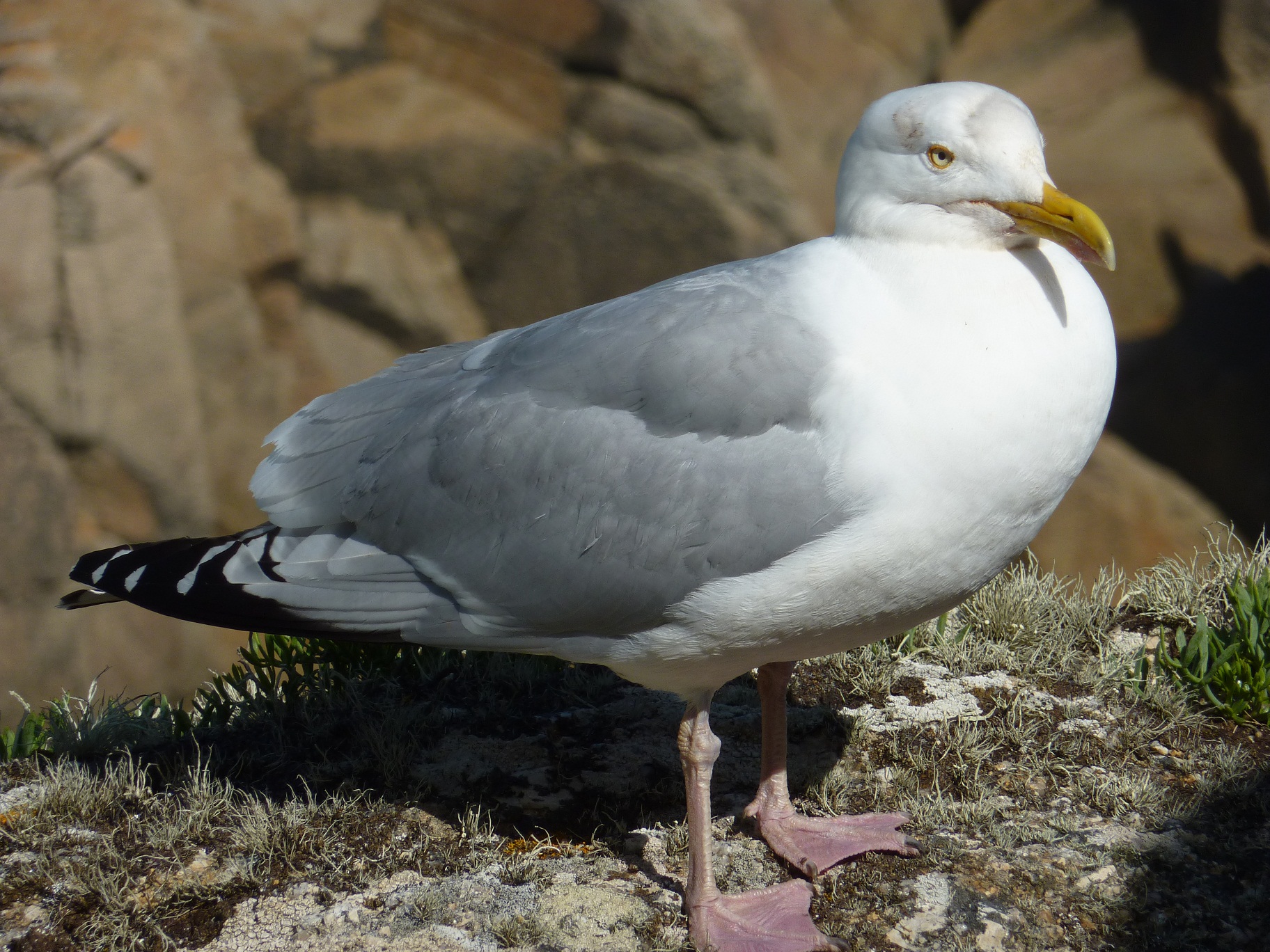
- Mashface wasn’t so reticent, which might go some way towards explaining his (? quite a large fella) appearance.
-

- I spent a great day with our pair today, as they were busy collecting food near me for most of the day
-
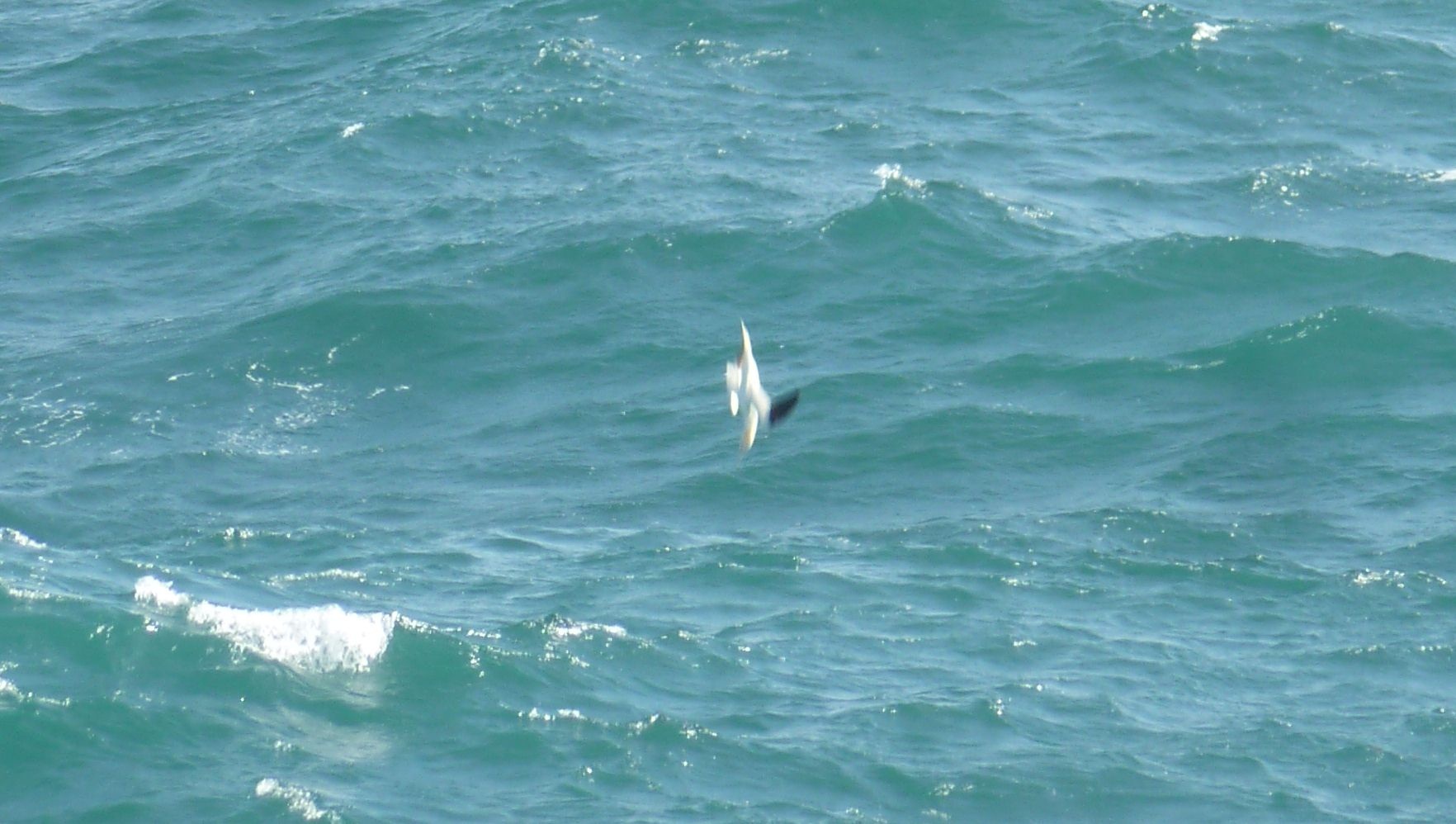
- Hey, I’ve explained elsewhere that I’m no photographic genius, but hopefully this gives an idea of what I was lucky enough to watch over and over again
-
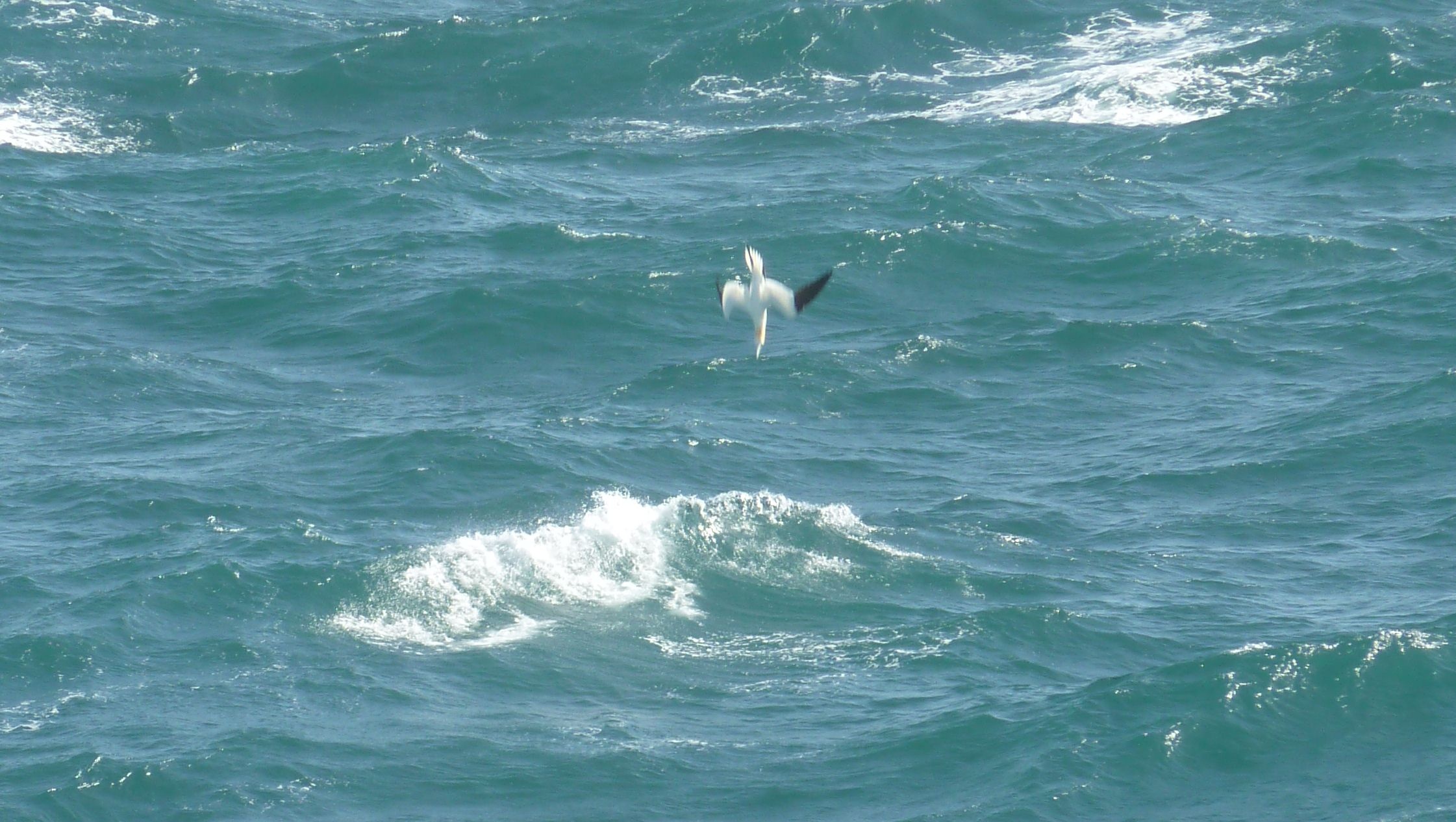
- Sorry, these are gannets by the way
-
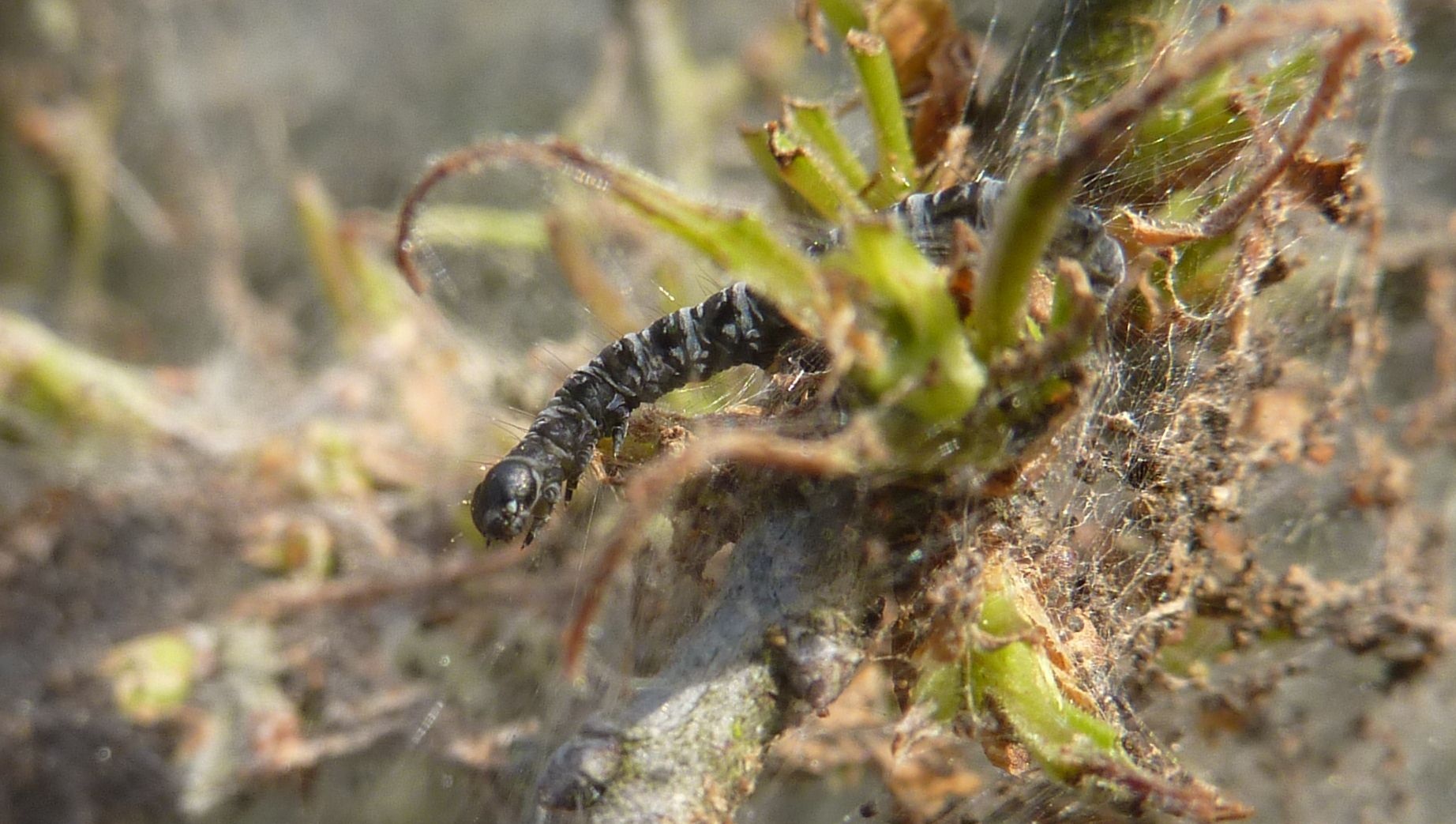
- I’ve had a good look about but can’t id this…
Cornwall choughs and species mission
I’ve returned to Cornwall to join up with the chough project again. My role is, essentially, to monitor the young pair that I was observing before the Scotland trip. I will be camping, and wandering up to 5 or 6 km of coastal path on a daily basis. Why am I doing this? Ha, you’ll see.
On my first day back I catch up with the male Brownblue first thing. He seems well, and a little while later both him and Whitebrown are feeding within a few metres of me. When I last saw them they had eggs, now they are parents. We think it’ll be about 3 to 4 more weeks to fledging time.
I also see stonechats, whitethroats, kestrel, jackdaws and gulls a plenty. And there are so many other species of plants, invertebrates, etc here that it gives me a great opportunity to indulge the nature geek in me. It’s a great day right up to point where a raven comes a calling. Don’t get me wrong, I have nothing against ravens, (in fact, like all birds, they are my favourite bird) but they are known to take other bird’s eggs and young. Our young choughs are well aware of this and make a point of attempting to beat the crap out of any raven that passes over their territory. As they do this the raven glides along and skilfully performs its 180 degree evasion technique, where it turns upside down whilst flying. It’s amazing to watch.
Anyway, last thing today there was a big commotion involving a raven, the choughs, some jackdaws and, I think, a kestrel, although I was surprised to see the kestrel flying away from the seen, as they usually don’t get involved. As the raven flew away it clearly had something small and black in its mouth. I couldn’t see what it was, but the other birds were disturbed. Unfortunately, I had to leave shortly afterwards, so I walked home feeling a little worried…
-
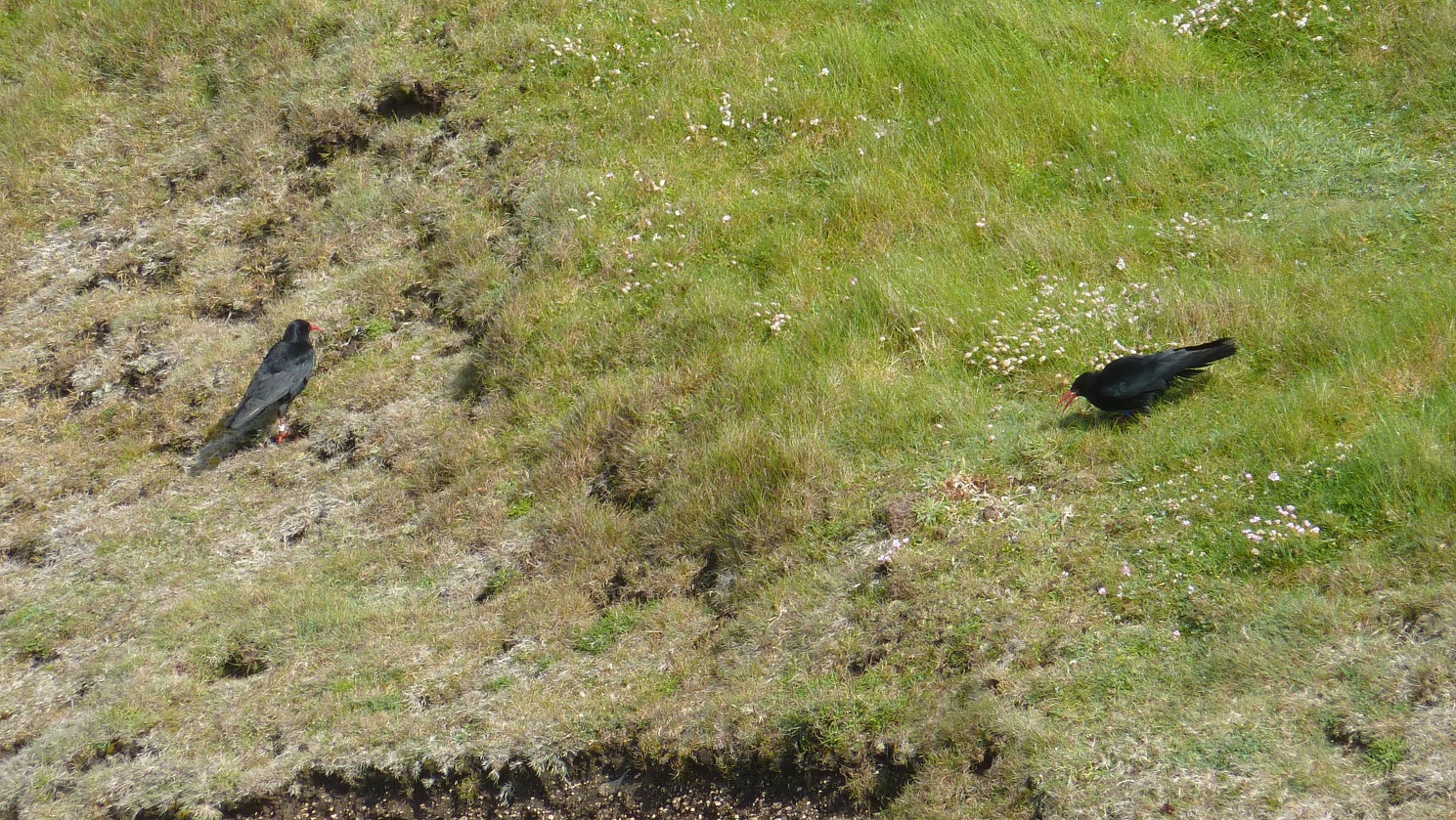
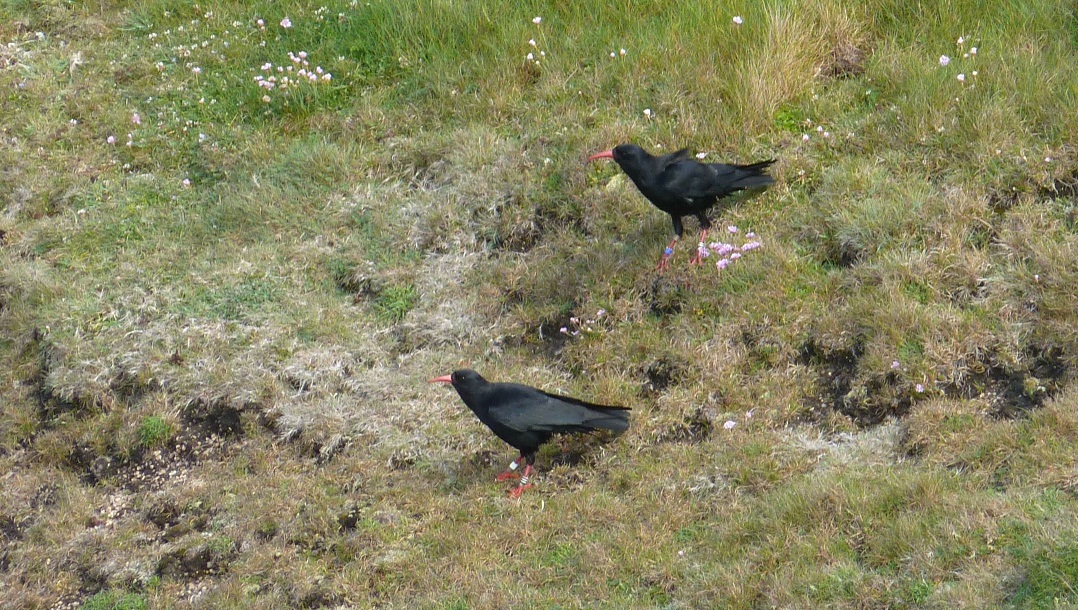
- Whitebrown and Brownblue, maybe a little bit of grey there, from all those sleepless nights?
-
- It’s also great to see how the jackdaws are getting on

-
- Is this yarrow? No it’s sea carrot (thanks Nic)

-
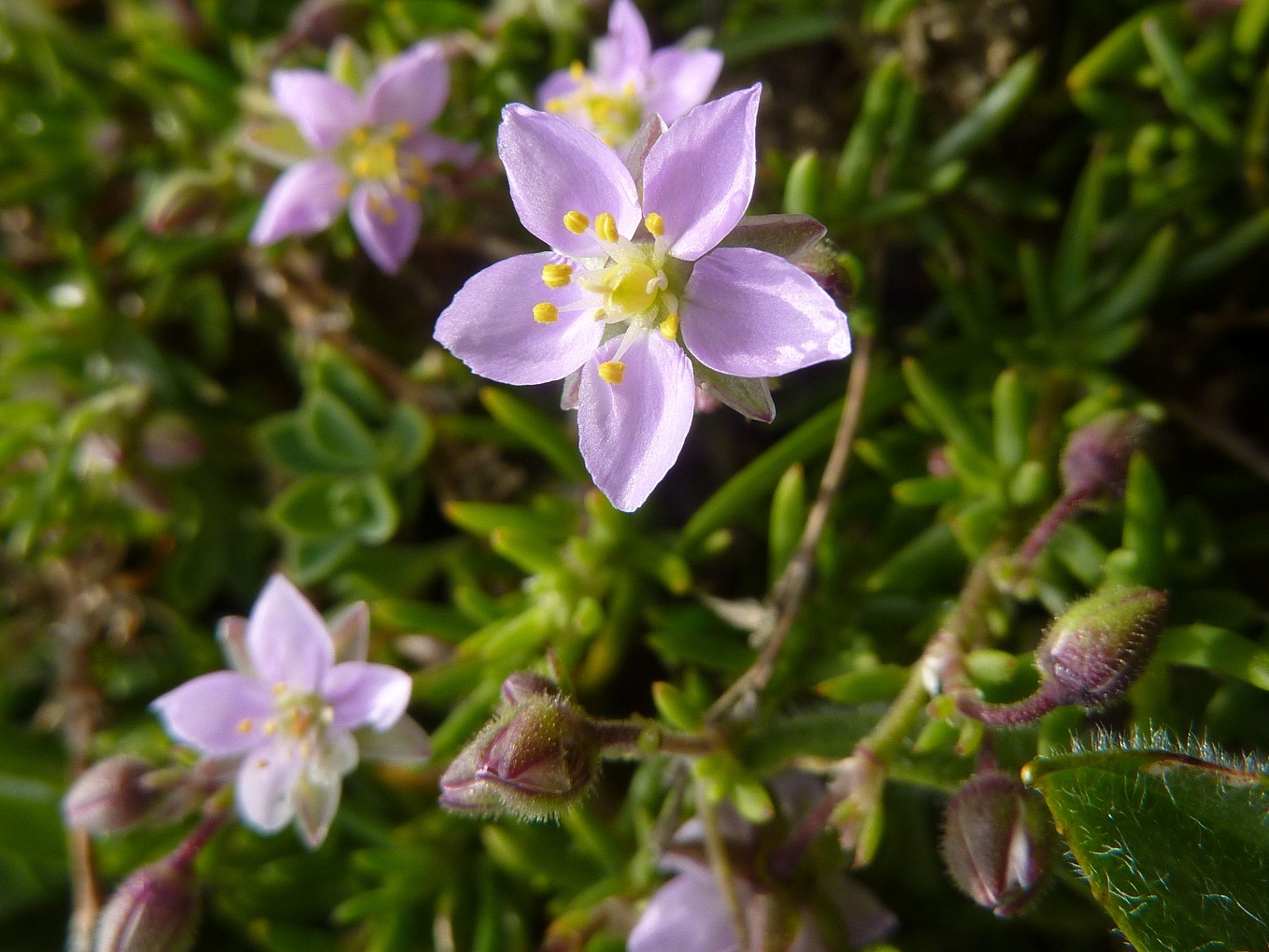
- Rock sea-spurrey (Spergularia rupicola)
So, I mentioned Heather and Stuart are cycling to New Zealand…
They now have a blog. It’s here, and is well worth a look, not just because of the magnitude of their trip, but also because it’s going to be a beautiful blog.
http://uppingsticksontour.wordpress.com
Heather and Stuart are the couple that I stayed with in Fort William on my last trip North (as I’ve done on a number of previous trips), having met Heather on a TFL week in 2007, and then stayed with them for a resplendent few days on Harris in 2009. Hmm, I like the look of this trip – it beats flying out there, and I surely have to get out there one day. Good luck guys.
-
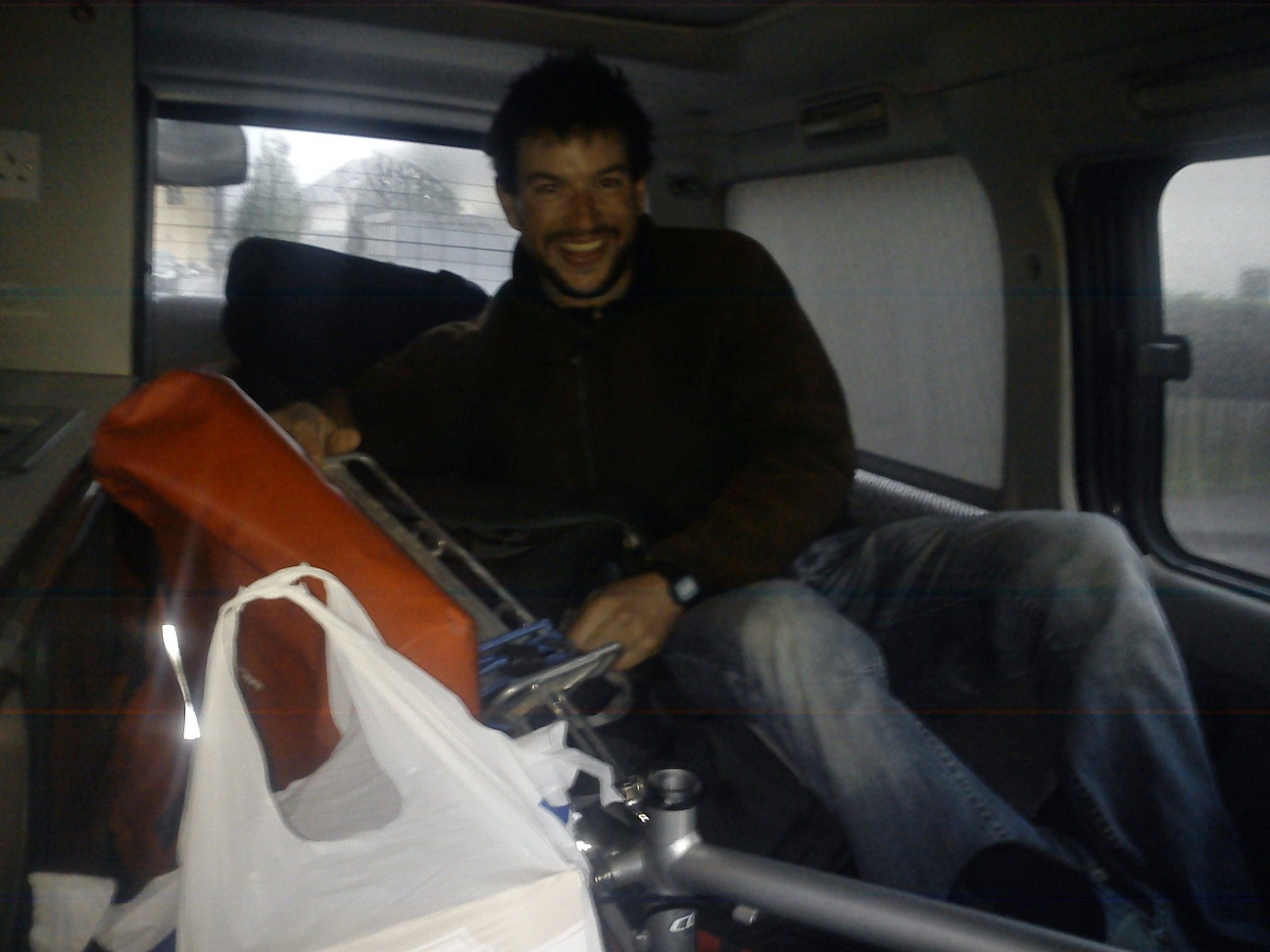
- We bumped into Stuart in town, “Yeh, I can give you a lift Stuart”, says I, before remembering that the car was full of myself, Manoj and all of our gear…
-
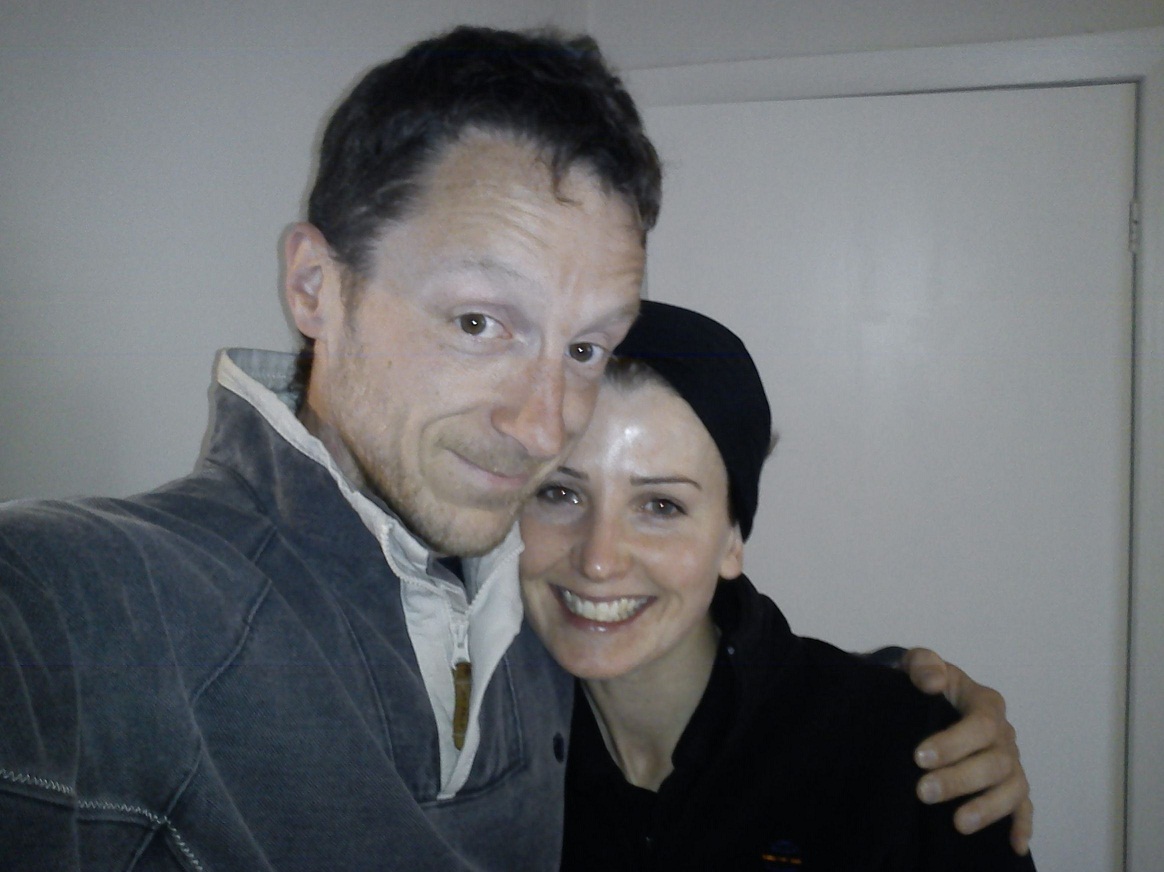
- First thing in the morning, I remembered that I’d not got any pictures of Heather… a good recovery, I think.
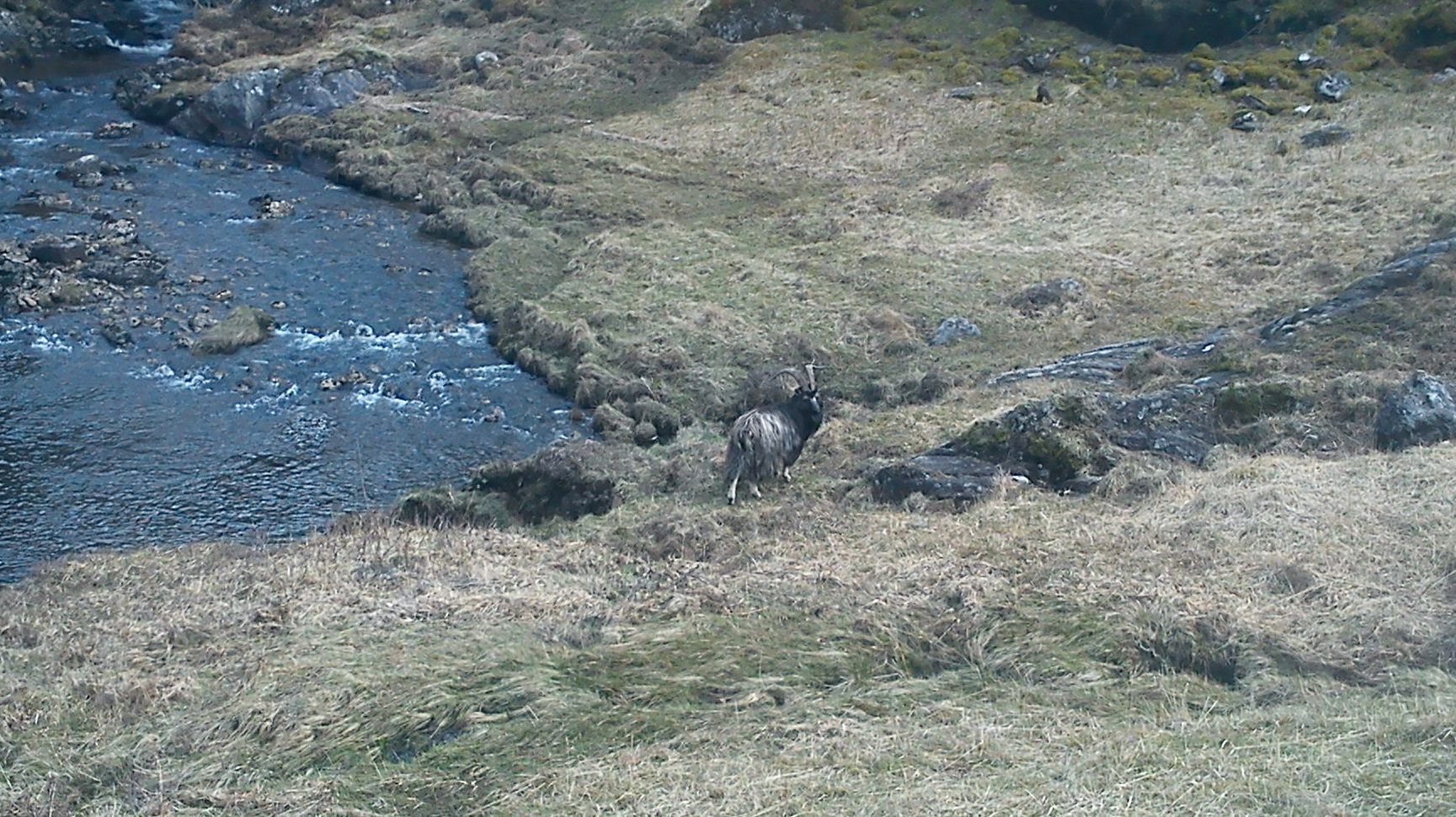
Unidentified goats, Dundreggan and my trip South
I’ve just remembered that on our way into the Kinloch Hourn, for the JMT work party, we passed some creatures that I’d never seen before. See the (goat?) photo below – if anyone is able to tell me what they are, and whether they should be roaming the wilds of Scotland, then I’d be very grateful.
So, after getting back to Findhorn, following the TFL week on Skye, I was invited over to Marcassie Farm to spend the evening with Paul, Maeve, Dan & Kristy, and Craig, Ruth & family. Many thanks to those guys for their hospitality. We had a great evening eating and acting out made up scenarios in various styles, to keep ourselves entertained. I’m still loving Craig and Paul’s ‘tenderly’ dancing. Check out the web site, and especially the Art of Mentoring.
In the morning it’s another lovely sunshiny day, so it’s time to say goodbye to Paul, and begin my trip South. On the way I have it on good authority that Steve and Jane will be at Dundreggan, so I make my way there. Obviously, I gave them too much warning as, by the time I get there, there’s no sign of them. It’s a glorious day so I stop by the river Moriston and I also take a look around the Dundreggan riparian planting site.
After a night in the van in the Lakes (snipe and red grouse calling next to me), I text Manoj to see how he’s getting on with his cycle round Scotland tour. He’s made it to Newcastle-upon-tyne, and has decided against getting on a ferry to Holland. I go and pick him up and we call in on Kath on the way back to his place. We’ve managed to squeeze in a fair bit since I picked him up on the way up, three weeks ago…
In other news, I’ve heard that the choughs I was monitoring have been carrying around eggshell in the last few days.
-
- Look very closely, it may be you. Ok, it’s not you, it’s some kind of a goat thing. Any opportunity to reel off some ELO lyrics…
-
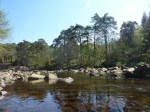
- The river Moriston

-
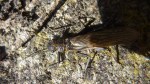
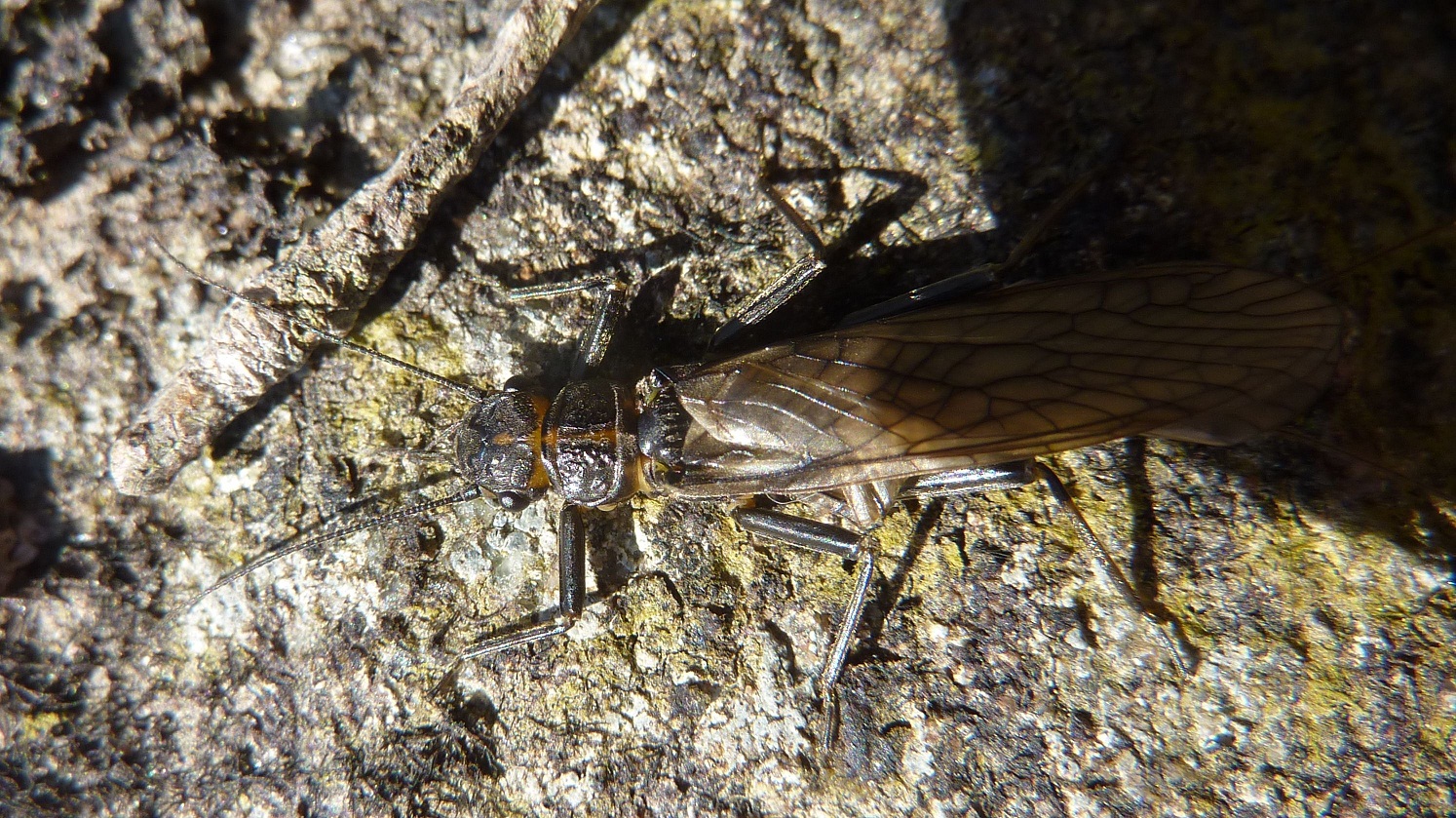
- I’m pretty sure that this is a large stonefly. That’s also it’s common name, apparently (Perlodes microcephala).
-
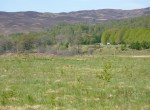
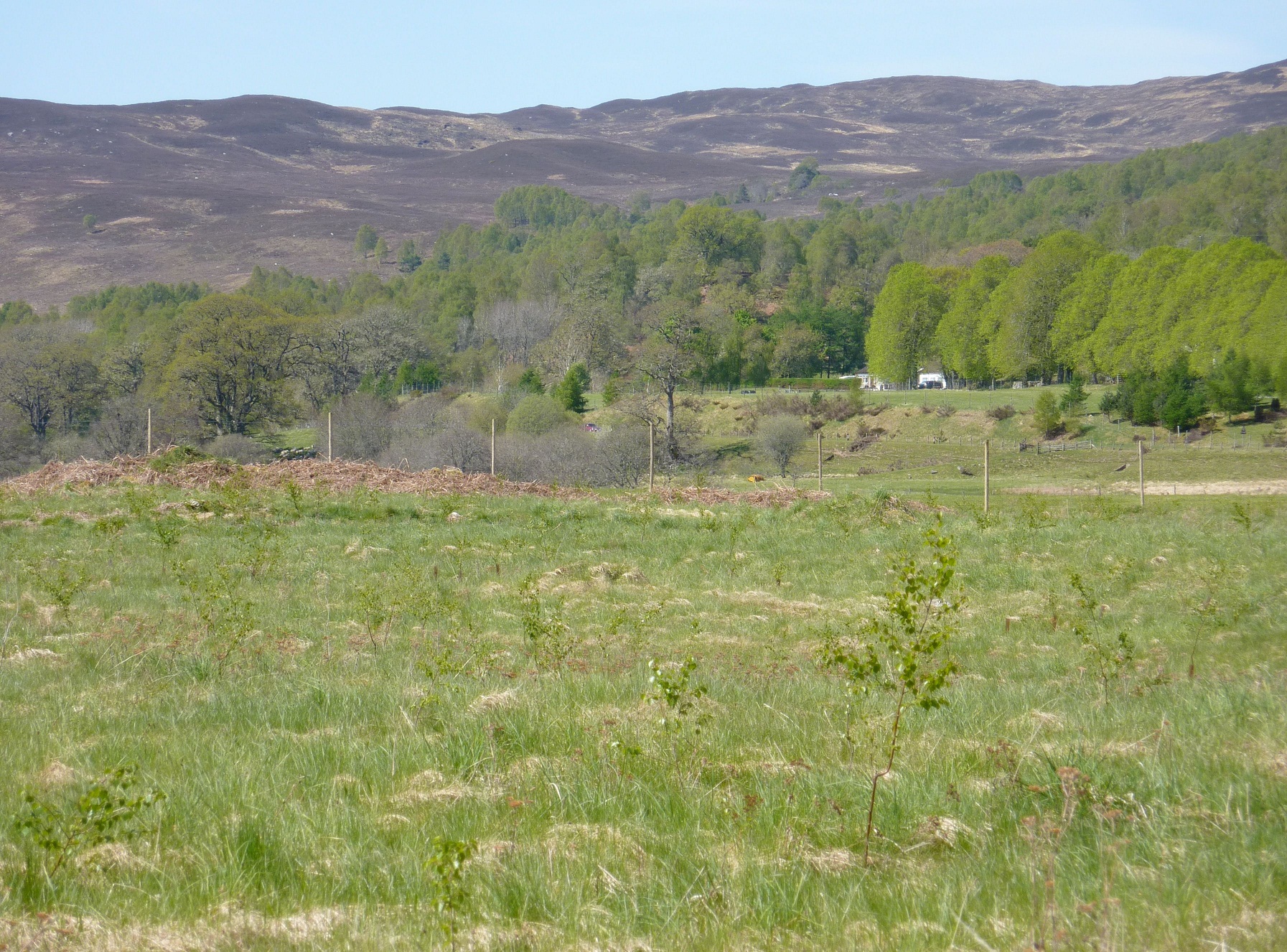
- Looking across the Dundreggan riparian planting site towards the lodge
-

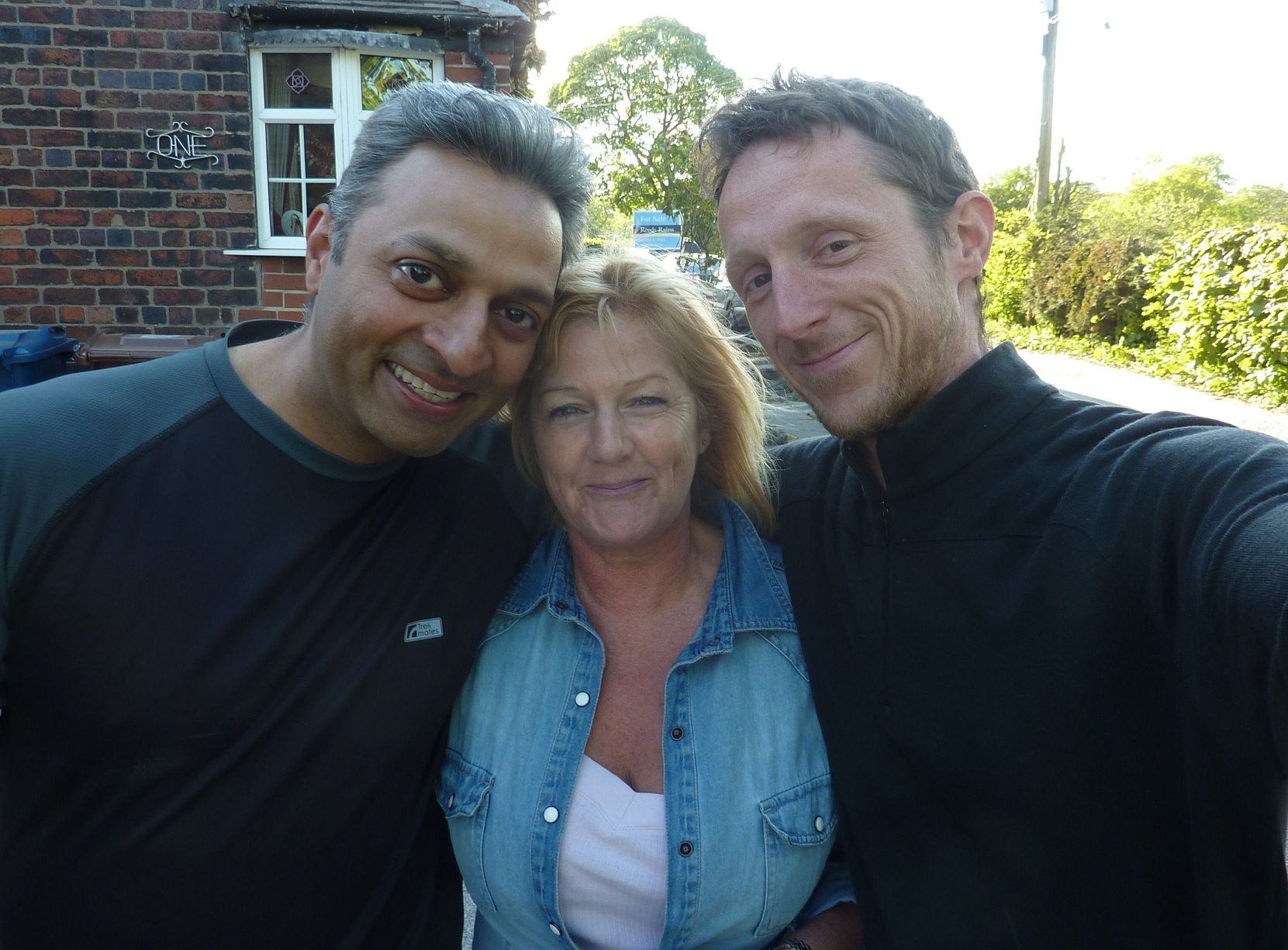
- Kath bravely hides her distaste at being hugged by two people who’ve been wearing the same clothes for weeks
Skye week nature shots
Here’s a small fraction of the nature that was on show during the TFL Skye conservation work week. The rest may be available to view during your Trees for Life week on the island.
-

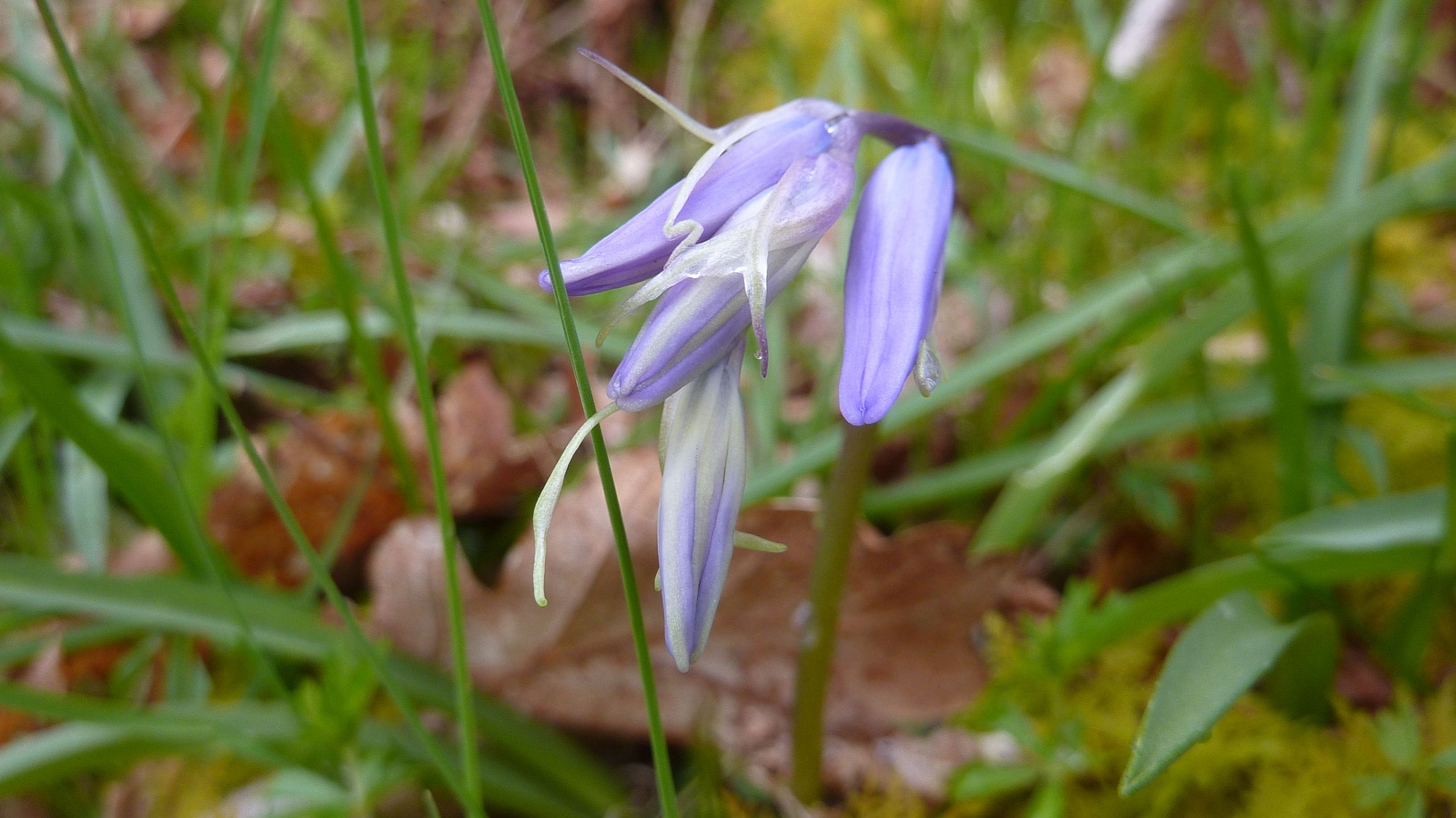
- I’m assuming this is bluebell (Hyacinthoides non-scripta) pre full bloom
-
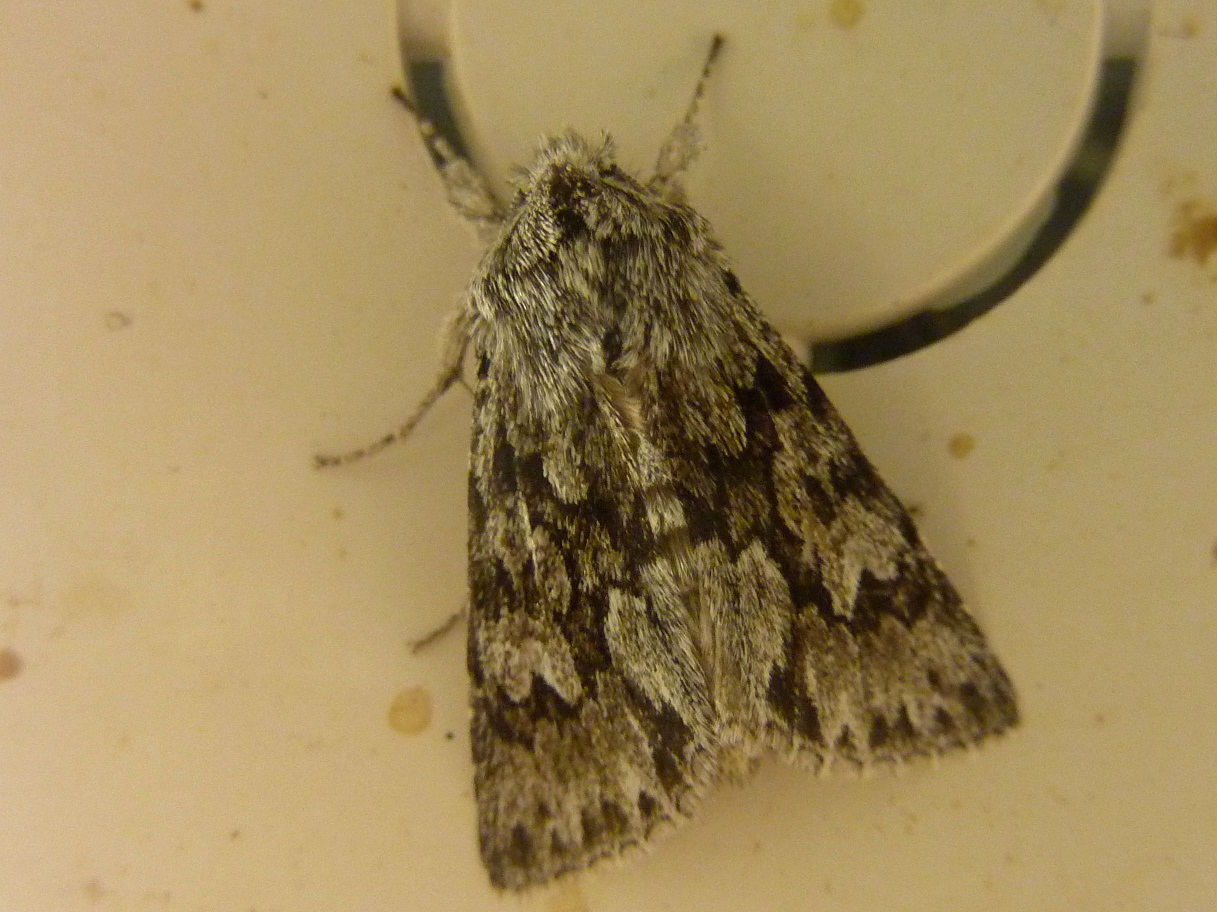
- An early grey (Xylocampa areola) seen here on the kitchen light in the hostel. Not, I suspect, it’s natural habitat.
-
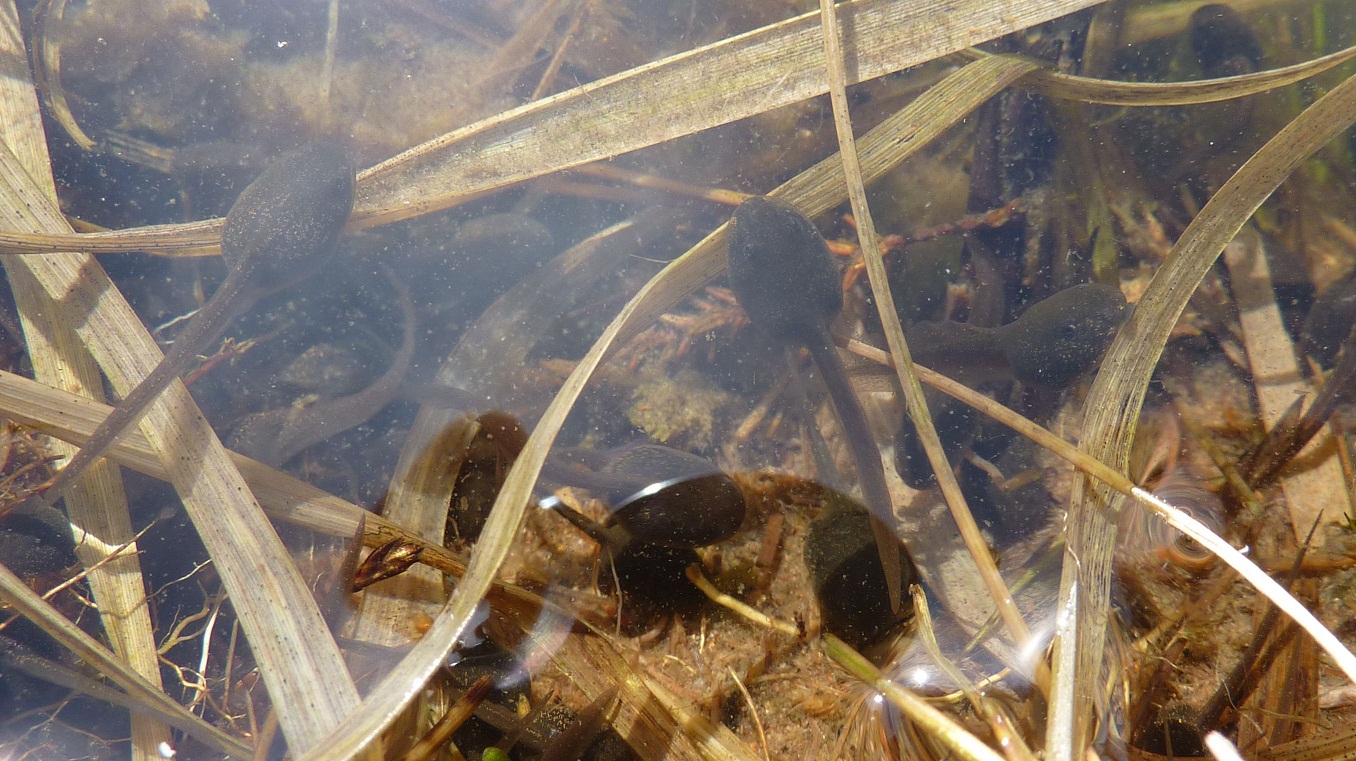
- These wee fellas and fellaresses were found in a small puddle half way up Glen Kylerhea
-
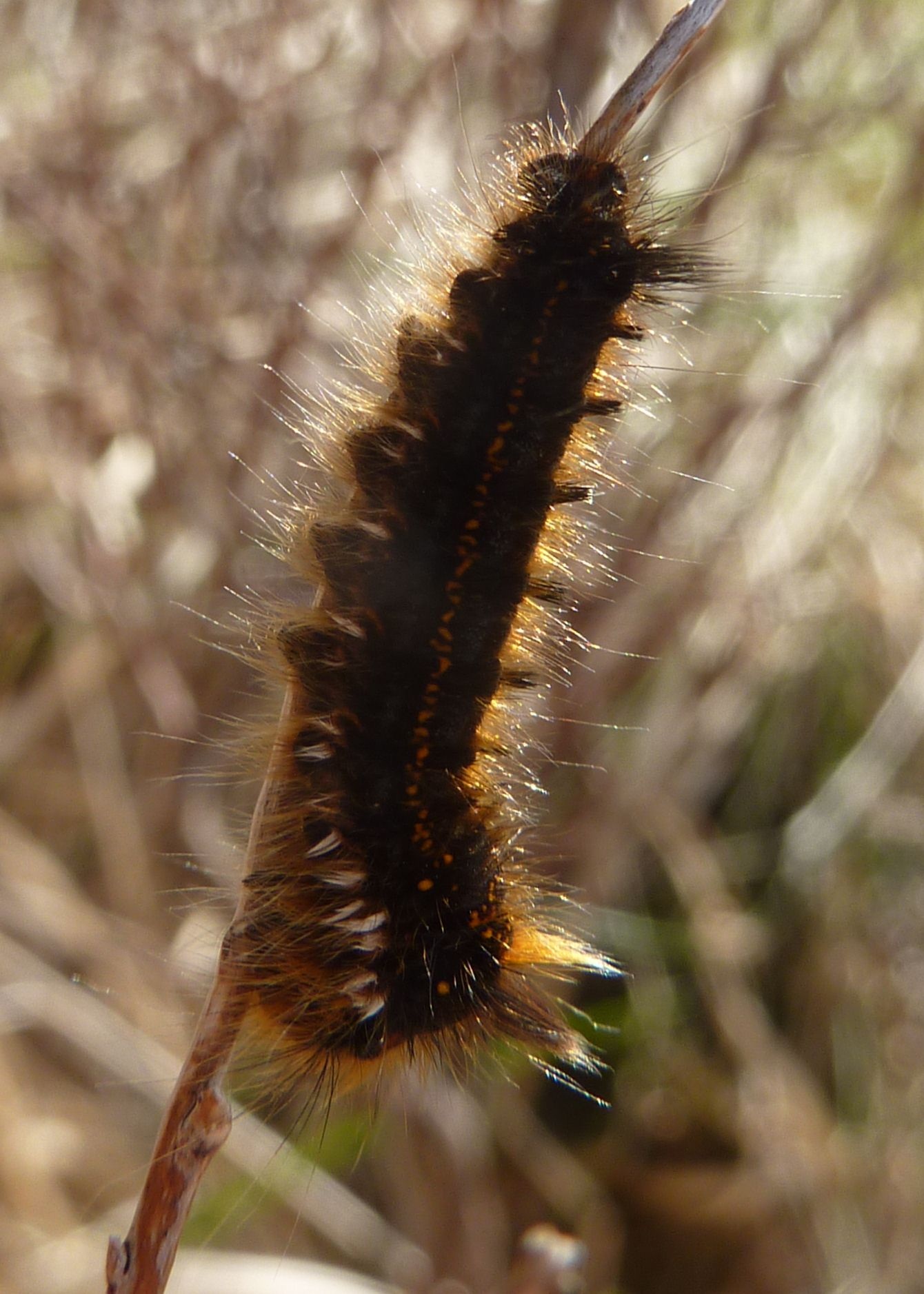
- Drinker moth (Euthrix potatoria) caterpillar
-
- A speckled wood from my day off in Dalavil wood

-
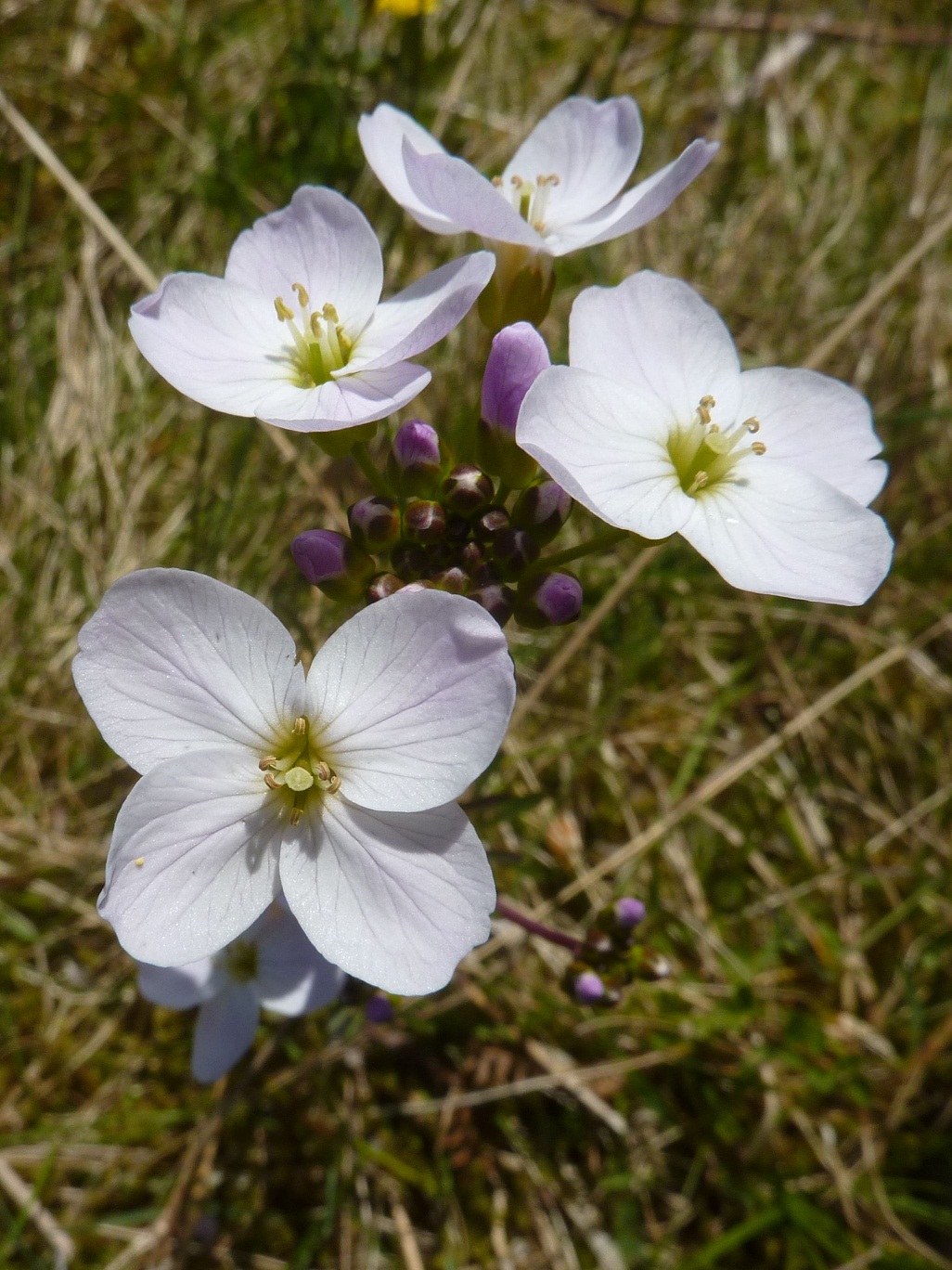
- Lady’s smock
-
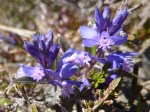
- Heath milkwort (Polygala vulgaris). Possibly.

-
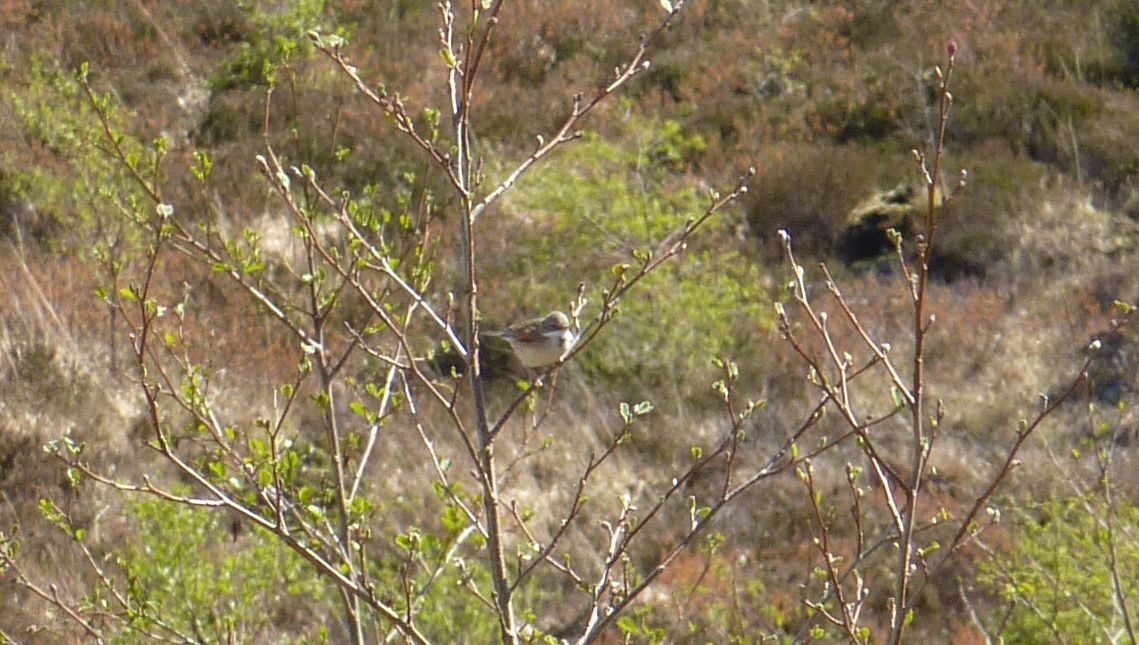
- I can’t remember having seen a Whitethroat before, and here is one, get in!
-
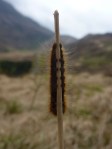
- 3 days later and the drinker is now so much more obviously a moth.
-

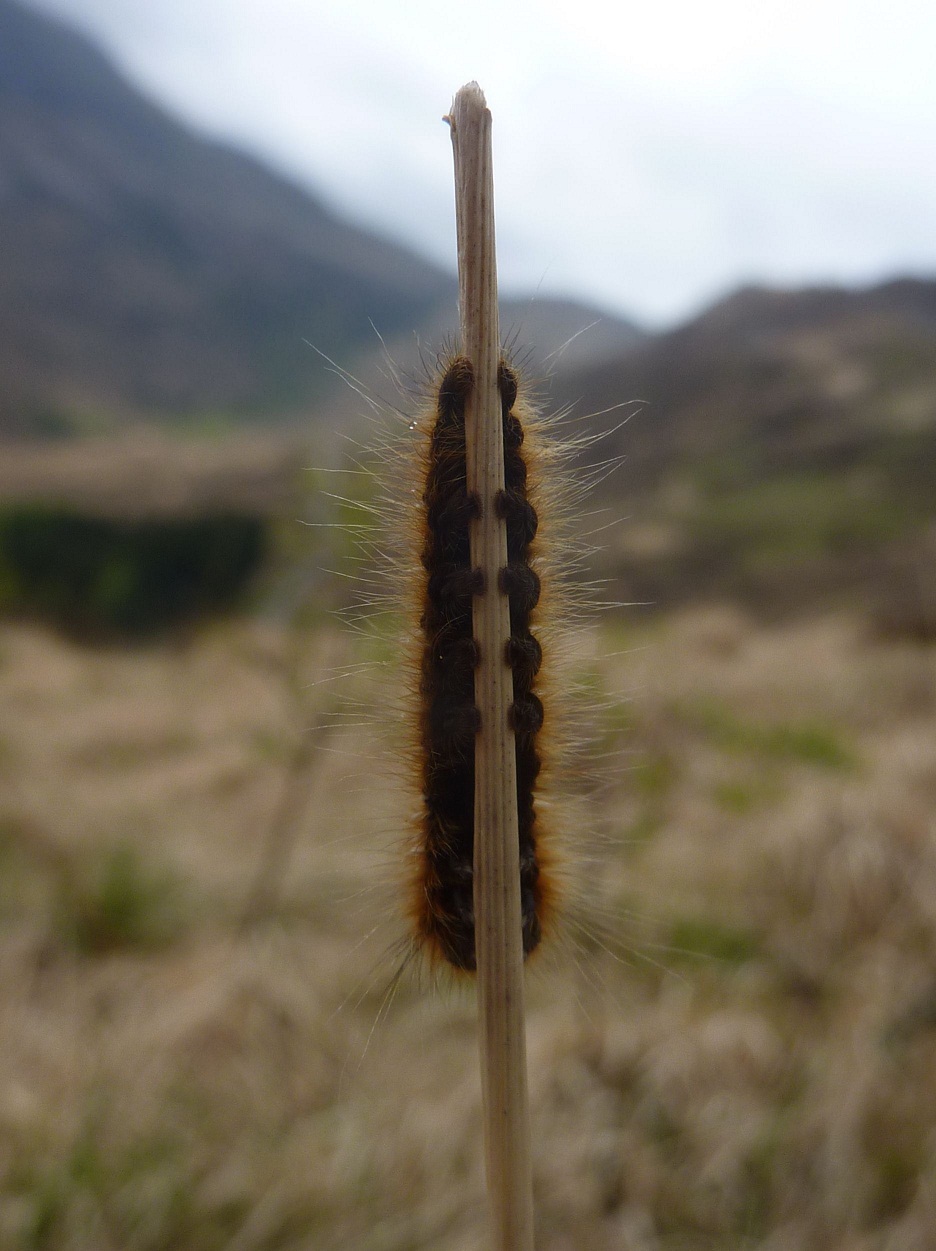
- Ha, I was doing so well (wasn’t I?), but, no, I don’t know what this is. I will do when one of you tells me though… A dark barred twin spot carpet! Thank you Kate.

TFL week on Skye 23rd April, sunshine included
So, my only TFL work week of this spring, and it felt like I must have picked the best week of the season, not least because of the sunny weather. I was Focalising with Paul Knights, someone who I’ve met a couple of times before at the 2010 conference and Saturday changeovers. He’s been coming on work weeks for 15 years and he’s still only half my age! Anyway, I think we did ok.
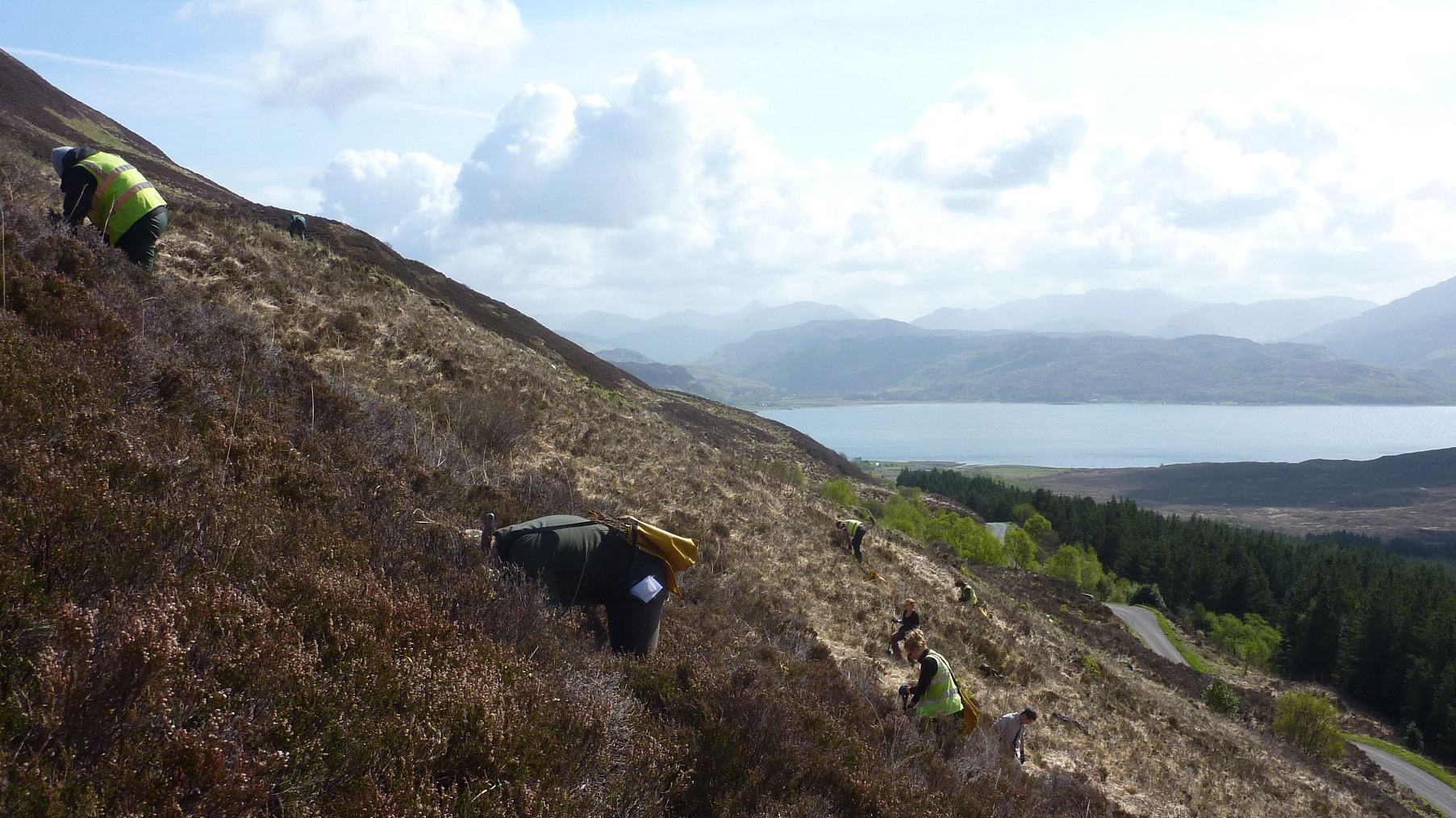
We were also lucky enough to have a fine group of volunteers, some of whom I knew, and some I was meeting for the first time. We planted 3020 trees on a fairly steep slope over the road from the plantation in Glen Kylerhea (down towards the Kylerhea ferry). During our three days there we heard, and occasionally saw, at least two grasshopper warblers, and twice a golden eagle, once soaring higher and higher and then twisting and feinting as it dropped into the next glen, and the next time flying low over us with a bunch of hoodies in tow. This was in addition to a fine array of other birds, caterpillars, bugs, etc.
We also spent a day felling Spruce at Balmacara and, on our last working day, clearing smaller spruce from a beautiful spot near Leitir Fura (look it up and pay it a visit). For my day off I walked to Gleann Meadhonach and Dalavil woods. There is an area of planted young woodland before the Glen opens up, and the whole walk was absolutely stunning. I’ll create another post to discuss my wildlife sightings.
As usual big thanks must go to Peter and Julie MacDonald for being great hosts at the Flora MacDonald lodge.
Also worthy of mention was the food, especially the cakes (I may, at last, get some sleep tonight after Kevin and Rob’s chocolate brownie hit!), a snipe with a strangely high pitched tail near the lodge, some fine philosophical debate with the legendary Mr Knights (mostly not serious!), and the late night conversations around the fireside.
-
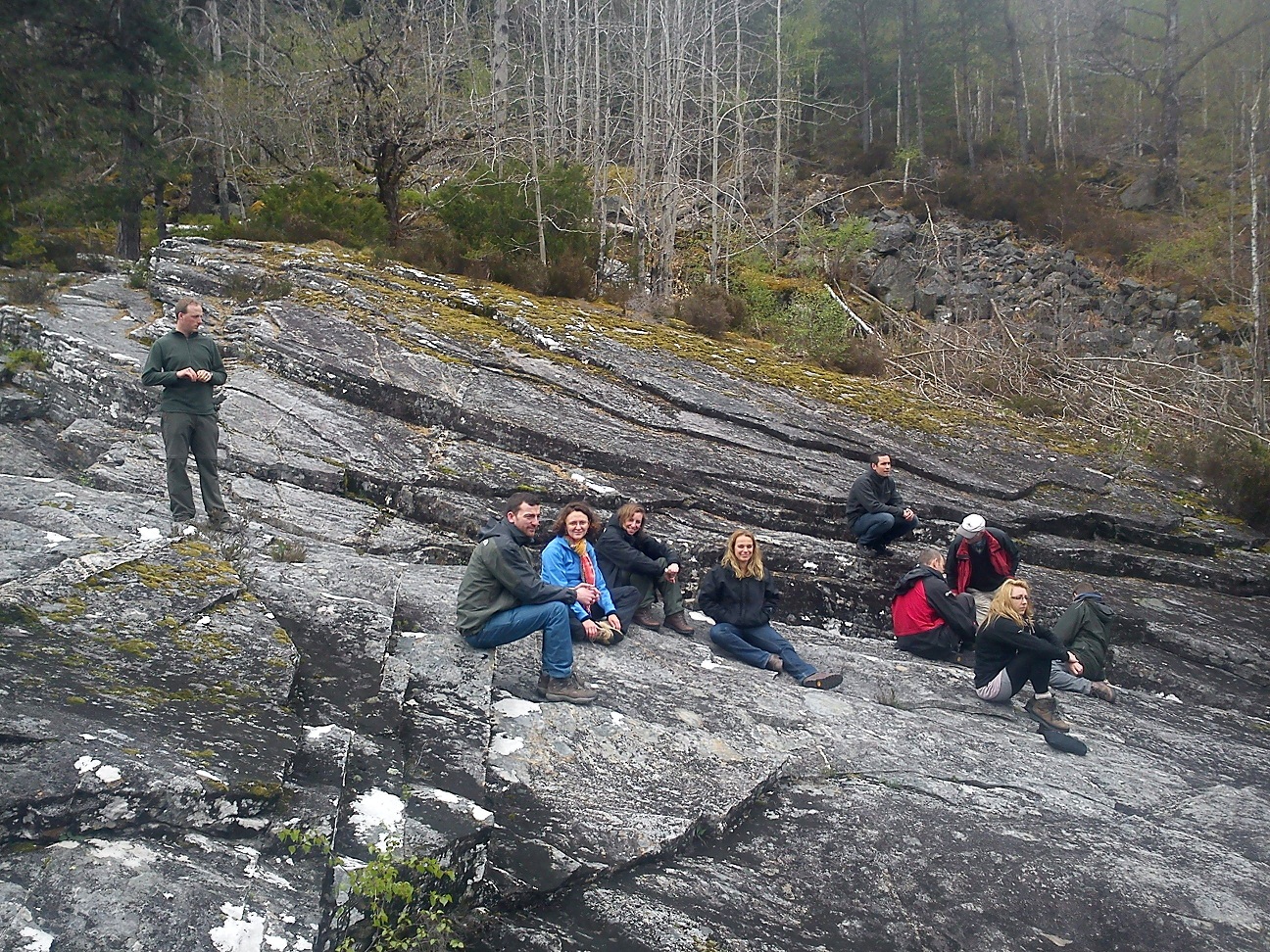
- Everyone takes an immediate liking to Paul
-

- Apparently the week before had the sunniest Skye week in (Peter’s) living memory…
-
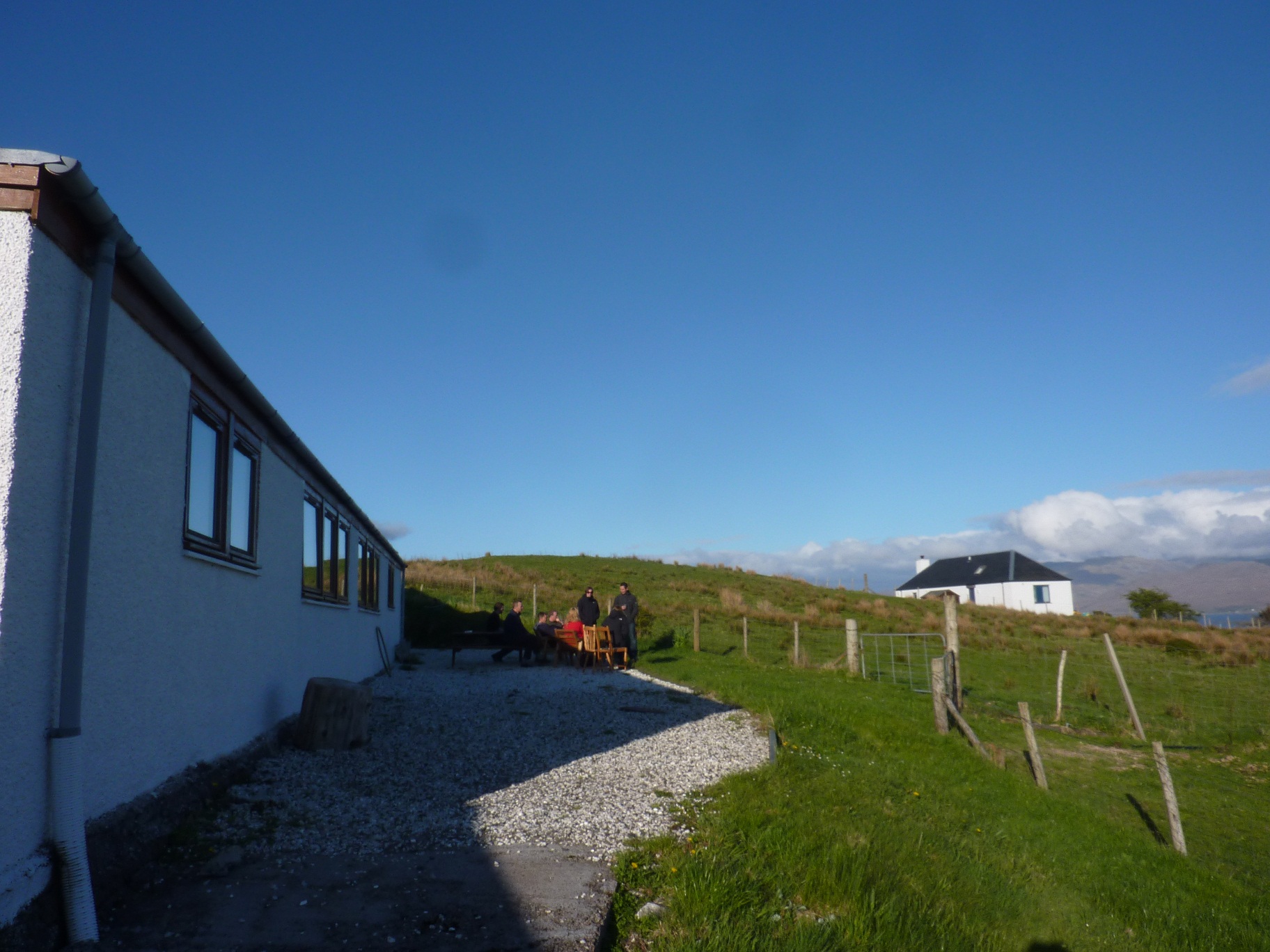
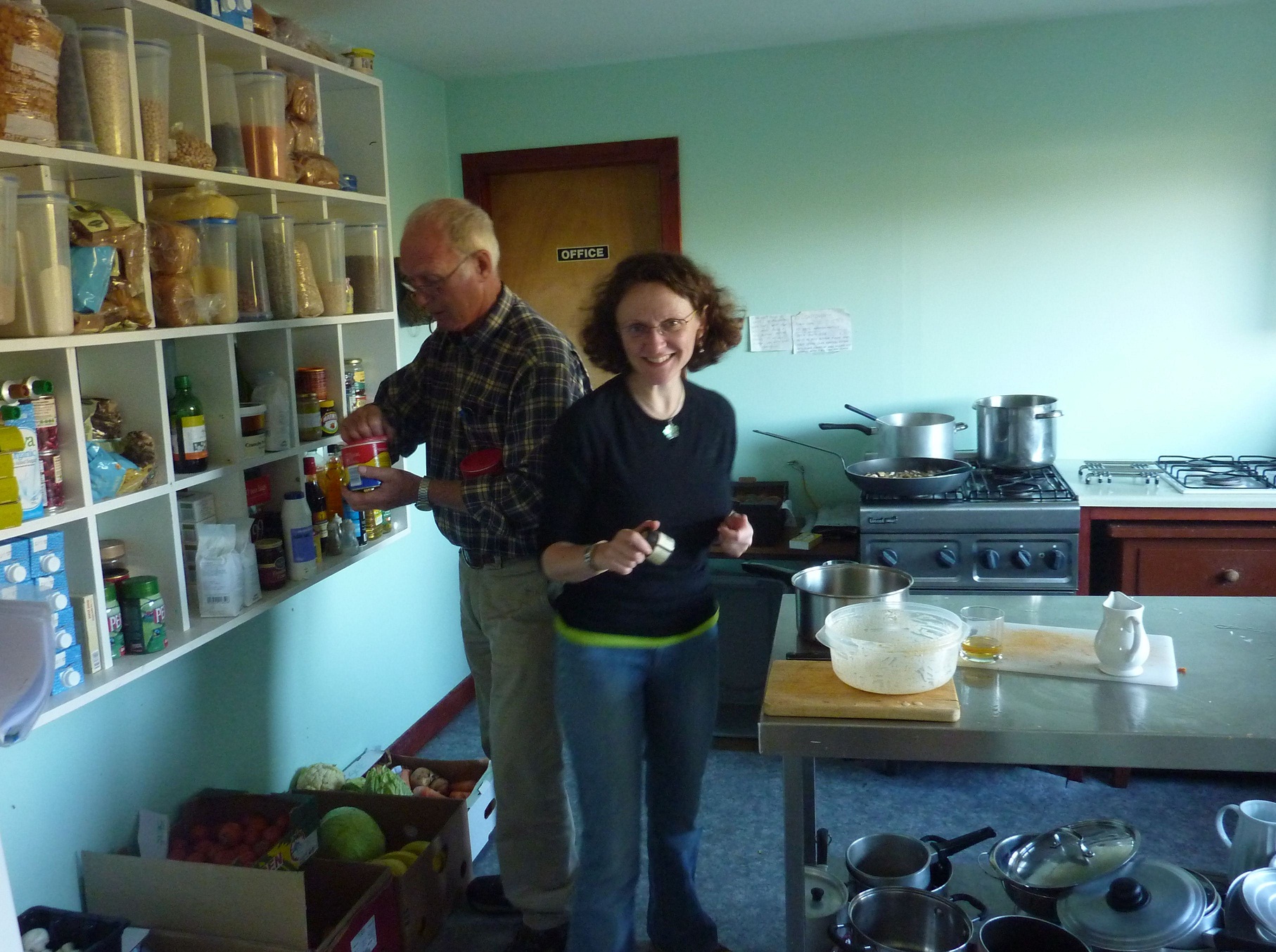
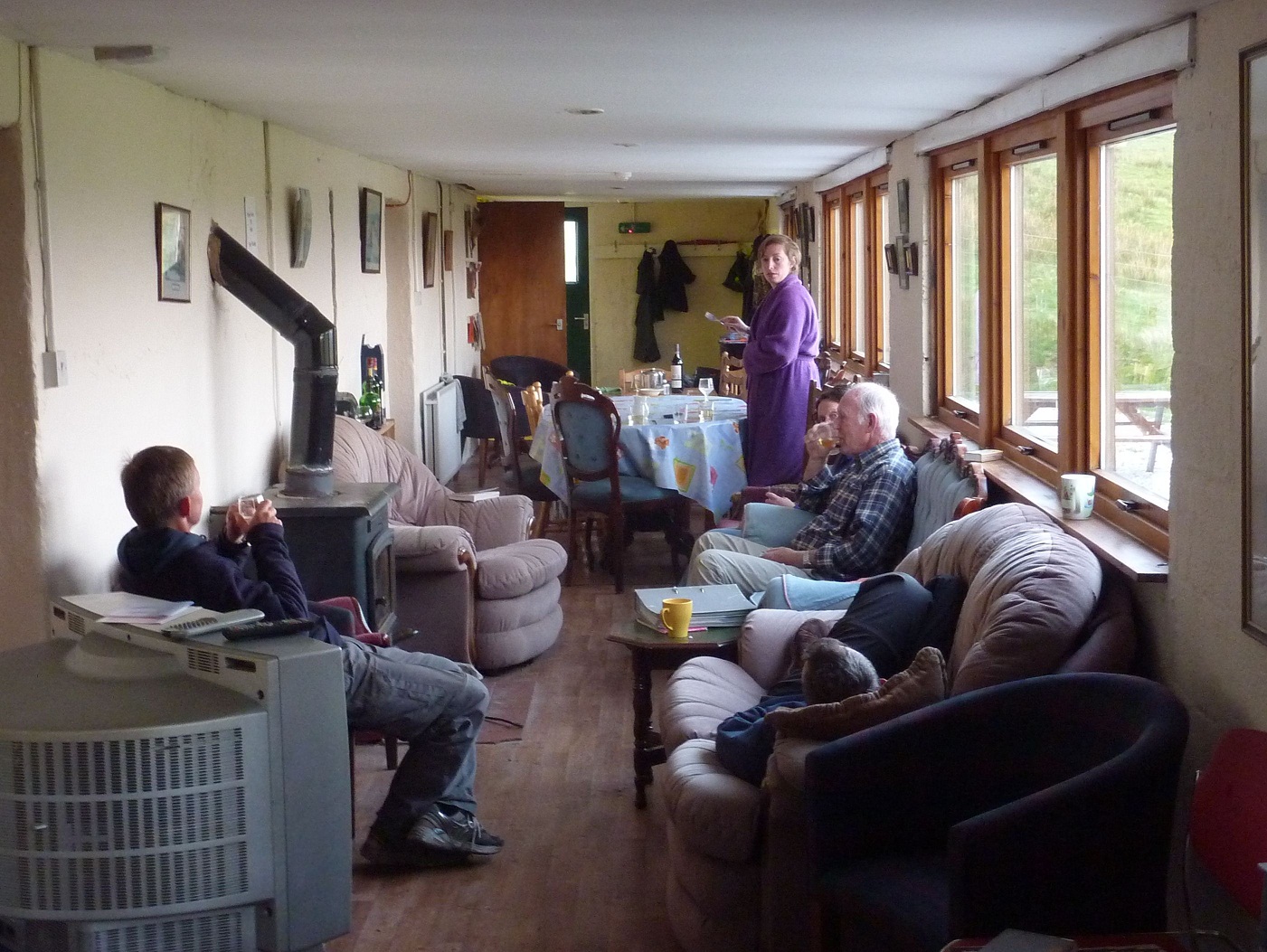
- There was even sun in the kitchen
-
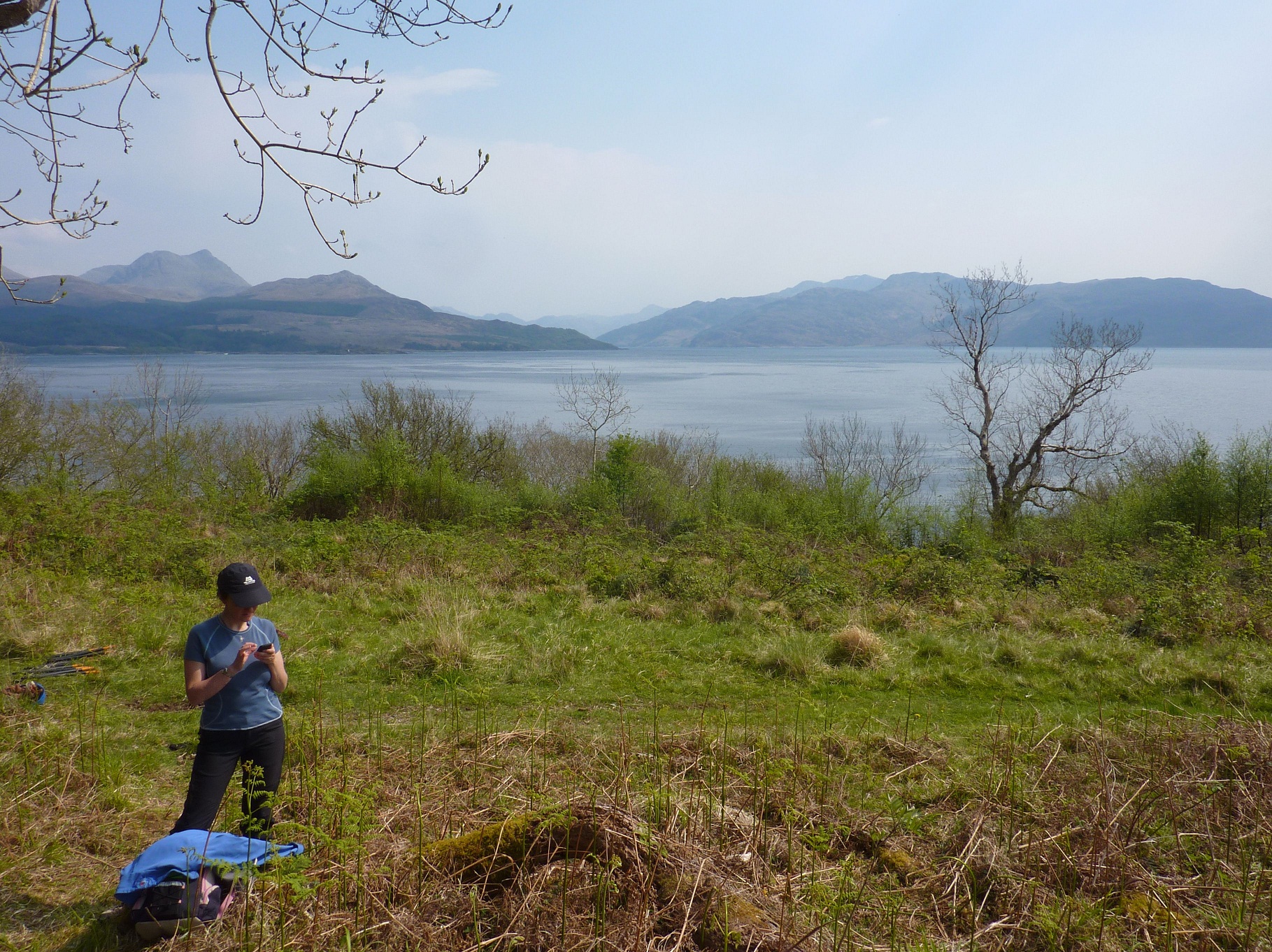
- Glen Kylerhea, looking East
-
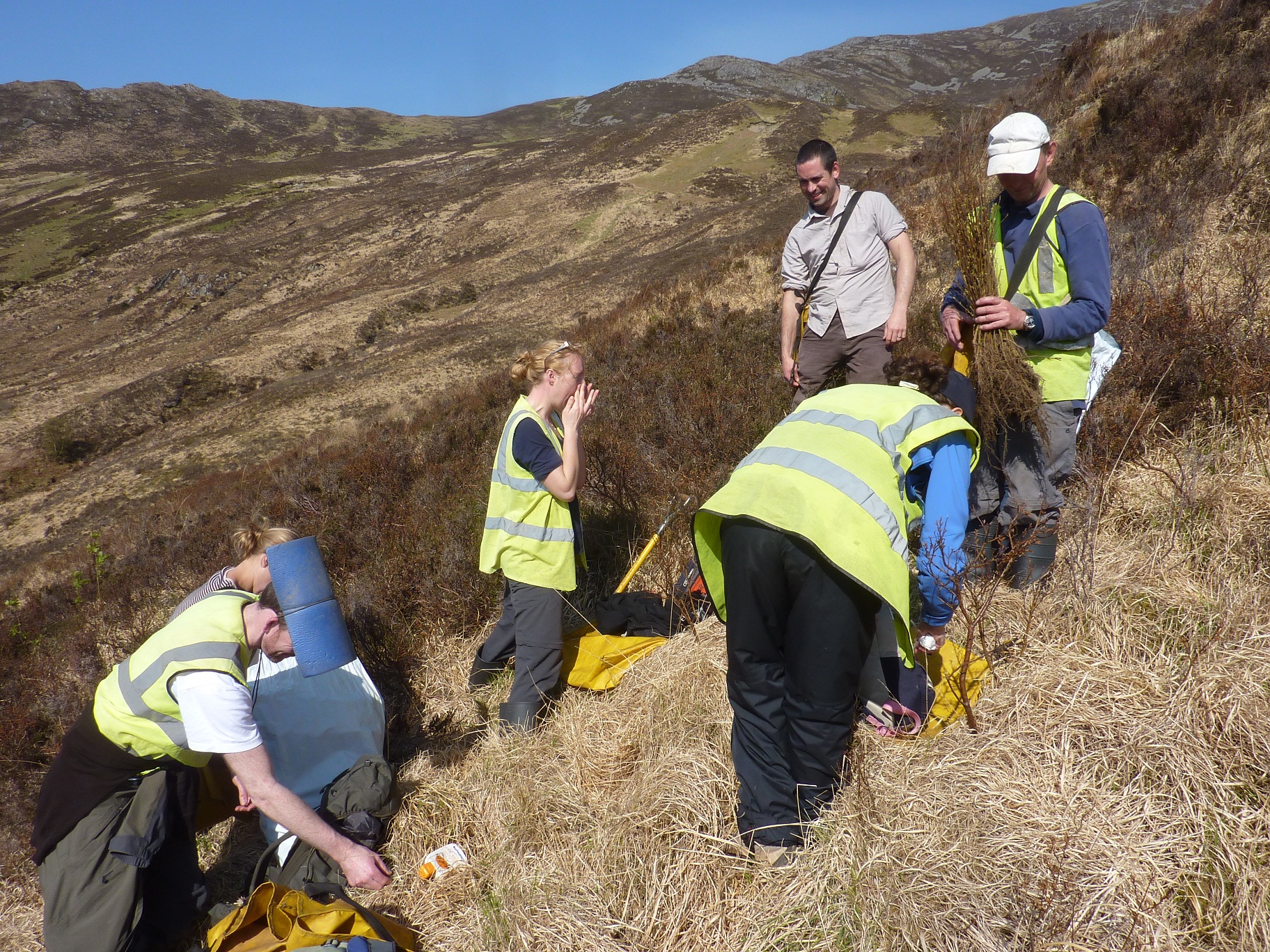
- Everyone’s laughing now, but soon we’ll all want a Gary’s Sunhat
-

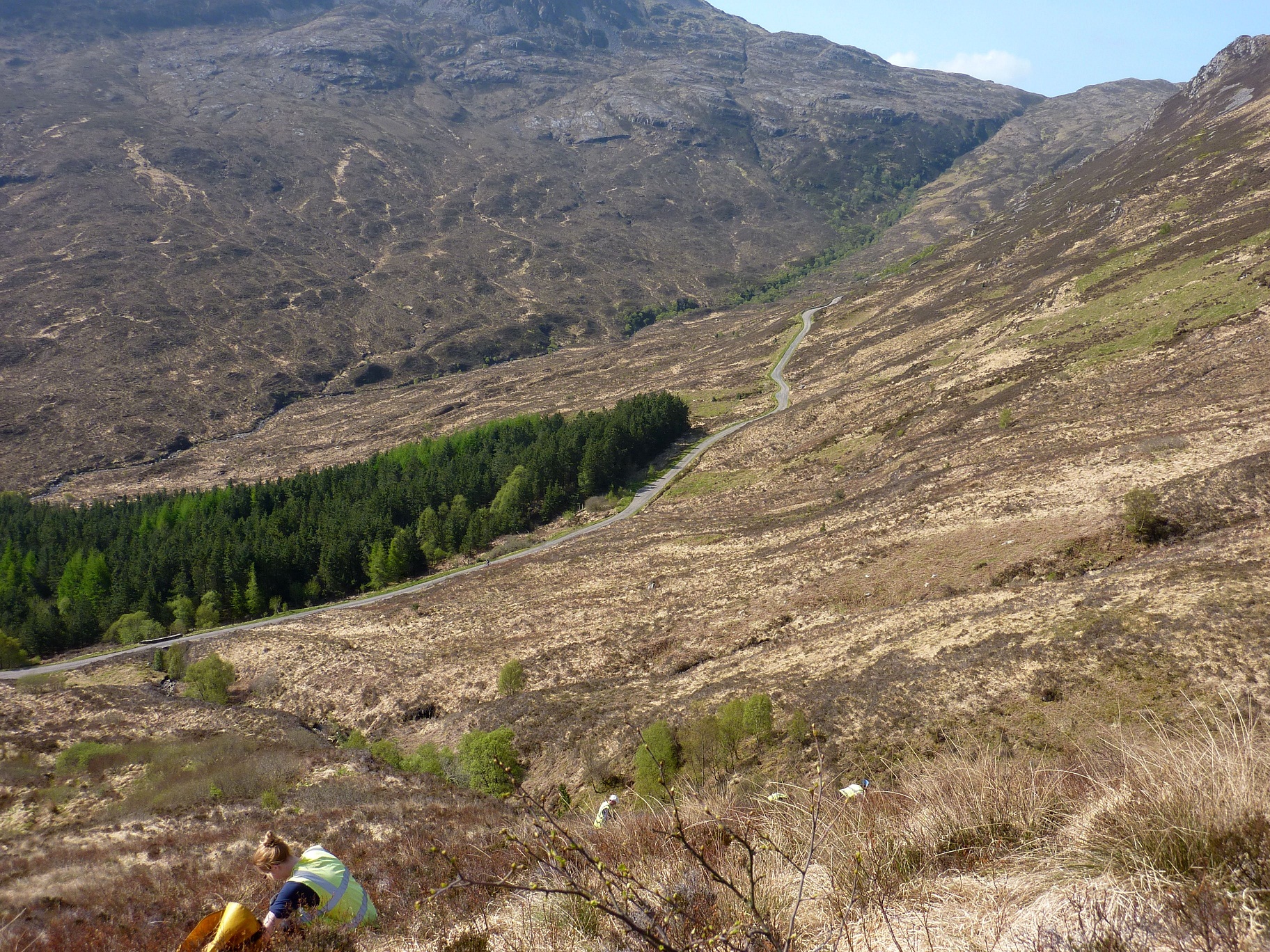
- Glen Kylerhea, looking West
-
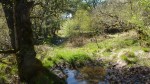
- Dalavil woods (Coille Dalavil)

-
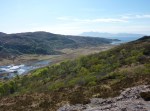
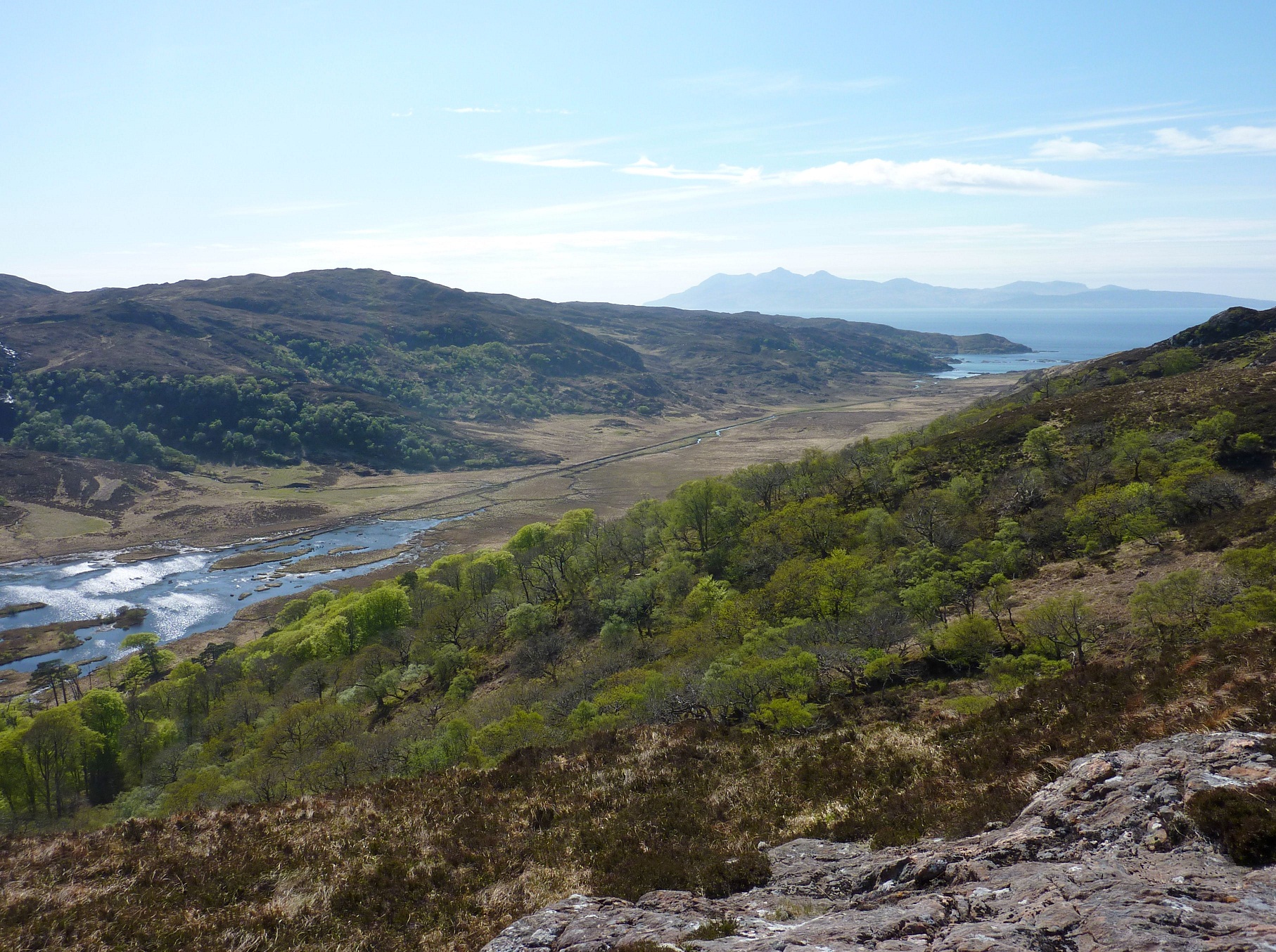
- Gleann Meadhonach with Rum in the distance
-
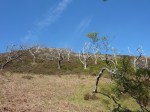
- This ancient stand of oaks, along with the rest of Coille Dalavil, has now been fenced off to allow regeneration
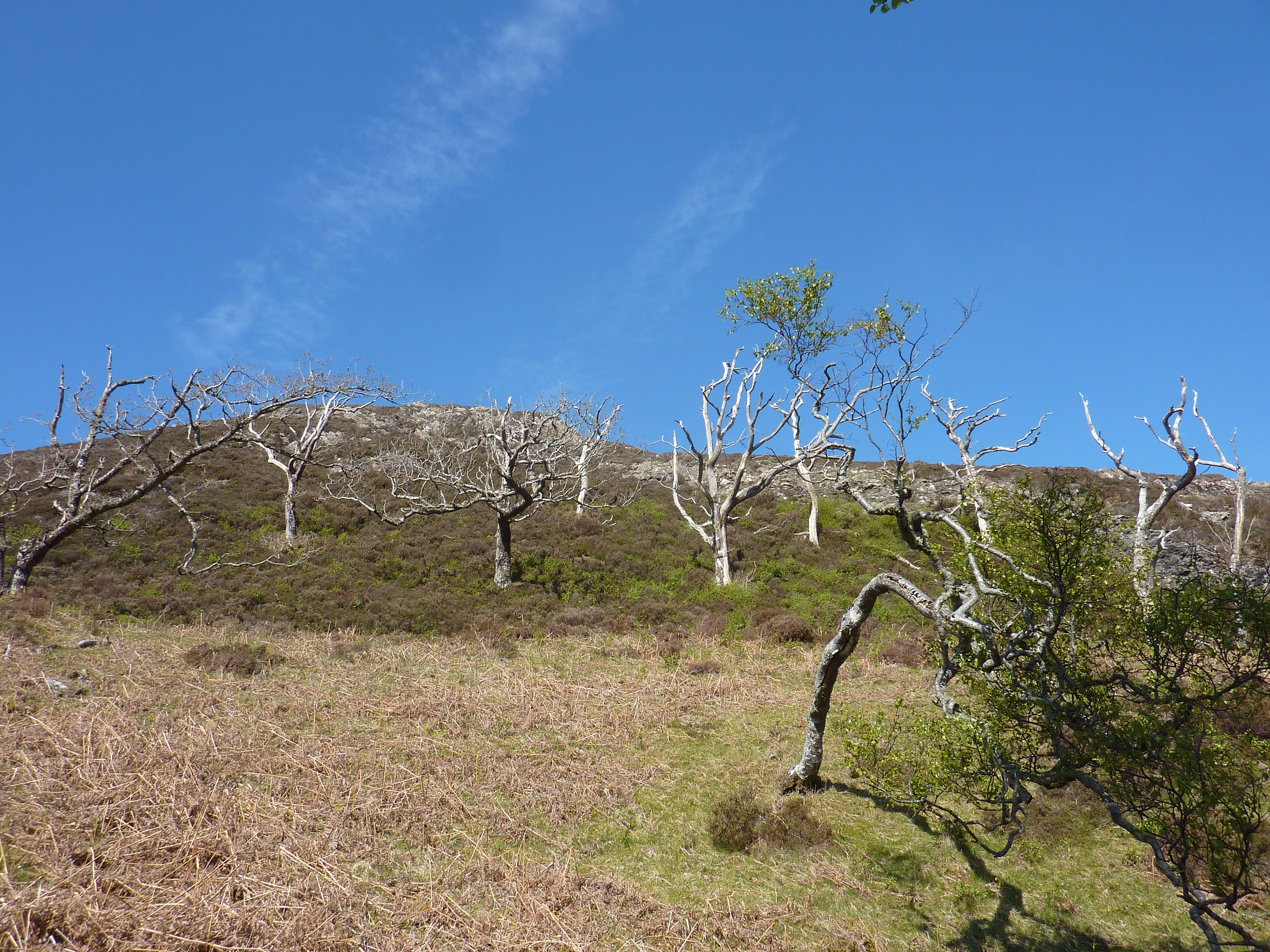
-
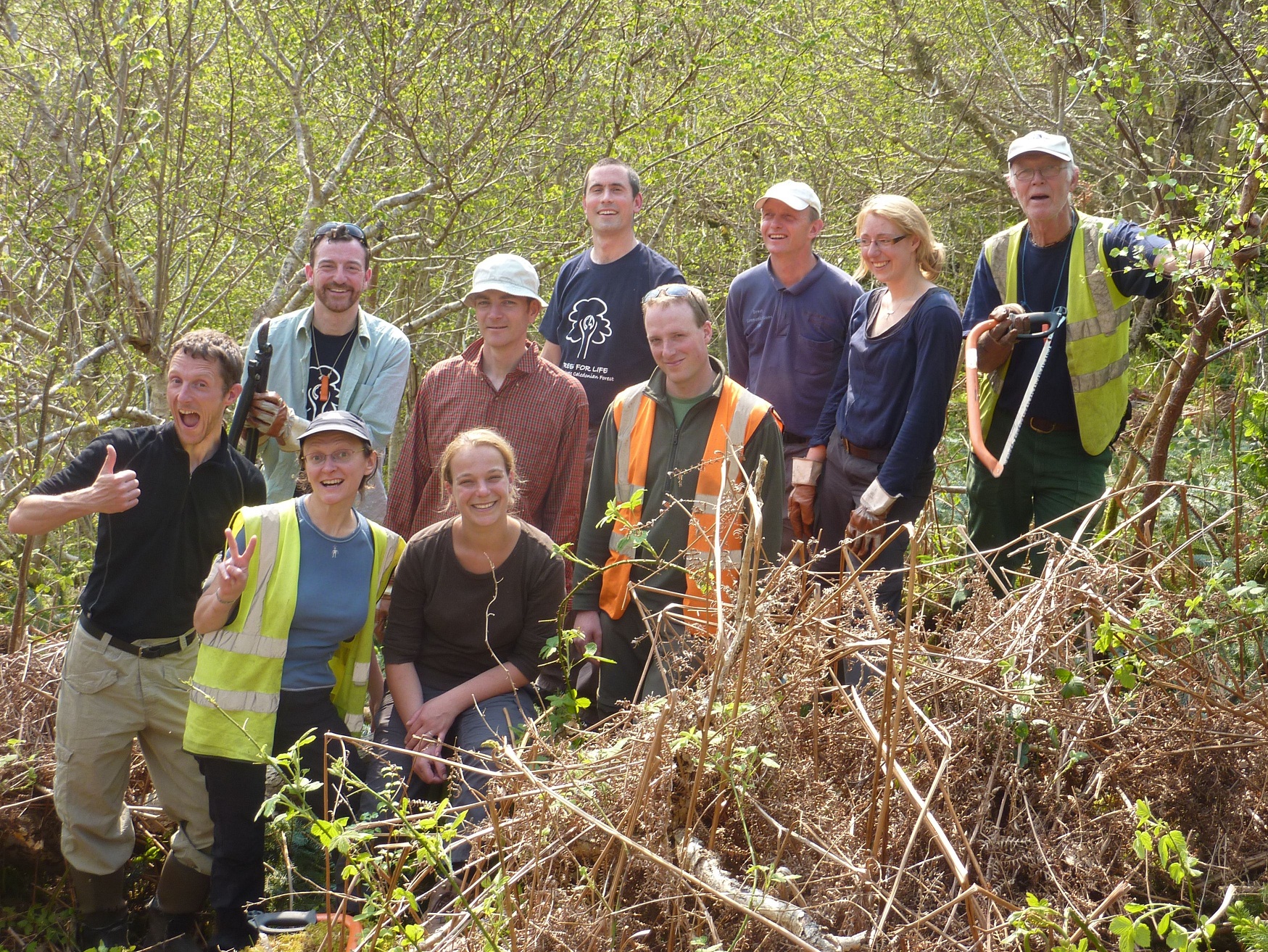
- Our merry bunch of volunteers. Apart from Mark, who seems to be leading the mutiny

-
- Sorry Alice.
-
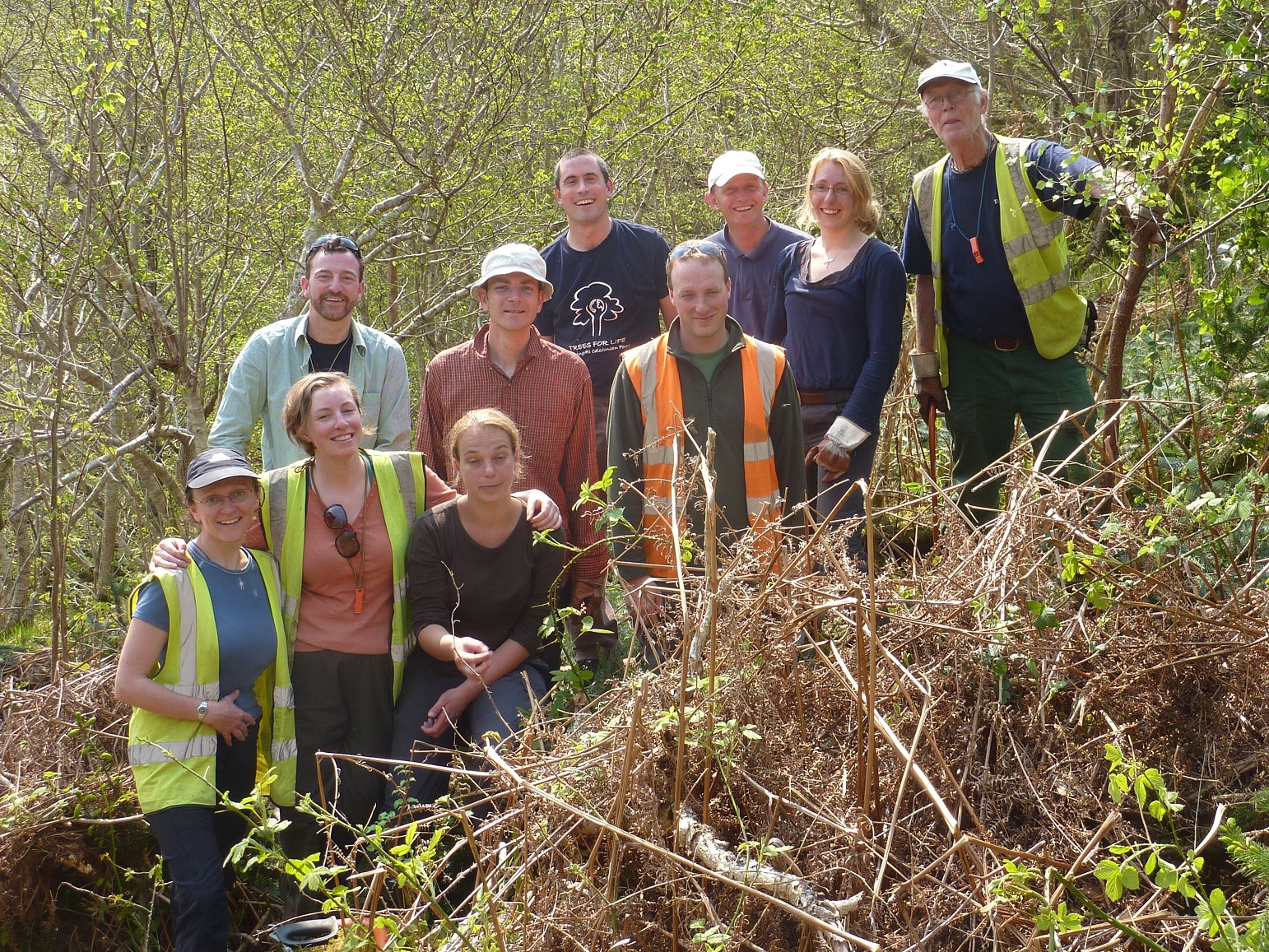
- Hope this one makes up for it. No, wait, who’s that idiot on the end…
-

- Freddie models Leitir Fura
-
- Would you spend a week with these people?

 Life since the office

Major endorsements