
Cornwall – the South West coastal path
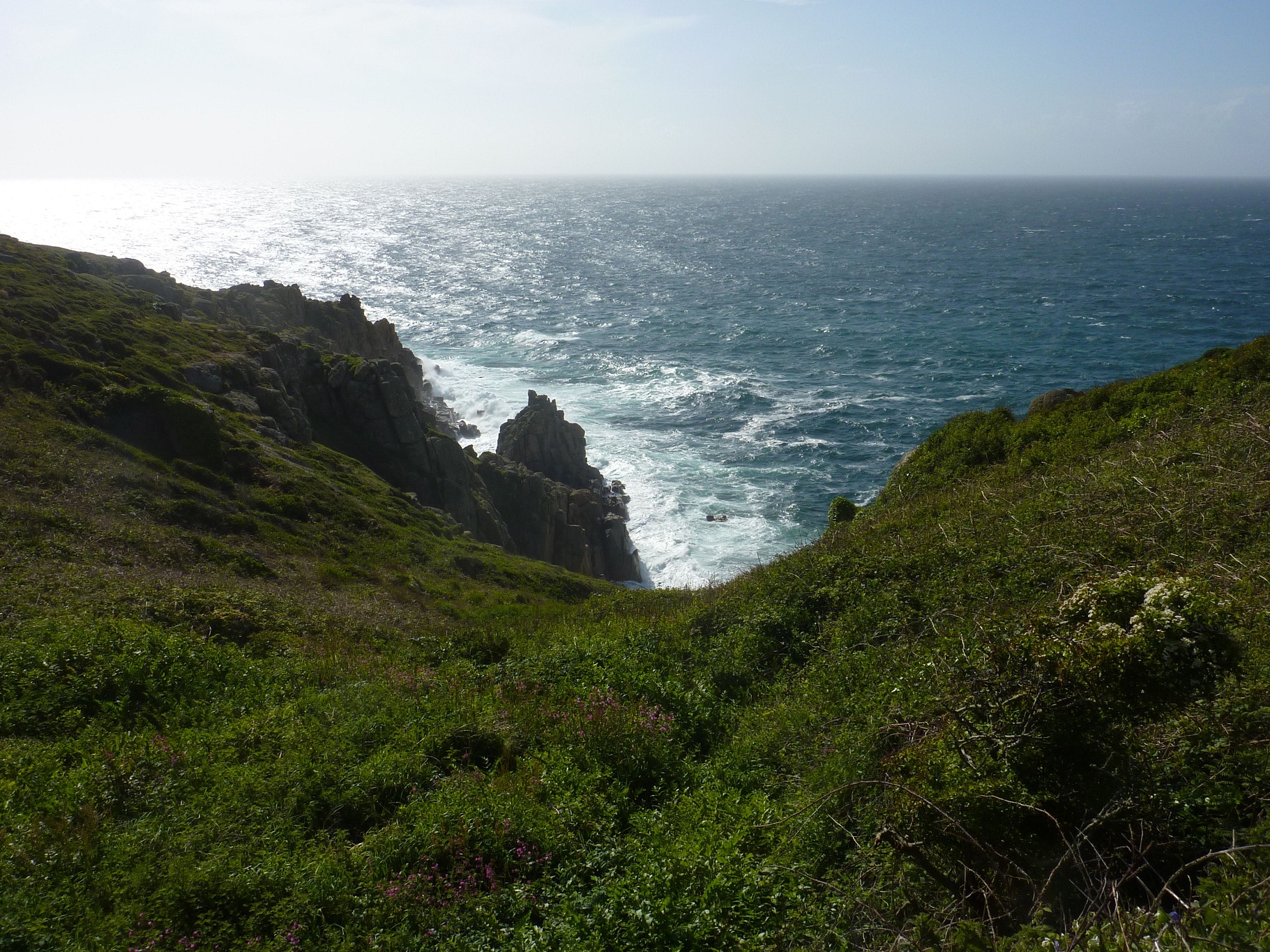
During the last couple of months I’ve had the opportunity to spend a great deal of time walking the coastal path between Penberth and Land’s End. As well as all the wildlife that I’ve already documented I’ve been blessed with having to look out over the equivalent of landscape (and seascape) eye candy every day.
I’ve tried to capture some of the best moments, but this is all I have to offer…
-
- An evening shot of the church at St Levan

-
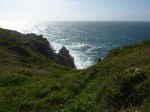
- This lovely undisturbed scrub is one of the reasons why so many species live here
-
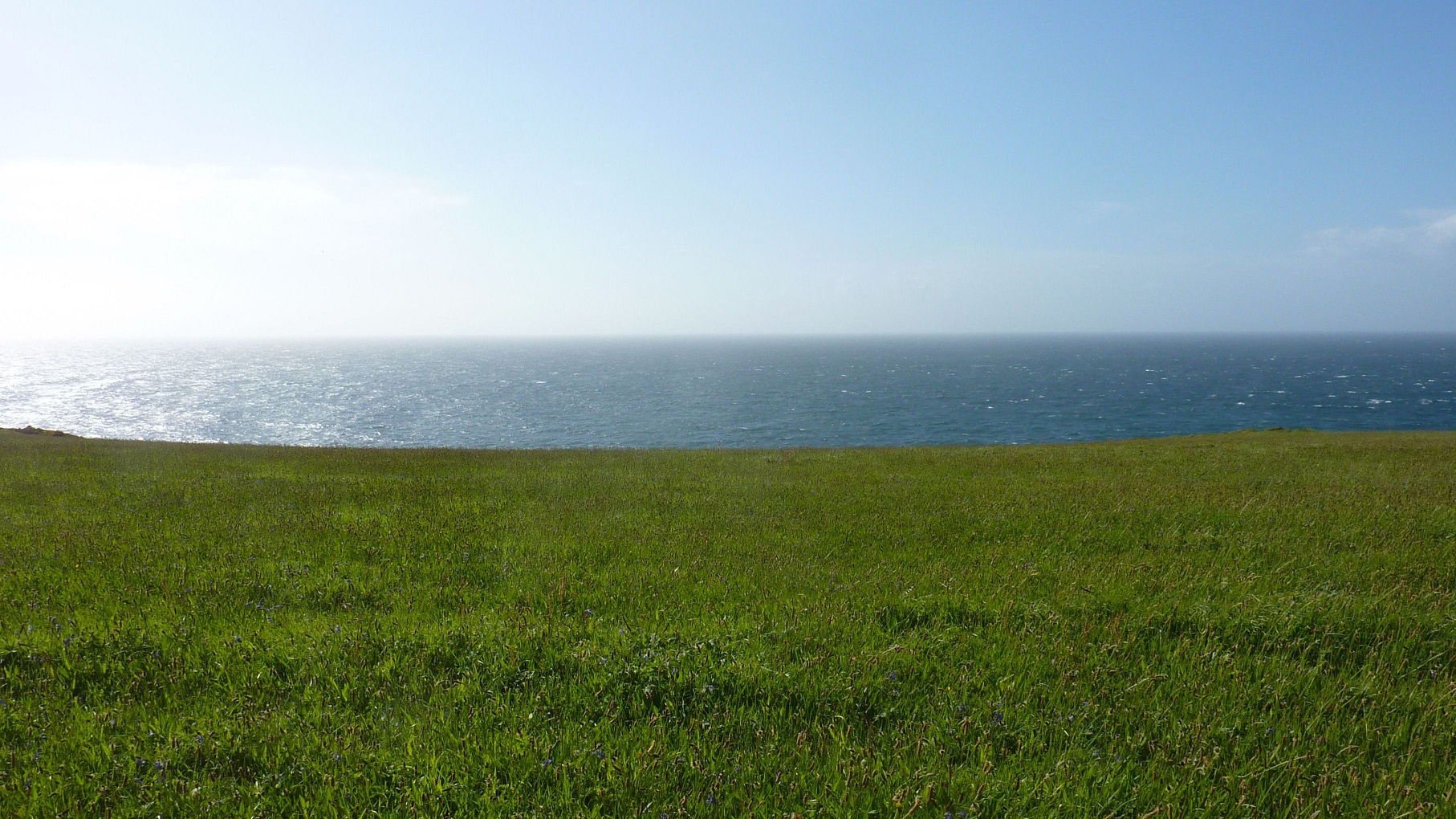
- Wild flower meadows, managed by the National Trust, is another.
-
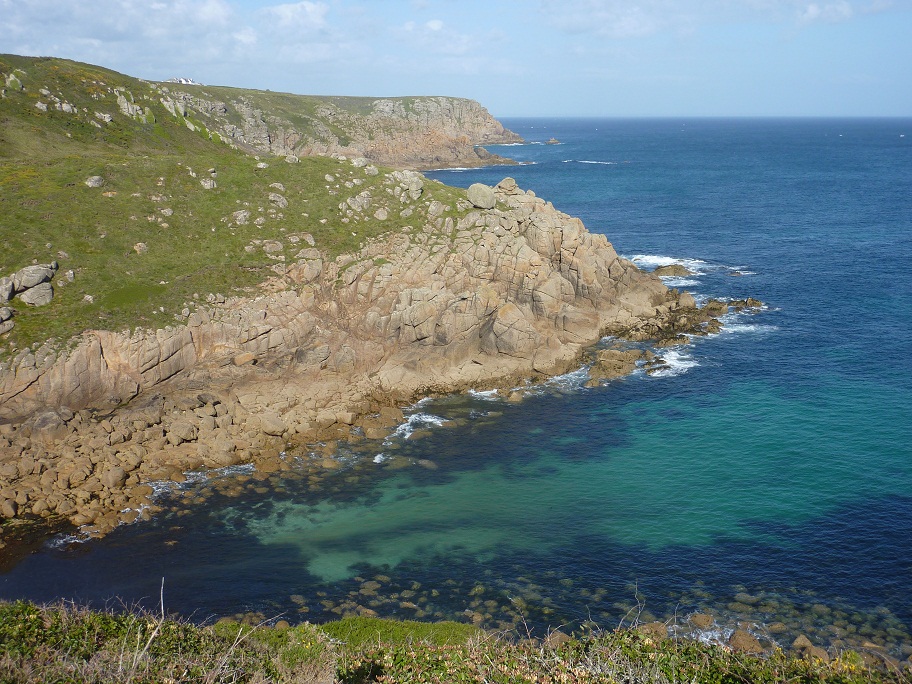
- Porthgwarra
-

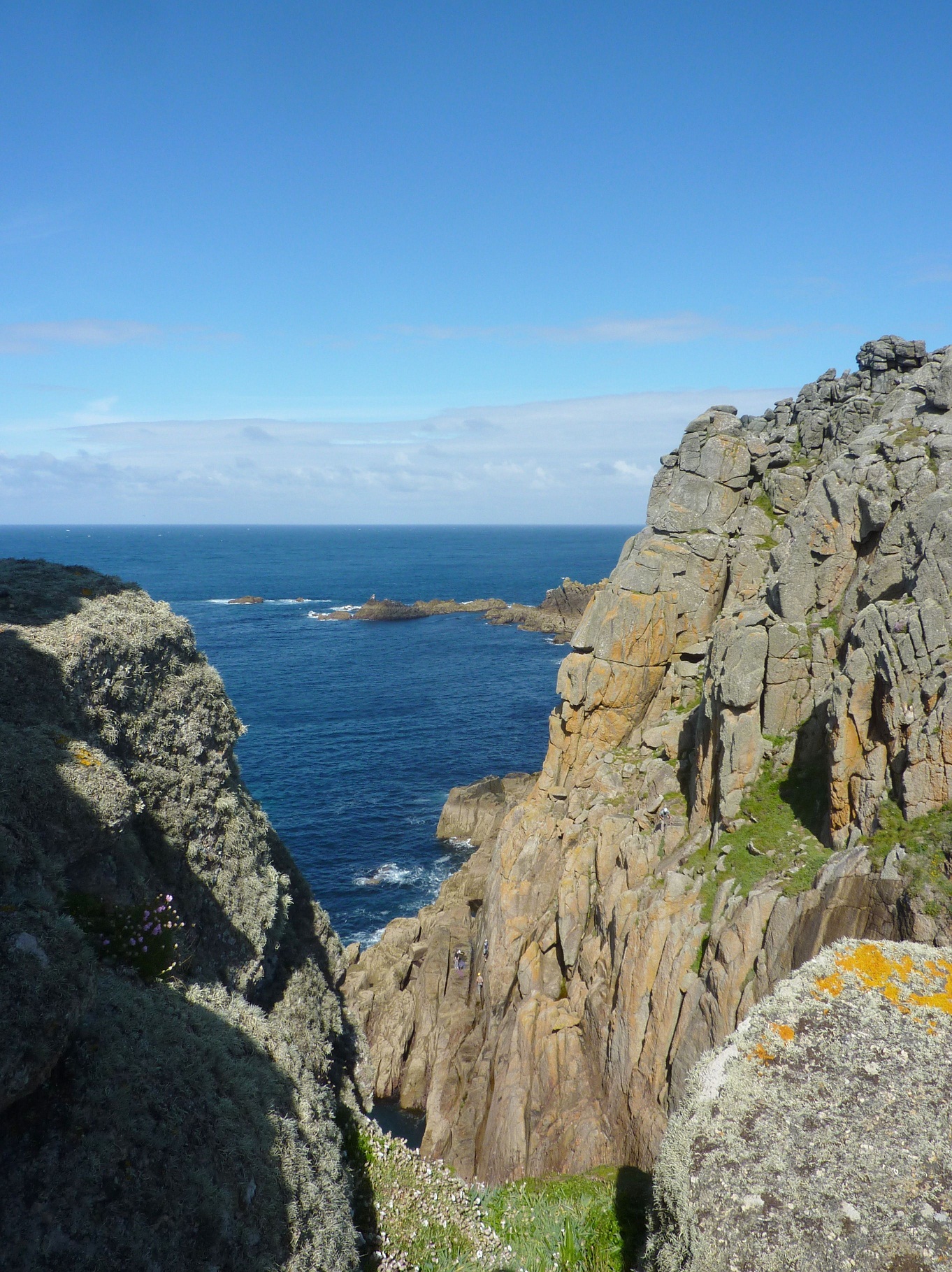
- A popular spot for climbers
-
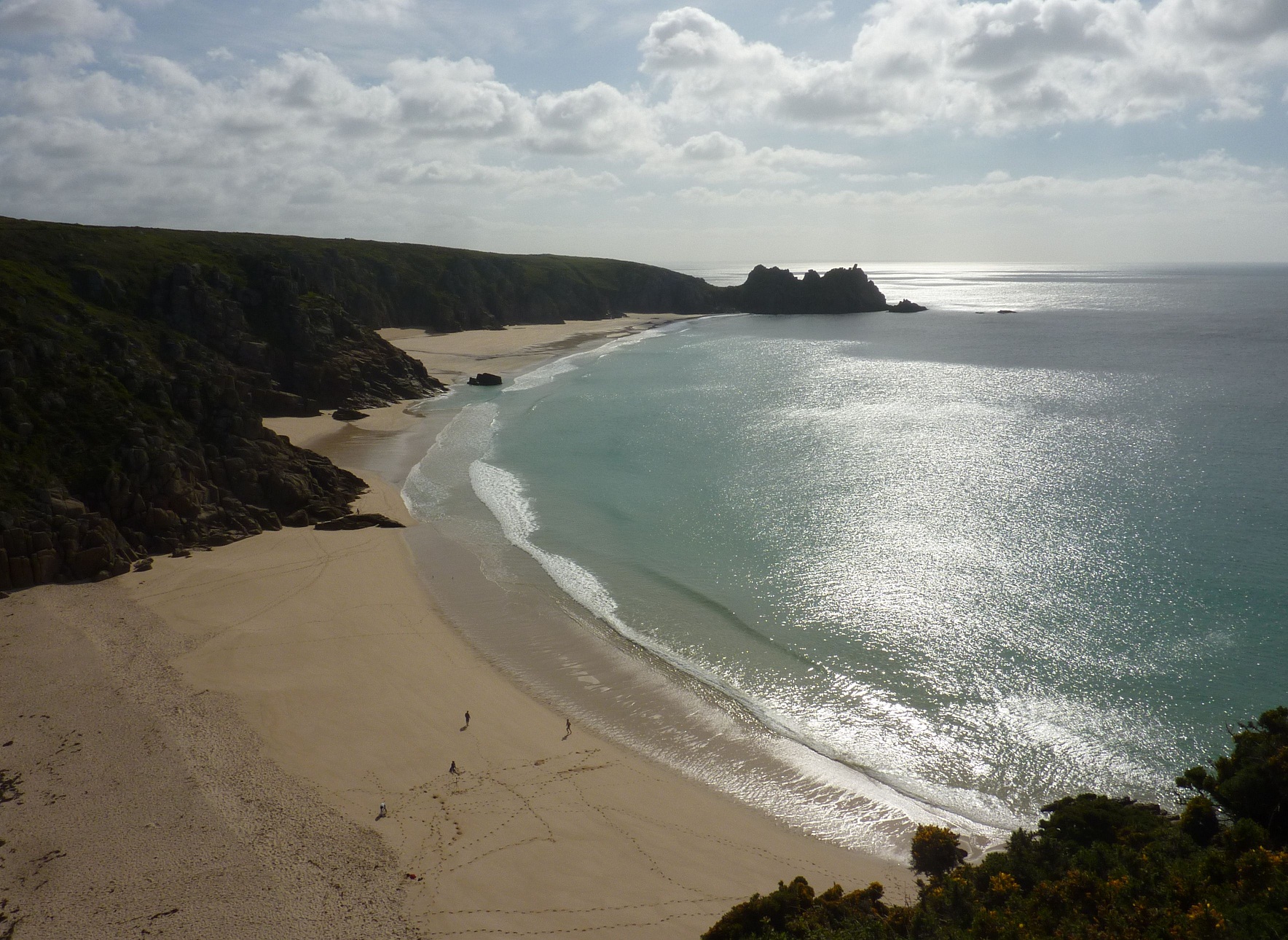
- Porth Curno and Treen beaches
-
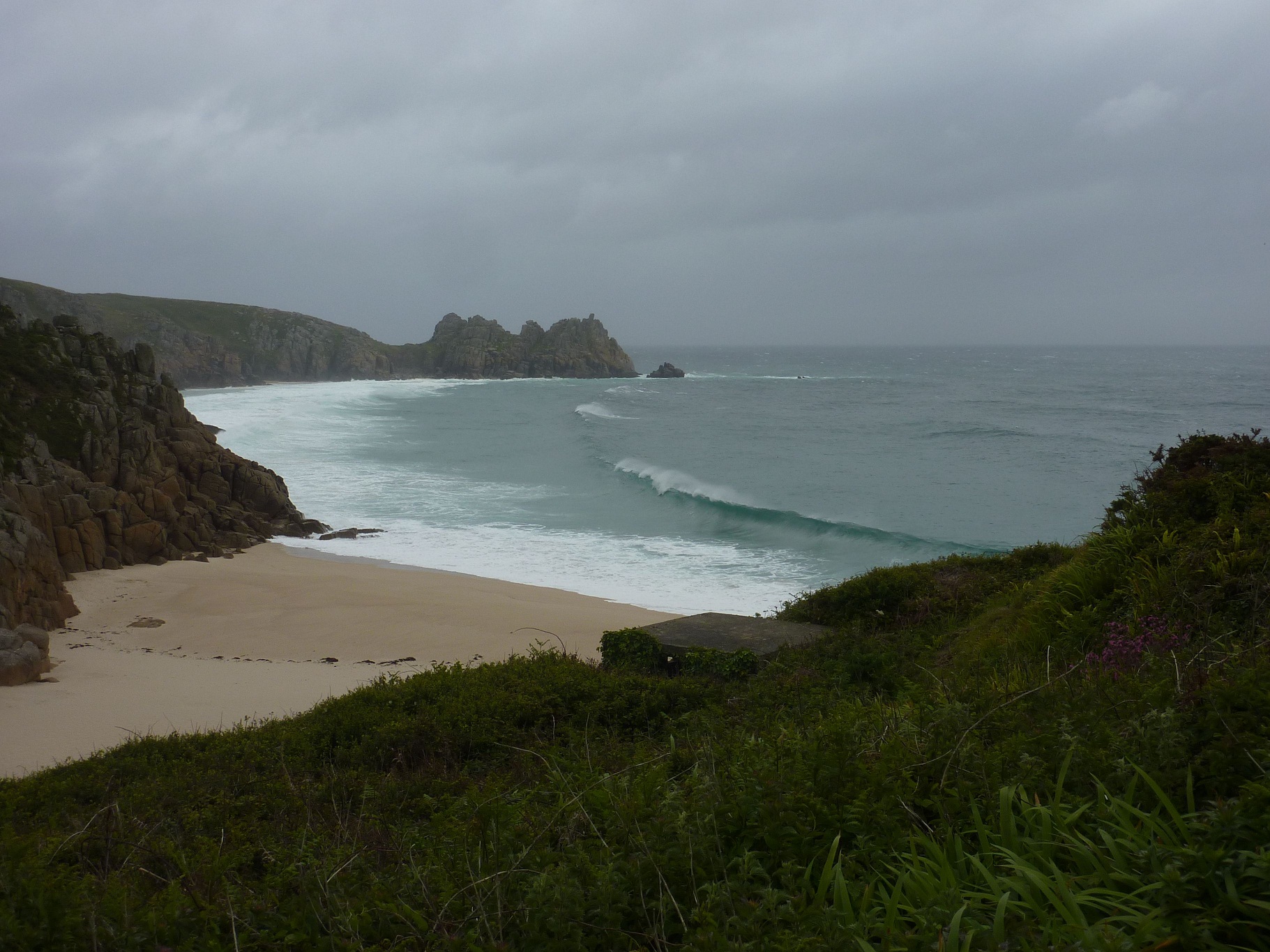
- There were rare occasions when the sun didn’t shine (but I wished I could spend the day boarding)
-
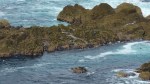
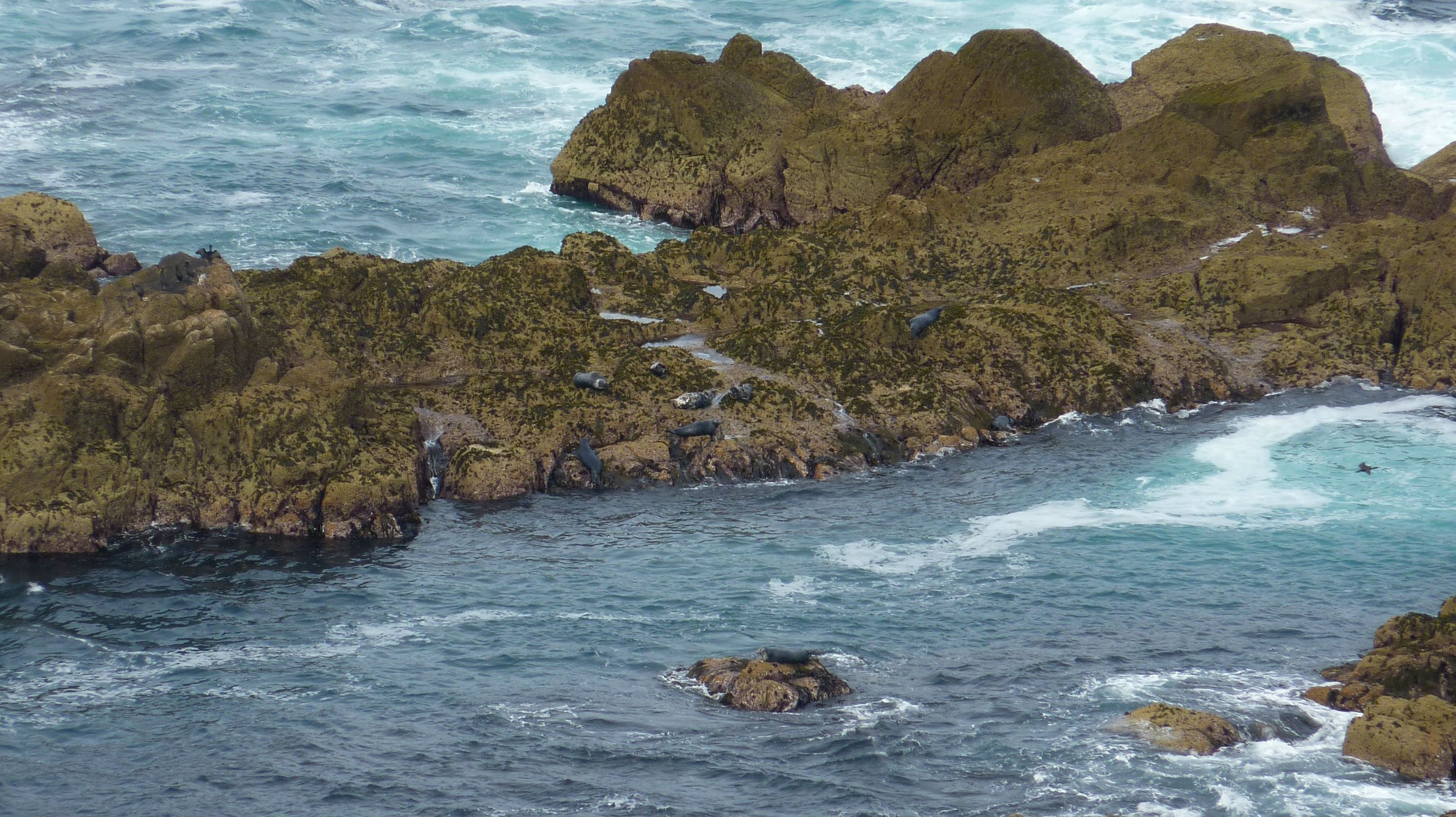
- Seals on rocks near the watch point at Gwennap Head
-
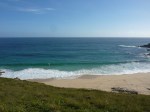
- Porth Chapel

-
- The isles of Scilly
-
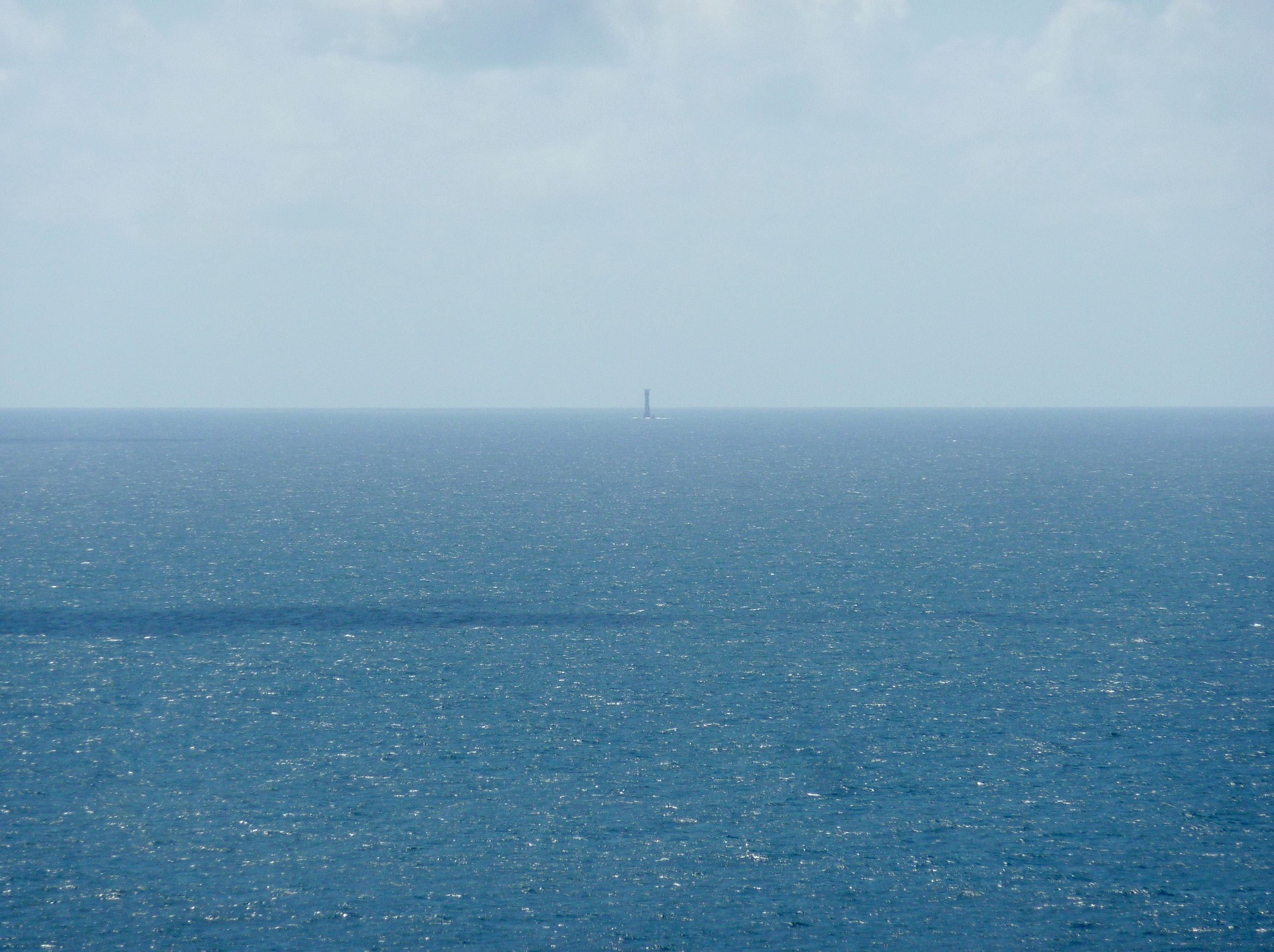
- Wolf Rock lighthouse
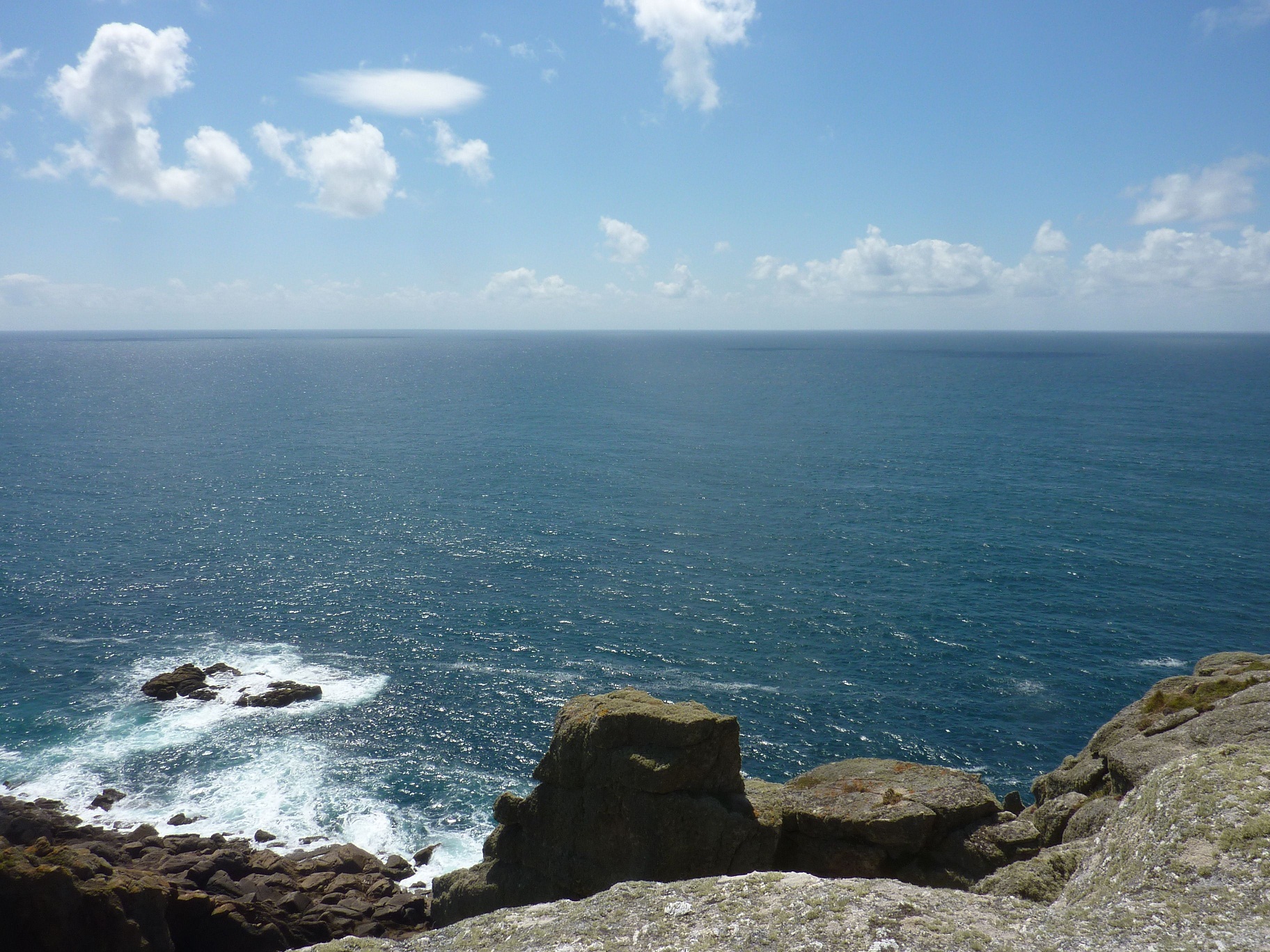
Some pics from my last two days on the Cornwall coast
So, my time walking and monitoring the coast of Western Cornwall has come to an end. For now. But the last couple of days have provided some of the best surprises. Firstly the wind on Thursday morning provided a fantastic looking swell rolling into the beaches, where I was able to watch seals and cormorants swimming amongst the waves. Then I spied a basking shark gliding about in the waves, the birds were all flying acrobatically in the wind, and one of the choughs performed an amazing roll and dive into the nest site at one point. On top of all that I saw a bird that looked something like a stone curlew blown in with a flock of jackdaws. It lingered just long enough for me to make out the two yellow lines down its back/wings, but then, as it flew away inland, its wings just didn’t seem dark enough.
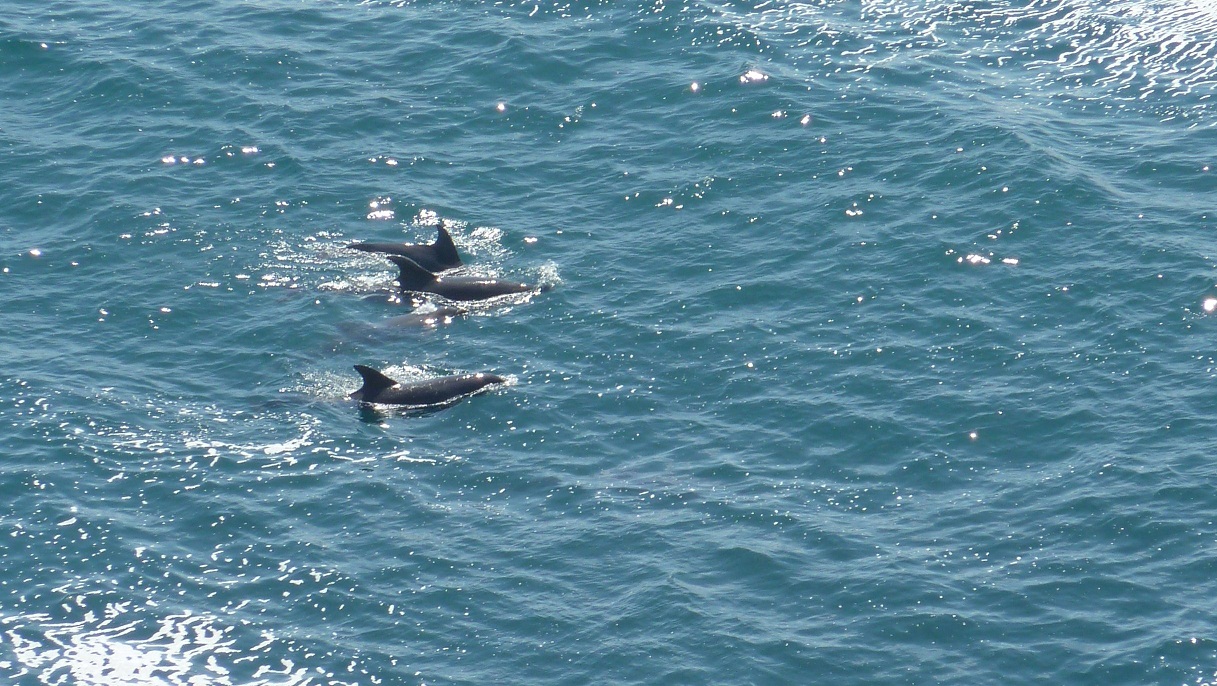
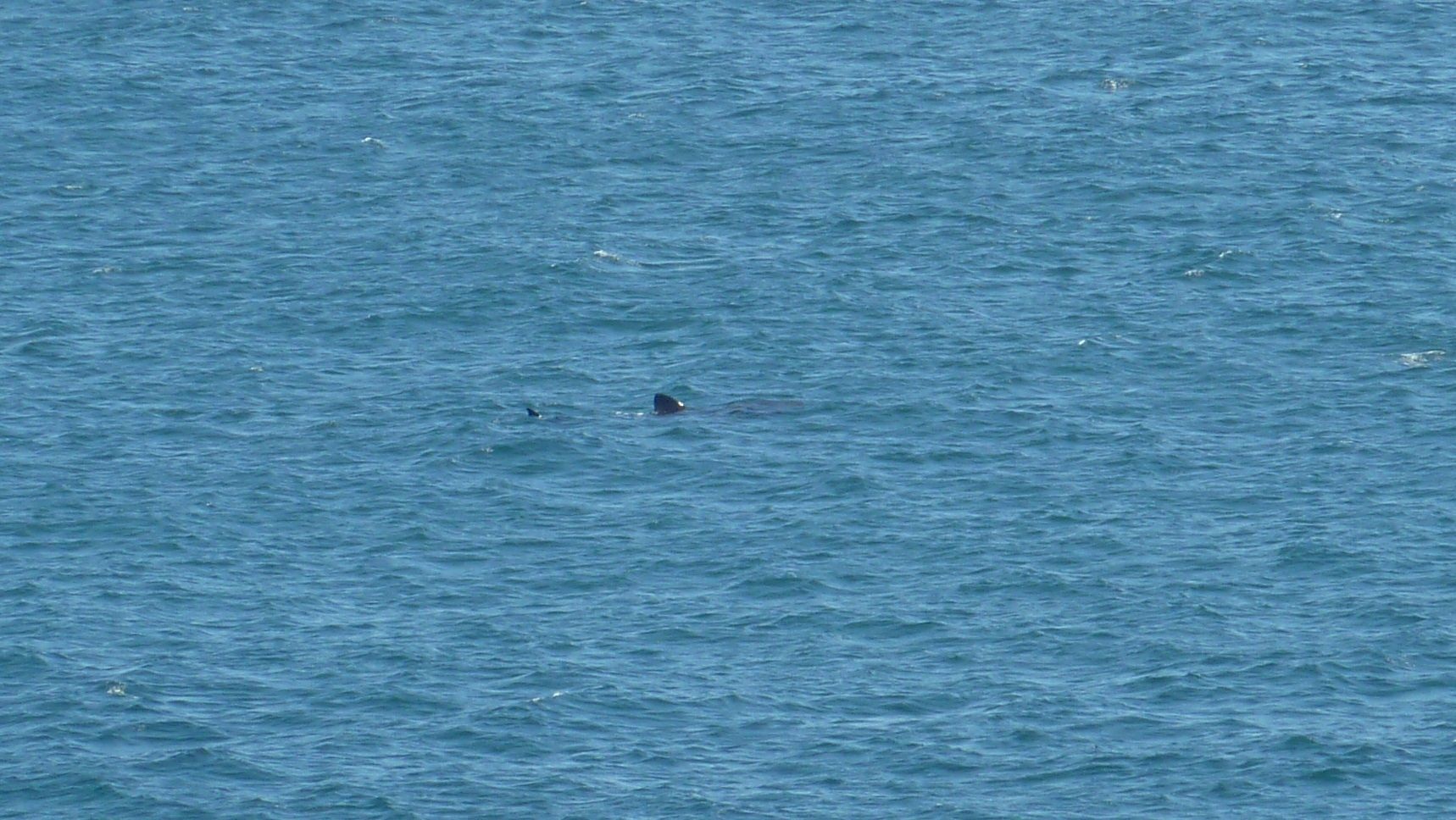
Then, yesterday, the weather was still, sunny and hot. I met Nic (Shanks, of the chough project) at our watch point and the little ones were still not out. I’ll miss seeing them fledge. Instead nature rewarded me with dolphins and a basking shark, and a clear view of the isles of Scilly.
I guess you’ll want to see pictures…
-

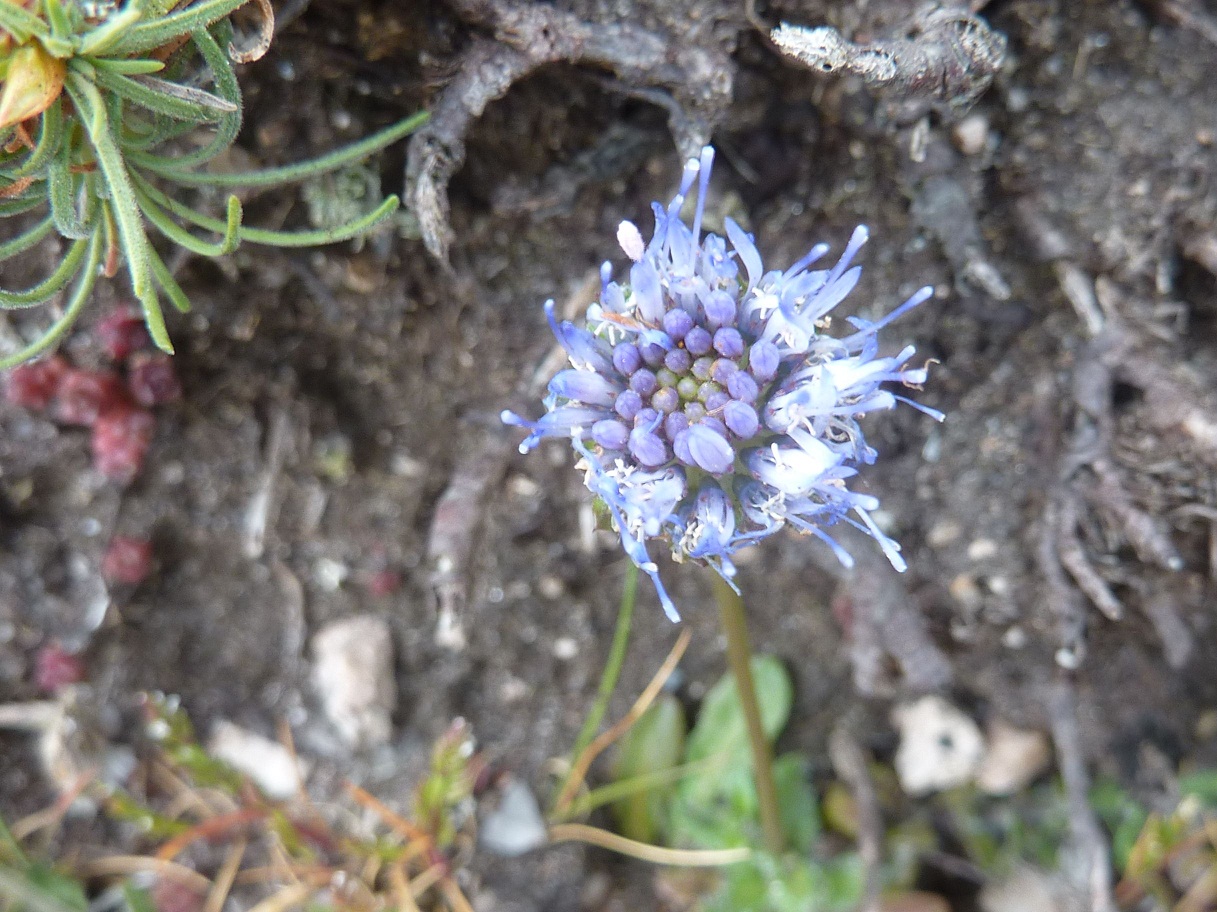
- Jasione montana?
-
- Me & Larry

-
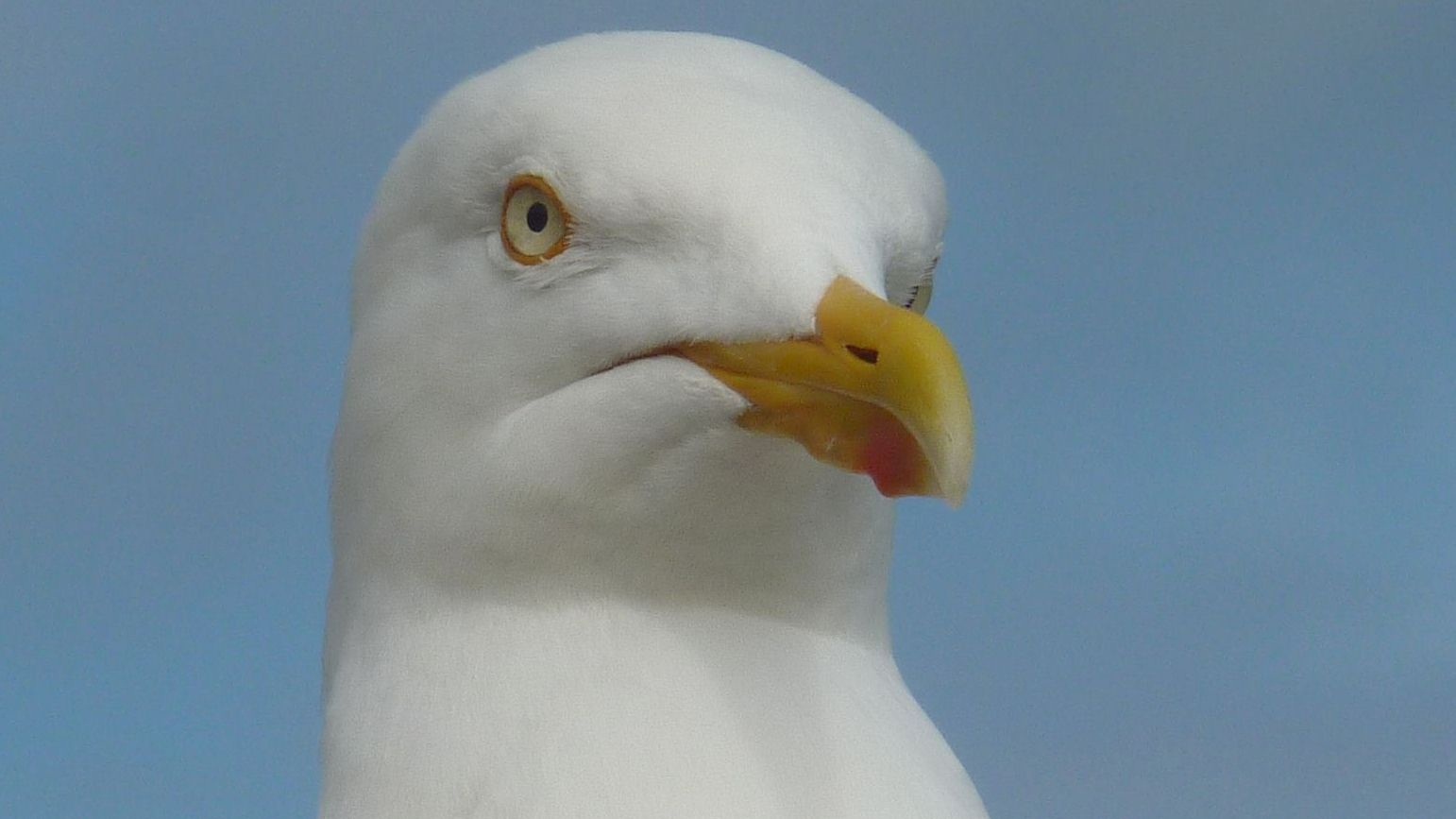
- Larry posing
-
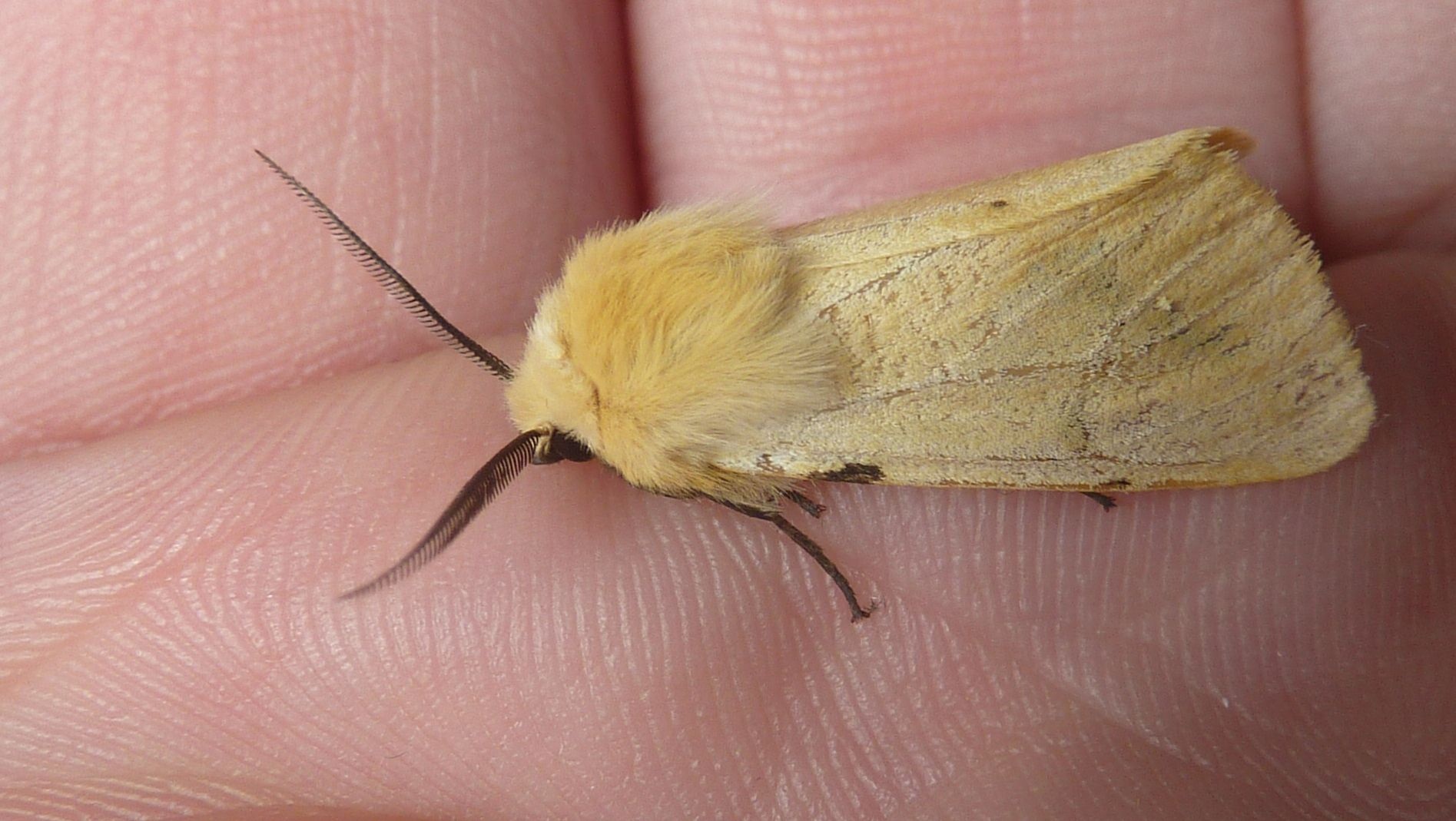
- I think… this may be a slightly worn looking buff ermine (Spilosoma luteum) plucked from the inside of my van?
-
- Ha, another magic moment.
-
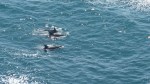
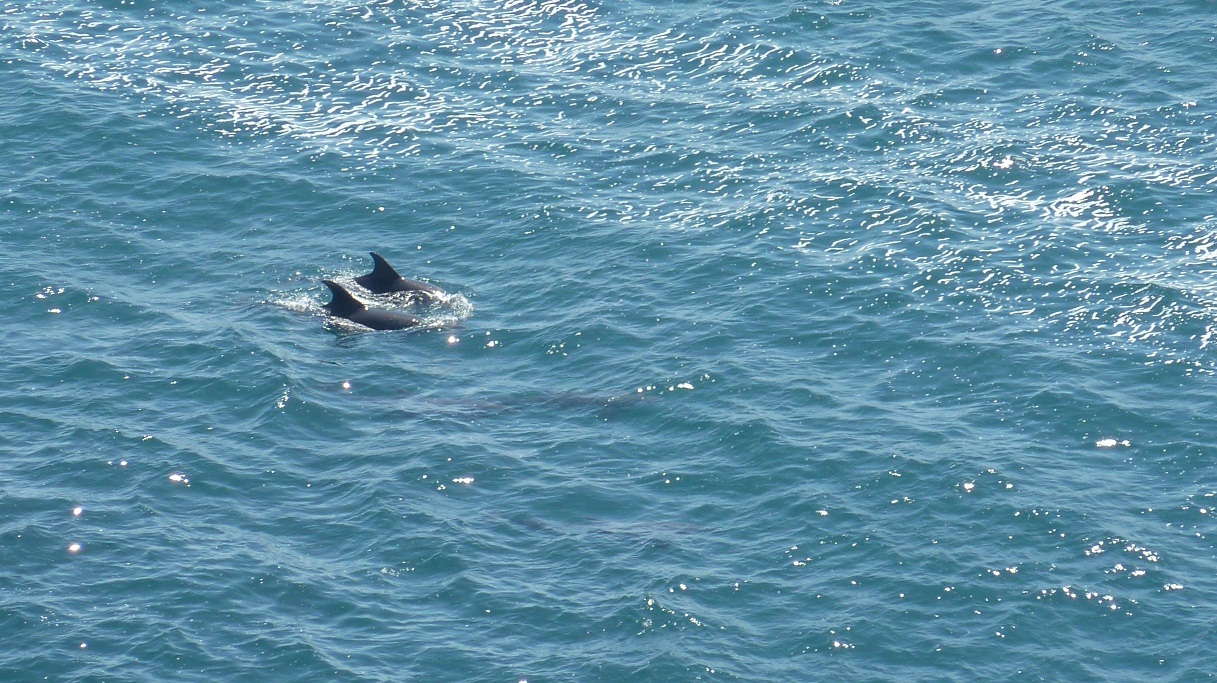
- I’m pretty sure they’re dolphins, five of them, swimming past slowly…
-
- My second shark in as many days.
-
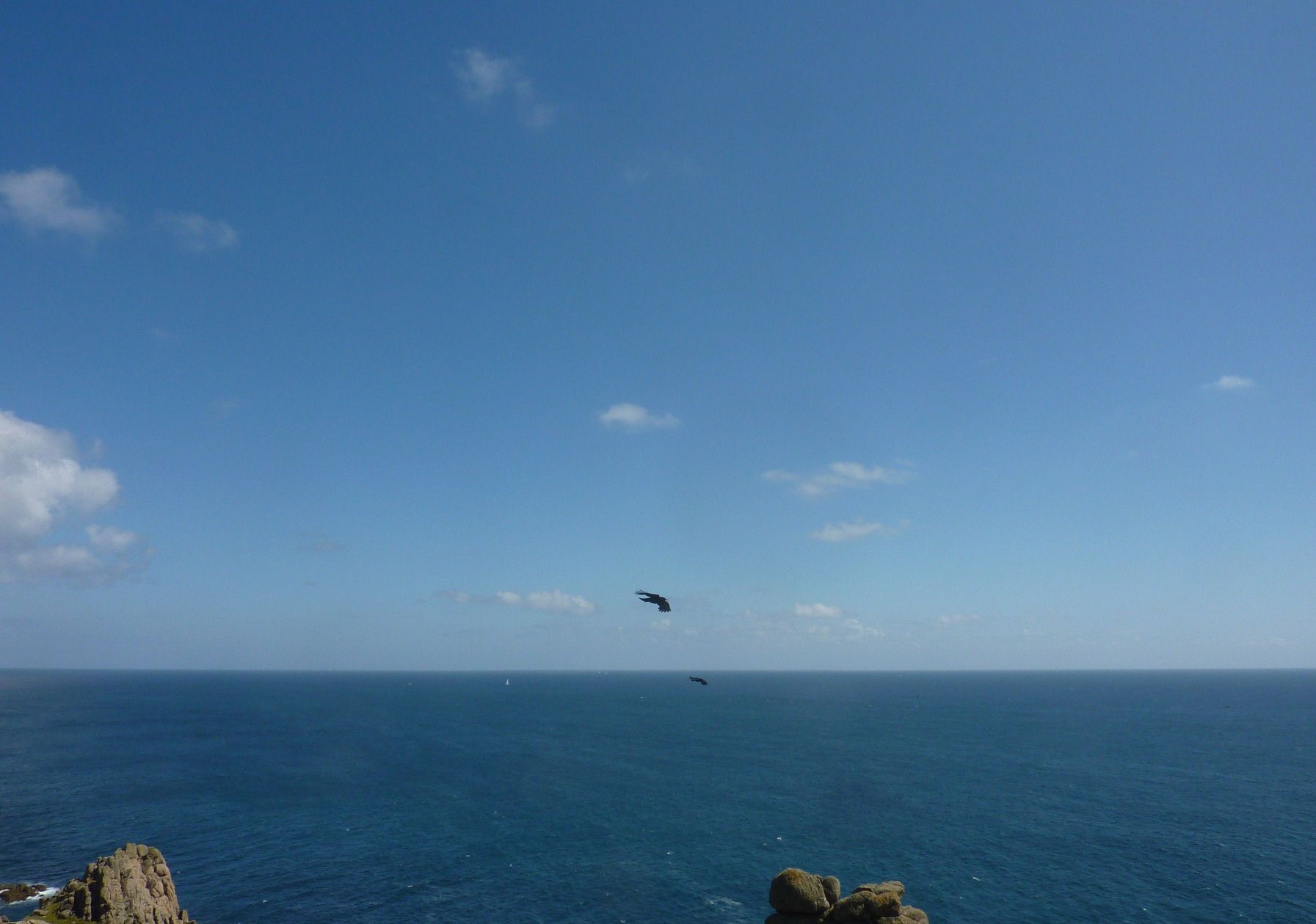
- So, these are what the fuss was all about. Goodbye and good luck BB & WB. You have such a lovely home.
Early morning is the best time
Walking anywhere during early mornings, is almost always rewarding. This morning (before sunrise) and yesterday morning I’ve seen over 20 species of birds, at least 4 species of butterfly and numerous moths and insects.
We wanted to see what time the Choughs were getting up, it turned out to be 0536. As a great example of how nature works I was able to watch as a raven came overhead, and the jackdaw’s started alarming. Almost immediately the choughs appeared and immediately set chase after the raven. Later I saw them mobbing a pair of peregrines that were carving up some prey on the rocks in the distance. However, peregrines are a greater threat, and are treated with a little more caution than the ravens.
-
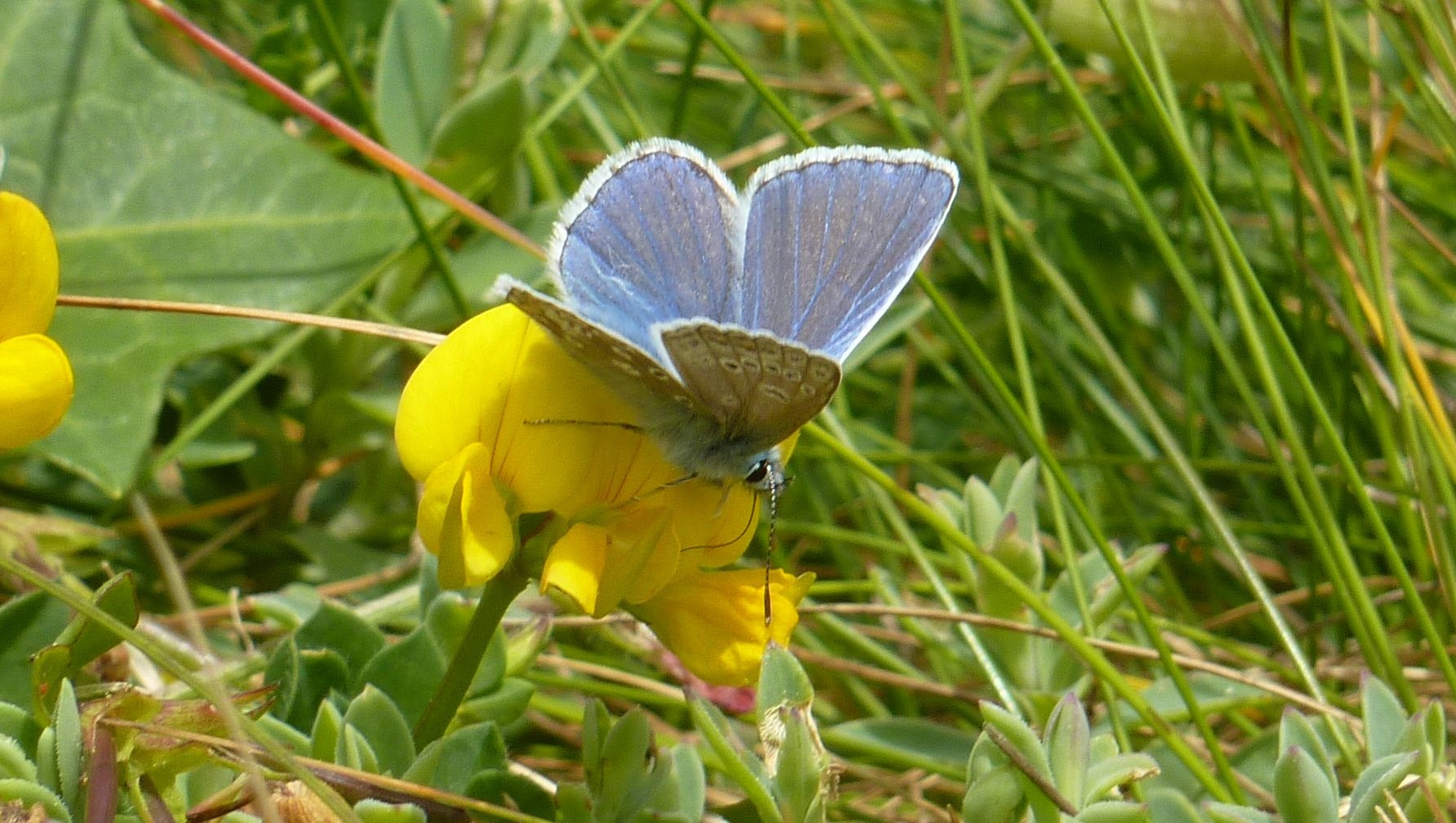
- Common blue (Polyommatus icarus)
-
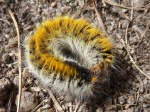
- Grass eggar (Lasiocampa trifolii). Look up the gorgeous moth if you get a chance.

-

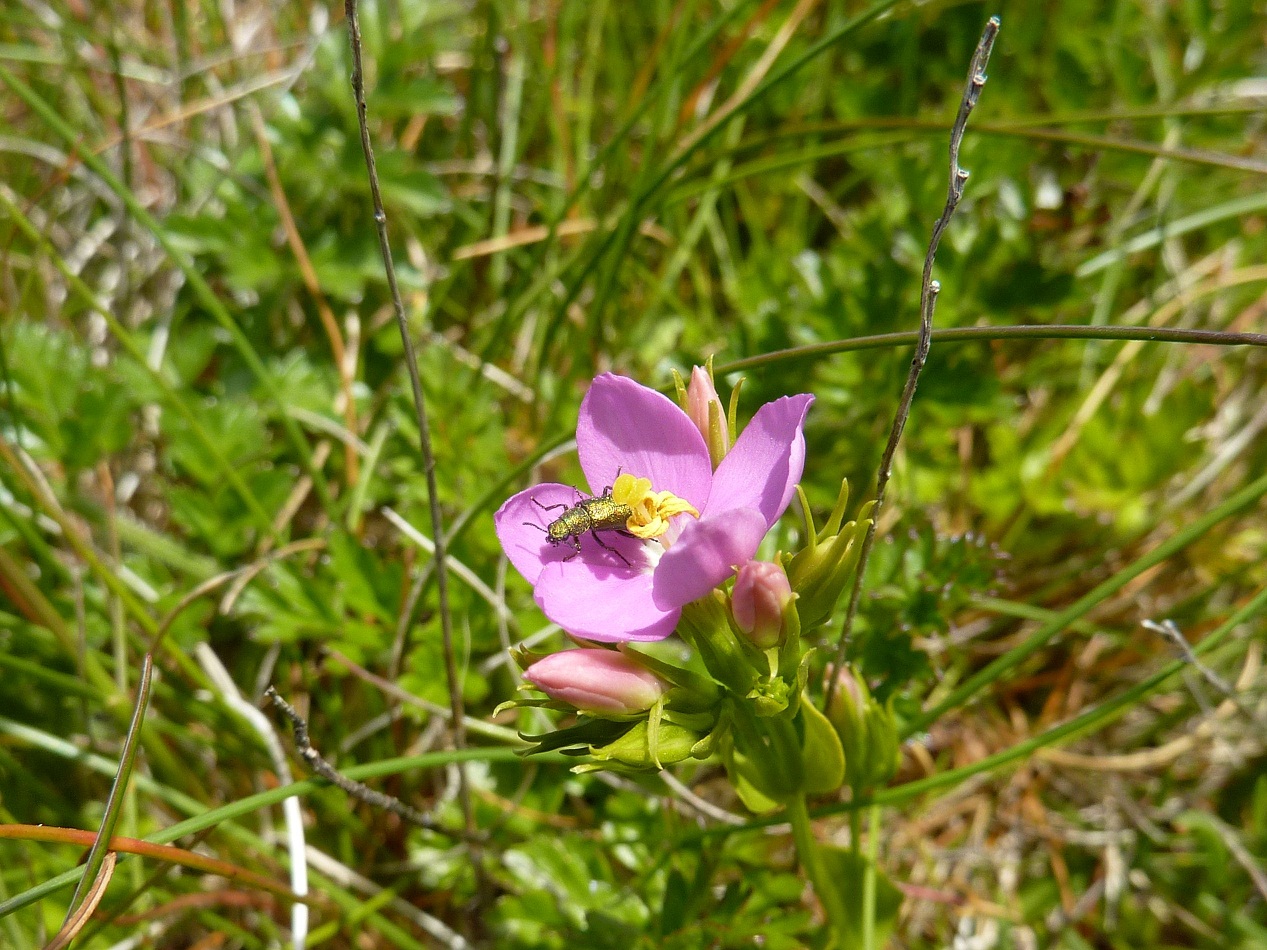
- Another picture of our Centaurium friend with Oedemera (lurida? nobilis? Damn, they all look the same to me…)
-
- A gannet (Morus bassanus)

-
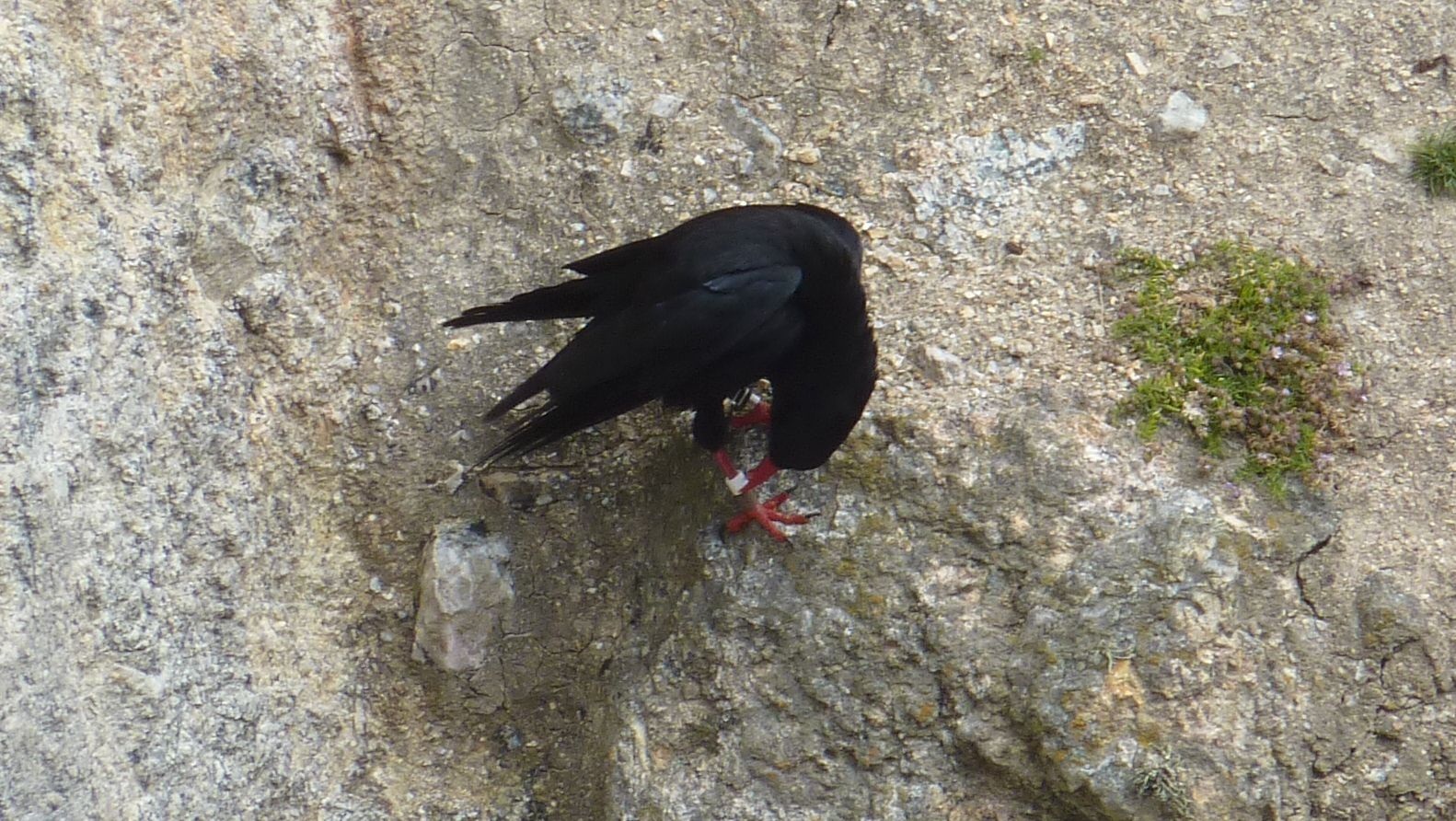
- Lady Whitebrown (soon to be Lady Brown).
-

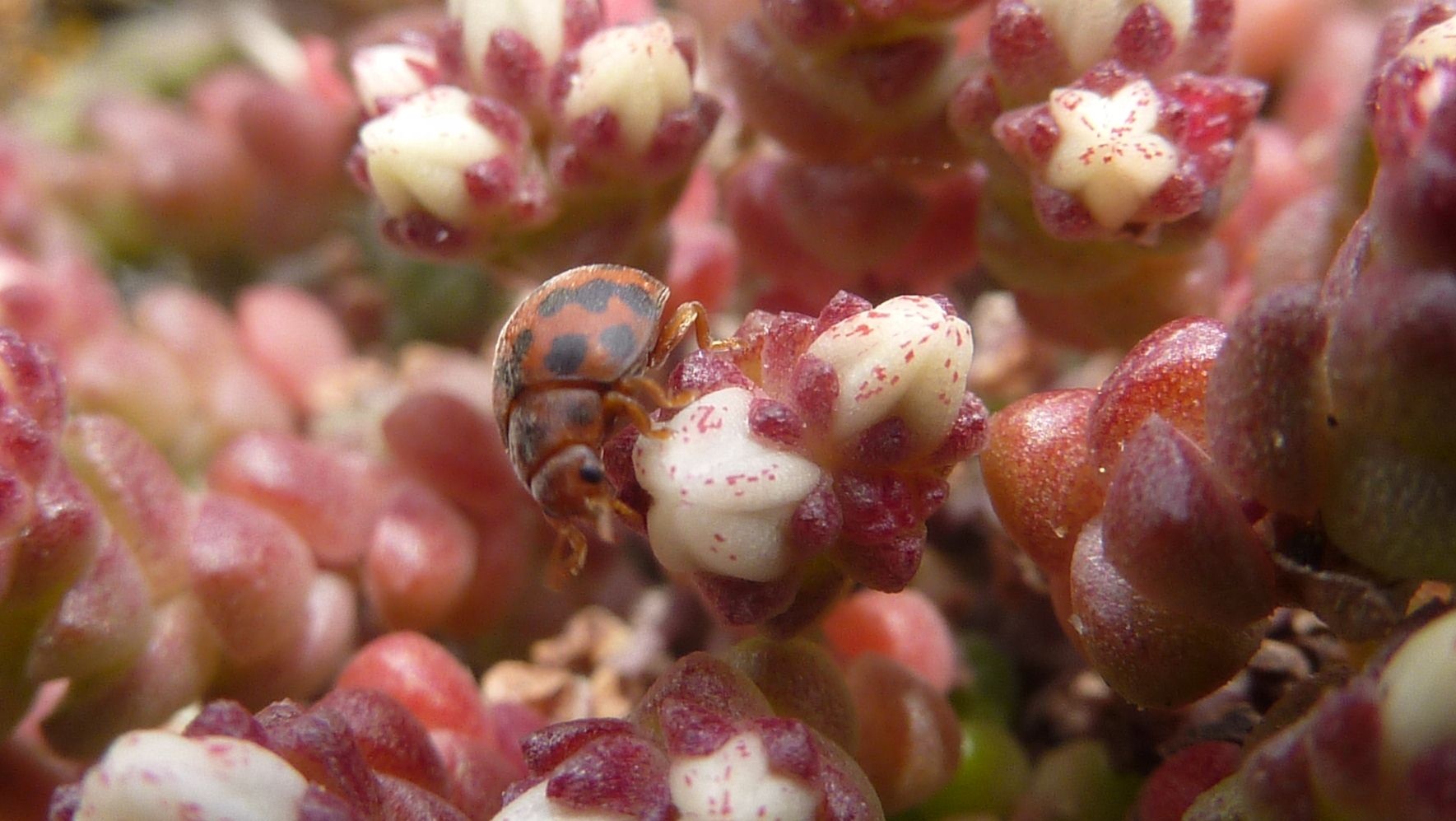
- I’m fairly sure that this is Subcoccinella 24-punctata on the beautiful Sedum anglicum
-

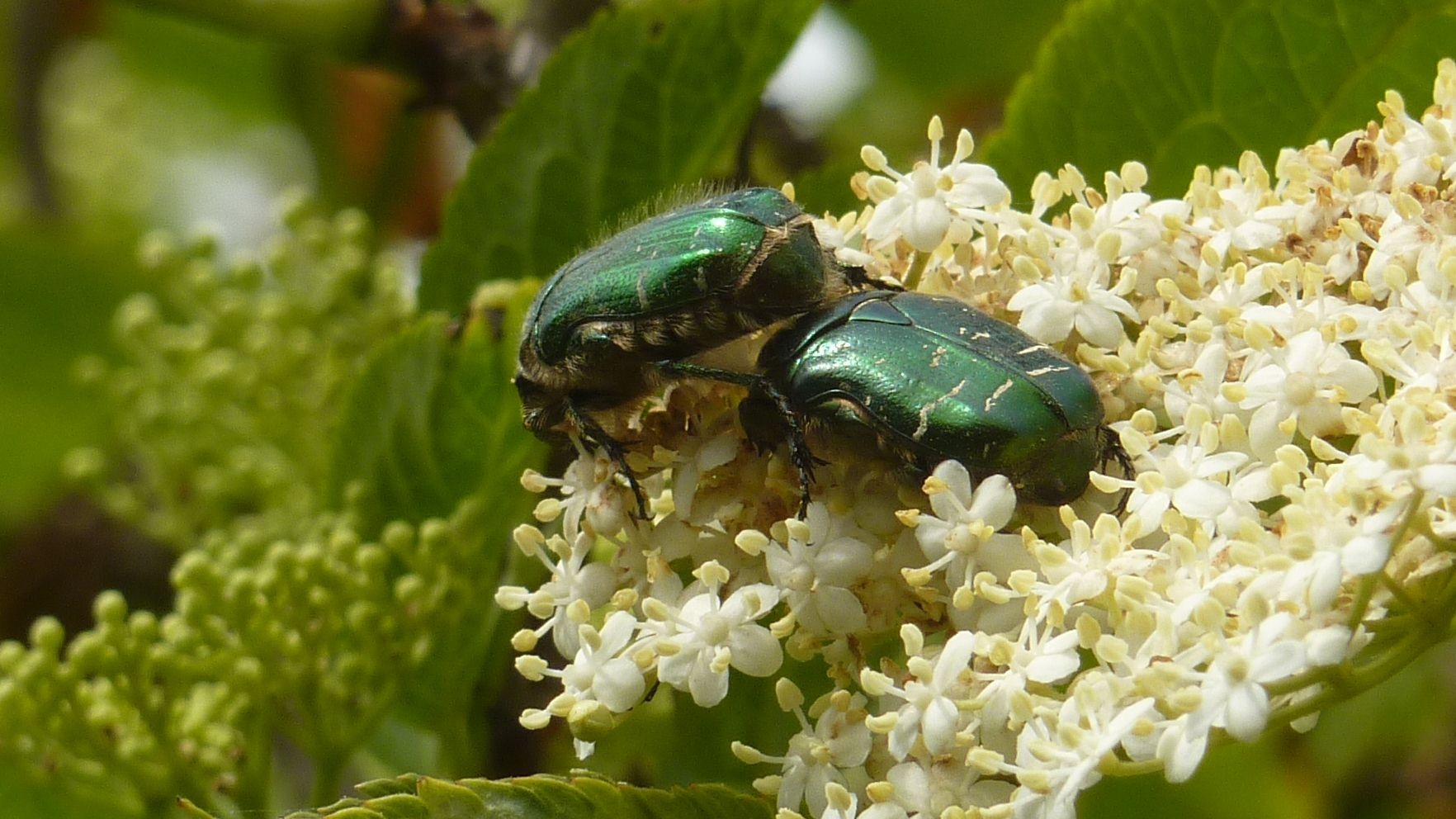
- Frisky rose chafers
-
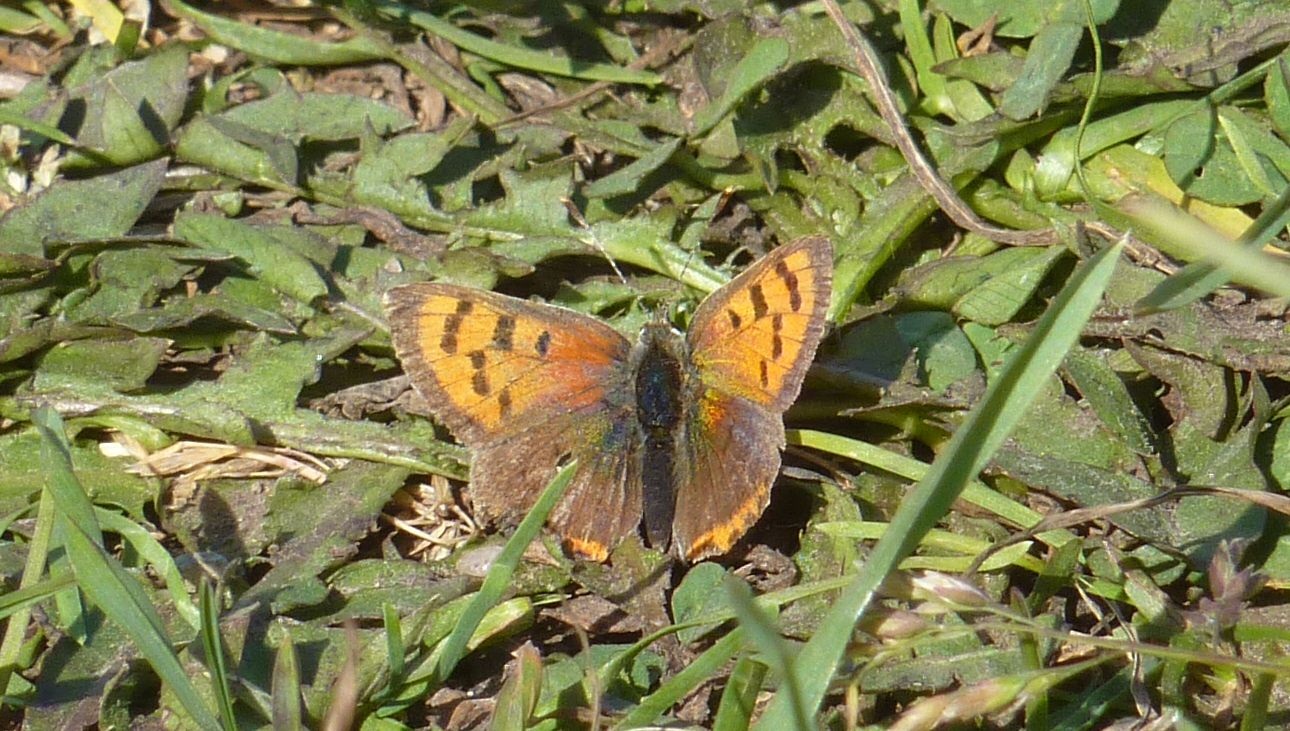
- Small copper (Lycaena phlaeas)
-
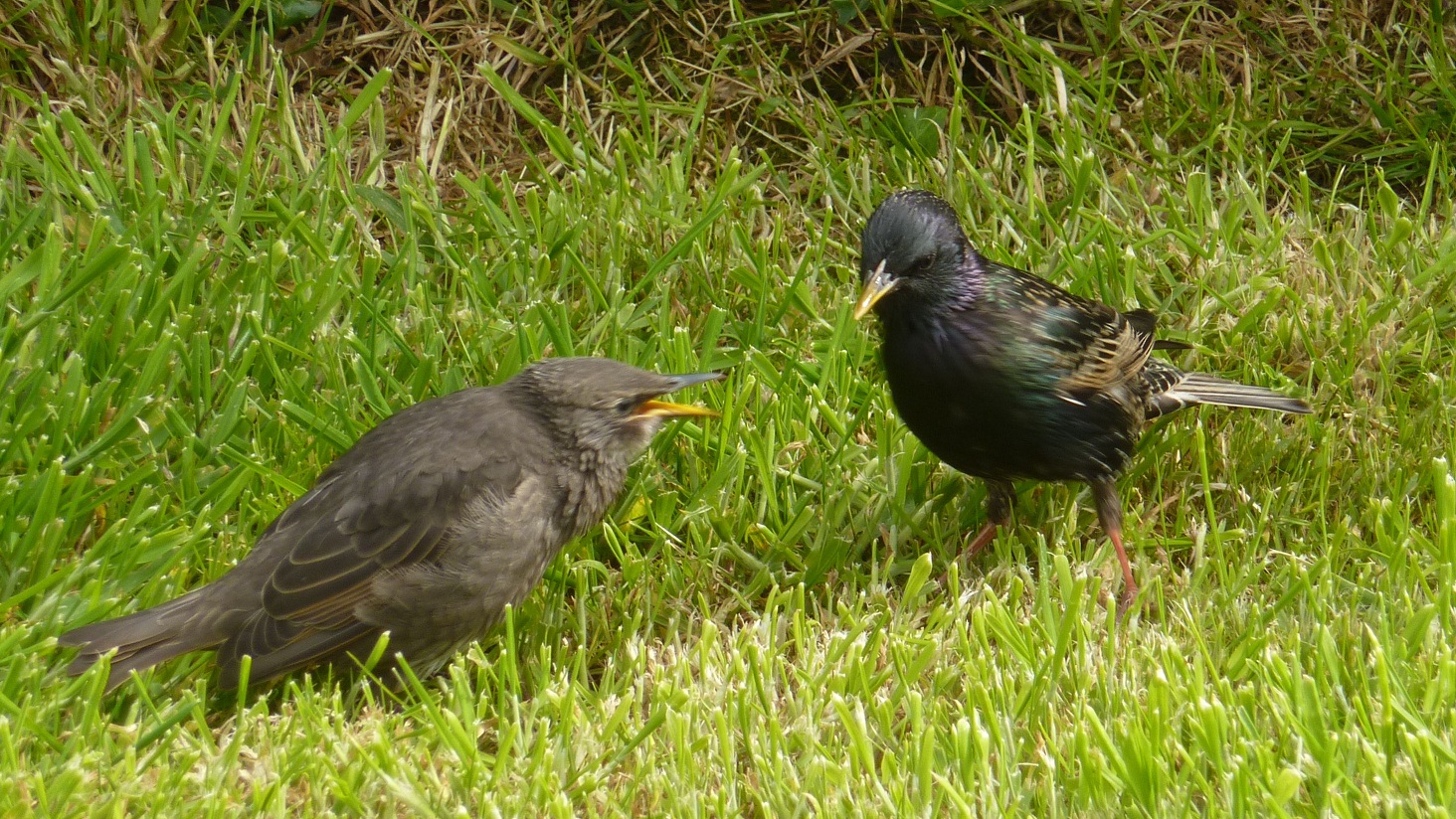
- Mr Starling realises that he’s created a monster
-

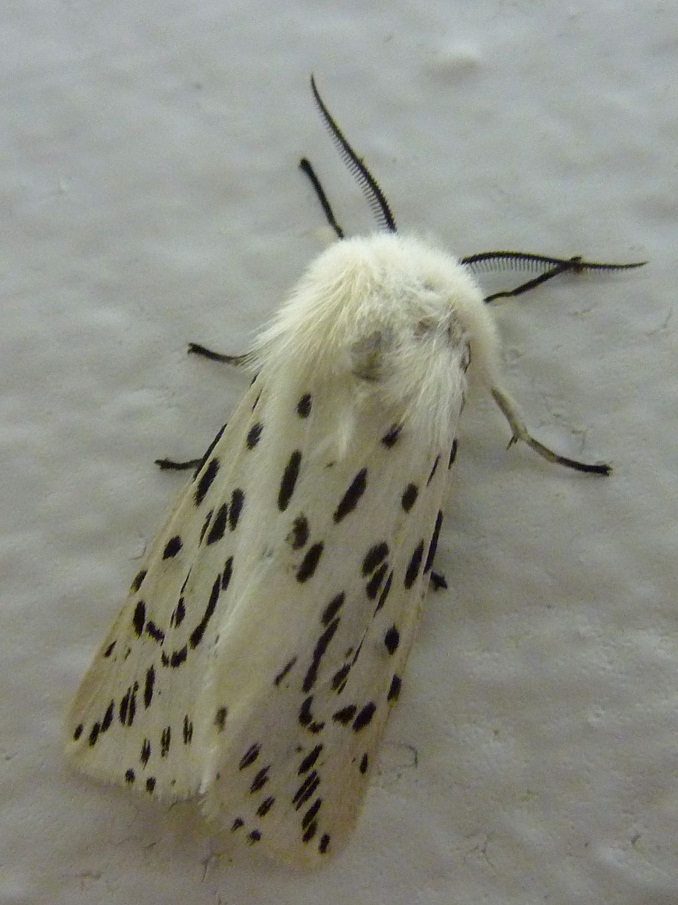
- Male white ermine (Spilosoma lubricipeda) in the gents at Treen
My first bit of rain in ages, and a fox and a seal
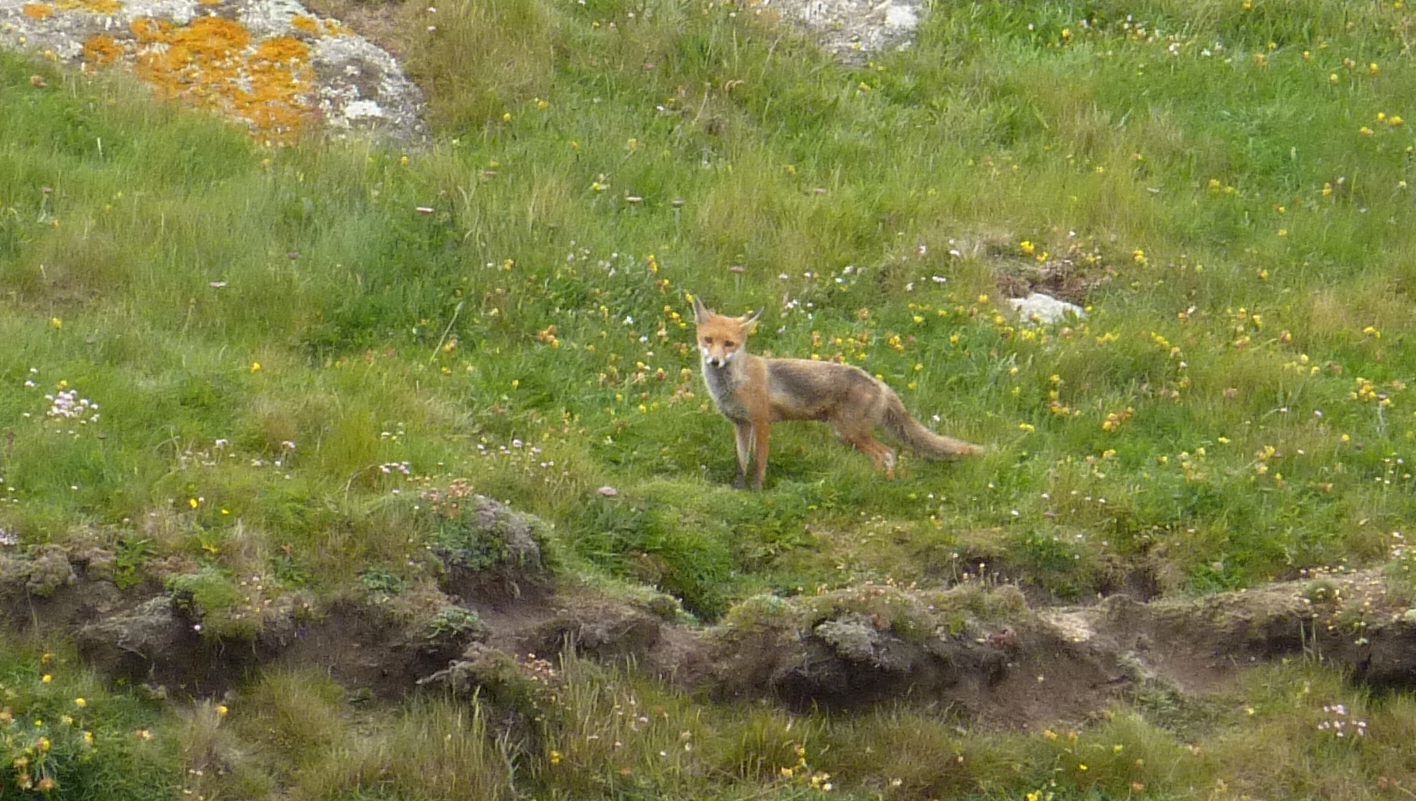
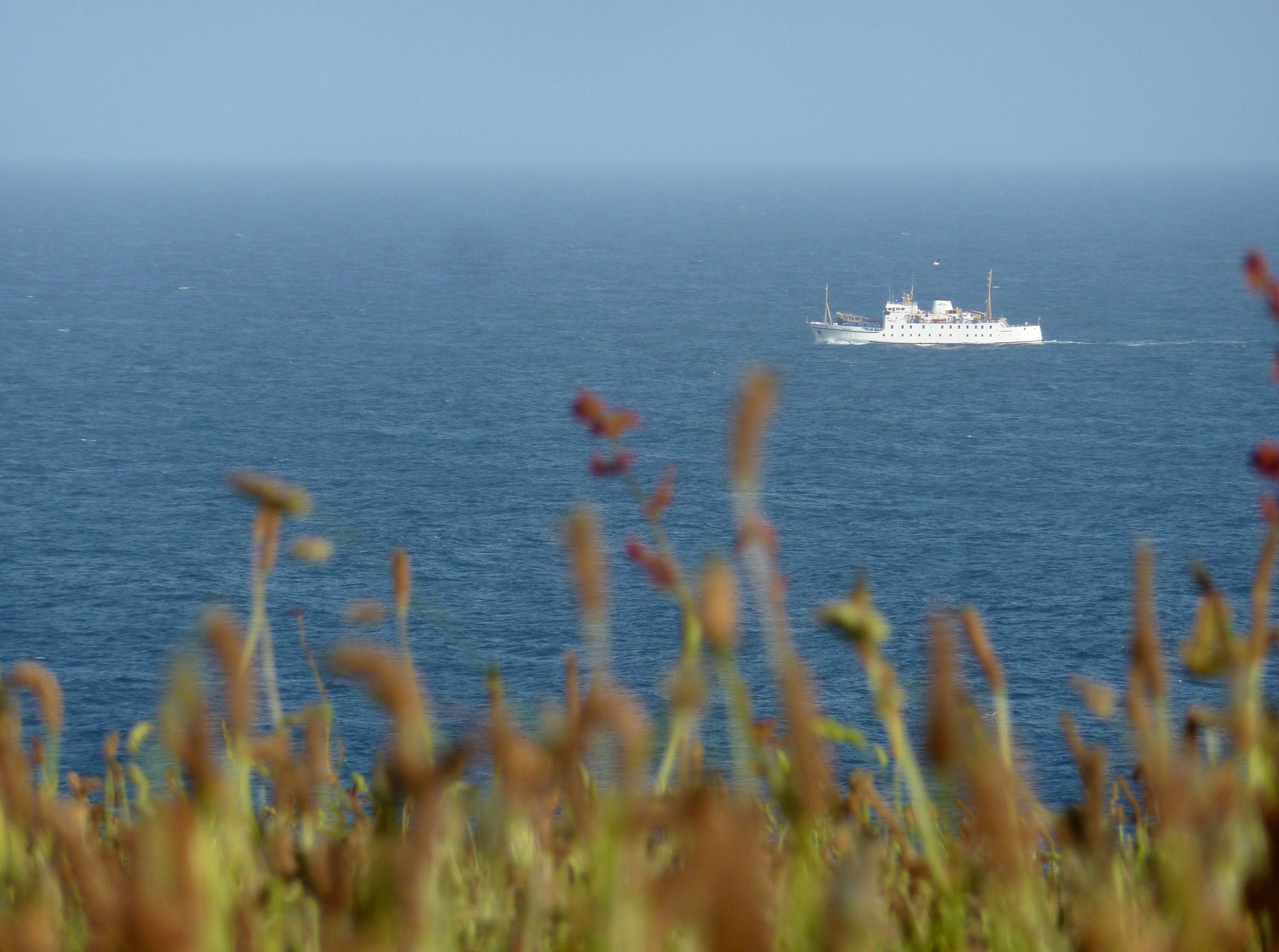
I haven’t seen much rain while I’ve been down here in Cornwall and, apparently, most of the South West is pretty dry. When I left my camper this morning (after a day off) it looked bleak though. The mist and rain persisted until after midday (although I’ve seen worse), and then it cleared into another beautiful, bright day. The choughs were good, I saw a fox again, and watched a seal up close for a while. My walk home was through wild flower meadows, with deep blue sea and skies, and the Scillonian slipping past on its way back to Penzance.
-
- When I looked closely, Charlotte’s message seemed to say, “kufzsd fpame”!

-
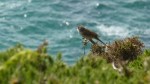
- A whitethroat

-
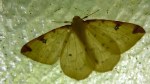
- A brimstone moth (Opisthograptis luteolata) in the gents at Porthgwarra

-
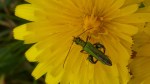
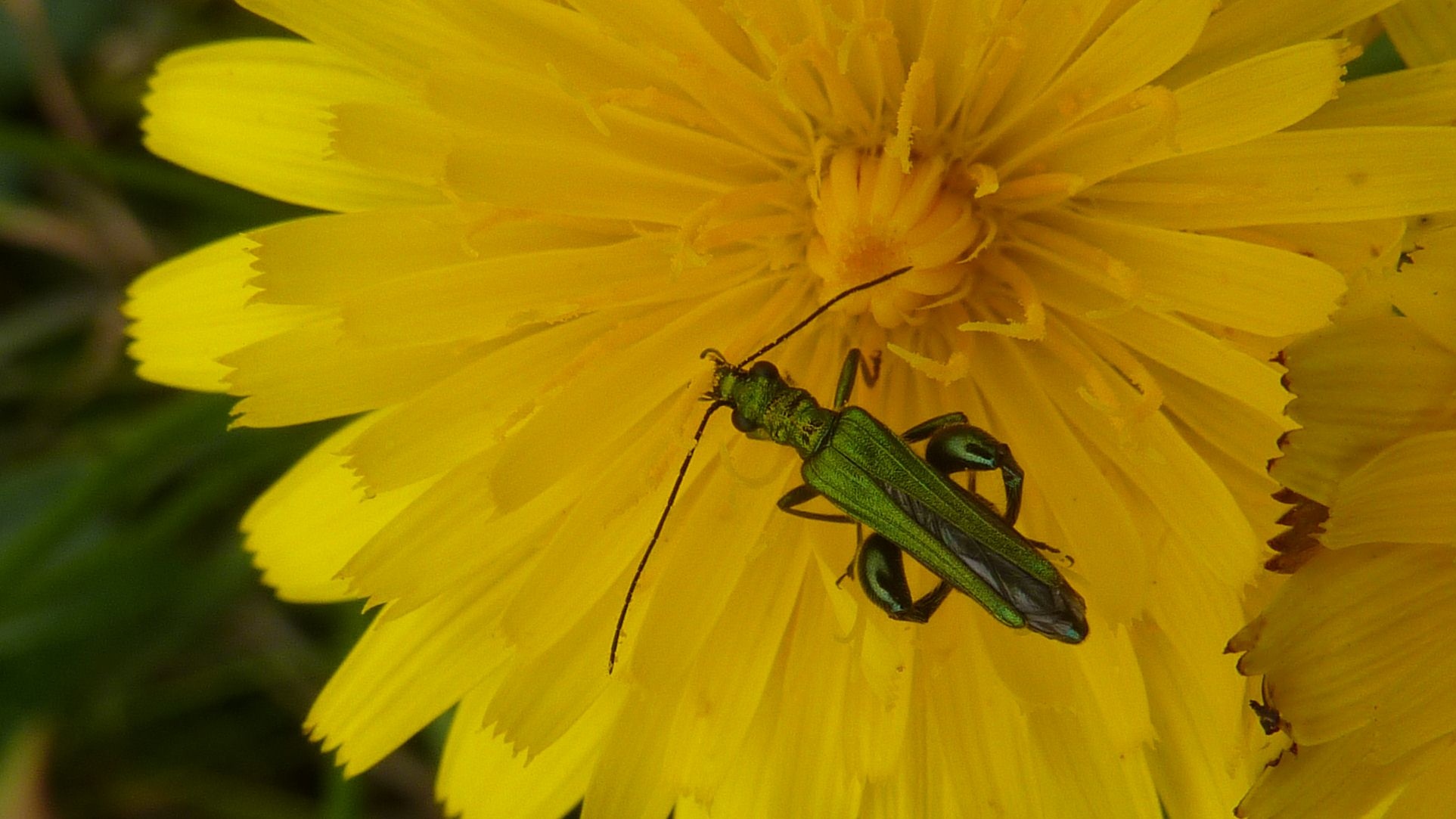
- Oedemera nobilis
-
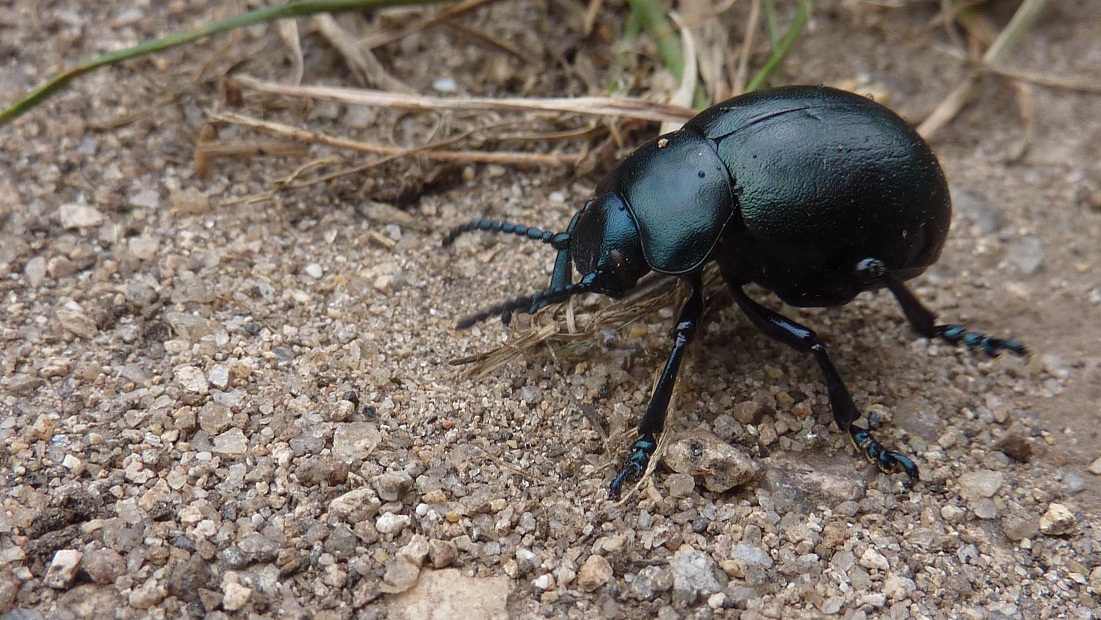
- This little fella is apparently a bloody nose beetle, taken shortly before I suffered a bloody nose
-
- Wow, maybe my best moment so far…

-
- Centaurium scilloides (rare) or erythraea (common). What do you reckon?


-
- The Scillonian
Seals and rare flowers
It’s always fantastic to see seals, especially as they are shot in large numbers by fish farmers, within the law (please remember this if thinking of buying farmed salmon). Seal numbers have declined enormously in the last 10 years, with harbour seal numbers halving in some parts of Scotland. There are likely to be other contributory factors, such as reduction in food availability, but this is, in my opinion, a significant indicator of how we are mismanaging our seas.
If you haven’t already done so, read up about Hugh’s fish fight, follow the links on the site to the other organisations involved in marine conservation, work out whether you really need to eat (so much) fish (there are plenty of food stuffs that contain the oils thought to be so valuable in fish, e.g. hemp, flax, etc), and make an effort to find out where your marine based products are coming from. Out of sight, out of mind, is this why we treat our oceans so badly? Would people react differently if we were to trawl fields to catch lambs, and at the end of the field empty the net of all the birds, mice, voles, insects, etc, into a heap to die.
Anyway, I digress somewhat, apologies. Today was a busy one. All of the Cornish chough nests were checked out (not by me, I just met the team briefly as they passed on through), and seem in good order. However, the latest expected date for fledging is now another two weeks or so, which might, sadly, be after I’ve left. Further news will be available here:
http://www.cornishchoughs.org/
After an early start, I finished early so I comforted myself by taking some time out to go and view one of the rarest plants in the UK. I’ll be impressed if anyone can tell me what it is (I do know what it is. Obviously.)…
-
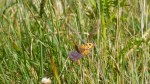
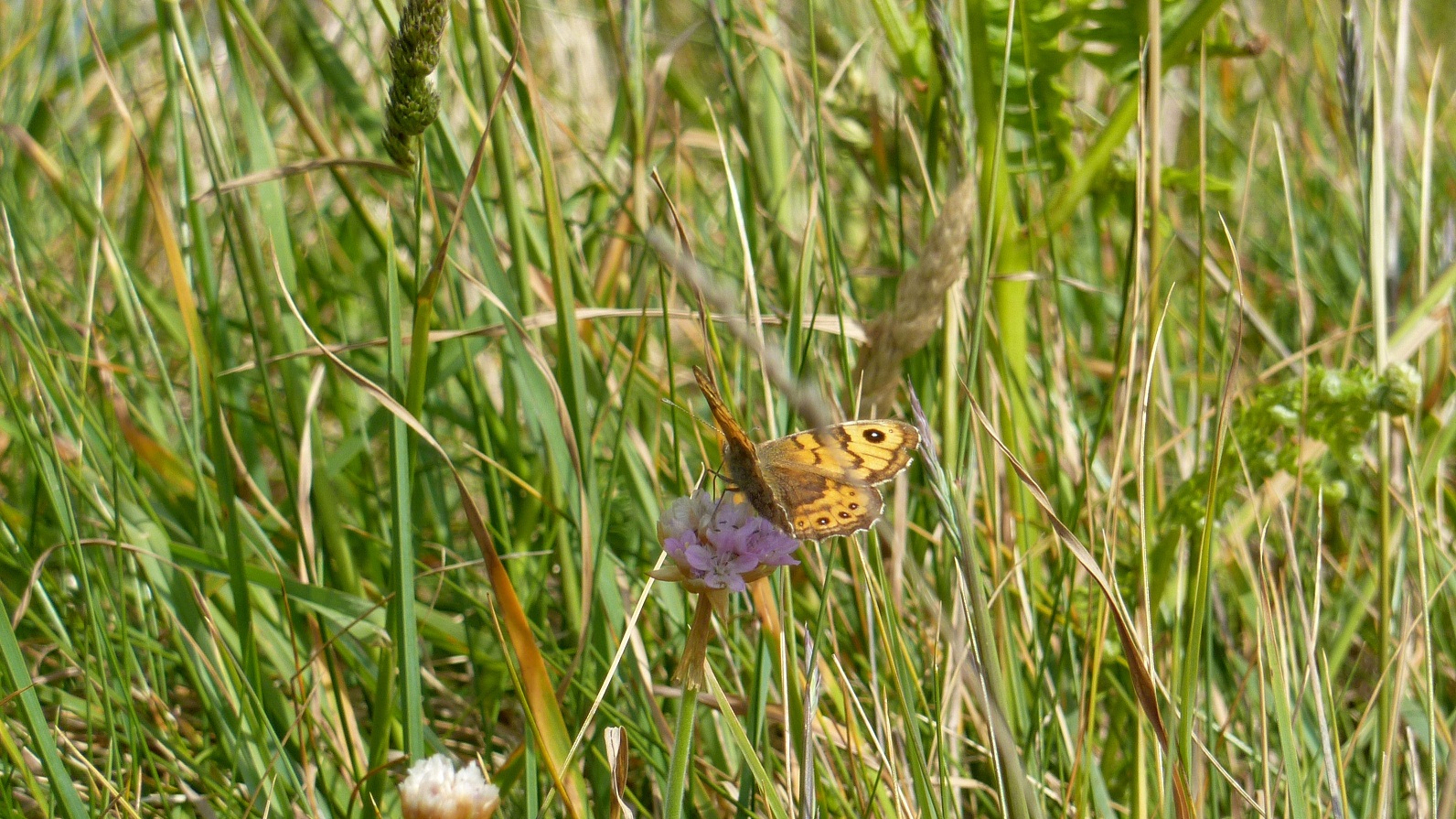
- Wall butterfly (Lasiommata megera)
-

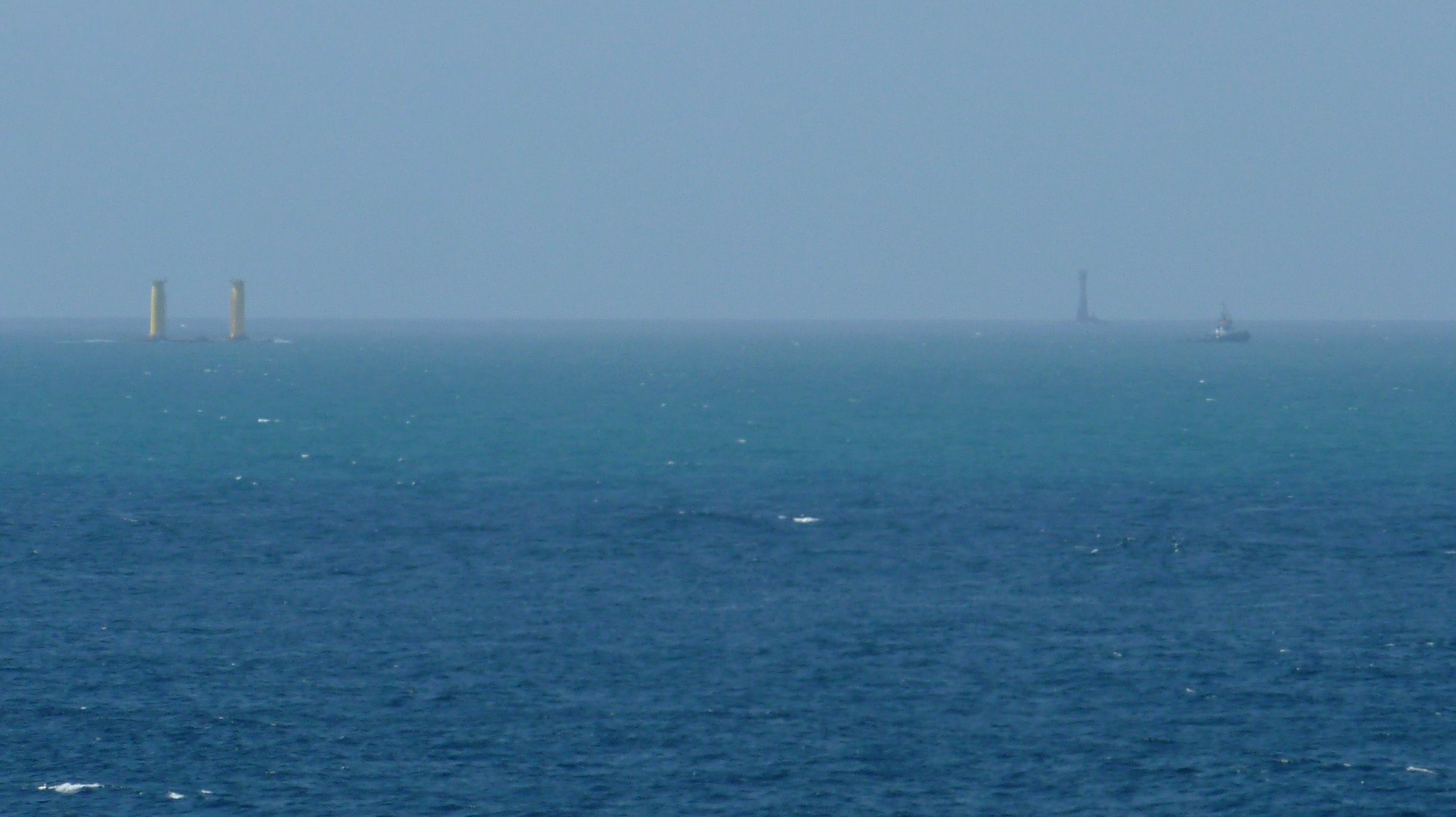
- These bits of metallic nonsense are being towed to the North to help build a wind farm
-
- The face of a lackey (Malacosoma neustria). One day it’ll be a beautiful moth.

-
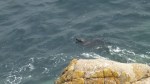
- A seal!

-

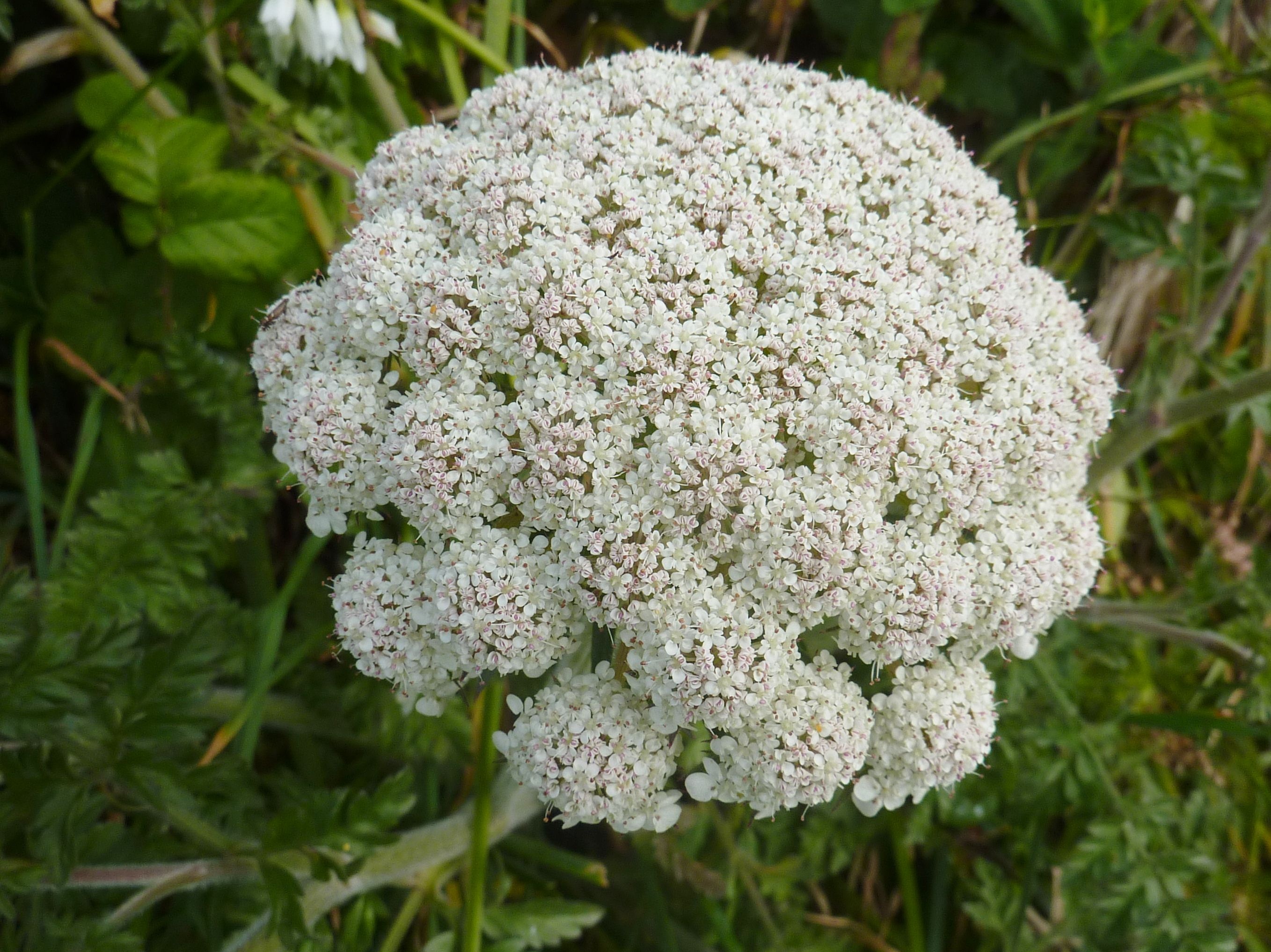
- Sea carrot (Daucus carota?)
-
- Gloomy weather, but sparkling wildlife

-
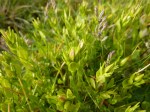
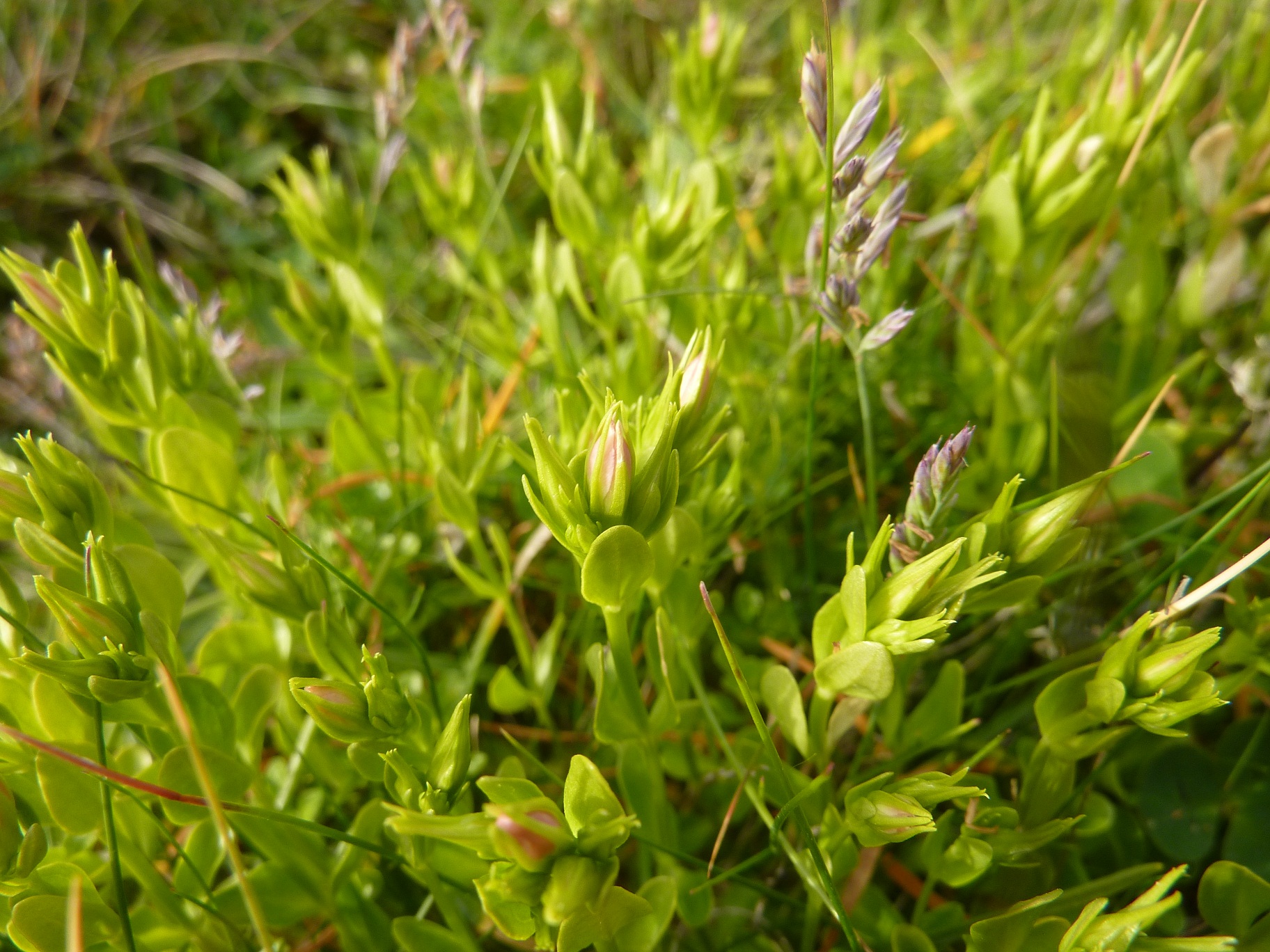
- Rare plant. So, any ideas?
-
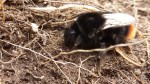
- Mrs Red Tail (Bombus lapidarius) was, I think, a bit unwell.
A trip to the lizard, and more of the sedge.
There was a chough team party down the lizard yesterday. It was my first visit to the Lizard and it was great to make acquaintance (sort of) with the legendary Lizard pair. The Lizard pair were the first pair of choughs to nest in Cornwall since 1952. In 2002 they reared three young, and have successfully reared young each year since. Apparently they are prone to showing off to the crowds, but today, they were very business like, and didn’t come close enough for me to get pictures. Choughs are known to live up to 16 years, so hopefully they will be there for a few more years yet.
I also got the chance to meet the rest of the chough project team, and watch the sun set over the Lizard Lighthouse.
Today, back on my patch, there was a cold wind blowing in from the sea (there often is), and the choughs didn’t seem to be about much. There was a bit of raven action at one point, and I managed to get a rather poor shot of the slightly illusive sedge warbler.
-
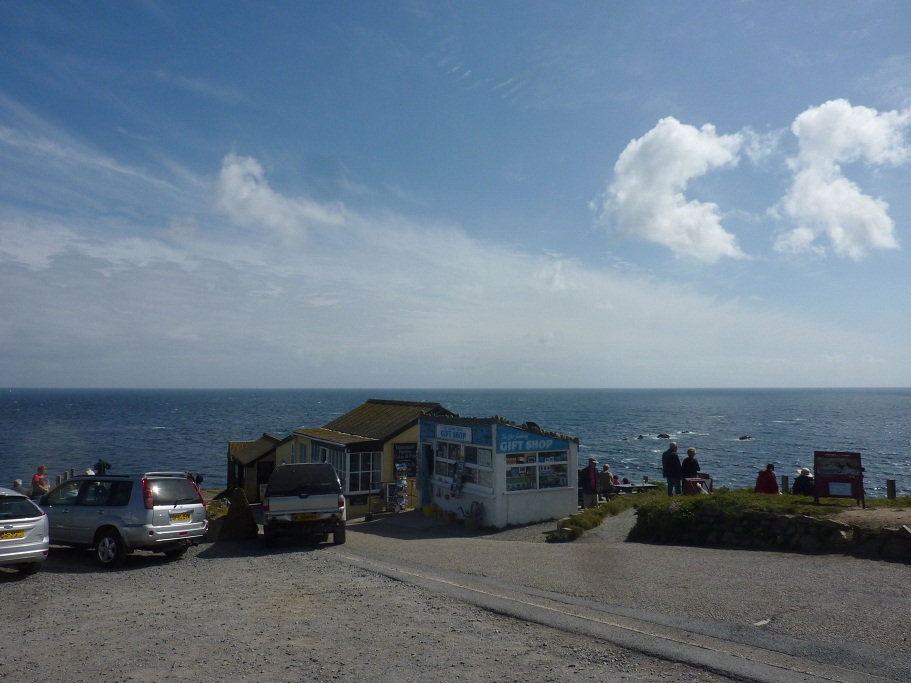
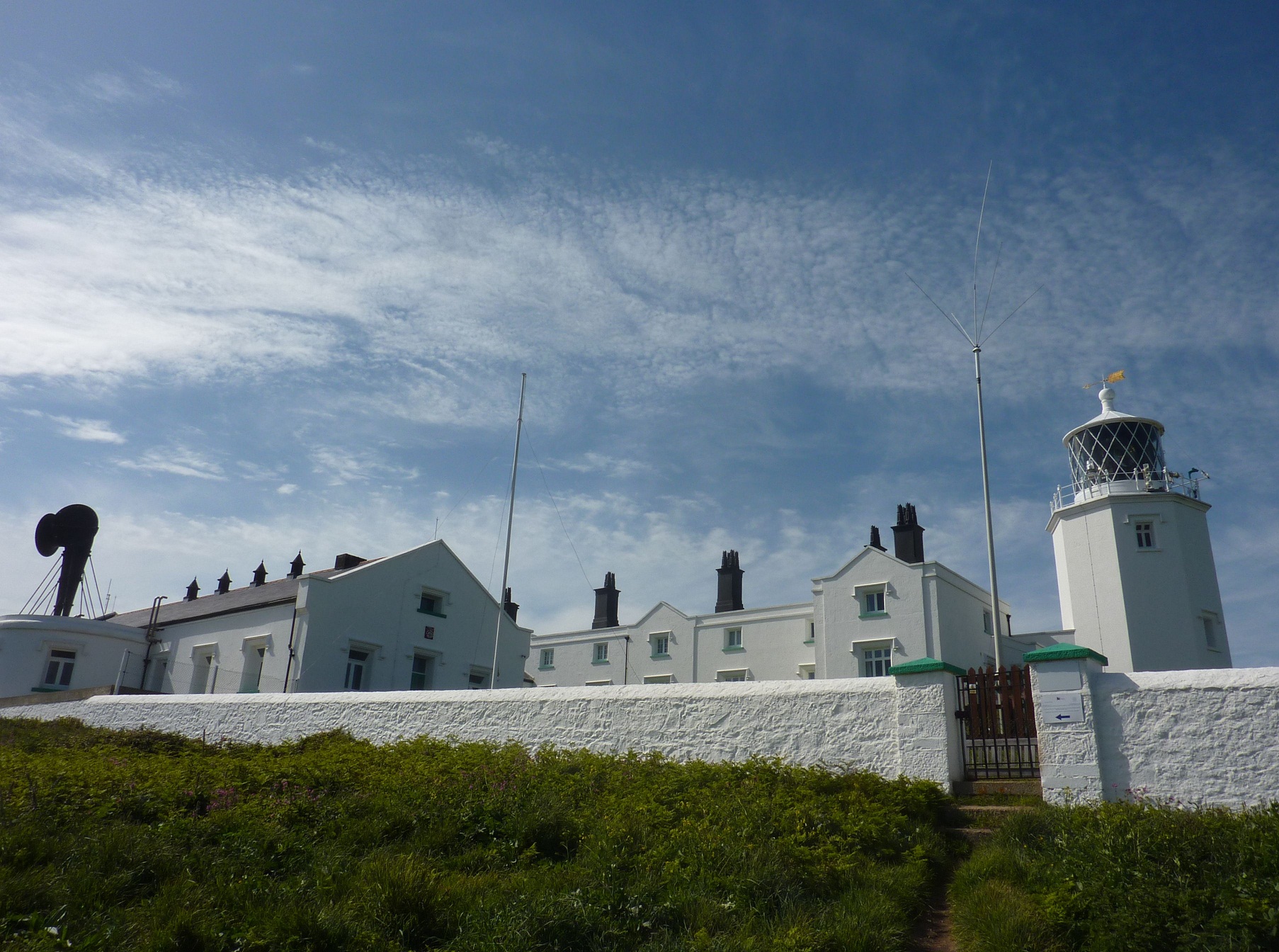
- The southernmost point of the UK mainland. Chough watch on the right hand side.
-
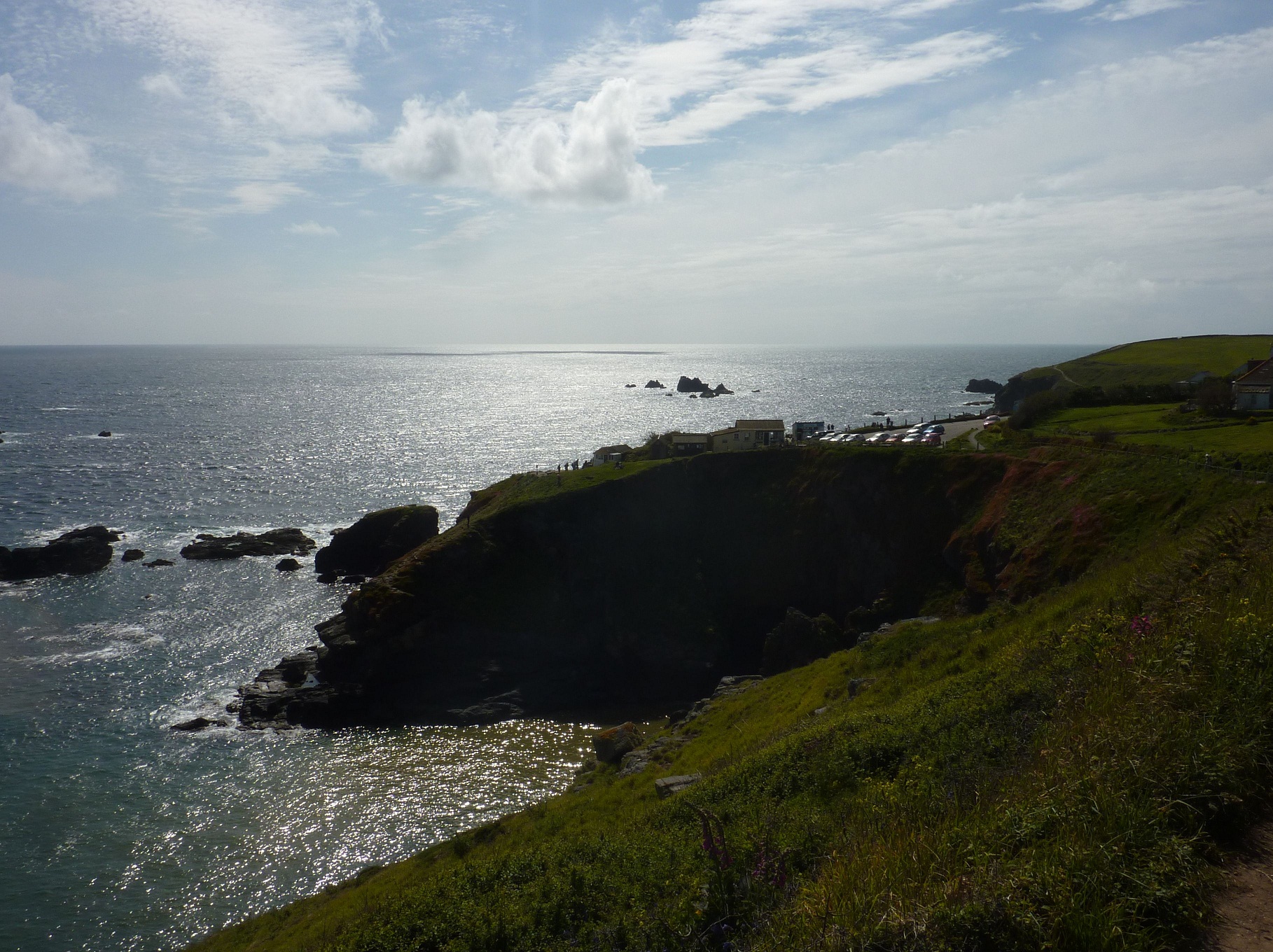
- Looking West across Lizard Point
-
- Check out the (Trinity house) fog horn on the left of the picture. Now not required thanks to Sat Nav.
-
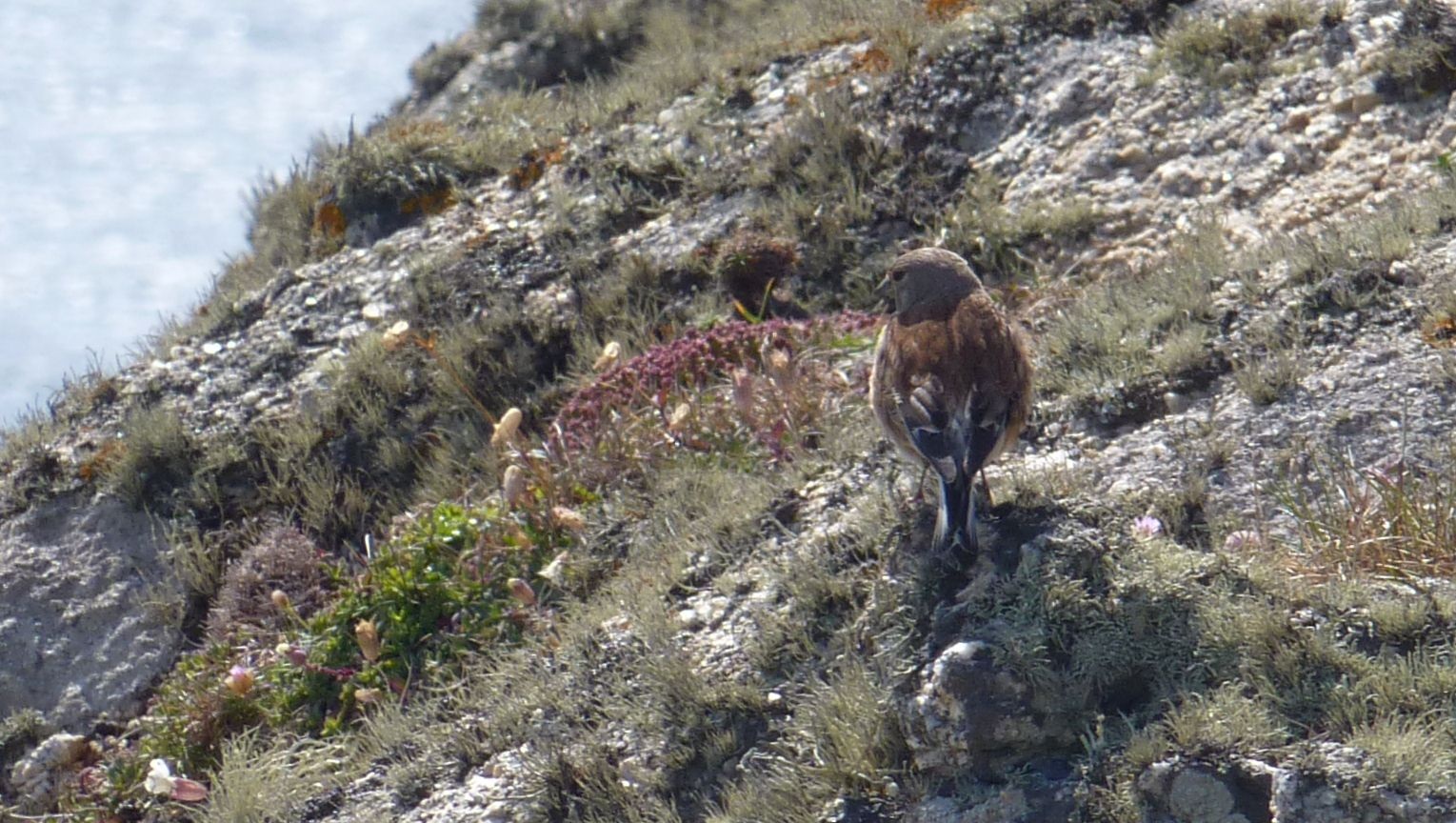
- The back of a female linnet
-
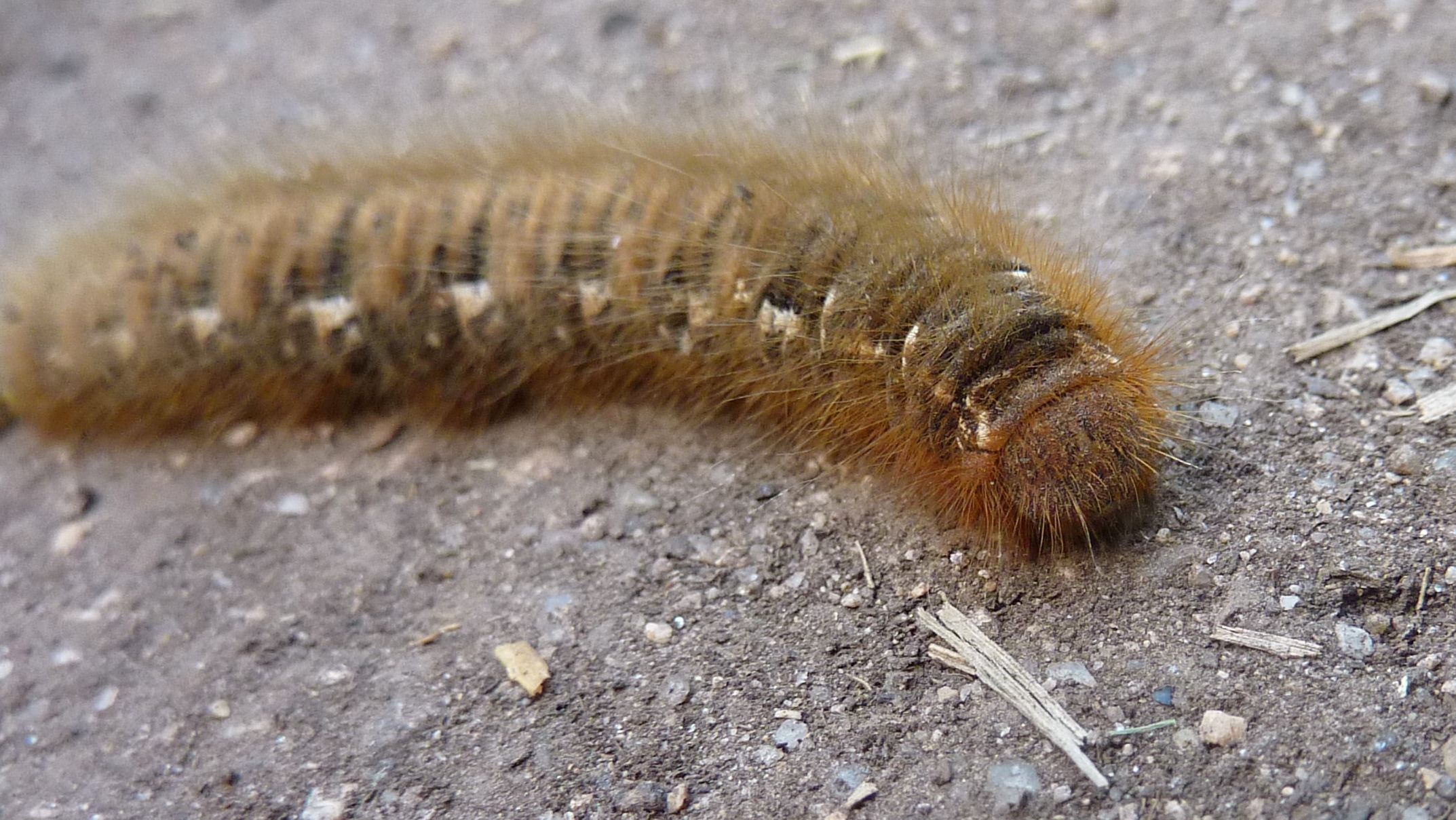
- Oak Eggar moth caterpillar (Lasiocampa quercus)
-
- A shield bug, probably gorse (Piezodorus literatus)

-
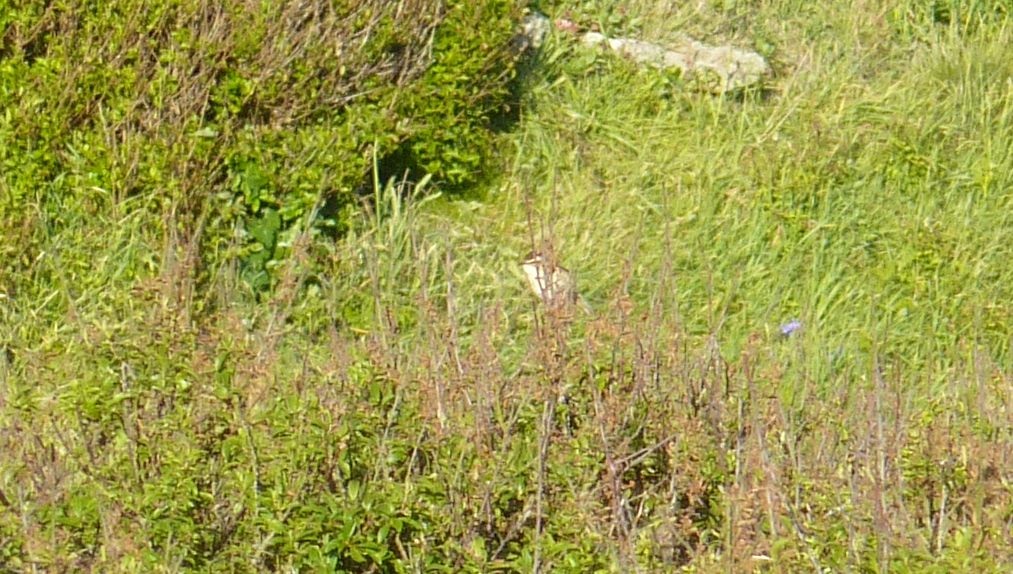
- A very vocal sedge warbler
-

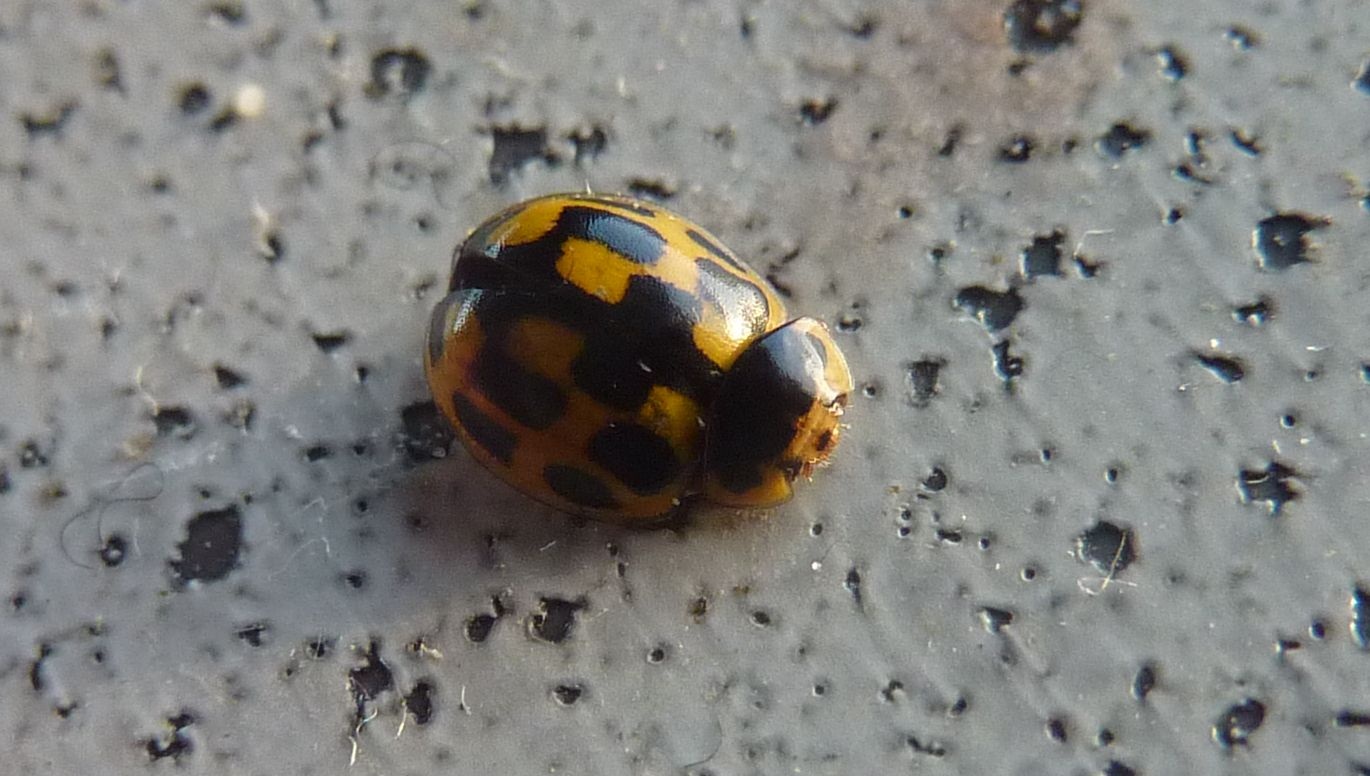
- A slightly dead 14 spot ladybird, thanks to some unplanned time in my boot.
Bugs and a sedge warbler
Today I follow the choughs about a bit to determine their feeding sites. This should also give us a good idea of where they might bring the chicks when they fledge (which we’re hoping should be around the end of the month). The birds are busy collecting food, but still take time to groom each other, with Mr Brownblue occasionally running over to Lady Whitebrown with a food offering. Both the birds still look in top condition.
Today I saw, and heard, my first sedge warbler. Excellent. They have an incredibly complex and varied call (the RSPB recording doesn’t really do it justice, as it usually goes on for a lot longer), which makes them sound ever so slightly mental.
-
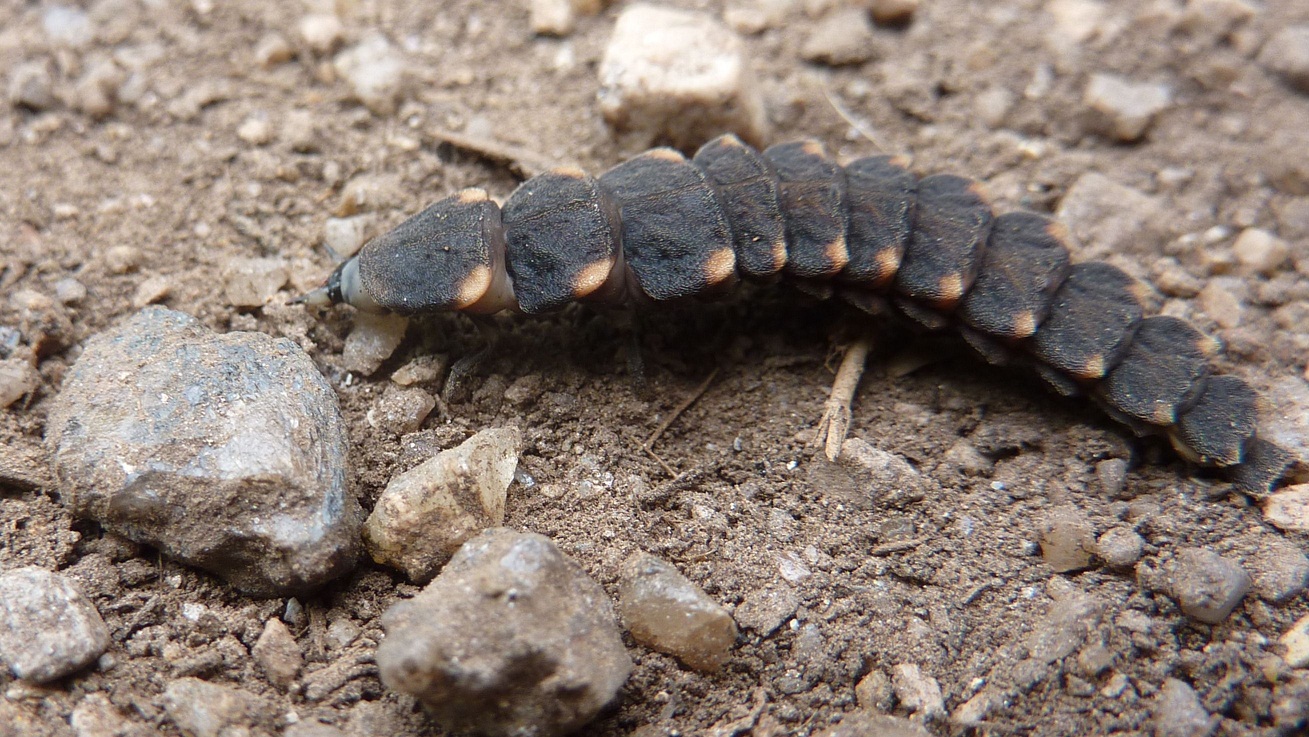
- Glow worm larva (lamppyris noctiluca). Glow worms are suffering a continuing decline in numbers thanks to reduction in habitat and other human related factors
-

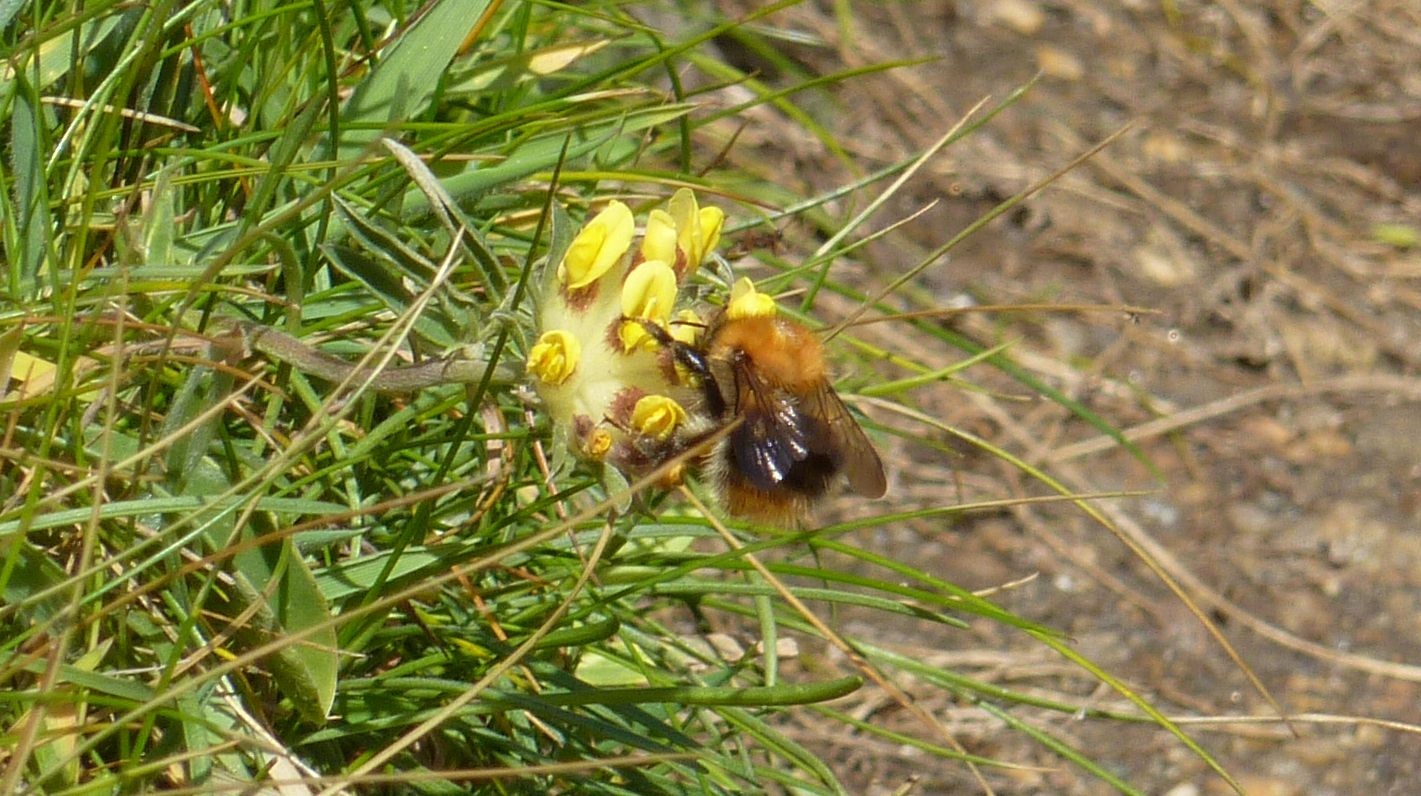
- Bombus Pascourum on Kidney Vetch
-
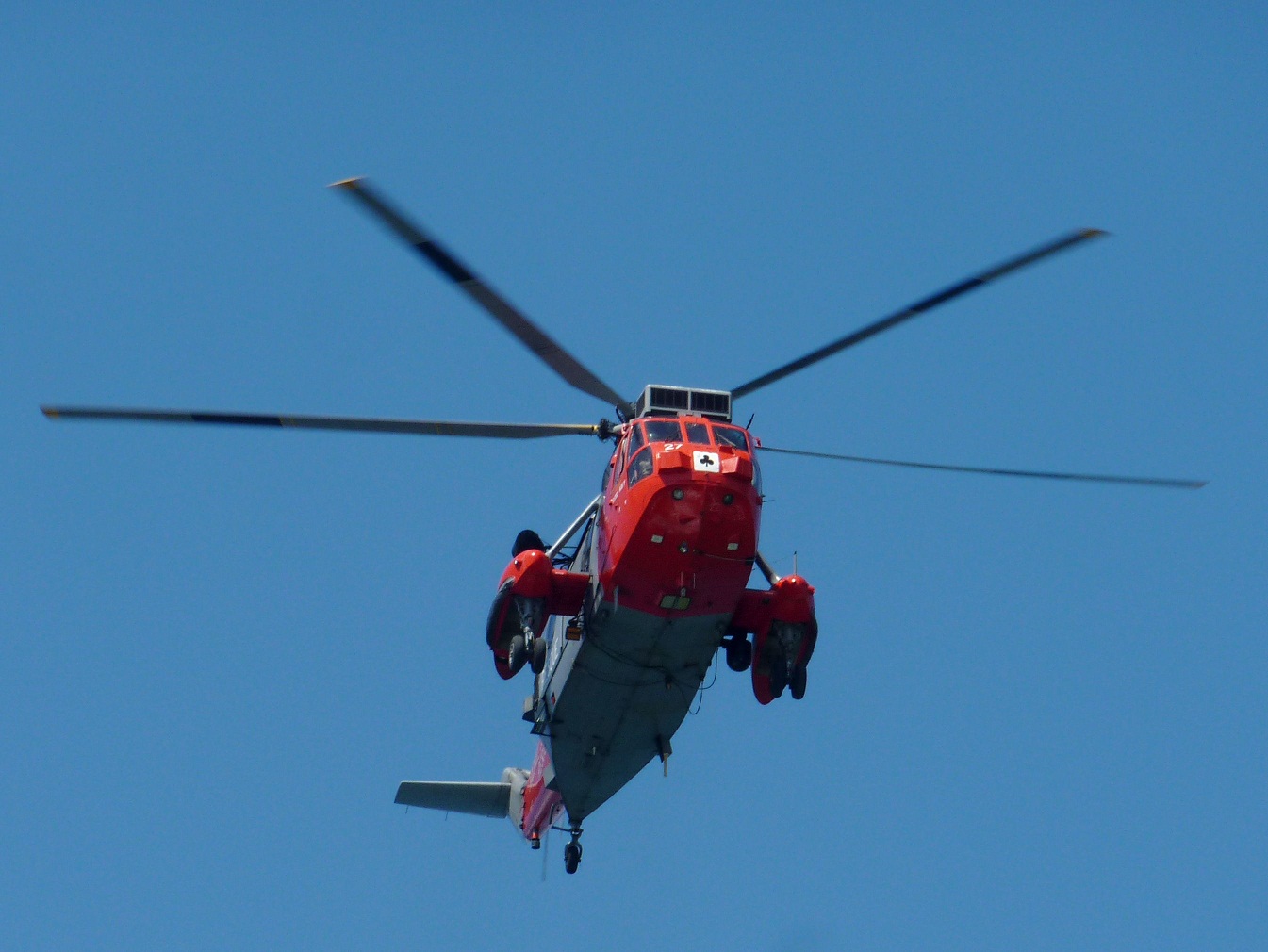
- Uhh, do I need rescuing?
-
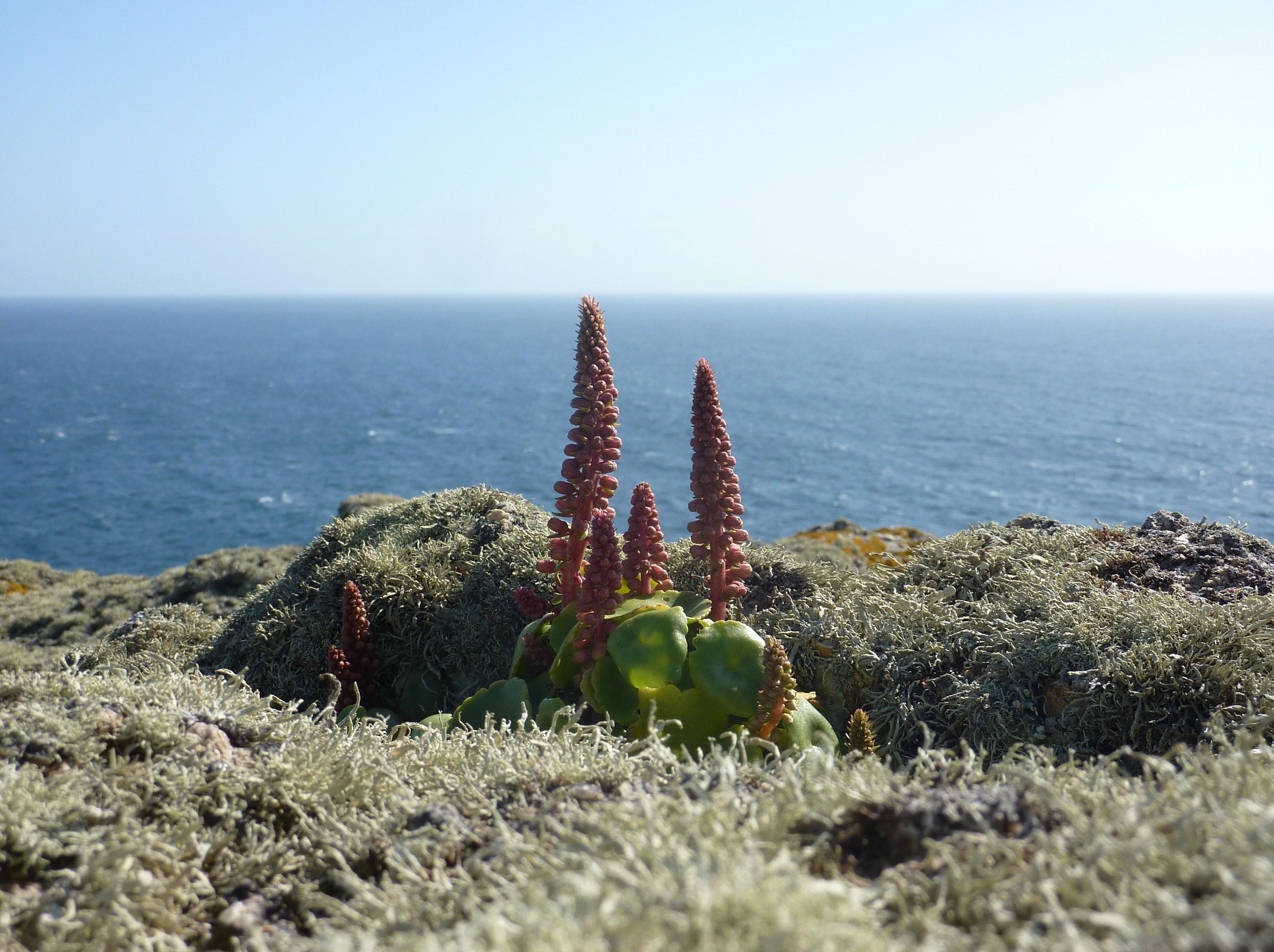
- Wall pennywort or navelwort (thanks Nic/Rachel), lichen on rock, and the Atlantic. And some sky (blue).

-

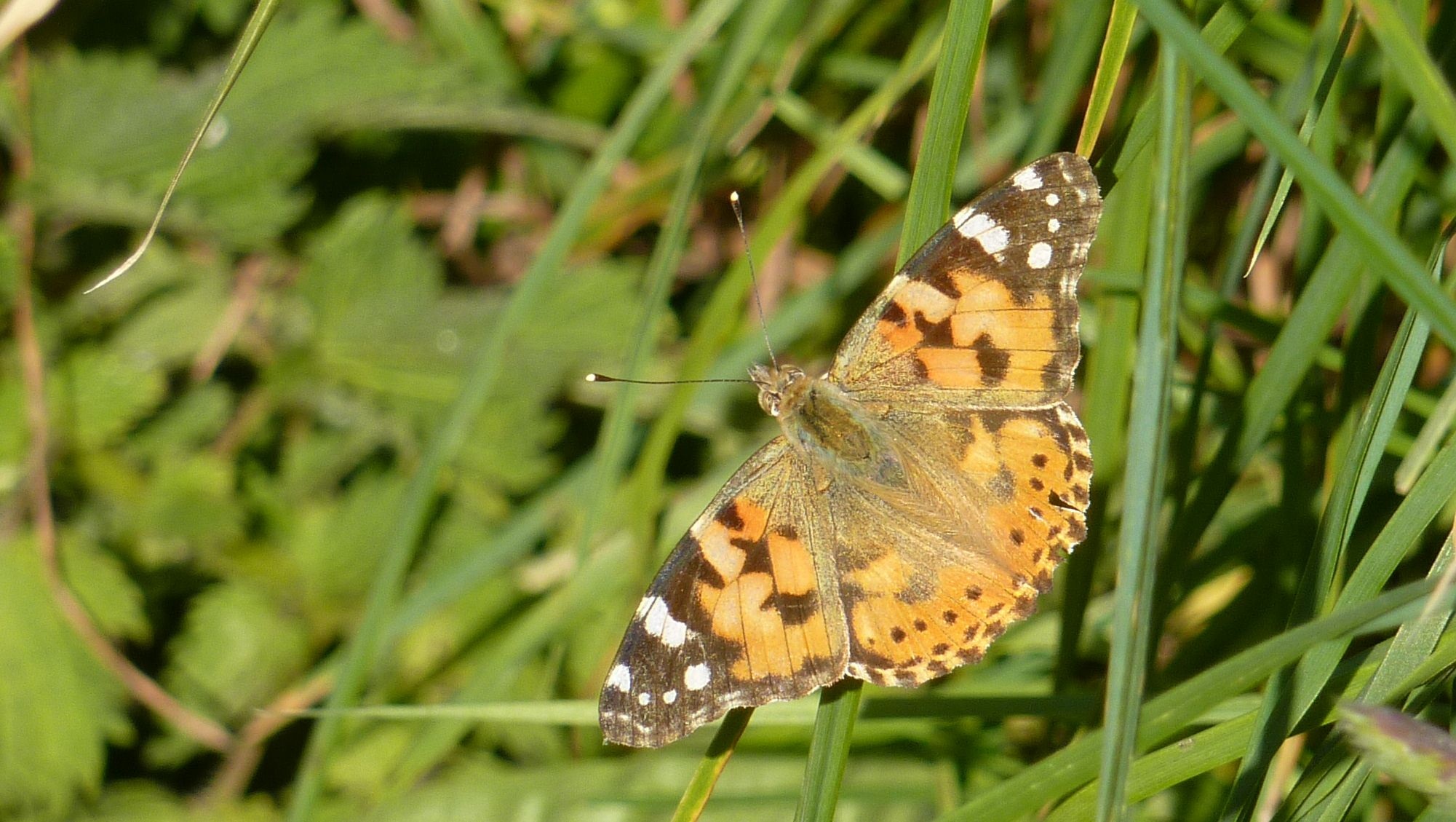
- Painted lady (Vanessa cardui)
-
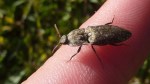
- A wicked wee bug on the blogger’s finger. It gave me some advice (good), and then was on its way
More sun, sea and sightings, peregrines included.
After a day off I’m obliged to wander the cliff tops looking out for choughs again. Our pair are mildly agitated by what I’m fairly sure is a female peregrine today. But she (the peregrine) doesn’t give them the same stick as in previous days. My impression is that it’s the smaller male that seems to take pot shots at most birds. Not that I’m able to spend time tracking the peregrines to know whether it’s just the one pair that I’m seeing, or how successful they are, but I get the impression that the male I’ve seen is a bit more laid back and mischievous than the female, who’s probably just battering prey out of the sky while I’m not around (peregrines tend to hunt early).
It’s a bit damp first thing today, but the sun comes out before I start walking, and I hear a plethora of bird song as I hit the coast paths. Blackcaps, whitethroats, chiffchaffs, finches, tits, swallows, blackbirds, song thrushes, etc. I’m lovin’ it.
-
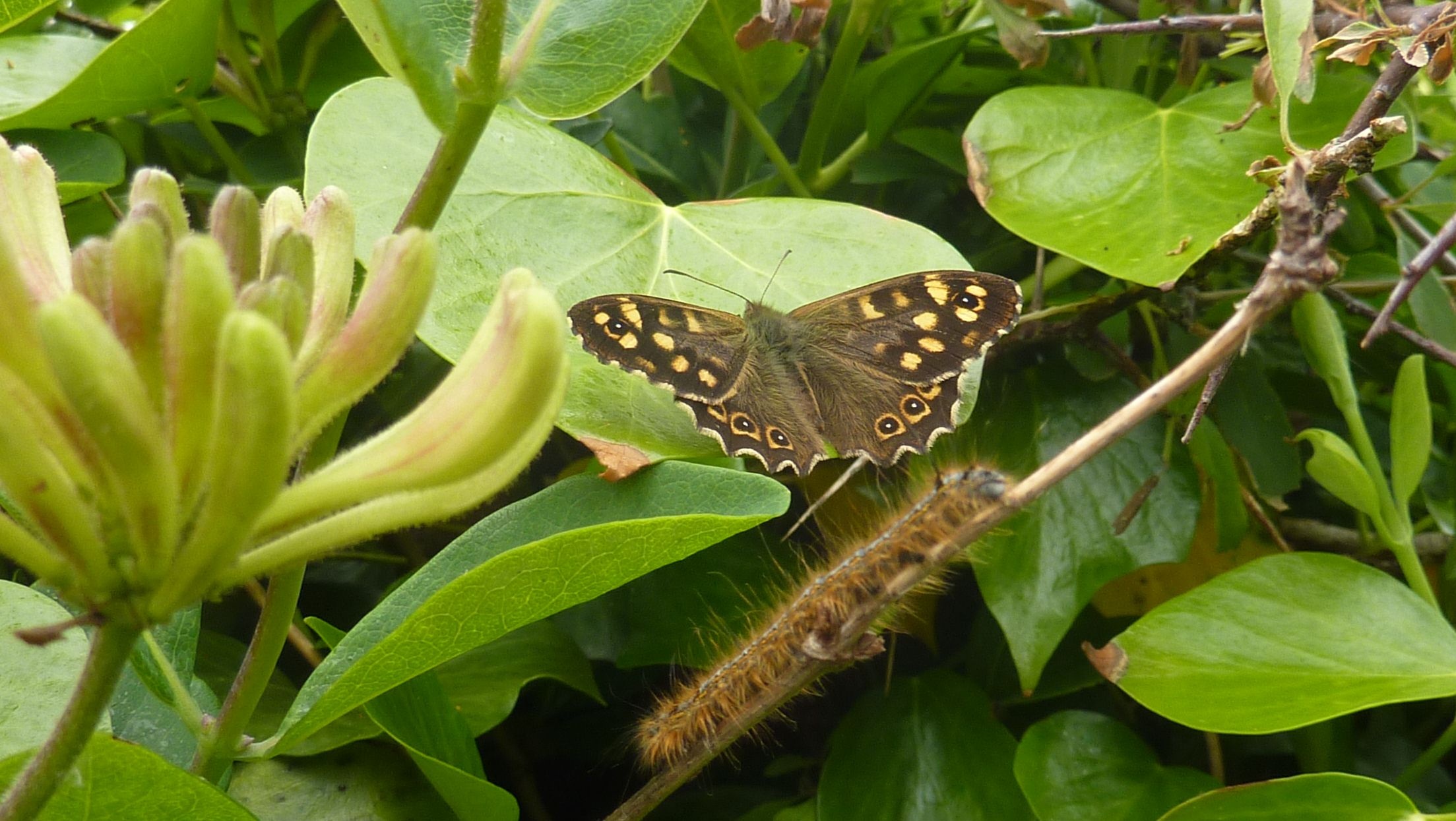
- Speckled wood (Pararge aegeria) with a lackey (Malacosoma neustria) moth caterpillar in the foreground
-
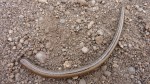
- Was this shed or is this all that’s left?

-

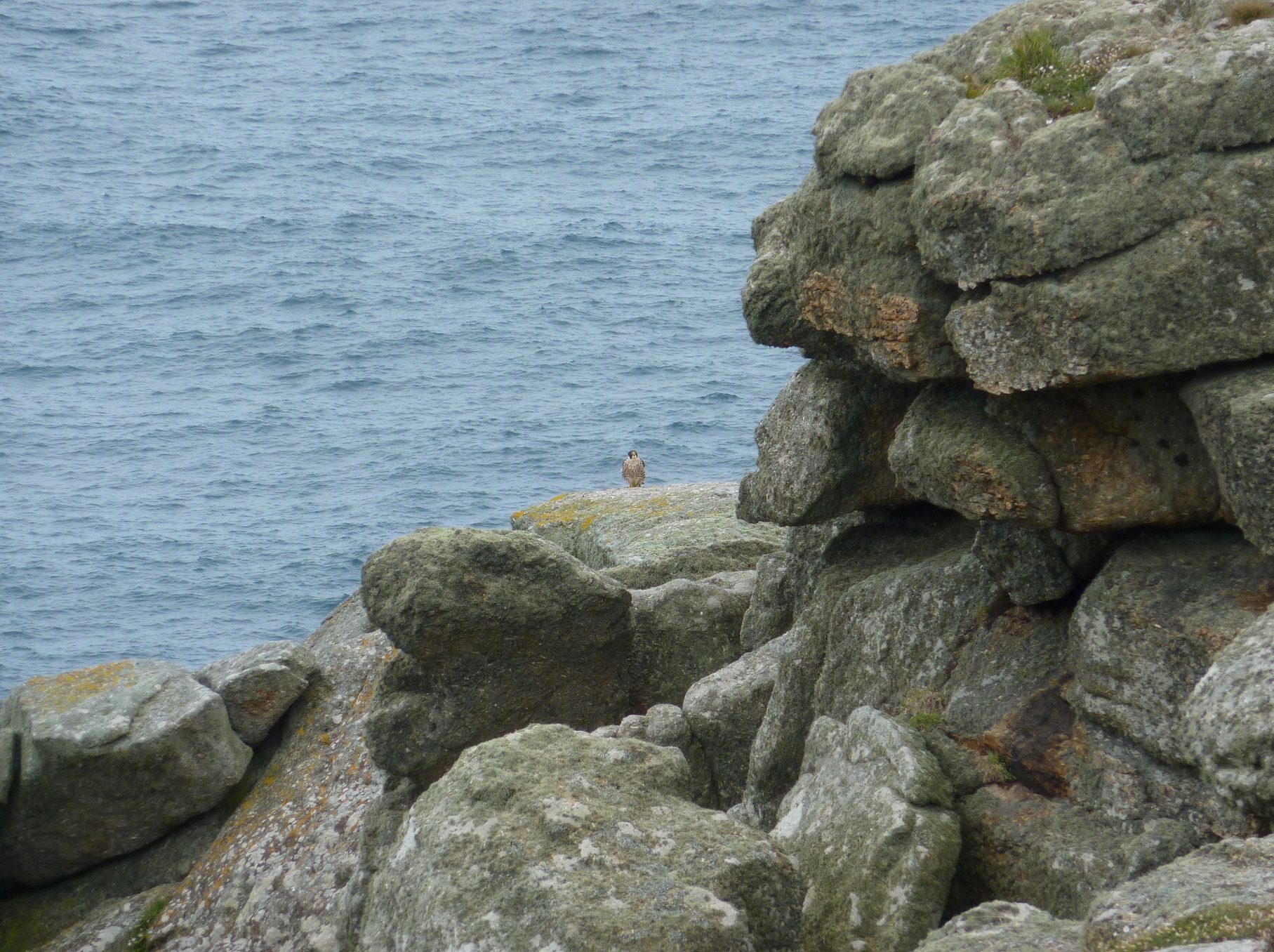
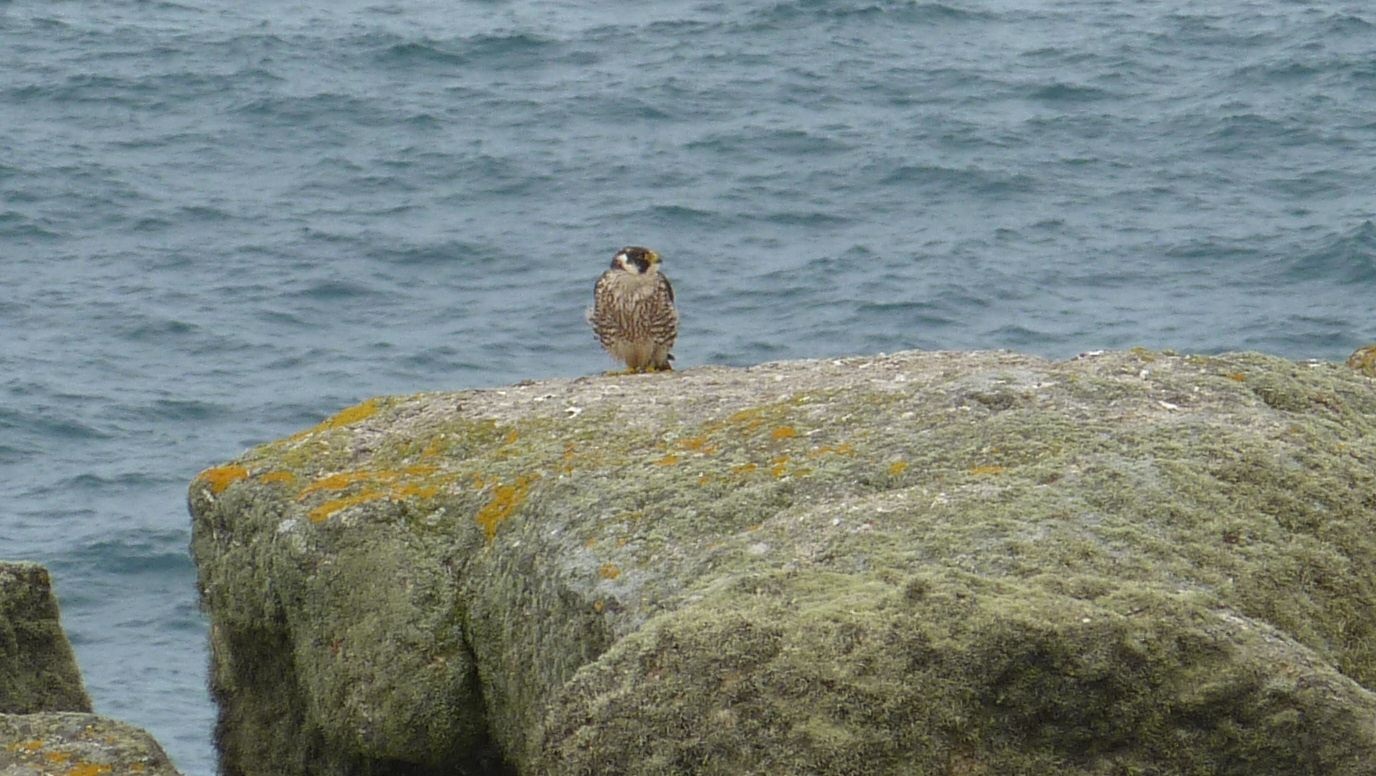
- A fairly big looking Falco peregrinus I thought, so probably a female
-
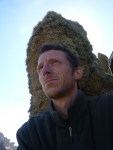
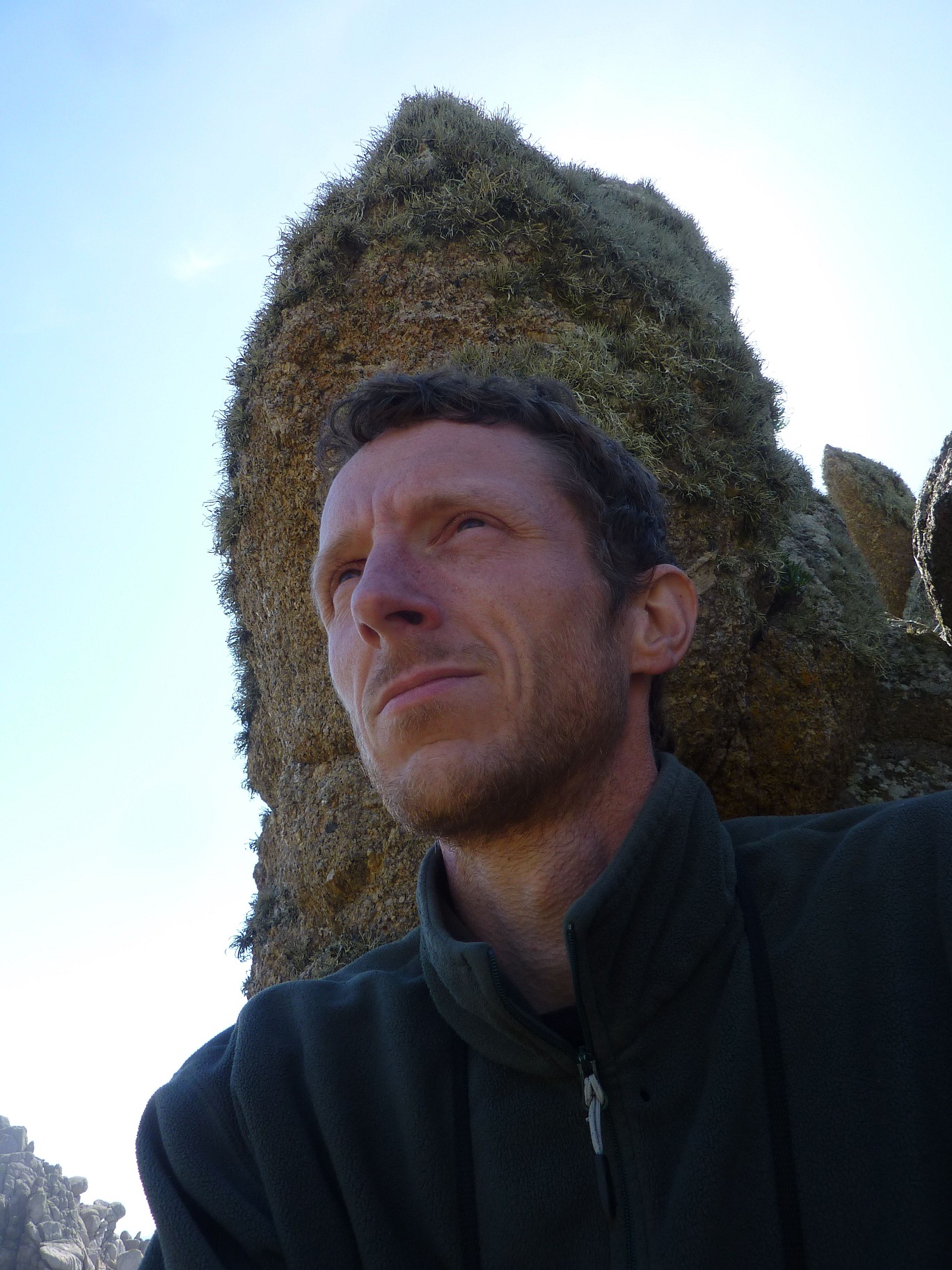
- Just so that you know I’ve been working hard, here I am watching things in a particularly productive way
-

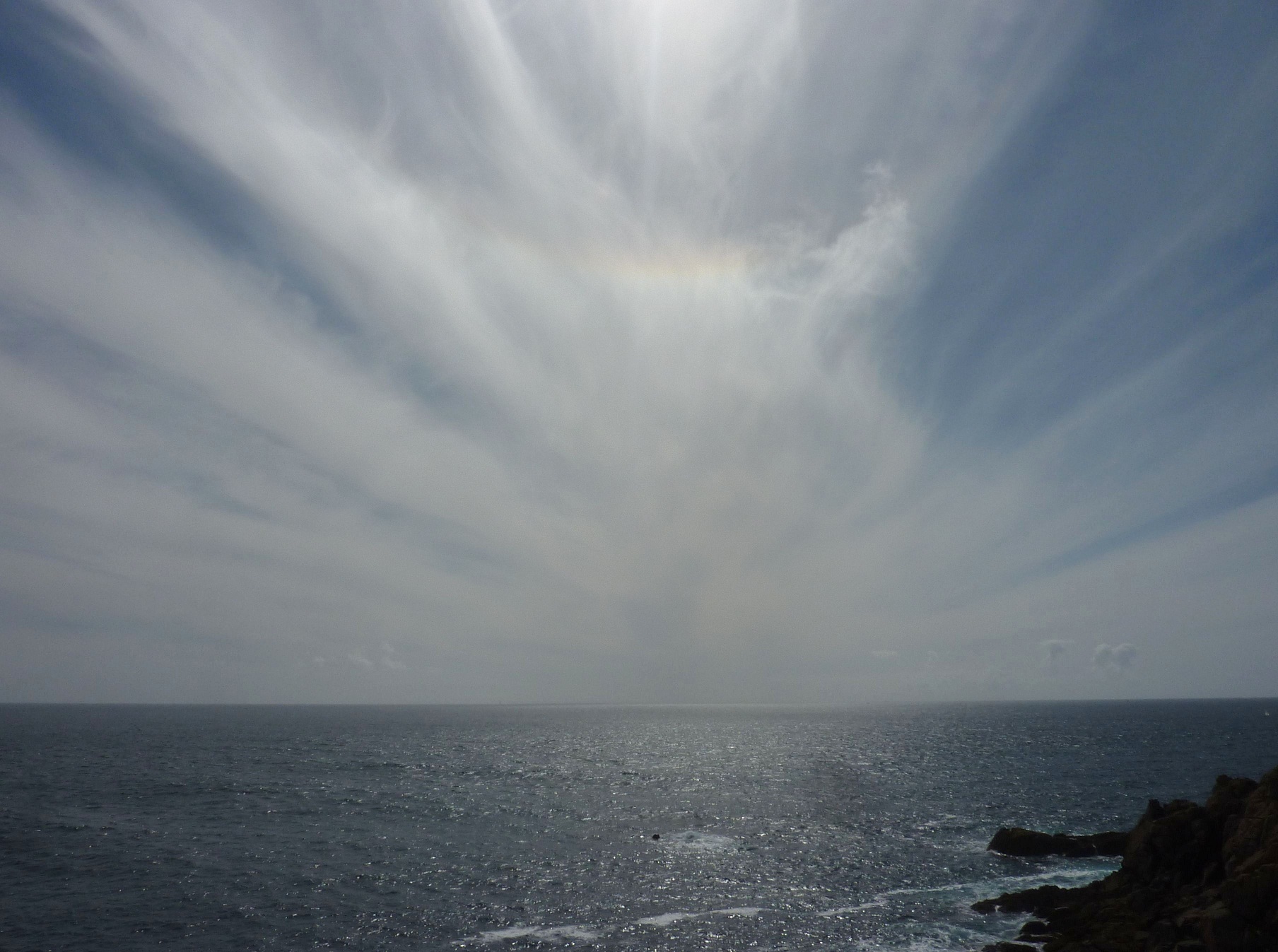
- Ooh, check that out! I wouldn’t’ve seen that from the office window.
Saxicola Rubicola
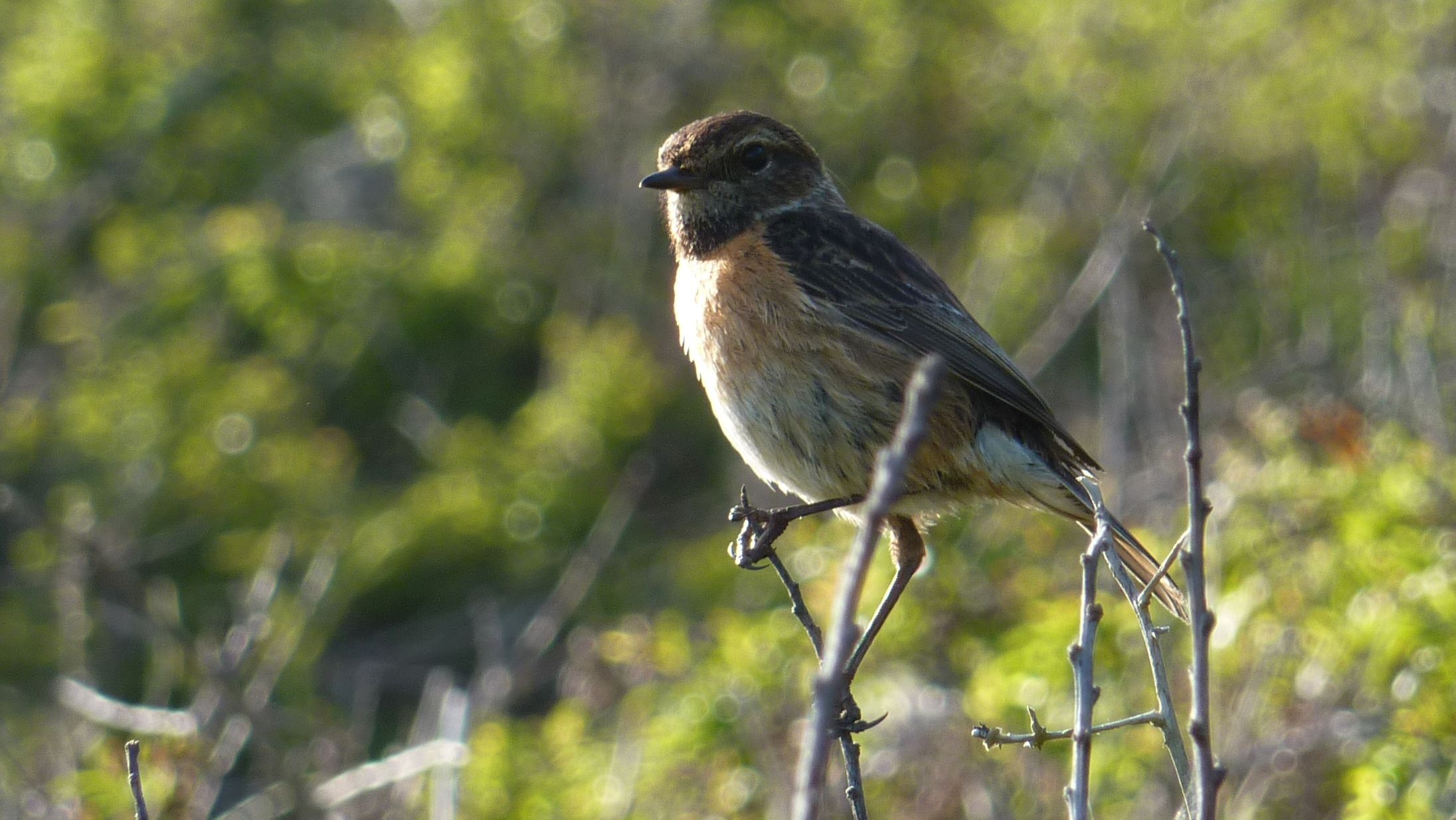
Ha, Saxicola rubicola. Such a quality name. Saxicola means rock dweller, and rubicola means to drink red fizzy pop. These birds are also known as stonechats, because they often make a call exactly like the sound of two small stones being knocked together. On the coast they hang about in the scrub, eating insects; further in land they like heathland and small scrub. Whilst walking this evening I was lucky enough to see male and female feeding a juvenile. I’m afraid I only managed a decent shot of Mrs Rubicola, but I think it’s one of the most exciting photos I’ve ever taken.
The male, by the way, really is a striking fellow. See a previous shot of him here (not the same one you understand, there are more than one pair in Cornwall, thankfully)
In other news, a peregrine was about today, at one point giving the choughs quite a hard time. They both kept low on the rocks for a while, until it moved on. It also swooped for a gull, and a house martin while I was watching. It didn’t seem to be putting much effort in, just gliding along and then darting towards something before gliding on again. Magic to watch.
-
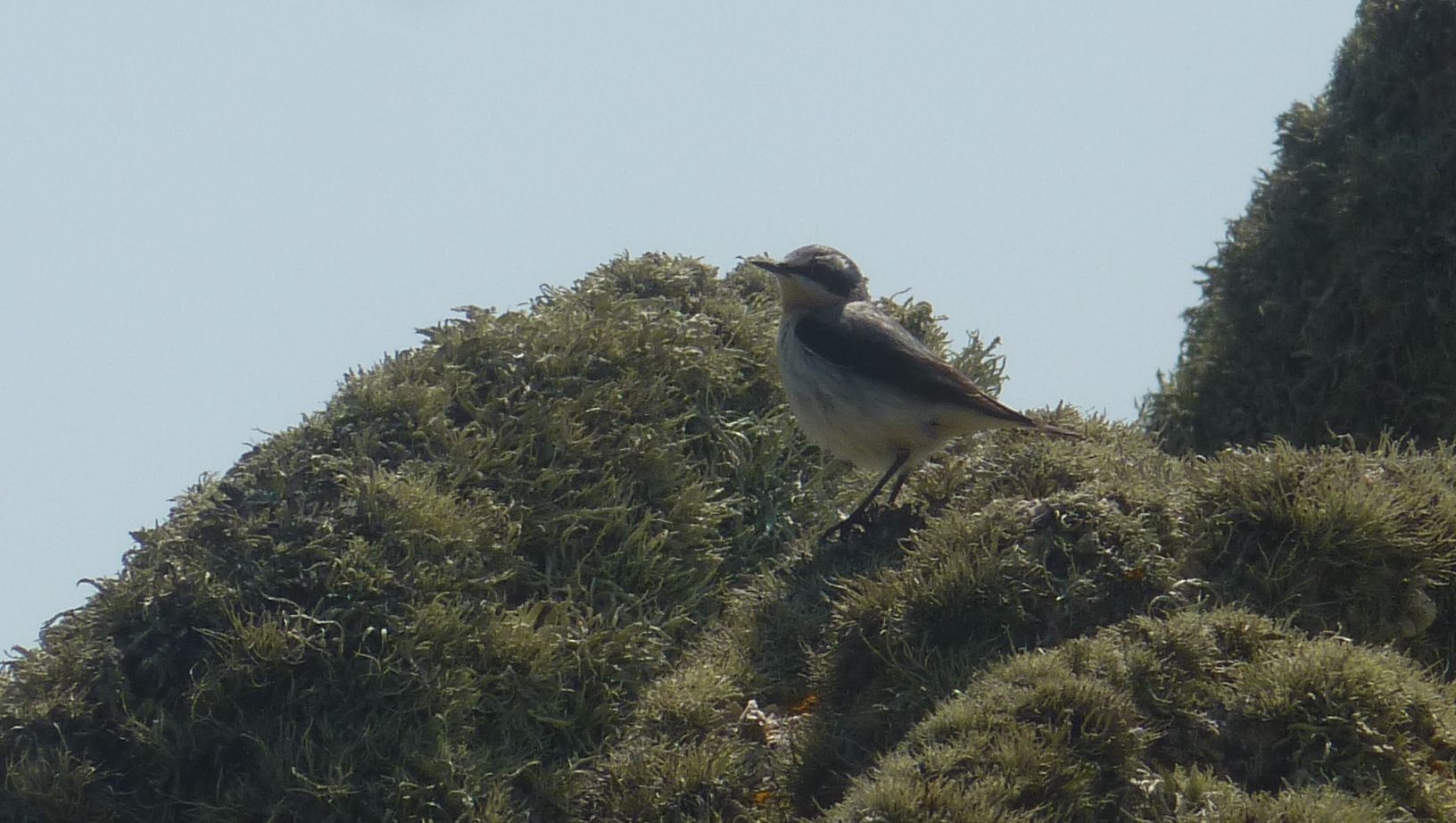
- This male wheatear (Oenanthe oenanthe) often puts up with me hanging about.
-
- Rock pipit (Anthus petrosus)

-
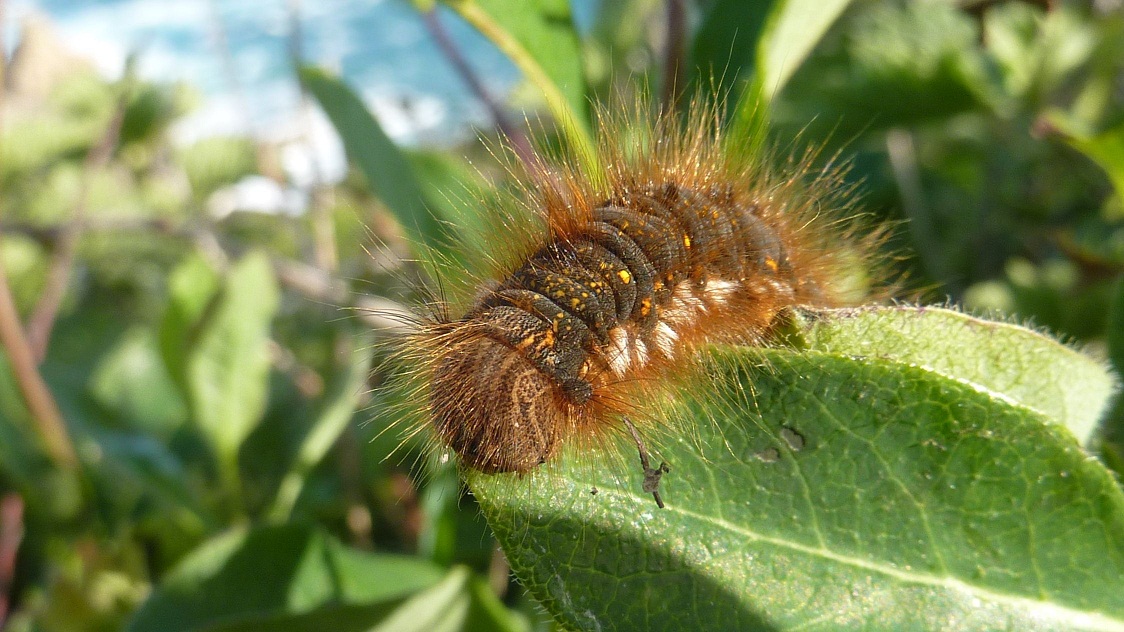
- Check out this fella’s crazy head! Drinker moth caterpillar (Euthrix potatoria)?
-
- Here’s the juvenile
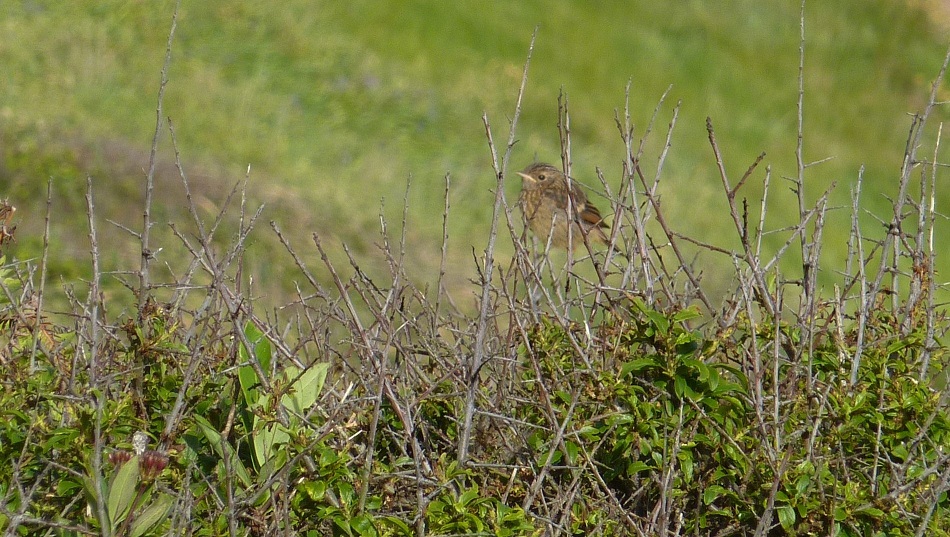
-

- And here’s its mum, having flown up to just a couple of meters from me
Getting carried away
I walk about in the sunshine wondering if all is ok (see previous entry). Apparently the choughs haven’t been seen at their usual feeding site this morning. But then I see one, and then the other. In fact they spent a lot of the day feeding near me. And it’s beautiful day, and I maybe get a bit carried away, taking pictures of everything I see…
-
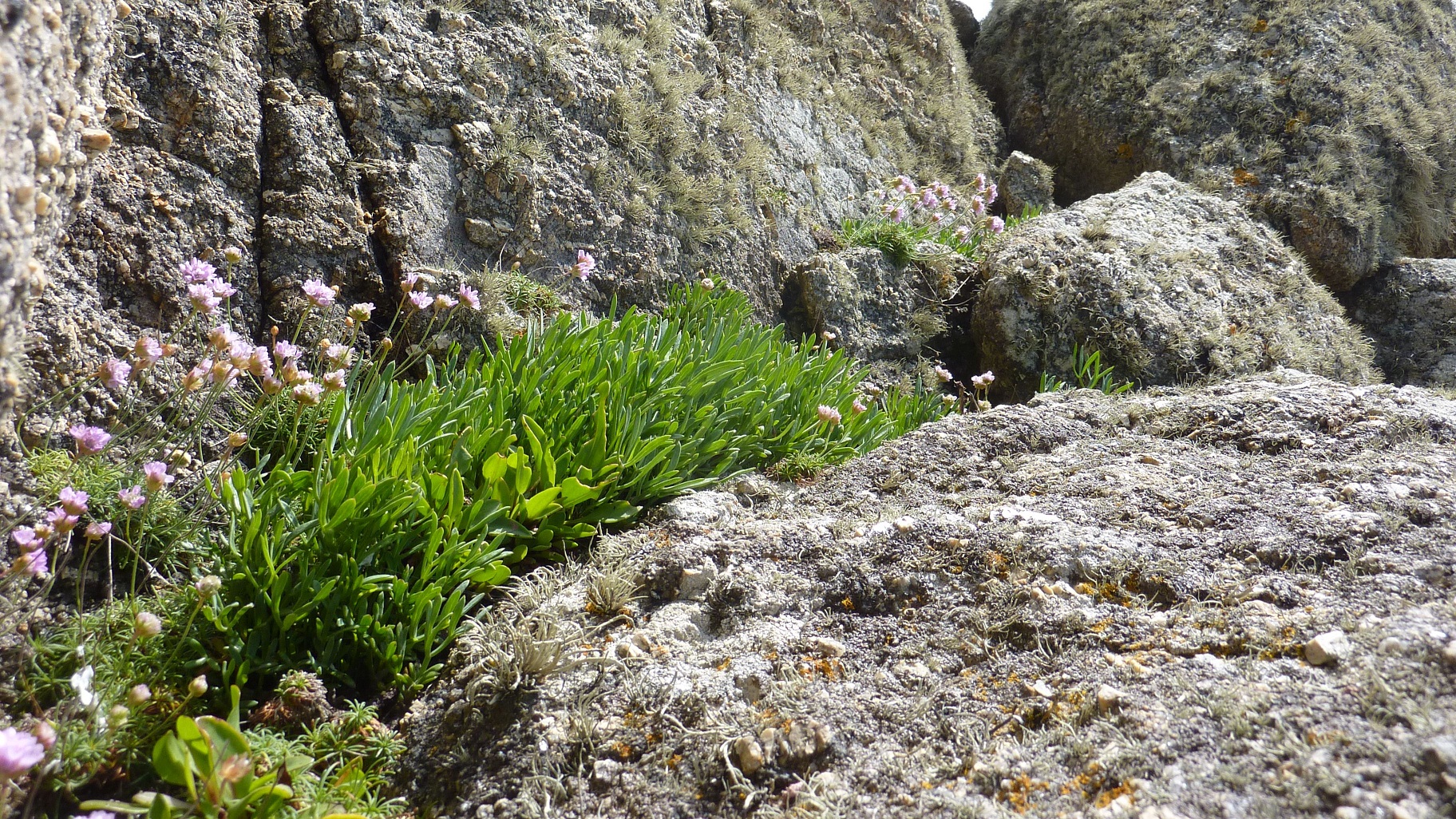
- Sea pink (Armeria maritima) and what I think is rock samphire (Crithmum maritimum) in the foreground, but, if anyone knows otherwise…
-
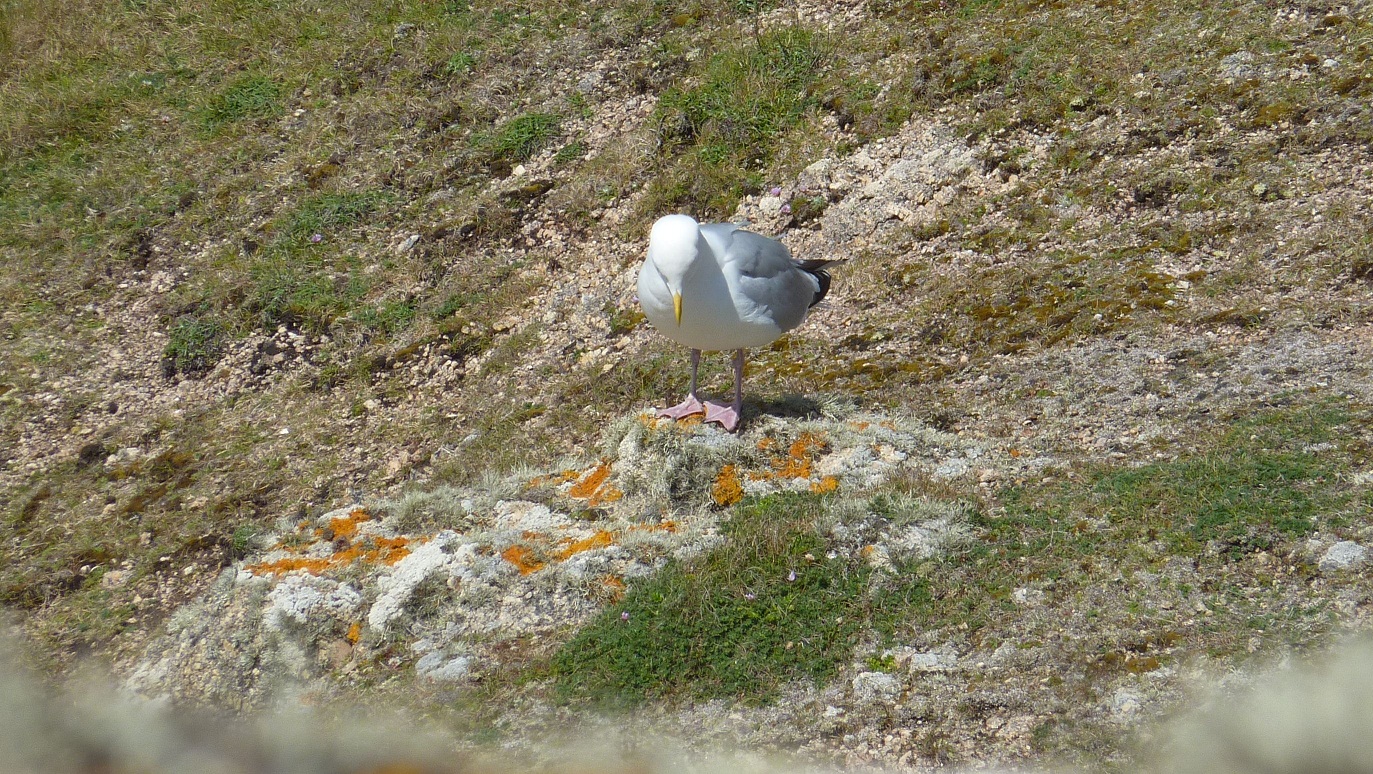
- I was eating my lunch and this gull had coincidentally just discovered something interesting on this rock
-

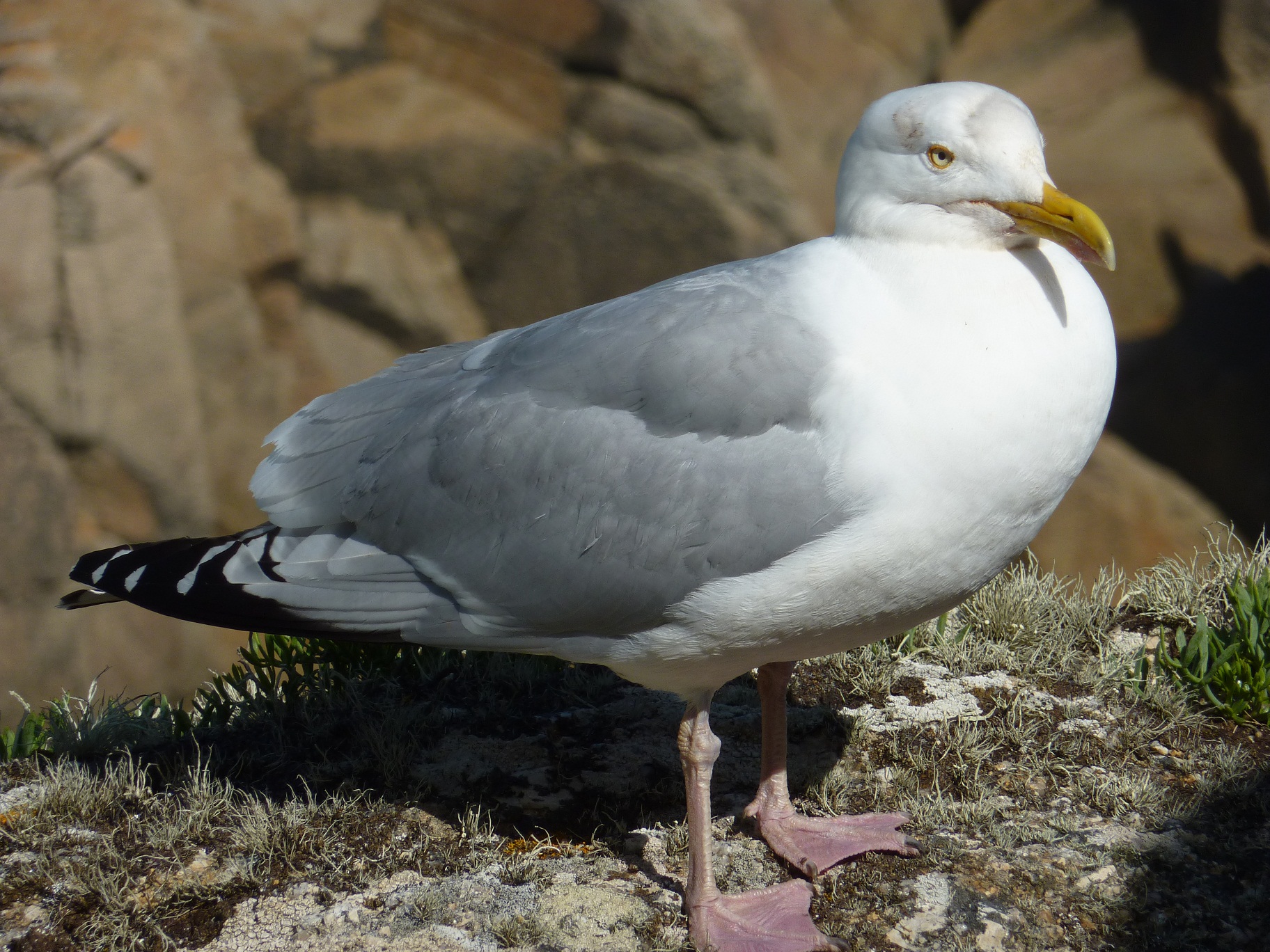
- Mashface wasn’t so reticent, which might go some way towards explaining his (? quite a large fella) appearance.
-

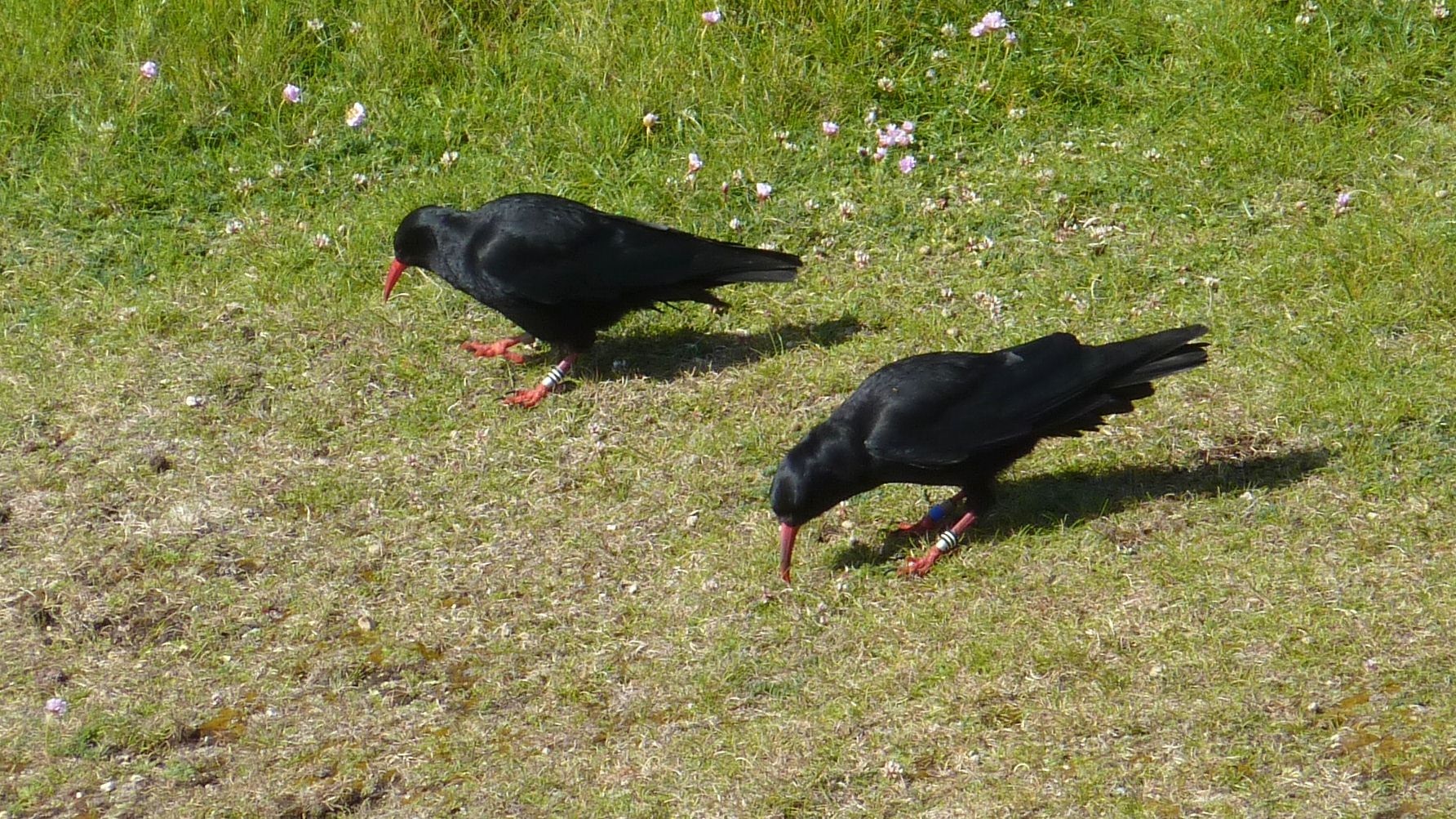
- I spent a great day with our pair today, as they were busy collecting food near me for most of the day
-
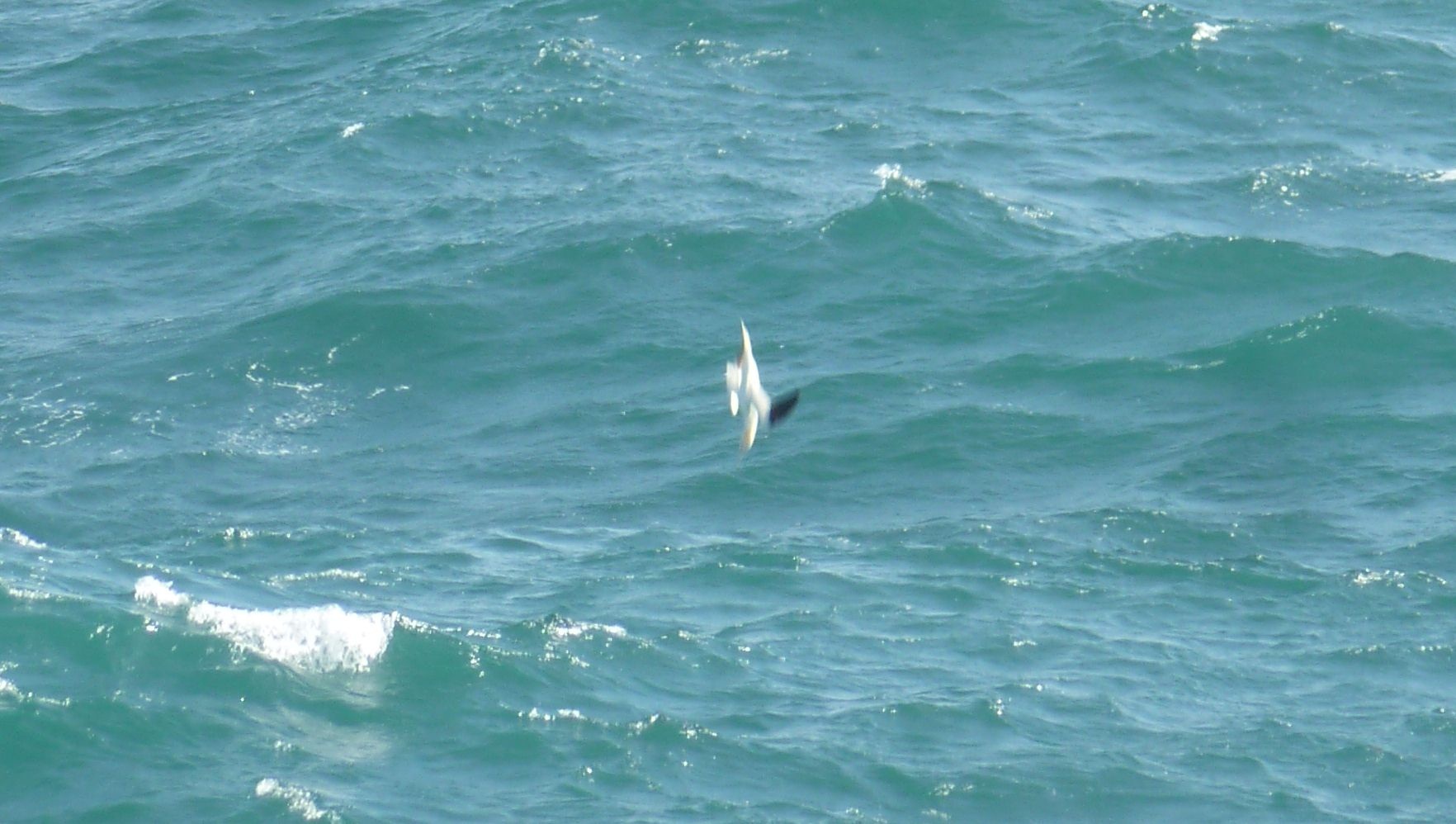
- Hey, I’ve explained elsewhere that I’m no photographic genius, but hopefully this gives an idea of what I was lucky enough to watch over and over again
-
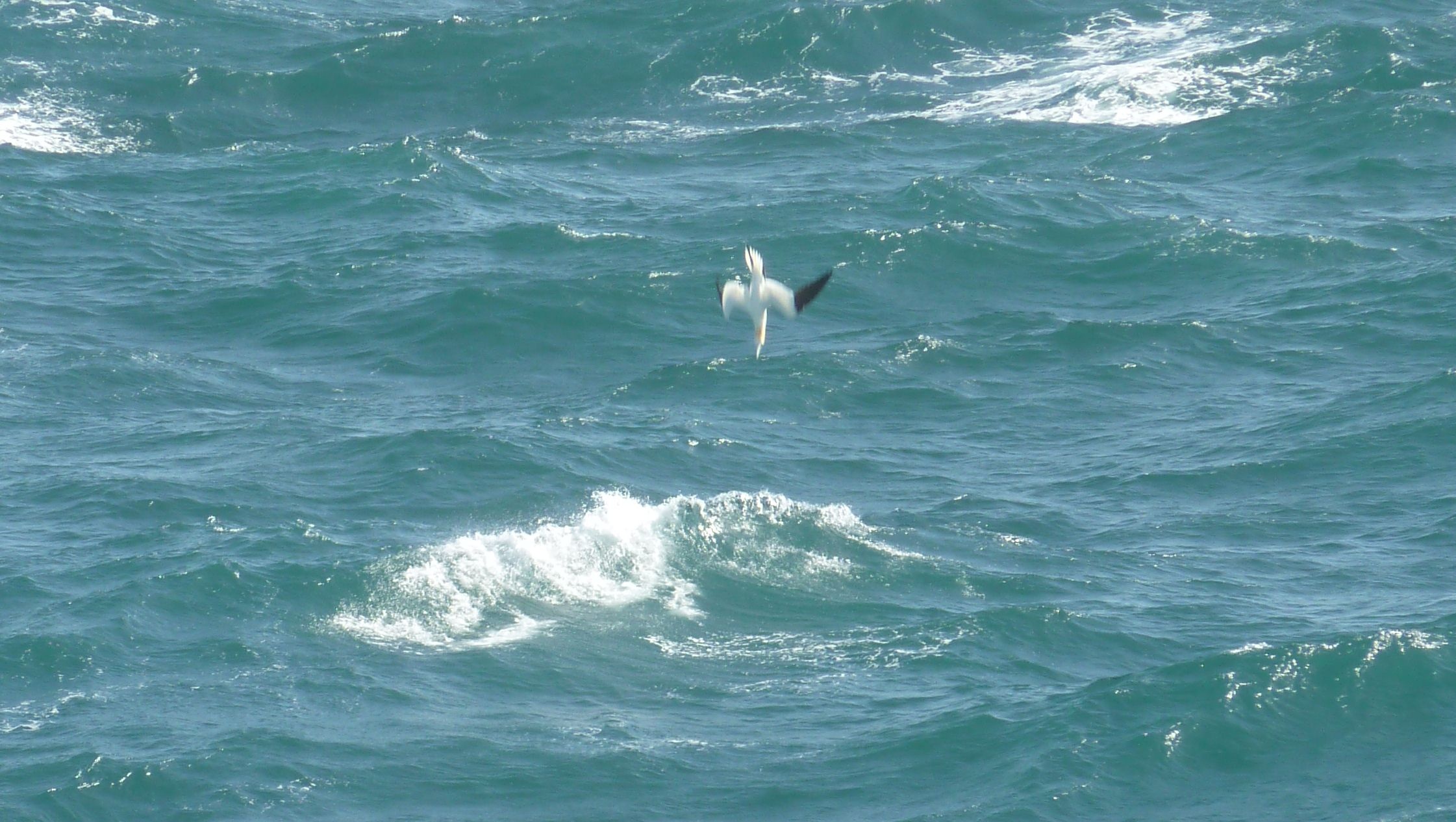
- Sorry, these are gannets by the way
-
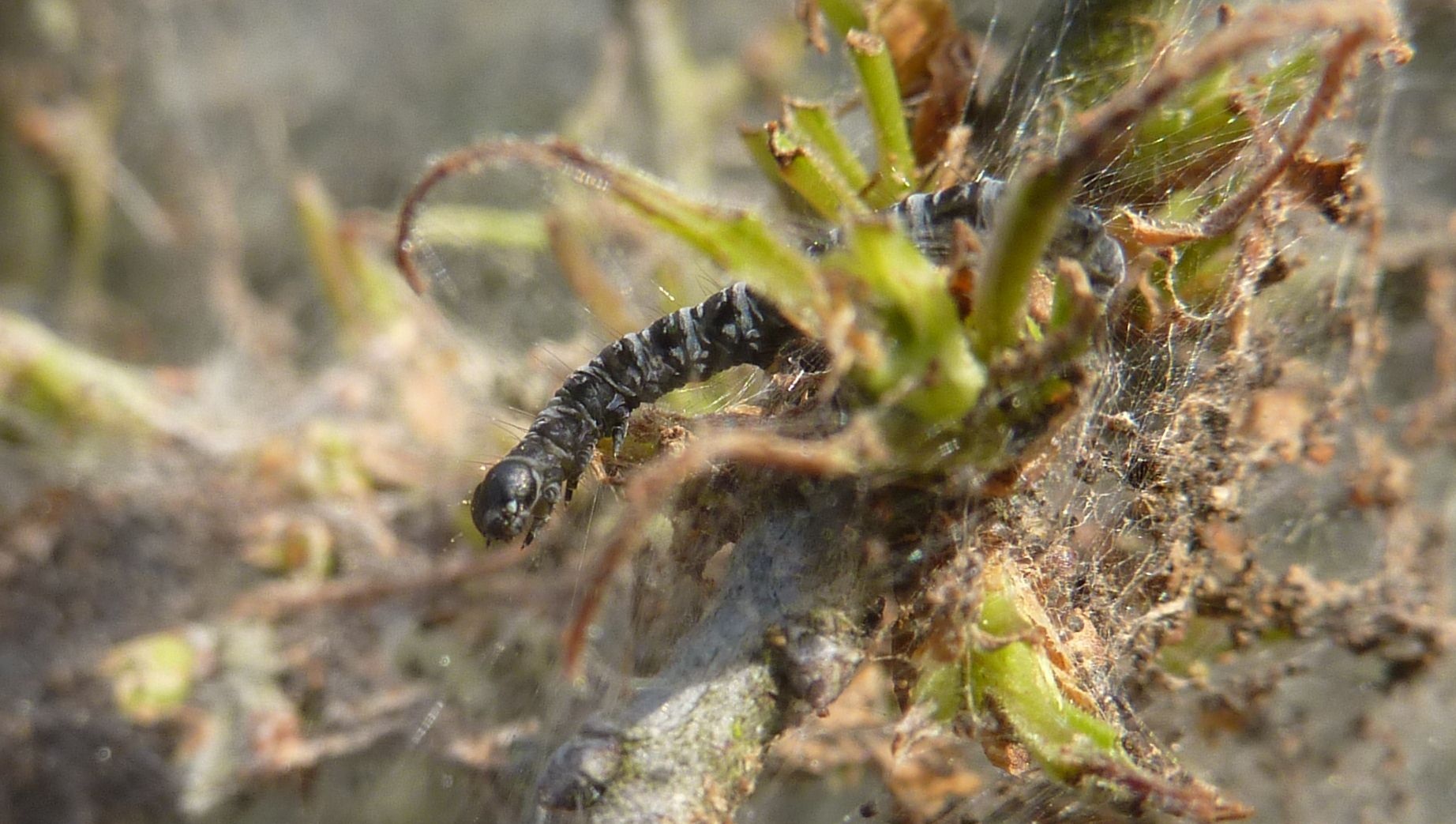
- I’ve had a good look about but can’t id this…
Cornwall choughs and species mission
I’ve returned to Cornwall to join up with the chough project again. My role is, essentially, to monitor the young pair that I was observing before the Scotland trip. I will be camping, and wandering up to 5 or 6 km of coastal path on a daily basis. Why am I doing this? Ha, you’ll see.
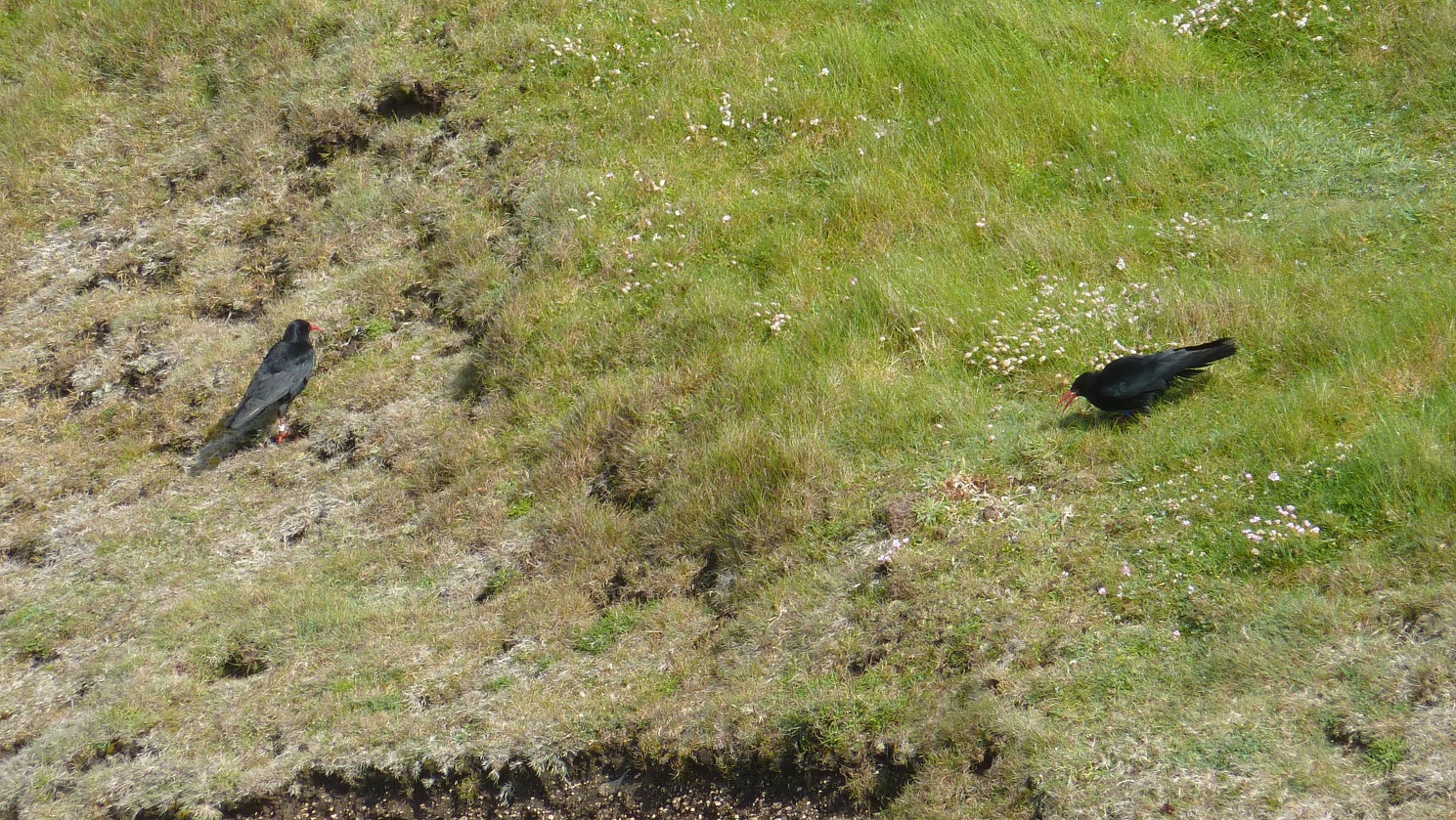
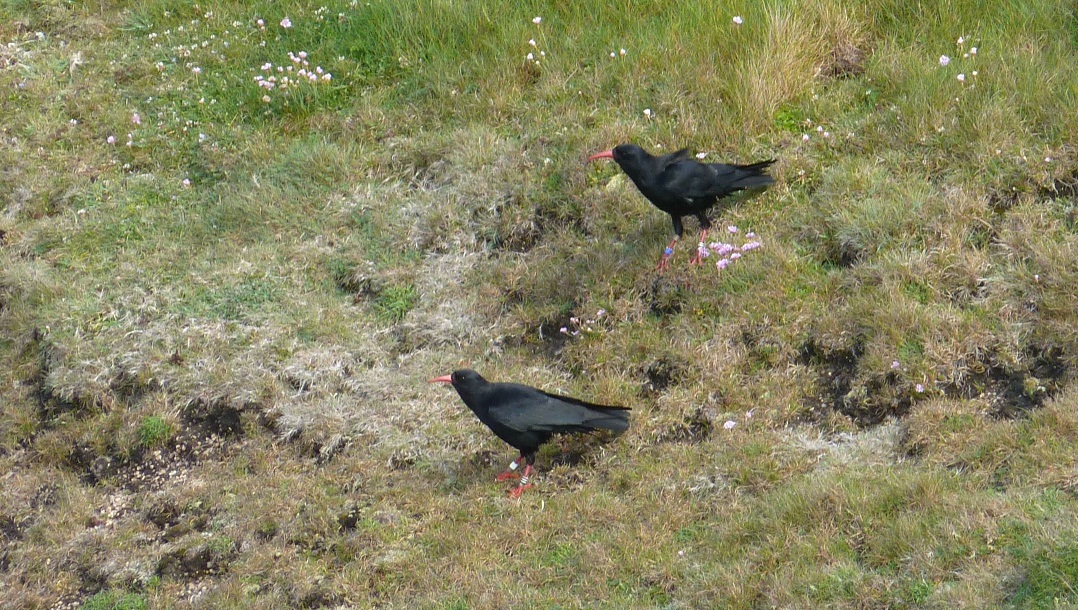
On my first day back I catch up with the male Brownblue first thing. He seems well, and a little while later both him and Whitebrown are feeding within a few metres of me. When I last saw them they had eggs, now they are parents. We think it’ll be about 3 to 4 more weeks to fledging time.
I also see stonechats, whitethroats, kestrel, jackdaws and gulls a plenty. And there are so many other species of plants, invertebrates, etc here that it gives me a great opportunity to indulge the nature geek in me. It’s a great day right up to point where a raven comes a calling. Don’t get me wrong, I have nothing against ravens, (in fact, like all birds, they are my favourite bird) but they are known to take other bird’s eggs and young. Our young choughs are well aware of this and make a point of attempting to beat the crap out of any raven that passes over their territory. As they do this the raven glides along and skilfully performs its 180 degree evasion technique, where it turns upside down whilst flying. It’s amazing to watch.
Anyway, last thing today there was a big commotion involving a raven, the choughs, some jackdaws and, I think, a kestrel, although I was surprised to see the kestrel flying away from the seen, as they usually don’t get involved. As the raven flew away it clearly had something small and black in its mouth. I couldn’t see what it was, but the other birds were disturbed. Unfortunately, I had to leave shortly afterwards, so I walked home feeling a little worried…
-
- Whitebrown and Brownblue, maybe a little bit of grey there, from all those sleepless nights?
-
- It’s also great to see how the jackdaws are getting on

-
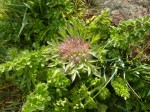
- Is this yarrow? No it’s sea carrot (thanks Nic)

-
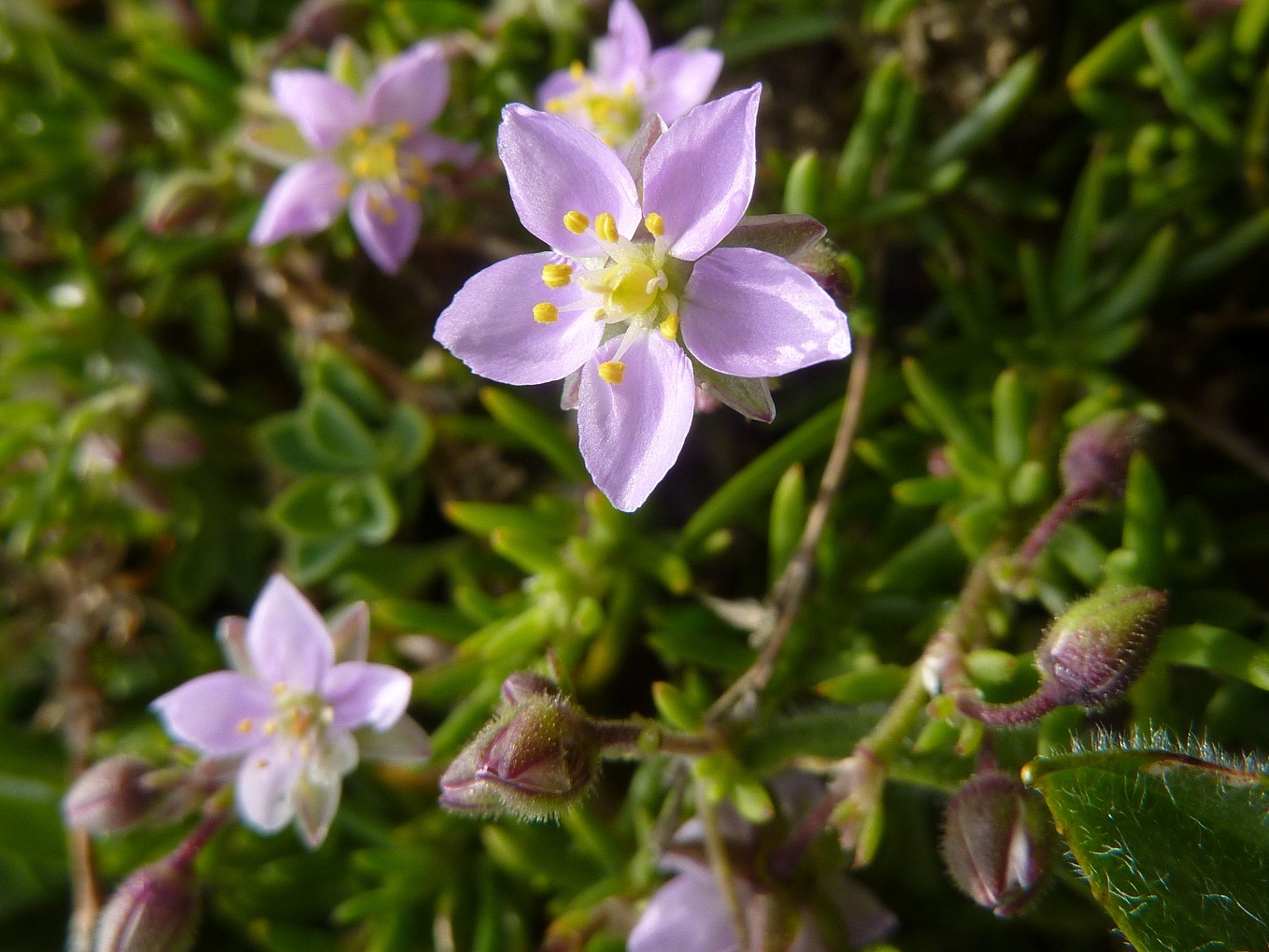
- Rock sea-spurrey (Spergularia rupicola)
So, I mentioned Heather and Stuart are cycling to New Zealand…
They now have a blog. It’s here, and is well worth a look, not just because of the magnitude of their trip, but also because it’s going to be a beautiful blog.
http://uppingsticksontour.wordpress.com
Heather and Stuart are the couple that I stayed with in Fort William on my last trip North (as I’ve done on a number of previous trips), having met Heather on a TFL week in 2007, and then stayed with them for a resplendent few days on Harris in 2009. Hmm, I like the look of this trip – it beats flying out there, and I surely have to get out there one day. Good luck guys.
-
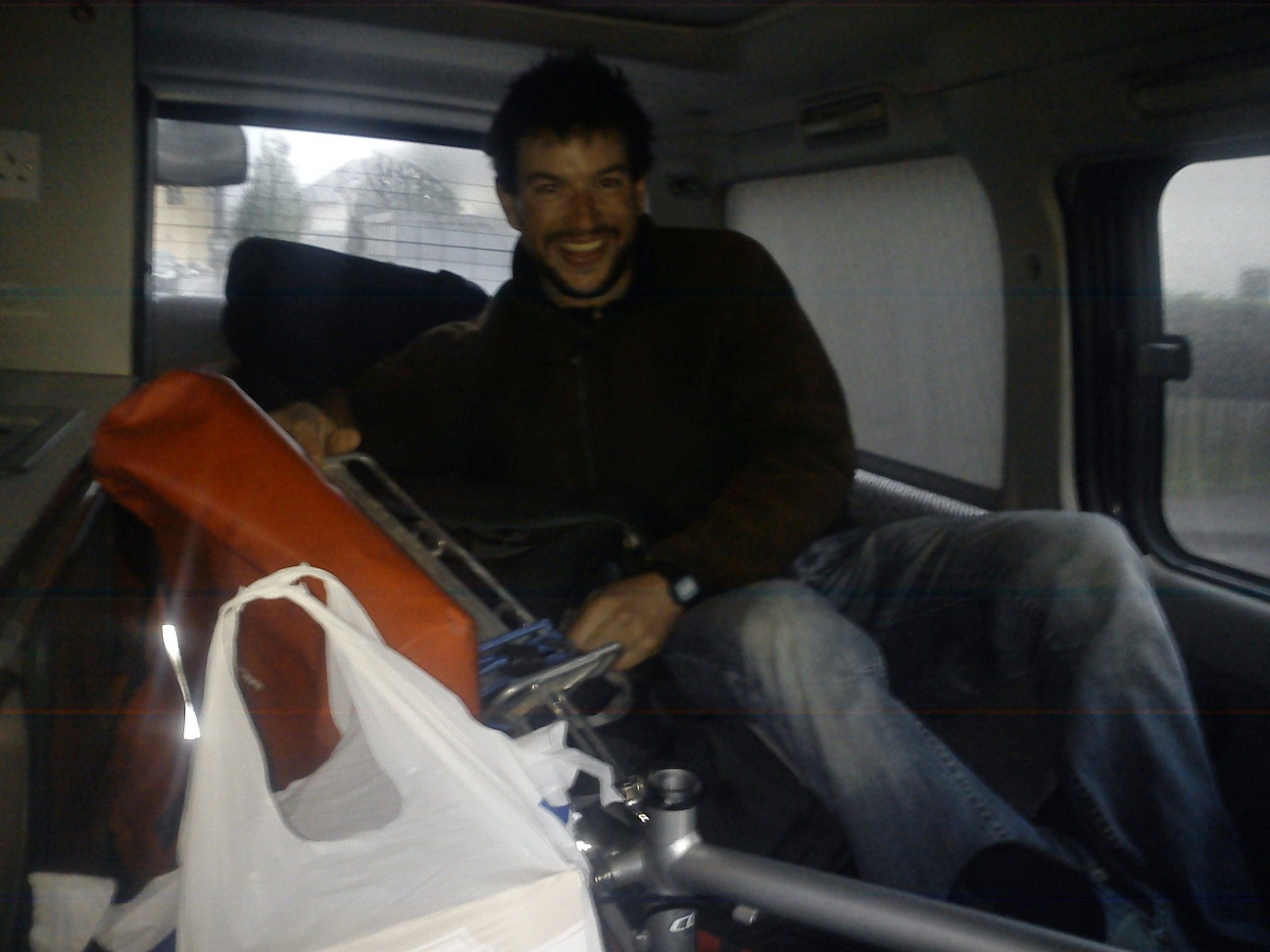
- We bumped into Stuart in town, “Yeh, I can give you a lift Stuart”, says I, before remembering that the car was full of myself, Manoj and all of our gear…
-
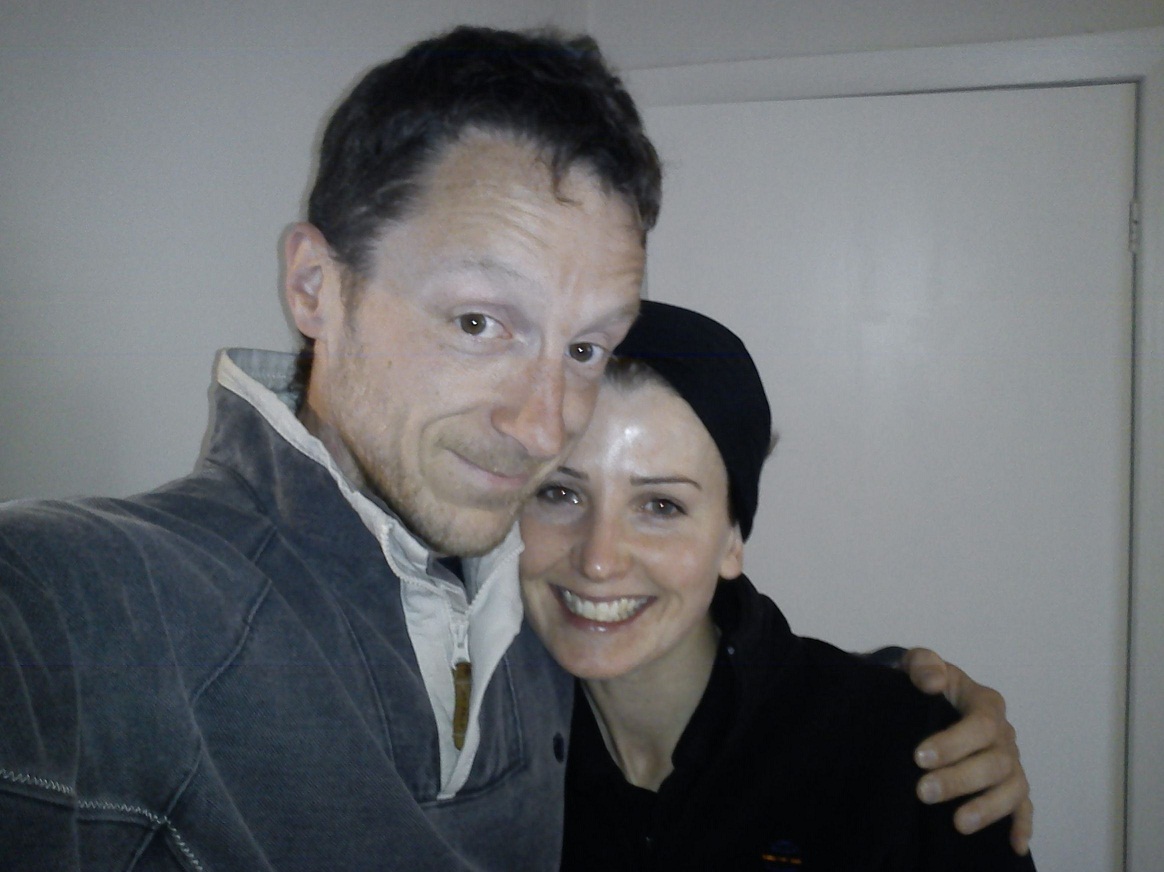
- First thing in the morning, I remembered that I’d not got any pictures of Heather… a good recovery, I think.
Unidentified goats, Dundreggan and my trip South
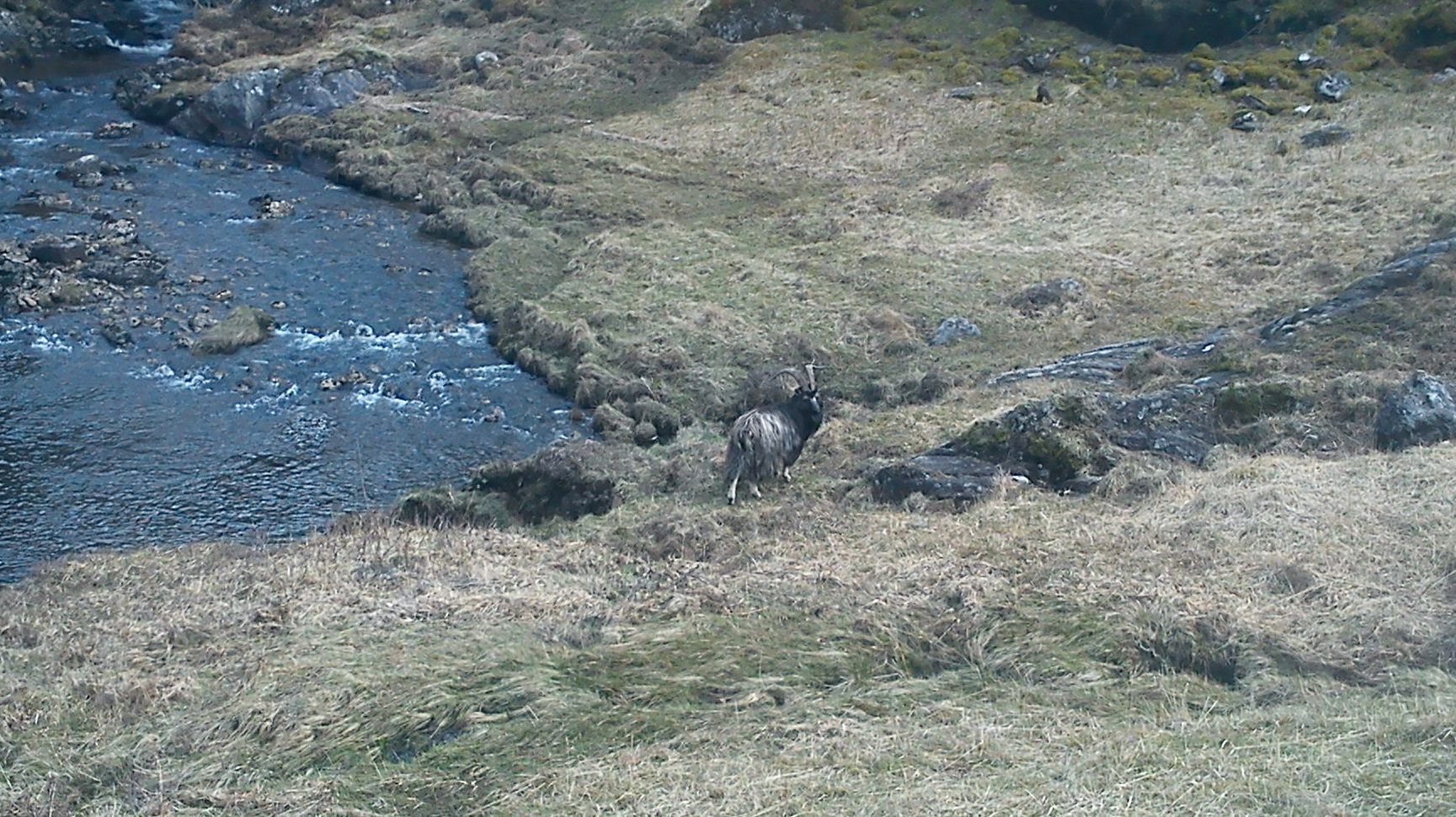
I’ve just remembered that on our way into the Kinloch Hourn, for the JMT work party, we passed some creatures that I’d never seen before. See the (goat?) photo below – if anyone is able to tell me what they are, and whether they should be roaming the wilds of Scotland, then I’d be very grateful.
So, after getting back to Findhorn, following the TFL week on Skye, I was invited over to Marcassie Farm to spend the evening with Paul, Maeve, Dan & Kristy, and Craig, Ruth & family. Many thanks to those guys for their hospitality. We had a great evening eating and acting out made up scenarios in various styles, to keep ourselves entertained. I’m still loving Craig and Paul’s ‘tenderly’ dancing. Check out the web site, and especially the Art of Mentoring.
In the morning it’s another lovely sunshiny day, so it’s time to say goodbye to Paul, and begin my trip South. On the way I have it on good authority that Steve and Jane will be at Dundreggan, so I make my way there. Obviously, I gave them too much warning as, by the time I get there, there’s no sign of them. It’s a glorious day so I stop by the river Moriston and I also take a look around the Dundreggan riparian planting site.
After a night in the van in the Lakes (snipe and red grouse calling next to me), I text Manoj to see how he’s getting on with his cycle round Scotland tour. He’s made it to Newcastle-upon-tyne, and has decided against getting on a ferry to Holland. I go and pick him up and we call in on Kath on the way back to his place. We’ve managed to squeeze in a fair bit since I picked him up on the way up, three weeks ago…
In other news, I’ve heard that the choughs I was monitoring have been carrying around eggshell in the last few days.
-
- Look very closely, it may be you. Ok, it’s not you, it’s some kind of a goat thing. Any opportunity to reel off some ELO lyrics…
-
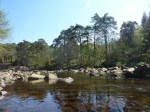
- The river Moriston

-
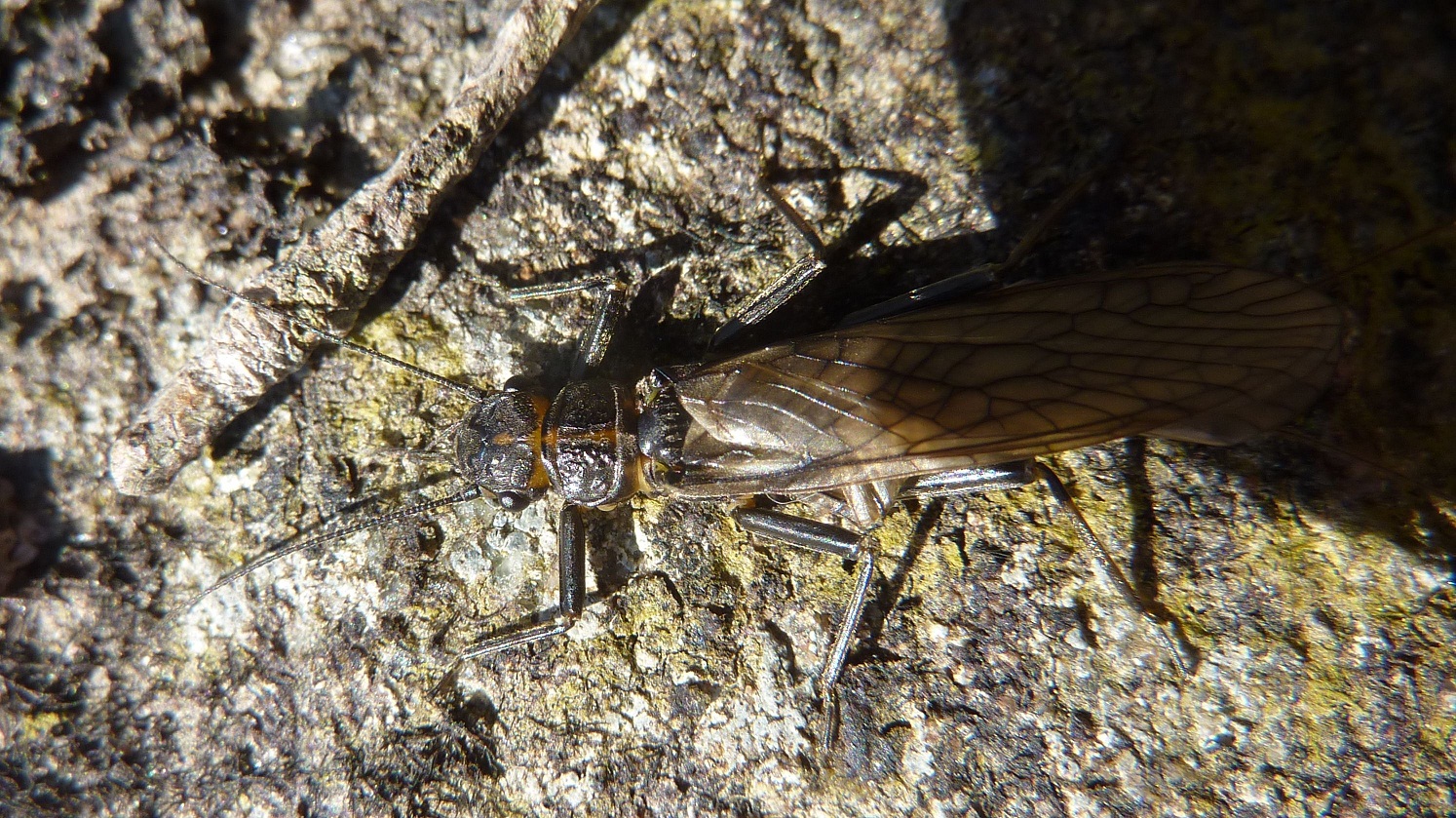
- I’m pretty sure that this is a large stonefly. That’s also it’s common name, apparently (Perlodes microcephala).
-
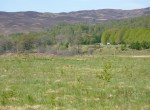
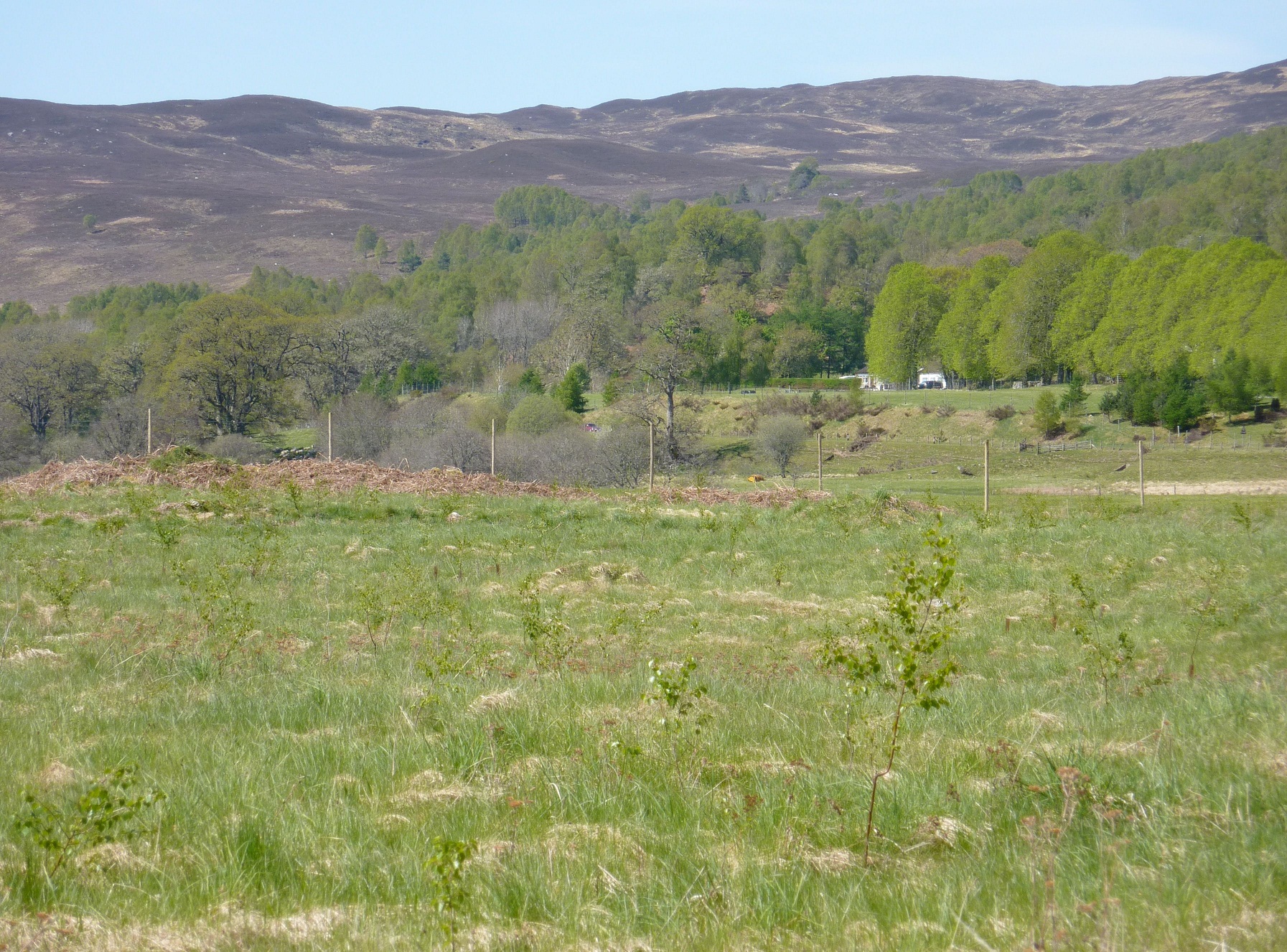
- Looking across the Dundreggan riparian planting site towards the lodge
-
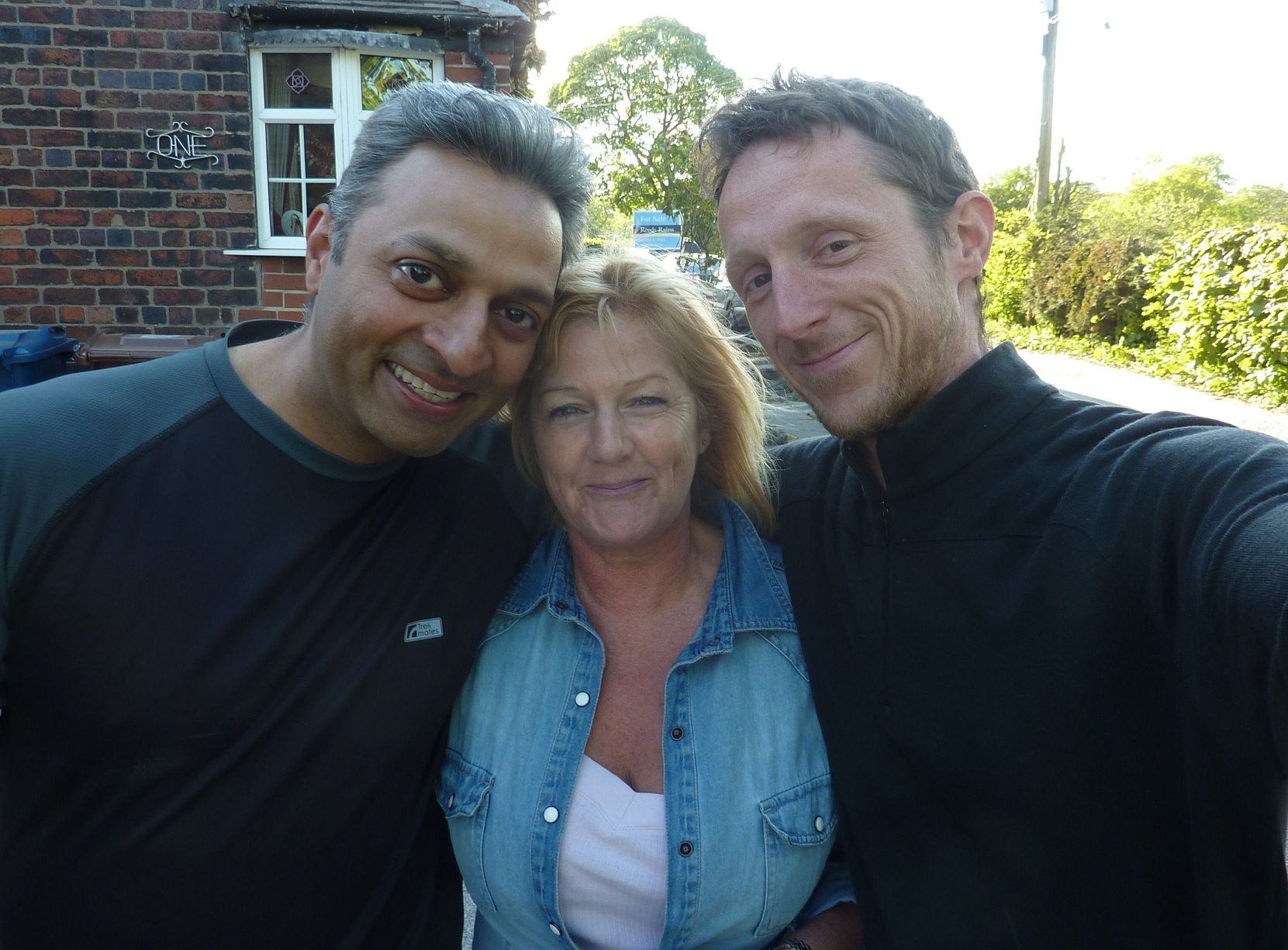
- Kath bravely hides her distaste at being hugged by two people who’ve been wearing the same clothes for weeks
Skye week nature shots
Here’s a small fraction of the nature that was on show during the TFL Skye conservation work week. The rest may be available to view during your Trees for Life week on the island.
-

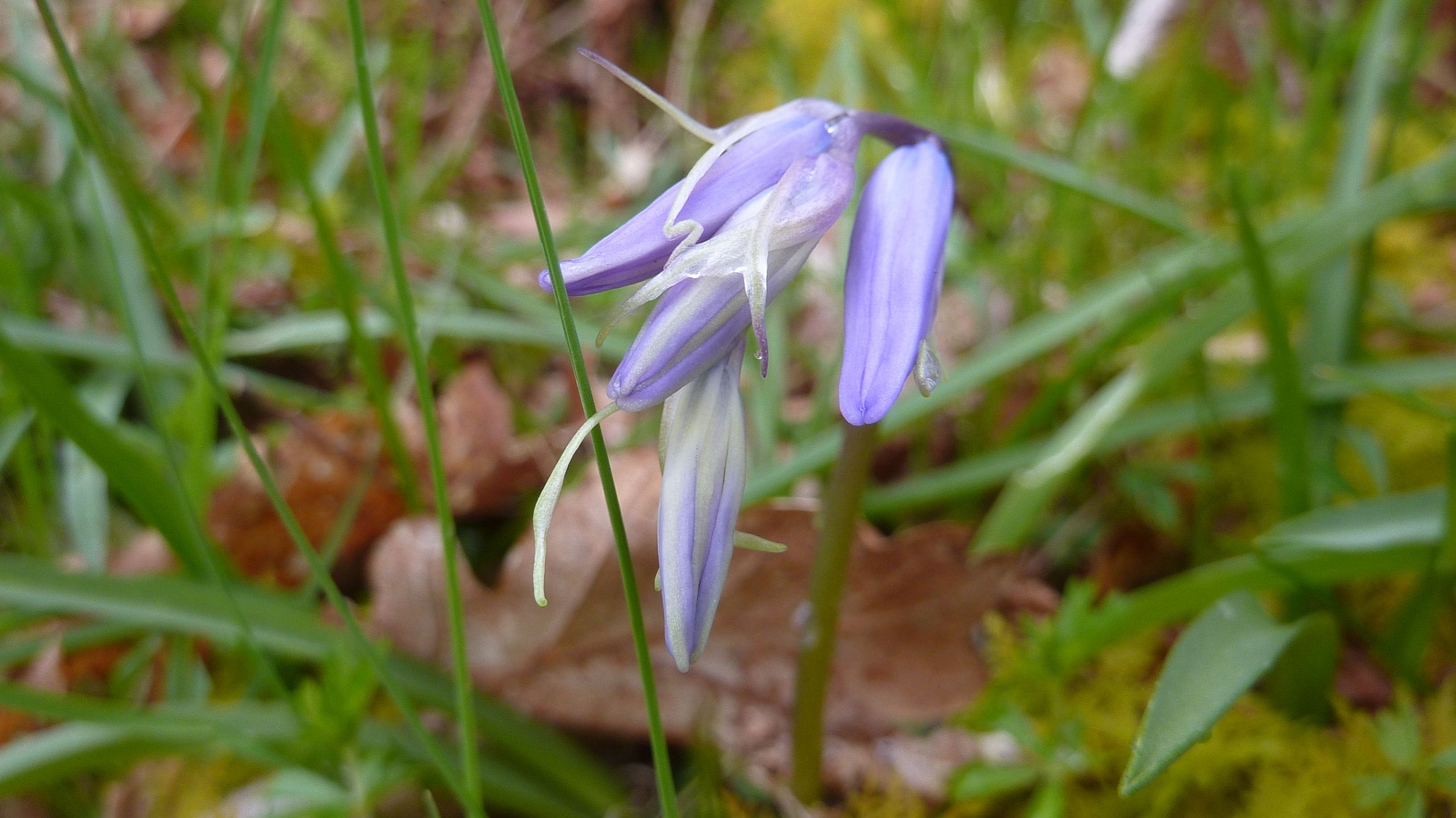
- I’m assuming this is bluebell (Hyacinthoides non-scripta) pre full bloom
-
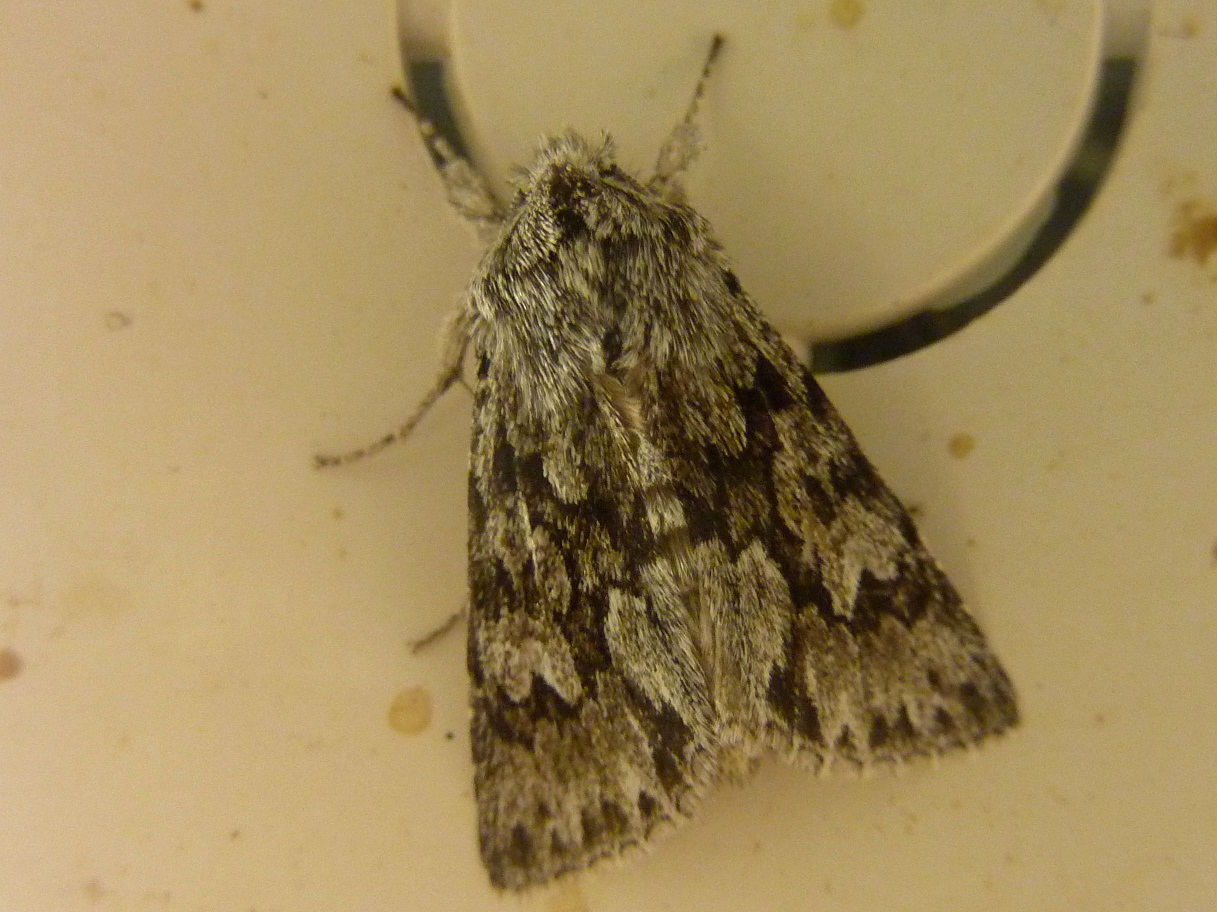
- An early grey (Xylocampa areola) seen here on the kitchen light in the hostel. Not, I suspect, it’s natural habitat.
-
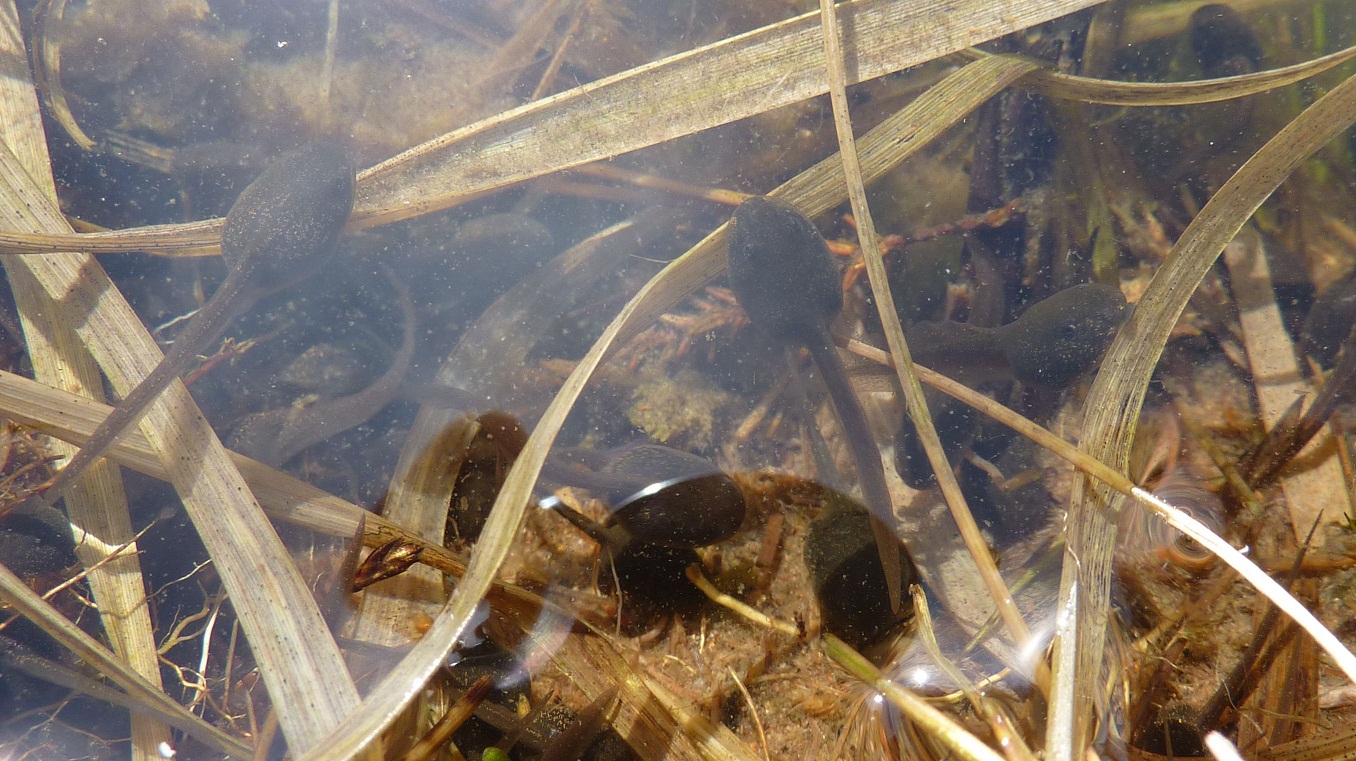
- These wee fellas and fellaresses were found in a small puddle half way up Glen Kylerhea
-
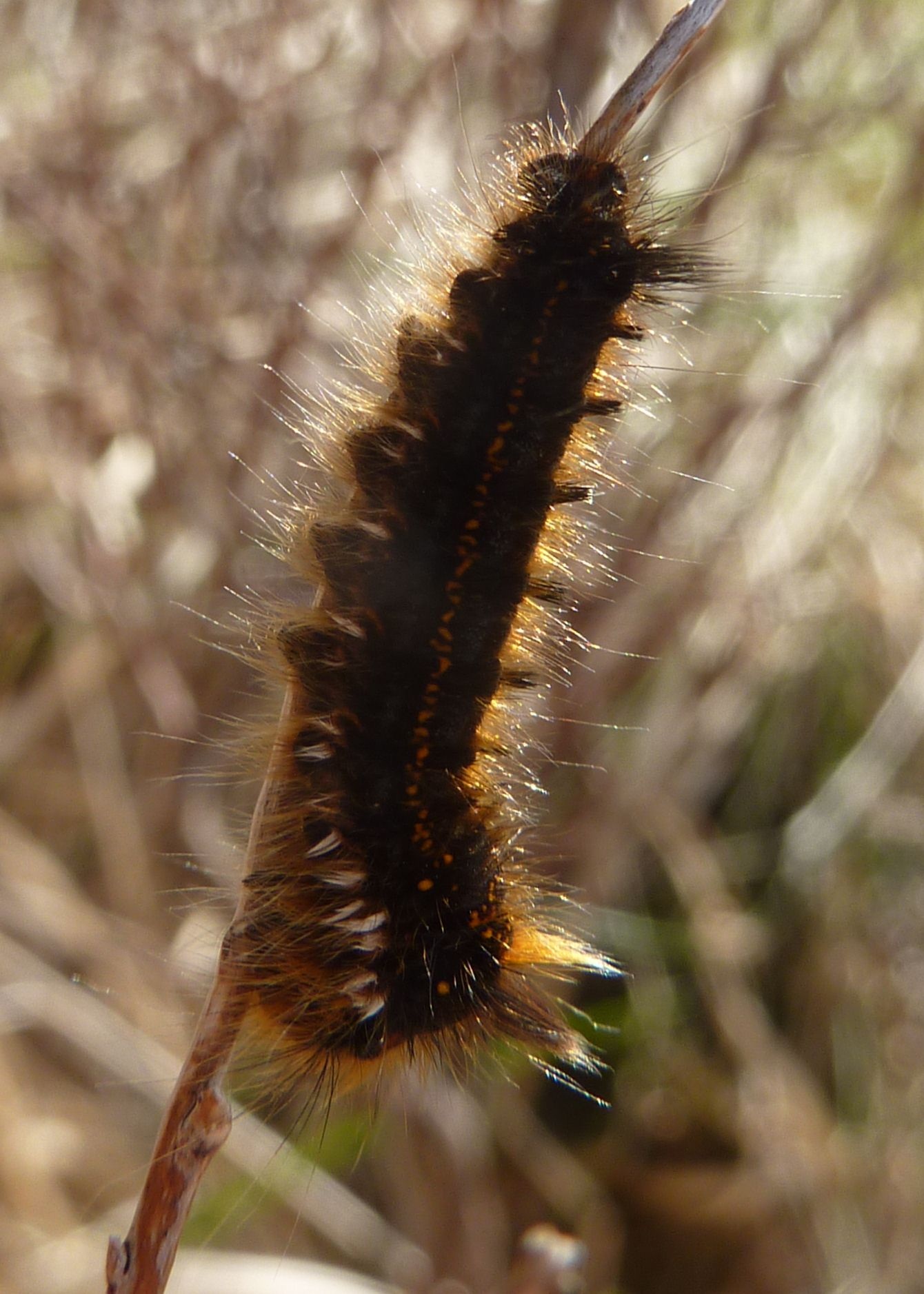
- Drinker moth (Euthrix potatoria) caterpillar
-
- A speckled wood from my day off in Dalavil wood

-
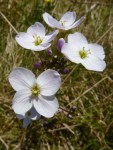
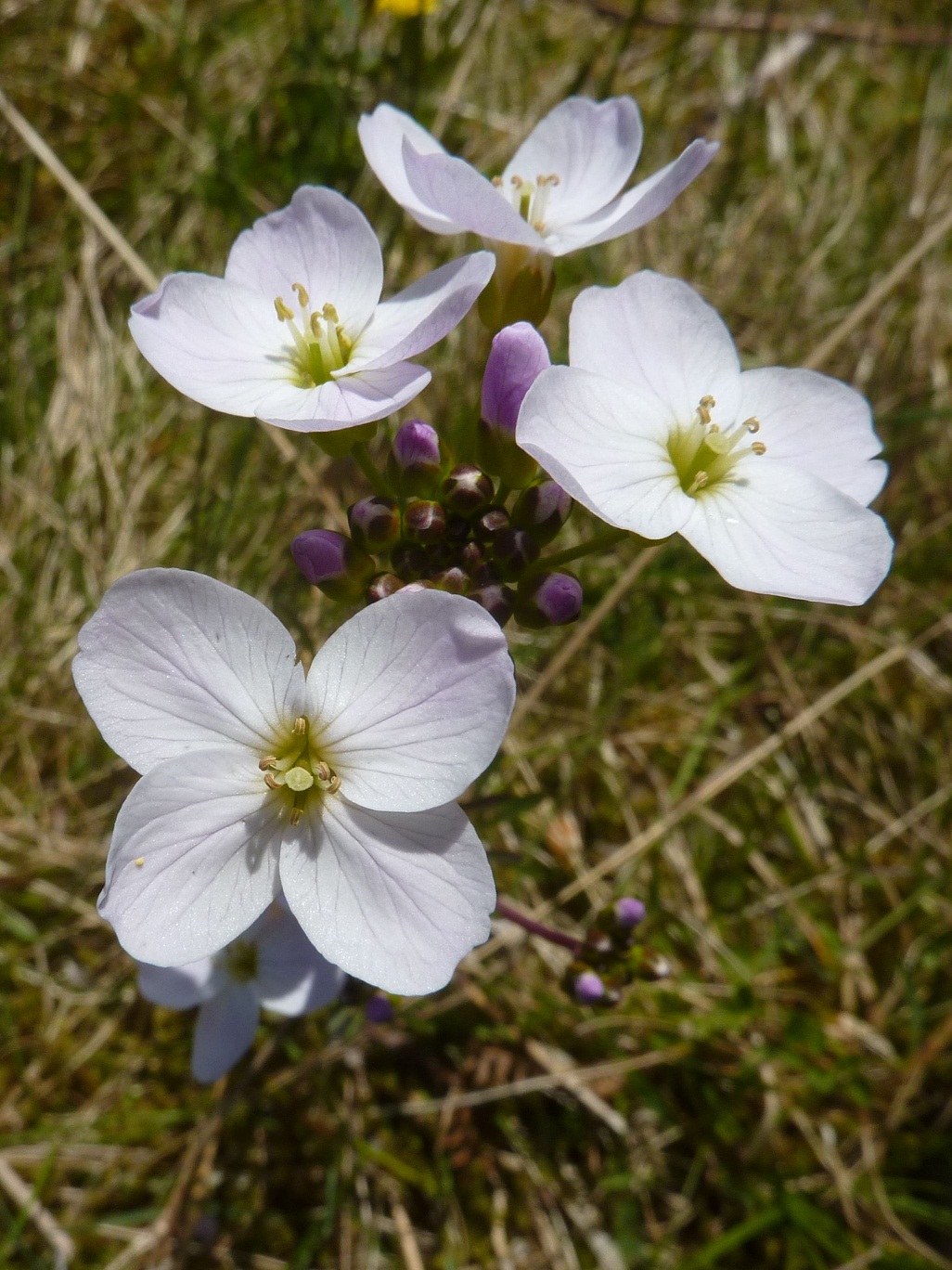
- Lady’s smock
-
- Heath milkwort (Polygala vulgaris). Possibly.

-
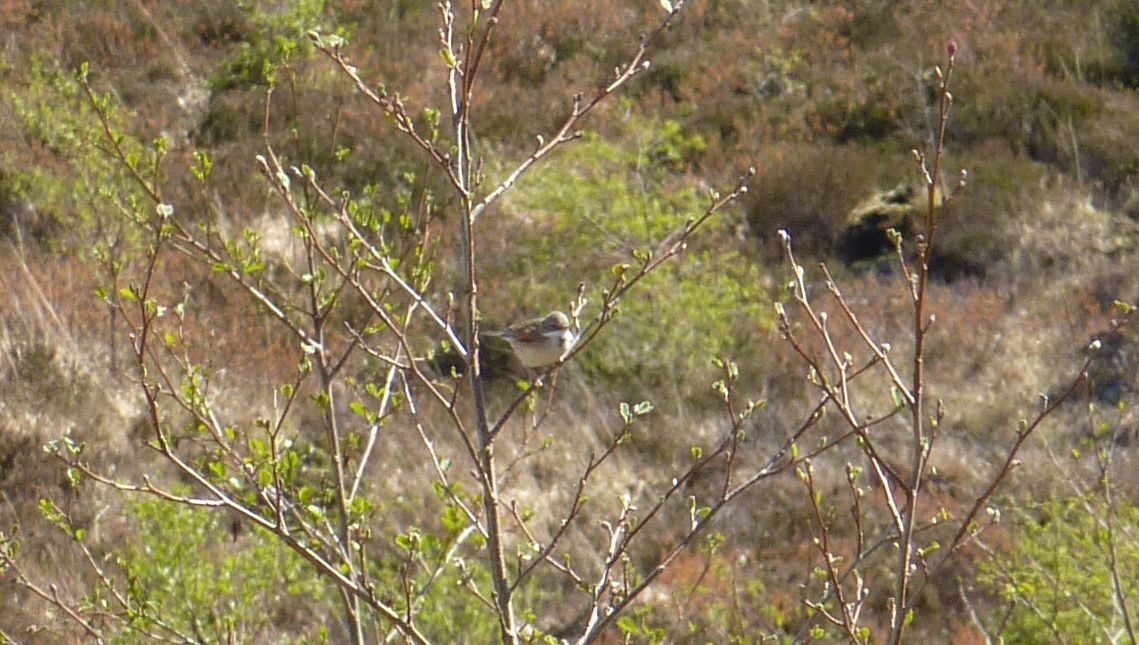
- I can’t remember having seen a Whitethroat before, and here is one, get in!
-
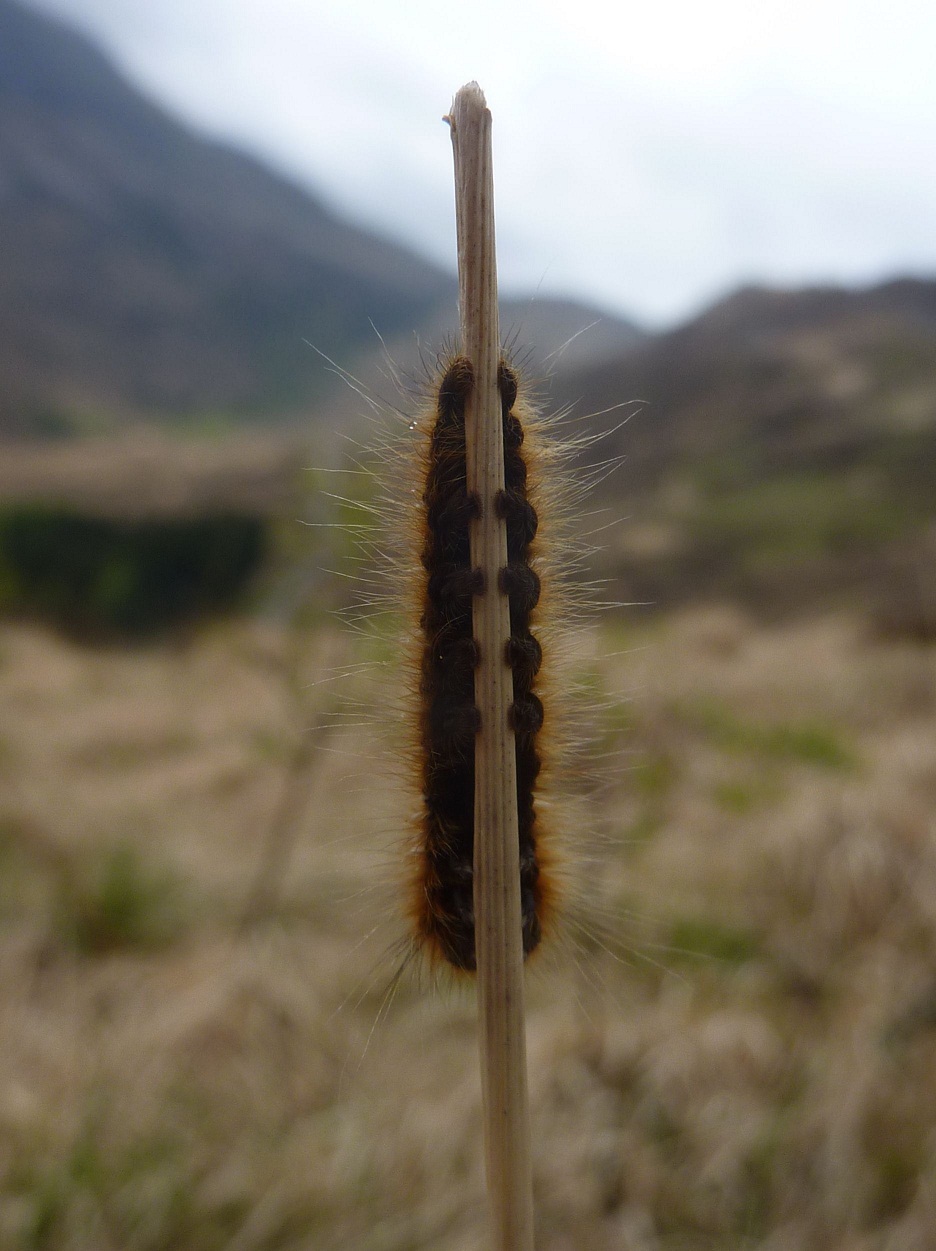
- 3 days later and the drinker is now so much more obviously a moth.
-

- Ha, I was doing so well (wasn’t I?), but, no, I don’t know what this is. I will do when one of you tells me though… A dark barred twin spot carpet! Thank you Kate.


 Life since the office

Major endorsements