
Choughs and kestrels
So, we’ve been concentrating our monitoring efforts on the non-paired choughs for the last few days, to see if there were any likely pairings appearing. But, alas, it seems not. Our boys still seem very close, and the lone female doesn’t seem to be able to attract their attentions for long enough.
This looks like it might be quite frustrating for her, as she, today, took to flying about with large bits of nesting material in her mouth, whilst performing aerial acrobatics. Quite spectacular acrobatics. At one point she stole up to a kestrel, that was just minding her (I’m fairly sure it was a female) own business, bumped her from above, then dived down below and around her. It was spectacular stuff, but neither the kestrel, nor the boys seemed particularly interested.
Also, the unringed chough, that appeared to be hanging around with these three, hasn’t been seen for a few days. So, it looks like that story might not break, which is a shame. However, I could be misreading all these signs, and it might all mean something entirely different…
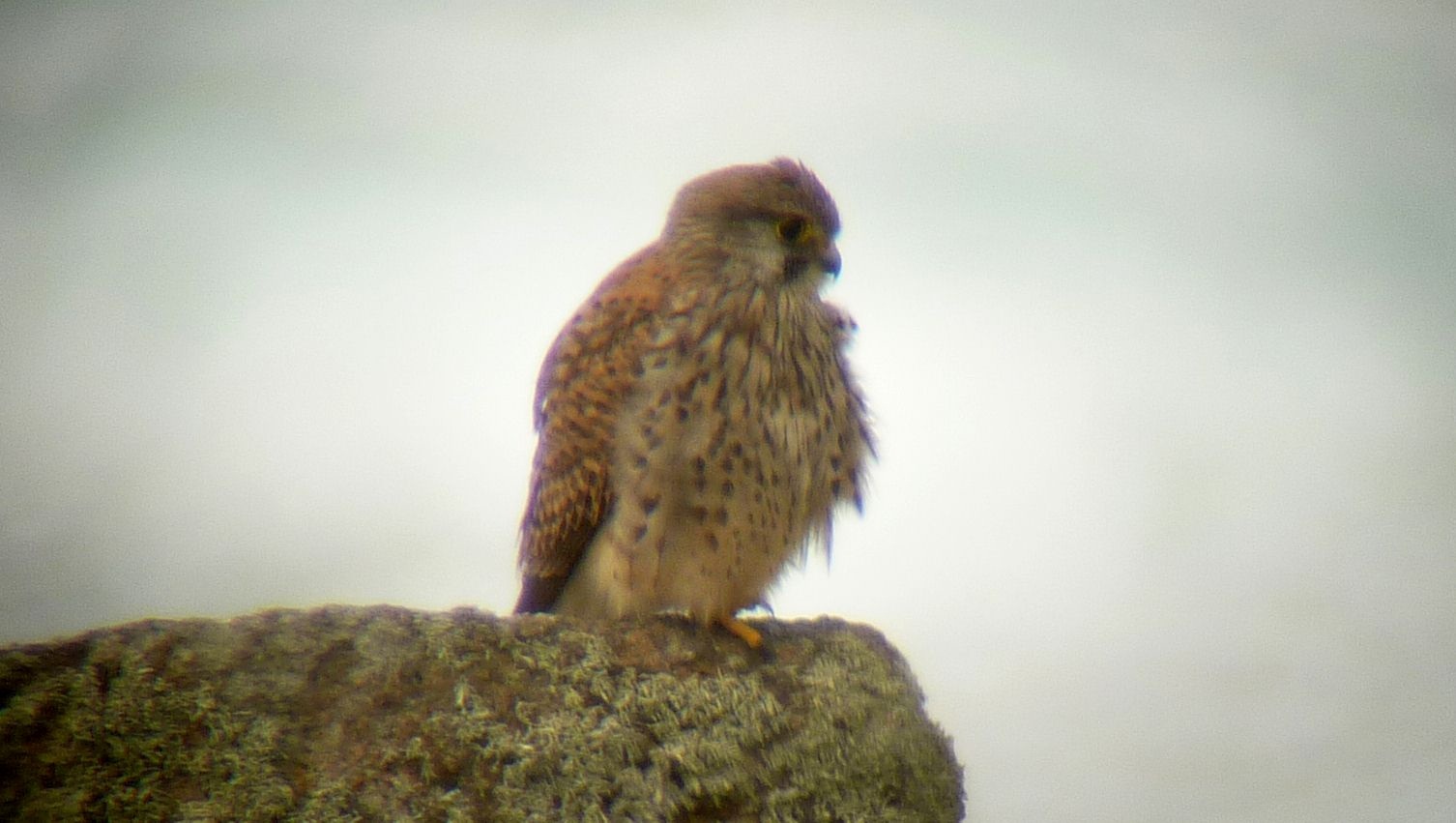
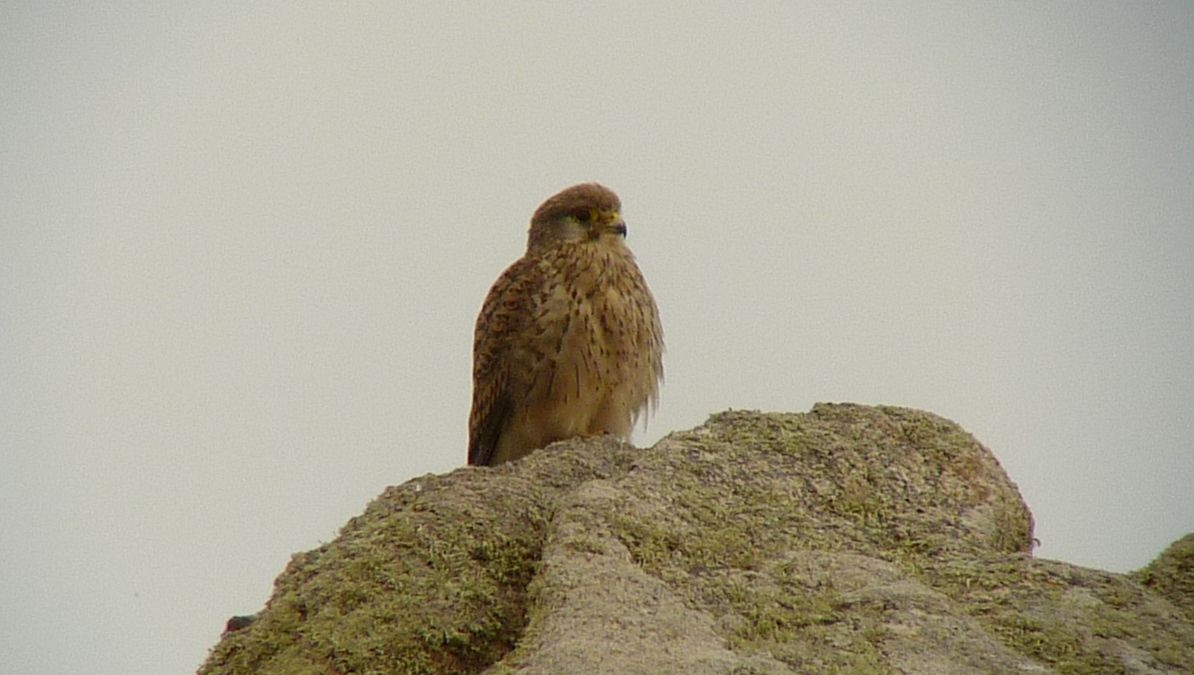
I’ve managed to get some quite interesting shots of the kestrel by, in some cases, combining my camera with the RSPB scope. Later today, I saw two of them fly up to a roost site, possibly a pair, although it was getting a bit dark to tell. They really are incredible to watch whilst hunting. Once I’ve trained my binoculars on them, it’s possible to see that they hover in exactly the same spot, by judging it against the background. How do they now how to do this?! Amazing.
-

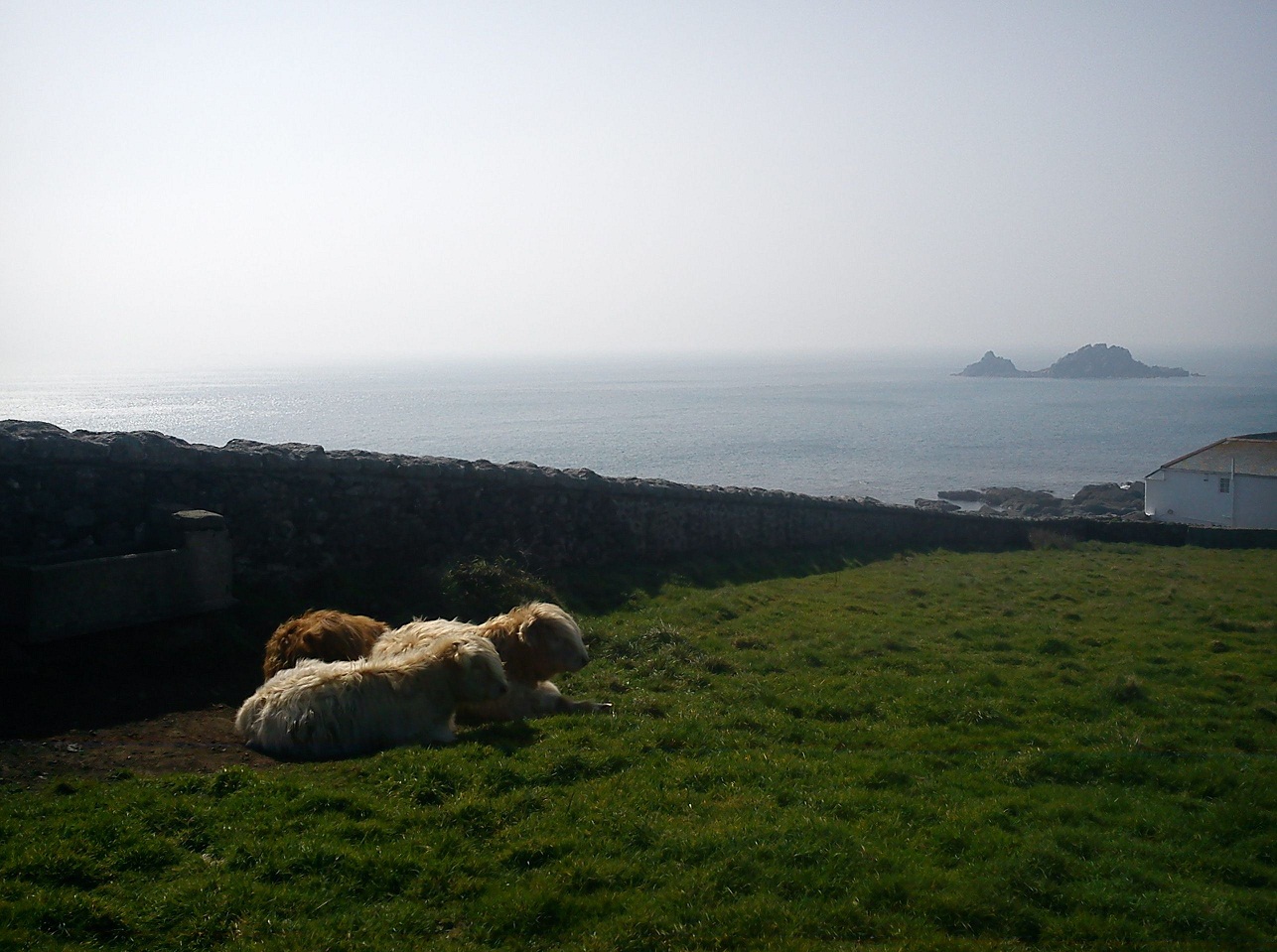
- Here dogs and cows are bred to produce cogs.
-
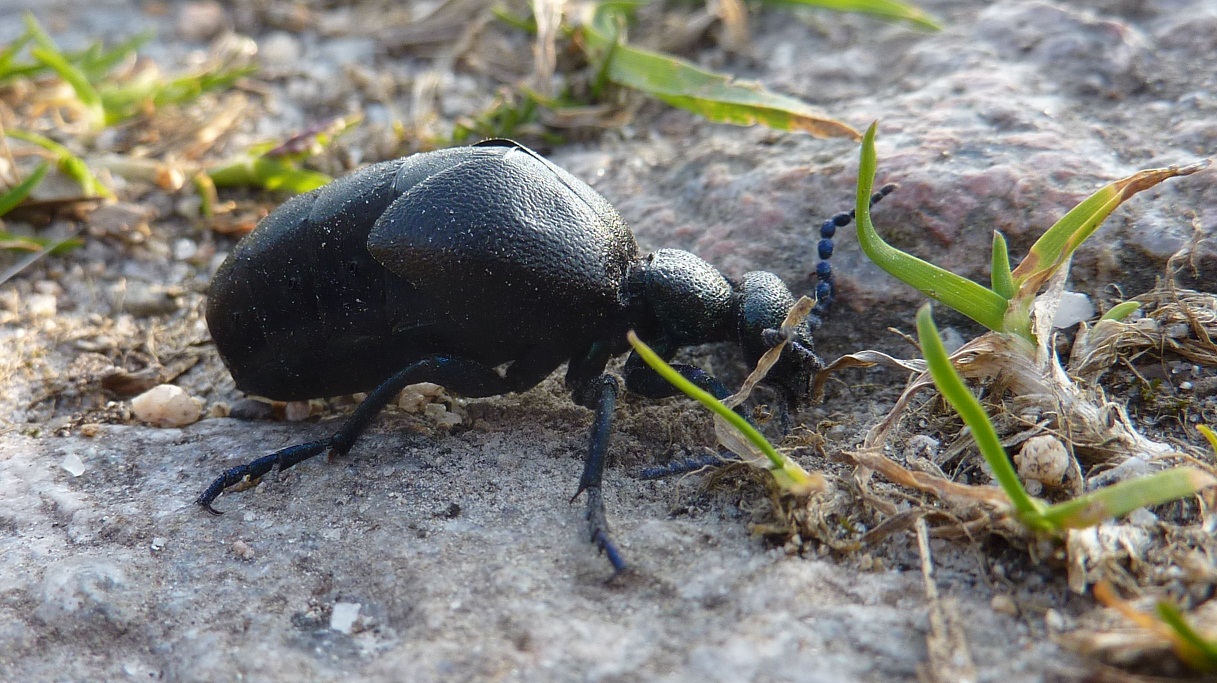
- This mad looking fella is an oil beetle.
-

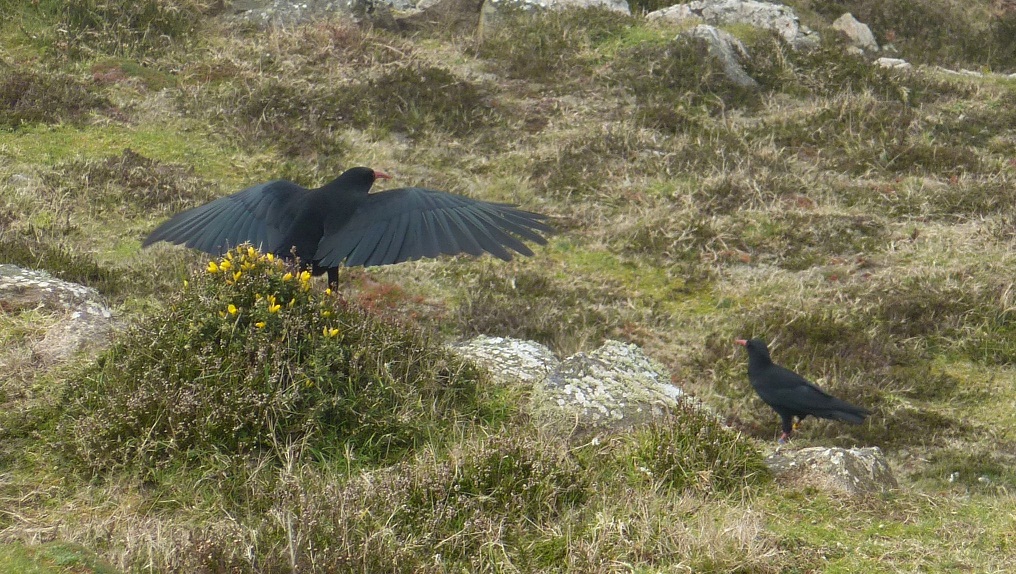
- This is our older, experienced pair. He clearly knows that this is a killer move
-
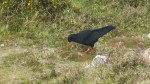
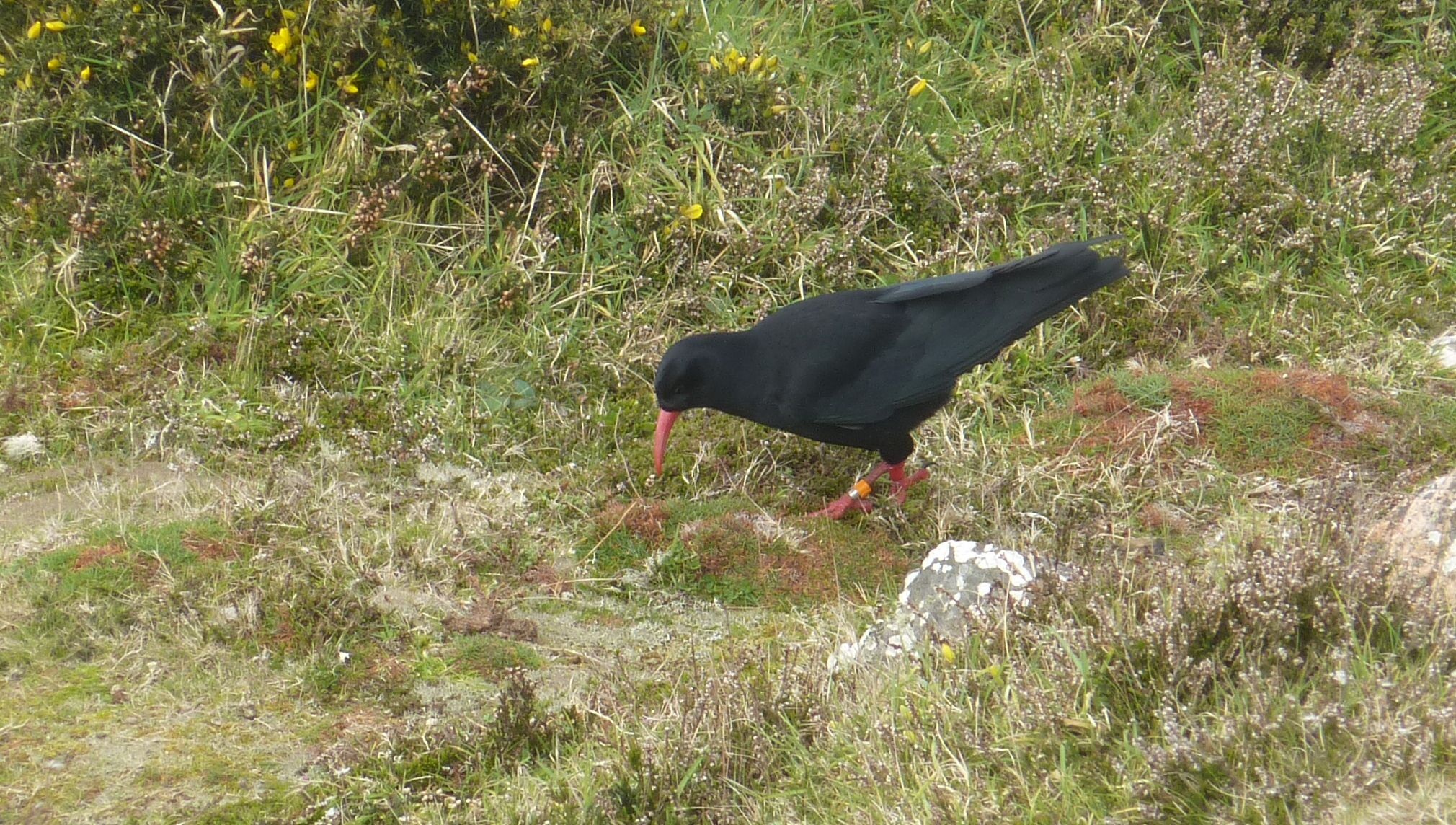
- At 7 years old, he’s the oldest bird that I’ve been watching.
-
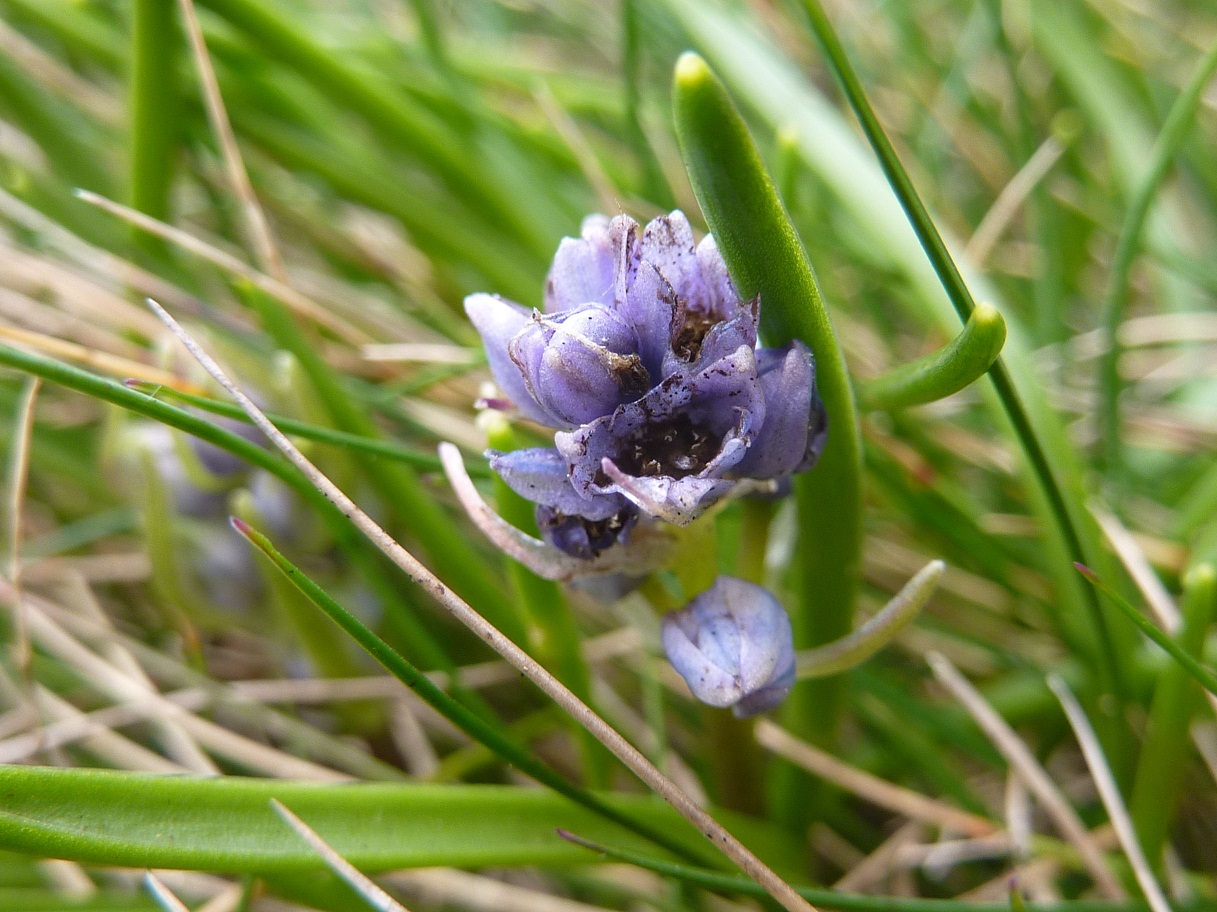
- Someone please tell me what this is?
-
- I’m fairly sure, from the brown cap, that this is a female kestrel
-
- Here she is on a different rock a little while later.
-
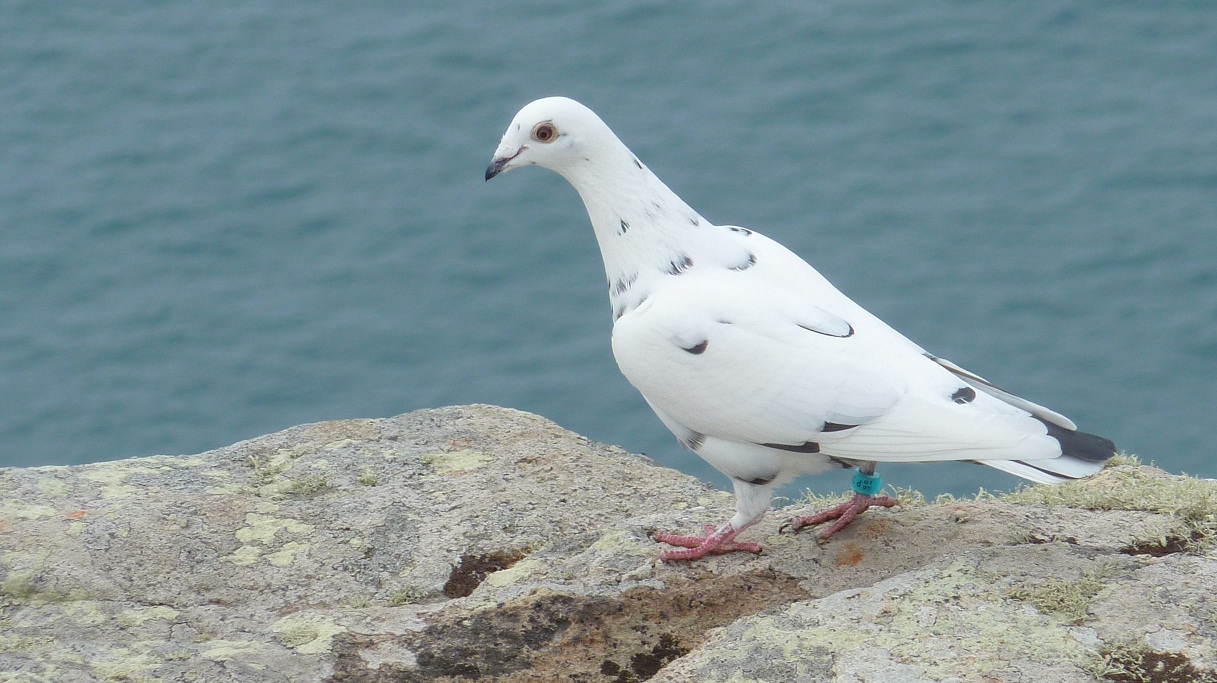
- This, I’m afraid, is not quite so attractive.
-
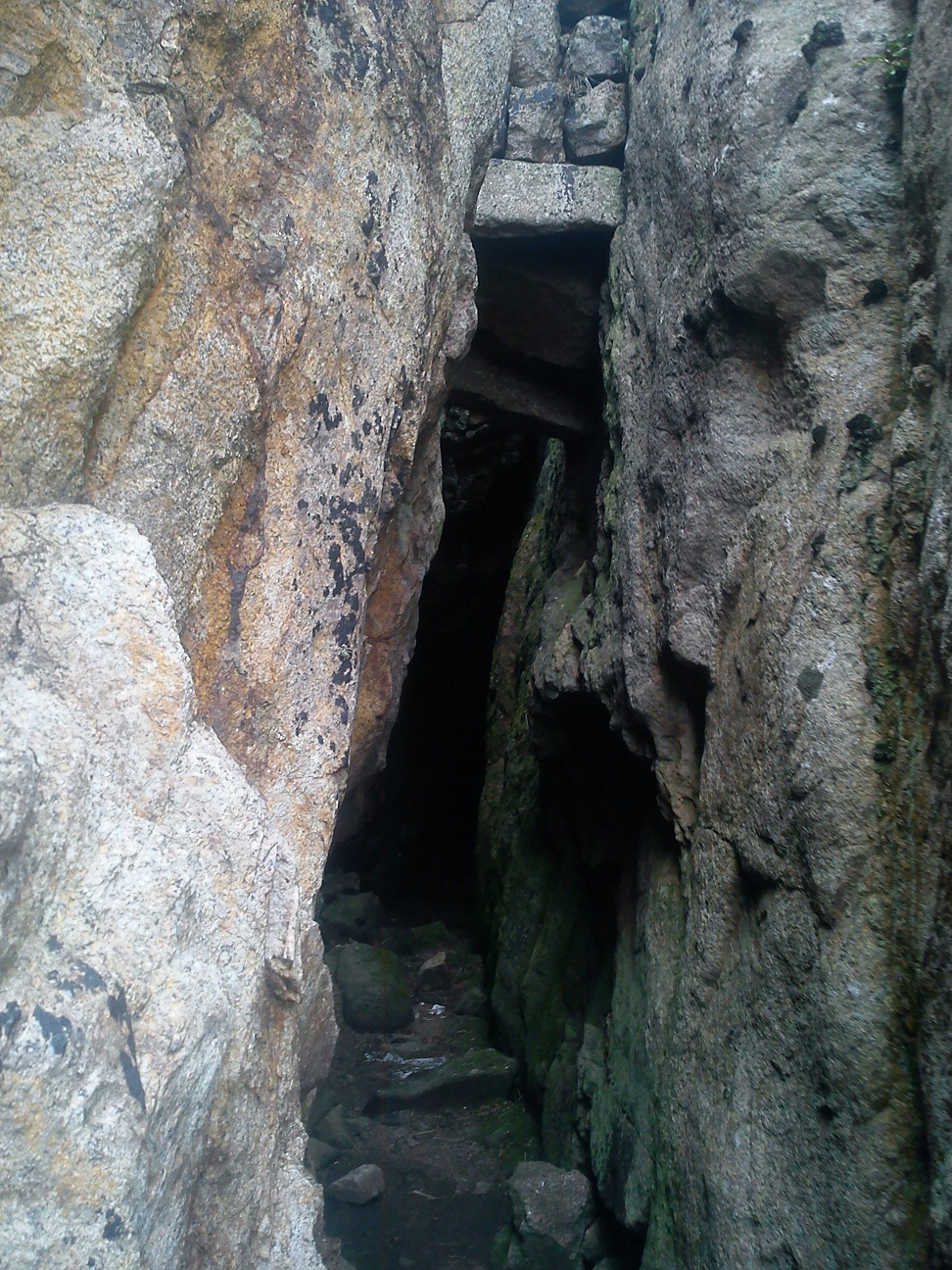
- A new word for you (maybe), this is an adit.
-

- Male stonechat. First rate perching.


 Life since the office
Hi Phil,
After hours of research I am pleased to inform you that the flower in the picture is Scilla verna.
Very pleased with myself, so don’t burst my bubble and tell me you already knew that.
Jane x
7 April, 2011 at 9:12 pm
Woohoo, someone’s taken the time to reply to one of my questions! Now that I’ve looked it up I can see that you’re right Jane. Or are you? I’ve taken some more pictures since, and it appears that there might be two such plants that look very similar. Or maybe they’re both variants of Spring Squill. I’ll hopefully get a chance to upload them in the next day or so.
8 April, 2011 at 10:50 am