
Paul Temps’ ‘not a stag do’
This weekend myself and the other activity boys made our way up North to meet up with Paul before he heads out to Japan to get married. His ‘not a stag do’ was in Chester, somewhere I’ve not been to for a night out for maybe 9 or 10 years. But I remembered having been in the first pub we visited, the “Old Harkers Arms”.
This was my first experience of a big night out without drinking alcohol since, possibly, my university days. I’m currently enjoying a life of sobriety which extends back to February. Not for any particular reason other than being sober feels so good that I don’t want to spoil it. I’ve also grown tired of hangovers, and am lucky enough to enjoy the taste of some non-alcoholic lagers.
However, it was interesting to observe how the nature of the conversation changed as the evening progressed. All of Paul’s mates appear to be good natured drunks, and so there was a great atmosphere amongst the group. Inevitably, as the night progressed the group split into those wanting to drink more, those wanting to dance, and those wanting to drink more, and possibly dance, but were clearly incapable of either. As these groups made their own separate ways, I headed back to the 7 bed hotel room, with a relatively sober T, for a sleep punctured by returnees from the club/curry house/other establishments(?).
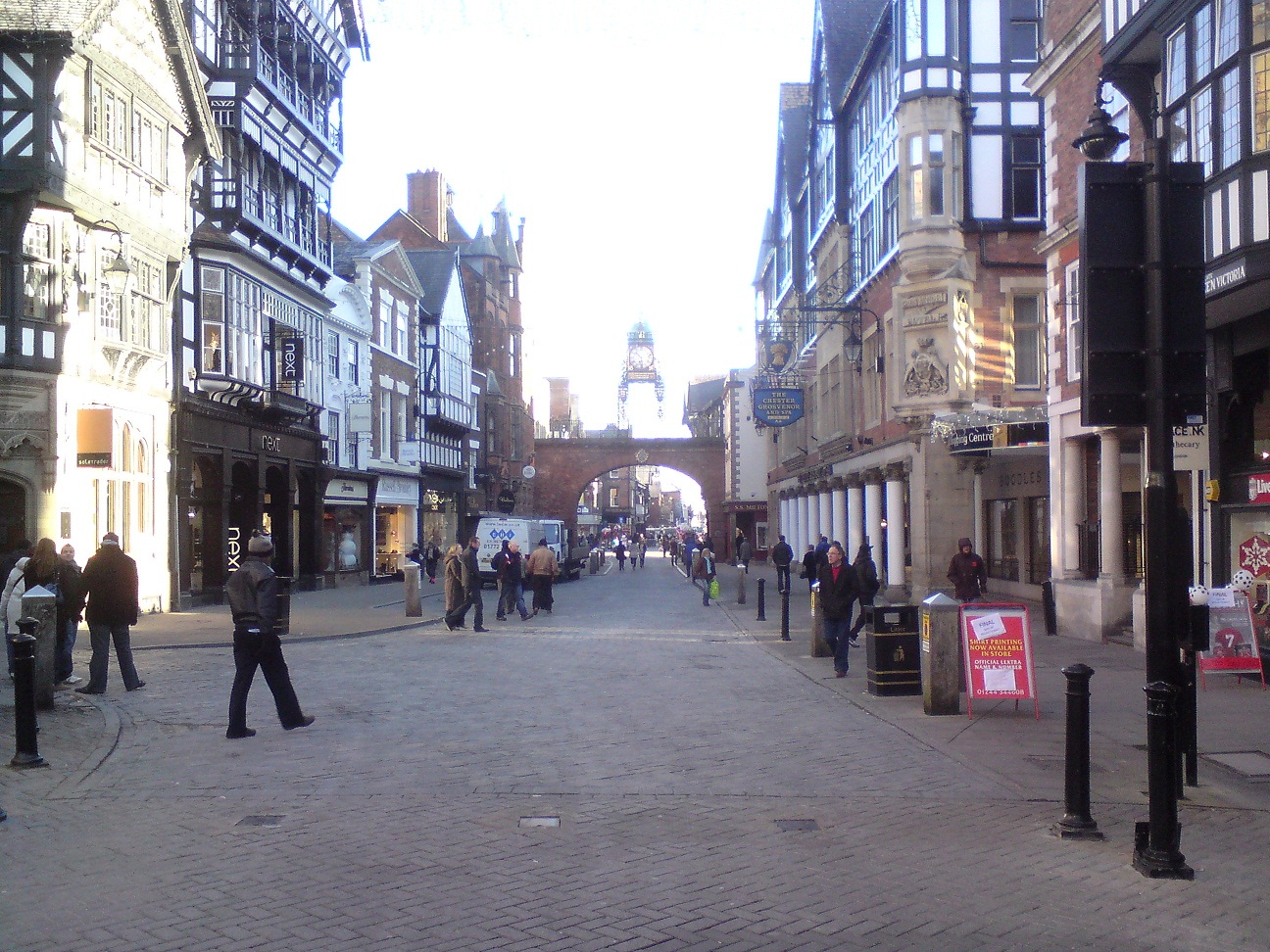
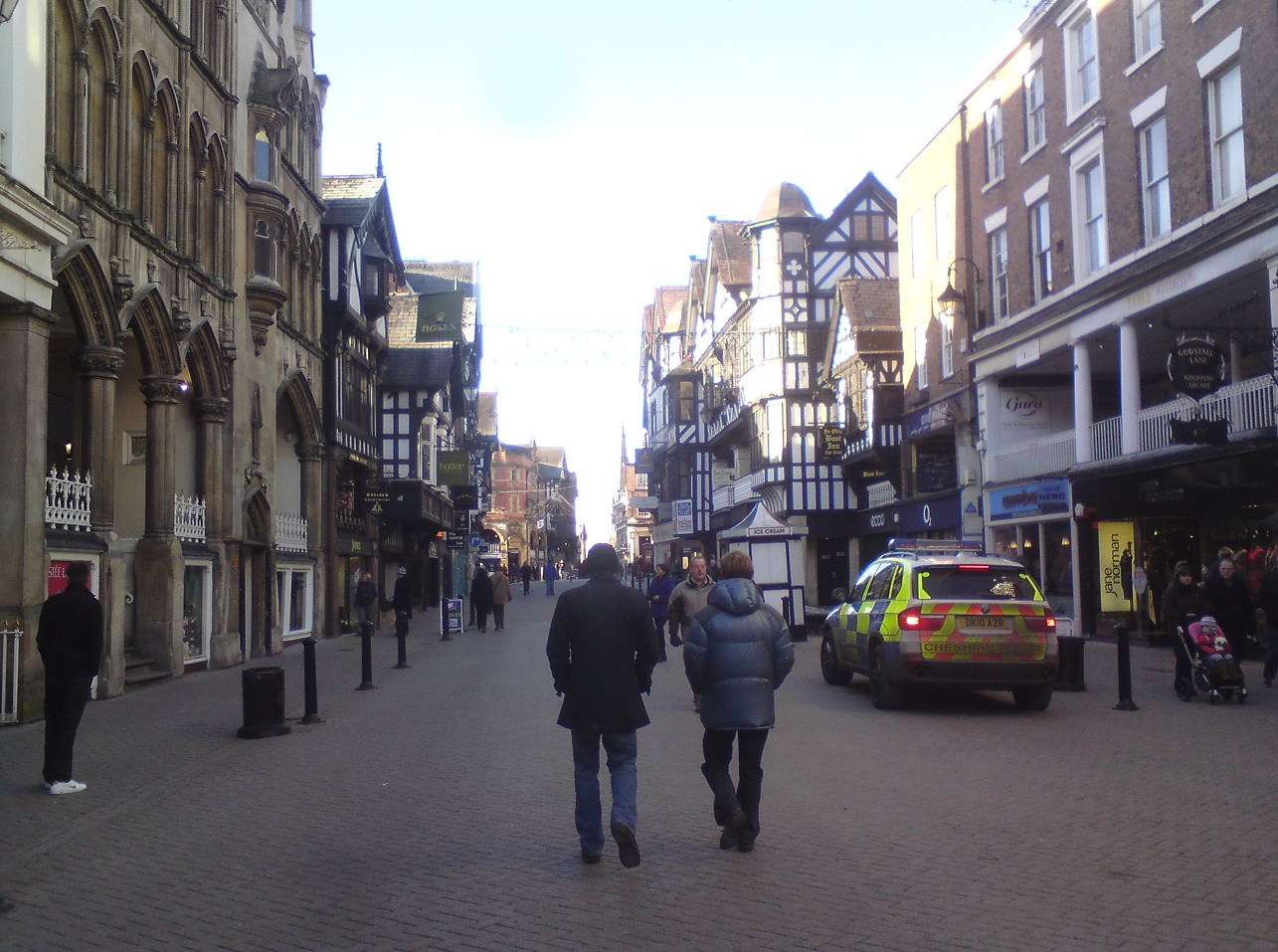
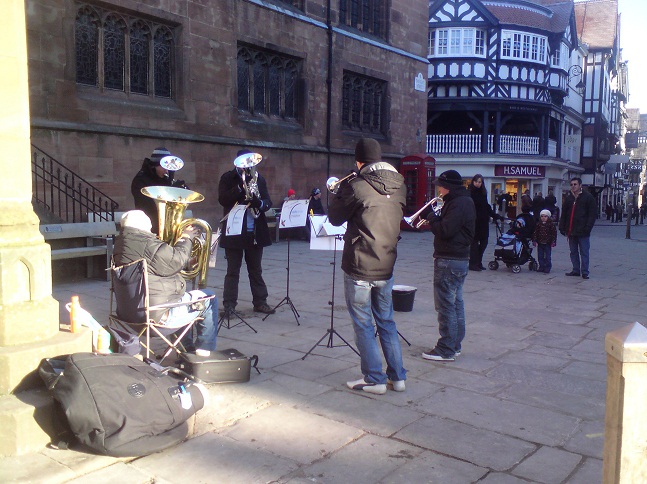
In the morning we had breakfast, then myself, Dave, John and Manoj took a quick look round Chester before heading home. Nice one John for making it out for the first time with us (well me anyway), since the arrival of baby Pearl.
-
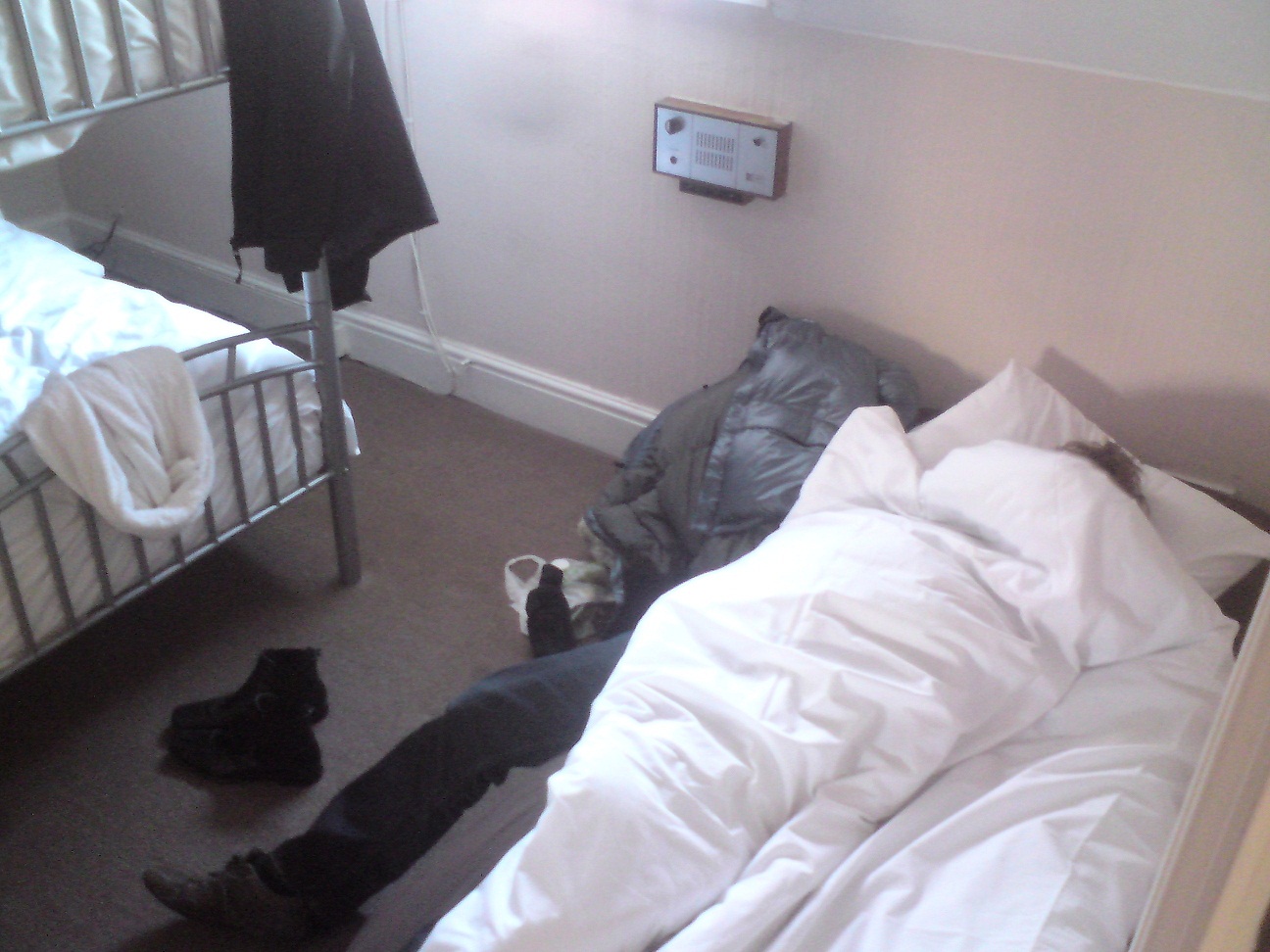
- John’s typical night out sleeping position
-

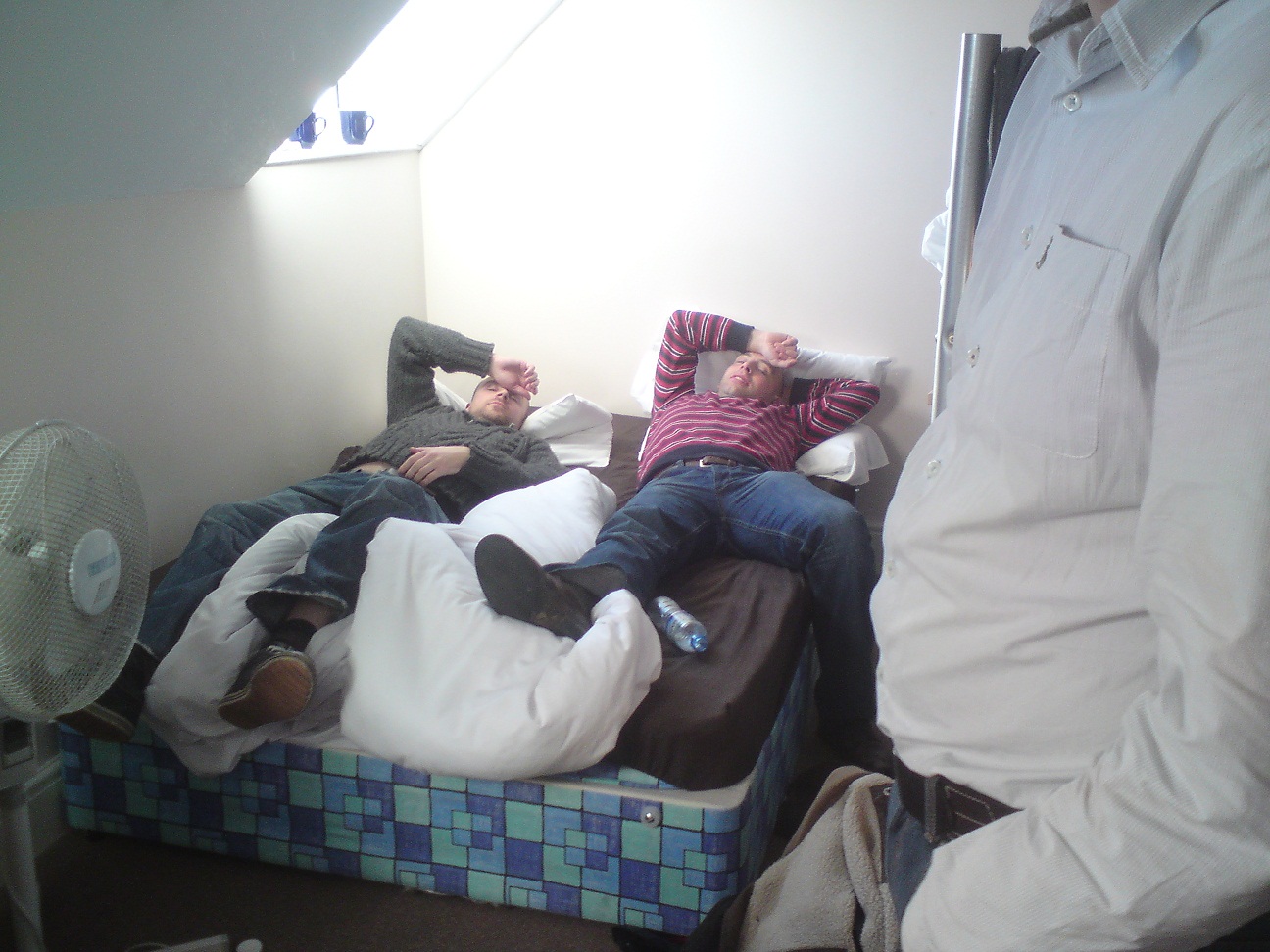
- Everyone is up bright and early
My first week at RSPB Aylesbeare
My first week with the RSPB crew at Aylesbeare has brought on some mixed feelings. On the one hand I’ve met a fine bunch of people, including numerous staff and volunteers from the South West region at the winter regional meeting on Thursday; seen a bird I’ve never seen before; and spent the week working outside. And on the other hand I’ve been introduced to the details of the heathland management process.
Heathland has been around for a long time. Maybe even thousands of years in this part of Devon. So there are a number of flora and fauna species that are well adapted to live in it. However, the environment is man made. Nature is always trying to reclaim those areas that are suitable as woodland or scrubland. In order to prevent this from happening trees and mature gorse are removed from the encroaching areas along with all leaf litter and other unwanted nutrients. Wood is taken away to be sold, and the rest is burnt. In many cases the most abundant trees in these areas are the silver/downy birch. I’ve cut down plenty of non-native trees on TFL weeks, but this is, I think, the first time I’m having to remove native species.
Today I was lucky enough to carry out the regular bird survey with Johnny, the current assistant warden. We saw plenty of tits, yellowhammers, dunnocks, etc, but the highlight was watching a great grey shrike chase what looked like a dartford warbler over some gorse bushes. This bird is a predator to smaller birds and often creates a “larder” of it’s catches by storing them on spikes on fencing or spiky trees/bushes. I’d already seen the bird on Tuesday, in flight and sat in the top of a tree, but watching it chasing a very agile small bird was a brilliant site to see. Unfortunately, I was rather under-prepared, without camera in hand.
-
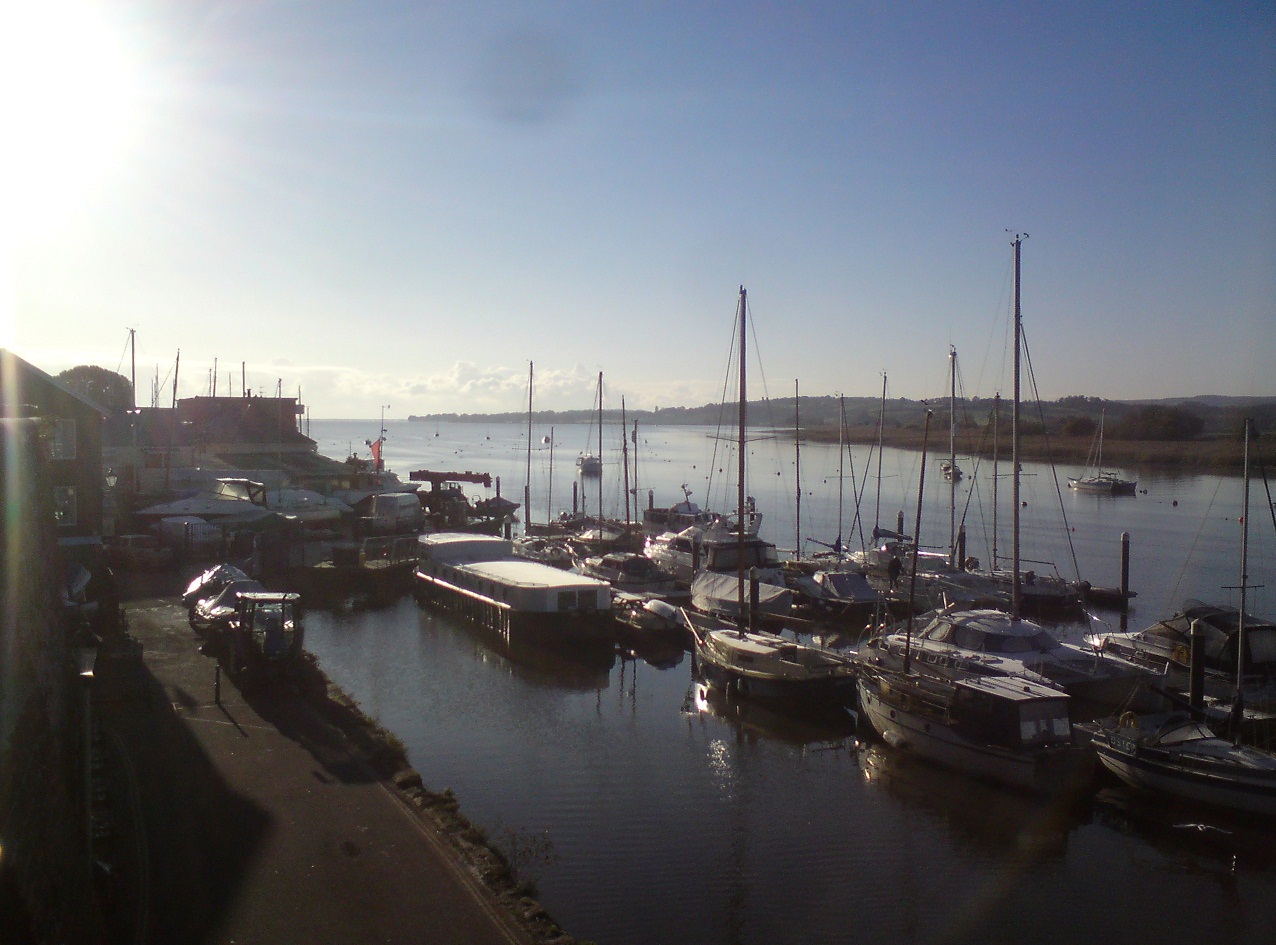
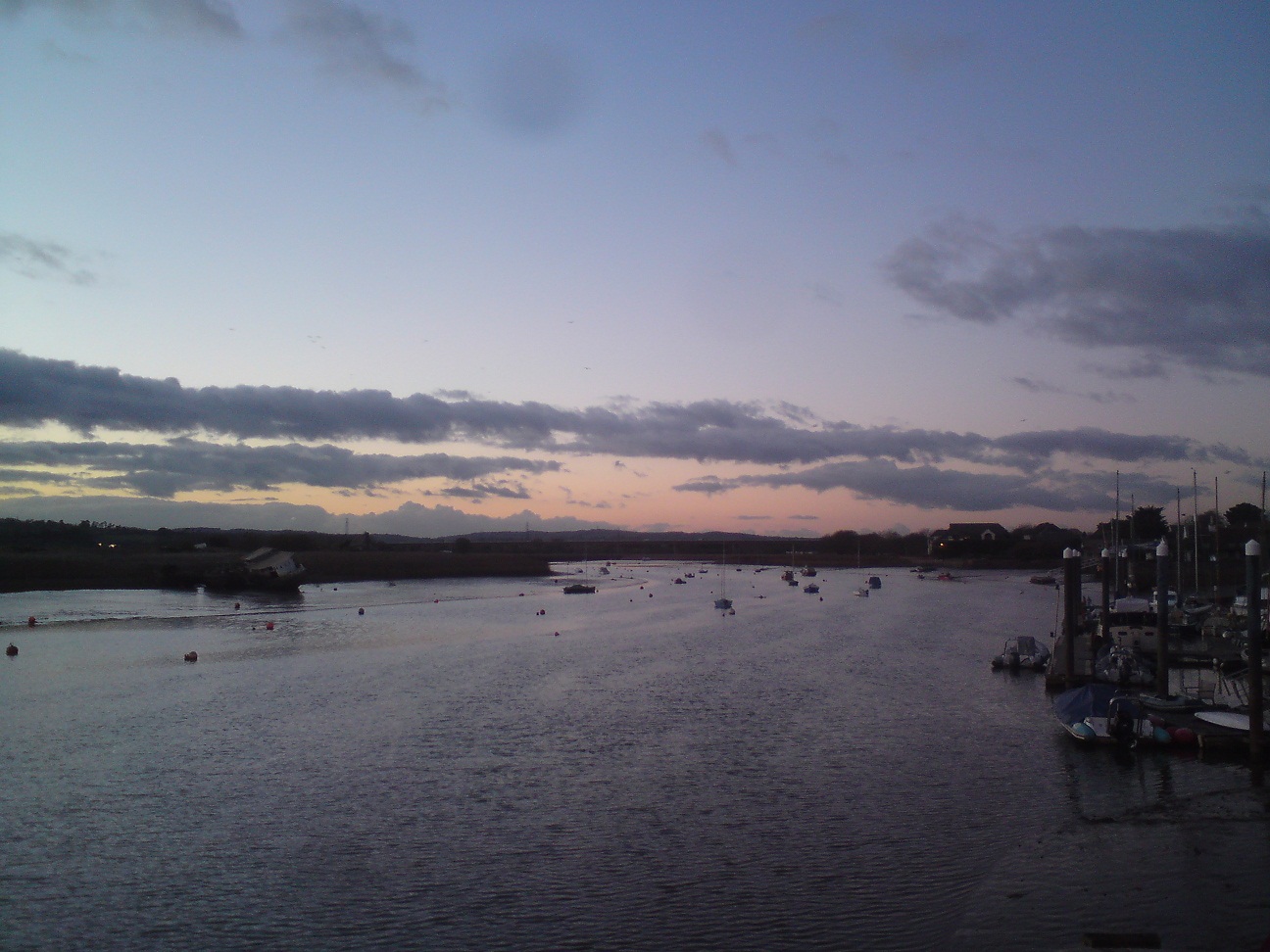
- The view down the Exe from Topsham
-

- …And up the Exe
-

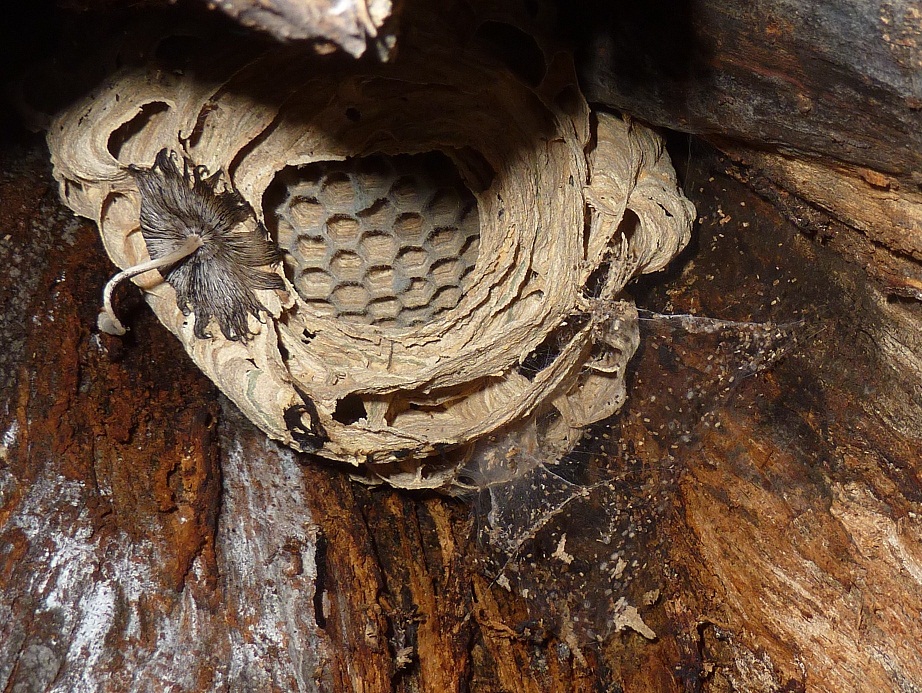
- Apparently an abandoned hornet’s nest
-
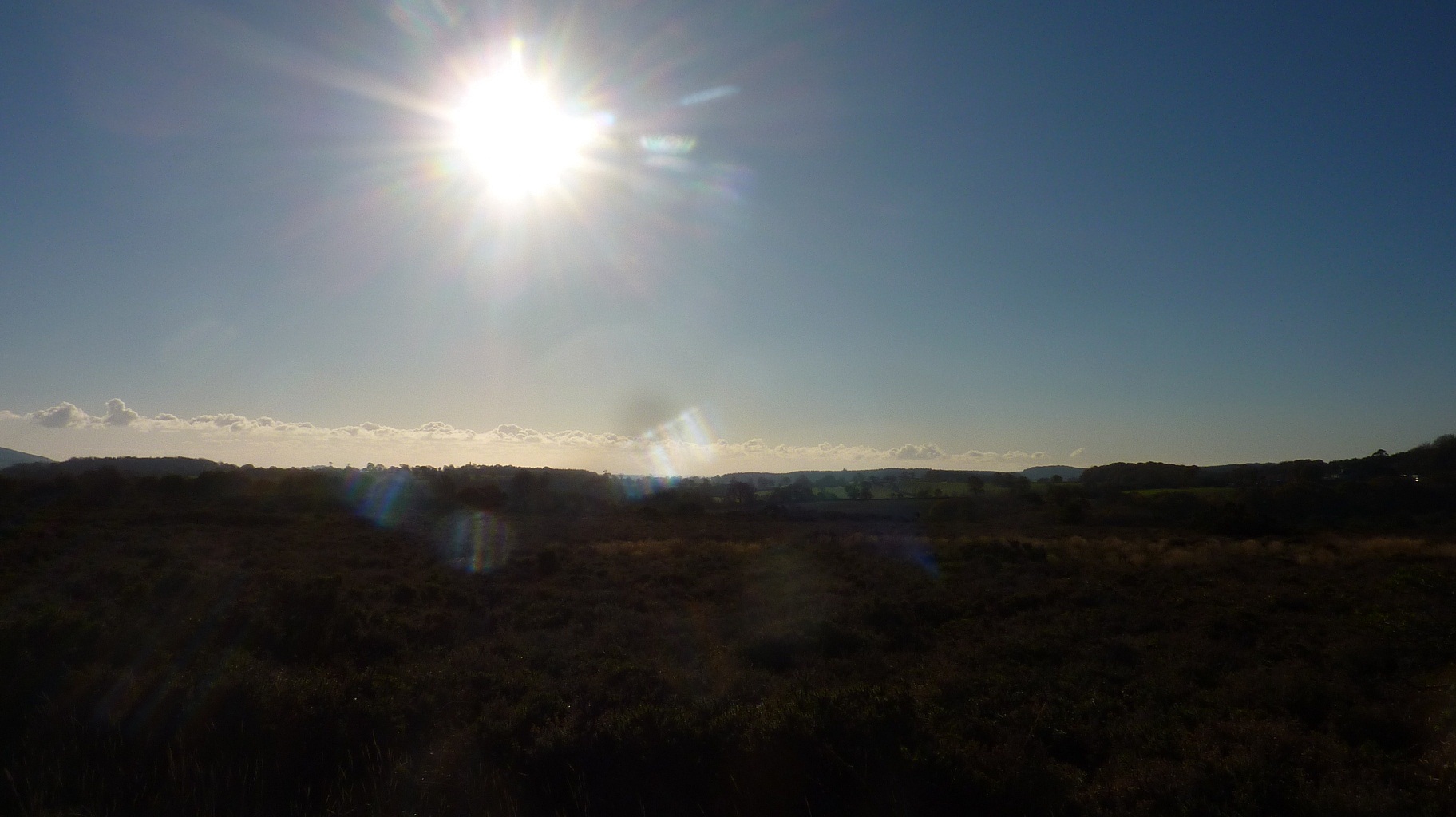
- Aylesbeare common.
Using a chainsaw
Up to now the only weapon that I consider myself trained to use is a car (apart from the occasional axe throwing session with John Garrett). This week I’ve been learning how to use a chainsaw. It seems that a lot of practical roles in environmental work require chainsaw experience. And I know that knowing how to use one could be of great benefit if I want to get involved in habitat management. As part of my RSPB placement, which begins next week, the RSPB have kindly agreed to train me up, in the use of a chainsaw, this week.
The training took place at RSPB Arne, where I was based for two weeks in the summer. Last time I was there, in early August, there were Nightjars and other summer breeding birds mixing with the first of the autumn migrants. Now the summer visitors have left, and the estuaries and mud flats are fillng with wintering waders and wildfowl. Unfortunately I didn’t get an opportunity to take much of a look around during daylight hours, having arrived late on Sunday, and then heading off after finishing the course on Friday evening. But, with the help of Will, the volunteer from Radipole (Weymouth), who was also on the course, I did manage to ID a flock of Avocet from where we were training.
-
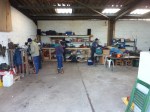
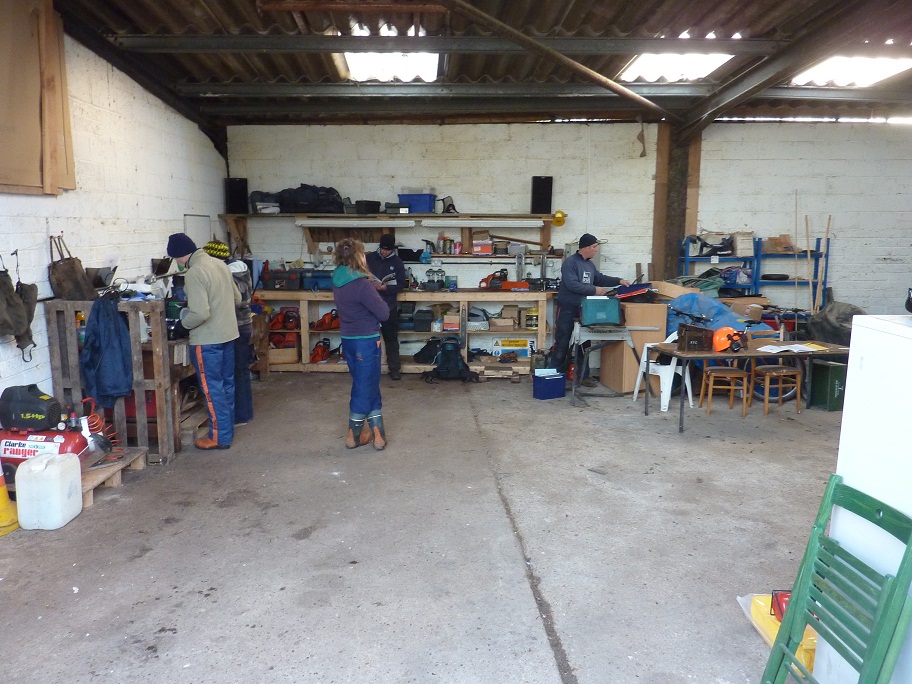
- A lot of chainsaw work seems to be about maintenance and tea
-
- Here we are practising our crosscuts. Oooh, where’s the compression?

-
- Mostly the weather was kind to us
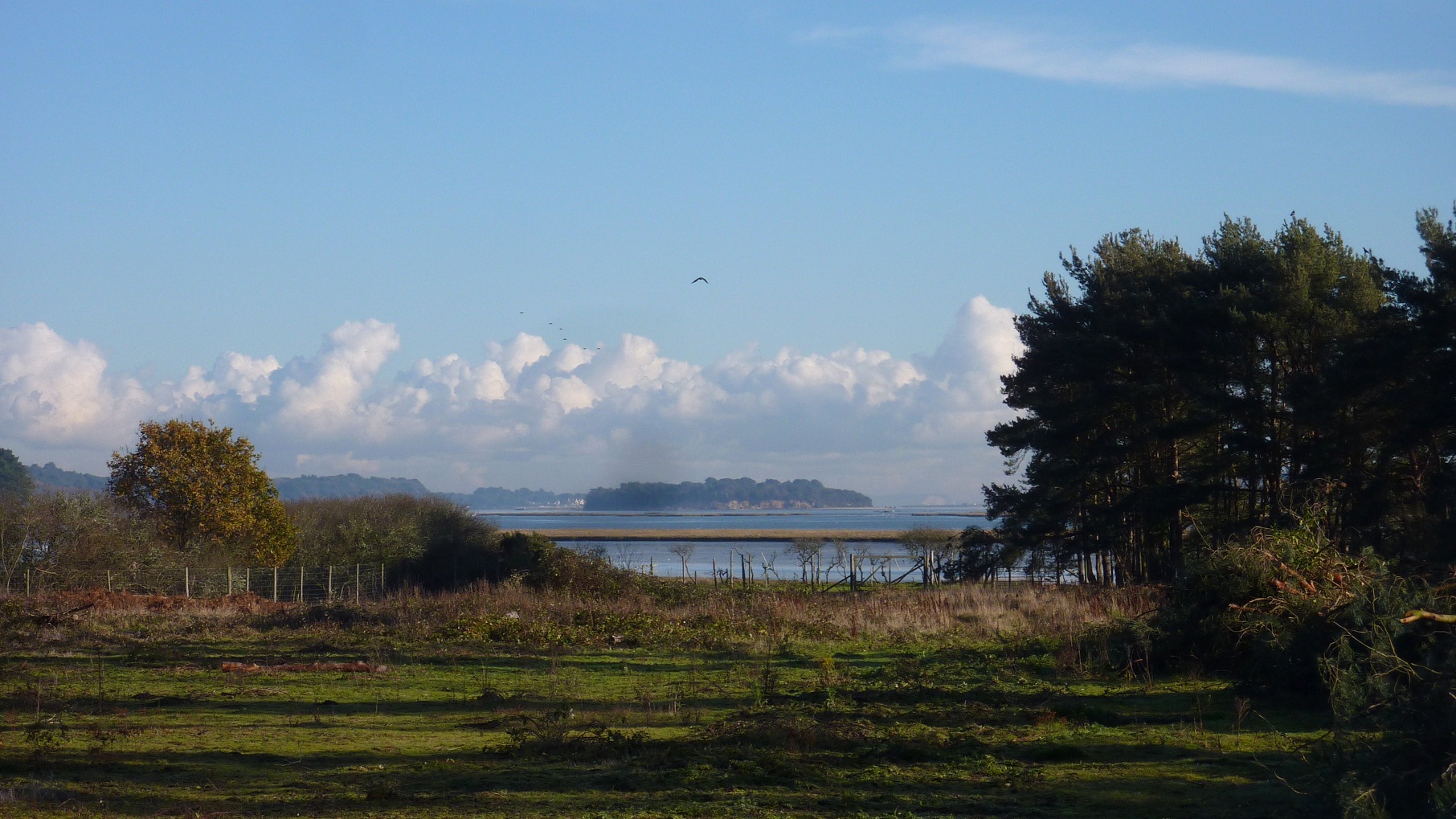
Driving away from the blizzards
Come the end of the work week, dropping off the vols and driving the TFL minibus back to Findhorn, and I had to be in Dorset by the next evening. Frankly, I’d wanted to spend the winter in Scotland, experiencing proper cold weather. Spending time in the snow at Abernethy last winter may well have been the most memorable time of my recent life. However, during my time at Arne, an opportunity arose to get some habitat management experience with the RSPB in North Devon. So, the snow (there’s never Snow in North Devon, just dustings) will have to wait until next year.
Now I’m back at Arne, to learn how to use a chainsaw, before starting my RSPB placement next week.
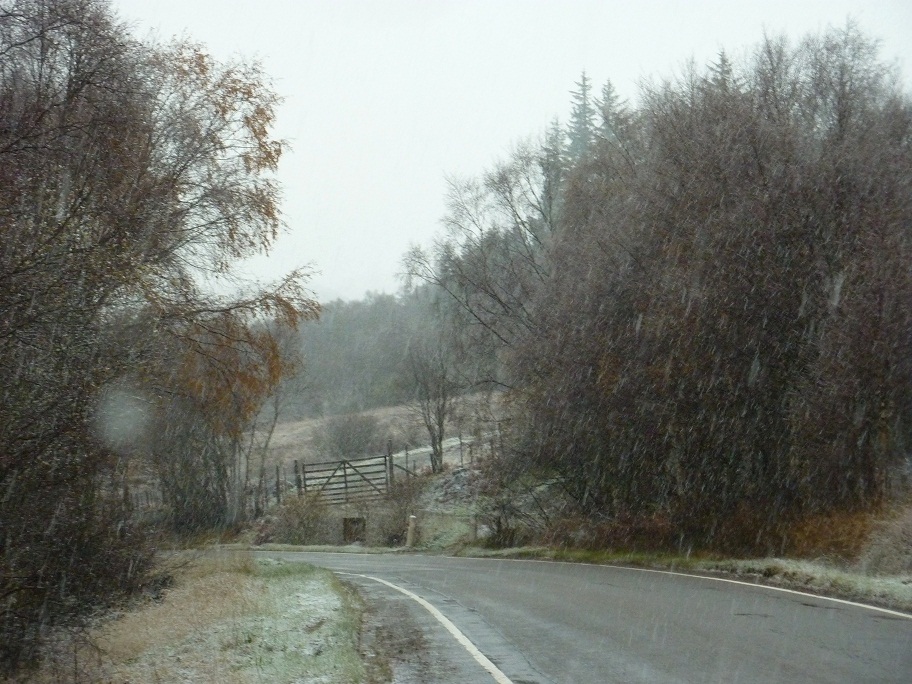
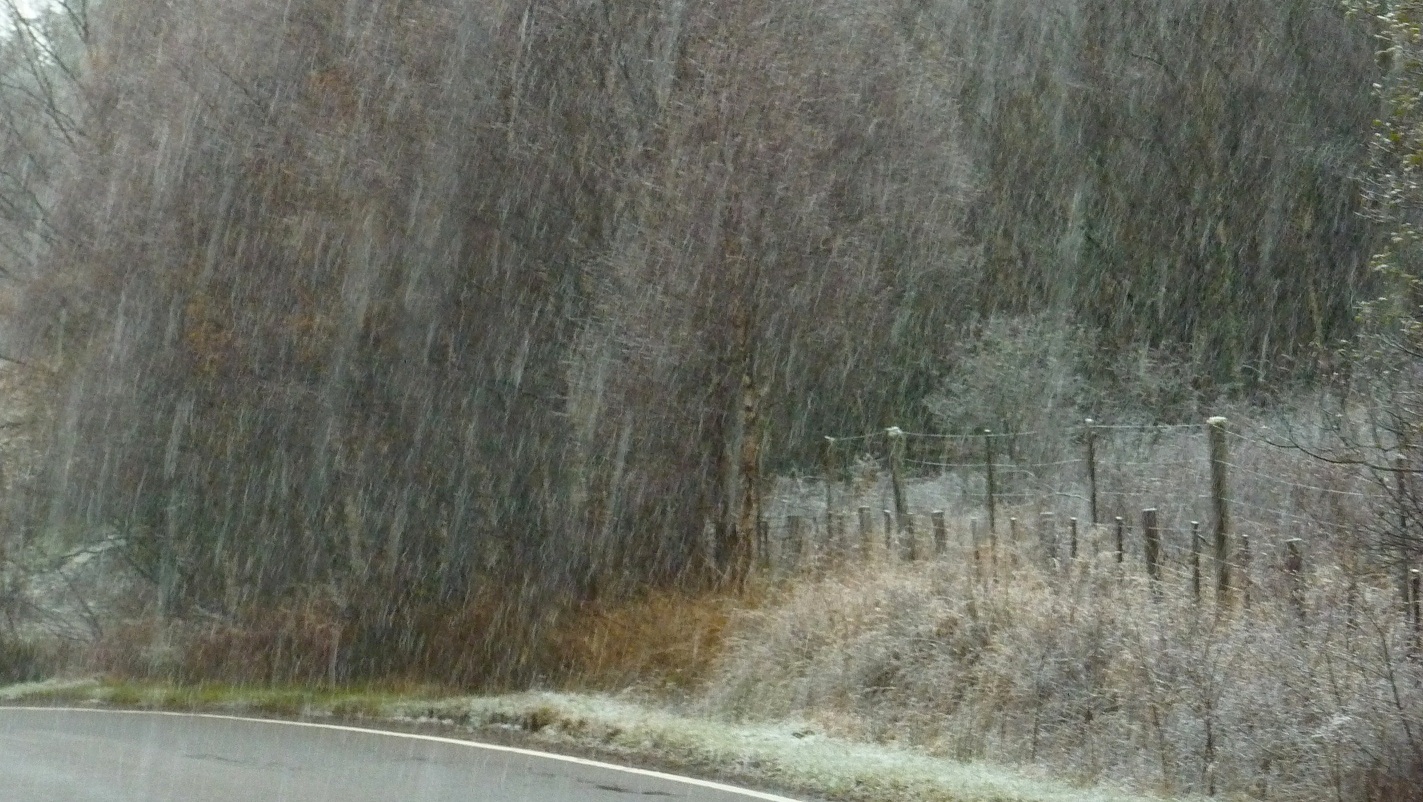
Just to remind me of what I’m likely to be missing though, as I was driving through Glen Spean, it started to snow. Although it wasn’t settling on the road, it looked fantastic.
-

- Pretty lame photos, I agree. I was in a hurry…
-
- Despite the subject quality it is still possible to make out the snow falling
Photos from my Dundreggan day off
On Wednesday (10th), during the work week, we had a day off, as usual. I took the opportunity to walk West across the estate, from the lodge, to some land adjacent to the estate (above Dalchreichart), that has been planted with Scots Pine in the last 10 years. The land owner has erected a deer fence all around the land, but there are two gates into the area from Dundreggan.
It was a beautiful cold, crisp, sunny day, with frost in the dips and cracks in the hills. In some places the Scots Pine, which I estimate at about 8 years old, is above my head height. There is also a good thicket of Birch regeneration, just downhill from the Dundreggan plantation, but the few planted Birch that I found were either dead or in poor health. There were signs of deer damage, and I found two hinds in the exclosure (exclosure because it is designed to keep deer out).
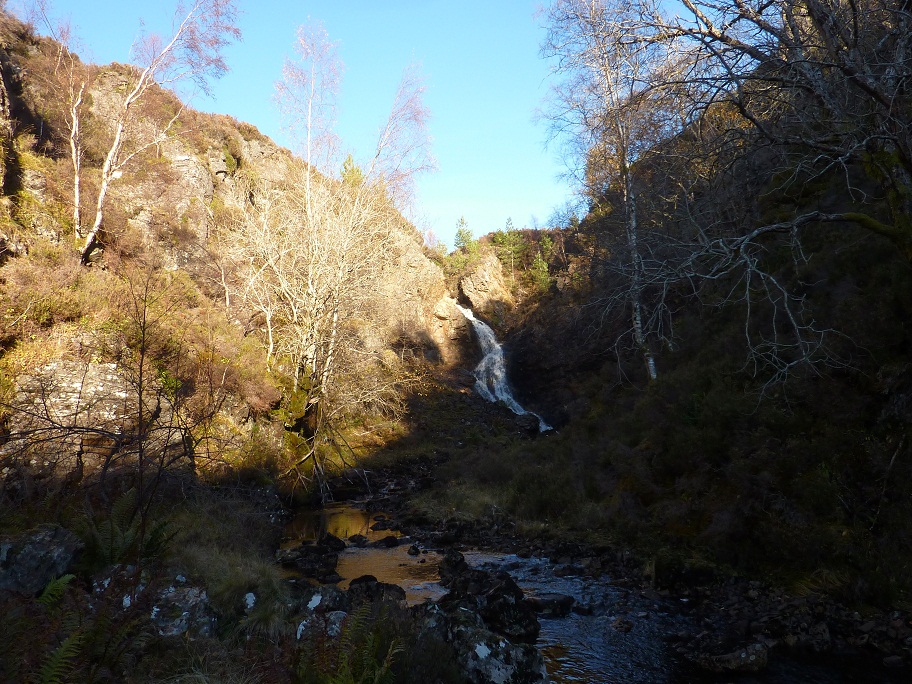
In the western part of the exclosure there is a deep gorge with a waterfall at one end. Walking up it was easily the highlight of my day. Above the waterfall a stand of Aspen hang on to the cliff top, and suckers are having some success in getting further away. But it’s a precarious situation and I hope the deer are removed before they cause them too much damage.
-
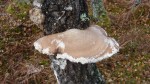
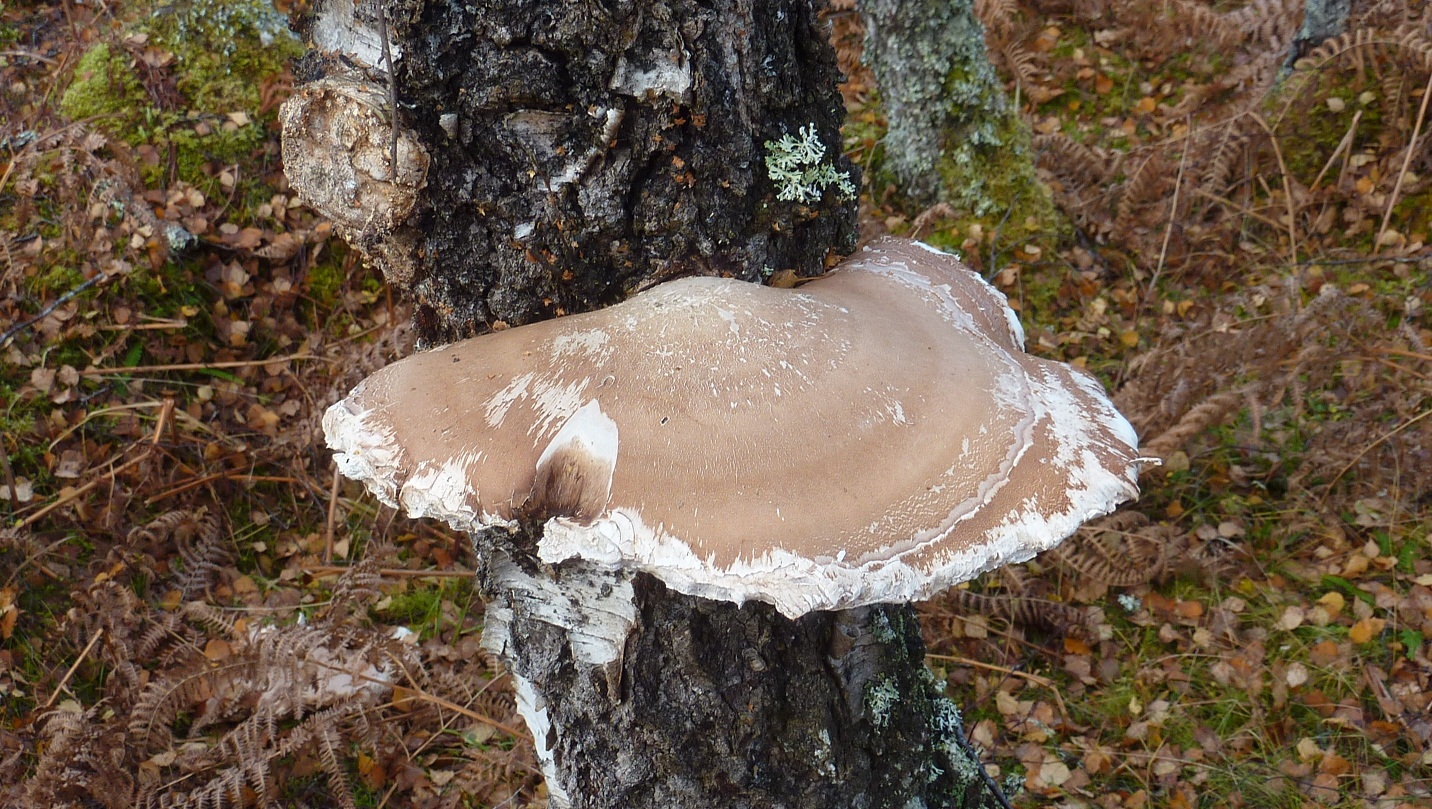
- A massive Birch polypore, the size of four small towns
-
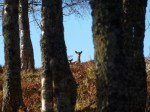
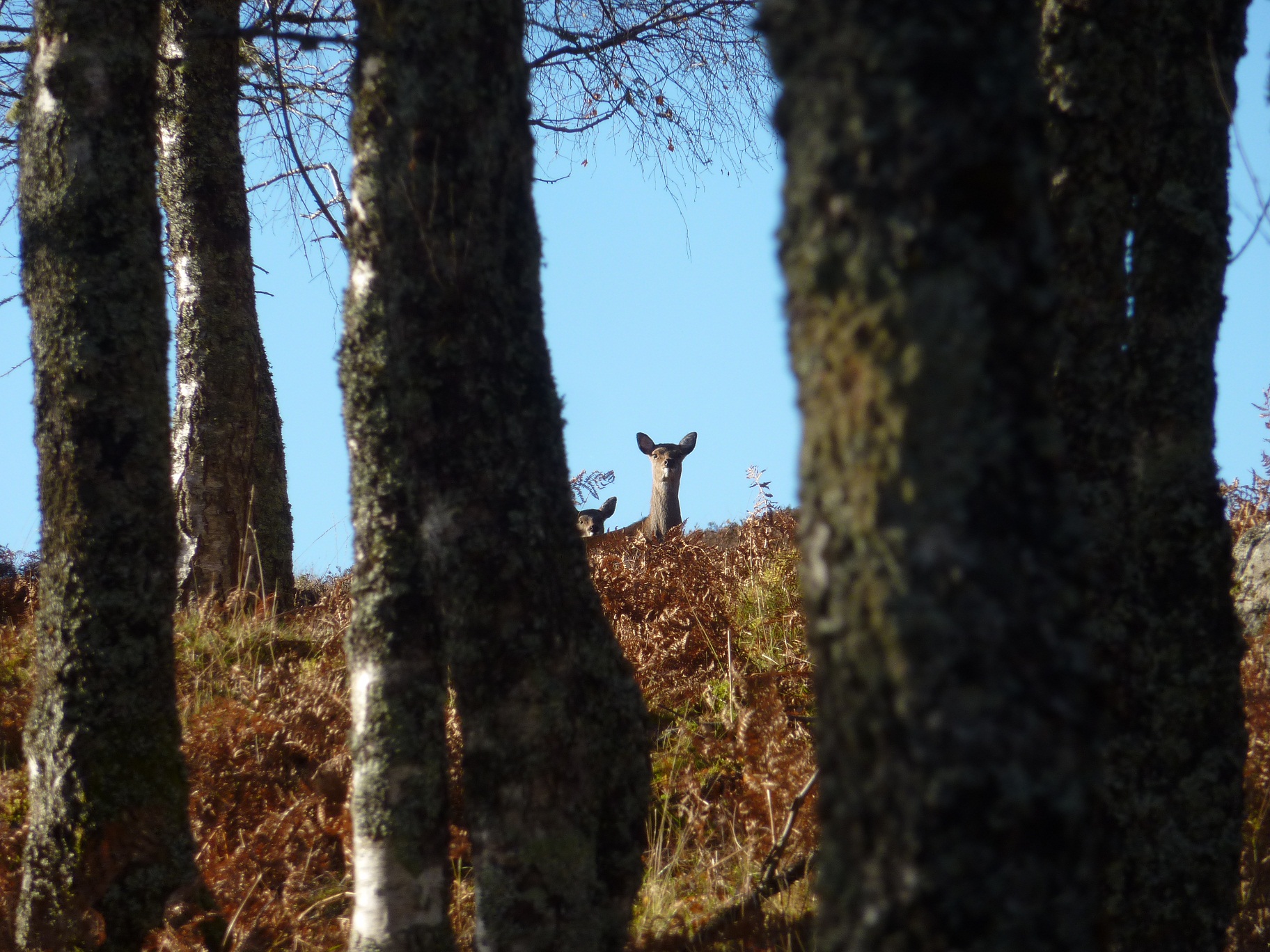
- The word ‘Sika’ is derived from Shika, which is the Japanese word for deer, apparently.
-
- These are Red deer. It is possible for them to hybridise with Sika.


-

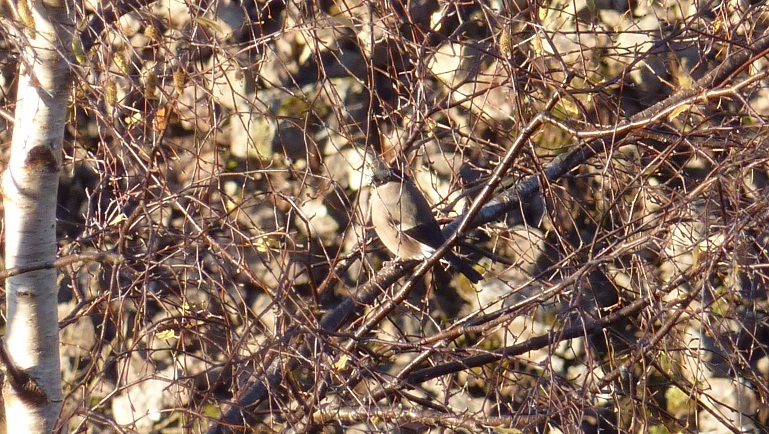
- This is a female Bullfinch. I wouldn’t think that this could hybridise with Sika.
-
- The Eas an Tairbh waterfall
-
- The smallest bird species in Europe? Anybody?

-

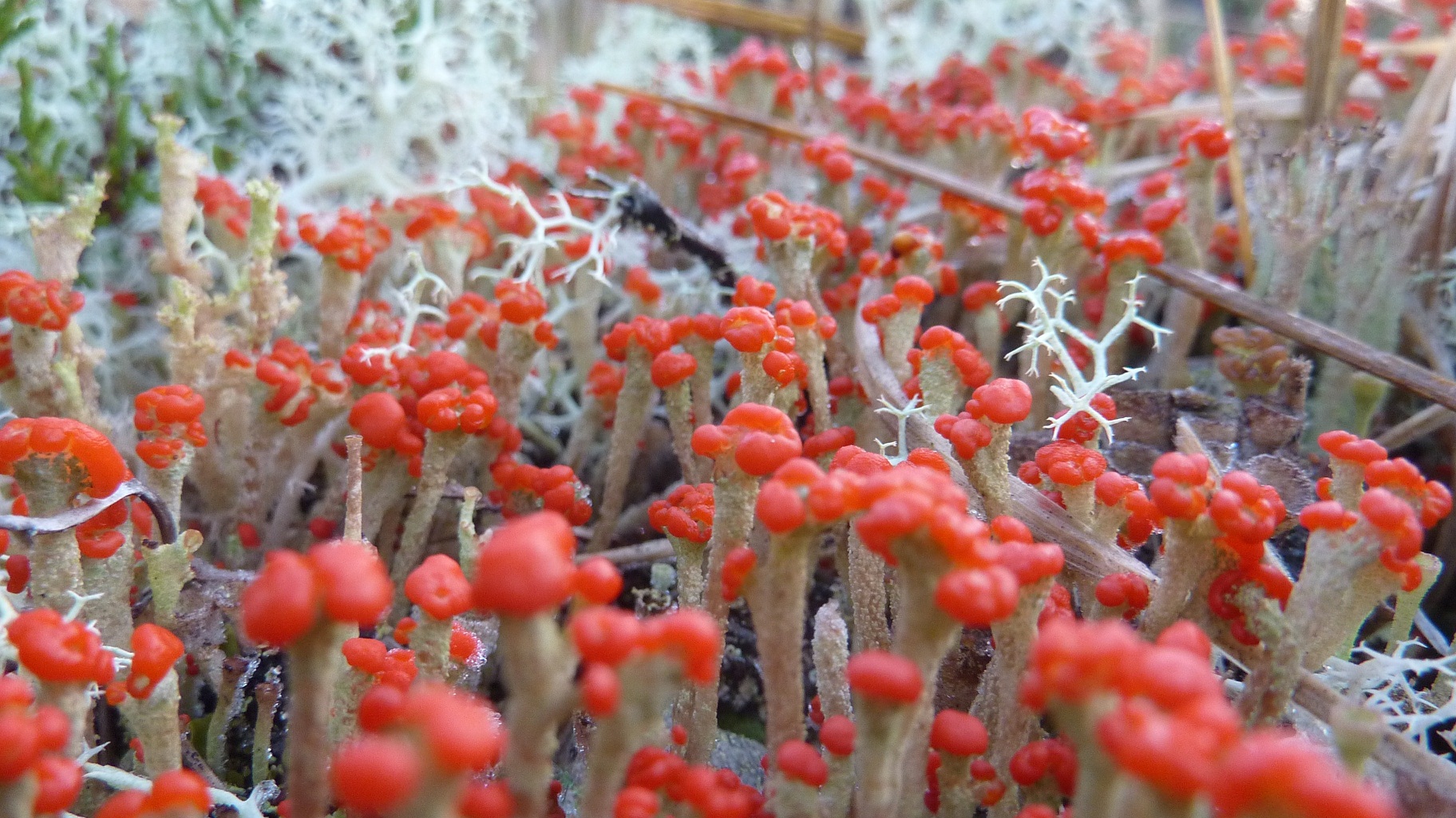
- A Cladonian forest.
-
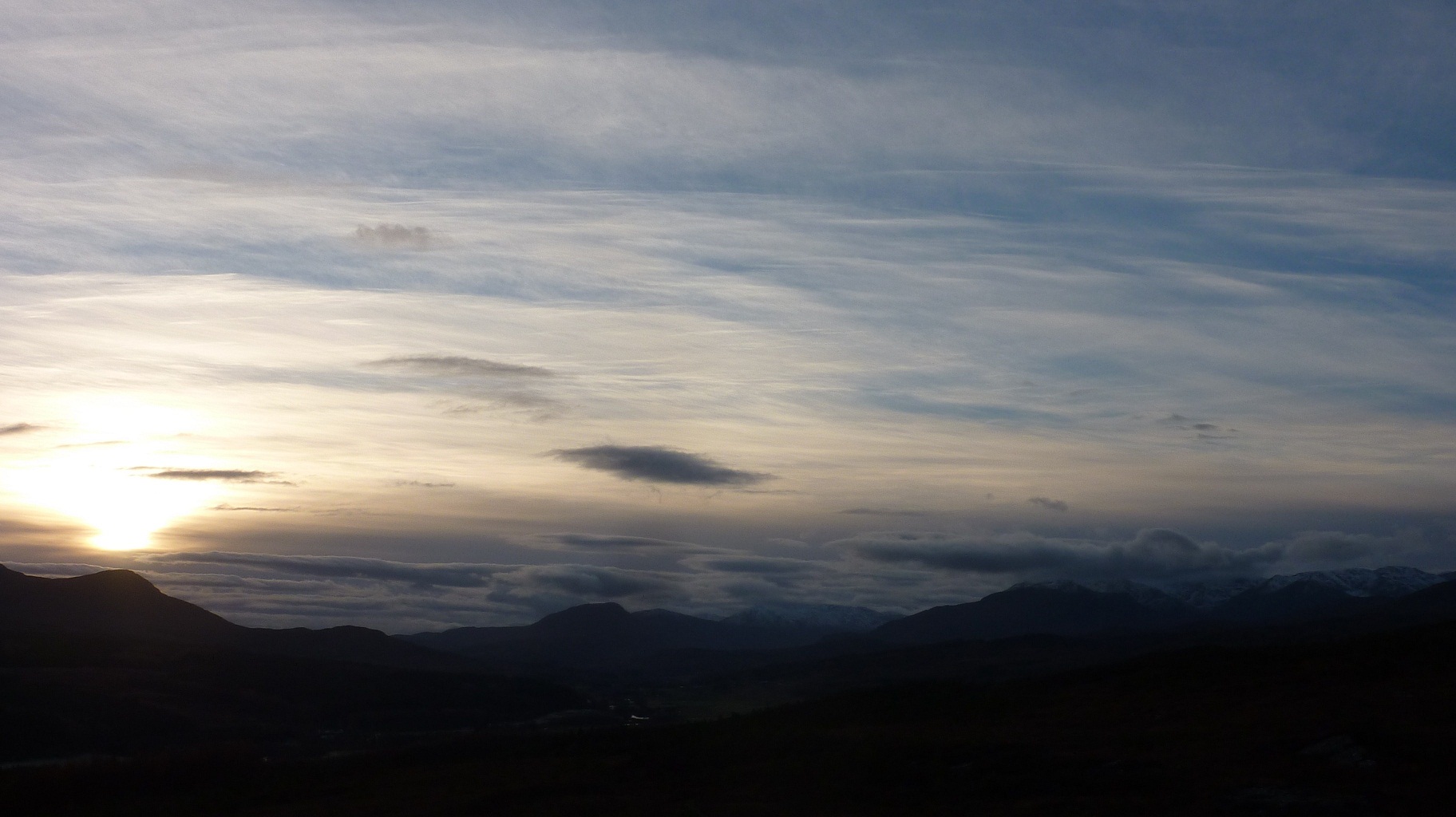
- The Glen of the Moriston
Last TFL ww 2010, 6th Nov, Dundreggan
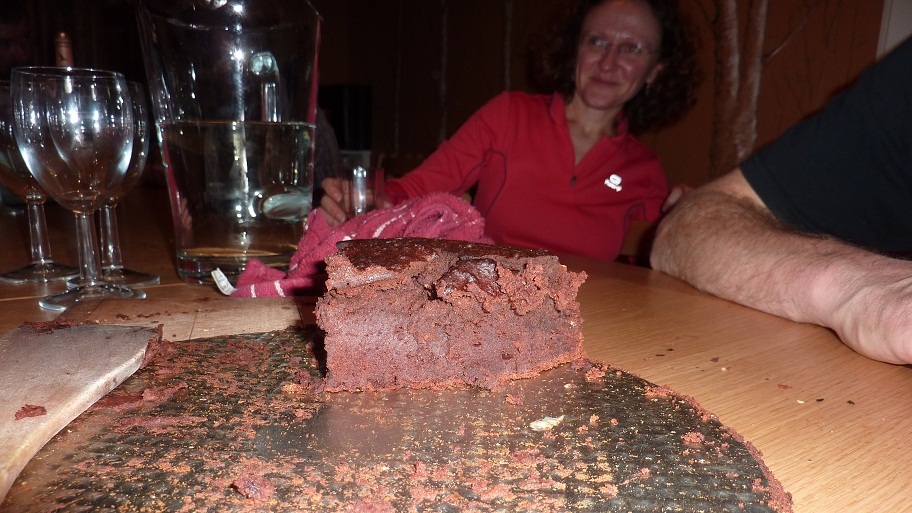
Sooo, the very last Trees for Life work week of 2010 (that they told me about anyway), and it is myself and Gordon picking up the vols from Inverness station again, as per this week last year. This year I have to endure chick pea chocolate cake, chick pea curry, humus and other foodstuffs that allegedly have chick peas in. Chick peas, as I’m sure you are aware, are a strong contender for the most boring food in the world. However, as I’ve learnt through years of work week experience (especially this one), this rule does not seem to apply when the chick peas are not visible in the final dish. Hats off Johnny, on this week, for providing another exception with his chick pea curry. And yes, Freddie, I have now eaten a whole sock. It would have been much more palatable as part of one of your cakes.
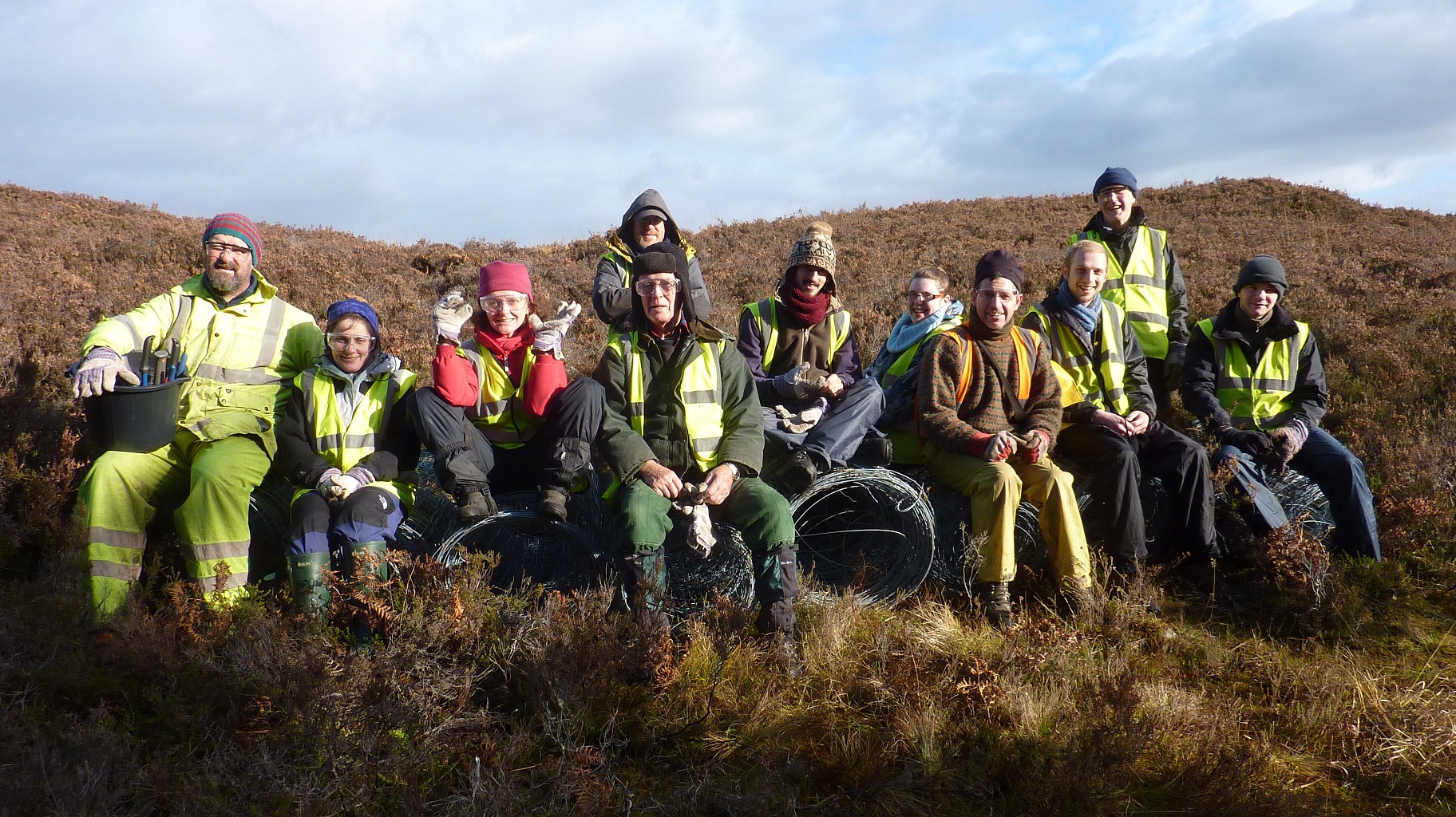
We sang (thanks Bill), we played, some drank, all ate. We brashed (removed the lower branches from standing trees) maybe 3-5 hectares within the plantation on the Western side of the Dundreggan estate. We removed the top layer from over a 1.3km of fence. This work will provide improved access to the plantation for future work as well as reducing the chance of Black Grouse strikes against the fence, and allowing more light through to flora, etc on the woodland floor.
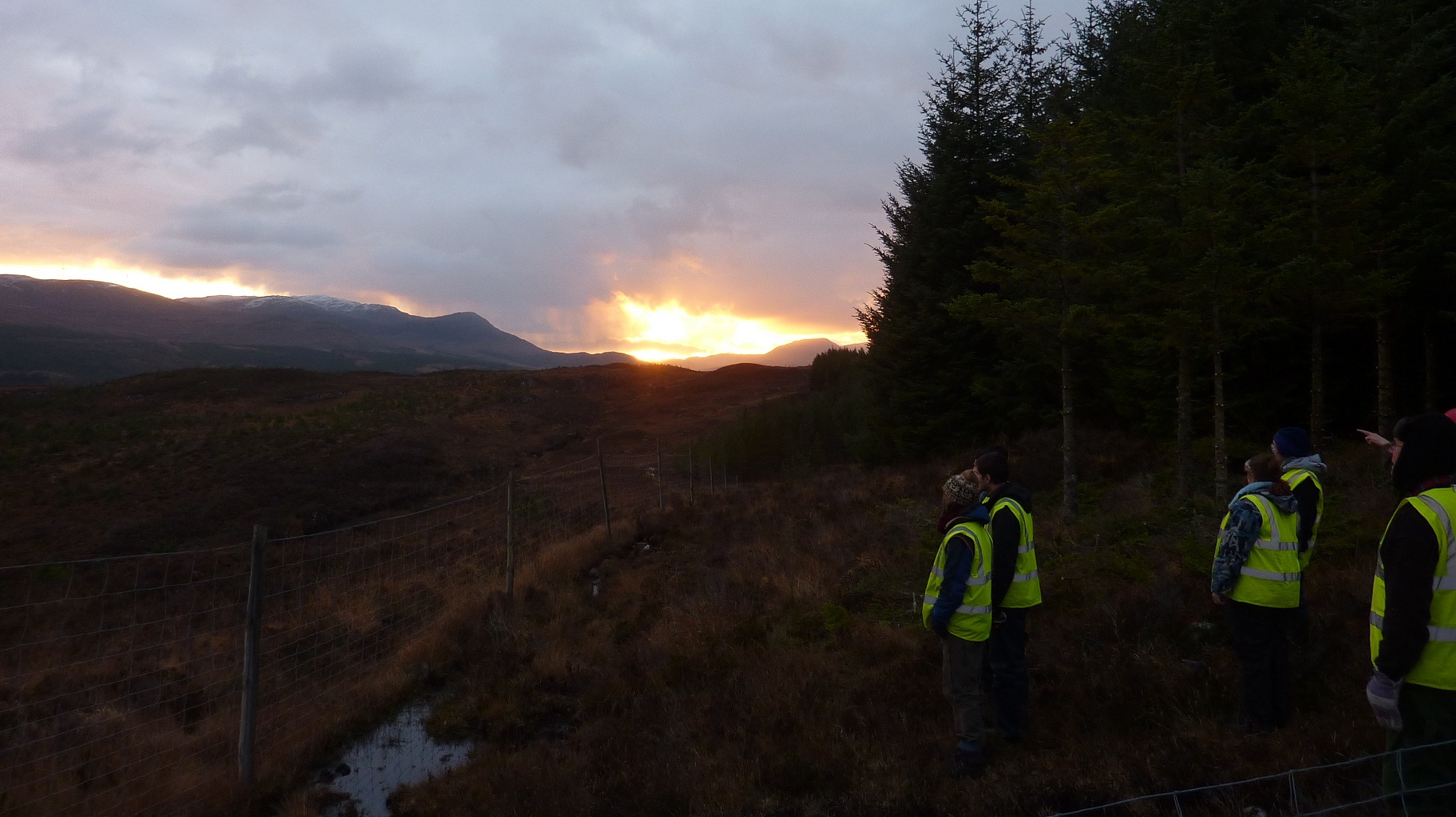
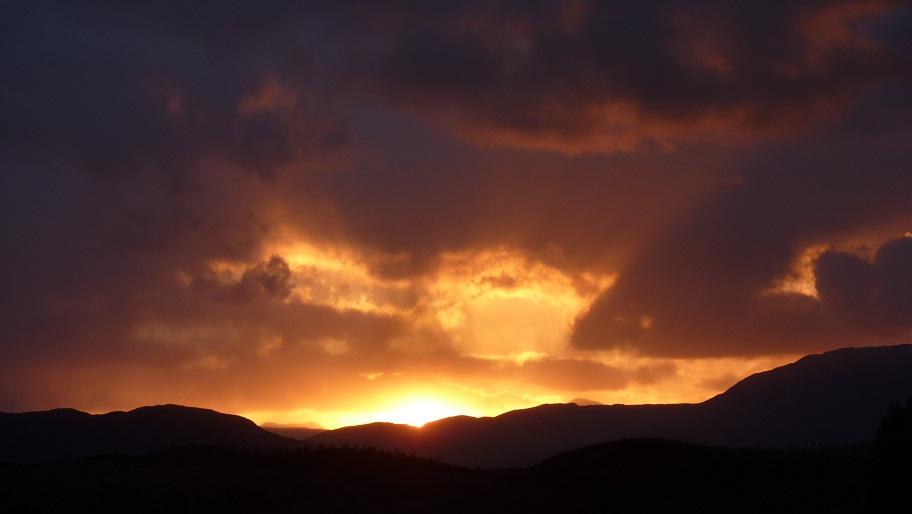
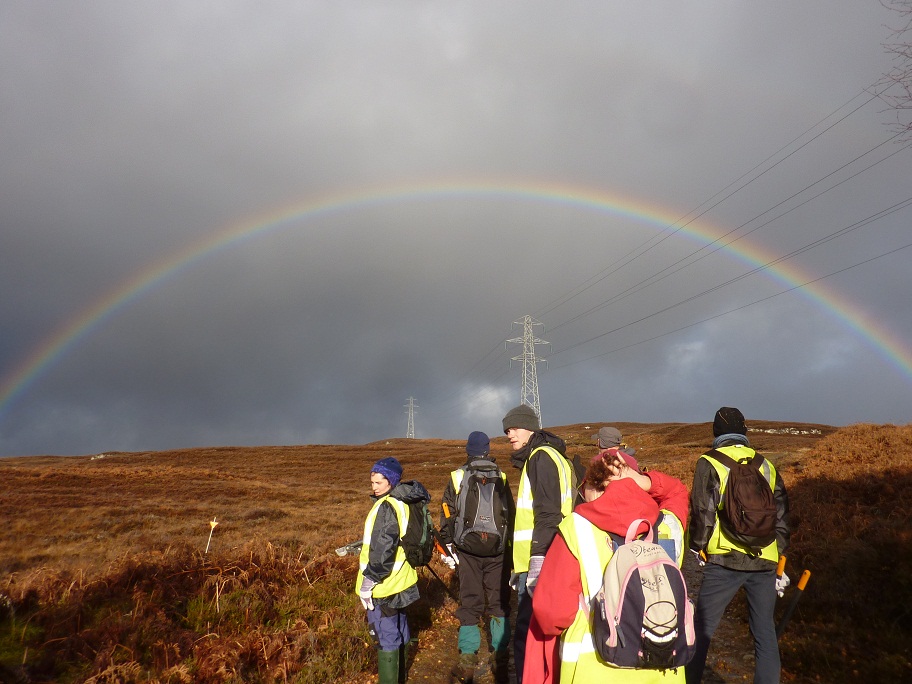
I’ll create a new entry for the pictures from my day off. As you can see, we had a couple of fantastic sunsets, and some rain. It was even cold at times, hopefully a sign of another freezing winter. Proper Scottish weather.
-
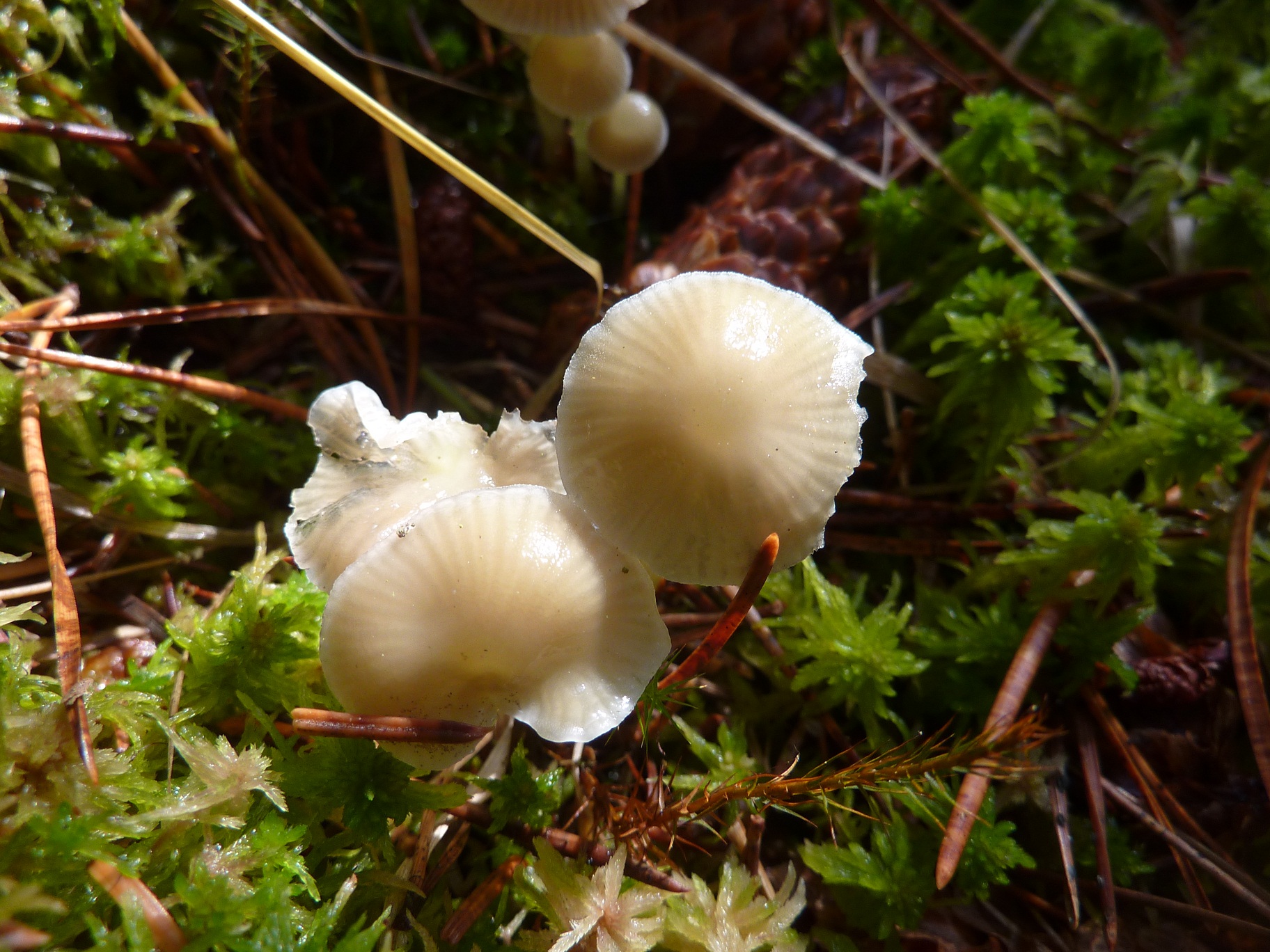
- I think these may be Mycena clavicularis, but I wait to be corrected
-

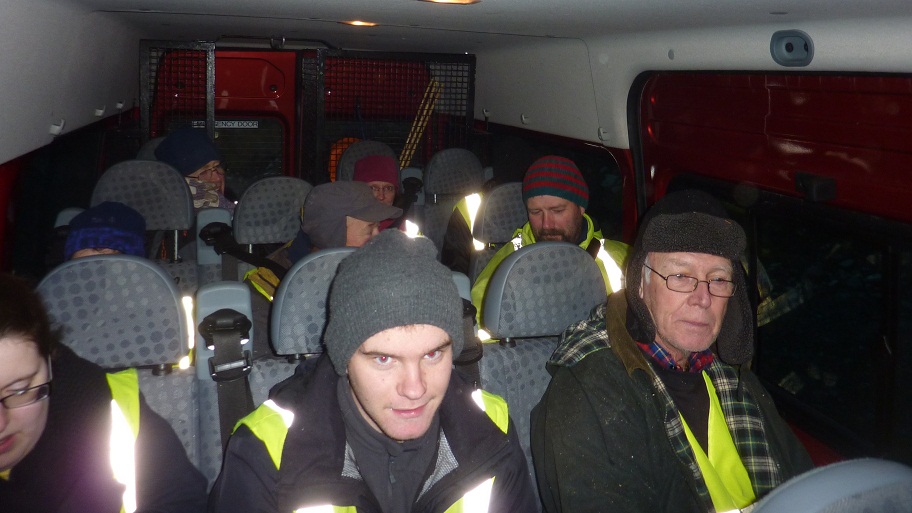
- I think this may be a bus full of TFL volunteers, but…
-

- Ha, this is clearly nothing to do with chick peas
-
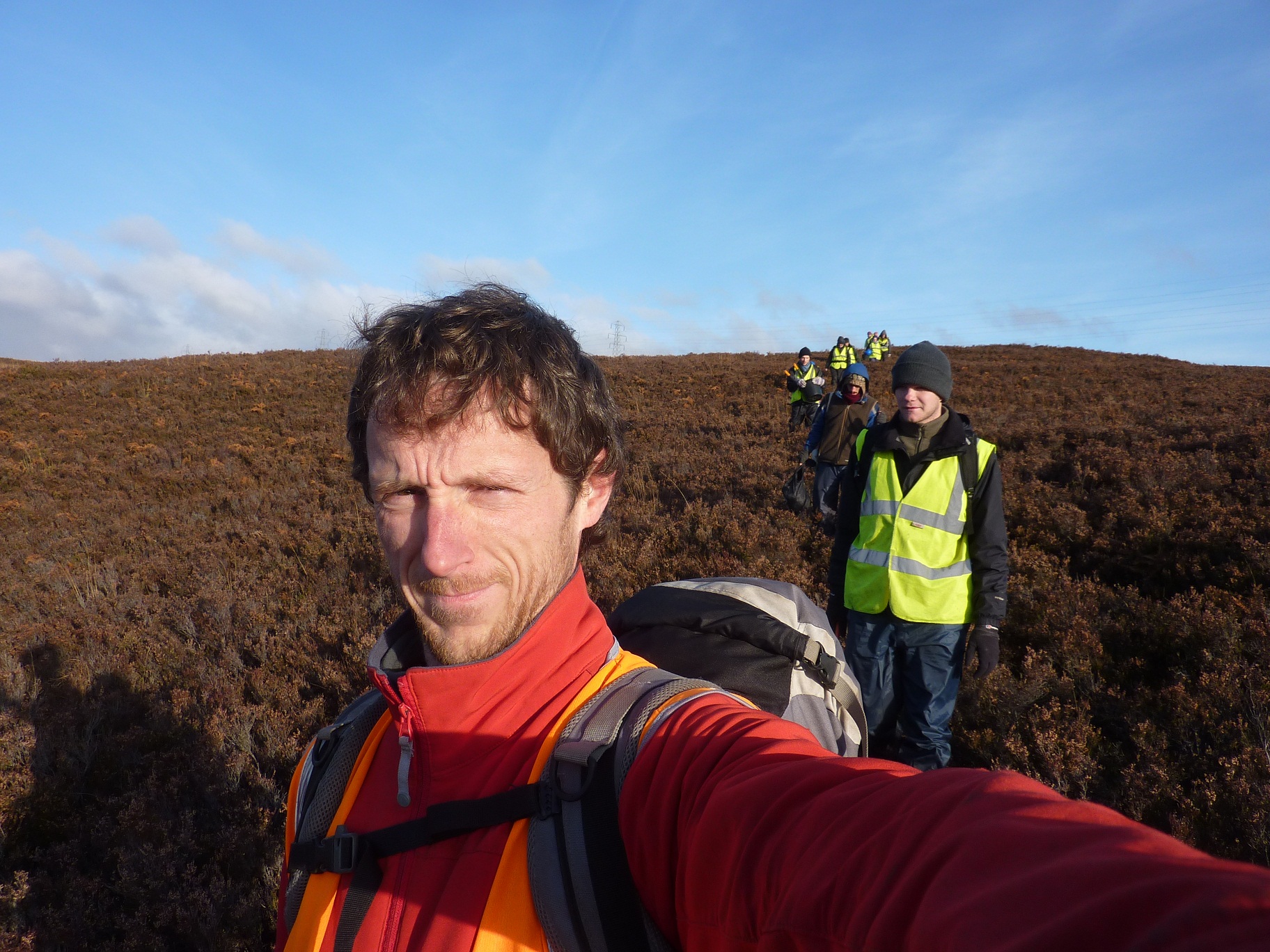
- Not your average stroll into work
-

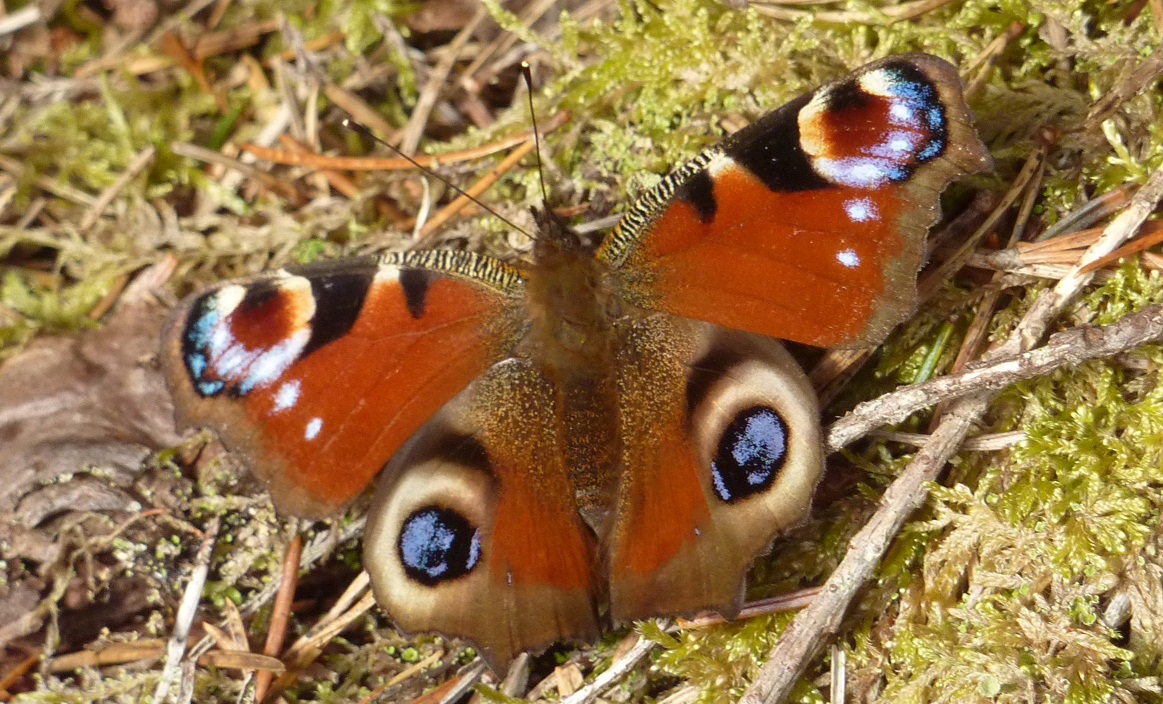
- Mid Nov, and a Peacock butterfly, but, if you remember, I saw a Red Admiral even later last year
-
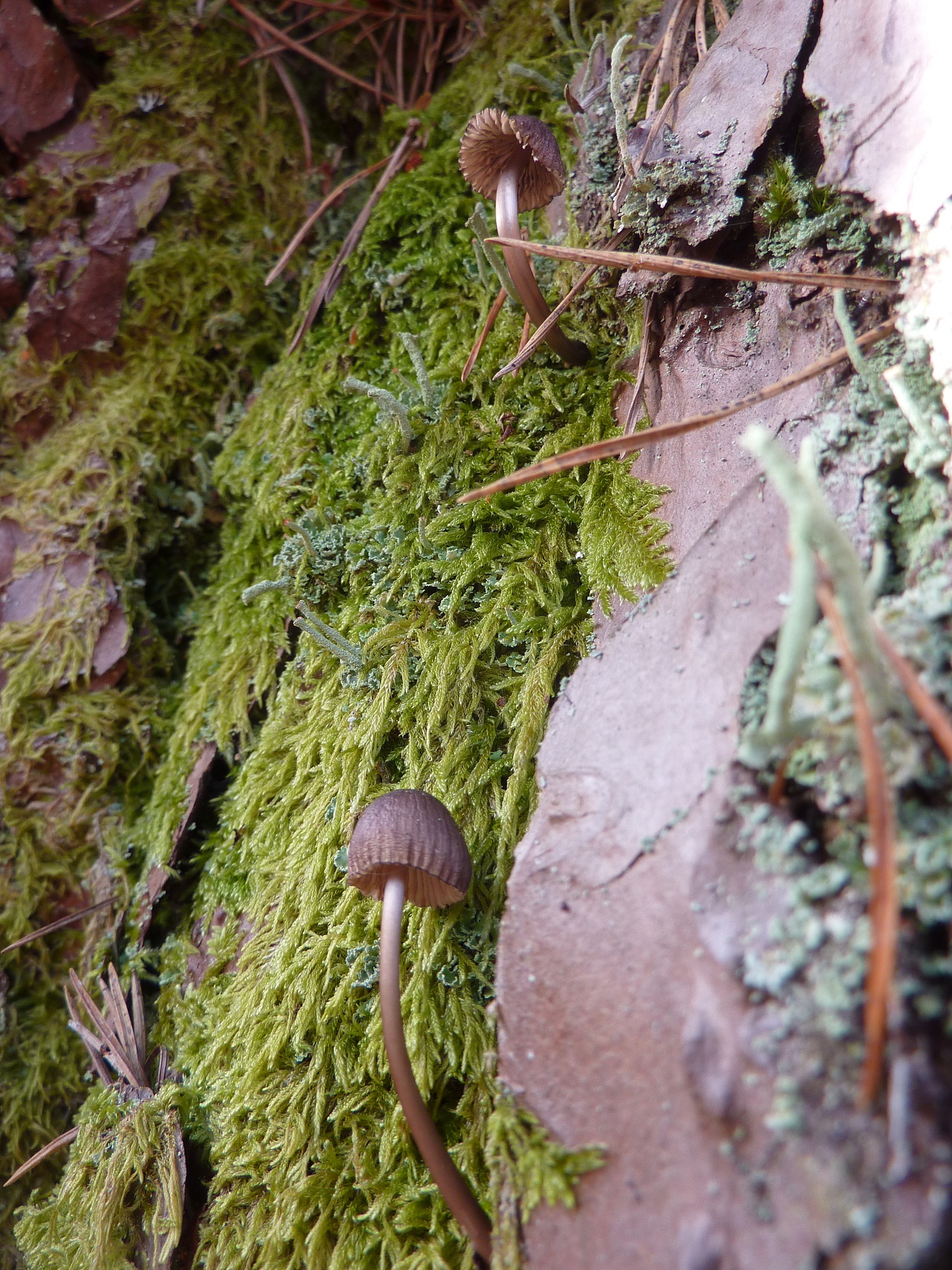
- Some of the life growing on this Scots Pine bark
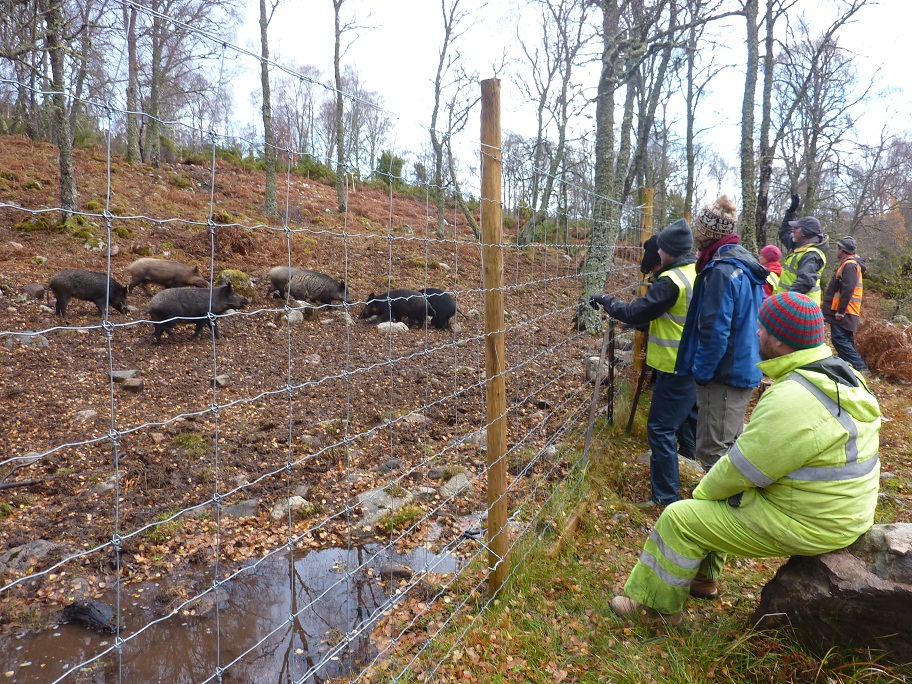
-

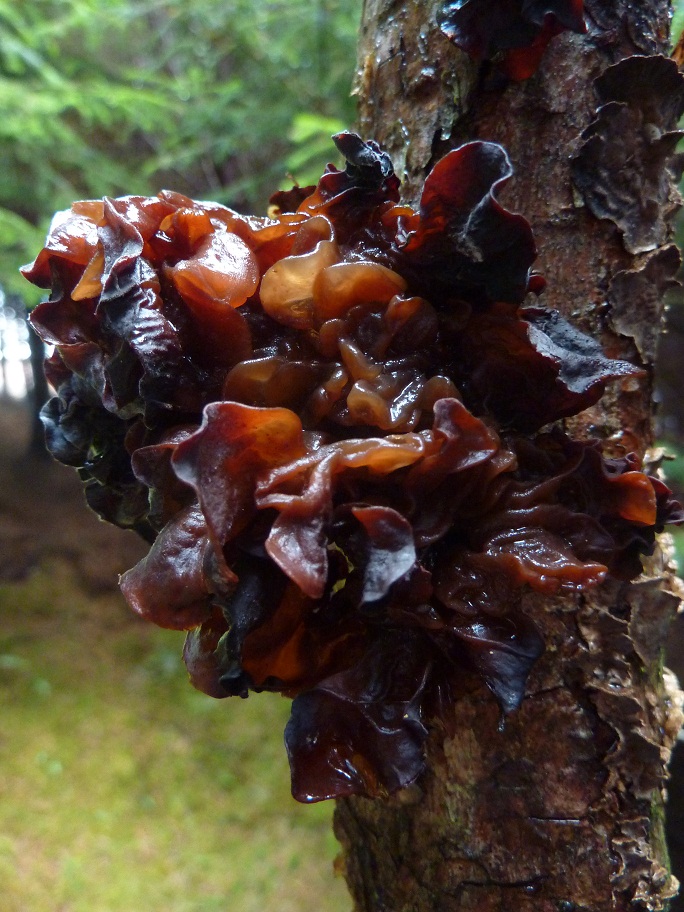
- Witches Butter? on a dead S Pine trunk
-
- Vince called me over to see this…
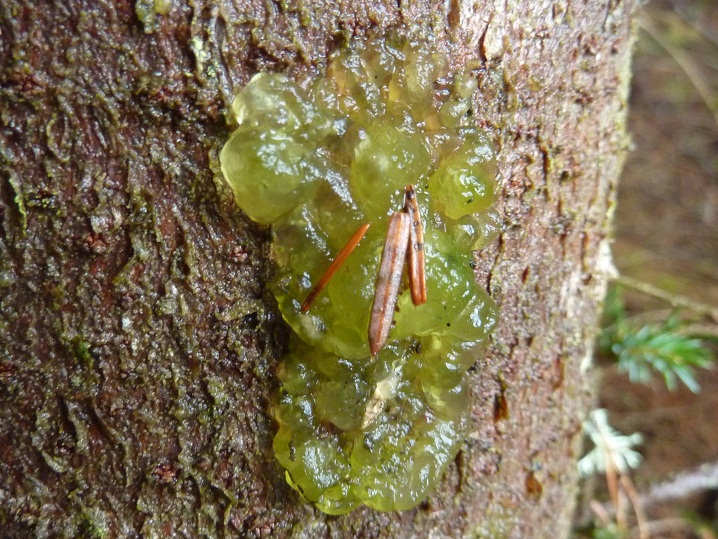
-

- …then pointed out this
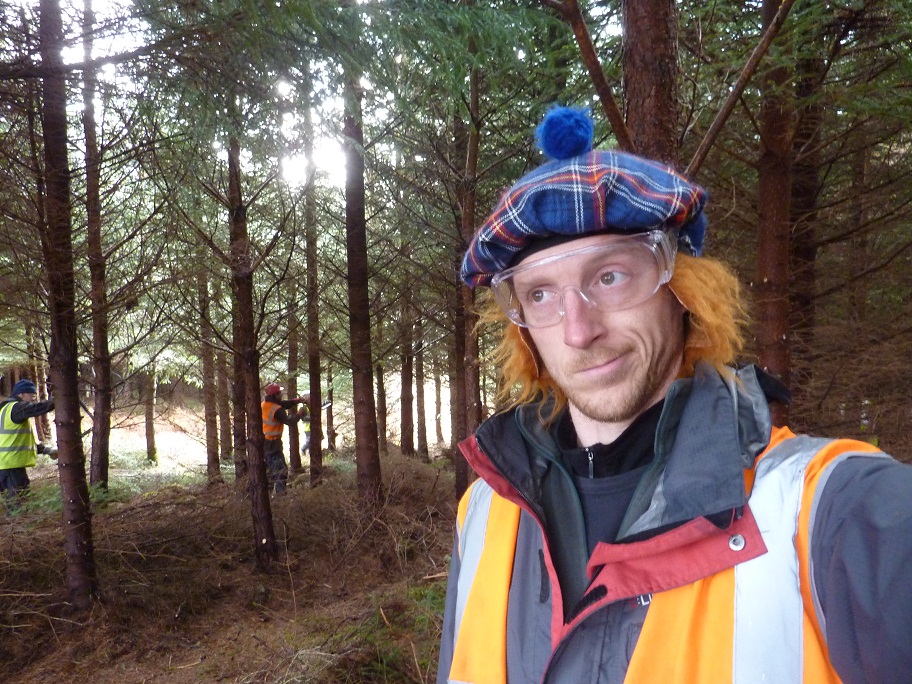
-
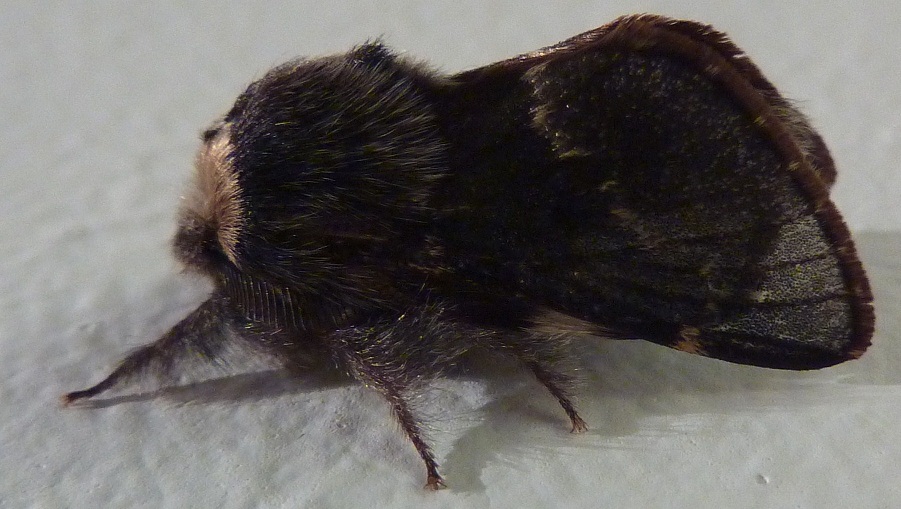
- Oooh, this appears to be a very early December moth

 Life since the office
Major endorsements